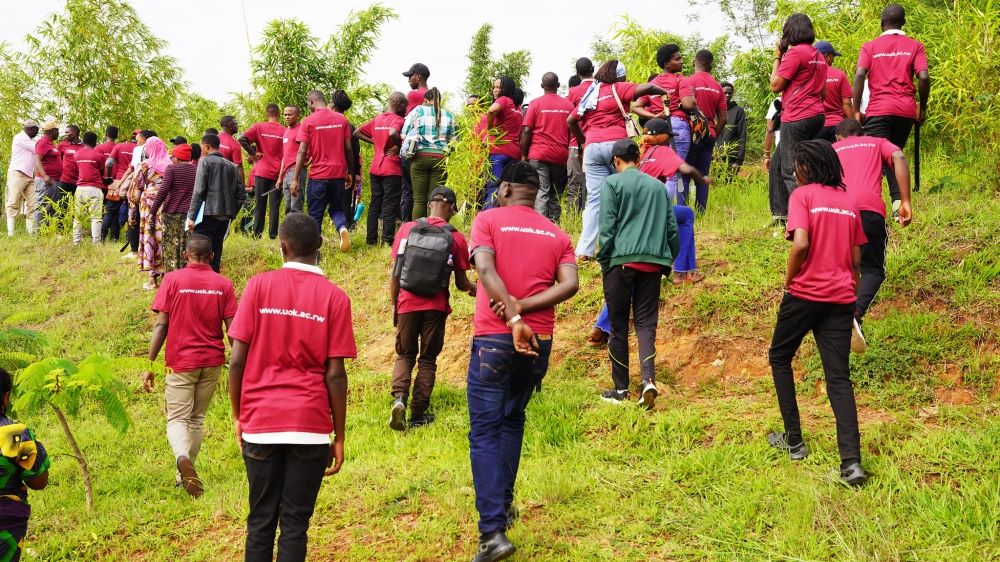
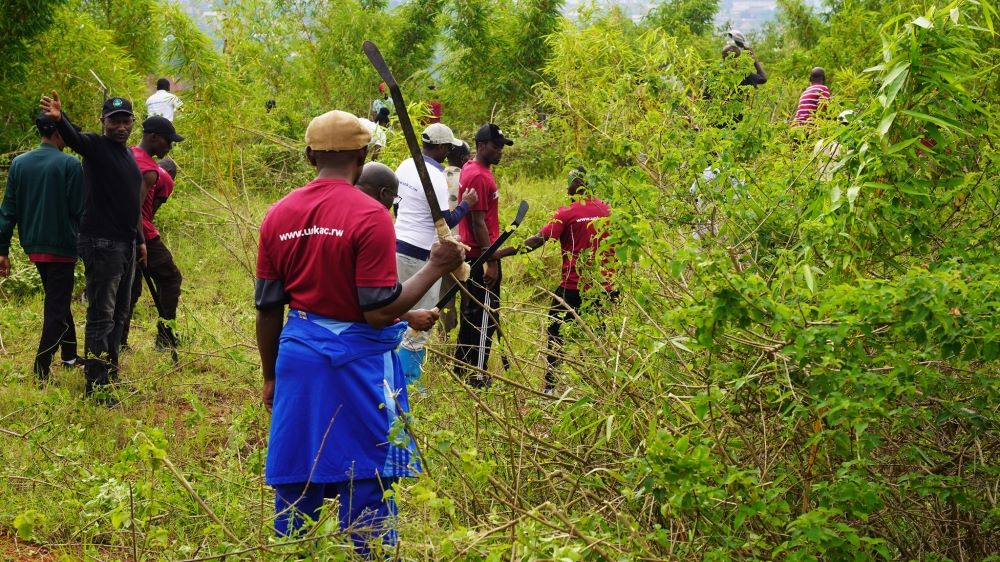
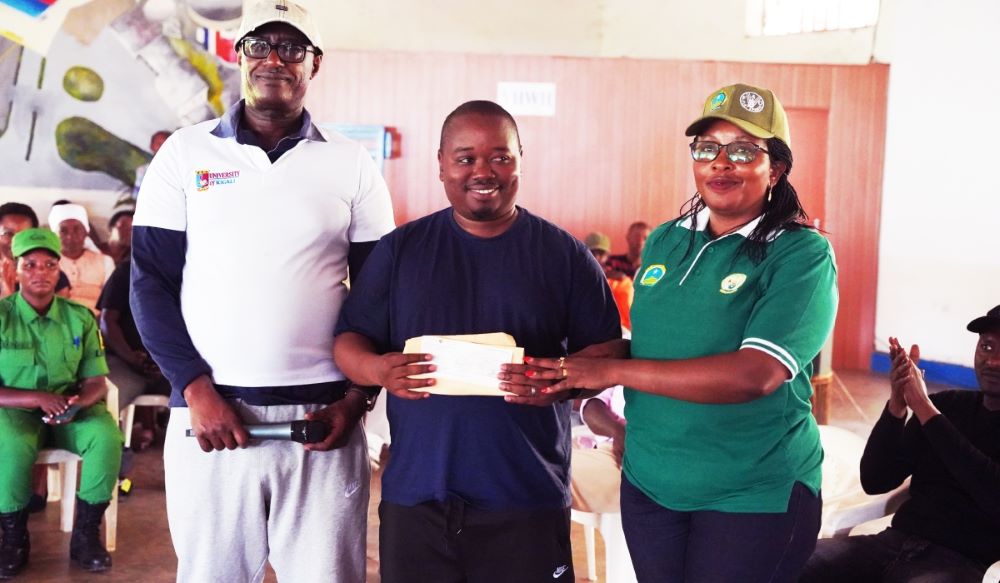
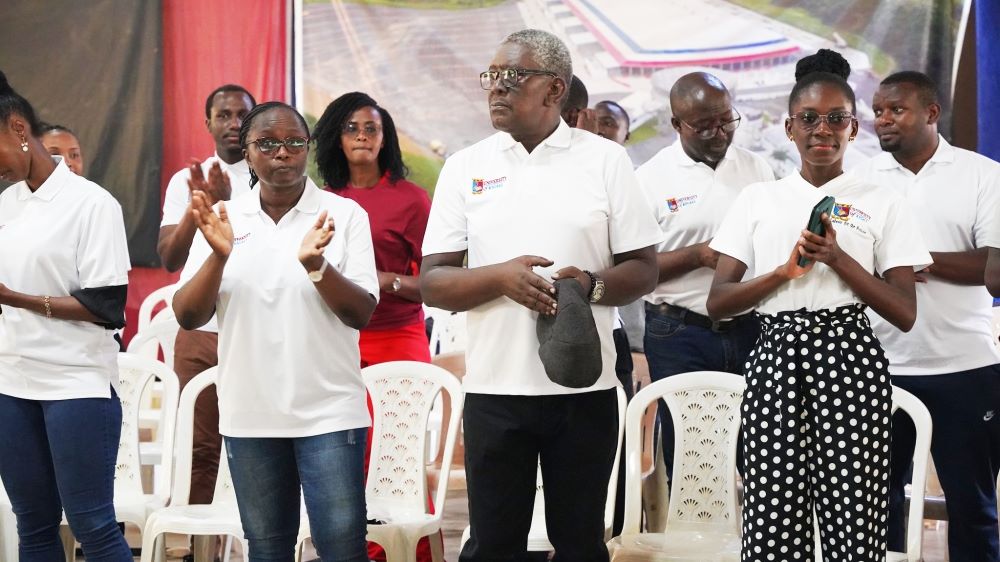
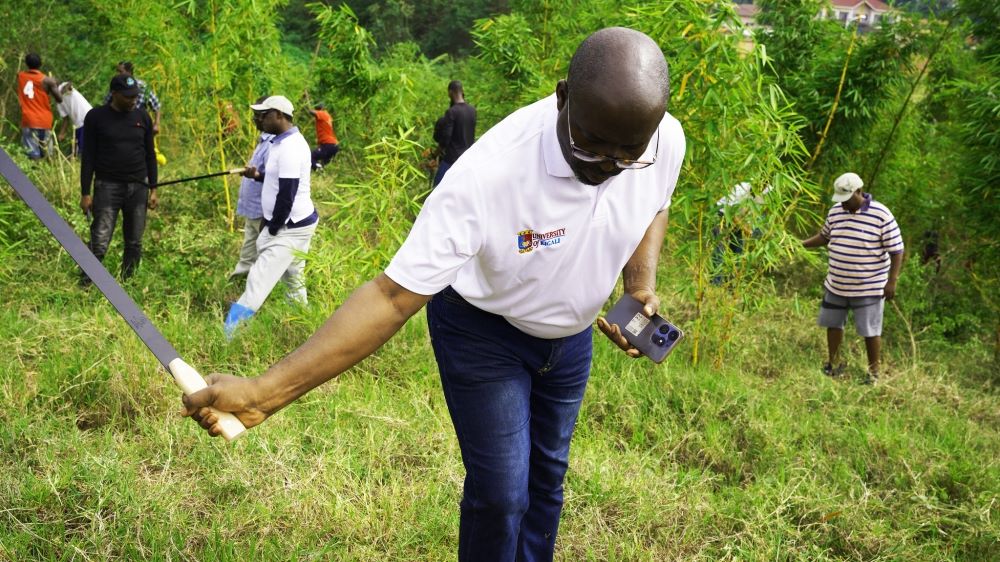
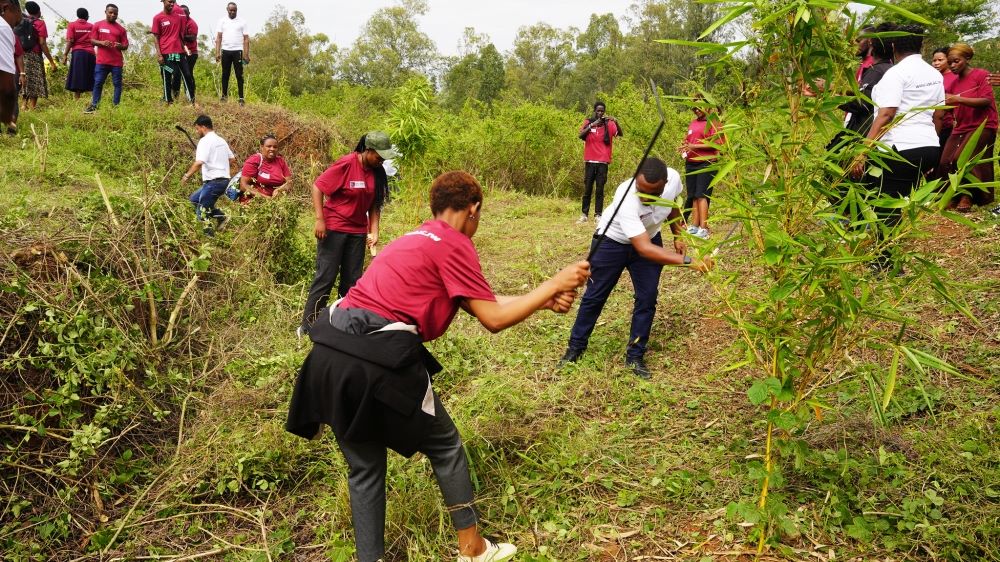
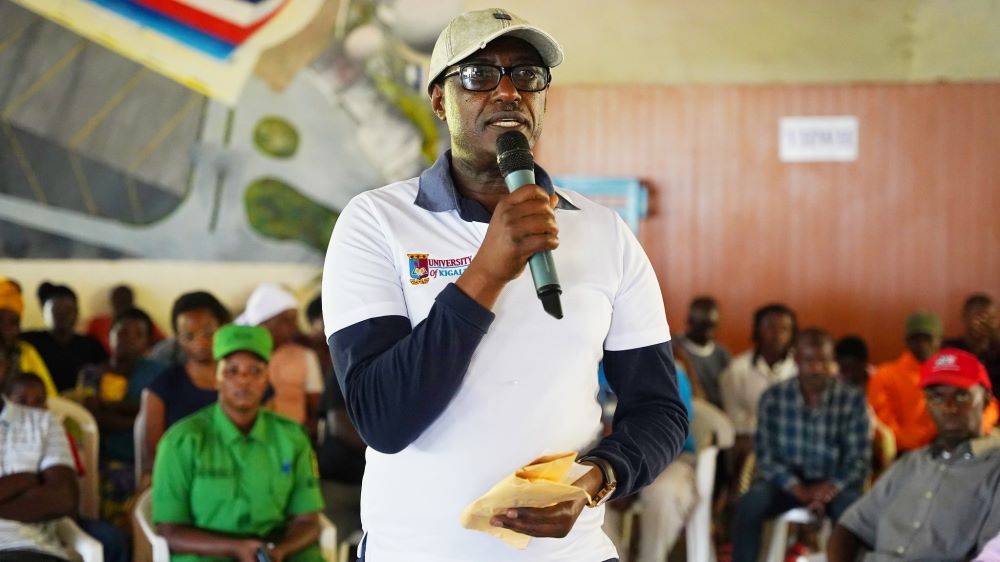
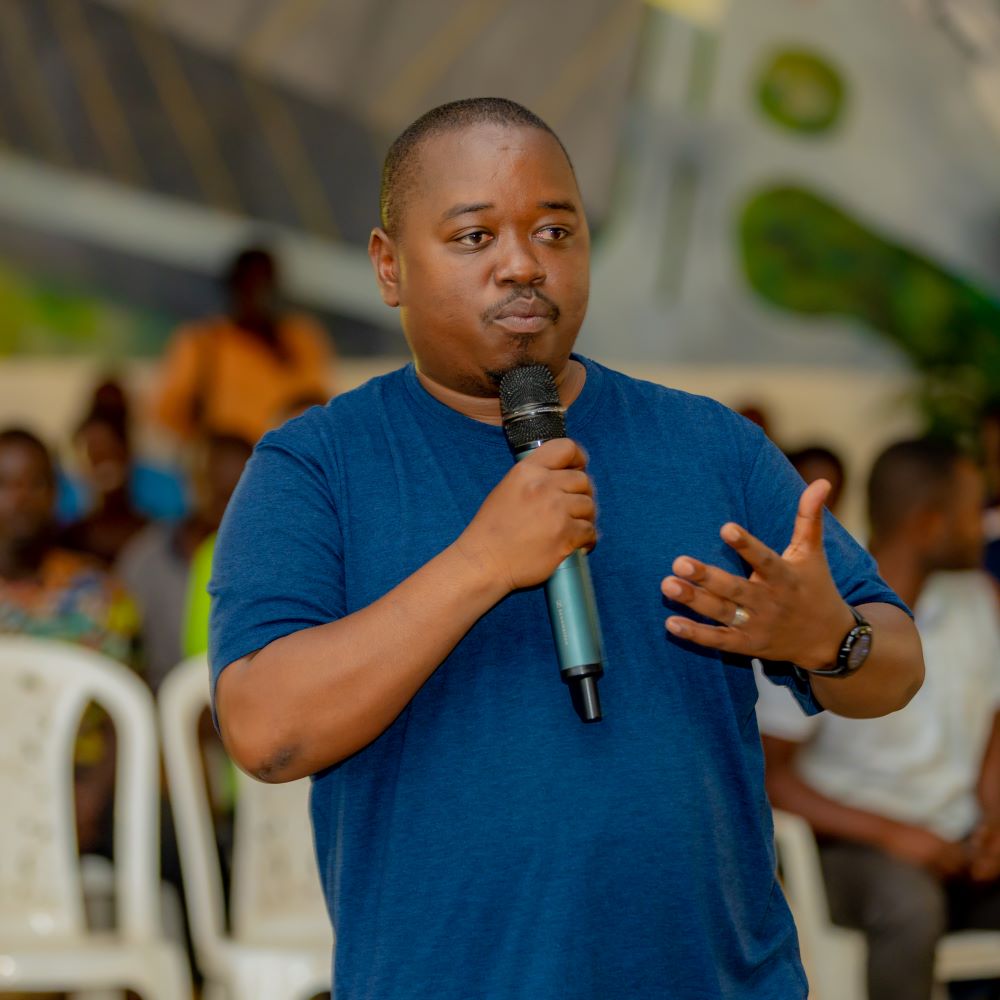
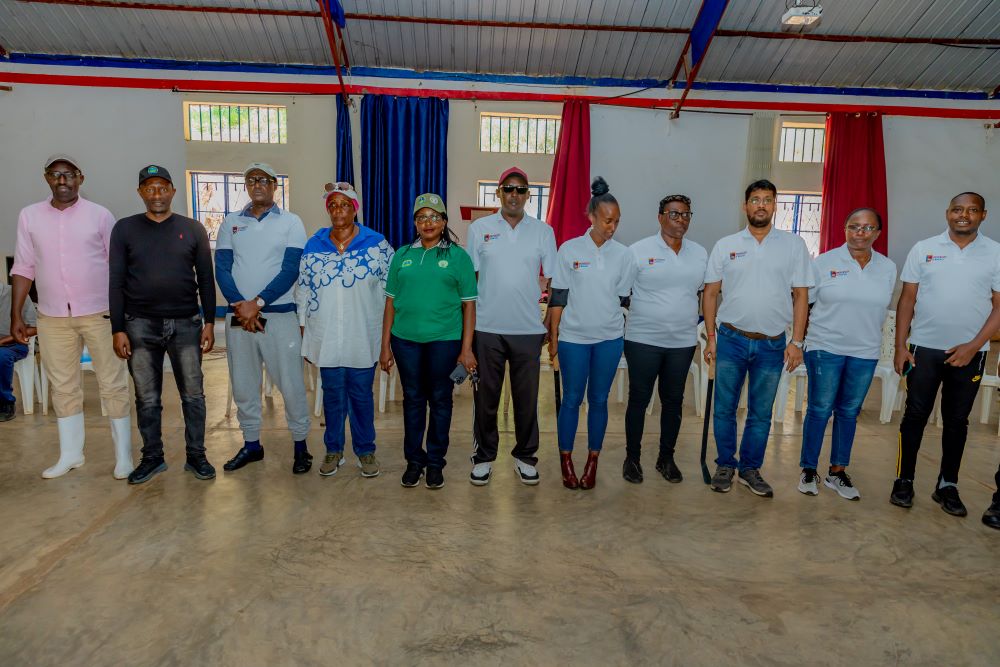
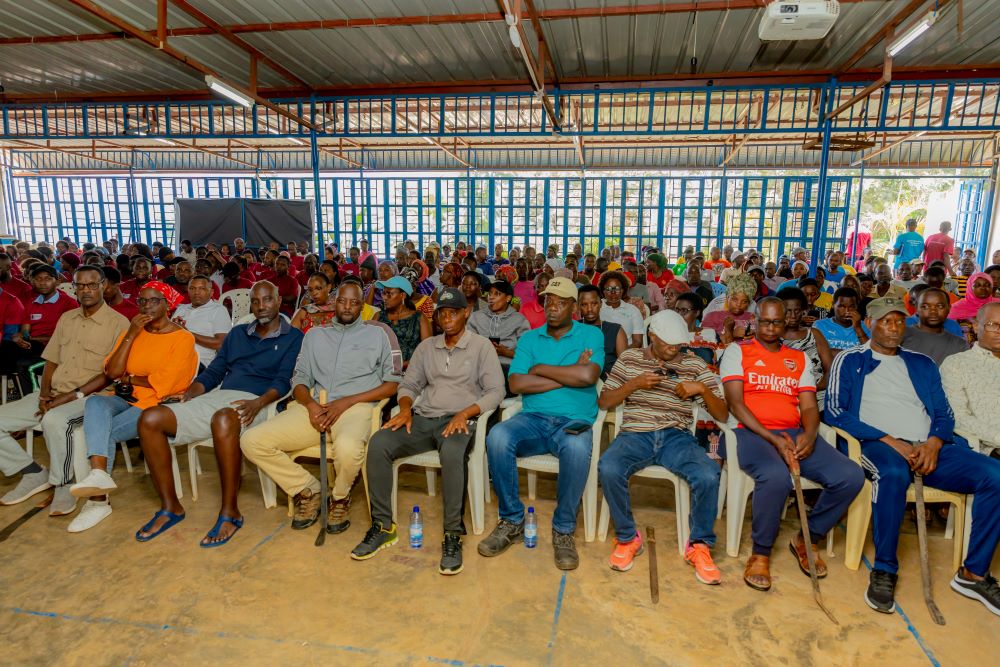
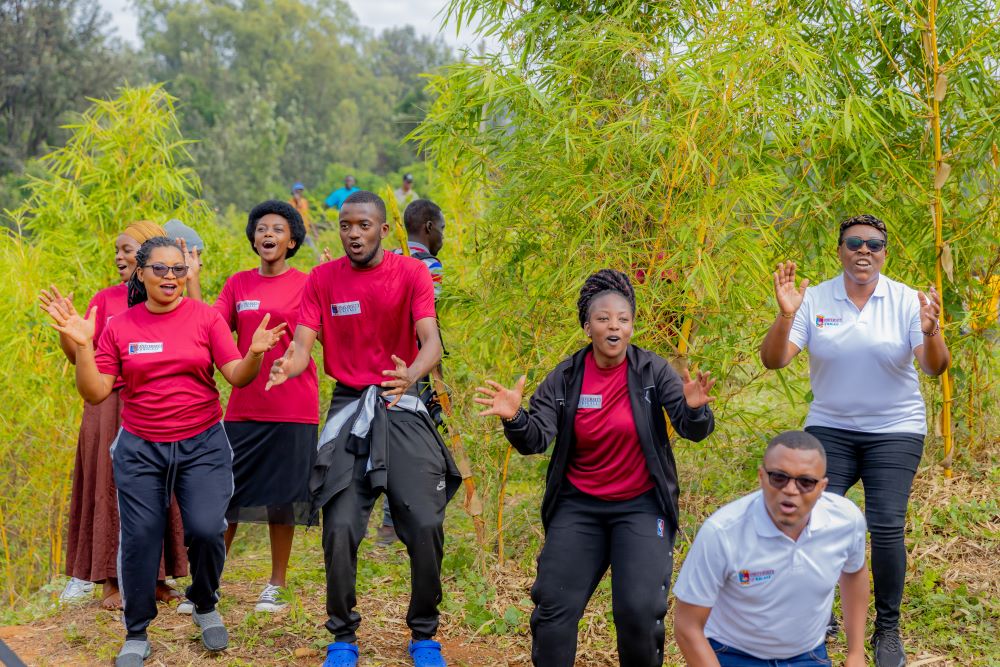
The community event, where UoK contributed Rwf1.7 million for health insurance packages, took place in Gasasa Village, Rugando Cell, and involved participants in cleaning and clearing overgrown bushes.
This initiative aimed to improve healthcare access for needy residents.
Reflecting on this, Dr. Nshuti Manasseh, Chairman of the Board of Promoters at UoK, emphasized the university’s commitment to the welfare of Rwandans, stressing the importance of good health for a fulfilling life. UoK expressed its dedication to educating future generations and supporting those in need while promoting self-reliance.
In the same spirit, the University of Kigali pledged ongoing collaboration with the local community to further enhance their lives.
Ivan Ngabirano, UoK’s Guild President, underscored the importance of community cooperation, as it encourages participation in maintaining and advancing development initiatives.
As a young person, he advocated for active participation in safeguarding these achievements, promoting a better Rwanda through avoiding harmful substances, respecting the wisdom of elders, and valuing hard work.
Dr. Mpabwanmaguru Mérard, the Vice Mayor of the City of Kigali in charge of Infrastructure and Urbanization, praised the University of Kigali’s dedication to assisting those in need in accessing healthcare. He emphasized the significance of providing healthcare access to those in need, enabling healthier lives and stronger family support.
Dr. Mpabwanmaguru also called on Kigali City residents to play a more active role in contributing to various government services, including cleanliness initiatives and tree planting, recognizing the importance of community involvement in these endeavors.
Pauline Umwali, the Executive Administrator of Gasabo District, noted the lagging subscription for Mutuelle de Santé in some Kigali City districts and emphasized the need for change. She expressed the district’s commitment to rectifying these issues, ultimately aiming for people to have access to quality healthcare.
Through their innovative Open Calls Program, NIRDA has been empowering companies across eight diverse value chains with upgraded equipment, breathing new life into Rwanda’s industrial landscape.
The Open Calls Program, introduced by NIRDA in 2018, is a beacon of hope for companies seeking to elevate their operations. It operates as an open competition, where enterprises can apply for support to acquire state-of-the-art equipment that catalyzes the production of locally made products within various value chains.
Over time, NIRDA has steadfastly implemented the Open Calls Program across eight pivotal value chains. This brings the number to 10 value chains supported through Open Calls.
In the Agriculture sector, NIRDA has ushered in a farming revolution in three value chains namely poultry, piggery and animal feeds.
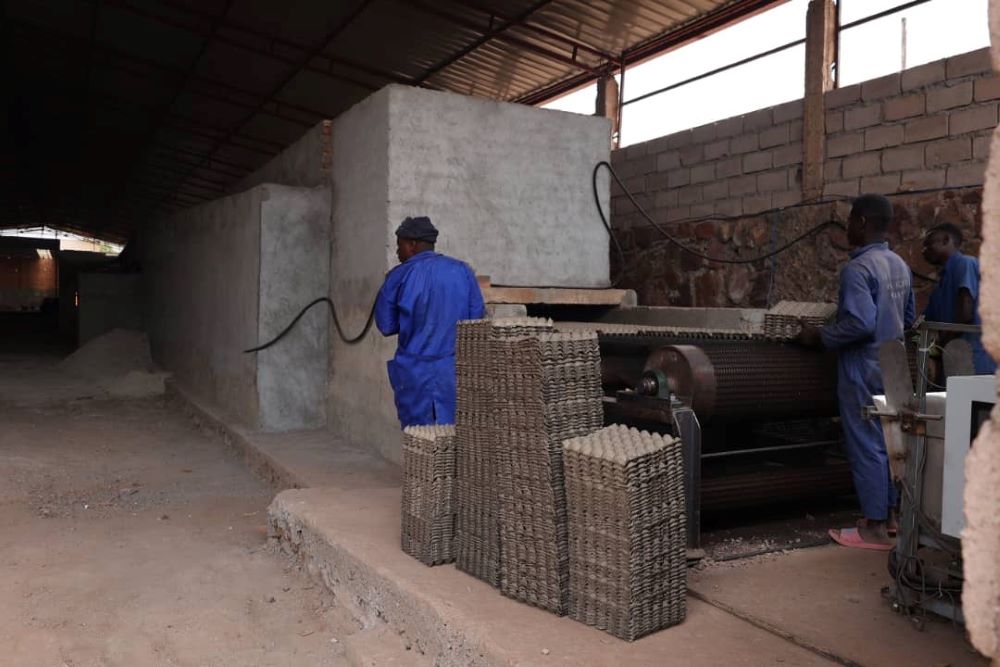
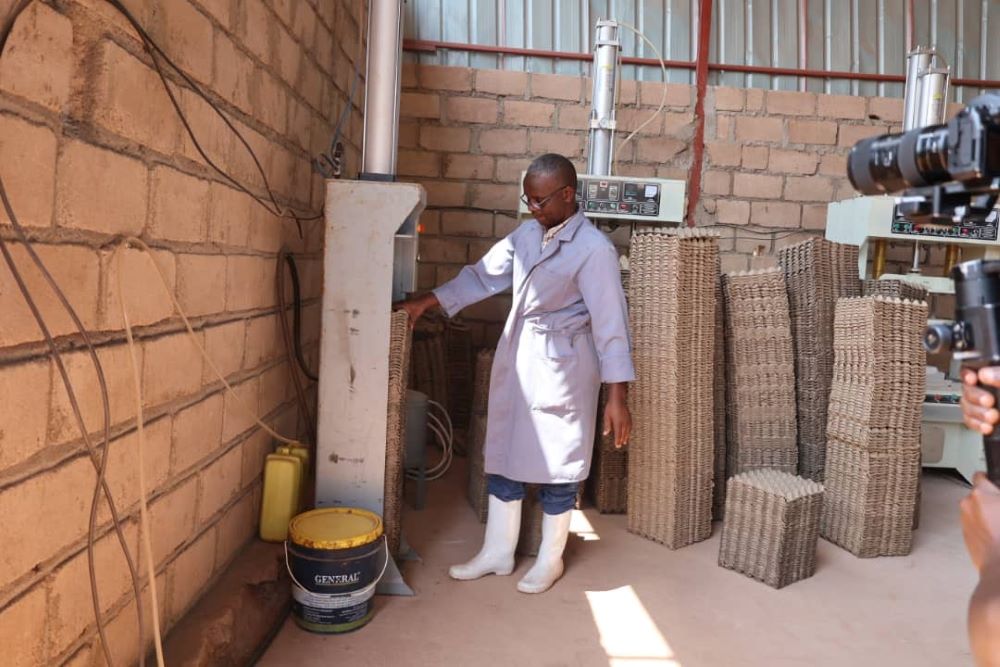
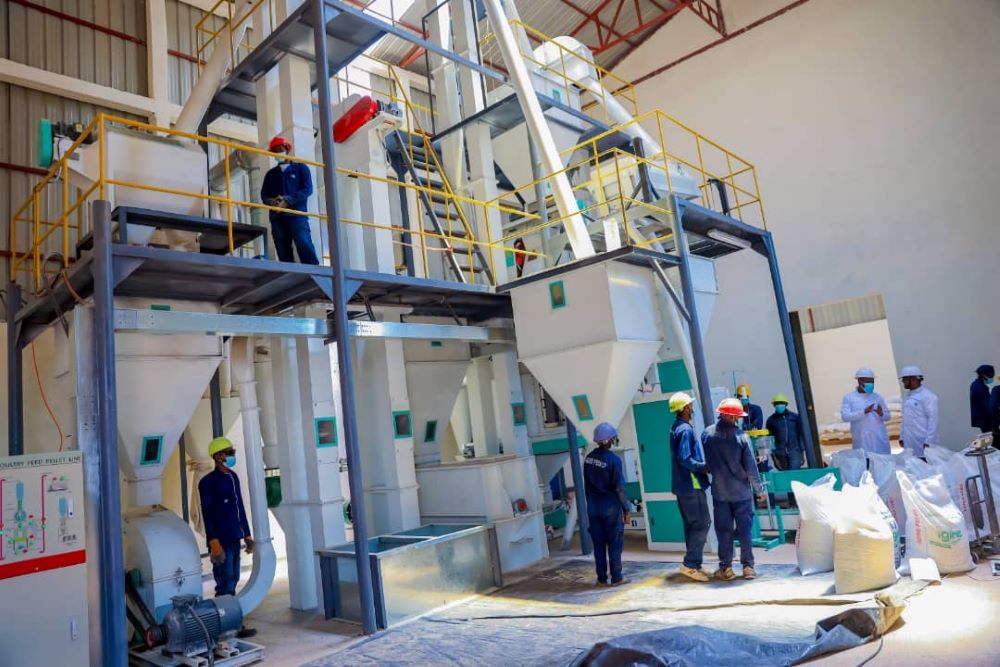
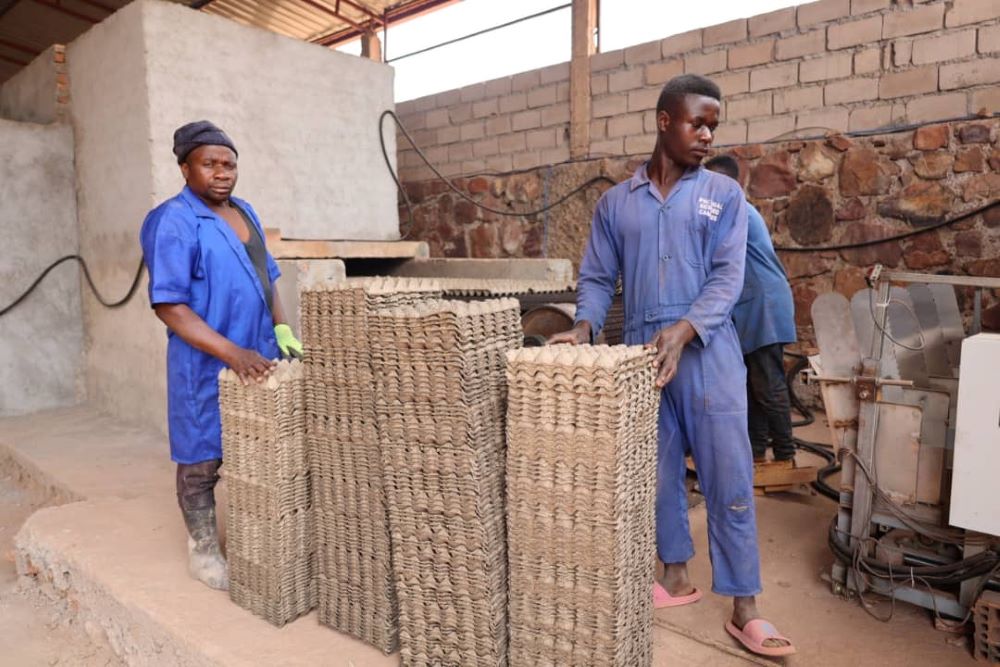
Companies acquired fully automated feed plant, automated eggs grading, and tray-making machines. NIRDA also acquired aflatoxin readers to ensure top-notch product quality. In addition, modern farms and abattoirs have been equipped with cutting-edge technology to raise the bar for pig production. To keep products fresh, cooling facilities and refrigerated trucks have been introduced.
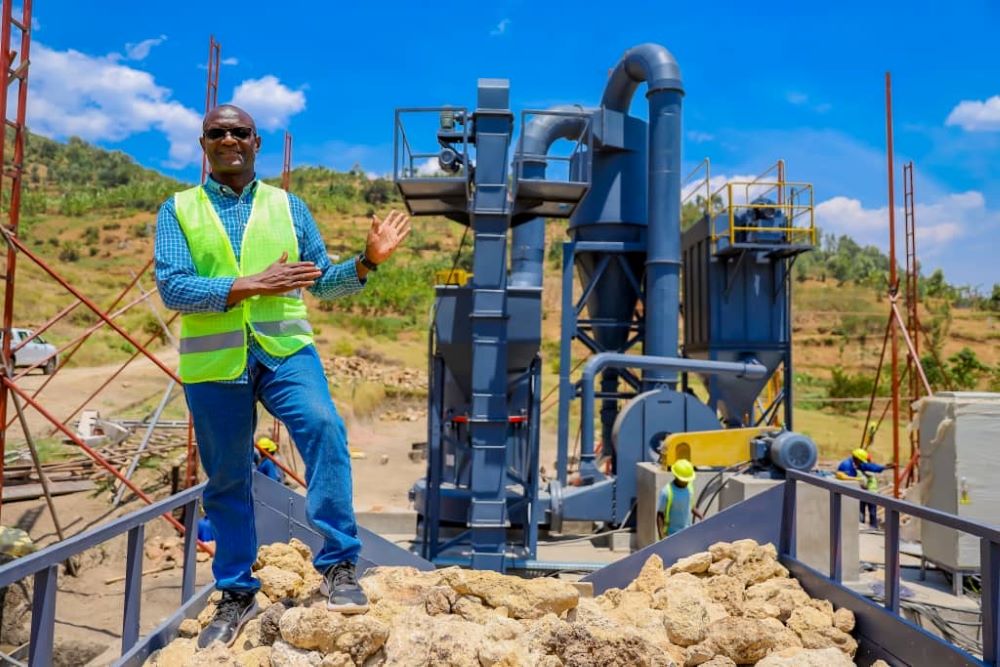
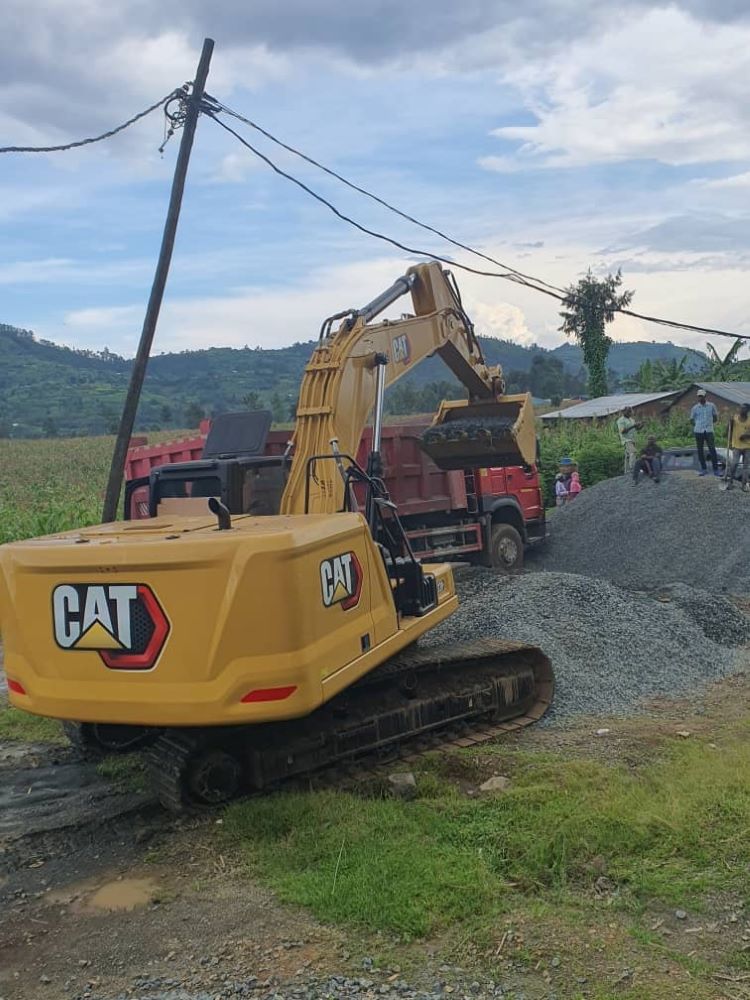
The urbanization sector has also seen remarkable advancements in two value chains namely stone and clay for construction materials. Companies acquired CNC Bridge saws and automated edge-polishing machines. Lime production and crushing plants are also paving the way for progress, while Caterpillar excavator and automated brick-making machines are building the future, one block at a time.
NIRDA has been working with the Belgian Development Agency (Enabel) to support value chains in both agriculture and urbanization sectors. Selected firms acquired upgraded equipment at a 50% grand, 50% loan, zero interest and no collateral.
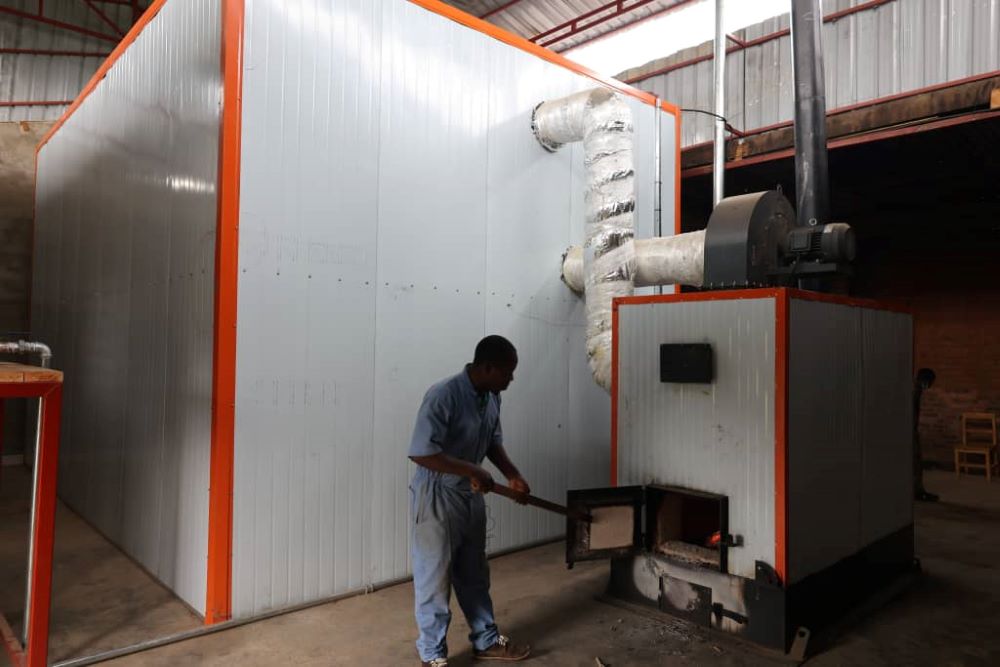
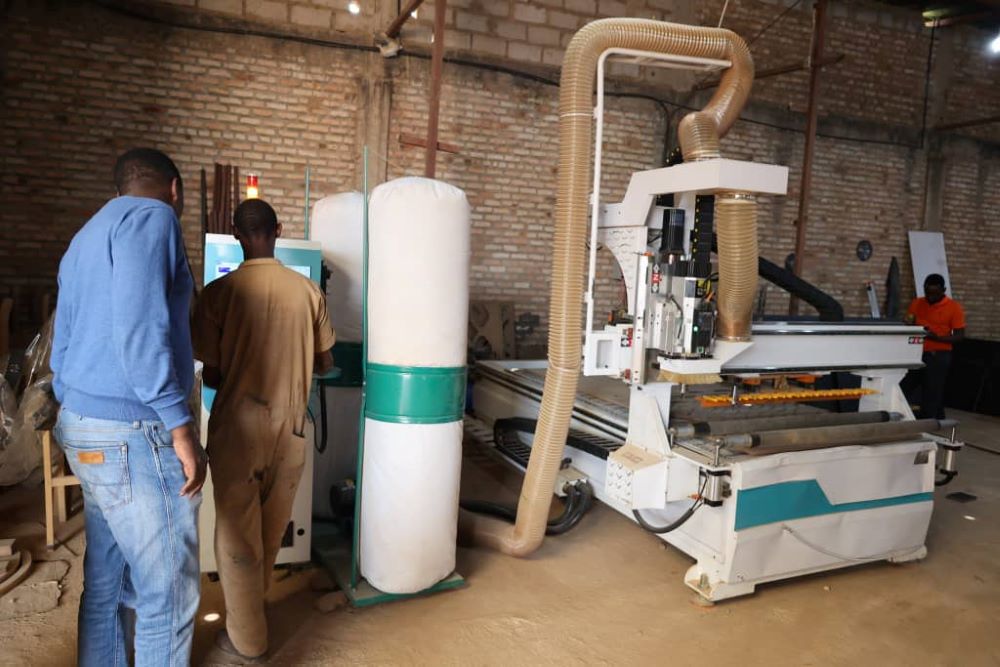
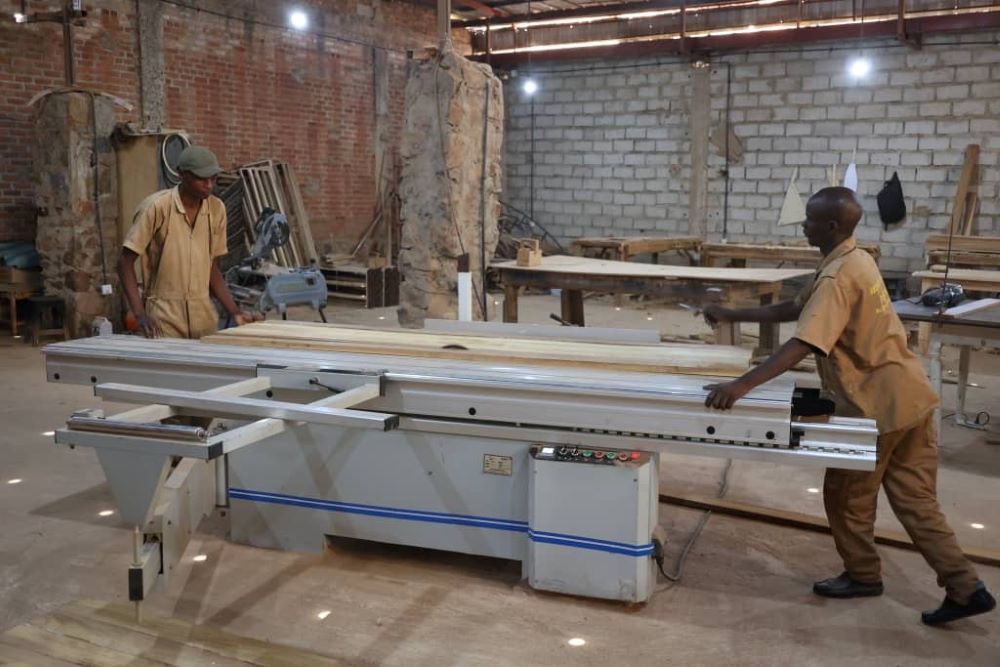
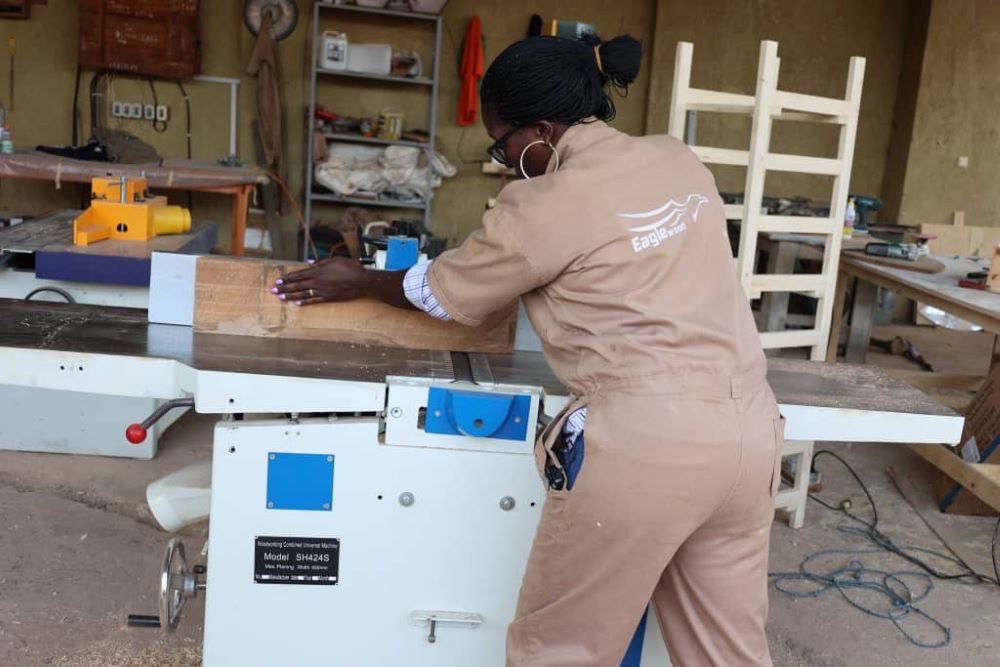
In Wood Processing Value Chain, NIRDA is crafting excellence through a range of equipment, from CBM Wood Kilns to CNC Nesting machines. Panel saws, polishing, and planning machines are delivering precision like never before.
The introduction of hot presses for plywood, stainless steel, and temperature control is setting a new standard in woodwork.
In the Fruits and Vegetables Value Chain, companies have not only acquired upgraded equipment but have also received zero-interest loans and collateral-free support, empowering them to boost their production and quality.
In a strategic partnership with OCP Group and the South Africa Trade and Development Bank, one company in Cow in the Car Value Chain is set to acquire technology through a grant, further enhancing this value chain.
As these success stories continue to unfold, NIRDA remains committed to fostering industrial growth in Rwanda. Beyond equipment acquisition, NIRDA offers business development services and technical assistance, reinforcing their commitment to the long-term success of supported companies.
{{Beneficiaries speak out }}
Some beneficiaries who received the upgraded equipment have expressed gratitude and commitment to make the equipment more productive.
“All the machines you see here were given by the National Industrial Research and development Agency (NIRDA) through its Open Calls Program. We applied for the support and we were selected from many other companies. We have acquired all the equipment as a 50% grant, 50% loan with zero interest, no collateral,” said Jean Paul Hanganimana, Managing Director, and Regional Food Processing Industry
Etienne Uwimana, Managing Director, ALCOMEC expressed gratitude to NIRDA and Enabel for providing upgraded equipment.
“The machine was acquired as 50% grant, 50% loan no interest rate, this is a huge support and we are so grateful,” he noted.
Yves Nkubito, owner of Nkubito Enterprise also expressed similar sentiments.
“It was not easy at first because we used traditional and old machines and manual ways, with NIRDA support; we acquired upgraded machines on a loan that we will pay at zero interest rate,” he said.
Dr. Christian Sekomo Birame, NIRDA Director General, expressed his optimism about the program’s impact.
“We are delighted that the majority of firms selected have acquired upgraded equipment, and we hope that this will boost productivity and competitiveness of locally made products and create more decent and productive jobs,” he said, calling for more innovations using the acquired products.
“NIRDA’s Open Calls Program, supported by our dedicated partners, is indeed a catalyst for industrial growth. It reflects the government’s unwavering commitment to empowering local companies and fostering economic development,” de added.
According to IGLESIAS ROA Manuel, Enabel’s Country Portfolio Manager, Enabel engagement with NIRDA has predominantly revolved around two key sectors namely urbanization, under the Enabel Urban Economic Initiative (UEDi), and agriculture, through Partnership for Resilient and Inclusive Small Livestock Markets (PRISM).
“We have been greatly impressed by NIRDA’s Open Calls program and have eagerly joined in the mission to enhance industrial productivity and competitiveness, ensuring that more high-quality, locally produced goods are available,” he said.
“Today, we are proud to witness several companies benefiting from the Open Calls program, obtaining advanced equipment and making significant strides in their respective industries,” he added.
NIRDA’s Open Calls Program, supported by partners like the Belgian Development Agency Enabel in Rwanda and the Development Bank of Rwanda (BRD), is indeed a catalyst for industrial growth.
In a world of evolving industries, this initiative stands as a testament to Rwanda’s commitment to competitiveness and innovation.
It showcases the government’s dedication to empowering local companies and fostering economic development.
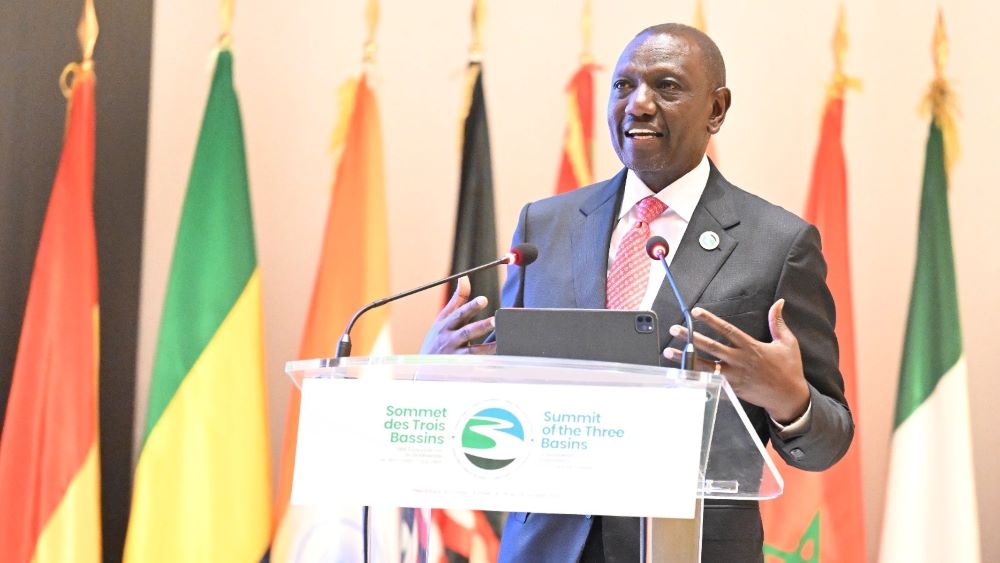
“By the end of this year, no African will need a visa to enter Kenya. The time has come to understand the importance of doing trade between us,” said Ruto, while speaking at the summit of the world’s three major forest basins, namely the Amazon, Congo, and Borneo-Mekong Forest Basins, in Brazzaville, the capital of the Republic of the Congo.
Ruto noted the low rate of intra-African trade and urged to reduce customs tariffs within the African continent to accelerate the implementation of the African Continental Free Trade Area.
“It is time we realize the importance of trading among ourselves and allowing goods, services, people and ideas to move freely across the continent,” he said, adding that trade among East African Community countries had grown significantly due to the removal of visa requirements and tariffs.
Ruto said that acknowledging and providing incentives to countries in tropical forest basins for forest protection is a smart climate action.
The Amazon basin in South America, the Congo basin in Central Africa, and the Borneo-Mekong basin in Southeast Asia collectively constitute 80 percent of the world’s rainforests and contain approximately two-thirds of its biodiversity. These rainforests are not only vital for their local ecosystems but also play a global role in regulating the planet’s climate and sustaining life on Earth.
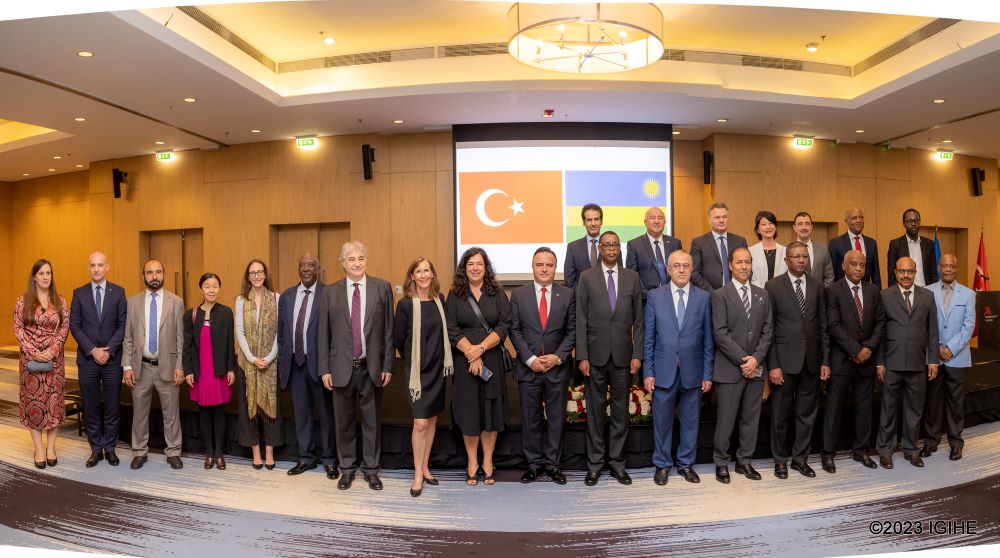
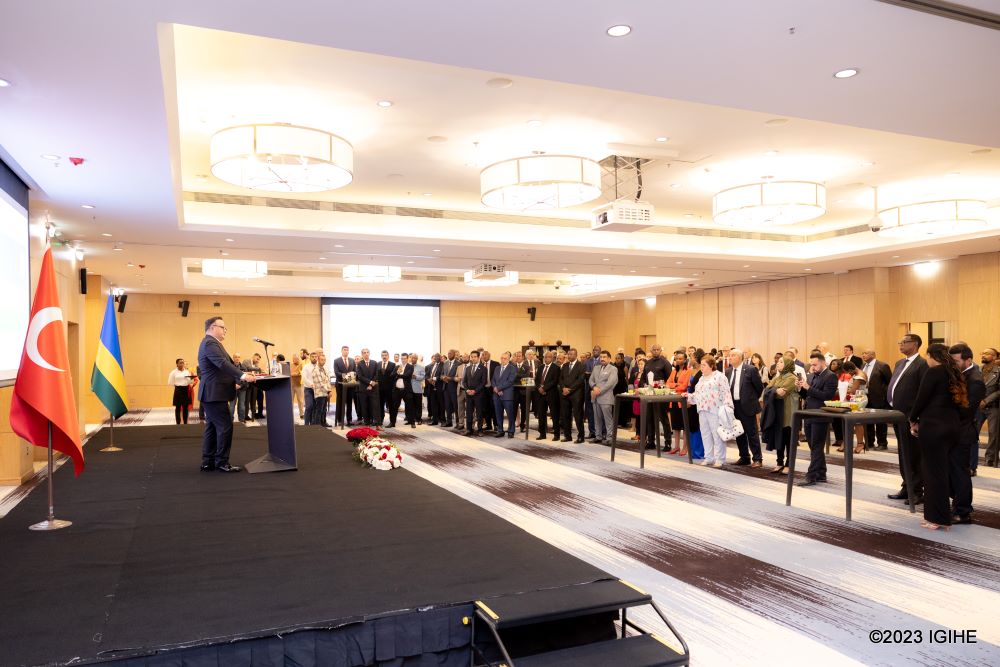
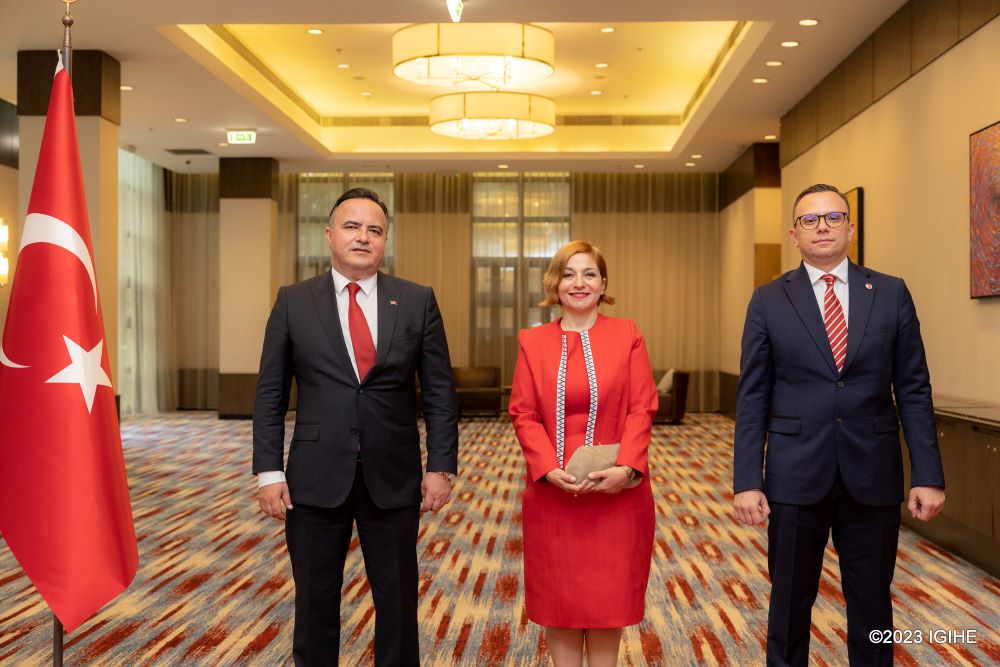
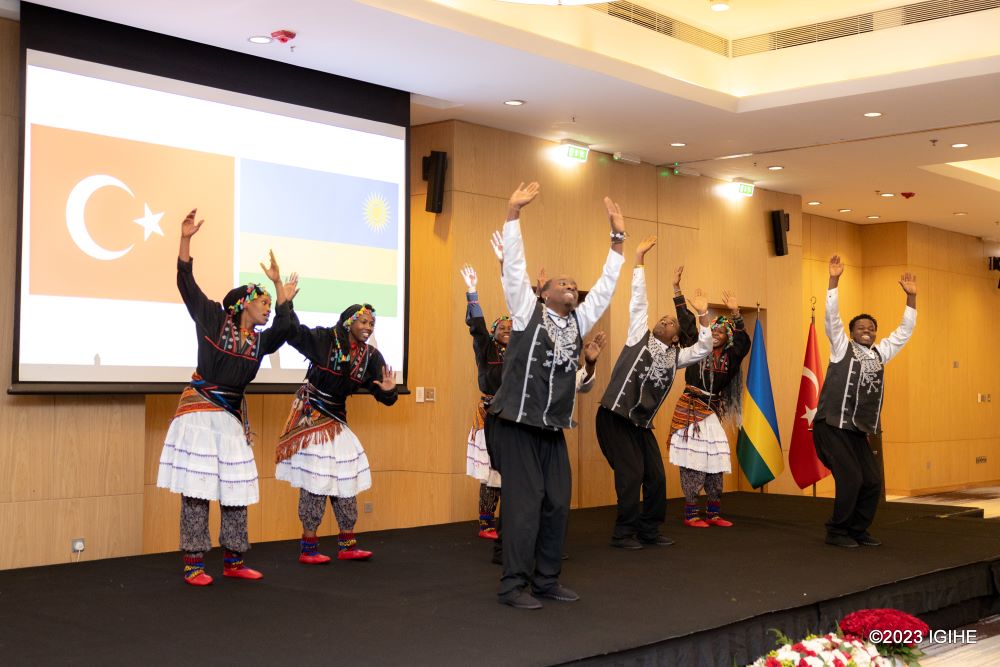
Türkiye observes Republic Day on October 29, commemorating the proclamation of its foundation and the establishment of a republic on October 29, 1923, following a three-year independence war against multiple countries, effectively marking the end of the Ottoman Empire.
In honor of Republic Day, ceremonies, parades, and various events are held across Türkiye.
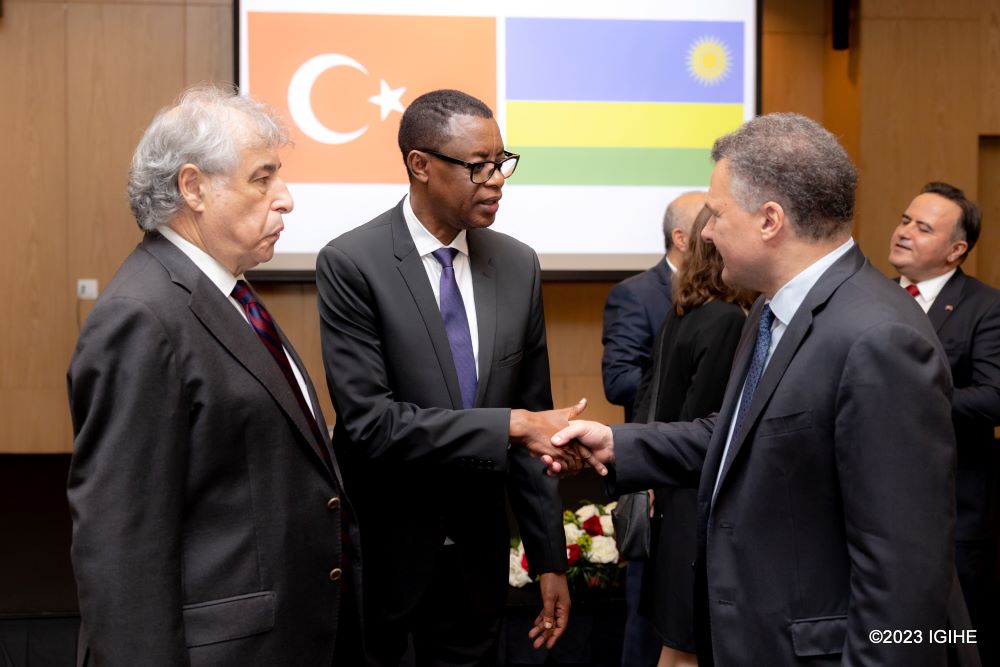
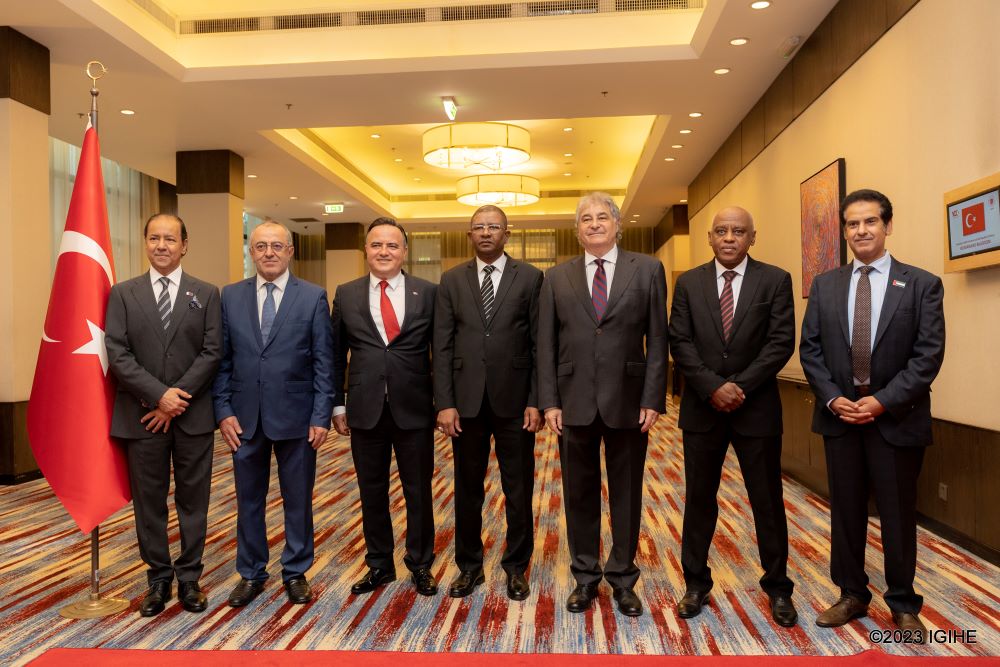
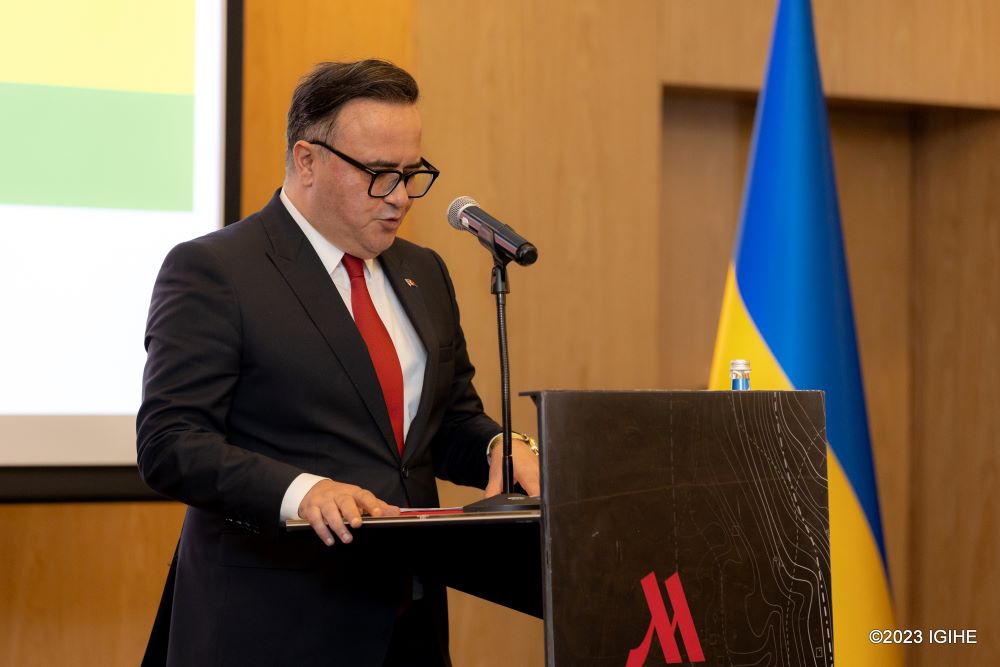
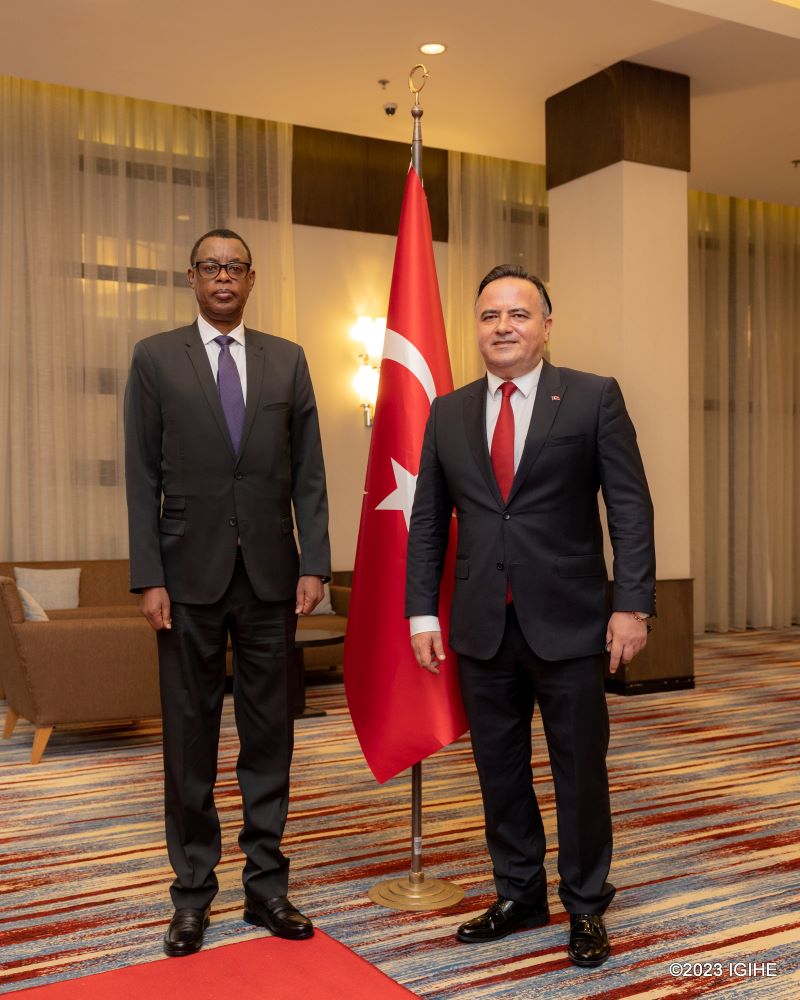
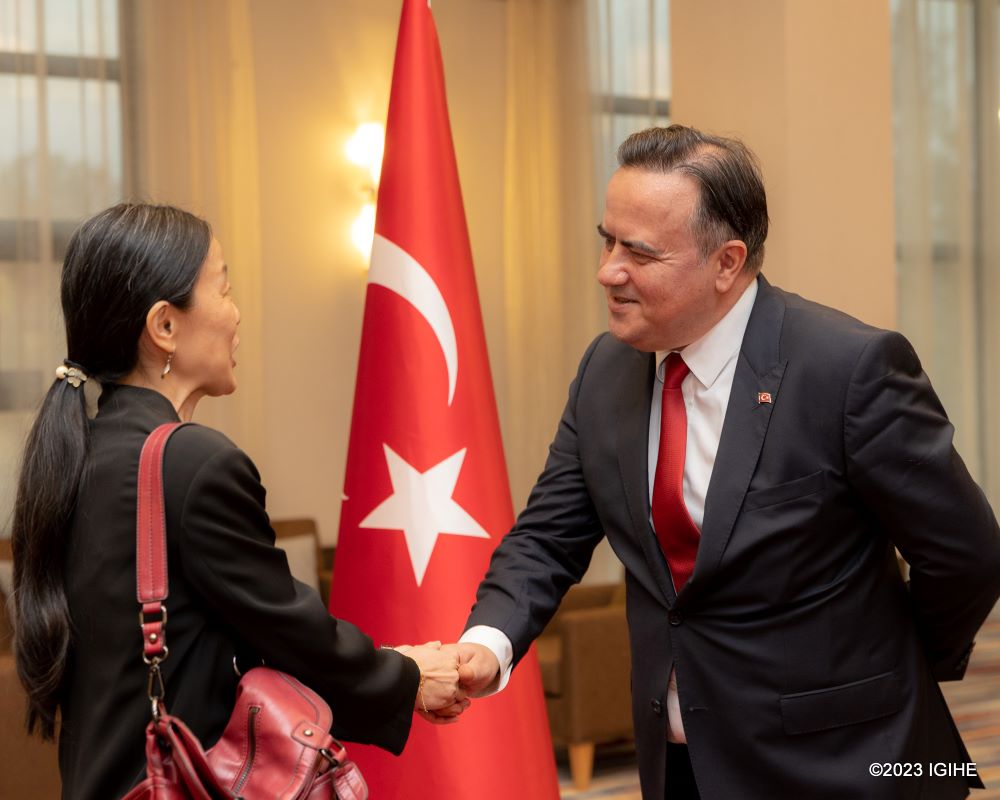
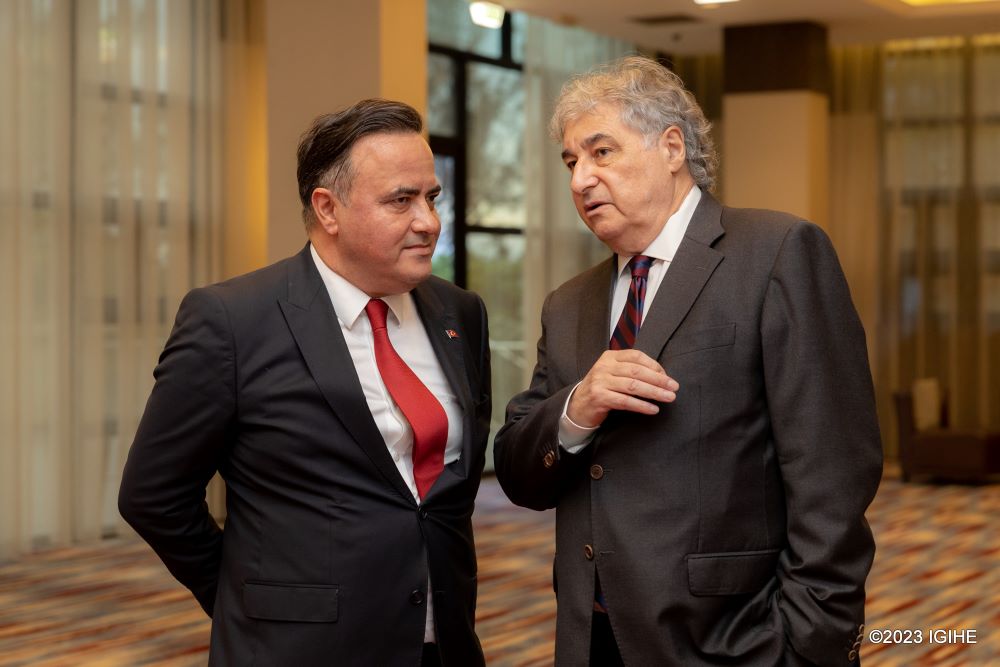
During the celebration in Rwanda, Turkish Ambassador to Rwanda, Aslan Alper Yüksel, expressed his delight at commemorating the day in Rwanda.
Yüksel highlighted the transformative leadership of Mustafa Kemal Atatürk, who initiated the independence war, leading to the establishment of the Republic of Türkiye in 1923 and his visionary reforms.
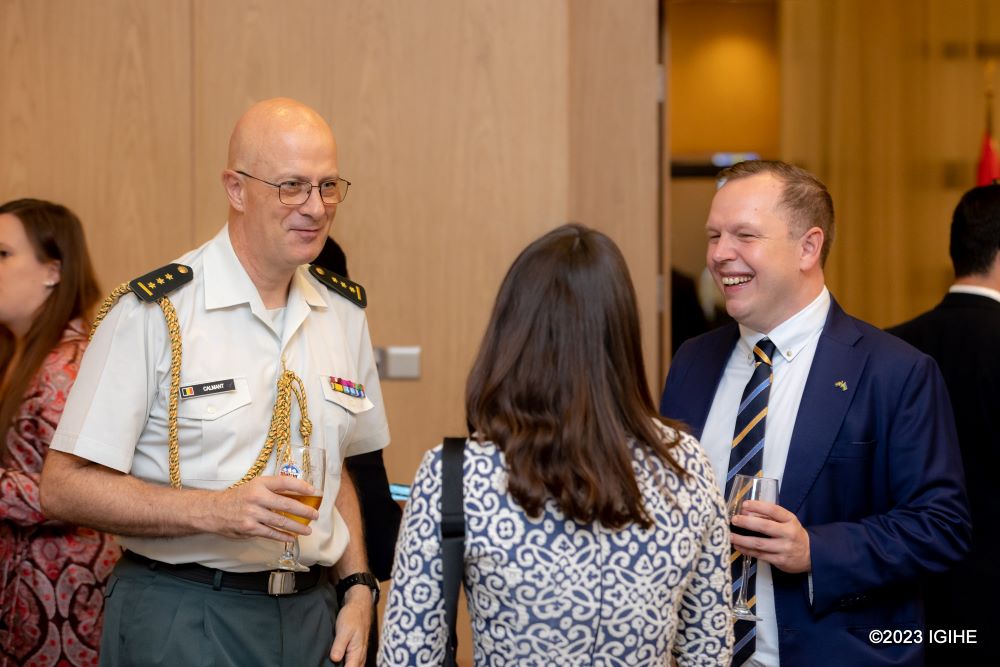
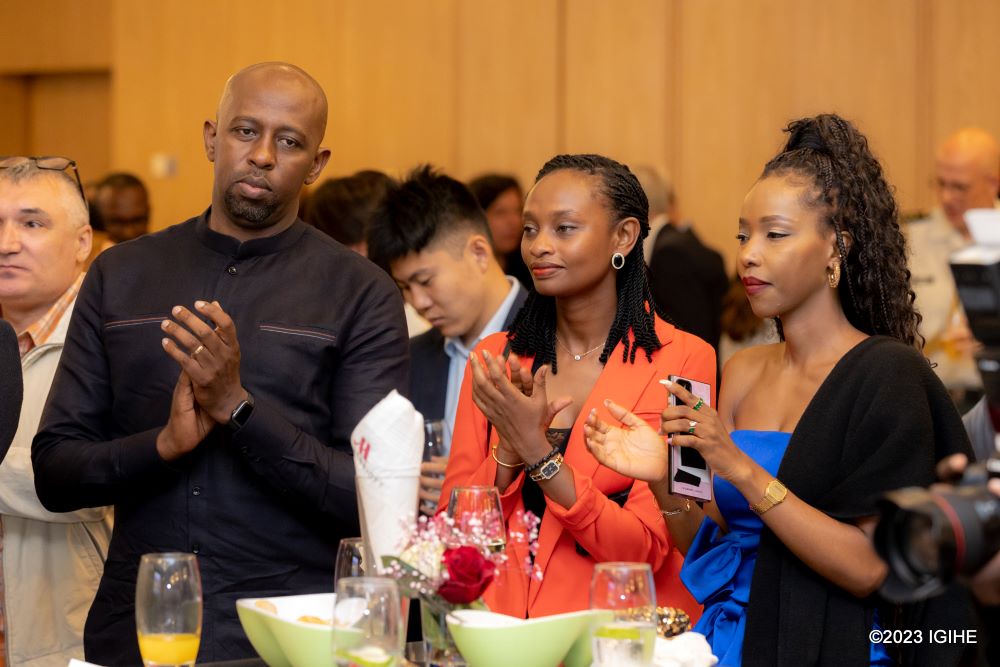
The event in Kigali underlined the robust relationship between Rwanda and Türkiye, built upon mutual respect and cooperation.
Ambassador Yüksel drew parallels between the resilience of both countries, emphasizing Rwanda’s remarkable transformation under President Paul Kagame’s visionary leadership after the 1994 Genocide against the Tutsi.
In an exclusive interview with IGIHE, Ambassador Yüksel emphasized the significant achievements and milestones in the partnership between Rwanda and Türkiye.
He particularly noted the positive impact of Rwandan students in Türkiye and highlighted
the branch of Türkiye’s cultural center, Yunus Emre Institute, located at the Gikondo Campus of the UR, offering Turkish language education.
The relationship between Rwanda and Türkiye was described as excellent, with 600 Rwandan students currently studying in Turkish universities, benefiting from Türkiye’s strategic location at the crossroads of Africa, Asia, and Europe.
This highlighted Türkiye’s commitment to educational exchanges and strengthening human connections between the two nations.
Collaboration across various sectors, including trade, culture, security, and education, laid the foundation for ongoing growth and cooperation.
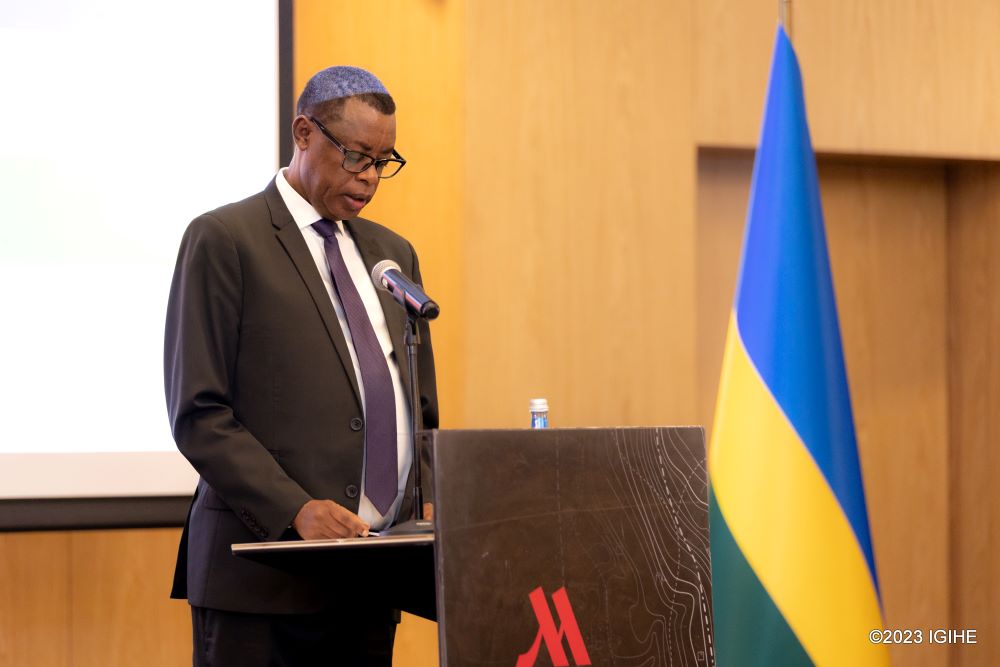
During the event, Rtd Gen James Kabarebe, the Minister for Foreign Affairs in charge of Regional Cooperation, emphasized the importance of enhancing bilateral ties between Rwanda and Türkiye.
He commended Türkiye’s role as a reliable partner in global peacekeeping operations and their shared commitment to diplomacy in addressing global challenges. The Minister reaffirmed Rwanda’s determination to advance its partnership with Türkiye, exploring opportunities for collaboration across various domains.
Senator Jean Pierre Dusingizemungu, representing the Senate President, also emphasized the friendship between Rwanda and the Turkish Parliament.
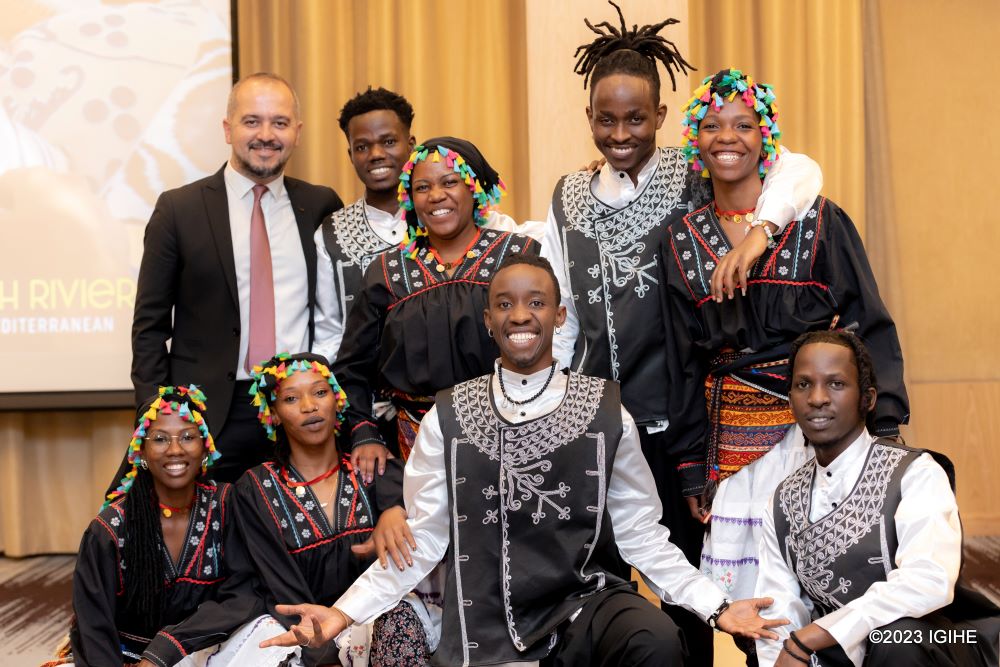
The event was further enriched through cultural performances of Rwanda and Türkiye, staged by Rwandan artists, adding vibrancy to the celebration.
As the celebrations concluded, a toast captured the essence of the occasion: “May this milestone anniversary be a catalyst for continued growth, prosperity, and peace for the Republic of Türkiye.”
The event not only highlighted the strong bond between the two nations but also emphasized their joint commitment to fostering global prosperity and stability. With a promising future ahead, Rwanda and Türkiye are poised to continue their journey of mutual growth and development.
However, it appears that certain business settings purposefully refused to implement the idea into their operations.
These include, but are not limited to, lady’s salons, marketplaces, and boutiques. People employed in these situations have a habit of acting like they can function without clients, which leaves you questioning ‘why they leave their beds early in the morning in the name of working’, yet fail to ‘perform the work’.
While I once read a tweet from someone I don’t remember because I’m not their follower claiming that “Rwandans can save a foreigner at any time but not a fellow Rwandan.” As a foreigner, I’ve witnessed multiple events that prompted this essay.
When it comes to some occupations, it makes little difference where they are (the people named) act the same way even in my own country), regardless of who you are or where you come from; instead, it is in their DNA to act that way.
Nonetheless, as James Baldin once said, “Not everything that is faced can be changed, but nothing can be changed until it is faced,” a gentle reminder to those in the service delivery sector of the importance and value of customer care can change not only the customer’s experience, but also the businesses themselves.
{{Understanding customer service?}}
Customer service is a fundamental aspect of any business that focuses on providing assistance, support, and solutions to customers; before, during, and after their interactions with a company’s products or services.
It encompasses a range of activities and strategies aimed at ensuring customer satisfaction, loyalty, and a positive overall experience. These include; attentive listening, problem-solving, and a commitment to meeting customers’ needs and expectations, ultimately contributing to a company’s success and reputation in the market.
{{Why we should re-embrace the principle}}
{{Customer Loyalty:}} Customers that are happy are more likely to become loyal customers. A satisfied customer can generate recurring revenue and function as a brand ambassador, drawing new consumers through favourable word-of-mouth.
{{ Reputation and Trust:}} Companies that prioritise their customers’ demands and satisfaction establish a solid reputation for trust and dependability. In a day when consumers have more options than ever before, this can be a tremendous asset.
{{Long-Term Growth: }} A customer-centric approach promotes long-term growth and sustainability. Businesses that prioritize customer experience are more likely to adapt to shifting market conditions and developing trends.
{{Differentiation: }} Treating the customer as king can be an effective differentiator in crowded markets. Providing outstanding service distinguishes a business from competition and can justify premium price.
{{To the service providers; }}
Gossip is damaging and unethical, but it is especially disturbing in a setting intended for leisure and self-care. The negative impacts of gossip extend beyond the feelings of customers; they also reflect adversely on the establishment’s and the industry’s reputation. It erodes trust and fosters an unpleasant environment.
Furthermore, it is critical for all businesses to cultivate a culture of inclusivity and equal treatment for all customers. Discrimination, particularly in price, is not just unethical but also illegal in some areas.
In addition, Many clients feel their concerns and preferences aren’t heard. Establish a feedback system that allows clients to voice their opinions and concerns, and then act on that feedback for continuous improvement.
Similarly, maintaining a clean and hygienic work environment is non-negotiable. Clients should feel comfortable and trust that they’re in a safe and clean space.
As employers ensure that all employees understand and embrace the importance of customer satisfaction. It should be an integral part of the company culture. Invest in training and development programs to empower employees to deliver exceptional customer service.
Furthermore, regularly assess and improve processes, products, and services based on customer feedback and changing preferences.
In a world that’s becoming increasingly diverse, the importance of treating all customers equally and with respect cannot be overstated.
“The customer is king” is a timeless business principle that should never be forgotten. Neglecting the customer in pursuit of short-term gains can lead to long-term losses.
Seji Saji Amedonu, the deputy director-general of the National Disaster Management Organization (NADMO), told Xinhua on Thursday that the affected communities are in eight districts across the Greater Accra, Volta and Eastern Regions.
Amedonu attributed the dam’s spillage, which began in early October, to an excess of water resulting from heavy rains in September and the ongoing spillage of the Bagre Dam upstream in Burkina Faso.
Numerous structures, farms, roads, schools, health facilities and power stations were submerged in various communities, with losses yet to be assessed.
NADMO has provided shelter to most displaced individuals in schools, churches, mosques and tents, and potable water has been delivered through tanker services across the eight districts since the flooding began.
“We are working with the Ghana Health Service and the district health directorates in all these districts to offer health services to the residents. We have our mobile clinics in almost all the affected districts,” Amedonu said.
He said that the situation is expected to return to normal within two to three weeks, and at that time the process of cleaning, fumigation and conducting health checks will begin to facilitate the return of displaced individuals to their homes.
“The council’s chairman Abdel Fattah Al-Burhan chaired the meeting in the presence of his deputy Malik Agar and the council’s members General Shams-Eddin Kabashi and General Ibrahim Jabir,” the council said in a statement.
The meeting commended the great roles played by the SAF and other regular forces in confronting the “desperate attempts” by the “militia” targeting the security and stability of the homeland, the statement said.
The meeting also discussed issues of people’s livelihood and the government’s efforts to secure food and medicine for the citizens under the critical circumstances, it said.
Deadly clashes have been going on between the SAF and the RSF in Khartoum and other areas since April 15, killing up to 9,000 people, forcing more than 5.6 million out of their homes and leaving 25 million in need of aid, said UN Undersecretary-General for Humanitarian Affairs Martin Griffiths in a statement on Oct. 15.
The training, which was sponsored by China’s Ministry of Commerce and lasted nearly two months, was co-organized by Rwanda Kung-Fu Wushu Federation, China’s Henan University of Technology, and the Chinese Embassy in Rwanda.
At the awarding ceremony in Kigali, the Rwandan capital, the trainees presented their performance before an audience of martial arts enthusiasts.
“This type of training was very important because we didn’t have it in Rwanda before,” Emmanuel Havugimana, one of the trainees, told Xinhua. “We learned so many things in traditional Kung-Fu.”
“Taiji is very important to me because it is a philosophy. It is medicine. Taiji is life. I always wished I could learn Taiji, and now I’m very happy after learning it,” Havugimana said.
On Dec. 17, 2020, the United Nations Educational, Scientific and Cultural Organization (UNESCO) inscribed China’s Taijiquan on the Representative List of the Intangible Cultural Heritage of Humanity.
Taijiquan was born in the mid-17th century in Chenjiagou, a small village in central China’s Henan province, before it spread to more than 150 countries and regions, attracting more than 100 million people to practise.
Marc Uwiragiye, president of Rwanda Kung-Fu Wushu Federation, said the program facilitated by Chinese trainers was devised in two parts, with the Taiji boxing lasting about 20 days from Sep. 6.
“The training offered a good opportunity for us to introduce Taiji boxing in Rwanda, and we hope … we will continue working together to develop Chen-style in Rwanda and East Africa,” he said.
Uwiragiye said that for the trainees, learning Shaolin martial arts was a dream coming true and that the training meant a lot for Rwandan athletes set to take part in the World Wushu Championship in Dallas, the United States, next month.
He urged the participants in the training to transfer the acquired knowledge and skills to their respective clubs.
Rwanda Kung-Fu Wushu Federation is composed of 33 active clubs across the country, with more than 4,000 members, from which the trainees were selected.
Zhang Yi, vice dean of education and training at Henan University of Technology, congratulated the awardees, noting that they have become alumni of the university.
“The university selected outstanding coaches and interpreters to share their skills but also learn about Rwanda’s culture and history,” Zhang said.
Emmanuel Rwego Ngarambe, director general of sports development at the Rwandan ministry of sports, praised the training program, which he said promotes cultural exchange through sports.
Lin Hang, charge d’affaires at the Chinese Embassy in Rwanda, said she had witnessed the training, and marvelous performances, adding that seeing a child as young as five years ready to master martial arts was striking.
She said that the trainers not only shared the skills but also the culture behind Kung-Fu Wushu as well as the shared values.
Lin said the program is a symbol of how the relationship between the two countries is blossoming.
General (retired) James Kabarebe, the Minister of State for Foreign Affairs in Charge of Regional Cooperation, disclosed this shocking revelation during a session with the Senatorial Committee on Foreign Affairs, Cooperation, and Security on Thursday, October 26.
Among those rescued, Rtd Gen Kabarebe specifically mentioned young women aged between 18 and 20 years. When questioned about their intended destination, one of the victims initially claimed to be heading to Tanzania.
However, further inquiry by immigration officials revealed a hesitation, prompting a more thorough investigation, including an examination of her mobile phone. The investigation exposed that she was actually bound for Oman.
The plight of Rwandan women lured to the Middle East by false promises of well-paying jobs, only to face various forms of exploitation, is not uncommon.
Kabarebe stressed the Rwandan government’s unwavering commitment to combat this scourge, even in the face of the sophisticated tactics employed by human traffickers.
Senator Emmanuel Havugimana also emphasized the persistence of the problem and underscored the importance of cooperation and information sharing to effectively address it.
Currently, 1,780 Rwandans are known to be working in Oman, predominantly as domestic workers and in various other roles. Of those who have encountered problems in the country, 32 have already requested repatriation to Rwanda.
This revelation underscores the ongoing challenges posed by human trafficking and highlights the need for sustained vigilance, cooperation, and international collaboration to protect vulnerable individuals from falling victim to this horrific practice.
The Rwandan government remains steadfast in its commitment to countering human trafficking and continues its efforts to rescue and support victims.
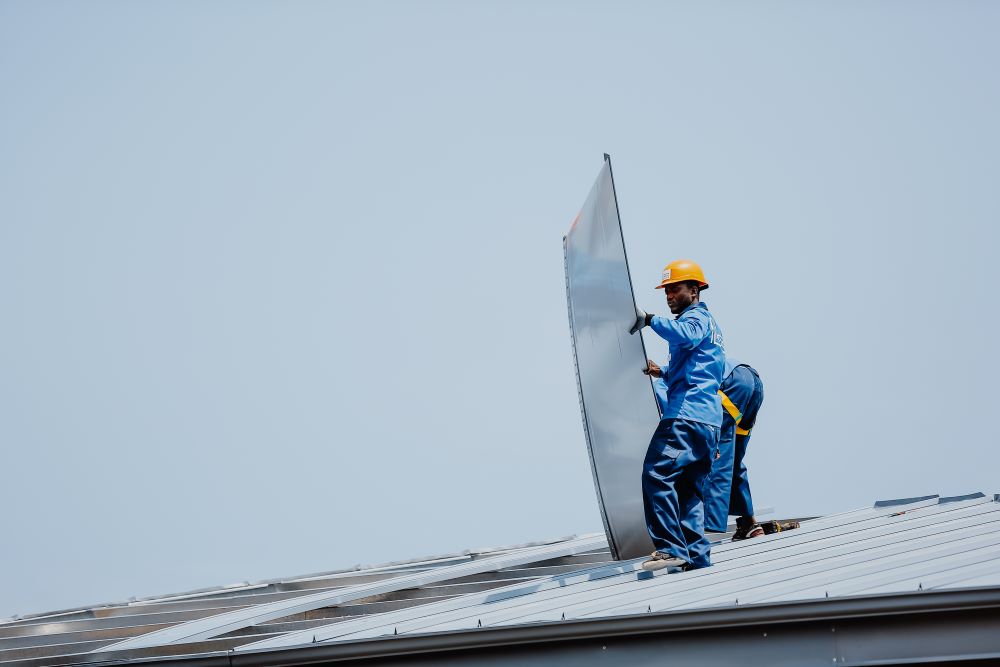
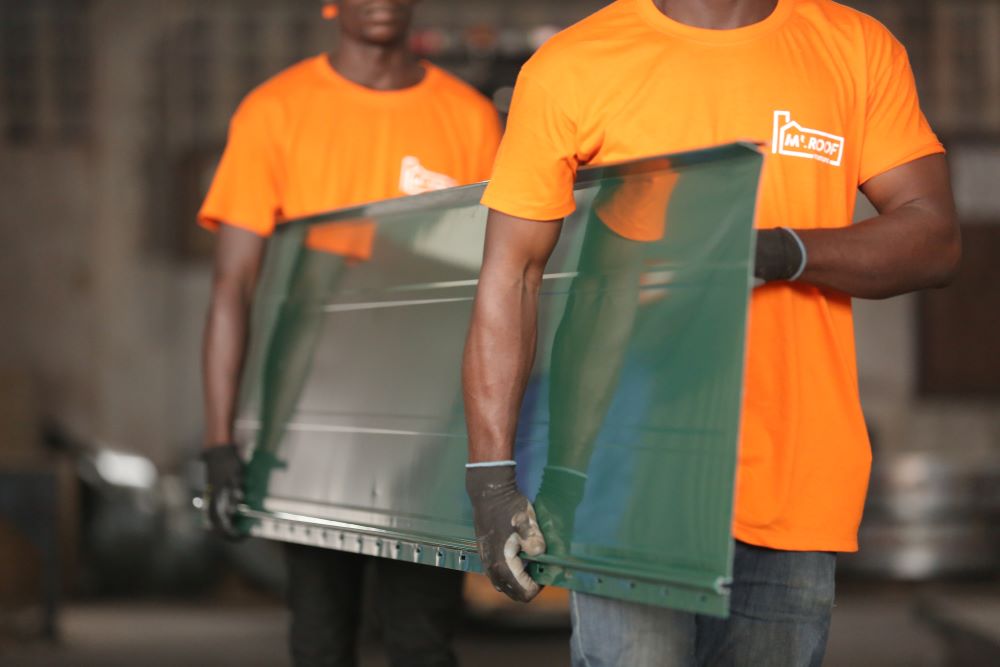
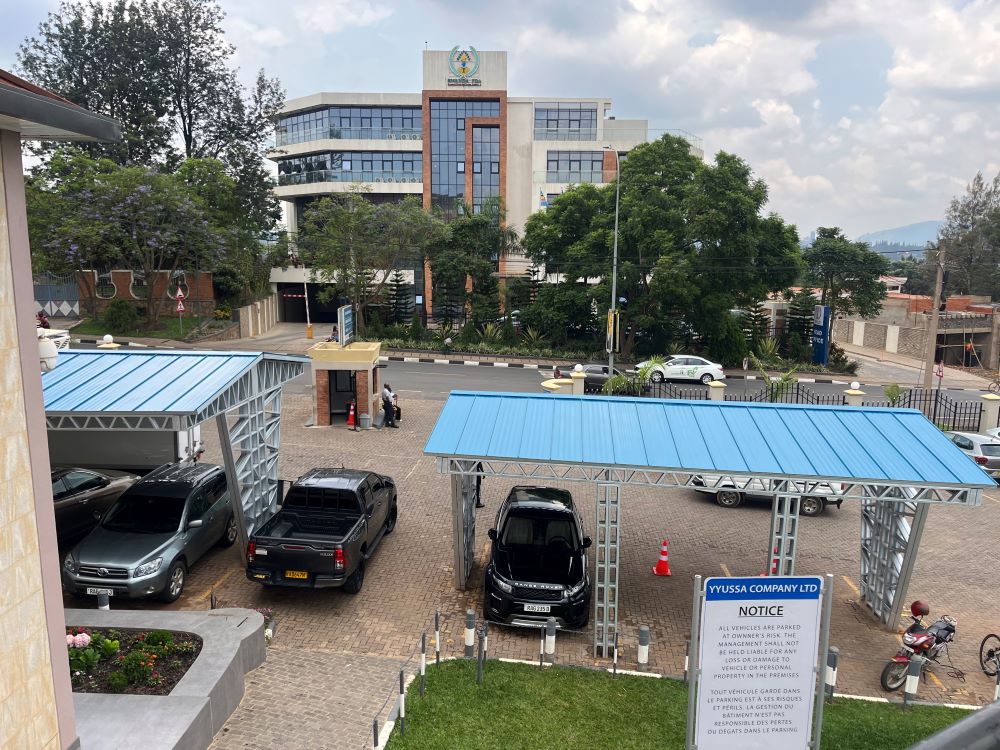
As Rwanda’s skyline continues to evolve, the demand for sustainable and reliable roofing solutions grows. Mr. Roof’s innovation, in the form of Self-Lock Rooing Sheets, arrives at a crucial juncture in the city’s architectural history. These self-locking sheets are meticulously designed to make roofing more accessible, resilient, and cost-effective than ever before.
{{The Science Behind Self-Lock Roofing Sheets}}
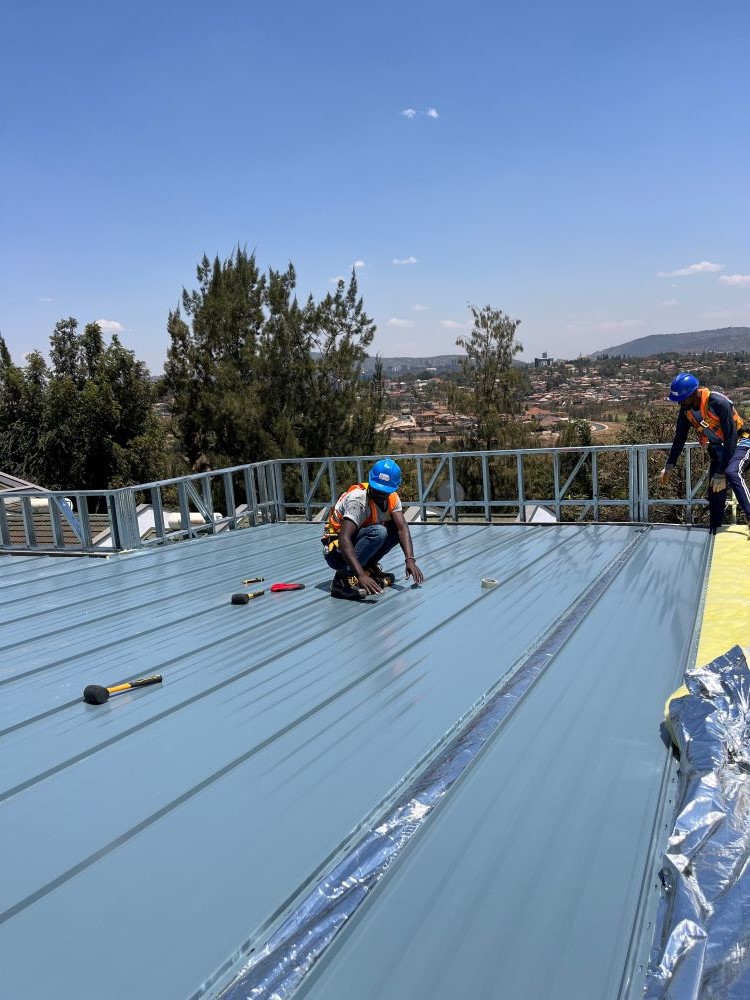
The remarkable success of Mr. Roof’s Self-Lock Roofing Sheets hinges on the concept of simplicity. These sheets are engineered with a unique interlocking mechanism that ensures a seamless connection when they are fitted together. This design guarantees water-tightness, wind resistance, and overall structural integrity that surpasses conventional roofing materials.
The durability of Self-Lock Roofing Sheets is underpinned by extensive research and testing, making them ideal for Rwanda’s unpredictable weather conditions. The interlocking system eliminates the need for fasteners or additional sealants, significantly reducing the risk of leaks. Furthermore, the sheets require no maintenance, essentially eliminating maintenance costs.
{{A Cost-Effective Solution}}
One of the most significant advantages of these self-lock roofing sheets is their cost-effectiveness. Construction professionals will find that they save valuable time and resources during installation, resulting in reduced labor costs and shorter project timelines.
Homeowners, on the other hand, benefit from lower maintenance expenses and a longer-lasting roofing solution. In the long run, Self-Lock Roofing Sheets not only save money but also provide peace of mind, knowing their homes are protected by a sturdy, reliable roof.
{{Environmentally Friendly}}
In an era where environmental consciousness is a top priority, Mr. Roof’s Self-Lock Roofing Sheets align perfectly with sustainable practices. These sheets are manufactured using materials that are not only durable but also eco-friendly. By choosing this sustainable roofing solution, construction professionals and homeowners contribute to a greener, cleaner future for Rwanda.
{{Versatility and Aesthetics}}
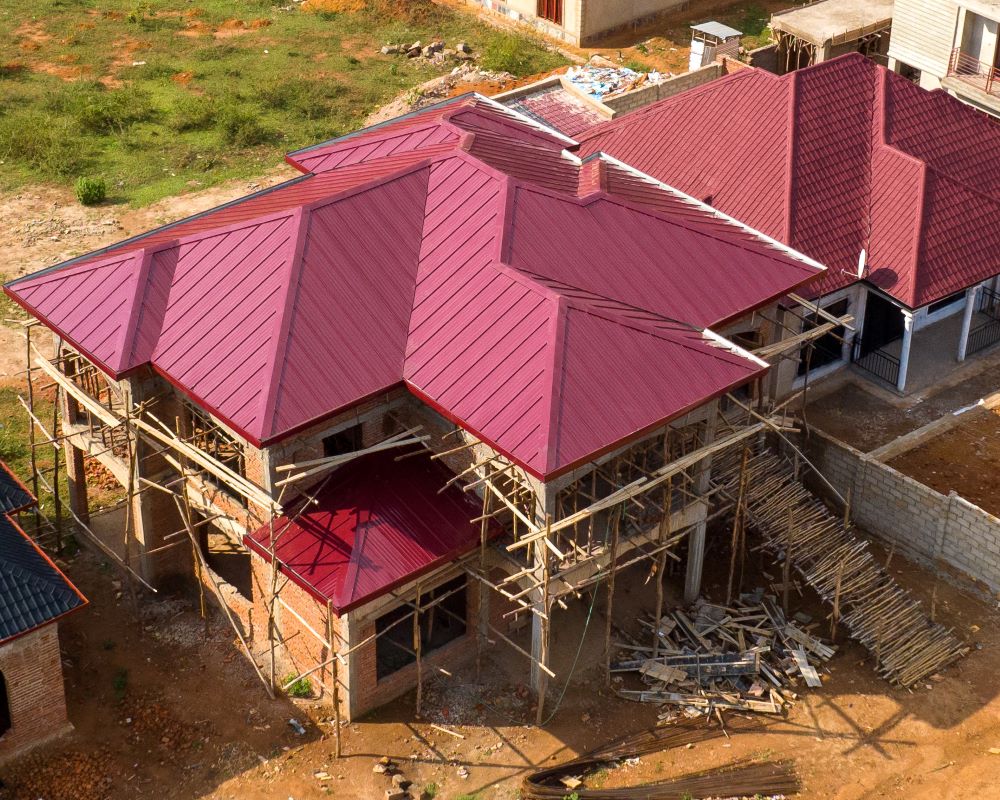
Self-Lock Roofing Sheets are available in a range of colors and designs, ensuring they can complement the aesthetics of any building. Whether you are constructing a modern urban skyscraper or a traditional Rwandan-style home, Mr. Roof’s self-locking sheets can be customized to match your vision.
Moreover, these roofing sheets are adaptable to various roof types and angles, providing construction professionals with the flexibility they need to tackle diverse projects. This versatility underscores Mr. Roof’s commitment to meeting the unique requirements of the Rwandan construction industry.
{{Experience the Future of Roofing Today}}
With the introduction of Self-Lock Roofing Sheets by Mr. Roof in Rwanda, the city’s construction landscape is on the cusp of transformation. These sheets offer a winning combination of durability, cost-effectiveness, eco-friendliness, versatility, and aesthetics. They are more than just roofing materials; they symbolize progress and innovation at the heart of Rwanda.
Join Mr. Roof in revolutionizing roofing in Rwanda! Explore the future of roofing today with Self-Lock Roof Sheets – the key to a better, brighter, and more sustainable tomorrow for your construction projects and homes. Embrace change. Make the investment. Shape the future. Do it with Mr. Roof.
Mr. Roof’s Self-Lock Roofing Sheets are currently available with a 20% discount.