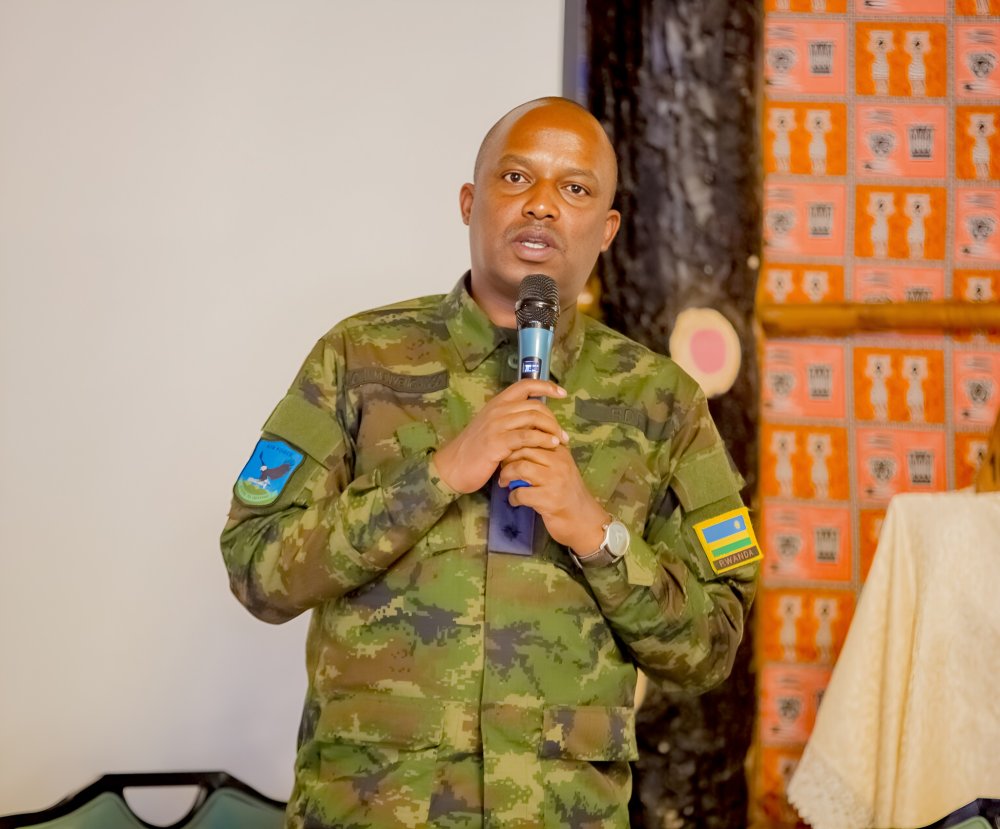
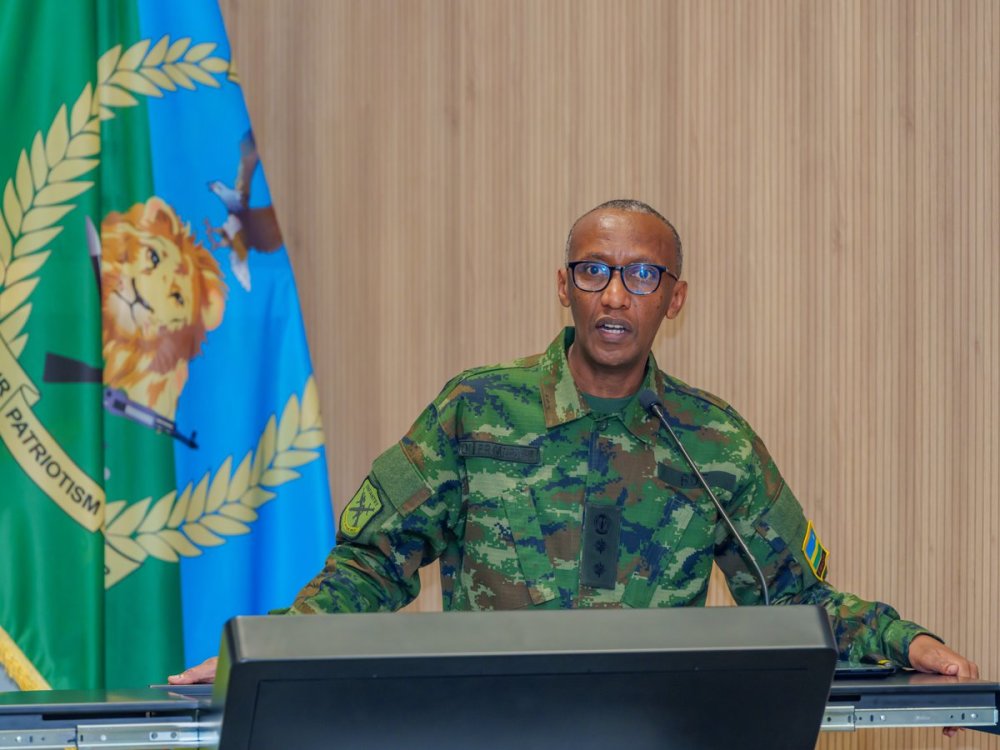
The promotions were announced on the morning of Friday, December 12, 2025, by the RDF leadership.
Innocent Munyengango, Commander of the Logistics Brigade and François Regis Gatarayiha, Head of Defence Intelligence Department at RDF Headquarters were elevated from the rank of Colonel to Brigadier General.
Additionally, 43 officers holding the rank of Lieutenant Colonel were promoted to Colonel, while 253 with the rank of Major were elevated to Lieutenant Colonel.
A total of 79 Captains were promoted to Major, and 299 Lieutenants were elevated to Captain.
Among others, eleven soldiers moved from the rank of Staff Sergeant to Sergeant Major. Another 2,296 personnel were promoted from Sergeant to Staff Sergeant.
Furthermore, 10,260 soldiers rose from the rank of Corporal to Sergeant, while 7,822 personnel were promoted from Private to Corporal.
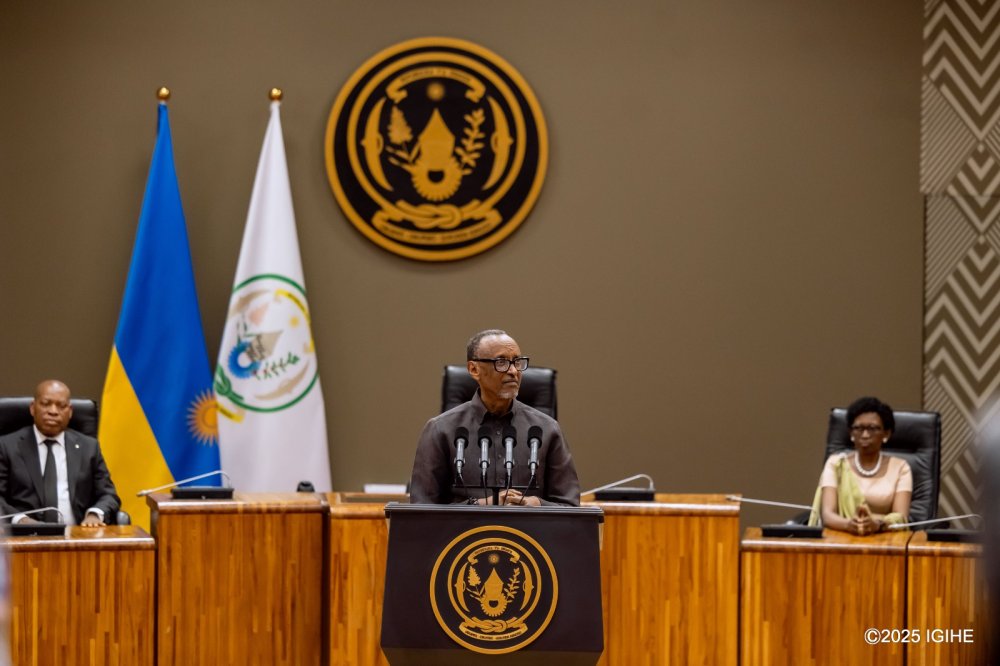
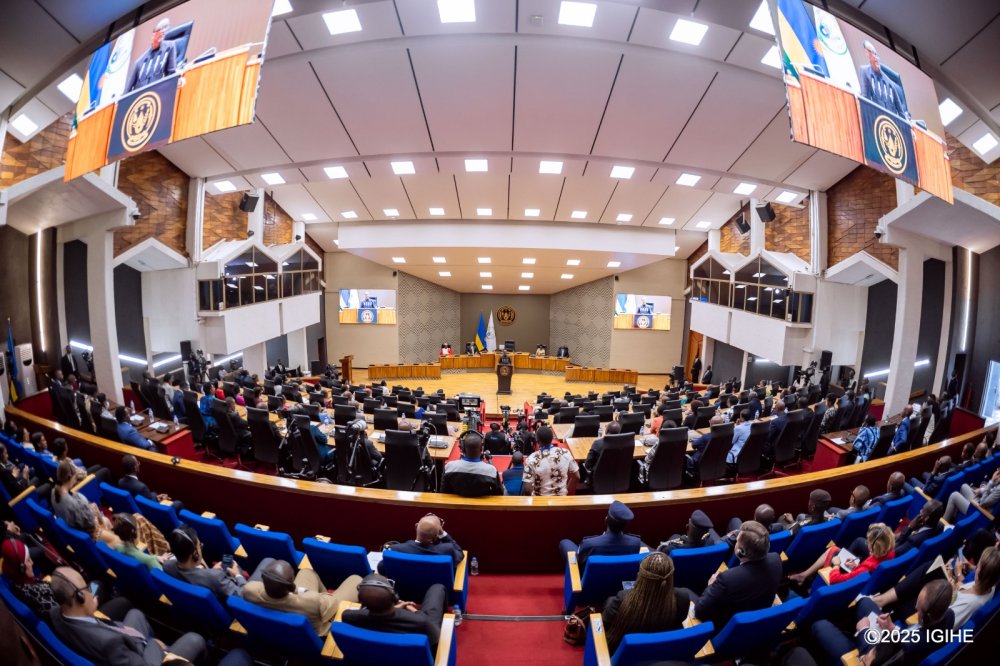
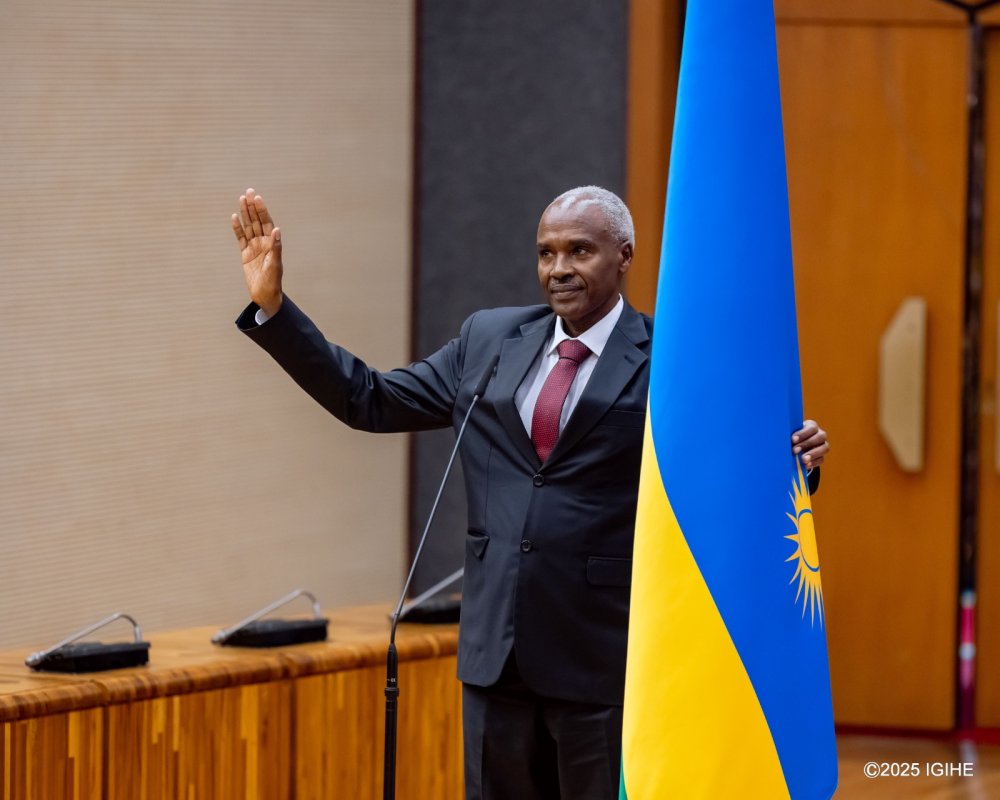
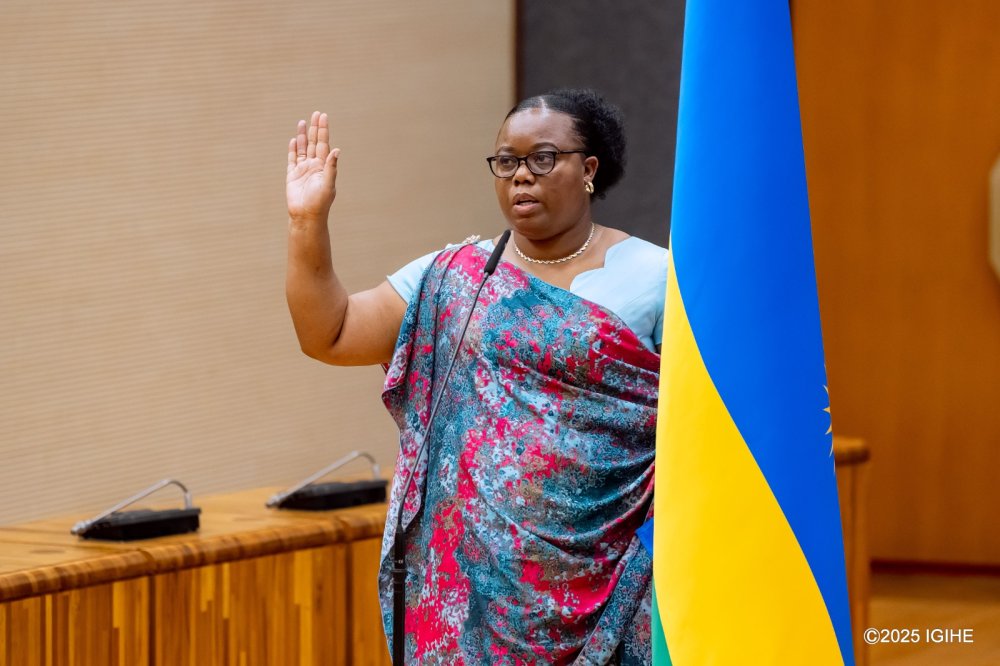
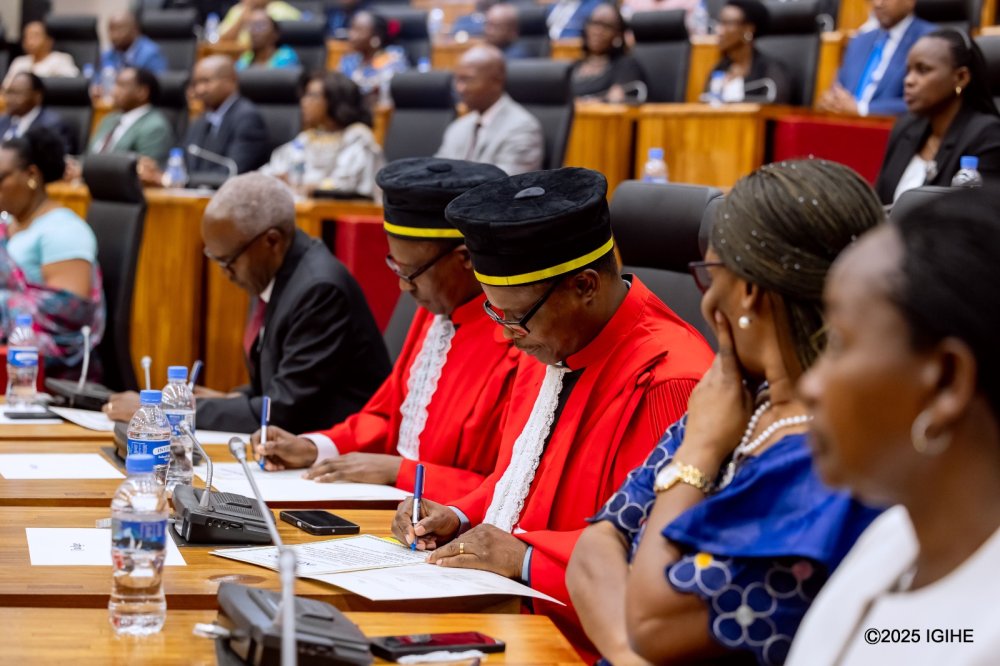
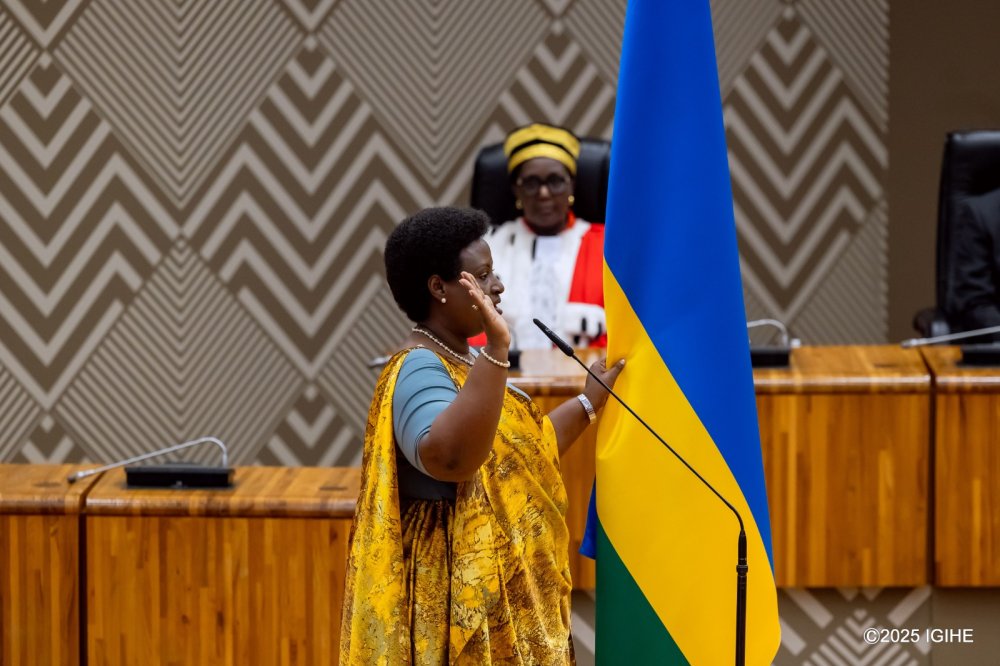
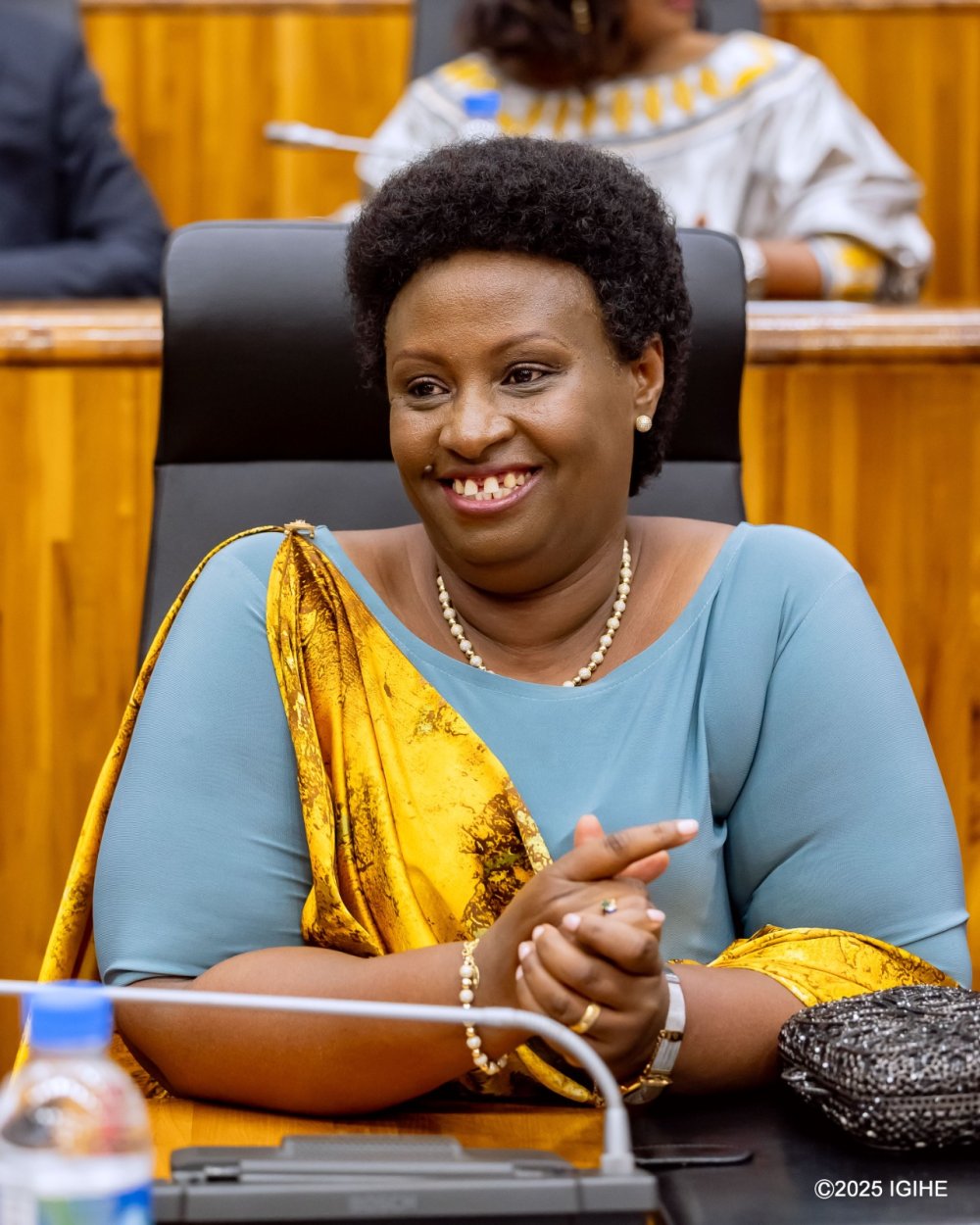
He made the remarks on December 11, 2025, during the swearing-in ceremony of new officials, including Dr. Usta Kayitesi, appointed Minister of State in the Ministry of Foreign Affairs and International Cooperation; Dr. Solange Uwituze, appointed Minister of State in the Ministry of Agriculture and Animal Resources; and Dr. Charles Muligande, appointed Senator.
Also sworn in were two newly appointed judges of the Court of Appeal, Dr. Didace Nshimiyimana and Dr. Jules Marius Ntete.
President Kagame noted that although similar reminders are often given during swearing-in ceremonies, repeating them is necessary because the responsibilities entrusted to senior leaders must be taken seriously.
“The responsibilities we hold demand different kinds of effort—and a great deal of it. Those who fall short may have their reasons, depending on the circumstances and resources of their countries; some even grow complacent.
“But for our country, considering where we come from, where we are headed, and the unique challenges we face, we must work in extraordinary ways. We must use every ability we possess—our knowledge, our intelligence—and above all, align with the determination to deliver,” he noted.
He added that challenges are numerous: “Some problems are solved, others emerge; some persist. Given our past, our present, and our ambitions for the future, these challenges demand even greater effort, wisdom, and discipline.”
The judges sworn in today were appointed during the Cabinet meeting held on November 28, 2028, while the Ministers of State and Senator Dr. Muligande were appointed on December 1.
{{Profiles of newly appointed leaders}}
{{Dr. Solange Uwituze}}
Recently appointed Minister of State in MINAGRI, Dr. Uwituze replaced Dr. Ndabamenye. She had been serving as Acting Director General of the Rwanda Agriculture and Animal Resources Development Board (RAB), a role she also assumed after replacing Dr.
Ndabamenye when he joined the government. Before that, she was Deputy Director General of RAB.
Dr. Uwituze serves as Board Chair of Gabiro AgriHub Business Ltd, and Deputy Board Chair of Gako Meat Company Ltd.
She is also a board member of the Rwanda Development Board (RDB) and a founding fellow of the Rwanda Academy of Sciences (RAS).
{{Dr. Usta Kayitesi}}
Appointed Minister of State in MINAFFET, Dr. Kayitesi previously served as a Senator and chaired the Committee on Political Affairs and Governance. She replaces Gen (Rtd) James Kabarebe, who was named Senior Security Advisor in the Office of the President.
Dr. Kayitesi previously served as CEO of the Rwanda Governance Board (RGB) from July 2019 to August 2024, taking over after serving as its Deputy CEO. She holds a PhD in Law and formerly lectured at the former National University of Rwanda. She also served as Principal of the University of Rwanda’s College of Arts and Social Sciences (CASS).
She was among the seven commissioners who worked on the 2015 Constitutional review, serving as the Commission’s Vice Chair.
{{Dr. Charles Muligande}}
The newly appointed Senator replaces Dr. Usta Kayitesi following her new appointment. Dr. Muligande is a seasoned public servant with a long career in Rwanda’s political and diplomatic spheres.
He holds a PhD in Mathematics from the University of Notre Dame de la Paix in Namur, Belgium. From 1994–1995, he served as Advisor to the President on Foreign Affairs. Between 1995 and 1997, he was Minister of Transport and Communications before becoming Vice Chancellor of the University of Rwanda.
He later served as Secretary General of the RPF-Inkotanyi and as Minister of Foreign Affairs and International Cooperation from 2002 to 2008.
He briefly served as Minister in charge of Cabinet Affairs (2008–2009) and then as Minister of Education (2009–2011) before being appointed Rwanda’s ambassador to several countries between 2011 and 2015, including Japan, Australia, and the Philippines.
In June 2016, he became Deputy Vice Chancellor of the University of Rwanda in charge of Institutional Advancement, a role he held until his retirement.
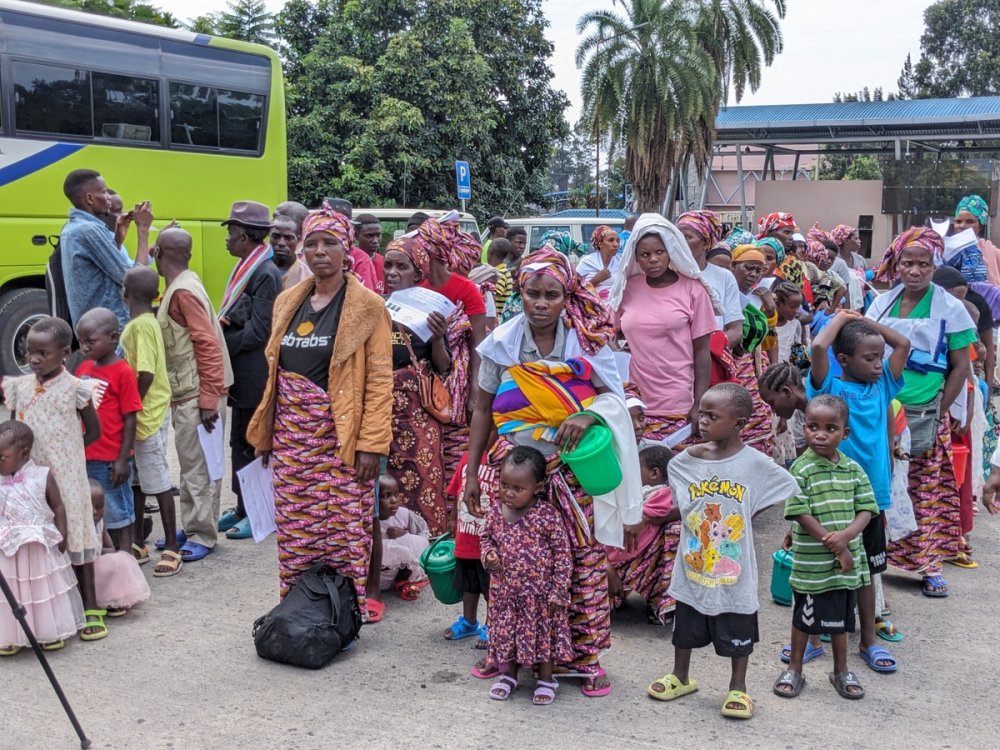
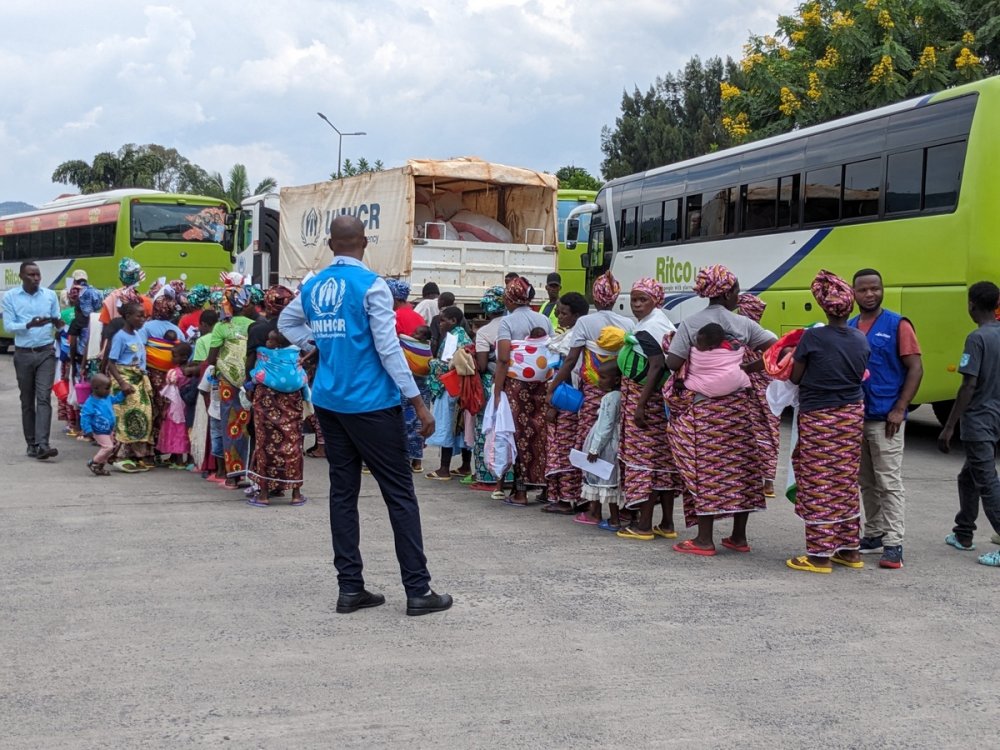
The latest batch of returnees comprised 234 children, 22 men, and 81 women, who crossed into Rwanda through La Corniche border post linking Goma and Rubavu.
The repatriation follows agreements reached during a tripartite meeting between Rwanda, the DRC, and the United Nations High Commissioner for Refugees (UNHCR) held in Addis Ababa, Ethiopia, on July 24, 2025.
Upon arrival on December 11, 2025, returnees were taken to the Kijote Transit Camp in Nyabihu District.
These Rwandans had been living in a transit camp in Goma after fleeing from various areas in eastern DRC, where they had been held captive by the FDLR.
The Vice Mayor of Rubavu District in charge of social affairs, Ishimwe Pacifique, urged the returnees to join others in building the nation.
“We consider you as the strength we had lost, but we are happy to join hands with you in rebuilding the nation,” she noted.
Returnees will be provided with essential documents, and further assistance to facilitate their reintegration.
Those over 18 years old will receive $188, while those under 18 will receive $113. Additionally, each individual will be given essential food supplies worth Frw 45,000.
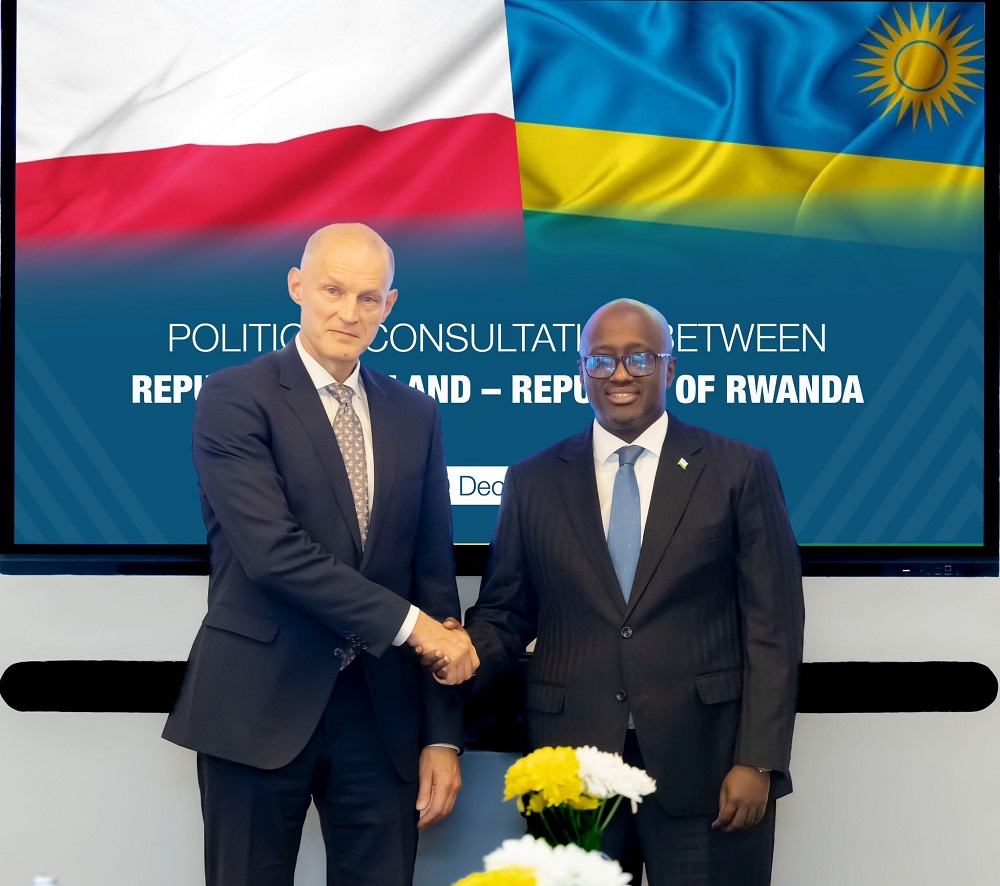
According to Rwanda’s Ministry of Foreign Affairs, the discussions were chaired by Rwanda’s Minister of Foreign Affairs and International Cooperation, Amb. Olivier Jean Patrick Nduhungirehe, and Wojciech Zajączkowski, Undersecretary of State at the Ministry of Foreign Affairs of the Republic of Poland.
During the meeting, both leaders also exchanged views on current developments in regional and multilateral issues.
The meeting comes at a time when the relationship between Rwanda and Poland continues to grow stronger.
During Polish President Andrzej Duda’s visit to Kigali in February 2024, the two countries signed two Memoranda of Understanding (MoU) for trade and economic cooperation, as well as collaboration in green technologies, environmental engineering, geology, and energy efficiency.
Education remains a cornerstone of this partnership, as the 2022 Rwanda-Poland Education Forum led to the signing of a series of MoUs between UR and four Polish universities.
On November 13, 2024, Poland and Rwanda signed an Air Service Agreement to enable regular flights between the two countries, creating opportunities to enhance economic and cultural exchanges.
Diplomatic ties have also grown in recent years, with Rwanda opening its embassy in Warsaw in 2021, followed by Poland opening its embassy in Kigali the following year.
The incident occurred late on Tuesday in the Al-Mustaqbal neighbourhood when an unoccupied building collapsed, triggering the collapse of an adjacent four-story structure, the prosecutor said. The second building was hosting a traditional Aqiqah celebration marking a birth.
Women and children were among the victims. Sixteen other people were injured, with some in serious condition. Authorities said the toll could rise as rescue operations continue.
Judicial police have opened an investigation under the supervision of the public prosecutor to determine the cause of the collapse. Preliminary findings show the two buildings were constructed in 2006.
Local officials said the structures were built under so-called “self-construction” schemes for residents of the Ain Smen area as part of the “Fez, City Without Slums” program.
The disaster has renewed concerns over building safety in Morocco. In January, Secretary of State for Housing Adib Ben Ibrahim said about 38,800 buildings nationwide were at risk of collapse.
Fez, Morocco’s third-largest city, has seen protests in recent months over poor living conditions and public services. The collapse is among the deadliest building accidents in the country since a minaret fell in the historic city of Meknes in 2010, killing 41 people.
Burundian forces have been working alongside the FARDC troops for over three years in their fight against the AFC/M23 rebel coalition, who are engaged in a battle against President Tshisekedi’s government.
Various UN reports indicate that the Burundian military is working alongside FDLR fighters in this conflict.
The FDLR is a terrorist group made up of former members of EX-FAR and Interahamwe who were involved in the 1994 genocide against the Tutsi in Rwanda. The group is built on the ideology of genocide, which they have spread in Eastern DR Congo for over 30 years.
Speaking to RBA on December 10, Minister Nduhungirehe confirmed that Burundi collaborates with FDLR.
“Burundi does not support the FDLR; they collaborate. Burundi works with the FDLR because it is one coalition, with FARDC joining forces with the FDLR, Burundian troops, and mercenaries—it’s one unified coalition,” he stated.
Nduhungirehe also noted that over 20,000 Burundian soldiers stationed in South Kivu had kept the Banyamulenge people confined to their homes, preventing them from going to markets or engaging in other livelihood activities.
In Eastern DR Congo, there are between 7,000 and 10,000 fighters aligned with FARDC and Burundian forces.
“The main concern is about security. You cannot collaborate with the FDLR without intentions to disrupt Rwanda’s security because what FDLR desires is to destabilize Rwanda, and you remember in 2023, during elections in DR Congo, President Tshisekedi mentioned in political meetings or on radio and TV that he had plans to launch attacks on Kigali, without deploying ground troops, and he would support Rwanda’s youth in overthrowing the government.”
These words, spoken publicly, were later reflected in actions as Tshisekedi aligned FARDC, FDLR, Burundian forces, and mercenaries to fight in a campaign aimed at destabilizing Rwanda.
“This situation is threatening regional security. To resolve this issue, Burundian forces need to leave Eastern Congo, the FDLR must be eradicated, and these attacks by Congolese troops should end, allowing us to implement the agreements we’ve signed.”
Rwanda indicates that by March 2025, relations with Burundi were headed in a positive direction but were strained when President Ndayishimiye deviated from the held negotiations and began making false claims in international media that Rwanda was preparing for war against Burundi.
Rwanda and DR Congo signed peace and economic cooperation agreements on December 4, 2025, in Washington, D.C., with the presence of Burundian president.
However, on that same day, a coalition of FARDC, Burundian forces, Wazalendo, FDLR, and mercenaries launched attacks in South Kivu near the Rwandan border, causing over 1,000 people to flee to Rwanda.
Nduhungirehe said, “We told the mediators, we told everyone involved that what we want is peace. For peace to return, Burundian forces creating instability in South Kivu must withdraw, and these attacks by the Congolese government must stop so that we can implement the agreements we signed.”
The signed agreements include provisions that, once the fighting ceases, a joint security coordination mechanism involving DR Congo, Rwanda, and the U.S. will be responsible for implementing security measures, including the elimination of the FDLR, after which Rwanda can lift its border security measures.
The Ministry of Foreign Affairs said Ghana took the action after three Ghanaians were reportedly deported from Israel under unacceptable circumstances.
“The government of Ghana will continue to safeguard the dignity of its nationals and also that of other nationals,” the statement said.
The statement said that the charge d’affaires ad interim at the Israeli Embassy in Ghana was summoned to the ministry, in the absence of Israel’s ambassador, and that both governments agreed to pursue an amicable resolution to the impasse.
“We in Ghana deeply value our relations with all friendly countries and expect our citizens to be treated with dignity and respect just the same way as other governments expect us to treat their nationals,” it added.
The immediate focus of the appeal is to help protect the lives of up to 87 million people in need of urgent support with US$23 billion in funding.
The initiative reaffirms the UAE’s unwavering commitment to advancing international efforts to save lives and respond to disasters and crises affecting the most vulnerable populations globally.
This support underscores the vital role of the UAE in promoting multilateral humanitarian action and the nation’s close cooperation with UN agencies, including the United Nations Office for the Coordination of Humanitarian Affairs (OCHA), as well as with relief and development programs operating on the ground, to ensure timely access to aid for those most in need, in line with His Highness’s directives emphasisng a rapid and effective response.
Reem bint Ebrahim Al Hashimy, Minister of State for International Cooperation, said, “The UAE continues its steadfast commitment to supporting global humanitarian efforts and working with our UN partners to ensure access to aid for those most impacted. This pledge embodies the directives of His Highness Sheikh Mohamed bin Zayed Al Nahyan and reflects our profound belief in the necessity of international solidarity in responding to urgent humanitarian appeals in an effective and sustainable manner that preserves human dignity and protects lives.”
Tom Fletcher, United Nations Under-Secretary-General for Humanitarian Affairs and Emergency Relief Coordinator at OCHA, welcomed the announcement, stating, “Our global appeal is about saving lives where shocks have hit hardest – and turning plans into real protection. The UAE’s rapid and generous backing of our 2026 plan sends a strong signal, focused on people who need it most. We must deliver an effective, innovative response that meets the moment.”
Dr. Tedros Adhanom Ghebreyesus, WHO Director-General, stated, “Warning signs of health system collapse manifest long before it occurs – outbreaks spread, malnutrition increases, and preventable deaths rise. However, when we come together, services can be restored and lives saved. I thank His Highness Sheikh Mohamed bin Zayed Al Nahyan and the UAE for their support, which will provide crucial humanitarian health care to millions in need.”
UNICEF Executive Director Catherine Russell stated, “UNICEF appreciates the UAE’s generous support, which will go a long way to save and improve the lives of children caught in humanitarian crises. Children are always the most vulnerable when a crisis strikes. As needs outpace funding, this is an especially critical time, building on UNICEF’s strategic partnership with the UAE.”
Filippo Grandi, United Nations High Commissioner for Refugees (UNHCR), welcomed the announcement, stating, “We value UAE’s strong commitment to humanitarian efforts.” He added: “While severe funding shortfalls present a significant challenge for millions of vulnerable forcibly displaced people, contributions from governments like the UAE allow UNHCR to enhance its response efforts and provide a glimmer of hope for those in need.”
Cindy McCain, World Food Programme (WFP) Executive Director, stated, “As humanitarian needs soar and resources lag dangerously behind, the United Arab Emirates’ generous pledge is a lifeline that will help ensure urgent assistance reaches the people in greatest need. We thank the UAE for its humanitarian leadership in these unprecedented times. WFP stands ready to work with the UAE to ensure this desperately needed support reaches the millions facing acute hunger across the globe.”
This support builds on the strong strategic partnership between the UAE and the United Nations humanitarian system and reaffirms the UAE’s central role in addressing the most pressing humanitarian challenges, enhancing the international community’s ability to protect lives, and supporting stability in crisis-affected areas, in line with His Highness’s directives that reinforce the UAE’s leading approach to global humanitarian action.
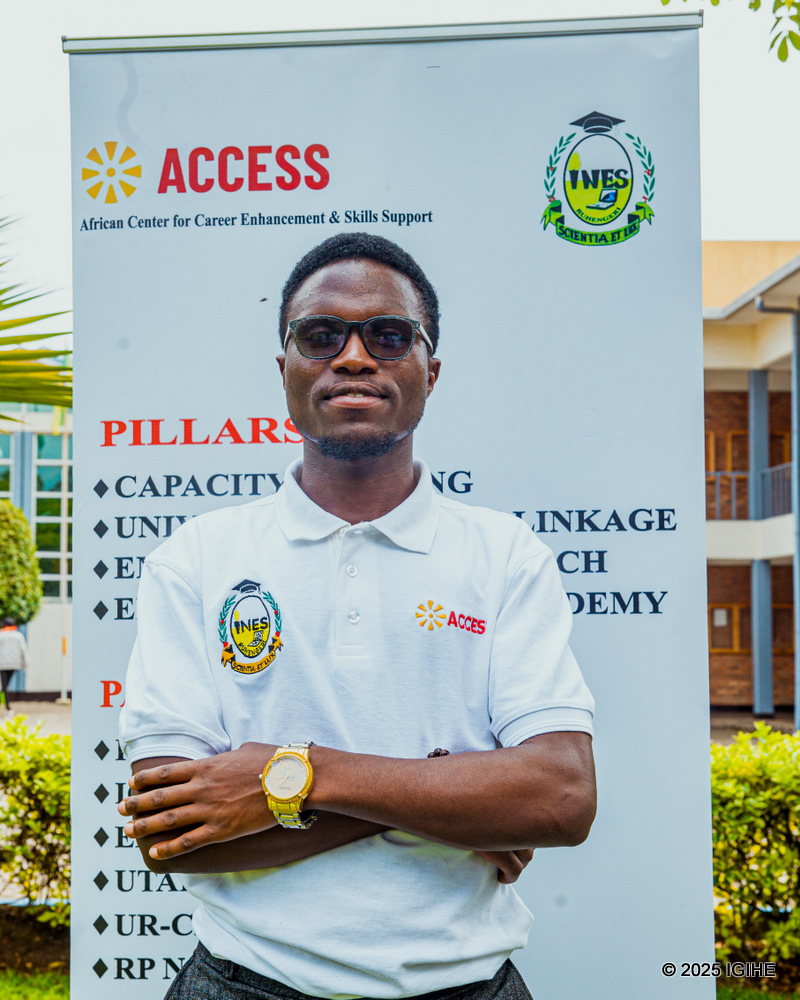
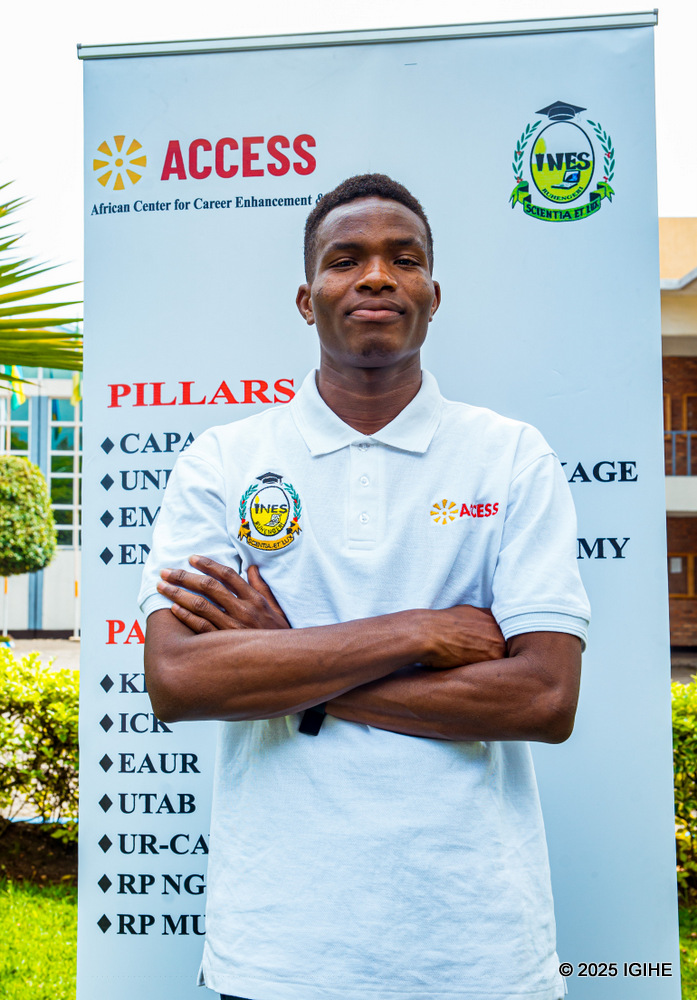
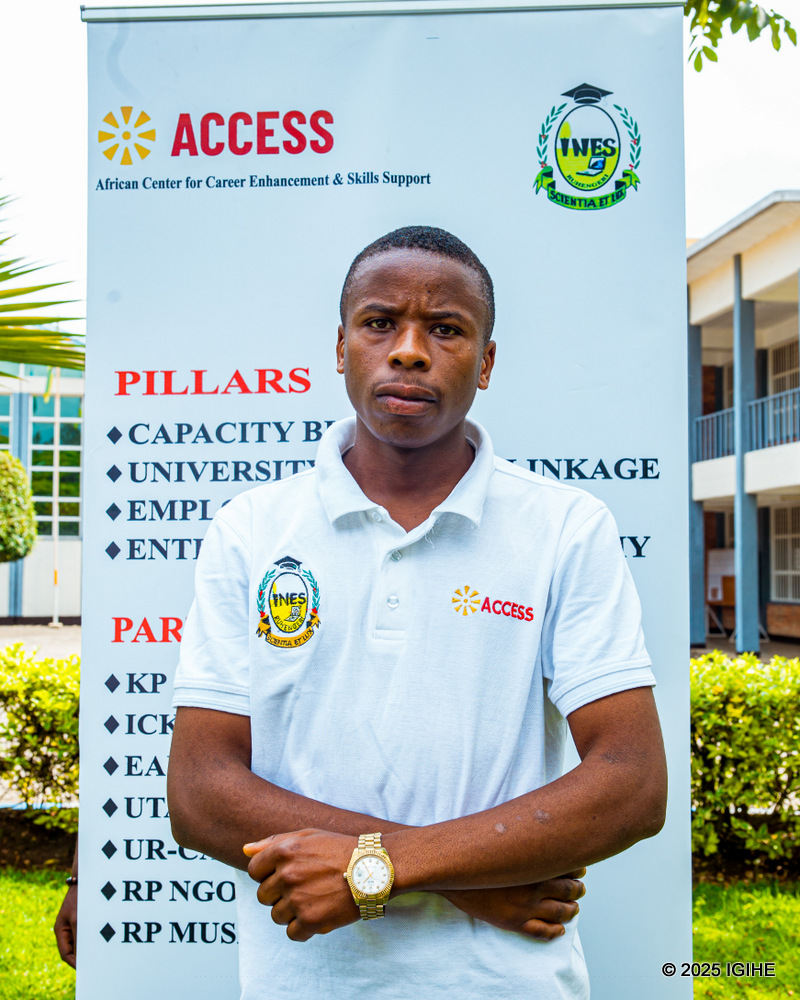
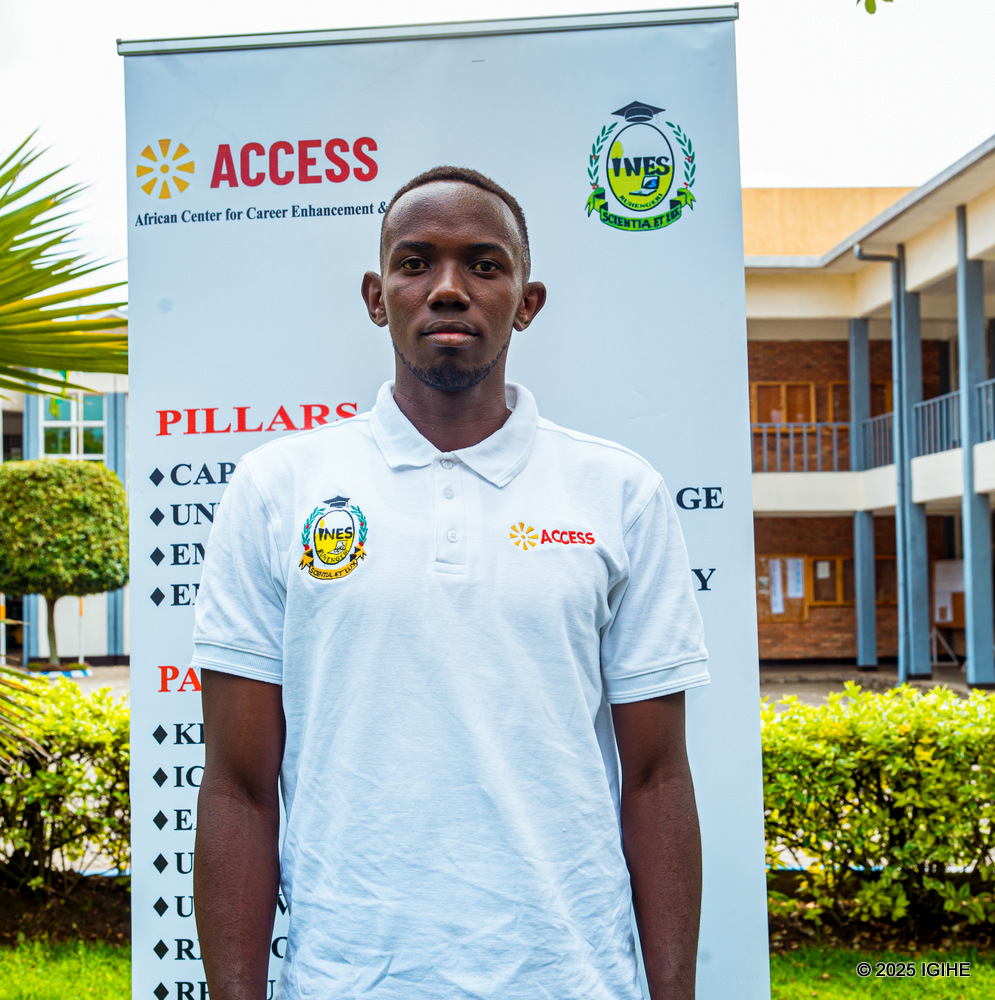
Among this year’s top contenders is a unique project that focuses on creating porridge flour from a variety of materials, including chicken eggshells.
The initiative is part of a broader effort supported by the ACCESS project (African Centre for Career Enhancement & Skills Support), which aims to help students implement their business ideas. ACCESS provides the necessary resources and guidance to turn these ideas into tangible and impactful ventures.
Dr. Niyibizi François Xavier, the ACCESS coordinator in Rwanda, explained that the competition’s goal is to offer students the opportunity to bring their creative business ideas to life.
“Many students have great ideas, but lack the resources to implement them. Our project helps them by providing the essential tools to transform their concepts into real-world businesses,” he stated.
This year, the competition started with 49 projects, which were narrowed down to 20. These finalists received business training and further evaluation, resulting in the selection of the top seven. Among them, five projects will receive additional support to begin implementation.
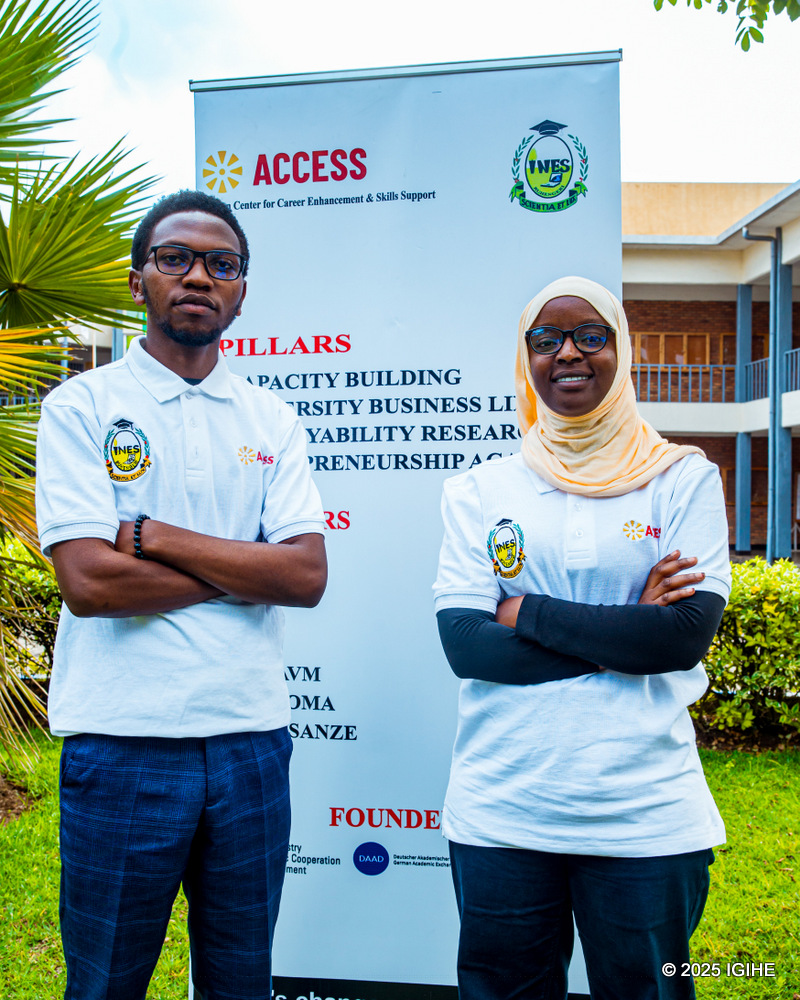
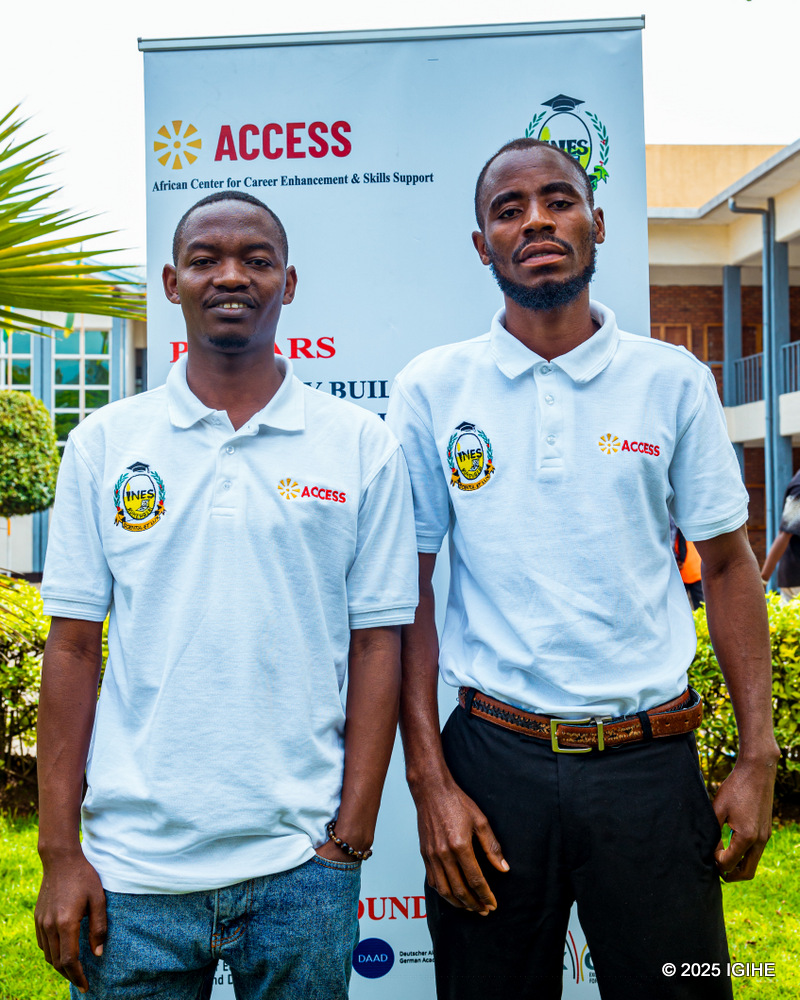
One of the promising projects is by Niyomugabo Thierry and Uwizeyimana Patrick, who are developing a modern toilet design that prevents the spread of diseases.
The toilet will feature self-cleaning technology, which automatically sanitizes itself after use.
“Our research shows that public toilets contribute to the spread of disease, particularly affecting women. Our design will cover the leftover water, preventing contamination,” Niyomugabo explained. “Additionally, it will assist people with disabilities by making it easier to operate,” Uwizeyimana added.
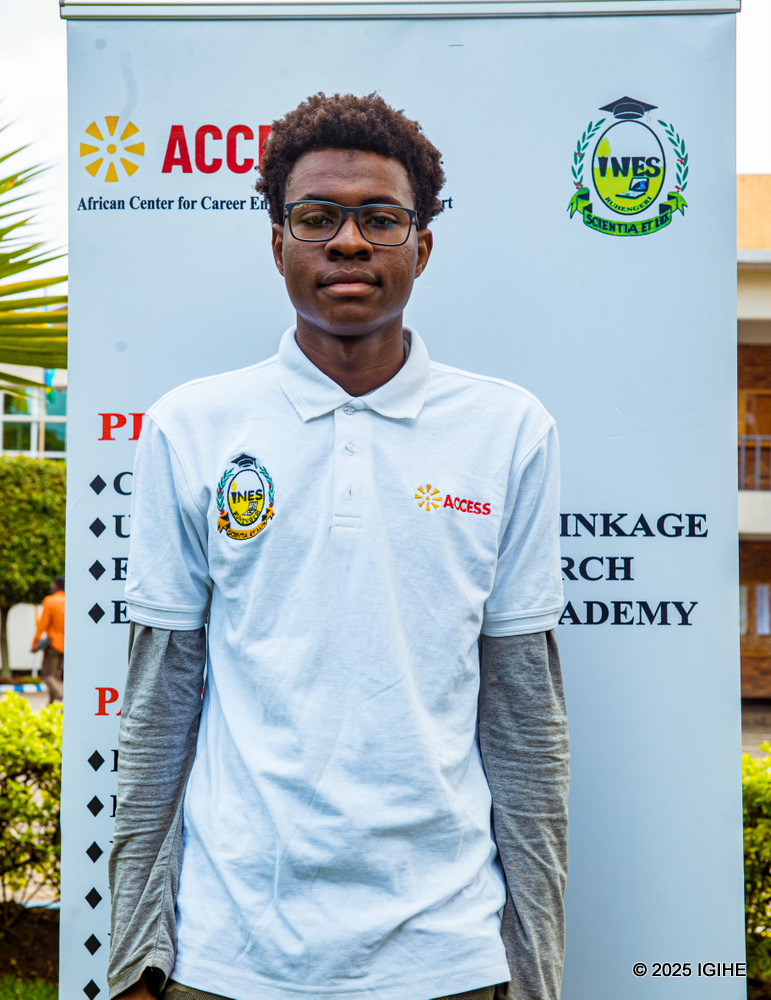
Another standout project comes from Patrick Hans Weedy Jr., who is working on the ‘Bible Coding Academy.’ This project aims to teach young people not only Bible studies but also coding. “Youth today need to integrate their beliefs with practical skills. By combining faith with technology, we can prepare them for the future,” he said.
Tuyizere Patrice is working on a project to produce nutrient-rich flour for porridge and biscuits. The flour will be made from a variety of ingredients, including mushrooms, maize, wheat, and even eggshells. Tuyizere emphasized the nutritional value of eggshells, which are often discarded.
“Eggs are nutritious, and the shells are rich in minerals. We plan to grind the shells into flour, blending it with other ingredients like honey, mushrooms, and maize to create a nutritious porridge flour that will help combat malnutrition and stunting,” he explained.
Irakoze Beni Benjamin is developing a project that involves recycling plastic waste into bricks and paving materials. This initiative aims to reduce environmental damage while providing useful building materials.
“Plastic waste is a major environmental hazard, but it can be repurposed into useful building materials. Our process ensures no harmful emissions are released during recycling,” Irakoze said.
Irikumwenatwe Olivier is working on a technology that will weigh vehicles to ensure they don’t exceed road weight limits. He explained, “Many roads and bridges are damaged by overloaded vehicles. Our technology will allow for real-time weight measurement to ensure vehicles comply with weight restrictions.”
Among others, Sani Raouf is developing assistive technology for people with disabilities, including glasses equipped with cameras and technology that help the visually impaired navigate their surroundings.
In addition, he is working on gloves that translate sign language into speech, helping people with hearing or speech disabilities communicate more easily.
“The glasses will have a camera that tells the wearer what is in front of them, guiding them to their destination. The gloves will help people using sign language communicate with those who don’t understand it by converting signs into speech,” Sani explained.
Lastly, Umutoni Sumaya and Ukunzwenimana Olivier are working on an eco-friendly project to produce fertilizer from agricultural waste and chicken manure. They are also developing a pesticide from ginger peels.
“We realized that agricultural waste and chicken manure are often discarded but can be used to make affordable, environmentally friendly fertilizers,” Umutoni said.
The competition is open to all institutions collaborating with INES Ruhengeri, including universities in the Musanze District.
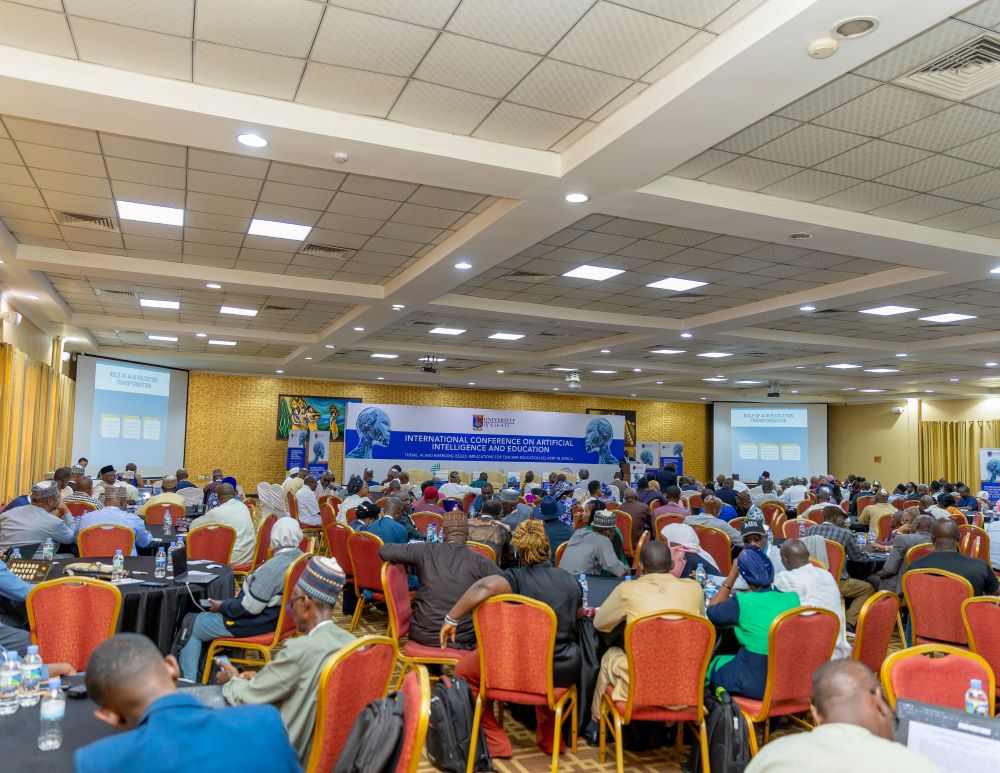
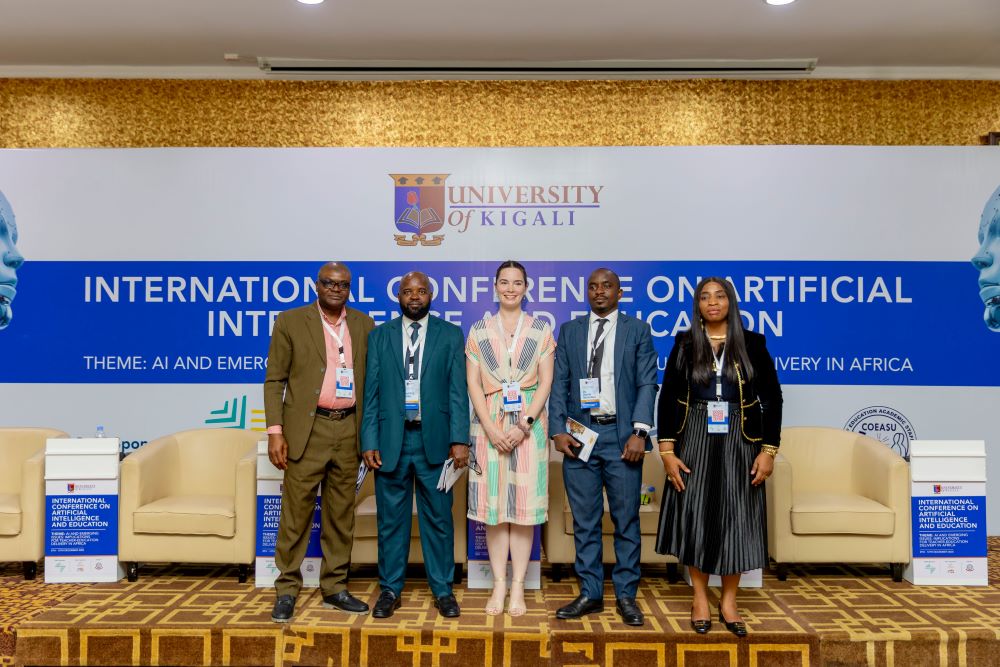
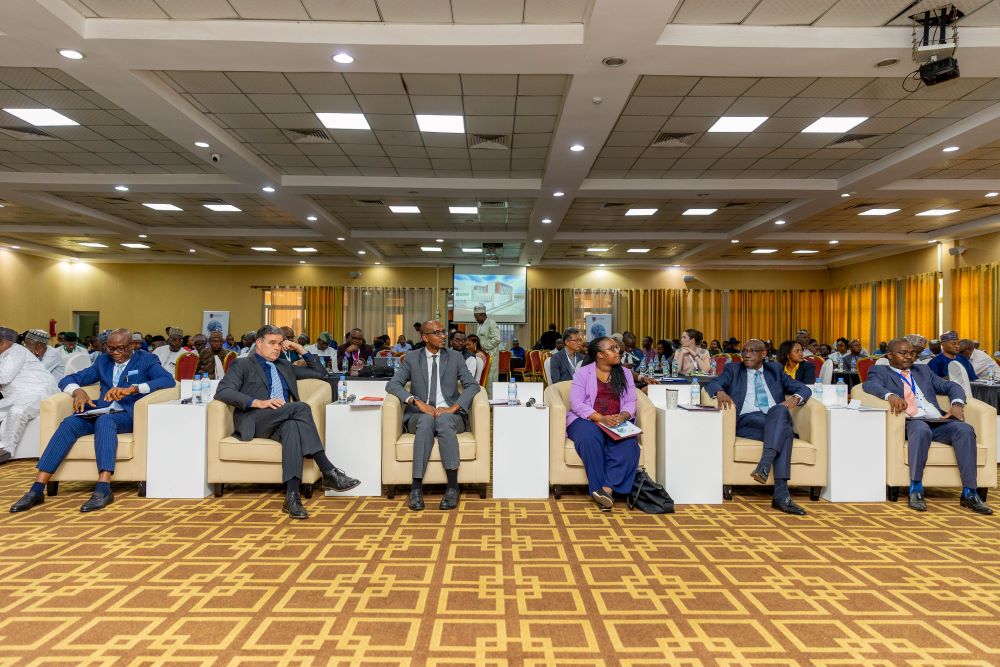
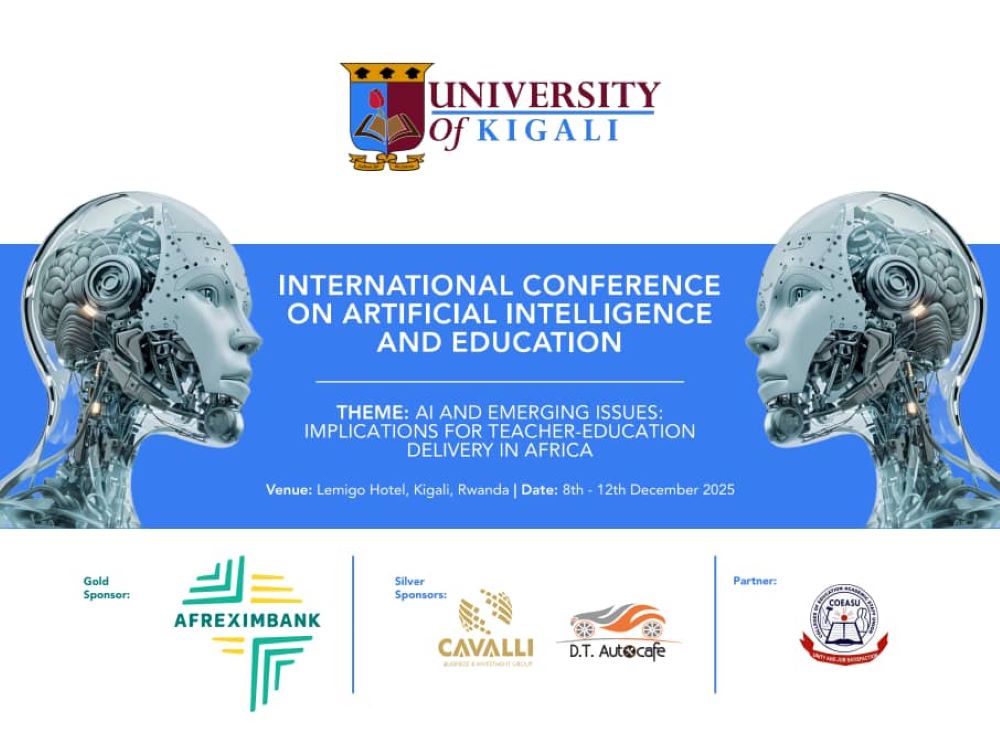
Under the theme “AI & Emerging Issues: Implications for Teacher-Education Delivery in Africa”, ICAIED 2025 delivers a powerful platform for participants to explore how artificial intelligence is reshaping teaching, learning, assessment and research in higher education, with a special focus on teacher training and capacity building.
The conference convened a wide array of stakeholders: university faculty, ministry officials, EdTech developers, policy makers, NGOs, and young researchers, all converging to exchange knowledge, present research, and co-design solutions for the future of African education.
For the University of Kigali, this conference aligns seamlessly with the institution’s strategic drive toward innovation, research excellence, and global relevance. The event exemplifies UoK’s commitment to preparing graduates for a rapidly evolving world where AI and digital competencies are essential.
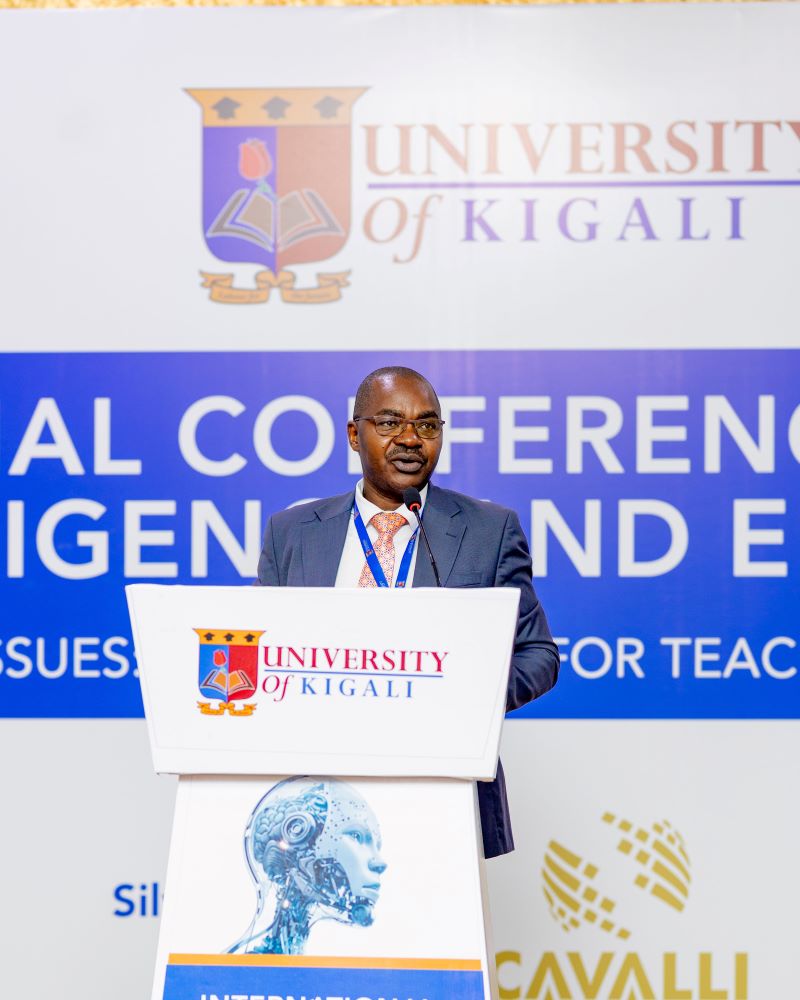
In her opening address, Prof. Ogechi Adeola, Deputy Vice Chancellor for Research, Innovation & Enterprise and Chair of ICAIED 2025, delivered a compelling welcome that framed the spirit and purpose of the conference.
She emphasized both the promise of AI for African education and the responsibility to adopt it thoughtfully and ethically.
Reflecting on the transformative moment Africa is experiencing, she noted: “Across Africa, Artificial Intelligence is no longer an abstract concept. It is shaping classrooms in Kigali, Nairobi, Lagos, Accra, Joburg and beyond. Students are increasingly using AI-powered writing tools, translation apps, learning platforms and automated assessments.” “Yet as we embrace these opportunities, we must also recognise the realities that define our education ecosystem… complex questions about data privacy, algorithmic bias, digital sovereignty and ethics demand urgent attention.”
The Vice Chancellor of UoK Prof. George Kimathi reaffirmed the university’s deep alignment with Rwanda’s forward-looking national agenda and its commitment to educational transformation: “At the University of Kigali, we are intentionally embracing Artificial Intelligence and innovation as catalysts for transforming higher education.
Our mission is to equip students with the skills, mindsets, and technological competence required to thrive in a rapidly evolving world. As Rwanda moves boldly toward becoming a knowledge-based, digitally empowered economy, UoK stands ready to produce graduates who will not only participate in that journey but help shape it. We see AI not merely as a tool, but as an opportunity to rethink learning, expand research excellence, and drive impactful innovation across the continent.”
The Chairman of UoK’s Governing Body, Philibert Afrika echoed this vision, underscoring that hosting ICAIED 2025 is a powerful reaffirmation of the University’s mission to lead Africa’s transformation through research-driven innovation, global collaboration, and academic excellence.
Reflecting on the significance of the conference, he stated: “This International Conference on Artificial Intelligence and Education is not just a gathering of experts; it is a clear demonstration of our commitment to building an ecosystem where innovation thrives, where ideas are exchanged, and where the future of education is shaped with purpose.”
“In convening scholars, policymakers, technologists, and educators from across Africa and the world, the University of Kigali is positioning Kigali as a continental hub for educational innovation, one that contributes meaningfully to Rwanda’s national development agenda.”
At the national level, Rwanda has positioned itself as a leader in Africa’s digital transformation. The country’s pioneering National Artificial Intelligence Policy, adopted to promote responsible, inclusive AI development, seeks to leverage AI for sustainable growth, education reform, and economic competitiveness.
In her address, Esther Kunda, the Director General for Innovation and Emerging Technologies, representing the Minister of ICT & Innovation, applauded the University of Kigali for convening such a timely and impactful gathering.
Kunda emphasized that Artificial Intelligence is not just a technological trend, but a transformative force shaping how societies learn, work, innovate, and solve problems.
She stated: “Across the world, Artificial Intelligence is reshaping how people learn, work, communicate, and solve problems. For Africa, AI represents not only a technological shift, but an opportunity to accelerate progress in education, strengthen institutions, and empower a new generation of innovators and problem-solvers.”
She further highlighted Rwanda’s commitment to building a digitally empowered nation, grounded in Vision 2050, the National Strategy for Transformation, and the country’s emerging AI coordination frameworks.
Emphasizing the pivotal role of education, Kunda remarked: “AI cannot transform our continent without well-prepared teachers, strong governance systems, and robust institutional capacity… That is why this conference is so important.”
She encouraged delegates to interrogate critical issues of AI ethics, accessibility, equity, and teacher empowerment, noting that solutions must be driven by collective action and cross-border collaboration. She concluded by officially opening ICAIED 2025, reaffirming government support for innovation and strong partnerships with institutions such as UoK.
Dr. Edward Kadozi, Director General of the Higher Education Council (HEC), delivered a powerful keynote that set the tone for the conference.
In his remarks, he highlighted the transformative potential of artificial intelligence, while calling for responsible, equitable, and inclusive adoption within African education systems.
“AI is not a magic wand, but it is a powerful set of tools that, used wisely, can strengthen what teachers do best… from amplifying personalized learning to enhancing formative assessment and accelerating professional development.
“But a promise without groundwork risks harm: deepened inequality, lowered standards, and erosion of professional agency. If we are honest about our readiness gaps, we can also be strategic,” he noted.
This sentiment mirrors the objectives of ICAIED 2025. The conference aims to contribute to building an “AI-ready” education ecosystem, supporting teacher capacity, promoting equitable access, and ensuring that AI integration advances national goals under Rwanda’s broader development roadmap, such as its Vision 2050.
The Chairman of UoK’s Board echoed this, noting that hosting ICAIED 2025 reaffirms the university’s mission to lead in research, global collaboration, and academic excellence, positioning Kigali as a hub of educational innovation for Africa.
ICAIED 2025 has drawn an impressive mix of participants: veteran professors, policy analysts, EdTech entrepreneurs, government regulators, and young researchers from more than half a dozen countries across Africa. Their presence underscores the university’s international reach and the global importance of the conference themes.
Sessions include keynote lectures, thematic panels, workshops, and breakout group discussions on topics ranging from adaptive learning systems, AI-driven assessment, ethics and data governance, to AI’s role in narrowing the digital divide and promoting equity in education.
ICAIED 2025 delivers value across the entire education ecosystem: for educators and institutions, it offers a vital opportunity to stay ahead of global trends, adopt AI-powered teaching tools, and build capacity for future-oriented education delivery; for policy-makers and regulators, the conference’s insights and recommendations contribute directly to strengthening national frameworks governing AI integration in higher education, ensuring alignment with national policies and sector strategic plans; and for students and youth, it signals expanding opportunities through personalized, adaptive, and digitally inclusive learning pathways, preparing graduates with the AI-enhanced skills needed to compete and succeed in a globalized world.
As Rwanda positions itself as Africa’s centre for AI research and innovation, initiatives such as ICAIED 2025 demonstrate how academic institutions can lead the way. The University of Kigali calls on governments, private sector players, development partners, and educators across Africa to embrace AI responsibly and ethically as a key enabler of transformation in education and beyond. ICAIED 2025 is more than a conference; it is a bold step toward a future where AI and education converge to unlock Africa’s potential.
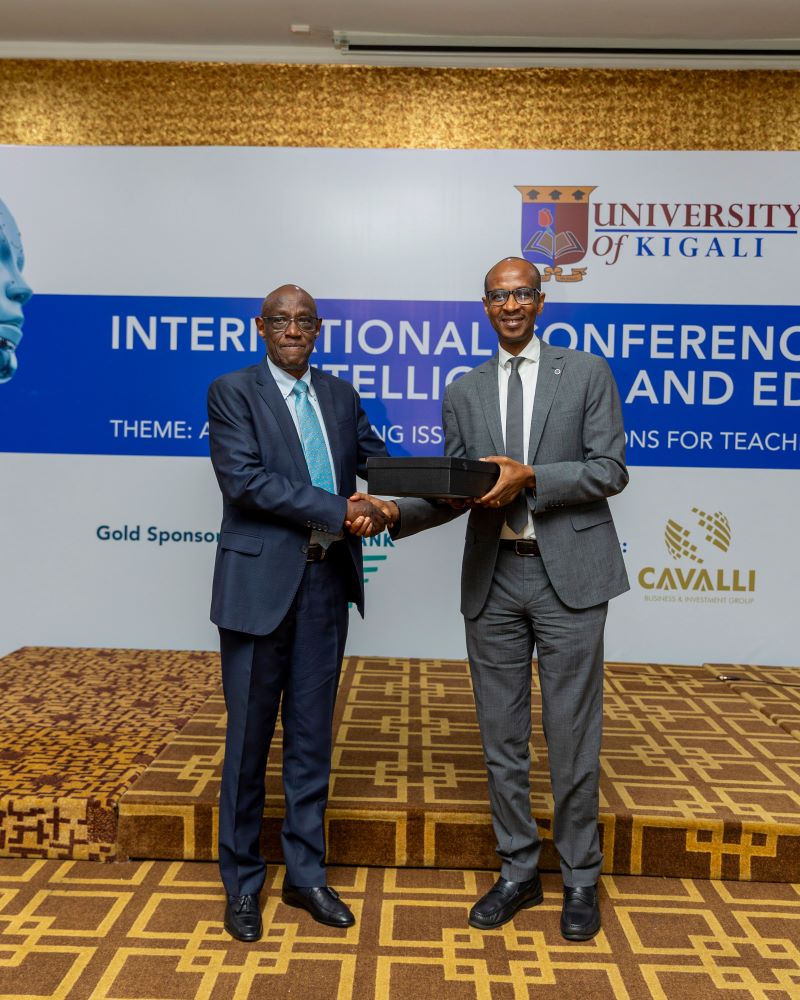
The conference received strong continental support, led by Afreximbank as the Gold Sponsor, reaffirming its Pan-African mandate to transform Africa’s trade landscape.
A four-minute Afreximbank corporate video powerfully illustrated the Bank’s mission, strategic pillars, including Intra-African Trade, Industrialisation and Export Development, Leadership in Global Trade Banking, and Financial Sustainability, and its flagship initiatives advancing trade, investment, and social impact across the continent.
Additional sponsorship from Cavalli Business & Investment Limited and DT Autocafe, as Silver Sponsors, further strengthened the event’s success and visibility, demonstrating the private sector’s commitment to advancing Africa’s innovation and development agenda.