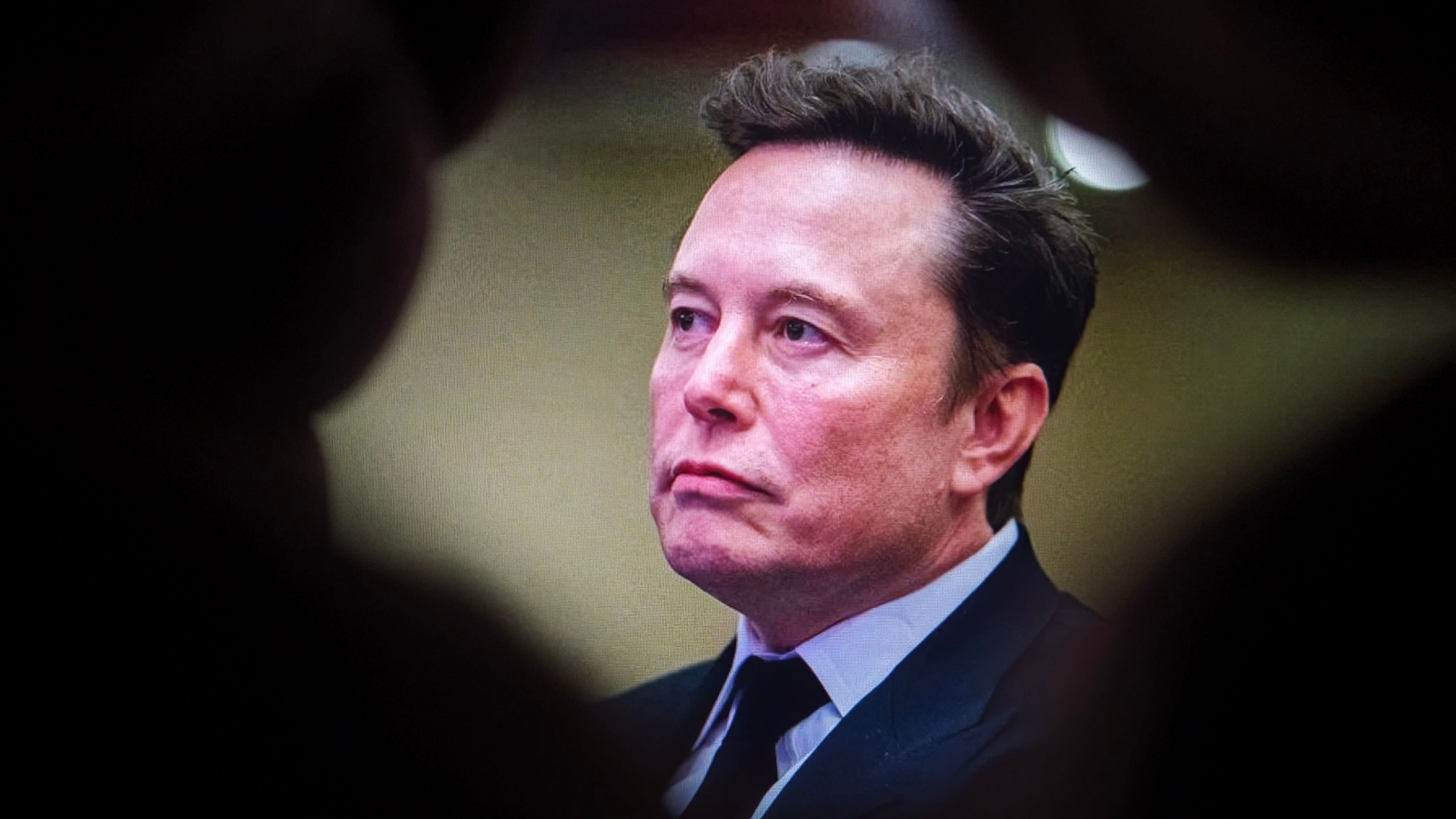
In a post shared on X, Musk claimed that Starlink had repeatedly been encouraged to present a Black South African as the head of its local operations in order to secure regulatory approval. He said the company refused to participate.
“We were offered many times the opportunity to bribe our way to a license,” Musk wrote on Sunday, adding that he declined “on principle.” He further argued that Starlink has been unable to launch in South Africa because of ownership rules linked to race.
Musk’s remarks mark his latest criticism of South Africa’s Broad-Based Black Economic Empowerment (B-BBEE) framework, a policy designed to address historical inequalities by promoting economic participation among previously disadvantaged groups. In sectors such as telecommunications, companies are often required to meet local ownership thresholds to obtain operating licences.
The billionaire entrepreneur, who was born in Pretoria, has increasingly framed these requirements as discriminatory. His latest comments also included sharp criticism of South African officials, whom he accused of promoting racism through regulatory policy.
The claims have not been independently verified, and South African authorities have not issued an official response to the allegations.
The dispute intensified following an online exchange with Clayson Monyela, a senior official in the Department of International Relations and Cooperation. Monyela mocked Musk in a social media post, pointing out that hundreds of American companies operate successfully in South Africa while complying with local laws.
Critics of Musk’s claims have also pushed back. Michael de Villiers described the allegations as misleading, noting that many foreign firms, including those led by non-Black executives, continue to operate in the country without facing similar barriers.
Despite Musk’s public stance, Starlink’s regulatory team has maintained that the company supports South Africa’s transformation goals. The company, a subsidiary of SpaceX, has argued that existing telecom regulations enforced by the Independent Communications Authority of South Africa (ICASA) do not fully align with broader empowerment frameworks.
Starlink has proposed using Equity Equivalent Investment Programmes (EEIPs) as an alternative to equity ownership requirements. These programmes allow foreign companies to contribute to economic transformation by investing in local initiatives such as skills development, infrastructure, and education.
According to the company, EEIPs are recognised across several sectors but are not currently accommodated within telecom licensing rules. Starlink has described this as a regulatory inconsistency and has called for reforms.
As part of its proposed entry into South Africa, Starlink has pledged to invest in connectivity initiatives, including providing free hardware and internet services to thousands of rural schools. It has also committed to working with local partners to support rollout and job creation.
Recent developments suggest possible movement on the policy front. Communications Minister Solly Malatsi has directed ICASA to consider incorporating EEIPs into telecom licensing regulations following a public consultation process that drew significant support.
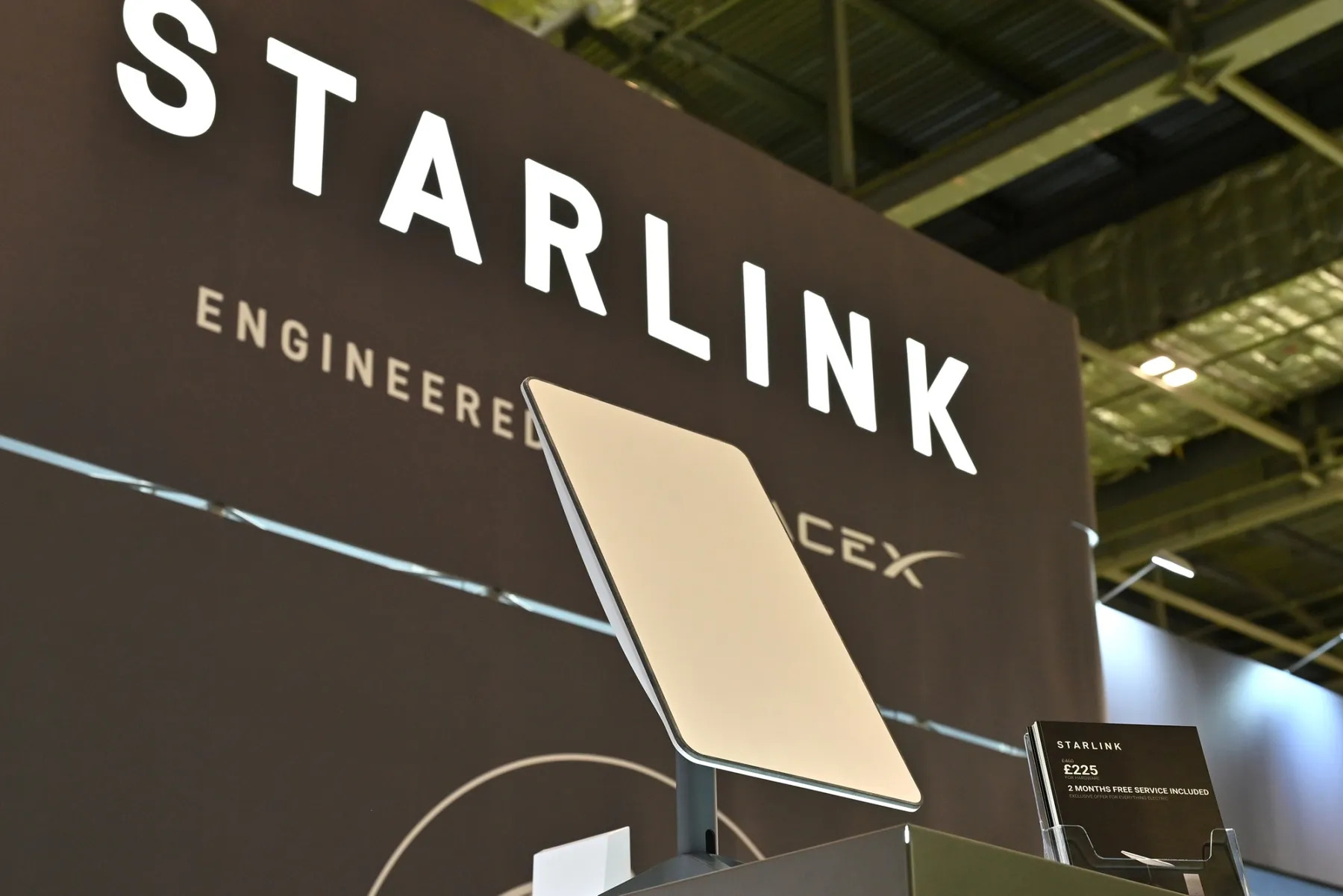
Starlink has expanded its satellite internet footprint across multiple African countries, including Rwanda, targeting underserved regions with limited broadband infrastructure. However, South Africa, one of the continent’s largest economies, remains outside its current coverage.
Musk’s allegations are likely to intensify debate over the balance between economic transformation policies and the need to attract foreign investment, particularly in critical sectors such as telecommunications.
Leave a Reply