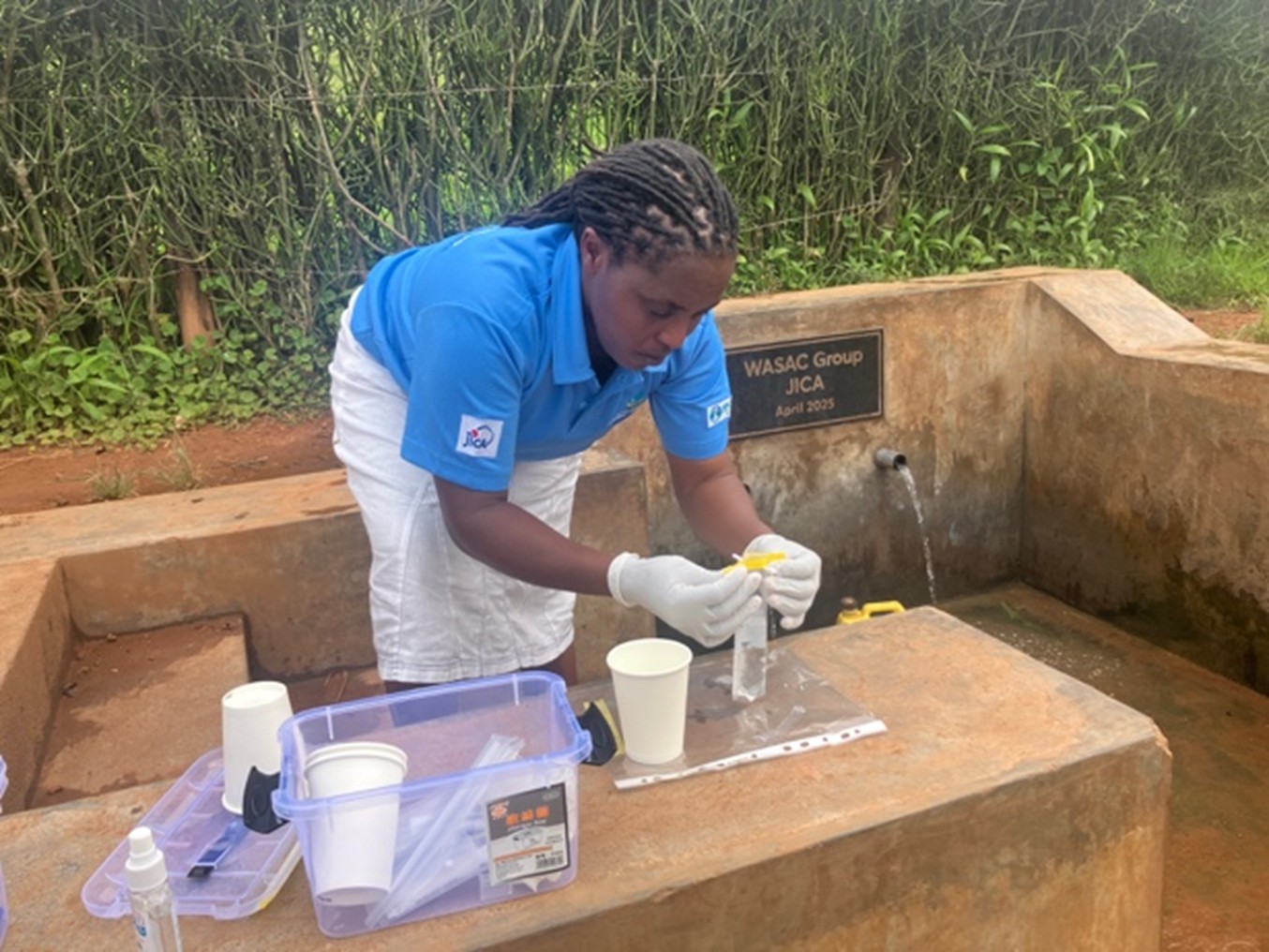
At the spring, Niyonambaza Rachel Aisha, a representative of the women, remembers how different life used to be.
“In our daily lives, many things have changed. Before, we did not have clean water,” she says.
For more than two decades, cooperation between the Government of Rwanda and the Government of Japan, implemented through the Japan International Cooperation Agency (JICA), has quietly transformed rural water services. Behind each functioning water point are people like Rachel.
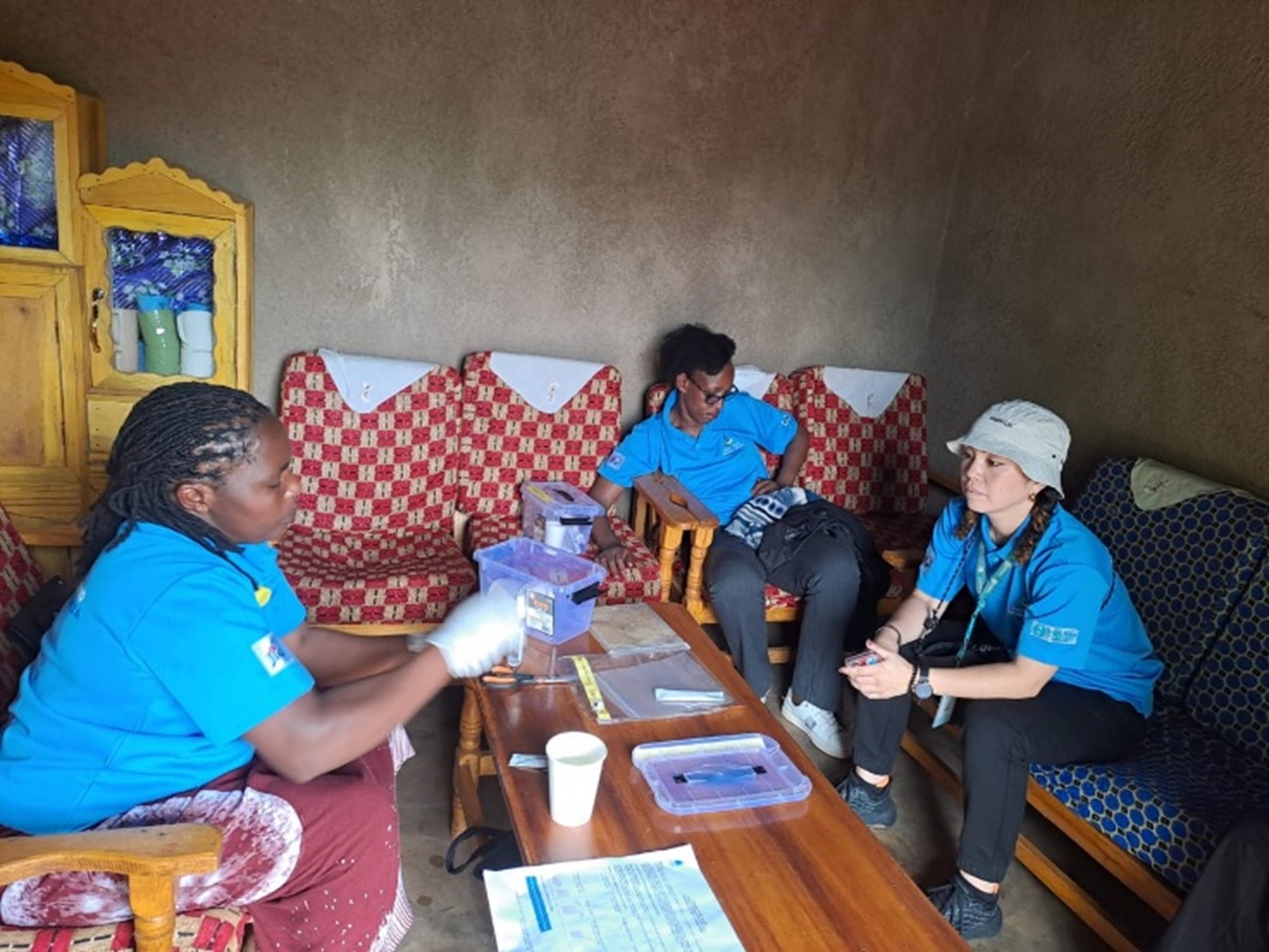
Before the rehabilitation of Kagezi spring under the “Project for Rural Water Supply Services and Infrastructure Management Development (RWASOM2)” in October 2024, fetching water was a daily struggle.
“The water was dirty and contained worms. Many in our community fell ill from unsafe water,” Rachel recalls.
Today, the spring is capped, channeled, and protected. Clear water now flows through a tap onto a clean concrete platform. The improvement is visible, but its deeper impact is measured in health and dignity.
“When you have clean water, you have good health. Now children go to school and study well because they are healthy,” Rachel says.
Seeing the transformation, Rachel and her community have committed themselves to protecting the spring. Every Saturday, they clean the area and ensure it remains safe.
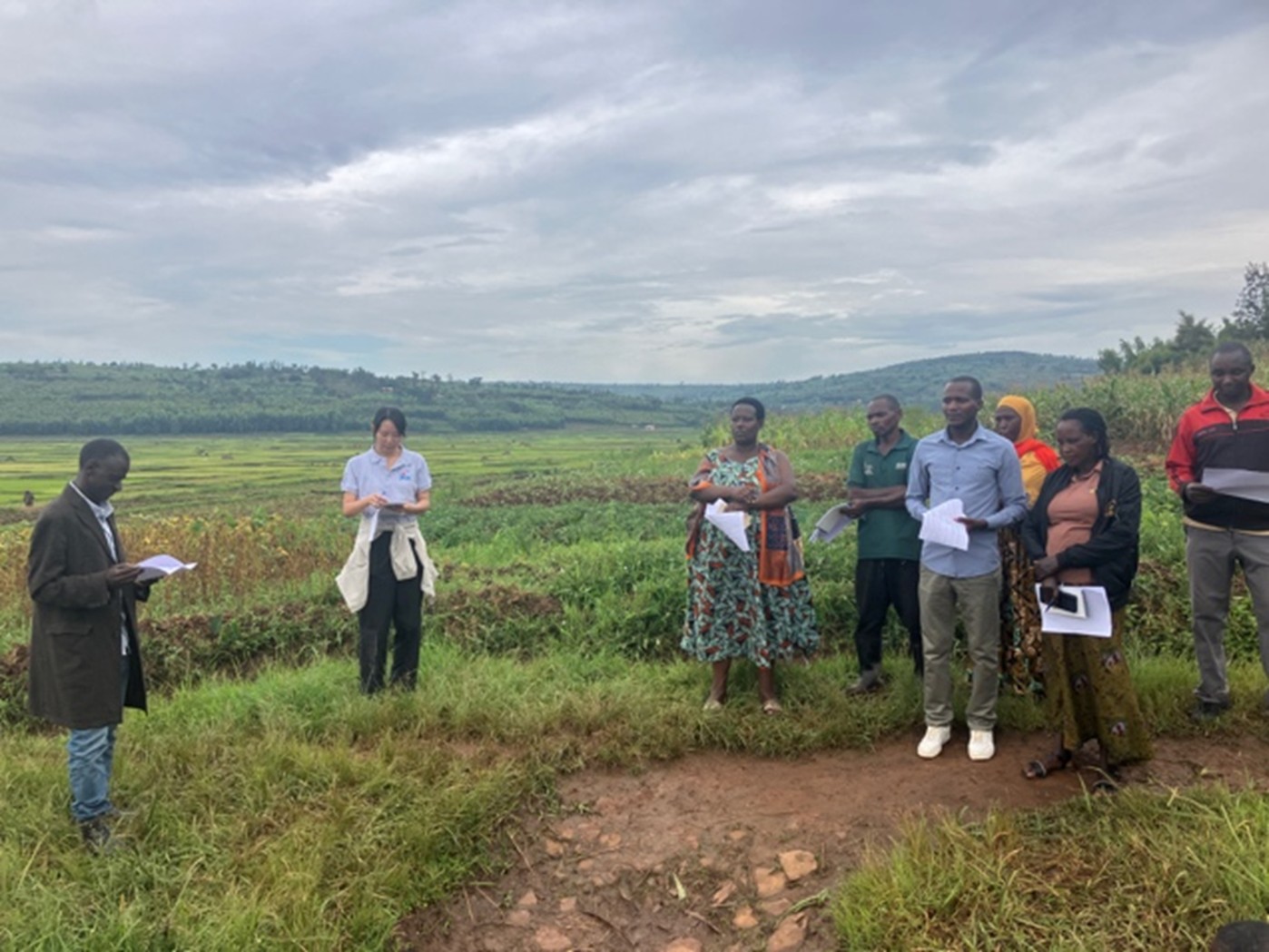
Building systems, strengthening communities
At the national level, rural water management is coordinated by the Water and Sanitation Corporation (WASAC). For Vincent de Paul Mugwaneza, Director of Water Supply at WASAC Development, the partnership with JICA has been both technical and transformative.
“Our projects with JICA are designed to address existing challenges. Before implementation, we ensure they align with national water strategies and are likely to deliver real, measurable impact,” he explains.
JICA’s long-standing cooperation has gone beyond infrastructure development; it has helped build a stronger and more sustainable ecosystem for water supply management by strengthening management structure, training private operators, and providing district teams with tools for planning, monitoring, and maintenance.
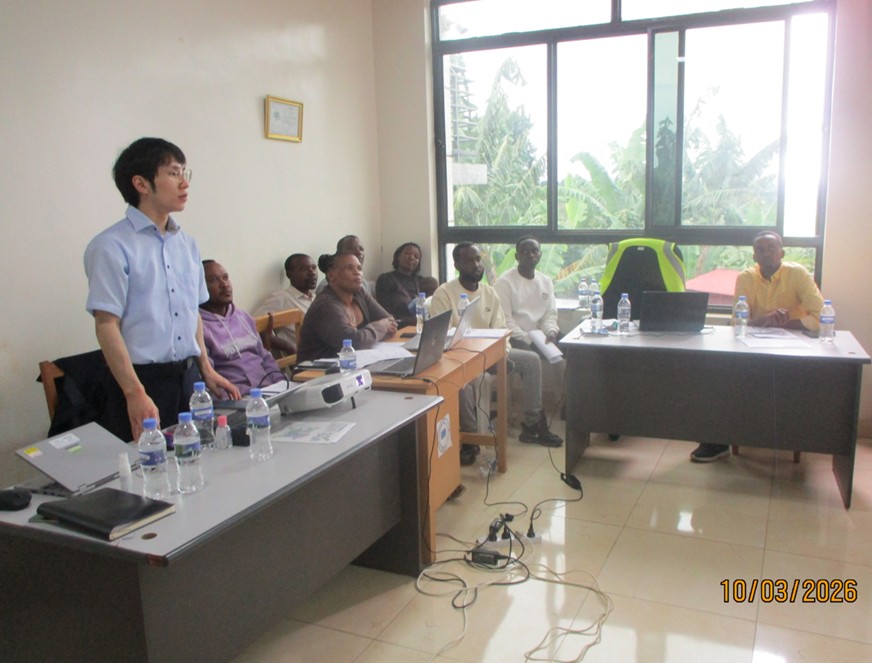
RWASOM’s JICA expert Satoshi Ishida notes that sustainability depends less on construction and more on post-project management.
“Private operators manage rural pipelines and contribute a royalty fee equivalent to 10% of their revenue to WASAC, which funds major repairs and facility renewal plans,” he says.
The project improved how private operators plan repairs, shifting them from reactive to preventive management. Ishida adds that mapping facilities with GIS helps operators prioritise investments and promotes a culture of preventive maintenance.
Measurable improvements have followed. “We track functioning versus non-functioning systems and citizen complaints. These indicators provide a clear picture of progress,” Mugwaneza explains.
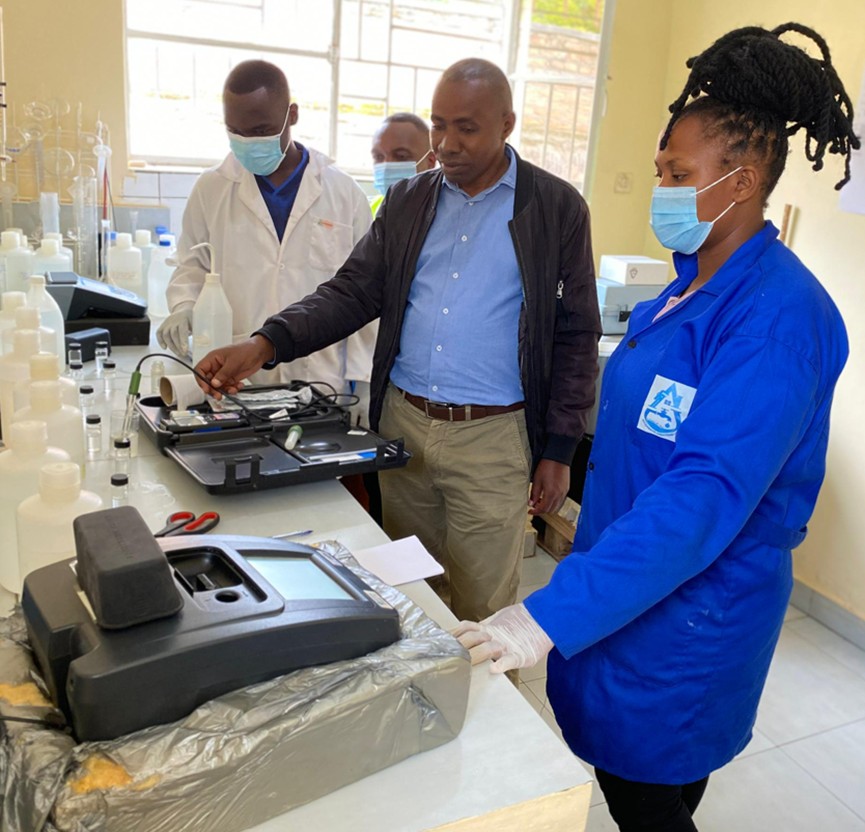
On the ground, district officers ensure that systems continue to run. In Eastern Province, Nderabakura Jean Claude, District WATSAN Officer, monitors water points across wide rural areas.
“We must know how many water points we have, which are functioning, and why some are not,” he explains.
Training supported by JICA has expanded the district’s technical capacity. Officers now develop expansion plans using GIS and QGIS, design pipelines on paper, and calculate realistic budgets. Ishida notes that embedding skills in WASAC, districts, and communities ensures that knowledge is institutionalised rather than reliant on external experts.
Water quality monitoring is also essential. “We test chemical and biological parameters, check chlorine levels, ensure pH balance, and supervise cleaning of storage tanks,” Jean Claude says.
The impact is clear: waterborne diseases have decreased, even in health facilities.
Protecting gains
Despite progress, challenges remain. In some rural areas, vandalism and illegal connections threaten infrastructure, particularly during dry seasons. JICA has introduced digital monitoring and mapping tools to help operators respond quickly.
“Mapping water systems and sharing operational reports online allows rapid identification of failures,” Ishida explains.
“Some cut pipes for mud bricks or industries,” Jean Claude notes, adding that security patrols and community sensitisation have reduced incidents.
Yet even amid constraints, the principle of community ownership remains central.
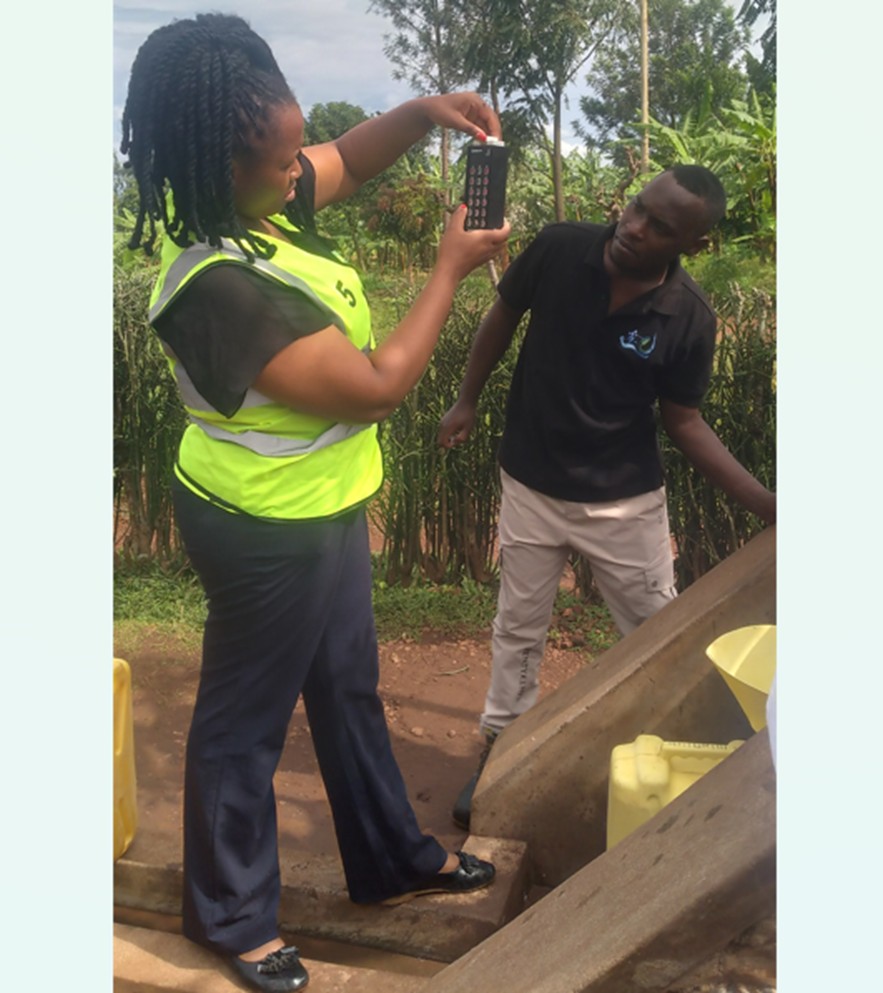
To strengthen that ownership, JICA volunteers are rooted in the community and dedicated to protecting water sources. Over the past two decades, 61 JICA volunteers in water and sanitation have been placed in rural districts, supporting daily operations, data management, maintenance training, and hygiene promotion. Before these interventions, many boreholes with handpumps were not functioning.
“The government’s development policy emphasises citizen participation,” Jean Claude says. “When citizens request infrastructure and see it delivered, they appreciate it. They recognise its value and become more willing to protect and maintain it.”
Rachel embodies that spirit. At Kagezi Spring, they do not wait for breakdowns. They clean drainage channels, check for cracks, and keep watch.
“Now we have been given water, and we also have the responsibility to protect it,” she says firmly. “No one is allowed to damage it.”
Leave a Reply