The initiative comes at a critical time for Africa’s agricultural expansion, particularly for South Africa’s fast-growing citrus sector, he said.
“South African citrus production is on such a significant growth trajectory that unlocking its full economic potential requires improved access to all high-value markets like China,” the business leader said.
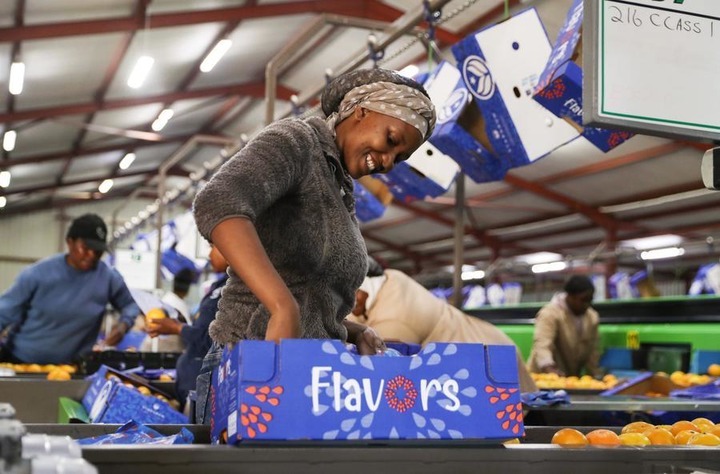
Highlighting the sector’s broader socio-economic contribution, Ntshabele noted that the country’s citrus industry currently supports about 140,000 jobs at the farm level alone and that expanded access to a large market such as China could create further employment opportunities and support rural development.
Many rural communities in South Africa rely heavily on agricultural exports, he said, adding that citrus-producing regions are likely to be among the first to benefit from improved market access under the new tariff policy.
The zero-tariff treatment, he said, will help expand trade access and deepen economic ties between Africa and China, while strengthening the continent’s external trade resilience amid global economic uncertainty.
Such policy measures could contribute to a more stable global trading system by promoting inclusive trade and reducing barriers for developing economies, helping diversify supply chains, he added.
African exporters are expected to gain a stronger foothold in one of the world’s largest consumer markets, reinforcing confidence in long-term economic cooperation and shared growth between Africa and China, Ntshabele said.
“We greatly value the opportunities the Chinese market holds,” he added.
Leave a Reply