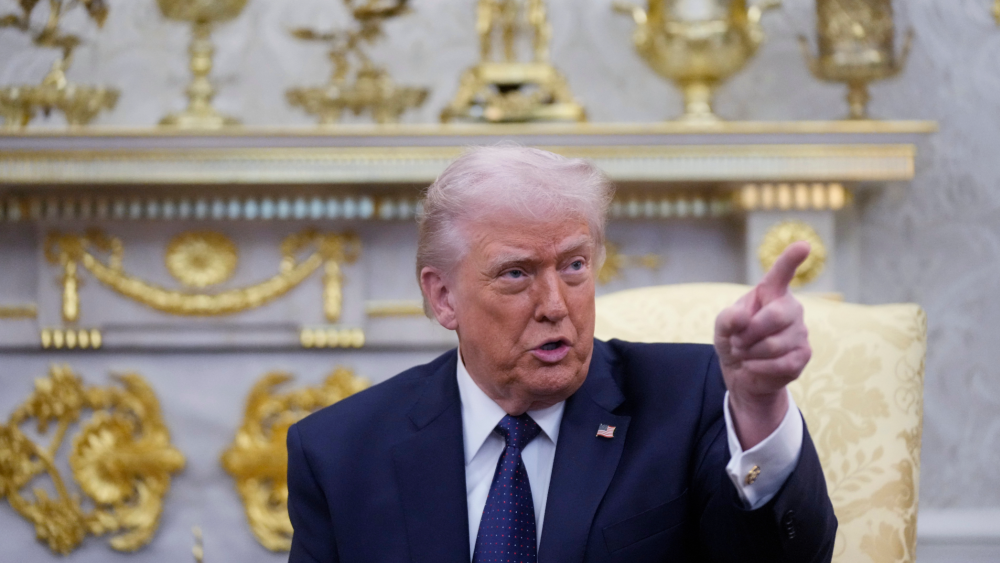
“We’re going to cut off all trade with Spain. We don’t want anything to do with Spain,” Trump told reporters at the beginning of his talks with German Chancellor Friedrich Merz in the Oval Office.
“By the way I’m not happy with the UK either,” Trump said. “This is not Winston Churchill that we’re dealing with.”
British Prime Minister Keir Starmer told Parliament on Monday that Britain is not joining the U.S.-Israeli “offensive strikes” on Iran.
Merz is the first foreign leader to meet Trump in person since the U.S. administration launched large-scale airstrikes against Iran on Saturday morning. The two leaders said the Iran operation will be a major topic during their closed-door meeting.
U.S. President Donald Trump on Tuesday threatened to “cut off all trade with Spain” for Spain’s refusal to allow the U.S. military to use its base for attacks on Iran.
“As of 4 pm ET, March 2, six U.S. service members have been killed in action. U.S. forces recently recovered the remains of two previously unaccounted-for service members from a facility that was struck during Iran’s initial attacks in the region,” the command said in a post on X.
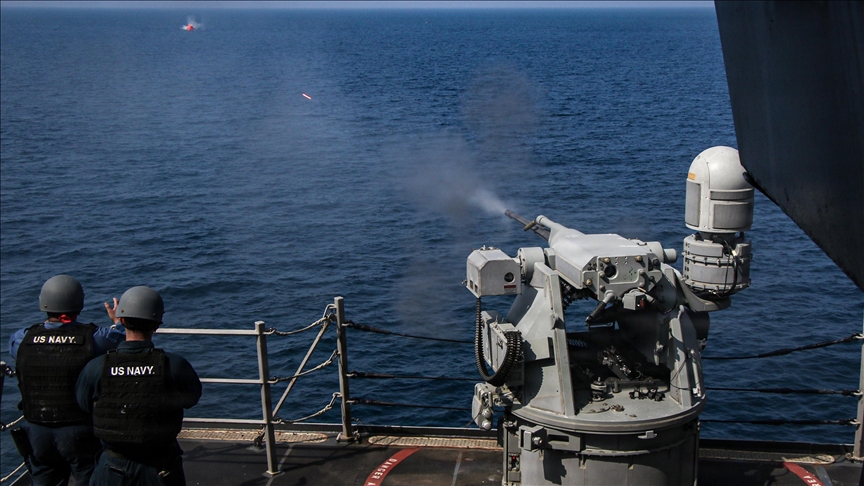
In another post earlier in the day, the command said the U.S. forces have sunk 11 Iranian naval vessels operating in the Gulf of Oman.
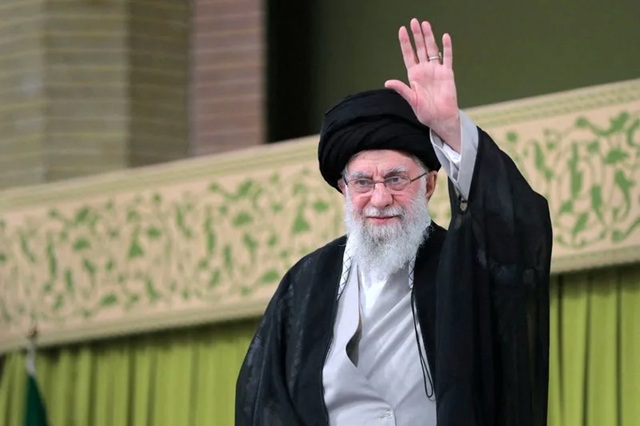
The United States and Israel began massive airstrikes against Iran on Saturday morning. Iran confirmed on Sunday that its Supreme Leader Ayatollah Ali Khamenei was killed in the airstrikes the previous day.
U.S. President Donald Trump said on Monday the military campaign against Iran has “capability to go far longer” than four to five weeks.
Democratic lawmakers have lashed out at the military operation, arguing that there was no imminent threat and the attack was not authorized by Congress.
Hakeem Jeffries, the top Democrat in the U.S. House of Representatives, wrote in a post on X on Sunday that he was “heartbroken by the loss of life of multiple service members in the Middle East.”
“No more American heroes need to die because of a reckless decision to go to war. Congress must act this week to restrain this President,” said Jeffries.
The United States and Israel began massive airstrikes against Iran on Saturday morning.
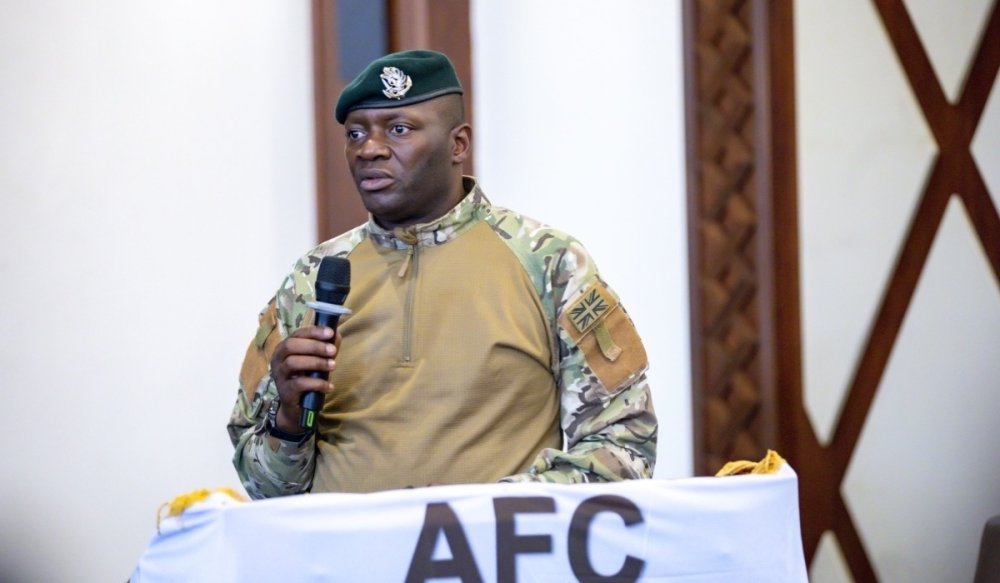
In an official communique, the group said its forces, positioned on the outskirts of Kisangani, neutralised drones that were “about to be launched to massacre civilians and attack our positions.” AFC/M23 described the operation as a “patriotic duty to protect innocent populations.”
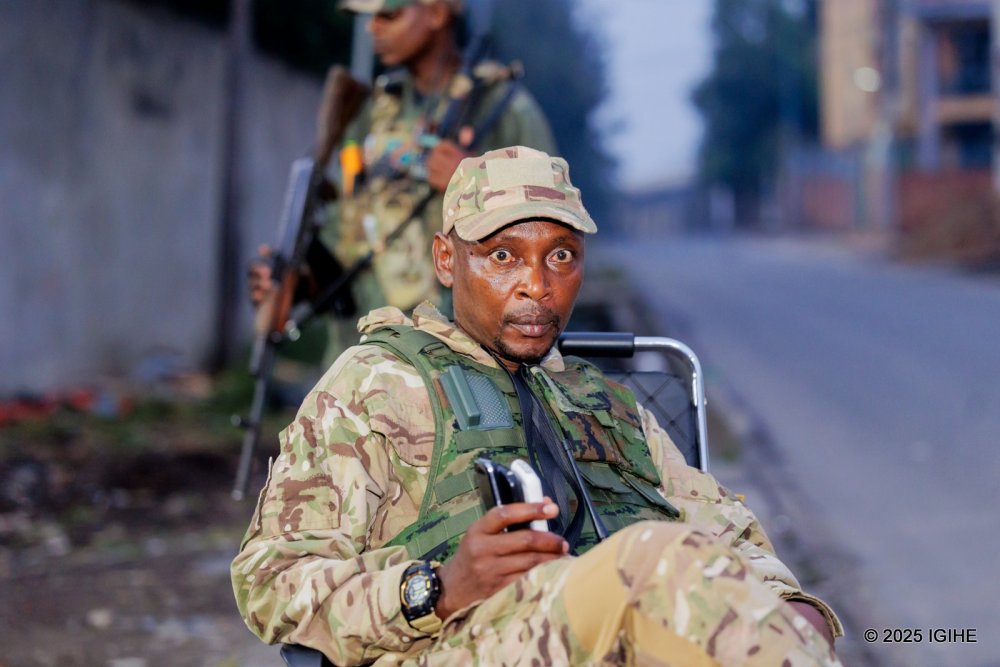
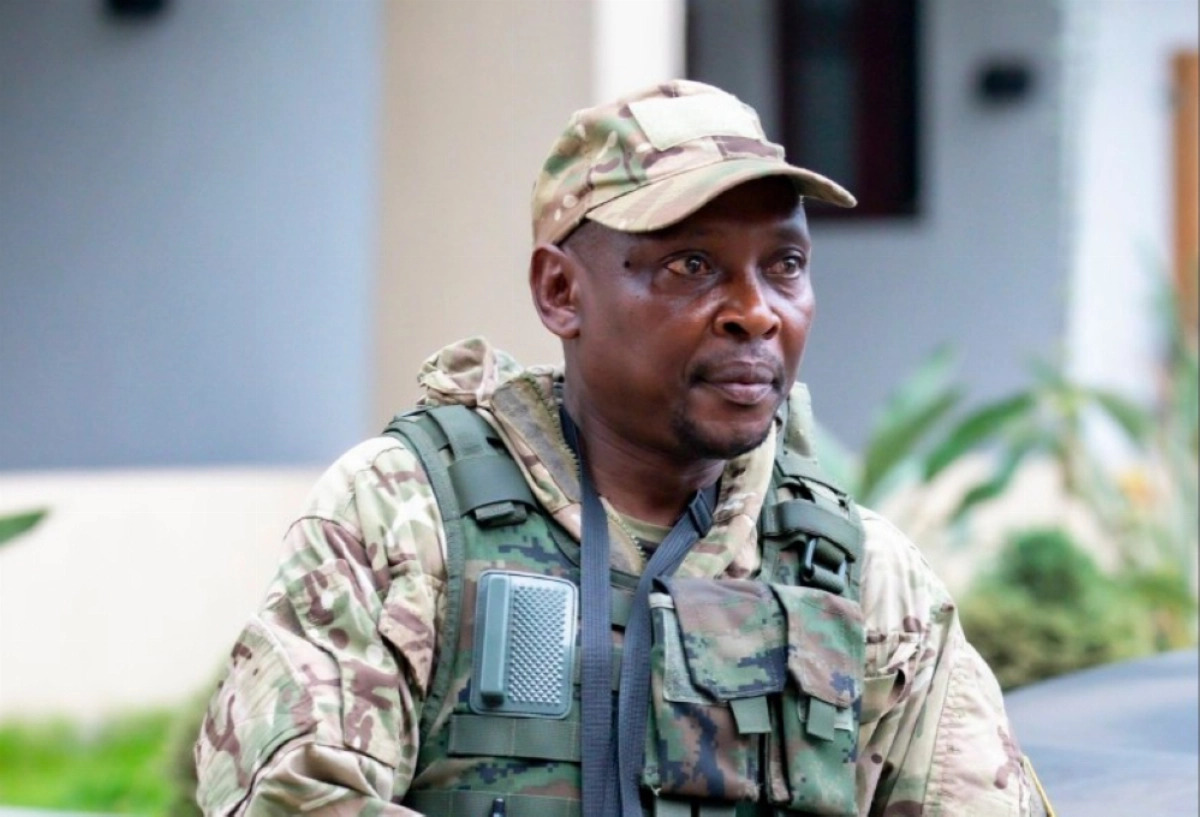
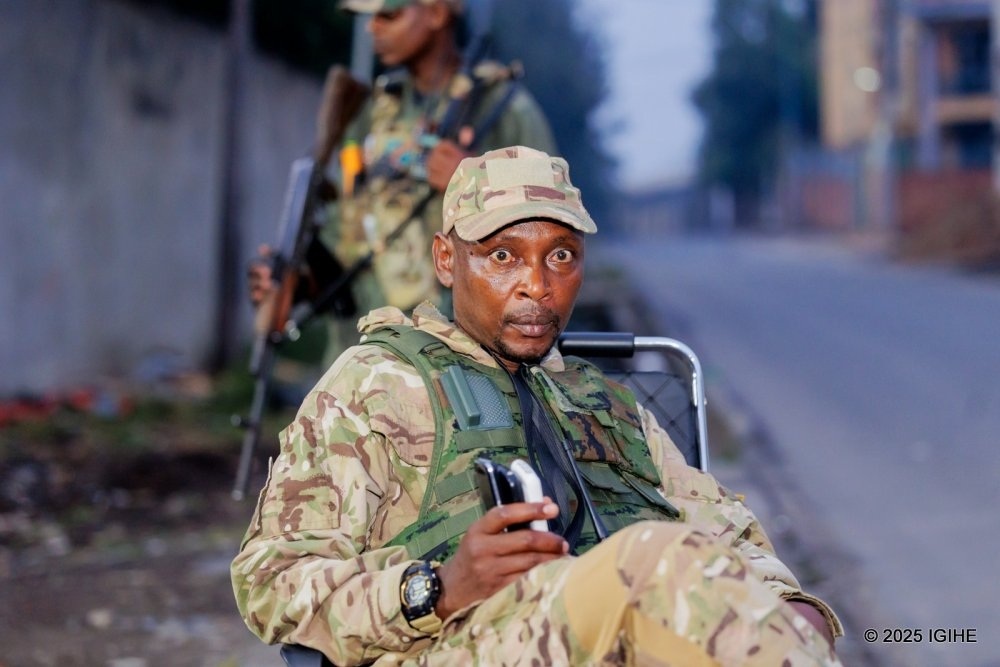
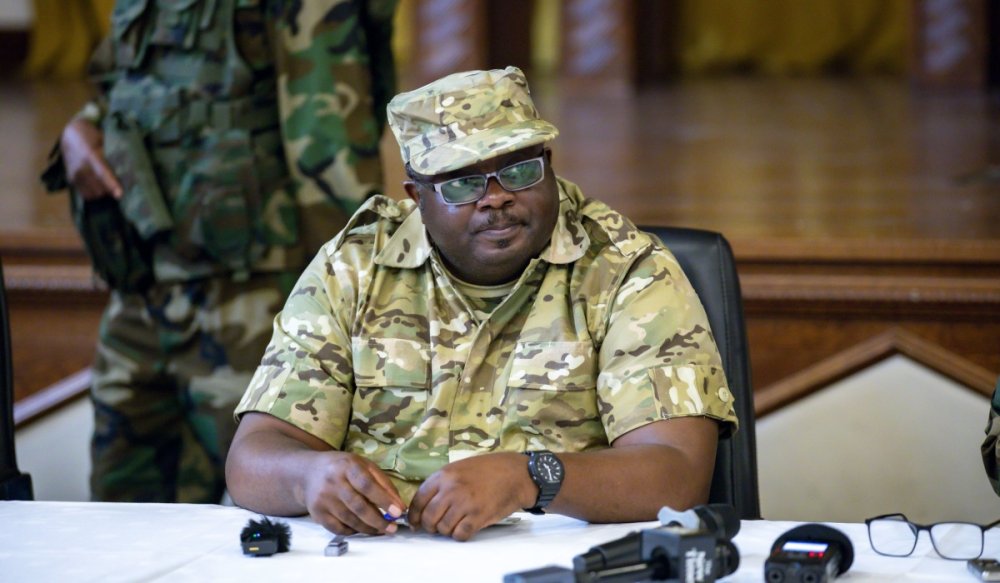
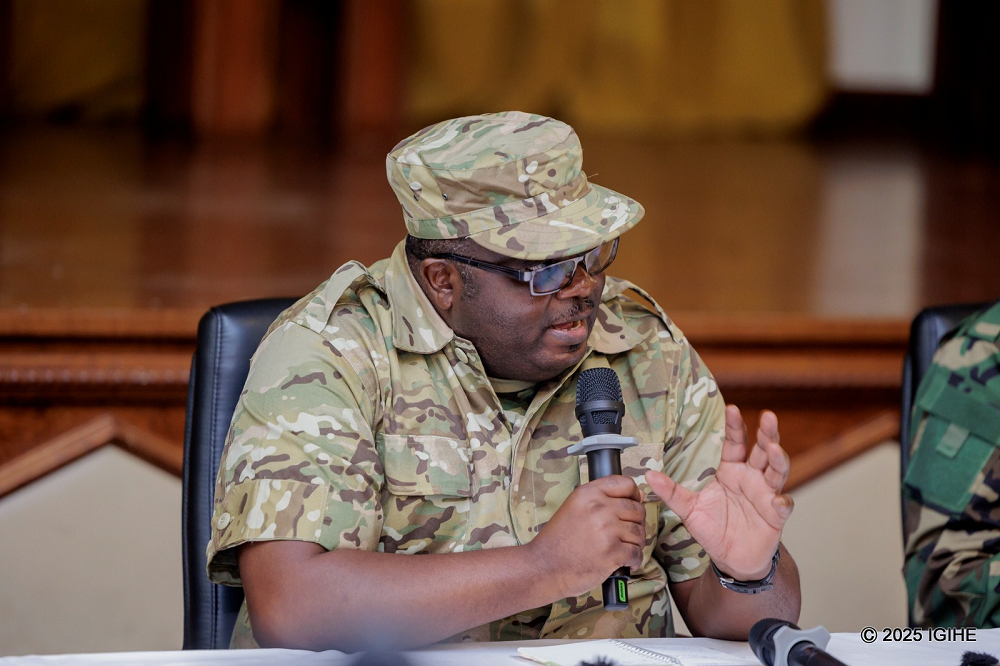
Lt Col Ngoma, a senior official within the group, was reportedly killed in a drone strike by Kinshasa forces in Rubaya on February 24, a development that AFC/M23 said underscores the government’s violation of the ceasefire and its strategy of terror targeting both soldiers and civilians.
“The blood of our compatriots who were brutally murdered, including Lieutenant Colonel Ngoma, will neither be forgotten nor passed over in silence,” AFC/M23’s spokesperson Lawrence Kanyuka said in a communiqué. “The Kinshasa regime and its criminal coalition bear full responsibility for these heinous crimes.”
The group vowed that operations to neutralize the drone threat would continue “resolutely” as long as civilian populations remain at risk in the eastern Democratic Republic of Congo. AFC/M23 reaffirmed its solidarity with affected communities and its determination to defend and protect civilians from any threat.
AFC/M23 said the attack that killed Col. Willy Ngoma targeted both soldiers and civilians far from the front lines.
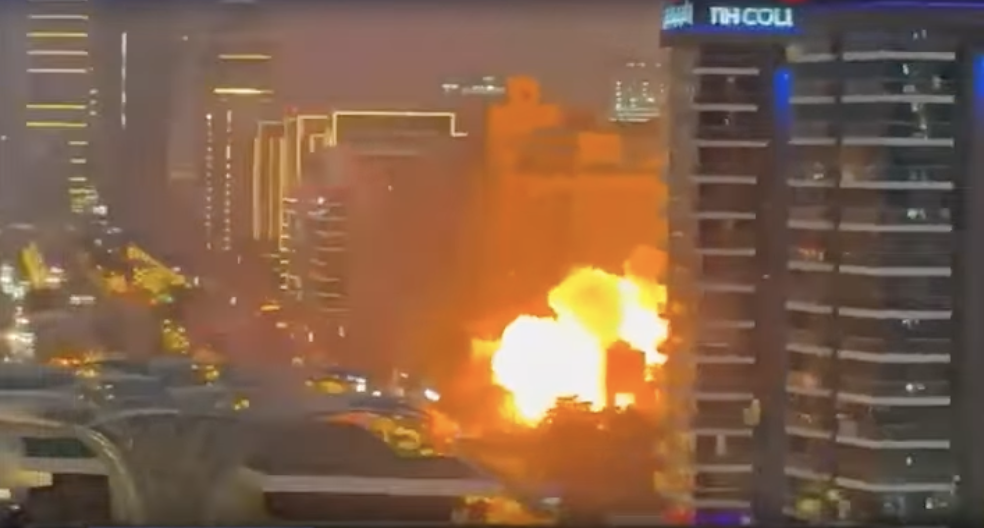
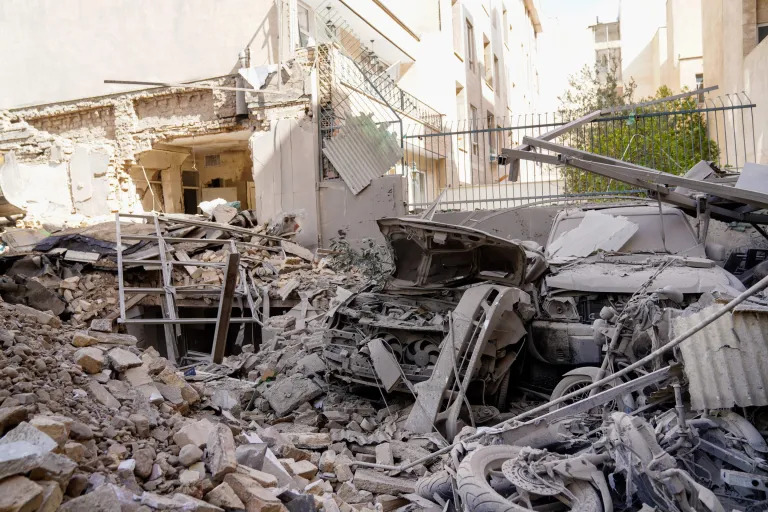
While the UAE’s advanced defence systems successfully intercepted most of the 137 missiles and 209 drones, debris from these interceptions still caused damage to several prominent landmarks.
Here’s a look at the six UAE landmarks impacted by debris from the strikes:
1. Dubai International Airport (DXB)
Debris from intercepted missiles caused minor damage to a concourse at Dubai International Airport. Four airport staff were injured, though most passengers had already been evacuated thanks to pre-emptive contingency measures.
A drone strike resulted in one death and seven injuries, when debris struck airport facilities. The incident tragically claimed the life of an Asian national.
BREAKING:
Iranian suicide drone strikes Zayed International Airport in Abu Dhabi, the UAE.
Debris from a missile interception triggered a fire at one of the port’s berths, though fortunately no injuries were reported. Dubai Civil Defense teams responded quickly, extinguishing the fire and securing the area.
Debris from an intercepted drone caused minor damage to the hotel’s outer facade, resulting in a small fire that was promptly controlled by Civil Defence teams. No injuries were reported.
🇦🇪🇮🇷⚡️ An Iranian drone struck the Burj Al Arab in Dubai, igniting a fiberglass structural beam that extends from the first to the sixth floors.
➡️ The five-star hotel, a 321-meter, 60-story tower built on an artificial island, is one of the UAE’s most recognizable landmarks.… pic.twitter.com/QHNZiRma2t
A building on Palm Jumeirah caught fire when debris landed on it. Four people sustained injuries but were immediately transferred to medical facilities. Authorities confirmed the fire is now under control.
🚨🇮🇷🇦🇪 BREAKING: Palm Jumeirah in Dubai has been struck.
Palm Jumeirah is one of the most iconic luxury developments on Earth, and a major investment hub for the Trump family, which operates Trump International Golf Club Dubai and has extensive real estate interests across the… pic.twitter.com/l5uCCjSTRD
Debris from the barrage also struck this luxury hotel, causing a fire and minor structural damage. Emergency services responded quickly to contain the situation, preventing further harm to guests or staff.
🚨BREAKING: Massive Fire Engulfs Fairmont The Palm Hotel on Dubai’s Palm Jumeirah After Loud Explosion!
Thick smoke billowing from luxury resort tonight following huge boom – eyewitnesses report blasts across the area.
The UAE Ministry of Defence confirmed that 137 missiles and 209 drones were detected during the attacks. 132 missiles were successfully destroyed, with most of the remaining projectiles falling into the sea or causing only limited debris damage on land.
Authorities praised the “high efficiency” of the defence systems, noting that while debris caused some damage, catastrophic strikes on civilian infrastructure were largely avoided.
The strikes on the UAE come amid heightened tensions in the region following joint US-Israeli operations in Tehran, which Iran views as an aggressive preemptive attack. Iran’s retaliatory campaign is part of a broader confrontation with Israel and the United States over its nuclear program, regional influence, and military activities in the Middle East.
The UAE, as a close ally of both the US and Israel and a strategic hub in the Gulf, became a target in Tehran’s effort to demonstrate its military reach and retaliate against countries supporting actions against Iran.
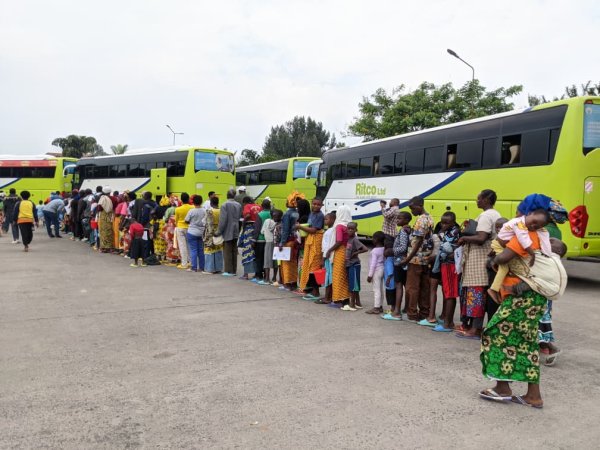
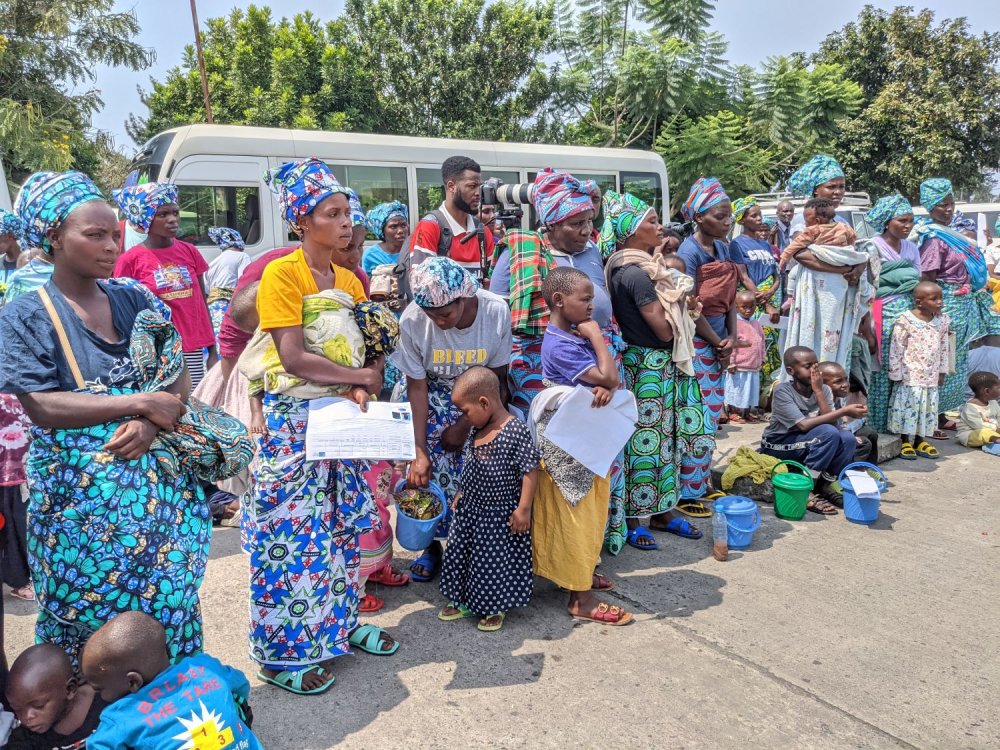
Most returnees are women and children born to families who fled Rwanda during the 1994 genocide against the Tutsi. Many of their spouses joined armed groups in the DRC, including the FDLR militia, which is linked to the 1994 atrocities and has a history of attacks against Rwanda.
MINEMA reports that over the past 30 years, more than 3.5 million Rwandans have returned to the country.
The current wave of repatriation follows agreements reached at a trilateral meeting between Rwanda, the DRC, and the United Nations High Commissioner for Refugees (UNHCR) in Addis Ababa, Ethiopia, on July 24, 2025.
Since then, Rwanda has been receiving returnees gradually. The latest group, 208 people, arrived on February 27, 2026, having been held hostage by the FDLR in the DRC.
The government provides support to help returnees reintegrate into daily life. Adults over 18 receive $188, minors receive $113, and all are provided with basic food supplies worth 45,000 Rwandan francs.
Separately, Rwanda continues to host more than 100,000 Congolese refugees who have fled instability in eastern DRC.
MINEMA reports that over the past 30 years, more than 3.5 million Rwandans have returned to the country.
In an official communique released on Saturday night, the group said the strike occurred on February 24, 2026, and targeted both soldiers and civilian populations far from the front lines.
Initial media reports indicated that Ngoma, a senior official within the AFC/M23 ranks, was killed in a drone strike by the Kinshasa forces in Rubaya.
AFC/M23 accused the Kinshasa regime of violating the ceasefire and imposing a full-scale war against the group. The communique states that these attacks have claimed multiple lives and continue to put civilians at risk across the eastern Democratic Republic of Congo.
“These crimes will neither go unnoticed nor unpunished. The memory of the victims binds us and engages our collective responsibility,” the statement read, emphasising the group’s commitment to defending both civilians and its forces.
The rebel group further noted that the AFC/M23 had repeatedly alerted national and international partners about ongoing ceasefire violations and massacres of civilians in numerous densely populated areas of North Kivu and South Kivu.
According to the group, the affected areas include Kawele, Mweso, Rutigita, Kitazungura, Rugezi, Kitendebwa, Kashihe, Kiduveri, Rubaya, Rumbishi, Walikale, Masisi, Kalehe, Gasovu, Nkowe, Gatoyi, Minembwe, Gasheke, Murema, Mberwa, Ruki, Mutobo, Nyaruhinga, Mulumemunene, Rutare, Kadasomwa, Nyagisozi, Nyabikeri, Kinyumba, Nyabyondo, Miyanga, Kasirosiro, Bunyantenge, and Misiya, as well as their surrounding areas.
Despite these warnings, the group says, the Kinshasa regime continued its attacks, demonstrating a “blatant disregard for de-escalation efforts.”
The AFC/M23 also reaffirmed its dedication to the peace process while vowing to continue protecting the populations and territories under its control.
AFC/M23 said the attack that killed Col. Willy Ngoma targeted both soldiers and civilians far from the front lines.
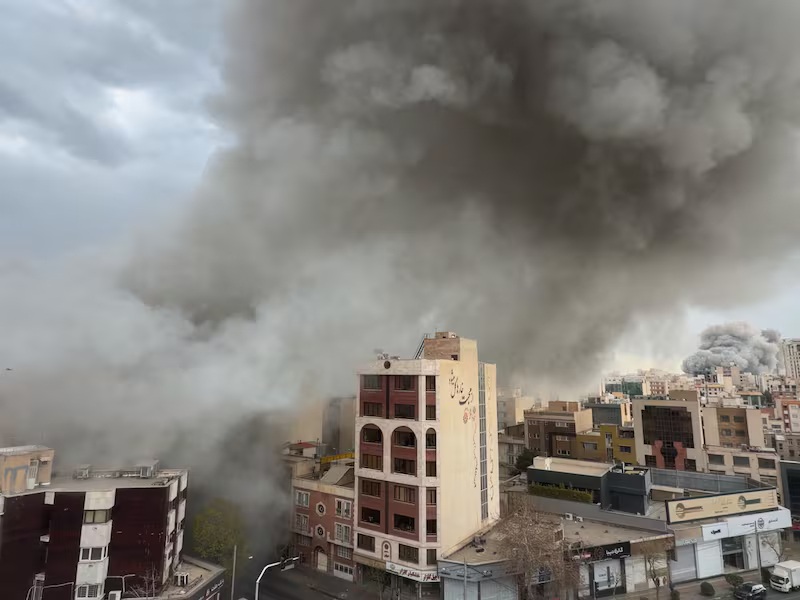
State television announced overnight that Khamenei, who had ruled Iran for nearly four decades, was killed in his office on Saturday morning during coordinated strikes by the United States and Israel. The attack is part of a broader military campaign that US President Donald Trump said would continue with “heavy bombing” throughout the week.
The Iranian government has announced a 40-day national mourning period following confirmation of the Supreme Leader’s death.
In a statement released shortly after the news broke, Trump described Khamenei as “one of the most evil people in History” and urged Iranians to “take back their Country,” signalling support for regime change in Tehran.
*Heavy casualties across Iran*
The strikes have resulted in significant civilian and military casualties. Iran’s Red Crescent said more than 200 people have been killed nationwide. Iranian state media reported that at least 108 people, including more than 100 girls, died when a strike hit an elementary school.
Sources speaking to international media said around 40 Iranian officials are believed to be among the dead. Israel said it killed several senior figures, including the head of the Islamic Revolutionary Guard Corps (IRGC). The IRGC has vowed to carry out “the most devastating offensive operation” in its history in response to the killing.
Overnight, Israel’s military launched additional waves of bombing, targeting what it described as Iran’s ballistic missile stockpiles, launch sites and air defence systems.
*Retaliation across the region*
Iran has responded with a fresh wave of retaliatory strikes across the Middle East. Missile attacks were reported in Dubai, Doha, Bahrain and Kuwait, countries that host US military bases or are allied with Washington.
In Israel, air raid sirens sounded again on Sunday morning as Iran continued to fire ballistic missiles. Israeli officials said most were intercepted by air defence systems. However, one missile struck Tel Aviv, killing a woman, the first Israeli fatality of the conflict, and injuring 120 others, most of them lightly, according to ambulance services.
Iran’s retaliatory campaign has also targeted US military facilities and key infrastructure across the Middle East region, disrupting air travel and oil shipments.
State television announced overnight that Khamenei, who had ruled Iran for nearly four decades, was killed in his office on Saturday morning during coordinated strikes by the United States and Israel.
The tour will follow a one-day visit to Monaco on March 28 and a trip to Spain from June 6 to 12. During his African tour, Pope Leo is expected to draw large crowds, encourage world leaders to support development initiatives, and promote Catholic-Muslim dialogue, particularly in countries with diverse religious communities.
Africa is home to about 20% of the world’s Catholics, making it one of the fastest-growing regions for the Church. The continent has seen significant increases in Catholic communities in recent decades, particularly in Central and Sub-Saharan Africa, where the Church continues to expand.
“Pope Leo’s visit will remind the world that Africa matters and the vibrancy of the Church in Africa remains at the heart of a thriving global Church,” said Reverend Agbonkhianmeghe Orobator, a Nigerian Jesuit.
The trip is historically significant, as it will be the first time a pope has visited Algeria, a predominantly Muslim nation. Pope Leo, a member of the Augustinian order, has expressed a special interest in the country, which is the birthplace of St. Augustine of Hippo, a key figure in early Christianity.
In Cameroon, the Pope will visit Yaoundé, Douala, and Bamenda, including regions affected by long-standing conflict. Angola’s stops will include Luanda, Muxima, and Saurimo, while Equatorial Guinea will see visits to Malabo, Mongomo, and Bata, the continent’s only Spanish-speaking nation.
Although this will be Pope Leo’s first official visit to Africa as pope, he is no stranger to the continent, having traveled to countries like Kenya and Tanzania as Cardinal Robert Prevost.
Pope Leo’s African tour follows his first foreign visit to Turkey and Lebanon late last year and sets the stage for other planned trips, including a likely visit to Peru later in 2026.
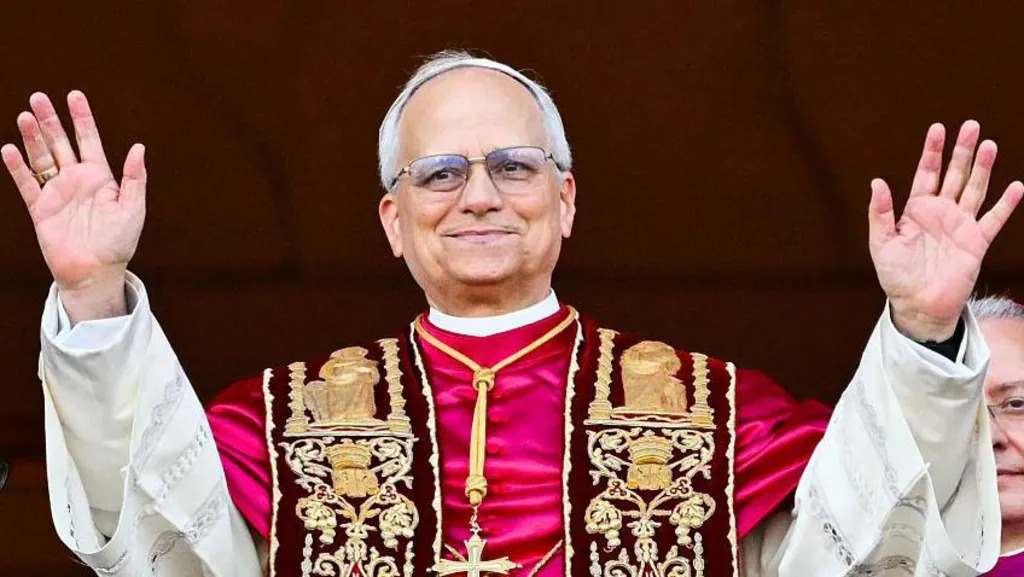
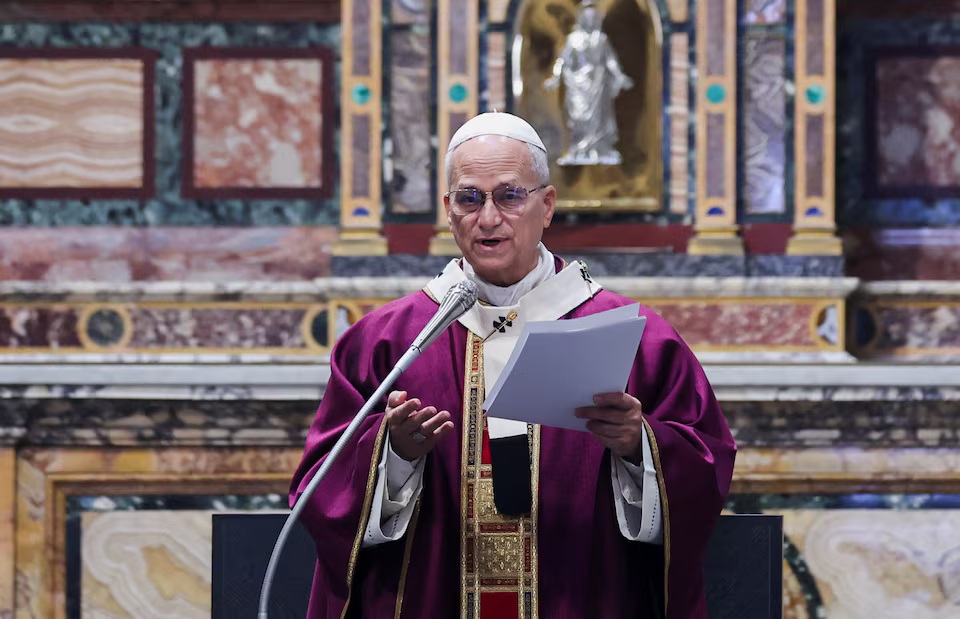
Pope Leo XIV will make his first official visit to Africa from April 13 to 23, travelling to Algeria, Angola, Equatorial Guinea, and Cameroon.
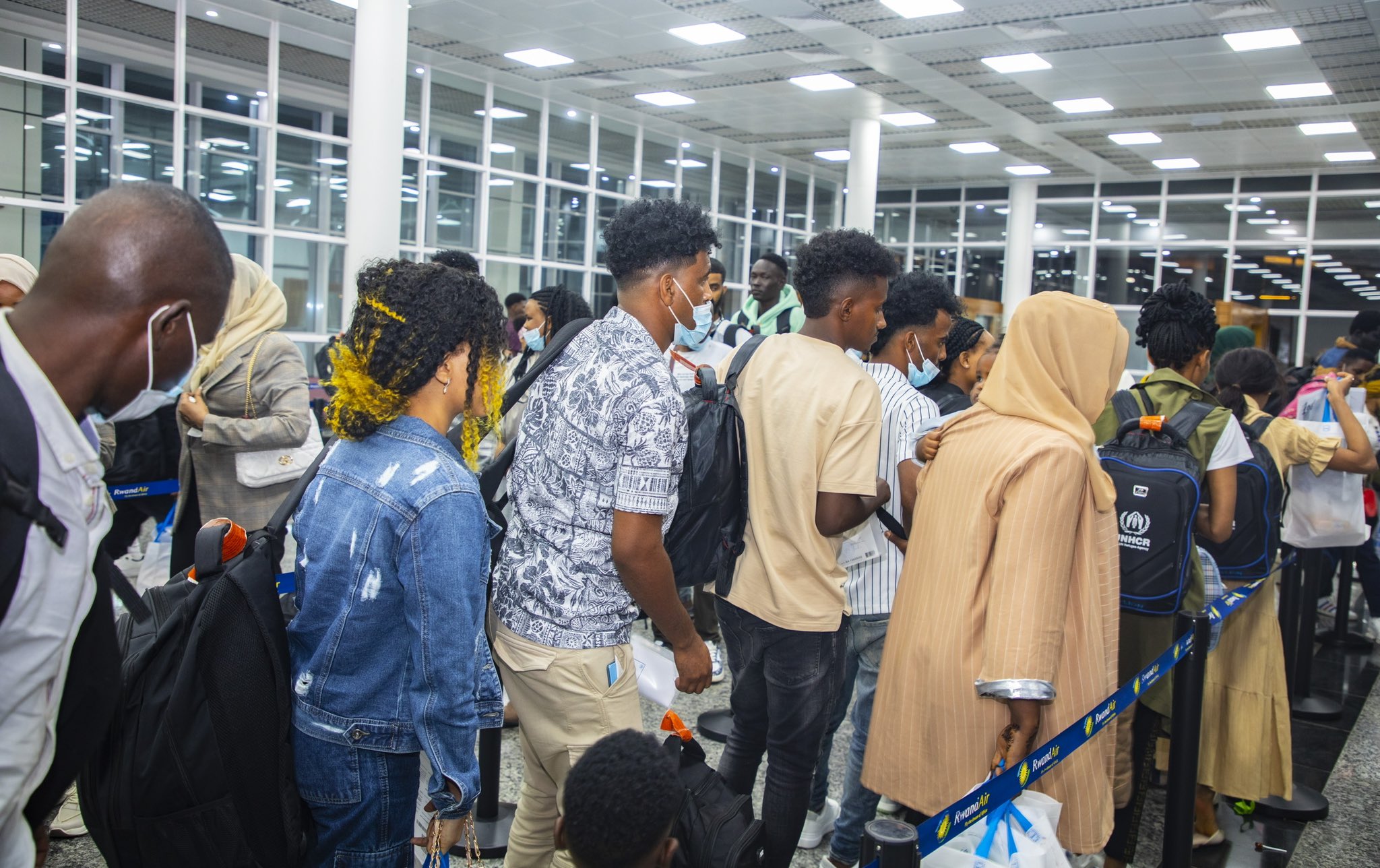
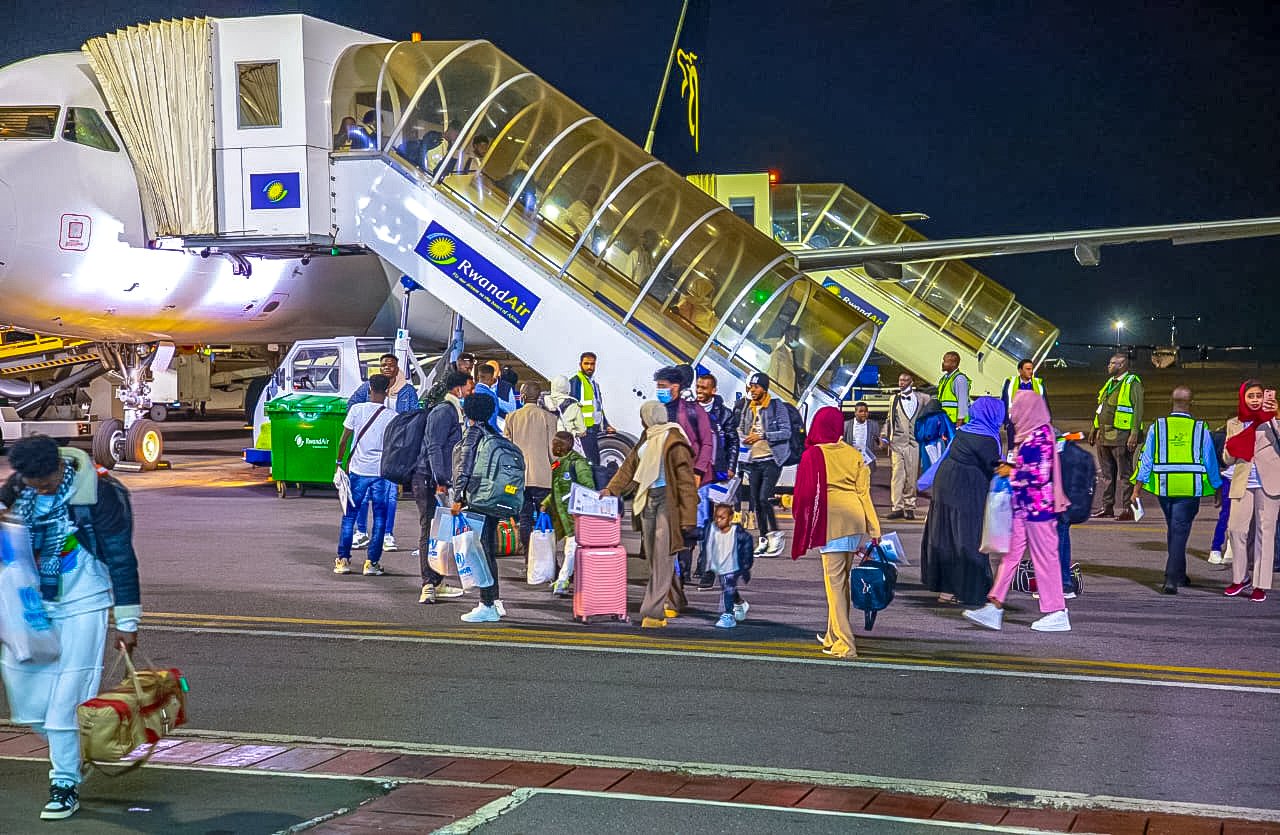
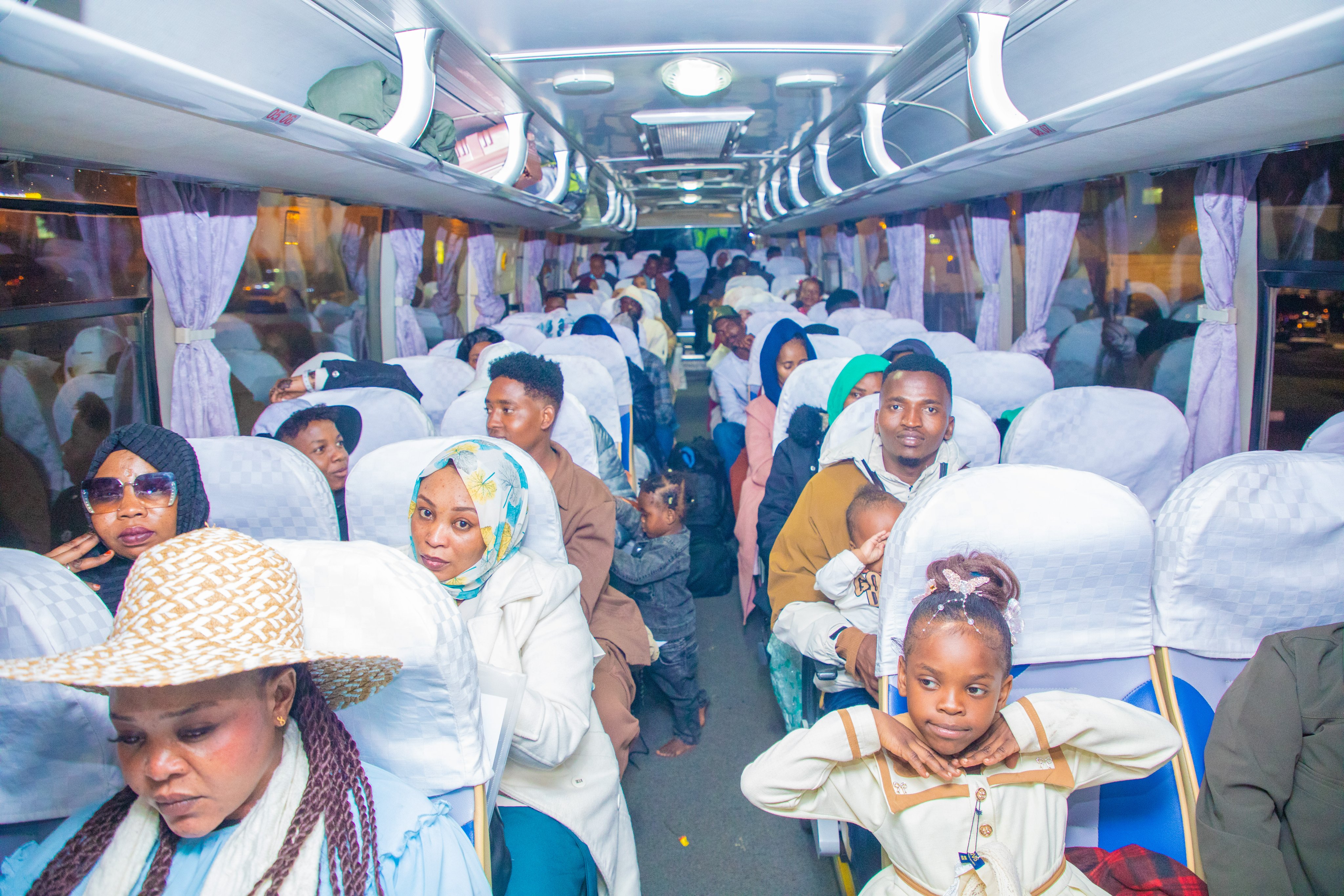
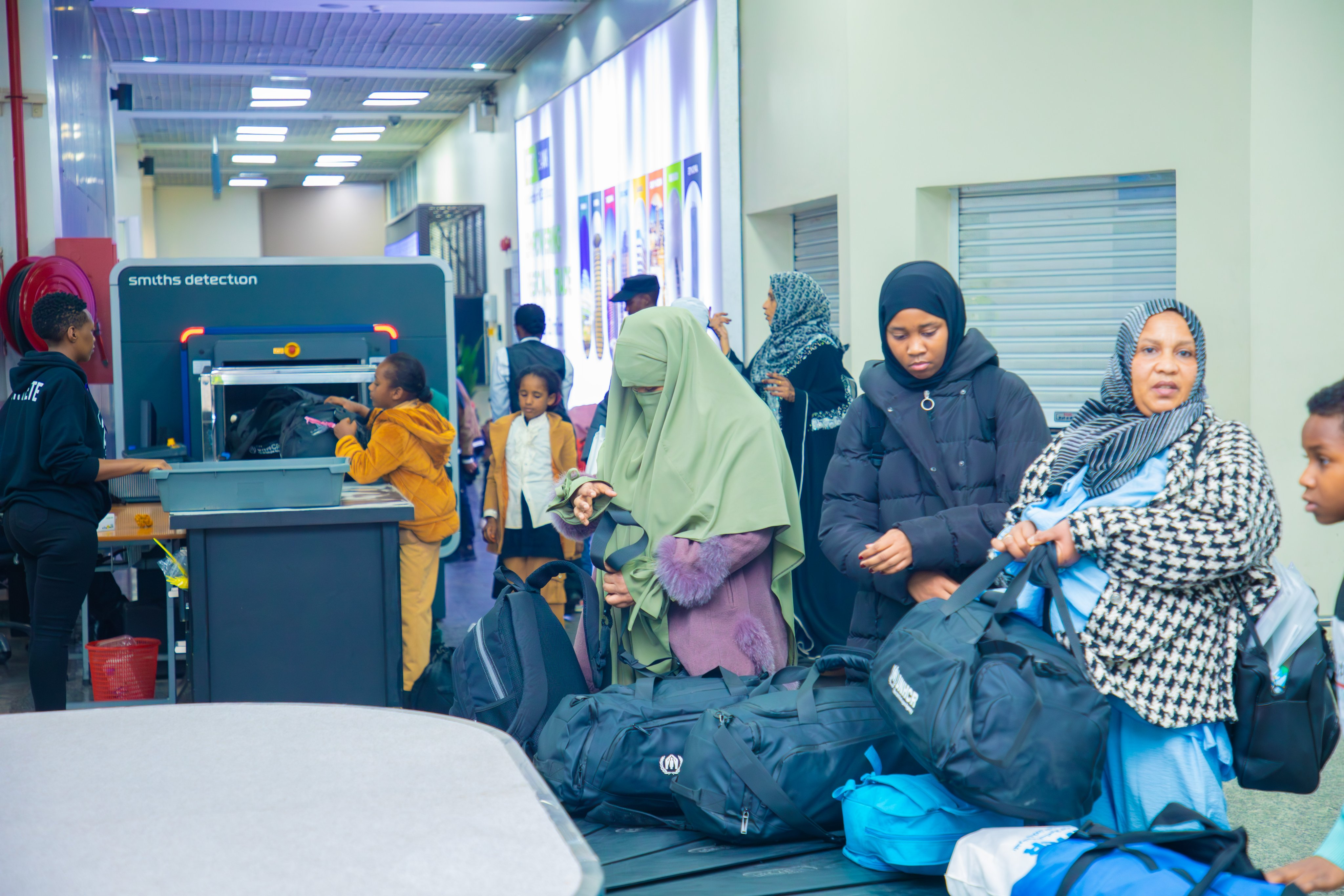
The group arrived on Wednesday night through a joint effort between the United Nations High Commissioner for Refugees (UNHCR) and the Government of Rwanda. Of the 164 evacuees, 143 originate from Sudan, 19 from Eritrea, while one person each comes from Ethiopia and South Sudan.
The ETM, a joint initiative involving UNHCR and the African Union, was established to provide lifesaving protection and assistance to vulnerable refugees and asylum seekers trapped in Libya. The mechanism temporarily relocates them to Rwanda while durable solutions, including resettlement to third countries, are pursued.
Since the launch of the ETM in 2019, a total of 2,760 people have been evacuated to Rwanda and hosted at Gashora Transit Centre. Of these, more than 2,500 have since been resettled in third countries.
In August 2024, the Government of Rwanda, UNHCR, and the African Union Commission agreed to extend the ETM programme. In a joint statement issued on August 22, 2024, the three parties reaffirmed their commitment to continue protecting evacuees and securing lasting solutions, while Rwanda provides temporary safe haven.
“The Government of Rwanda reaffirms its unwavering commitment to receive and protect these individuals, as well as others identified as particularly vulnerable and at risk,” the statement noted.
The parties also adopted a second addendum to the original Memorandum of Understanding signed on September 10, 2019. The updated framework emphasises a more transparent selection process for evacuees, ensuring equal opportunity for all potential candidates, regardless of nationality, ethnicity, race, gender, age, or any other factor unrelated to vulnerability.
The group arrived on Wednesday night through a joint effort between the United Nations High Commissioner for Refugees (UNHCR) and the Government of Rwanda.The ETM, a joint initiative involving UNHCR and the African Union, was established to provide lifesaving protection and assistance to vulnerable refugees and asylum seekers trapped in Libya. Since the launch of the ETM in 2019, a total of 2,760 people have been evacuated to Rwanda and hosted at Gashora Transit Centre.
The AFC/M23 movement has strongly criticised the international community for remaining silent as the government of the Democratic Republic of Congo (DRC) launched a large-scale offensive, causing civilian casualties and mass displacement.
According to Lawrence Kanyuka, spokesperson for AFC/M23, the attacks on Wednesday, February 25, 2026, marked a “new threshold of violence” by the Kinshasa regime.
The DRC military reportedly used armed drones and heavy artillery to strike densely populated areas as well as M23 positions, in what Kanyuka described as blatant violations of international humanitarian law.
The strikes were recorded throughout the morning and early afternoon, beginning at 9:00 AM in Rutigita, Minembwe, continuing at 10:30 AM in Kitazungura, Kalehe territory, and culminating at 12:00 PM in Rugezi and surrounding areas of Minembwe.
“These deadly aggressions are causing human casualties, mass displacement of civilian populations, and fueling an extreme humanitarian crisis,” Kanyuka said, highlighting the severity of the situation for local communities.
Bertrand Bisimwa, deputy coordinator of AFC/M23, emphasised that the offensive reflects a deliberate choice by the DRC government to pursue military escalation, violating ceasefire agreements. He also criticised the international community for failing to act:
“We cannot help but express our deep concern over the absence, at this stage, of any clear and visible initiative aimed at bringing an immediate halt to this government offensive. There has been no public reprimand, no condemnation… no discernible action seems to have been taken to prevent the risk of escalation,” Bisimwa stated.
He added, “This silence contrasts with the swift reactions observed when our movement is forced to exercise its legitimate right to self-defence in the face of direct attacks.”
The offensive marks a continuation of rising tensions in the region despite peace efforts by mediators such as Qatar and existing ceasefire commitments.
Bertrand Bisimwa, deputy coordinator of AFC/M23, emphasised that the offensive reflects a deliberate choice by the DRC government to pursue military escalation, violating ceasefire agreements.