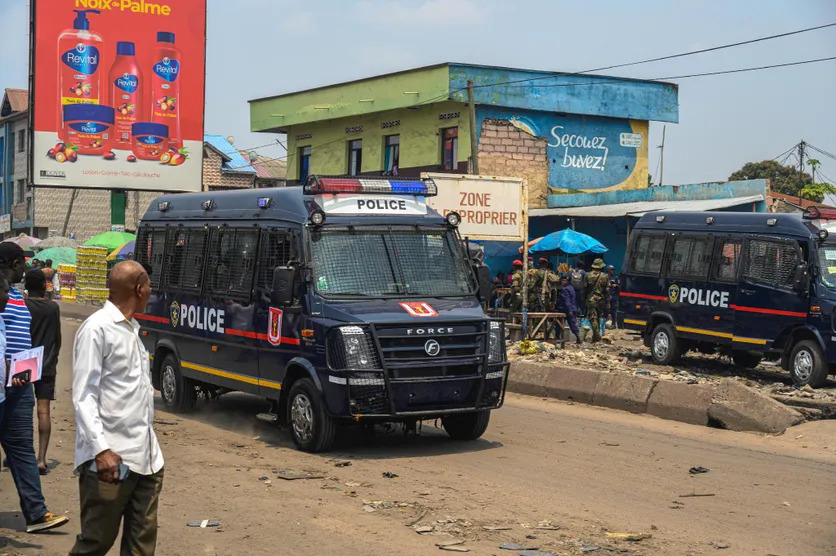
The unrest, which involved heavy exchanges of gunfire between the two branches of the Democratic Republic of the Congo’s (DRC) security forces, reportedly stemmed from a disputed arrest operation.
The clashes ignited on the afternoon of April 21 in the Mabulu area along Elengesa Road. According to local reports, officers from a police rapid response unit were in the process of arresting several youths suspected of theft.
The situation escalated when FARDC soldiers stationed nearby intervened to obstruct the arrests. Witnesses noted a troubling development as some of the youths, allegedly members of the notorious Kuluna criminal gangs, aligned themselves with the soldiers to confront the police.
The fighting quickly spread from Elengesa Road toward Kibambi 1 Road, eventually reaching a police station on Kimfumu Road. As the gunfire intensified, students at a nearby school were forced to lie on the floor to avoid stray bullets, while residents fled the area or barricaded themselves in their homes as the standoff transitioned from a local dispute into a broader tactical skirmish.
The violence resulted in significant property damage, including the complete destruction of a small police station and the reported looting of several residential houses during the chaos.
Makala Mayor Ngudia Kabongo confirmed the extent of the damage on April 22 but offered a reprieve regarding casualties.
“No fatalities have been recorded in these clashes,” Kabongo stated, though he acknowledged that the destruction of the police post and the trauma to the community were significant.
By the evening of April 22, the central government moved to de-escalate the situation. A joint team of senior military and police officials was deployed to Makala to conduct coordinated security operations and re-establish a unified command structure.
The clashes ignited on the afternoon of April 21 in the Mabulu area along Elengesa Road. According to local reports, officers from a police rapid response unit were in the process of arresting several youths suspected of theft.
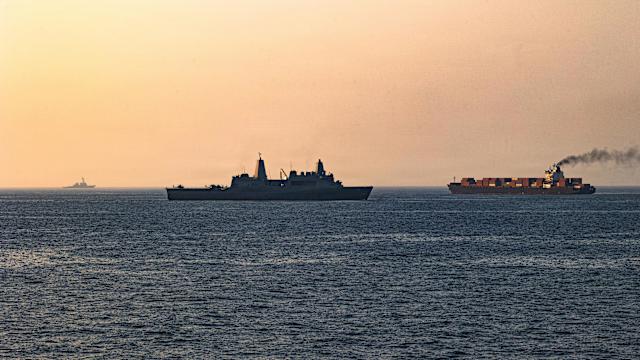
The UKMTO said it had received a report of an incident about 8 nautical miles west of Iran. The master of a cargo ship outbound from the Gulf reported that the vessel came under fire and was stopped in the water.
All crew members are safe and accounted for, and there are no reports of damage to the vessel, it said.
In a separate incident, a container ship was fired upon by a gunboat believed to be linked to Iran’s Islamic Revolution Guard Corps off the coast of Oman, damaging the vessel’s bridge.
The ship’s master reported that the gunboat approached and opened fire without issuing any VHF challenge, the UKMTO said.
All crew members are safe, and no fire or environmental damage has been reported, it added.
The International Maritime Organisation has warned that the situation remains volatile and urged vessels to exercise maximum caution when transiting the area.
Two commercial vessels were reportedly fired upon in separate incidents near the Strait of Hormuz, with all crew members safe, according to warnings issued Wednesday by the United Kingdom Maritime Trade Operations (UKMTO).
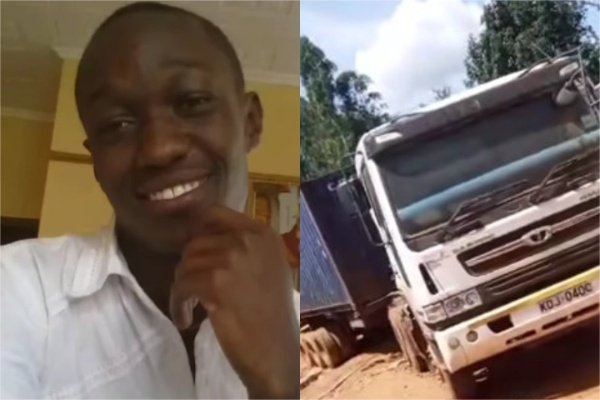
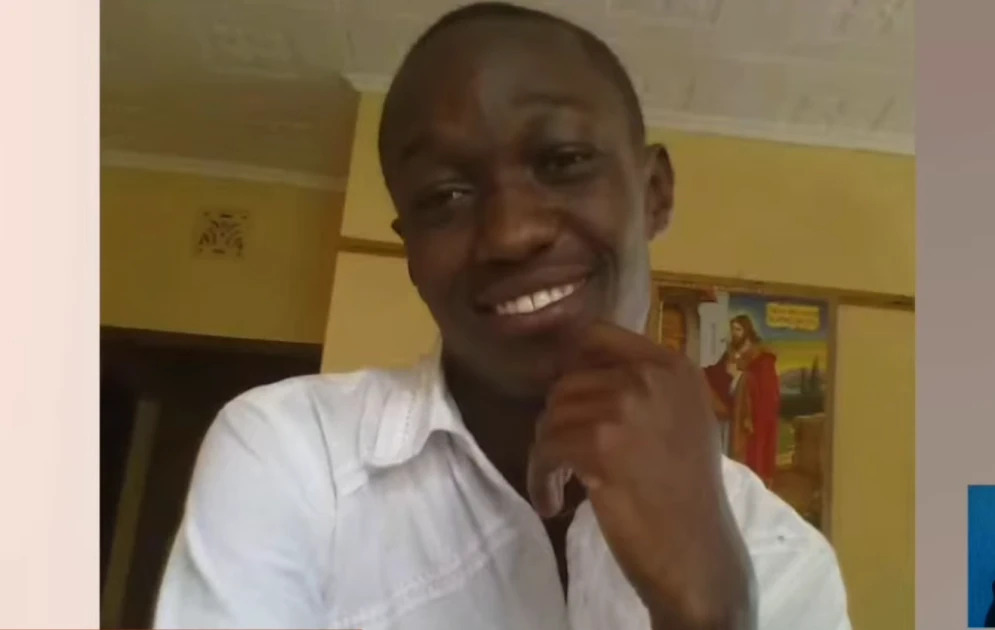
Edwin Njuguna Ngugi, a driver from Malava in Busia County, was transporting goods from Mombasa to Bunia when he ran into trouble. His truck reportedly broke down in the volatile Ituri province, an area plagued by armed groups.
According to his family, Njuguna’s last known contact was on April 3 at exactly 2:22 p.m., when his phone went silent.
His mother, Rose Ngugi, said he had earlier expressed fear for his life.
“I started speaking with him on April 2 when he complained that the vehicle had broken down in a dangerous place and he was in the wrong hands,” she told the Kenyan media.
In a final call to his cousin in Mombasa, Njuguna described the dire situation he was facing.
“You can see the trouble I have encountered here. The road is very bad, the truck broke down yesterday and the trailer got stuck. I am now being guarded by soldiers… yesterday I was almost attacked by people with machetes who wanted to rob me, but luckily soldiers came because I am in the bush… the cargo owner said he would bring another truck to transfer the load and then burn this trailer, so I am waiting for them,” he said.
Desperate for safety, Njuguna reportedly sought protection from local soldiers. However, his family alleges that the same soldiers later took his money and abandoned him.
He is believed to have been subsequently attacked by armed groups, killed, and his truck looted.
Days later, fellow Kenyan truck drivers operating in the region discovered his decomposing body and shared images in a WhatsApp group in an attempt to identify him. It was through these images that his family confirmed his death, nearly ten days after he went missing.
His body is currently at Bunia Main Hospital, while the truck remains at the scene of the attack.
The family says it lacks the financial means to travel to the DRC to retrieve the body and is now appealing to the Kenyan government for assistance with repatriation.
Eastern DRC remains one of the most unstable regions in Africa, with hundreds of armed groups operating in the region. Ituri province, where Bunia is located, has faced persistent violence from militias, including the Allied Democratic Forces (ADF) and local ethnic groups such as Cooperative for Development of the Congo (CODECO).
Edwin Njuguna Ngugi, a driver from Malava in Busia County, was transporting goods from Mombasa to Bunia when he ran into trouble. His truck reportedly broke down in the volatile Ituri province, an area plagued by armed groups.
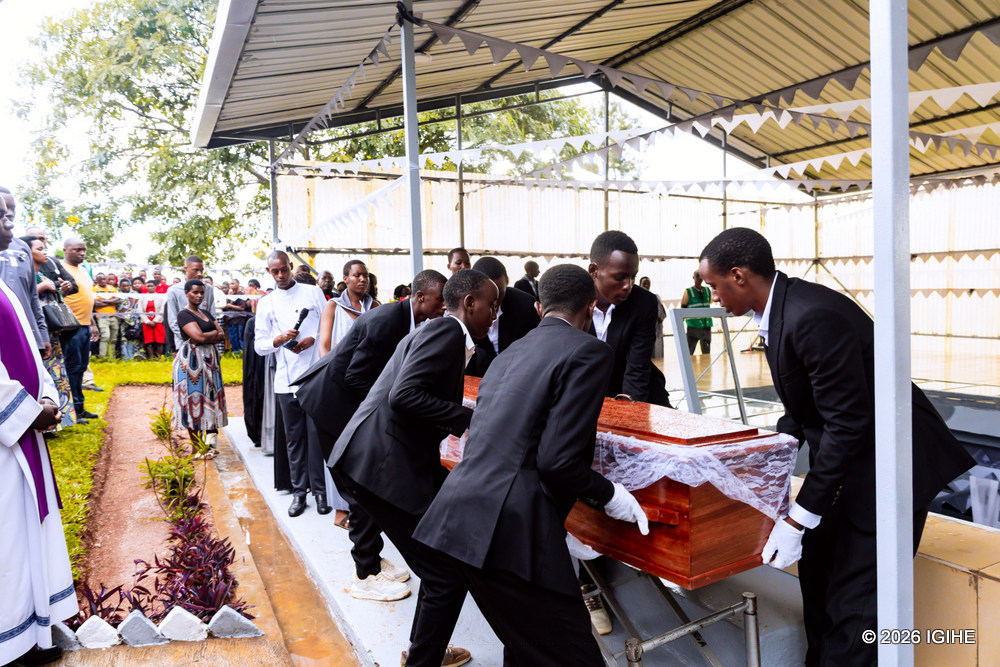
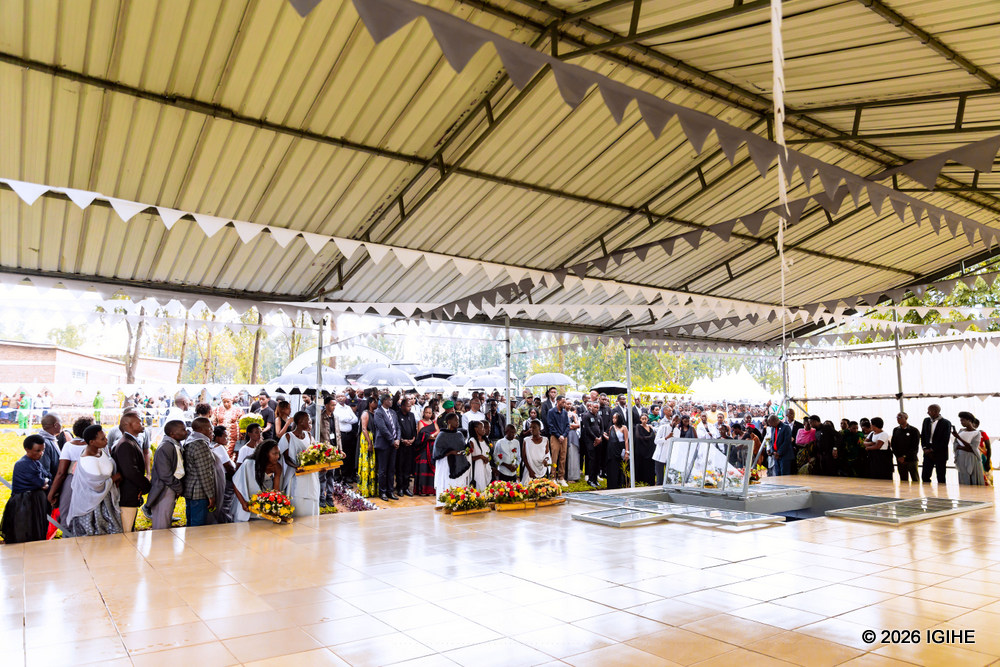
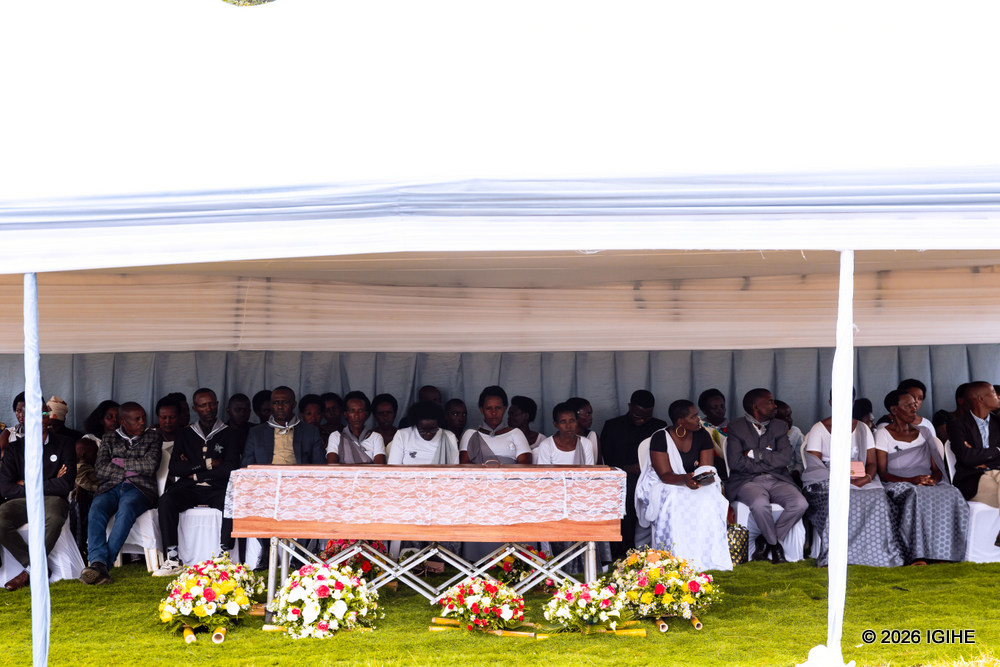
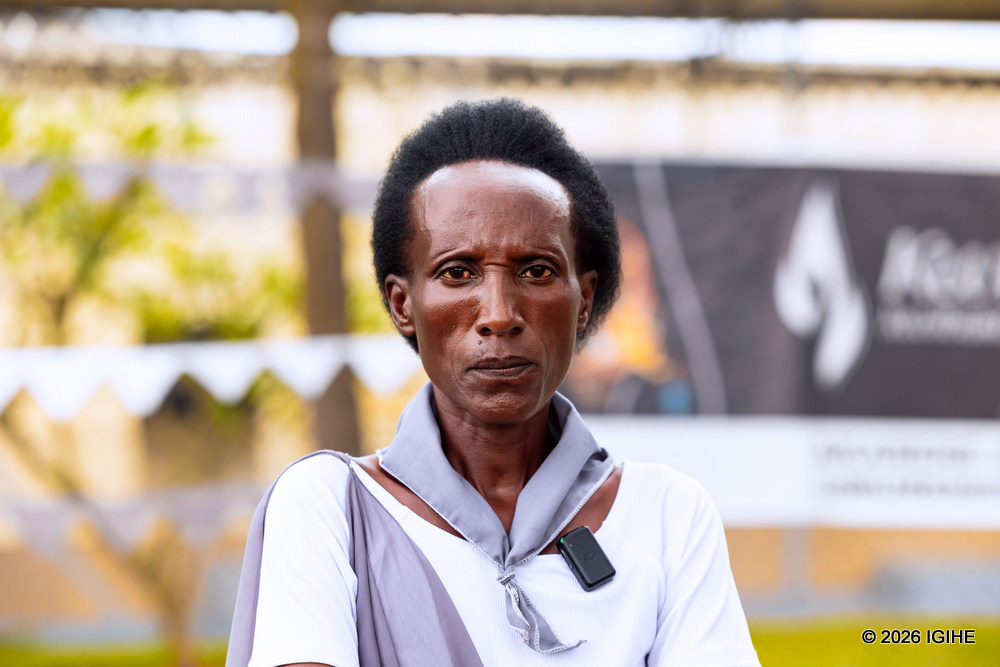
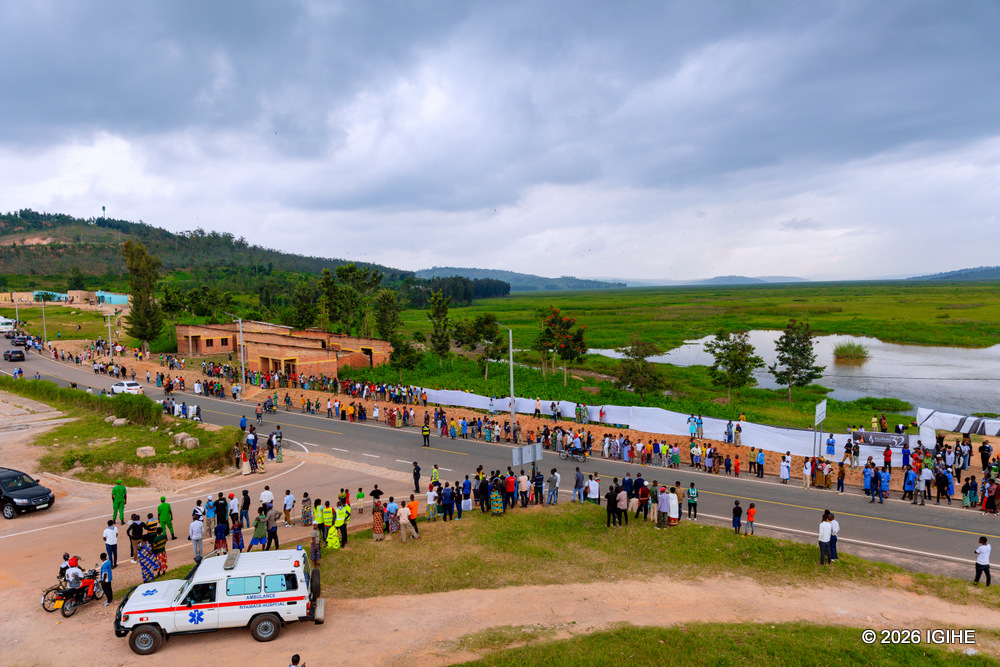
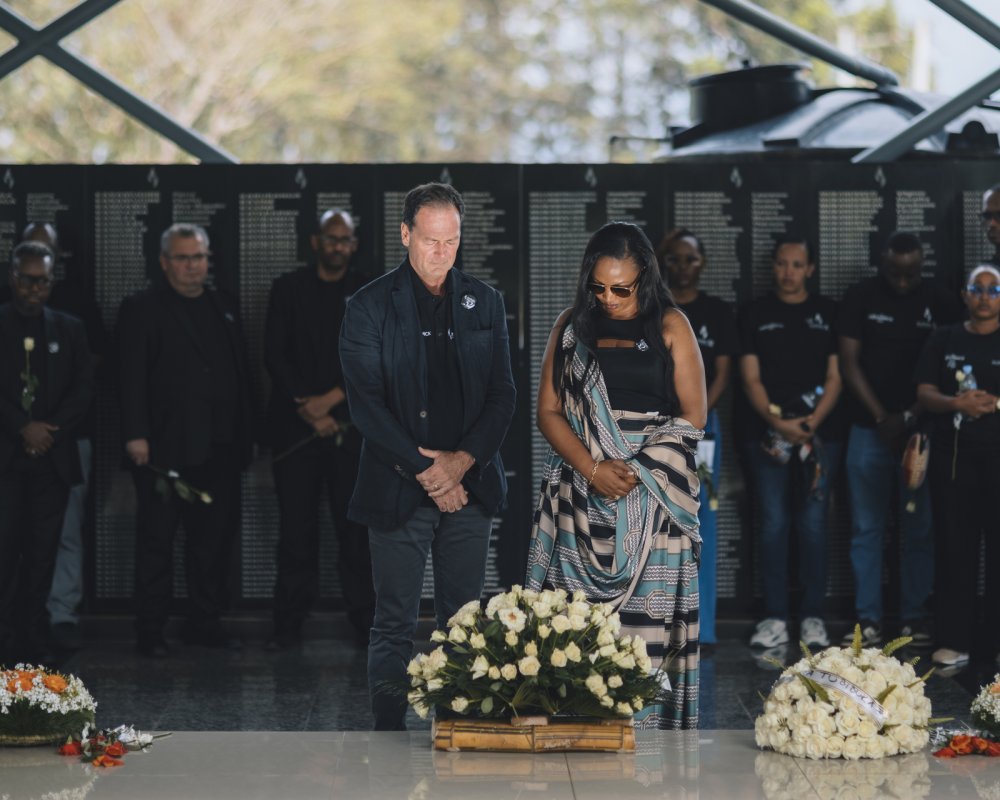
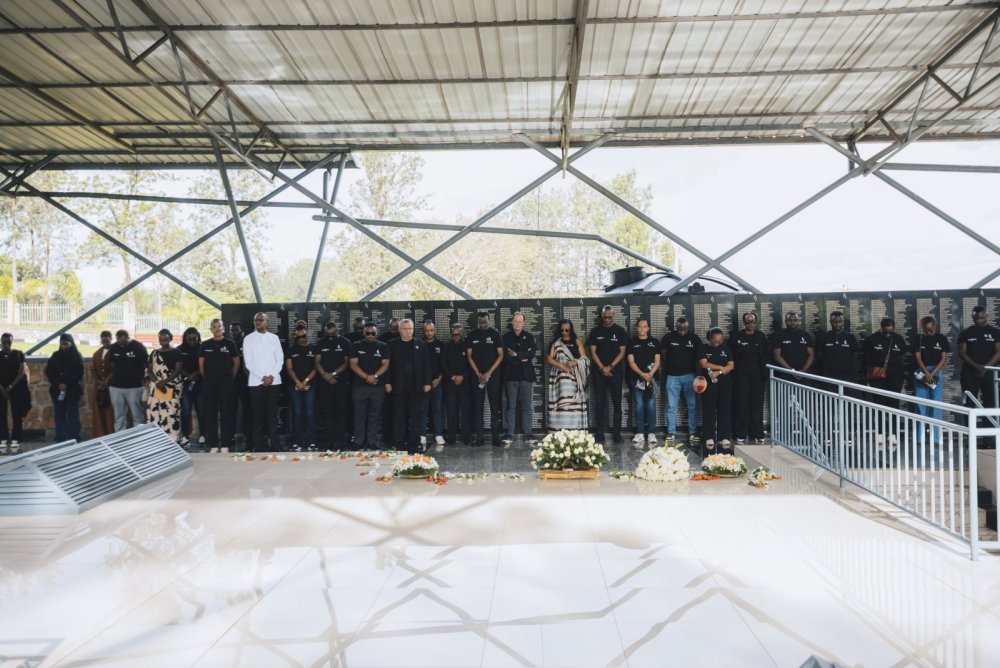
The commemoration ceremony took place at the Ruhuha Genocide Memorial. It was preceded by a wreath-laying ceremony at the Akanyaru River, followed by a moment of silence in honour of Tutsi victims who were thrown into the river and the Rwabusoro swamp.
The remains laid to rest belong to a mother and three siblings of Mukasine Speciose. They were exhumed in Nyarugenge Sector from a farm owned by a resident who had purchased the land from a Genocide perpetrator who fled the country.
Speaking during the ceremony, Mukasine said the discovery of her relatives’ remains brought her long-awaited relief, after years of anguish caused by not knowing their whereabouts or being able to bury them with dignity.
“It had left me with deep emotional wounds to the extent that I never joined IBUKA associations. I would think about how others commemorate their loved ones because they were able to bury them, while I did not know where mine were and sometimes wondered if they might still be alive. When I was informed that my relatives had been found, I thanked God and felt a sense of peace in my heart,” she said.
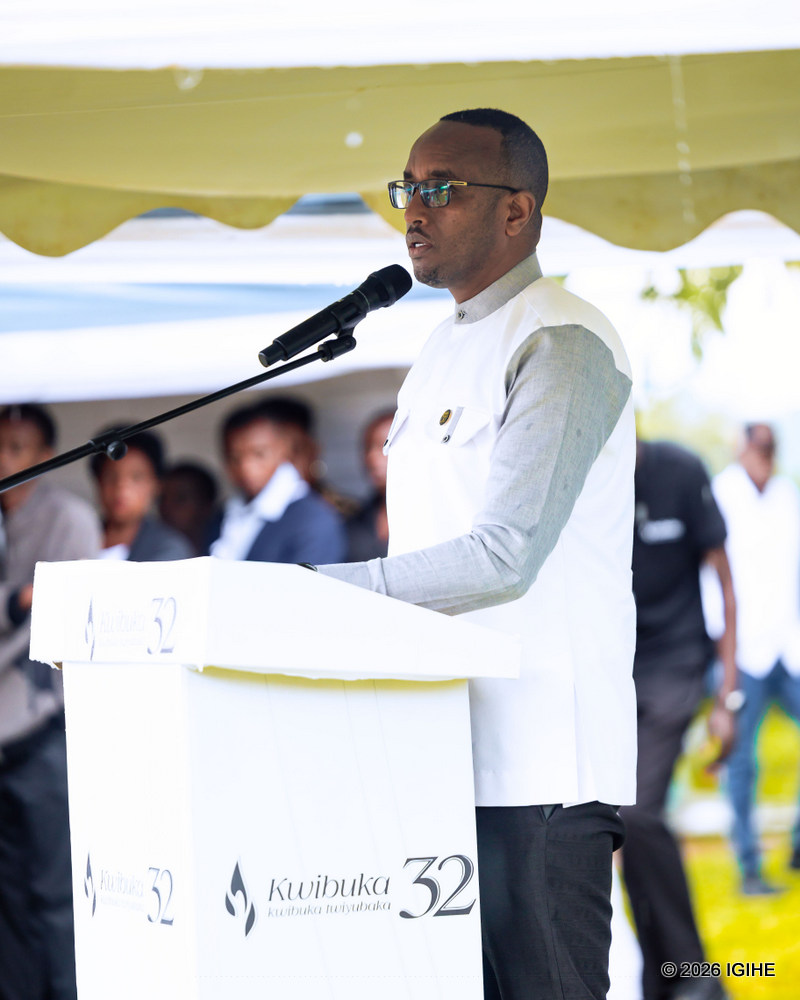
The Mayor of Bugesera District, Richard Mutabazi, said the act of dumping victims into water bodies underscores the extreme cruelty with which the Genocide was carried out.
“These waters, once a source of life, were turned into instruments of death. At the same time, they remain silent witnesses to the atrocities committed against those killed during the Genocide against the Tutsi,” he said.
Mutabazi added that the continued discovery and burial of victims more than three decades later, despite perpetrators knowing where bodies were disposed of, continues to reopen wounds for survivors who have made significant strides in rebuilding their lives.
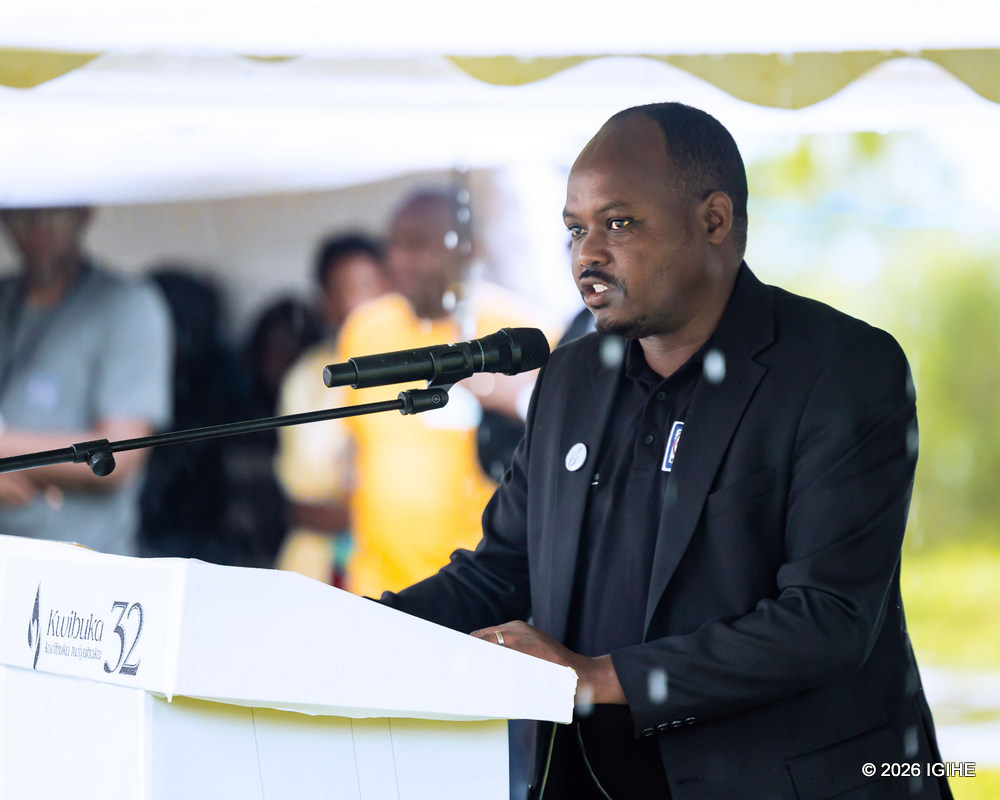
Jean Claude Rugero, the Coordinator of Dukundane Family, called for the installation of memorial markers at rivers and wetlands where many victims were killed, to support remembrance and preserve historical memory.
“We have worked with local authorities to establish memorial markers in several locations, including Cyome in Ngororero, Kirinda in Karongi, along the Akanyaru River in Nyaruguru, on the Nyabarongo in Nyarugenge, and at the confluence of the Nyabarongo and Akagera rivers. We are requesting that a similar marker be installed here so that residents can also have a place to remember,” he said.
In recent weeks, Bugesera District has also witnessed the dignified burial of 52 other Genocide victims, as the recovery of remains continues to bring long-awaited closure to bereaved families across the district.
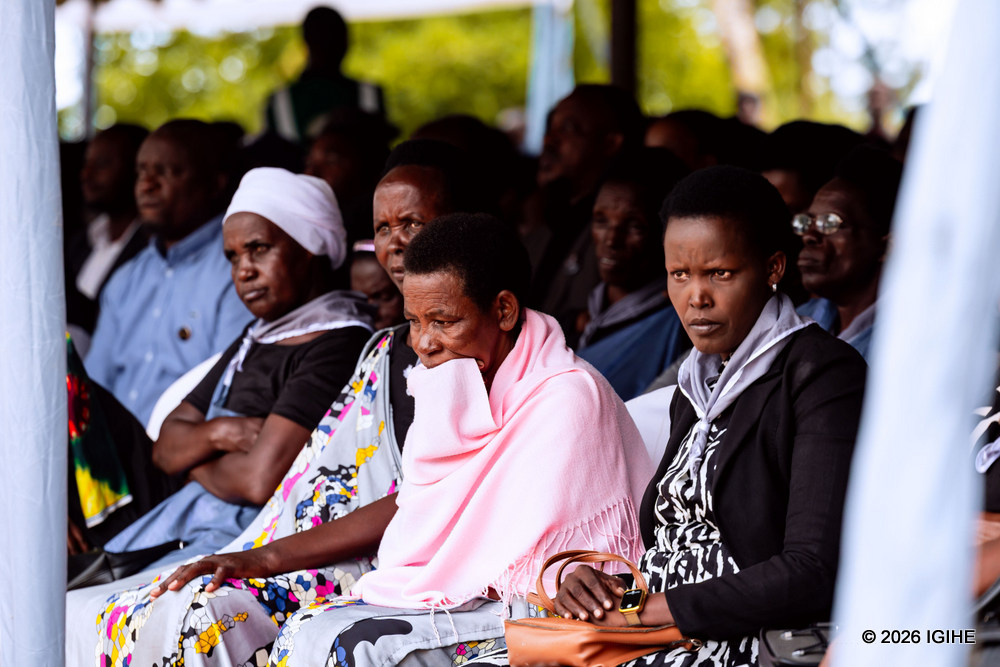
Residents of the former Ngenda Commune paid tribute to the victims laid to rest at the Ruhuha Genocide Memorial. Four bodies of victims of the Genocide against the Tutsi were accorded a dignified burial at the Ruhuha Genocide Memorial.Mukasine Speciose, who laid her relatives to rest 32 years after the Genocide against the Tutsi, said she felt a deep sense of relief in her heart.The Mayor of Bugesera District, Richard Mutabazi, said the act of dumping victims into water bodies underscores the extreme cruelty with which the Genocide was carried out.Jean Claude Rugero, the Coordinator of Dukundane Family, called for the installation of memorial markers at rivers and wetlands where many victims were killed, to support remembrance and preserve historical memory.
According to RIB data, 47 cases of genocide ideology were recorded during the period from April 7 to April 13, 2026, representing a 38.2% decrease compared to 76 cases reported during the same period in 2
The number of suspects arrested also declined by 27.2%, falling from 81 in 2025 to 59 in 2026.
Cases related to discrimination and divisionism similarly decreased, with five recorded cases compared to six in the previous year, a 16.7% reduction.
By region, the Southern Province recorded the highest number of arrests with 14 cases, accounting for 29.8% of the total. The Eastern Province recorded 13 cases, the Western Province 10, while Kigali had seven cases. The Northern Province recorded three cases.
The government has repeatedly stated that, despite 32 years since the end of the Genocide against the Tutsi, genocide ideology remains a concern both domestically and abroad.
On April 8, 2026, during the launch of the International Conference on Genocide Prevention, Minister of National Unity and Civic Engagement Bizimana Jean Damascène called for stronger efforts to combat such ideology.
He stated that in some contexts, international actors would strongly condemn collaboration with perpetrators of Nazi-era crimes, yet similar responses are not always seen in relation to groups accused of promoting genocide ideology in the Great Lakes region.
He specifically cited the presence of the armed group FDLR, which he said continues to spread genocide ideology and operate in cooperation with actors in the region, including authorities in the Democratic Republic of the Congo.
He urged the international community not to remain passive in the face of continued spread of genocide ideology in the region.
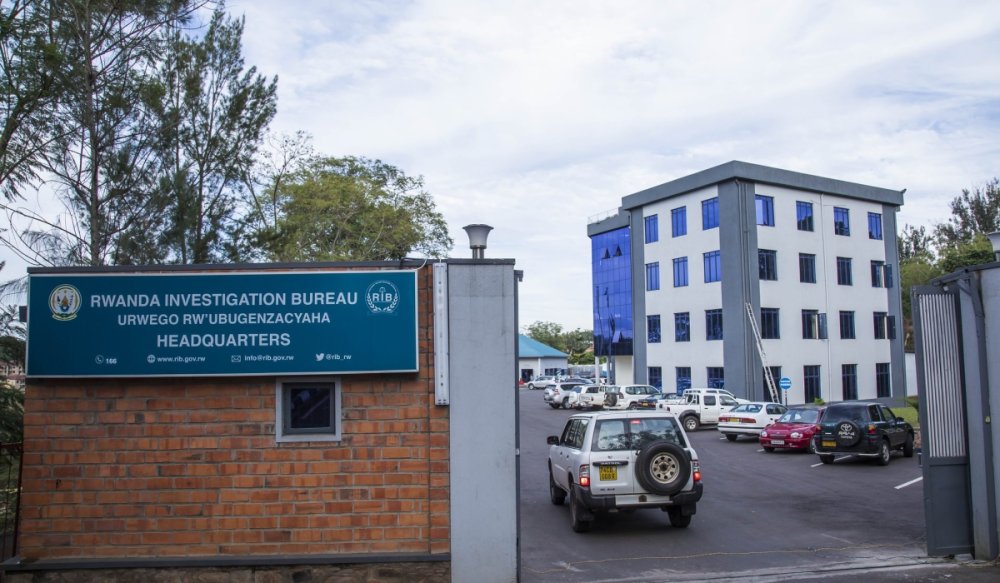
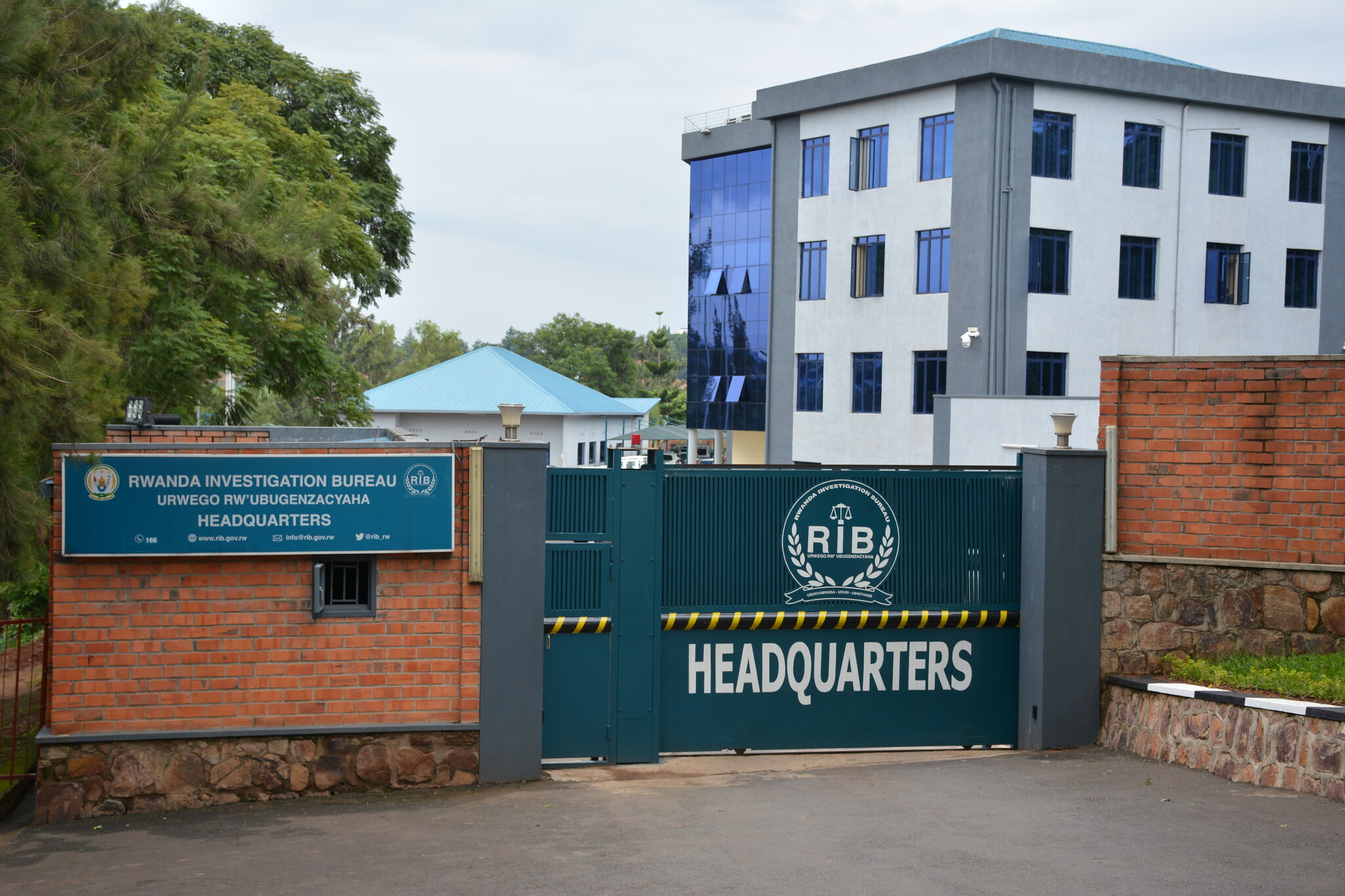
The Rwanda Investigation Bureau (RIB) has confirmed that 59 people were arrested during the national commemoration week of the 1994 Genocide against the Tutsi on suspicion of genocide ideology and related offences.
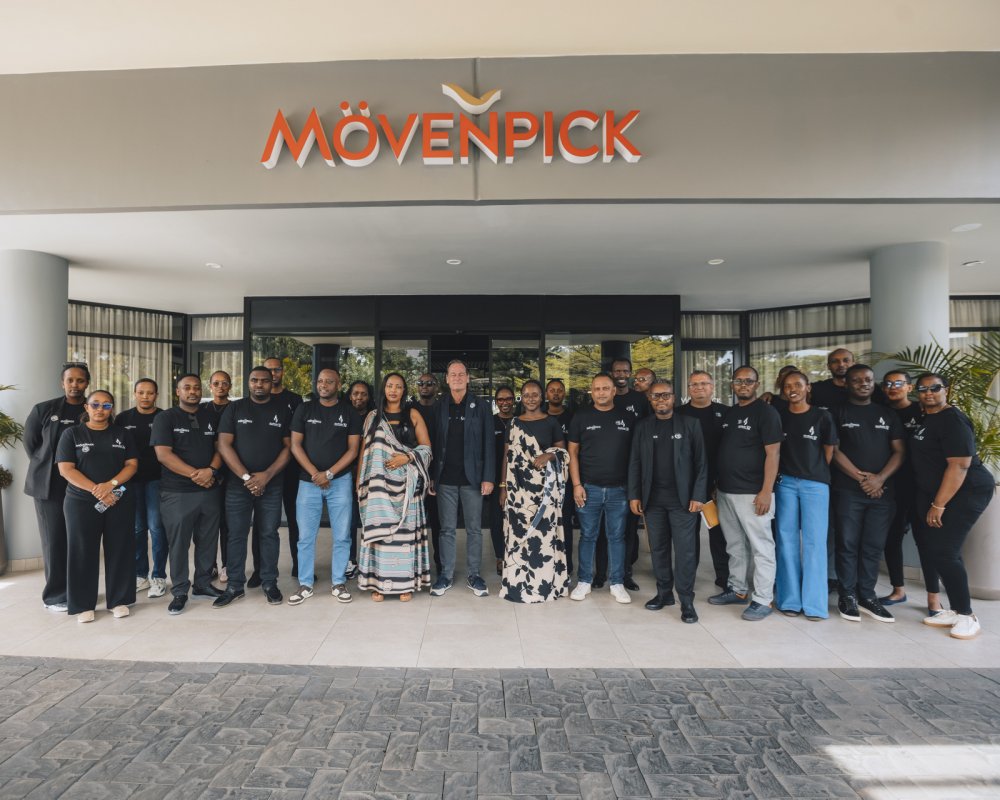
The visit took place on April 10, 2026. During the tour, staff members were briefed on the history of the Genocide against the Tutsi in Ntarama and shown various pieces of evidence documenting the atrocities committed.
One employee noted that the visit served as a reminder of their collective responsibility to combat genocide ideology.
“Visiting the Ntarama Memorial reminds us that remembrance goes beyond the victims’ families. It is an ongoing duty that calls on all of us to actively fight genocide ideology. As Rwandans, we remain committed to standing against it and upholding these values,” the employee said.
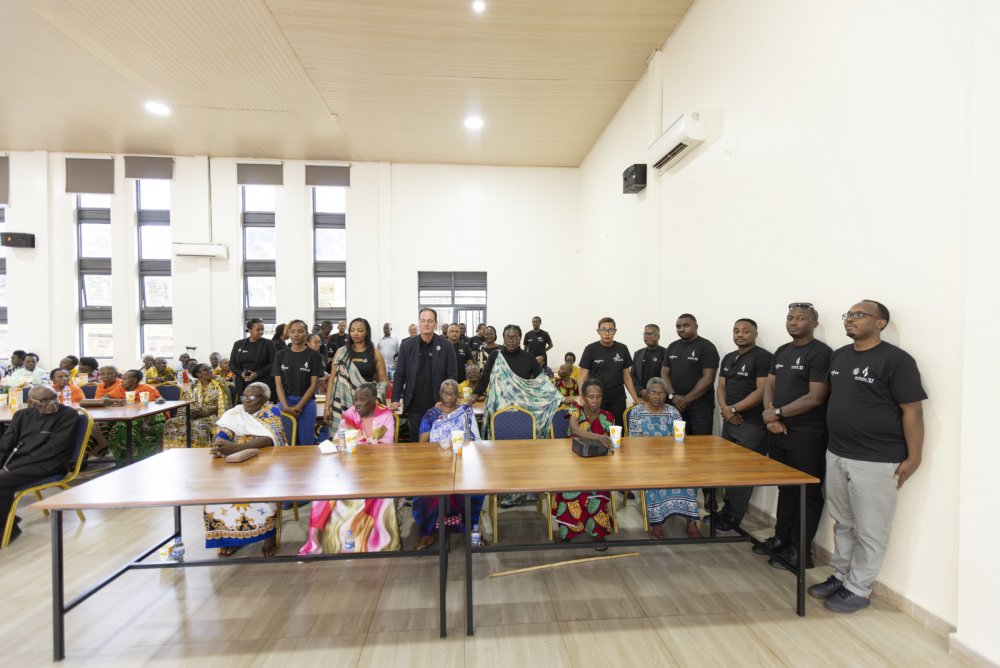
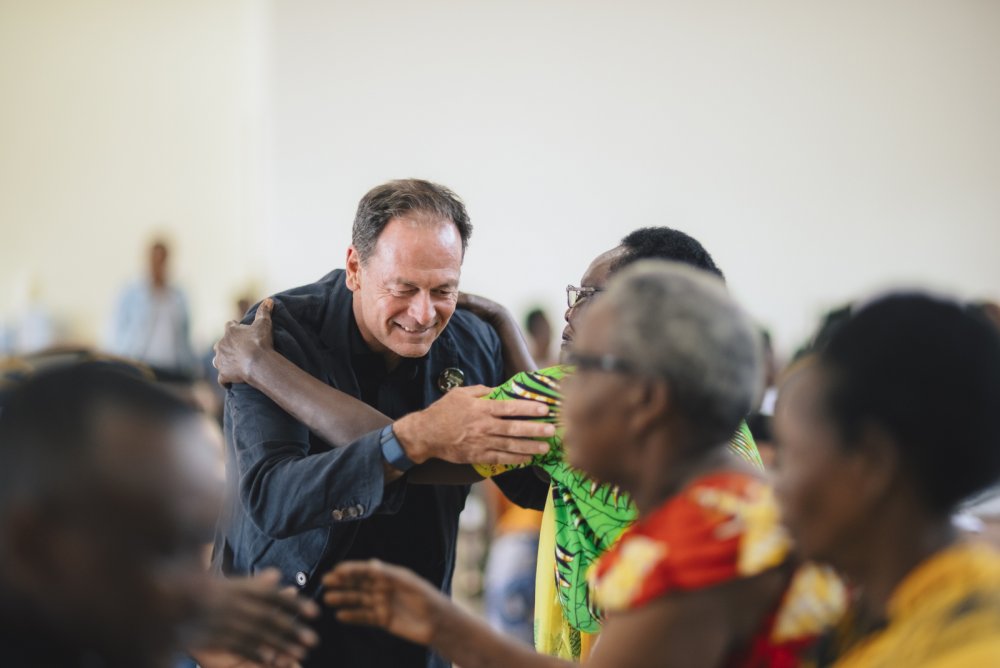
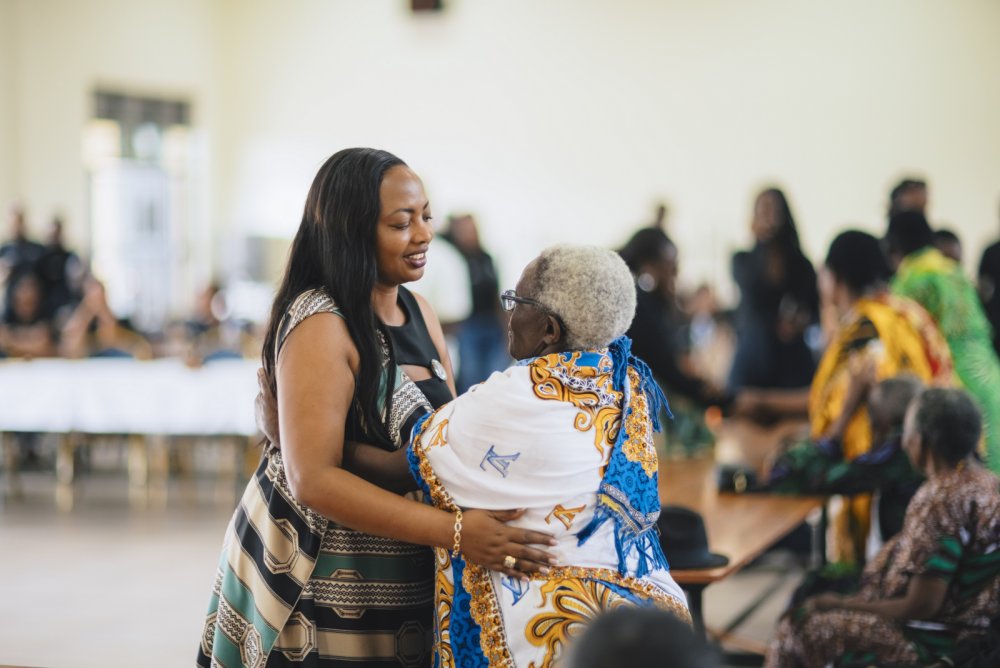
Following the memorial visit, the staff travelled to Bugesera District to meet elderly women survivors residing at Impinganzima. They engaged with them in conversation and expressed solidarity during the ongoing national commemoration period.
The General Manager of Mövenpick Kigali, Médiatrice Umulisa, said the visit was intended to offer comfort and reassurance to the survivors.
“Today, as the Mövenpick Kigali Hotel family, we came to tell you that we stand with you, that we are close to you, and that you remain in our thoughts at all times. We are not here merely as visitors, but as your children and as friends who care deeply and wish to support you during this period of remembrance,” she said.
She added that their presence was also meant to reaffirm that survivors are not alone.
“We are here to support and comfort you. We will continue to stand with you and do everything possible to ensure you feel supported and remembered,” she said.
Olivier Granet, CEO of Kasada Capital Management, which manages Mövenpick Kigali Hotel, said Rwanda’s journey from tragedy to unity offers a powerful lesson to the world.
“It is difficult to comprehend what happened here and the weight of remembering it, yet what stands out is the country’s ability to rebuild unity, live together again, and look toward the future. This carries a strong message for the world, particularly in the times we are living in,” he said.
Mövenpick Kigali emphasised that Kwibuka is not merely a ceremonial observance, but a shared responsibility for all Rwandans and institutions, underscoring the importance of standing with and supporting survivors.
Staff members of Mövenpick Kigali visited the Ntarama Genocide Memorial on April 10, 2026. The staff members paid tribute to the victims laid to rest at the memorial and were briefed on the history of the Genocide against the Tutsi.After the memorial visit, the staff travelled to Bugesera District to meet elderly women survivors residing at Impinganzima.
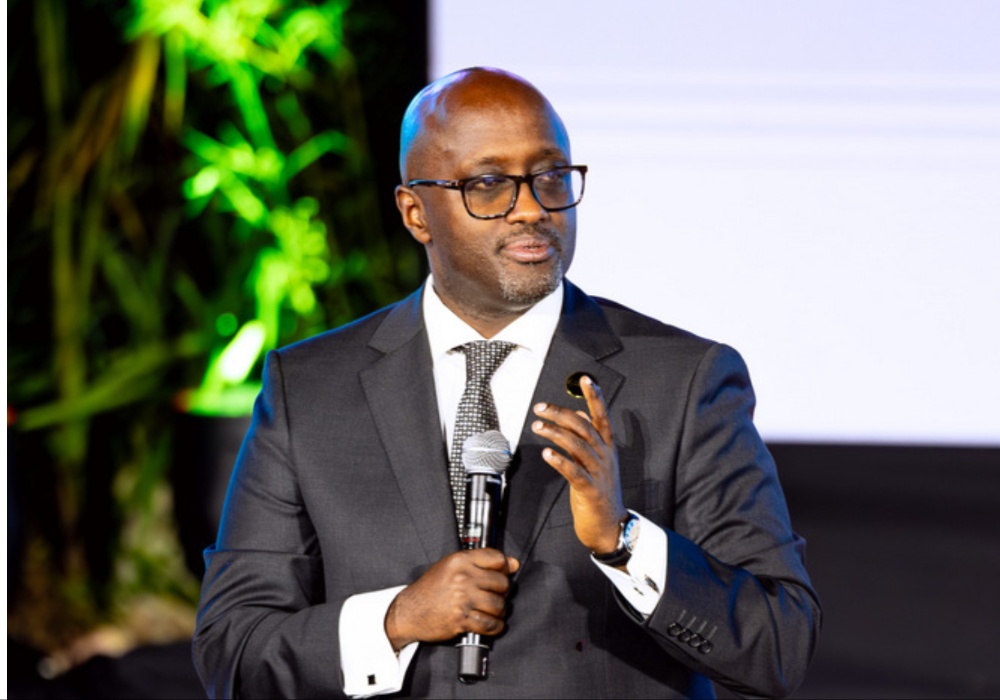
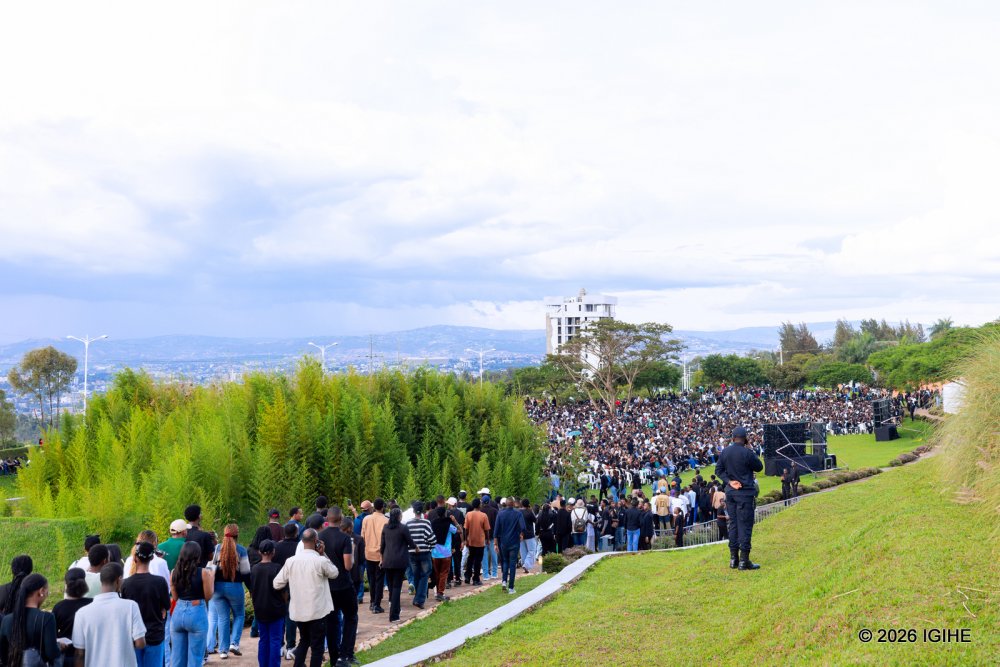
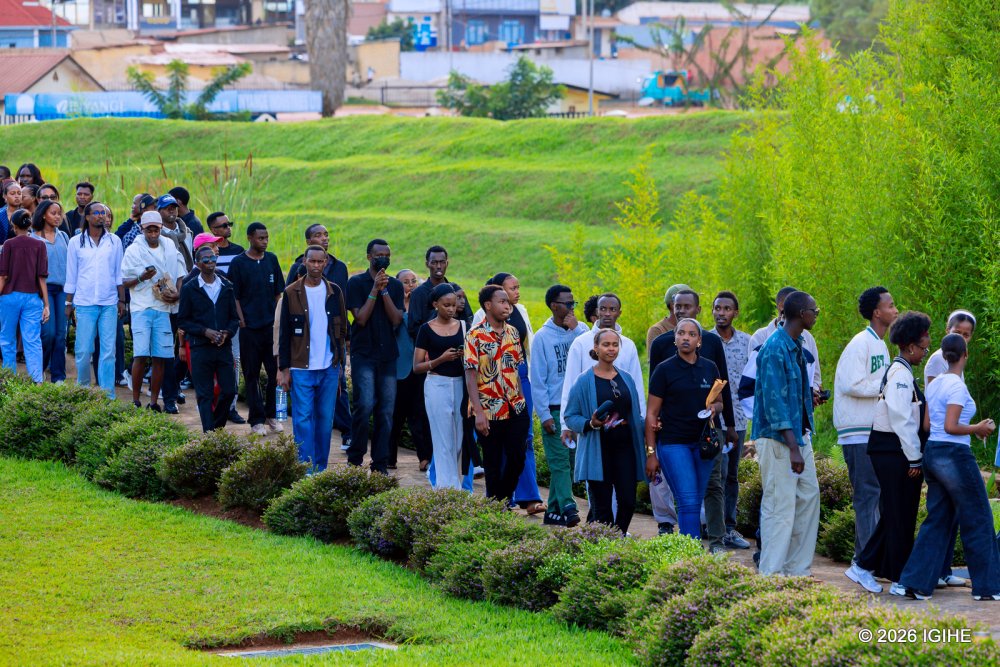
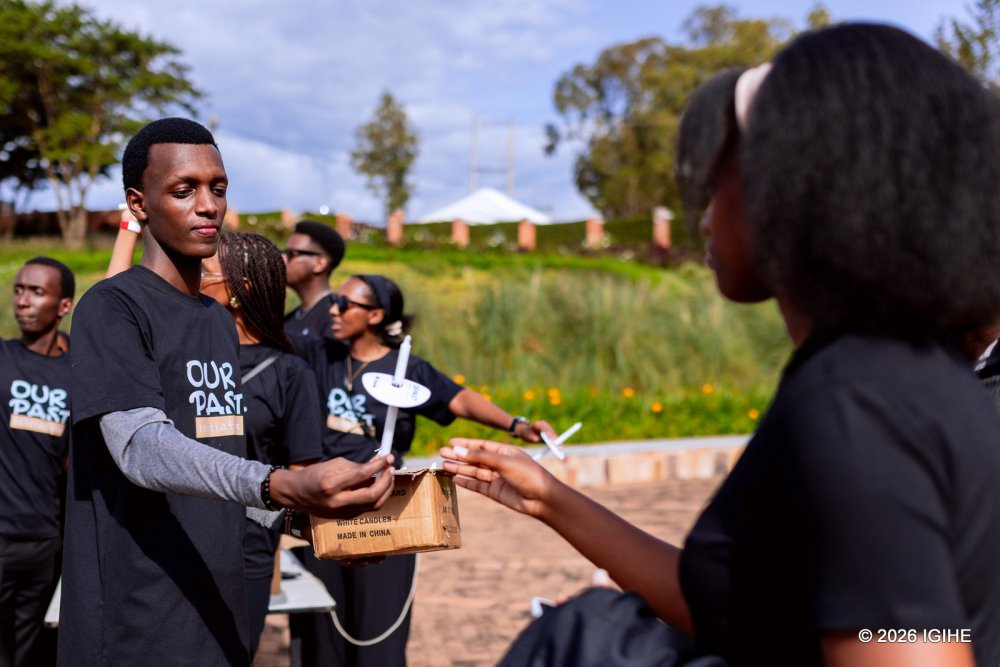
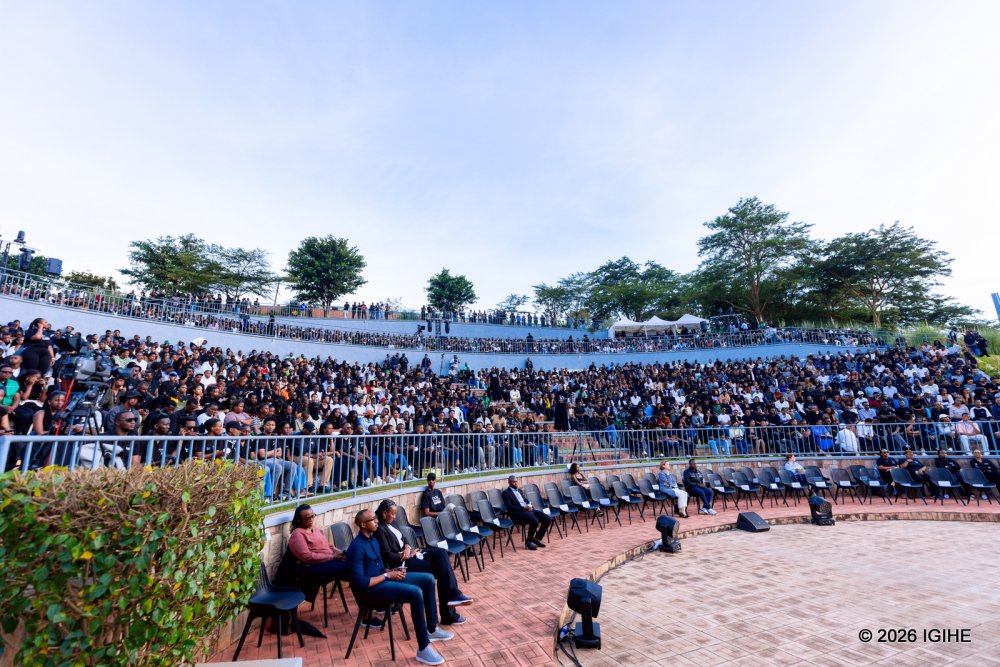
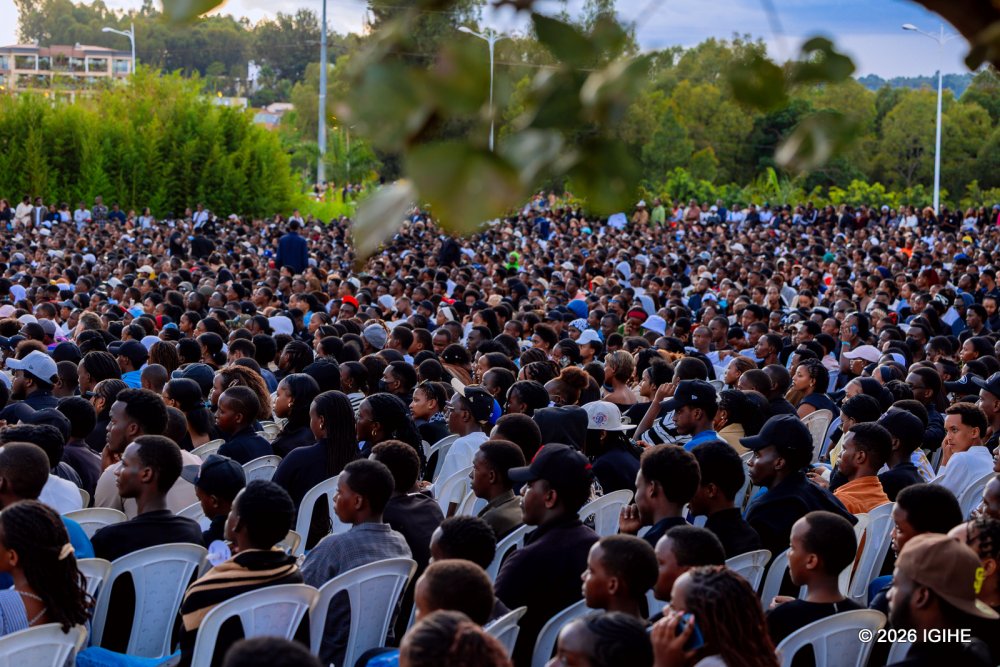
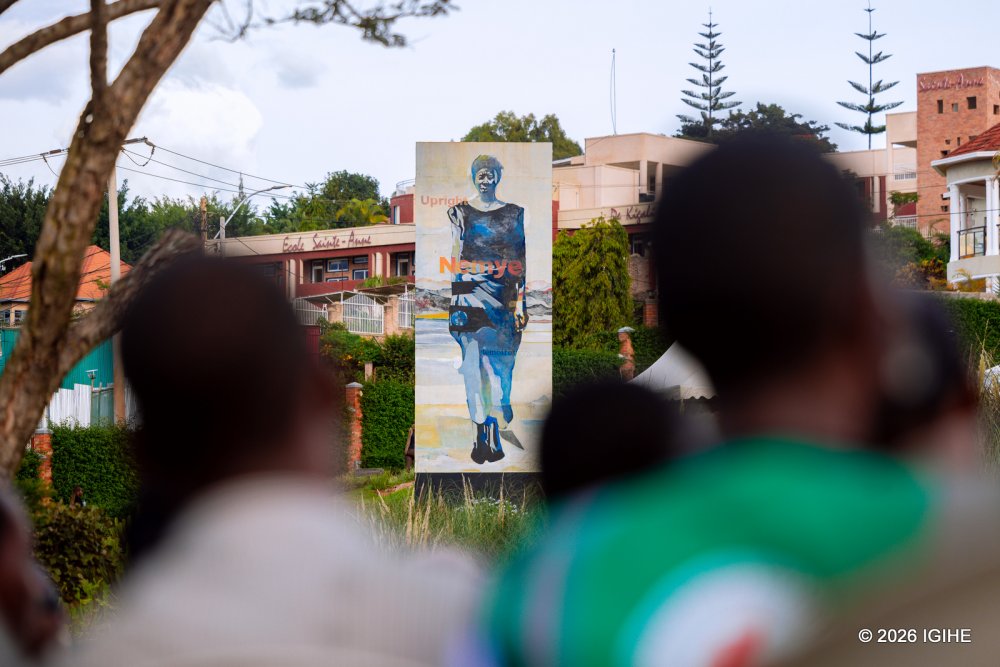
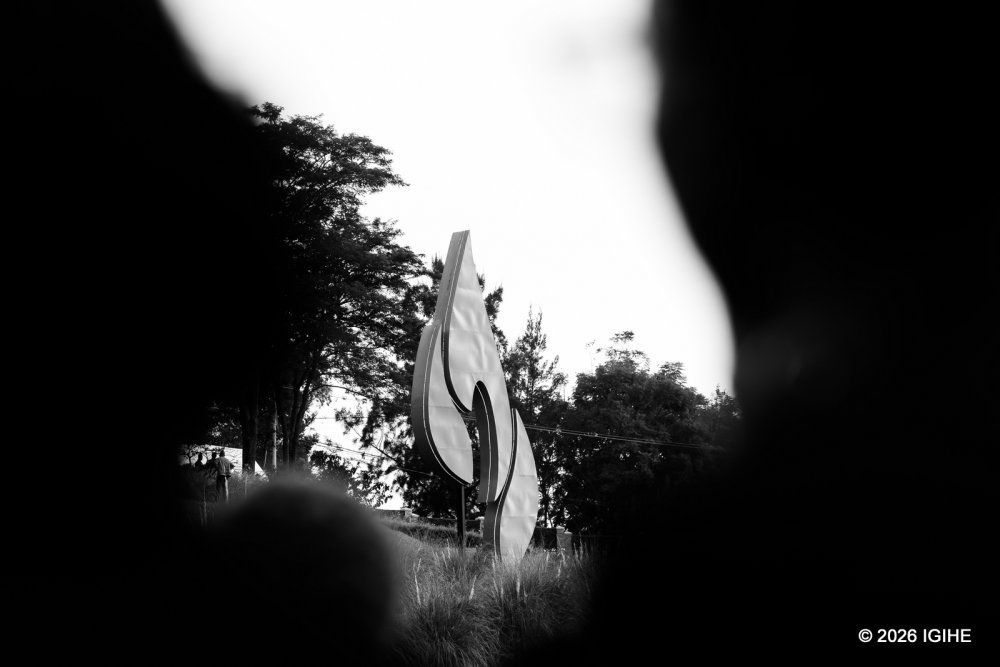
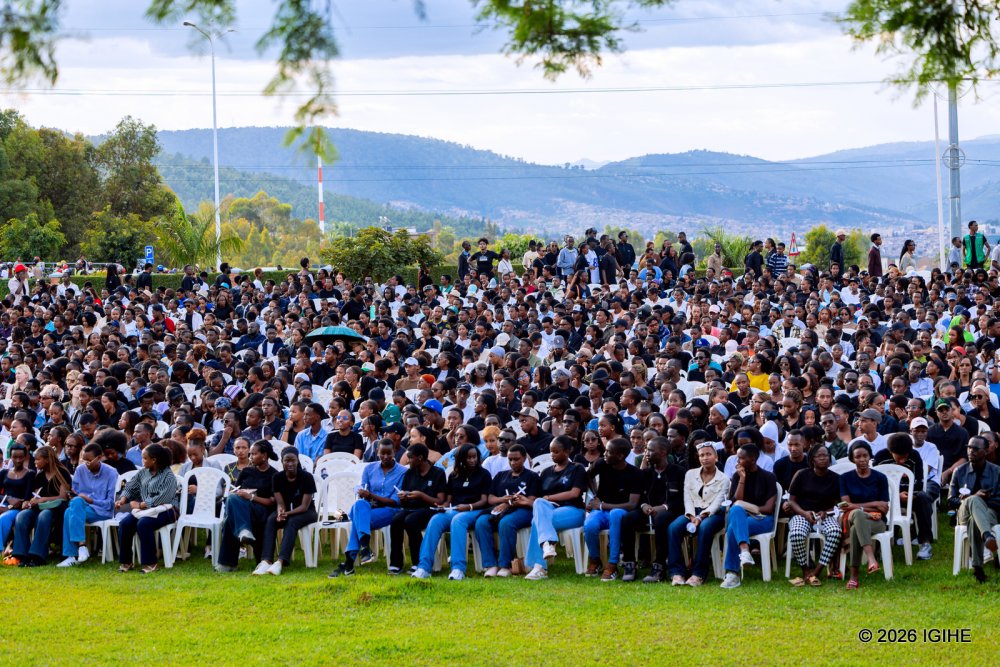
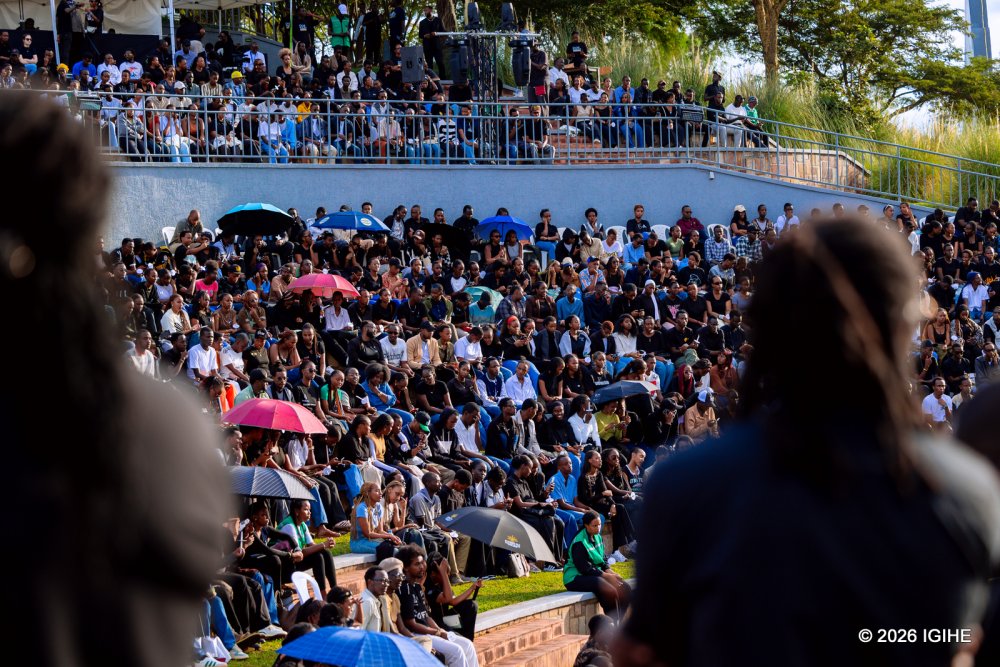
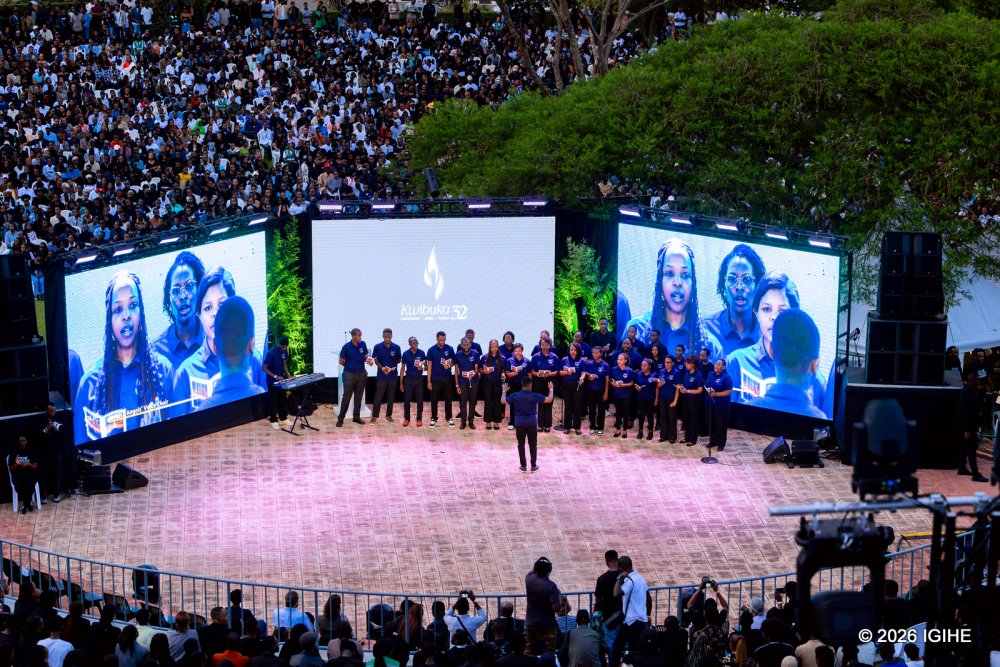
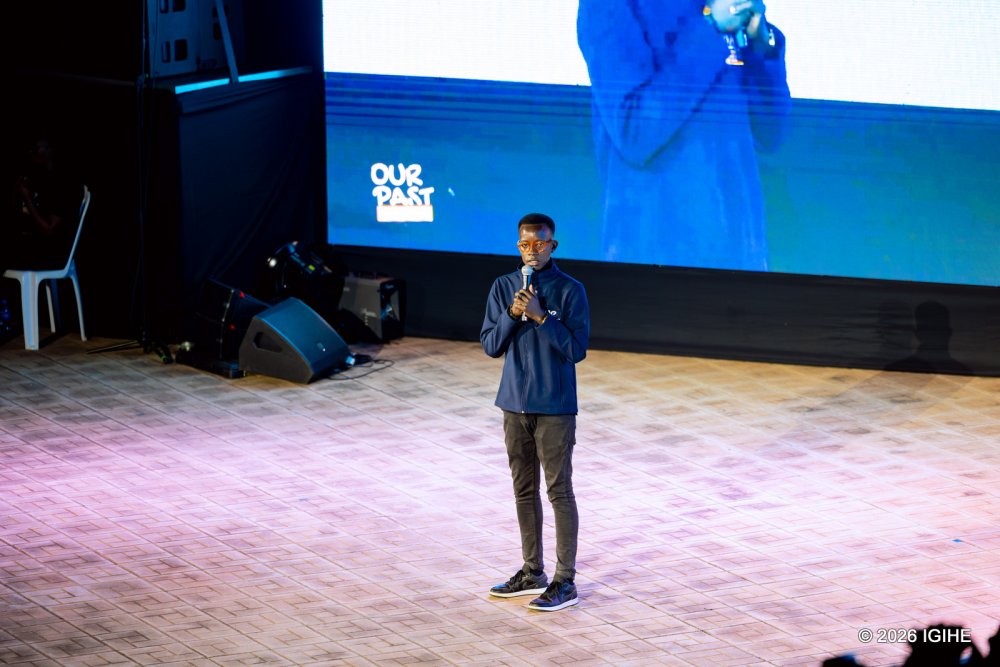
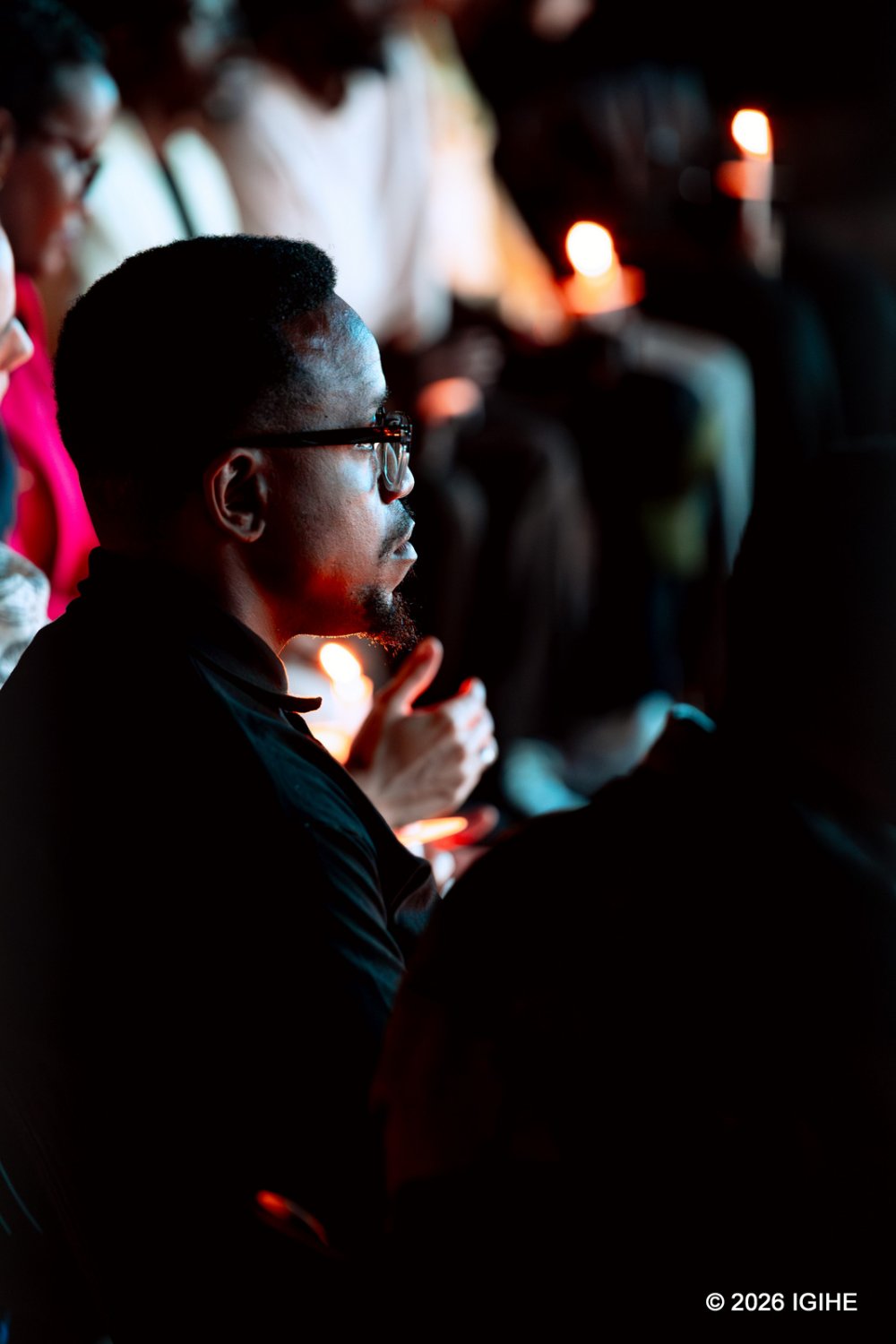
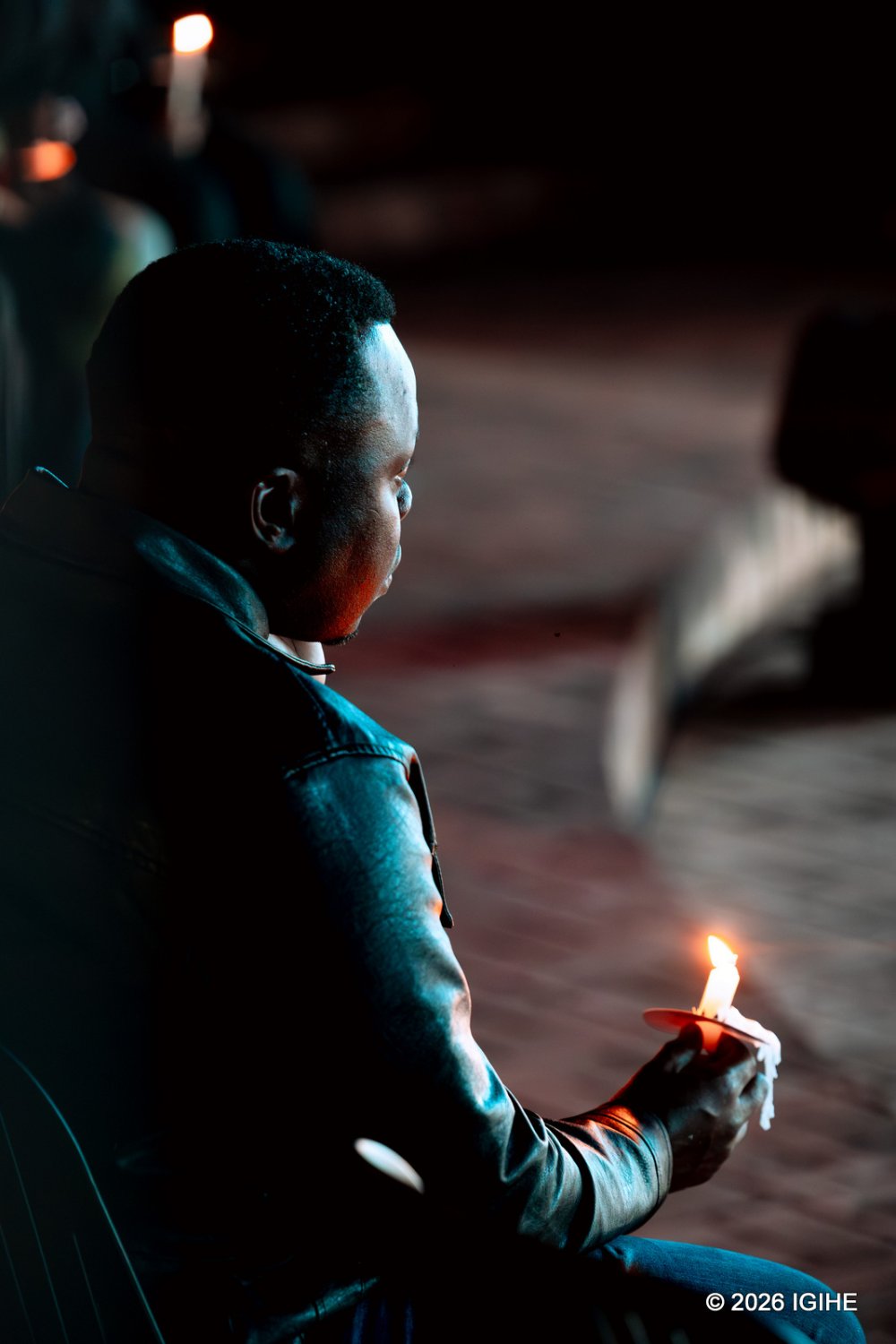
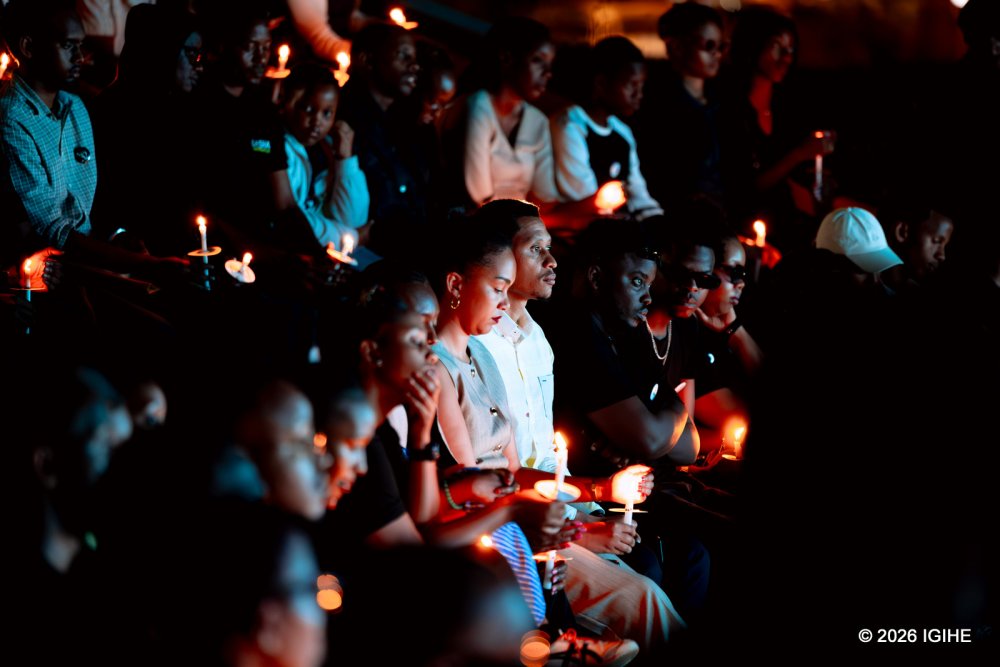
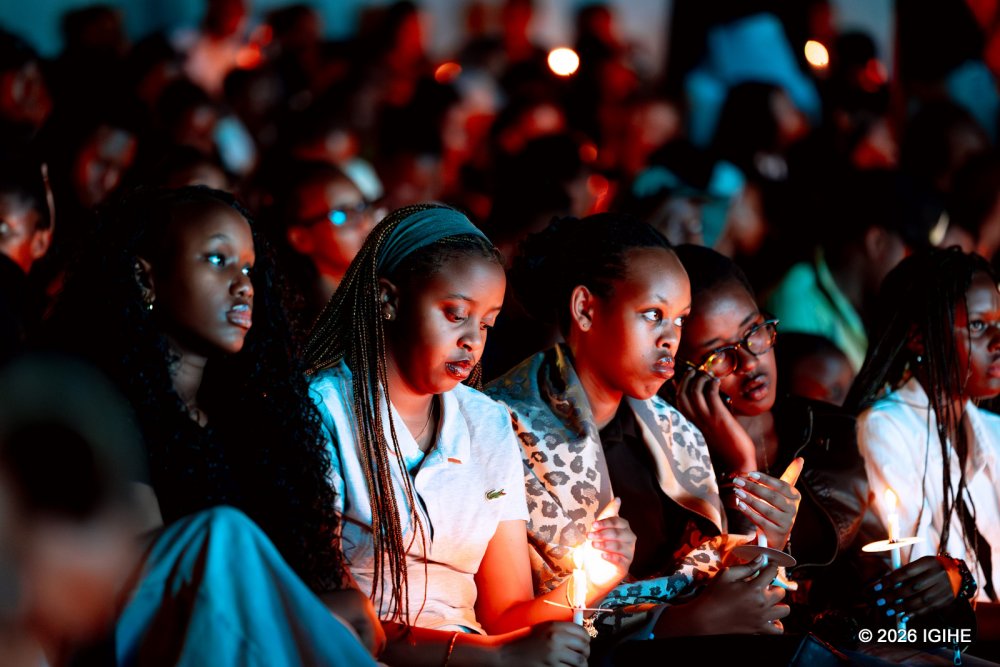
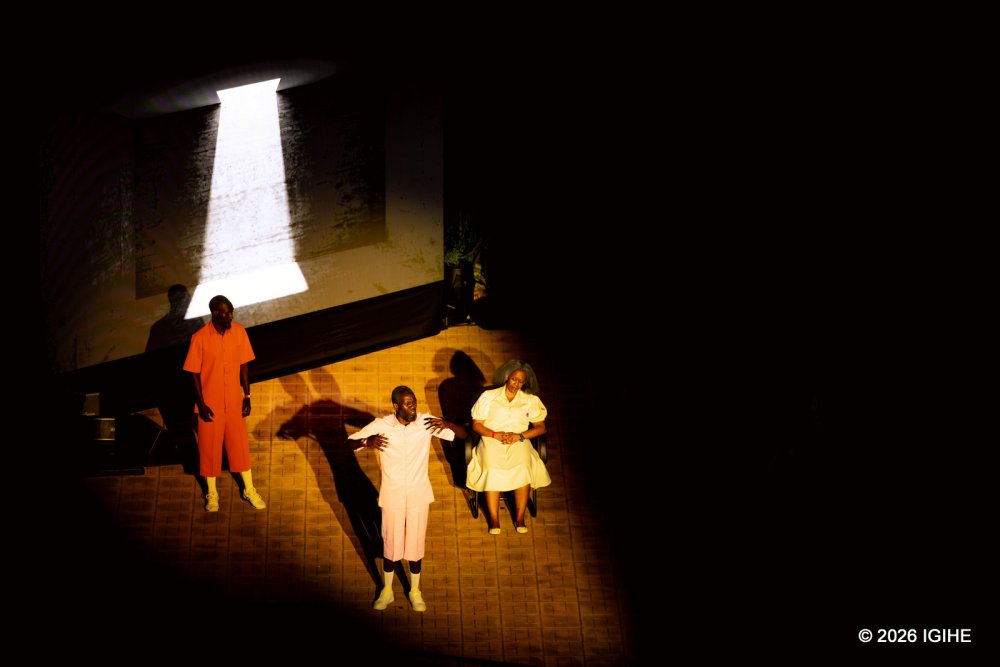
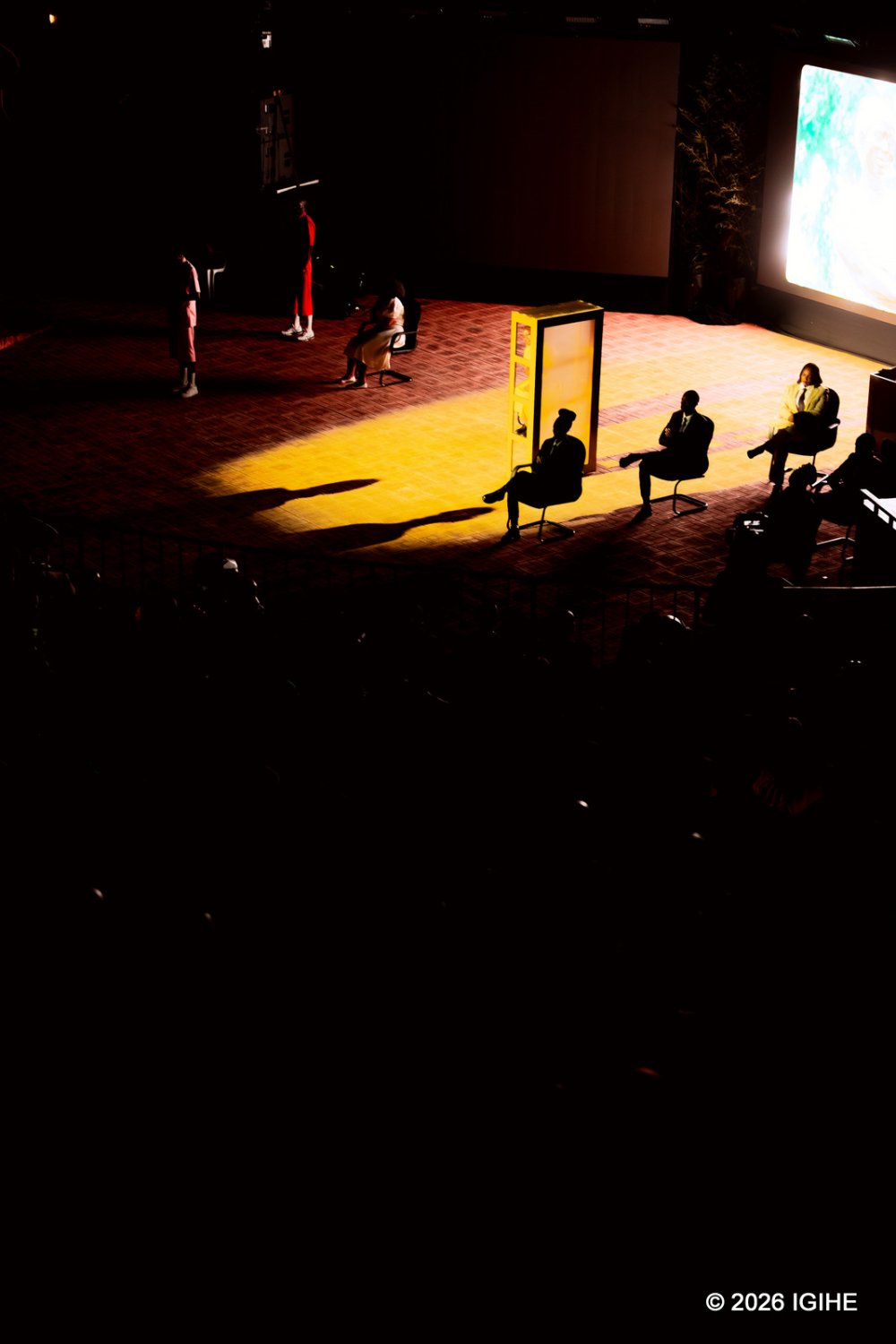
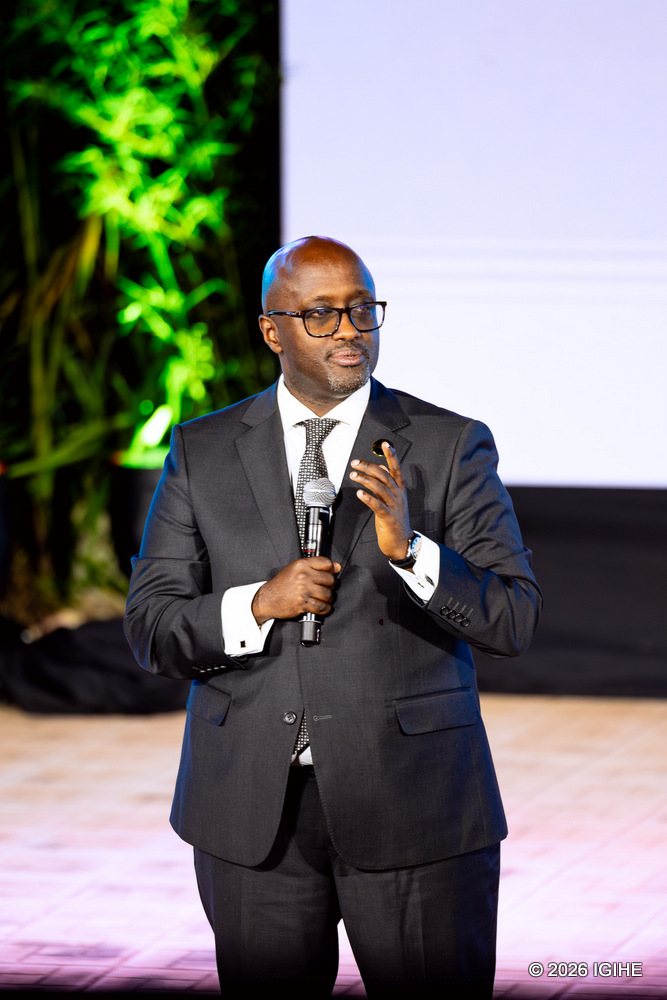
He made the remarks during the 32nd commemoration of the Genocide against the Tutsi, organised by a youth initiative known as “Our Past Initiative,” which is held annually on April 9. The event brought together more than 10,000 young people at the Nyanza Genocide Memorial in Kicukiro District.
Nduhungirehe said that while remembrance is a matter of principle for Rwandans, it is sometimes misunderstood internationally as an expression of resentment.
“Commemoration is very important, but not everyone understands it that way. Some believe we should forget and move on with life. I have personally been told that Rwandans are exaggerating and should simply forget,” he said.
He stressed that such a position is impossible given the scale and nature of the crime committed during the genocide.
“The Genocide against the Tutsi claimed more than one million lives out of a population of just over seven and a half million in only 100 days. It was an unimaginable crime, which is why remembrance must continue indefinitely,” he said.
Nduhungirehe reflected on Rwanda’s historical context, including the colonial period, during which social categories of Hutu, Tutsi, and Twa were ethnicised, and divisive ideologies were introduced and reinforced under Belgian rule.
He noted that these ideologies were later sustained by successive post-independence governments, from Grégoire Kayibanda to Juvénal Habyarimana, and further entrenched through education systems that normalised ethnic division from an early age.
“In history classes, no child could be identified as Tutsi without consequences. Students were taught divisive narratives and then asked to identify themselves along ethnic lines. Teachers often knew students’ backgrounds and would single them out accordingly,” he said.
He argued that decades of indoctrination and hate propaganda contributed significantly to the scale and intensity of the genocide.
“The genocide was carefully planned, but without more than 30 years of indoctrination, it would not have reached such magnitude. People were taught to see their neighbours as enemies,” he said.
He added that the genocide was not carried out by a single group, but involved widespread participation.
“The genocide was not committed by the Interahamwe alone, nor solely by the army. In many cases, neighbours took part. That is why escape was extremely difficult,” he said.
Following the genocide, Rwanda embarked on a long process of rebuilding national unity and reconciliation.
This included psychosocial healing programmes, the establishment of the National Unity and Reconciliation Commission, and community-based justice mechanisms such as Gacaca courts, which enabled citizens to participate in delivering justice for genocide crimes.
On the international stage, he said, Rwanda faced significant resistance in securing recognition that the 1994 atrocities constituted the Genocide against the Tutsi, rather than a general genocide in Rwanda.
“For many years, it was difficult to have the genocide recognised as the Genocide against the Tutsi,” he said.
He noted that the United Nations General Assembly only formally adopted the International Day of Reflection on the Genocide against the Tutsi on April 7 in 2020, 26 years after the genocide.
He attributed the delay to resistance from powerful member states within the United Nations.
“There were powerful countries that did not accept the terminology and did not want it to be called the Genocide against the Tutsi,” he said.
He added that Rwanda often had to advocate persistently for international recognition of its history.
“In 2014, when I was a diplomat in New York, we spent nights lobbying countries to acknowledge our history. Many of those countries had not intervened or had, in some cases, been complicit,” he said.
Call to youth
Nduhungirehe warned of ongoing genocide denial and revisionism, particularly among some members of the Rwandan diaspora youth.
He cited groups such as Jambo ASBL, which he said are composed of children of individuals implicated in the genocide, and which promote narratives denying that the genocide was planned, instead claiming it was a spontaneous reaction following the assassination of President Juvénal Habyarimana.
He urged young people to actively counter such narratives by studying history, educating others, and rejecting genocide ideology.
“National unity, reconciliation, and the understanding that we are one people must remain our priority. We must tell young people abroad that genocide ideology has no place in Rwanda and will never be tolerated again,” he said.
he event brought together more than 10,000 young people at the Nyanza Genocide Memorial in Kicukiro District.Nduhungirehe said that while remembrance is a matter of principle for Rwandans, it is sometimes misunderstood internationally as an expression of resentment.
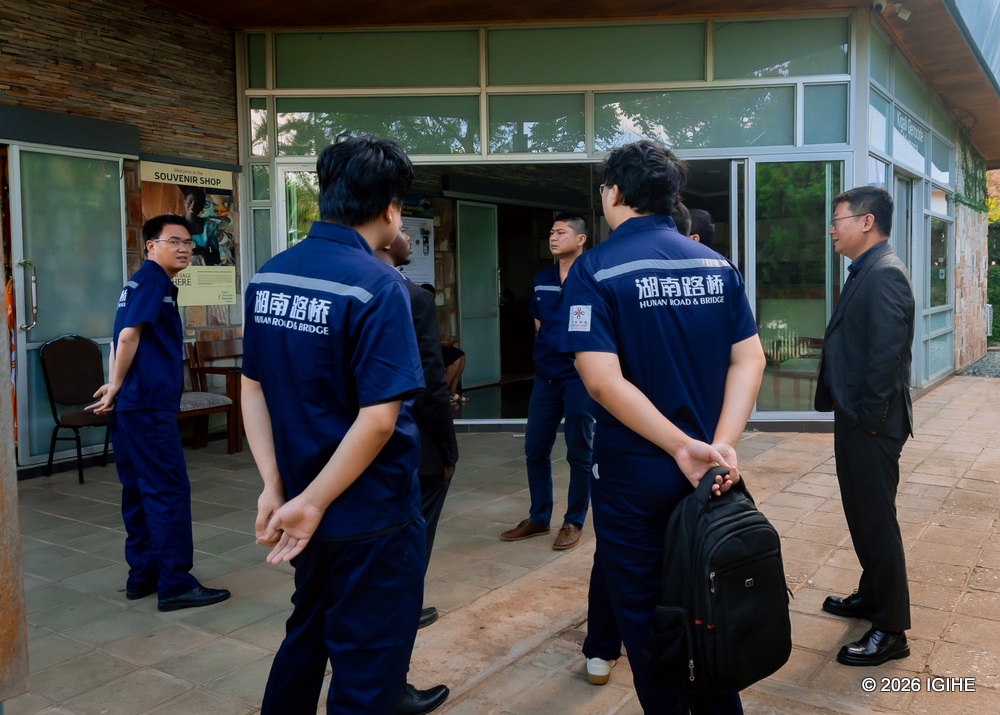
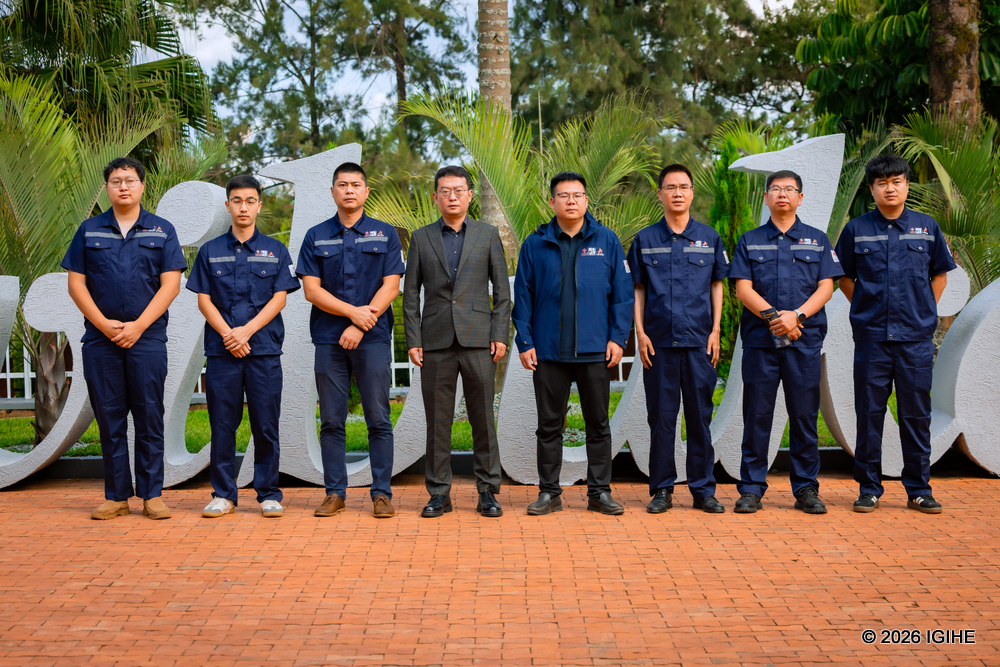
The visit, which took place at the Gisozi memorial site, provided the employees with an in-depth understanding of the history of the Genocide against the Tutsi from its planning and execution to its cessation and the nation’s journey of recovery and rebuilding.
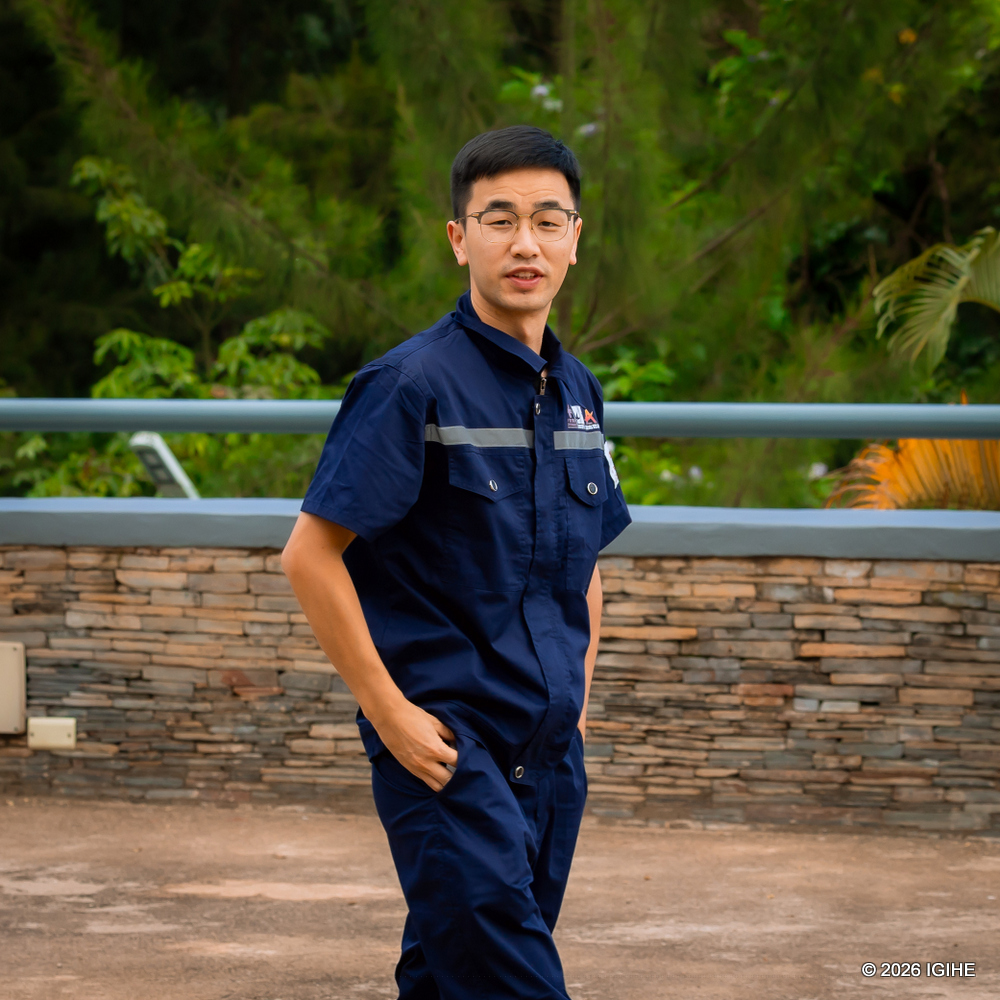
Andy, the General Manager of Hunan Road & Bridge, expressed his admiration for the resilience and strength of the Rwandan people, noting that the experience at the memorial was deeply moving.
“As we work in Rwanda, we are part of this memory. Understanding the country’s history is essential. What we witnessed here demonstrates the strength and love Rwandans have for their nation. They were the ones who stood by each other during the most difficult times,” he stated.
Wang Jing, the Human Resources Manager at Hunan Road & Bridge, emphasised the importance of advocating for peace and ensuring that such tragic events are never repeated. He called on those who deny or downplay the genocide to visit the memorial and witness the reality of what happened.
“Denying what you haven’t seen is not the right approach. Those who question or deny the events of the past should come and see the truth, as we have. People, including children and women, lost their lives. Let them see the reality of what occurred,” Wang Jing remarked.
Hunan Road & Bridge is currently involved in the construction of the Prince House Masaka Road, a key infrastructure project that began in February 2026. The 10.3-kilometre road will consist of four lanes, expanding from the previous two-lane design to accommodate increased traffic and improve flow.
To ease congestion, an overhead section will be constructed, covering a distance of 1.3 kilometres. This section will connect the Prince House area in Remera to the Mutzig intersection in the Gasabo District. It will provide direct access to roads leading to Kigali International Airport and the Masaka region.
The new road design will include four lanes, two on the ground and two overhead, each with two directional lanes.
Additionally, the project includes a nine-kilometre stretch of road with four lanes, two in each direction, extending from Mutzig to Masaka Hospital.
The overall cost of expanding this road is projected to exceed 86 billion Rwandan francs upon completion.
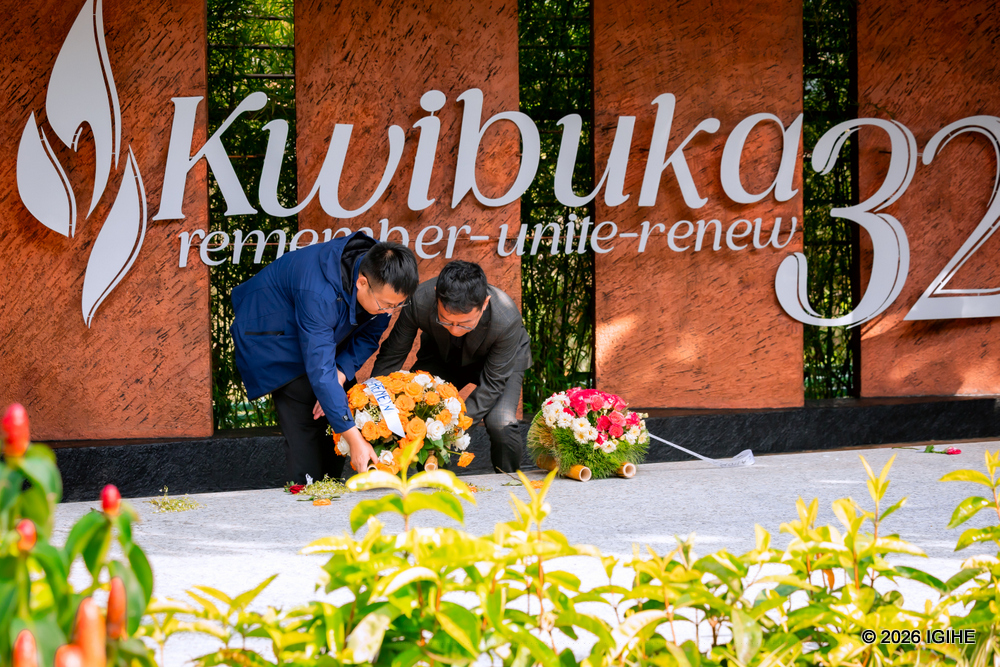
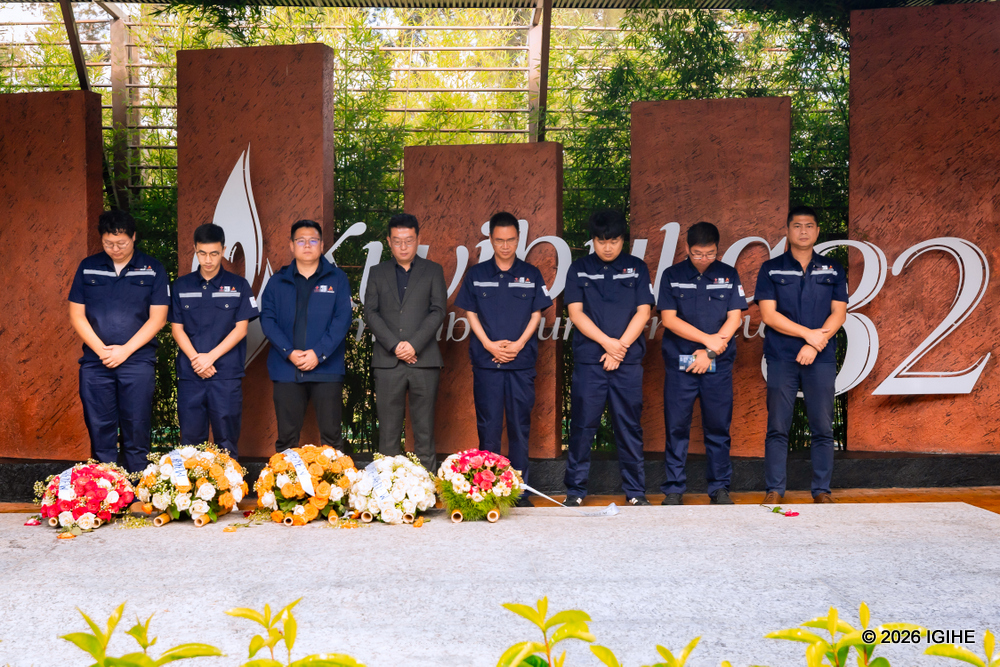
Employees of Hunan Road & Bridges place wreaths on the graves of over 250,000 Tutsi victims killed in different parts of Kigali during the 1994 genocide.Employees of Hunan Road & Bridges pay their respects to Tutsi victims at the Kigali Genocide Memorial.Employees of Hunan Road & Bridges were educated on the history of the Genocide against the Tutsi, from its preparation and execution to the post-genocide journey of rebuilding.Employees of Hunan Road & Bridges at the Kigali Genocide Memorial.The Human Resources manager at Hunan Road & Bridges, Wang Jing, stated that genocide deniers should visit the Kigali Genocide Memorial to witness the history firsthand.
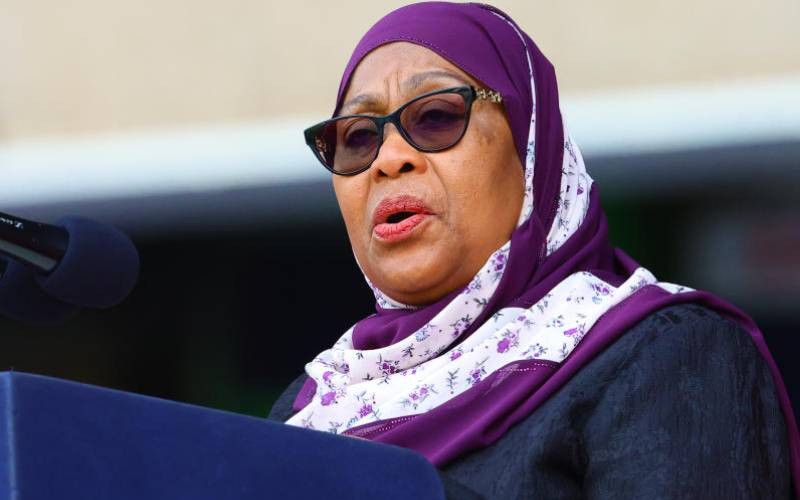
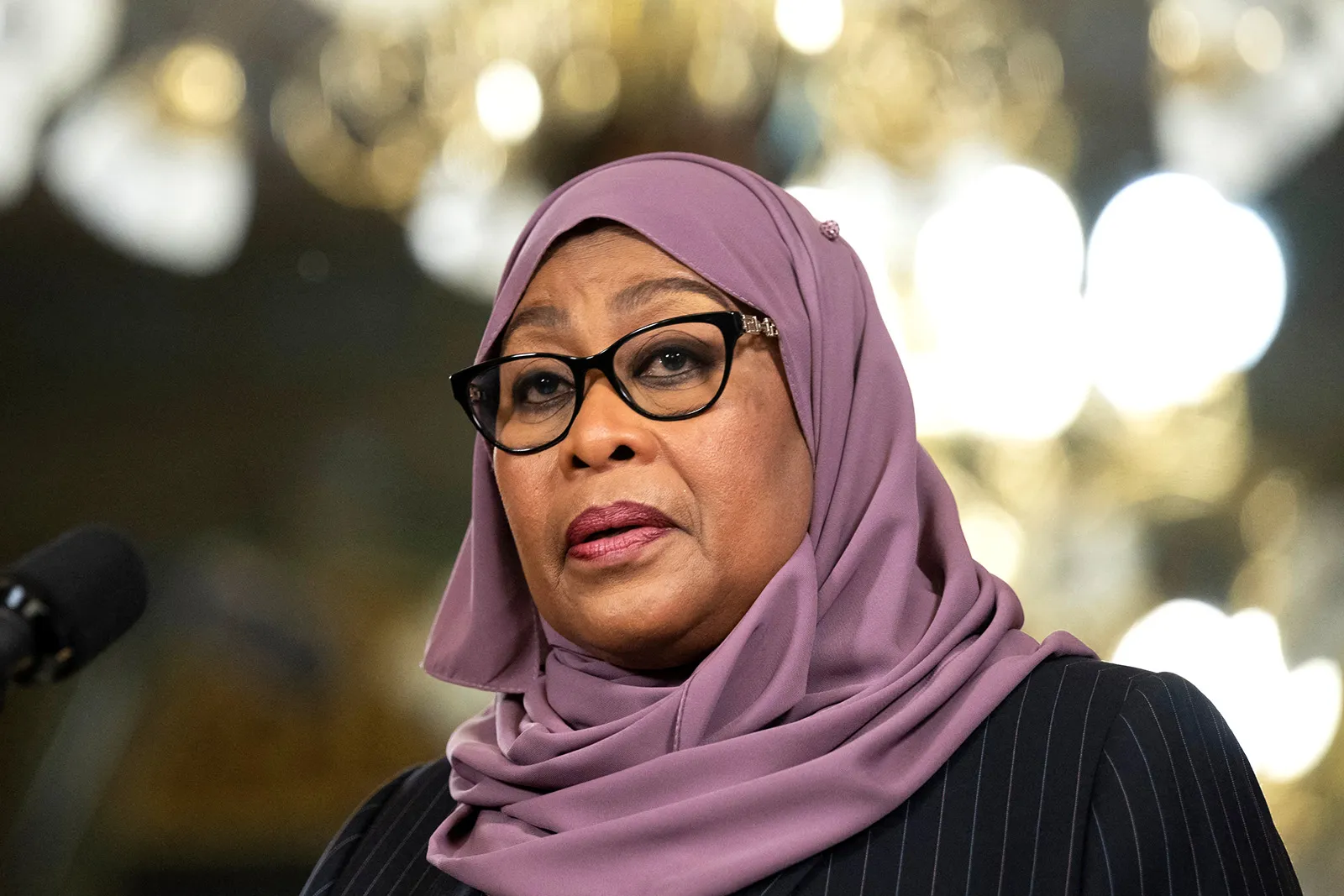
Facing rising fuel prices driven by international disruptions in oil supply, President Samia directed that government institutions immediately cut down on fuel use and unnecessary travel. At a ceremony for newly appointed officials in Dodoma, she said the government must act responsibly and lead by example.
Under her directive, the size of the presidential motorcade will be dramatically reduced. Instead of dozens of vehicles that previously traveled together, she will now be accompanied by a maximum of four cars: her official vehicle, security escort, police detail, and a backup car while the rest of the delegation will travel together on a single bus to further save fuel.
“From today, whenever I travel, the officers accompanying me will use consolidated transport in small buses to reduce fuel consumption and operational costs during this period,” President Samia said on Wednesday, stressing that the government must adapt its operations to the current economic pressures.
The decision also aims to reduce operational costs and demonstrate effective use of public resources at a time when many citizens are already experiencing higher prices for basic goods and services. Tanzania’s Energy and Water Utilities Regulatory Authority (EWURA) recently confirmed that petrol and diesel prices have risen significantly, influenced by global market volatility.
President Samia warned traders against taking advantage of the fuel situation by inflating prices on existing stocks. She said that while some price increases are unavoidable due to increased costs for imported goods, fairness is essential so that everyday citizens are not unfairly burdened.
The fuel cost increases come at a time of geopolitical uncertainty, including disruptions near the Strait of Hormuz, a key shipping route for global oil supplies. Tanzania is not alone in facing these challenges, as several other African countries including Madagascar, South Africa, Ethiopia, and Senegal have also taken measures to manage fuel scarcity and rising prices.
Tanzanian leader orders smaller convoys and shared buses to cut fuel use as prices rise.
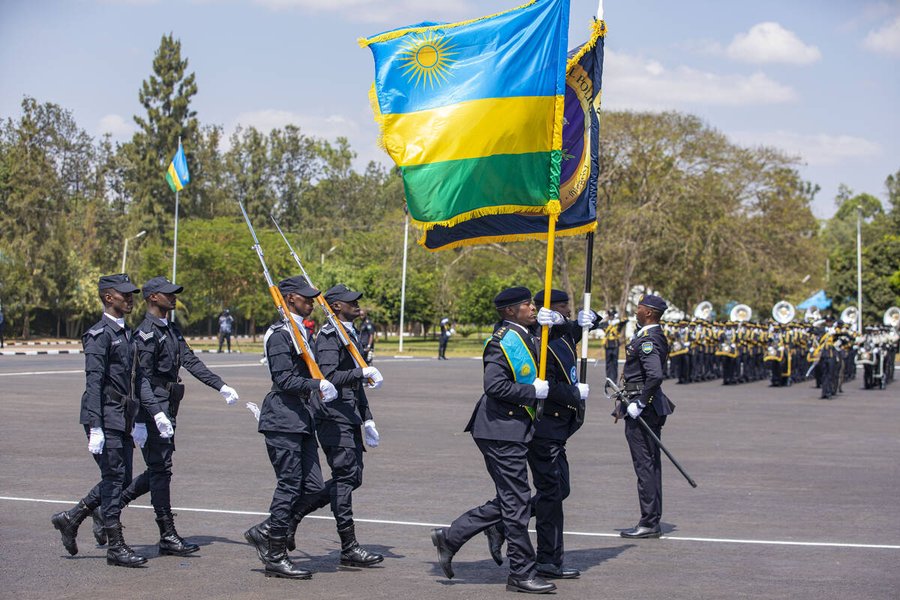
At the senior level, five officers have been promoted from Assistant Commissioner of Police (ACP) to Commissioner of Police (CP). These are Emmanuel Karasi, Bertin Mutezintare, Jean Népomuscène Mbonyumuvunyi, Barthélemy Rugwizangoga, and Fidèle Mugengana.
Ten officers were promoted from Commissioner of Police (CSP) to Assistant Commissioner of Police (ACP). They include Claude Bizimana, Adolphe Nyagatare, Rango Ndoli, Callixte Kalisa, Vincent Habintwari Bihigi, Antoine Munyampundu, Faustin Kalimba, Hodali Rwanyindo, Christian Safari, and Alexis Nyamwasa.
In the broader category of senior and junior officers, five personnel were elevated from Senior Superintendent of Police (SSP) to Commissioner of Police (CSP), while 94 moved from Superintendent of Police (SP) to Senior Superintendent of Police (SSP). A further 161 officers were promoted from Chief Inspector of Police (CIP) to Superintendent of Police (SP).
Additionally, 574 officers advanced from Inspector of Police (IP) to Chief Inspector of Police (CIP), and 17 were promoted from Assistant Inspector of Police (AIP) to Inspector of Police (IP).
Among non-commissioned officers and other ranks, 282 personnel were promoted from Staff Sergeant (S/SGT) to Chief Sergeant (C/SGT), while 763 moved from Sergeant (SGT) to Staff Sergeant (S/SGT). At the lower levels, 1,886 officers were elevated from Corporal (CPL) to Sergeant (SGT), and 1,949 from Police Constable (PC) to Corporal (CPL).
The promotions span all levels of the force and reflect ongoing efforts to strengthen capacity and leadership within the Rwanda National Police.