The analysis found that more than 40% of adults with chronic headache conditions experience symptoms of depression or anxiety.
Chronic headaches were defined as occurring on more than 15 days per month or lasting longer than three months.
Across 48 eligible studies, researchers reported that 43.1% of adults with chronic headaches had clinical symptoms of anxiety, while 45.9% showed symptoms of depression.
Compared with people without headaches, those with chronic headaches were nearly five times more likely to experience depression and more than seven times more likely to experience anxiety.
They were also more than twice as likely to report both conditions compared with individuals who suffer from episodic headaches.
The findings highlight the urgent need for improved mental health screening and treatment among people with chronic headache disorders.
Previous research has shown similar social and health patterns. The 2010 American Migraine Prevalence and Prevention study found that individuals with chronic migraine had lower household incomes, were less likely to work full time, and were more likely to experience occupational disability than those with episodic migraine.
They were also more likely to report respiratory illnesses such as asthma and bronchitis, as well as cardiovascular risk factors including hypertension, diabetes, high cholesterol and obesity.
Researchers note that chronic pain conditions show comparable mental health trends, reinforcing the need for targeted psychological support, particularly for women and younger patients.
The announcement was made on Tuesday, February 24, 2026, during events marking 25 years of community-based health insurance in Rwanda, held in Rusera Cell, Kabarondo Sector, Kayonza District. The occasion also marked the launch of new reforms aimed at strengthening community-based health insurance services nationwide.
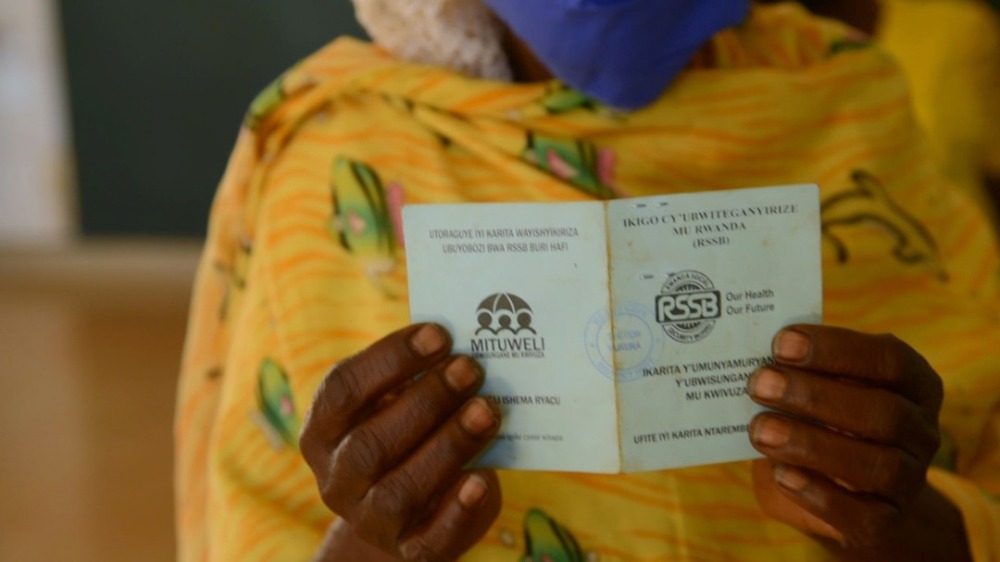
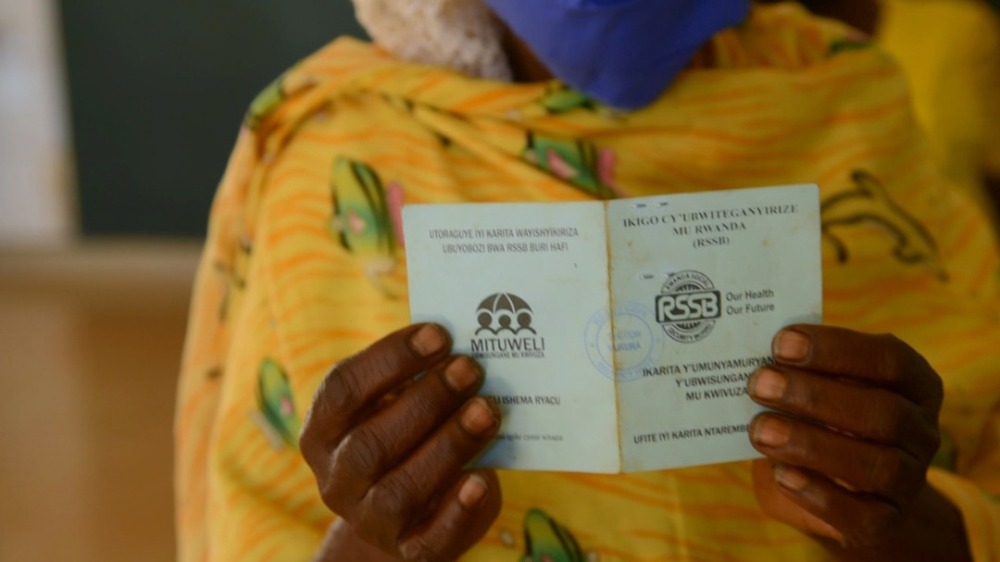
Mutuelle de Santé is one of the Government’s flagship social protection programs, built on the principle of solidarity and designed to ensure that healthcare remains accessible to all citizens. It reflects Rwanda’s long-standing policy of placing citizens’ wellbeing at the center of national development.
When the scheme began, each citizen paid 1,000 Rwandan Francs annually. In 2011, the contribution rose to Rwf 3,000 . Under the new structure, fully government-supported beneficiaries will now receive coverage valued at Rwf 4,000 per person.
Citizens in the second level of social registry will pay Rwf 3,000 with a Rwf 1,000- government subsidy. Those in the third level will pay Rwf 5,000; the fourth level, Rwf 8,000; while individuals in the fifth level will contribute Rwf 20,000 per year.
RSSB estimates that about 90 percent of members will pay between Rwf 4,000 and Rwf 8,000 annually.
RSSB Director General Regis Rugemanshuro explained that, historically, citizens’ contributions covered about 67 percent of healthcare costs. However, as the cost of services rose and coverage expanded, that share dropped to 34 percent.
Over the past decade, total spending under Mutuelle de Santé more than doubled, from Rwf 39 billion in 2015/2016 to Rwf 98 billion in 2024/2025. The increase is largely attributed to the rising cost of healthcare and the addition of high-cost services.
Newly covered treatments include cancer care, kidney treatment, organ replacement, orthopedic and spinal surgery, and assistive devices for people with hearing or vision impairments. These services, many of which have been covered for the past two years, significantly increased the program’s financial demands.
Rugemanshuro noted that although services expanded, contributions had not changed since 2011. Last year alone, Mutuelle de Santé spent Rwf 98 billion, while members contributed only Rwf 31 billion, about 34 percent of total funding.
The remaining resources came from government support, including revenues from telecommunications taxes, fuel levies, and other funding streams.
Even with the new contribution rates, citizens’ payments will account for about 42 percent of total program financing, with the government continuing to cover the majority share. Around 70 percent of Rwandans are expected to pay no more than Rwf 5,000 annually, while only about 8 percent will pay Rwf 20,000.
Number of covered medicines to nearly double
Minister of Health Dr. Sabin Nsanzimana said the contribution adjustment is directly linked to improved treatment access. The number of medicines available under Mutuelle de Santé will increase from 845 to 1,450.
He emphasized that, considering the breadth of services now covered, contributions could have exceeded Rwf 50,000 per person if the government had not stepped in with substantial subsidies.
“Today, patients can receive treatment for conditions that would normally cost Rwf 10 to 20 million, heart disease, kidney conditions, and major surgeries, under Mutuelle de Santé,” he said. “Someone who used to pay Rwf 3,000 is now asked to pay Rwf 5,000 francs if they are able.”
Cancer treatment will now be fully covered under Mutuelle de Santé, including diagnostics, imaging, medication, and related care. Kidney dialysis, previously limited to eight sessions, will now be available as needed. Major heart surgery, often costing at least Rwf 10 million, will also be accessible through the scheme.
The minister added that the government will begin advancing funds to health centers for medicine procurement so that patients consistently find drugs available at facilities. The measure is intended to eliminate shortages previously caused by delayed reimbursements from RSSB.
Residents speak out
Celestin Niyonsaba, a 75-year-old resident of Kabarondo praised the scheme, recalling that in 2018 he underwent abdominal surgery at University Teaching Hospital of Kigali (CHUK) costing Rwf 3 million francs but paid only 52,000 because he had Mutuelle de Santé coverage.
“Since then, I never delay paying,” he said. “Without Mutuelle de Santé, I would have sold my house or land. Instead, I sold a goat, received treatment, and recovered.”
Josephine Barakagwira from Rusera also welcomed the reform, noting she once paid Rwf 3,000 francs and received surgery that would otherwise have cost over one million Rwandan francs. She acknowledged that while some households face financial constraints, the program remains highly valuable.
Citizens have been urged to begin paying the new rates now to ensure uninterrupted access to healthcare starting July 1, 2026.
Mutuelle de Santé spent Rwf 98 billion, while members contributed only Rwf 31 billion, about 34 percent of total funding last year.
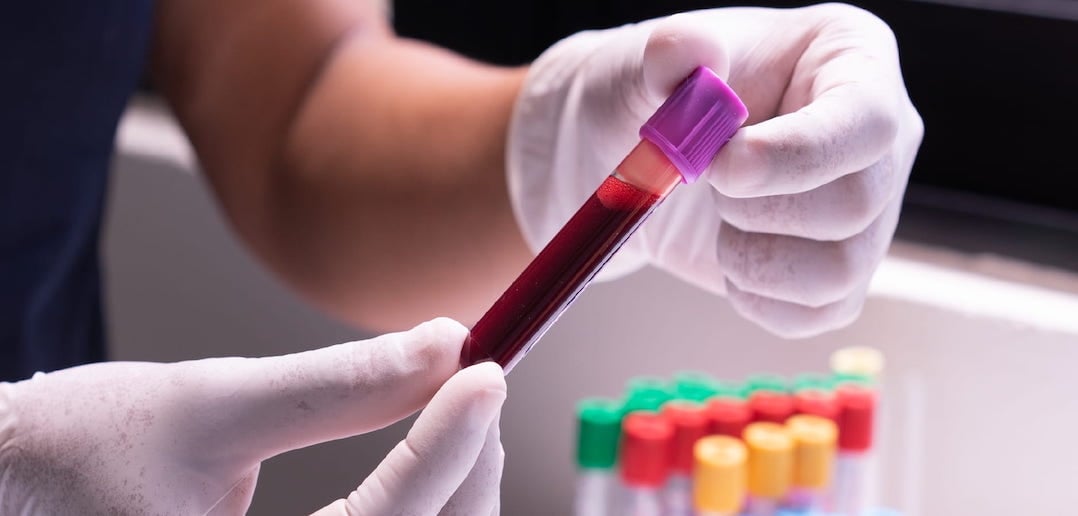
Researchers analyzed post-surgery blood samples and linked the presence of circulating tumor cells — cancer cells that have broken away from a tumor and entered the bloodstream — to increased recurrence odds, said a statement from Australia’s Centenary Institute on Wednesday.
Around 5,500 Australians face diagnosis annually for head and neck cancer, which affects the lining of the mouth, throat and voice box. While many patients respond well to treatment, a significant number experience relapse, often with limited early warning, said the study published in the European Journal of Surgical Oncology.
Follow-up care relies heavily on scans and clinical exams, which do not always spot early relapse risks, said study co-senior author Jonathan Clark, director of Head and Neck Cancer Research at Australia’s Chris O’Brien Lifehouse, in collaboration with Centenary Institute.
“Our findings suggest that detecting circulating tumor cells could provide additional information to help identify patients who may benefit from closer monitoring after surgery,” said study lead author Dannel Yeo, laboratory head at the Centenary Institute’s Center for Cancer Innovations.
The findings add to growing evidence that blood-based biomarkers could play an important role in more personalized cancer care, the researchers said.
Under the revised structure, individuals in the first level are required to contribute Rwf4,000 annually, an amount fully covered by the Government. Those in the second level of social registry pay Rwf3,000 per year, supplemented by a Rwf1,000 government contribution. Members in the third, fourth and fifth categories contribute Rwf 5,000, Rwf8,000 and Rwf20,000 respectively per person per year.
The Order also maintains a co-payment system for services received through Mutuelle de Santé. Beneficiaries pay Rwf200 when receiving care at health centers and primary clinics, and 10 percent of treatment costs at hospital level. However, individuals classified as indigent are exempt from these co-payments.
The Prime Minister’s Order issued on February 16, broadens the range of contributors supporting the scheme. Banking institutions and general insurance providers have now joined the list of entities required to support Mutuelle de Santé financially. The order, published on February 23, 2026, had earlier been reviewed and approved by Cabinet on January 17, 2025.
The order confirms that funding for the scheme comes from multiple sources, including the Government, employees in both public and private sectors, health insurers, telecommunications companies, petrol and gas oil trade companies, general insurance providers and banks. Direct government support amounts to Rwf 6 billion annually from the national budget, in addition to targeted subsidies for people in the first and second levels of the social registry.
Further public contributions are drawn from a range of regulatory and service-related revenues. Half of the fees collected for the registration of pharmaceutical products, medical devices and food products are channeled into the scheme through the Rwanda Food and Drugs Authority.
Revenue from vehicle mechanisation inspection and a share of traffic fines collected by the Rwanda National Police also support the system, alongside penalties imposed on traders dealing in substandard goods. Additional funding is generated through parking fees collected by the City of Kigali, a share of tourism revenue, and charges applied to vehicle and motorcycle ownership transfers.
Employee participation remains a central component of the financing model. Workers in both public and private sectors contribute 0.5 percent of their net salary, which employers deduct and remit monthly to the Mutuelle de Santé fund.
Health insurance providers operating in Rwanda contribute five percent of their annual premiums, while telecommunications companies provide three percent of their yearly turnover. General insurance companies contribute five percent of annual pre-tax profits, and banking institutions contribute two percent of their annual profit before tax.
Institutions are required to transfer their contributions within 30 days following the close of their financial year. Where audits reveal underpayment, the concerned entity must settle the outstanding amount and may face an administrative fine equivalent to 200 percent of the unpaid contribution.
Together, the revised contribution levels and expanded funding base are intended to strengthen the sustainability of Rwanda’s community-based health insurance system.
Rwanda has revised contribution levels for community-based health insurance, Mutuelle de Santé, under a Prime Minister’s Order dated 16 February 2026.
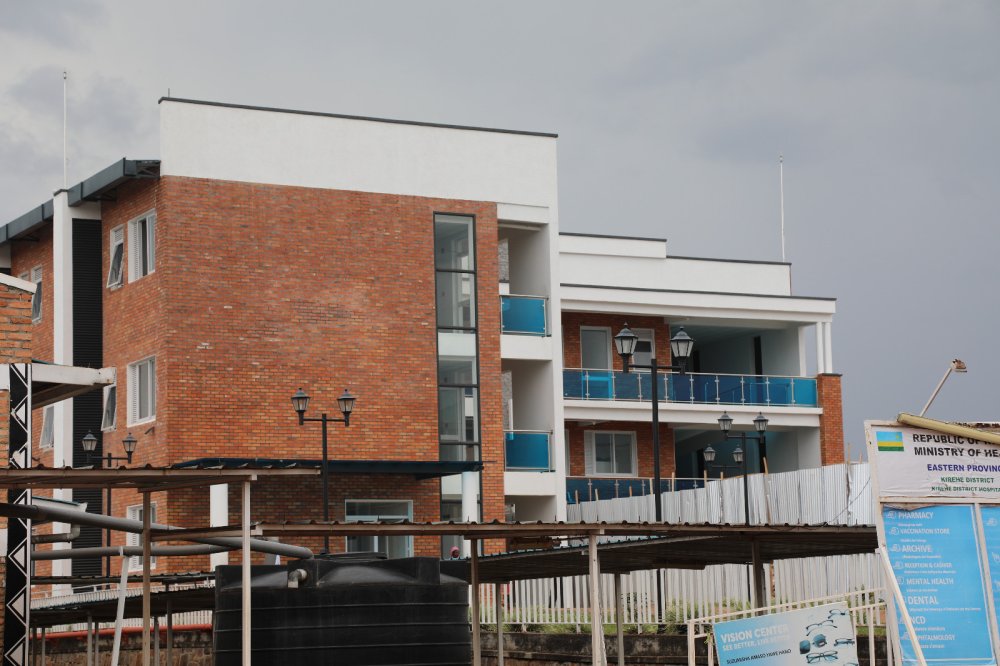
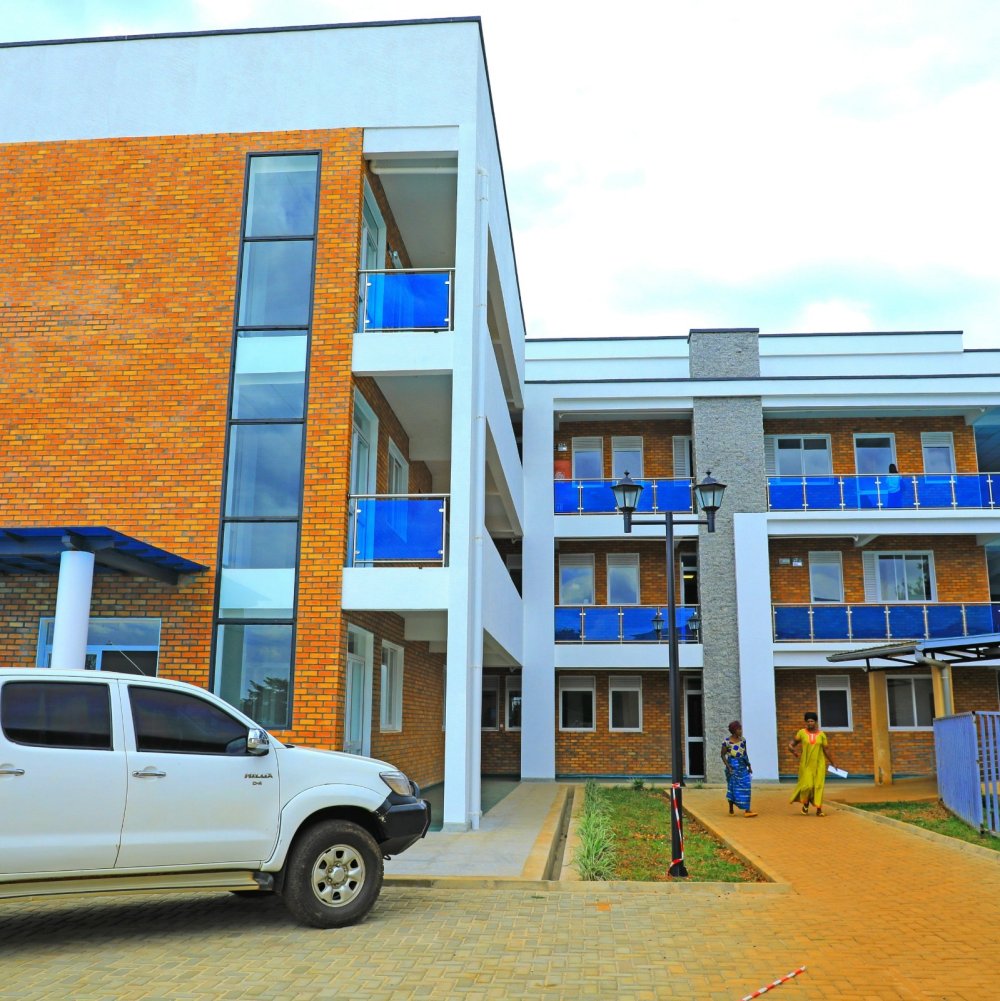
The facility was constructed at a cost of Rwf 2.4 billion and equipped with medical installations valued at Rwf 682 million. The funding was provided through the Jyambere project under the Ministry of Emergency Management (MINEMA).
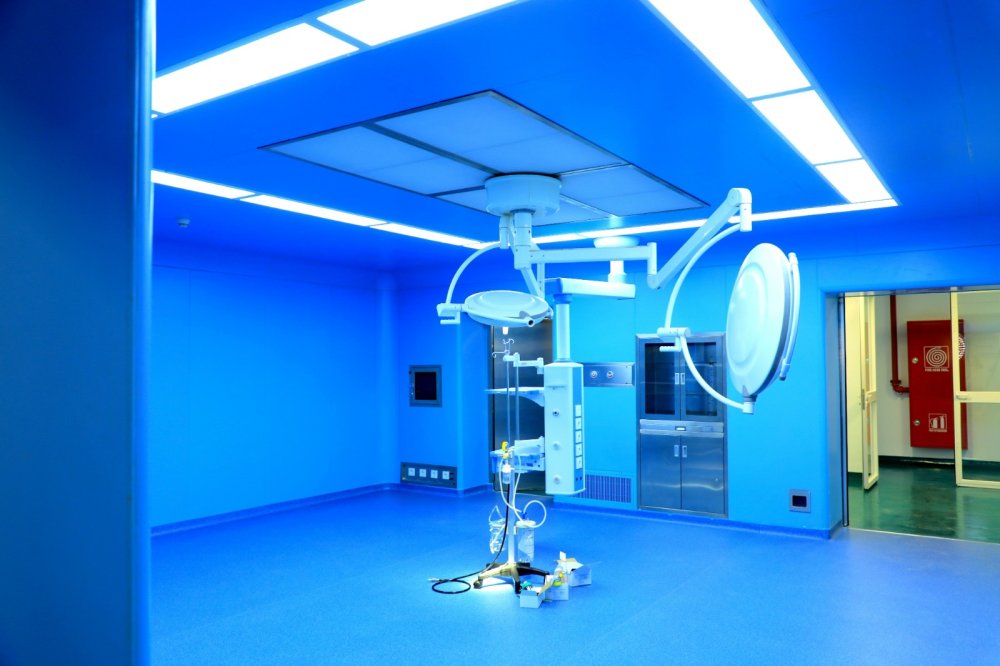
The three-storey building includes four operating theatres on the ground floor, a second floor designated for general patient care, and a top floor dedicated to pediatric treatment.
Dr. Casmir Muhire, the Deputy Director General of Kirehe Hospital, explained that the new building was highly needed, as many patients previously had to be sent to other hospitals for surgery.
“Previously, we treated patients but had to send those who needed surgery to other hospitals. Those without financial means were often delayed. Now, with this new building, patients can receive all services here, and we no longer have to refer them to other hospitals unless it’s absolutely necessary,” he said.
“We are pleased to have this modern facility, which has significantly reduced the need for Kirehe residents to seek services elsewhere,” Dr. Muhire added.
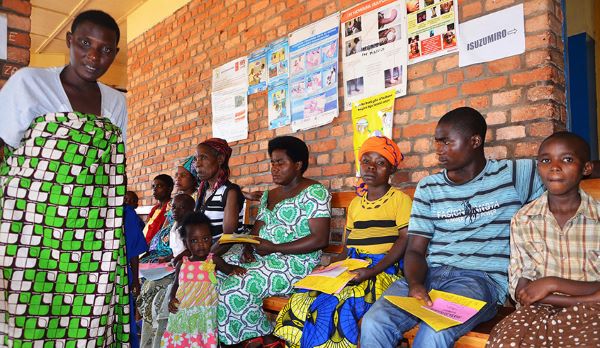
Asifiwe Angelique, a resident of Gatore Sector, shared her experience of giving birth at the hospital. She recounted that she initially gave birth in a small, poorly ventilated room, which left her worried about possible complications.
“Now, we are very happy that the place where mothers give birth is much larger and more comfortable than before. In the past, we gave birth in cramped spaces. The new birthing area is spacious, has an in-house toilet, and a shower, so mothers do not need to go outside,” she said.
Uwizeyimana Julienne, from Mpanga Sector in Ntaruka Cell, Nyagasozi Village, also praised the improvements. She recalled that, previously, the delivery area was located on the ground floor, in an area that was somewhat embarrassing. She expressed her happiness with the changes made at Kirehe Hospital.
The Mayor of Kirehe District, Rangira Bruno, highlighted that the construction of the new multi-story building was part of the Jyambere project’s contribution to the hospital. He added that the new building has helped alleviate overcrowding in the delivery rooms and other hospital areas.
He explained, “Previously, there was significant overcrowding in the delivery rooms, with about 50% of our patients coming from the Mahama Refugee Camp. This new facility has helped reduce congestion and improved the delivery of services.”
Kirehe Hospital serves approximately 500,000 residents across 19 health centers, including two health centers located in the Mahama Refugee Camp.
The new building constructed at Kirehe Hospital is expected to help provide surgical servicesThe building is equipped with modern equipment
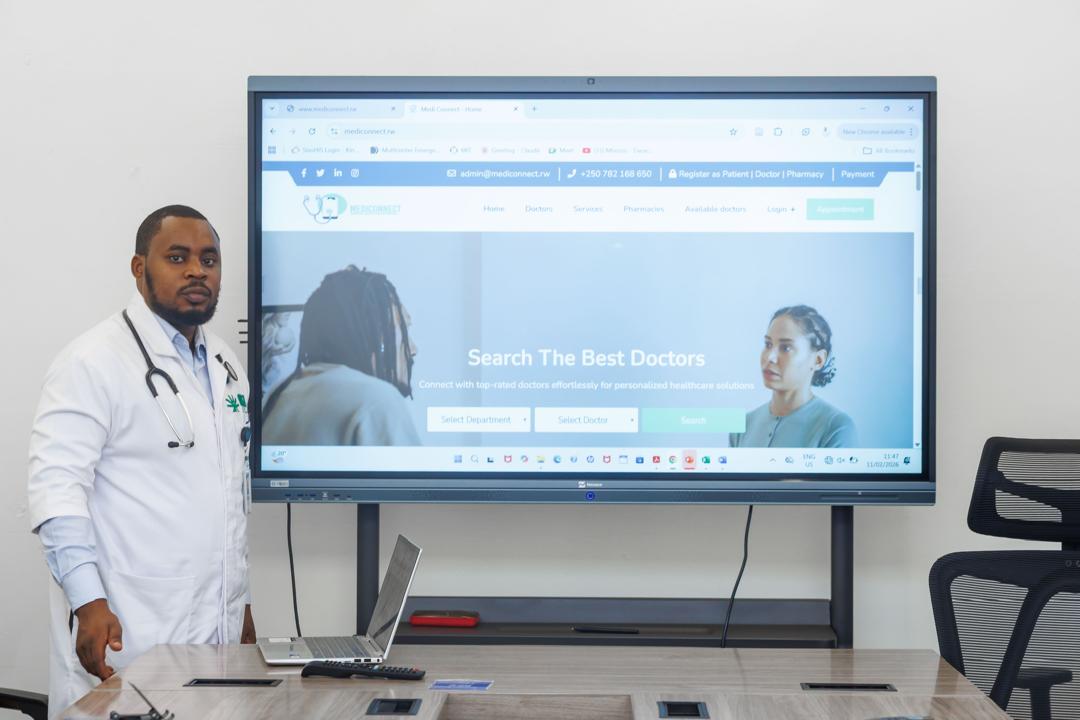
MediConnect is a digital health platform that connects patients with licensed doctors across multiple specialities through messaging, phone calls, or video consultations. It offers electronic prescriptions, home delivery of medications, and follow-up care. Consultations are priced to remain affordable, with a general practitioner costing 3,000 Rwandan francs and a specialist 5,000 Rwandan francs.
In an interview with IGIHE, Dr. Iradukunda explained that MediConnect was born from watching patients travel long distances for consultations and imagining a way for doctors to provide care beyond hospital walls.
The MediConnect platform connects patients with licensed doctors across multiple specialities through messaging, phone calls, or video consultations.
The shortage of doctors was another driving factor. Currently, Rwanda has approximately one doctor for every 4,000 members of its population, but the government is working aggressively to meet the WHO-recommended threshold by 2028 through the “4×4 Reform”.
“At the current rate, it would take us about 180 years to reach the World Health Organization’s recommended number of healthcare providers,” he remarked, acknowledging the urgent need to disrupt that timeline through the government’s ambitious initiative to quadruple the number of healthcare professionals within four years.
The MediConnect solution, he said, was not about replacing existing services but complementing them. MediConnect allows doctors to consult patients virtually when they are not at hospitals or clinics, extending care beyond traditional settings and reaching patients in both urban and rural areas.
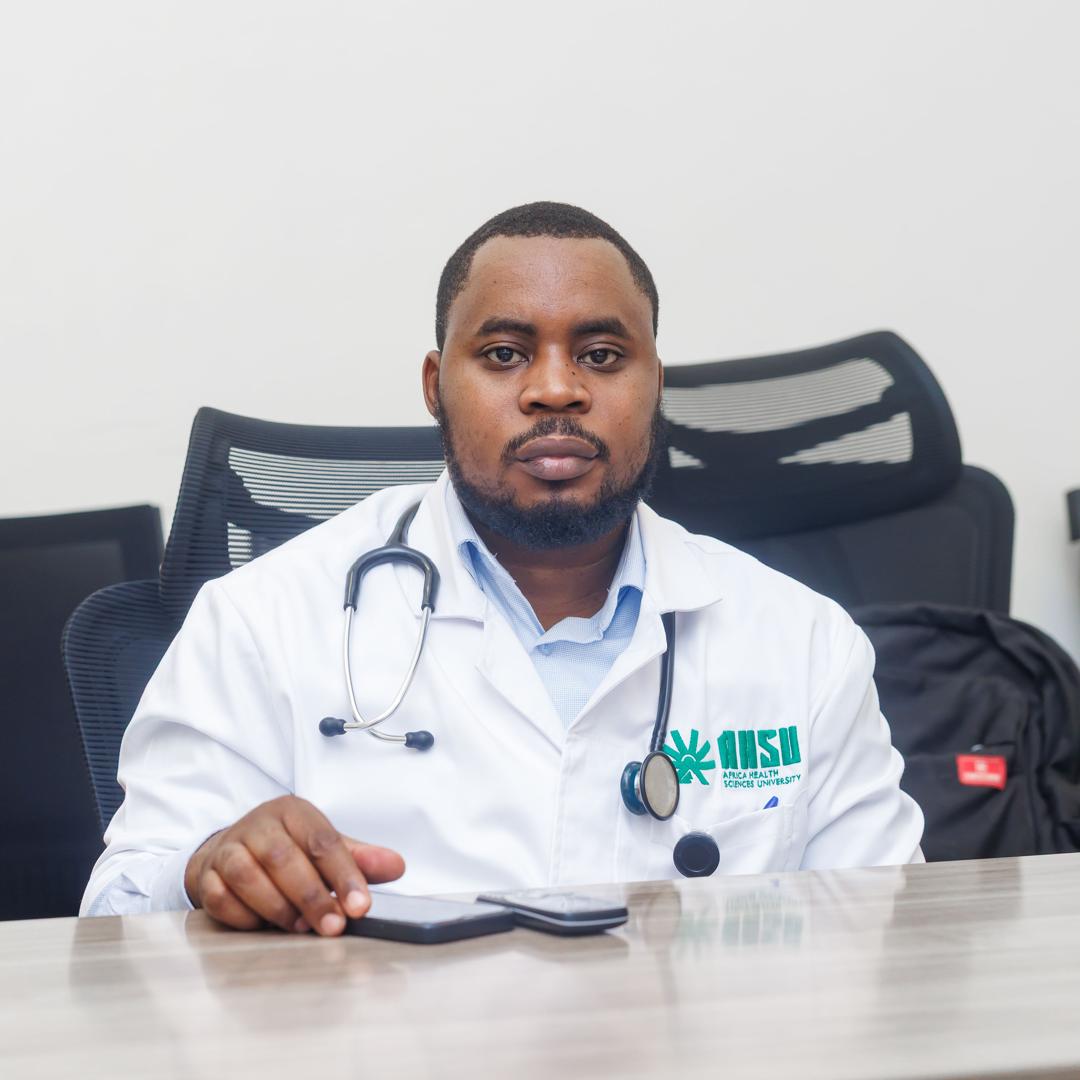
Dr. Seraphin Iradukunda launched MediConnect in 2024.
The platform was conceived during the COVID-19 lockdowns in 2020, when access to healthcare became even more challenging. Development began in 2023, when Dr. Iradukunda brought together a team of colleagues, developers, and digital health experts. MediConnect officially launched in 2024 and has since onboarded more than 60 licensed doctors across different specialities, facilitating hundreds of consultations.
The platform is registered with the Rwanda Development Board, licensed by the Ministry of Health, and cleared by the Rwanda Cyber Security Authority for data protection and privacy compliance. It was also featured on the Africa Digital Health Network Watchlist 2025 as one of the continent’s promising digital health startups.
MediConnect’s impact goes beyond consultations. Dr. Iradukunda is specializing in Emergency Medicine and Critical Care at Africa Health Sciences University (AHSU). Launched in September 2024 by King Faisal Hospital Rwanda in partnership with the Ministry of Health, AHSU aims to expand the country’s healthcare workforce.
King Faisal Hospital Rwanda is the founder and a key stakeholder of Africa Health Sciences University (AHSU).
The university currently has 202 students and is expecting its third cohort this September. Its first cohort, which began training in 2024 and is expected to graduate in 2028, will produce roughly 60 specialists and 40 midwives. AHSU integrates digital health, telemedicine, and artificial intelligence into its residency programs, equipping students with the skills to innovate.
Residents from AHSU, including Dr. Iradukunda, have contributed to MediConnect by refining the web application, creating patient-centred designs, and developing health education tools.
“That early training in digital health opened our minds to technology’s role,” he told IGIHE. “We show that beyond being a doctor, you can provide solutions using university-acquired skills to solve real-world problems.”
Residents from AHSU, including Dr. Iradukunda, have contributed to MediConnect by refining the web application.
Beyond the code and the interface, the true heart of MediConnect is found in the lives it quietly saves when every second counts. This was the reality for a 25-year-old patient in 2025 who logged on to discuss persistent headaches.
What began as a convenient digital check-up quickly turned urgent as the physician identified critical warning signs, blurred vision and impaired balance. The resulting CT scan uncovered a brain tumour, leading to an immediate referral and successful surgery that likely wouldn’t have happened without that timely virtual connection.
“This shows MediConnect’s role in early detection of serious conditions that could have been missed,” Dr. Iradukunda said.
Looking ahead, MediConnect and AHSU innovators are developing AI-powered triage tools to determine whether cases can be managed virtually or need urgent referral. They are also creating electronic health information cards to track patient histories and exploring digital medical fitness certificates to reduce unnecessary clinic visits. Plans are underway for a mobile app and telemedicine kiosks to reach rural areas with limited digital access.
Dr. Iradukunda sees the platform not just as technology but as a new model of healthcare delivery. “We must be solution providers for our country and continent,” he said. “The future belongs to those who use knowledge and digital technology like AI to solve real-world problems.”
To access MediConnect’s services, book a consultation, or learn more about their digital health solutions, visit their web portal at www.mediconnect.rw.
The study, led by Australia’s University of Technology Sydney (UTS) and the Woolcock Institute of Medical Research, is the first to show that sex modulates gene networks controlling bronchial responsiveness under normal physiological conditions, said a UTS statement on Thursday.
“Biological sex fundamentally shapes how the lungs function, even under healthy, non-diseased conditions,” said study lead author, UTS and Woolcock Institute Research Fellow Razia Zakarya.
“Male lungs are intrinsically more reactive to inhaled triggers than female lungs, which helps explain why the sexes experience respiratory disease differently,” Zakarya said, adding these differences arise from discrete gene network activity rather than a single gene or hormone.
The study, published in the Federation of American Societies for Experimental Biology journal, shows that sex differences in lung function exist at a deep molecular level, long before disease develops.
“Essentially, the sexes utilize different genetic toolboxes when exposed to environmental factors,” Zakarya said.
The team also found that early-life environmental exposures could alter these molecular networks in sex-specific ways, potentially influencing vulnerability to diseases such as asthma and chronic obstructive pulmonary disease.
Zakarya said the findings underscore the need for sex-inclusive biomedical and environmental health research from the earliest stages of discovery.
The week-long surgical program began on Monday, February 9, 2026, with the successful operation of a 39-year-old woman who had lived with epilepsy for 15 years despite ongoing medication.
The procedure was conducted by a team of CHUK specialists working alongside visiting international experts who are supporting the introduction of epilepsy surgery services in Rwanda.
Until now, epilepsy in Rwanda has been treated primarily with medication, as surgical capacity was not available. However, some patients do not respond to drug therapy and previously had to seek treatment abroad, often in India.
Epilepsy occurs when brain signals become excessive or disorganized, triggering physical and behavioral symptoms.
These may include loss of consciousness, repeated falls, tongue biting, muscle stiffness, and involuntary urination or defecation, depending on the part of the brain affected.
During the procedure, surgeons accessed the brain by temporarily removing a section of skull bone before treating the affected area.
Other surgical techniques for epilepsy may also be used depending on the patient’s condition.
Dr. Inyange Musoni Sylvie, a Rwandan neurosurgeon involved in the operation, said the patient’s seizures originated from the left side of the brain.
“The treatment involved removing a small portion of brain tissue identified by MRI scans as the source of the seizures,” she explained.
Despite long-term treatment, the patient had continued to experience seizures about twice a week, significantly affecting her quality of life and overall health.
According to Dr. Inyange, the procedure offers an estimated 85 percent chance of recovery, with the possibility that medication can be gradually reduced or discontinued entirely.
She described the development as a major milestone for epilepsy care in Rwanda, noting that patients who did not respond to medication previously had limited options, while seeking treatment abroad was often difficult and costly.
“This is an important breakthrough because many Rwandans living with epilepsy could not access this treatment. When patients came to us, our only option was to adjust medication. It placed a heavy burden on families, the health system, and the country as a whole,” she said.
Alivera Mukarugwiza, a caretaker, said her daughter first developed epilepsy while in primary school. For years, the family pursued different treatments without success. Medication later reduced the frequency of seizures, but recovery remained incomplete, and traveling regularly from Rwamagana to Kigali for care was challenging.
She expressed gratitude for the treatment her daughter received, thanking both God and the country for making the surgery possible.
Building on Rwanda’s pioneering 2016 launch of the world’s first national drone delivery service, the new deal expands Zipline’s operations to full nationwide coverage, introduces Africa’s first urban drone delivery network, and establishes the continent’s first autonomous delivery testing centre.
Under the expansion, Rwanda will also become the first country in Africa to deploy Zipline’s next-generation urban delivery system, Platform 2 (P2), designed for fast, quiet and highly precise deliveries in dense cities such as Kigali, where nearly 40 per cent of national healthcare demand is concentrated.
The system is already in use in the United States, delivering thousands of items daily to homes, offices and public spaces.
Minister of ICT and Innovation Paula Ingabire said the partnership reflects Rwanda’s long-term commitment to using technology to improve public services and save lives.
“Rwanda and Zipline have been working together for years to harness technology for the good of our people,” Ingabire said. “We have seen the extraordinary impact of drone delivery in saving time, saving money and saving lives. With this partnership, we are expanding to urban delivery and reaching even more communities. We thank the U.S. Government for supporting Zipline’s expansion and for joining us in building the foundation for Africa’s future in healthcare and innovation.”
As part of the agreement, Zipline will establish a new long-range distribution hub in Karongi District, complementing its existing centres in Muhanga and Kayonza. The Karongi hub will extend delivery services to districts beyond the Nyungwe Forest, including communities near Rwanda’s western border with the Democratic Republic of Congo (DRC). Within Rwanda, the facility is expected to serve about 200 health posts and 60 major health facilities, reaching more than 2.9 million people.
With the addition of the new hub and the rollout of urban services, Zipline’s nationwide network in Rwanda will cover more than 11 million people and support approximately 350 local jobs. The Karongi site, built near the Rwanda–DRC border, has also been described as a symbol of cooperation and peace between the two countries.
Zipline Africa CEO Caitlin Burton said Rwanda’s approach to innovation continues to set a global benchmark.
“In 2016, Rwanda made a decision that changed health access forever,” Burton said. “Rwanda did not ask whether it had been done before. It asked whether it could work and whether it could save lives. Today, Rwanda is doing it again. This is a global first — not because the technology exists, but because the leadership exists.”
She added that Rwanda’s leadership was a key reason the U.S. Government is backing the expansion and why Zipline is investing beyond its contract in research, technology and high-skill jobs in the country.
In another first, the agreement includes the establishment of Zipline’s first overseas research and development hub in Rwanda. The new AI and robotics testing facility will support aircraft performance testing, development of new safety systems and next-generation logistics software, while also contributing to local skills development and innovation.
Pierre Kayitana, Zipline Rwanda’s Country Director, said the expansion creates a single, integrated logistics system serving all Rwandans.
“Rwanda pioneered autonomous logistics for the world,” Kayitana said. “With the addition of a third hub and upcoming urban services in Kigali, Rwanda is creating a seamless national system that serves all citizens equally.”
Under the financing model, the U.S. Government will provide upfront infrastructure funding to enable the scale-up, while the Government of Rwanda will cover ongoing operations. Officials say the approach ensures the expansion is financially sustainable, nationally owned and fully integrated into Rwanda’s broader strategy for resilient, technology-driven healthcare.
Since its launch, Zipline’s drone delivery network in Rwanda has provided on-demand access to blood, vaccines and essential medicines, significantly reducing waste and improving health outcomes. According to Zipline, the system has contributed to a 51 per cent reduction in maternal deaths and strengthened real-time health data integration with national emergency response systems.
The data, covering new cancer cases diagnosed in 2023, were released on February 3, 2026, during RBC’s National Cancer Symposium, convened to discuss strategies and pathways to accelerate the elimination of cervical cancer by 2027.
In total, 5,635 new cancer cases were recorded in 2023. Among women, breast cancer topped the list with 719 new cases, compared to just 32 men diagnosed with the disease. Among men, prostate cancer was most prevalent, with 525 new cases.
Cervical cancer followed, with 664 new cases among women. Stomach cancer affected 271 women and 222 men. Liver cancer ranked fifth, with 195 men and 186 women diagnosed. Sixth was colorectal cancer, with 185 women and 145 men affected.
Blood cancers also ranked highly: leukaemia was diagnosed in 145 women and 158 men, while lymphoma affected 135 women and 114 men. Lung cancer was ninth, with 104 women and 76 men diagnosed, and oral cancer ranked tenth, affecting 60 women and 99 men.
RBC Director General Prof. Claude Mambo Muvunyi highlighted Rwanda’s goal to eliminate cervical cancer by 2027. Currently, nine of the country’s 30 districts have already achieved this milestone.
“Cervical cancer remains the leading cause of cancer-related deaths among our mothers, sisters, and daughters. Yet it is one of the most preventable and treatable forms of cancer,” he said, adding, “For Rwanda, eliminating cervical cancer is not only a public health priority, it is a matter of equity, of defending women’s rights, and of securing the health of future generations”
This goal aligns with the internationally recognised “90-70-90” targets: 90% of girls should be fully vaccinated against HPV by age 15, 70% of women should be screened with a high-performance test by age 35 and again by 45, and 90% of women diagnosed with cervical disease should receive treatment. Rwanda has already exceeded the vaccination target, reached approximately 31% of the screening goal, and achieved 81% of the treatment target.
The estimated cost to fully achieve this goal is $27.8 million. RBC remains optimistic, citing strong government commitment and recent expansions in cancer care, including at Mituweli Hospital.
Dr. Maniragaba Théoneste, Director of the cancer control unit at RBC, emphasised the importance of early screening, noting that cervical cancer is highly treatable if detected in its initial stages.
“When detected at stage one or two, cancer can be cured before it spreads to other organs, such as the liver or brain. Early detection saves lives,” he said.
While the virus that causes cervical cancer (HPV) is sexually transmitted, symptoms of the disease may not appear for a decade or more. Donathile Akayezu, who recovered from cervical cancer last year, shared that she initially mistook her symptoms for a routine infection. Only after testing was the cancer detected.
“At first, I felt hopeless, but after treatment, I recovered and returned to my normal life. I continue regular check-ups but no longer take medication,” she said.
Efforts to eliminate cervical cancer continue to focus on vaccinating children and raising awareness among women about the importance of regular screening.