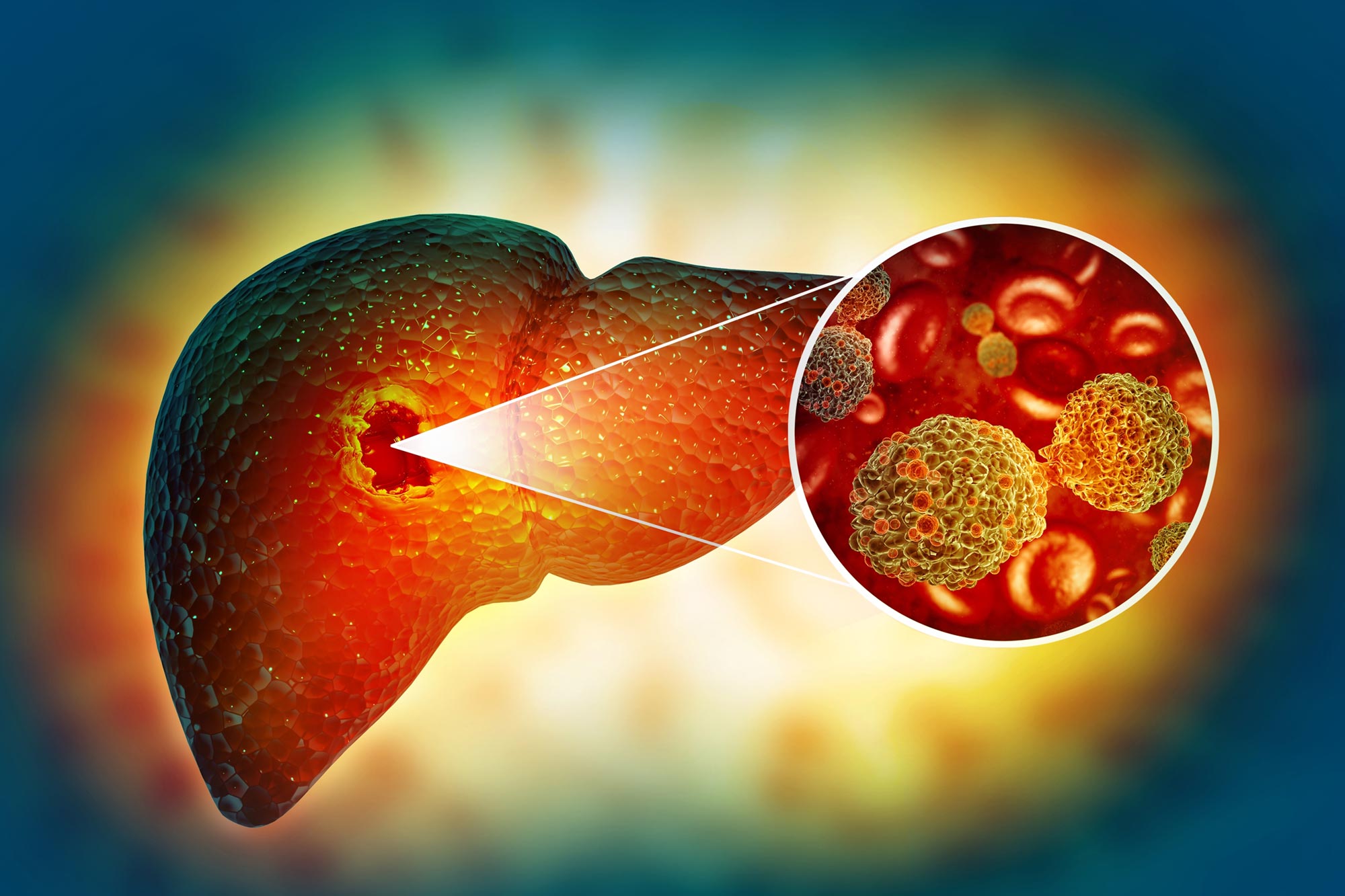
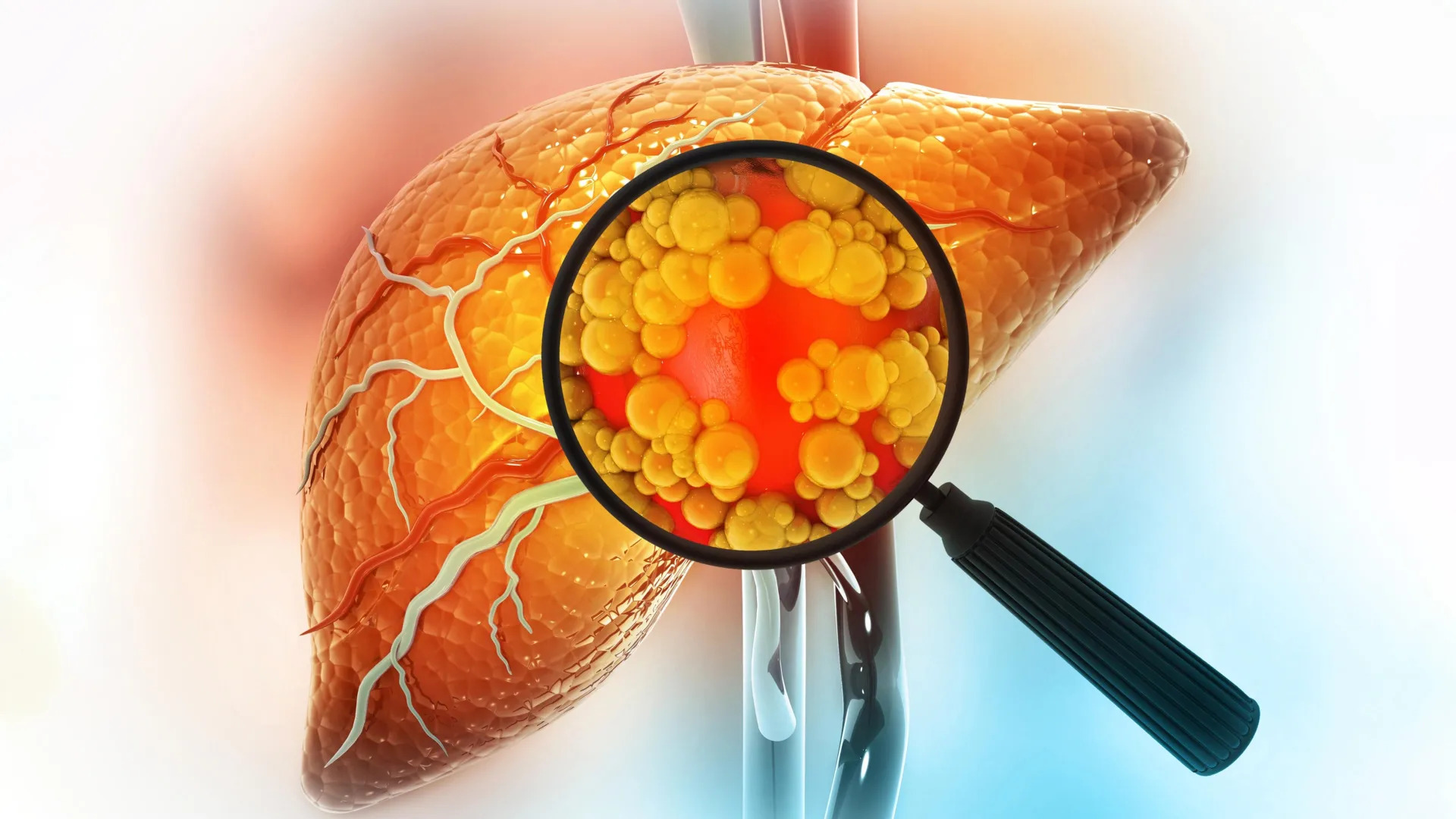
The research, led by Dr. Loretta Dorstyn and senior author Professor Sharad Kumar, reveals that Caspase‑2 plays an important role in protecting the liver against damage.
The team found that without this enzyme, the liver cells of mice began to exhibit an abnormal buildup of genetic material, leading to enlarged liver cells and increased inflammation. Over time, these changes resulted in liver damage and an increased risk of cancer.
The study, which was published in the journal Science Advances, highlighted that while blocking Caspase‑2 may seem like an effective strategy for treating fatty liver disease in the short term, it could contribute to chronic inflammation, fibrosis, and liver cancer as people age.
This new insight is crucial because it shows that inhibiting Caspase‑2 can inadvertently increase susceptibility to these serious conditions.
Dr. Dorstyn explained that liver cells have extra copies of genetic material that help the liver cope with stress. The study showed that without Caspase‑2, these cells are more likely to become damaged.
The researchers observed that the mice lacking this enzyme developed signs of hepatitis‑like disease, including scarring and oxidative damage, and were significantly more likely to develop liver tumors.
The University of Adelaide team warns that while the inhibition of Caspase‑2 was once seen as a promising therapeutic approach, this new evidence suggests the potential risks may outweigh the benefits, especially for long‑term health.
A promising fatty liver treatment may raise cancer risk.
In the study titled ‘A Large Retrospective Cohort Study on the Risk of Alzheimer’s Disease and Related Dementias in Association with Vascular Diseases and Cancer Therapy in Men with Prostate Cancer’, researchers analyzed 1,693 patients with confirmed primary lung cancer who had at least two chest CT scans before diagnosis.
Tumours were considered fast-growing if they doubled in size or mass in less than 400 days.
The study found that 18% of patients had fast-growing cancers. Solid nodules were especially aggressive, with 41% growing quickly, compared to just 9% of subsolid lesions. Key factors associated with rapid growth included solid tumour density, male sex, smoking history, and personal or family history of cancer.
Smoking stood out as a consistent risk factor, driving faster tumour growth in both solid and subsolid nodules. Genomic analysis in 128 patients also showed that mutations in the TP53 gene were linked to aggressive tumour behavior, affecting roughly 18% of that subgroup.
These findings highlighted the need to combine clinical, imaging, and genetic information to identify patients at higher risk. Those with solid nodules, a history of smoking, or cancer in the family may require closer imaging follow-up.
He made the remarks on March 19, 2026, during a session with the Parliamentary Committee on Governance, Gender Equality, and Women’s Empowerment.
According to Dr. Nsanzimana, the addition of services that were previously not covered has significantly raised the cost borne by the Rwanda Social Security Board (RSSB). These new services are expected to increase annual expenditure by at least Rwf 21 billion.
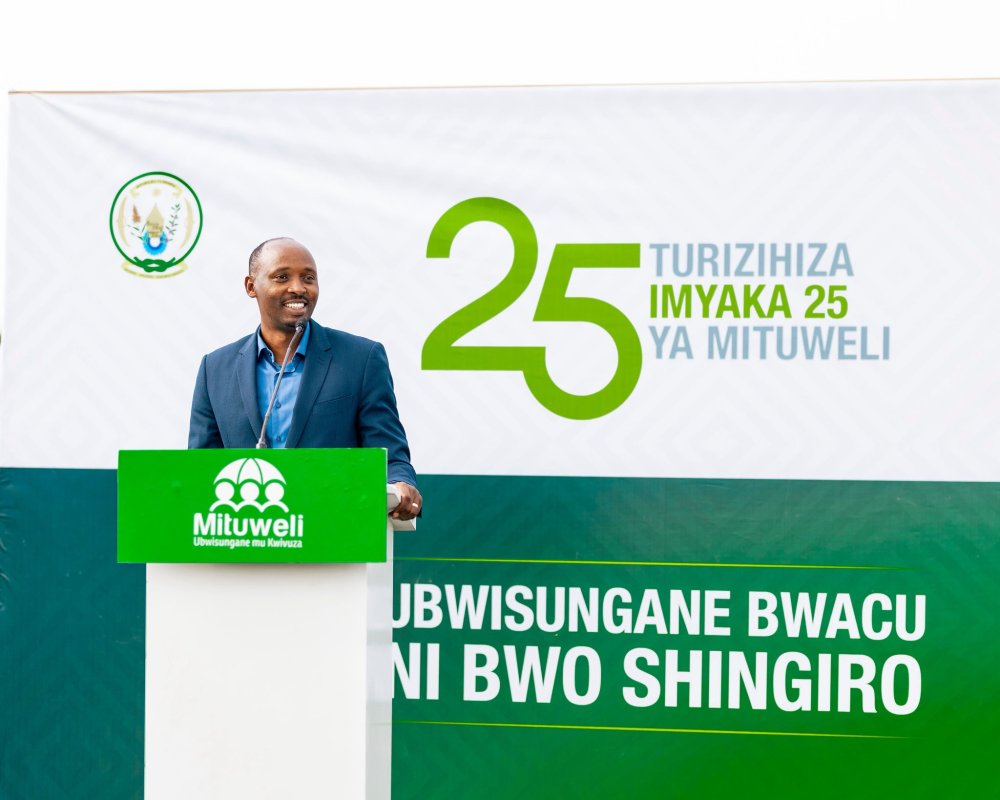
On February 24, 2026, the government announced reforms aimed at strengthening Mutuelle de Santé, a program that has been in place for 25 years and is rooted in the principle of solidarity to improve access to healthcare for all Rwandans.
Initially, citizens contributed Rwf 1,000, a figure that was later raised to Rwf 3,000 in 2011. Under the new structure, contributions are now categorized based on socio-economic status: citizens in the first social registry will be fully subsidized by the government; those in the second category will pay Rwf 3,000; the third category Rwf 5,000; the fourth Rwf 8,000; while those in the fourth social registry will contribute Rwf 20,000. RSSB estimates that about 90% of members will pay between Rwf 4,000 and Rwf 8,000.
The minister emphasized that the increase reflects the inclusion of costly but essential treatments such as cancer care, kidney dialysis, organ transplants, orthopedic and spinal surgeries, and assistive devices for people with disabilities, including hearing and vision impairments.
Last year, the scheme spent Rwf 98 billion, while member contributions totaled Rwf 31 billion, just 34% of total funding, highlighting the financial gap the reforms seek to address.
Dr. Nsanzimana detailed the distribution of contributors: 6.89% of citizens are fully covered by the government due to extreme poverty; 23% will pay Rwf 3,000 with a government top-up of Rwf 1,000; over 35% will pay Rwf 5,000; 26% will contribute Rwf 8,000; and 8% will pay Rwf 20,000.
He noted that efforts are underway, led by the Ministry of Local Government (MINALOC) and RSSB, to correct misclassifications in socio-economic categories to ensure fairness. These adjustments are expected to be completed by July 2026, when the new insurance year begins.
Despite the increase, the minister stressed that contributions remain relatively low compared to the cost of services provided. For instance, the inclusion of cancer treatment drugs alone has added at least Rwf 9 billion annually to RSSB expenditures.
“These costs are substantial, which is why we had to review how to strengthen the scheme financially, while ensuring that the burden on citizens remains manageable,” he said, noting that earlier proposals had considered raising contributions up to Rwf 15,000 from Rwf 3,000.
He warned that failing to adjust contributions over time had strained service delivery. “It was like trying to draw water from an empty container. We must reinvest in the system, especially now that we have added very expensive services,” he said.
The expansion of coverage is already improving access to care. Previously, dialysis sessions covered by the scheme were limited to 18 per patient, after which individuals had to cover the costs themselves.
Each dialysis session costs about Rwf 75,000, and patients typically require at least three sessions per week, making it unaffordable for many without insurance support.
Dr. Nsanzimana also highlighted progress in specialized treatments, including kidney transplants now performed by Rwandan doctors trained abroad, as well as plans to expand services such as heart surgery.
He noted that in 2024, more than 6,000 patients in need of orthopedic surgery had been unable to access care, but have since been treated following the inclusion of such services under Mutuelle de Santé.
Lawmakers called for increased public awareness to ensure citizens understand the reasons behind the changes. MP Deogratias Nzamwita pointed out that similar resistance was observed when RAMA and Mutuelle de Santé were first introduced, but public understanding later improved.
MP Etienne Mvano Nsabimana added that clear communication would help ease public concerns.
Meanwhile, Anastase Nabahire, Chairperson of the committee, urged authorities to address persistent issues such as inconsistencies in prescribed medication, where treatments recommended by specialists are sometimes altered by RSSB-affiliated doctors, raising questions among patients.
The revised contributions have already begun to be collected and will officially take effect in July 2026.
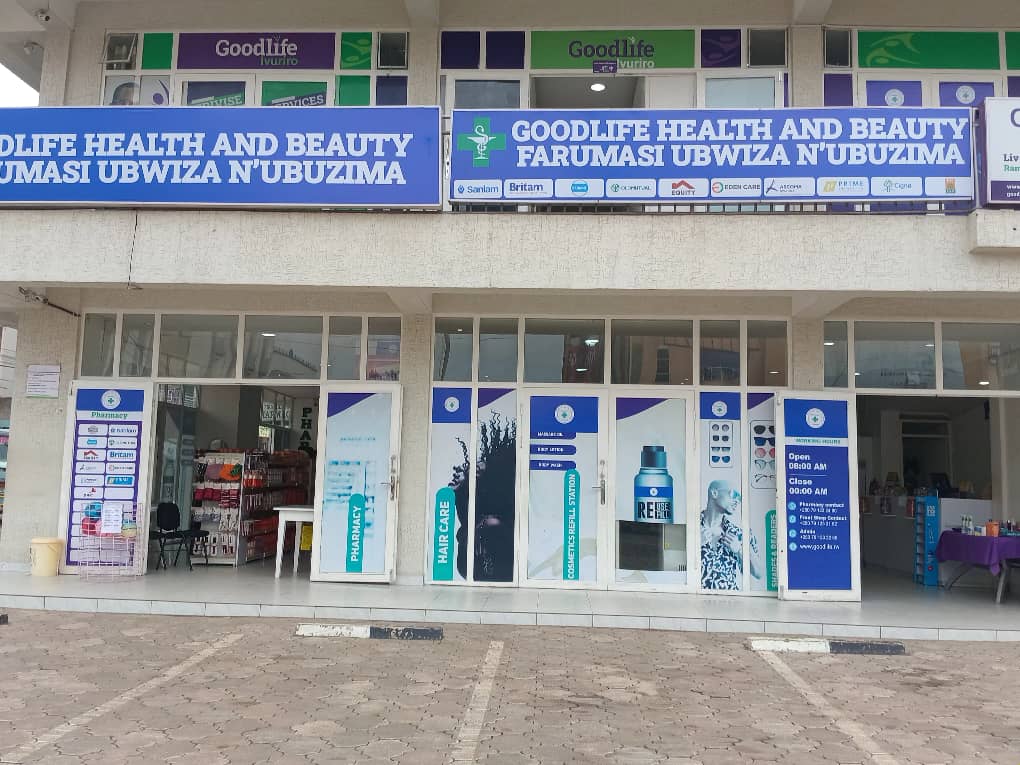
Since launching its flagship store in October 2022, Goodlife has expanded to 16 pharmacy locations nationwide, offering medicines, pharmacy services, and a range of health and wellness products. The company serves more than 100,000 customers each month and operates a customer loyalty program with over 100,000 registered members.
The investment comes from BK Capital’s Africa Private Debt Fund, which focuses on providing financing to businesses in Rwanda. The financing will support further expansion of Goodlife’s network, strengthen its supply chain, and improve operational capacity across both standalone and hospital-based outlets.
Goodlife operates pharmacy services at Kibagabaga Hospital in collaboration with the Ministry of Health and Rwanda Medical Supply, and has partnered with Legacy Clinics, a private healthcare provider.
Goodlife has quickly established one of the first world-class pharmacy chains in Rwanda,” said Théogène Uwimpuhwe, Acting Managing Director of BK Capital. “We are pleased to provide the capital needed to fuel this industry pioneer’s next phase of growth, ultimately improving access to quality healthcare and medicines for all Rwandans.”
“Access to medicines and professional pharmacy services is essential for healthcare delivery,” said Grant M. Beyers, Chief Executive Officer of Goodlife Health and Beauty. “This investment will support our ongoing expansion and operational improvements.”
The transaction was supported by Steve Mutaboba, who acted as Lead Financial and Strategic Advisor to Goodlife.
The investment reflects continued investor confidence in Rwanda’s healthcare sector and the role of private capital in supporting access to essential health products and services.
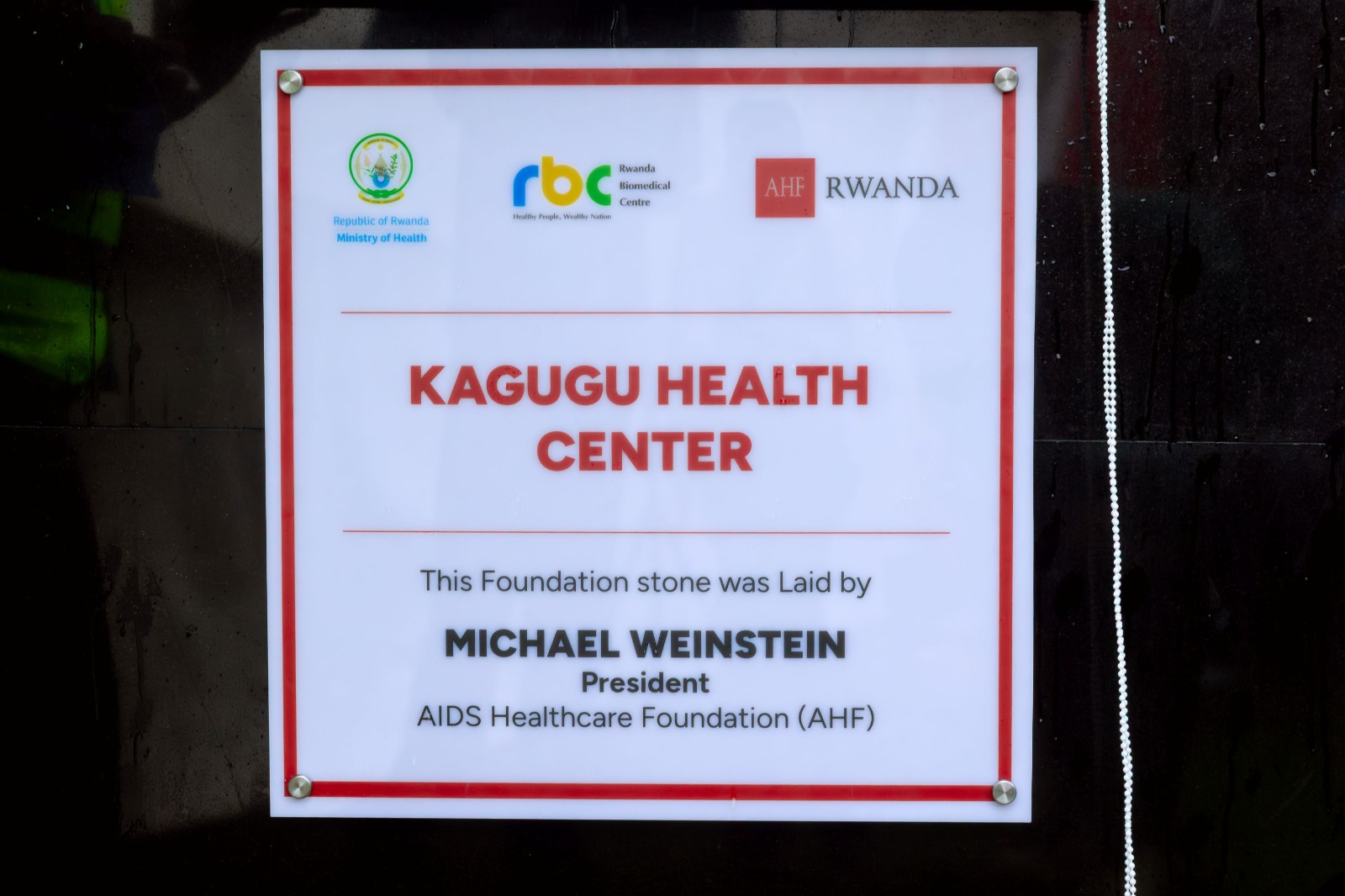
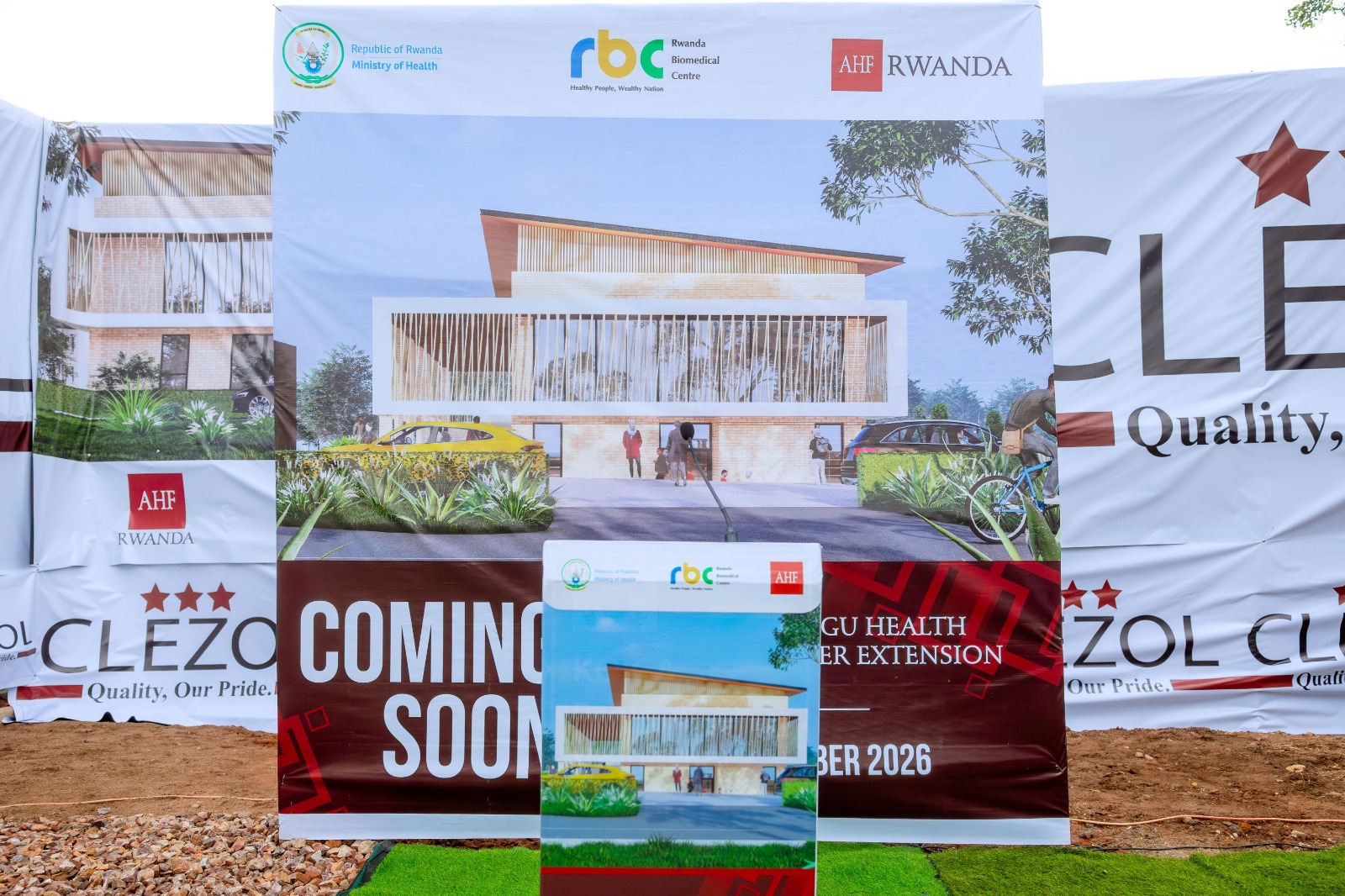
Construction of the two-storey building valued at Rwf 678 million is progressing, with partners laying a symbolic foundation stone on Wednesday, March 18, 2026, in a ceremony attended by senior government officials and development partners.
The project is expected to transform the existing facility into a modern, one-stop health centre offering integrated and client-centred services, particularly in HIV prevention, care, and treatment, as well as broader primary healthcare.
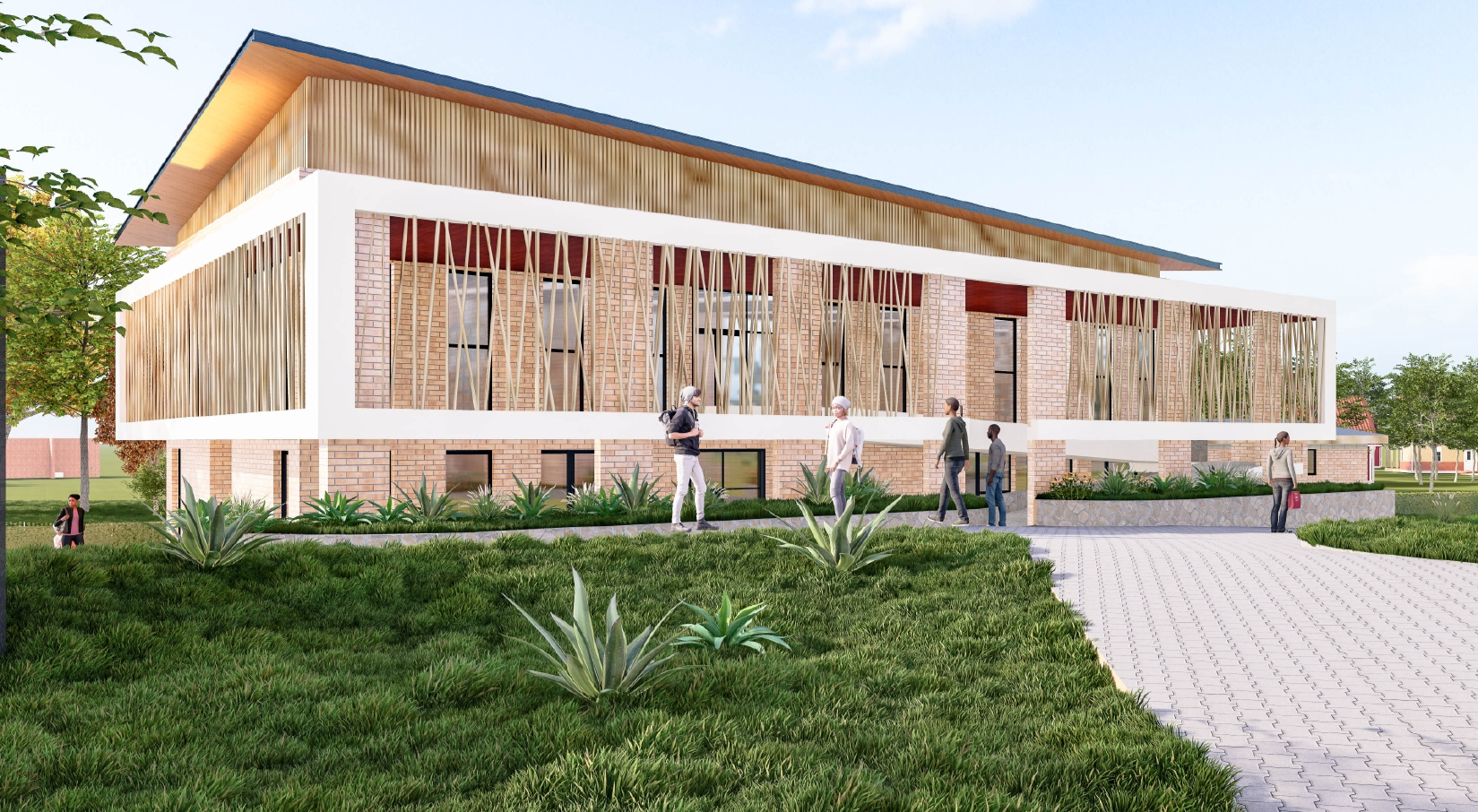
Artistic impression of the new modern facility, estimated to cost Rwf 678 million.
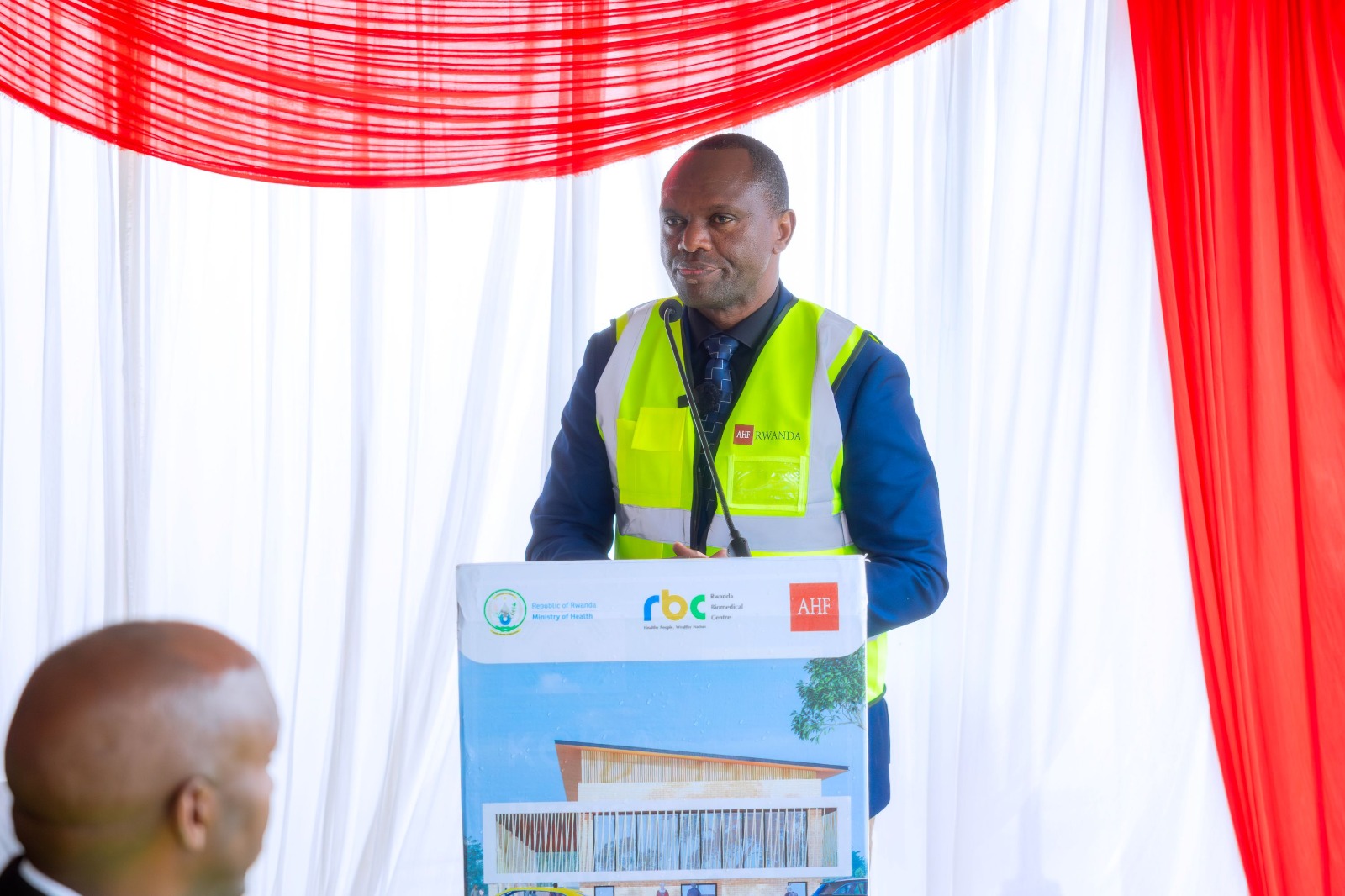
Speaking at the event, Dr. Lambert Rangira, AHF Rwanda Country Program Manager, said the expansion reflects a strong partnership between the Government of Rwanda and development partners aimed at strengthening the country’s health system.
“This project demonstrates what can be achieved when institutions work together toward a common goal, which is improving access to quality healthcare for all,” he said.
He also requested a collective commitment from all stakeholders to ensure that this investment translates into measurable impact for the Rwandan communities it will serve.
He emphasised that the new facility will go beyond infrastructure, delivering tangible benefits such as reduced waiting times, improved confidentiality, enhanced patient experience, and better health outcomes.
A symbolic foundation stone was laid at the site of the new facility on Wednesday, March 18, 2026.
The project is progressing well and is currently 38% complete, with full completion scheduled for October this year.
The expansion comes as AHF Rwanda continues to scale up its operations. Since launching in 2006, the organisation has grown from supporting just a few facilities to working in 11 districts. What began with three health facilities in Gasabo, Kicukiro, and Nyabihu districts with 850 patients in 2026 has expanded significantly over the past two decades. Today, AHF Rwanda supports 38 health facilities across 11 districts, collectively serving more than 47,200 people living with HIV.
The Kagugu Health Center expansion is also part of AHF Rwanda’s broader growth strategy. This year, the program plans to expand services to 24 additional sites, bringing care to an estimated 11,000 more clients across five new districts. By the end of the year, AHF Rwanda aims to reach 62 health facilities across 16 districts.
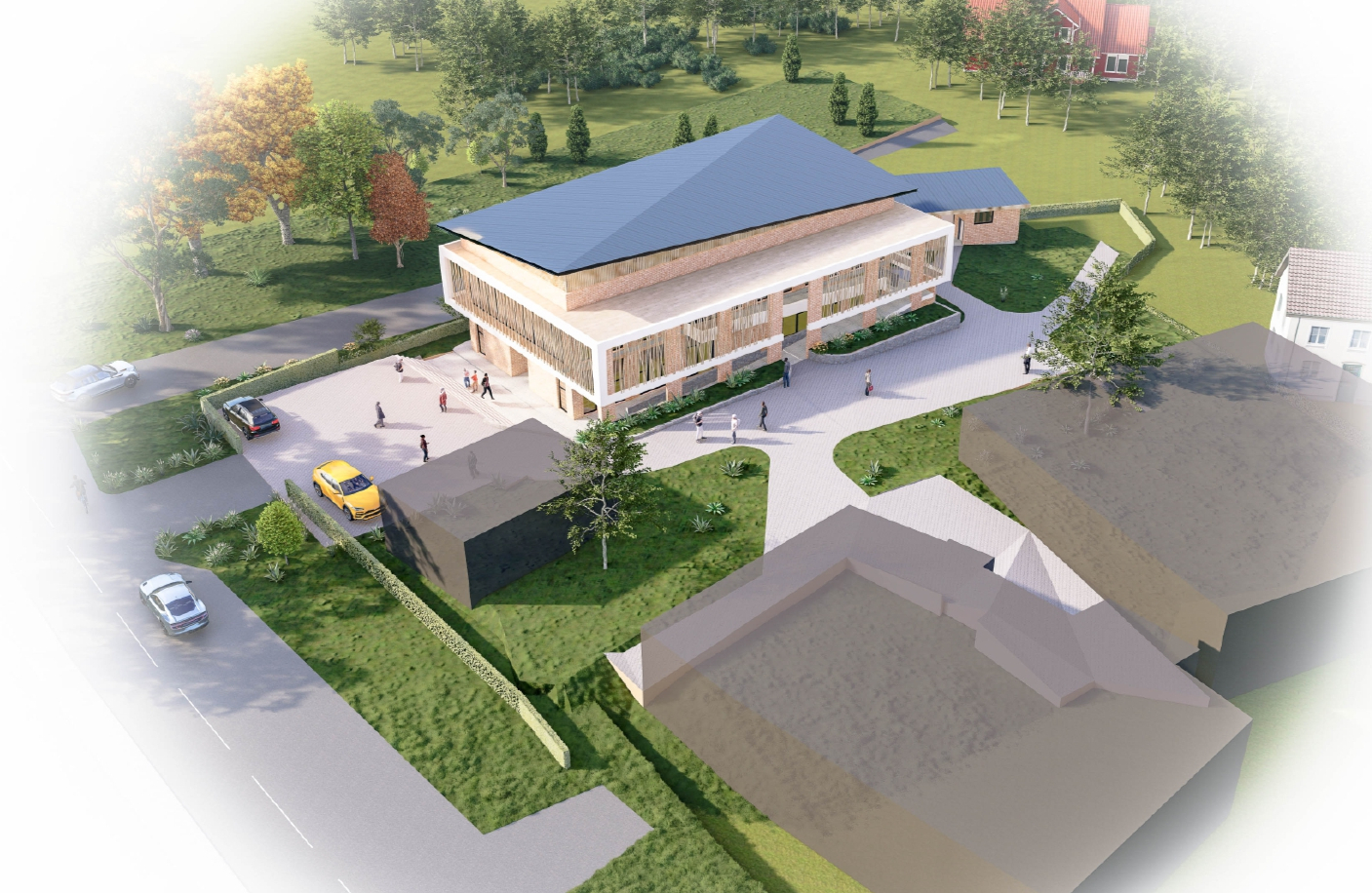
Aerial view of the new building. The project is expected to be completed by October 2026.
Founder and President of AIDS Healthcare Foundation Michael Weinstein, who was visiting Rwanda for the first time, commended the country’s coordinated approach to healthcare delivery, particularly in the fight against HIV.
“Rwanda has been a global leader in HIV response by ensuring that all partners work within one system,” he said. “Facilities like this need to be expanded to meet demand, and what we are seeing here is the essence of partnership.”
At the local level, the expansion is expected to address longstanding challenges at Kagugu Health Centre, which currently serves a population of over 100,000 people.
According to the facility’s head, Dogo Trésor, limited space has constrained service delivery despite growing demand.
“We follow up nearly 3,000 HIV patients, with more than 2,500 active clients, and currently record over 40 new HIV cases each month. The current infrastructure is not enough,” he said, adding that the expansion will allow for improved working conditions and the recruitment of additional staff.
Front view of the modern hospital under construction at Kagugu Health Center.
Kigali City authorities also welcomed the project as a key contribution to urban health development. Urujeni Martine, Vice Mayor in charge of Socio-Economic Affairs, noted that the investment aligns with Kigali’s broader goal of ensuring residents have timely access to quality healthcare.
“This facility will play a critical role in improving the well-being of our citizens and supporting sustainable development,” she said.
From the national perspective, the Ministry of Health highlighted the project’s alignment with Rwanda’s priorities, including modernising health infrastructure and improving service delivery.
Representing the Ministry, Dr. Oreste Tuganeyezu said the expansion would significantly enhance the quality of care provided at the facility.
“This project contributes directly to improving healthcare quality and supporting health workers, while also strengthening services for people living with HIV,” he said, adding that AHF’s support has been instrumental in expanding access to care and supporting vulnerable populations by covering their Community-Based Health Insurance (Mutuelle de Santé) contributions.
Dr. Oreste also noted that the project aligns with Rwanda’s broader health sector goals, including the plan to quadruple the number of health professionals between 2025 and 2029, which will further improve service delivery and reduce the workload on existing staff.
Once completed, the upgraded facility will offer a wide range of services under one roof, including HIV testing and counselling, laboratory services, pharmacy, maternal and child health services, non-communicable disease screening, and dedicated youth-friendly spaces.
AHF, which has a presence in more than 50 countries across Africa, the Americas, the Asia/Pacific region, and Europe, has been operating in Rwanda for the last 20 years and offers a comprehensive range of services, including HIV testing, care and treatment, prevention programs including Condom education and distribution, and integrated non-communicable disease (NCD) services, advocacy initiatives, and provision of supplemental personnel and monthly operational funding to all supported sites.
With robust testing models and strong community outreach, AHF Rwanda ensures services reach hard-to-access areas. The organisation partners with community-based organisations (CBOs) for mobilisation, education, and referrals, while also advocating for policy changes to benefit people living with HIV (PLHIV). To date, it has distributed more than 3 million condoms through its strategically located condom kiosks and dispensers across the city.
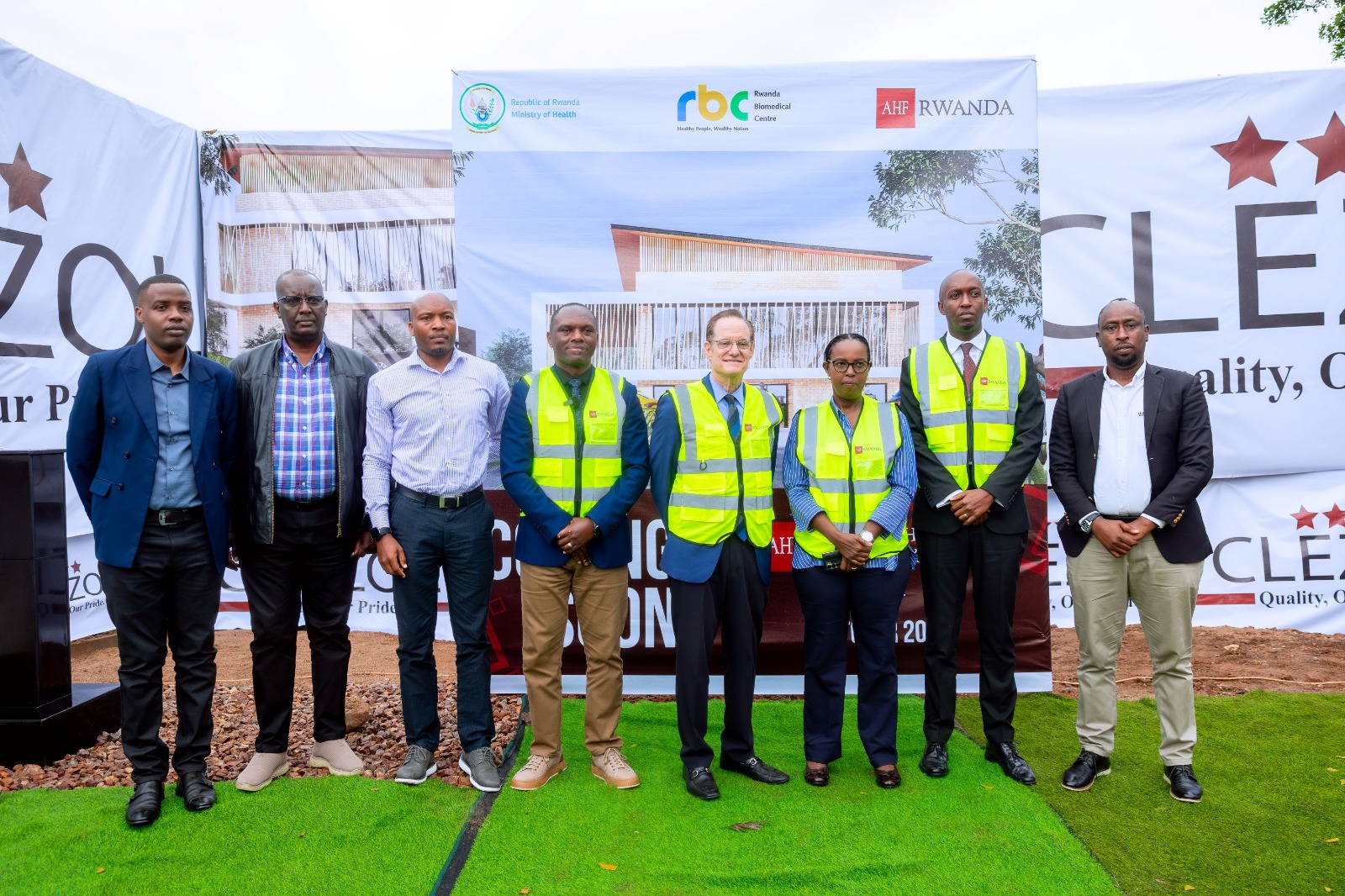
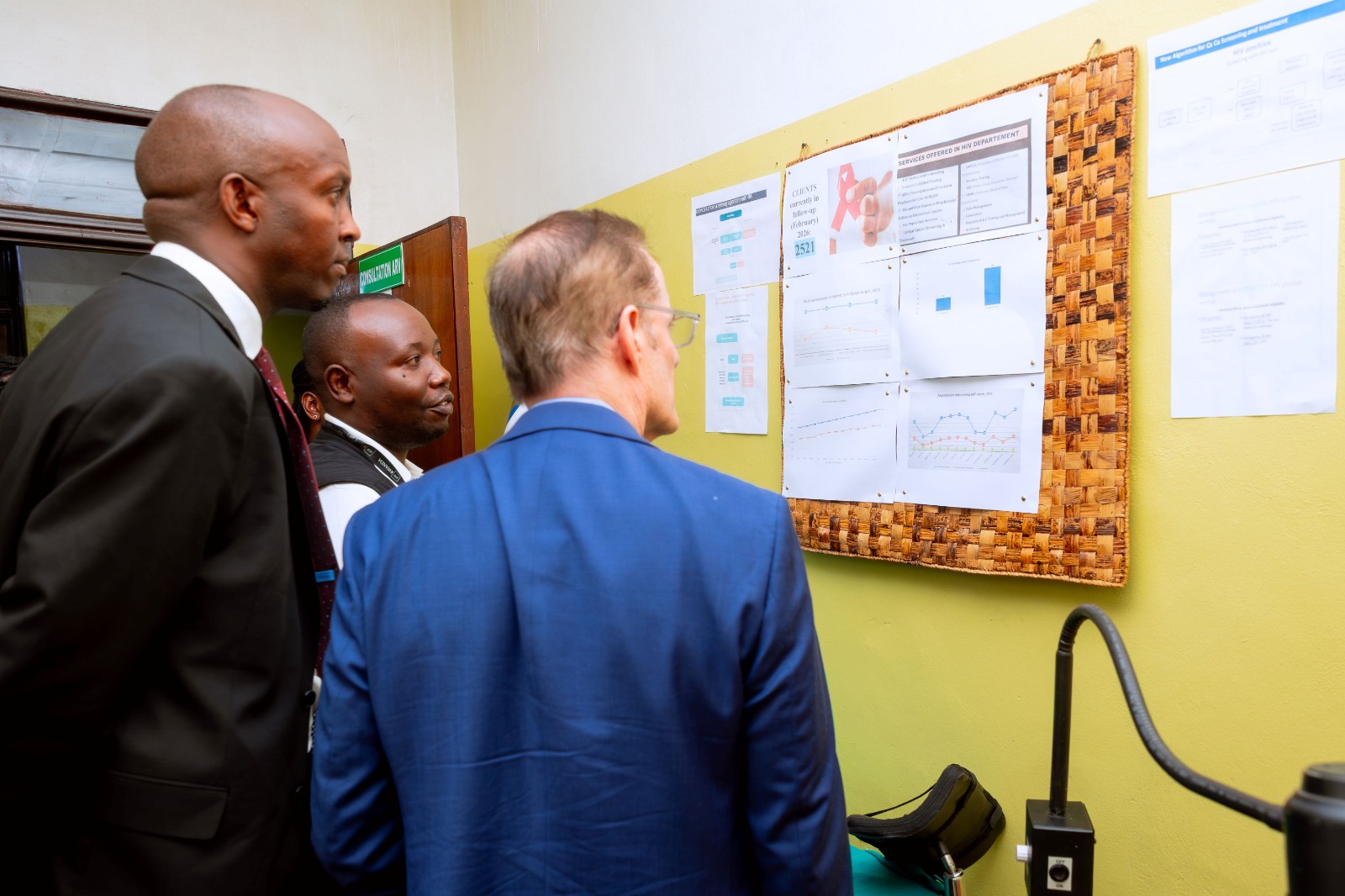
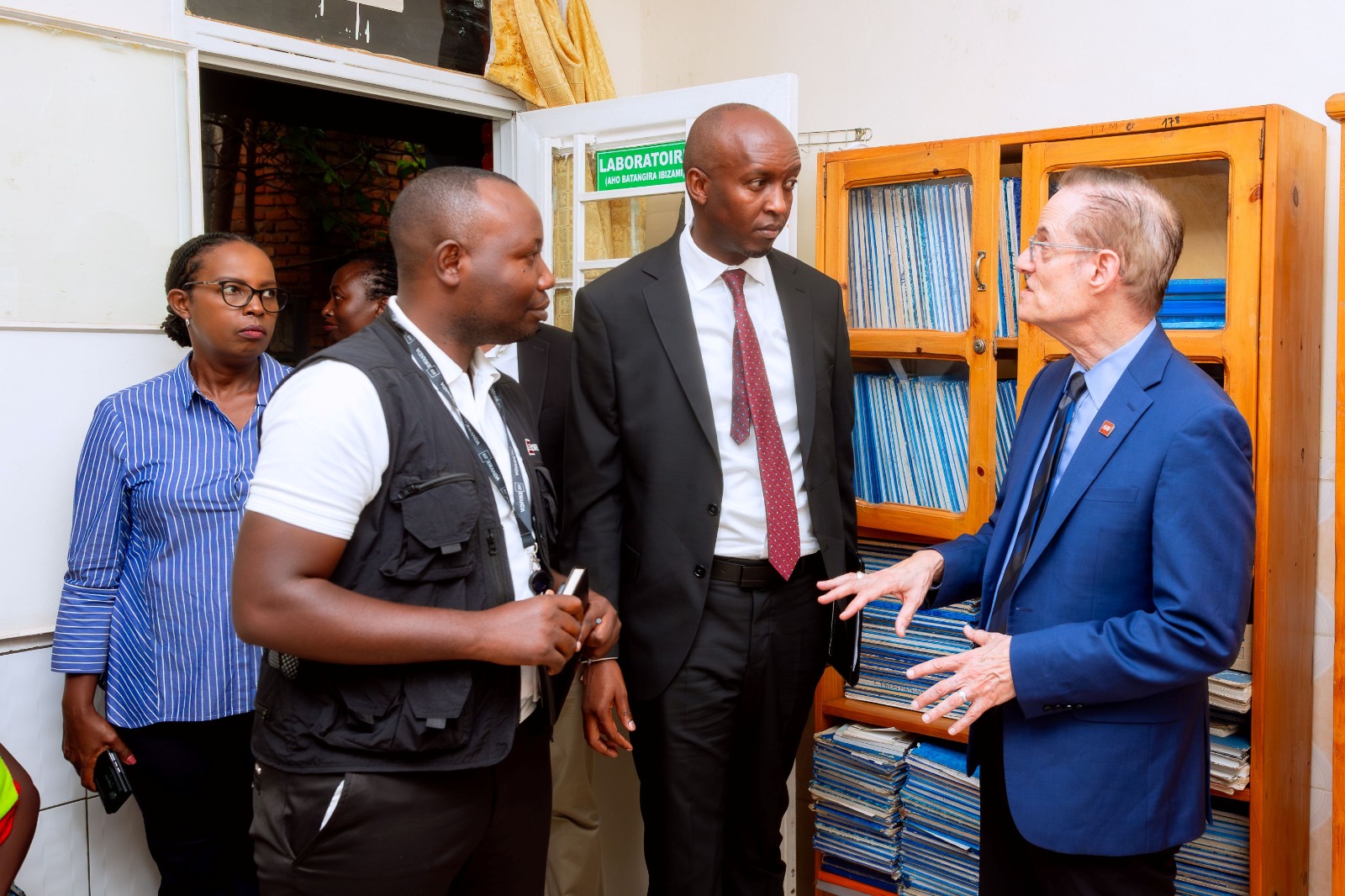
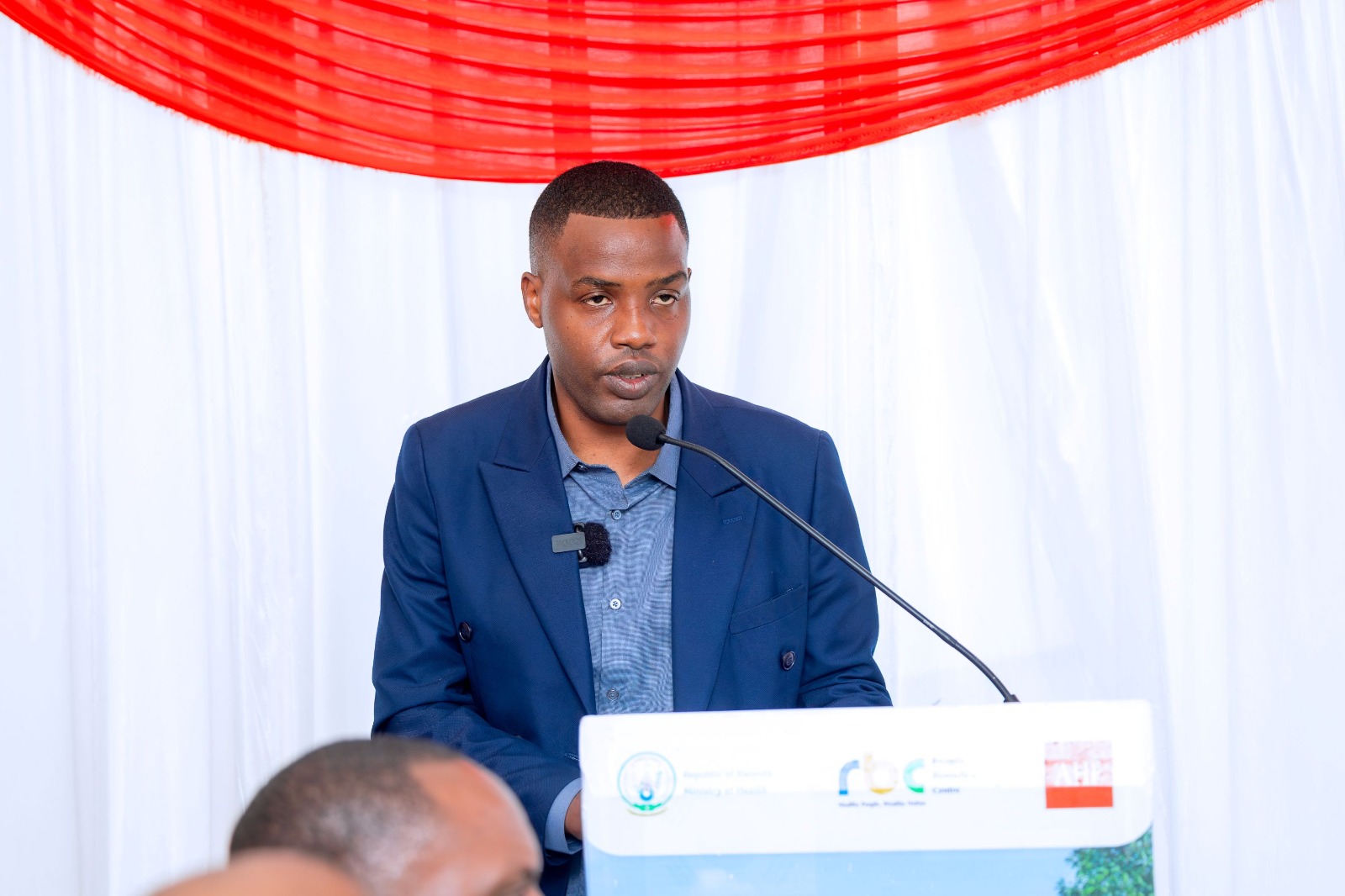
Founder and President of the AIDS Healthcare Foundation, Michael Weinstein, led other partners to lay a foundation stone for the new health facility under construction on Wednesday, March 18, 2026.The two-story building is 38% complete.Founder and President of the AIDS Healthcare Foundation, Michael Weinstein, during a tour of the Kagugu Health Center on Wednesday.Michael Weinstein, founder and president of the AIDS Healthcare Foundation, was given a tour of the hospital operations.Kagugu Health Center head, Dogo Trésor, said the expansion will provide much-needed relief to the hospital amid rising demand from the local community.Representing the Ministry, Dr. Oreste Tuganeyezu said the expansion would significantly enhance the quality of care provided at the facility.
The study was carried out by scientists from Mass General Brigham, Harvard T.H. Chan School of Public Health, and the Broad Institute of MIT and Harvard, using data from two major long‑running research projects: the Nurses’ Health Study (NHS) and the Health Professionals Follow‑Up Study (HPFS).
According to Dr. Daniel Wang, MD, ScD, associate scientist with the Channing Division of Network Medicine at Mass General Brigham and assistant professor at Harvard Medical School, the research team began the study with a simple question: “When searching for possible dementia prevention tools, we thought something as prevalent as coffee may be a promising dietary intervention.”
He added that the unique long‑term data available from NHS and HPFS allowed the team to examine diet and brain health over decades.
Across the study period, 11,033 participants developed dementia. Those who regularly consumed caffeinated coffee showed lower rates of dementia compared with people who rarely drank coffee.
These coffee drinkers also demonstrated slower cognitive decline and better performance on memory and thinking tests over time.
The benefits were also seen among tea drinkers. In contrast, decaffeinated coffee did not show the same protective effects, suggesting that caffeine or other active compounds in caffeinated drinks may be responsible for the observed benefits.
Lead author Yu Zhang, MBBS, MS, a PhD student at Harvard Chan School and research trainee at Mass General Brigham, said the results were consistent even among people with genetic predispositions to dementia.
“We also compared people with different genetic predispositions to developing dementia and saw the same results meaning coffee or caffeine is likely equally beneficial for people with high and low genetic risk,” Zhang explained.
Researchers emphasize that while the findings are encouraging, they do not prove that coffee or tea prevents dementia outright, and that overall lifestyle and diet remain important. The study adds to growing evidence that small daily habits, including moderate caffeinated beverage intake, could contribute to healthier aging.
Your daily coffee or tea may be protecting your brain, 43‑year study finds.
However, the pace of reduction in child mortality has slowed by over 60 percent since 2015, the “Levels & Trends in Child Mortality” report said.
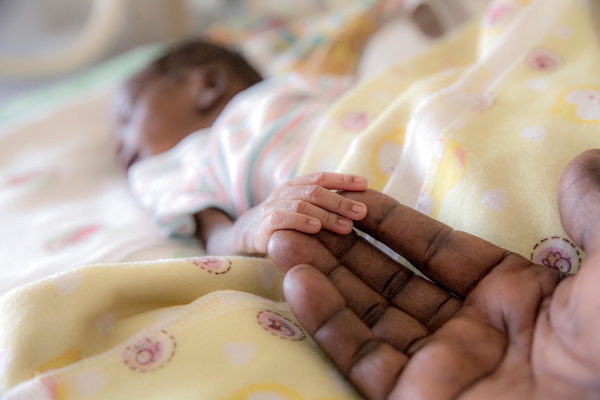
An estimated 4.9 million children died before their fifth birthday in 2024, including 2.3 million newborns, and most of these deaths were preventable with proven, low-cost interventions and access to quality health care.
Newborn deaths accounted for nearly half of all under-five deaths, reflecting slower progress in preventing deaths around the time of birth, the report said.
Leading causes among newborns were complications from preterm birth and complications during labor and delivery, it said, adding that infections, including neonatal sepsis and congenital anomalies, were also important causes.
For the first time, the report estimated deaths directly caused by severe acute malnutrition, finding that more than 100,000 children aged 1 to 59 months died from it in 2024.
Child deaths remain highly concentrated geographically. In 2024, sub-Saharan Africa accounted for 58 percent of all under-five deaths, followed by Southern Asia with 25 percent, according to the report.
“To accelerate progress and save lives, UNICEF calls on governments, donors and partners to make child survival a political and financing priority, to focus on those at highest risk, strengthen accountability and invest in primary healthcare systems,” Farhan Haq, deputy spokesperson for the UN secretary-general, said at a daily briefing.
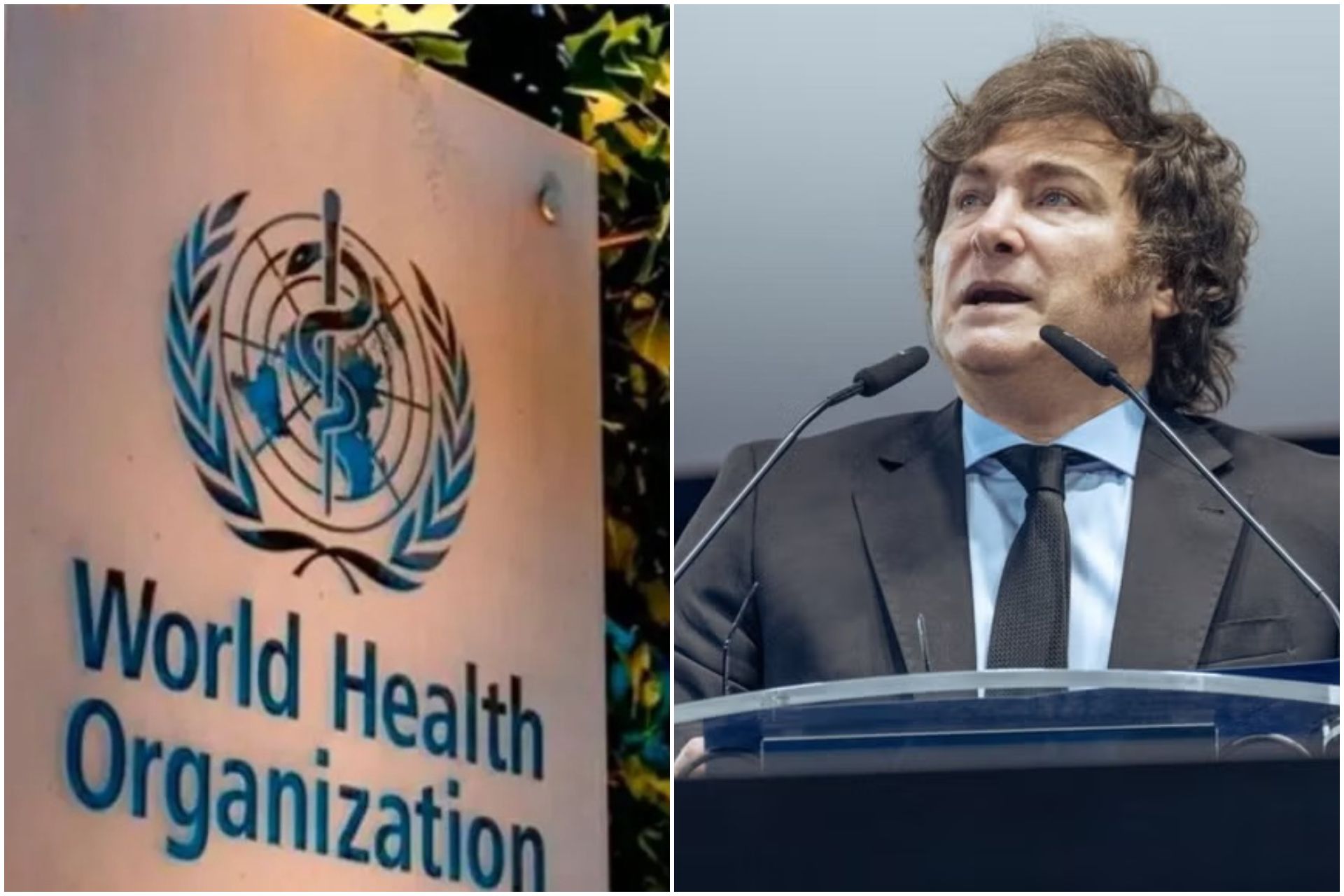
He said in a social media post that Argentina communicated this decision through a note addressed to the United Nations Secretary-General on March 17, 2025.
In accordance with the Vienna Convention on the Law of Treaties, the withdrawal takes place one year after that notification.
“Our country will continue to promote international cooperation in health through bilateral agreements and regional forums, fully safeguarding its sovereignty and its capacity to make decisions regarding health policies,” Quirno said.
The Argentine government announced the decision to withdraw from the global health body in February last year.
Presidential spokesperson Manuel Adorni told a press conference at the time that President Javier Milei had instructed the Argentine foreign minister to withdraw the country’s participation in the UN specialized agency.
The spokesperson said that the decision “gives the country greater flexibility to implement policies adapted to the context and interests that Argentina requires, as well as greater availability of resources, and reaffirms our path towards a country with sovereignty also in matters of health.”
President Javier Milei had instructed his foreign minister to withdraw the country from WHO
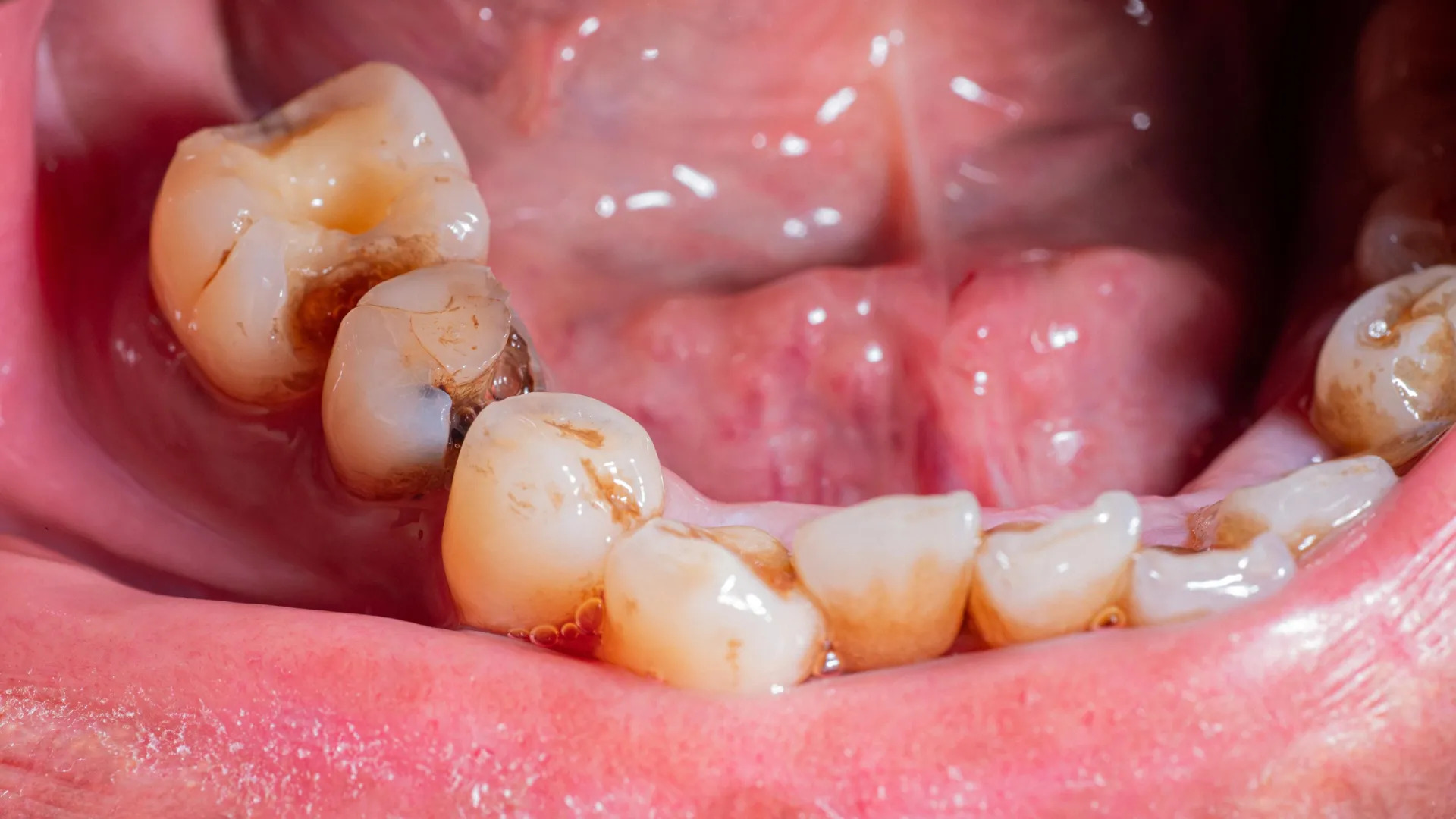
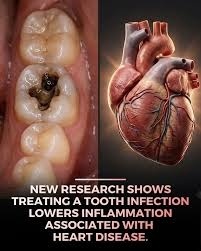
The study followed 65 patients who underwent root canal treatments for apical periodontitis (an infection at the tip of the tooth’s root).
What the researchers found was surprising: over the two years following treatment, patients showed improved blood sugar control.
Their glucose levels dropped, which is especially significant for those at risk of developing diabetes. In addition to this, cholesterol levels improved, and inflammation markers which are linked to heart disease also dropped.
So, what does this mean for our overall health? The research points to the idea that bacteria from dental infections can enter the bloodstream, triggering inflammation throughout the body.
Dr. Sadia Niazi, a senior lecturer in Endodontology, explained: “Root canal infections can allow bacteria to enter the bloodstream. Once there, these microbes may contribute to inflammation that raises the risk of heart disease and diabetes.”
This makes the case for treating dental infections more seriously not just for preserving your teeth, but because they might be contributing to other serious health issues. The study’s findings really emphasize that oral health is closely connected to overall well-being.
The researchers used a technique called nuclear magnetic resonance (NMR) spectroscopy to track the improvements in blood sugar, cholesterol levels, and inflammation markers. It turns out that when you treat a tooth infection, you’re not only fixing a local problem, you’re making a positive impact on systemic health too.
Dr. Niazi also highlighted that dentists and general healthcare providers should work more closely together to monitor how oral health affects patients’ broader health. She shared:
“Our findings show that root canal treatment doesn’t just improve oral health, it may also help reduce the risk of serious health conditions like diabetes and heart disease.”
These services, which are generally unavailable in provincial hospitals, often require patients to travel to Kigali, where specialized professionals provide such treatments.
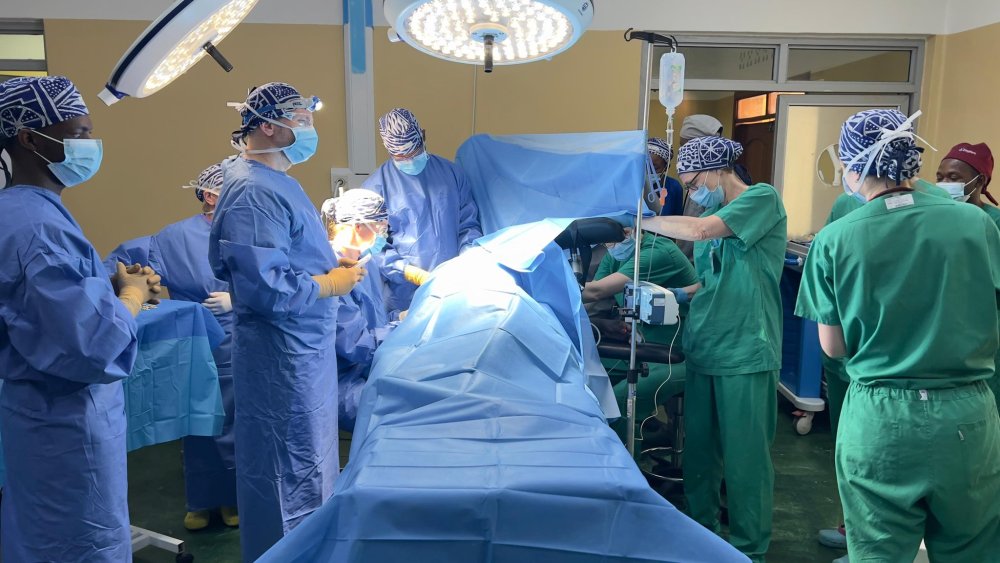
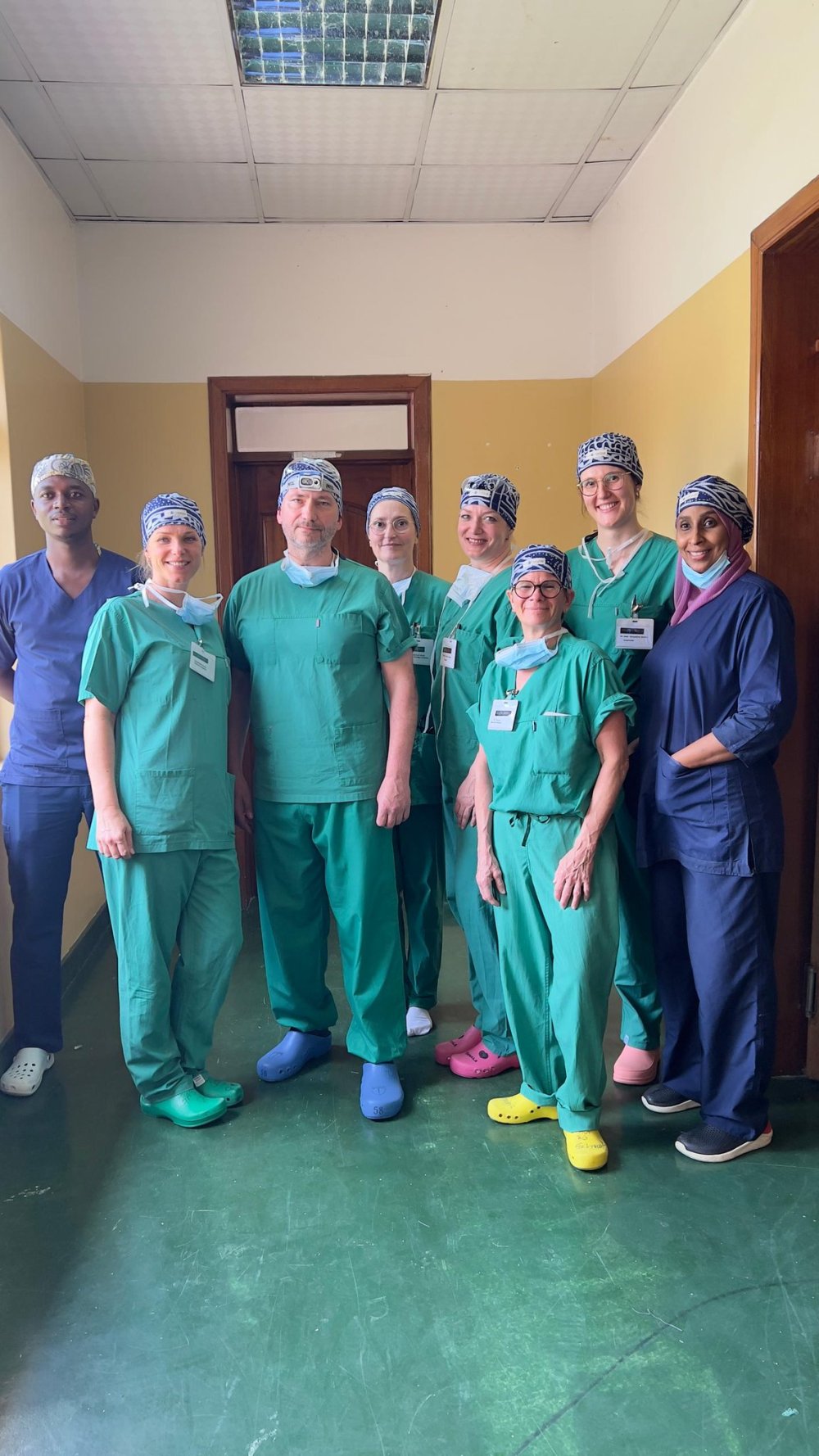
The surgery was performed by a team of experts from Germany. These specialists examined 40 people and performed surgeries on 25, including 17 individuals who received plastic surgery to correct various body deformities.
The event began on March 8th, with an expected end date of March 17th, 2026. However, it was concluded on March 13th due to the passing of one of the specialists’ child.
Among the patients treated were those with hypertrophic scars. Augustin Sibomana, who had a raised scar on his chest, was one of the beneficiaries of body contouring surgery.
“I had previously visited Kanombe Hospital but I was told that surgery was not possible because the scar might return. I am grateful to the Ministry of Health for thinking of us and sending these specialists. After the surgery, I feel much better and am hopeful that things will continue to improve,” he said.
Benimana Joyeuse, who had suffered from an enlarged abdomen for five years, expressed her gratitude to the specialists after her surgery. “I am so happy because I didn’t have the money to go to Kigali for treatment.”
Dr. Laura Thomara, who led the surgical team, mentioned that some of the patients had scars from previous burns. “We have shown our colleagues working here how they can treat such patients.”
Osée Ntavuka, the founder of Rwanda Legacy of Hope, an organization that has been bringing international specialists to Rwanda for 14 years to provide plastic surgery services, stated that over 8,500 patients have benefited from these services.
“When we come, we bring our own equipment. Here at Kibuye Hospital, we brought equipment worth 45 million Rwandan Francs, and after we finish, we will leave it for the hospital.”
Jean Claude Muhirwa, the head of the surgery department at Kibuye Referral Hospital, thanked the specialists for their knowledge and noted that the new equipment was different from what they normally use.
“This new equipment adds to what we already have here at Kibuye Referral Hospital, and it will help us deliver better services.”
Over the past 10 years, Kibuye Referral Hospital has seen a growth in the number of specialized surgeons, now totaling around 30, not including those who come temporarily.
The surgeries were performed by a team of experts from Germany. The specialists diagnosed 40 patients and performed surgeries on 25, with 17 receiving plastic surgery to address various body deformities.