Category: Health

  • From headlights to pulse oximeters: How simple tools are saving lives in operating rooms

    With five out of seven people lacking access to safe surgery and 4.2 million dying within 30 days of operations each year, experts at the inaugural Advancing Medical Education in Africa Conference (MedEdAfrica 2025) this week highlighted how these interventions, paired with innovative training, are reducing risks and reshaping healthcare education.

    “When the lights go off mid-operation, our headlamp comes on, and we continue,” said Professor Nobhojit Roy, a Lifebox governing board member and surgery professor at the University of Global Health Equity (UGHE).

    Lifebox’s headlamps, distributed across 116 countries, tackle a universal hurdle: power interruptions.

    In Rwanda, like many other countries in the region, they have illuminated operating theaters, with Prof. Roy describing them as a “practical fix” in cases of power hitches, ensuring surgeries can continue uninterrupted even with the slightest interruption.

    Senait Bitew Alemu, Lifebox’s Chief Programme Officer, highlighted the WHO Surgical Safety Checklist as a cornerstone of their Clean Cut project, which includes components such as proper hand hygiene, skin antisepsis, sterile equipment and environment, and timely antibiotic prophylaxis.

    In Rwanda, the non-profit organization focused on improving the safety of surgery in low-income countries has been implementing the Clean Cut program in four facilities, including CHUK, Kabgayi, Kigeme, and Kirehe. According to the organization, globally, Clean Cut has demonstrated a 35% reduction in infections among all patients.

    “A patient shouldn’t return with an infection,” Alemu said, emphasizing the importance of safer recoveries for mothers post-cesarean.

    Pulse oximeters, which monitor oxygen levels, have also played an important role in safer surgeries.

    “It’s a device you saw during COVID,” Prof. Roy noted.

    A pulse oximeter is the only piece of equipment included on the WHO Surgical Safety Checklist and is a minimum standard for safe anesthesia. Yet, operating rooms across the world still lack this essential device, putting millions of lives at risk, according to Lifebox experts.

    Since 2011, Lifebox has distributed more than 35,000 pulse oximeters in 116 countries. Coupled with the training of more than 14,000 healthcare providers on safe surgeries, these efforts are making surgery safer for more than 200 million patients.

    Additionally, as part of efforts for safer surgeries, Lifebox, in partnership with Smile Train, is equipping 650 operating rooms with Smile Train-Lifebox Capnographs. These essential monitors ensure patients receive adequate oxygen during anesthesia. While they have been used universally in high-income countries for decades, they remain absent in many low-resource operating rooms.

    The MedEdAfrica conference, launched Monday at the Kigali Convention Centre, drew over 600 medical educators, students, healthcare leaders, and policymakers from Africa and beyond.

    Hosted by UGHE, the Ministry of Health, and partners, it birthed the Consortium of Medical Schools in Africa (COMSA) to foster collaboration.

    Speaking during the opening of the conference, Health Minister Dr. Sabin Nsanzimana stressed the importance of evolving education to meet a shifting health landscape.

    “Diseases have moved from malaria to cancer as life expectancy rises,” he said. “We need specialists, and fast.”

    Lifebox supports the ministry through a nine-month nursing fellowship at Butaro Teaching Hospital, which began two months ago and is ongoing.

    “Nurses are the backbone,” Alemu affirmed. “We’re training them in safety, leadership, and sterilization,” she added.

    The Lifebox training program, targeting general nurses in perioperative roles, aims to cascade training across Rwanda, with five initial trainees set to mentor others.

    Reforms on medical training

    Professor Abebe Bekele, UGHE’s Dean and COMSA co-chair, emphasized the need for education reform across Africa to address existing gaps.

    “Africa can’t afford 15-20-year training timelines,” he said, advocating for shorter, intensive programs and multi-level training to meet rural healthcare demands.

    He termed the reforms as crucial to supporting initiatives such as the 4×4 program launched in July 2023, which aims to quadruple the number of healthcare workers in the country within four years, with a target to achieve this by 2027.

    Thomas Weiser, a Stanford surgeon and Lifebox collaborator, echoed this call for change: “We’ve trained doctors the same way for 120 years—it’s too slow.” He proposed simulation and task-sharing with non-medical doctors, noting, “Nurse anesthetists handle 80% of rural US anesthetics.”

    Minister Nsanzimana pushed for a tech-driven overhaul, stating, “The demand is growing, and we must respond by aligning medical education with healthcare needs. There is no debate—medical education is crucial. The burden of disease is increasing and evolving. We have moved from primarily dealing with malaria, HIV, and tuberculosis to addressing chronic illnesses like cancer and organ failure. These shifts are recent—perhaps in the past decade—but they are significant.”

    He added, “AI is already transforming fields like radiology and pathology. Should we continue training the same number of specialists in these fields, or should we adapt to the changing landscape? Technology is not replacing healthcare professionals, but it is shifting how we work. We must integrate these advancements into medical education.”

    Prof. Roy reinforced this urgency: “With population growth, we need faster training—15 years won’t cut it.”

    Lifebox’s Chief Program Officer, Senait Bitew, takes a team led by Health Minister Dr. Sabin Nsanzimana through their programs at the Advancing Medical Education Africa Conference in Kigali.
    Pulse oximeters, which monitor oxygen levels, have also played an important role in safer surgeries.The Lifebox team at their stand during the two-day Advancing Medical Education in Africa Conference (MedEdAfrica 2025), held on March 24-25, 2025._a4a2595_54409593824_o.jpgSenait Bitew Alemu, Lifebox’s Chief Programme Officer, highlighted the WHO Surgical Safety Checklist as a cornerstone of their Clean Cut project.Professor Nobhojit Roy is a board member at Lifebox and surgery professor at the University of Global Health Equity (UGHE).Professor Abebe Bekele, UGHE’s Dean and COMSA co-chair, emphasized the need for education reform across Africa.Minister Nsanzimana led calls to transform medical education on the continent at the inaugural Advancing Medical Education in Africa Conference.

  • A critical overview with Baho International Hospital’s Pediatric specialist about respiratory diseases in children (VIDEO)

    The World Health Organization (WHO) reports that respiratory infections cause between 290,000 and 650,000 deaths annually, with 99% of these occurring in children from low-income or developing countries.

    One of the challenges often encountered is that many people still resist seeking medical attention for respiratory illnesses, opting instead to take over-the-counter medications or resort to herbal remedies.

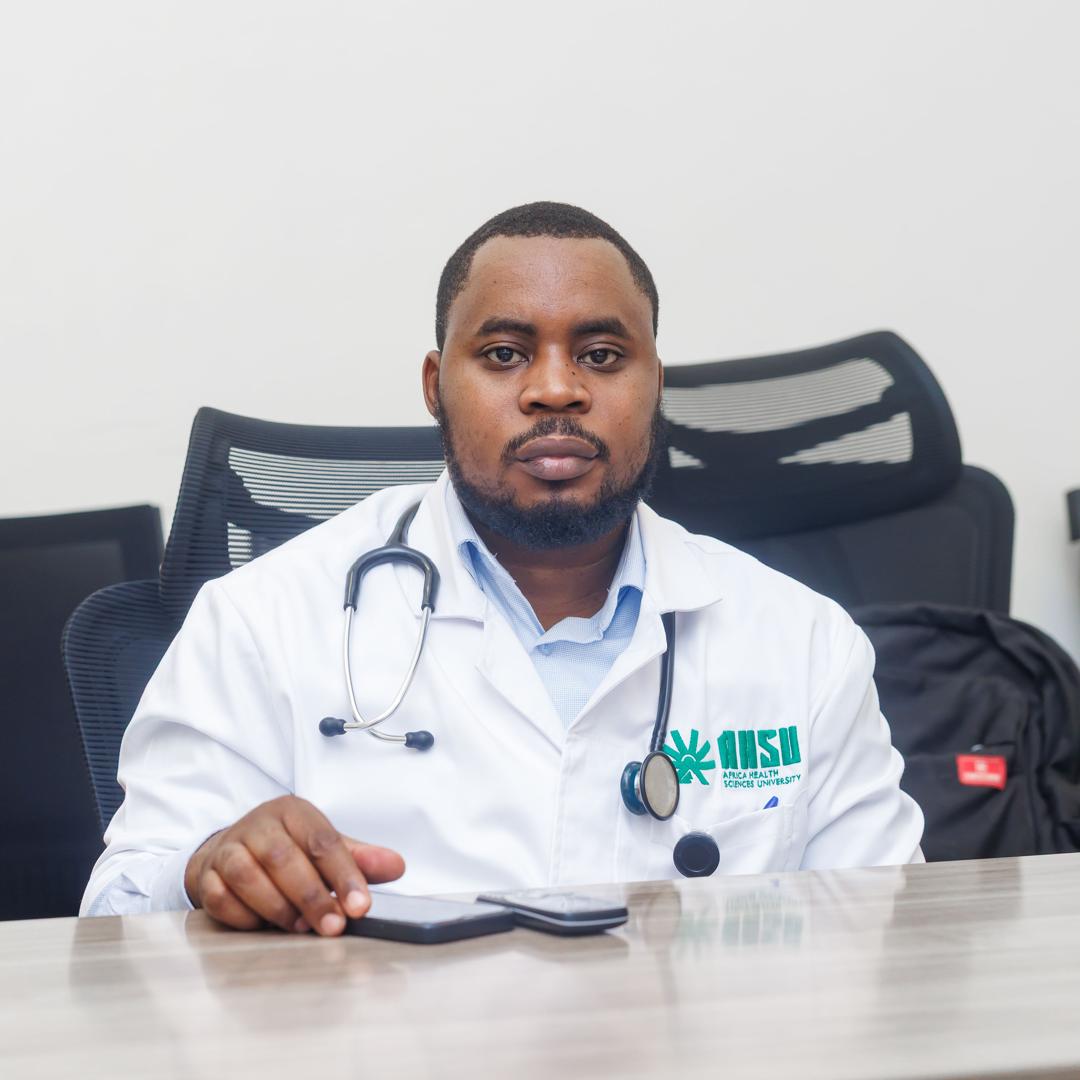
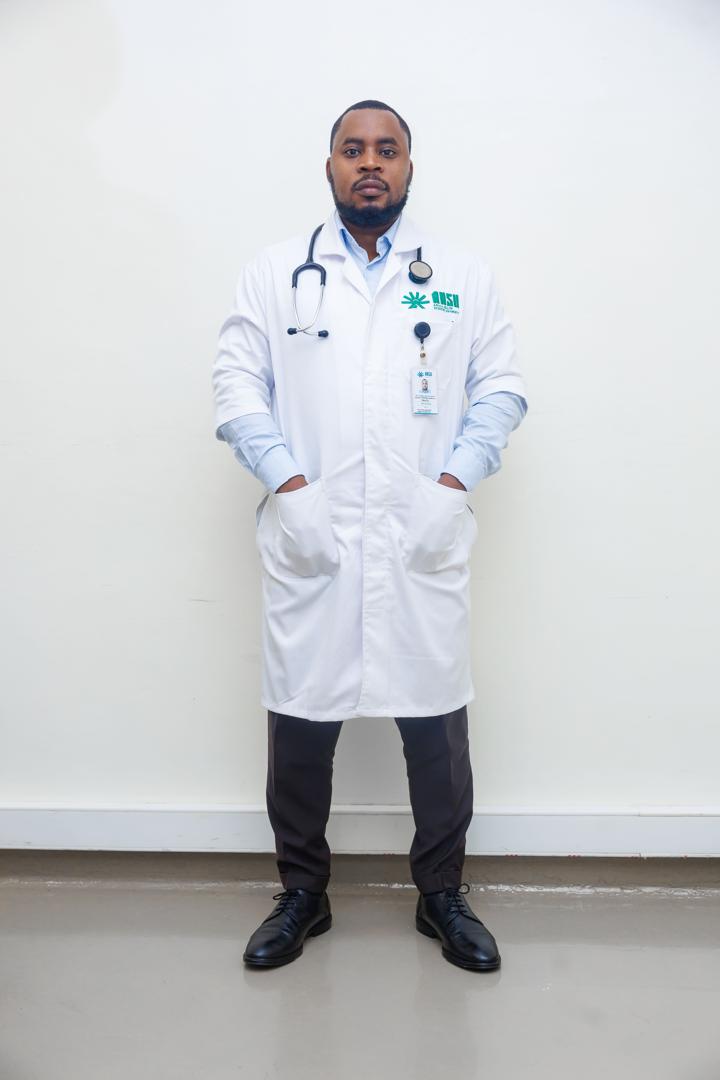
    Dr. Fentahun Alemu Tsegaw, a pediatrician specialist in treating respiratory diseases among children, based at Baho International Hospital explained that these conditions require careful attention and should be managed thoroughly due to their potential severe impact on a child’s health.

    He said that respiratory diseases, particularly airway allergies, are common among children. There are two main types; Allergic Rhinitis (hay fever), which is caused by allergens in the air and results in constant sneezing, nasal congestion, and watery discharge from the nose, and Asthma, which affects the airways, causing them to swell and leading to symptoms such as severe coughing and difficulty breathing.

    Fentahun noted that airway allergies are especially prevalent in children and can be spread through genetic factors or environmental triggers, such as polluted air, dust, and pollen.

    “Respiratory diseases can be triggered by several factors, including air pollution from agricultural activities, vehicle exhaust, industrial emissions, and even smoking near children, all of which put them at greater risk,” he stated.

    He advised against placing children in enclosed spaces with poor ventilation, like smoke-filled rooms, and ensure that windows are opened to allow fresh air to circulate.”

    He further explained that if respiratory diseases are not properly managed, and medical attention is delayed when symptoms appear, the risks of complications increase. For instance, untreated asthma can lead to chronic chest pain and even be life-threatening.

    Fentahun mentioned that there are six approved medications specifically for children over the age of two, which can be prescribed to treat respiratory conditions. Treatment must be adjusted according to the child’s condition and must be done under medical guidance.

    He advised anyone suffering from respiratory conditions to promptly seek medical help, educate parents on how to care for children during illness, avoid exposure to smoke, unpleasant odors, and extreme temperatures, and follow prescribed medication and medical advice.

    To further protect and treat children with respiratory diseases, Baho International Hospital launched a week dedicated to children’s health, focusing particularly on respiratory illnesses. This initiative began on March 24, 2025, and will run until April 5, 2025.

    Baho International Hospital boasts international specialists in treating a variety of diseases and offers expert advice on maintaining your health.
    Dr. Fentahun Alemu Tsegaw, is a pediatrician specialist in treating respiratory diseases among children, based at Baho International Hospital.Baho International Hospital has modern equipment used in treating respiratory illnesses.Baho International Hospital boasts international specialists in treating a variety of diseases and offers expert advice on maintaining your health.baho_international_hospital_ifite_ibikoresho_biyifasha_gutanga_ubuvuzi_mpuzamahanga-171db.jpg

  • 35 years of trauma ends for Filipina mother who lost an eye in childhood accident

    Through a groundbreaking oculoplastic surgery in the UAE, Jovi has regained not only a natural appearance but also the confidence that had eluded her since childhood.

    The procedure has allowed her to heal from decades of emotional distress and regain a sense of completeness.

    A childhood accident that changed everything

    At just seven years old, an innocent game with friends took a tragic turn when a stick struck her eye, causing irreversible damage. The injury led to the removal of her eyeball, a loss that shaped her self-image for decades to come.

    As she matured, the emotional scars ran even deeper than the physical ones. Jovi struggled with self-esteem, avoiding social interactions and shying away from mirrors. “I believed there was no solution for me. I felt different, incomplete. I hated looking at my reflection and lacked confidence,” she shared.

    Despite building a happy family life, the emotional weight of her condition remained. For years, she resigned herself to the belief that her situation was permanent, until she discovered a potential solution through Dr. Fairooz PM, a Specialist Oculoplastic Surgeon at Medcare Hospital in Sharjah.

    A life-changing opportunity

    Upon consultation, Fairooz explained that Jovi’s eye socket had significantly shrunken over the years due to the absence of an eyeball, making it nearly impossible for her to wear a prosthesis comfortably.

    However, with advancements in oculoplastic surgery, a new approach offered her hope, socket reconstruction to restore volume and allow for a natural-looking prosthetic eye.

    “Jovi had been living with this trauma for decades, convinced that there was no viable solution. Our goal was not only to improve her appearance but also to help her heal emotionally. She deserved to see herself as whole again,” Fairooz explained.

    A complex but transformative procedure

    Given the deterioration of Jovi’s eye socket, a highly specialized procedure was required. Fairooz recommended socket reconstruction using a Dermis Fat Graft, a technique that transplants tissue from another part of the body to restore lost volume and create enough space for a prosthesis.

    “This surgery required absolute precision,” said Fairooz. “Any miscalculation could have affected the aesthetics of her face. We carefully reconstructed the socket and deepened the fornix, ensuring the prosthetic eye would sit naturally.”

    The intricate surgery lasted three hours, followed by a ten-week healing period. Once the recovery process was complete, a customized ocular prosthesis was designed to match the color and structure of her natural eye, seamlessly restoring symmetry to her face.

    Beyond the medical transformation, this journey was about Jovi reclaiming her identity. Living with an eye condition for over three decades had profoundly impacted her psychological well-being. Now, for the first time since childhood, she could look in the mirror without feeling self-conscious.

    “This wasn’t just about physical appearance. For patients like Jovi, losing an eye isn’t only a medical issue, it’s an emotional struggle. Restoring their confidence is just as significant as the surgery itself,” Fairooz emphasized.

    Having lived in the UAE for 17 years, Jovi was overwhelmed with emotions when she saw the final result.

    “For years, I felt like people only saw what I had lost. Now, I feel like myself again. This surgery has changed my life in ways I never imagined. I can smile freely and engage socially without fear. I am endlessly grateful to for getting a fresh start,” she said.
    Jovi Jacao, a 42-year-old Filipina healthcare assistant and a mother of two, underwent a life-changing oculoplastic surgery.

  • Religious leaders advocate for reproductive health education

    This conversation took center stage at the 4th Annual Conference organized on March 14, 2025, by Happy Family Rwanda Organization in partnership with UNESCO under its Our Rights, Our Lives, Our Future (O3) program.

    Since 2022, this gathering has provided a platform for religious leaders and other stakeholders to engage in discussions aimed at strengthening families and empowering the youth.

    This year, the focus was on how religious institutions and the media can contribute to reproductive health education.

    Dr. Ben Alexandre Mpozenzi, who oversees education, health, and social welfare programs at UNESCO Rwanda, emphasized that religious leaders and the media are key influencers in shaping youth perceptions, particularly in matters of sexual and reproductive health.

    Justin Nsengimana Rafiki, Executive Director of Happy Family Rwanda Organization, highlighted the need for collaboration with religious institutions to combat teenage pregnancies, HIV/AIDS, and gender-based violence.

    He explained that faith leaders hold significant influence over their congregations, making them ideal messengers for essential reproductive health knowledge.

    Leaders from various religious denominations reaffirmed their commitment to incorporating reproductive health education into their teachings while ensuring that moral and spiritual values remain intact.

    Bishop Antoine Dr. Nzayisenga, head of the Anglican Mission Episcopal Church, stated that addressing reproductive health aligns with religious teachings rather than contradicting them.
    Justin Nsengimana Rafiki, Executive Director of Happy Family Rwanda Organization, highlighted the need for collaboration with religious institutions to combat teenage pregnancies.

    He noted that as spiritual leaders, they are responsible for both the spiritual and physical well-being of their congregants.

    Sabine Gasengayire, leader of Efatha Church, shared that her church has already taken steps to integrate reproductive health education into their programs. She explained that three times a month, they hold sessions for children aged 12 and above, providing separate discussions for boys and girls as well as joint lessons.

    This approach, she said, helps counter misinformation that young people may receive from unreliable sources.
    She encouraged other religious leaders to embrace similar initiatives, stressing that it is vital for young people to understand their bodies, recognize potential risks, and learn how to make informed decisions that safeguard their future.

    She added that such education ensures that young people grow into responsible adults who contribute positively to both their faith and society.

    The conference also addressed the role of the media in reproductive health education, urging media outlets to focus on content that informs and empowers young people rather than promoting misleading narratives.

    Evariste Nkunda, Head of Health and Social Welfare in Nyarugenge District, commended religious institutions for their involvement in tackling societal challenges.

    He emphasized that the government alone cannot address all issues affecting young people and families, making the role of faith-based organizations essential in fostering positive change.

    Happy Family Rwanda Organization continues to lead various programs focused on health, education, and economic empowerment to strengthen families and communities.
    Pastor Desire Habyarimana is also in favor of introducing reproductive health sessions among Christians.6c9a9554-83431.jpgnyuma_y_inama_bafashe_ifoto_y_urwibutso-2-1047a.jpgEvariste Nkunda, Head of Health and Social Welfare in Nyarugenge District, commended religious institutions for their involvement in tackling societal challenges.uyu_mwaka_hibanzwe_ku_ruhare_rw_amadini_n_itangazamukuru_mu_kwigisha_ubuzima_bw_imyororokere-57573.jpg

  • Tanzania declares end of Marburg virus disease outbreak

    The outbreak, in which two confirmed and eight probable cases were recorded (all deceased), was the second the country has experienced.

    Both this outbreak, which was declared on 20 January 2025, and the one in 2023 occurred in the north-eastern Kagera region.

    In response to the latest outbreak, Tanzania’s health authorities set up coordination and response systems, with support from World Health Organization (WHO) and partners, at the national and regional levels and reinforced control measures to swiftly detect cases, enhance clinical care, infection prevention as well as strengthen collaboration with communities to raise awareness and help curb further spread of the virus.

    Growing expertise in public health emergency response in the African region has been crucial in mounting effective outbreak control measures.

    Drawing on experience from the response to the 2023 Marburg virus disease outbreak, WHO worked closely with Tanzanian health authorities to rapidly scale up key measures such as disease surveillance and trained more than 1000 frontline health workers in contact tracing, clinical care and public health risk communication.

    The Organization also delivered over five tonnes of essential medical supplies and equipment.

    “The dedication of frontline health workers and the efforts of the national authorities and our partners have paid off,” said Dr Charles Sagoe-Moses, WHO Representative in Tanzania.

    “While the outbreak has been declared over, we remain vigilant to respond swiftly if any cases are detected and are supporting ongoing efforts to provide psychosocial care to families affected by the outbreak.”

    Building on the momentum during the acute phase of the outbreak response, measures have been put in place to reinforce the capacity of local health facilities to respond to potential future outbreaks.

    WHO and partners are procuring additional laboratory supplies and other equipment for disease detection and surveillance and other critical services.

    Marburg virus disease is highly virulent and causes haemorrhagic fever. It belongs to the same family as the virus that causes Ebola virus disease. Illness caused by Marburg virus begins abruptly.

    Patients present with high fever, severe headache and severe malaise. They may develop severe haemorrhagic symptoms within seven days.

    In the African region, previous outbreaks and sporadic cases have been reported in Angola, the Democratic Republic of the Congo, Ghana, Kenya, Equatorial Guinea, Rwanda, South Africa and Uganda.

    In response to the latest outbreak, Tanzania’s health authorities set up coordination and response systems, with support from World Health Organization (WHO) and partners.

  • Rwanda records 3,200 new HIV cases and 2,600 deaths annually – RBC

    According to RBC, youth are among the most affected, with sex workers and men who have sex with men (MSM) being at particularly high risk of infection.

    HIV was first detected in Rwanda in 1983 and spread rapidly from 1986 onwards, with the peak of infections occurring between 1988 and 1996. Currently, there is no cure or vaccine for the virus, although antiretroviral therapy (ART) helps to suppress its progression.

    Dr. Ikuzo Basile, head of the HIV Prevention Department at RBC, revealed that 230,000 people in Rwanda are living with HIV, with 3,200 new infections recorded annually.

    “When we examine HIV-related deaths, we estimate that 2,600 people die from AIDS-related complications every year. Among Rwandans aged 15 to 49, 2.7% are living with HIV,” Dr Basile revealed.

    Regarding children aged 0 to 14 with HIV, 80% are receiving treatment.

    RBC highlights that sex workers and men who have sex with men remain among the most vulnerable groups. The organization is increasing efforts to provide targeted interventions for these populations.

    According to Dr. Ikuzo, 35% of sex workers in Rwanda are living with HIV, while 5.8% of MSM are infected. Only 43% of MSM know their HIV status.

    “When you compare these figures to the general population, they remain alarmingly high, which is why we prioritize these groups in our prevention efforts,” he said.

    On a positive note, 99% of HIV-positive mothers in Rwanda can now give birth without transmitting the virus to their children, thanks to effective medical interventions.

    Youth face rising HIV infections

    Dr. Ikuzo emphasized that youth remain particularly vulnerable, especially in Kigali City and the Eastern Province, which consistently report the highest rates of new infections.

    “Young people aged 15 to 29 account for most new infections, with young women being the most affected,” he said. “Among older adults, men are more likely to be HIV-positive than women, indicating that men are transmitting the virus to younger women.”

    In Eastern Province, 1.7% of young people aged 10 to 24 tested positive for HIV, and 27% of those tested also had sexually transmitted infections (STIs).

    Dr. Ikuzo stressed the importance of condom use not only to prevent HIV but also to protect against other STIs and unplanned pregnancies.

    Testing and treatment gaps among youth

    Despite awareness efforts, youth remain less likely to get tested. For instance, in the Northern Province, only 30% of young people know their HIV status.

    HIV transmission methods have changed over time. Cases from blood transfusions or mother-to-child transmission during childbirth or breastfeeding have significantly declined due to improved health interventions. Today, unprotected sexual intercourse remains the leading cause of HIV infection.

    Dr. Ikuzo highlighted that people who inject drugs are also at risk of contracting HIV through shared needles.

    Access to medication

    Among the 230,000 people living with HIV in Rwanda, 97% are currently on antiretroviral therapy (ART)—a major achievement exceeding the government’s initial goal of 95% coverage.

    There are 600 health centers across Rwanda offering free HIV treatment, including public hospitals and select private clinics.

    Male circumcision and HIV prevention

    A recent study by the Ministry of Health found that 56% of men aged 15 to 64 in Rwanda are circumcised, with the highest rates reported in Kigali City.

    Dr. Ikuzo urged uncircumcised men to undergo voluntary medical male circumcision, as it reduces the risk of contracting HIV by 60%.

    In 2019, 87% of people diagnosed with HIV were receiving treatment. This figure has now increased to 97%, reflecting significant progress in controlling the epidemic.

    However, young people still face challenges in adhering to treatment. Data show that 63% of HIV patients on medication are women, while 37% are men.

    Dr. Ikuzo Basile, head of the HIV Prevention Department at RBC, revealed that 230,000 people in Rwanda are living with HIV, with 3,200 new infections recorded annually.

  • At least 26 killed in Nigeria meningitis outbreak

    Musa Ismaila, the health commissioner in Kebbi, told the media in the state capital, Birnin Kebbi, that the outbreak, declared in late January, became more fatal last week with a sudden rise in suspected cases.

    “A total of 248 suspected cases have been recorded. We are facing the unfortunate situation of an outbreak with a higher-than-usual number of cases, characterized by symptoms such as fever, severe headache, neck stiffness, stomach ache, vomiting, diarrhea and sensitivity to light,” Ismaila said.

    Drugs and other medical supplies have been distributed to the affected local government areas, and the state government is working to contain the situation.

    CSM outbreaks are mostly caused by Neisseria meningitidis serogroup A. In Nigeria, these outbreaks typically occur during the dry season due to low humidity and dusty conditions and usually subside with the onset of the rainy season.

  • 44 kidney transplants successfully performed in Rwanda

    Dr. Butera made this statement on March 6, 2025, during a session with the Committee on Governance Affairs and Gender of the Chamber of Deputies.

    He highlighted Rwanda’s commitment to advancing its healthcare sector, ensuring that services previously sought abroad are now available locally.

    “We are seeing positive outcomes from these services. So far, 44 kidney transplants have been performed in Rwanda since the program began, and all the patients are doing well,” he said.

    Patients in need of a kidney transplant must have a donor, who can be a family member, a friend, or any willing individual who meets the medical requirements.

    Before this service was introduced in Rwanda, the government had to send over 70 patients abroad for kidney transplants, costing more than Rwf 800 million.

    Typically, undergoing a kidney transplant in India costs between $7,400 and $14,000, depending on factors such as the patient’s age, blood type, and the hospital where the procedure is performed.

    Medical experts point out that patients who undergo transplants abroad often face challenges, including difficulties in post-surgery follow-up care once they return home.

    In May 2023, King Faisal Hospital in Kigali launched kidney transplant services, a highly specialized procedure that was previously only available abroad at a high cost.

    Although official statistics on kidney disease prevalence in Rwanda are not available, studies indicate that up to 10% of the population may suffer from chronic kidney disease, while around 40% may have mild kidney issues that can be treated and fully cured.

    Dr. Butera also reported significant progress in heart surgery, with more than 500 procedures successfully conducted since the program’s launch.

    “We have performed heart surgeries on 356 children and 186 adults here in Rwanda since we started this initiative,” he stated.

    King Faisal Hospital also offers advanced procedures to correct congenital heart defects in children using catheterization technology, which eliminates the need for open-heart surgery.

    Dr. Butera emphasized that the number of patients sent abroad for treatment has significantly decreased, thanks to the availability of specialized services within Rwanda.

    To further enhance healthcare accessibility, the government has implemented cost reductions on various medical services. For instance, the cost of a full-body scan has been reduced by 65%.

    These specialized medical services are now available at King Faisal Hospital, one of the region’s leading healthcare institutions providing world-class medical care.

    King Faisal Hospital in Kigali launched kidney transplant services in May 2023.The Minister of State in the Ministry of Health, Dr. Yvan Butera, has announced that 44 Rwandans have successfully undergone kidney transplants within the country.

  • Rwanda hailed as a model for primary healthcare development in Africa

    This acknowledgment came from Dr. Raji Tajudeen, the Acting Deputy Director-General and Head of the Division for Public Health Institutes and Research at Africa CDC, during his visit to Rwanda for the Africa Health International Conference Agenda (AHAIC) 2025.

    “Rwanda is a great example. They have made significant progress in advancing primary healthcare. As we gather here today, let’s seize this opportunity to understand how Rwanda achieved this success,” he remarked.

    He pointed to the country’s effective response to the Marburg virus outbreak and its ability to reduce related fatalities as clear evidence of the country’s robust healthcare system.

    Tajudeen emphasized the importance of improving access to affordable and quality healthcare services, stressing that building a strong primary healthcare system is the key to achieving this goal.

    He explained that strengthening primary healthcare involves focusing on the needs of the population and empowering communities to take responsibility for their health.

    Additionally, he highlighted how primary healthcare could drive technological innovation, particularly through increased access to the internet and smartphone usage, which already reaches 80% across Africa. Tajudeen also addressed the declining levels of international aid to African countries, urging governments to seek sustainable ways to close funding gaps.

    He commended President Paul Kagame for demonstrating that investing in healthcare in Africa is not only possible but essential. “President Kagame has shown that willingness alone is not enough. What matters is turning commitment into action,” he added.
    In Rwanda, the African Centre of Excellence for Medical Equipment Manufacturing (CEBE) has been completed. Its first phase a cost  million.

    “We must be intentional about learning opportunities. More importantly, we must find ways to deliver affordable and quality healthcare services. How do we achieve that? How do we ensure healthcare is both affordable and effective? The only way is to build a strong primary healthcare system that delivers quality services,” he said.

    He further emphasized the need for African countries to develop their pharmaceutical industries and locally produce medical equipment. Acknowledging the growing commitment of African leaders to this cause, he encouraged stakeholders to seize the opportunity to invest in healthcare, assuring them that Africa CDC would continue to provide support.

    When asked about Rwanda’s strategy for enhancing primary healthcare, Dr. Sabin Nsanzimana, Rwanda’s Minister of Health, outlined six key pillars driving the country’s success.

    First, Rwanda is increasing its healthcare workforce, from community health workers to national referral hospitals. Through the “4×4 Reform” initiative, the country aims to quadruple its health workforce within the next four years.

    Second, Rwanda is building capacity by ensuring healthcare workers receive comprehensive training to deliver high-quality care. The third pillar focuses on investing in healthcare infrastructure. Rwanda has constructed 1,280 health posts, representing 57% of the country’s healthcare facilities and 510 health centers.
    Rwanda has some of the most sophisticated health equipment in its quest of advancing primary healthcare.

    Over the next five years, the government plans to build 100 modern health posts and renovate 420 existing ones, ensuring that each administrative unit has at least one health facility.

    The fourth pillar involves leveraging technology in healthcare. Rwanda is adopting advanced medical equipment and promoting the use of artificial intelligence (AI) to enhance service delivery and address workforce shortages.

    Fifth, the country is committed to improving governance and ensuring efficient management of the healthcare system. Lastly, Rwanda is exploring new methods of health financing to reduce dependence on donor support and promote long-term sustainability.

    Nsanzimana emphasized that if African nations prioritize technology and embrace innovations like AI, they can overcome many healthcare challenges and significantly improve service delivery across the continent.

    Rwanda’s approach demonstrates that with strategic planning and commitment, it is possible to build a resilient and effective primary healthcare system that serves the needs of the population.
    Dr. Raji Tajudeen, the Acting Deputy Director-General and Head of the Division for Public Health Institutes and Research at Africa CDC.Africa Health International Conference Agenda (AHAIC) 2025 was held in Kigali, Rwanda.The Acting Director of the World Health Organization (WHO) Regional Office for Africa, Dr. Chikwe Andreas Ihekweazu, attended the conference.Dr. Sabin Nsanzimana, Rwanda’s Minister of Health, outlined six key pillars driving the country’s success.The Director General of AMREF Health Africa, which organized the conference, Dr. Githinji Gitahi, stated that Rwanda's ability to contain the Marburg virus in a short time demonstrates the country's well-established healthcare system.ahaic0183-40909.jpgec1a0046-7-1e6df.jpgec1a0119-4-ead3a.jpg02-davinci-af624-d6d42.jpg

  • Africa CDC launches regional networks to strengthen vaccine manufacturing workforce

    This initiative aims to enhance skills, workforce training, and research and development to support the continent’s goal of manufacturing 60% of its vaccines locally by 2040.

    The effort aligns with decisions by African Union leaders to expand the Partnerships for African Vaccine Manufacturing (PAVM) mandate beyond vaccines to include medicines, diagnostics, and other essential health products.

    Financial support for this vision has been substantial, with more than $3.5 billion pledged by global donors and development finance institutions.

    The African Vaccine Manufacturing Accelerator (AVMA) is expected to unlock $1.2 billion over the next decade, while Afreximbank has committed $2 billion to strengthening Africa’s health product manufacturing sector.

    A recent Africa CDC survey identified 574 manufacturers across the continent, including 25 engaged in vaccine production. Ten of these already have installed capacity, and by 2030, three African manufacturers are expected to produce and secure World Health Organization (WHO) Prequalification for eight vaccines, expanding supply for the continental market and beyond.

    The RCCN Secretariats were formally introduced during the 2nd Vaccines and Health Products Manufacturing Forum in Cairo, held from February 4 to 6, 2025.

    In his keynote address, Africa CDC Director General, Dr, Jean Kaseya, hailed the initiative, describing it as a game-changer for workforce development in biomanufacturing.

    Following a rigorous evaluation process, leading institutions were selected to coordinate efforts in each region, with Institut Pasteur du Maroc and The Unified Procurement Authority leading in North Africa, the Africa Biomanufacturing Institute in East Africa, Institut Pasteur de Dakar in West Africa, and the Council for Scientific and Industrial Research in Southern Africa.

    These networks will address one of Africa’s biggest challenges in vaccine manufacturing: the shortage of skilled professionals in biomanufacturing, research and development, and regulatory affairs.

    By linking training institutions, manufacturers, and regulatory authorities, the RCCNs will establish structured programs to build a sustainable and well-equipped workforce.

    One of the sector’s biggest obstacles has been the lack of hands-on learning opportunities, such as internships and structured workplace training, which are essential for creating a steady pipeline of skilled professionals.

    Expanding education in biomanufacturing, research, and regulatory affairs will be central to the initiative, aligning with Africa CDC’s Vaccine Research and Development and Vaccine Manufacturing Competency Frameworks.

    Dr. Chiluba Mwila, Talent Development Lead for Africa CDC’s Platform for Harmonised African Health Manufacturing, emphasized the urgent need to quadruple Africa’s current 3,000 vaccine manufacturing and R&D employees to meet its production targets.

    He pointed out key challenges, including limited educational programs, brain drain, and fragmented funding. The RCCNs aim to tackle these issues by developing a skilled workforce to support the continent’s growing vaccine and health product manufacturing sector.

    Beyond technical expertise, the initiative also focuses on integrating sustainable business and operational models into workforce development. According to Dr. Abebe Genetu Bayih, Coordinator of the Platform for Harmonised African Health Manufacturing, the goal is to create an environment where Africa CDC and its partners can coordinate training programs effectively and sustainably.

    Strengthening collaboration between research institutions and industry stakeholders will also ensure that Africa’s vaccine manufacturing ecosystem remains innovative and globally competitive.

    Africa CDC headquarters in Ethiopia.