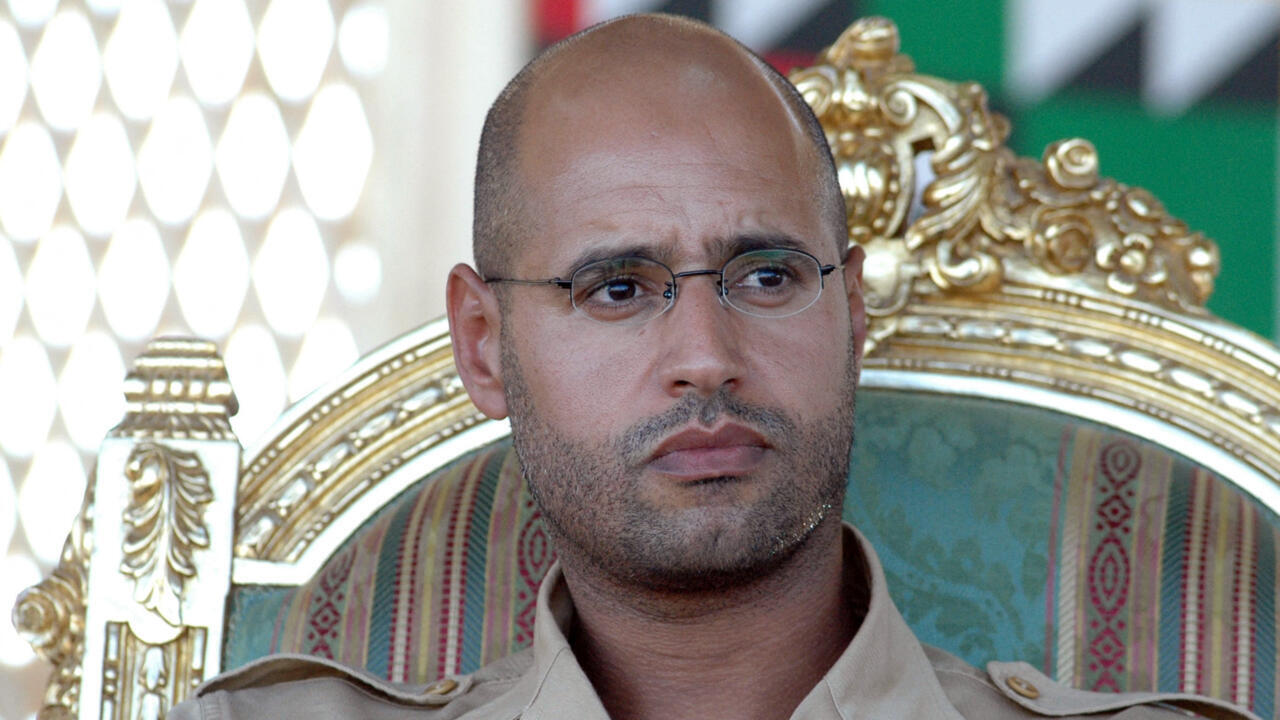
Al-Menfi made the remarks during a podcast interview broadcast on Tuesday, stressing that excluding Saif al-Islam Gaddafi from the electoral process undermines efforts aimed at achieving stability in the country.
He said Libyans have accepted elections as the path to resolving the crisis and that any exclusion from this process would not help consolidate the democratic track.
Reiterating his condemnation of the incident, al-Menfi said he is in contact with the Office of the Attorney General, the interior minister of the Government of National Unity, and local officials to follow up on the details of the case. He urged all political forces to await the official results of the investigation.
Meanwhile, Prime Minister Abdul-Hamid Dbeibah said Tuesday that the government is handling the investigation into the killing responsibly.
Saif al-Islam Gaddafi was killed in the western Libyan city of Zintan on Feb. 3. His political team said he was assassinated by four armed men who stormed his residence.
In November 2021, Saif al-Islam Gaddafi made his first public appearance in years, filing for candidacy in the Libyan presidential election, but was later rejected by the Libyan High National Elections Commission.
The High National Elections Commission announced late last year that it is prepared to hold the country’s presidential elections in April 2026.
Saif al-Islam Gaddafi was killed in the western Libyan city of Zintan on Feb. 3.
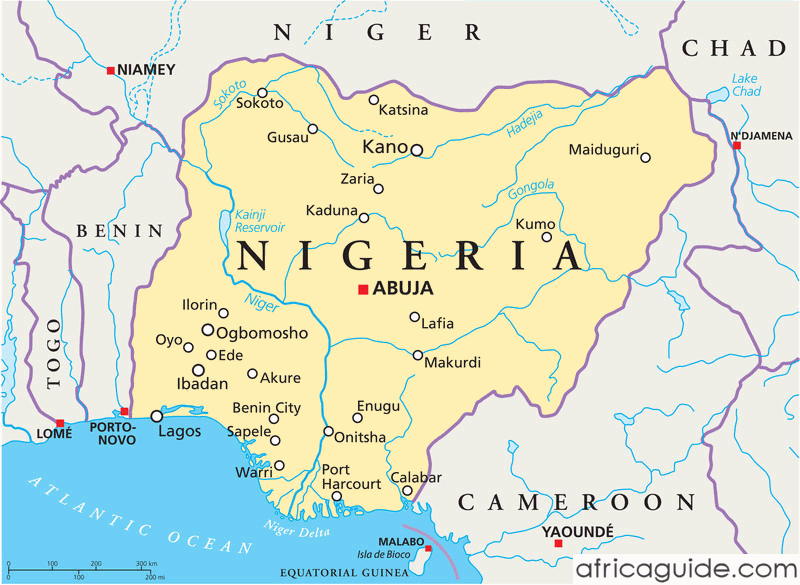
The incident occurred on Wednesday morning at a site operated by Solid Mining Company in the Zurak community of Wase Local Government Area, affecting mainly miners working underground.
Preliminary reports showed that an accumulation of toxic gases, believed to be carbon monoxide, triggered the explosion in underground tunnels during peak operations.
Local tribal authorities described the scene as “catastrophic.” Aliyu Adamu Idris, the acting district head, told local media that most of the victims were young men aged 20 to 35.
“It is a dark day for our community. We have lost 38 of our energetic youths to this tragedy, leaving many families in mourning,” Idris said.
Alfred Alabo, police spokesperson in Plateau, said security personnel had been deployed to cordon off the site while authorities finalize a detailed briefing on the incident.
Local media, citing medical sources, reported that about 27 people are receiving treatment for severe respiratory distress, with most survivors suffering from acute inhalation of toxic fumes.
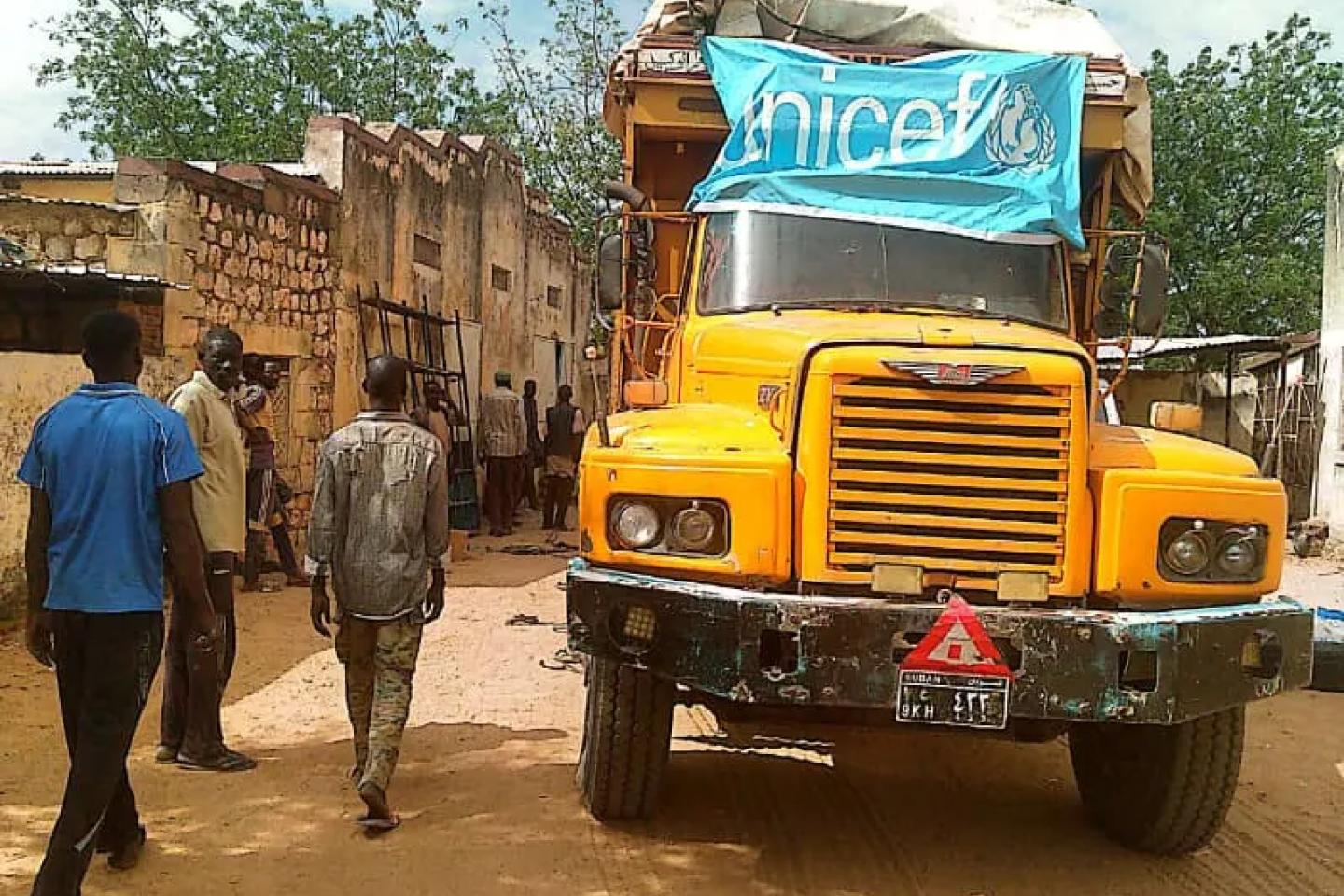
It marks the first large-scale delivery to the area in three months, according to a joint statement by the World Food Programme (WFP), the UN Children’s Fund (UNICEF) and the UN Development Programme.
The convoy, comprising 26 trucks, transported over 700 metric tons of food commodities and 70 metric tons of medical supplies, it said.
“After weeks of delays and a difficult detour, these life-saving supplies, including food assistance, are finally reaching Dilling and Kadugli,” said Makena Walker, acting country director for WFP in Sudan. “This shows what is possible when we can push forward with humanitarian convoys, even in extremely challenging conditions.”
The UN agencies explained that intensified hostilities along the main El Obeid-Dilling-Kadugli route forced the convoy to halt for more than 40 days. It ultimately reached Dilling by navigating a longer and more difficult off-road passage.
“These supplies will allow UNICEF and our partners to continue lifesaving treatment for children suffering from severe acute malnutrition and to restore access to safe water, healthcare, and other essential services,” said Sheldon Yett, UNICEF representative in Sudan.
The statement urged all parties to respect international humanitarian law and facilitate immediate, unimpeded humanitarian access to all civilians in need.
The two cities — Kadugli, the capital of South Kordofan, and Dilling, the second-largest city in the state — had been cut off from aid for over two years, leading to severe shortages of essential humanitarian supplies.
On Jan. 26, the Sudanese Armed Forces (SAF) announced it had entered Dilling. On Feb. 3, it declared it had broken the over-two-year siege of Kadugli imposed by the paramilitary Rapid Support Forces (RSF) and their allied Sudan People’s Liberation Movement-North.
Sudan has been engulfed in a power struggle between the SAF and RSF since mid-April 2023. The war has killed tens of thousands and created the world’s largest displacement crisis.
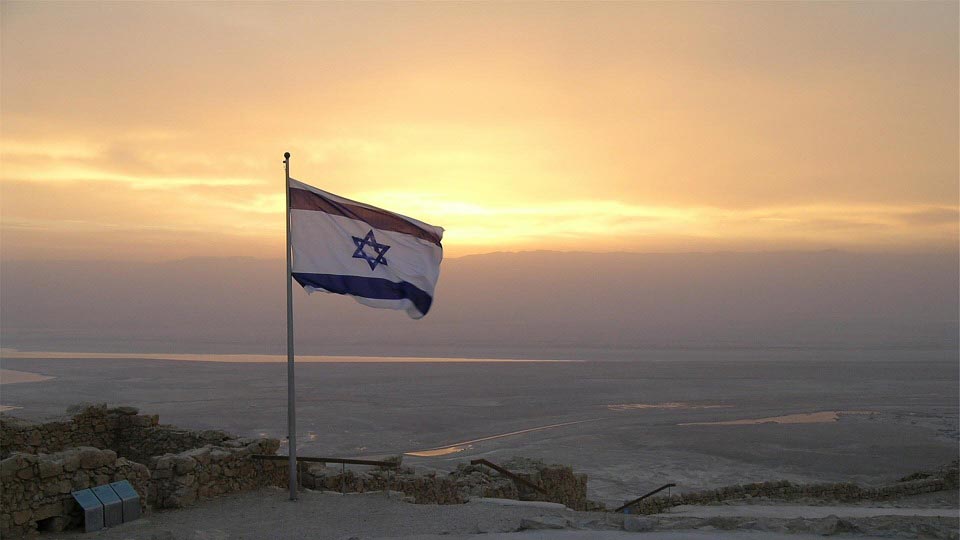
The report said Israel is maintaining a high level of readiness amid the possibility of a near-term U.S. strike on Iran, estimating that if launched, such an operation could develop into a weeks-long campaign.
Officials said U.S. President Donald Trump appears closer to launching a large-scale confrontation in the Middle East, and that Israel is preparing for a scenario in which fighting could break out “possibly within days.”
“We are facing challenging days in relation to Iran,” Boaz Bismuth, chairman of parliament’s Foreign Affairs and Defense Committee, said in the Knesset, adding, “The public is preparing, the authorities are preparing.”
Additionally, a pre-scheduled meeting of Israel’s security cabinet was postponed from Thursday to Sunday, a government official said, amid heightened tensions between Iran and the United States and a U.S. military buildup in the region.
U.S. online outlet Axios reported, citing open-source flight radar data and a U.S. official, that last week Trump sent a second aircraft carrier strike group to the Middle East. More than 50 F-35, F-22, and F-16 fighter jets have moved to the region over the past 24 hours.
Iran and the United States concluded the second round of indirect nuclear talks in Geneva on Tuesday. The negotiations, held at Oman’s embassy in the Swiss city, were mediated by Omani Foreign Minister Sayyid Badr bin Hamad bin Hamood Albusaidi. The first round of the indirect talks took place in the Omani capital Muscat on Feb. 6.
“Following its annual review of restrictive measures in relation to Zimbabwe, the EU has lifted all provisions concerning individuals and entities while extending the arms embargo,” the delegation said in a statement.
According to the European Council, the embargo will remain in force until Feb. 20, 2027.
The bloc imposed sanctions on Zimbabwe in 2002, citing “serious concern” about the situation in the country.
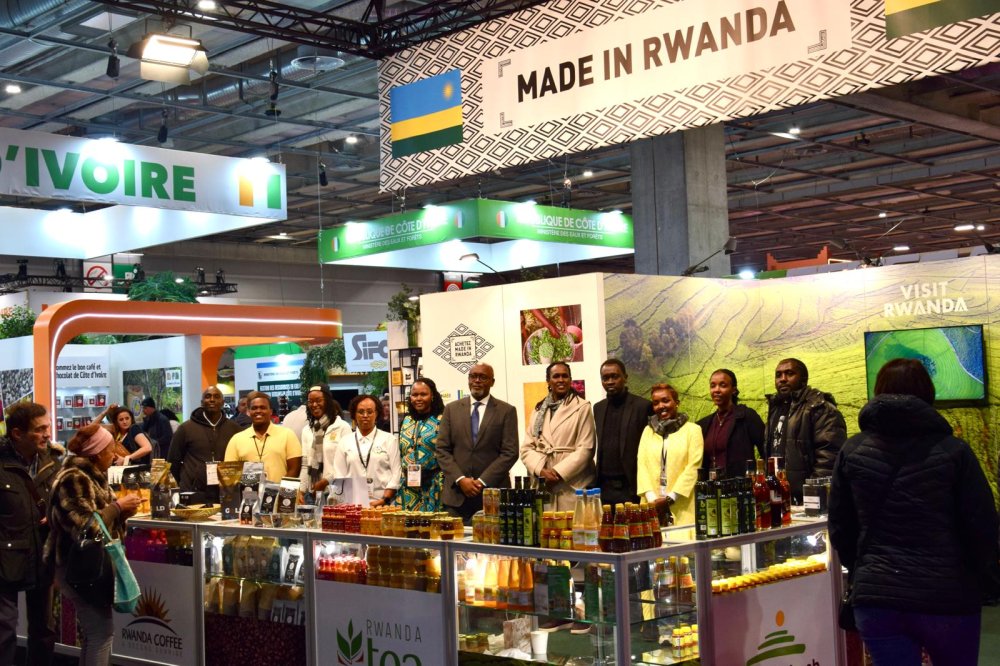
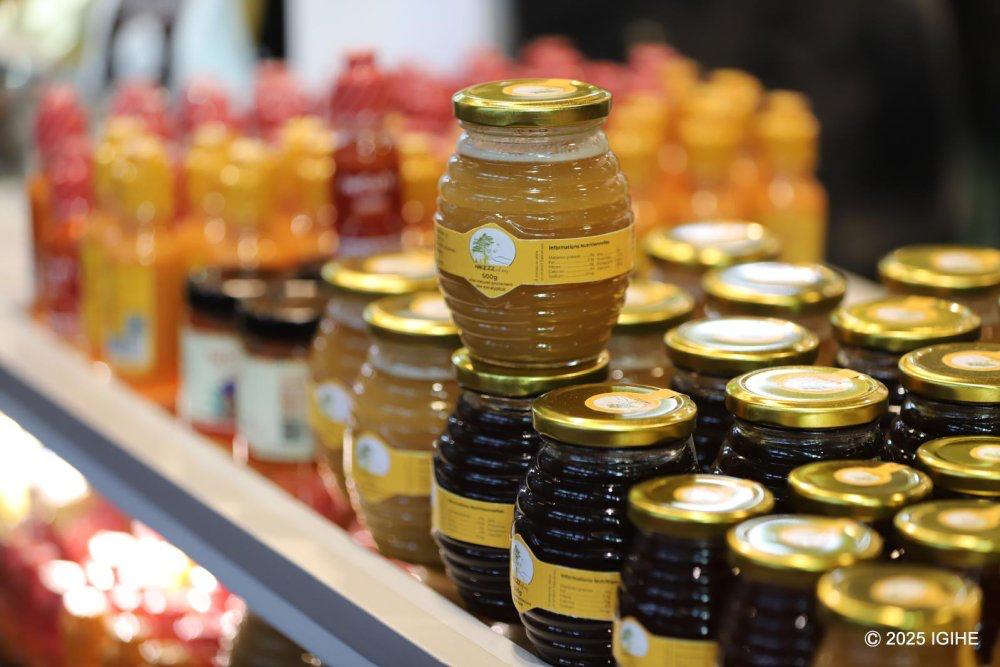
Recognized as a major crossroads for global agriculture, the event brings together professionals, institutions, investors, and visitors from around the world, creating a unique space for dialogue, exchange, and strategic partnerships.
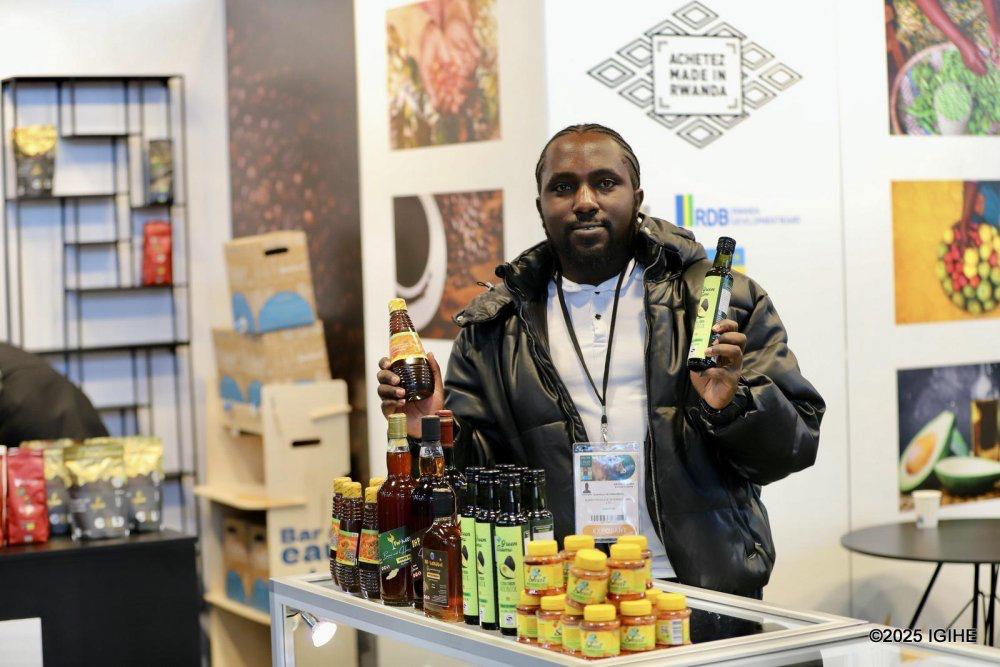
This year again, Rwanda will take part in this major international gathering to showcase its agricultural potential, its expertise, and its ambitions in agro-processing and investment.
Rwanda’s participants will be led by theNational Agricultural Export Development Board (NAEB), in collaboration with the Embassy of Rwanda in France, alongside fifteen companies and entrepreneurs traveling from Rwanda.
Through this participation, Rwanda will highlight the modernization of its agricultural sector, the quality and diversity of its export products such as coffee, tea, and horticultural products, as well as the growing investment opportunities within its agri-food industry.
The country will also emphasize its commitment to sustainable and resilient agriculture, in line with global challenges related to climate change and food security.
The show continues to serve as a strategic platform for participating countries, offering opportunities to develop commercial partnerships, attract investors, and promote a strong and dynamic national image.
By taking part in this international event from February 21 to March 1, 2026, Rwanda once again affirms its place among the nations contributing to the future of agriculture and strengthening cooperation within the global agricultural community.
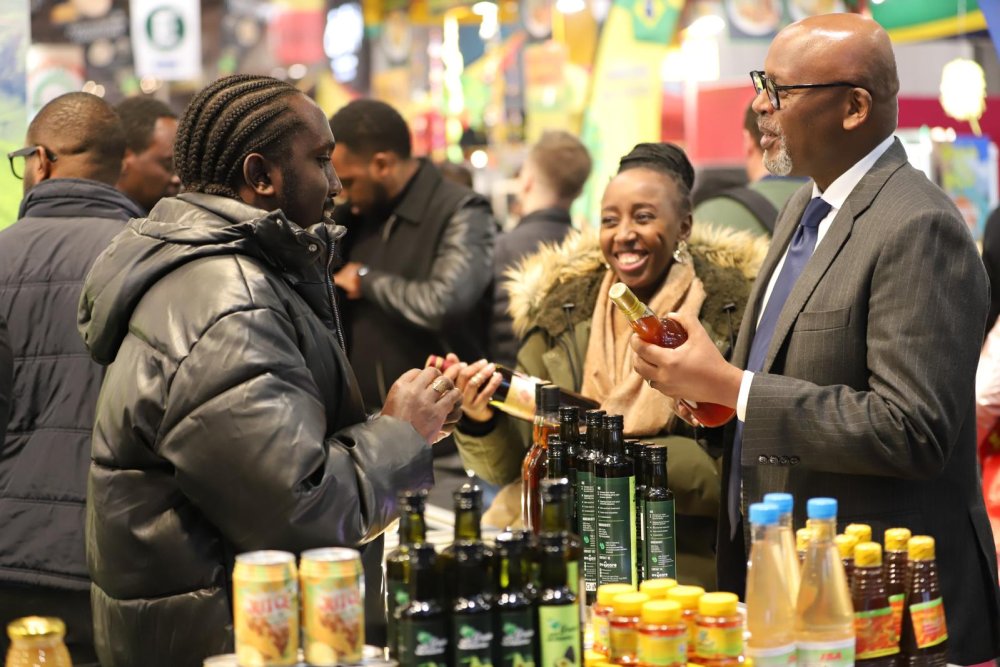
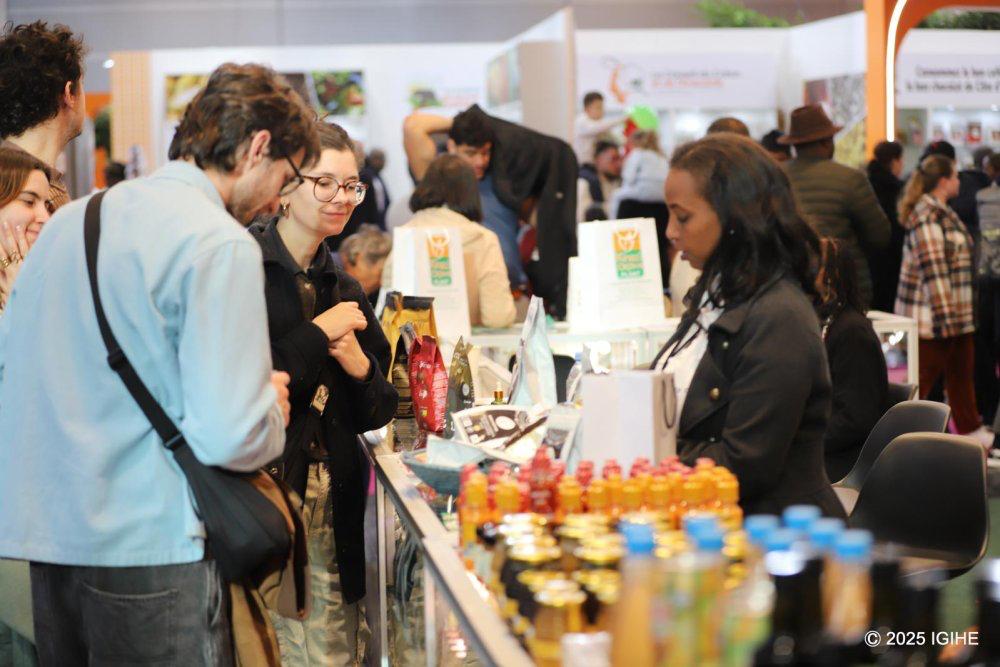
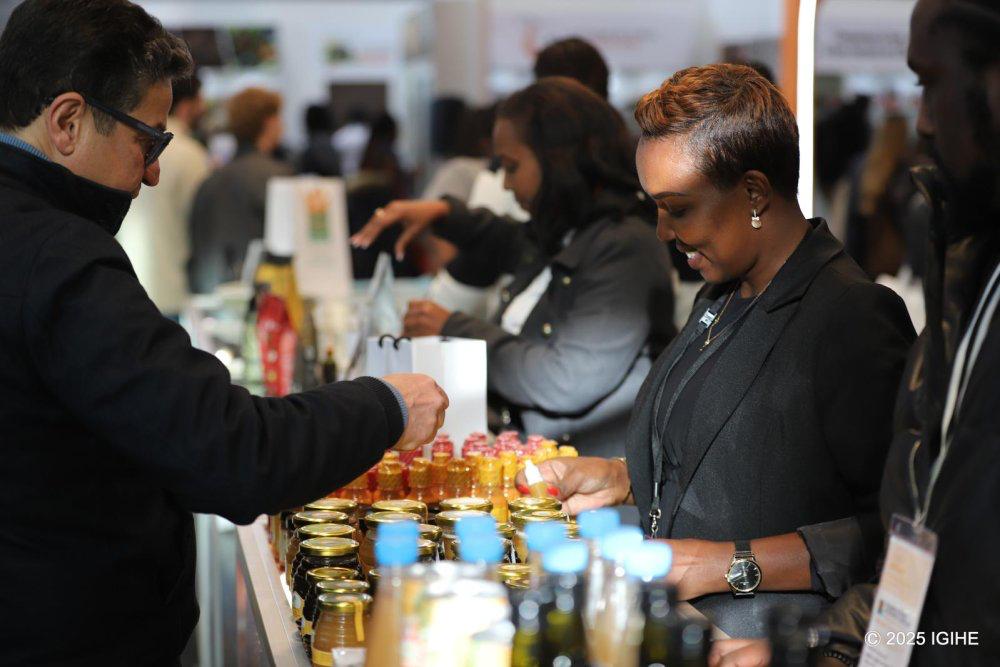
Photos from Rwanda’s participation in the previous edition
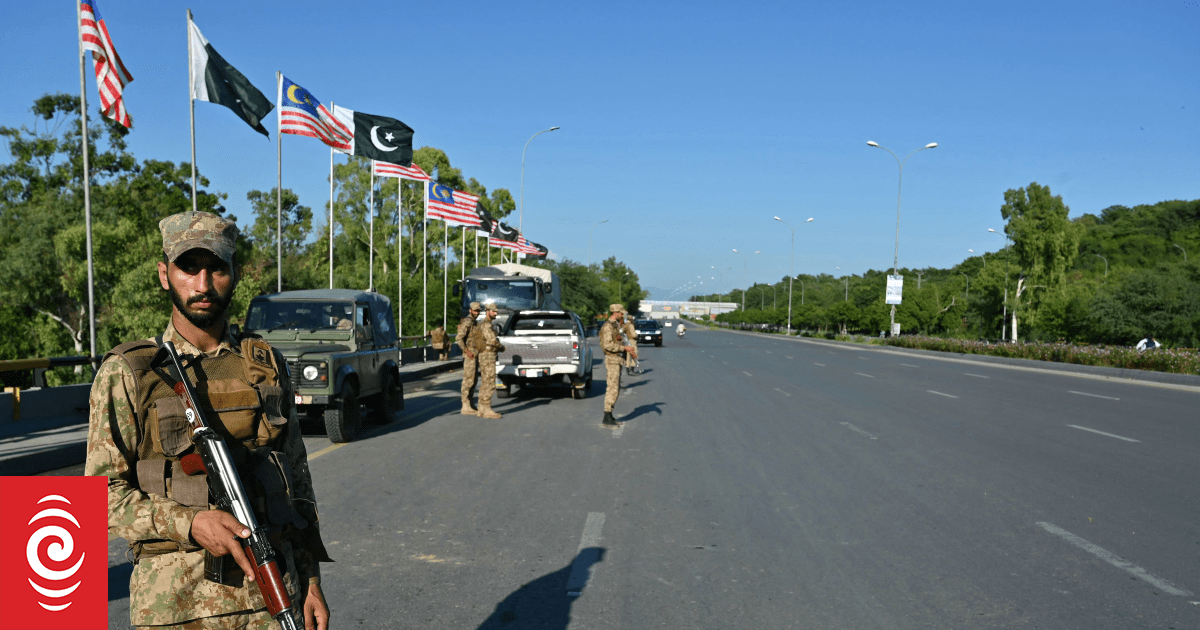
The operation was launched on the reported presence of militants in the area, during which an exchange of fire took place, resulting in the killing of eight terrorists, the CTD said in a statement.
During the confrontation, three CTD personnel were injured and shifted to a nearby hospital for treatment, the statement said.
Authorities said a large cache of weapons and ammunition was recovered from the scene.
Security forces cordoned off the area and carried out a search operation to ensure the situation was under control, the statement added.
Initial reports suggested that the slain militants were affiliated with a banned organization. However, investigations are ongoing to ascertain their identities and possible network, the CTD said.
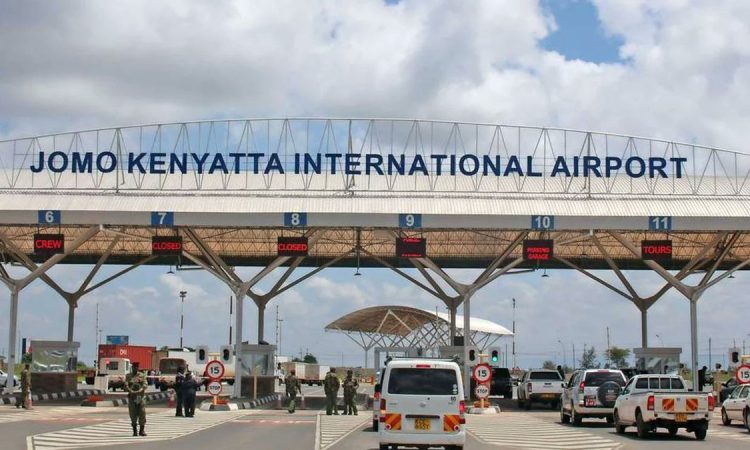
The Kenya Aviation Workers Union (KAWU) agreed to resume work following a meeting involving relevant government ministries and airport authorities. The strike had caused flight cancellations, delays, and diversions affecting both domestic and international travelers.
The return-to-work deal was reached after negotiations involving the Ministry of Roads and Transport, the Ministry of Labor, the Kenya Airports Authority (KAA), and KAWU. The parties committed to addressing workers’ grievances through a collective bargaining agreement.
“Aviation contributes immensely to the economy of the country, and we are committed to ensuring that the sector remains stable,” said Davies Chirchir, cabinet secretary for the Ministry of Roads and Transport, in a joint statement issued in Nairobi.
Under the agreement, airport operations at JKIA and other facilities resumed immediately.
“Immediate action includes reviewing the level of representation of Kenya Civil Aviation Authority (KCAA) staff to consider grades previously proposed and agreed upon but not included,” the statement said.
Kenya Airways and other international carriers had reported schedule adjustments and extended delays due to air traffic control operational constraints.
The Ministry of Labor will assist in a conciliatory process to discuss all issues raised and reach an amicable solution. KAWU is committed to a roundtable dialogue aimed at resolving workers’ concerns while ensuring that ongoing discussions prioritize passengers, aviation reliability, and national interests.
KAA welcomed the decision, noting that the disruption had paralyzed airport operations, raised safety and security concerns, and prompted the activation of contingency measures.
“Operations are now normalizing across all airports. Passengers are advised to contact their airlines for the latest flight schedules,” KAA said in a statement.
The labor dispute between the union and KCAA was driven by unresolved grievances, including delays in implementing a collective bargaining agreement dating back a decade, as well as concerns over pay and working conditions. KAWU said the strike was prompted by demands for better pay and improved working conditions.
Passengers were stranded in terminals, and some remained onboard aircraft for extended periods awaiting clearance for takeoff at JKIA. Airport authorities and the KCAA activated contingency measures to manage congestion and clear backlogs.
Kenya’s aviation sector is a key driver of economic growth, supporting tourism, trade, cargo, and employment. With millions of passengers and billions of U.S. dollars in annual freight, a swift resolution helps safeguard investor confidence and livelihoods.
Earlier, Rebecca Miano, cabinet secretary for the Ministry of Tourism and Wildlife, had called for an immediate resolution, highlighting the importance of reliable aviation infrastructure for tourism recovery and national commerce.
“The uninterrupted operation of our aviation infrastructure is vital to traveler safety, national commerce, and the livelihoods of countless Kenyans who depend on tourism. I respectfully urge all parties involved in the air traffic control strike to return to dialogue in good faith and resolve their outstanding issues swiftly,” Miano said.
The 12 resolutions, published on February 17, 2026, include measures to further improve the quality of education, with a particular focus on strengthening the teaching of languages, especially English, as well as improving public awareness of available government services and where to access them.
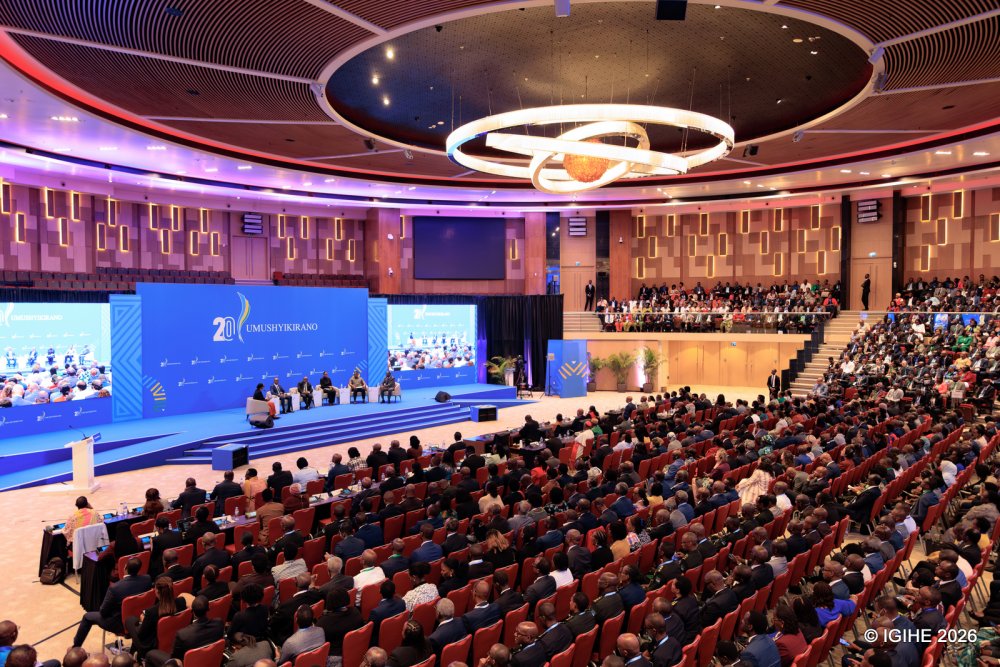
The 20th session of the National Dialogue Council was held in Kigali from February 5 to 6 and was chaired by President Paul Kagame.
The meeting brought together participants from across society, including government leaders, representatives of the private sector, members of the Rwandan diaspora, diplomats accredited to Rwanda, international organizations, development partners, and the media.
In his opening remarks, President Kagame emphasized the importance of implementing the Council’s resolutions, describing them as a cornerstone of national development and self-reliance. He also highlighted the responsibility of leaders to promote unity among Rwandans, strengthen self-reliance, and build public confidence.
The Head of State urged leaders to further improve performance and coordination, consistently place citizens at the center of service delivery, and remain accountable for their responsibilities.
Discussions during the 20th National Dialogue Council focused on key issues including the implementation of the National Strategy for Transformation (NST2), sustainable economic development, Rwanda’s position in the international arena, good governance, education, and employment.
Following these discussions, the following resolutions were adopted:
1. Strengthen project planning, monitoring, and accountability to ensure timely completion and achievement of objectives.
2. Continue professionalization of mining activities and prioritize processing and value addition.
3. Intensify efforts to increase agricultural and livestock productivity, including through expanded access to fertilizers, improved seeds, irrigation services and artificial insemination.
4. Provide targeted support to industries to boost production and competitiveness, improve value addition, and address packaging challenges.
5. Resolve outstanding issues in One Stop Centres by streamlining processes and procedures, to ensure adequate public awareness of the existence of these services.
6. Accelerate the integration of SACCOs at district and national levels.
7. Advance education quality to align with labor market needs, nurture talents, and significantly strengthen language instruction, particularly in English.
8. Promote youth recreational activities, talent promotion and skills development for productive and decent jobs.
9. Support Rwandan content creators and creatives to effectively monetize digital platforms and online content.
10. Improve planning and implementation of performance contracts (Imihigo) to better respond to citizens’ concerns, enhance service delivery, and raise overall performance.
11. Reinforce citizen engagement for behaviour change to enable communities to be more active in addressing social welfare and development challenges.
12. Strengthen campaigns and educational measures against teenage pregnancies, school dropout, alcohol and drug abuse.
The 20th session of the National Dialogue Council, held in Kigali from February 5 to 6, was chaired by President Paul Kagame.
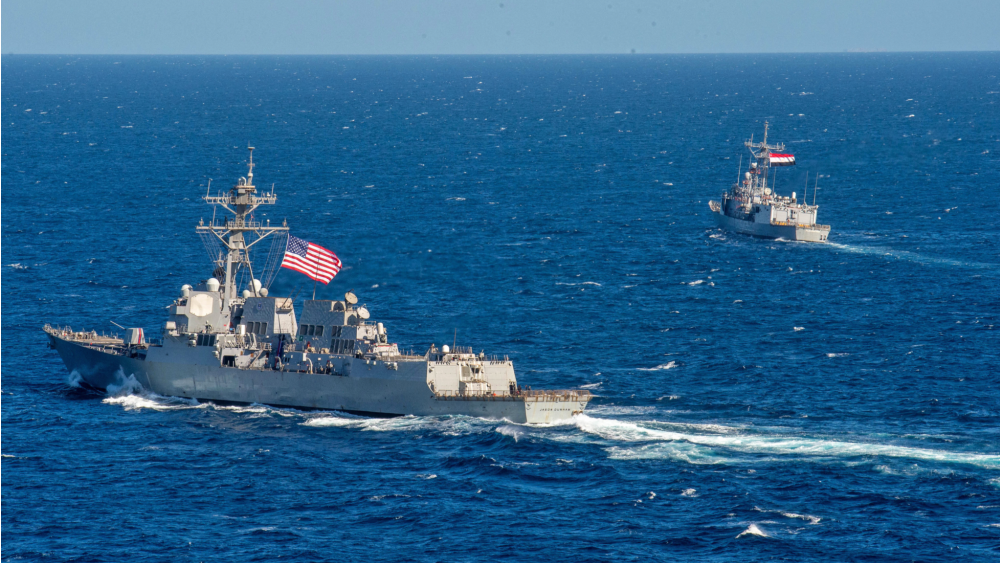
Four people were killed on the first vessel in the eastern Pacific, four on the second vessel in the eastern Pacific, and three on the third vessel in the Caribbean, the command said on X.
“Intelligence confirmed the vessels were transiting along known narco-trafficking routes and were engaged in narco-trafficking operations,” the command claimed.
It added that no U.S. military forces were harmed.
The U.S. administration has not provided evidence supporting its allegations about the boats, cargo or the people killed.
Since early September, the U.S. forces have launched about 40 known strikes on alleged drug-smuggling boats in the Caribbean and the eastern Pacific, killing more than 130 people.
The Pentagon resumed strikes on boats in late January following a Jan. 3 U.S. military raid in which Venezuelan President Nicolas Maduro and his wife were forcibly seized.