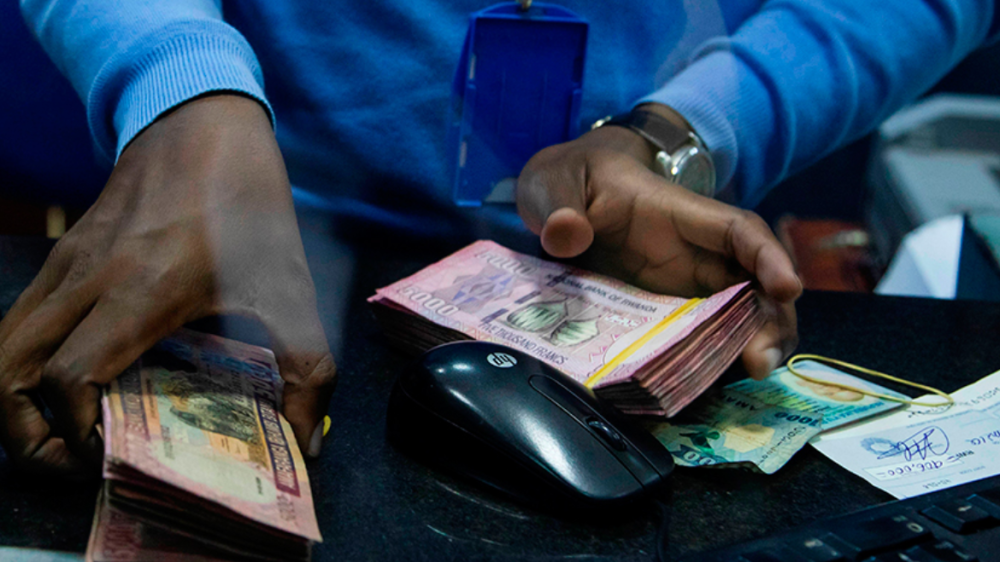
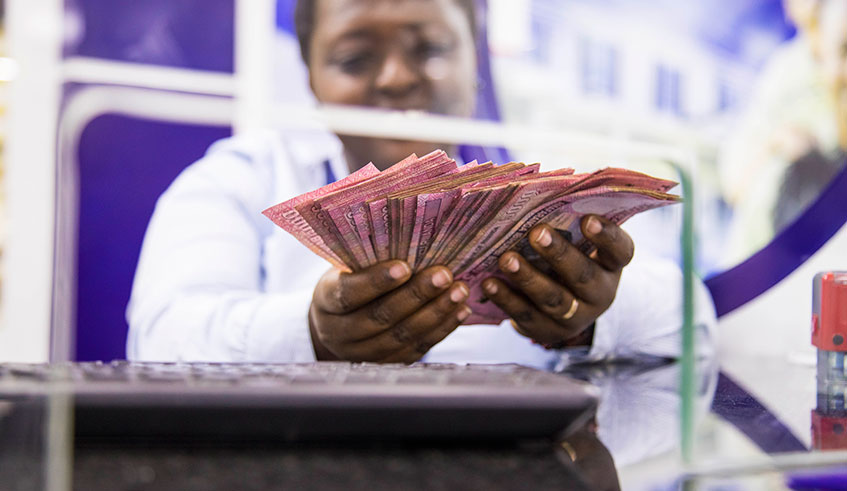
The report shows that prices increased 0.9 percent in February compared with January 2026, indicating continued pressure on the cost of living as households face higher spending on key goods and services. On average, inflation stood at 7.4 percent over the past 12 months, reflecting a steady rise in consumer prices across the economy.
Several sectors recorded notable price increases over the past year. Housing, water, electricity, gas and other fuels, which constitute a large share of the consumer basket, rose by 12.3 percent, while restaurants and hotels registered a sharp 19.9 percent increase. Prices for alcoholic beverages and tobacco also climbed significantly, increasing by 18.3 percent, while transport costs rose by 8.6 percent.
Food prices, which account for a large share of household spending, increased more moderately compared with other sectors. The category of food and non-alcoholic beverages rose by 4.6 percent annually, with bread and cereals increasing by 11.7 percent and meat by 9 percent, while vegetable prices recorded a smaller annual rise of 3.4 percent.
The report also points to sharp increases in the health sector, where prices surged by 71.1 percent over the past year, though the category represents a relatively small share of the consumer basket.
Meanwhile, core inflation, which excludes volatile items such as fresh food and energy, rose by 9.6 percent year-on-year, suggesting that underlying price pressures remain. On a monthly basis, core inflation increased by 0.9 percent in February.
Energy prices also played a role in the rise in consumer costs, increasing by 20 percent annually and 2.6 percent compared with January, reflecting higher fuel and electricity expenses.
The CPI measures the average change over time in prices paid by households for a basket of goods and services. The index is calculated using data from more than 1,600 products collected monthly from markets, shops, hospitals and other service providers across the country.
Economists closely watch inflation trends as they influence purchasing power, household spending and policy decisions. In the month under review, the National Bank of Rwanda (NBR) raised its key interest rate by 50 basis points to 7.25 percent in a move aimed at curbing rising inflation.
Inflation in Rwanda increased to 8.9 percent in January 2026, up from 8.0 percent in December 2025, exceeding the Central Bank’s target range of 2–8 percent.
The rise, Central Bank Governor Soraya Hakuziyaremye said, was driven largely by higher energy costs, electricity tariffs, fuel prices, and supply constraints on fresh food, particularly vegetables affected by below-normal rainfall.
“The Monetary Policy Committee has decided to increase the Central Bank Rate to 7.25 percent to limit second-round effects of recent price increases and support a timely return of inflation to the target range,” she stated.
The latest report from the National Institute of Statistics of Rwanda (NISR) shows that prices increased 0.9 percent in February compared with January 2026, indicating continued pressure on the cost of living as households face higher spending on key goods and services.
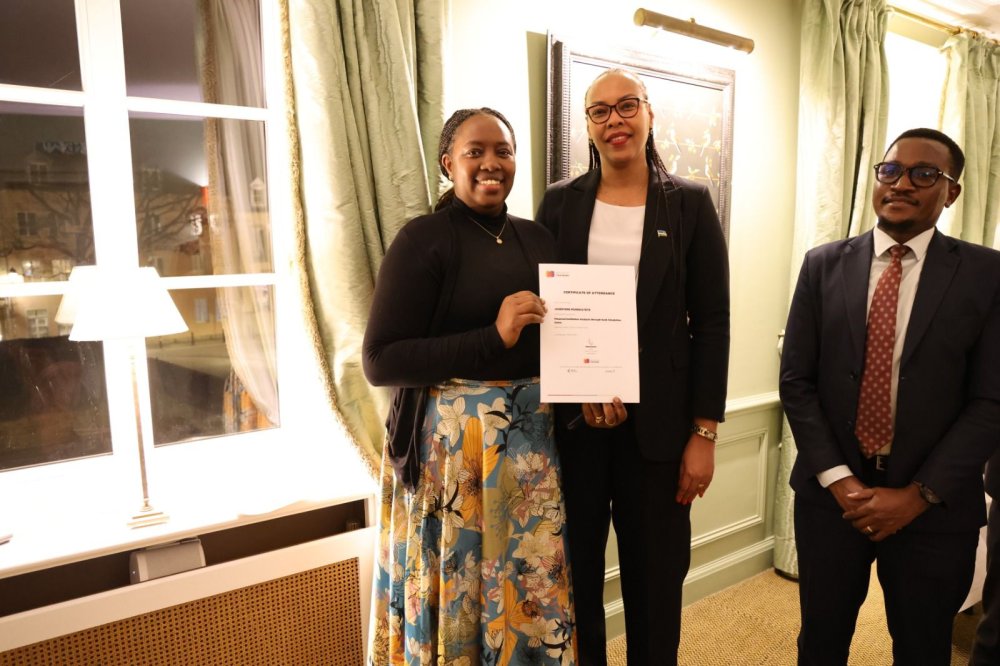
Implemented by the House of Training, ATTF in collaboration with the Rwanda Bankers’ Association (RBA), the program marks the graduation of its very first cohort.
Designed to support high-potential leaders in advancing to executive roles, the ABLP combines intensive training modules, international case studies, practical workshops and banking simulations. The programme equips participants with skills to navigate a rapidly evolving financial landscape shaped by digital transformation, financial innovation, governance requirements and sustainable finance.
Participants represented nine Rwandan banking institutions, including:
BK, BRD, BPR, Ecobank, NCBA, Bank of Africa, I&M Bank, Access Bank and Equity Bank.
Throughout the programme, participants attended key modules covering digital transformation and fintech, leadership and people management, strategy and internal governance, as well as sustainable finance and ESG principles.
The programme concluded in Luxembourg, one of Europe’s leading financial centres, where participants took part in the B@NKSIM banking simulation, a practical exercise allowing them to manage virtual banks and make strategic decisions related to risk management, regulation, financial performance and value creation.
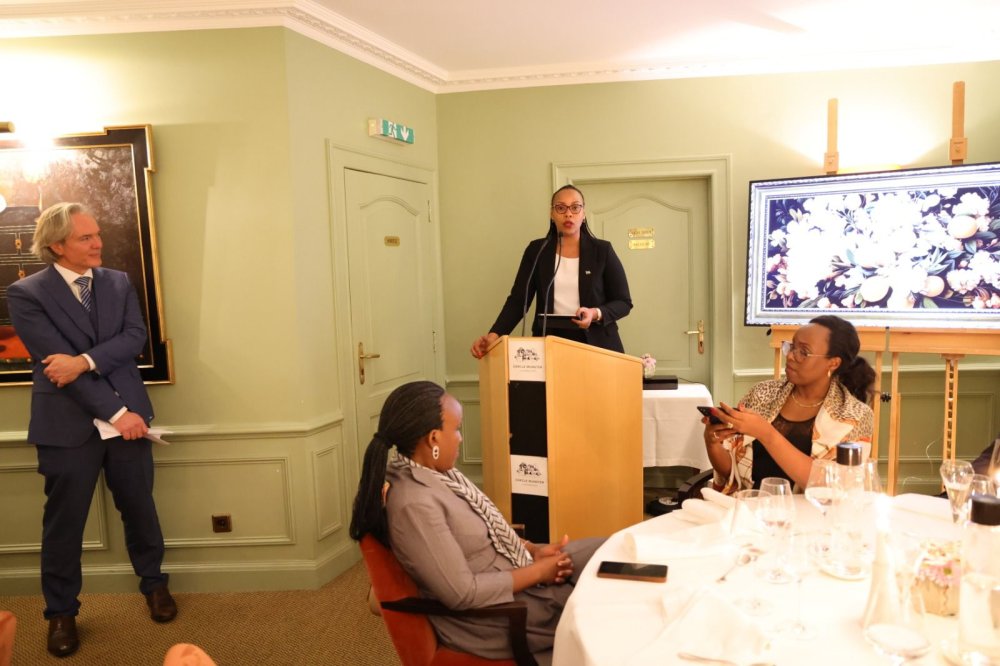
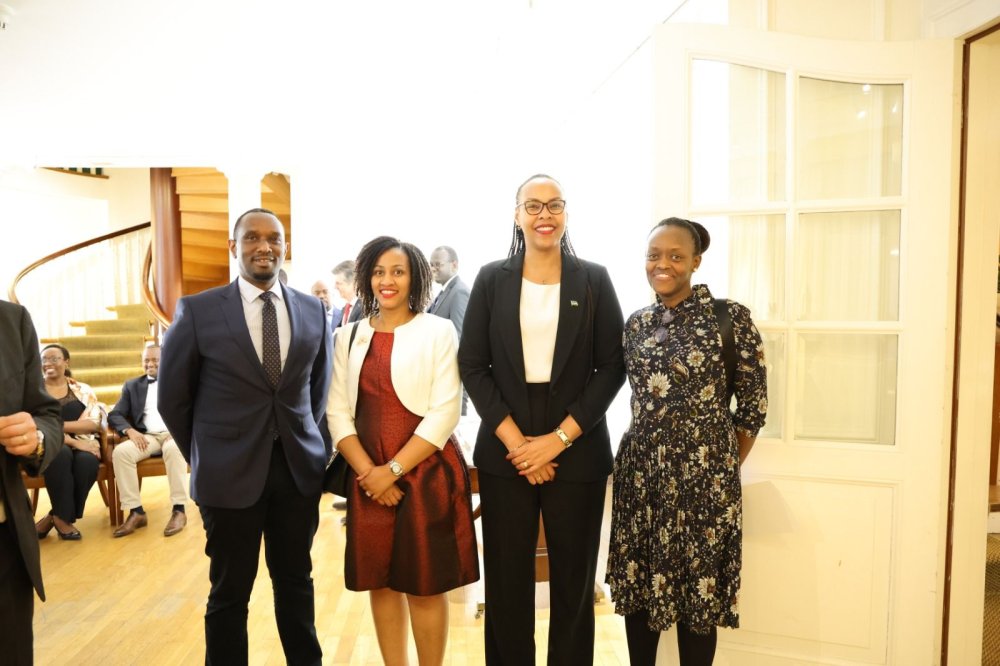
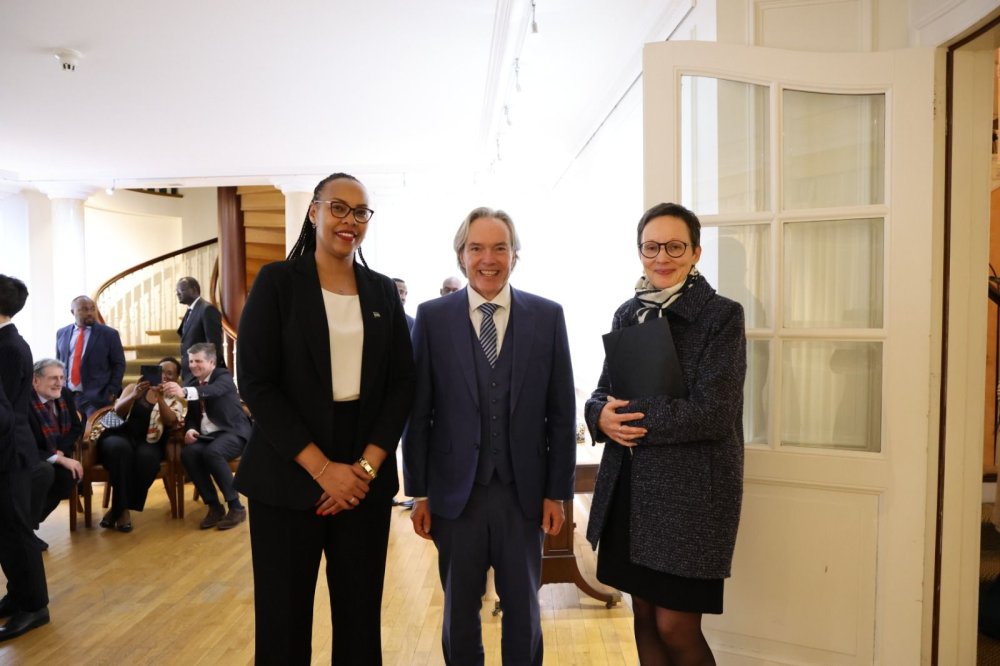
The program concluded with a closing dinner, during which Rwanda’s Ambassador to Luxembourg, Aurore Mimosa Munyangaju, congratulated participants for successfully completing the demanding program and commended their commitment to strengthening Rwanda’s banking sector.
The Ambassador also expressed gratitude to the Government of Luxembourg, through the Ministry of Foreign and European Affairs, Defence, Development Cooperation and Foreign Trade, for supporting this important initiative.
According to her, the program highlights the strong cooperation between Rwanda and Luxembourg, while also showcasing the fruitful partnership between the Rwanda Bankers’ Association and the House of Training – ATTF in developing leadership capacity in Rwanda’s financial sector.
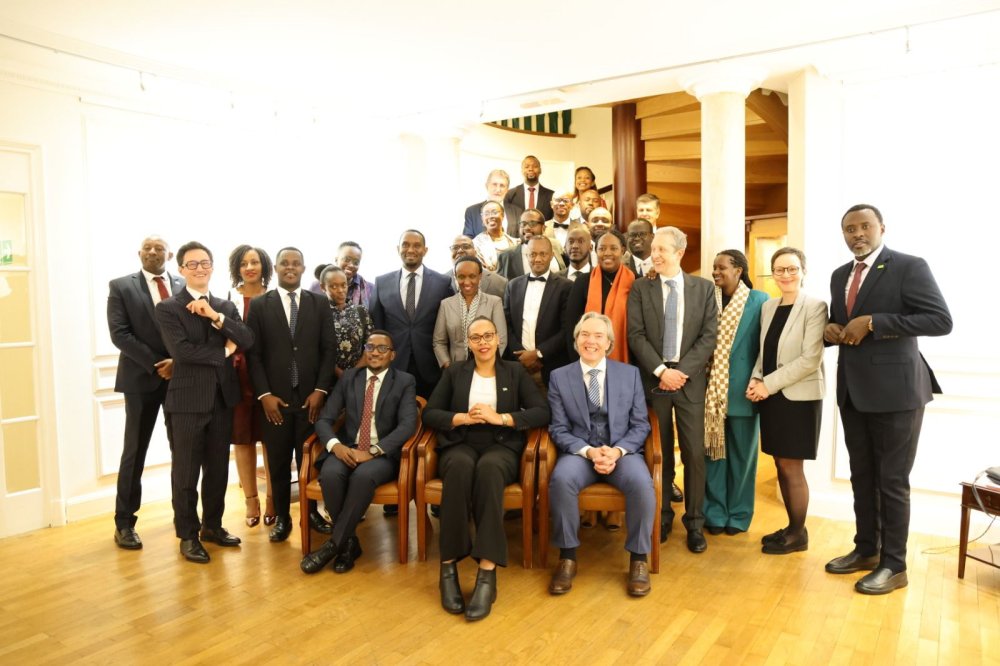
Participants represented nine Rwandan banking institutions. Ambassador to Luxembourg, Aurore Mimosa Munyangaju, congratulated participants for successfully completing the demanding program.A delegation of 21 senior executives from Rwanda’s banking sector participated in Luxembourg in the final phase.
The annual competition, organized under the NBR Engage Program, brings together secondary school students from across the country to test their knowledge of economics, finance, and the role of the central bank. The initiative aims to strengthen financial literacy among young people and empower a generation capable of making informed economic and financial decisions.
This year’s edition, which is the 8th edition, attracted 44 schools and 176 students, making it one of the most competitive rounds of the challenge since its inception. So far, NBR has created 50 clubs in different secondary schools bringing together over 1000 students.
Speaking during the grand finale, NBR Chief Economist Dr. Thierry Kalisa said the competition plays an important role in helping young Rwandans understand how the economy works and how they can contribute to national development.
“Through the NBR School Quiz Challenge, we aim to nurture a generation of young Rwandans who understand how the economy functions and who have the financial and economic literacy needed to participate meaningfully in our country’s development,” Dr. Kalisa said. He added that the competition is more than just an academic contest.
“This programme is not simply a test of knowledge. It is a platform that allows you as young people to discover the relevance of economics and finance in everyday life and to become ambassadors of financial literacy within your families and communities,” he said.
Dr. Kalisa also commended teachers and mentors from participating schools for their dedication in preparing the students for the competition.
“Your commitment to guiding learners through this challenge and beyond is the foundation upon which this initiative is built. The curiosity, teamwork, and discipline demonstrated by these students will serve them far beyond this stage,” he said.
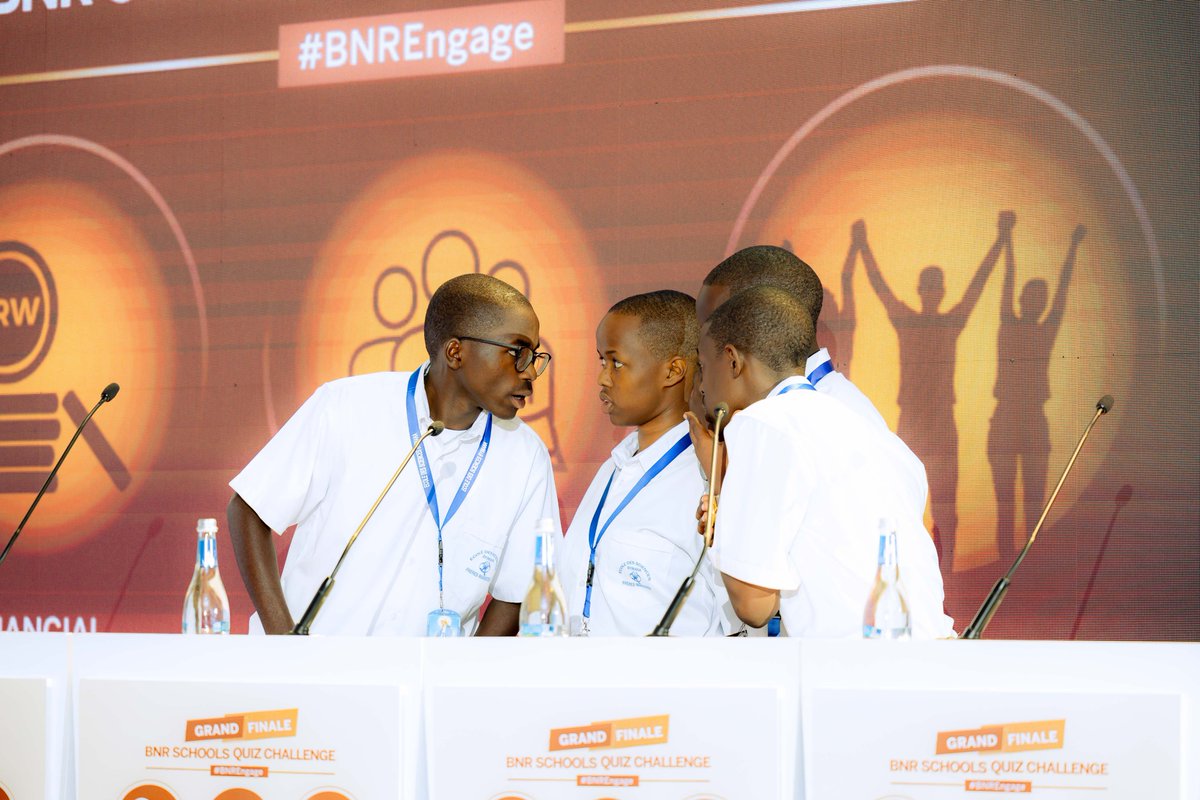
Students from Ecole des Science de Byimana consulting one another during the NBR School Quiz challenge.
A growing initiative
The NBR School Quiz Challenge has steadily expanded since it was first introduced in 2019 as part of efforts to promote financial literacy among students.
The challenge primarily targets members of NBR Economic Clubs, which are established in secondary schools to promote understanding of financial and economic issues.
Schools participating in the clubs were initially selected based on top-performing institutions identified by the Rwanda Basic Education Board (REB) across all provinces. However, other schools that expressed interest were also given the opportunity to establish the clubs and participate in activities such as the quiz challenge.
A multi stage competition
The competition is conducted through several stages designed to test students’ knowledge and analytical skills.
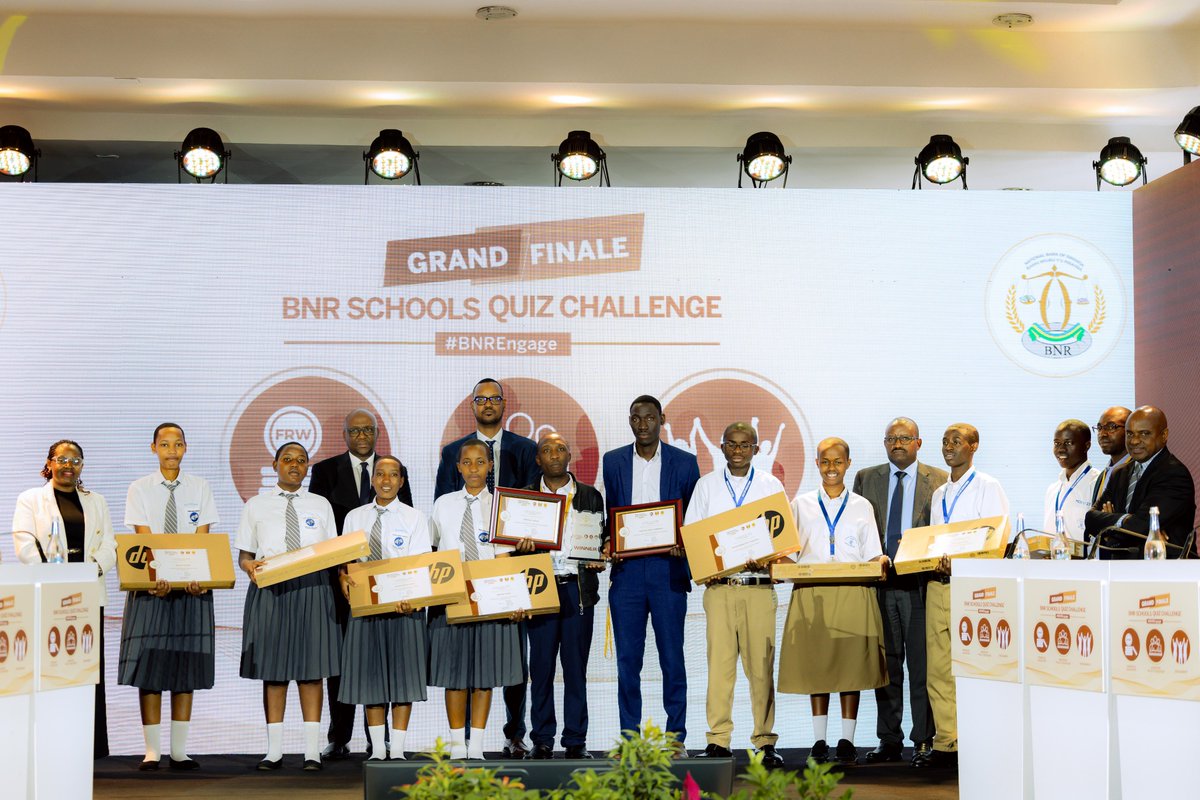
The preliminary rounds, held in late January and early February, brought together schools within their respective provinces. The top schools from each province then progressed to the quarter-finals, followed by the semi-finals, before the best two teams advanced to the Grand Finale held on March 4 at the NBR headquarters in Kigali.
Throughout the competition, students answered questions covering topics such as monetary policy, financial systems, and the role of the central bank in managing the country’s economy.
The questions are designed to promote critical thinking, decision-making, and problem-solving, while interactive elements such as joker cards, which teams can use once per round, add an element of strategy and excitement.
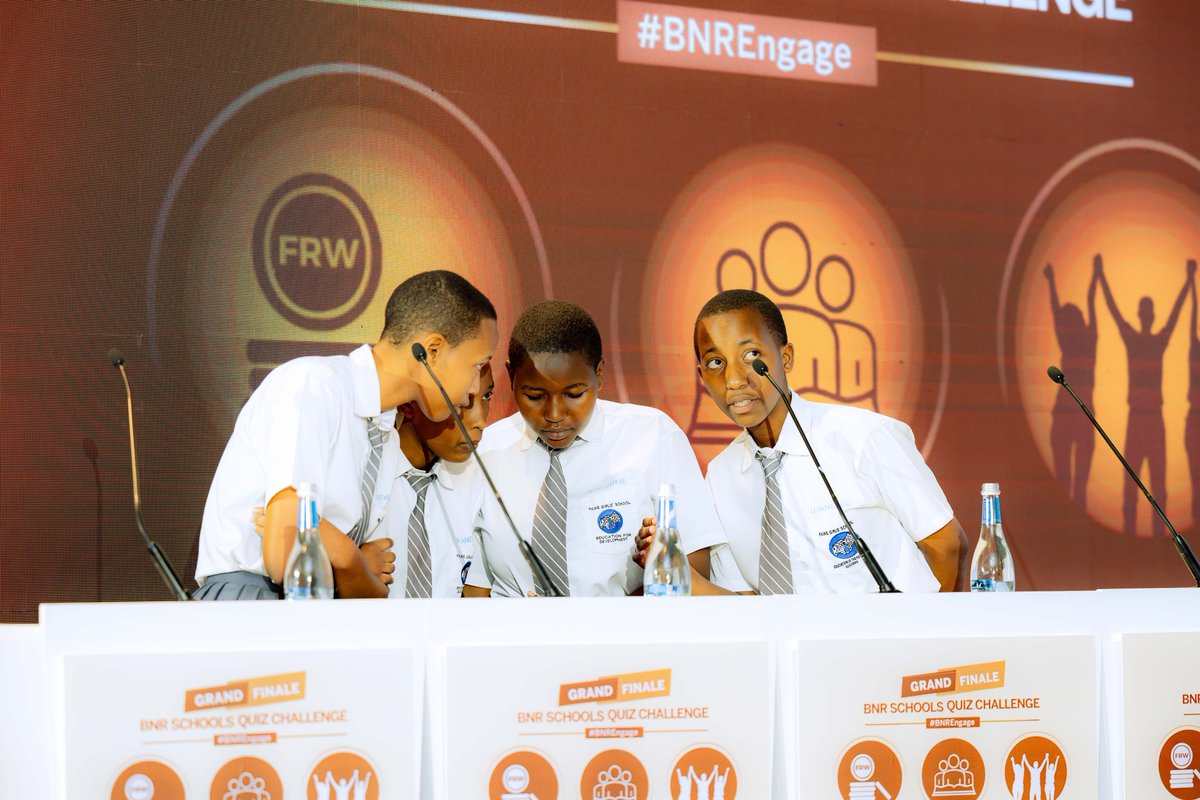
FAWE Girls students exchanging ideas during the competition.
Students reflect on the experience
For the students, the competition provided a valuable learning experience beyond their regular classroom studies.
Anita Niyonsaba, 17, from FAWE Girls’ School, said the challenge helped her understand the importance of financial knowledge in everyday life.
“Participating in the NBR School Quiz Challenge opened my eyes to how the country’s financial system works and how the economy affects every citizen,” Niyonsaba, a S5 student pursuing Physics, Chemistry and Mathematics, (PCM)) said.
“Even though we study sciences, understanding financial literacy is important because it prepares us to make informed decisions and contribute to the development of our country.” For Egide Tuyishimire, 19, from Ecole des Sciences de Byimana in Mathematics Chemistry and Biology (MCB) teamwork and persistence were key to their success.
“At the beginning it was challenging because economic topics were new to us since we study sciences,” he said. “But through teamwork, research, and curiosity, we were able to understand concepts such as monetary policy and how the National Bank supports the economy,” he added.
Each student was awarded a laptop and 400,000 Rwandan Francs bonds invested in national securities for them to start saving at an early age.
“The laptop we received will support our studies, while the treasury bonds introduce us to the culture of saving and investing for the future. It is a powerful lesson that encourages young people to think long-term.”
Students from Ecole de Sciences de Byimana and FAWE Girls school receiving awards.
Building a financially literate generation
Judith Nabaasa, the Chief Economist at the Ministry of Finance and Economic Planning (MINECOFIN) emphasized that initiatives such as the NBR School Quiz Challenge are essential for Rwanda’s long-term development.
“Economic and financial literacy is fundamental for Rwanda’s transformation into a knowledge-based economy. The choices we make as consumers, savers, and future professionals shape the trajectory of our economy,” she said.
As the programme continues to grow, the National Bank of Rwanda says it will keep expanding initiatives that promote economic and financial literacy among young people.
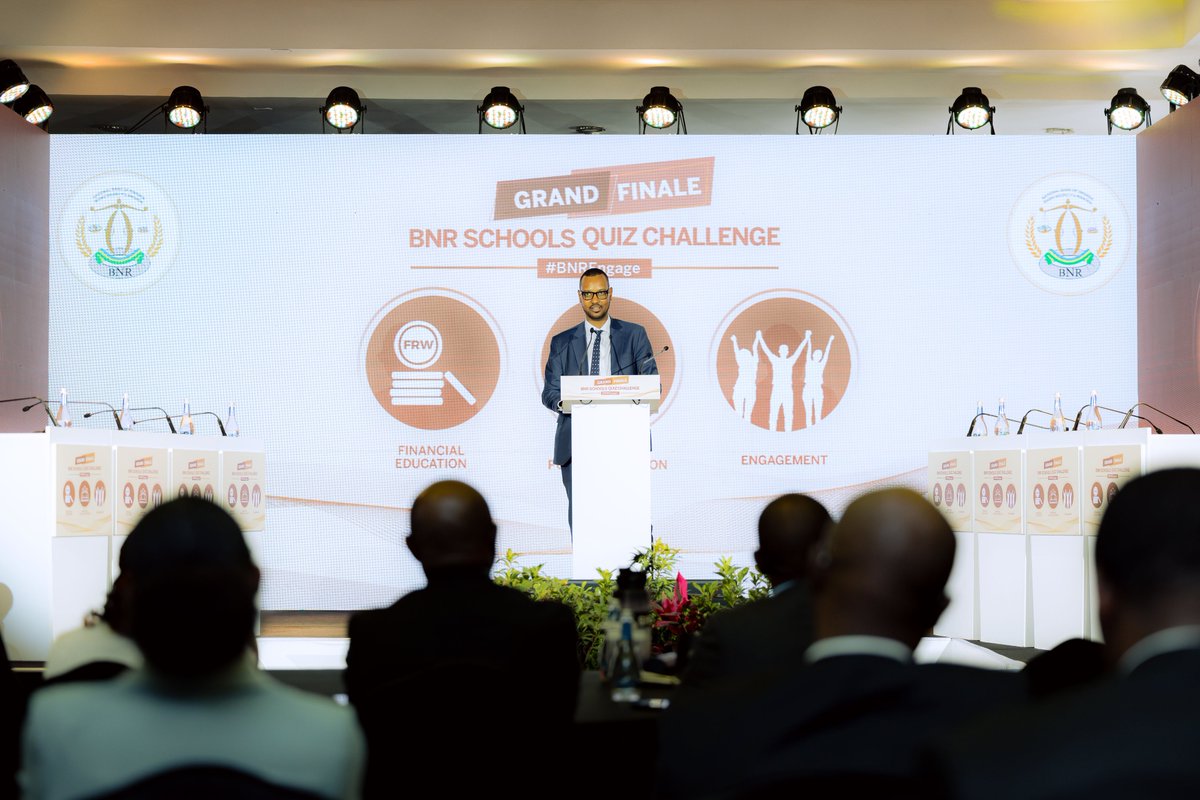
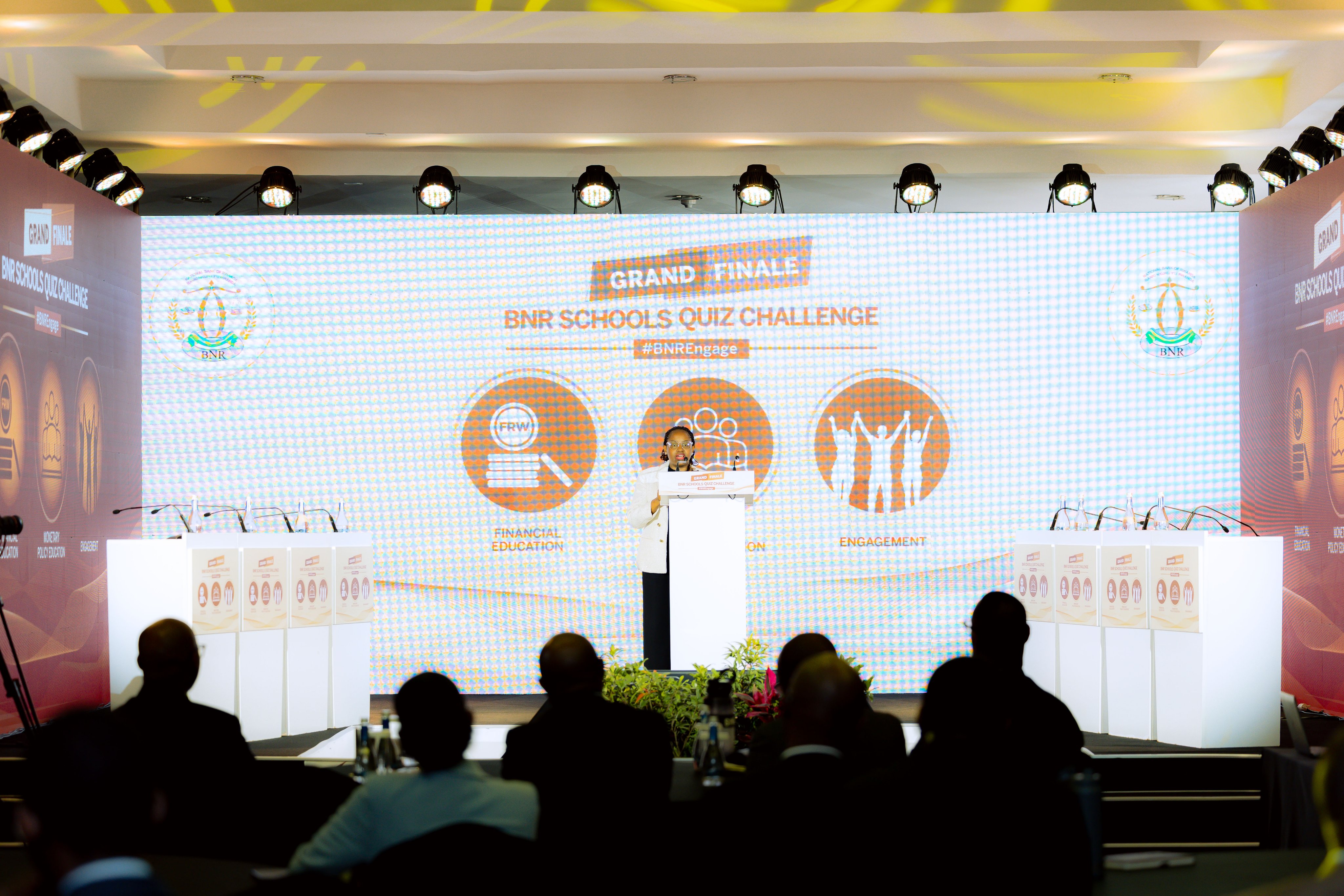
Dr. Thierry Kalisa, NBR Chief economist delivering a speech during NBR School Quiz Challenge.Judith Nabaasa, the Chief Economist at MINECOFIN speaking during the NBR School quiz competition.
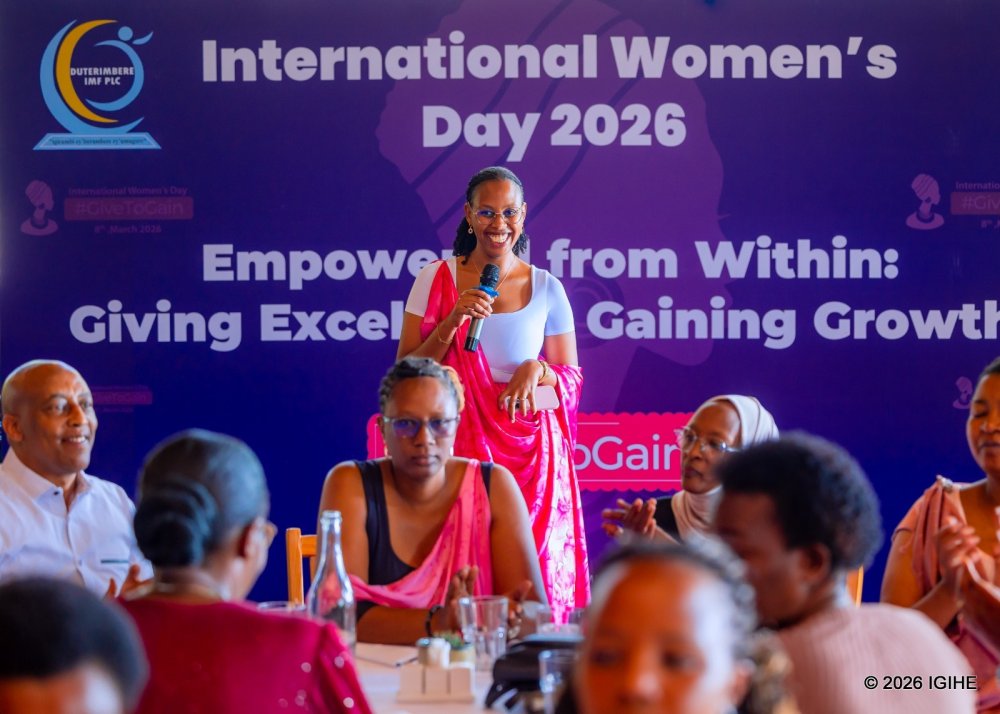
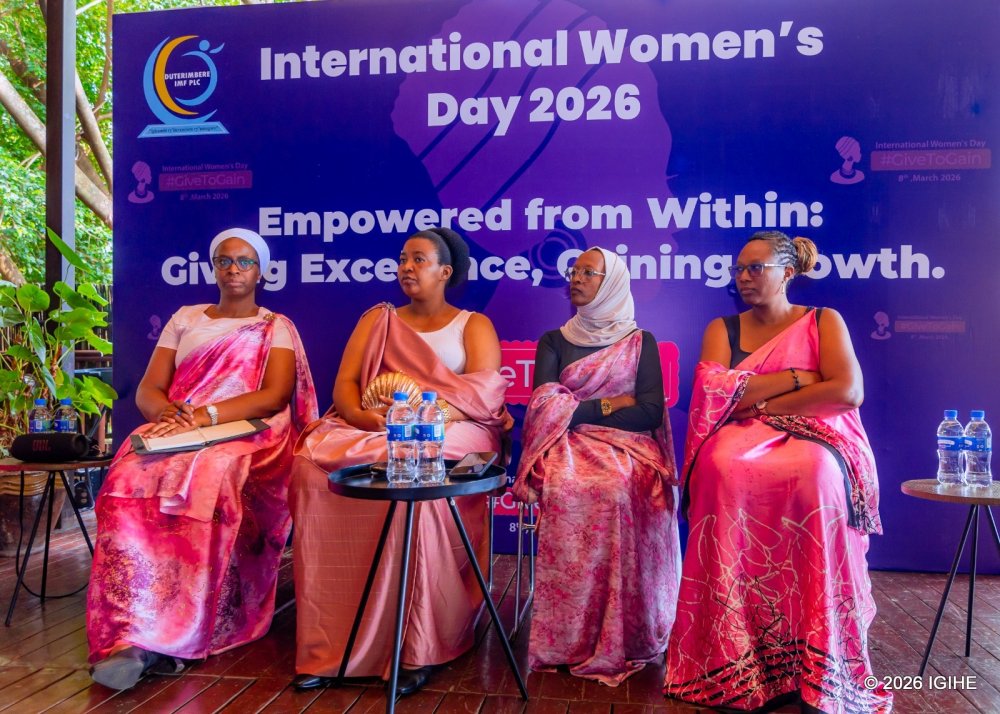
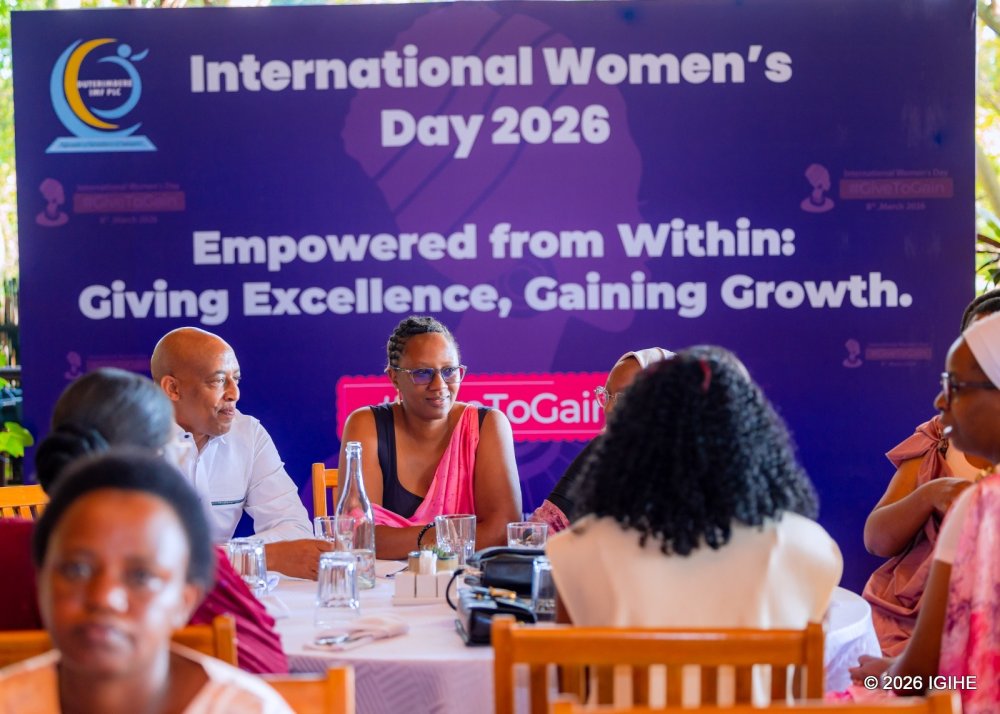
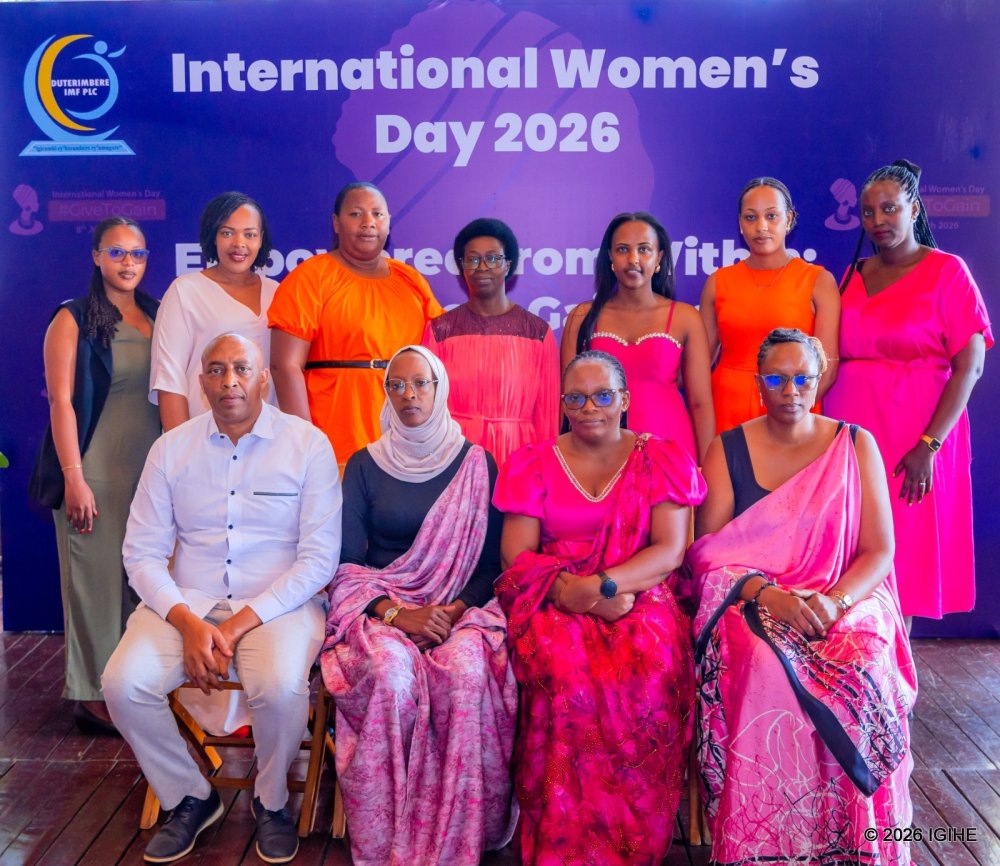
Women make up 87% of Duterimbere IMF’s workforce, a contribution recognised as central to the institution’s growth and success.
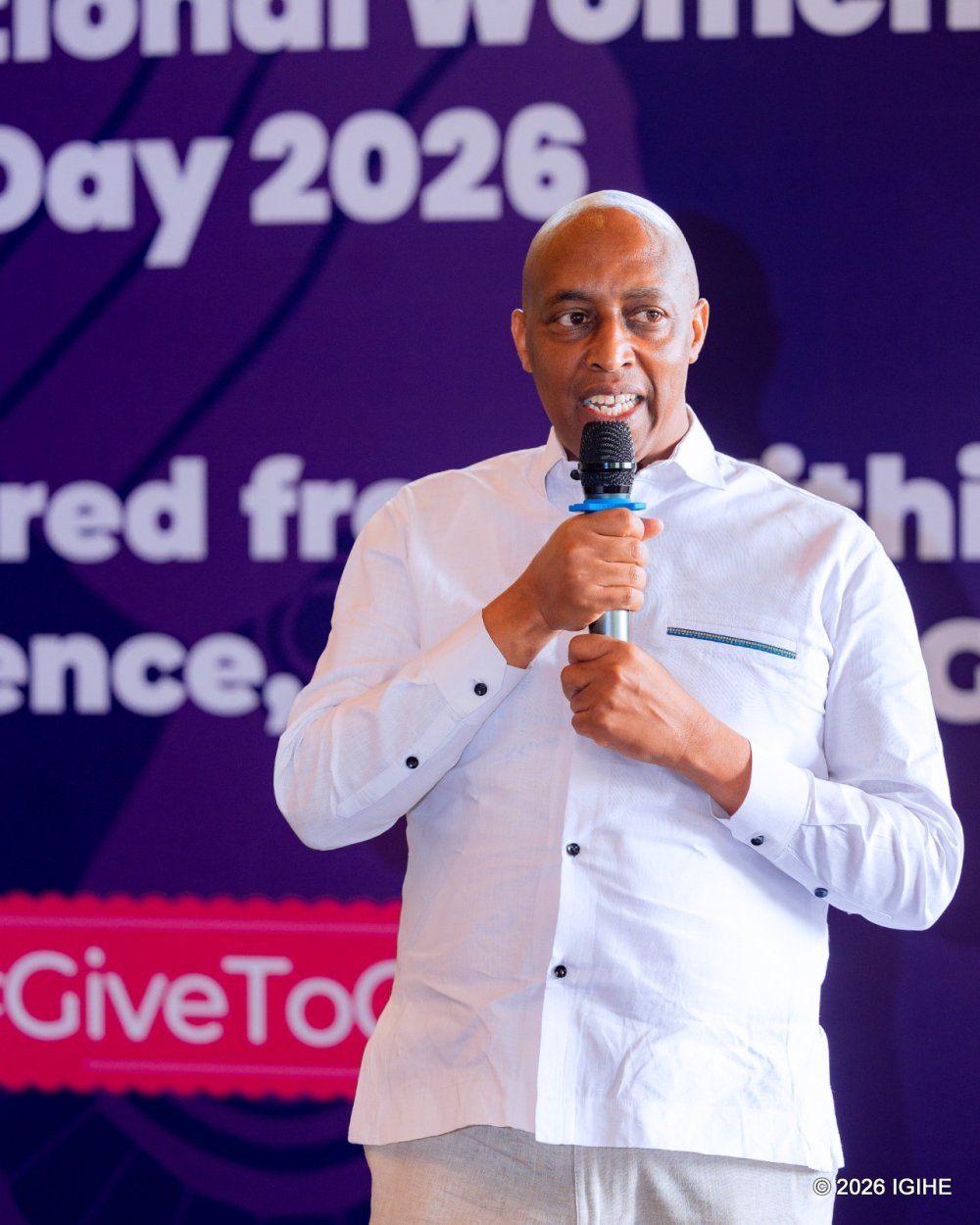
Speaking during the celebrations on Sunday, March 8, CEO Ngabonziza Alphonse said the institution’s goal is to elevate women and praised the pivotal role they play in driving the organisation’s growth and success.
“The majority of our Board members are women. We sincerely appreciate their dedication and the key role they play in decision-making, which enables our institution to advance steadily every day,” the CEO stated.
Uwimbabazi Hélène, Chairperson of the Board, highlighted the far-reaching impact of women, not only in the workplace but also in strengthening families and contributing to national development.
“Women are the heart of the home, and when they build strong families, it benefits the entire nation. There was a time when women were denied the right to work, own property, or participate in leadership and politics. Today, celebrating this day is a recognition of the progress we have made,” she remarked.
Mutamuriza Anitha, who has worked at Duterimbere IMF for the last 15 years, shared her personal journey of successfully balancing family responsibilities with a thriving professional career.
“I started working here with three young children. Despite the challenges, I was able to manage my home and deliver at work because I had a clear plan. Confidence and capability are key for women to reach their potential,” she said.
Duterimbere IMF Plc is a microfinance institution dedicated to empowering women by providing financial services, including short-term loans, to help them grow and improve their livelihoods.
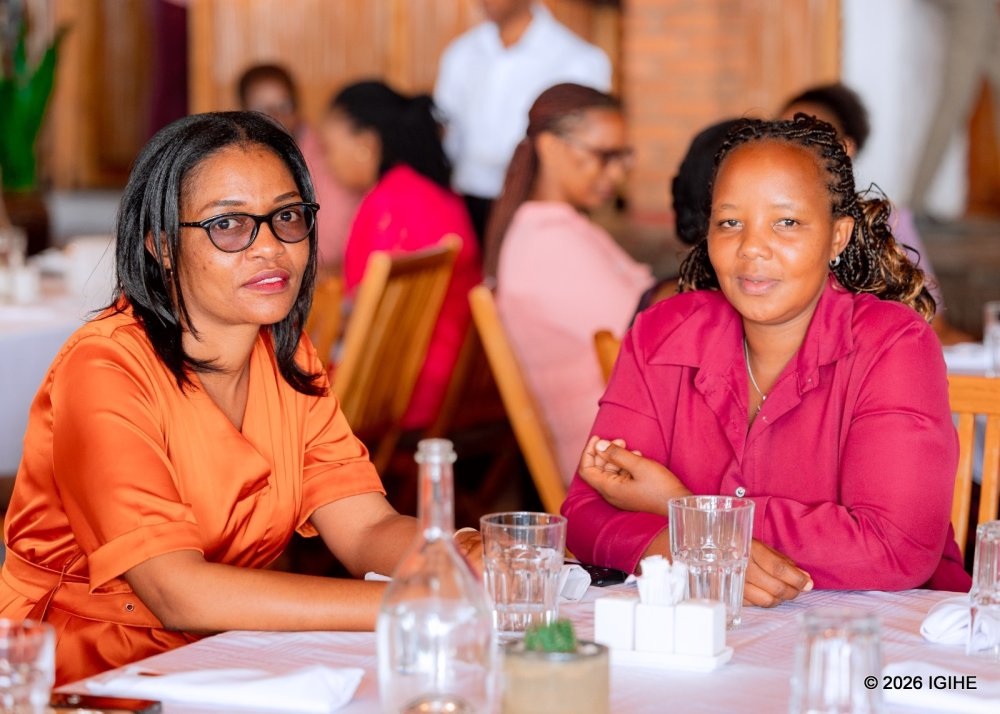
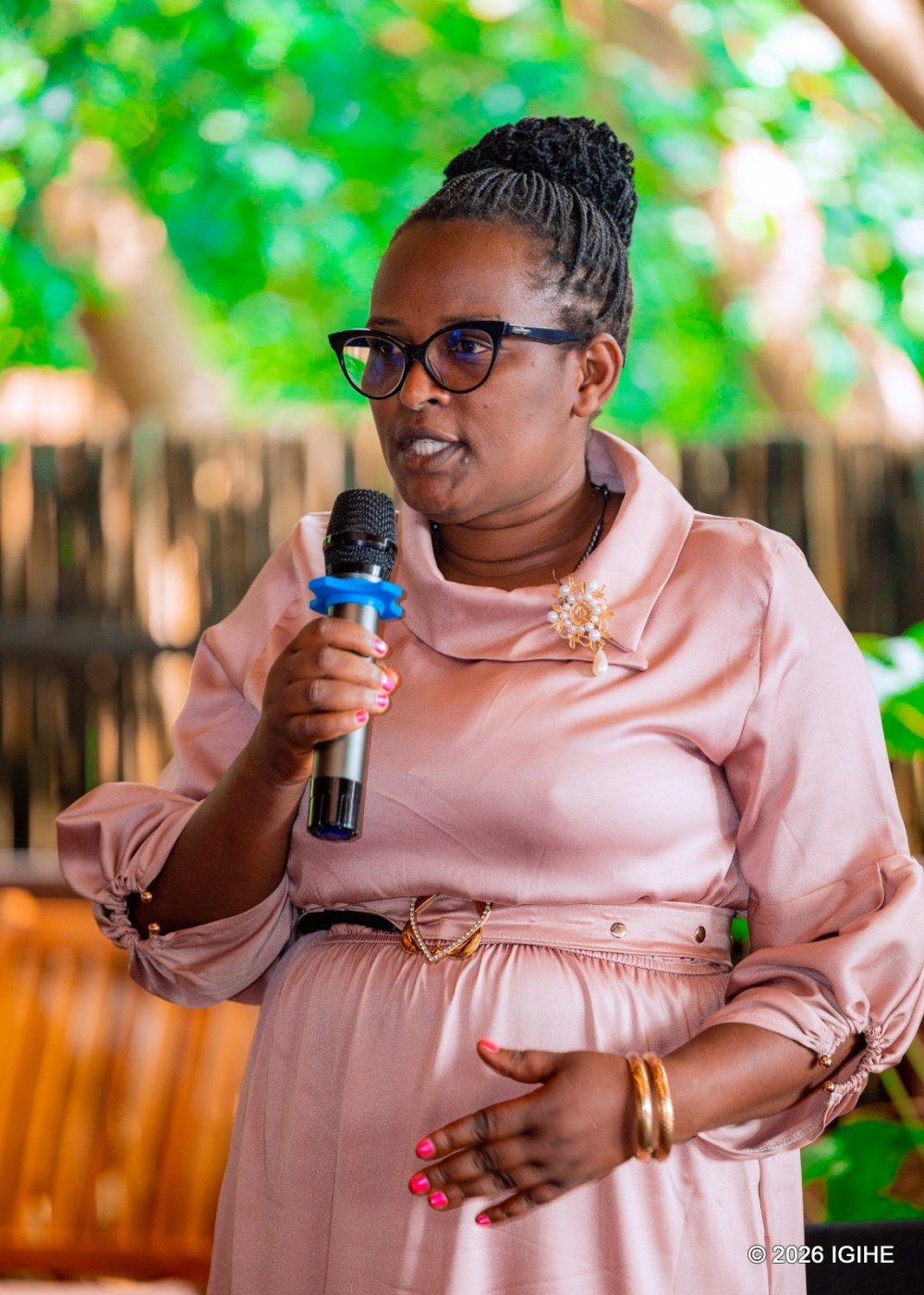
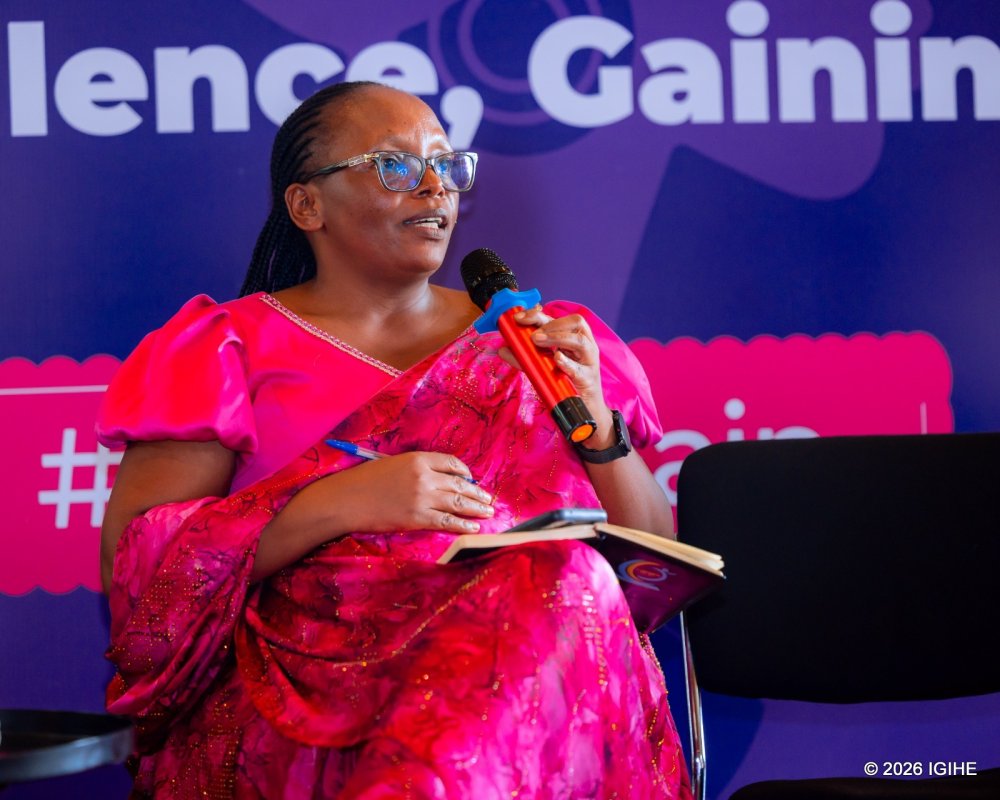
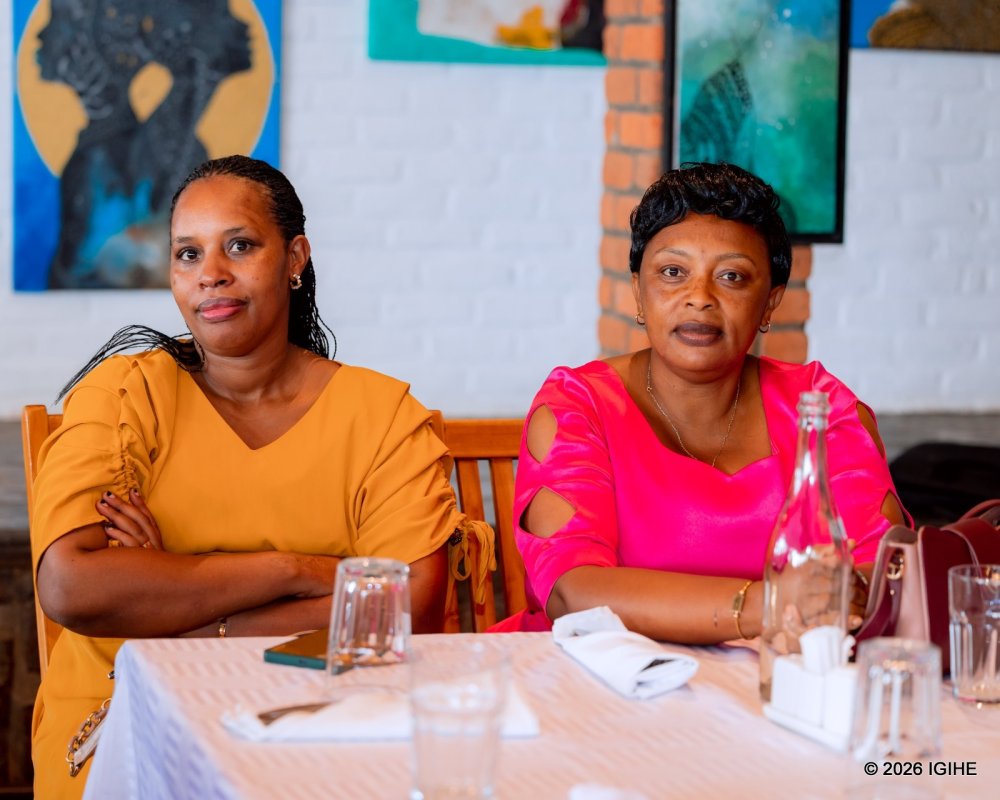
Women working at Duterimbere IMF were encouraged to believe in themselves and continue delivering exceptional work.Women serving on Duterimbere IMF’s Board of Directors were commended for their valuable role in decision-making that drives the institution’s success.Duterimbere IMF CEO Ngabonziza Alphonse highlighted the significant role women have played in driving the growth and success of the institution he leads.Mutamuriza Anitha, who has worked at Duterimbere IMF for the last 15 years, shared her personal journey of successfully balancing family responsibilities.Uwimbabazi Hélène, Chairperson of the Board at Duterimbere IMF, said that a woman’s role in building a strong family contributes to the development of the entire nation.Duterimbere IMF offers loans to women pursuing diverse entrepreneurial projects.
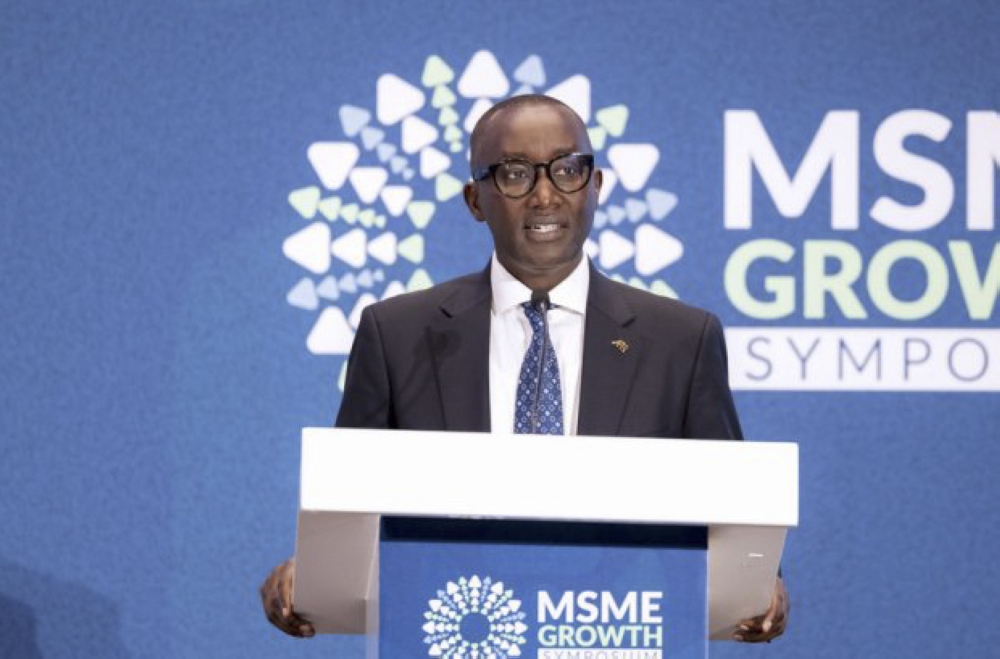
The platform is designed to bring together MSMEs seeking support, qualified business growth service providers, and capital providers looking to engage with investment-ready enterprises.
It seeks to address persistent challenges facing MSMEs, including limited access to finance, inadequate support for business growth, and barriers to greater profitability and to creating dignified and fulfilling work.
The Terimbere MSME Facility serves MSMEs across Rwanda, with a particular focus on rural and peri-urban areas, and prioritizes MSMEs in agriculture, tourism, and hospitality, as well as other businesses linked to these sectors.
Facilitating the provision of business growth services and access to finance
Through the facility, MSMEs will be able to access tailored business growth support in areas such as financial management, operational efficiency, marketing, human resources management, technical sector-specific advisory, investment readiness, Environmental, Social, and Governance (ESG), etc.
The facility also works with financial institutions and capital market actors to facilitate tailored financial solutions, including MSME-centric loans, guarantee facilities, subsidy mechanisms, and targeted products for women and youth entrepreneurs.
Expanding access through digital and physical channels
MSMEs, service providers, and capital providers can access the Terimbere MSME Facility Platform online (terimberemsme.rw) to register, indicate their needs or services, and connect with relevant partners, access appropriate information and opportunities.
The platform is intended to simplify the process of finding credible, affordable, and tailored support, while helping enterprises to find appropriate financing more efficiently.
Recognising that many enterprises, particularly in rural and peri-urban areas, may still face barriers such as limited connectivity, information gaps, or distance from support services, Terimbere MSME Facility also operates Satellite Offices in five districts; Musanze, Rubavu, Rusizi, Kayonza, and Huye.
These offices are intended to bring support closer to entrepreneurs and MSMEs by offering a convenient local access point for guidance, onboarding, and support throughout the business diagnostic process that leads to tailored business growth support, as well as access to financial solutions for investment-ready MSMEs.
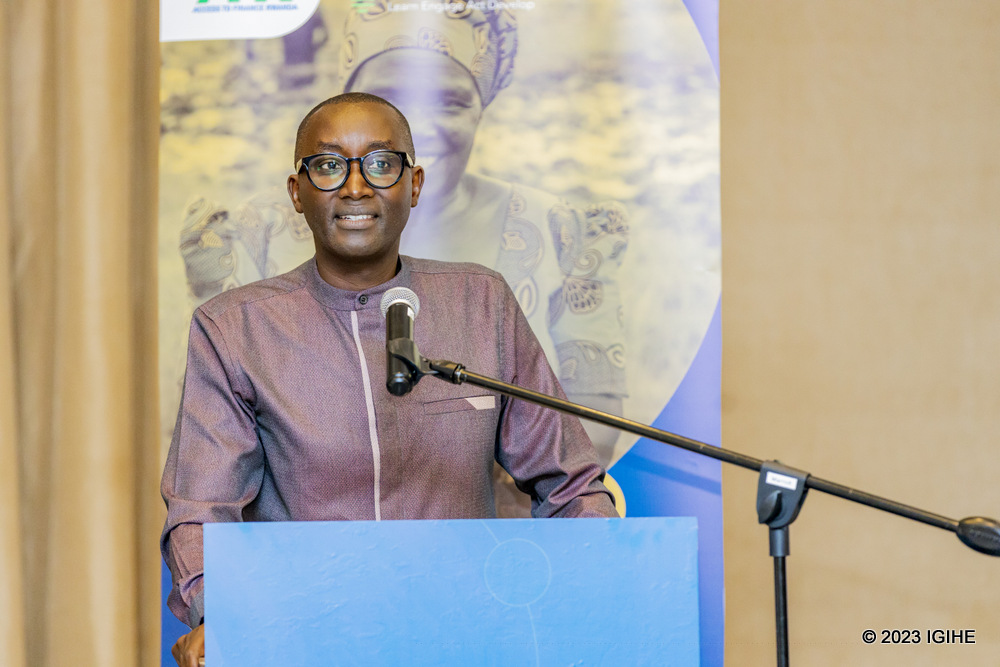
Commenting on the development, Jean Bosco Iyacu, Chief Executive Officer of Access to Finance Rwanda, said: “The Terimbere MSME Facility represents a significant step in strengthening Rwanda’s entrepreneurship ecosystem by connecting MSMEs to tailored services and financial solutions they need to scale, build resilience, and create meaningful and dignified jobs.
It also provides business growth service providers with a stronger platform to extend their impact, while enabling capital providers to connect with investment-ready enterprises that can drive inclusive economic growth.”
The initiative has been designed with a strong gender and social inclusion lens to ensure that women, especially young women, refugees, persons with disabilities, and entrepreneurs in rural areas are not left behind.
In addition to MSME-level support, the Facility will also contribute to improving the broader entrepreneurship and MSME finance ecosystem through research, market insights, and engagement with policymakers, regulators, and other key enablers.
Jean Bosco Iyacu, Chief Executive Officer of Access to Finance Rwanda, said ‘Terimbere MSME Facility’ represents a significant step in strengthening Rwanda’s entrepreneurship ecosystem.
China has set a target of 4.5 to 5 percent for gross domestic product growth this year, while pledging to strive for better results in practice, according to a government work report submitted Thursday to the country’s top legislature for deliberation.
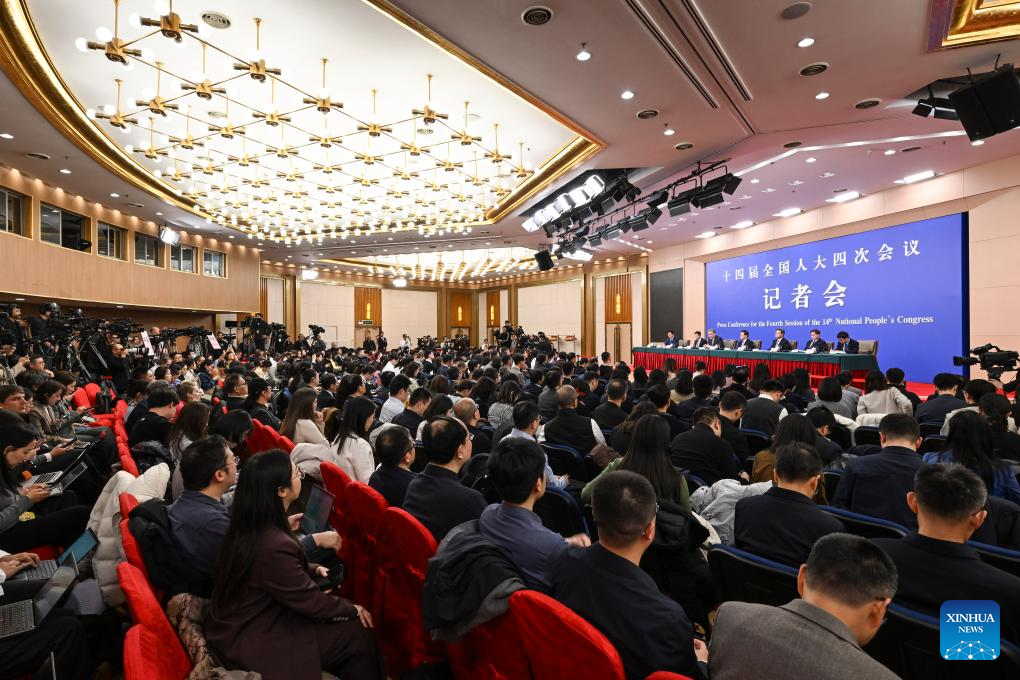
Speaking at a press conference on the sidelines of the fourth session of the 14th National People’s Congress, Zheng Shanjie, head of the National Development and Reform Commission, noted that the country has the confidence to cope with risks and market volatility and achieve its development goals.
“More proactive and effective” macro policies will be implemented, he said, emphasizing a policy package that combines fiscal, monetary, investment, employment and consumption measures.
Stressing a strong fiscal support, Finance Minister Lan Fo’an told the press conference that China’s fiscal expenditure, new government bond issuance and central transfers to local authorities will all reach record highs this year.
Total investment in infrastructure, public services and other key areas, including power grids, computing power, education and health care, is expected to exceed 7 trillion yuan (about 1 trillion U.S. dollars) in 2026.
Expanding domestic demand remains a top priority this year, with particular focus on building a robust domestic market.
A total of 250 billion yuan in ultra-long special treasury bonds will be earmarked for consumer goods trade-in programs, with another 100 billion yuan for introducing a package of coordinated fiscal and financial policies to support private investment and consumer spending.
Meanwhile, Pan Gongsheng, governor of the People’s Bank of China, said the central bank will flexibly and effectively employ a range of policy instruments, including cuts to required reserve ratios and interest rates, to create a sound monetary environment for development.
Pan also said the country will respond firmly to external shocks amid a complex global environment, noting that authorities will closely monitor external shocks — from geopolitical tensions to financial market swings — and stand ready to contain any potential spillovers.
Balanced trade
China will promote balanced trade growth this year, stabilizing exports while sharing more opportunities in its domestic market, Minister of Commerce Wang Wentao told the press conference.
The country is already the world’s second-largest import market, and its growing middle-income group means demand still has considerable room to expand.
At a time when some countries treat markets as a bargaining chip, China is proactively opening its vast market and turning it into opportunities for cooperation, Wang said, pledging more imports of agricultural products, premium consumer goods, advanced equipment and key components.
China is currently the major trading partner for more than 160 countries and regions. Pan said China has no need or intention to seek competitive edges in foreign trade through the depreciation of its currency, adding that the yuan has strengthened against the U.S. dollar so far this year.
Senior officials at the press conference also highlighted measures to promote high-standard opening up this year.
China will expand access to its services market, including pilot programs in the telecom and biotechnology sectors, as well as in wholly foreign-owned hospitals, Wang said. Meanwhile, Wu Qing, chairman of the China Securities Regulatory Commission, said authorities will work to create a more transparent, stable and predictable market environment to better meet global investors’ demand for Chinese assets.
New engines of growth
Alongside demand-side support, China will step up efforts to shore up new industries and develop new quality productive forces this year.
Nearly 1.3 trillion yuan of fiscal funds will be allocated this year to support science and technology development, an increase of 7.1 percent from the previous year, Lan said.
Zheng said China will intensify its moves to modernize the industrial system, promoting deeper integration of technological and industrial innovation, and of advanced manufacturing and modern services, in an effort to accelerate upgrading old economic engines and fostering new drivers.
Artificial intelligence (AI) is expected to play a pivotal role as AI technology is rapidly spreading across various industries in China. The government will continue to advance its “AI Plus” initiative, Zheng said, forecasting that AI-related industries will be valued at more than 10 trillion yuan by the end of the 15th Five-Year Plan period (2026-2030).
China will also move to boost six emerging pillar industries this year, including integrated circuits, the low-altitude economy and intelligent robots. These sectors, approaching 6 trillion yuan in total value last year, are expected to surpass 10 trillion yuan in 2030, Zheng said.
High-tech manufacturing contributed 26 percent of China’s industrial growth last year, and more high-growth sectors are expected to emerge in the coming years, Zheng said, adding that several trillion-yuan-level markets are poised to take shape in the future to create new engines for high-quality development.
A press conference for the fourth session of the 14th National People’s Congress (NPC) on economy is held in Beijing, capital of China, March 6, 2026.
The agreement ensures that products from Rwanda certified as meeting quality standards will no longer require retesting upon arrival in these countries and can move directly to their markets.
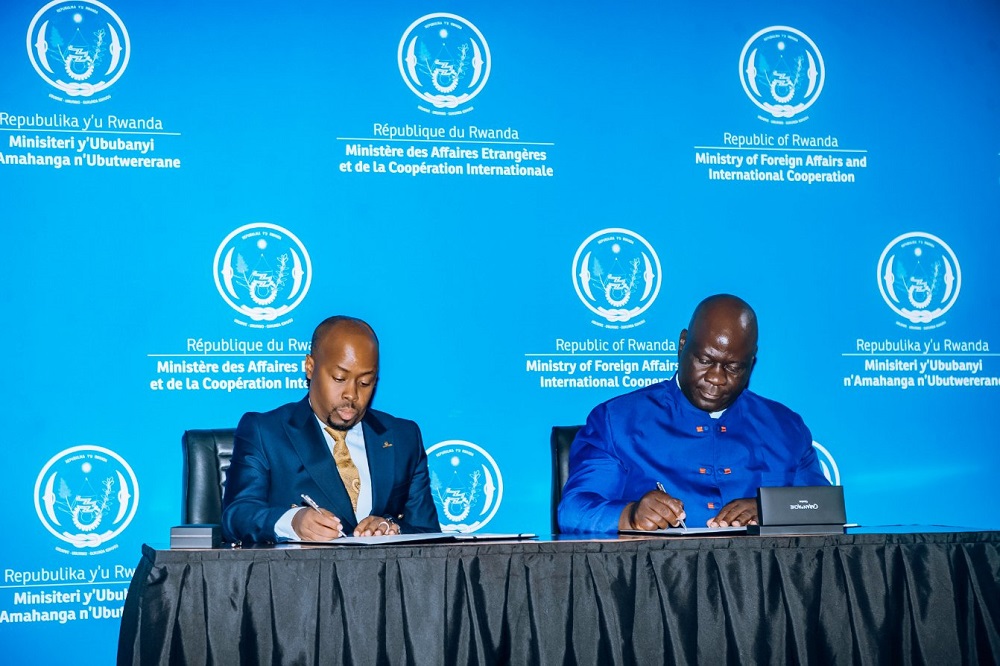
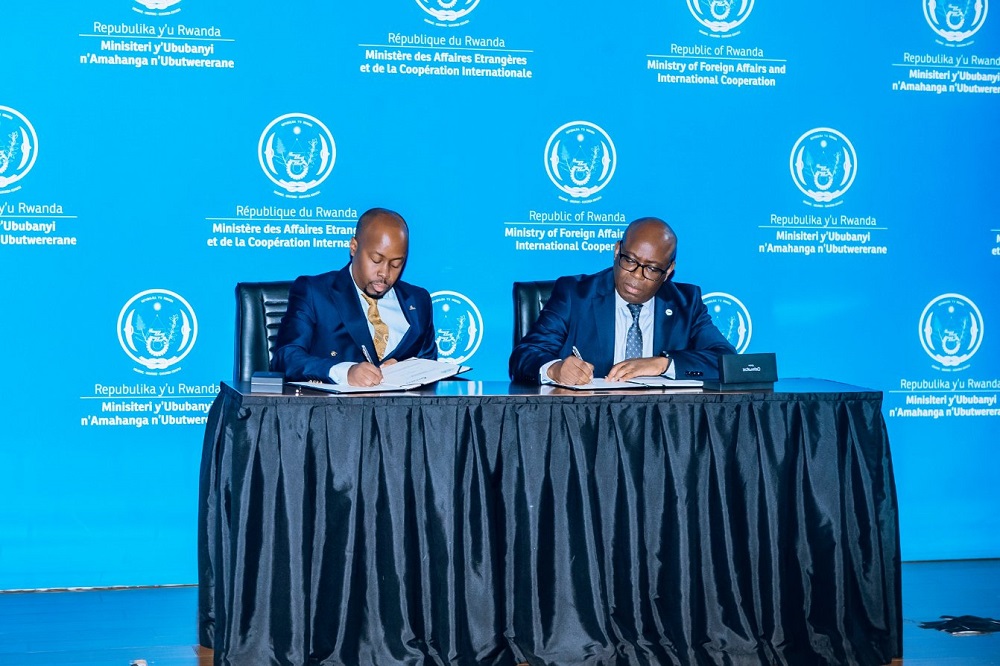
The same applies to products originating from Zimbabwe and Congo Brazzaville exported to Rwanda. The agreement was signed in Kigali at the Ministry of Foreign Affairs and Cooperation on March 6, 2026, and is based on collaboration between Rwanda Standards Board (RSB) and the equivalent institutions in Zimbabwe and Congo Brazzaville.
Key provisions include recognizing that laboratories in the three countries meet internationally trusted quality standards. Products tested in Rwanda will not need to be retested in Zimbabwe or Congo Brazzaville, speeding up trade and reducing the costs associated with repeated testing.
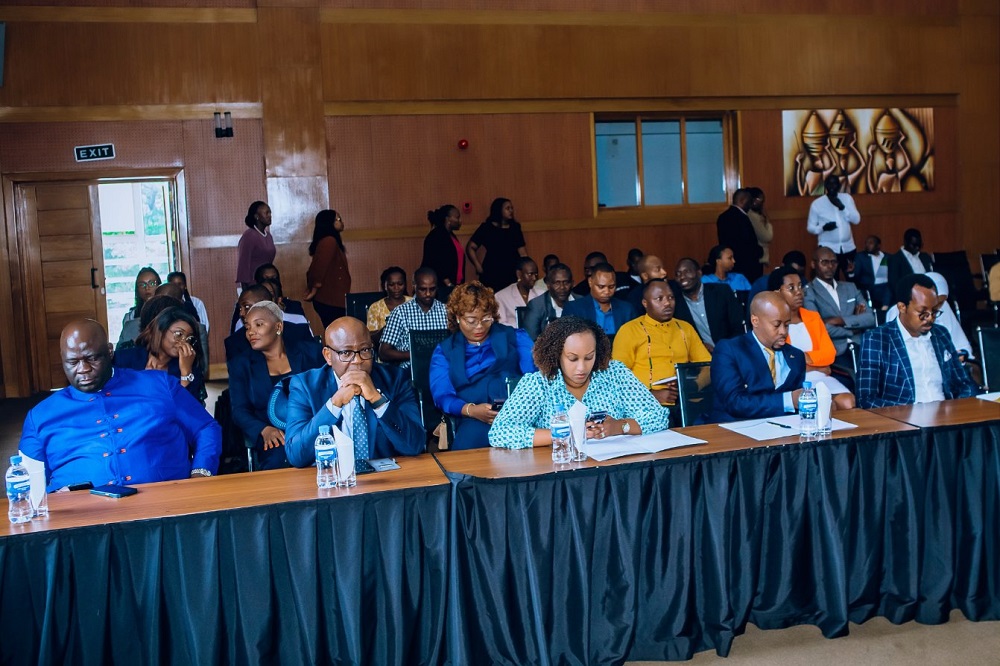
The signing followed a three-day meeting of the African Organisation for Standardisation (ARSO) held in Kigali, which focused on establishing 25 continental quality standards for unstitched fabrics, textile products, and related goods.
Following the agreement, 32 Rwandan factories received certificates confirming that their products meet trade-quality standards across Africa. This will prevent delays at customs and the need for additional testing in other countries.
The head of Uniworks Transporters and Logistics, which also operates a maize-processing factory in Rwanda, said the certificates will ensure their products are internationally trusted.
He stated, “When we started, it was challenging. We even began operations in Uganda before coming here, and it was not easy. Opening doors to other African markets is very important for our business. Previously, the challenge was proving the quality of our products; retesting in other countries caused delays and extra costs.”
Rwanda’s Minister of Trade and Industry, Sebahizi Prudence, said that Africa has long been criticized for signing agreements without implementing them. He emphasized that such agreements now help accelerate trade among the signatory countries.
ARSO Secretary-General Dr. Hermogene Nsengimana said the agreement benefits all parties and will open opportunities for Rwanda to expand trade with Southern African Development Community (SADC) countries, where Zimbabwe is a member.
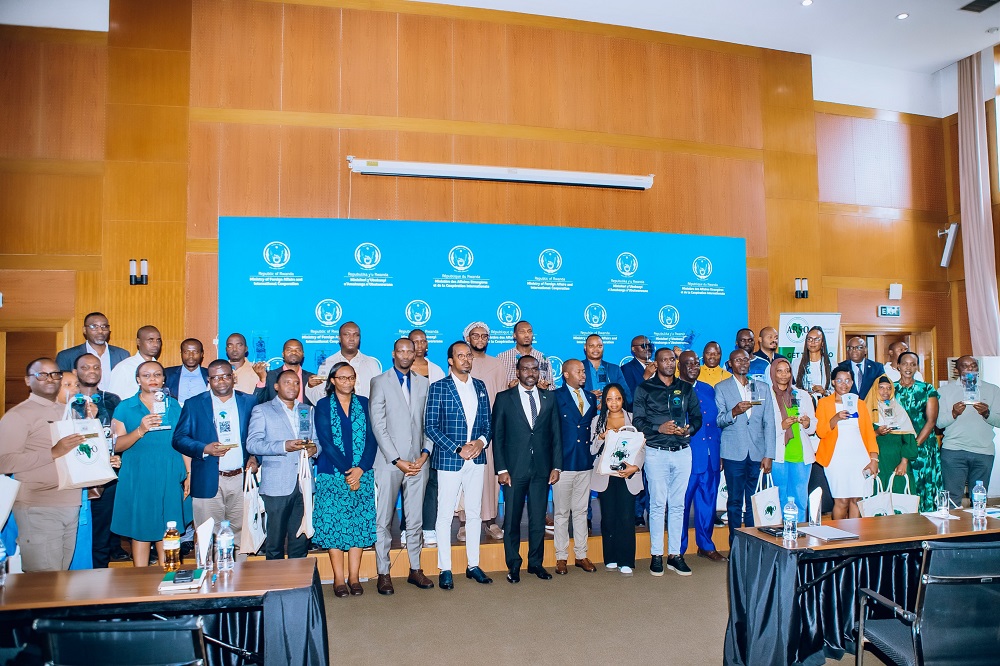
Rwanda and Zimbabwean representatives signing the agreement in Kigali. Officials who participated in the meeting in a group photo. The agreement was signed on Friday, March 6, 2026. The signing followed a three-day meeting of the African Organisation for Standardisation (ARSO) held in Kigali.
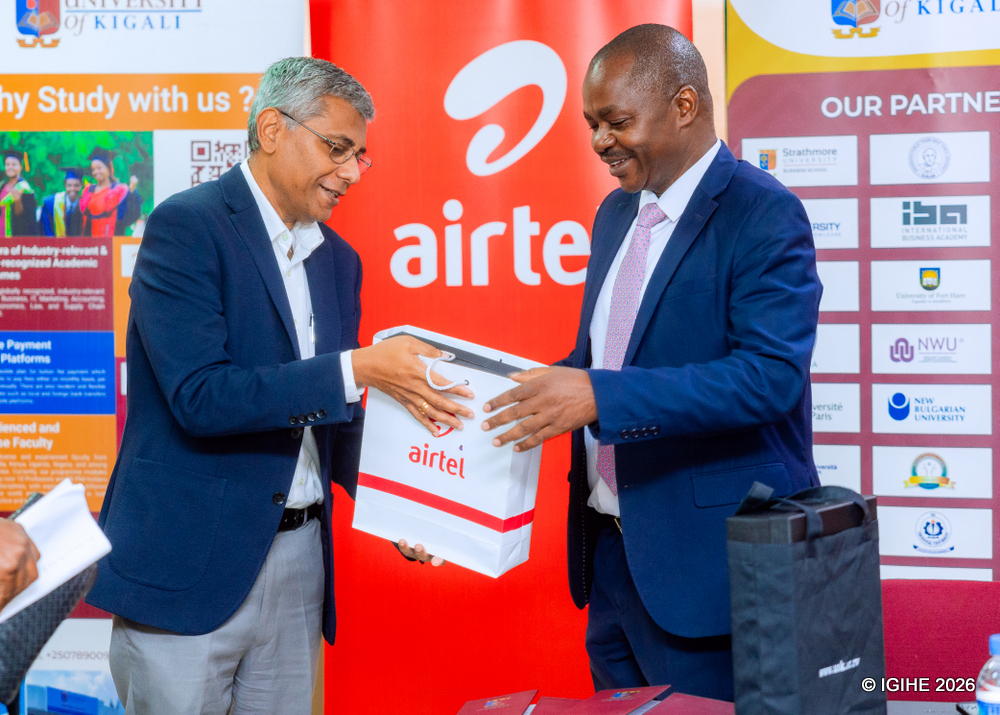
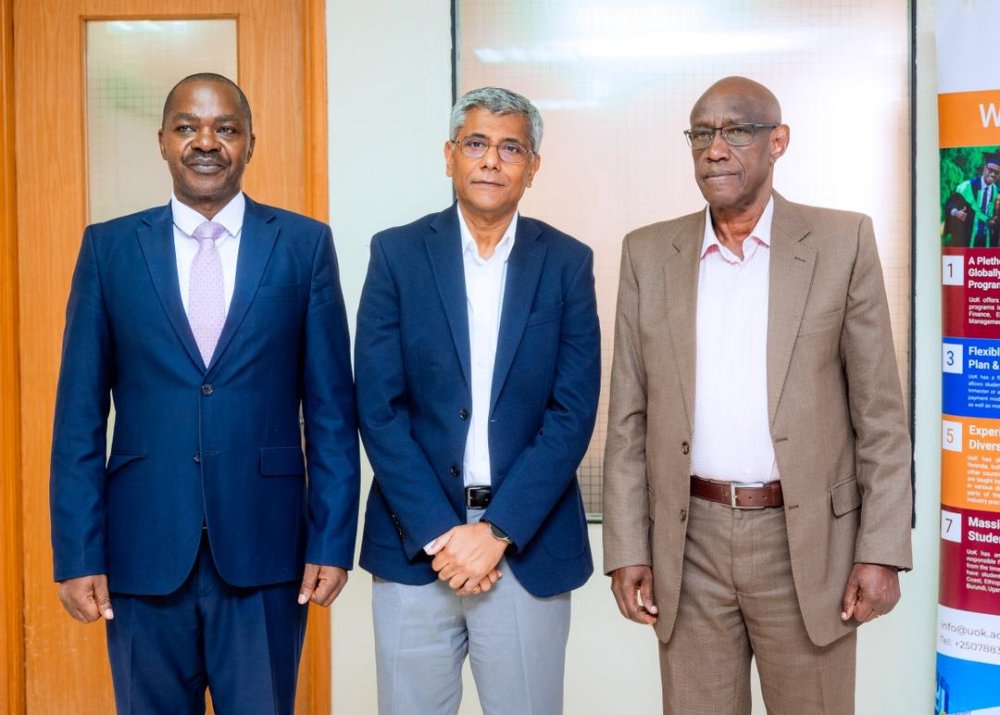
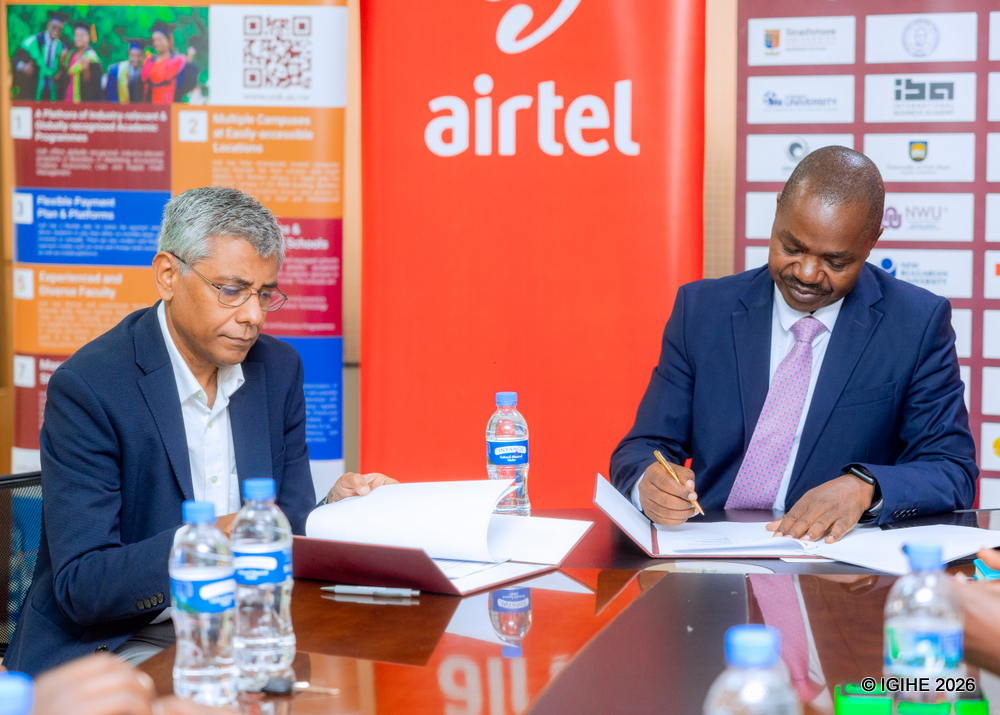
The agreement was signed at the university’s headquarters in Kigali on March 5, 2026.
Under the partnership, Airtel Rwanda will provide affordable internet packages and routers to students at the University of Kigali to support digital learning.
One of the initiatives includes offering a router with 60GB of monthly internet, normally priced at Rwf10,000, at a reduced cost of Rwf5,000. The package can be shared by up to ten users.
Students who prefer mobile connectivity will also be able to subscribe to a package costing Rwf3,000 per month, which provides one gigabyte of 4G internet per day along with the ability to make calls across all networks.
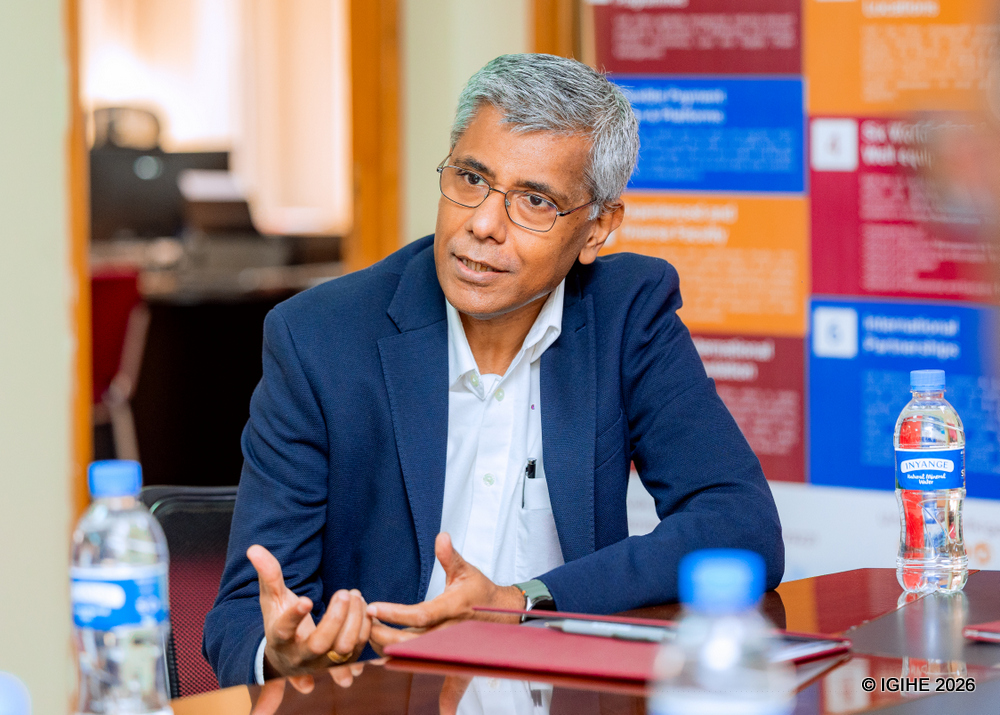
The Managing Director of Airtel Rwanda, Sujay Chakrabarti, said the company plans to expand similar partnerships with other universities in order to support students who rely on internet access for their studies.
“We believe that education is extremely important,” he said, adding that universities host large numbers of young people who increasingly depend on digital tools for learning. “With the university’s support, our technological equipment such as routers and other services will be made available to students.”
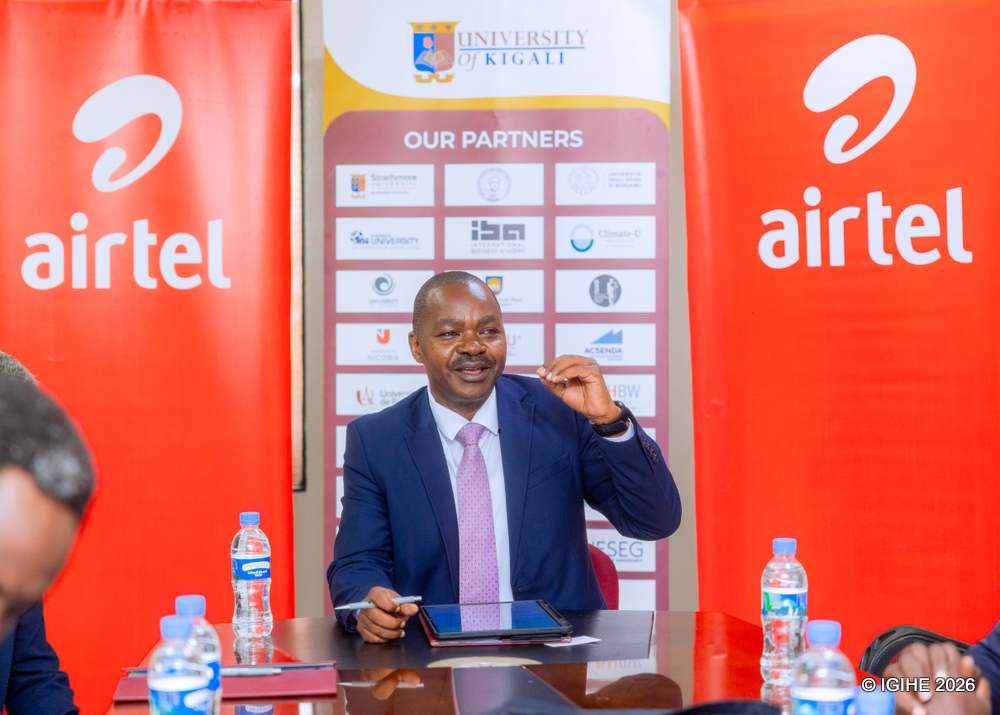
The Vice Chancellor of the University of Kigali, George Kimathi, said both institutions have strong experience in research and that the partnership will allow them to collaborate in finding solutions to global challenges.
“We have a large number of researchers here, and Airtel also has experts. Together we can conduct joint research to identify problems that need solutions,” he said. “This partnership will accelerate research and produce better outcomes than if either side worked alone.”
The collaboration will also allow Airtel Rwanda to expand its services among the university’s student community while enabling students to access relevant data and resources that can support research and practical learning.
Both institutions also plan to organize mentorship sessions, innovation activities, and knowledge-sharing events.
The partnership aligns with Rwanda’s Vision 2050 strategy, which aims to build a knowledge-based economy and ensure that graduates leave universities equipped with the digital skills needed to compete in a technology-driven job market.
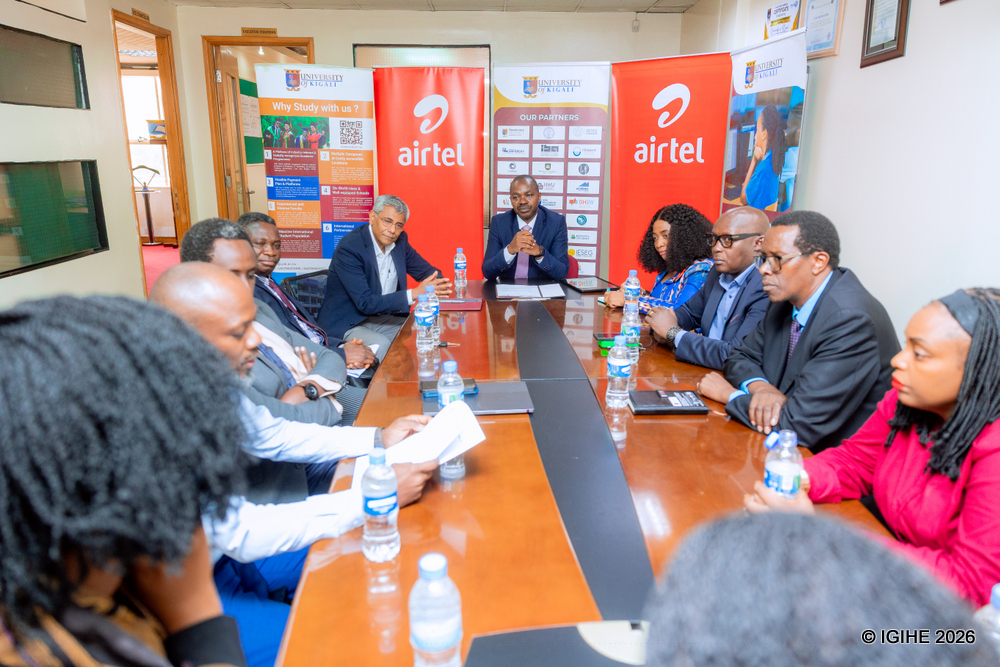
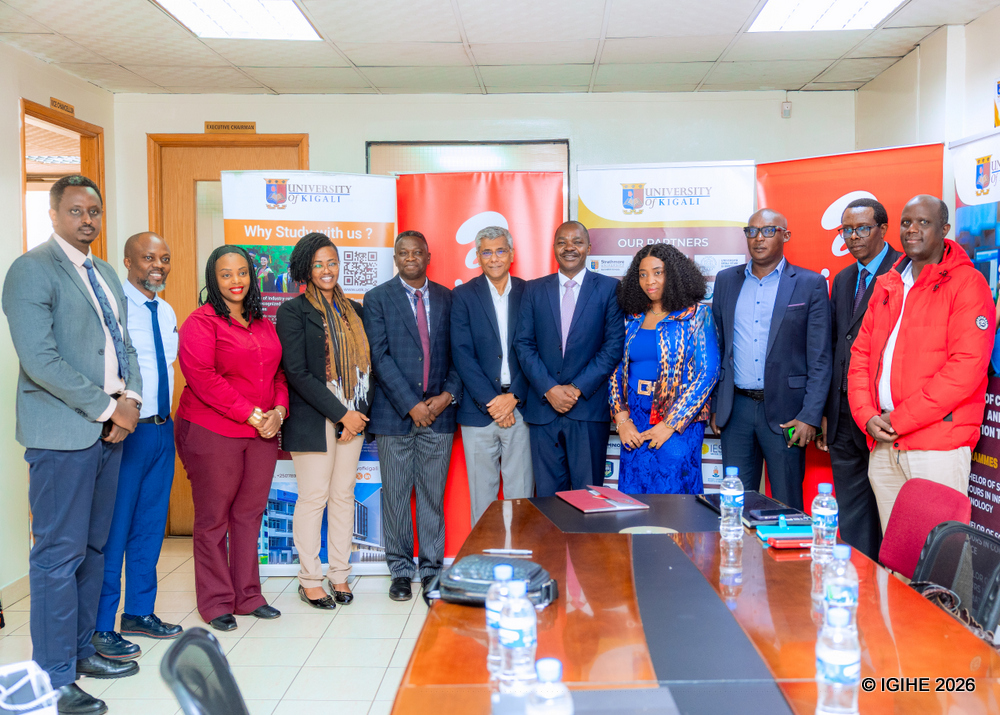
The agreement was signed on March 5, 2026. The Airtel Rwanda–UoK partnership is also expected to create job opportunities UoK Vice Chancellor Prof. George Kimathi highlighted the partnership’s impact on teaching and learning Airtel Rwanda MD Sujay Chakrabarti says affordable internet will support university studiesThe benefits of the Airtel Rwanda–UoK agreement were discussed ahead of the signingExecutives from Airtel Rwanda and UoK represented their institutions at the signing The agreement aims to promote tech-driven learning at the university
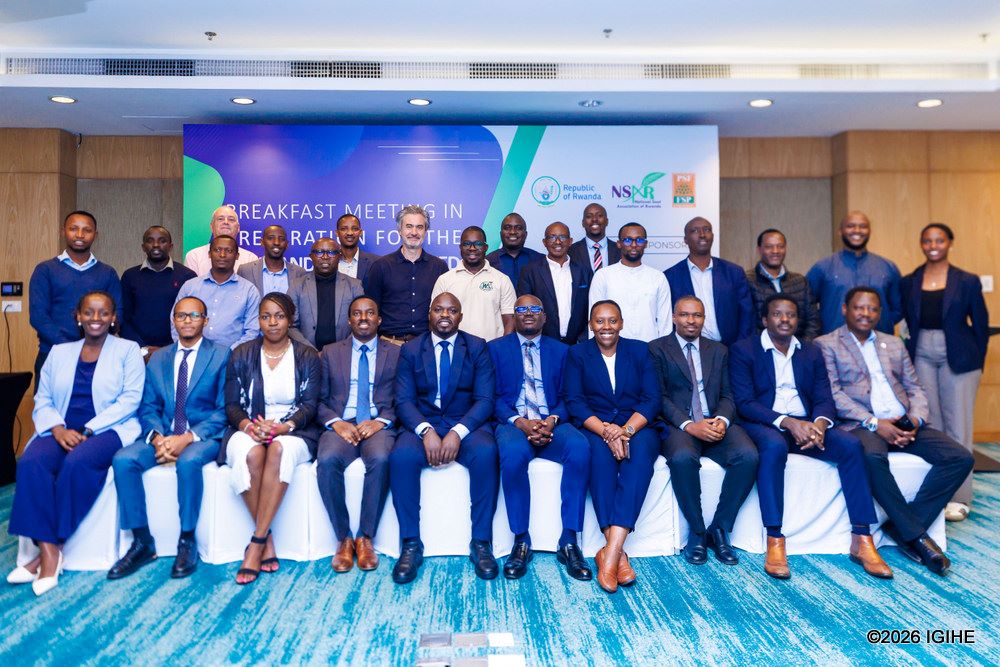
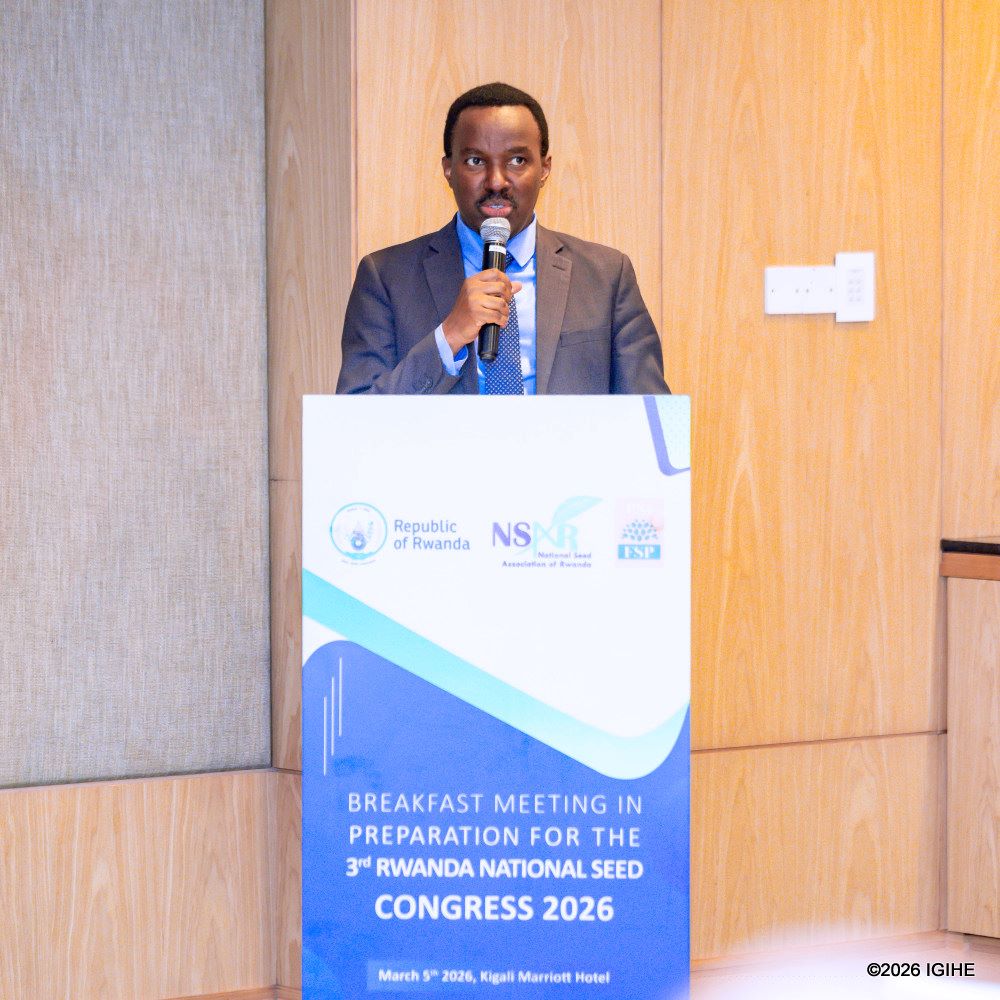
Dr. Patrick Karangwa, Director General for Agriculture Modernization at the Ministry of Agriculture and Animal Resources, said the country no longer relies on imported seeds because local production has increased significantly.
He made the remarks on March 5, 2026, during a preparatory meeting for an international seed trade conference that Rwanda will host for the third time from July 20–21, 2026.
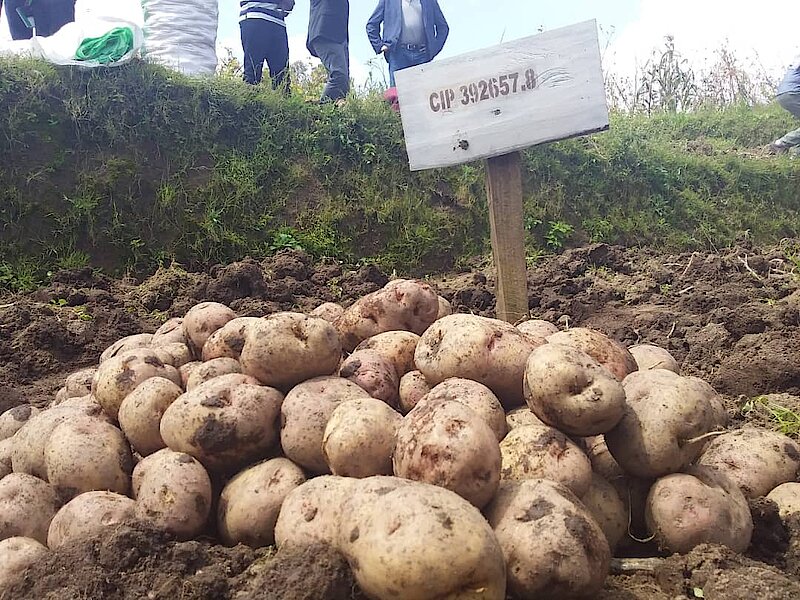
Karangwa noted that between five and seven years ago, Rwanda imported seeds costing over Rwf 5 billion annually. Today, all seeds are produced domestically.
“There are no longer seeds being imported because of the efforts invested in research, including cross-breeding varieties to produce high-quality seeds and scaling up local production,” he said. “Some producers have even begun exporting seeds.”
He added that the global seed market is valued at Rwf 60 trillion, while Africa accounts for only about 2 percent, underscoring the need to strengthen the continent’s role in seed trade.
“To boost Rwanda’s position in the seed trade, we have been collaborating with international bodies that assess seed quality to obtain certification confirming that our products meet global standards,” he explained.
Innocent Namuhoranye, Chairperson of the National Seed Association of Rwanda (NSAR), said the conference will be a platform to accelerate efforts to position Rwanda as a regional hub for seed trade.
“This event will lay the foundation for continued innovation and strategic approaches to advance seed trade across Africa,” he said.
The conference aims to highlight the role of the private sector in seed production while promoting reforms to strengthen the industry and expand access to quality seeds.
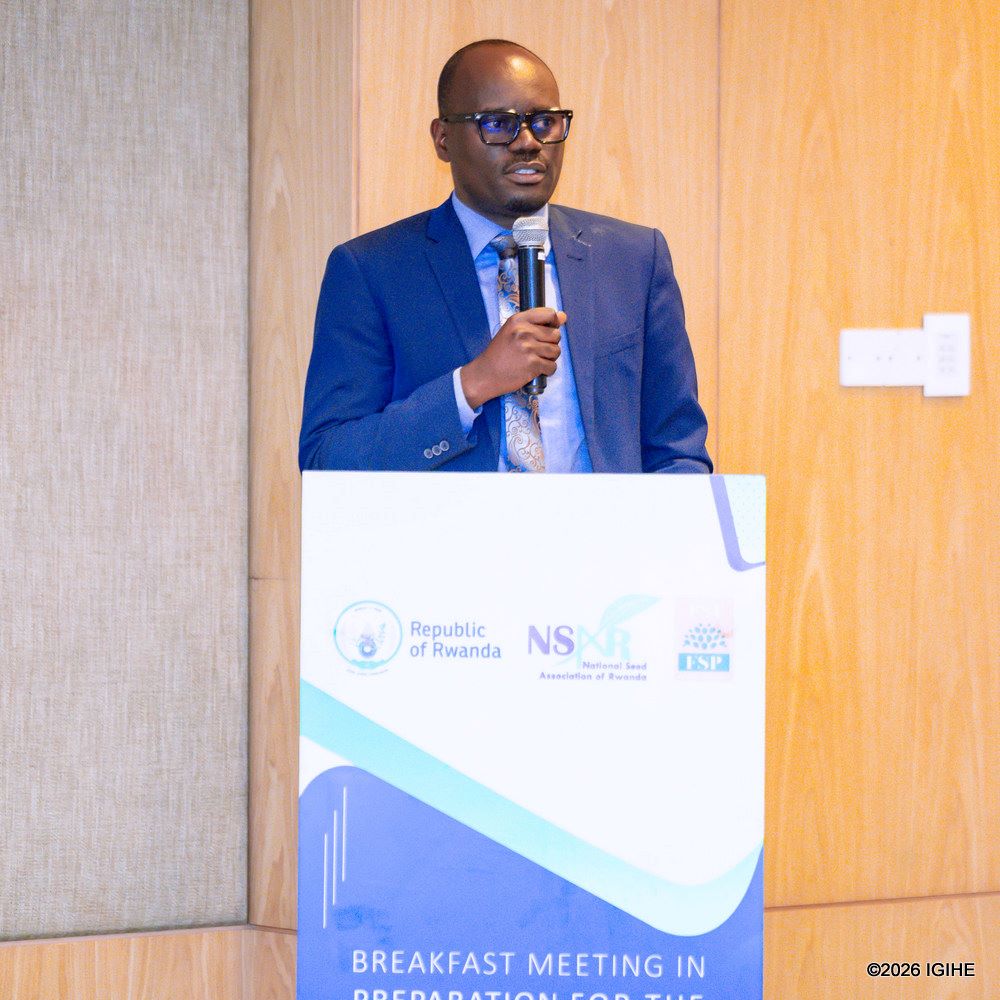
Alex Bizimana, Head of Agribusiness at Bank of Kigali, said the bank continues to support agriculture through financing and is already seeing strong results.
“Since 2023, agricultural lending by the bank has grown by 245 percent. Previously, it doubled annually, and now we aim to scale it even further,” he noted.
The third International Seed Trade Conference in Rwanda will attract more than 300 participants from Africa, Asia, Europe, and Australia.
Currently, Rwanda hosts about 30 companies involved in the multiplication of improved seeds.
Stakeholders in seed multiplication value chain attended the meeting. Dr. Patrick Karangwa, Director General for Agriculture Modernization at the Ministry of Agriculture and Animal Resources speaking at the event. Alex Bizimana, Head of Agribusiness at Bank of Kigali, said the bank continues to support agriculture through financing.
A statement issued by the Directorate of Presidential Communications on Tuesday said the project forms part of broader efforts to position Tanzania as a competitive regional trade hub while addressing longstanding challenges in the receipt and storage of petroleum products.
Hassan highlighted that ongoing improvements at the port, including greater private-sector involvement in operations, have boosted efficiency, expanded cargo-handling capacity, and increased government revenue.
She emphasized that the new oil storage tanks will significantly enhance the port’s ability to handle petroleum shipments in a timely manner, reduce offloading delays, and ensure a reliable fuel supply for citizens and the productive sectors of the economy.
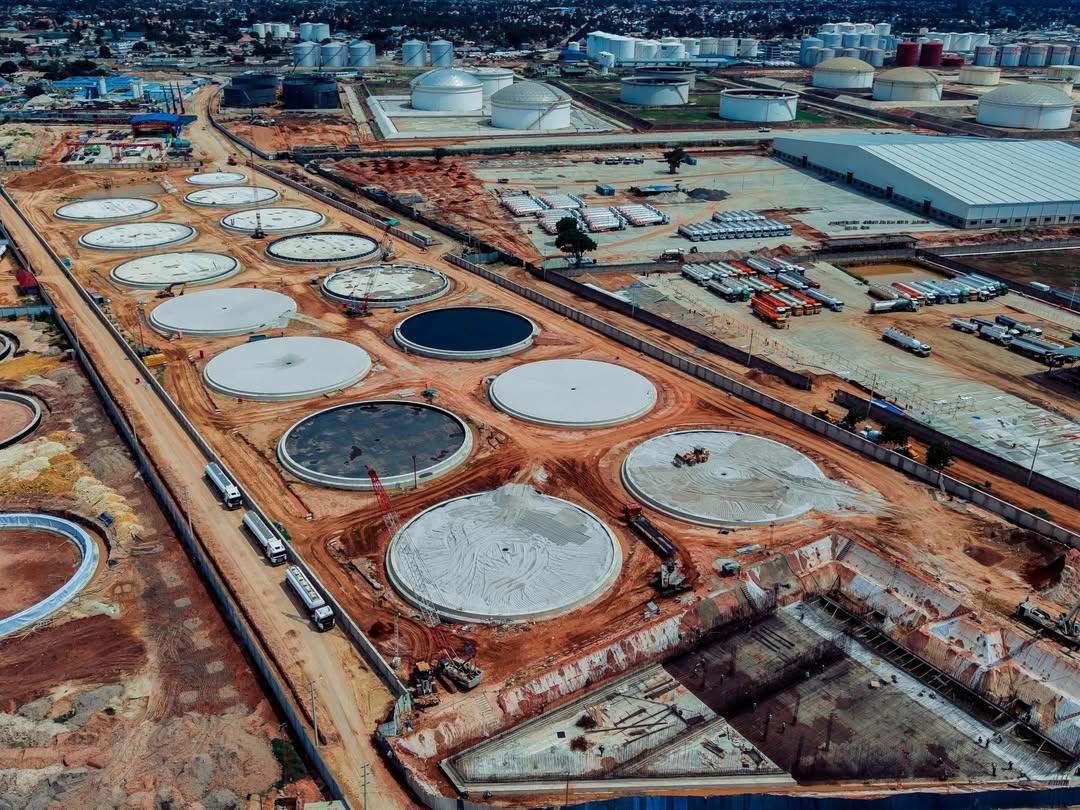
The project is undertaken by a joint venture between China Railway Major Bridge Engineering Group Co., Ltd. (CRMBEG) and WUHUAN Engineering Co., Ltd., according to Tanzania Ports Authority (TPA) Director General Plasduce Mbossa.
Mbossa said the facility, located at Tungi-Kigamboni in Dar es Salaam, will deliver 15 storage tanks with a total capacity of 378,000 cubic meters for diesel, petrol, and Jet A1 fuel.
As of Monday, overall implementation had reached 41 percent, with key completed works including site preparation, installation of 1,087 tank piles, and construction of pile caps, he added.