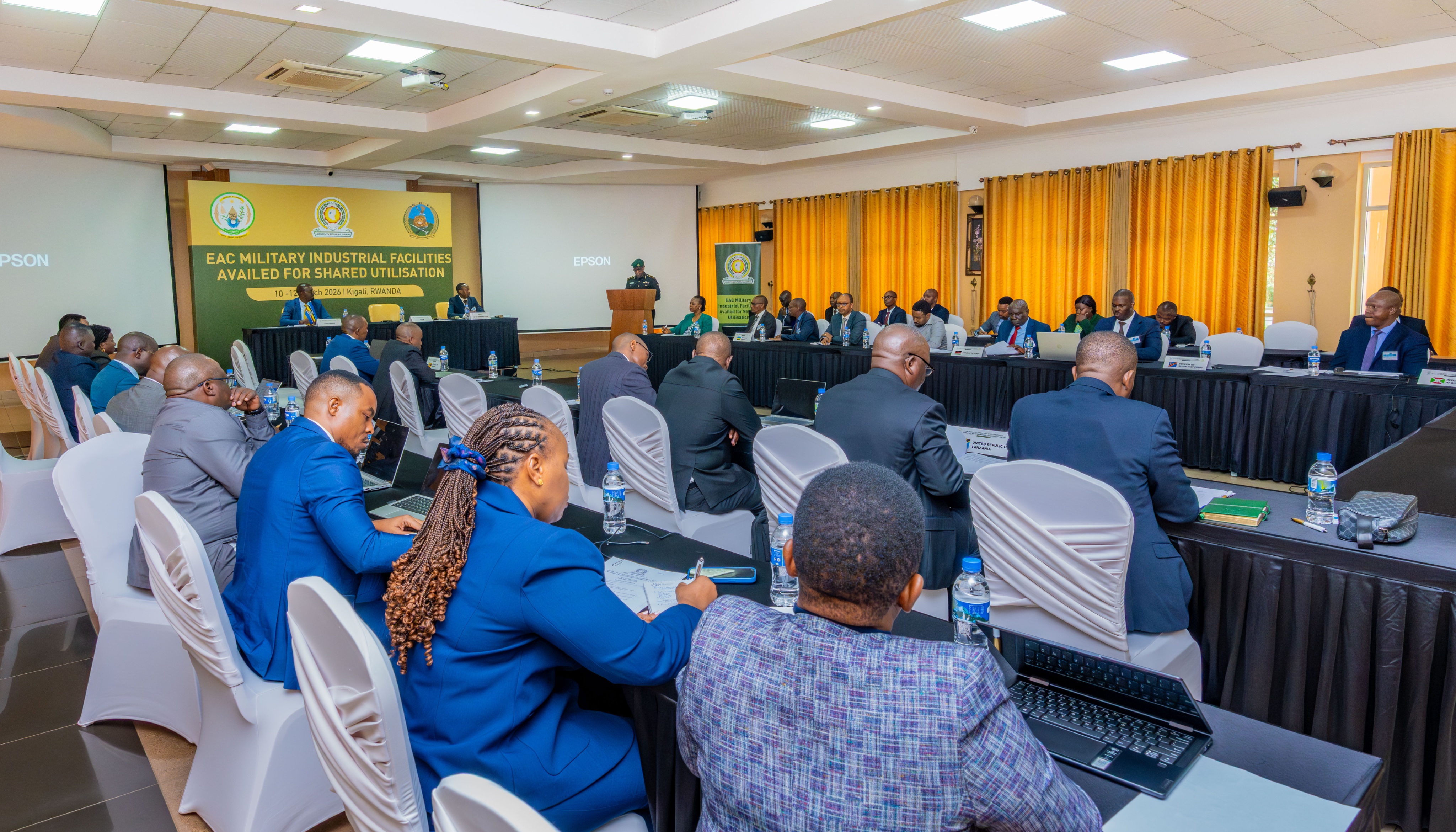
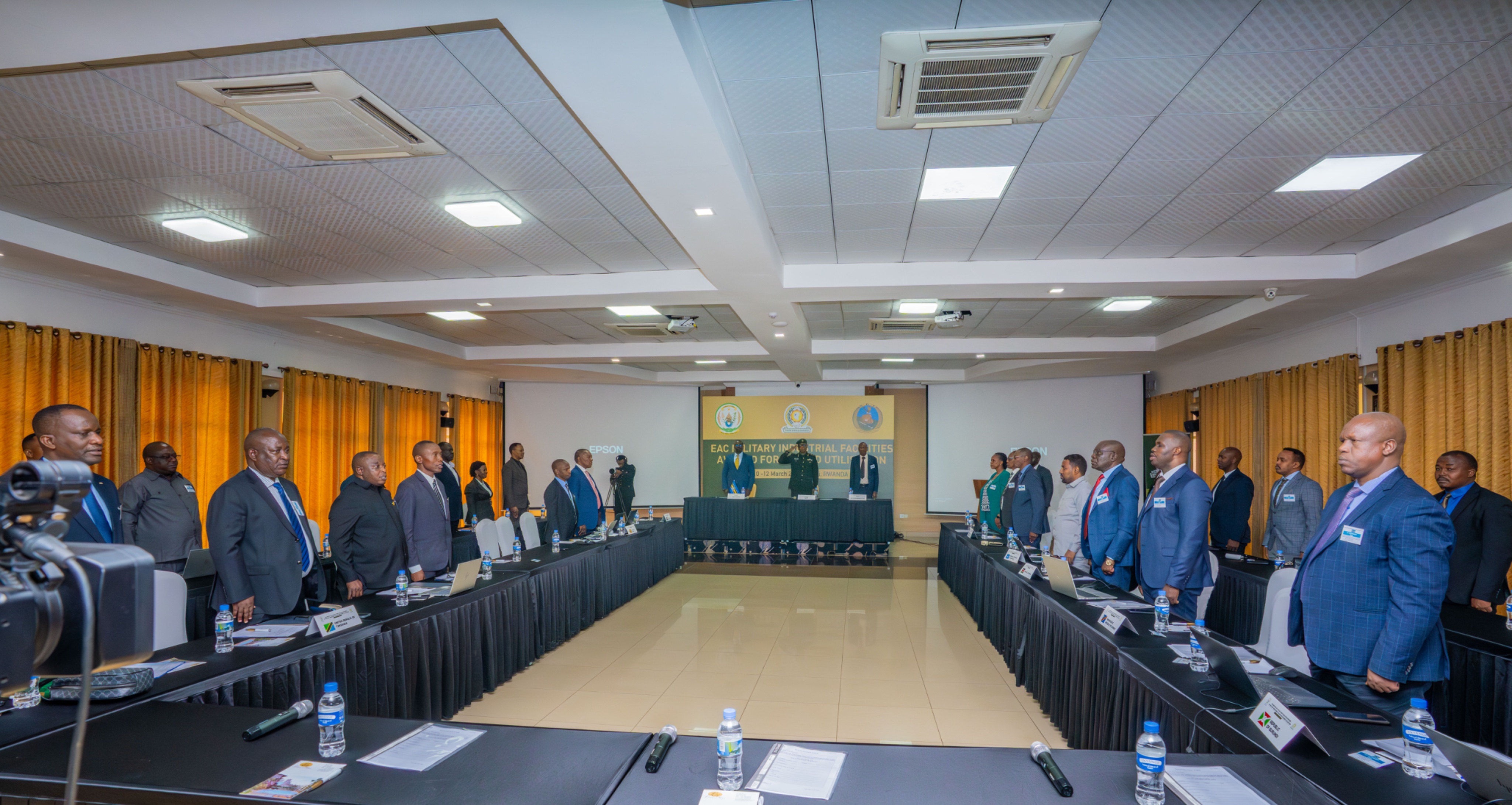
The meeting is being held pursuant to Article 2 of the EAC Protocol on Cooperation in Defence Affairs and in accordance with the EAC Defence Sector Calendar of Activities for the period January–June 2026.
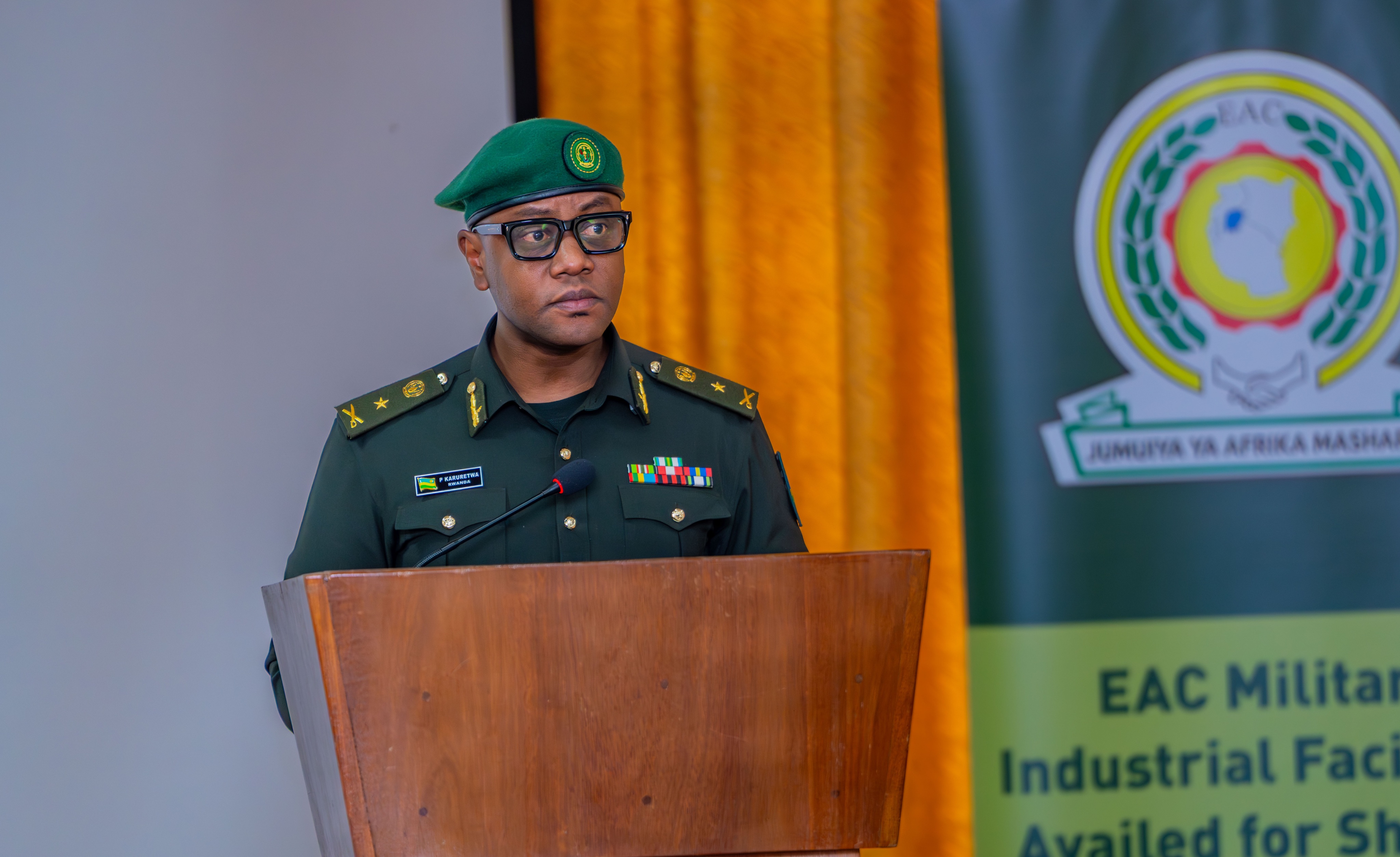
While opening the meeting, Brig Gen Patrick Karuretwa, Director General of International Military Cooperation at the Ministry of Defence, Rwanda, noted that the gathering reflects the collective commitment of EAC defence institutions to strengthening cooperation within the defence sector and enhancing the region’s security capabilities.
He highlighted that military industrial facilities play a critical role in enabling armed forces to operate effectively by providing reliable access to essential equipment, maintenance services, and technical capabilities. He further noted that defence industries contribute significantly to economic growth, industrial development, job creation, and technological advancement.
“For the East African Community, cooperation in this domain presents significant opportunities. Through the shared utilization of military industrial facilities, we can optimize our resources, strengthen regional capacity, and promote the exchange of knowledge, skills, and technological expertise,” he said.
Brig Gen Karuretwa further emphasized that Rwanda remains fully committed to working with all EAC Partner States to advance initiatives that promote collective security, innovation, and industrial development across the region.
The Chairperson of the meeting, Eng. James Mutamba from the National Enterprise Corporation of Uganda, expressed optimism about the engagement.
He noted that such meetings are essential for strengthening cooperation among EAC member states, enabling them to share available facilities within the region instead of relying on products from abroad.
He added that EAC countries have developed specific capabilities in defence manufacturing, making regional cooperation both practical and economically beneficial.
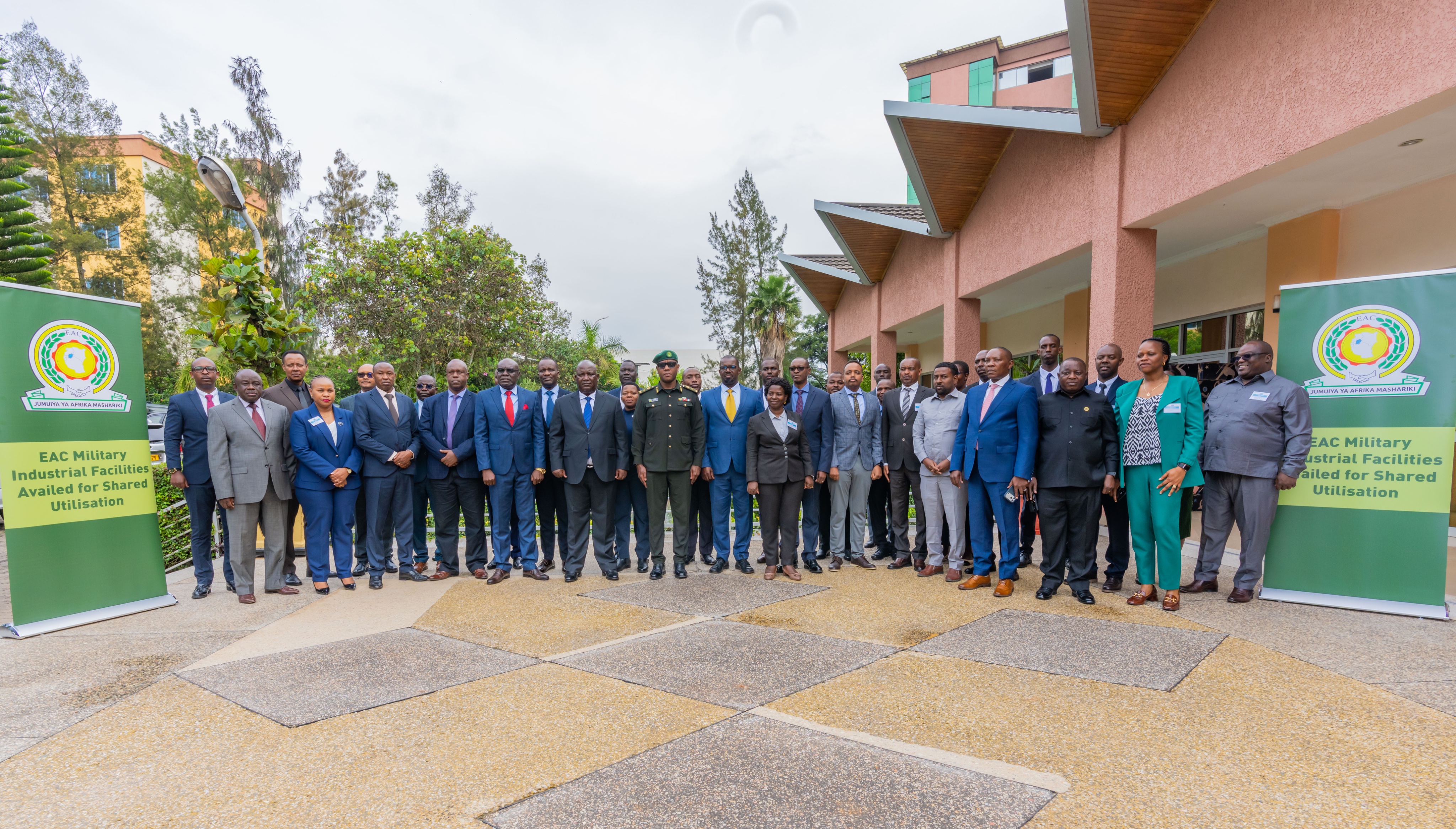
Countries represented at the meeting include Burundi, Kenya, Somalia, Tanzania, Uganda, and the host nation, Rwanda.
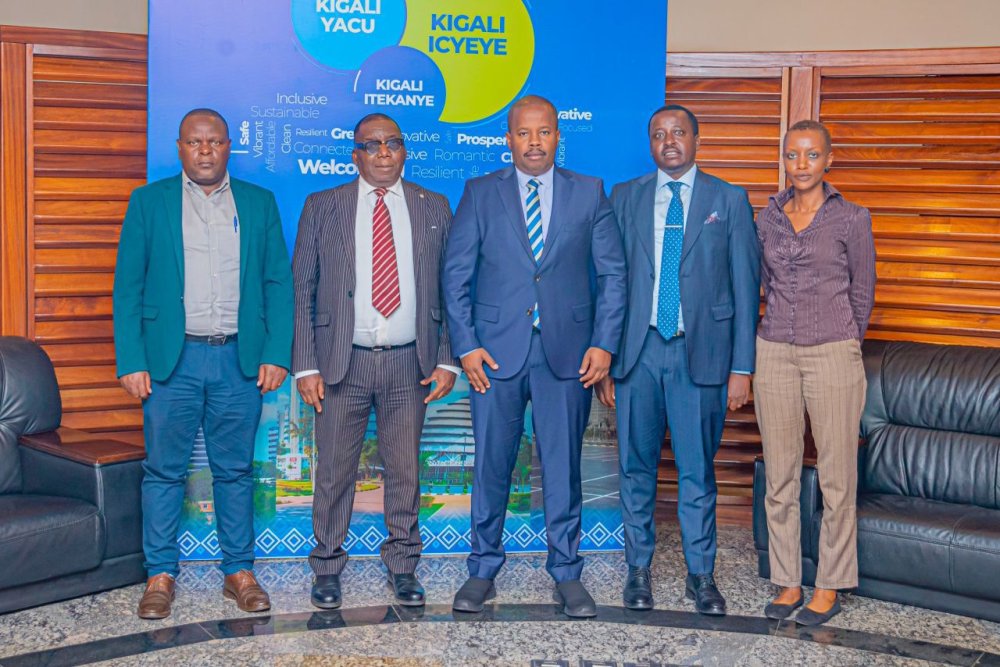
The meeting was opened by Brig Gen Patrick Karuretwa, Director General of International Military Cooperation at the Ministry of Defence.The meeting is being held pursuant to Article 2 of the EAC Protocol on Cooperation in Defence Affairs.Countries represented at the meeting include Burundi, Kenya, Somalia, Tanzania, Uganda, and the host nation, Rwanda.Chief Executive Officers of Military Industrial Facilities from member states of the East African Community (EAC) convened in Kigali for a three-day meeting from 10–12 March 2026.
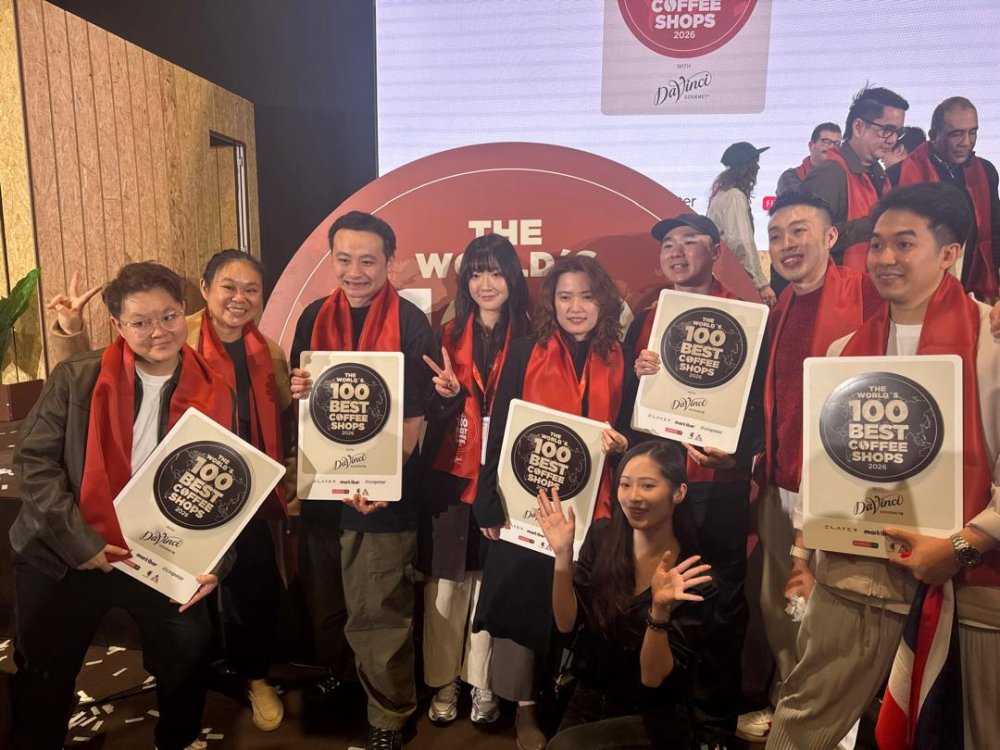
The international contest was held in Spain during the Coffee Fest Madrid exhibition on February 16, 2026.
The selection process begins with nominations, where coffee shops are proposed and voted for by people both locally and internationally. The first round of voting accounts for 30% of the total score, while the remaining 70% is awarded in the final stage, which determines the top 100 best coffee shops in the world.
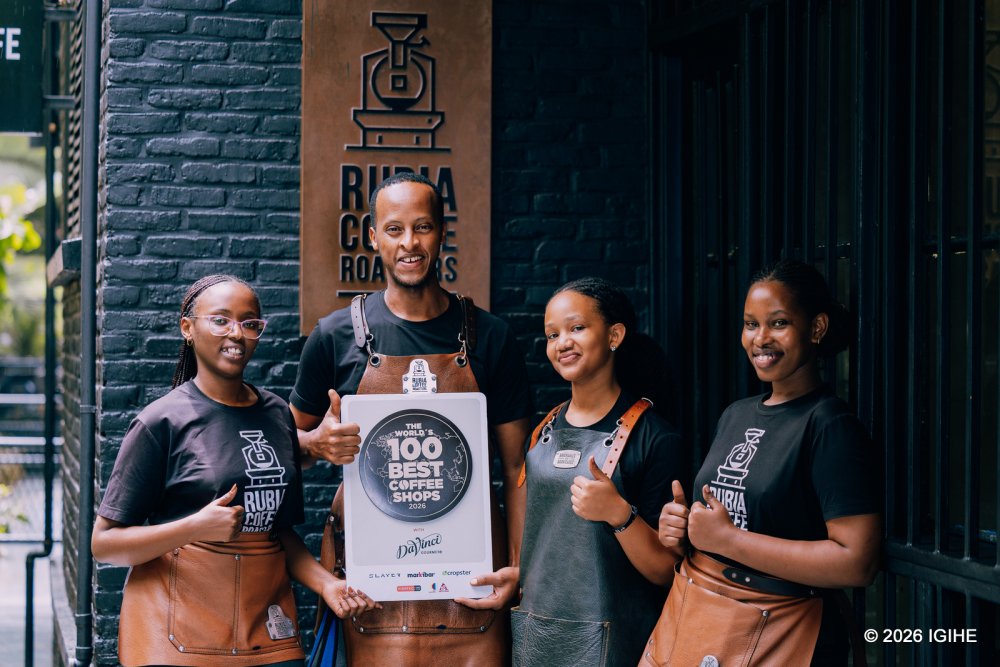
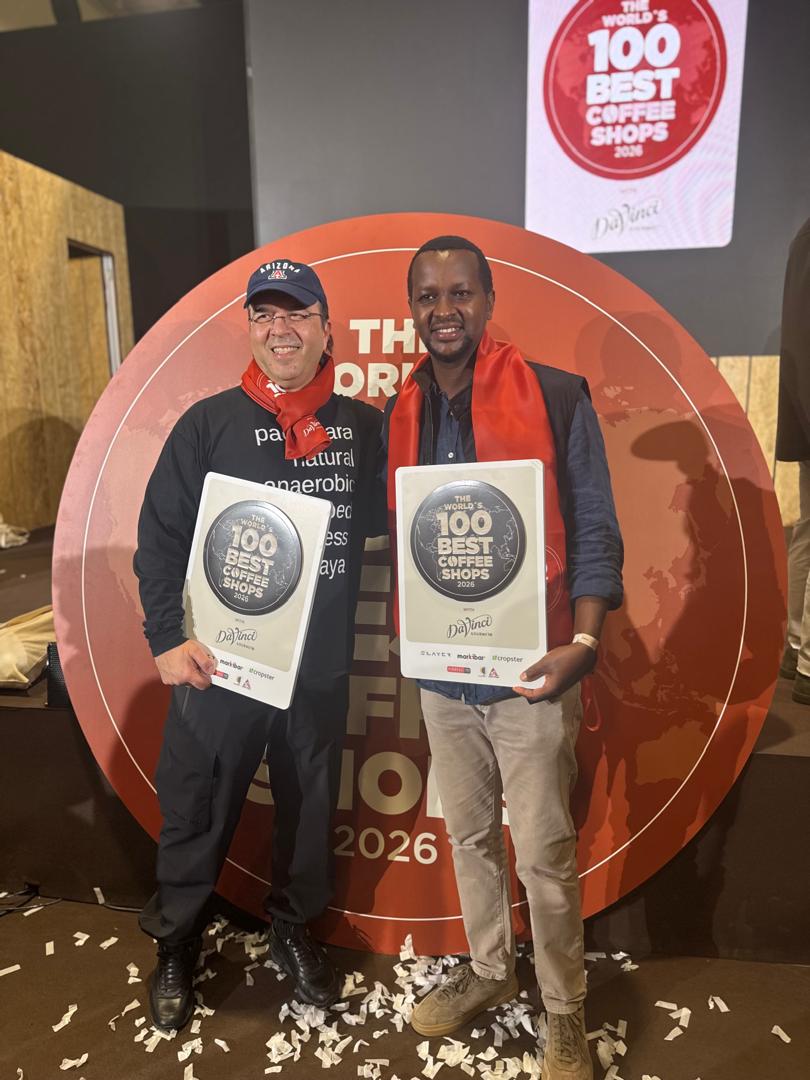
In January 2026, coffee houses from Rwanda and around the globe competed in the contest, with Rubia Coffee Roasters emerging among the winners and earning the 54th spot worldwide.
This marks the first time a Rwandan coffee brand has entered the global top 100. Across Africa, only a few countries had coffee roasters featured in the ranking; namely Ethiopia, Egypt, and South Africa.
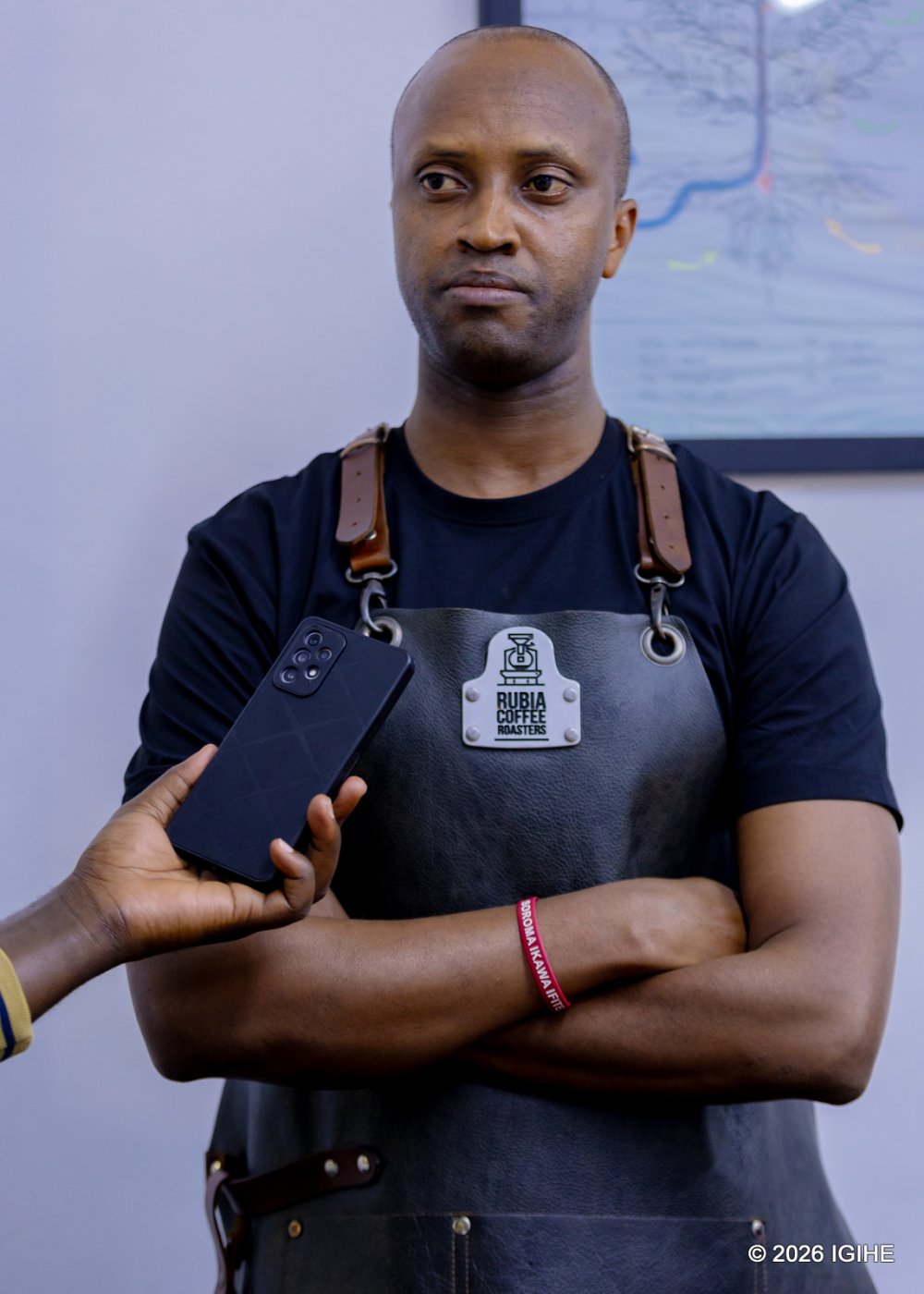
Robert Kabandana, Chief Operations Officer at Rubia Coffee Roasters, told IGIHE that winning the award signifies that the coffee meets international standards at every stage, from cultivation to the final cup, reflecting exceptional quality.
He noted that the recognition highlights the growth of Rwanda’s coffee farming sector and the increasing focus on processing coffee locally. He also emphasized that the achievement comes with greater responsibility.
“This award has given us extraordinary motivation because the world has recognized our capability,” Kabandana said. “We are planning to open another branch in Kigali, and there are international companies interested in using our brand name in their countries due to the uniqueness we have demonstrated.”
However, he stressed that while Rwanda’s coffee gaining international visibility is positive, it is equally important to strengthen local processing and expand roasting facilities within the country, as Rubia Coffee Roasters has done with its own roasting plant.
“We encourage Rwandans to continue supporting coffee farmers so that more value is added locally instead of exporting large quantities unprocessed. When domestic coffee consumption increases, we boost the economy because more revenue stays within the country, creating jobs and increasing tax revenues,” he added.
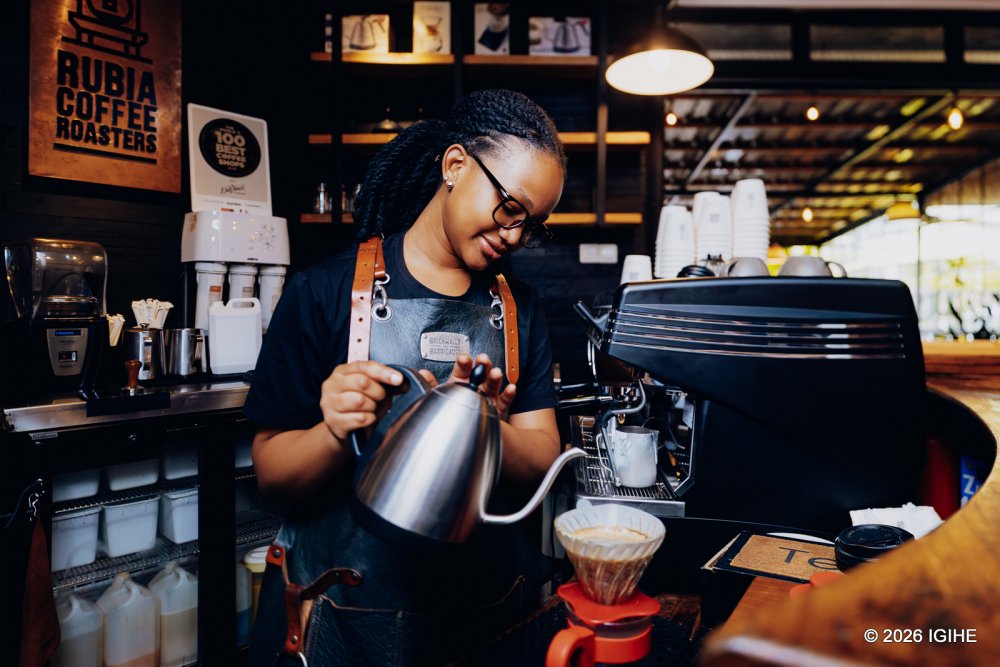
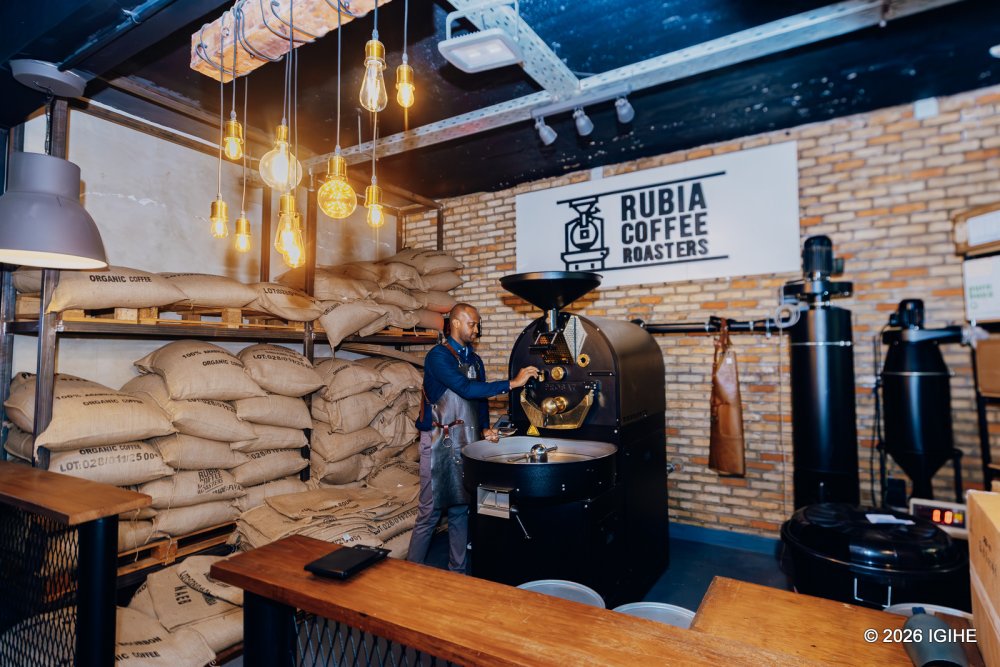
Rubia Coffee Roasters was established in 2017 as a small coffee processing shop and added a roasting plant a year later. The company now has the capacity to process between 500 and 600 kilograms of coffee per day. Its products are supplied to hotels and various institutions in Rwanda and exported to countries including Qatar, Egypt, and Dubai.
The company continues to sell coffee at its outlet in Kimihurura, Kigali. Rubia Coffee Roasters works closely with coffee farmers, purchasing their harvests and providing training on improving quality and productivity. It also supports other businesses in accessing coffee equipment, as a dealer for Italy’s Simonelli Group in Rwanda.
According to the National Agricultural Export Development Board (NAEB), Rwanda’s coffee production and export revenues continue to grow. In the 2024/25 fiscal year, the country produced 21,295 tonnes of coffee, up from 16,979 tonnes the previous year, an increase of 25%.
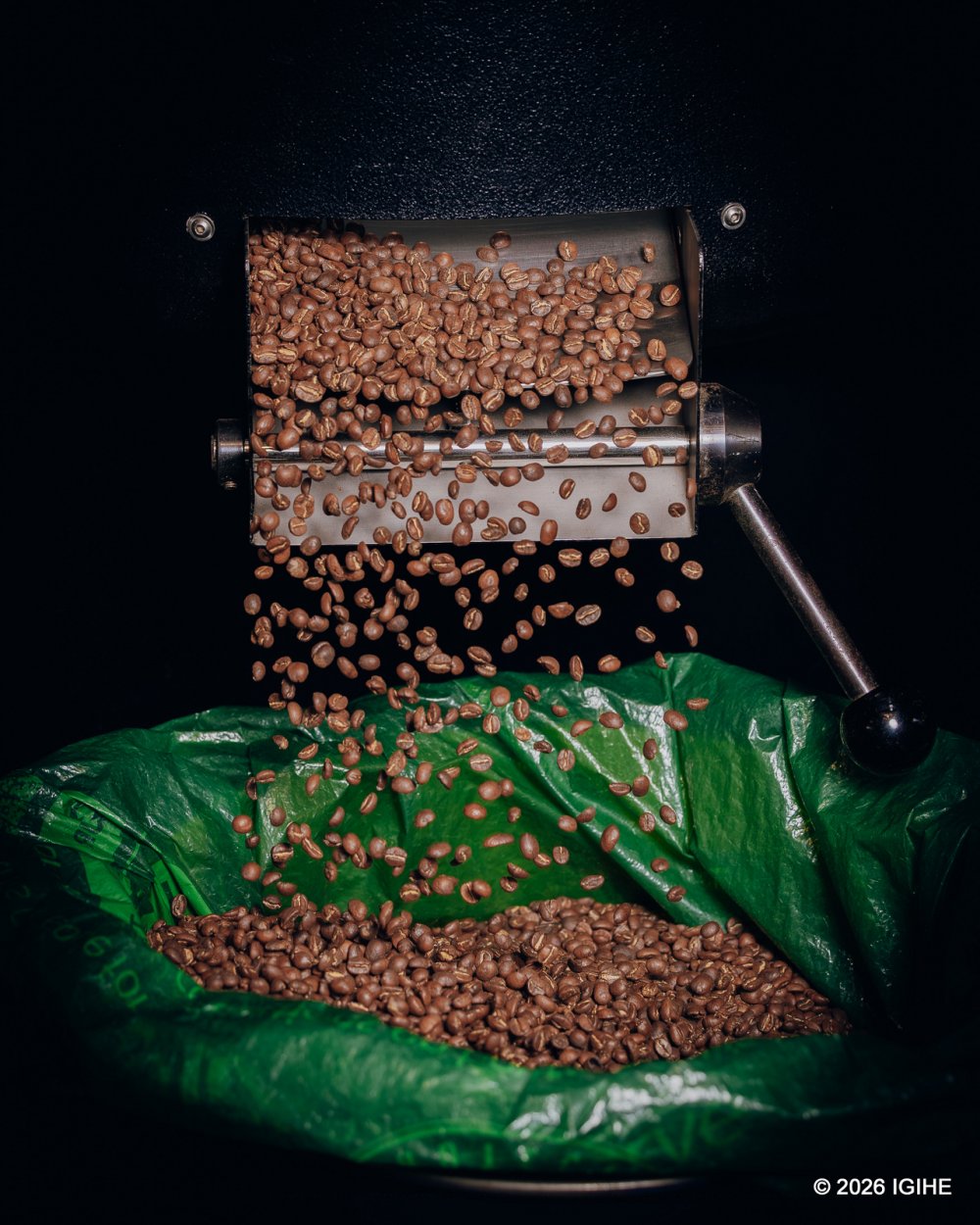
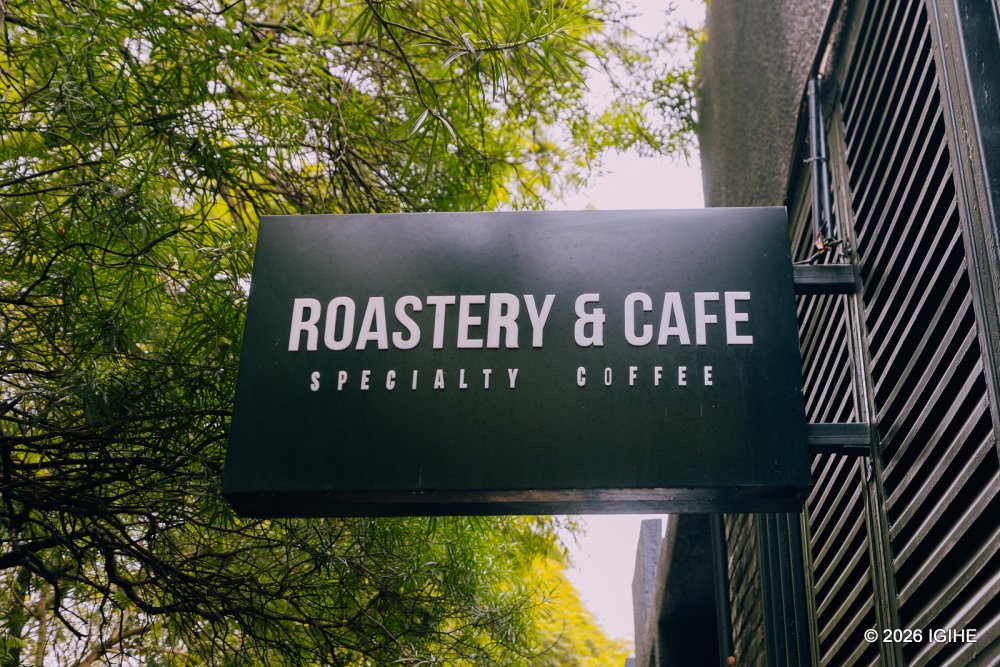
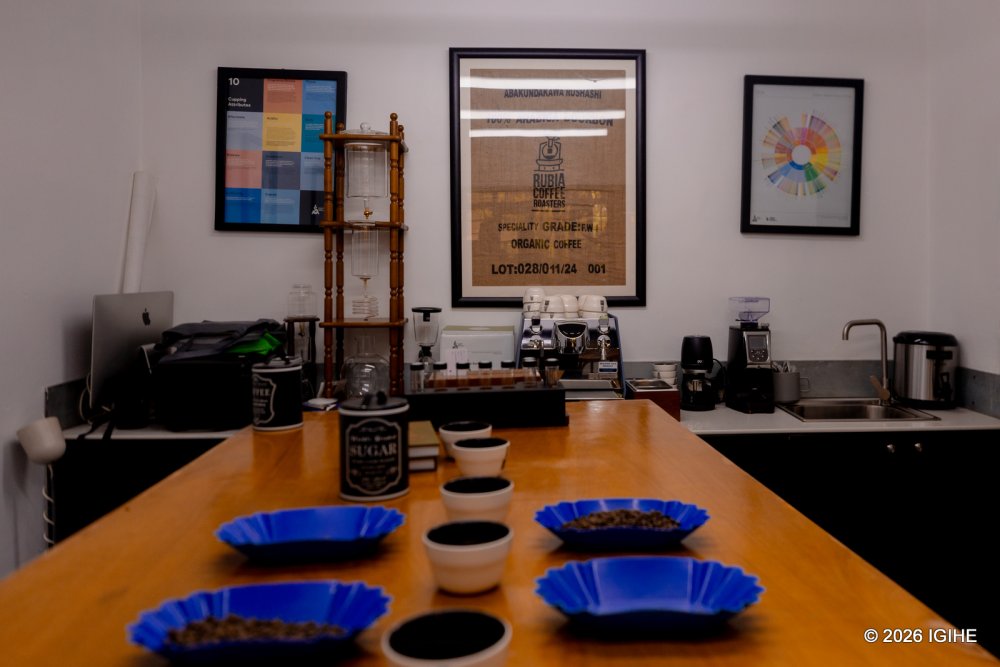
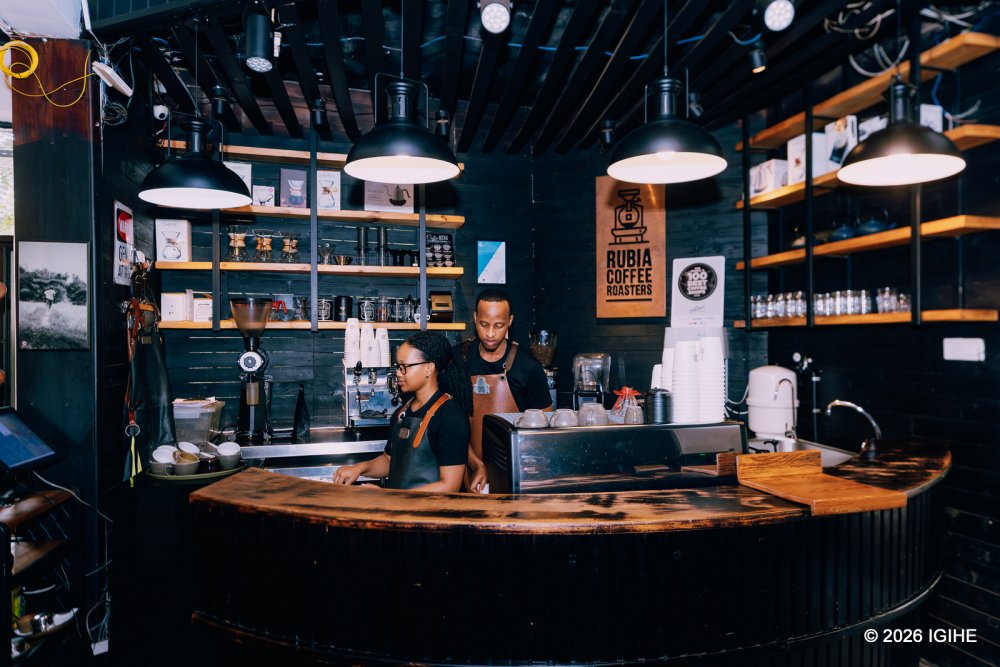
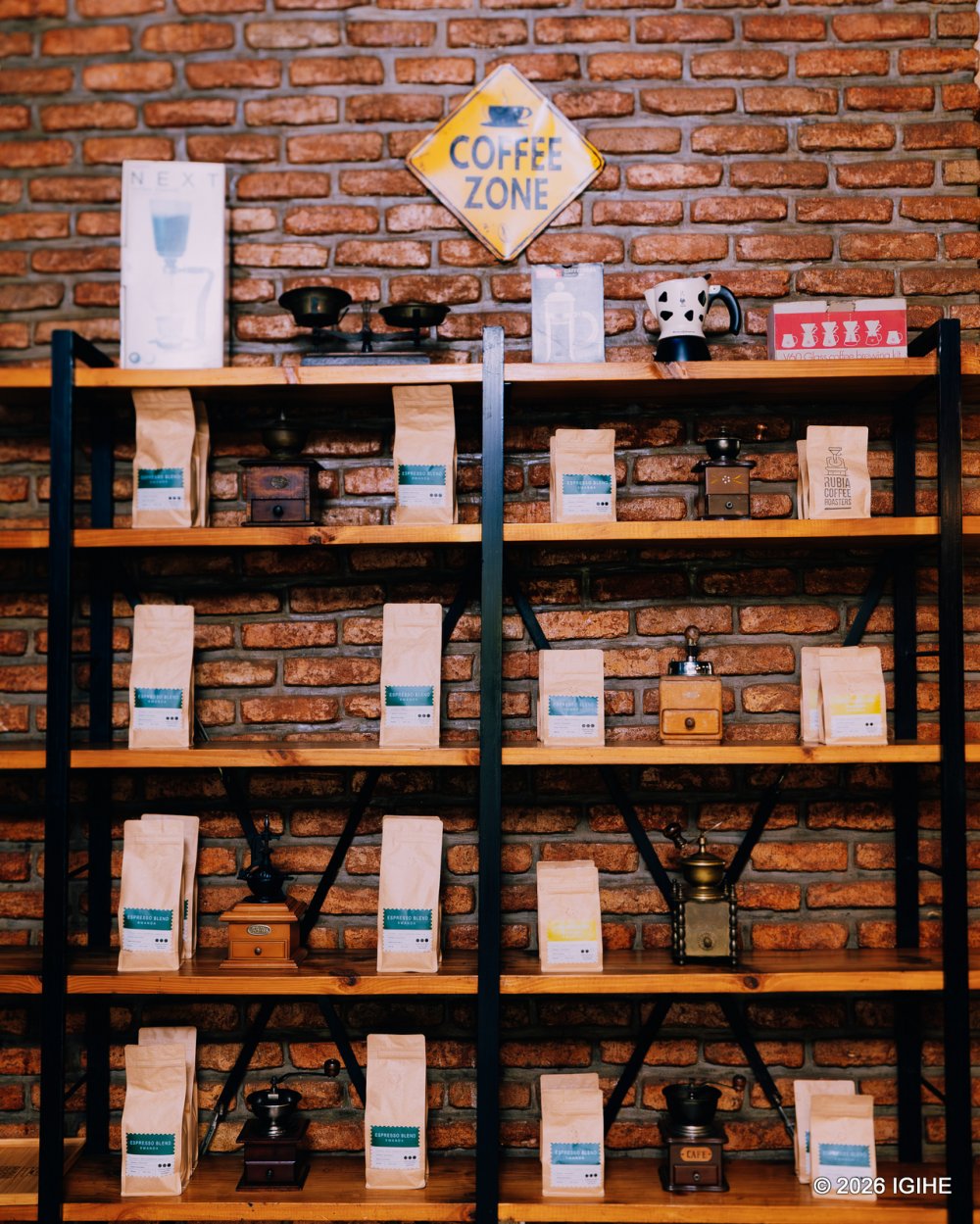
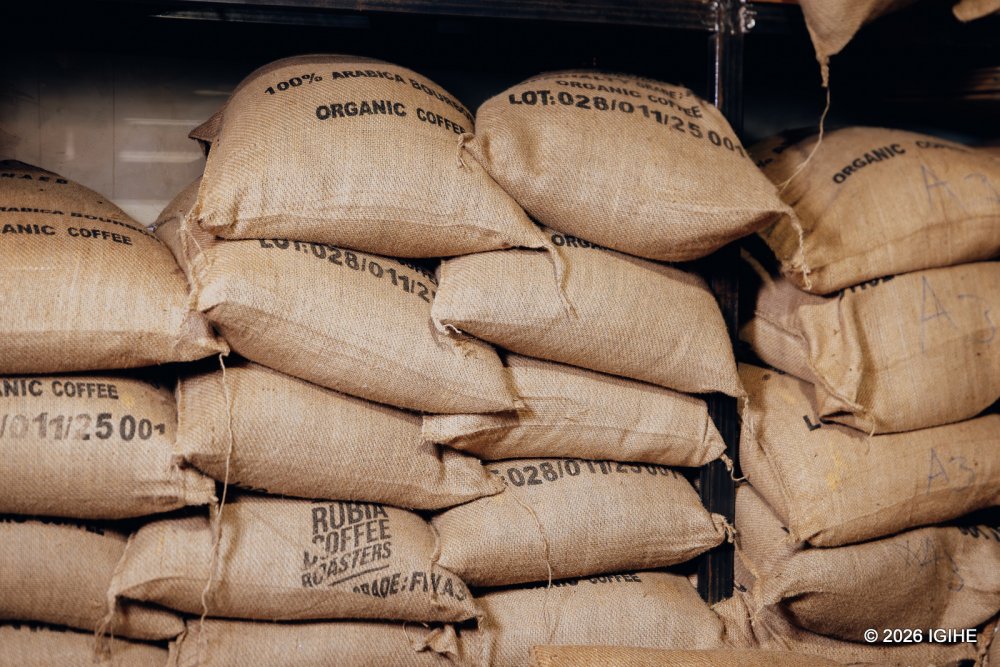
Coffee companies ranked among the world’s top 100 are considered globally competitive.Mbonyi Kalisa Mathias, founder of Rubia Coffee Roasters, received the award.Employees of Rubia Coffee Roasters celebrate the award won by the company.The facility processes and prepares coffee using modern equipment and techniques.Rubia Coffee Roasters also offers a space where visitors can taste its coffee.Rubia Coffee Roasters sells a variety of coffee it processes in-house.Rubia Coffee Roasters has the capacity to roast up to 600 kilograms of coffee per day.This coffee is grown and processed in Rwanda.
This timeline was announced following the cabinet meeting held on March 4, which greenlighted an agreement between the Government of Rwanda and Bauhaus International Rwanda Ltd, a subsidiary of Bauhaus International Incorporated, headquartered in New Jersey, United States, for the phased development of more than 3,000 housing units.
This initiative will make a major contribution to Rwanda’s urban development goals and expand access to modern, affordable housing.
Phase one development
The initial phase involves constructing 892 housing units in Gahanga Sector, Kicukiro District, Kigali. The estate will feature diverse modern residential options, including one- and two-bedroom apartments, three-bedroom apartments, and three-bedroom terraced duplex houses.
The project also incorporates a community center to offer social and recreational services for residents.
“This development represents an important contribution to Rwanda’s vision of modern, sustainable urban living. Our goal is to deliver high-quality housing while creating a vibrant community environment for residents,” said Mukiza.
The project will be implemented through a partnership framework involving key national institutions, with the City of Kigali and the Rwanda Development Board acting as project promoters, and Bauhaus International Rwanda Ltd serving as the developer.
This collaboration underscores Rwanda’s ongoing commitment to attracting international investment and forging partnerships that fast-track infrastructure and housing advancements.
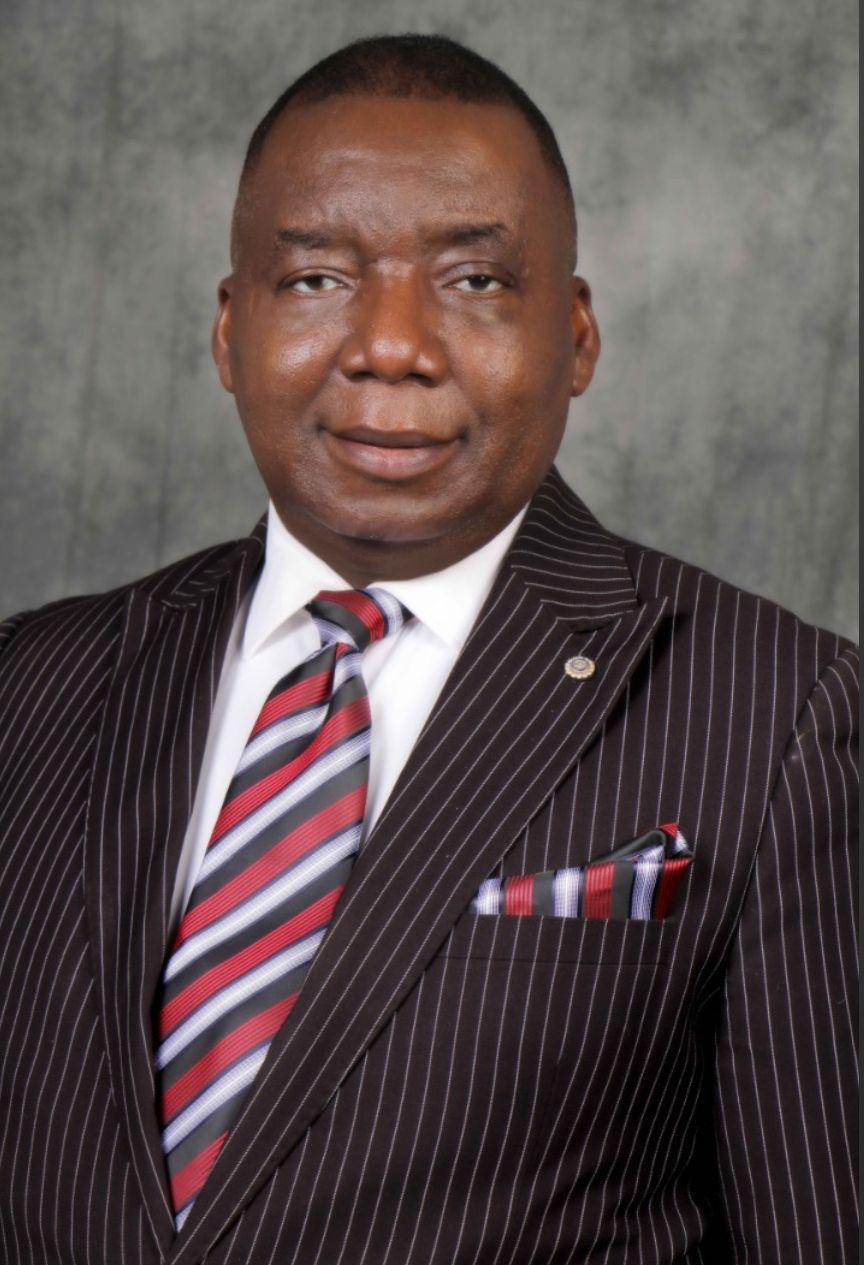
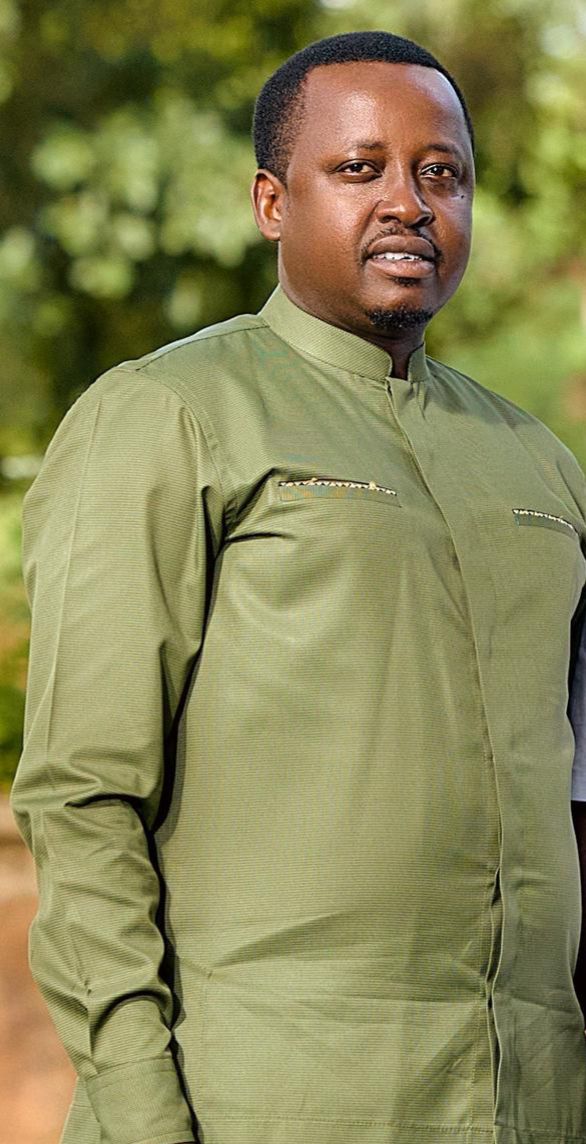
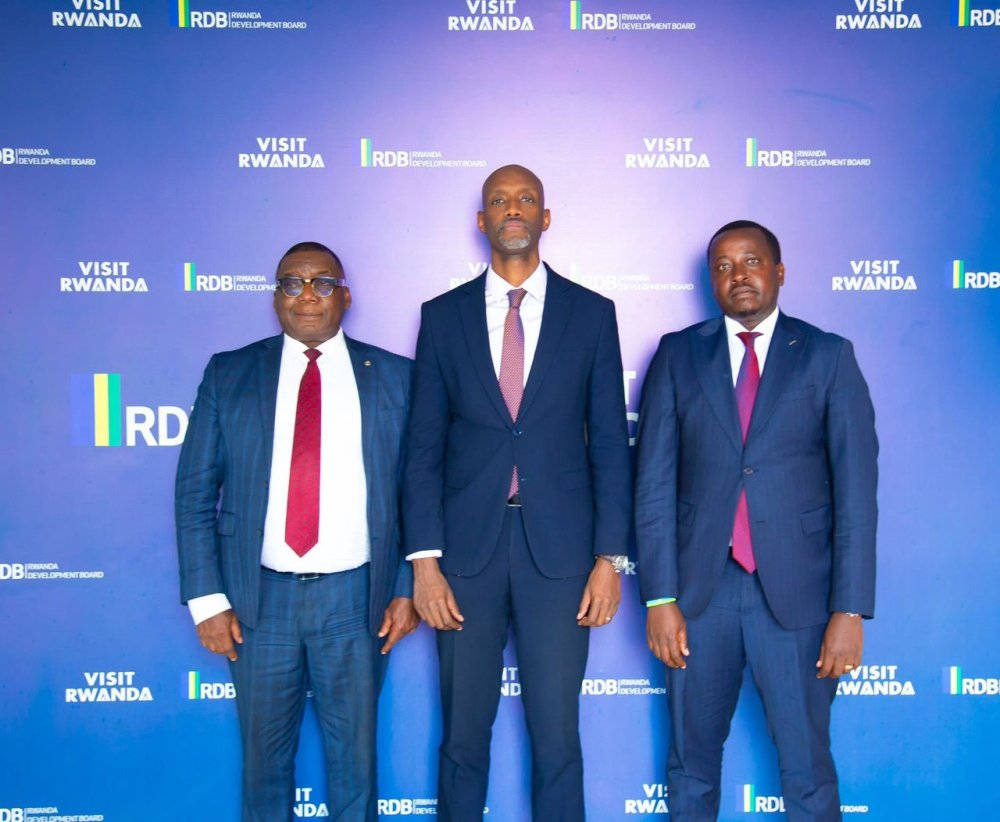
The project will be implemented through a partnership framework between the City of Kigali, the Rwanda Development Board, and Bauhaus International Rwanda Ltd serving.Dr Victor C ONUKWUGHA, the CEO of Bahaus International Ltd Richard Mukiza, Managing Director of Bauhaus International Rwanda Ltd said the project will be completed within 24 months.
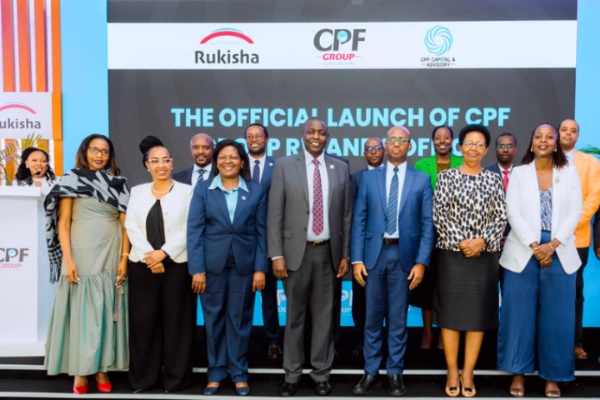
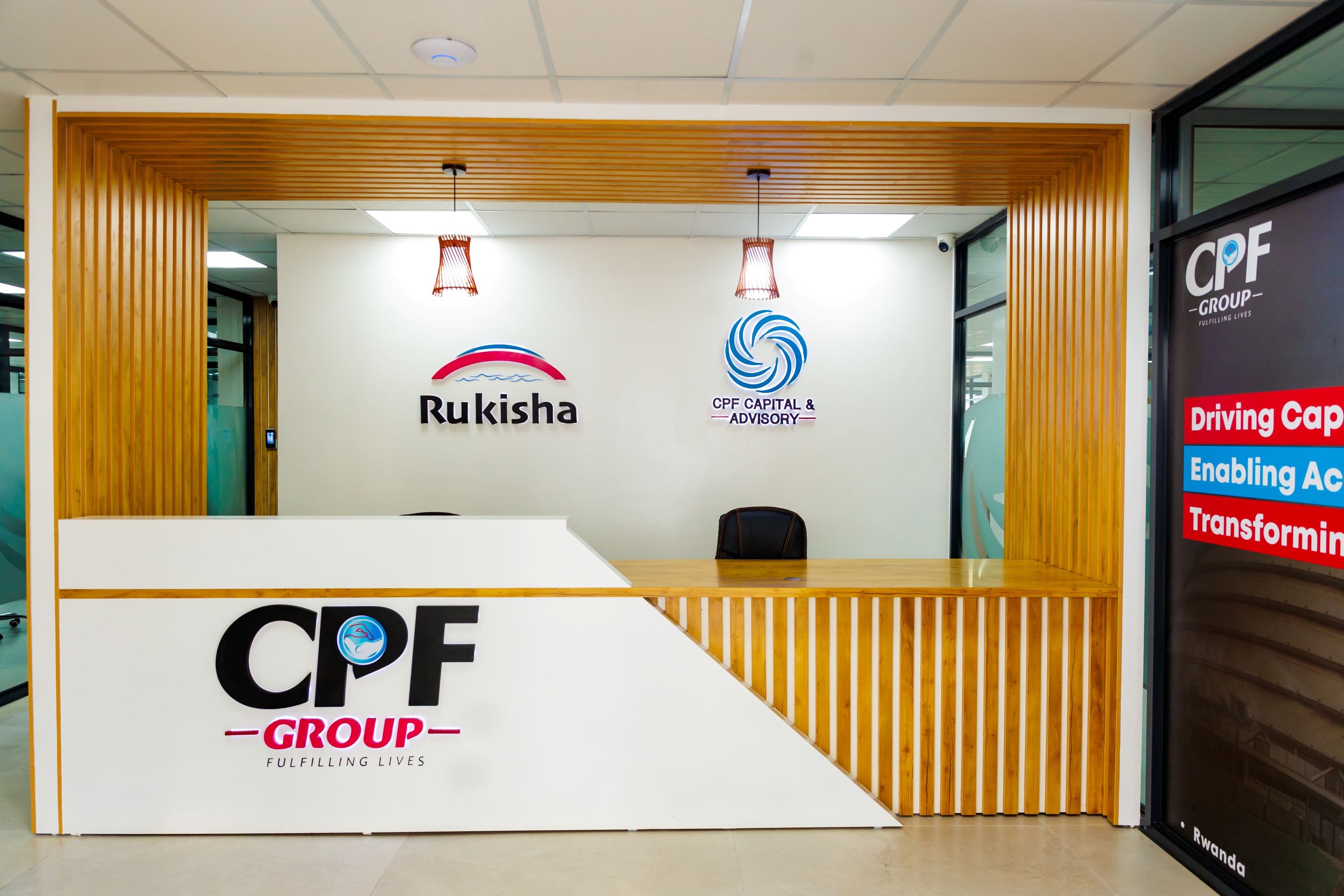
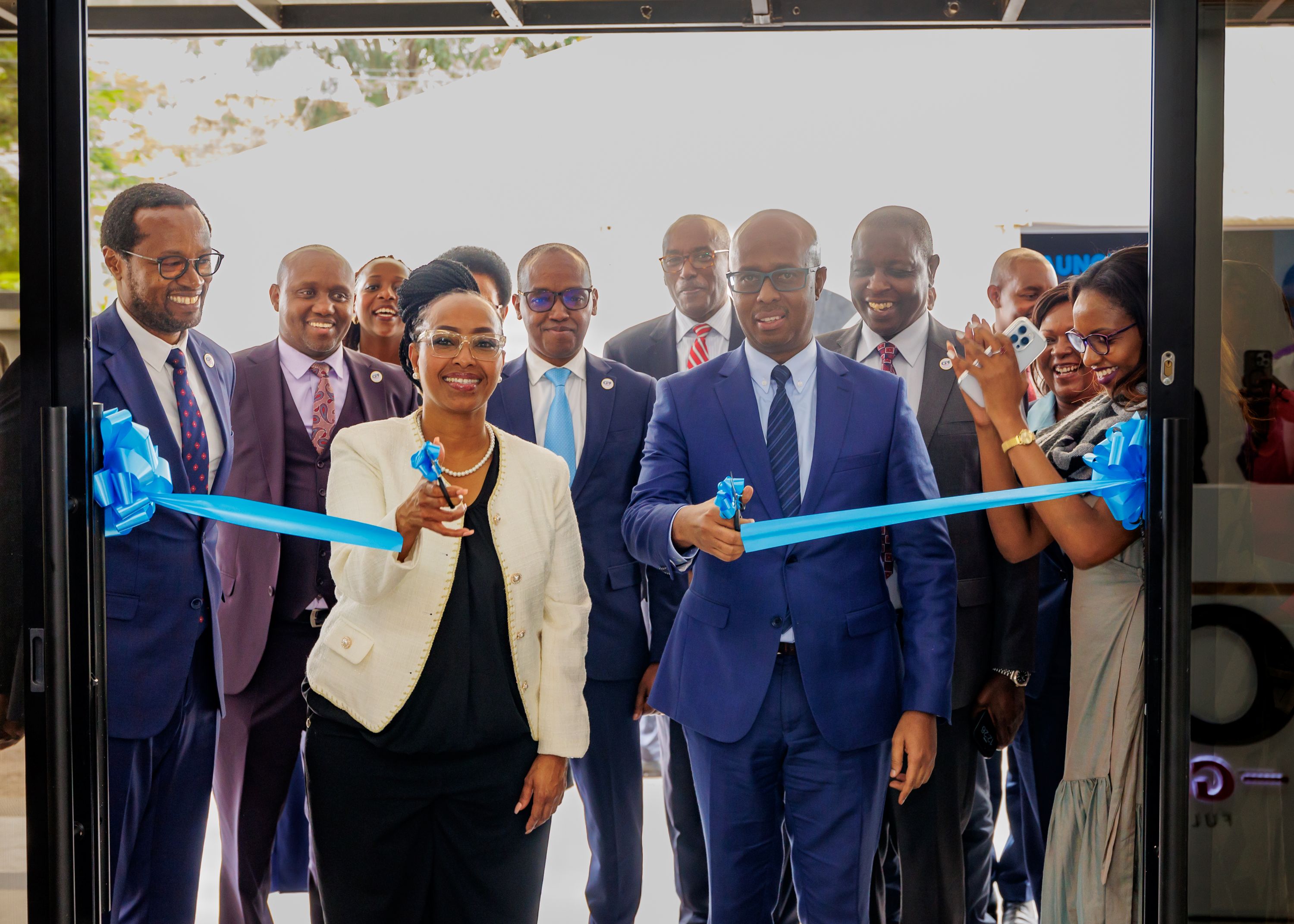
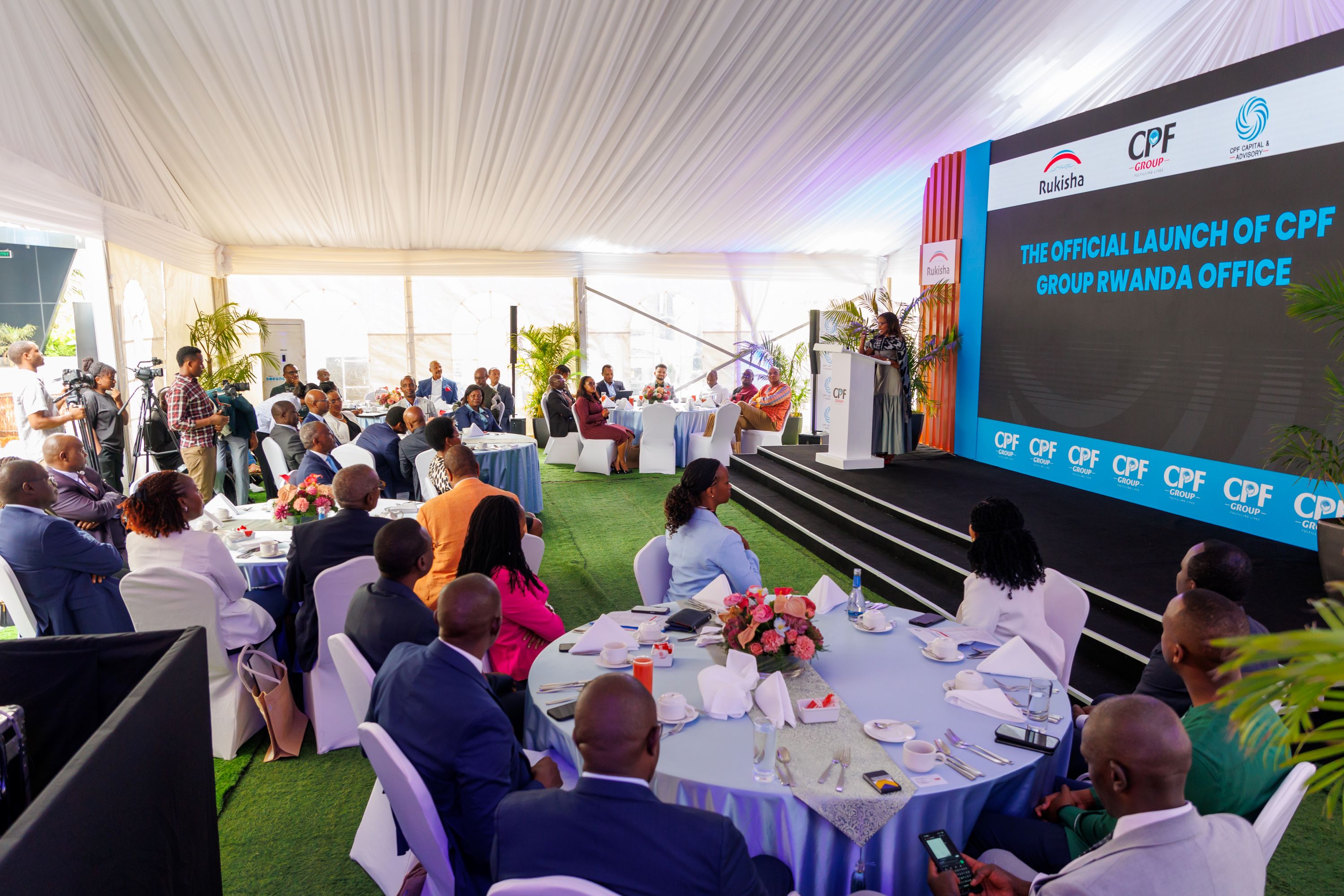
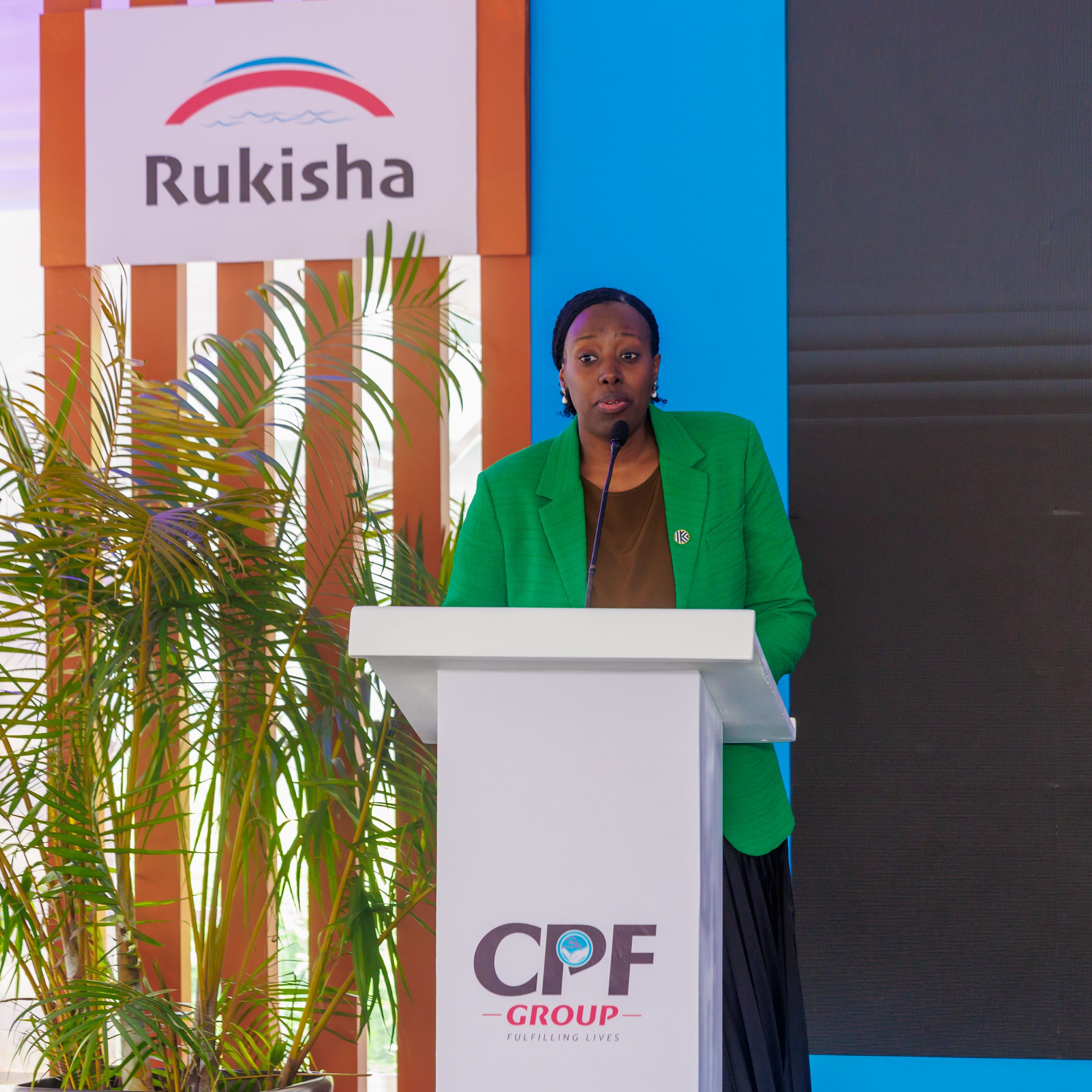
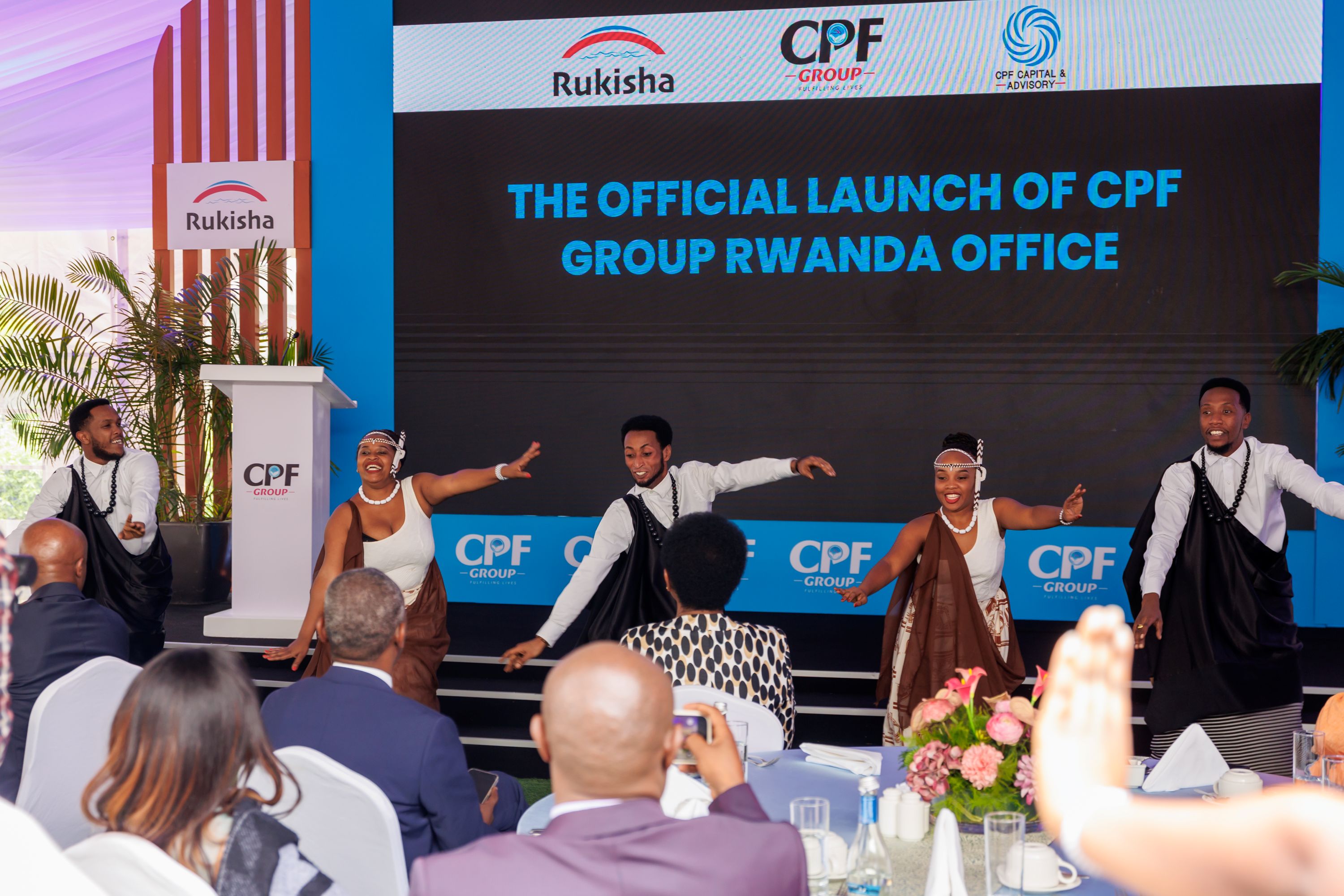
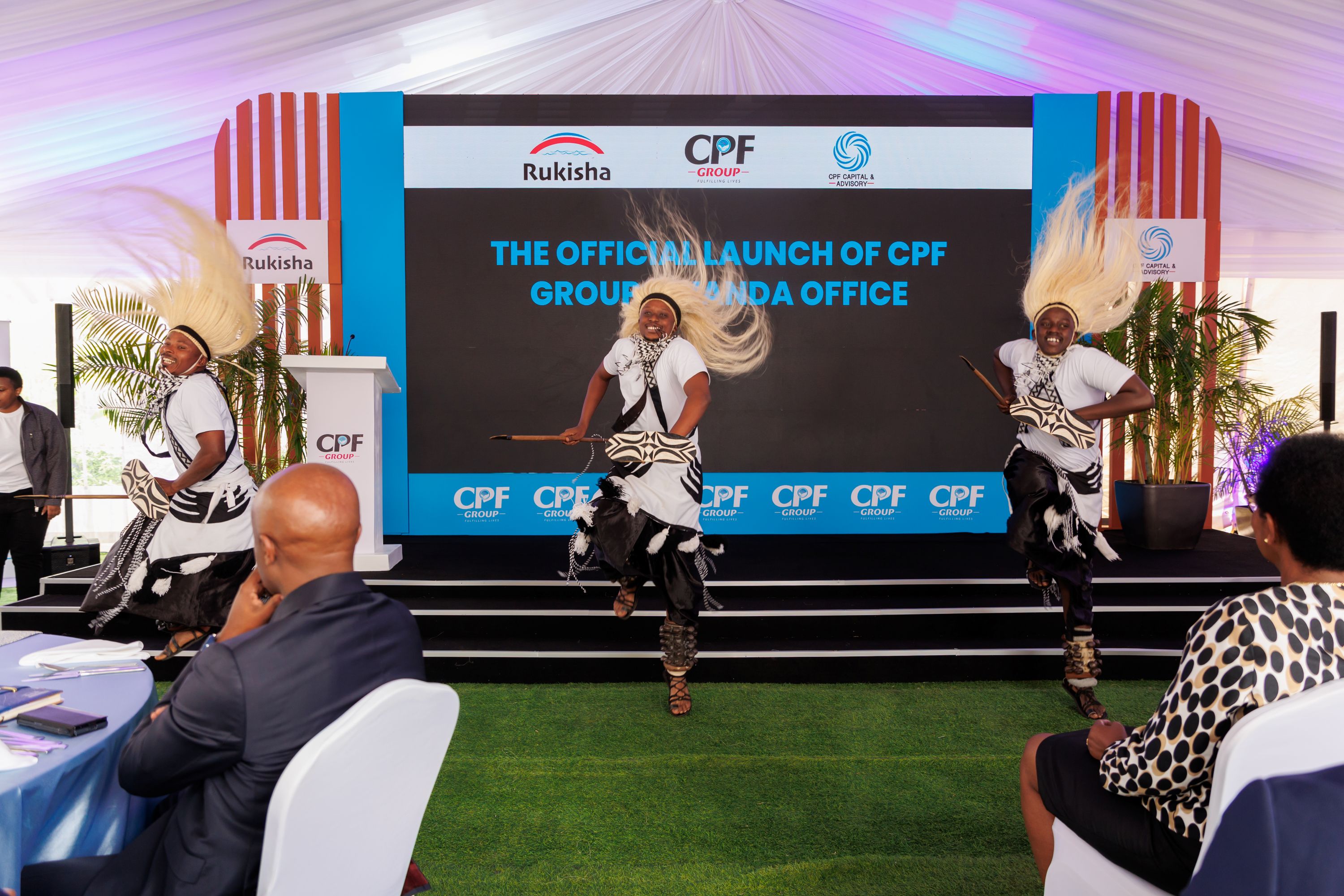
The office, located at the Zein Building in Nyarutarama, Kigali, will host the group’s subsidiaries CPF Capital & Advisory, Rukisha Solutions, and CPF Financial Services, positioning the institution as a partner in capital markets development, structured finance, and technology-driven financial services in Rwanda.
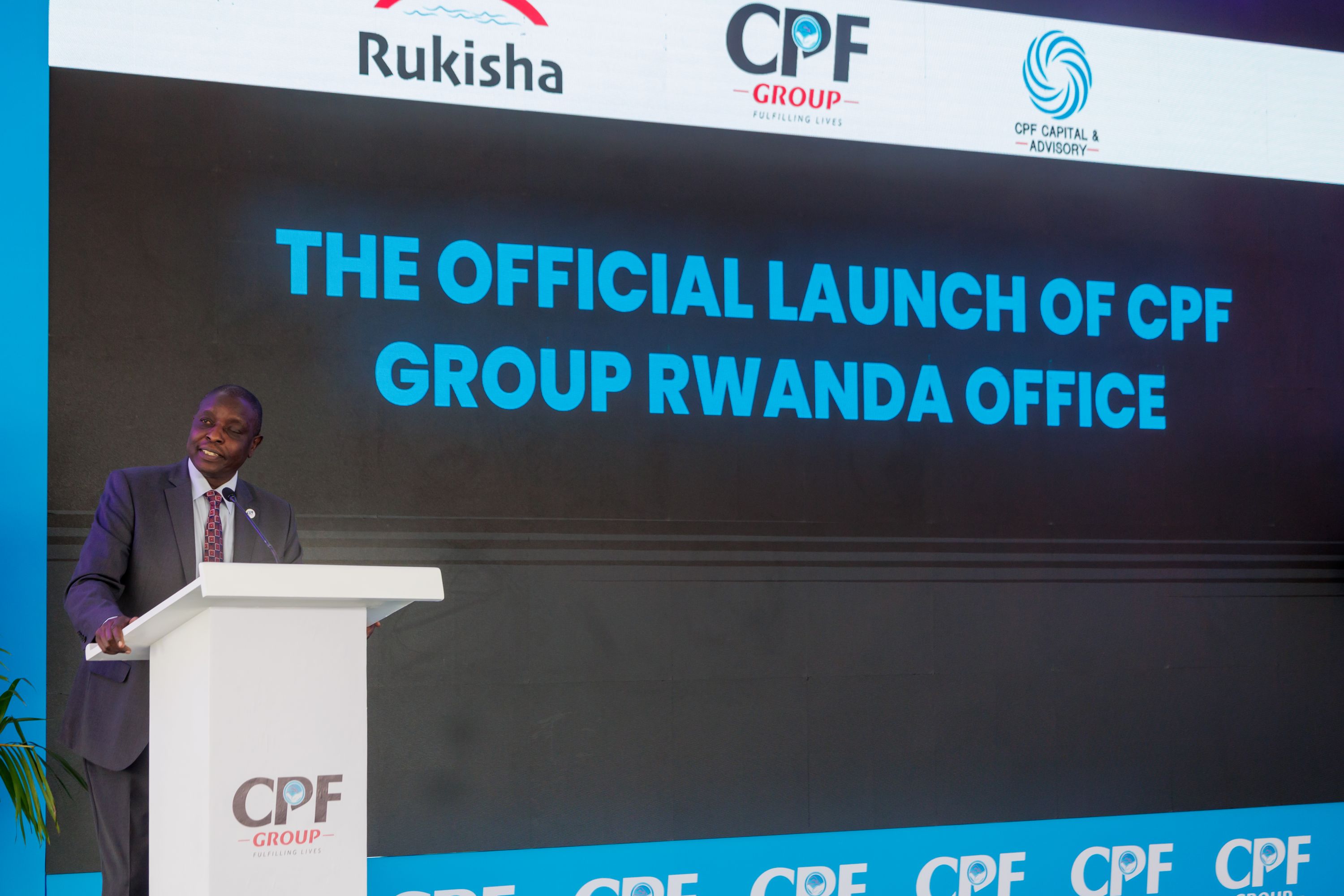
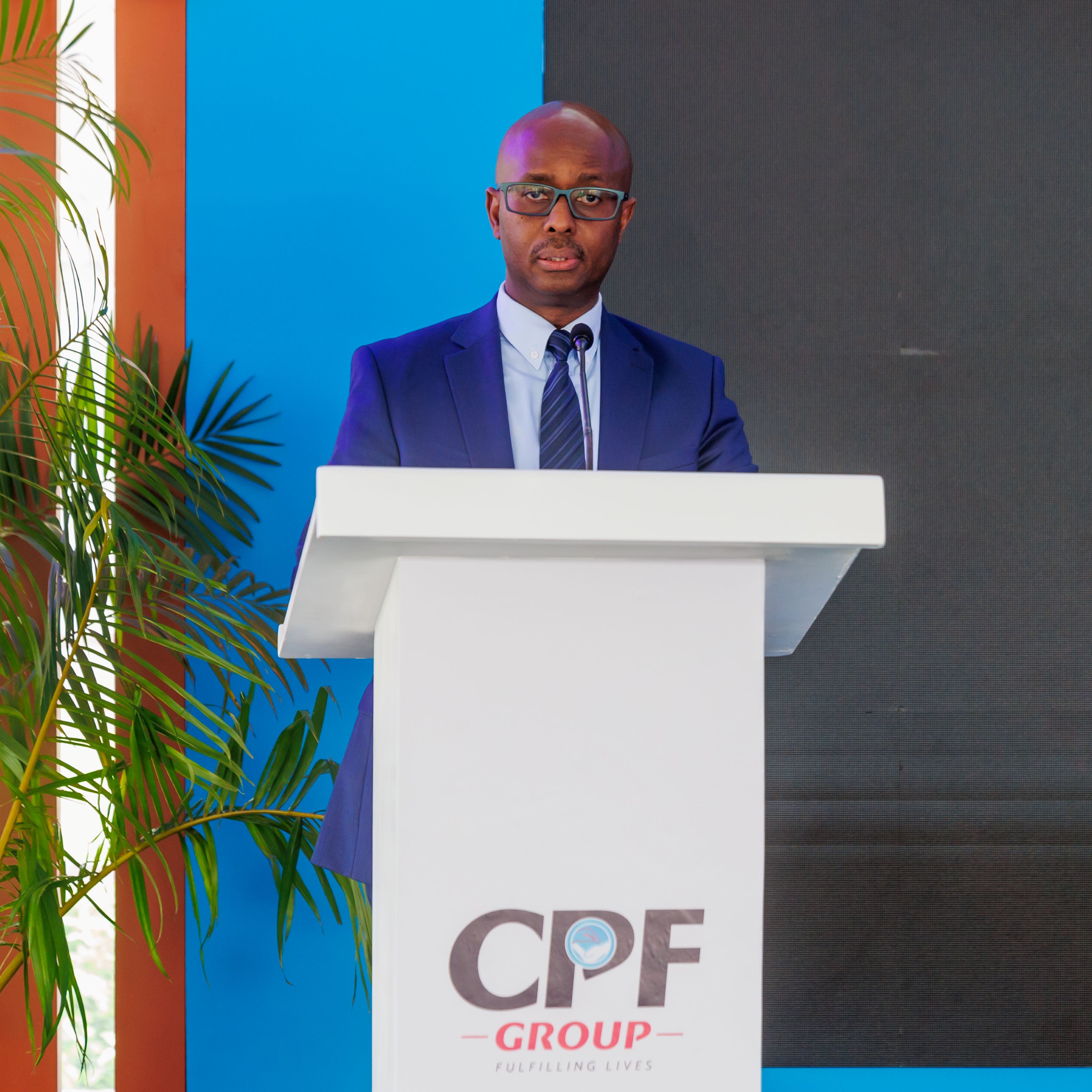
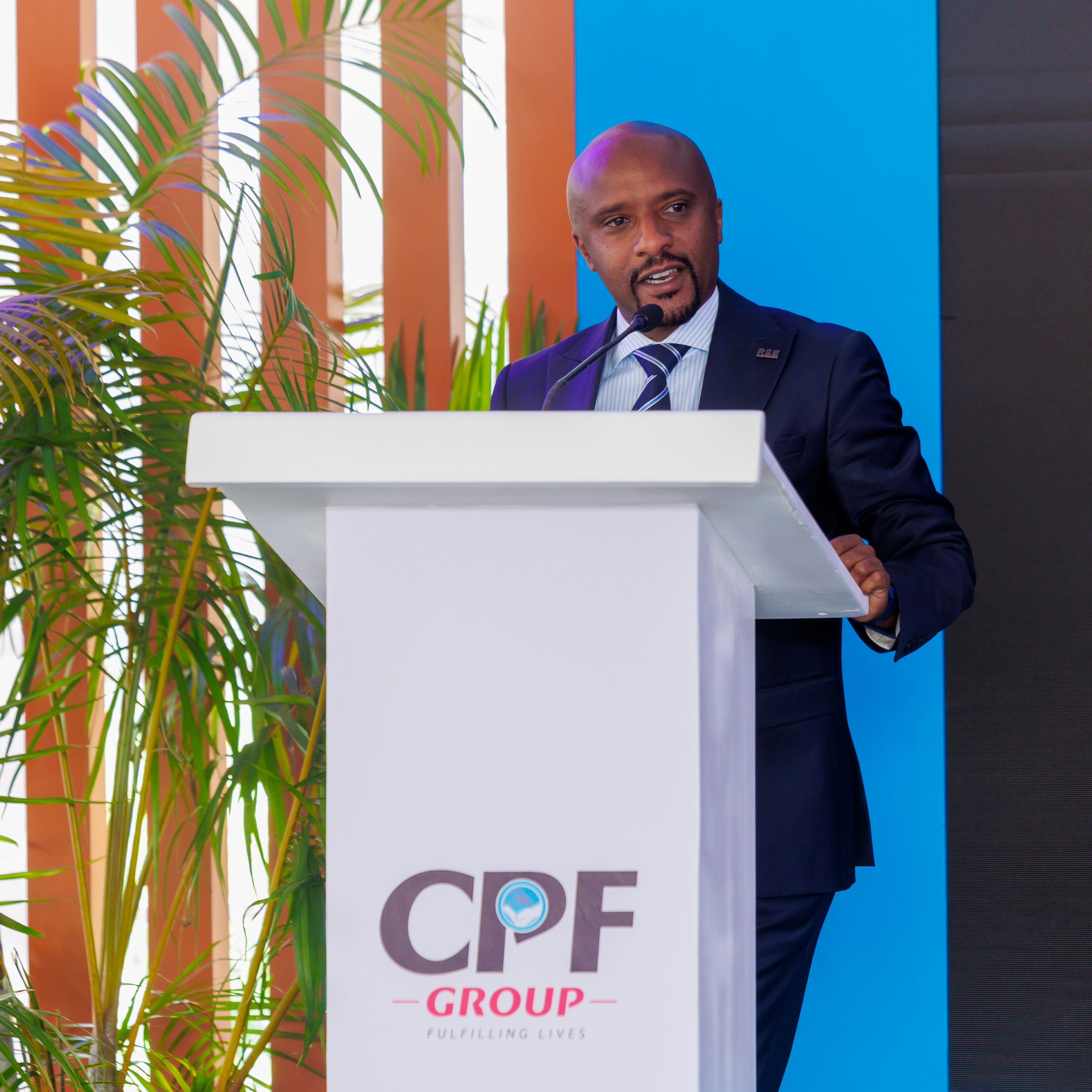
Speaking during the launch on Friday, Hosea Kili, Group Managing Director and CEO of CPF Group, said Rwanda’s stable regulatory environment and rapidly developing digital economy made it an attractive destination for the company’s regional growth strategy.
“Our presence in Rwanda reflects the deliberate regional growth strategy. Rwanda has built one of Africa’s most stable and forward-looking financial ecosystems. We are here to mobilize capital responsibly, structure transformative transactions, and support institutions with governance-led, execution-focused advisory solutions aligned to national development priorities,” Kili said.
Hosea Kili, Group Managing Director and CEO of CPF Group, said Rwanda’s stable regulatory environment and rapidly developing digital economy made it an attractive destination for the company’s regional growth strategy.
He revealed that the group plans to begin operations with a $20 million investment, with additional capital expected as the company identifies further opportunities in the market.
Founded in Kenya in the 1920s as a pension fund administrator, CPF Group has grown into a diversified regional financial services institution providing pension administration, wealth management, capital advisory and structured finance services. The company currently administers pension funds with a combined value of over Ksh 318 billion (approximately Rwf 3.6 trillion) serving more than 500,000 members.
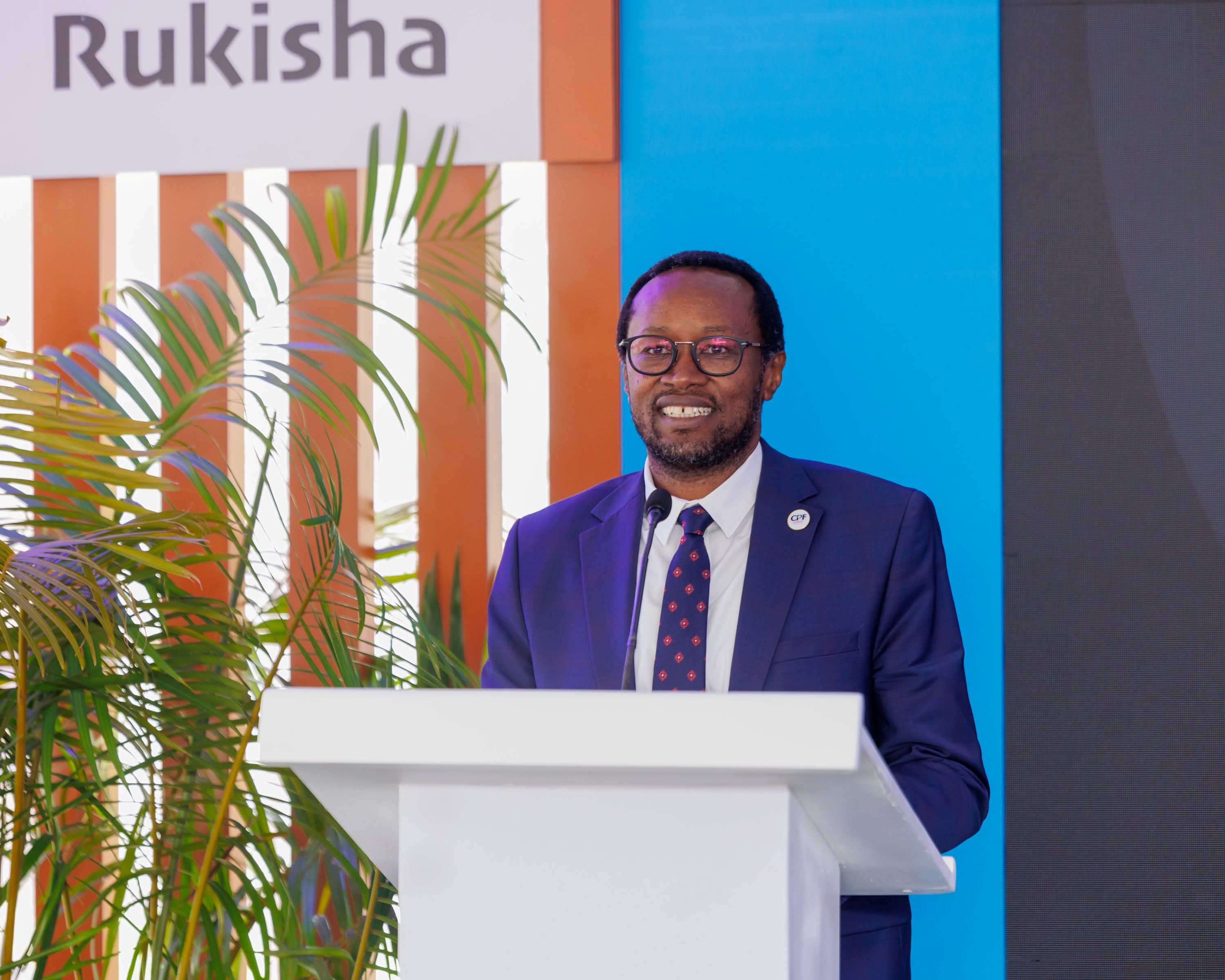
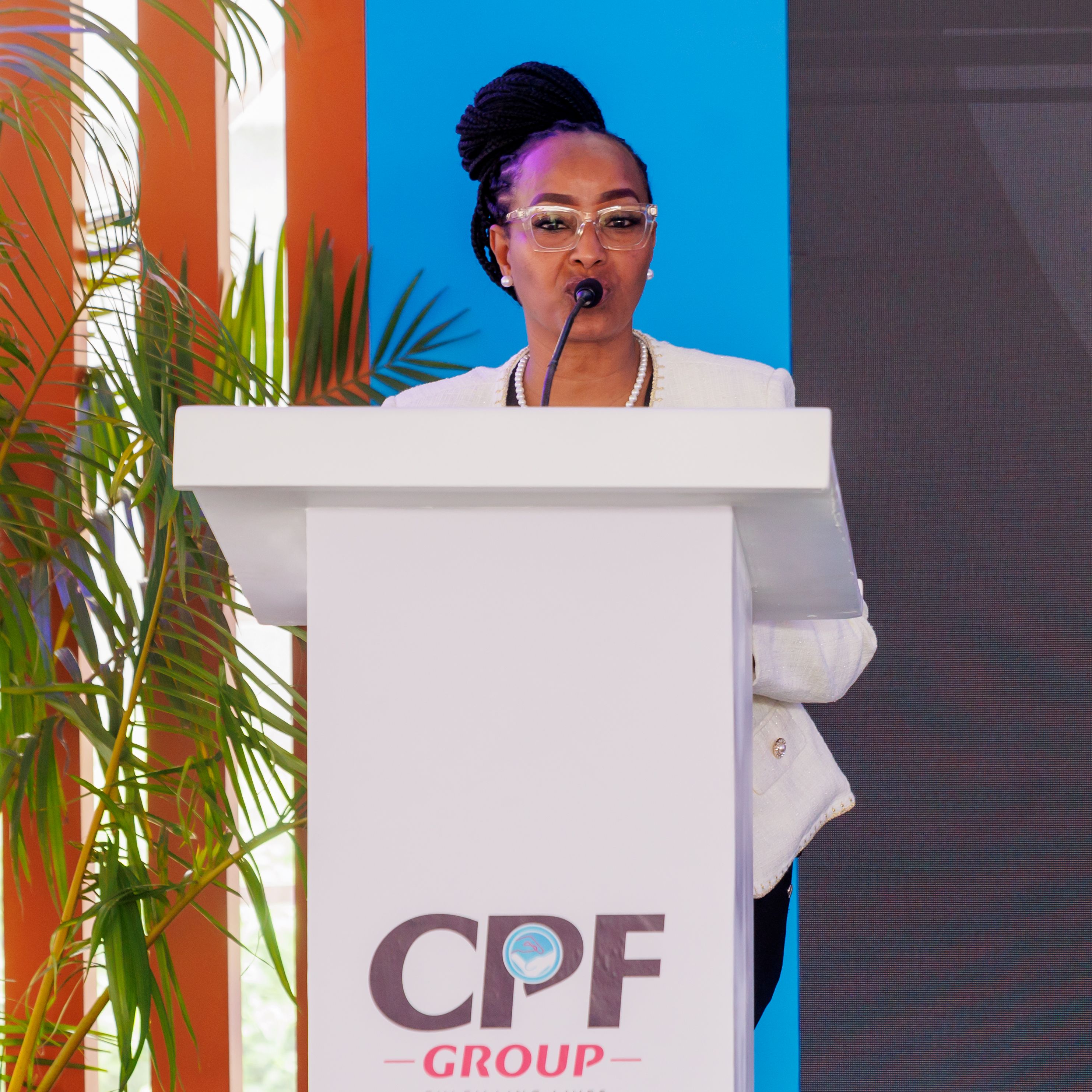
According to Maurice Nduranu, Group Chairperson, CPF Group, Rwanda was chosen as one of the first destinations for the group’s international expansion due to its strong investment climate and supportive regulatory environment.
“We are excited about the ease of doing business in Rwanda and the responsiveness of both government and the private sector. For us, this is an excellent first stop outside Kenya as we expand across the region with ultimately Pan-African ambitions,” Nduranu said.
Maurice Nduranu, Group Chairperson, CPF Group, Rwanda was chosen as one of the first destinations for the group’s international expansion due to its strong investment climate and supportive regulatory environment.
He added that establishing a physical presence in Rwanda would allow the firm to build partnerships locally rather than operating remotely from Kenya.
“We believe capital is borderless, and African businesses must increasingly operate across borders. Being here allows us to collaborate with institutions on the ground and contribute to regional economic growth,” he noted.
The Rwanda office will focus on capital markets advisory, infrastructure financing, alternative investment structuring, and cross-border capital mobilization. Through its fintech subsidiary Rukisha Solutions, the company also plans to introduce digital micro-lending and payments services aimed at expanding financial inclusion.
The office, located at the Zein Building in Nyarutarama, Kigali, will host the group’s subsidiaries CPF Capital & Advisory, Rukisha Solutions, and CPF Financial Services.
Kili said Rwanda’s growing Rwanda Stock Exchange presents opportunities for new investment products, noting that the group intends to support listings and capital market transactions in the country.
“We have strong experience in transaction advisory and investment banking across the region. Through our investment banking license, we expect to bring new products that can be listed on the stock exchange and deepen Rwanda’s capital markets,” he said.
Speaking at the launch, Rwanda’s Minister of Finance and Economic Planning, Yusuf Murangwa, said the entry of institutions like CPF Group reflects growing confidence in Rwanda’s economic direction and policy framework.
“This milestone reflects the continued confidence that regional and international institutions have in Rwanda’s economic direction, the strength of our policy framework, and the consistency with which we are implementing our national development agenda,” Murangwa said.
Rwanda’s Minister of Finance and Economic Planning, Yusuf Murangwa, said the entry of institutions like CPF Group reflects growing confidence in Rwanda’s economic direction and policy framework.
He emphasized that strengthening financial markets and expanding financial inclusion remain key priorities for the government.
“Mobilizing long-term capital is essential for financing infrastructure, supporting private sector growth, and delivering our national strategy for transformation. Institutions such as CPF Capital play an important role in bringing structuring expertise and access to new sources of capital,” he said.
Murangwa added that Rwanda is continuing to invest in institutions, regulatory frameworks and financial infrastructure to position the country as a regional financial and investment hub.
On her part, Janet Mwawasi, Kenya’s High Commissioner to Rwanda, highlighted the broader economic and diplomatic significance of the launch between the two countries.
“The establishment of CPF Group in Rwanda represents the strengthening of economic ties between Kenya and Rwanda and demonstrates the confidence Kenyan institutions have in Rwanda’s regulatory environment and growth trajectory. This investment reflects the shared ambition of our nations to deepen capital markets integration and accelerate sustainable regional development.”
Janet Mwawasi, Kenya’s High Commissioner to Rwanda, said the establishment of CPF Group in Rwanda demonstrates the confidence Kenyan institutions have in Rwanda’s regulatory environment and growth trajectory.
The expansion into Rwanda marks a key milestone in CPF Group’s broader regional strategy, as the nearly century-old institution seeks to deepen its presence across East Africa while pursuing longer-term Pan-African ambitions.
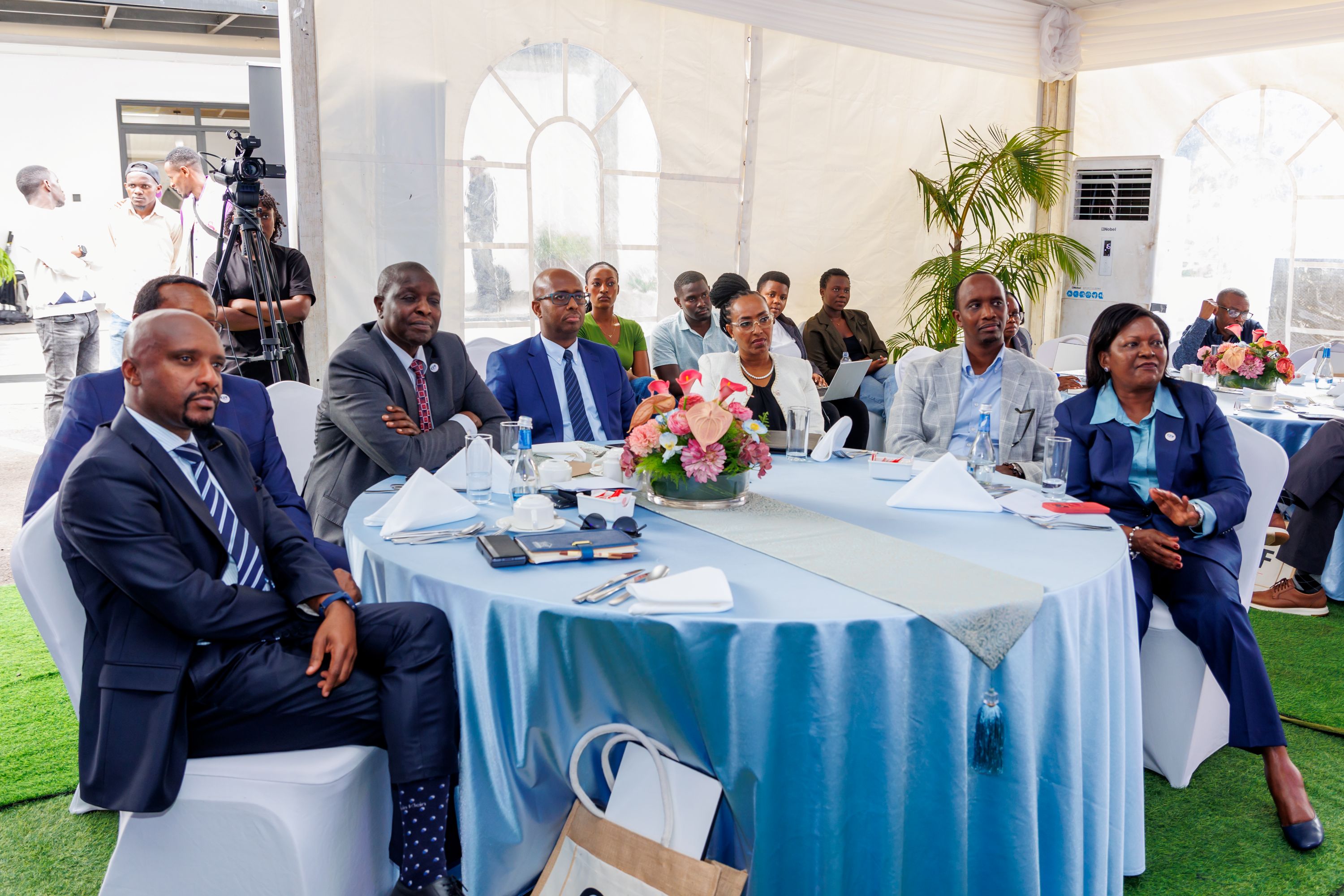
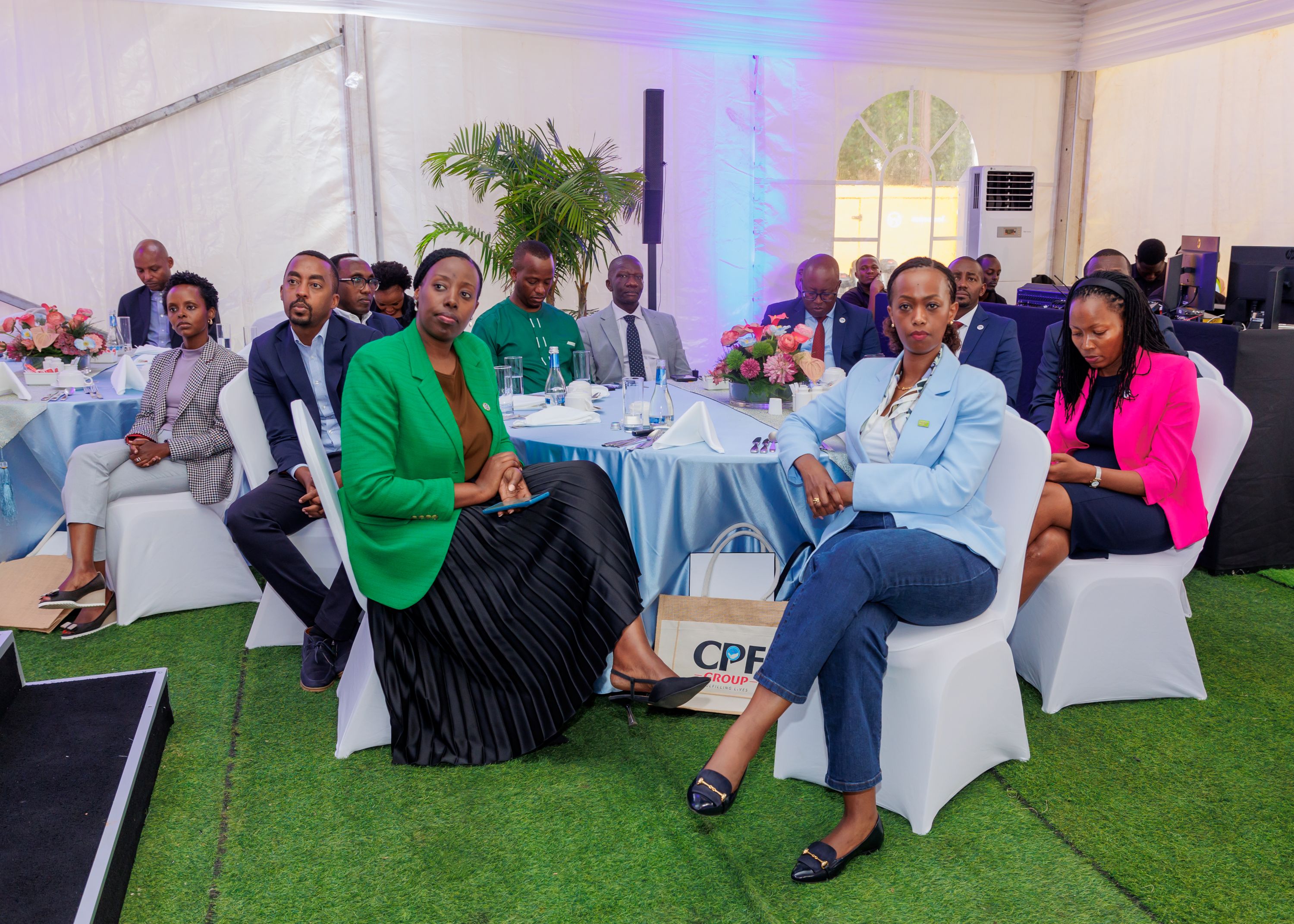
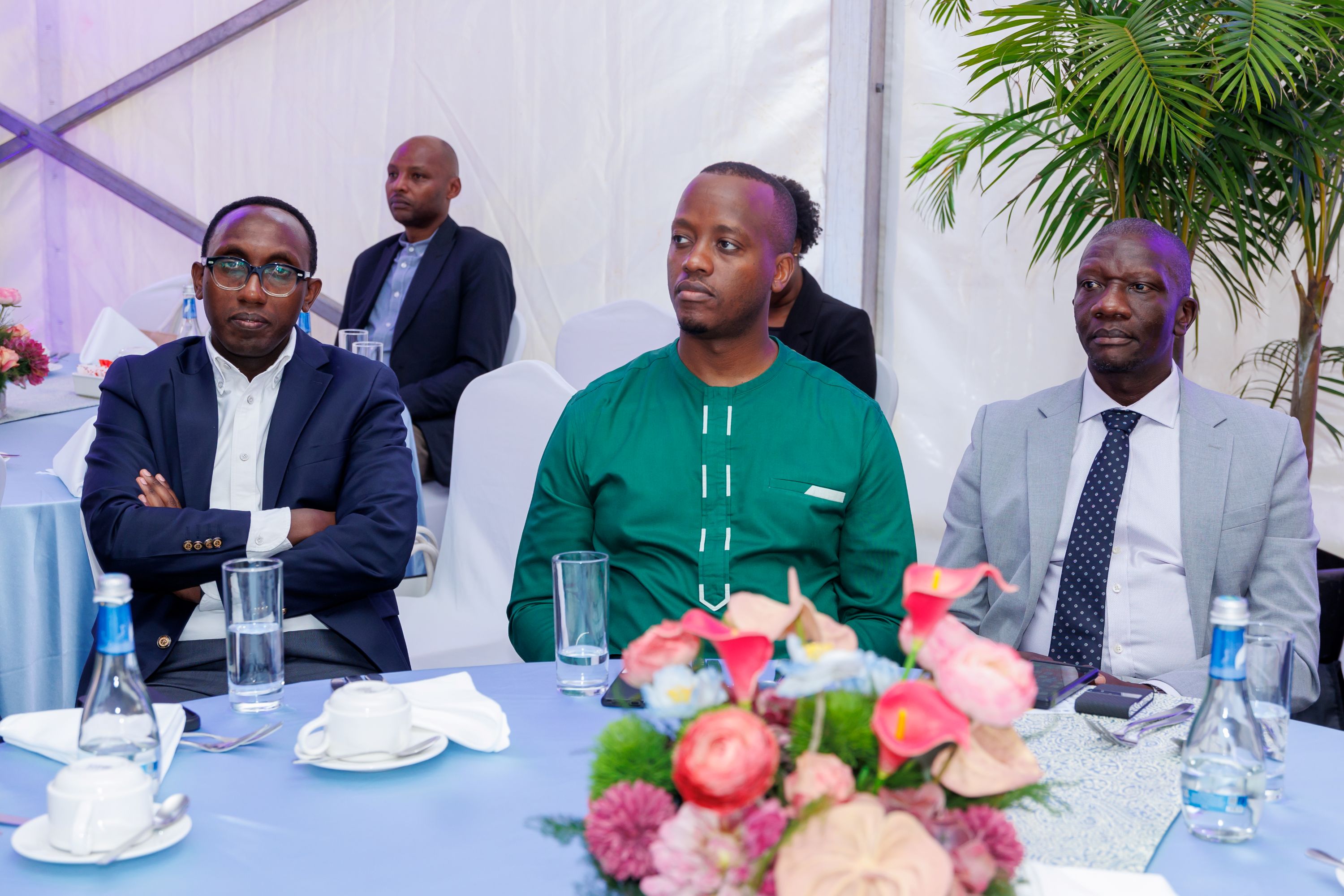
Pierre-Célestin Rwabukumba, the Chief Executive Officer (CEO) of the Rwanda Stock Exchange (RSE), attended the event.Hortense Mudenge, the CEO of the Kigali International Financial Centre (KIFC), also graced the launch.Various stakeholders attended the launch.Attendees were treated to entertainment by a traditional Rwandan troupe.
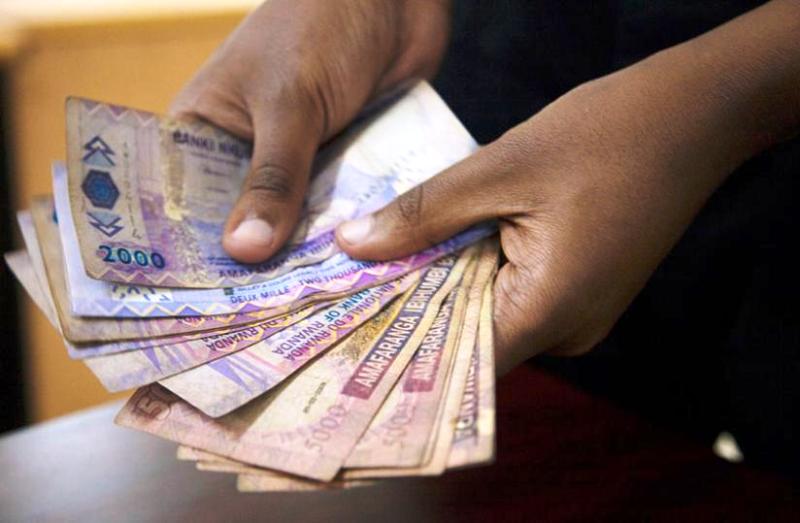
The decision is contained in Presidential Order No. 011/01 of February 27, 2026, which revokes the legal tender status of several older series of these banknotes.
The measure will take effect 12 months after the order is published in the Official Gazette of the Republic of Rwanda, giving the public time to exchange the notes.
Among the banknotes to be phased out are the Rwf 500 and Rwf 1,000 notes introduced through a presidential order issued on September 20, 2004. The Rwf 500 note later introduced on September 10, 2013 will also be withdrawn.
The order further removes the Rwf 1,000 banknote introduced on October 15, 2015 and the Rwf 2,000 banknote issued on December 31, 2007. Also affected are two versions of the Rwf 5,000 banknote that were introduced through presidential orders dated June 5, 2004 and August 12, 2009.
Article four of the order states that the withdrawal will only become effective one year after the decree is officially published in the Official Gazette.
Newer versions of the Rwf 500 and Rwf 1,000 notes currently in circulation were introduced through a presidential order issued on July 2, 2019.
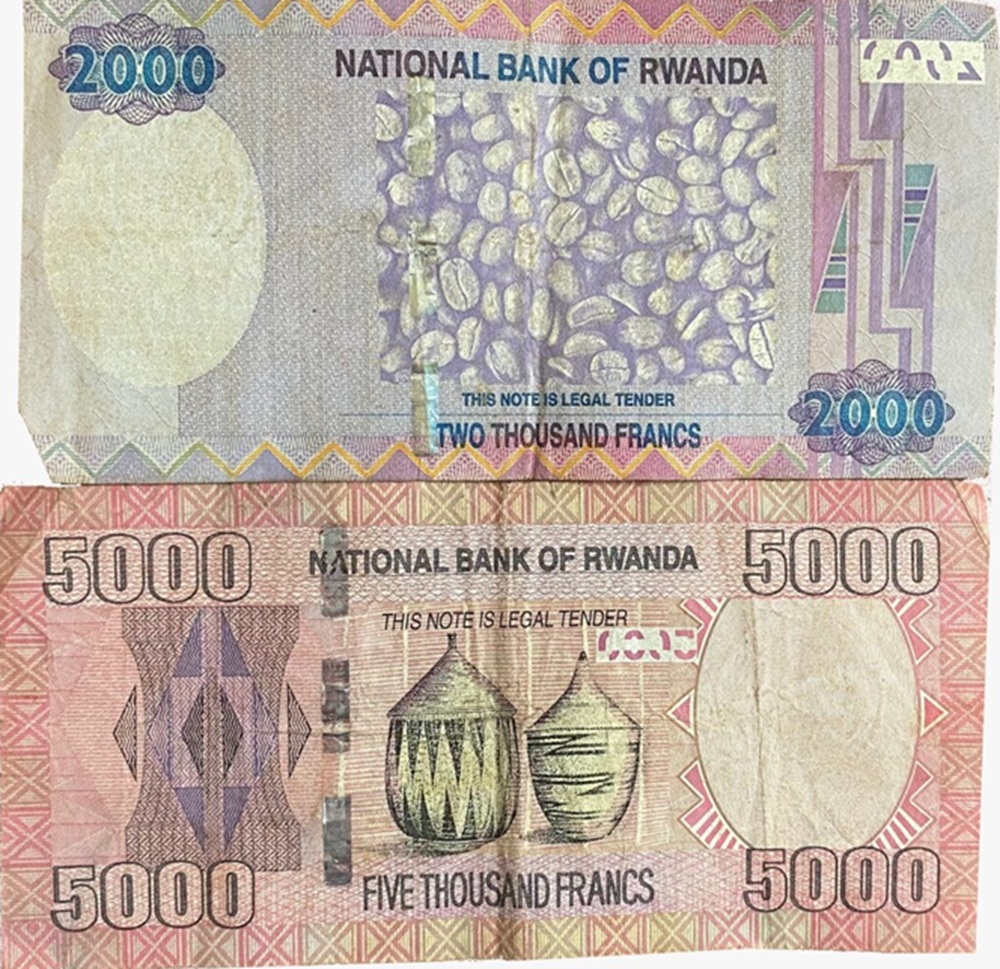
More recently, new designs for the Rwf 5,000 and Rwf 2,000 banknotes were introduced through a presidential order published on August 30, 2024.
At the time, the National Bank of Rwanda (BNR) explained that the redesign was necessary because the existing notes had been in use for many years. For example, the Rwf 2,000 note had last been issued in December 2014.
The central bank said the update was meant to incorporate modern technology that strengthens security features and reduces the risk of counterfeiting.
BNR also revised the material used to produce the banknotes to make them more durable while ensuring that their design reflects Rwanda’s current development and economic progress.
The old Rwf 5,000 and Rwf 2,000 banknotes will cease to be used after 12 months.
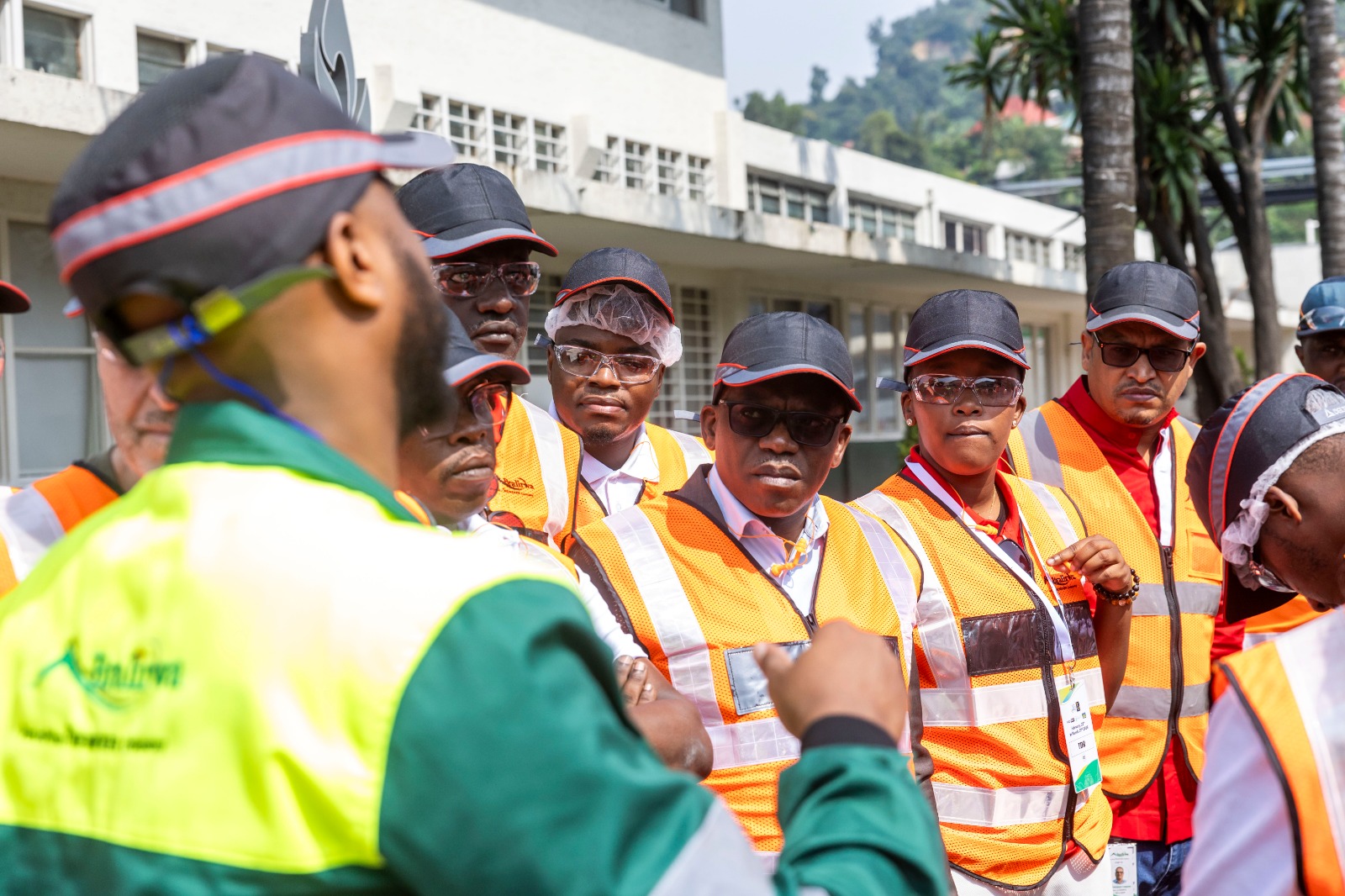
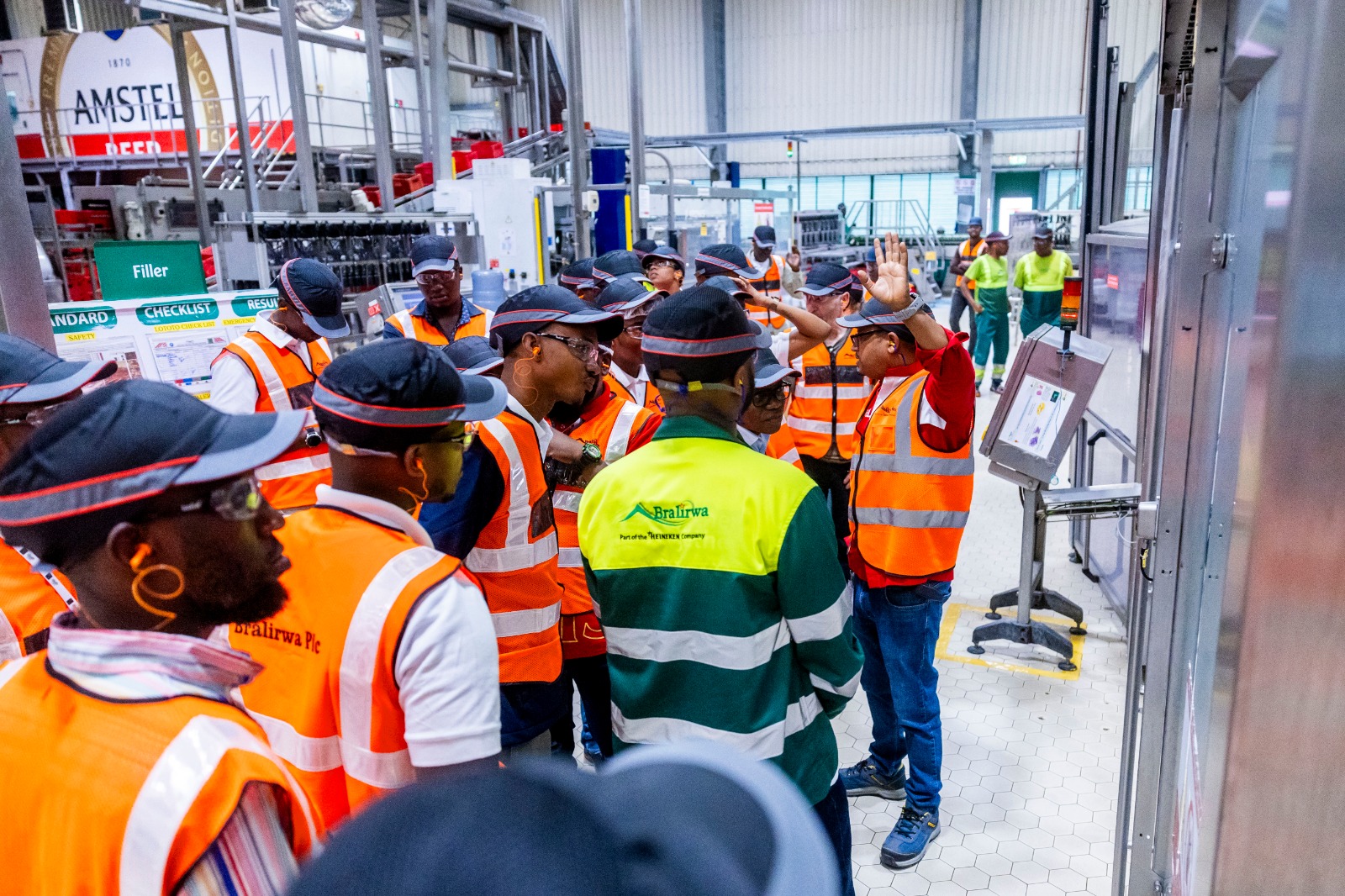
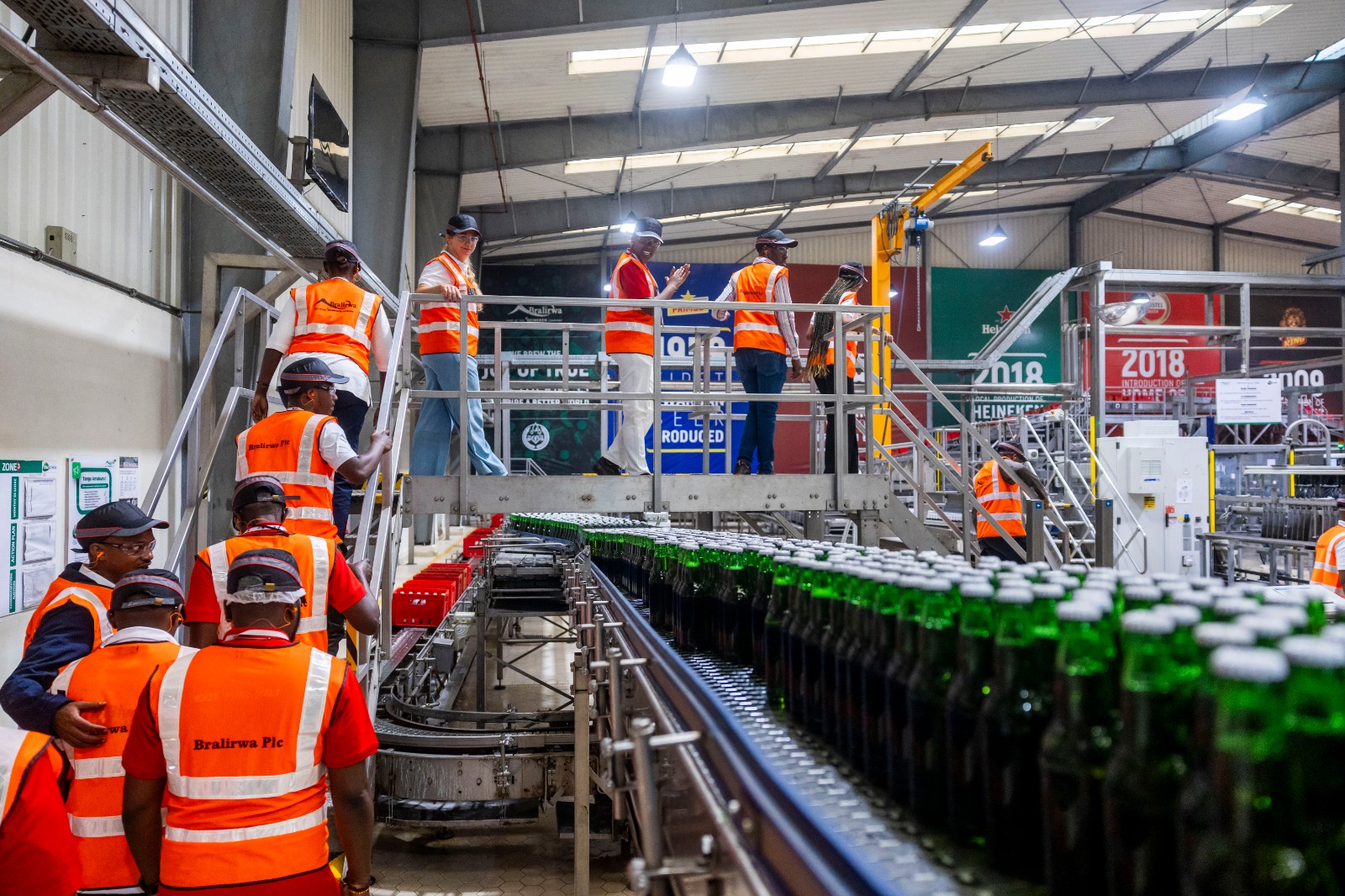
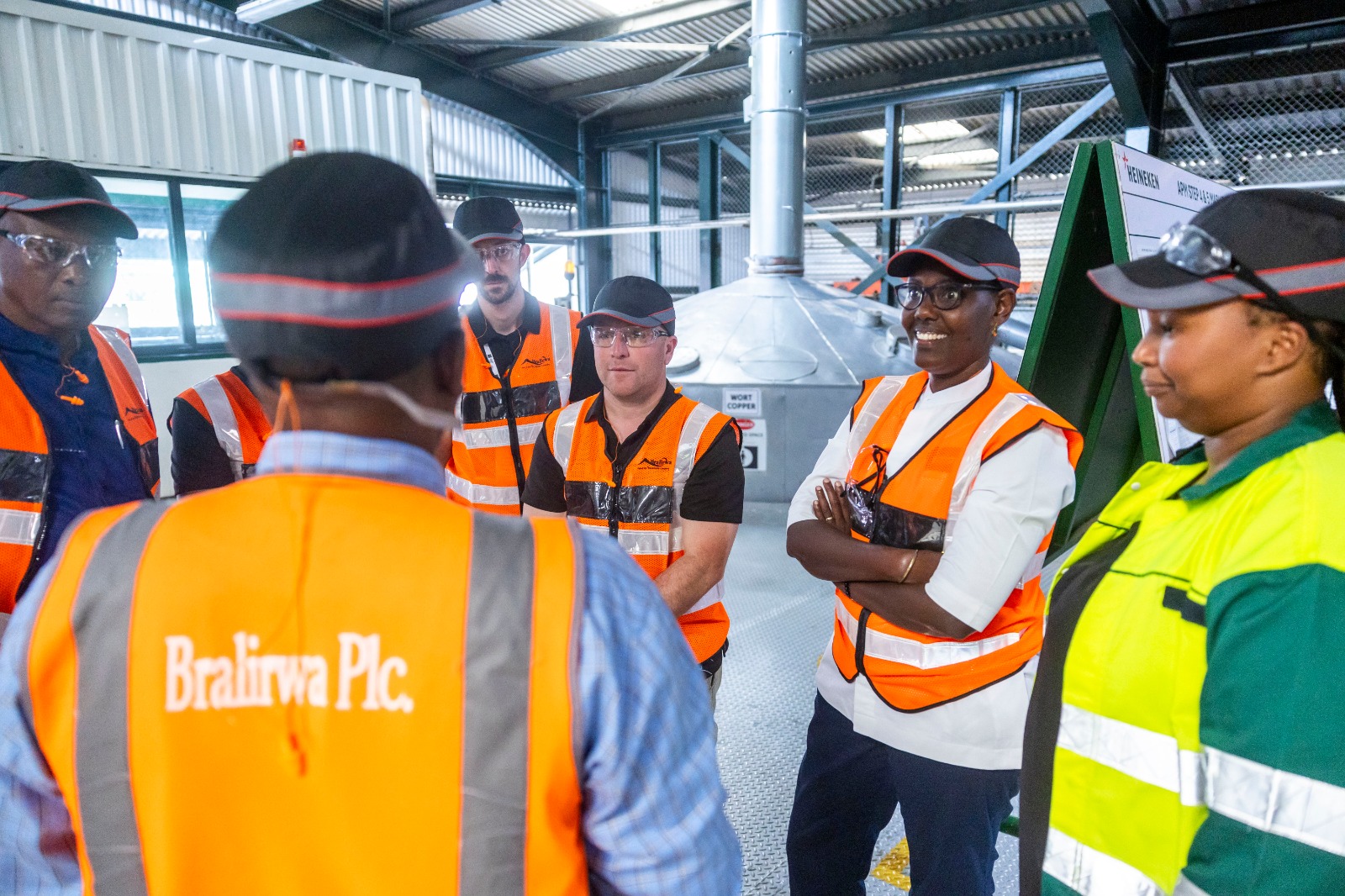
The visit provided guests with a guided tour of the brewery, where they were introduced to the detailed journey of beer production – from the brewing process to packaging – showcasing the craftsmanship, expertise, and quality standards that define BRALIRWA’s brewing heritage.
For many of the visitors, the experience offered a deeper appreciation of the work behind the brands that continue to play a visible role during the Tour du Rwanda through fan experiences and nationwide activations.
The visit also served as an opportunity to strengthen relationships between BRALIRWA and the partners supporting the Tour du Rwanda, reinforcing the spirit of collaboration that helps deliver one of Africa’s most exciting cycling events.
As a Gold Sponsor of the Tour du Rwanda, Amstel – 100% Pure Malt – remains part of the celebration of cycling across Rwanda by bringing fans together through engaging experiences, including fan zones, community activities, and social rides.
The visit to the brewery in Rubavu therefore marked not only a moment of discovery for the guests but also a reminder of the partnerships and shared commitment that continue to make the Tour du Rwanda a growing symbol of sport, tourism, and community pride in Rwanda.
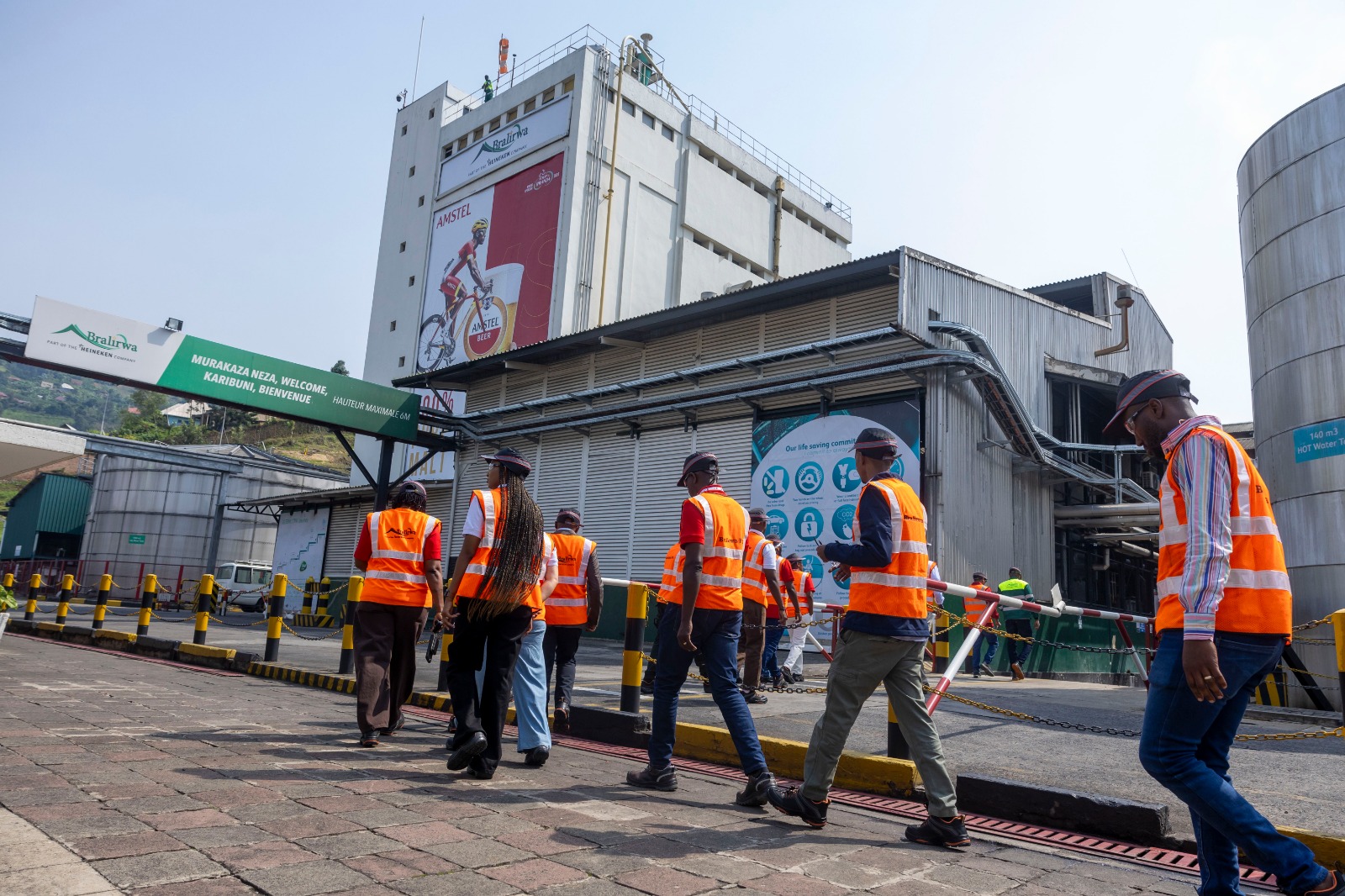
The visit to the brewery in Rubavu therefore marked a moment of discovery.The visit provided guests with a guided tour of the brewery, where they were introduced to the detailed journey of beer production. For many of the visitors, the experience offered a deeper appreciation of the work behind the brands that continue to play a visible role during the Tour du Rwanda.Guests arriving at the plant based in Rubavu District.
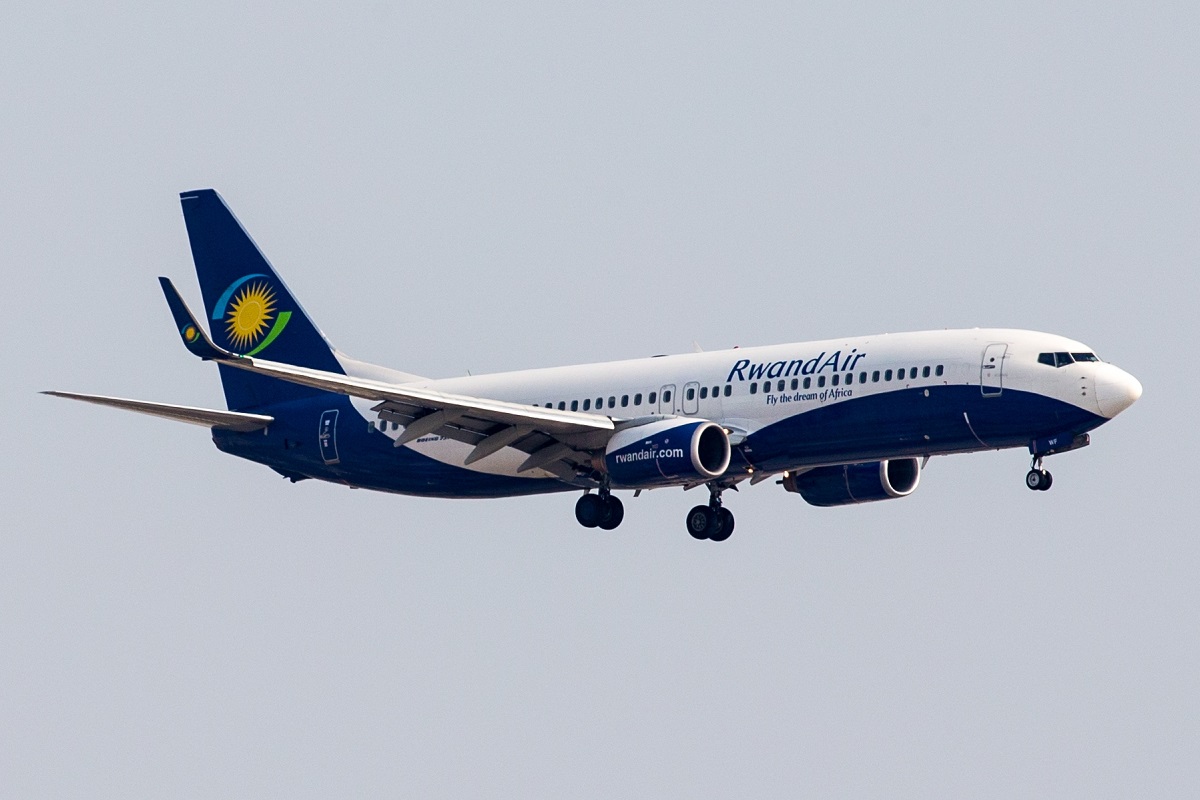
The announcement, made on February 28, 2026, follows a major strike by Israel and the United States on Iran, dubbed “Operation Roaring Lion.”
RwandAir said passenger and crew safety remains its top priority and urged affected passengers to reschedule their flights.
“ We are closely monitoring the situation and will provide further updates as more information becomes available. Affected passengers may reschedule their tickets for a later date,” reads a statement shared on X.
As Iran began retaliating, several neighboring countries; including Qatar, Kuwait, Syria, and the United Arab Emirates,closed their airspace.
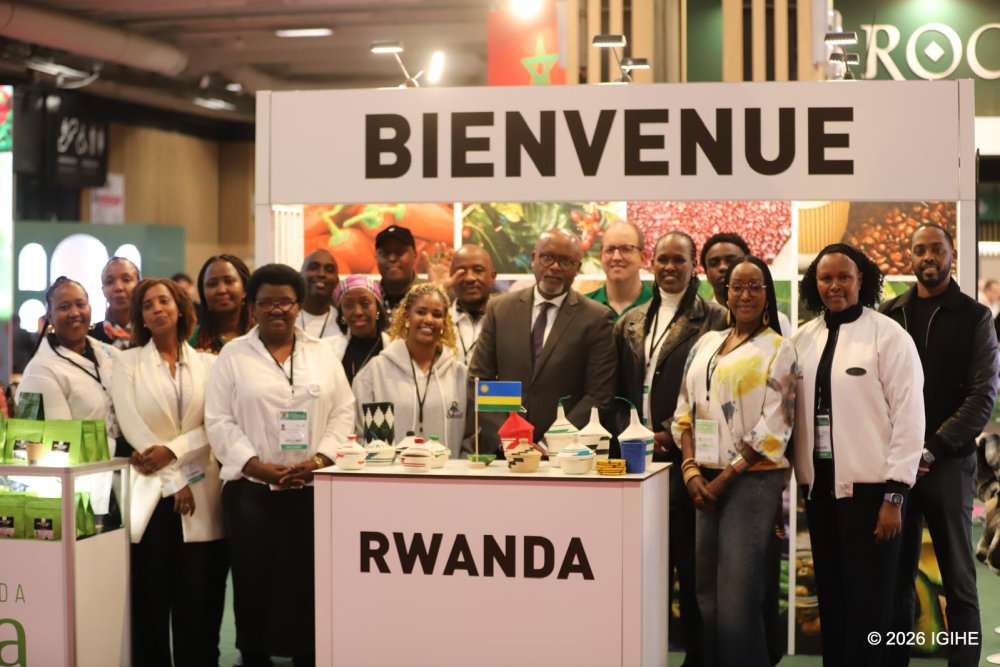
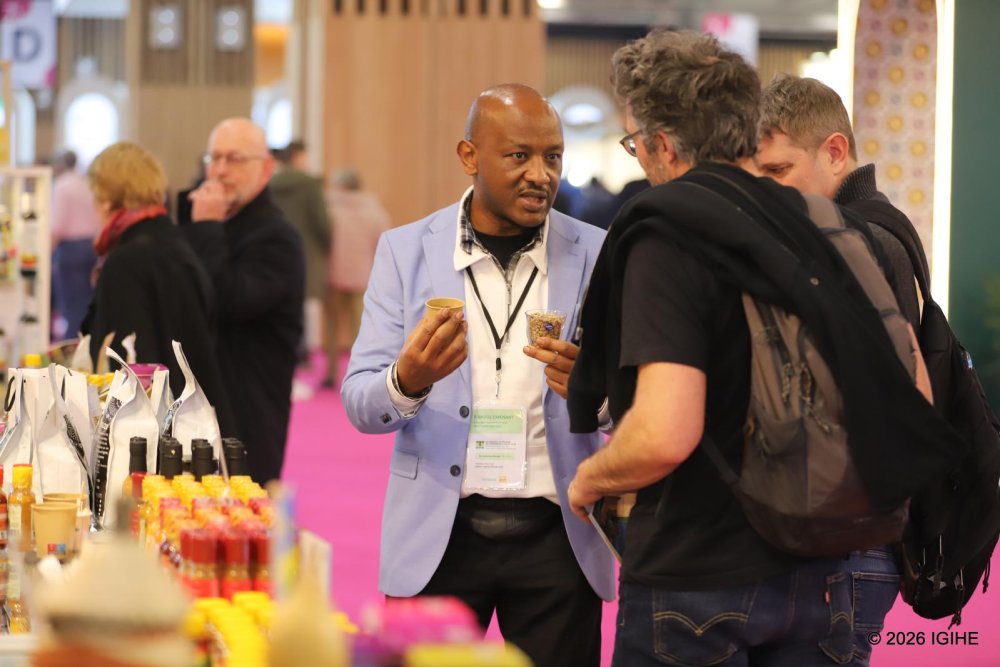
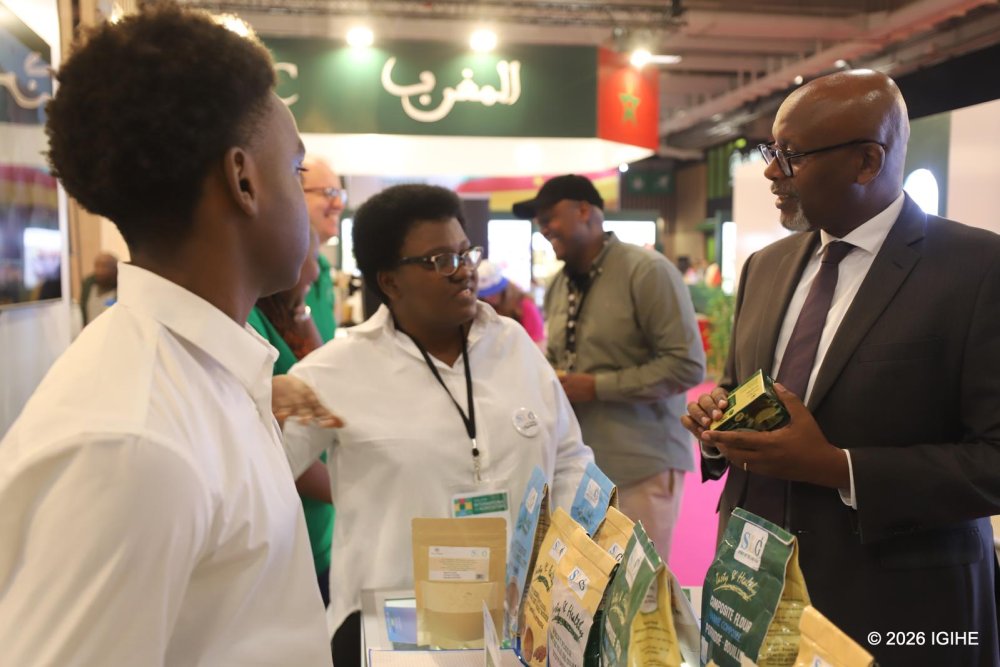
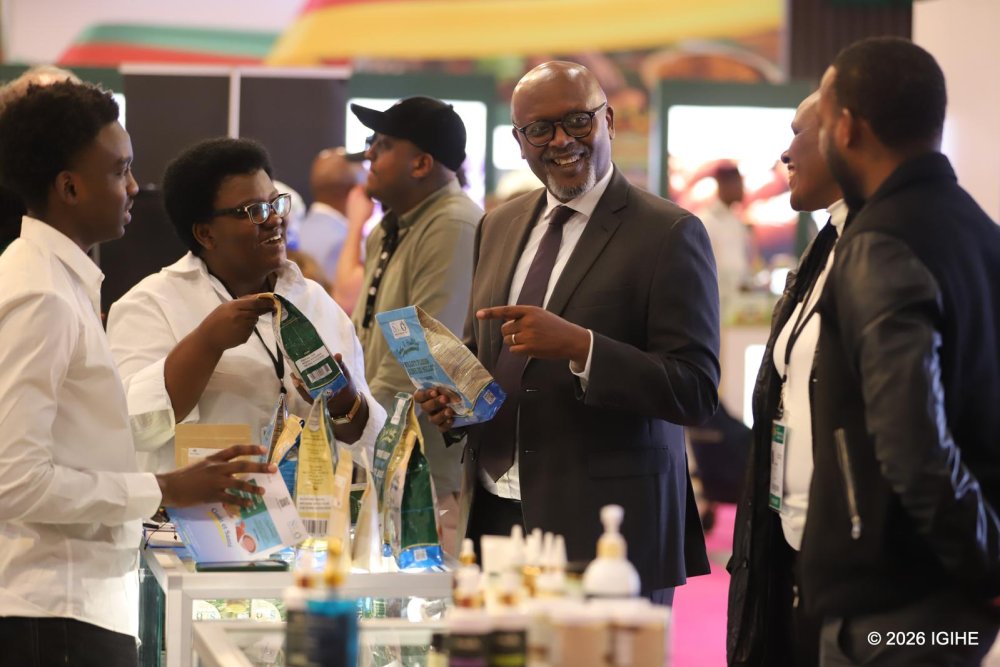
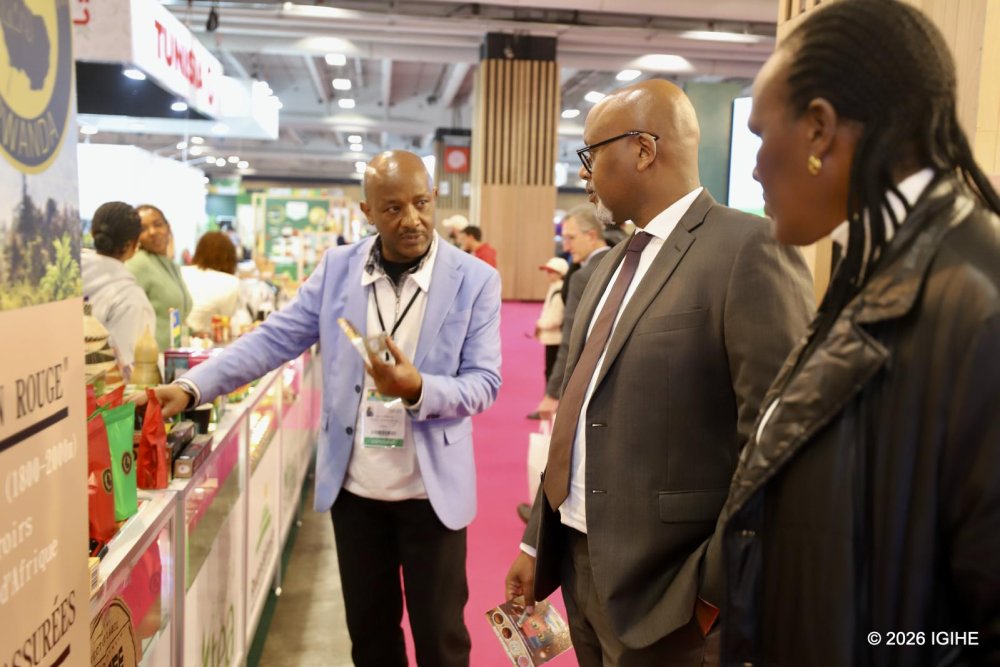
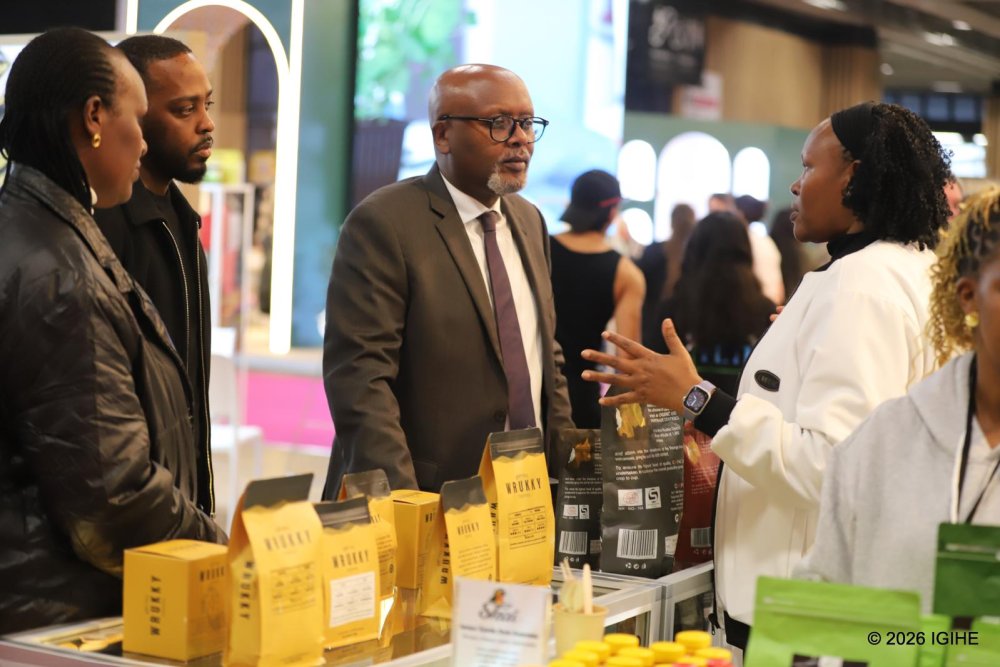
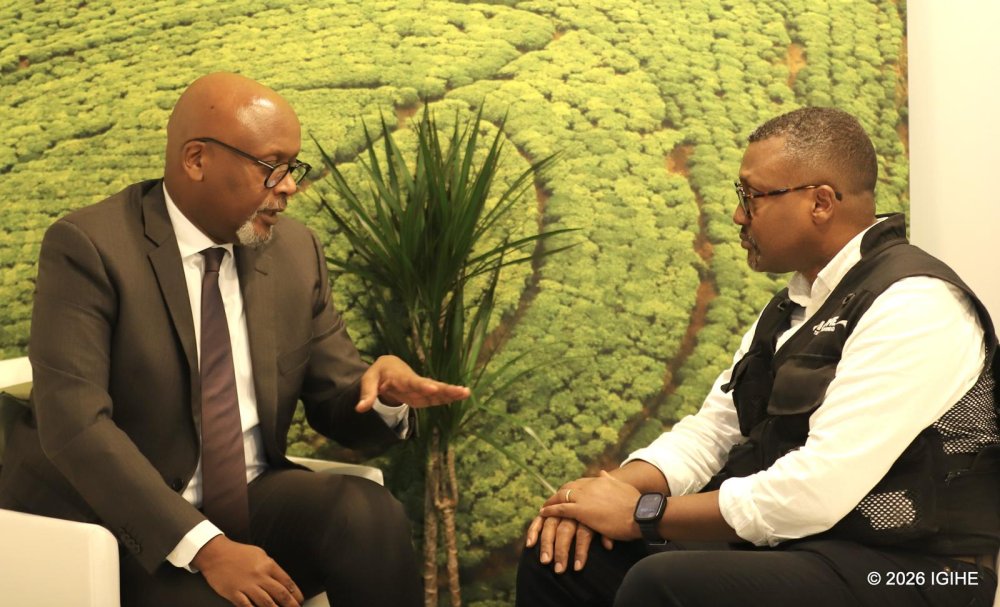
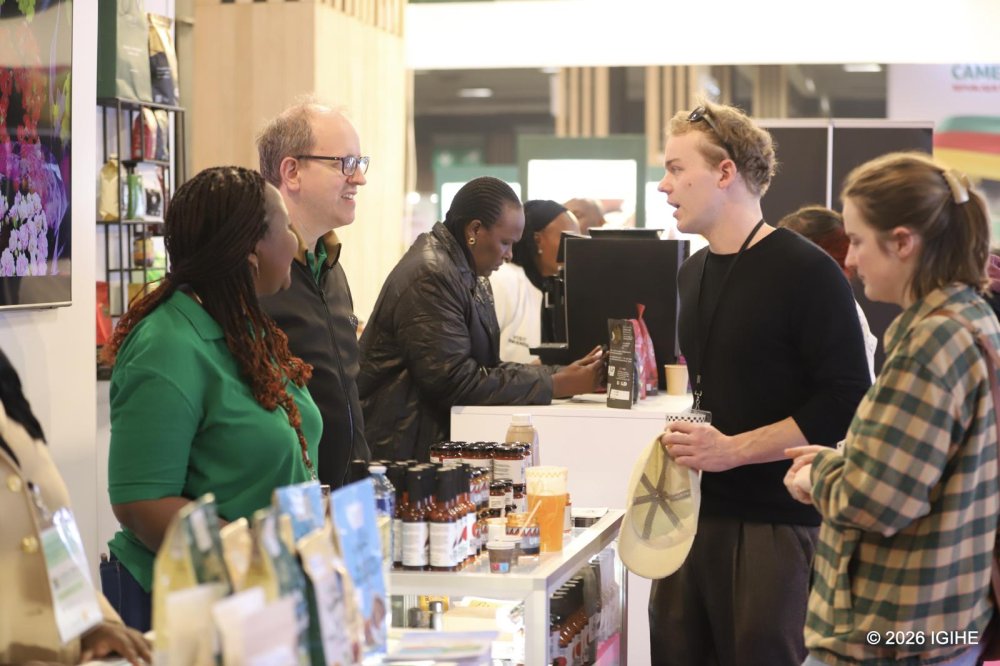
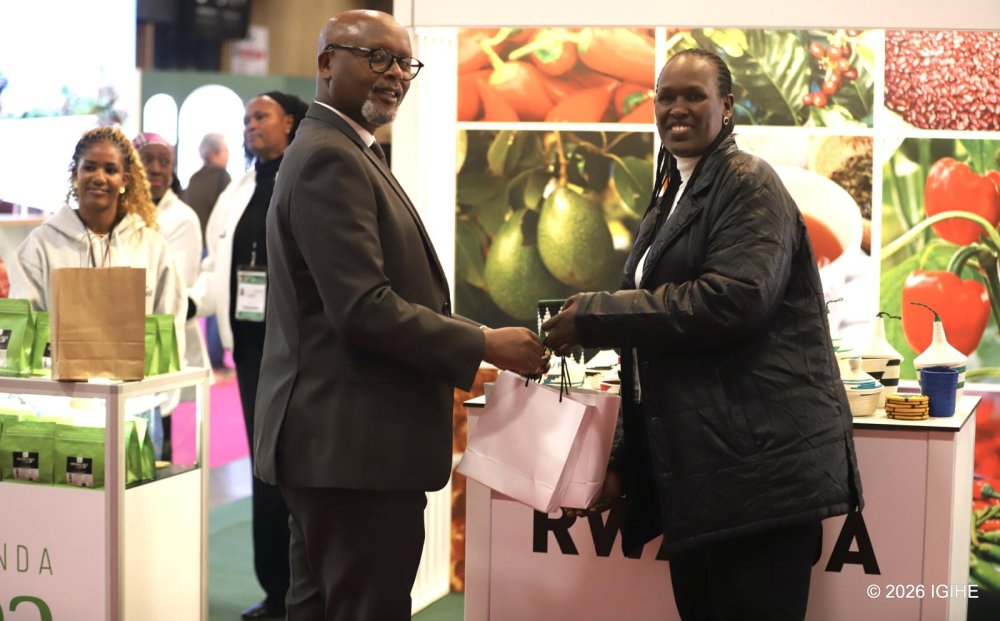
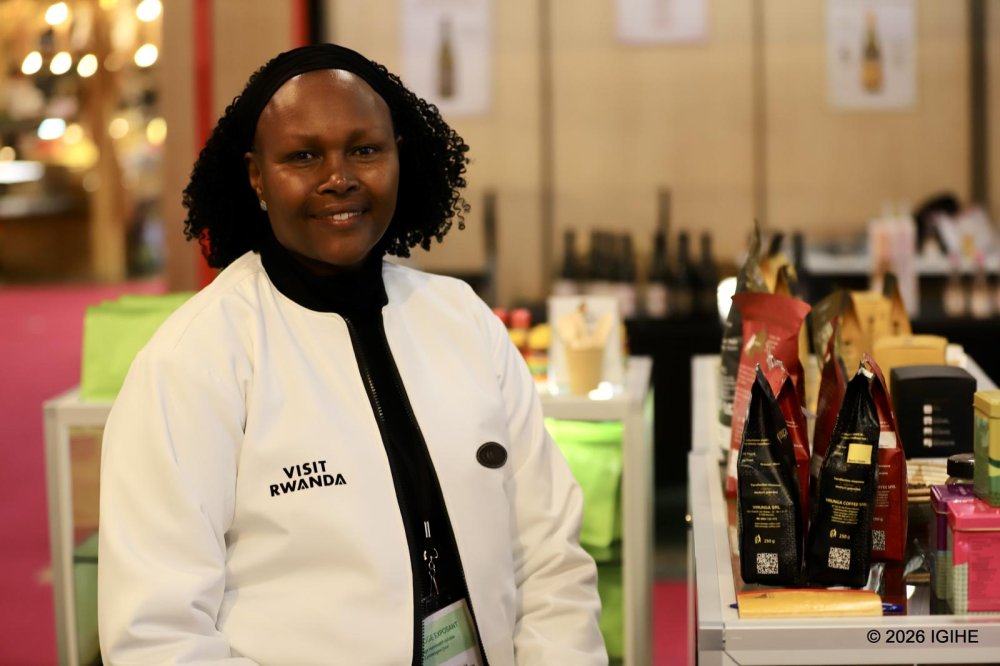
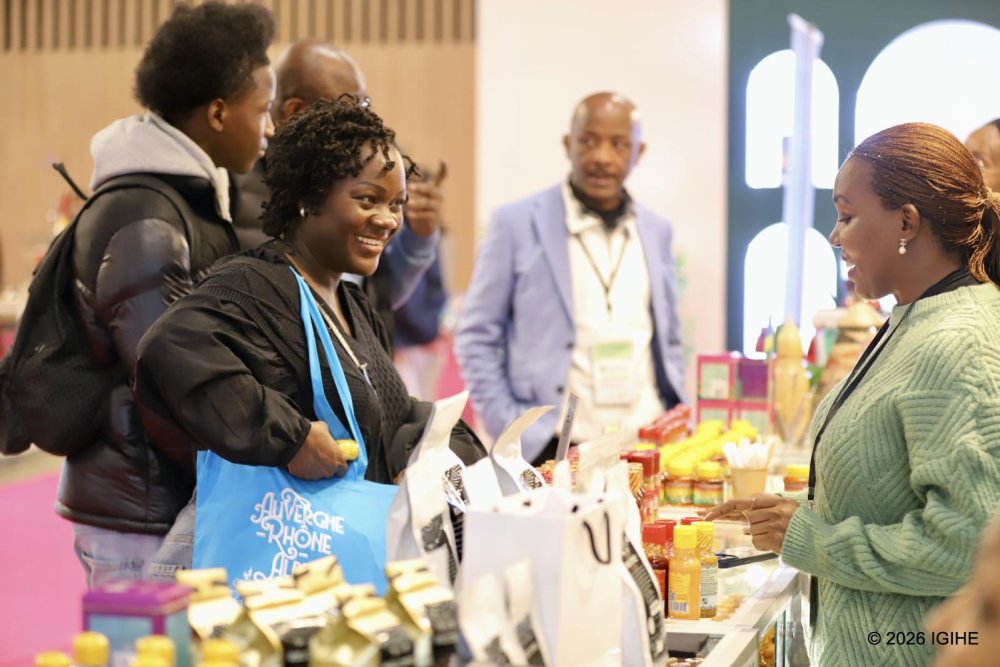
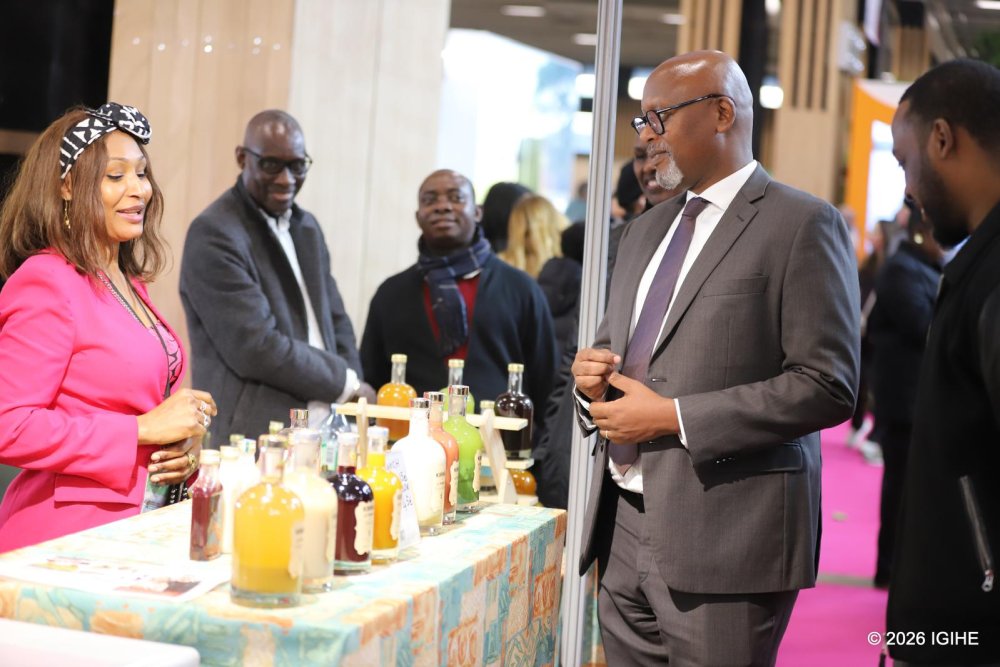
This was emphasized during a visit by Rwanda’s Ambassador to France, François Nkulikiyimfura, who toured the Rwandan pavilion and engaged with exhibitors about the benefits from it.
The ambassador noted that France is a major player in agriculture and livestock, stressing the value of establishing business partnerships. He also assured participants that the Rwandan Embassy would continue to support them in accessing new markets in France.
Amb. Nkulikiyimfura was accompanied by Janet Basiima, the Head of the Export Market Development and Innovation Division at the National Agricultural Export Development Board (NAEB).
Among the exhibitors was Ritha Umutoni, CEO of Rixu Rwanda Coffee, who told IGIHE that participating in such fairs helps promote Rwandan products on international markets.
“Attending is not just about meeting buyers,” she said. “We also engage in planned activities, meeting executives from large importing and exporting companies worldwide. It’s a place to learn, visit other key markets in France, and expand our business ideas and practices.”
Umutoni also praised Rwanda’s governance under President Paul Kagame, saying it enables Rwandans to participate confidently on international platforms.
Stephanie Kayirangwa, Managing Director of Fita Ltd, which grows and exports agricultural products including chili, commended NAEB for facilitating access to the fair and the embassy for ongoing support.
Aloys Rubayiza, Managing Director of Rwanda Mountain Coffee, noted that this was his first time at the show but was impressed by the attention Rwandan products received.
“This was Rwanda’s fifth participation, and we noticed buyers returning for Rwandan coffee and tea because they enjoyed it. It confirmed that our coffee is gaining recognition internationally,” he said.
The fair, held annually at Paris Expo – Porte de Versailles from late February to early March, showcases agricultural and livestock products, related technologies, partnerships, and innovations.
The 2026 edition opened on February 21 with the presence of French President Emmanuel Macron. Rwanda was allocated the seventh pavilion among over 100 participating countries, highlighting its progress in promoting agricultural and livestock exports.
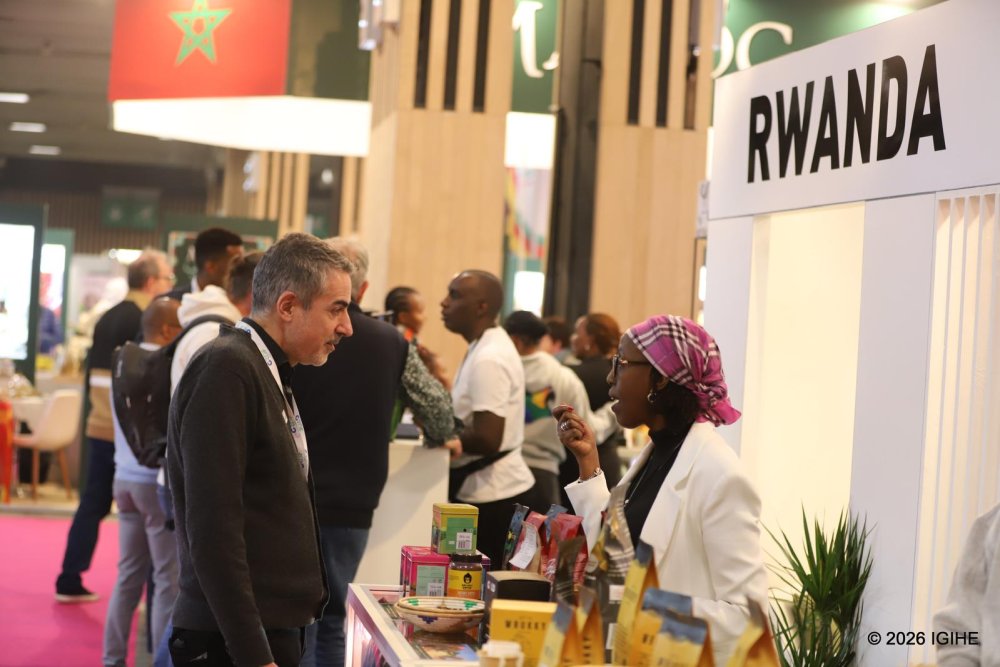
Rwanda was represented by NAEB, the Rwandan Embassy in France, and 15 companies showcasing products such as coffee, tea, honey, and more.
The exhibition provides a valuable platform for farmers, entrepreneurs, and investors to share experiences and explore investment opportunities.
SIA spans nine days and attracts more than 1,000 exhibitors and thousands of visitors. In 2025, over 607,503 people attended the event, making it one of France’s most attended fairs.
The exhibition also features 4,000 animals, including cows, sheep, pigs, and horses.
Agricultural exports continue to grow. In December 2025, Rwanda’s Ministry of Agriculture and Animal Resources reported that exports of these products had generated over $893.1 million.
Under Rwanda’s Second National Strategy for Transformation (NST2), the country aims to increase foreign currency earnings from agricultural exports to $1.5 billion annually by 2029.
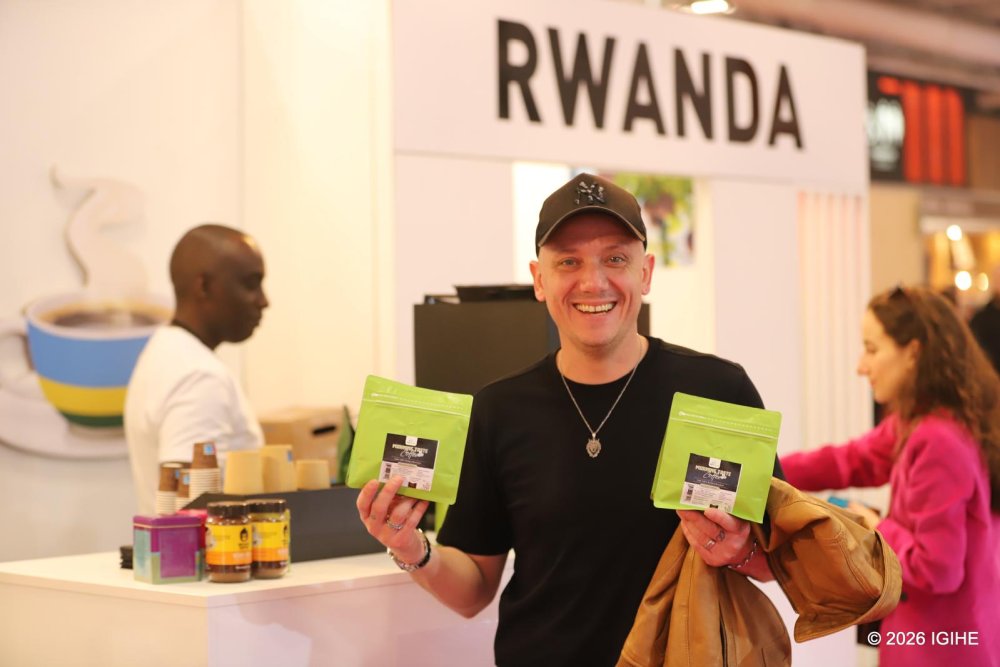
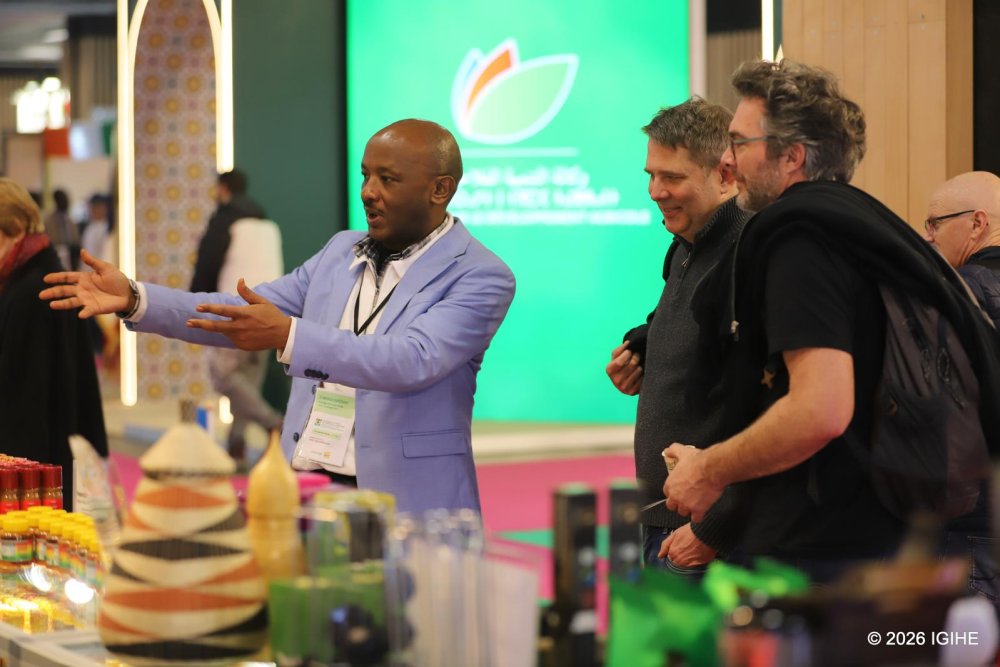
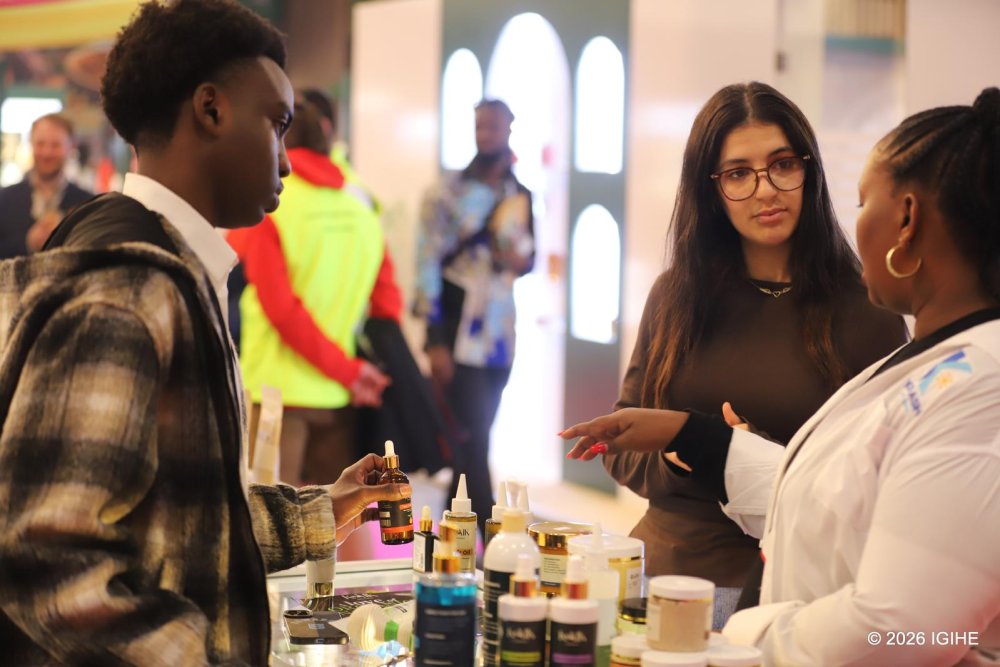
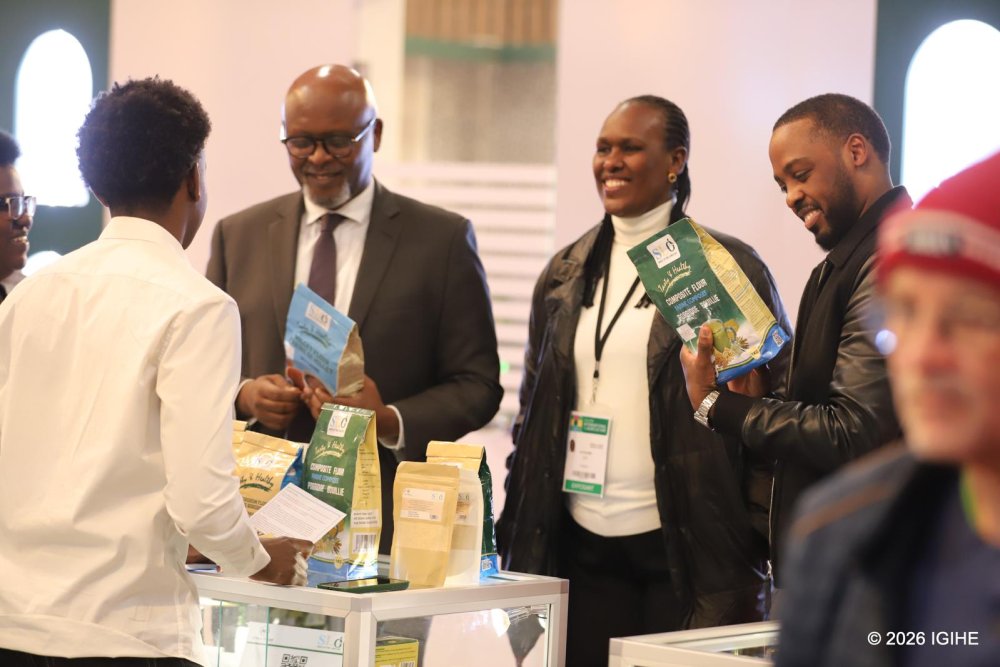
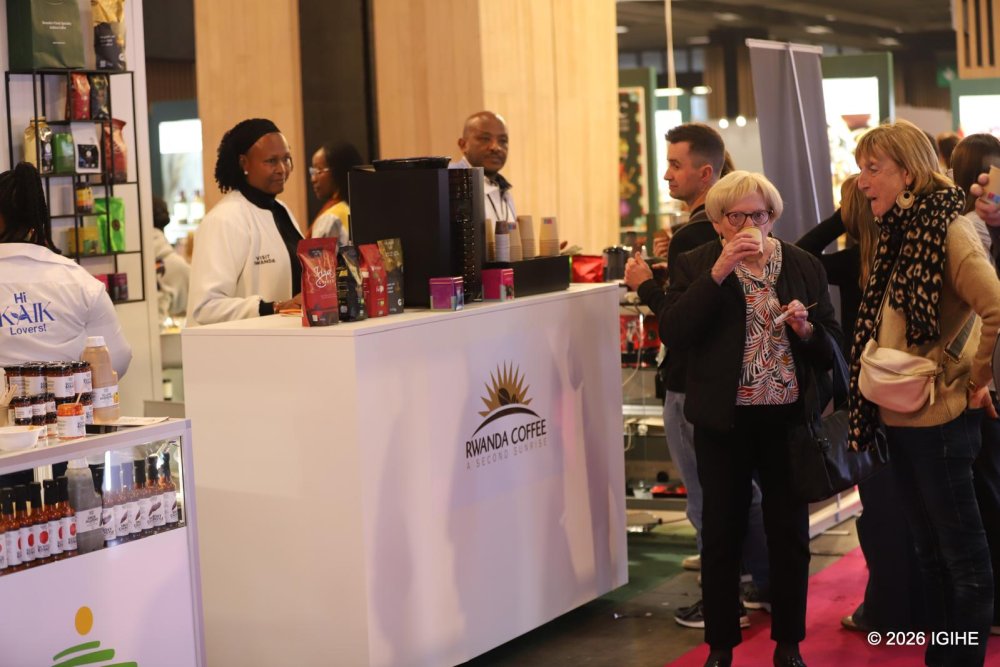
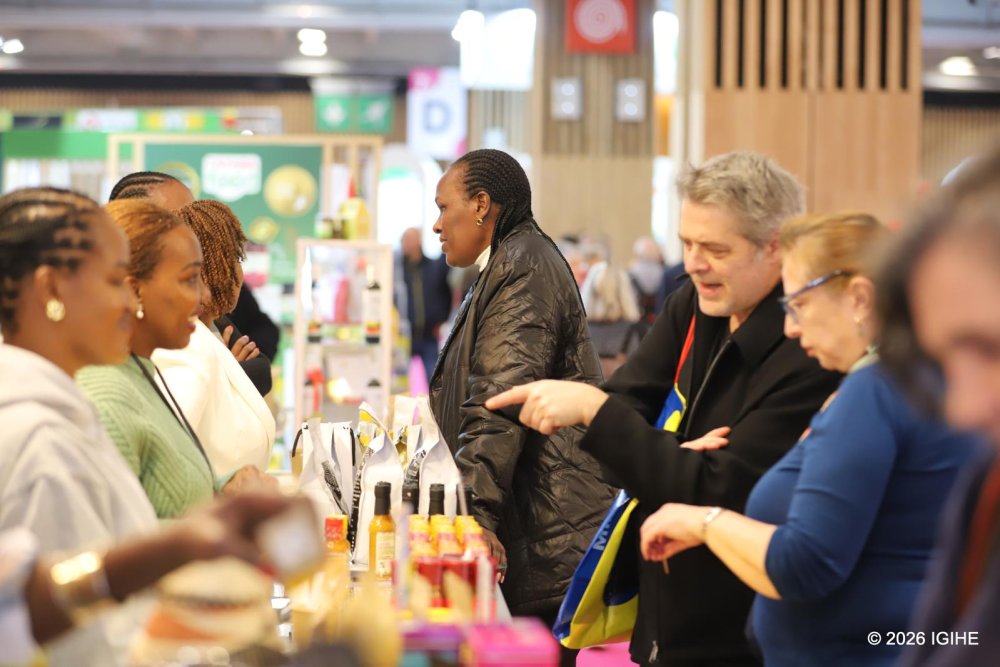
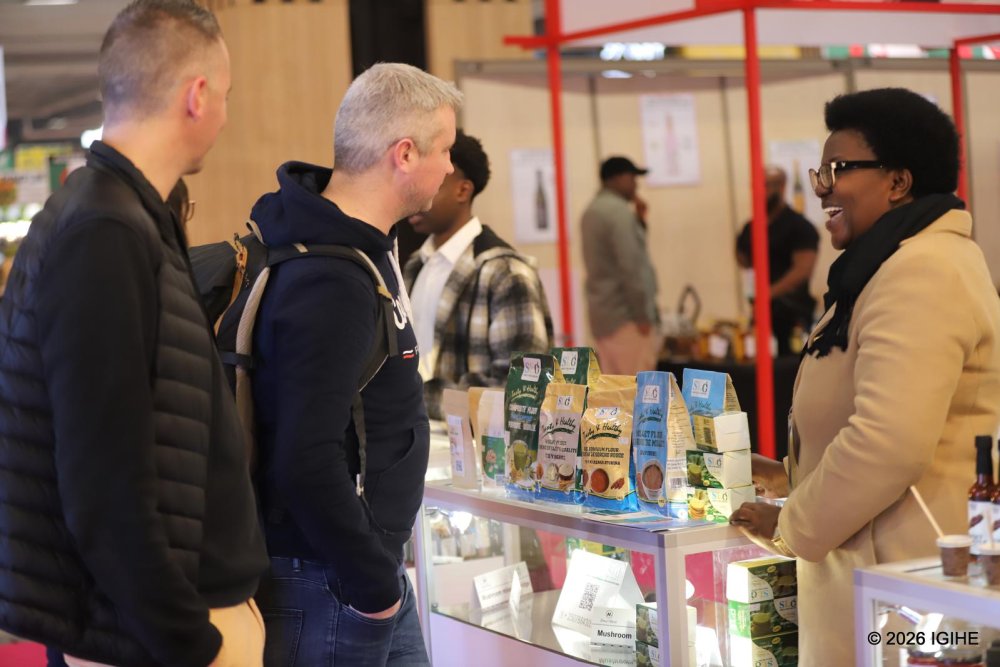
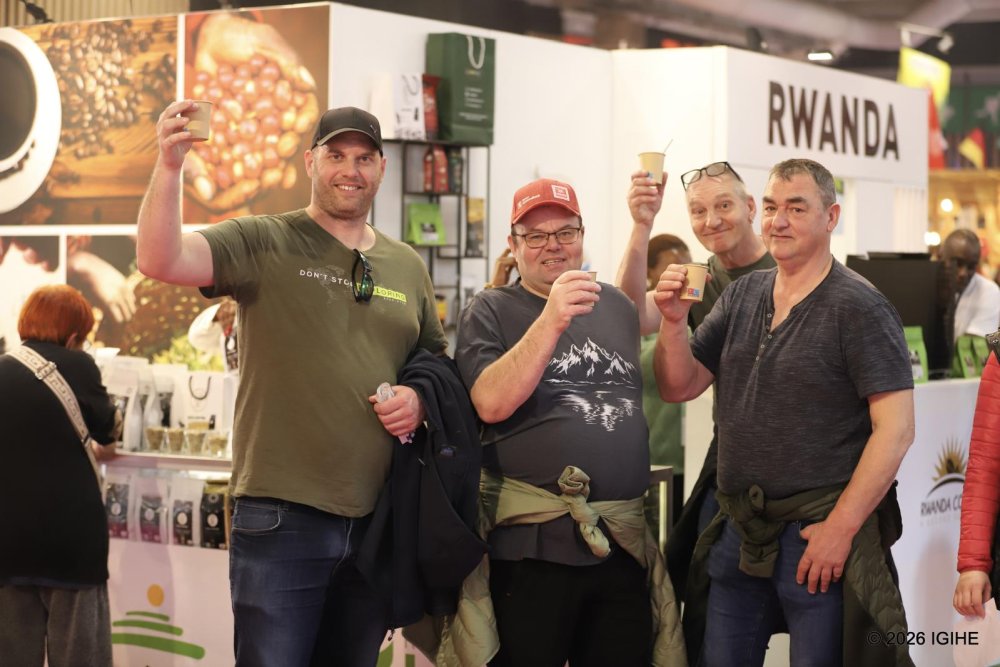
Rwandans at SIA 2026 trade fair have been pleased with the available opportunities. Visitors were impressed by Rwandan coffee. Rubayiza Aloys, the Managing Director of Rwanda Mountain Coffee, showcasing his products to visitors. Rwanda is participating in SIA trade fair in France for the fifth time.Rwanda’s Ambassador to France, François Nkulikiyimfura, promised support to those seeking expanded market opportunities in the country. Amb. Nkulikiyimfura speaks with Stephanie Kayirangwa, CEO of Fita Ltd, which produces chili and various flavors.Amb. Nkulikiyimfura talks with participants, including coffee exporter NzungizeAmbassador François Nkulikiyimfura in conversation with IGIHE.Ritha Umutoni, CEO of Rixu Rwanda Coffee, told IGIHE that the main reason for attending such fairs is to promote “Made in Rwanda” products.Rubayiza Aloys, the Managing Director of Rwanda Mountain Coffee, welcomed the attention Rwandan exhibitors receive from foreign visitorsRwanda’s pavillion received significant attention. Rwandans were pleased with opportunities to expand markets in Europe.Swiss visitors admired Rwandan coffee
The 18th edition of this international cycling race, which tours across Rwanda, is scheduled to conclude on March 1, 2026. As an official sponsor, Amstel awards the winner of each stage.
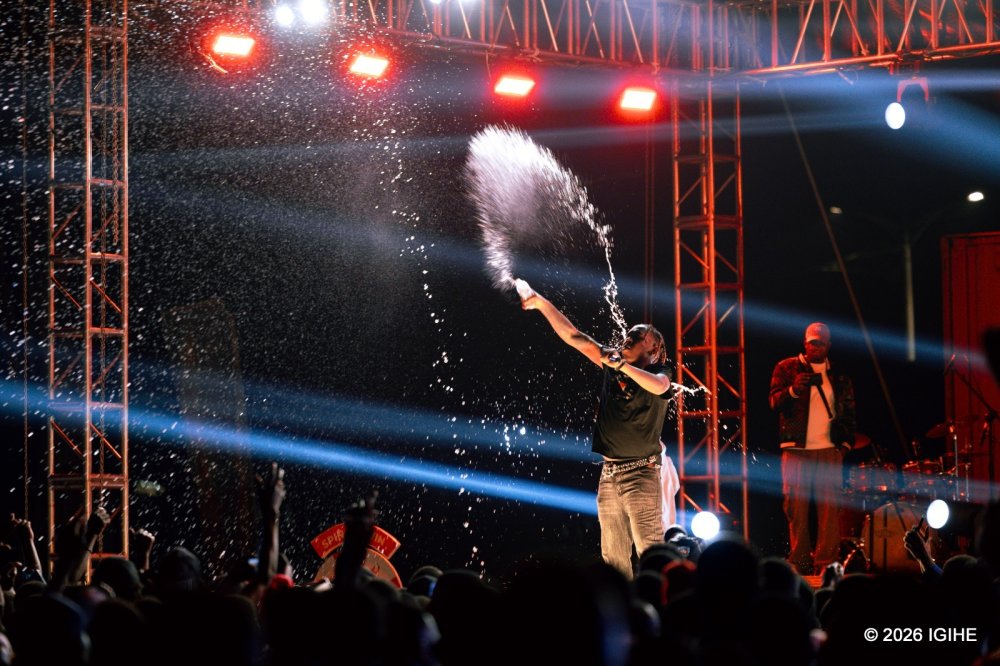
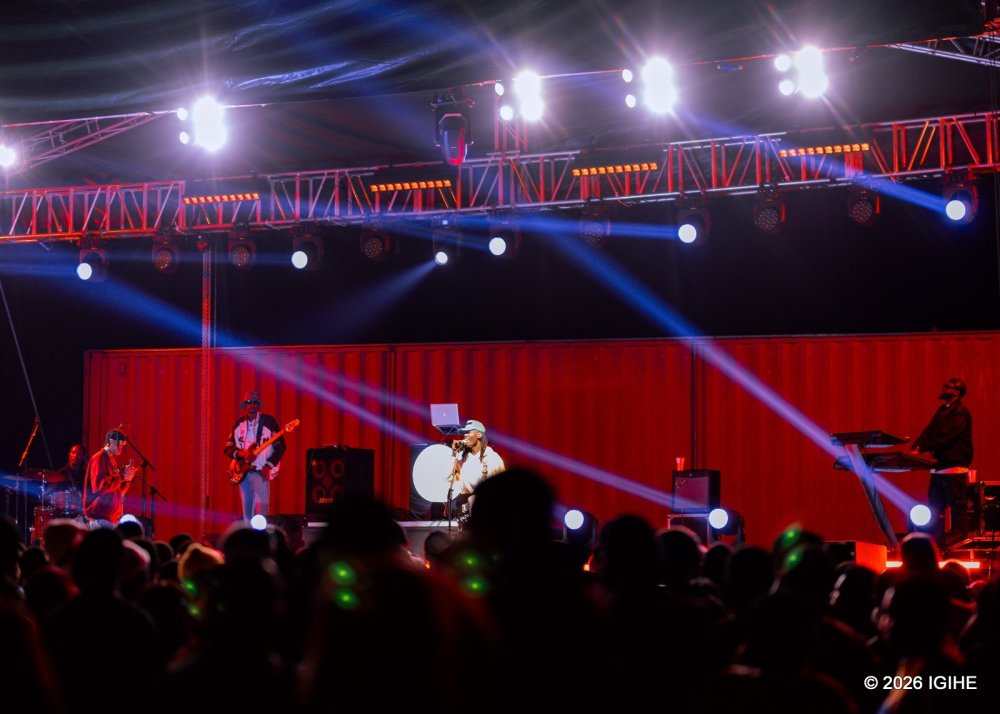
Following each stage, Amstel also hosts entertainment events as part of the Tour du Rwanda Festival, which kicked off in Huye and will continue in Rubavu, Musanze, and Kigali.
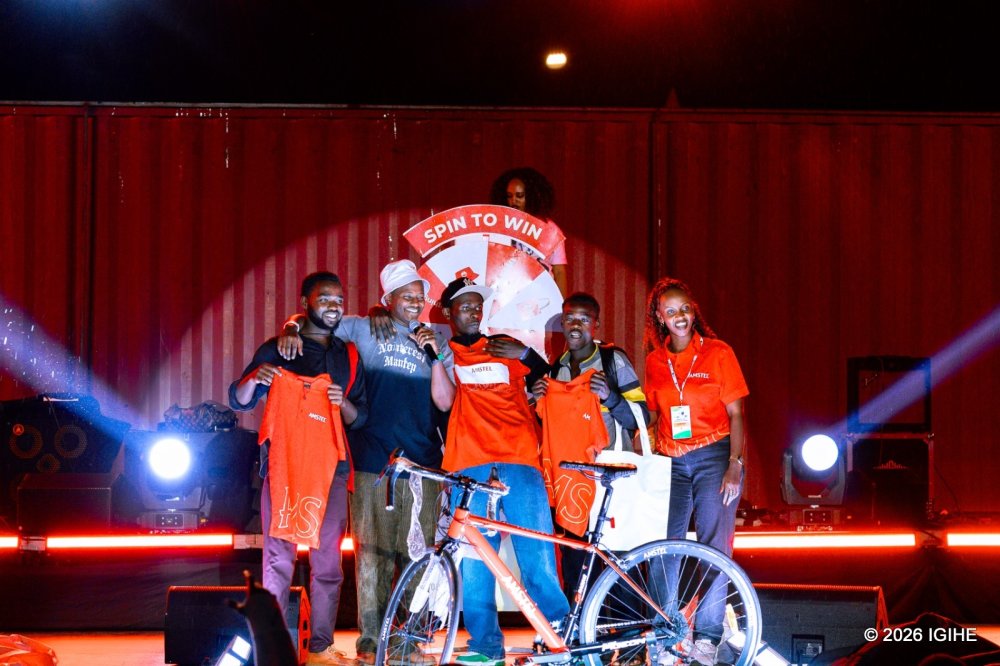
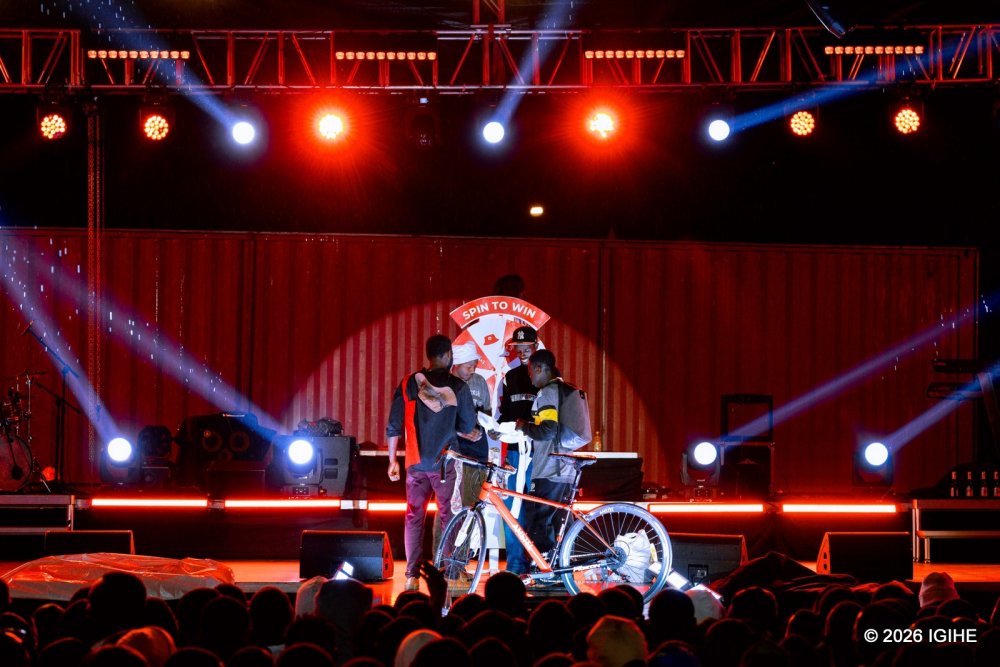
Prizes are awarded to winners of various competitions, including E-Cycling challenge. At the Huye event, the top performer in E-Cycling received a bicycle, while other participants were given additional prizes.
This year, Amstel has also organized a ‘social ride’ for amateur riders and cycling fans. The event is scheduled for February 26, 2026, in Rubavu and will conclude in Kigali on March 1, 2026. The top two performers in the social ride will each take home a bicycle.
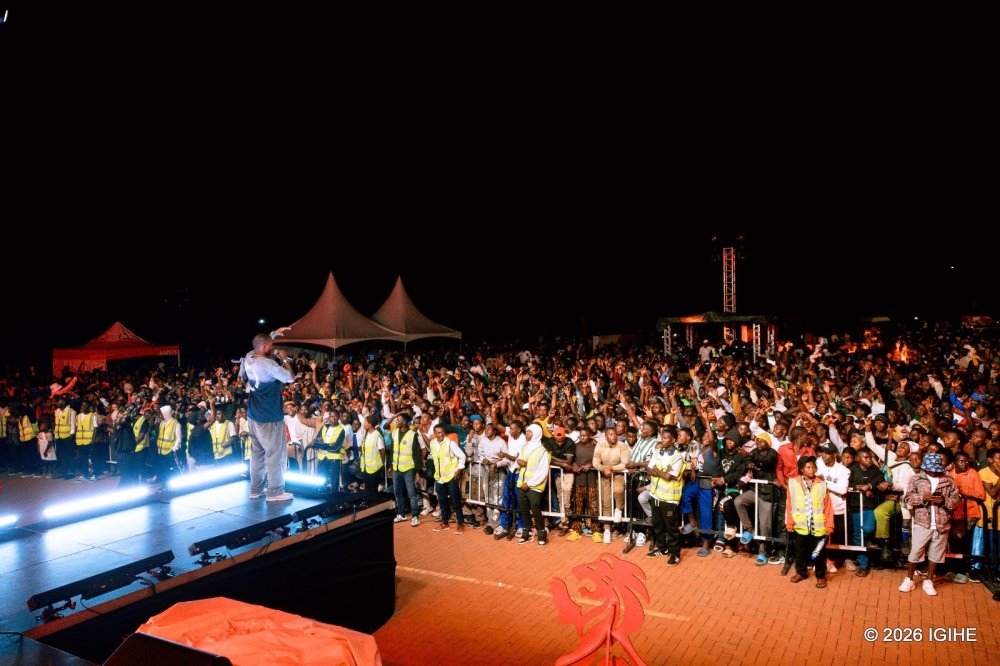
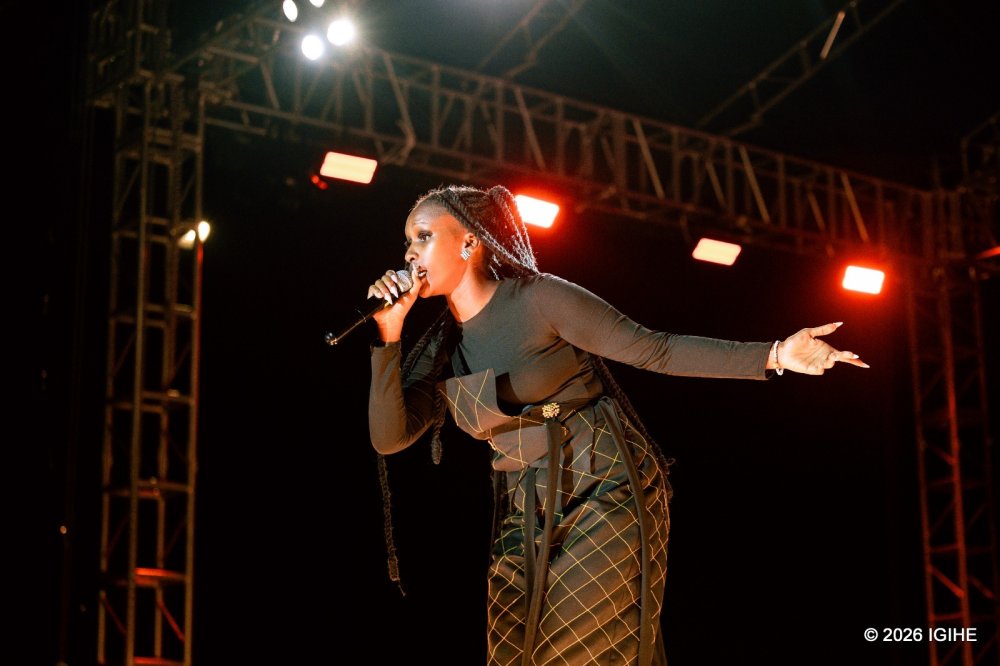
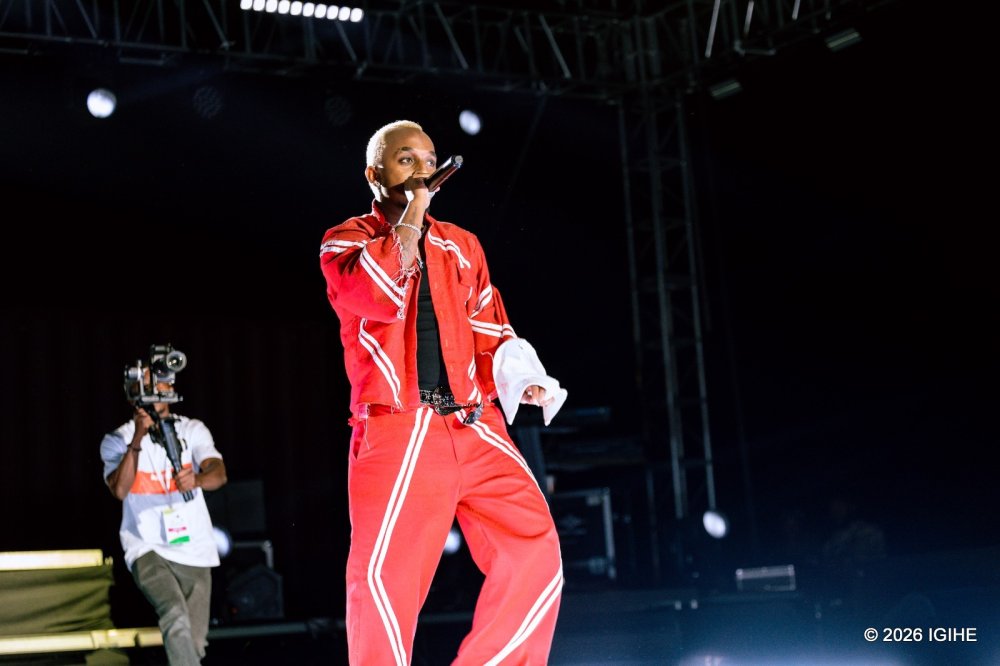
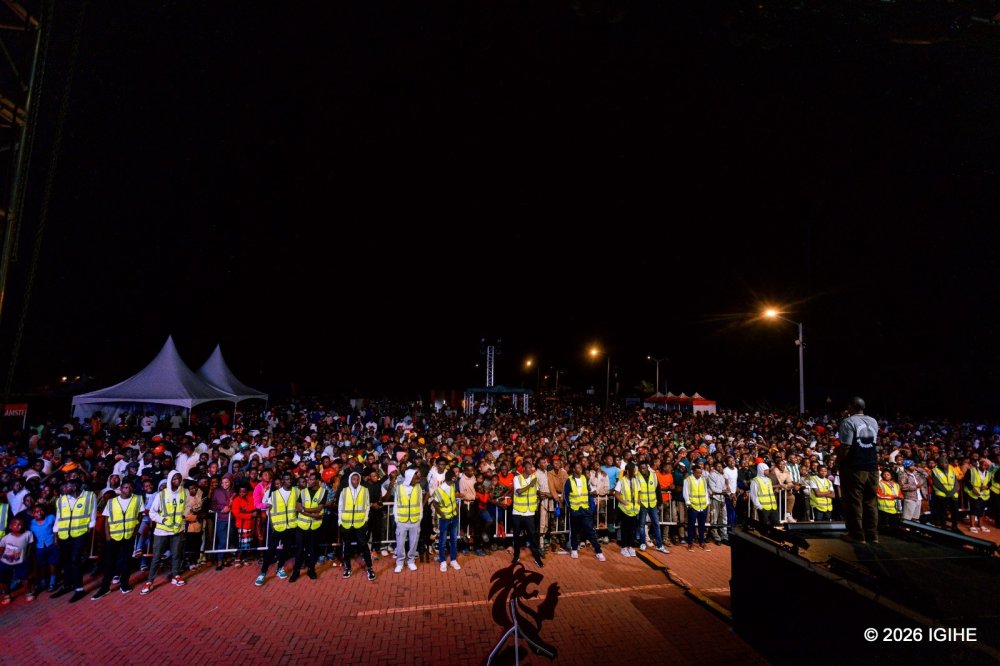
Huye residents turned out in large numbers for the concert.Bwiza thrilled the audience with her performance.Kenny Sol kept the crowd entertained throughout the event.Amstel customers receive prizes during the cycling race.Bushali delighted fans with an energetic performance.Amstel, a key Tour du Rwanda partner, spreads joy wherever the race goes.The Amstel concert in Huye captivated the audience.At the Huye event, the E-Cycling champion was awarded a bicycle.
NCBA underscored this commitment during a customer engagement forum in Rubavu attended by local government leaders, business owners, cross-border traders, logistics operators, and entrepreneurs.
The forum created space for practical discussion on the realities of running businesses in a border economy; working capital pressures, currency flows, digital payments, supply chain delays, and the need for financing that matches the speed of opportunity.
Rubavu’s identity is distinct. Where other cities are built primarily around domestic markets, Rubavu is built around movement of goods, people, and demand. It is Rwanda’s western doorway into the Great Lakes region, and a city whose economic pulse is driven by cross-border trade with the Democratic Republic of Congo. But Rubavu is changing.
“We are excited to collaborate with NCBA as we enter Rubavu’s next chapter of growth which is about shifting from a border town to a regional trade hub,” said Rubavu Mayor Mulindwa Prosper.
During the event, NCBA committed to supporting investors and enterprises in the district and held direct talks with manufacturers, processors, warehouse operators, distributors, and SMEs.
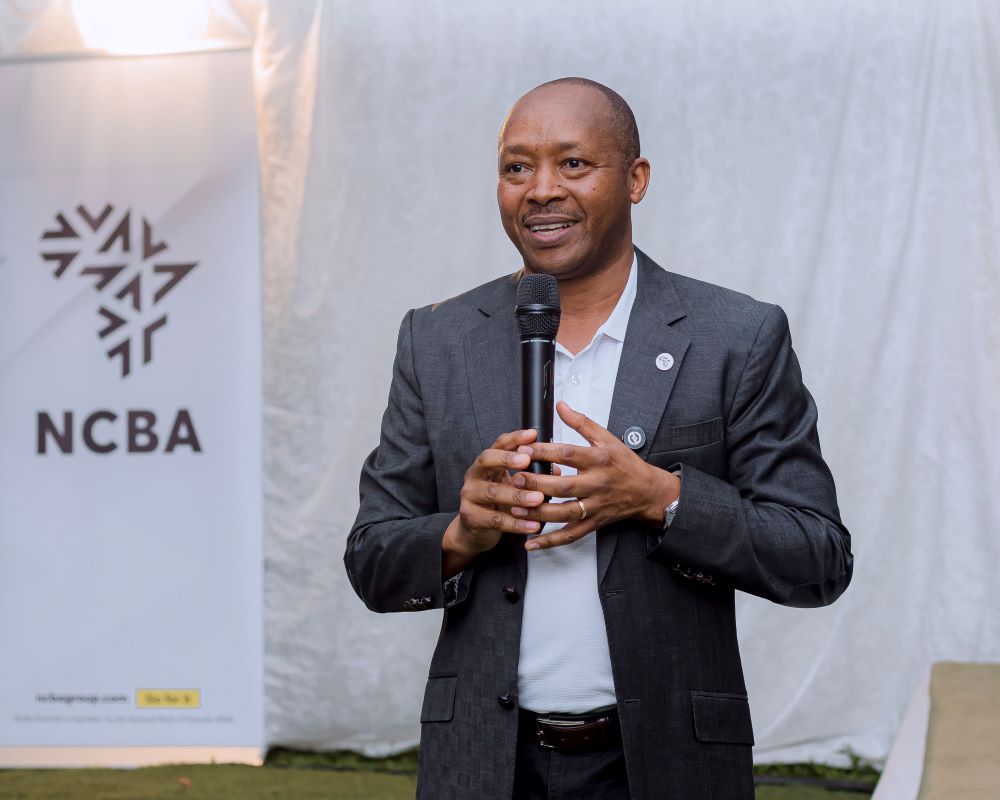
In his remarks, NCBA Rwanda’s Managing Director Maurice Toroitich agreed with the Mayor’s sentiments. “With our physical and digital presence across East Africa, NCBA is the right bank to enable entrepreneurs to scale trade beyond the traditional routes. We are present in Kigali, Kampala, Busia, Eldoret, Nairobi and all the way to Mombasa and that’s the same on the Dar-es-Salaam route. “So, for cross-border trade, import and export we can provide you with one experience wherever you are. We also have capabilities to connect you across Africa and the world,” he noted.
Re-anchoring growth on industry and urban redevelopment
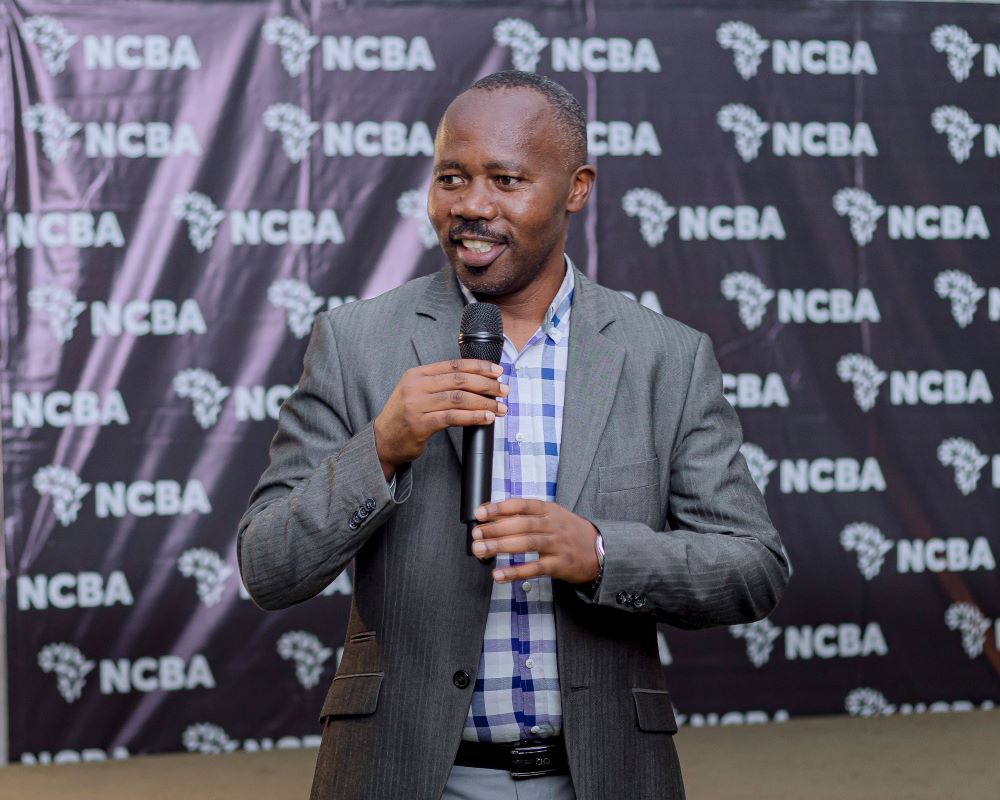
The vice mayor in charge of economic development Nzabonimpa Deogratias also thanked NCBA for coming in at a critical time and taking initiative to collaborate with the area’s traders and industrialists.
“Rubavu is entering a different era,” Nzabonimpa said. “Trade will always be our strength, but industry is its multiplier. We are currently developing Rugerero Industrial Park which is a platform for value addition, jobs, and businesses that can scale beyond the district.” he said.
“We thank NCBA for its bold decision to drive multi-sectoral investments in Rubavu and invite our entrepreneurs to take these opportunities seriously. During our next forum, we will be taking stock of the commitments we make today,” he added.
Rubavu is not just growing, it is reorganizing. The city’s urban redesign signals an intent to modernize infrastructure, strengthen city planning, improve commercial order, and attract a new class of investment into hospitality, retail, and real estate development.
NCBA affirmed its commitment to backing this transition by supporting businesses and developers aligned with Rubavu’s masterplan, through financing for property development.
As Rubavu upgrades its physical form, the private sector must upgrade its capacity. That requires capital that is fit for purpose and financial partners like NCBA.
NCBA’s message in Rubavu was clear: this is not a transactional relationship, it is a long-term commitment to a city whose economy is strategic to Rwanda’s growth.
NCBA Bank Rwanda is a subsidiary of NCBA Group, a regional banking group providing a broad range of financial products and services to corporate, institutional, SME, and consumer banking customers. NCBA Group operates 115 branches in five countries ; Kenya, Uganda, Tanzania, Rwanda, and Ivory Coast, serving over 60 million customers and ranking as the largest banking group in Africa by customer numbers.
In Rwanda, NCBA operates branches in Kigali, Musanze, Nyagatare, Rubavu, Kayonza, and Rusizi. Through its partnership with MTN Mobile Money Rwanda Ltd on MoKash, NCBA has attracted over 5 million customers, making it the country’s largest retail digital bank and a central catalyst for financial inclusion.
Rubavu Mayor Mulindwa Prosper expressed delight at collaborating with NCBA as the district enters the next chapter of growth.NCBA Rwanda’s Managing Director Maurice Toroitich speaking at the event.