The report shows that the employment-to-population ratio increased to 55.9% in 2025, up from 53.5% in 2024, signalling a growing capacity of the economy to absorb workers. About 4.77 million Rwandans were employed during the year.
This growth comes alongside an expansion of the labour force, which reached 5.4 million people, out of a working-age population of approximately 8.5 million.
Unemployment declines as more jobs are created
The survey indicates that unemployment fell to 12.4% in 2025, down from 14.9% the previous year, continuing a downward trend from pre-COVID-19 levels of around 15%.
This means that roughly one in eight people in the labour force was unemployed, reflecting improved job creation and labour market recovery.
Employment gains were recorded across both men and women, with the employment rate increasing by 1.4 percentage points among males and 3.1 percentage points among females. However, disparities remain, with men still more likely to be employed than women.
Services sector drives job growth
The report highlights a gradual structural shift in Rwanda’s economy, with the services sector emerging as the largest employer, accounting for 44.4% of total employment in 2025, up from 42.9% in 2024.
Agriculture remains a major source of jobs, employing 39.1% of the workforce, while the industry sector accounted for 16.5%, showing little change.
Sectors such as wholesale and retail trade, transport, manufacturing, and hospitality recorded notable increases in employment, reflecting expanding economic activity beyond traditional agriculture.
More people entering the labour market
The labour force participation rate rose slightly to 63.8%, indicating that more Rwandans are either working or actively seeking employment.
At the same time, about 3.1 million people remained outside the labour force, many of whom are engaged in subsistence agriculture, studying, or not actively seeking jobs.
Despite the overall improvement in employment outcomes, the report highlights areas where further gains can be made, particularly in expanding opportunities for youth and women. Youth unemployment stood at 14.7%, slightly above the national average, while female unemployment was estimated at 14.2% compared to 10.8% among men.
These figures suggest that targeted interventions, including skills development, entrepreneurship support and improved job matching, could help unlock additional employment potential, especially as more young people enter the labour market.
Encouragingly, the survey shows a continued upward trend in incomes, with the average monthly salary increasing to Rwf 82,996 in 2025, up from Rwf 73,948 in 2024.
While differences across sectors remain, the overall rise in earnings reflects improving economic activity and growing opportunities, particularly in higher-paying sectors such as services and industry.
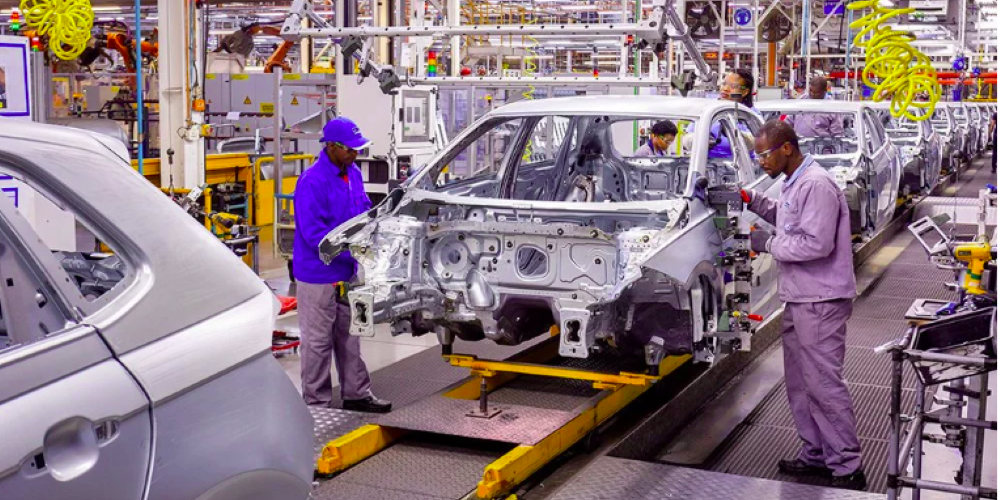
Technicians at the Volkswagen assembly plant in the Kigali Special Economic Zone meticulously assemble a vehicle. A new labour force report shows that the employment-to-population ratio increased to 55.9% in 2025, up from 53.5% in 2024, signalling a growing capacity of the economy to absorb workers.
With MoFlex, MoMo users can now access microloans tailored to their unique needs. This innovative service offers customers the freedom to choose repayment periods that suit their financial situations.
MoFlex users can request loans ranging from Rwf 1,000 to more than Rwf 1,000,000, with transparent and competitive interest rates from 7% to 14%, tailored to their chosen repayment period. Customers can choose to pay between 7, 14, and 30 days. This ensures both affordability and clarity for all users. Accessing a MoFlex loan is fast and hassle-free. Customers can dial 1825*4#, follow the prompts, and receive funds directly into their MoMo accounts within minutes.
Speaking at the launch, Chantal Kagame, CEO of Mobile Money Rwanda Ltd, shared: “We are delighted to introduce MoFlex as part of our ongoing commitment to fostering financial inclusion in Rwanda. “This product is designed to address the evolving needs of our customers, providing not only access to funds but also the flexibility to manage their finances effectively. At MoMo, we are dedicated to delivering solutions that truly come from the heart – ‘BivaMoMotima.’”
On the launch of MoFlex, Puneet Chopra, Chief Growth Officer at Yabx, highlighted that it combines flexible loan options with instant digital access, enabling customers to borrow and repay in a way that fits their financial needs.
“Behind this simple experience is a sophisticated digital lending infrastructure that brings together real-time data analytics, credit decisioning, and deep ecosystem integration. Through our partnership with Mobile Money Rwanda and Ecobank, we are creating a scalable model that has the potential to extend responsible access to credit across Rwanda’s large and growing base of MoMo users,” he said.
Carine Umutoni, Managing Director, Ecobank Rwanda Plc, also explained how the bank attaches great relevance to helping individuals access credit, as a powerful catalyst for economic empowerment in Rwanda, particularly for underserved communities who often face barriers to formal financing. “Through our partnership with Mobile Money Rwanda Ltd and YABX, MoFlex provides customers with convenient and responsible access to short-term financing directly through their mobile phones. This collaboration reflects our commitment to leveraging digital innovation to expand financial inclusion and deliver practical financial solutions that support everyday needs and small businesses across Rwanda,” she noted.
Empowering communities
MoFlex represents MoMo Rwanda’s unwavering dedication to leveraging digital innovation to transform lives and empower communities across the country. By offering accessible and user-friendly financial services, MoMo continues to lead the charge toward achieving a fully cashless economy in Rwanda.
Mobile Money Rwanda Ltd is MTN Rwanda’s FinTech subsidiary, established on 27th April 2021 to provide and manage Mobile Money services in Rwanda. The company has about 5.1 million subscribers, over 65,000 Mobile Money agents, and over 500,000 MoMoPay merchants across the country.
With continuous innovations in services such as MoMoPay, MoKash Loans & Savings, Tap&Go bus payments, Bill Payments, and International & Regional Remittances, Mobile Money Rwanda is positioning itself at the forefront of driving financial inclusion and supporting the digital economy in Rwanda.
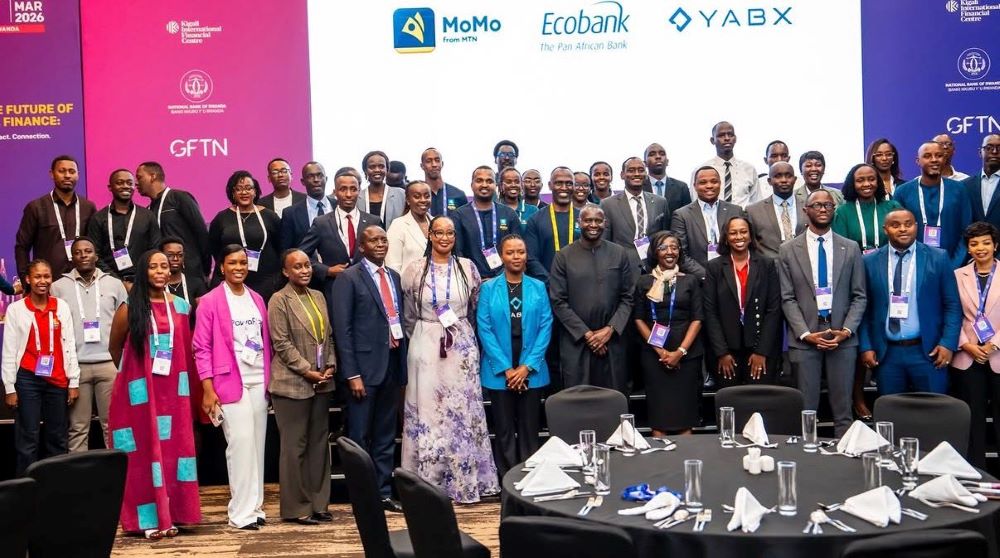
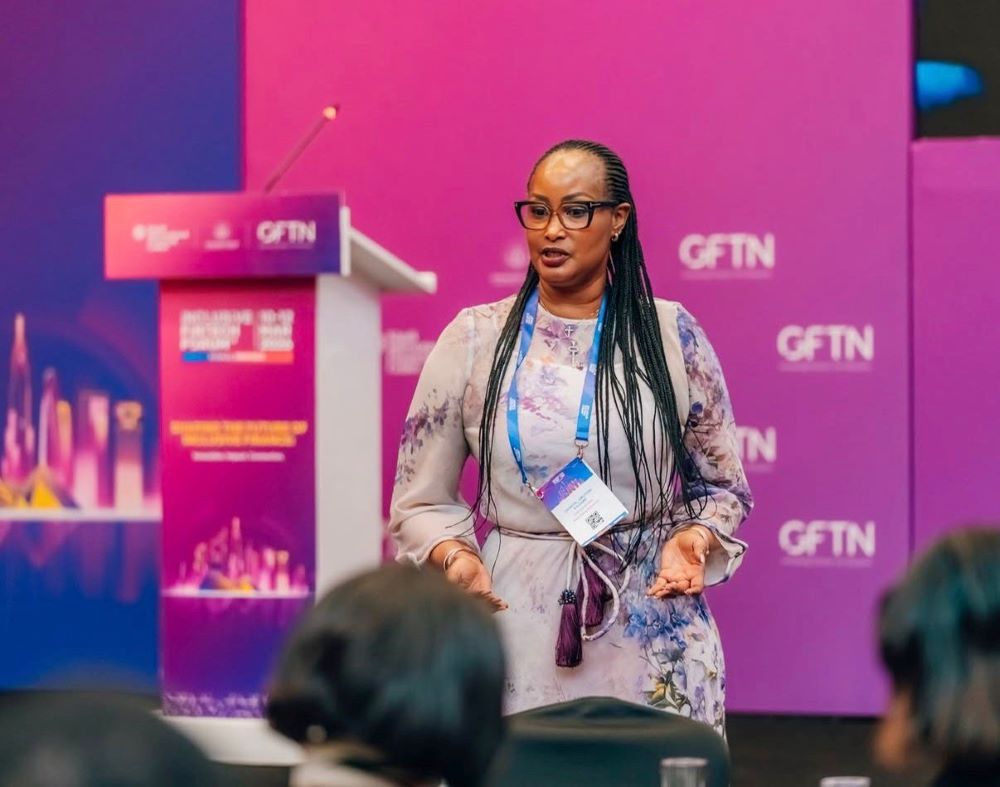
Participants of the launch in a group photo. Chantal Kagame, CEO of Mobile Money Rwanda Ltd, speaking at the launch
In its latest Global Trade Outlook and Statistics report, the WTO forecast that in a baseline growth scenario excluding energy price shocks, global merchandise trade growth would slow to 1.9 percent in 2026 from 4.6 percent in 2025 before rebounding to 2.6 percent in 2027.
Commercial services trade growth will ease to 4.8 percent in 2026, then accelerate again to 5.1 percent in 2027. Together, goods and services trade will grow 2.7 percent in 2026 compared with 4.7 percent in 2025, the report said.
Global GDP growth is projected to moderate slightly from 2.9 percent in 2025 to 2.8 percent in both 2026 and 2027, the report noted.
However, the WTO warned that these baseline projections could deteriorate if the ongoing Middle East conflict continues to disrupt energy markets.
The United States and Israel launched massive attacks on Iran on February 28, disrupting global shipping, sending oil prices soaring and shaking the global economy.
European gas and oil prices rose sharply in early trading on Thursday. The Dutch TTF benchmark, a key reference for European gas supply contracts, surged more than 30 percent to 70.7 euros (about 76.8 U.S. dollars) per megawatt-hour at the open, before easing to around 67 euros per megawatt-hour. The price has more than doubled from around 32 euros megawatt-hour before the conflict began.
Oil prices also moved higher. Brent crude, the international benchmark, rose to above 116 dollars per barrel in early trading.
If crude oil and liquefied natural gas prices remain elevated throughout 2026, world merchandise trade growth would be reduced by 0.5 percentage points to just 1.4 percent in 2026. Services trade would also grow at a slower rate of 4.1 percent. Global GDP growth could be cut by 0.3 percentage points, the report said.
WTO Director-General Ngozi Okonjo-Iweala said the outlook reflects the resilience of global trade, supported by trade in high technology products and digitally delivered services, adaptations in supply chains and the avoidance of tit-for-tat retaliation on tariffs.
However, Okonjo-Iweala cautioned against further pressure from the Middle East conflict on global trade. “Sustained increases in energy prices could increase risks for global trade, with potential spillovers for food security and cost pressures on consumers and businesses,” she said.
The WTO’s new chief economist Robert Staiger told a press conference that the “unusually strong trade growth” in 2025 was mainly driven by the frontloading of imports in North America in anticipation of higher U.S. tariffs, as well as a surge in AI-related goods.
But the two forces are “unlikely to persist through 2026,” said Staiger.
However, the WTO economists still see potential upside if the Middle East conflict is short-lived and AI-related spending remains strong throughout 2026 and into 2027, which could lift merchandise trade growth by 0.5 percentage points to around 2.4 percent in 2026 and 2.7 percent in 2027.
Under the baseline scenario, Asia is expected to lead merchandise trade growth in 2026, with imports rising by 3.3 percent and exports by 3.5 percent. South America is also projected to post strong export growth of 3.5 percent.
In contrast, North America’s imports growth would remain flat at 0.3 percent. Europe’s exports are forecast to stagnate at 0.5 percent, while the Middle East is expected to see a sharp slowdown in exports to 0.6 percent.
The report also highlighted continued disruptions to global transport and services trade linked to the Middle East conflict.
The WTO cautioned that a prolonged crisis may lead to structurally higher transport costs, reduced transhipment activity and shifts in global travel and trade patterns toward alternative routes.
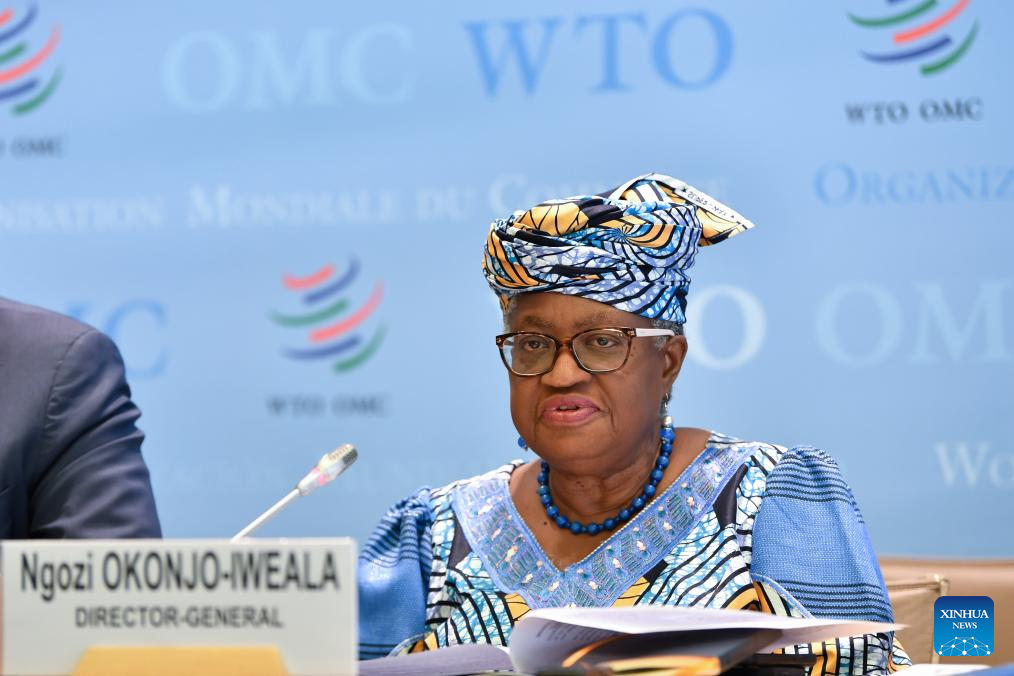
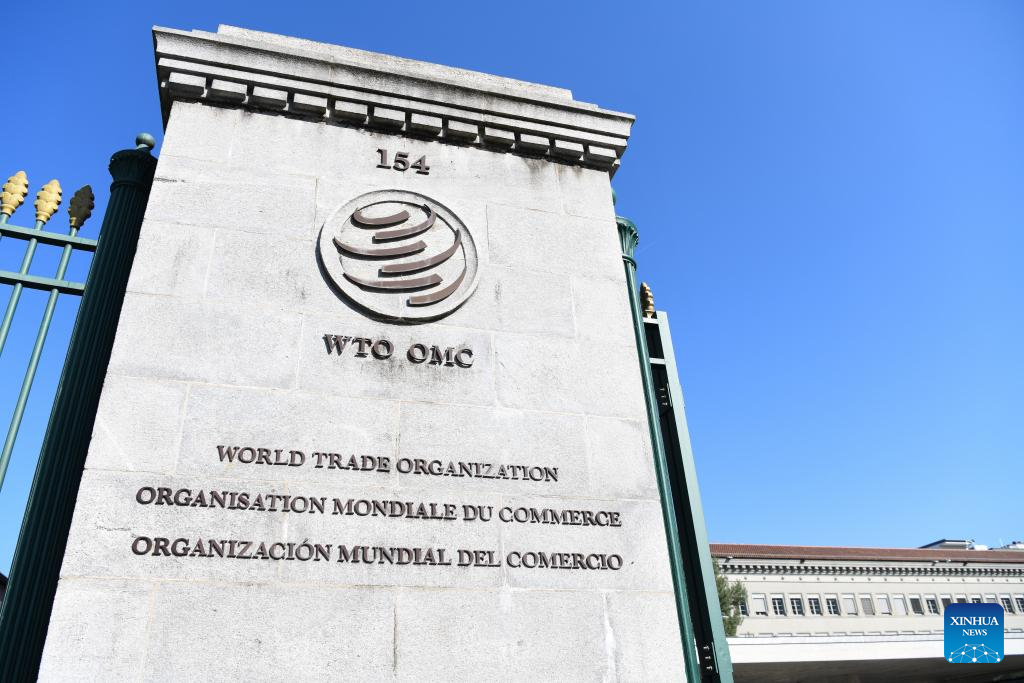
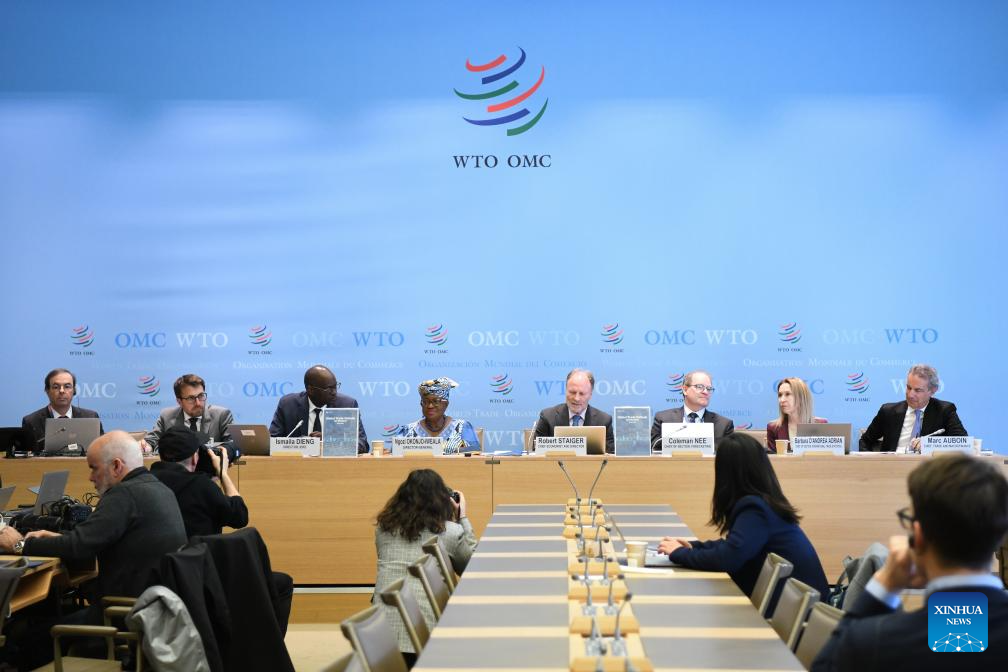
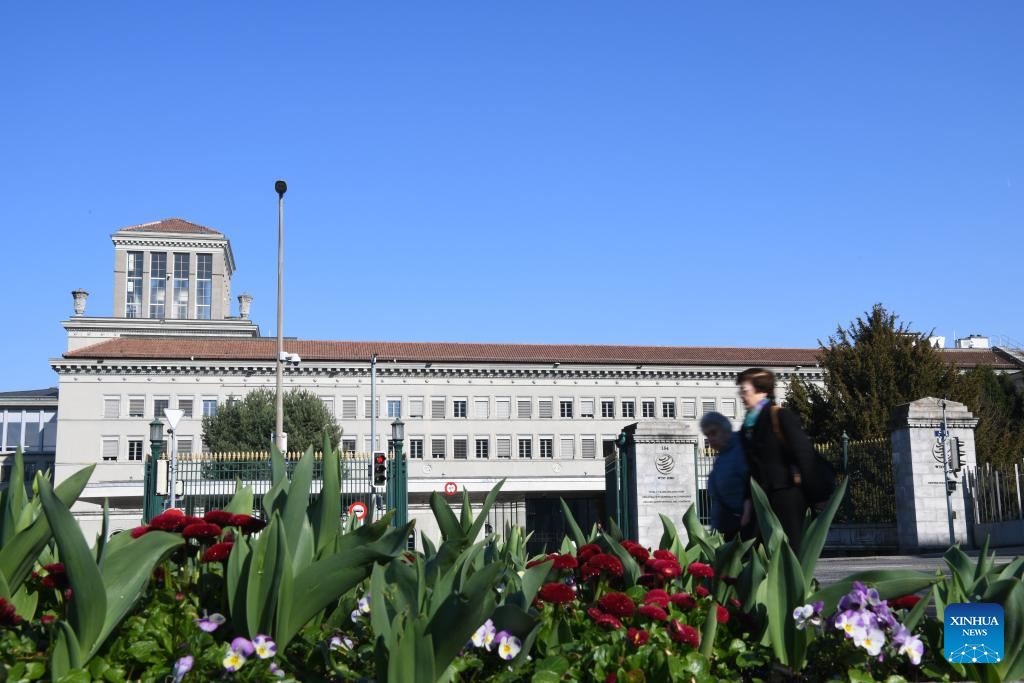
The logo of the World Trade Organization (WTO) is pictured at the WTO headquarters in Geneva, Switzerland, March 19, 2026. The WTO said on Thursday that global trade growth is set to slow in 2026 after a stronger-than-expected performance in 2025, warning that the ongoing Middle East conflict could add further pressure on global trade.A press conference on World Trade Organization (WTO)’s latest Global Trade Outlook and Statistics report is held at its headquarters in Geneva, Switzerland, March 19, 2026. The World Trade Organization (WTO) headquarters is pictured in Geneva, Switzerland, March 19, 2026.
As per figures released on March 16, 2026, the country’s GDP in 2025 was estimated at over 23 billion Rwandan francs (Rwf), up from Rwf 19.9 billion in 2024.
Services made up the largest portion of this growth, contributing 52% to GDP, while agriculture and industry followed closely behind, contributing 20% and 22%, respectively.
Agriculture saw a 7% increase, with food crop production growing by 3%. Export crops like coffee and tea grew significantly, with coffee production rising by 60%. Other crops, including pyrethrum and sugarcane, also increased by 4%.
The industrial sector showed strong growth, with mining and quarrying rising by 17%, construction increasing by 11%, and manufacturing growing by 10%. Manufacturing was particularly boosted by a 35% increase in cement production, 21% growth in metal products, machinery, and equipment, and a 24% rise in the production of chemicals, rubber, and plastic products.
The services sector expanded by 9%, with wholesale and retail trade up by 15%, and transport activities growing by 7%. Financial services and public administration services also saw growth.
The figures were released at a time when the ongoing conflict in the Middle East, involving Iran and countries such as the U.S. and Israel, is creating instability. This conflict is also impacting other nations, including the United Arab Emirates, where Rwanda has a significant market presence.
Dr. Yusuf Murangwa, Rwanda’s Minister of Finance and Economic Planning, assured that the country is prepared to address the economic consequences of the war, with efforts already underway to manage the situation.
Dr. Murangwa mentioned that Rwanda is working closely with traders and government agencies to find alternative markets for affected goods including vegetables and fruits.
Although the conflict has only been ongoing for two weeks, he pointed out that the full impact will not be immediately felt, and it may take up to three months to assess the situation properly.
One of the steps being taken to mitigate the effects of the conflict is ensuring that Rwanda has enough petroleum supplies, preventing shortages of gasoline and diesel.
The Minister also reassured the public that Rwanda would not be severely affected by the war, emphasizing that the country has managed to overcome difficult situations in the past.
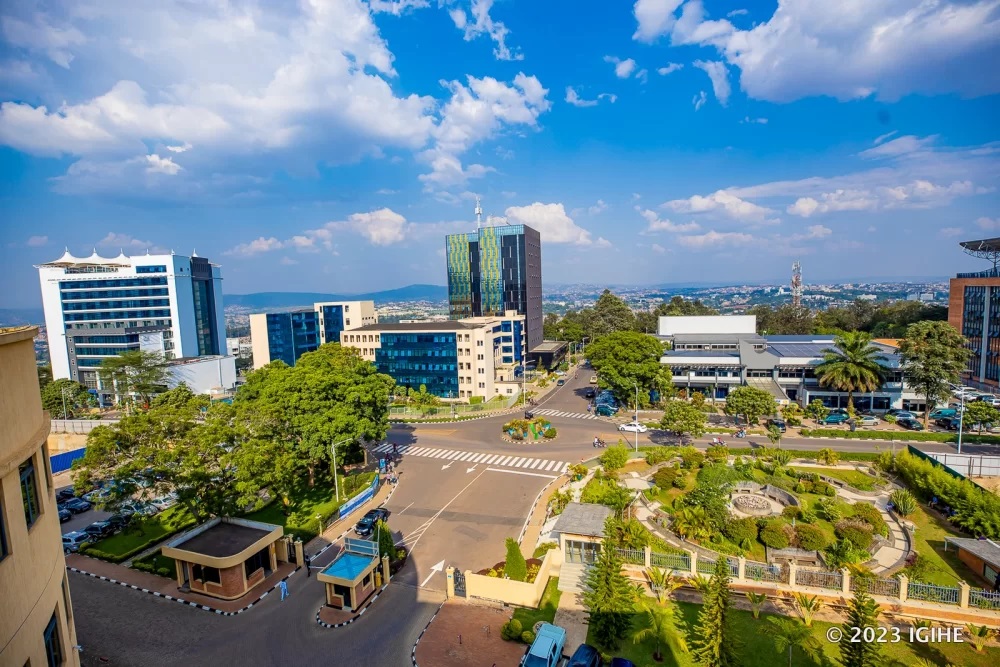
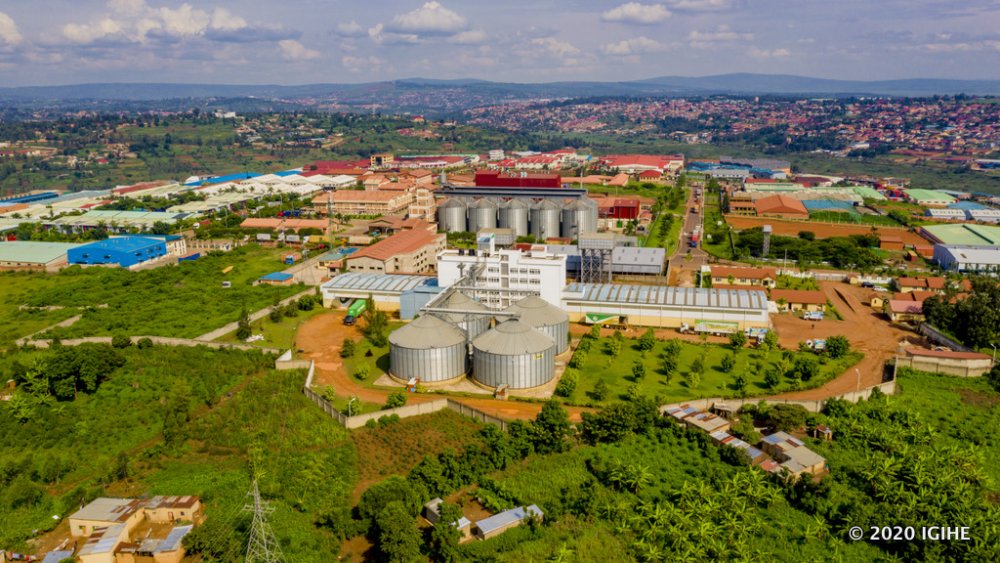
This photo shows the view of Kigali Special Economic Zone in Masoro, Gasabo District.
“I’m demanding that these countries come in and protect their own territory, because it is their own territory,” Trump told reporters aboard Air Force One, referring to the strait.
Trump didn’t name the countries the White House is negotiating with.
In an interview with The Financial Times on Sunday, Trump said that NATO members should send warships to help open up the Strait of Hormuz or face a “very bad” future.
“If there’s no response or if it’s a negative response, I think it will be very bad for the future of NATO,” he told the British newspaper.
A report in The Wall Street Journal earlier Sunday said the White House plans to announce a multinational coalition as early as this week, citing U.S. officials.
“Many countries, especially those who are affected by Iran’s attempted closure of the Hormuz Strait, will be sending War Ships” to secure the oil trade route, Trump claimed in a post on Truth Social on Saturday.
Publicly, many governments have been reluctant to commit to such a mission before the end of the U.S.-Israel war with Iran, given the risks involved, said The Wall Street Journal in its report.
In his first message as Iran’s new Supreme Leader, Mojtaba Khamenei on Thursday called for the continued closure of the Strait of Hormuz and pledged to open new fronts in his country’s conflict with the United States and Israel.
The United States and Israel launched massive attacks on Iran on February 28, disrupting global shipping, sending oil prices soaring and shaking the global economy.
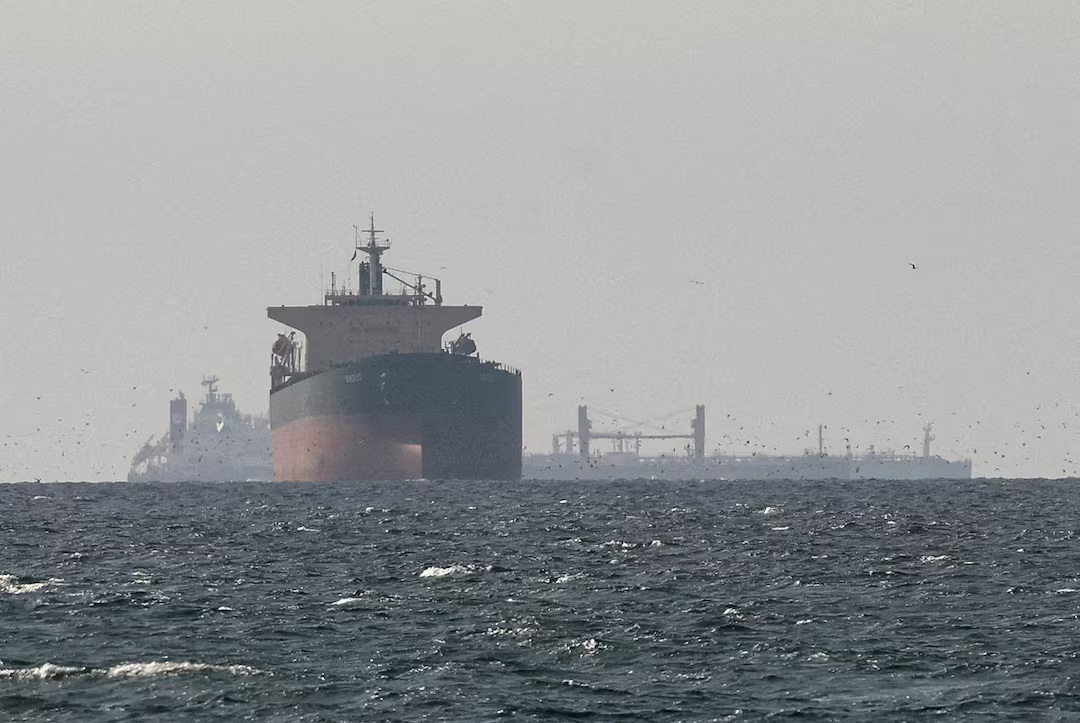
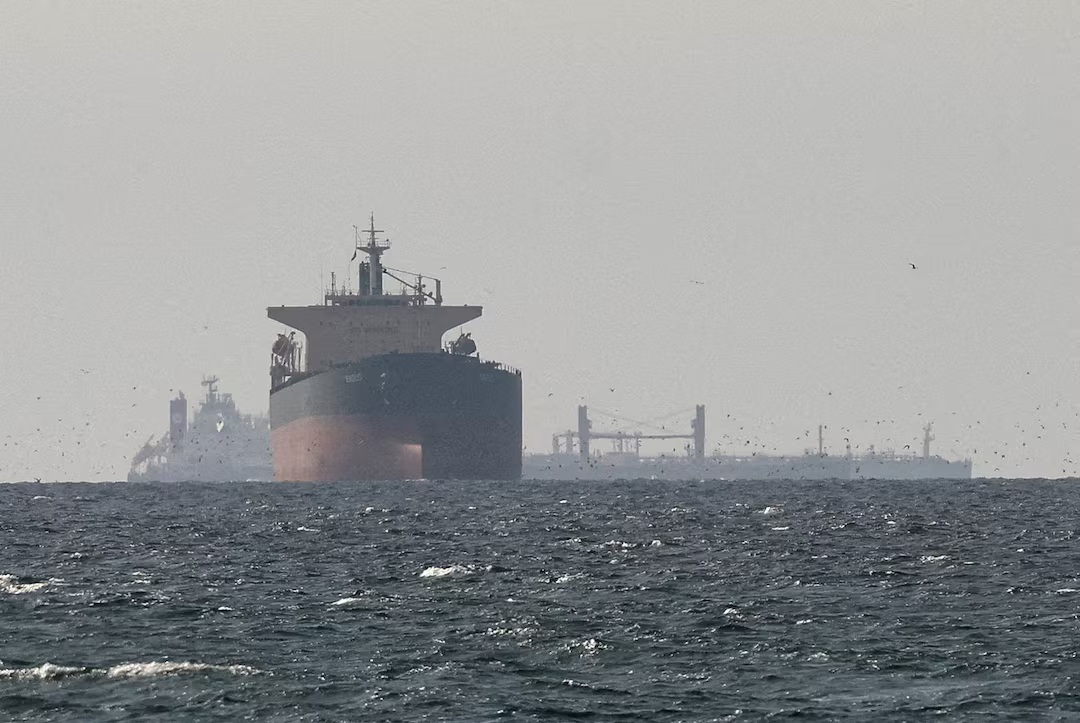
US President Donald Trump wants seven countries heavily reliant on Middle East oil join a coalition to escort vessels through the Strait of Hormuz, a key waterway through which about 20 percent of the world’s oil passes.
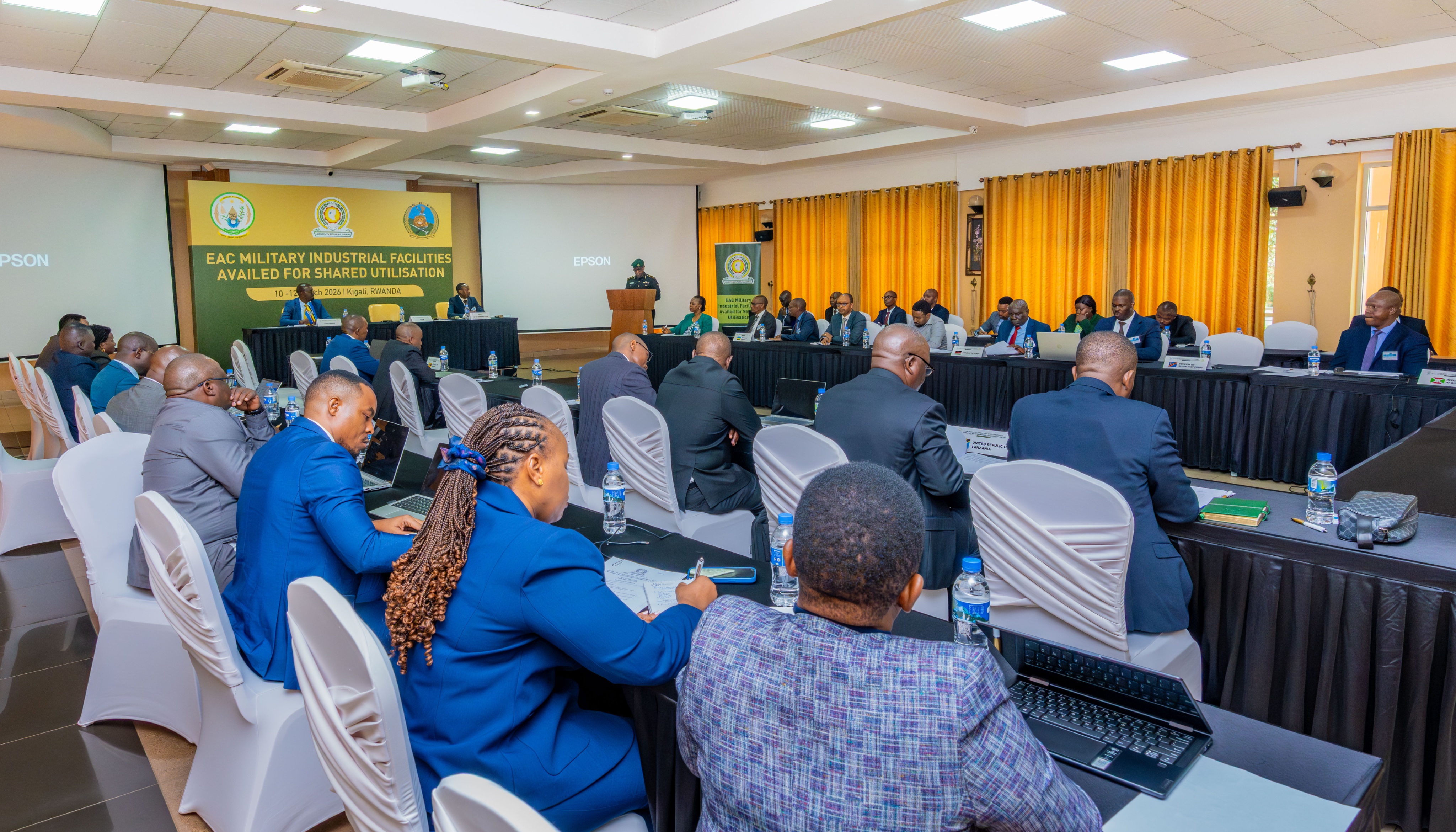
The meeting is being held pursuant to Article 2 of the EAC Protocol on Cooperation in Defence Affairs and in accordance with the EAC Defence Sector Calendar of Activities for the period January–June 2026.
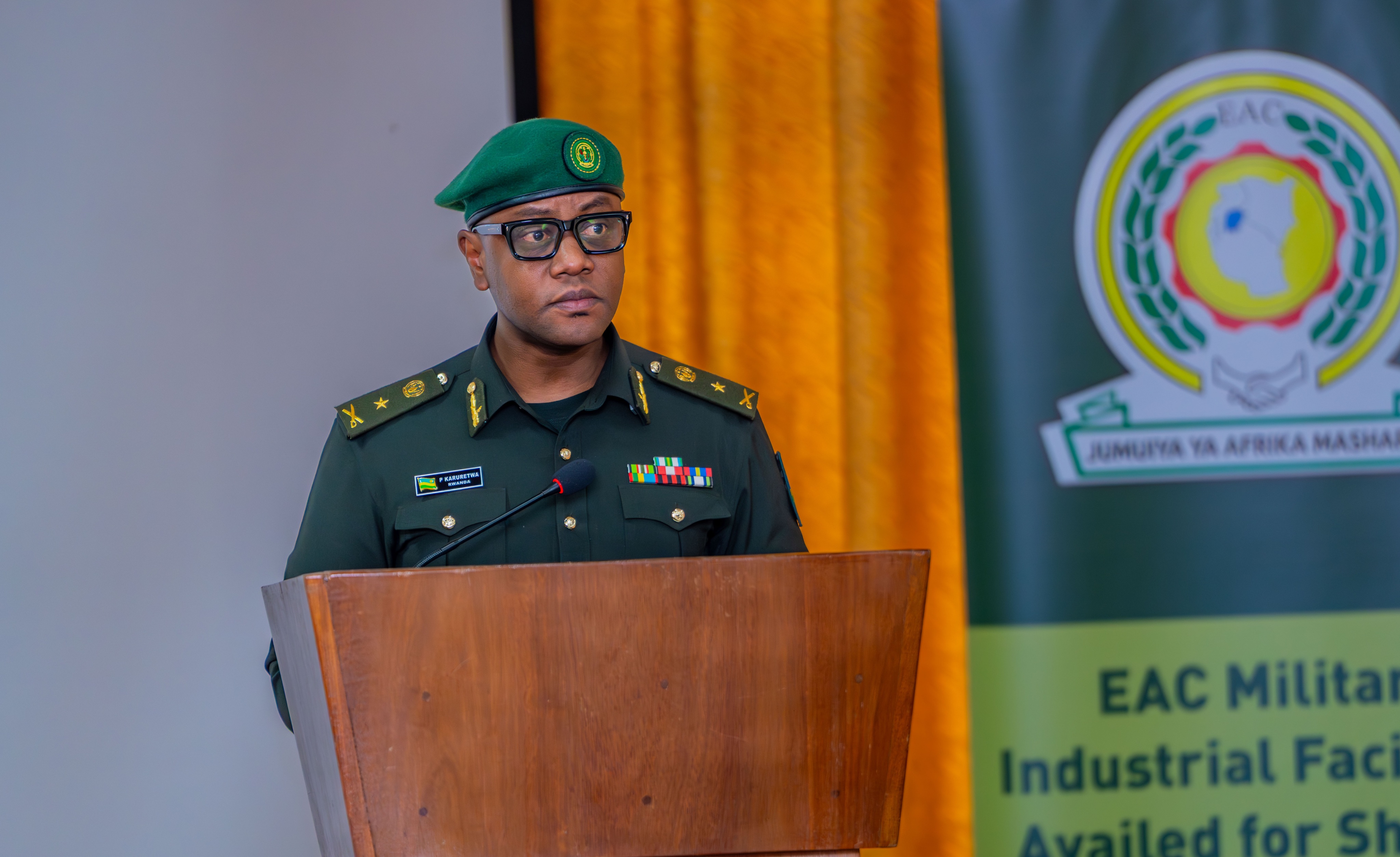
While opening the meeting, Brig Gen Patrick Karuretwa, Director General of International Military Cooperation at the Ministry of Defence, Rwanda, noted that the gathering reflects the collective commitment of EAC defence institutions to strengthening cooperation within the defence sector and enhancing the region’s security capabilities.
He highlighted that military industrial facilities play a critical role in enabling armed forces to operate effectively by providing reliable access to essential equipment, maintenance services, and technical capabilities. He further noted that defence industries contribute significantly to economic growth, industrial development, job creation, and technological advancement.
“For the East African Community, cooperation in this domain presents significant opportunities. Through the shared utilization of military industrial facilities, we can optimize our resources, strengthen regional capacity, and promote the exchange of knowledge, skills, and technological expertise,” he said.
Brig Gen Karuretwa further emphasized that Rwanda remains fully committed to working with all EAC Partner States to advance initiatives that promote collective security, innovation, and industrial development across the region.
The Chairperson of the meeting, Eng. James Mutamba from the National Enterprise Corporation of Uganda, expressed optimism about the engagement.
He noted that such meetings are essential for strengthening cooperation among EAC member states, enabling them to share available facilities within the region instead of relying on products from abroad.
He added that EAC countries have developed specific capabilities in defence manufacturing, making regional cooperation both practical and economically beneficial.
Countries represented at the meeting include Burundi, Kenya, Somalia, Tanzania, Uganda, and the host nation, Rwanda.
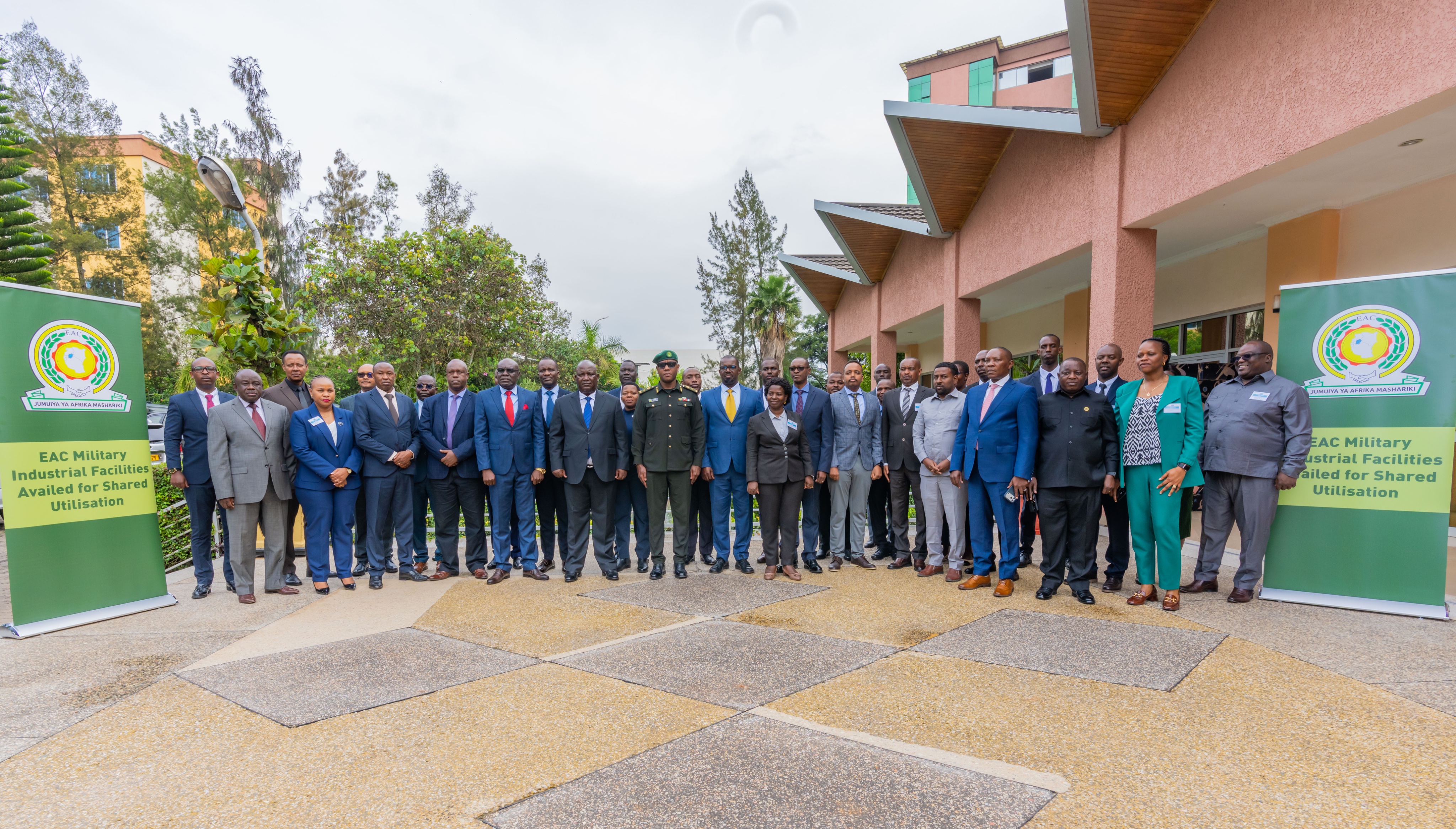
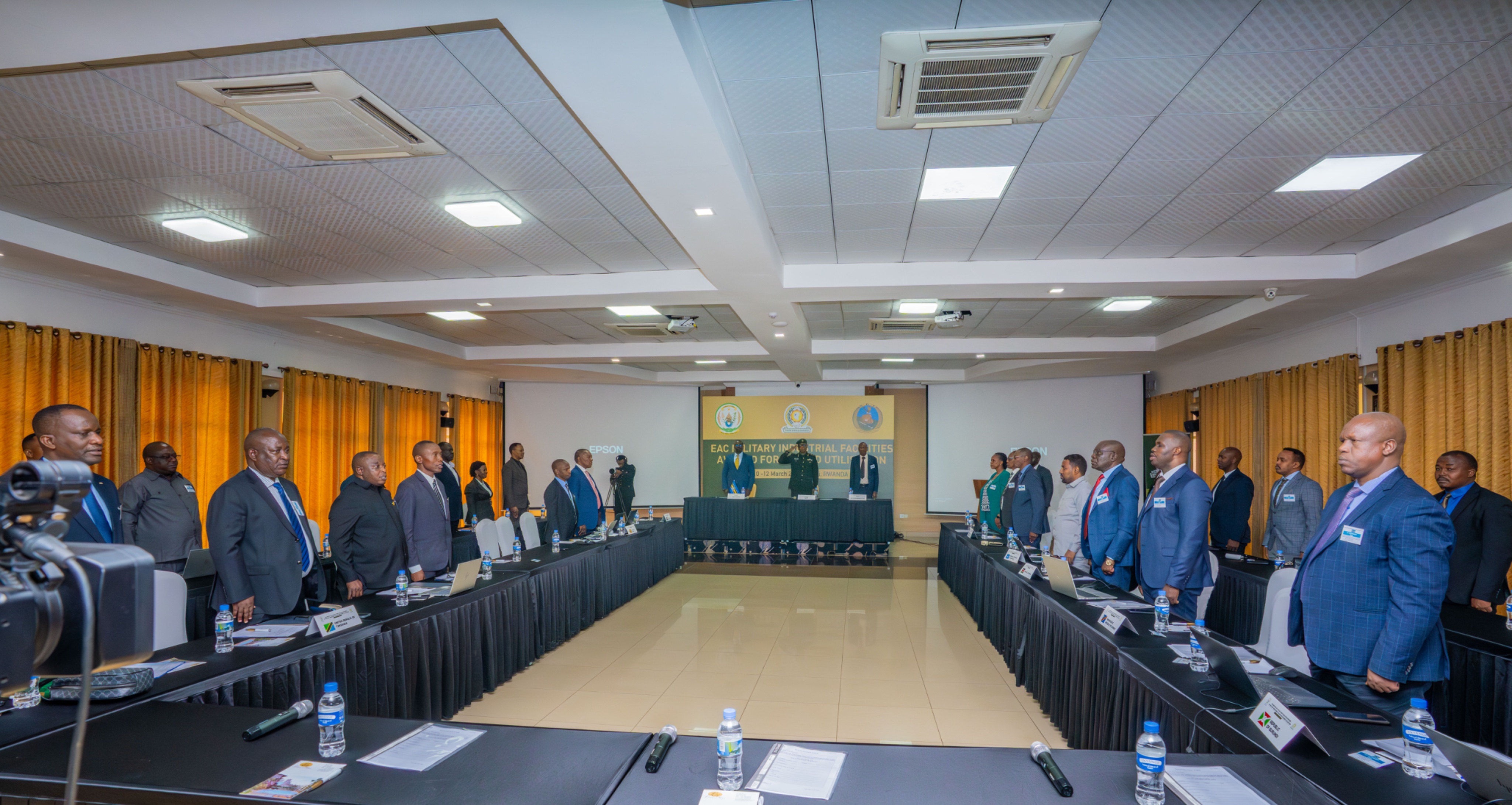
The meeting was opened by Brig Gen Patrick Karuretwa, Director General of International Military Cooperation at the Ministry of Defence.The meeting is being held pursuant to Article 2 of the EAC Protocol on Cooperation in Defence Affairs.Countries represented at the meeting include Burundi, Kenya, Somalia, Tanzania, Uganda, and the host nation, Rwanda.Chief Executive Officers of Military Industrial Facilities from member states of the East African Community (EAC) convened in Kigali for a three-day meeting from 10–12 March 2026.
The international contest was held in Spain during the Coffee Fest Madrid exhibition on February 16, 2026.
The selection process begins with nominations, where coffee shops are proposed and voted for by people both locally and internationally. The first round of voting accounts for 30% of the total score, while the remaining 70% is awarded in the final stage, which determines the top 100 best coffee shops in the world.
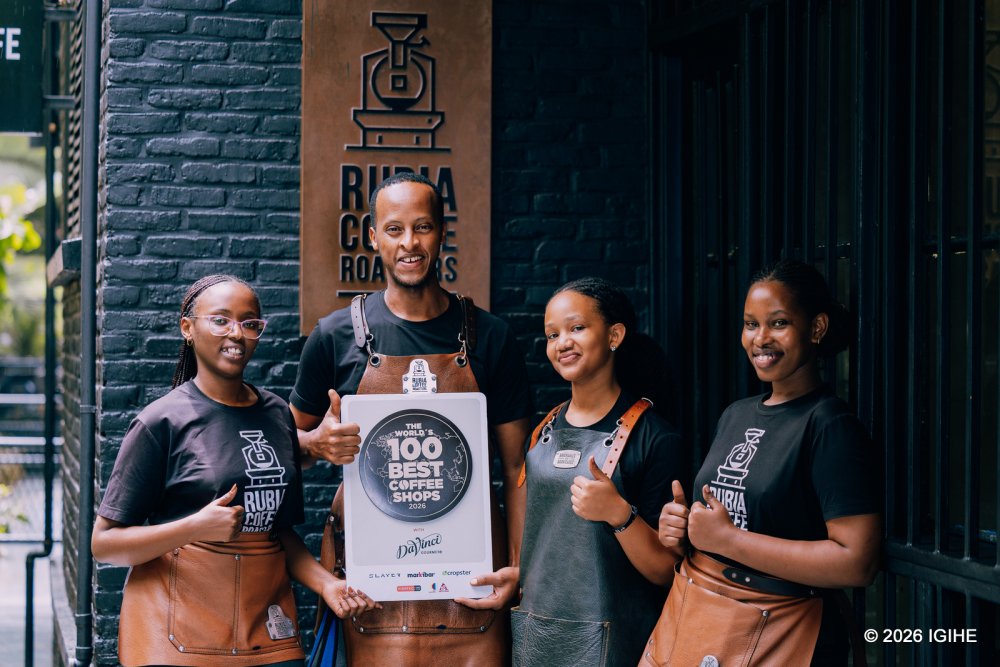
In January 2026, coffee houses from Rwanda and around the globe competed in the contest, with Rubia Coffee Roasters emerging among the winners and earning the 54th spot worldwide.
This marks the first time a Rwandan coffee brand has entered the global top 100. Across Africa, only a few countries had coffee roasters featured in the ranking; namely Ethiopia, Egypt, and South Africa.
Robert Kabandana, Chief Operations Officer at Rubia Coffee Roasters, told IGIHE that winning the award signifies that the coffee meets international standards at every stage, from cultivation to the final cup, reflecting exceptional quality.
He noted that the recognition highlights the growth of Rwanda’s coffee farming sector and the increasing focus on processing coffee locally. He also emphasized that the achievement comes with greater responsibility.
“This award has given us extraordinary motivation because the world has recognized our capability,” Kabandana said. “We are planning to open another branch in Kigali, and there are international companies interested in using our brand name in their countries due to the uniqueness we have demonstrated.”
However, he stressed that while Rwanda’s coffee gaining international visibility is positive, it is equally important to strengthen local processing and expand roasting facilities within the country, as Rubia Coffee Roasters has done with its own roasting plant.
“We encourage Rwandans to continue supporting coffee farmers so that more value is added locally instead of exporting large quantities unprocessed. When domestic coffee consumption increases, we boost the economy because more revenue stays within the country, creating jobs and increasing tax revenues,” he added.
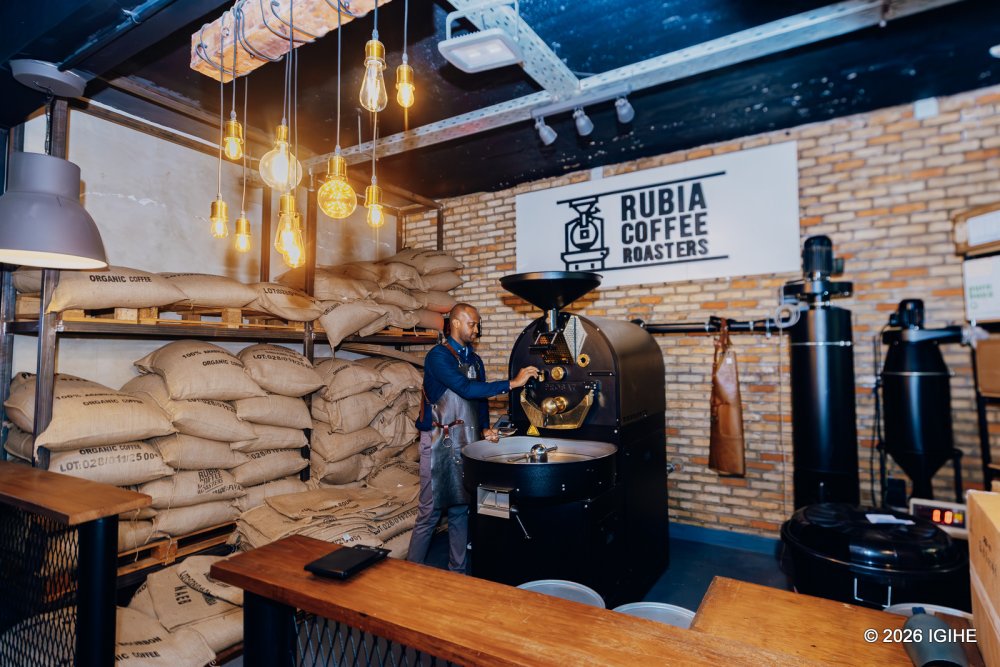
Rubia Coffee Roasters was established in 2017 as a small coffee processing shop and added a roasting plant a year later. The company now has the capacity to process between 500 and 600 kilograms of coffee per day. Its products are supplied to hotels and various institutions in Rwanda and exported to countries including Qatar, Egypt, and Dubai.
The company continues to sell coffee at its outlet in Kimihurura, Kigali. Rubia Coffee Roasters works closely with coffee farmers, purchasing their harvests and providing training on improving quality and productivity. It also supports other businesses in accessing coffee equipment, as a dealer for Italy’s Simonelli Group in Rwanda.
According to the National Agricultural Export Development Board (NAEB), Rwanda’s coffee production and export revenues continue to grow. In the 2024/25 fiscal year, the country produced 21,295 tonnes of coffee, up from 16,979 tonnes the previous year, an increase of 25%.
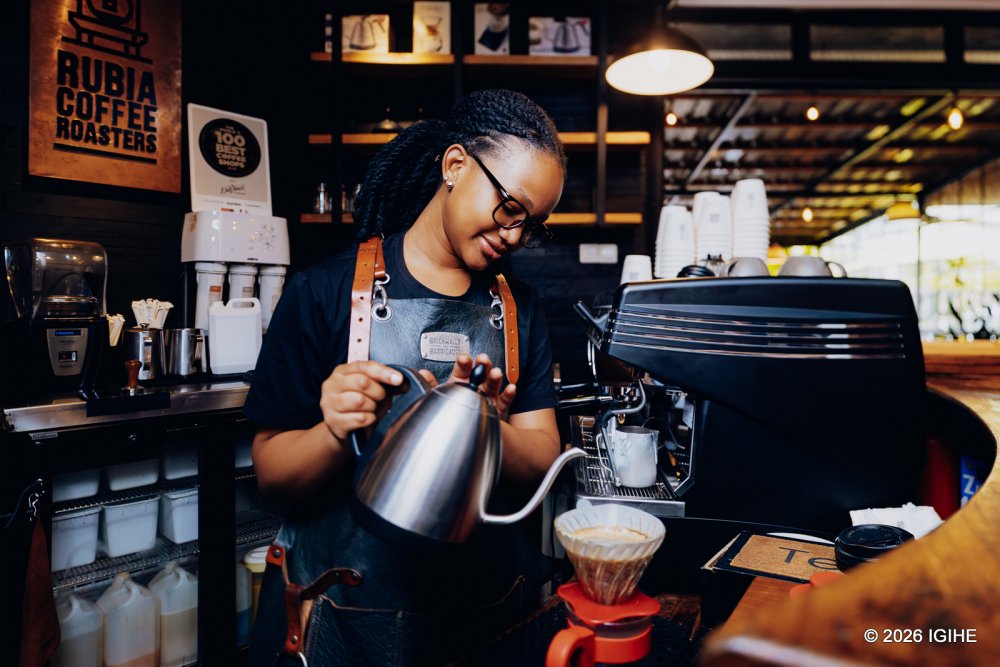
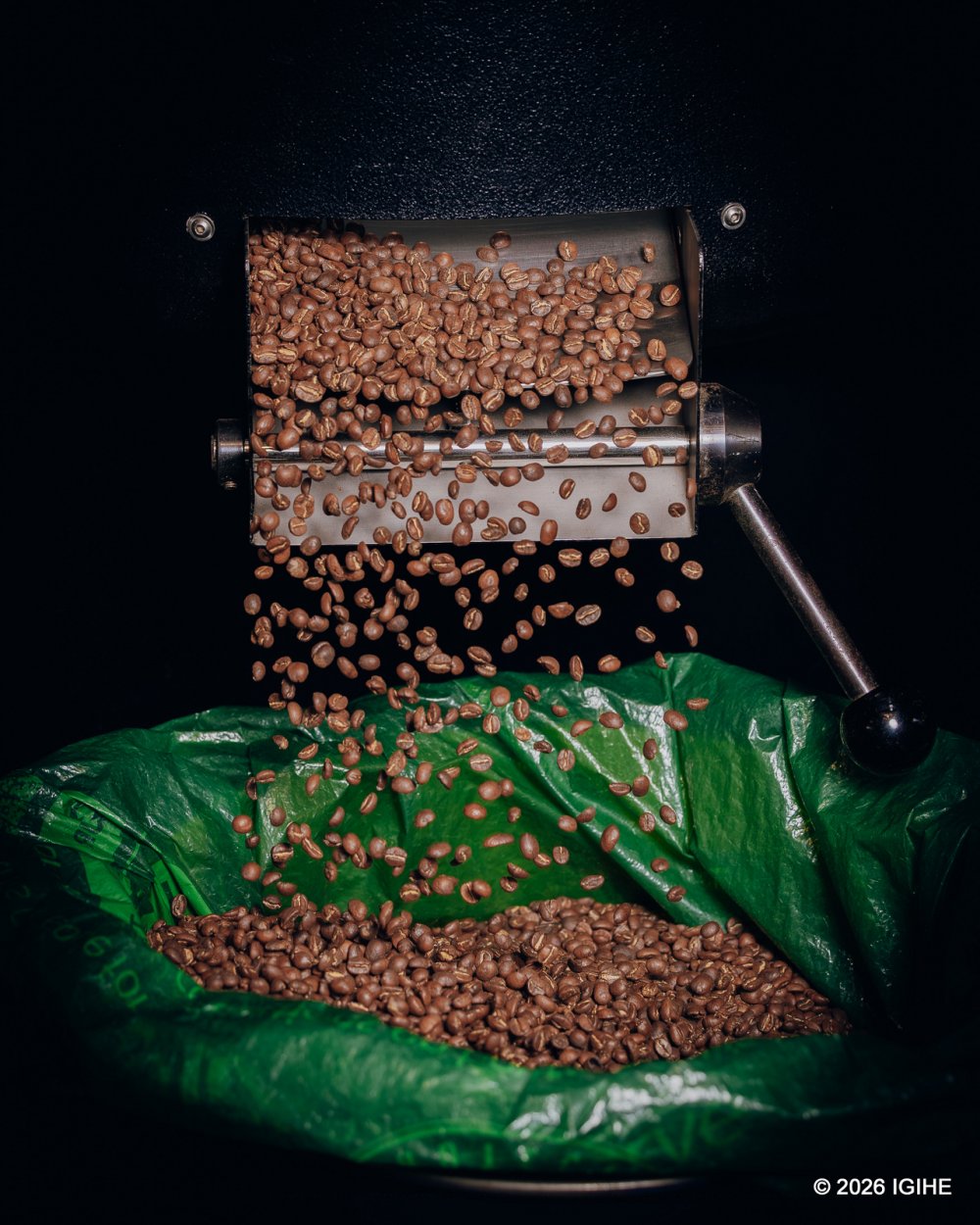
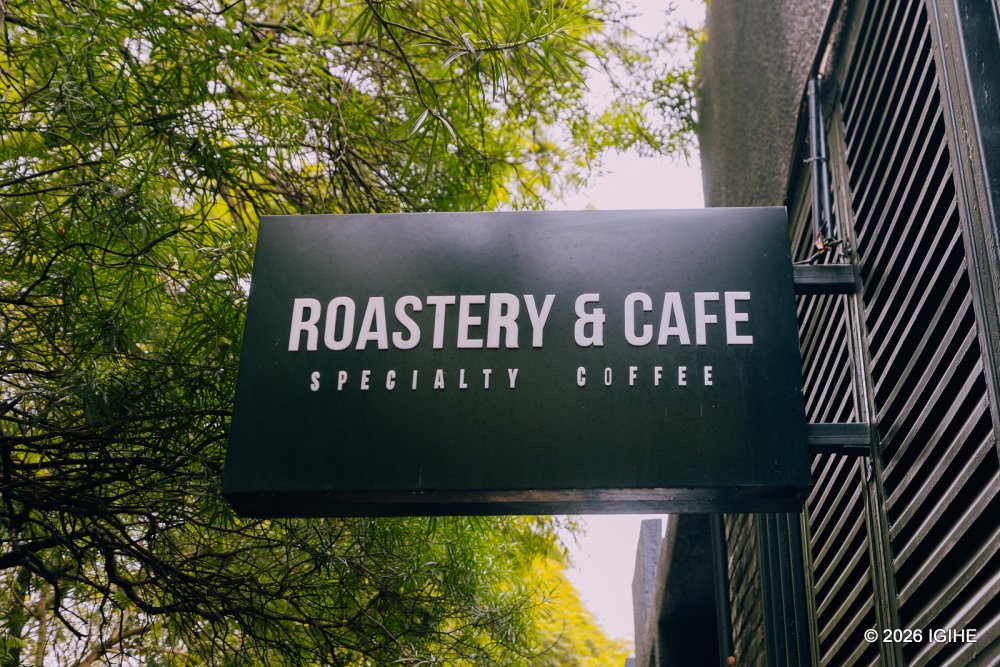
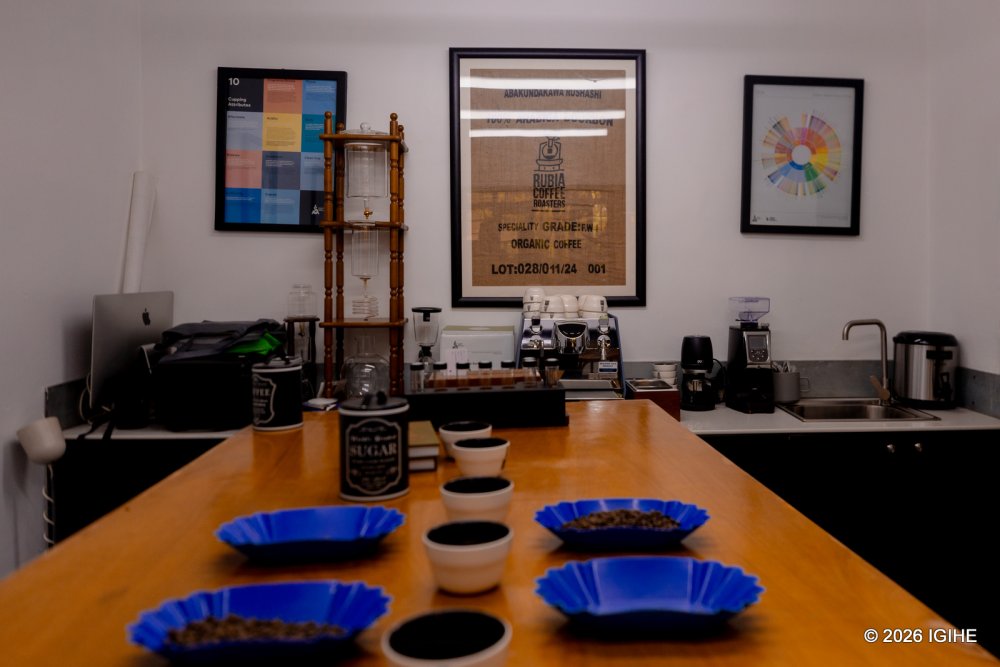
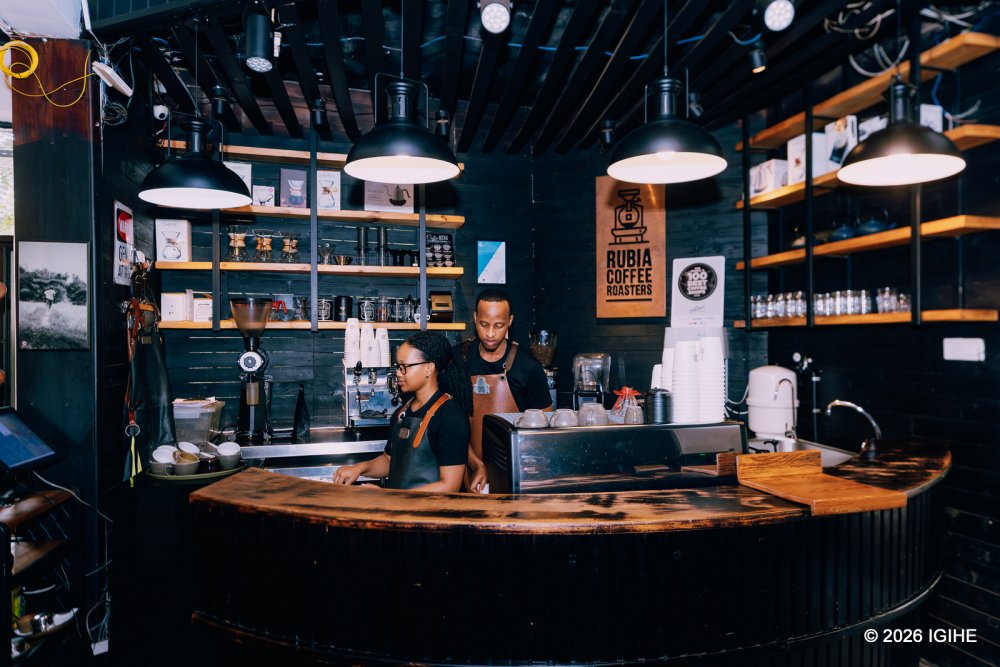
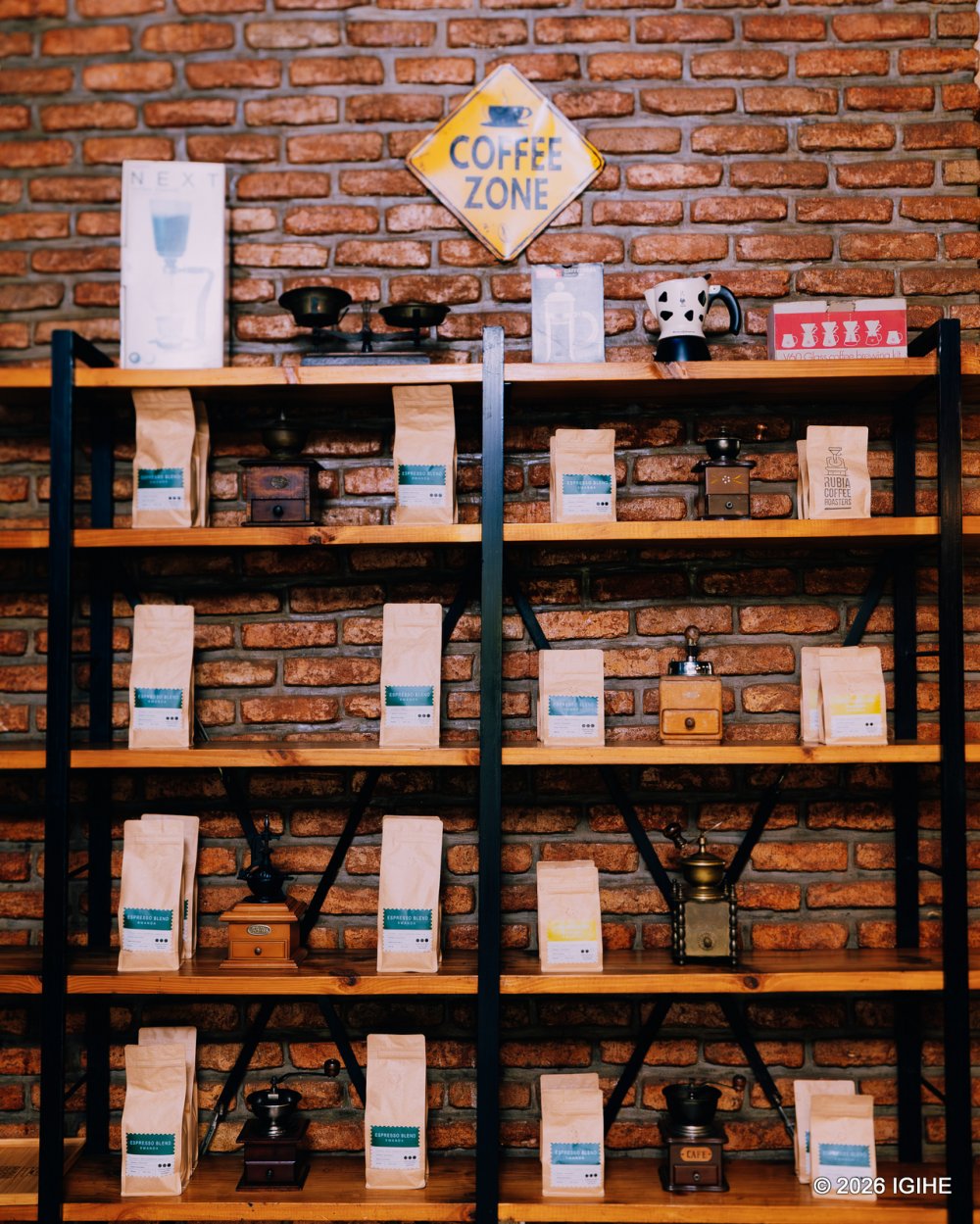
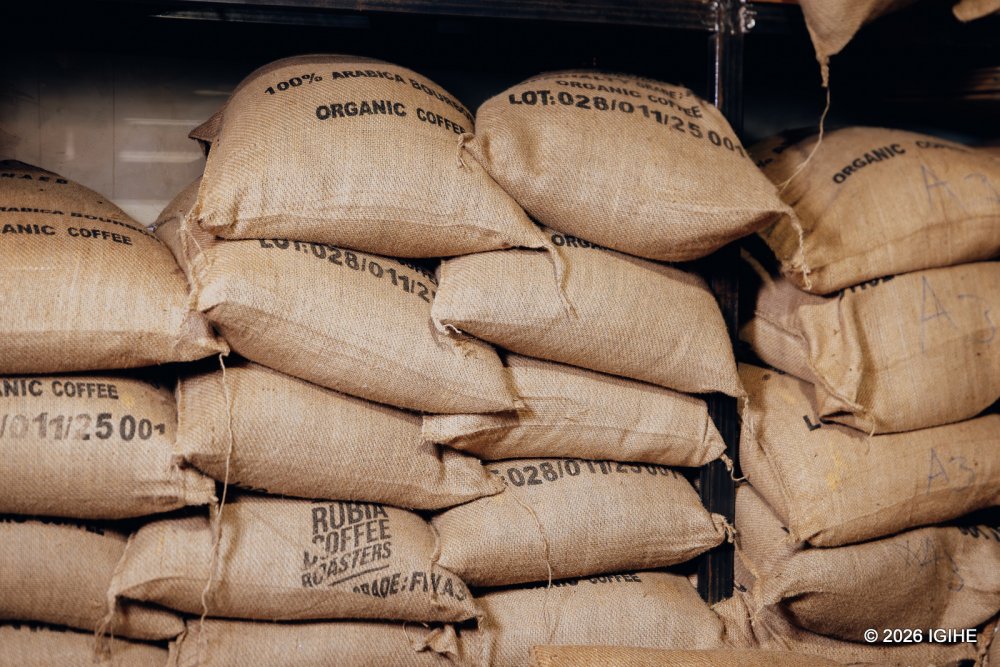
Coffee companies ranked among the world’s top 100 are considered globally competitive.Mbonyi Kalisa Mathias, founder of Rubia Coffee Roasters, received the award.Employees of Rubia Coffee Roasters celebrate the award won by the company.The facility processes and prepares coffee using modern equipment and techniques.Rubia Coffee Roasters also offers a space where visitors can taste its coffee.Rubia Coffee Roasters sells a variety of coffee it processes in-house.Rubia Coffee Roasters has the capacity to roast up to 600 kilograms of coffee per day.This coffee is grown and processed in Rwanda.
This timeline was announced following the cabinet meeting held on March 4, which greenlighted an agreement between the Government of Rwanda and Bauhaus International Rwanda Ltd, a subsidiary of Bauhaus International Incorporated, headquartered in New Jersey, United States, for the phased development of more than 3,000 housing units.
This initiative will make a major contribution to Rwanda’s urban development goals and expand access to modern, affordable housing.
Phase one development
The initial phase involves constructing 892 housing units in Gahanga Sector, Kicukiro District, Kigali. The estate will feature diverse modern residential options, including one- and two-bedroom apartments, three-bedroom apartments, and three-bedroom terraced duplex houses.
The project also incorporates a community center to offer social and recreational services for residents.
“This development represents an important contribution to Rwanda’s vision of modern, sustainable urban living. Our goal is to deliver high-quality housing while creating a vibrant community environment for residents,” said Mukiza.
The project will be implemented through a partnership framework involving key national institutions, with the City of Kigali and the Rwanda Development Board acting as project promoters, and Bauhaus International Rwanda Ltd serving as the developer.
This collaboration underscores Rwanda’s ongoing commitment to attracting international investment and forging partnerships that fast-track infrastructure and housing advancements.
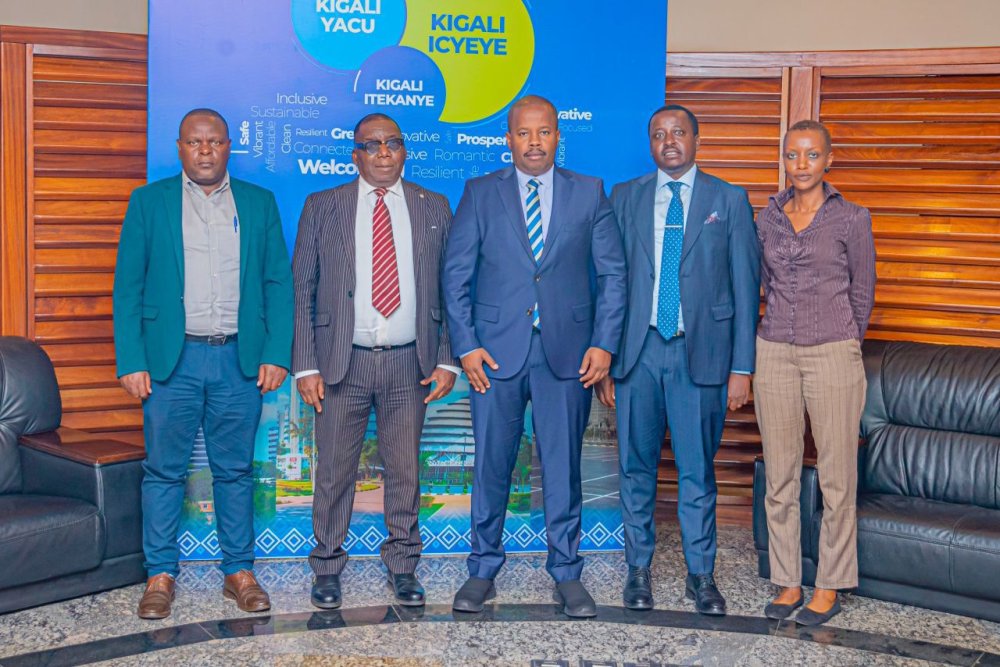
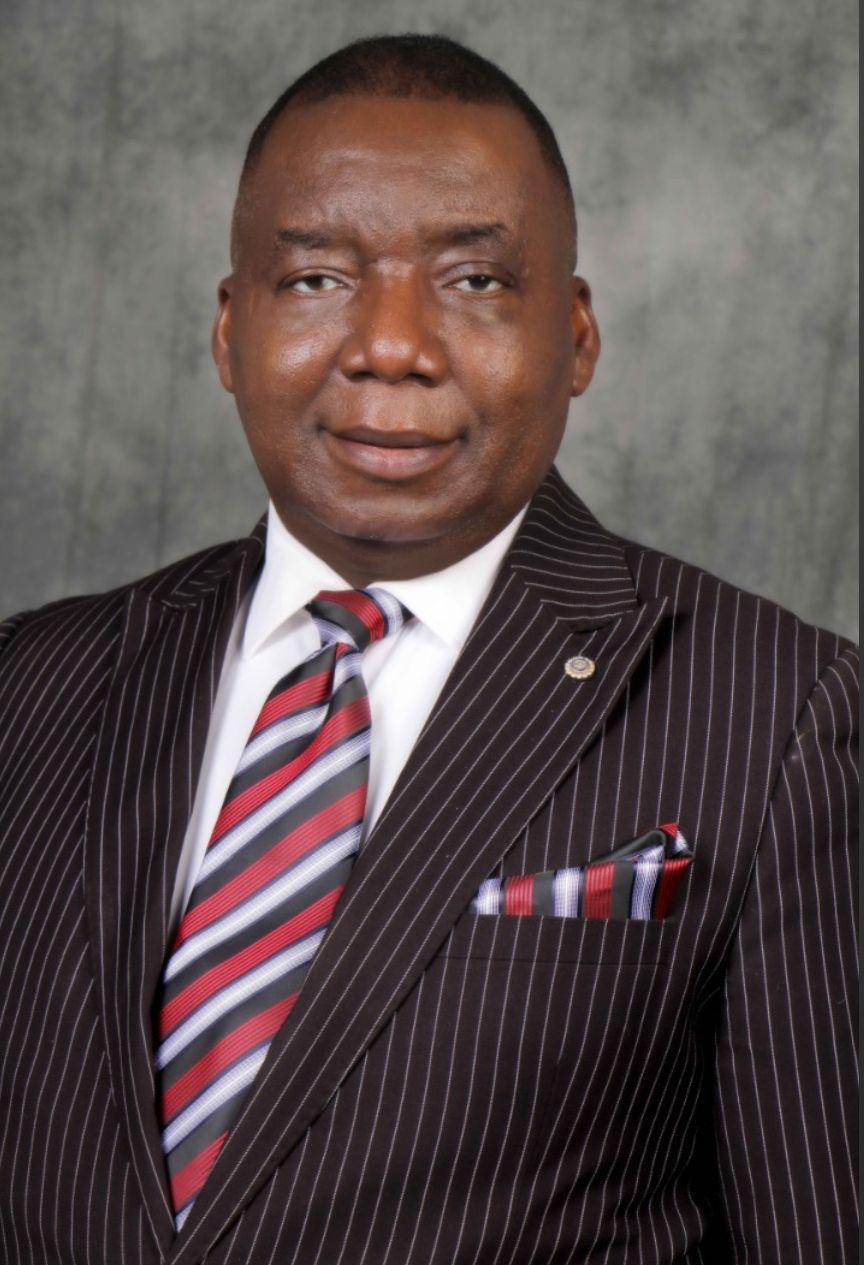
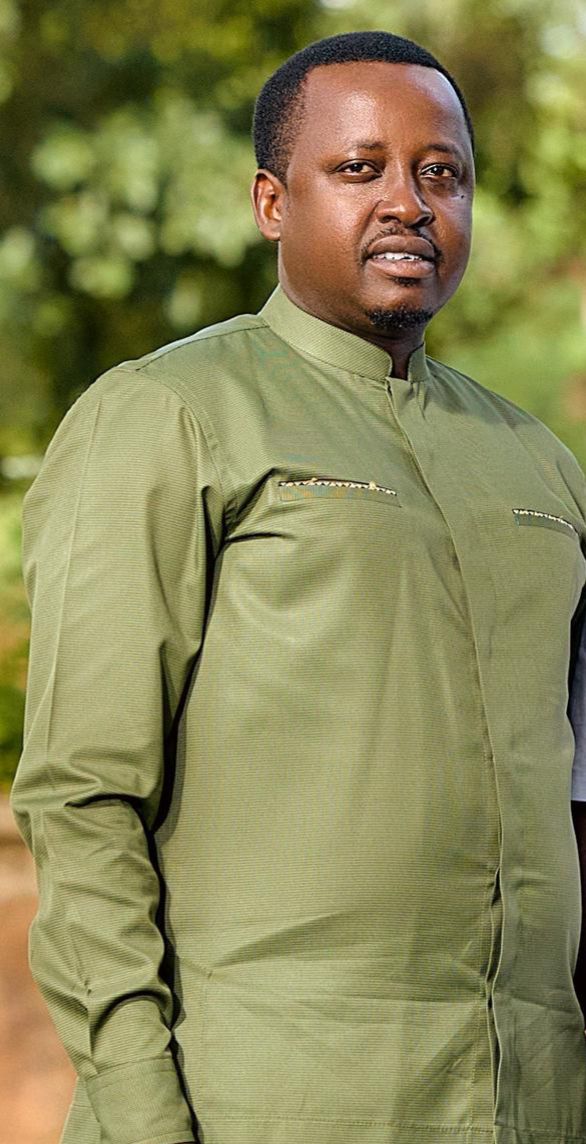
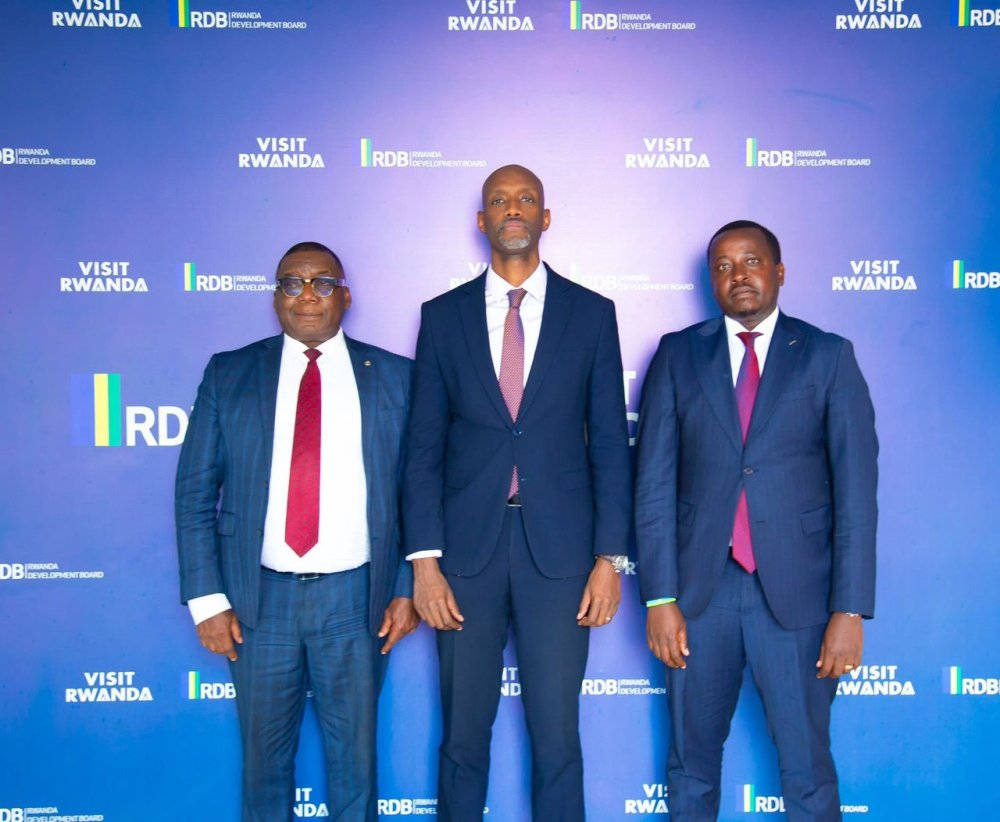
The project will be implemented through a partnership framework between the City of Kigali, the Rwanda Development Board, and Bauhaus International Rwanda Ltd serving.Dr Victor C ONUKWUGHA, the CEO of Bahaus International Ltd Richard Mukiza, Managing Director of Bauhaus International Rwanda Ltd said the project will be completed within 24 months.
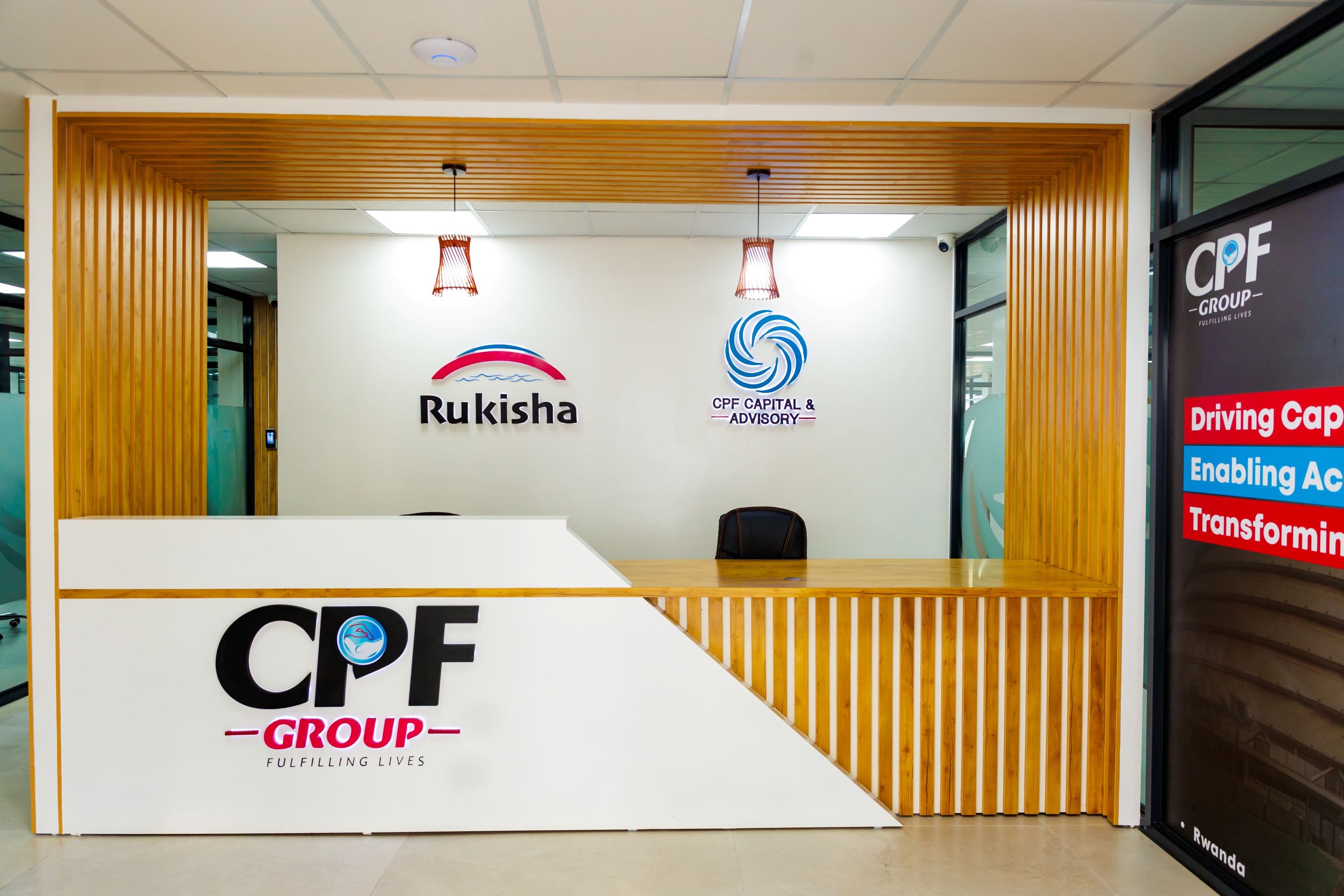
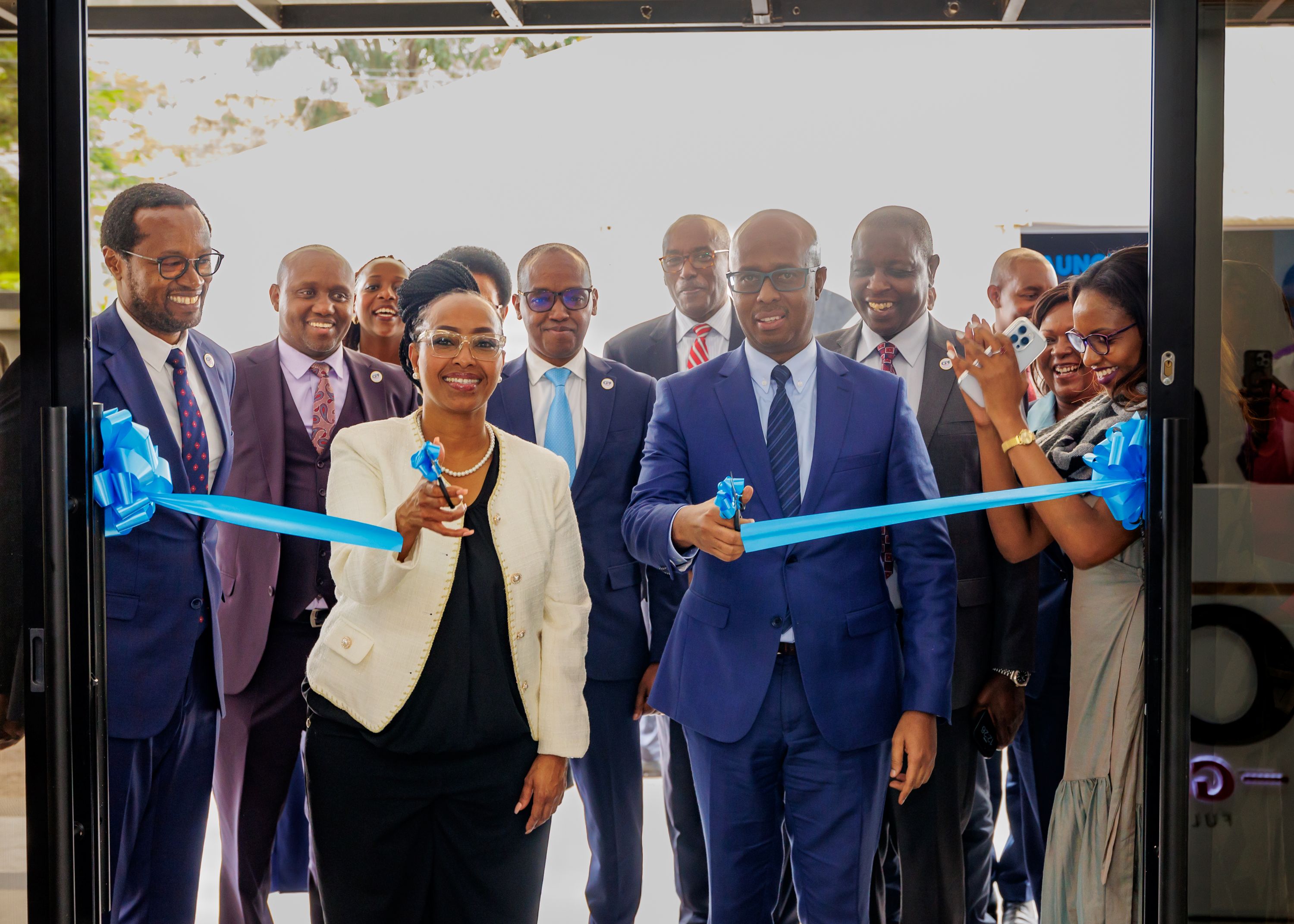
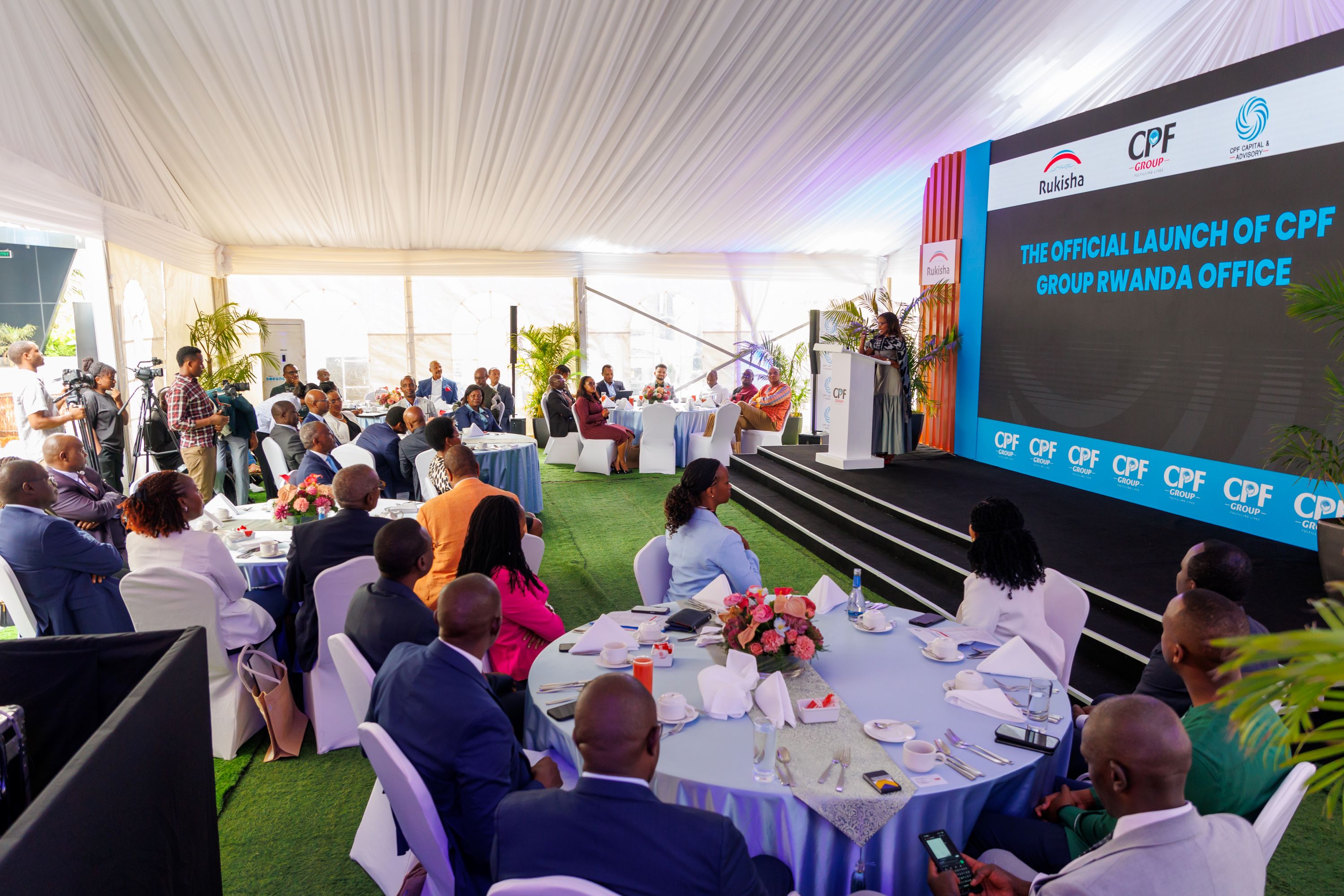
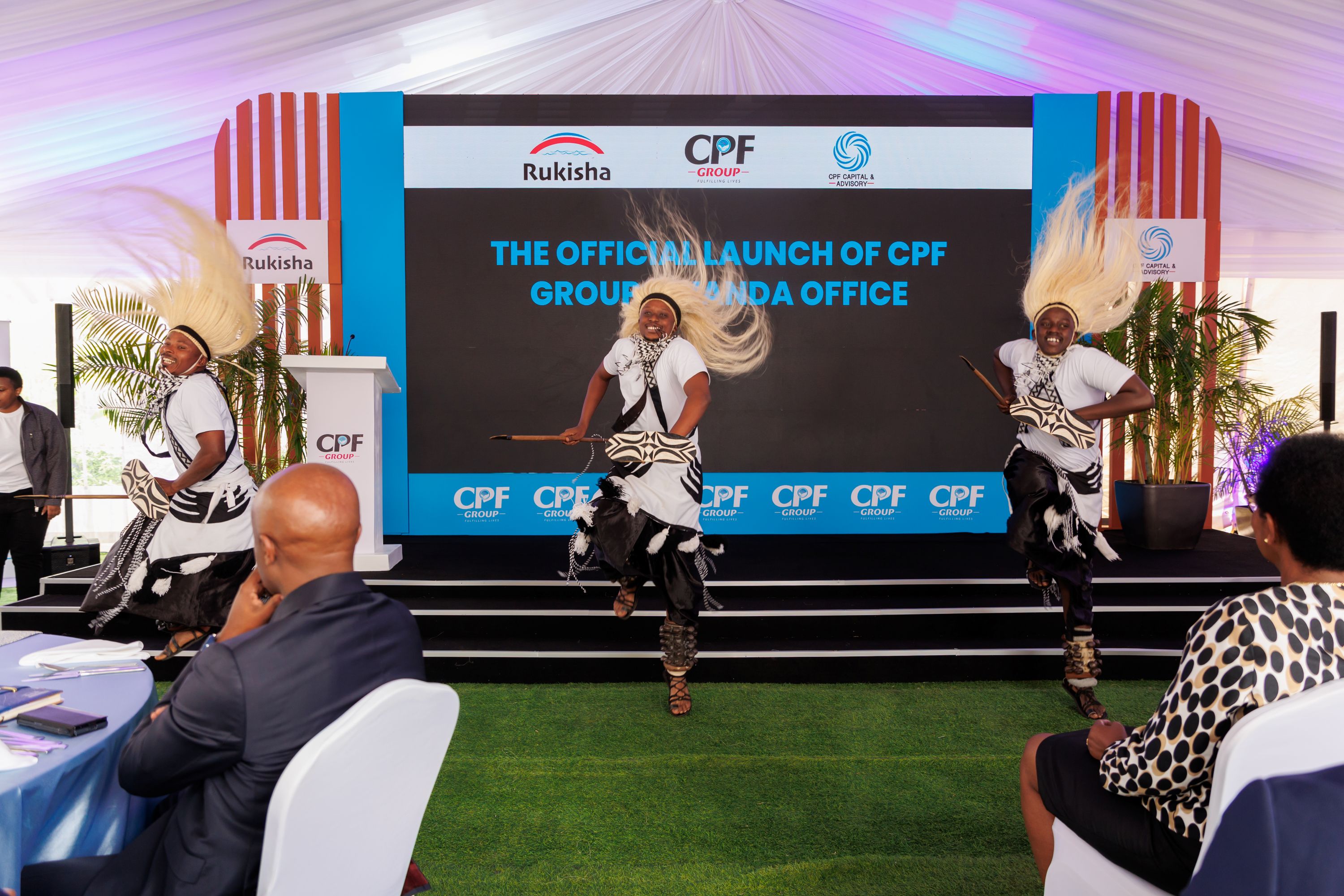
The office, located at the Zein Building in Nyarutarama, Kigali, will host the group’s subsidiaries CPF Capital & Advisory, Rukisha Solutions, and CPF Financial Services, positioning the institution as a partner in capital markets development, structured finance, and technology-driven financial services in Rwanda.
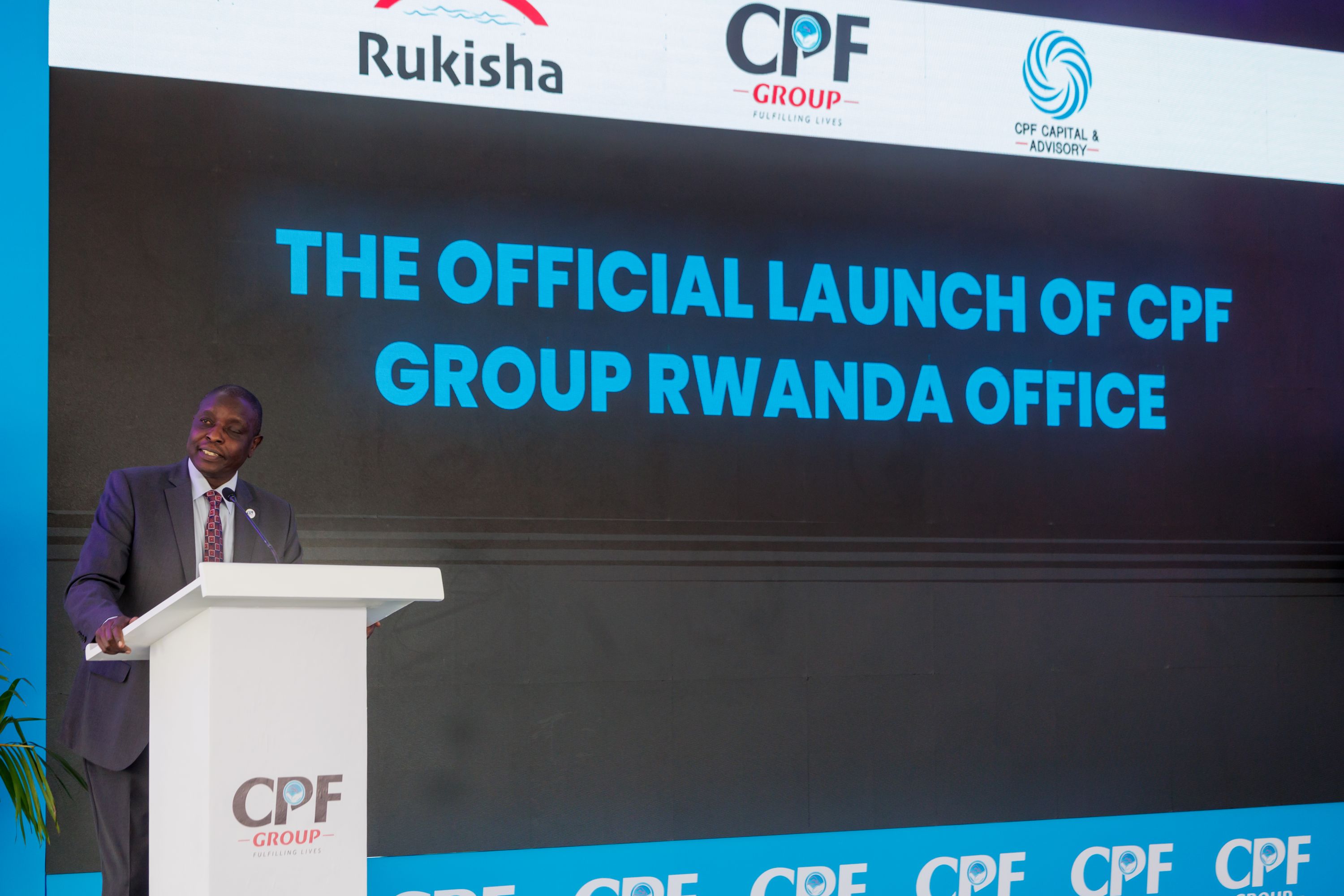
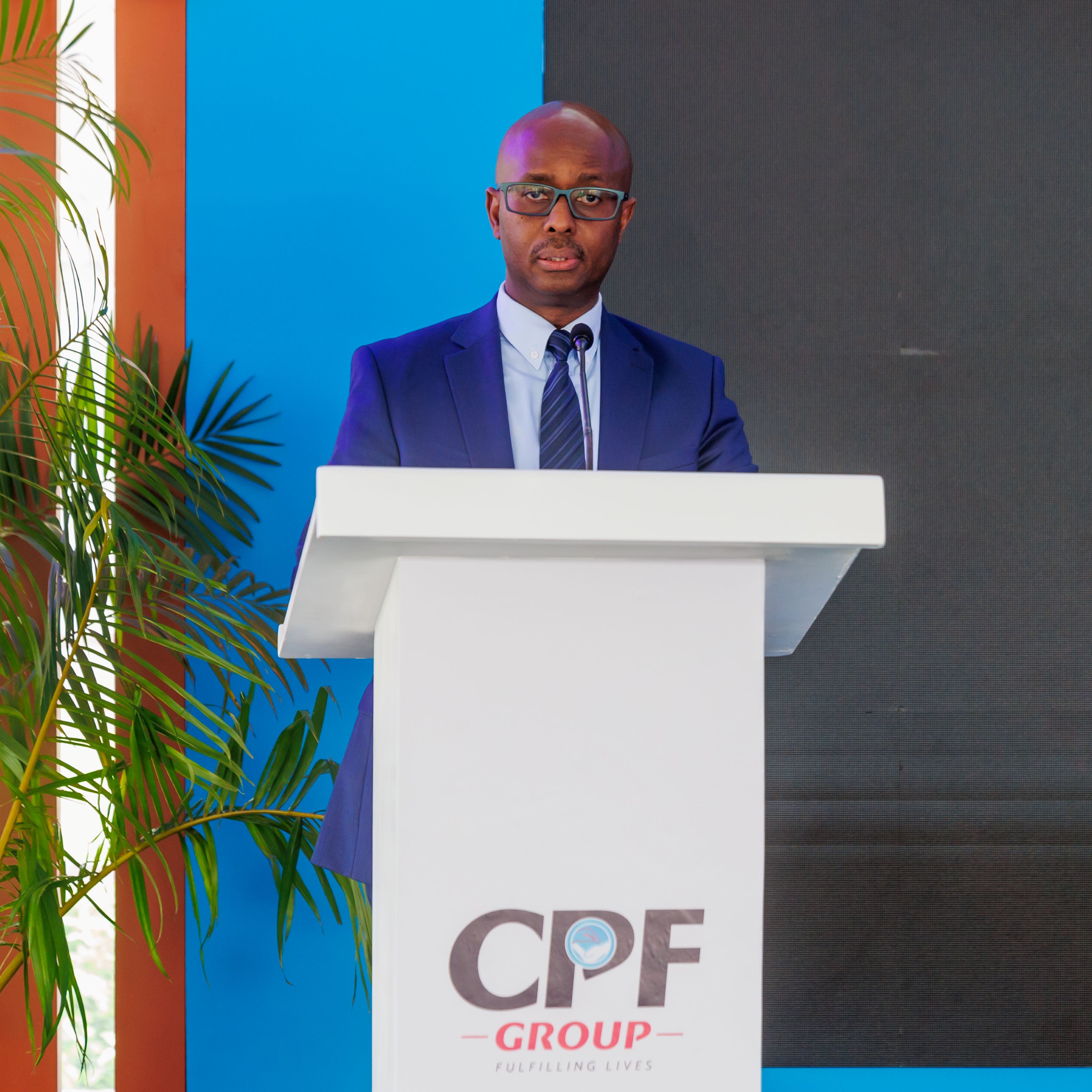
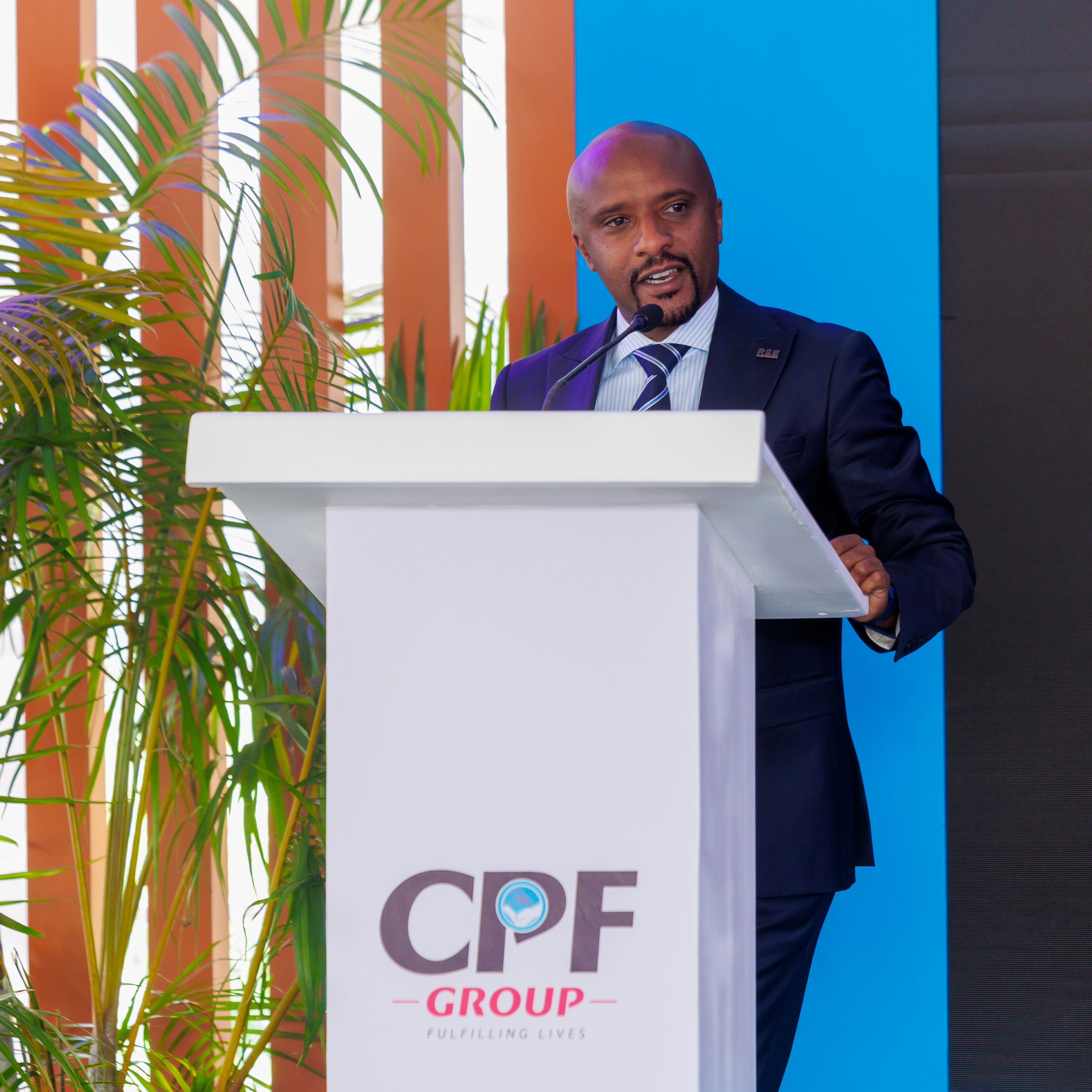
Speaking during the launch on Friday, Hosea Kili, Group Managing Director and CEO of CPF Group, said Rwanda’s stable regulatory environment and rapidly developing digital economy made it an attractive destination for the company’s regional growth strategy.
“Our presence in Rwanda reflects the deliberate regional growth strategy. Rwanda has built one of Africa’s most stable and forward-looking financial ecosystems. We are here to mobilize capital responsibly, structure transformative transactions, and support institutions with governance-led, execution-focused advisory solutions aligned to national development priorities,” Kili said.
Hosea Kili, Group Managing Director and CEO of CPF Group, said Rwanda’s stable regulatory environment and rapidly developing digital economy made it an attractive destination for the company’s regional growth strategy.
He revealed that the group plans to begin operations with a $20 million investment, with additional capital expected as the company identifies further opportunities in the market.
Founded in Kenya in the 1920s as a pension fund administrator, CPF Group has grown into a diversified regional financial services institution providing pension administration, wealth management, capital advisory and structured finance services. The company currently administers pension funds with a combined value of over Ksh 318 billion (approximately Rwf 3.6 trillion) serving more than 500,000 members.
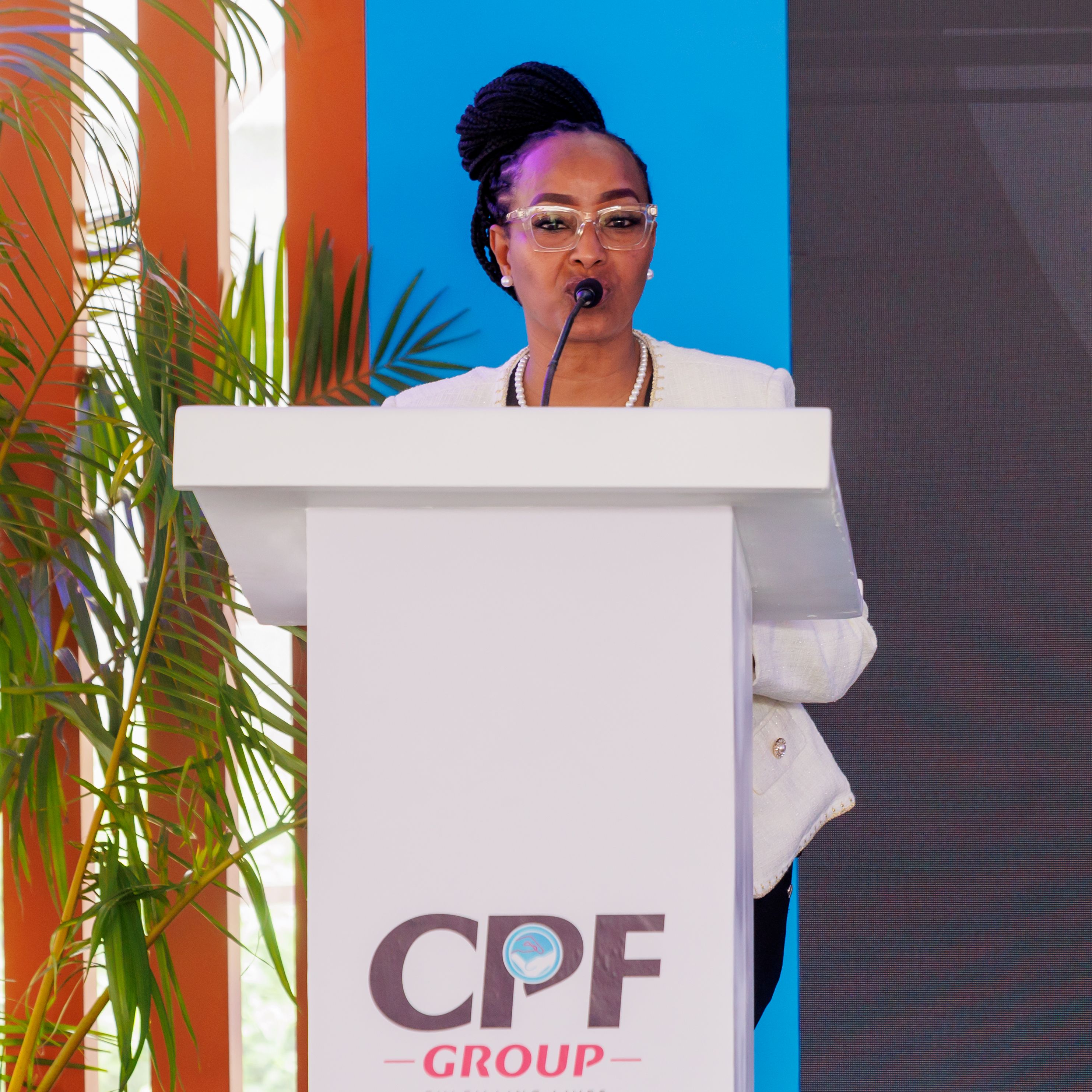
According to Maurice Nduranu, Group Chairperson, CPF Group, Rwanda was chosen as one of the first destinations for the group’s international expansion due to its strong investment climate and supportive regulatory environment.
“We are excited about the ease of doing business in Rwanda and the responsiveness of both government and the private sector. For us, this is an excellent first stop outside Kenya as we expand across the region with ultimately Pan-African ambitions,” Nduranu said.
Maurice Nduranu, Group Chairperson, CPF Group, Rwanda was chosen as one of the first destinations for the group’s international expansion due to its strong investment climate and supportive regulatory environment.
He added that establishing a physical presence in Rwanda would allow the firm to build partnerships locally rather than operating remotely from Kenya.
“We believe capital is borderless, and African businesses must increasingly operate across borders. Being here allows us to collaborate with institutions on the ground and contribute to regional economic growth,” he noted.
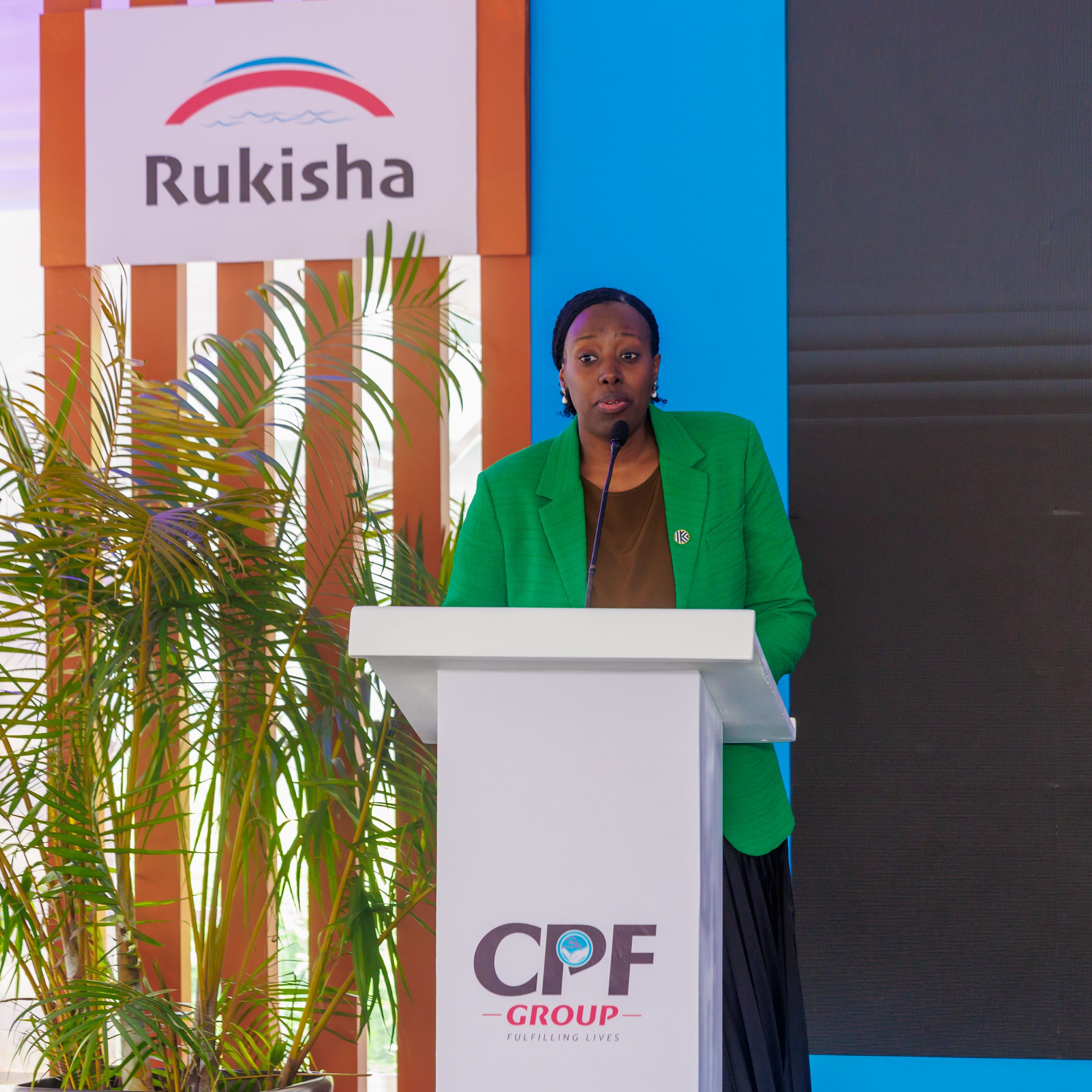
The Rwanda office will focus on capital markets advisory, infrastructure financing, alternative investment structuring, and cross-border capital mobilization. Through its fintech subsidiary Rukisha Solutions, the company also plans to introduce digital micro-lending and payments services aimed at expanding financial inclusion.
The office, located at the Zein Building in Nyarutarama, Kigali, will host the group’s subsidiaries CPF Capital & Advisory, Rukisha Solutions, and CPF Financial Services.
Kili said Rwanda’s growing Rwanda Stock Exchange presents opportunities for new investment products, noting that the group intends to support listings and capital market transactions in the country.
“We have strong experience in transaction advisory and investment banking across the region. Through our investment banking license, we expect to bring new products that can be listed on the stock exchange and deepen Rwanda’s capital markets,” he said.
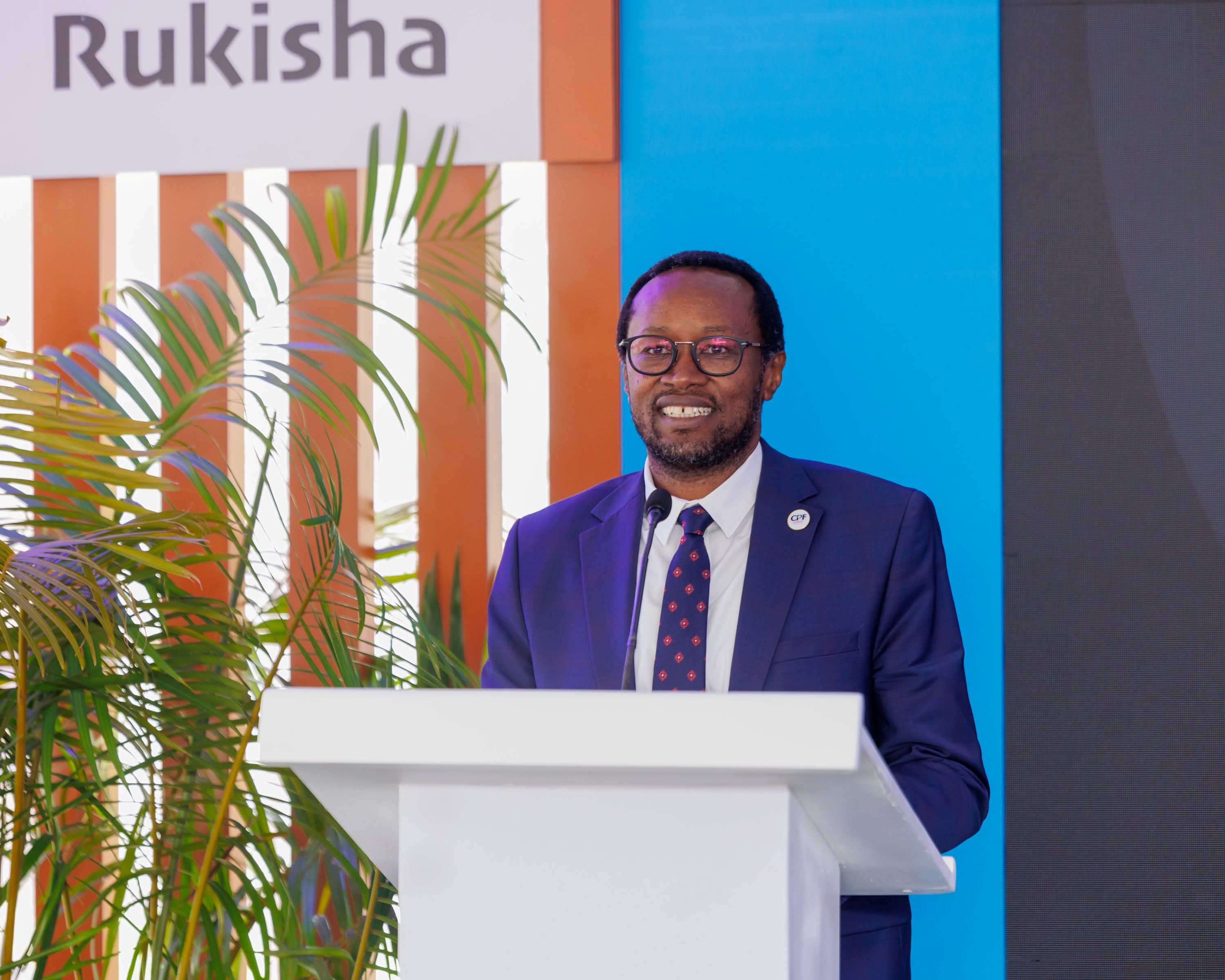
Speaking at the launch, Rwanda’s Minister of Finance and Economic Planning, Yusuf Murangwa, said the entry of institutions like CPF Group reflects growing confidence in Rwanda’s economic direction and policy framework.
“This milestone reflects the continued confidence that regional and international institutions have in Rwanda’s economic direction, the strength of our policy framework, and the consistency with which we are implementing our national development agenda,” Murangwa said.
Rwanda’s Minister of Finance and Economic Planning, Yusuf Murangwa, said the entry of institutions like CPF Group reflects growing confidence in Rwanda’s economic direction and policy framework.
He emphasized that strengthening financial markets and expanding financial inclusion remain key priorities for the government.
“Mobilizing long-term capital is essential for financing infrastructure, supporting private sector growth, and delivering our national strategy for transformation. Institutions such as CPF Capital play an important role in bringing structuring expertise and access to new sources of capital,” he said.
Murangwa added that Rwanda is continuing to invest in institutions, regulatory frameworks and financial infrastructure to position the country as a regional financial and investment hub.
On her part, Janet Mwawasi, Kenya’s High Commissioner to Rwanda, highlighted the broader economic and diplomatic significance of the launch between the two countries.
“The establishment of CPF Group in Rwanda represents the strengthening of economic ties between Kenya and Rwanda and demonstrates the confidence Kenyan institutions have in Rwanda’s regulatory environment and growth trajectory. This investment reflects the shared ambition of our nations to deepen capital markets integration and accelerate sustainable regional development.”
Janet Mwawasi, Kenya’s High Commissioner to Rwanda, said the establishment of CPF Group in Rwanda demonstrates the confidence Kenyan institutions have in Rwanda’s regulatory environment and growth trajectory.
The expansion into Rwanda marks a key milestone in CPF Group’s broader regional strategy, as the nearly century-old institution seeks to deepen its presence across East Africa while pursuing longer-term Pan-African ambitions.
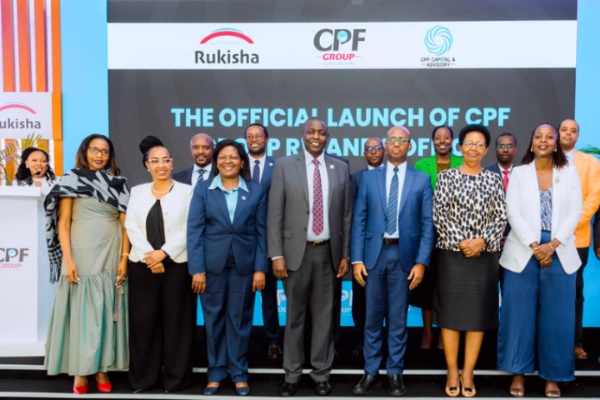
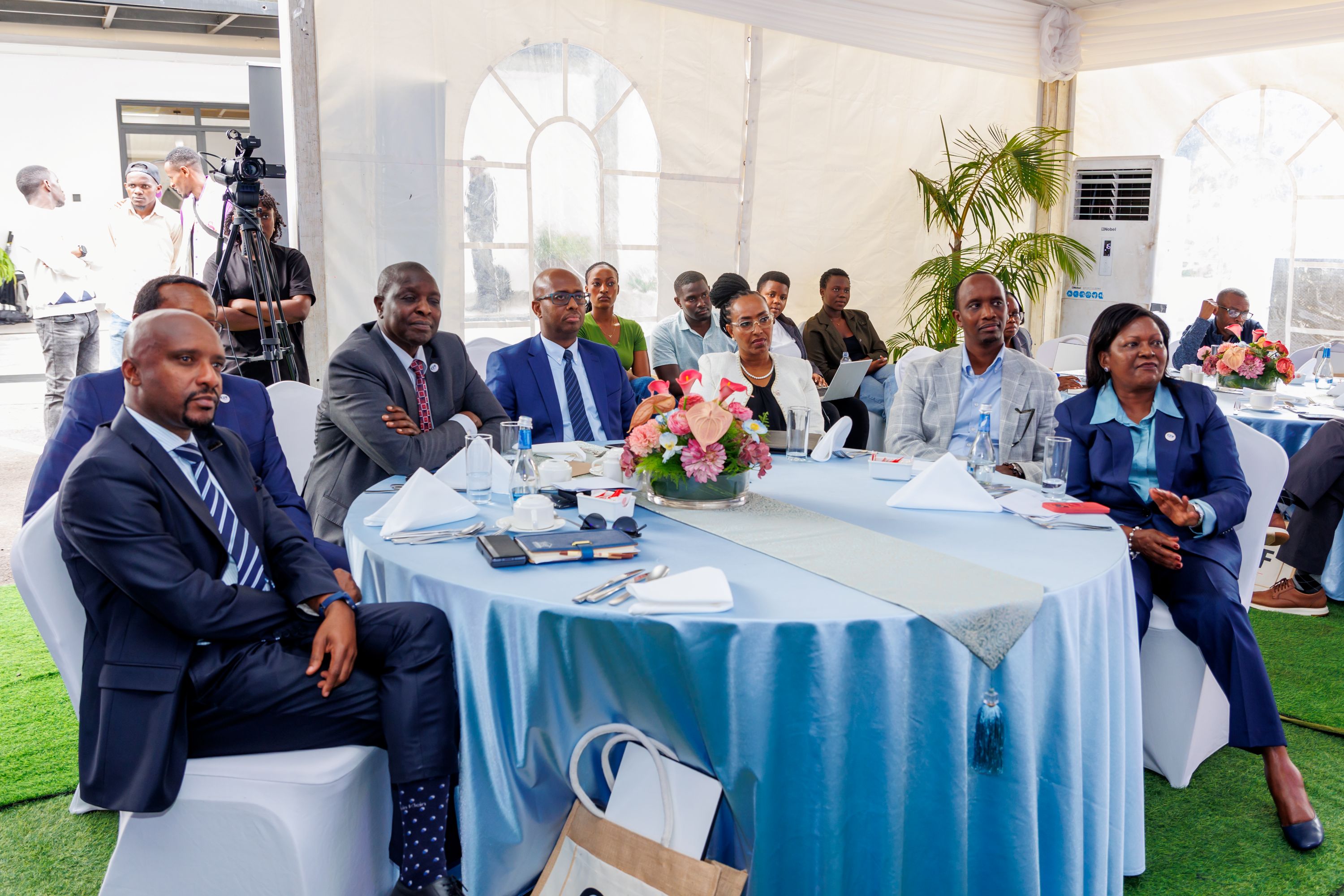
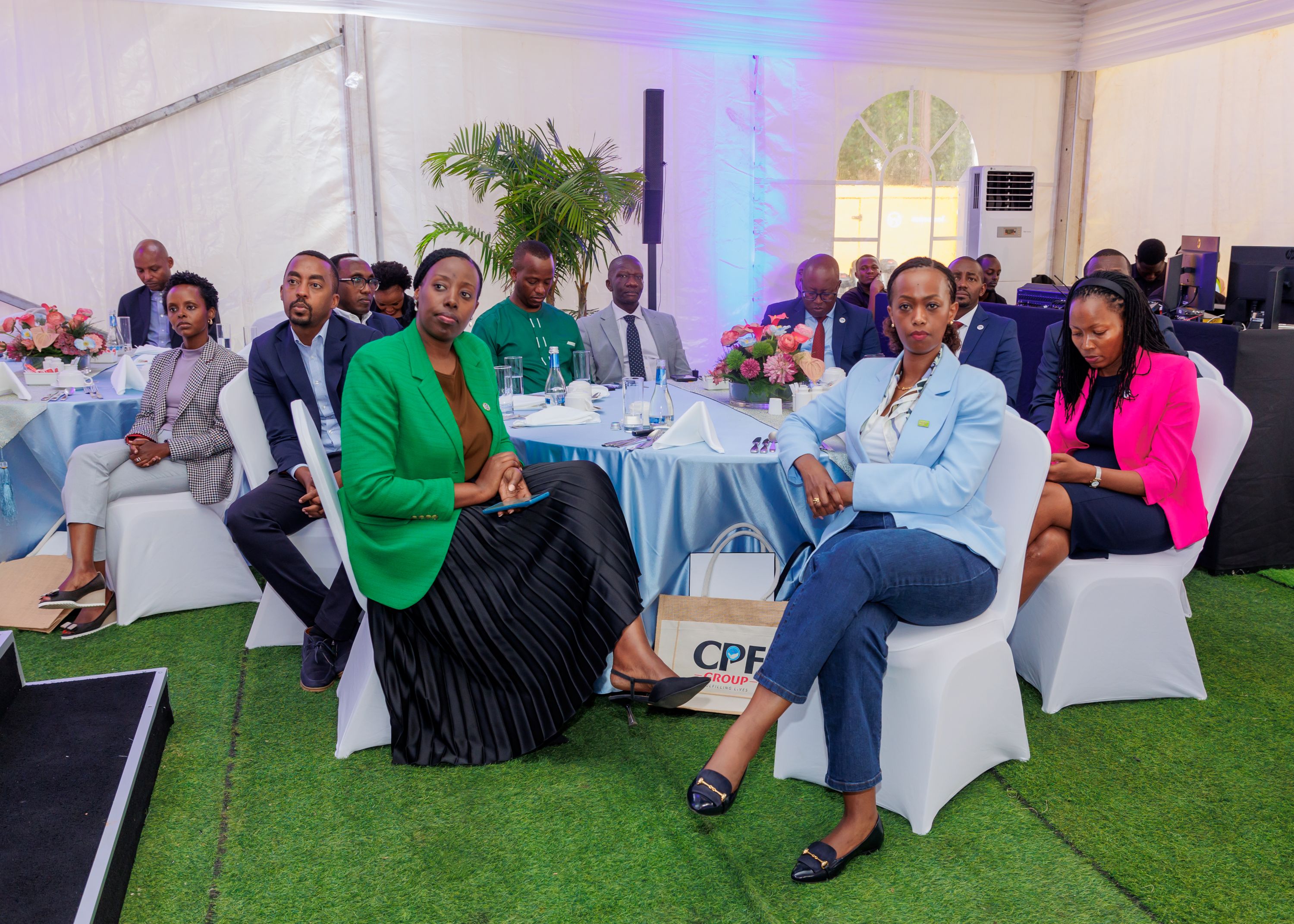
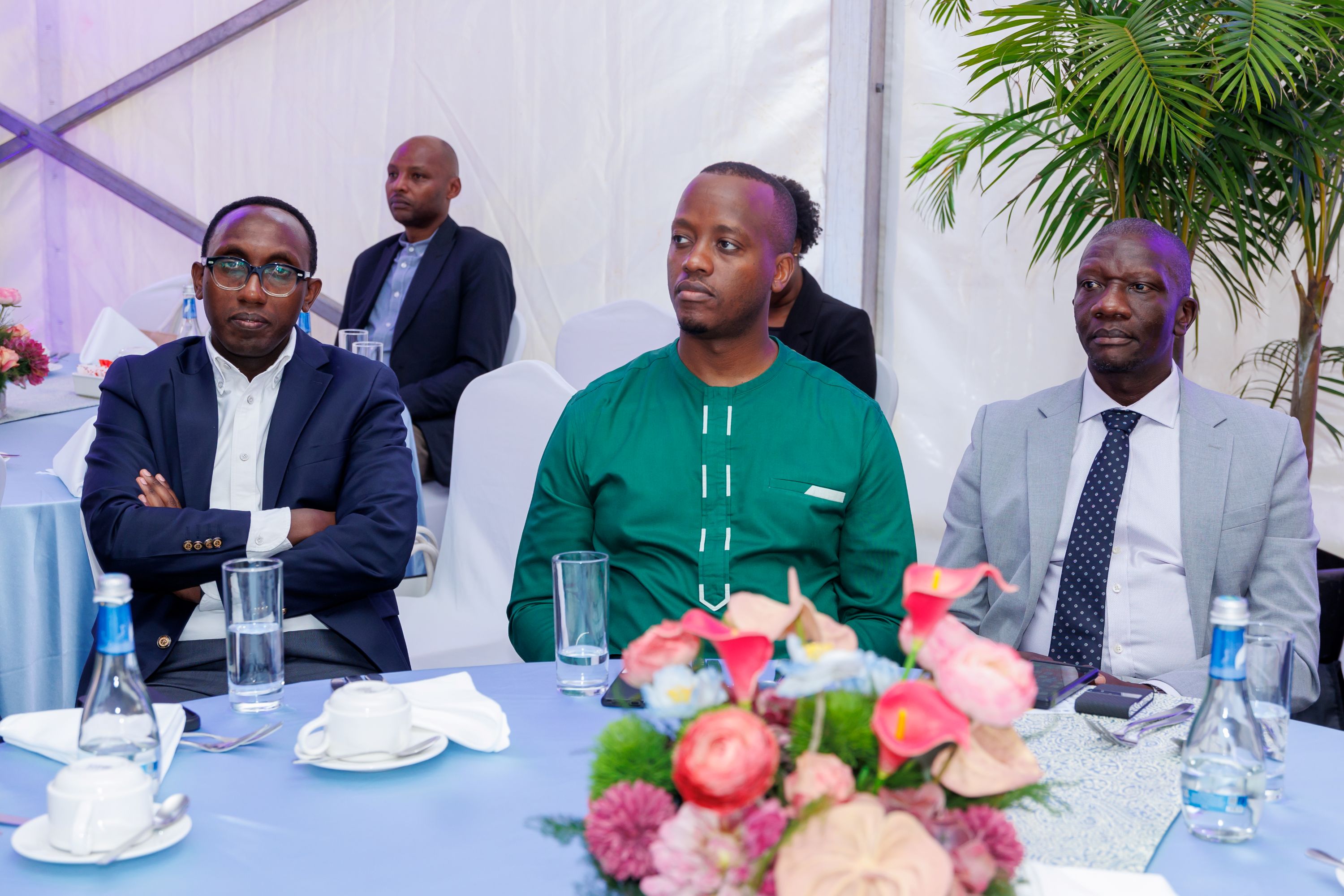
Pierre-Célestin Rwabukumba, the Chief Executive Officer (CEO) of the Rwanda Stock Exchange (RSE), attended the event.Hortense Mudenge, the CEO of the Kigali International Financial Centre (KIFC), also graced the launch.Various stakeholders attended the launch.Attendees were treated to entertainment by a traditional Rwandan troupe.
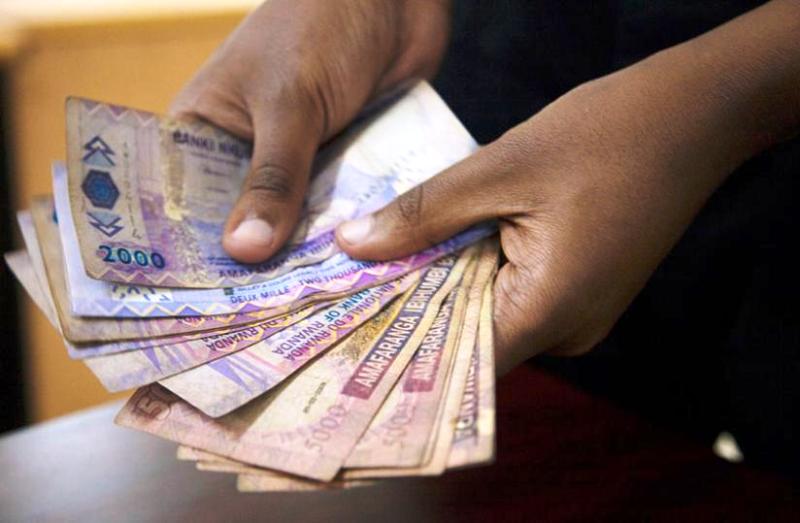
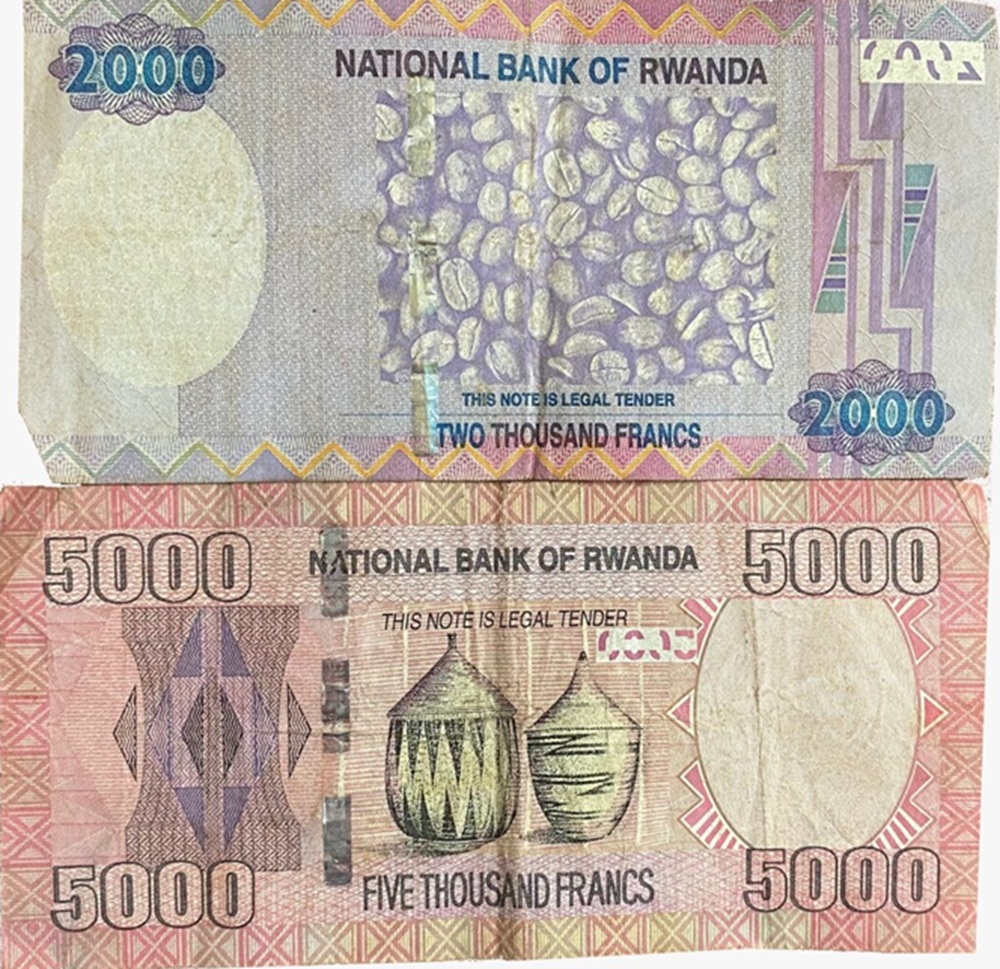
The decision is contained in Presidential Order No. 011/01 of February 27, 2026, which revokes the legal tender status of several older series of these banknotes.
The measure will take effect 12 months after the order is published in the Official Gazette of the Republic of Rwanda, giving the public time to exchange the notes.
Among the banknotes to be phased out are the Rwf 500 and Rwf 1,000 notes introduced through a presidential order issued on September 20, 2004. The Rwf 500 note later introduced on September 10, 2013 will also be withdrawn.
The order further removes the Rwf 1,000 banknote introduced on October 15, 2015 and the Rwf 2,000 banknote issued on December 31, 2007. Also affected are two versions of the Rwf 5,000 banknote that were introduced through presidential orders dated June 5, 2004 and August 12, 2009.
Article four of the order states that the withdrawal will only become effective one year after the decree is officially published in the Official Gazette.
Newer versions of the Rwf 500 and Rwf 1,000 notes currently in circulation were introduced through a presidential order issued on July 2, 2019.
More recently, new designs for the Rwf 5,000 and Rwf 2,000 banknotes were introduced through a presidential order published on August 30, 2024.
At the time, the National Bank of Rwanda (BNR) explained that the redesign was necessary because the existing notes had been in use for many years. For example, the Rwf 2,000 note had last been issued in December 2014.
The central bank said the update was meant to incorporate modern technology that strengthens security features and reduces the risk of counterfeiting.
BNR also revised the material used to produce the banknotes to make them more durable while ensuring that their design reflects Rwanda’s current development and economic progress.
The old Rwf 5,000 and Rwf 2,000 banknotes will cease to be used after 12 months.