As Rwanda’s economy continues to transform and solidify its position among Africa’s most dynamic economies, the question of monetary sovereignty is becoming increasingly central. In a global economic environment marked by uncertainty, inflationary pressures, and market volatility, a country’s ability to safeguard its currency stability is a key pillar of economic resilience.
The recent decision by the National Bank of Rwanda (BNR) to raise its benchmark interest rate highlights ongoing efforts to maintain this stability. However, it also underscores a deeper reality: monetary policy, while essential, cannot alone ensure the long-term strength of an economy.
To truly reinforce Rwanda’s monetary sovereignty, a more structural approach is needed, combining monetary discipline, economic transformation, and strategic mobilization of national and international resources.
Credible monetary policy in the face of inflationary pressures
On February 19, 2026, the National Bank of Rwanda raised its benchmark interest rate by 50 basis points to 7.25 percent. This decision aims to curb inflation, which reached 8.9 percent in January, according to BNR data.
By increasing the cost of credit, the central bank seeks to slow inflationary pressures and stabilize economic expectations. The move reflects prudent macroeconomic management and sends an important signal to both domestic and international investors about the Rwandan authorities’ commitment to financial stability.
Yet international experience shows that monetary policy alone cannot resolve structural economic imbalances. When imports consistently exceed exports or when the value added of key products is captured abroad, the national currency remains vulnerable to external shocks.
In this context, monetary stability must be supported by deep economic reforms that strengthen productive capacity and national competitiveness.
Transforming exports to capture greater value
One of the most important levers for reinforcing monetary sovereignty lies in transforming exports. Rwanda is internationally recognized for the quality of its agricultural products, particularly coffee and tea.
In 2025, Rwanda exported nearly 24,000 tons of unroasted coffee valued at approximately $148.6 million. Yet much of the value added—from roasting and packaging to marketing and distribution—is generated outside the country.
This presents both a challenge and an opportunity. By expanding local coffee processing, developing strong national brands, and investing in packaging and branding, Rwanda could capture a significantly larger share of export value.
Such a strategy would increase revenues per kilogram exported, create skilled jobs in industrial sectors, strengthen local enterprise ecosystems, improve the trade balance, and generate additional foreign exchange, thereby reinforcing the stability of the Rwandan franc. More broadly, upgrading exports is essential for integrating Rwanda more deeply into global value chains.
Strengthening sovereign reserves to enhance financial stability
Another fundamental pillar of monetary sovereignty is the level of foreign exchange reserves. International reserves allow a country to stabilize its currency, finance critical imports, and withstand external economic shocks.
Rwanda’s reserves currently cover approximately 4.8 months of imports, a relatively strong position for an emerging economy.
However, in an increasingly volatile global environment, gradually building additional reserves could provide even greater protection against international turbulence.
Resource-rich countries have developed innovative strategies to manage surpluses and strengthen economic stability. Botswana’s Pula Fund demonstrates how a well-structured sovereign fund can stabilize a national economy while preparing for the future.
Similarly, Rwanda could consider creating a long-term mechanism to invest part of its strategic revenues in international assets. Such a fund could play a crucial role in macroeconomic stabilization while serving as a financing tool for high-value national projects.
Mobilizing strategic diaspora capital
Rwanda’s diaspora also represents a major economic and financial resource. Remittance inflows exceeded $517 million in 2024, according to BNR statistics.
These funds already provide significant foreign exchange for the national economy. Yet their strategic potential could be further leveraged if a portion were directed toward productive investments.
Several countries have successfully mobilized diaspora capital through innovative financial instruments such as diaspora bonds or dedicated investment funds, allowing members of the diaspora to contribute directly to their home country’s economic development while benefiting from attractive investment opportunities.
In Rwanda, transparent and well-structured mechanisms could channel diaspora capital into infrastructure projects, export-oriented industries, or innovative entrepreneurial initiatives. Such an approach would strengthen the country’s macro-financial resilience while reinforcing economic links between Rwanda and its diaspora.
Building a sustainable economic architecture
Monetary sovereignty depends not only on central bank decisions but also on a coherent set of economic policies that strengthen a country’s ability to generate wealth, attract investment, and earn foreign exchange.
For Rwanda, several pillars can help build this sustainable economic architecture: credible and disciplined monetary policy, local transformation of high-value exports, strategic accumulation of international reserves, structured mobilization of diaspora capital, and the development of innovative financial instruments.
By combining these levers, Rwanda can consolidate currency stability while maintaining openness to the global economy.
An opportunity to strengthen Rwanda’s economic resilience
The February 2026 rate hike sends a clear signal of the central bank’s vigilance in the face of inflationary pressures and demonstrates the growing maturity of Rwanda’s macroeconomic framework.
Yet beyond this temporary measure, the true challenge lies in the country’s ability to pursue strategic and sustainable economic transformation.
By adding value to its exports, consolidating financial reserves, and fully mobilizing the potential of its diaspora, Rwanda can strengthen monetary sovereignty while consolidating its position on the international economic stage.
This approach would not only stabilize the national currency but also create the conditions for sustainable prosperity for future generations.
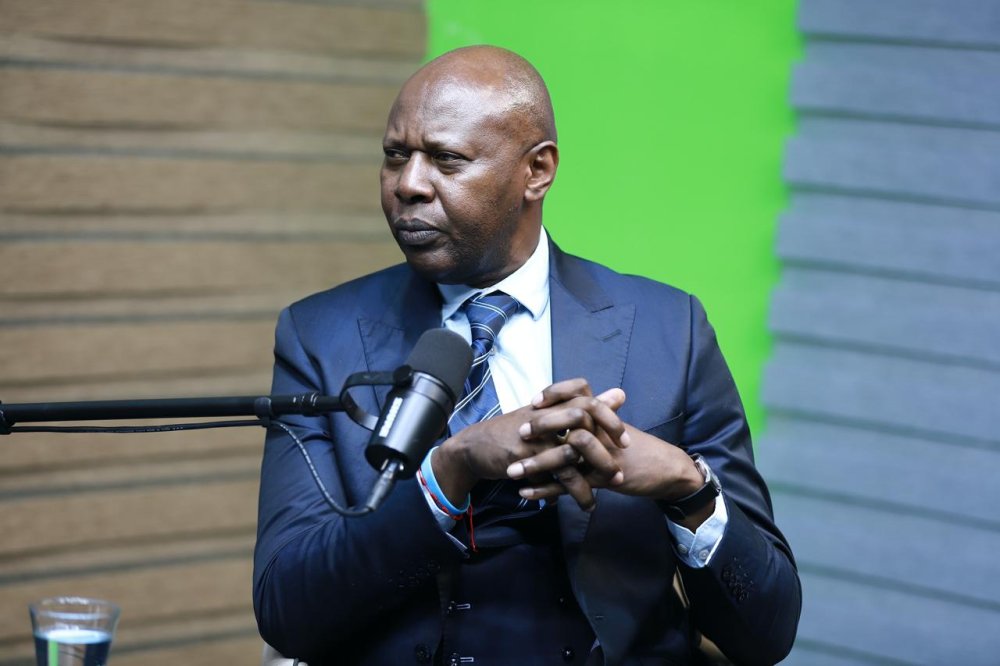
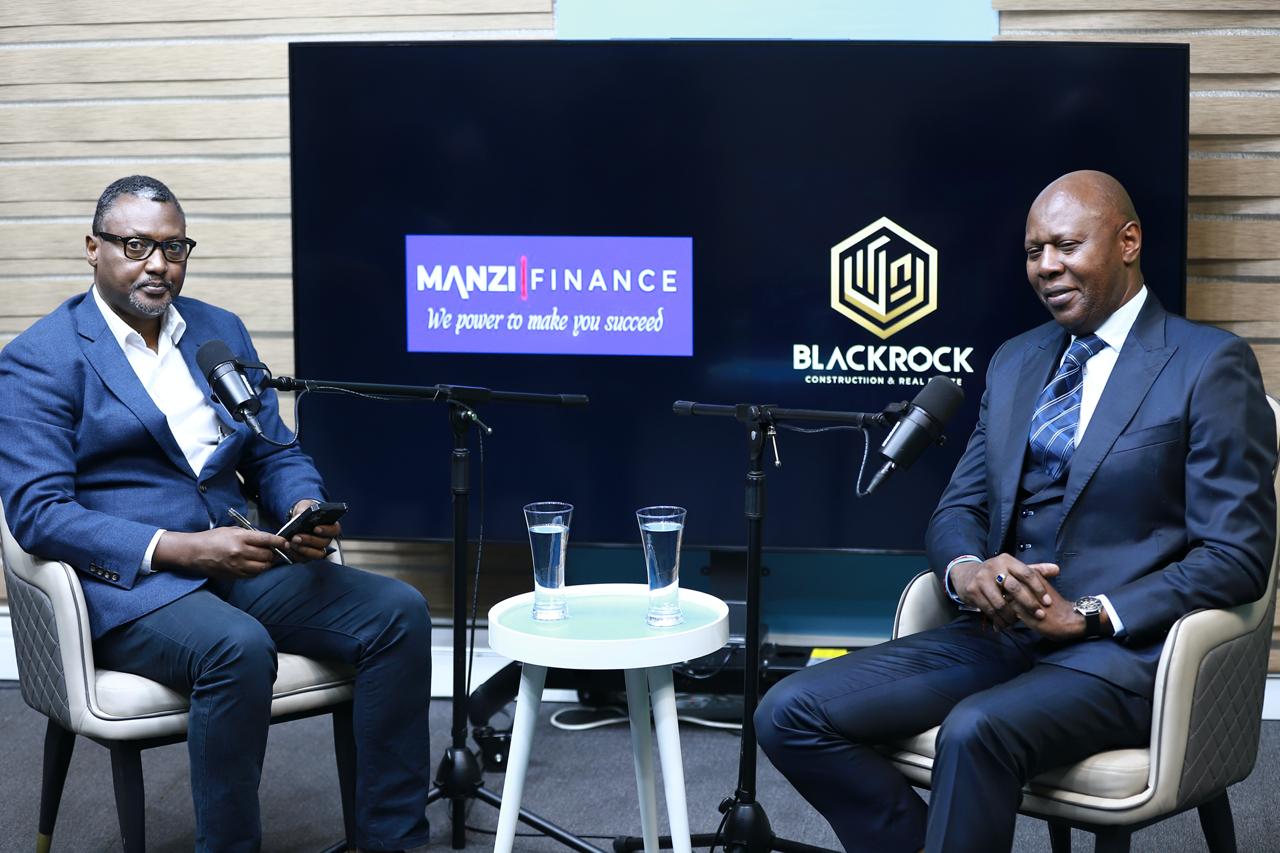
Aloys Manzi is Chairman of Manzi Finance Ltd and Chief Executive Officer of Flexero Ltd, based in London. He holds an MBA in General Management from Brighton Business School and a Master’s degree from the University of Reims, along with executive certifications in Artificial Intelligence (MIT) and in Blockchain and FinTech (University of Oxford). A specialist in financial innovation and diaspora capital mobilization, he focuses on macro-financial resilience strategies and economic transformation in emerging markets.
Leave a Reply