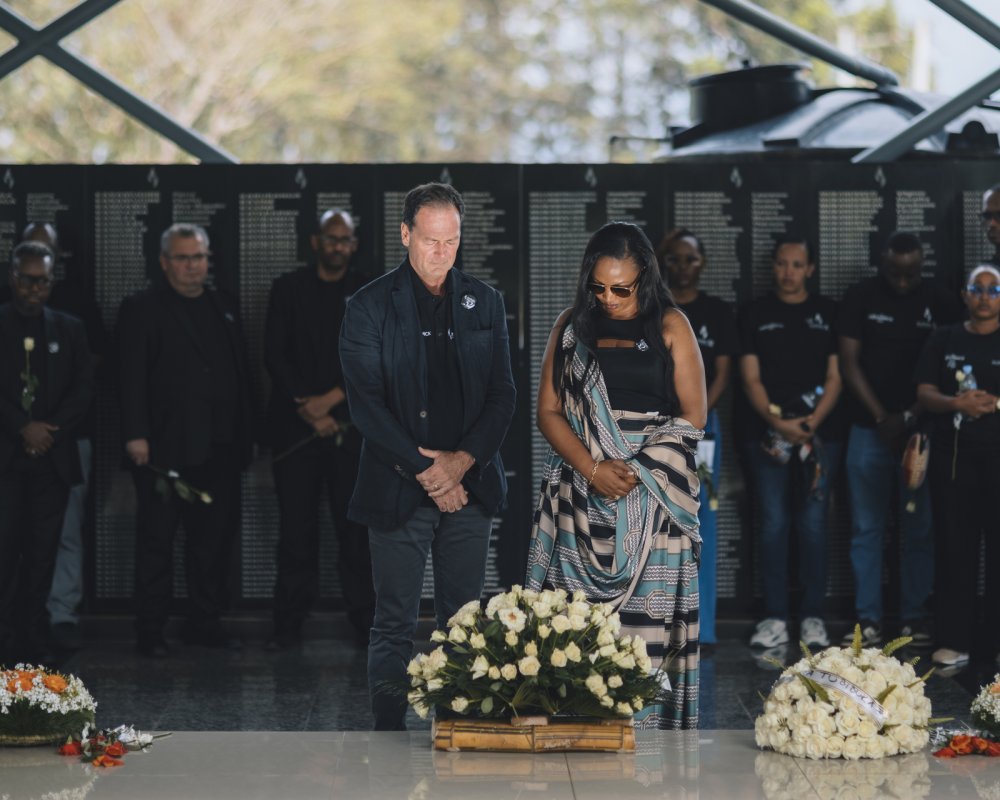
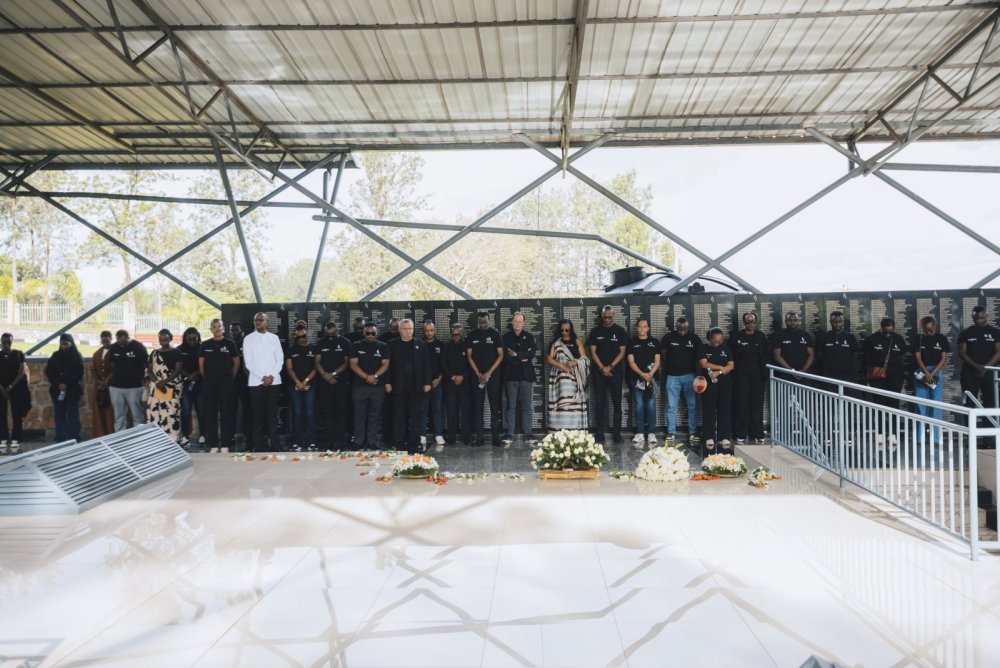
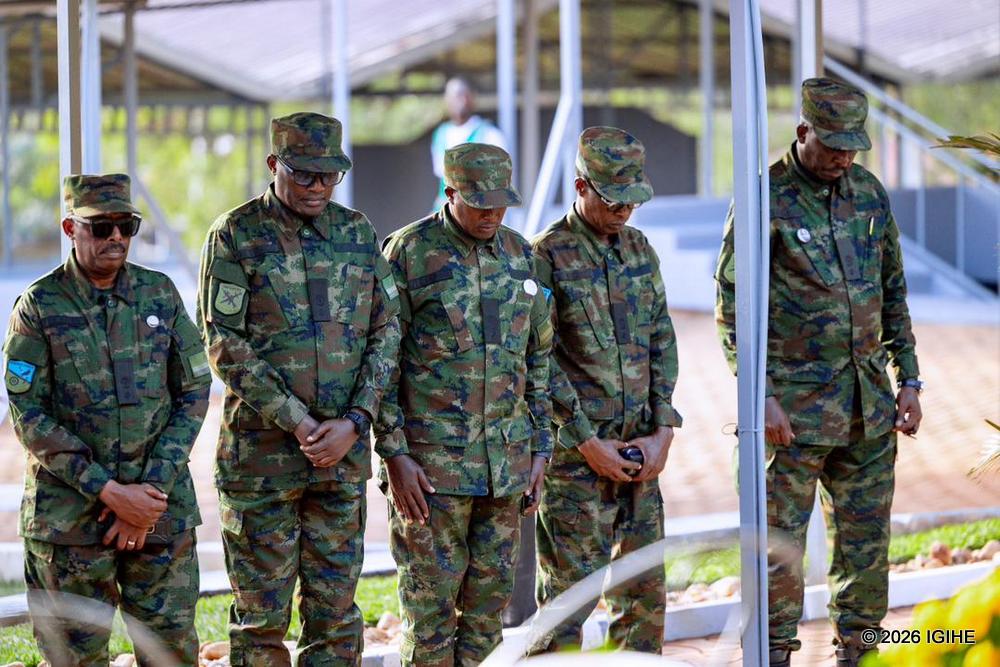
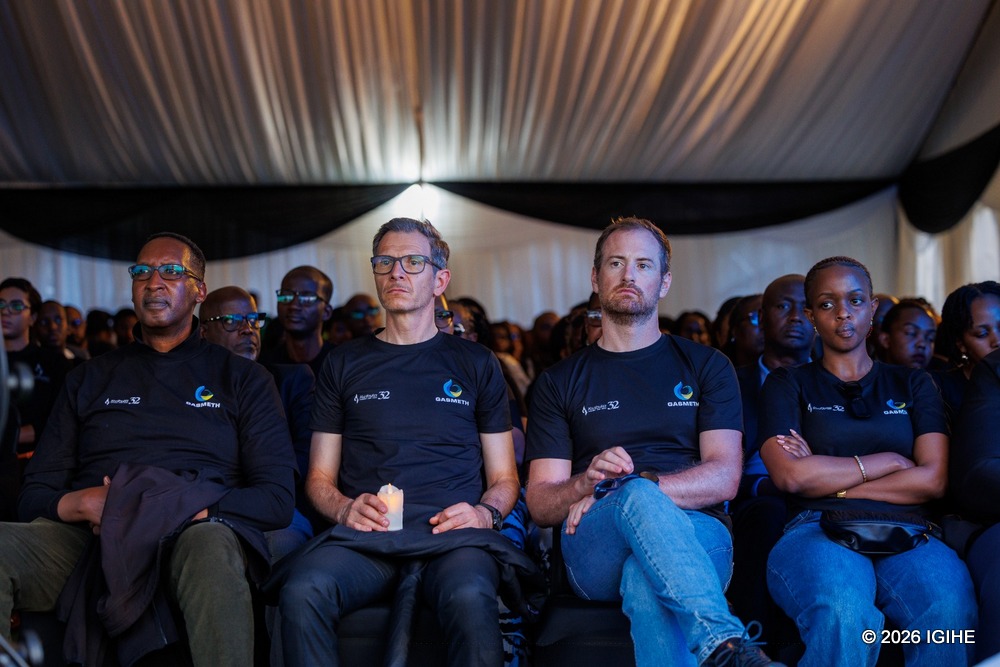
The visit took place on April 10, 2026. During the tour, staff members were briefed on the history of the Genocide against the Tutsi in Ntarama and shown various pieces of evidence documenting the atrocities committed.
One employee noted that the visit served as a reminder of their collective responsibility to combat genocide ideology.
“Visiting the Ntarama Memorial reminds us that remembrance goes beyond the victims’ families. It is an ongoing duty that calls on all of us to actively fight genocide ideology. As Rwandans, we remain committed to standing against it and upholding these values,” the employee said.
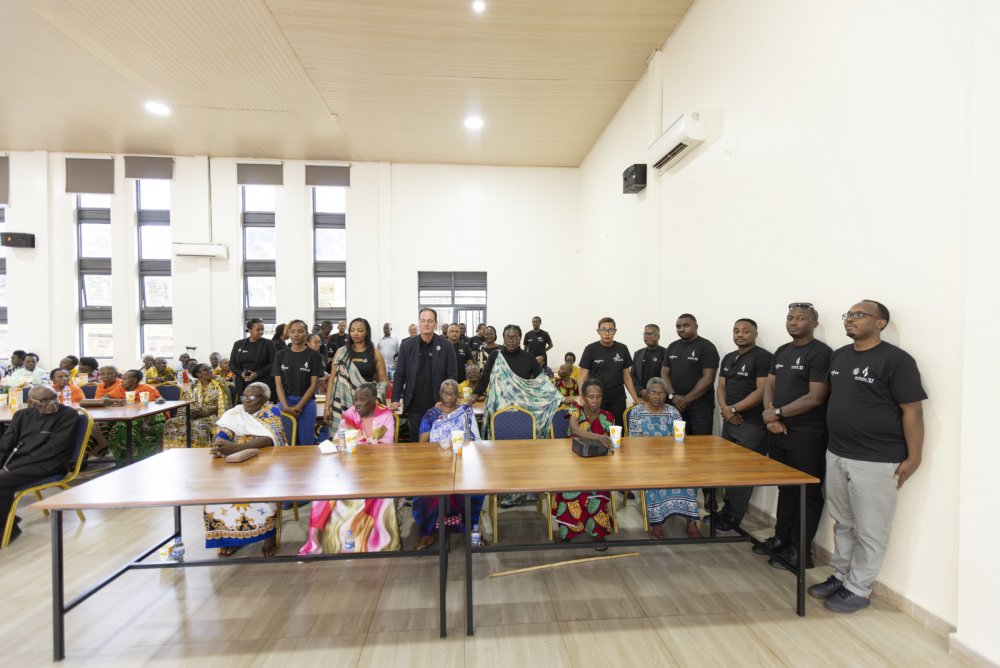
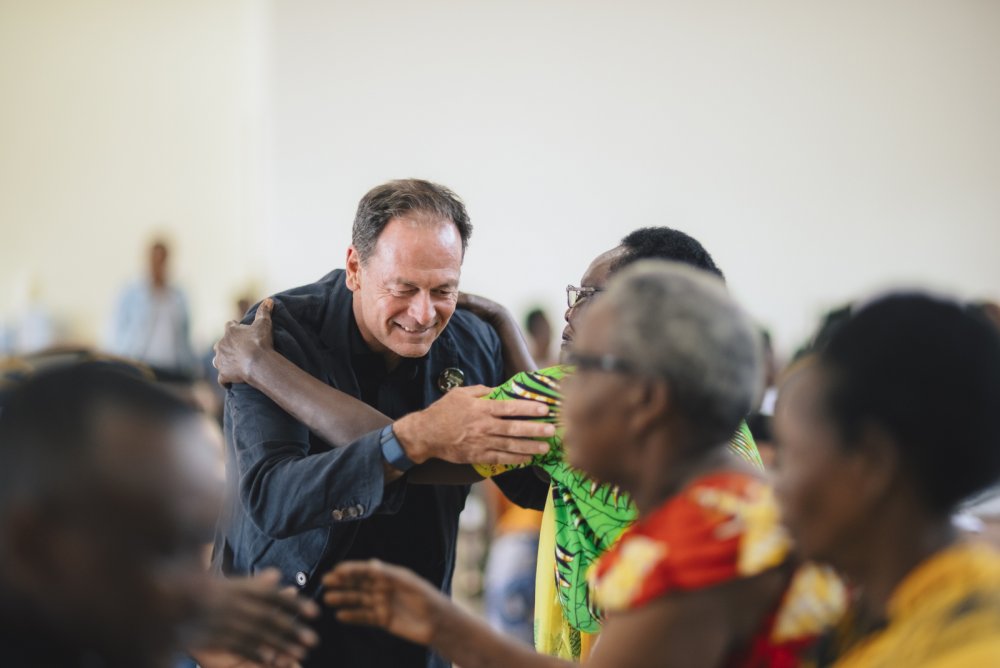
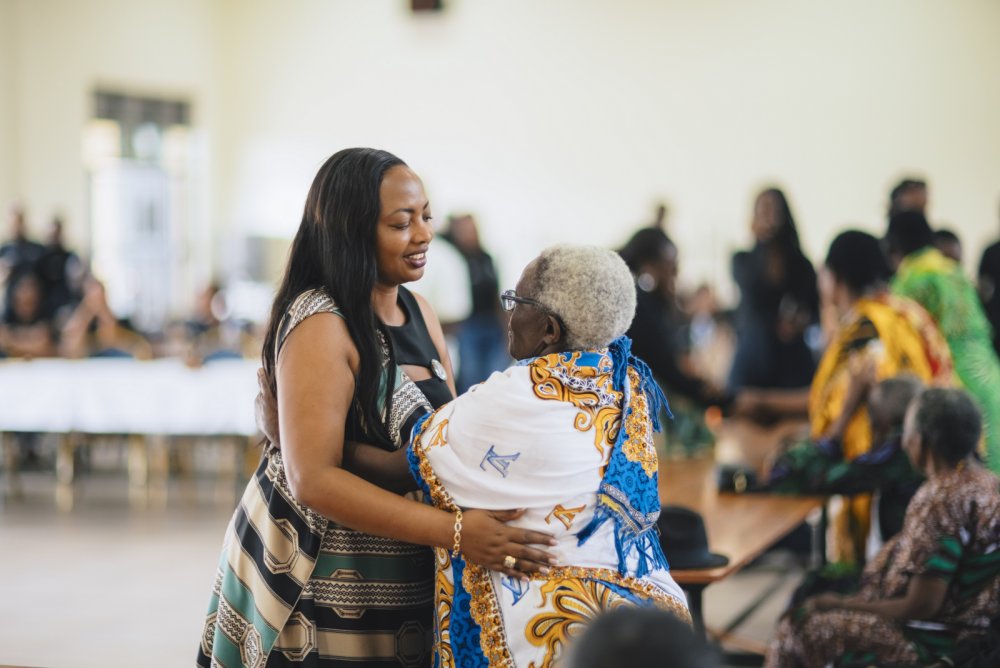
Following the memorial visit, the staff travelled to Bugesera District to meet elderly women survivors residing at Impinganzima. They engaged with them in conversation and expressed solidarity during the ongoing national commemoration period.
The General Manager of Mövenpick Kigali, Médiatrice Umulisa, said the visit was intended to offer comfort and reassurance to the survivors.
“Today, as the Mövenpick Kigali Hotel family, we came to tell you that we stand with you, that we are close to you, and that you remain in our thoughts at all times. We are not here merely as visitors, but as your children and as friends who care deeply and wish to support you during this period of remembrance,” she said.
She added that their presence was also meant to reaffirm that survivors are not alone.
“We are here to support and comfort you. We will continue to stand with you and do everything possible to ensure you feel supported and remembered,” she said.
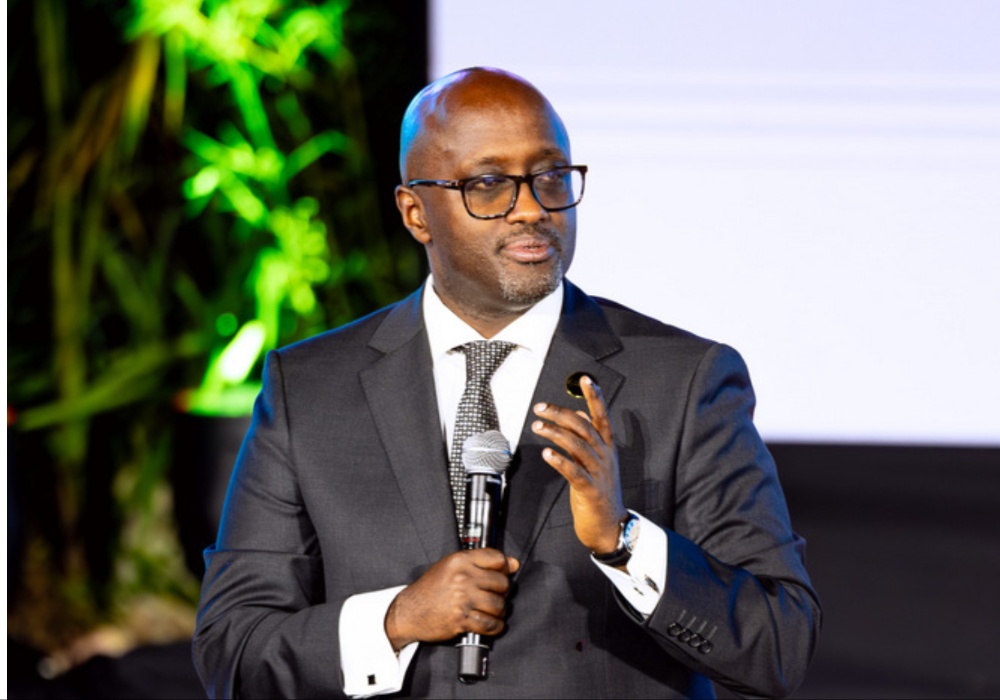
Olivier Granet, CEO of Kasada Capital Management, which manages Mövenpick Kigali Hotel, said Rwanda’s journey from tragedy to unity offers a powerful lesson to the world.
“It is difficult to comprehend what happened here and the weight of remembering it, yet what stands out is the country’s ability to rebuild unity, live together again, and look toward the future. This carries a strong message for the world, particularly in the times we are living in,” he said.
Mövenpick Kigali emphasised that Kwibuka is not merely a ceremonial observance, but a shared responsibility for all Rwandans and institutions, underscoring the importance of standing with and supporting survivors.
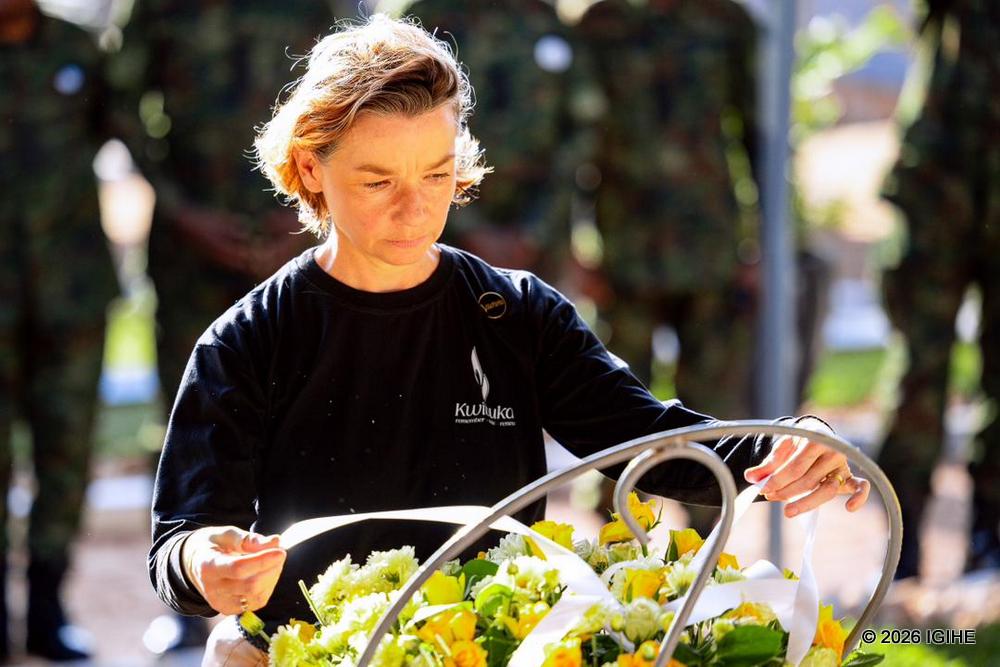
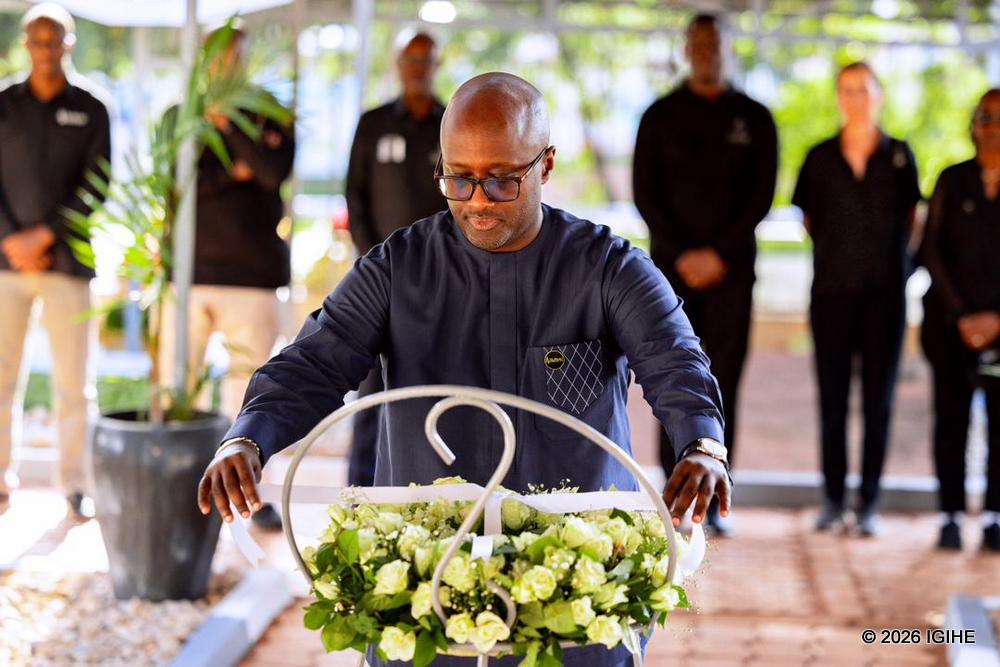
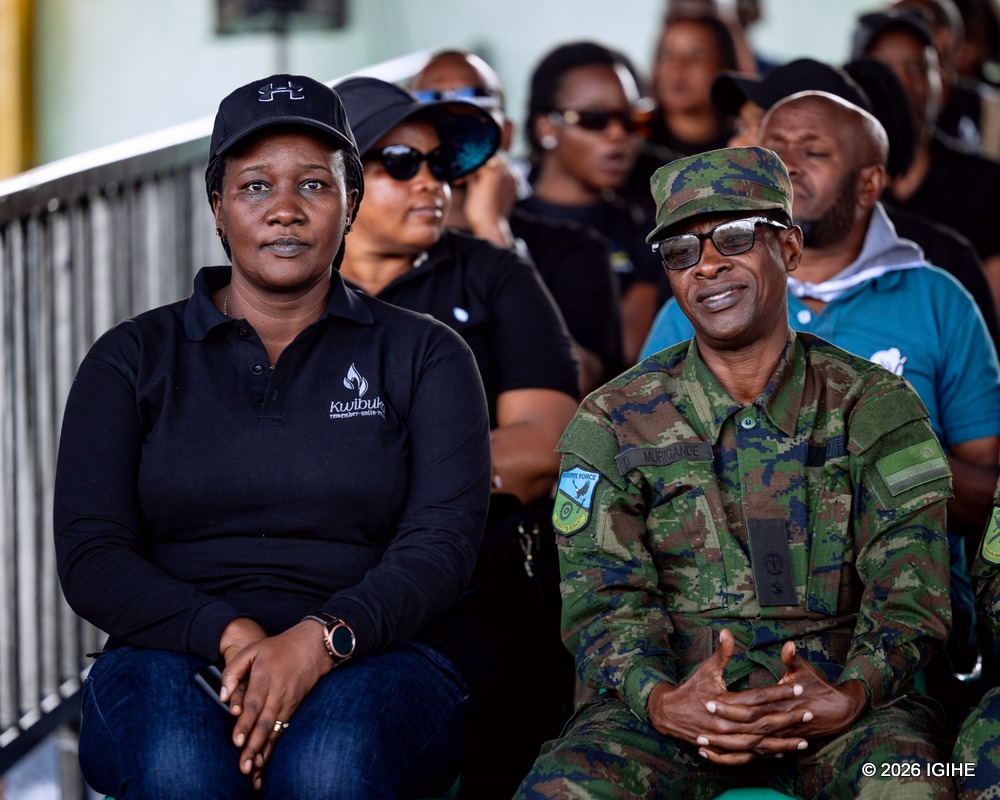
Staff members of Mövenpick Kigali visited the Ntarama Genocide Memorial on April 10, 2026. The staff members paid tribute to the victims laid to rest at the memorial and were briefed on the history of the Genocide against the Tutsi.After the memorial visit, the staff travelled to Bugesera District to meet elderly women survivors residing at Impinganzima.
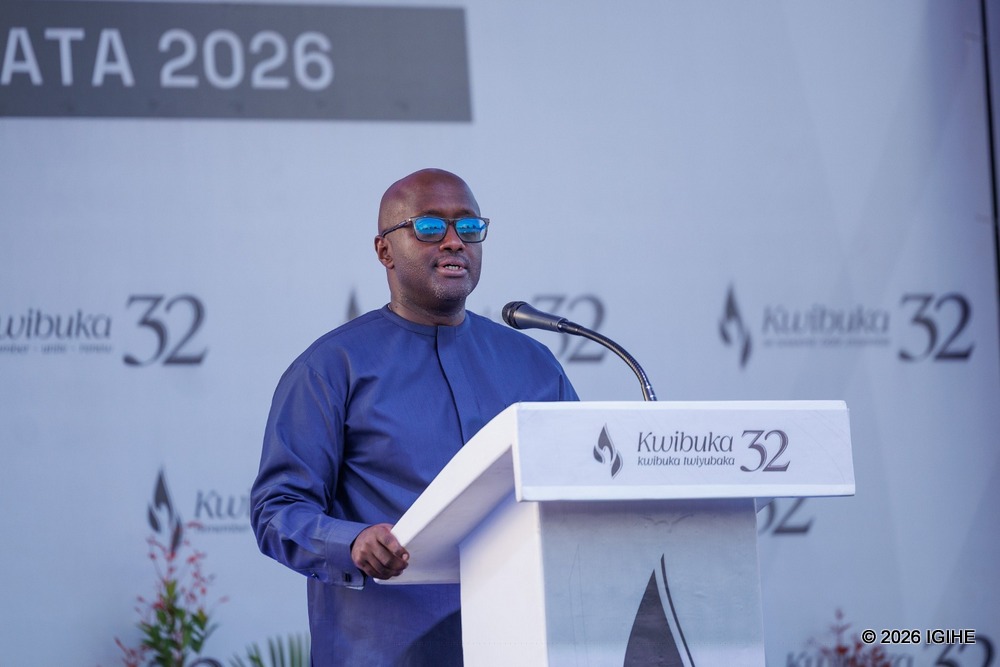
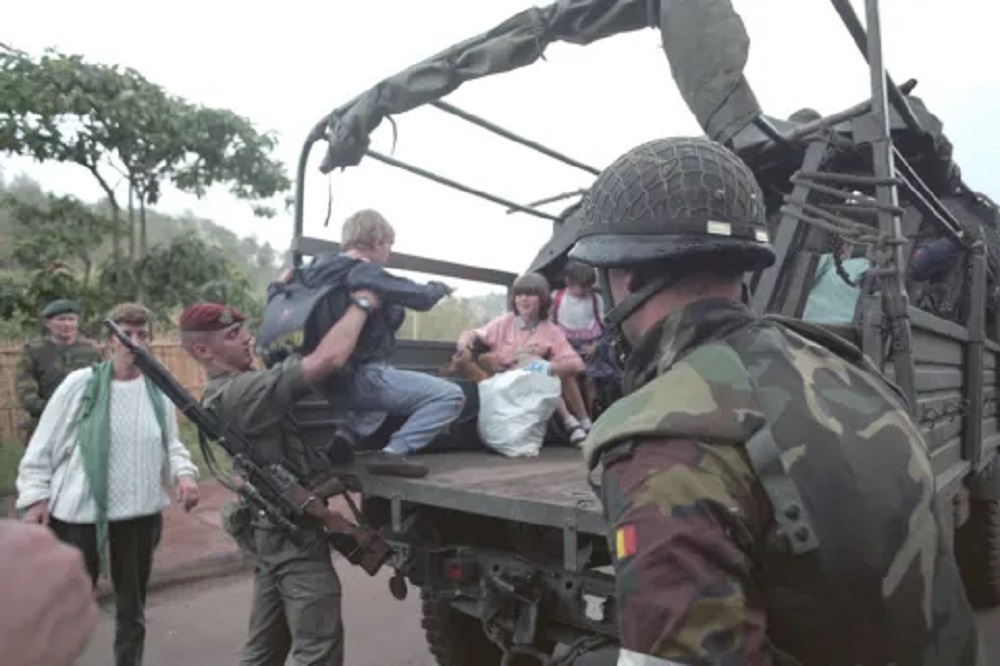
He made the remarks on April 11, 2026, during a commemoration event marking the 32nd anniversary of the killing of Tutsis at ETO Kicukiro, where Belgian peacekeepers withdrew and left behind more than 2,000 Tutsis who had sought their protection, leaving them vulnerable to attack by Interahamwe militia.
Nduhungirehe said no professional soldier should have acted in the way the Belgian contingent did.
“Sometimes we soften it because saying that Belgian soldiers abandoned the Tutsis is an understatement,” he said. “When those troops were ordered to withdraw from ETO, they packed their equipment and even their dogs. Outside ETO there were Interahamwe waving machetes. Any professional soldier who carries out such an action, leaving civilians behind while seeing armed killers, is not merely abandoning them, it is handing them over to killers.”
He argued that the incident reflects a broader pattern of international responsibility in the events leading up to and during the 1994 Genocide against the Tutsi, which he said began long before 1994, during the colonial period under Belgian administration.
Colonial roots and early violence
According to Nduhungirehe, the first phase of foreign involvement began with colonial-era policies that institutionalised ethnic divisions, introducing identity-based classifications and governance systems that deepened divisions among Rwandans.
He said these policies contributed to violence against Tutsis in the post-colonial transition period, including the 1959 crisis, and subsequent killings between 1961 and 1963. He described this period as an early genocide in Rwanda in which more than 35,000 Tutsis were killed and many others fled into exile, with Belgian authorities implicated.
Preparation phase of the 1994 Genocide against the Tutsi
The second phase, he said, involved the preparation of the 1994 genocide. From 1990, when the Rwandan Patriotic Army (RPA) began its liberation struggle, multiple foreign military presences were deployed in Rwanda.
He specifically cited French forces, noting that they remained in the country and contributed to training elements of the Rwandan army (ex-FAR) and the Interahamwe militia.
Nduhungirehe also referenced reports from UNAMIR forces, including communications by its commander, Lt. Gen. Roméo Dallaire, who warned of planned mass killings and requested authority to seize weapons caches.
“On January 11, he sent warnings to the United Nations saying there was a witness reporting that weapons were being prepared in Kigali to kill Tutsis,” Nduhungirehe said. “He asked for permission to seize those weapons, but he was told to report it to President Habyarimana. That decision, to inform a leadership involved in the preparations, reflected the UN’s failure.”
He said the international response amounted to inaction despite clear warnings.
Withdrawal of UN forces during the genocide
Nduhungirehe also cited the UN Security Council’s decision on April 21, 1994, adopting Resolution 912, which reduced UNAMIR forces in Rwanda from 2,548 troops to about 270.
“At that time the country was in mourning and genocide was ongoing,” he said. “But instead of intervening, the UN decided to withdraw its forces from Rwanda.”
The minister said that a third phase concerned the international recognition of the Genocide against the Tutsi, which he said was long delayed due to resistance from powerful states that preferred the term “genocide in Rwanda” instead of explicitly acknowledging its targeting of Tutsi.
He noted that it took 26 years for April 7 to be officially recognised as the International Day of Reflection on the Genocide against the Tutsi, a designation only formally adopted in 2020.
Call to youth
Nduhungirehe urged young people to remember that genocide ideology still exists and that it is their responsibility to fight it.
“All Rwandans are not yet fully liberated,” he said. “There are young people, especially those outside Rwanda, who still hold genocide ideology. I call on their peers to educate them, and if necessary, confront them with the truth.”
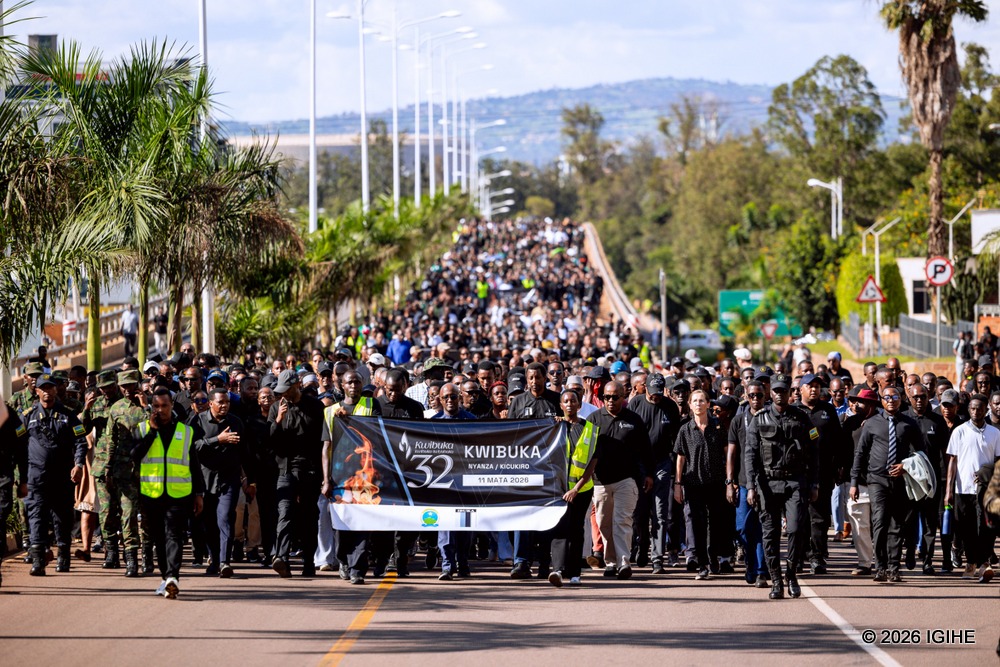
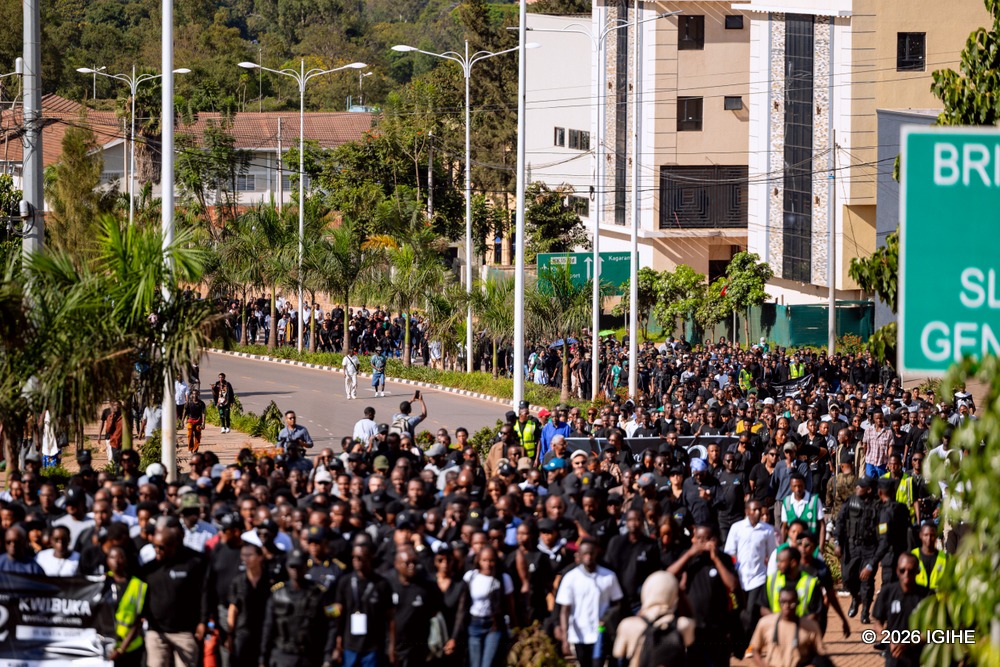
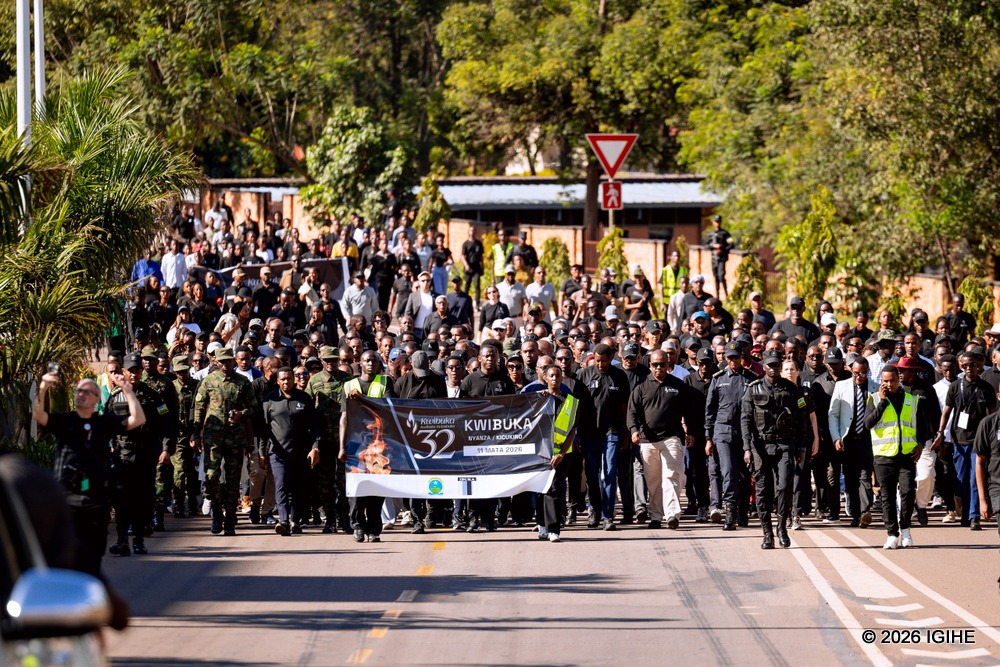
The 32nd commemoration of the 1994 Genocide against the Tutsi included the “Walk to Remember” and wreath-laying ceremonies at mass graves in Nyanza, where remains of more than 2,000 Tutsis who had sought refuge at ETO Kicukiro and were later killed are buried.
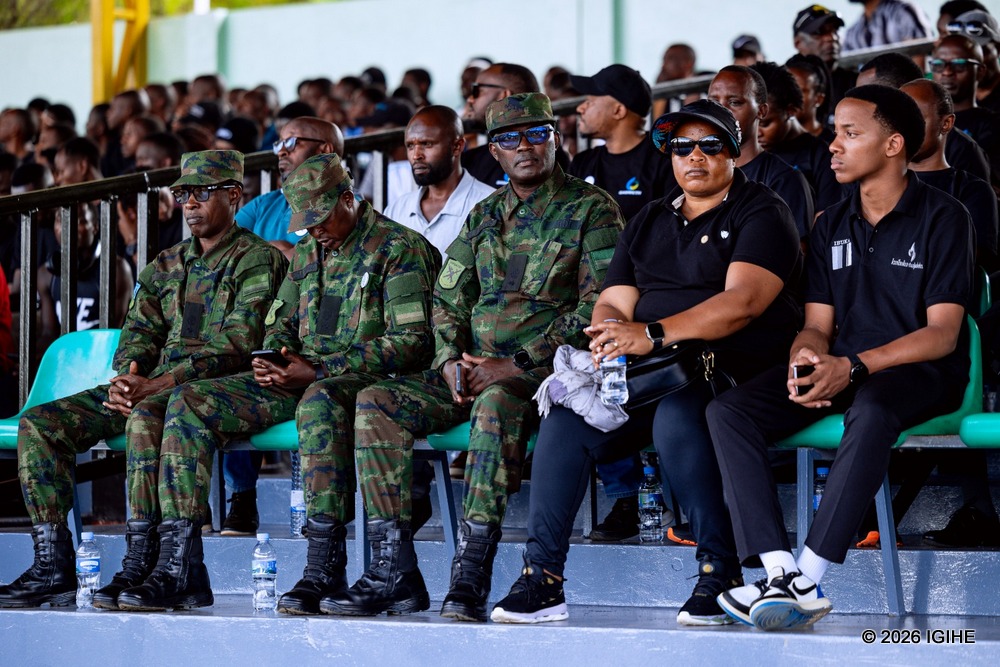
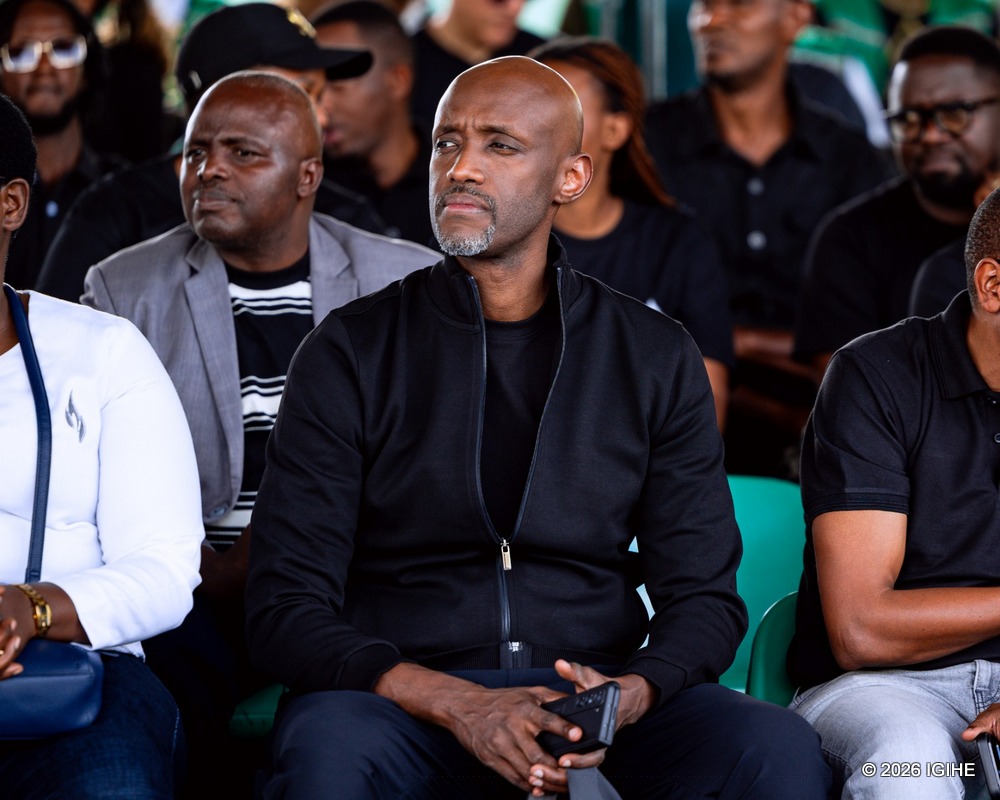
Participants took part in a commemorative walk in remembrance of Tutsis who had sought refuge at ETO Kicukiro and were killed after Belgian troops withdrew.The French Ambassador to Rwanda, Aurélie Royet-Gounin, laid wreaths at the memorial site.The Minister of Foreign Affairs and International Cooperation, Amb. Olivier Nduhungirehe, laid wreaths at the memorial site.Officials from various institutions attended the commemoration.The Chief Executive Officer of the Rwanda Development Board (RDB), Jean-Guy Africa, also attended the 32nd commemoration of the Tutsi killed in Nyanza, Kicukiro.
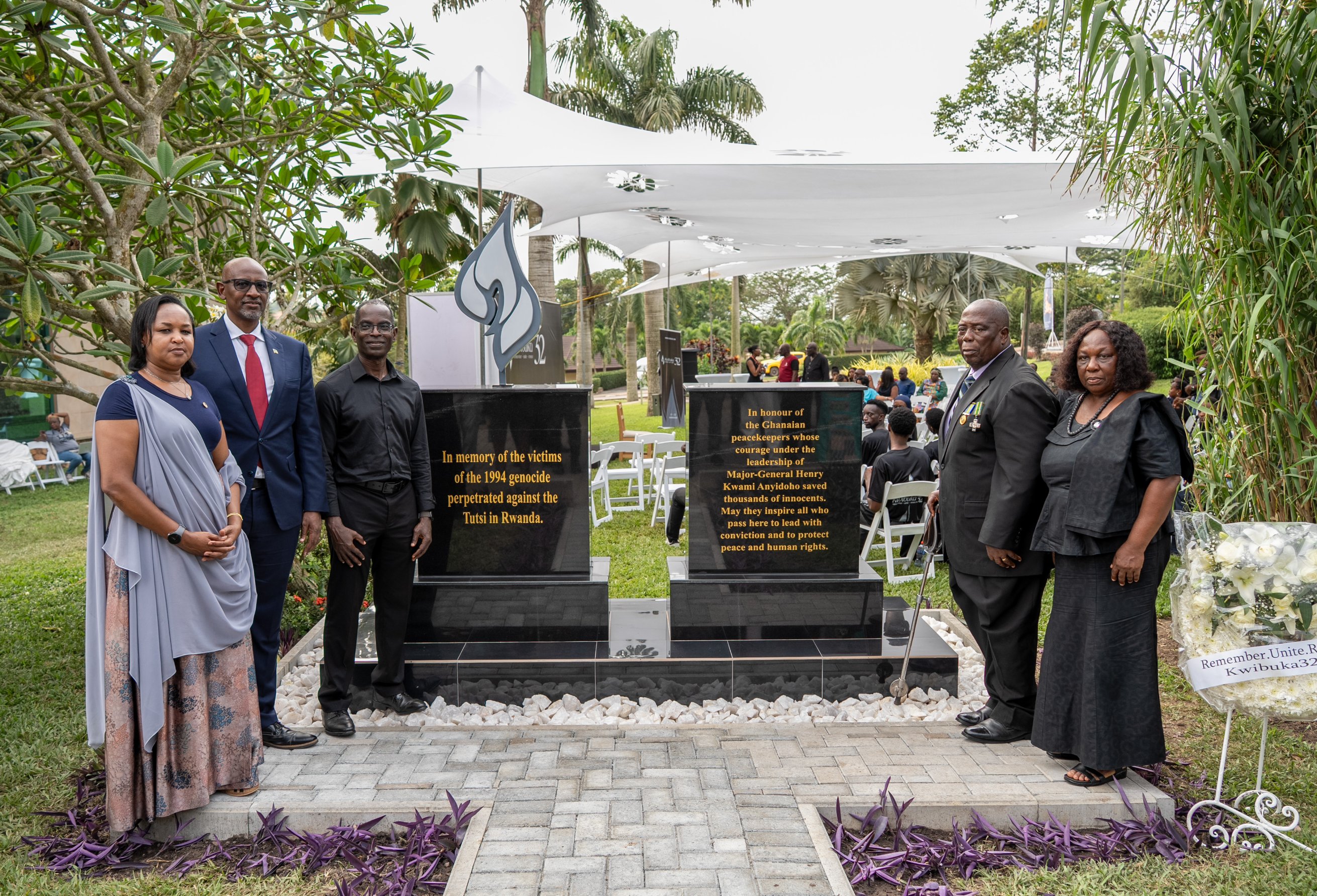
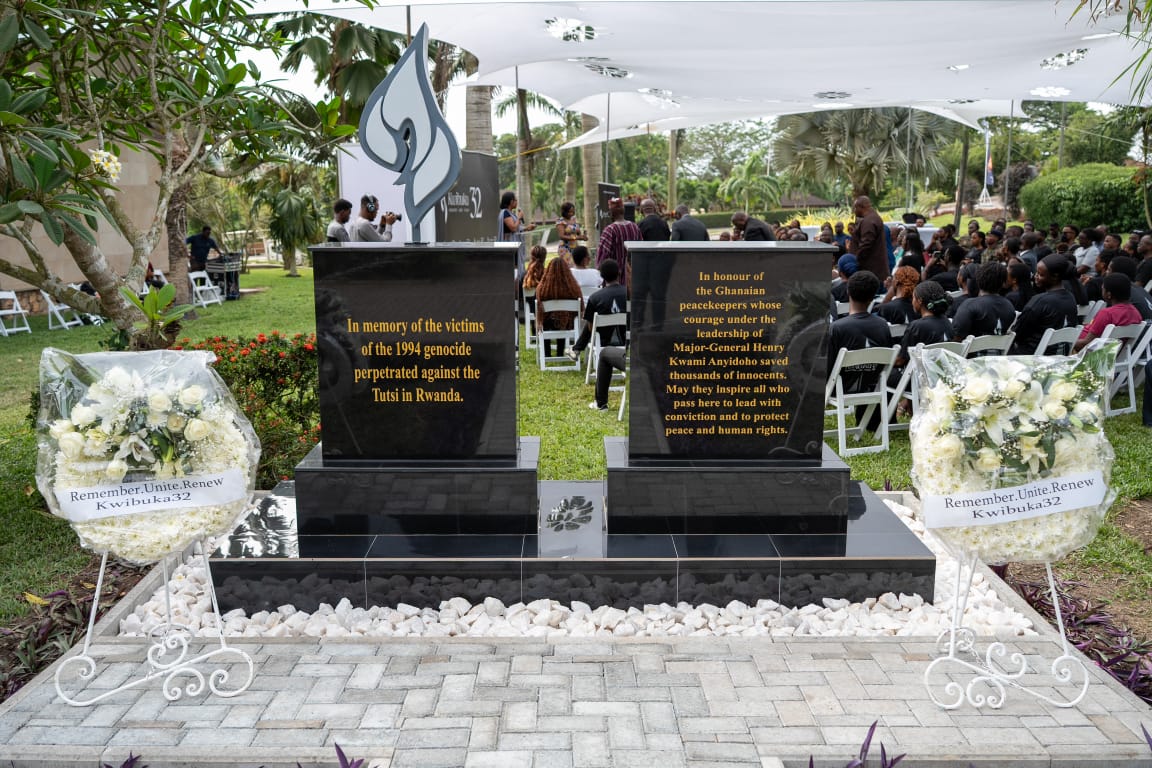
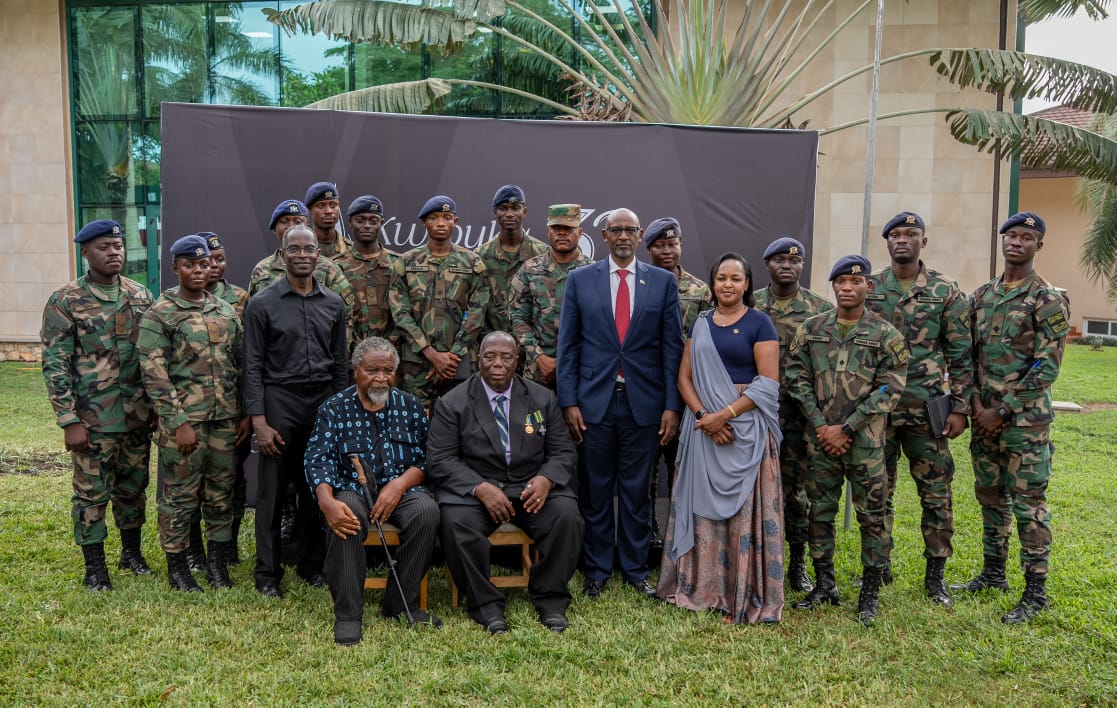
The monument also recognises the contribution of Ghanaian peacekeepers during the genocide, paying tribute to Major General Henry Kwami Anyidoho (Rtd) and the contingent he led, who played a key role in sheltering and protecting targeted Tutsis, alongside other African soldiers who intervened to save lives during the crisis.
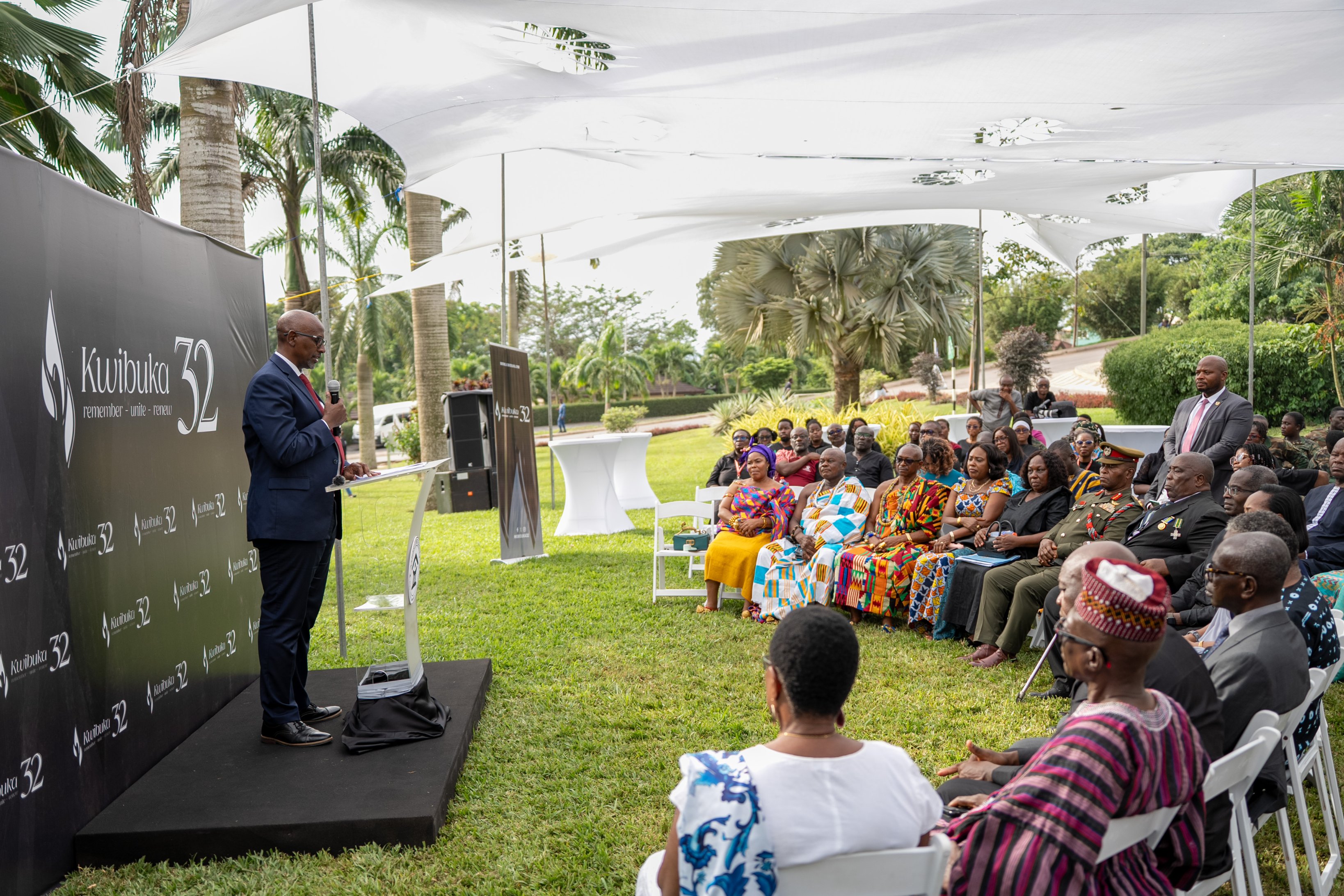
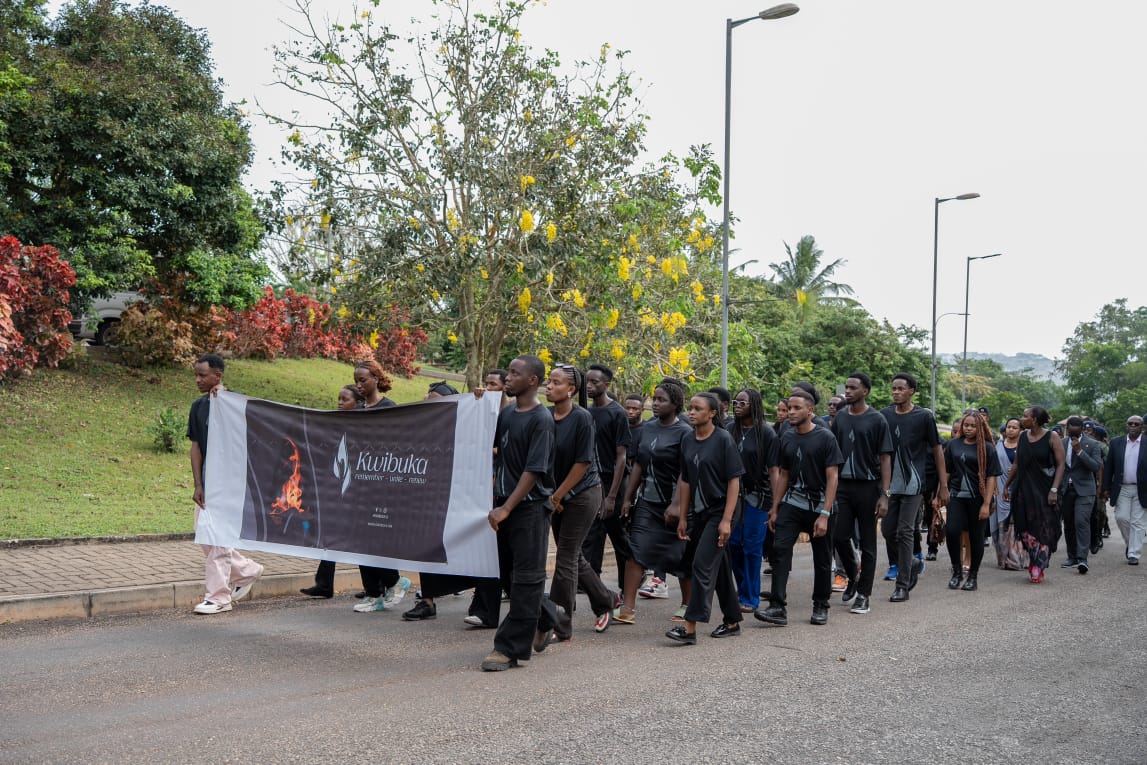
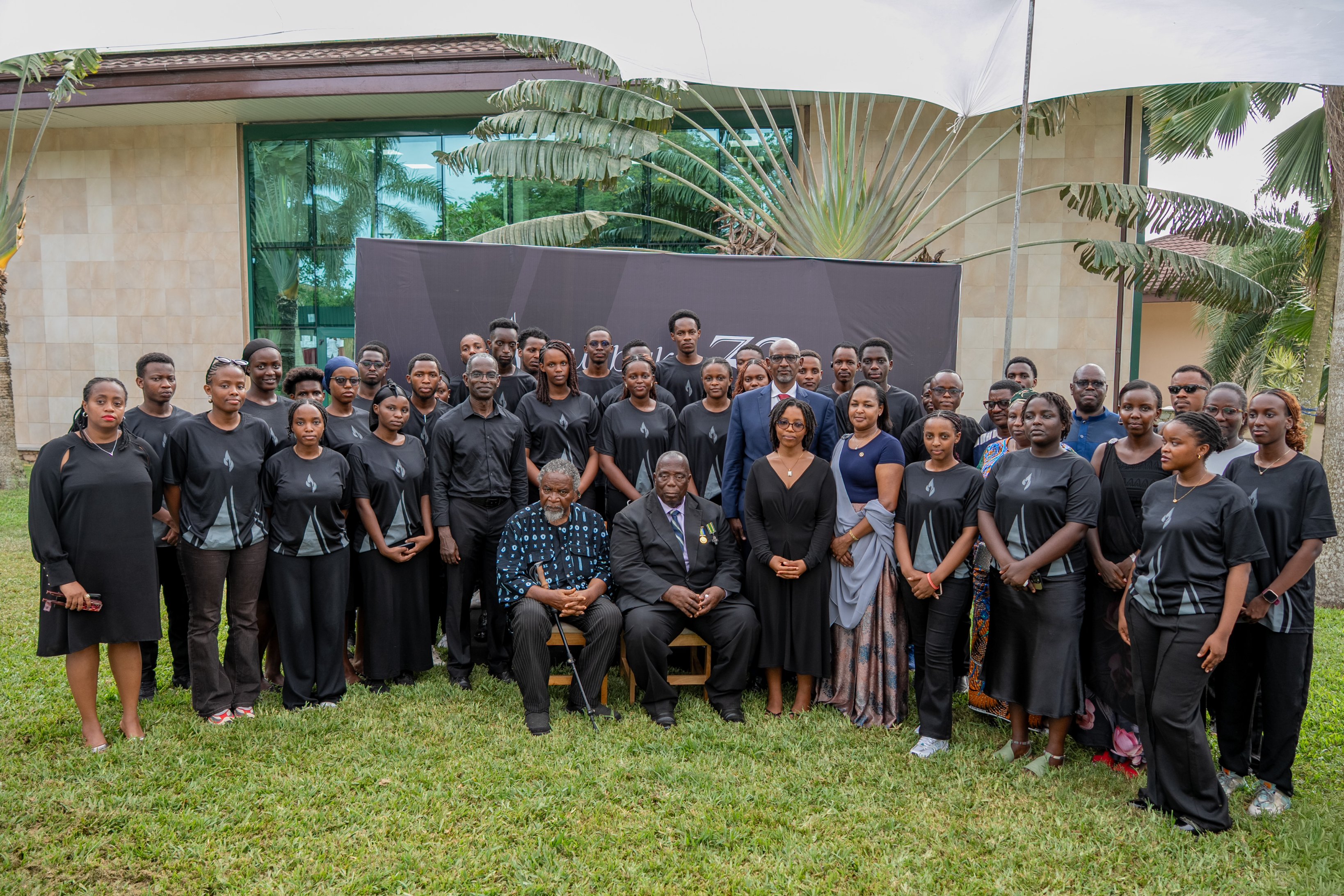
The unveiling ceremony, held under the theme “Remember, Unite, Renew,” brought together members of the university community, representatives of the Rwandan High Commission, the Ghana Armed Forces, and other invited guests. Participants also joined a symbolic procession titled “A Walk to Remember,” reinforcing the importance of unity and collective memory.
The monument honours victims of the 1994 Genocide against the Tutsi and also recognises the contribution of Ghanaian peacekeepers.
Speaking at the event, Rwanda’s Minister of Education and Guest of Honour, Joseph Nsengimana, commended the Ghanaian peacekeepers and other African forces for their role during the genocide. He emphasised African solidarity, noting that their actions reflected the principle that “our destiny cannot be outsourced.”
He described the initiative as a significant milestone in remembrance efforts, praising the university for raising awareness about the genocide and stressing that the lives lost, men, women, and children, remain central to shared African humanity.
Rwanda’s Minister of Education and Guest of Honour, Joseph Nsengimana, commended the Ghanaian peacekeepers and other African forces for their role during the genocide.
The university’s President and Founder, Patrick Awuah, said the Genocide against the Tutsi had a profound influence on his decision to return to Africa. He noted that witnessing the tragedy while working abroad strengthened his commitment to reshaping narratives about the continent through education and storytelling, and urged Africans to elevate stories of courage and resilience.
On behalf of the peacekeeping contingent, Major General Anyidoho expressed gratitude for the recognition and paid tribute to colleagues who lost their lives during the mission, saying their service was guided by duty and shared humanity.
He also reflected on Rwanda’s recovery, commending its progress in reconciliation and development, and called on African nations to prioritise peace as a foundation for sustainable development and the preservation of human dignity.
Participants joined a symbolic procession titled “A Walk to Remember,” reinforcing the importance of unity and collective memory.The unveiling ceremony brought together members of the university community, representatives of the Rwandan High Commission, the Ghana Armed Forces, and other invited guests.
A French military command document dated April 8, 1994, indicates that beginning on the morning of April 7, members of the unit that had been responsible for Habyarimana’s protection became active, launching attacks against Rwandan Patriotic Army (RPA) forces stationed at the CND (National Development Council). The document further states that political opponents and Tutsi civilians were arrested and killed during the early hours of the violence.
Among those killed on the morning of April 7 were Prime Minister Agathe Uwilingiyimana, President of the Supreme Court Joseph Kavaruganda, and Minister of Labour and Social Affairs Landouald Ndasingwa, all members of the transitional government established under the Arusha Agreement.
The French government reported that violence and looting intensified as armed Interahamwe militias and disorganised soldiers moved through Kigali. It also noted repeated attacks on French forces operating in the city.
According to the same document, troops guarding Habyarimana’s residence surrounded bases hosting United Nations peacekeepers from UNAMIR, restricting their movement. It also indicates that some peacekeepers were killed during this period.
As security conditions in Kigali deteriorated rapidly, the French government concluded that the safety of its nationals was at risk and decided to urgently evacuate all French citizens from Rwanda.
This decision led to the launch of “Operation Amaryllis,” a military evacuation mission aimed at extracting French nationals from Kigali. Those located in provincial areas such as Gitarama and Butare were assisted in crossing into neighbouring countries, including Zaire (now the Democratic Republic of Congo) and Burundi.
To secure the evacuation in Kigali, France deployed special forces, some of whom were tasked with securing Kigali International Airport starting on the morning of April 9, 1994.
Additional commando units stationed in Bangui (Central African Republic) and Libreville (Gabon) were placed on alert to reinforce operations in Kigali if the situation deteriorated further.
Lieutenant Colonel Jean-Jacques Maurin, a security adviser at the French Embassy in Kigali, was appointed to lead Operation Amaryllis, while Colonel Henri Poncet oversaw troop deployment and coordination.
French forces were assigned to secure the airport, protect the embassy, and safeguard other designated assembly points where French nationals were gathered. They also escorted evacuees to Kigali International Airport.
The troops were instructed not to intervene in the fighting between the RPA and the former Rwandan government army (Ex-FAR), though they were authorised to use force in self-defence if their evacuation operations were obstructed.
In April 2022, Rwanda’s Minister of National Unity and Civic Engagement, Dr. Bizimana Jean-Damascène, stated that French forces witnessed Tutsis being killed by Ex-FAR and Interahamwe militias but did not intervene, focusing instead on evacuating French nationals.
“Those French soldiers watched people being killed but never intervened. They left them to die while continuing to evacuate their own people. They did not seek to stop the violence taking place in front of them, particularly at Kanombe airport, where many were killed,” he stated.
The evacuation order initially prioritised around 60 individuals considered at high risk, based on a list provided by French Ambassador Jean-Michel Marlaud. Subsequent evacuations were carried out in additional phases.
Among those evacuated on April 9 under Operation Amaryllis were members of Habyarimana’s family, including his wife Agathe Kanziga, their children, and close associates, all of whom were located at their residence in Kanombe, near Kigali International Airport.
Operation Amaryllis concluded on April 12, 1994. French authorities stated that the mission was successfully completed. Nine transport aircraft were used, including eight C-160 aircraft and one C-130.
Operation Amaryllis prioritised the evacuation of French nationals and designated individuals from Rwanda, as violence escalated and Tutsis who were being killed were left without assistance.
Delegations from both countries departed Islamabad on Sunday without a breakthrough, each side blaming the other for the collapse of talks aimed at ending a war that has killed thousands and disrupted global energy markets.
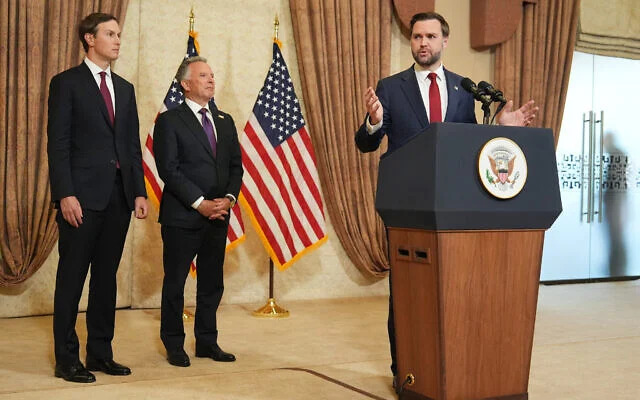
U.S. Vice President JD Vance, who led the American delegation, acknowledged the outcome shortly before leaving Pakistan.
“We’ve had a number of substantive discussions with the Iranians,” he said. “The bad news is that we have not reached an agreement.”
Vance emphasised that Washington’s key demands had not changed, particularly regarding Iran’s nuclear ambitions. He said the U.S. had sought firm guarantees that Tehran would not pursue nuclear weapons or the capability to rapidly develop them.
“We just could not get to a situation where the Iranians would accept our terms,” he added, describing the proposal on the table as the United States’ “final and best offer.”
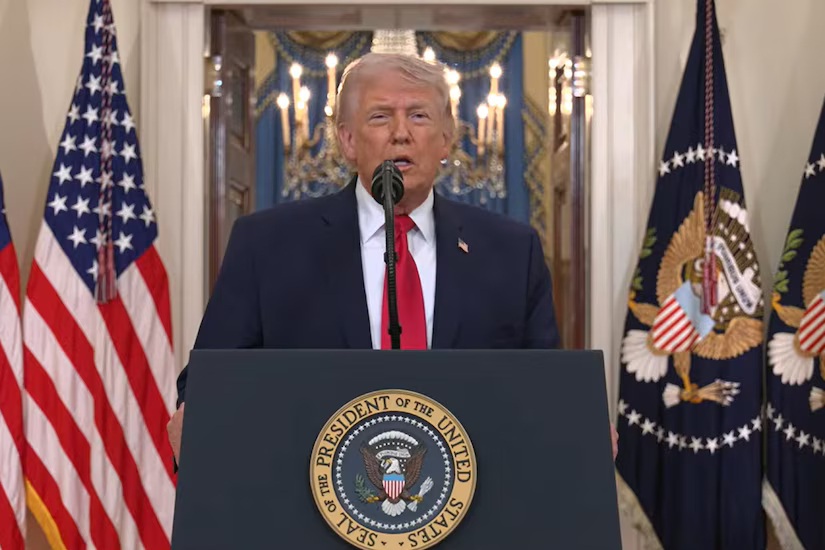
Vance also revealed the level of direct coordination with Washington during the talks, saying he had spoken with President Donald Trump as many as a dozen times throughout the negotiations. Even as discussions continued, Trump downplayed the necessity of reaching an agreement.
“We’re negotiating. Whether we make a deal or not makes no difference to me, because we’ve won,” President Trump told reporters on Saturday.
Iranian officials, however, pushed back, accusing Washington of making unreasonable demands. A spokesperson for Iran’s foreign ministry described the talks as “intensive” but said progress depended on “seriousness and good faith” from the U.S. side. Iranian media reported that disagreements over the country’s nuclear programme and control of the strategically vital Strait of Hormuz were among the main obstacles.
The negotiations, held over two days and stretching overnight, marked the first direct high-level engagement between the two countries in more than a decade. They followed a temporary ceasefire agreed earlier in the week, which Pakistani officials have urged both sides to maintain despite rising tensions.
Pakistan’s Foreign Minister stressed the importance of preserving the truce, calling it “imperative” for regional stability. Officials in Islamabad had hoped the talks would pave the way for a broader de-escalation, but signs of strain were evident throughout the discussions. One source familiar with the negotiations described “mood swings” and fluctuating tensions as talks progressed.
Beyond nuclear concerns, broader geopolitical issues complicated the negotiations. Iran has reportedly demanded the release of frozen assets, war reparations, and greater control over the Strait of Hormuz, a critical global oil route through which roughly one-fifth of the world’s energy supply passes. The U.S., meanwhile, has insisted on ensuring free navigation through the strait and curbing Iran’s nuclear enrichment capabilities.
The failure to secure a deal leaves the region in a precarious position. Although some oil tankers have begun moving through the Strait of Hormuz following the ceasefire, many vessels remain stranded, and global markets continue to react nervously to the uncertainty.
Adding to the volatility, fighting linked to the broader conflict continues elsewhere in the region. Israel has carried out strikes against Iran-backed Hezbollah targets in Lebanon, underscoring the risk of further escalation beyond the immediate U.S.-Iran confrontation.
Despite the setback, officials on both sides have not ruled out future negotiations. For now, however, the breakdown in Islamabad highlights the deep divisions that remain, and the challenges ahead in turning a temporary ceasefire into lasting peace.
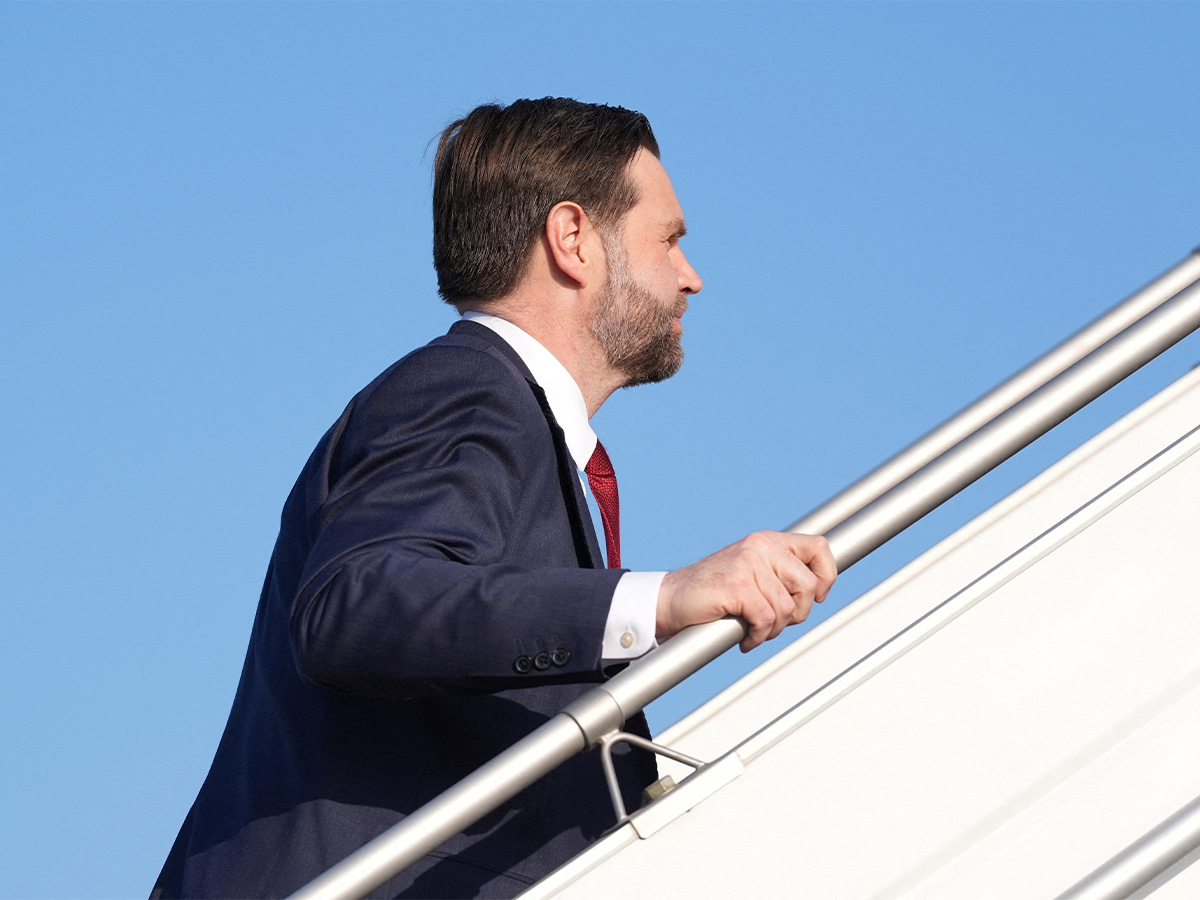
Images showed Vance, who headed the US delegation, along with other members, boarding a plane back to the United States, just minutes after a brief press conference in which he announced that the round of negotiations in Islamabad had ended without an understanding.
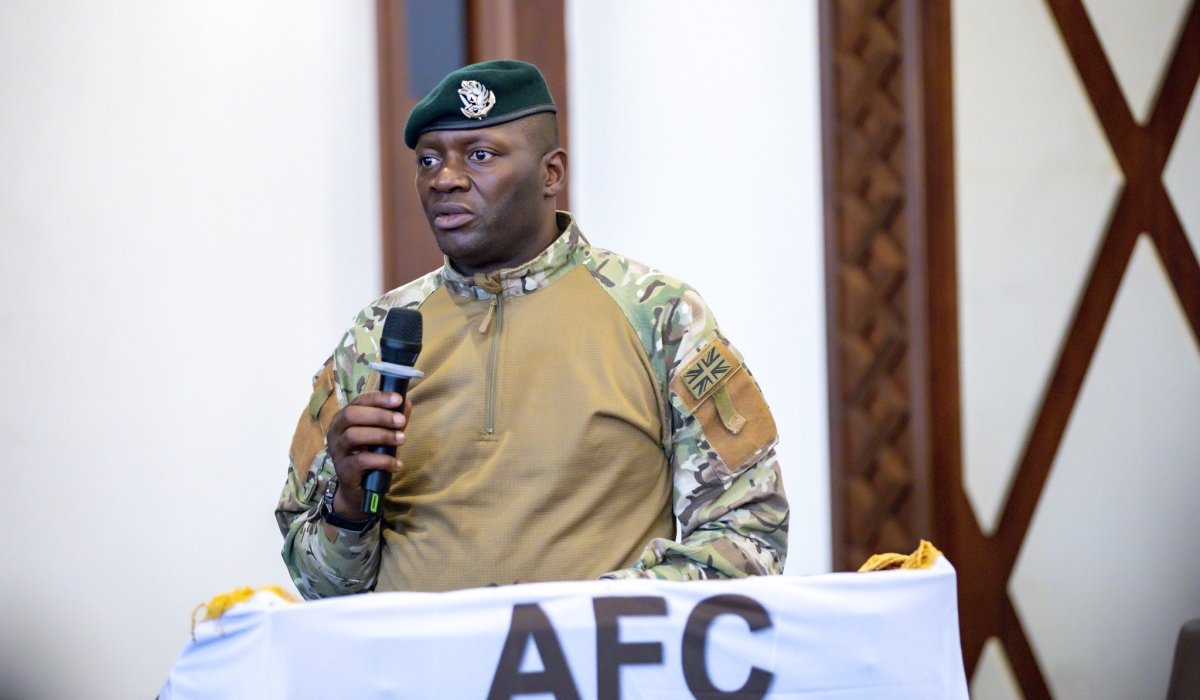
In a statement, AFC/M23 spokesperson Lawrence Kanyuka said government forces shelled civilian areas on Saturday and continued the attacks into Sunday.
“The Kinshasa authorities have deliberately chosen to sabotage the negotiation process underway in Switzerland,” the statement said. “On the night of April 11, 2026, between 22:00 and 04:00, drone strikes targeted densely populated areas of Minembwe and surrounding locations.”
Kanyuka further protested that the actions reflect a refusal by the Congolese government to honor commitments linked to the peace process, and were intended to weaken the planned negotiations.
Delegations from the Democratic Republic of Congo and the AFC/M23 coalition are expected to meet for peace talks in Switzerland from April 13 to April 17, 2026.
The talks are being facilitated by Qatar, which requested Switzerland to host the discussions. They were previously held in Doha but were relocated due to regional instability linked to the conflict involving the United States, Israel, and Iran, which has affected several countries in the Middle East.
Media reports indicate that while Switzerland serves as the host, the process remains under the mediation of Qatar, with Qatari representatives expected to facilitate the proceedings via video conference to maintain the “Doha Process” framework.
In a statement, AFC/M23 spokesperson Lawrence Kanyuka said government forces shelled civilian areas on Saturday and continued the attacks into Sunday.
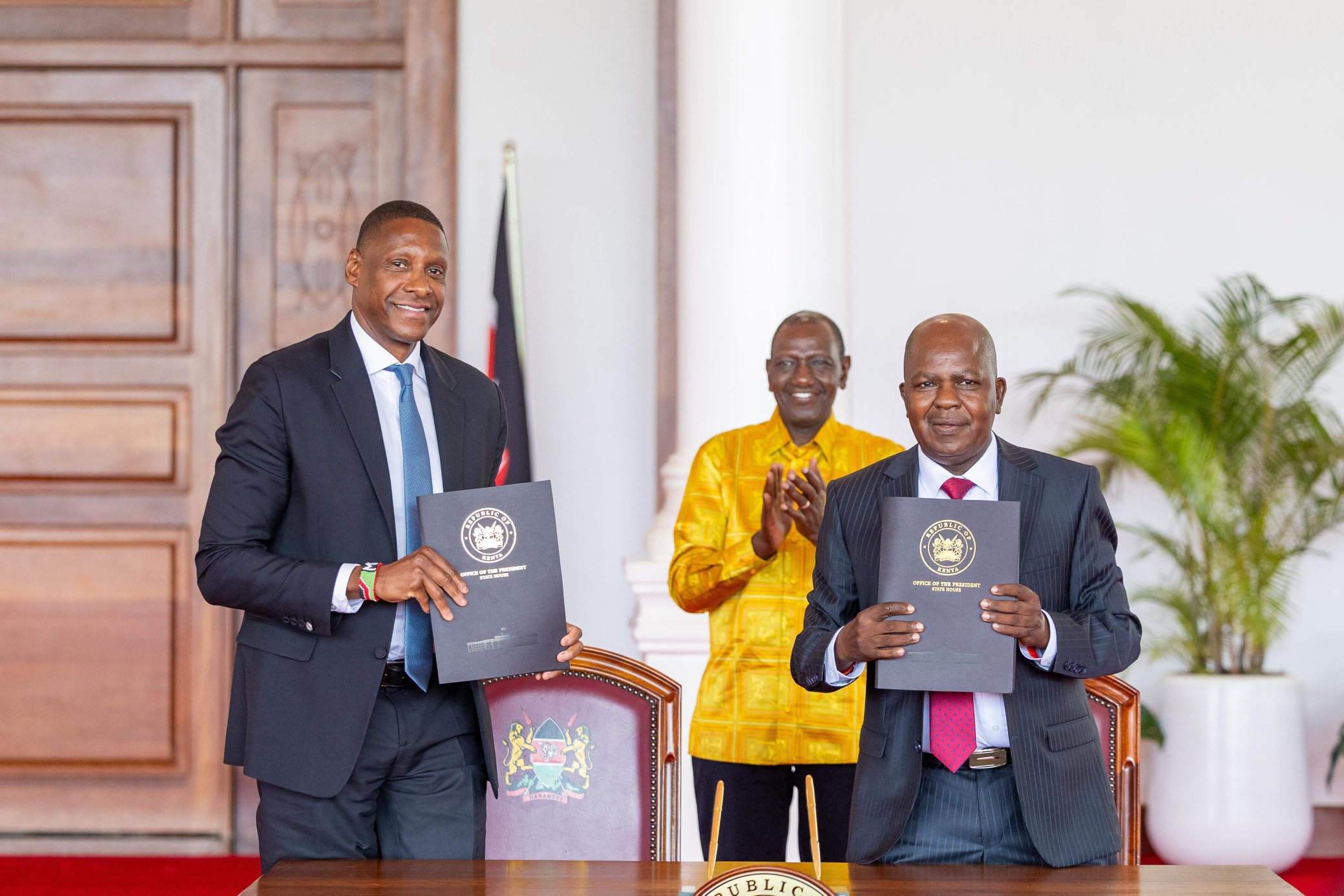
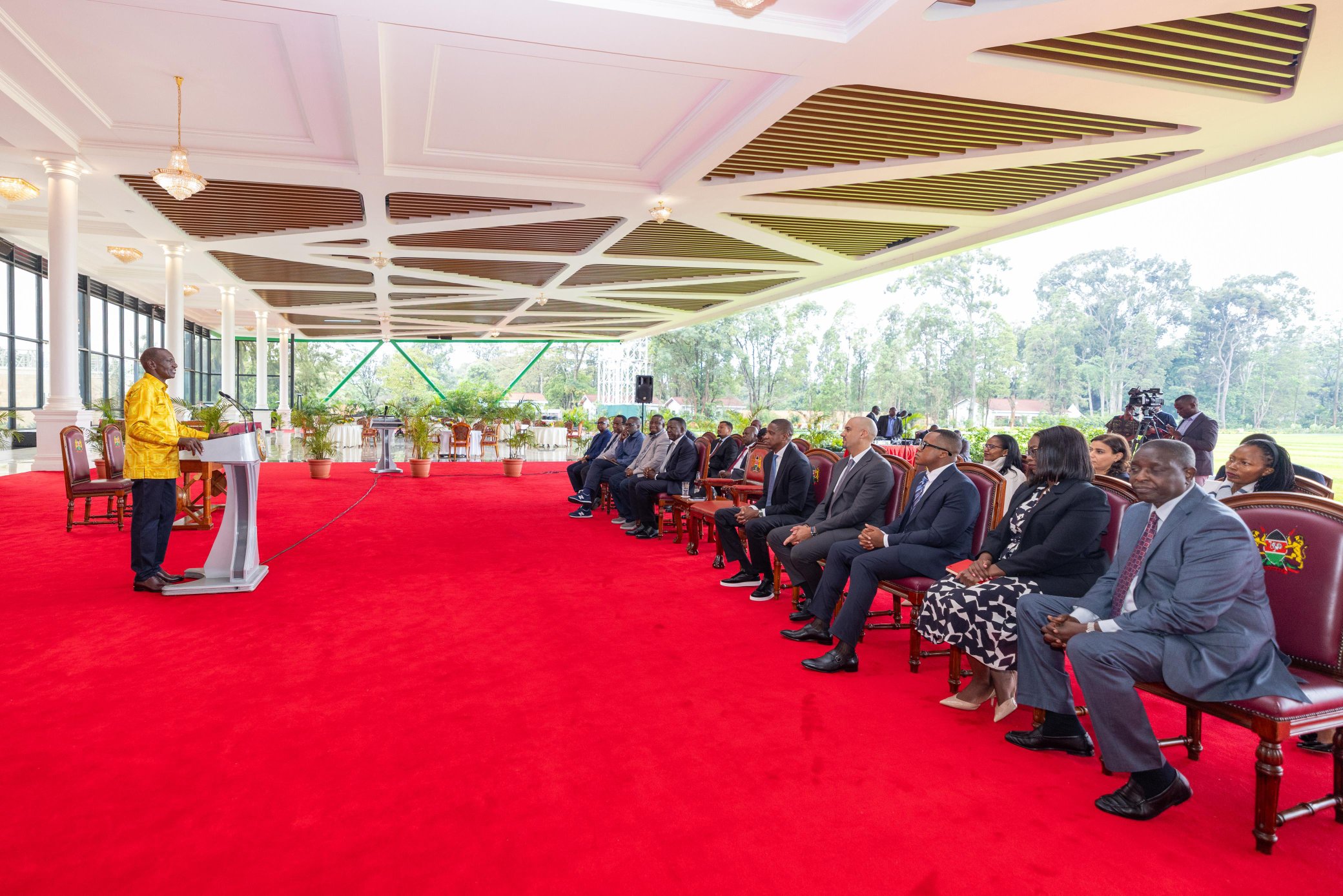
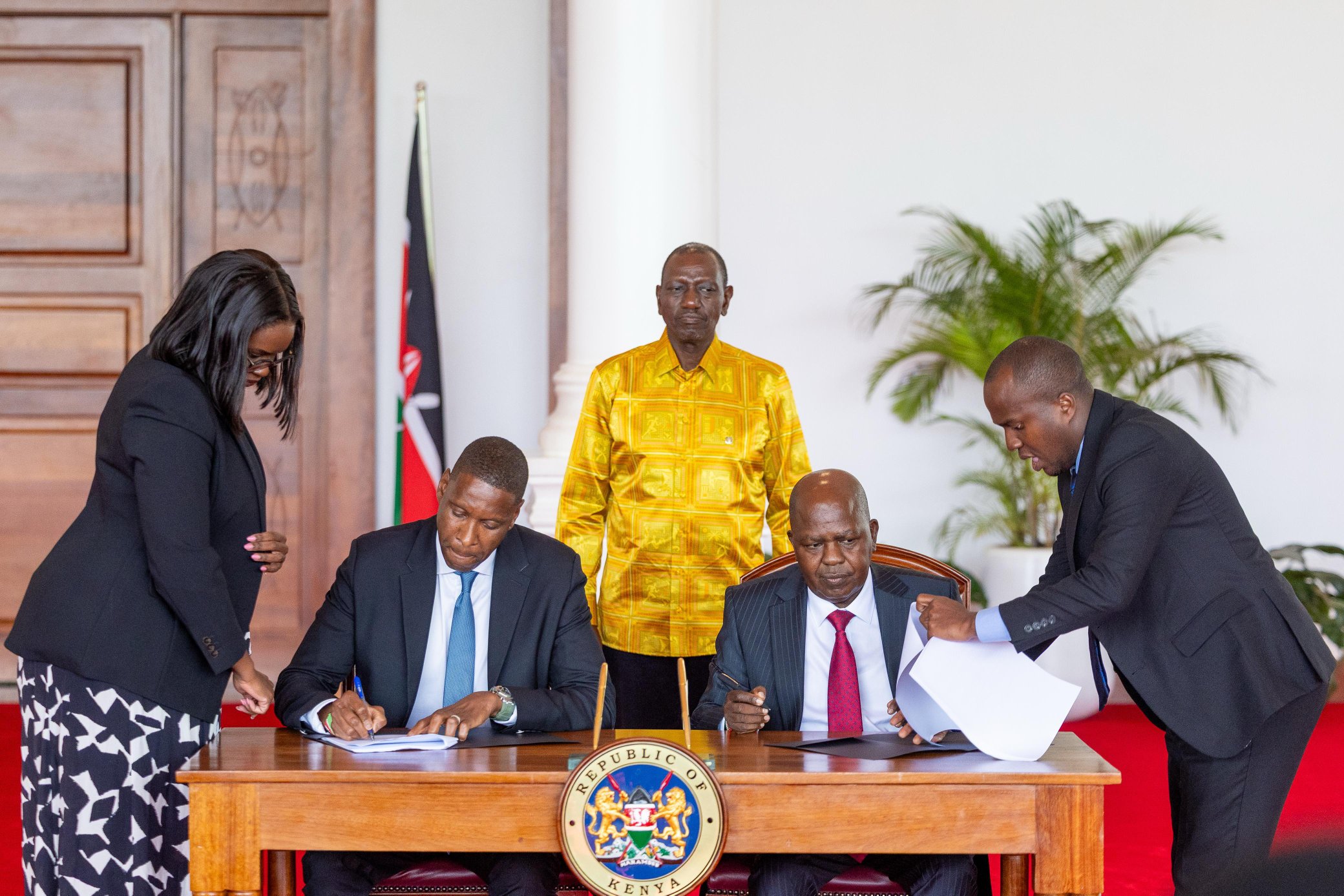
He made the remarks on April 10, 2026, at State House, Nairobi, during the signing of a lease agreement between the Kenya Railways Corporation and Zaria Group for the development of a modern arena and entertainment district under the Nairobi Railway City project.
President Ruto said the agreement marks a turning point in the transformation of Nairobi into a globally competitive capital, driven by structured planning, public-private partnerships, and coordinated urban regeneration.
He noted that the Nairobi Railway City master plan is designed to convert underutilised land in the city centre into a mixed-use district integrating transport, commerce, culture, sports, and public life, with the aim of establishing a vibrant 24-hour economy.
“It is true that this arena should have been built before the one in Kigali, and Ujiri would have wanted that to happen,” Ruto said. “But we thank God that finally we are doing it.”
He added that Nairobi’s slow decision-making processes had previously held back major opportunities for the city.
Ruto further revealed that he personally intervened in negotiations to finalise the agreement, including adjusting financial terms to ensure consensus was reached.
President William Ruto acknowledged that delays in decision-making and fragmentation slowed Kenya’s progress despite early conceptualisation of the project.
The President emphasised that the project reflects a shift toward private-sector-driven development, noting that government alone cannot finance all infrastructure needs.
He added that the Nairobi Railway City project will serve as a model for integrated urban development, supported by broader improvements in infrastructure, including roads, lighting, security systems, and cleanliness within the capital.
Ruto said the arena will not only serve sporting purposes but will also support music, arts, and the wider creative economy, positioning Nairobi as a regional hub for entertainment and international events.
He further said the project will complement other flagship developments such as the Talanta Stadium and the Bomas of Kenya conference facility, creating a comprehensive ecosystem for sports, culture, and business tourism.
The project, which is expected to be completed within 12 months, is projected to create up to 25,000 jobs annually across construction, operations, hospitality, and the creative economy.
President William Ruto witnessed the signing of a lease agreement between the Kenya Railways Corporation and Zaria Group for the development of a modern arena and entertainment district under the Nairobi Railway City project.
Zaria Group co-founder Masai Ujiri described the project as a historic milestone, saying it goes beyond sports to become a major driver of Africa’s creative economy.
“I’m actually overwhelmed, Your Excellency. This is historical. This is momentous,” Ujiri said.
He emphasised that the arena will not be limited to basketball, but will serve as a business hub for sports, entertainment, and the creative industry across Africa.
“In Africa, we don’t understand sports, entertainment, and the creative industry as a business. This is a business. This is going to become an economic driver,” he said.
Ujiri noted that the facility will provide young people with space to express themselves, adding that sports and the creative industry play a role in promoting peace, unity, and opportunity.
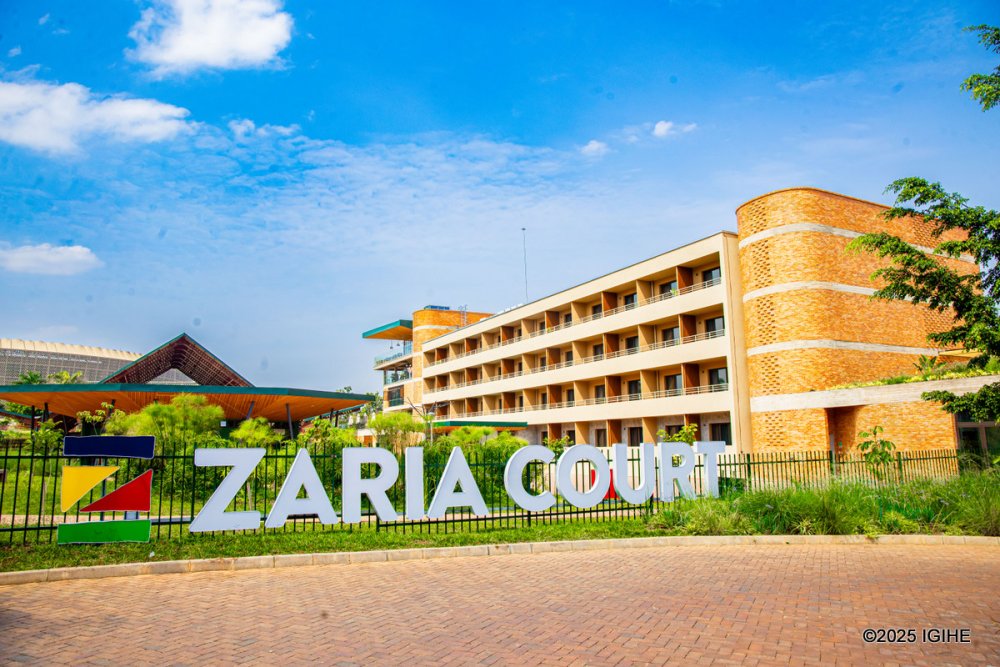
He also acknowledged Rwanda’s role in pioneering such developments, referencing Zaria Court and President Paul Kagame’s leadership in advancing sports infrastructure on the continent.
“President Kagame and Kigali and the Kigali arena have done an incredible job of at least starting this for us,” Ujiri said, adding that the Nairobi project will strengthen continental exchange in sports and entertainment.
The Nairobi Railway City arena is expected to become a key anchor for regional cultural and sporting exchanges, with plans for artists, athletes, and performers to circulate between African cities for events and competitions.
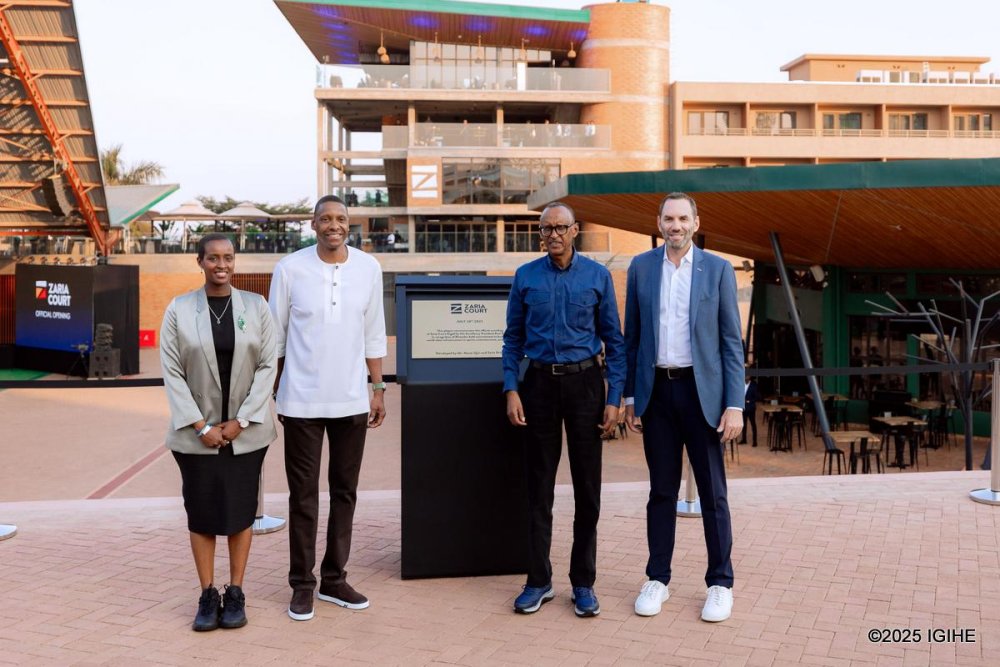
The Kigali complex was inaugurated by President Kagame in July 2025.
The $25 million world-class sports and lifestyle complex in Kigali was inaugurated by President Kagame in July 2025, during the Giants of Africa Festival, a pan-African celebration of youth, creativity, and sport. The event drew notable figures, including Nigerian billionaire Aliko Dangote, business leaders, creatives, and young talents from across the continent. The property recently joined Hilton’s Tapestry Collection as a franchised partner.
Zaria Court features an 80-room hotel, multiple restaurants, a rooftop lounge, a gym, co-working spaces, a podcast studio, a broadcast centre, and a large multipurpose arena for sports, concerts, and cultural events.
Outside, the facility includes five-a-side football pitches, a callisthenics area, children’s play zones, and open green spaces. A modular retail park, built from stacked shipping containers, provides affordable space for Kigali’s rising designers, food vendors, and small business owners.
The complex features an 80-room hotel, multiple restaurants, a rooftop lounge, a gym, co-working spaces, a podcast studio, a broadcast centre, and a large multipurpose arena for sports, concerts, and cultural events.
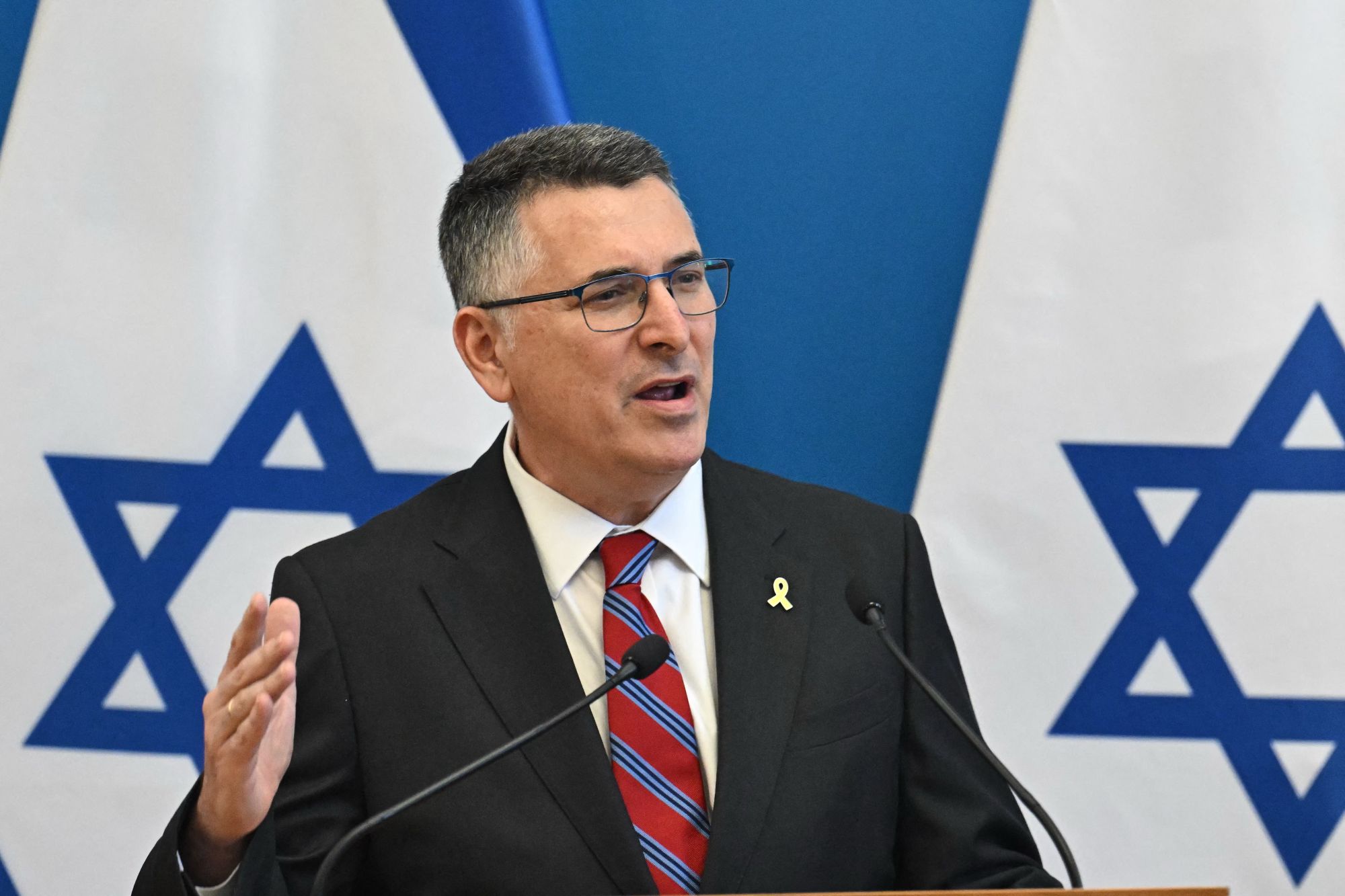
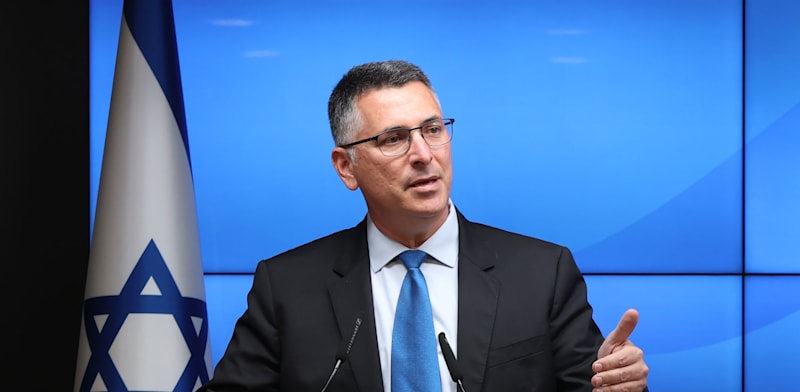
In a statement following a conversation with Rwanda’s Minister of Foreign Affairs and International Cooperation, Olivier Nduhungirehe, on Friday, Sa’ar said he conveyed support to Rwanda on behalf of the Government and people of Israel during the ongoing commemoration week.
“I expressed solidarity with Rwanda, on behalf of the Government and people of Israel, during the week marking 32 years since the Genocide against the Tutsi,” Sa’ar said.
Rwanda began the annual commemoration period on April 7 and will observe remembrance week through April 13. The Genocide against the Tutsi claimed more than one million lives in 100 days in 1994.
Beyond the commemoration message, the two foreign ministers also discussed security developments in their respective regions.
Sa’ar said he briefed his Rwandan counterpart on the security situation in the Middle East and reiterated Israel’s position that Iran must not acquire nuclear weapons.
“I emphasised that the Iranian terror regime must not obtain nuclear weapons,” he said, adding that the removal of enriched nuclear material from Iran and the cessation of uranium enrichment remain key objectives.
He noted that Israel would welcome the achievement of those goals through diplomatic means.
The remarks come amid heightened tensions in the Middle East following extensive military strikes carried out by the United States and Israel against Iran between February 28 and April 8, 2026. According to officials, the operations targeted Iran’s nuclear programme and long-range missile capabilities.
Iran later launched retaliatory strikes against Israel and several Middle Eastern countries hosting U.S. military installations, including Qatar, United Arab Emirates, Kuwait, Bahrain, Saudi Arabia and Iraq.
Sa’ar also said he invited Nduhungirehe to visit Israel, underscoring the continued strengthening of bilateral relations between the two countries.
“We’ll continue strengthening our friendship with Rwanda,” he said.
Israel’s Minister of Foreign Affairs, Gideon Sa’ar, reaffirmed his country’s solidarity with Rwanda as the nation marks the 32nd commemoration of the Genocide against the Tutsi.
Iran’s leaders “talk much differently when you’re at a meeting than they do to the press. They’re much more reasonable,” Trump said during a phone interview with NBC News.
“They’re agreeing to all the things that they have to agree to,” he claimed. “If they don’t make a deal, it’s going to be very painful.”
Trump said he had a phone call with Israeli Prime Minister Benjamin Netanyahu on Wednesday and noted that the Israelis were “scaling back” operations in Lebanon.
“I spoke with Bibi (Netanyahu) and he’s going to low-key it. I just think we have to be sort of a little more low-key,” he said.
Israel and Lebanon will start their first round of direct negotiations next week in Washington, D.C., with the United States, Israel and Lebanon represented at the ambassadorial level, online U.S. media outlet Axios reported Thursday, citing a senior Israeli official.
Iranian President Masoud Pezeshkian and Parliament Speaker Mohammad Baqer Qalibaf have stressed that stopping attacks on Lebanon is an integral part of the ceasefire reached between the United States and Iran.
US President Donald Trump said he had a phone call with Israeli Prime Minister Benjamin Netanyahu on Wednesday and noted that the Israelis were “scaling back” operations in Lebanon.
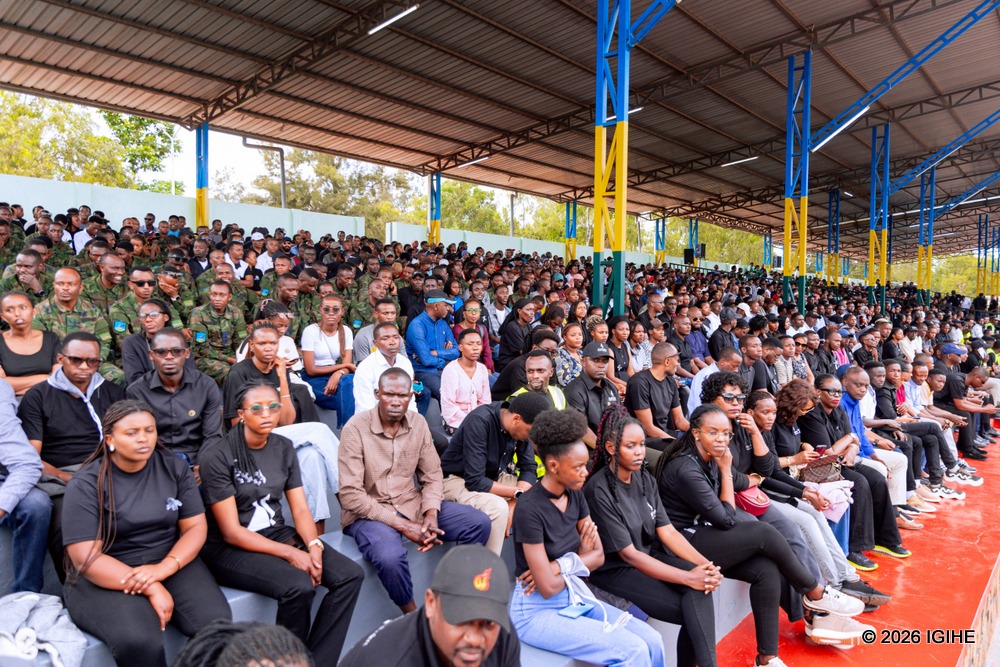
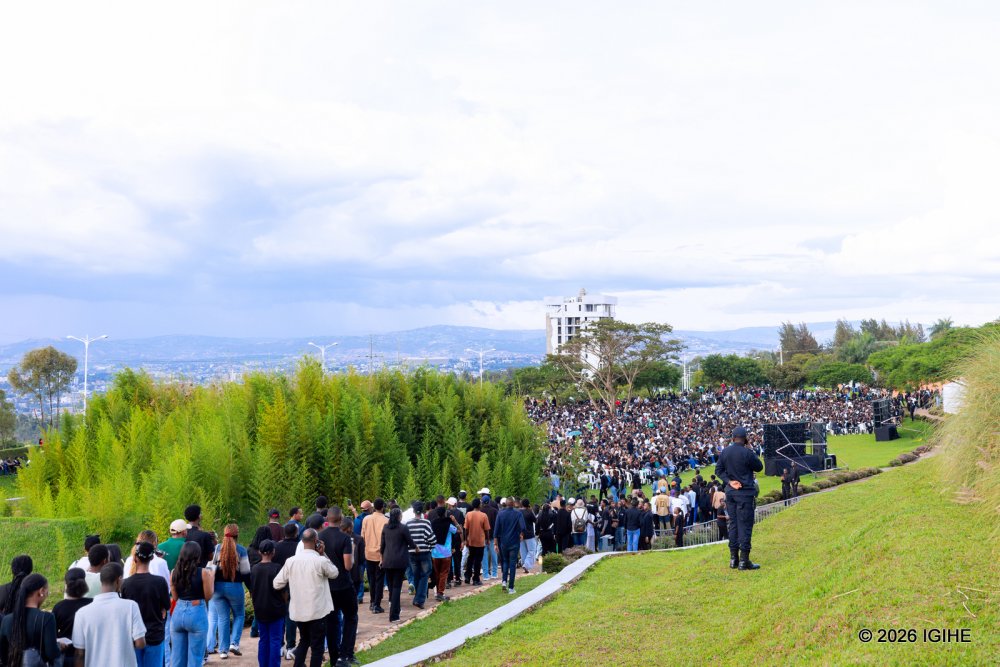
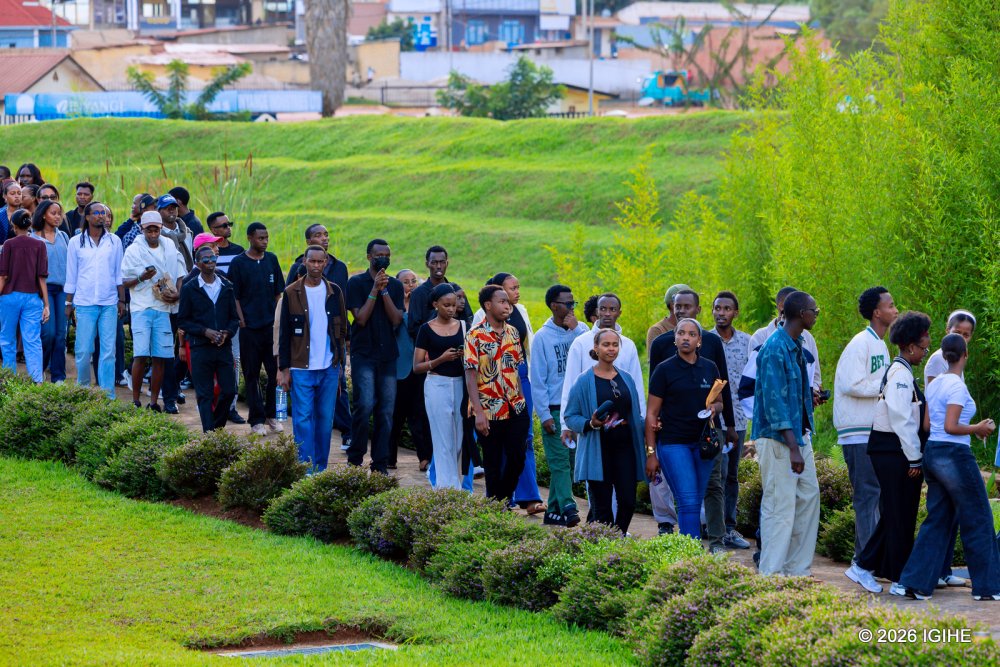
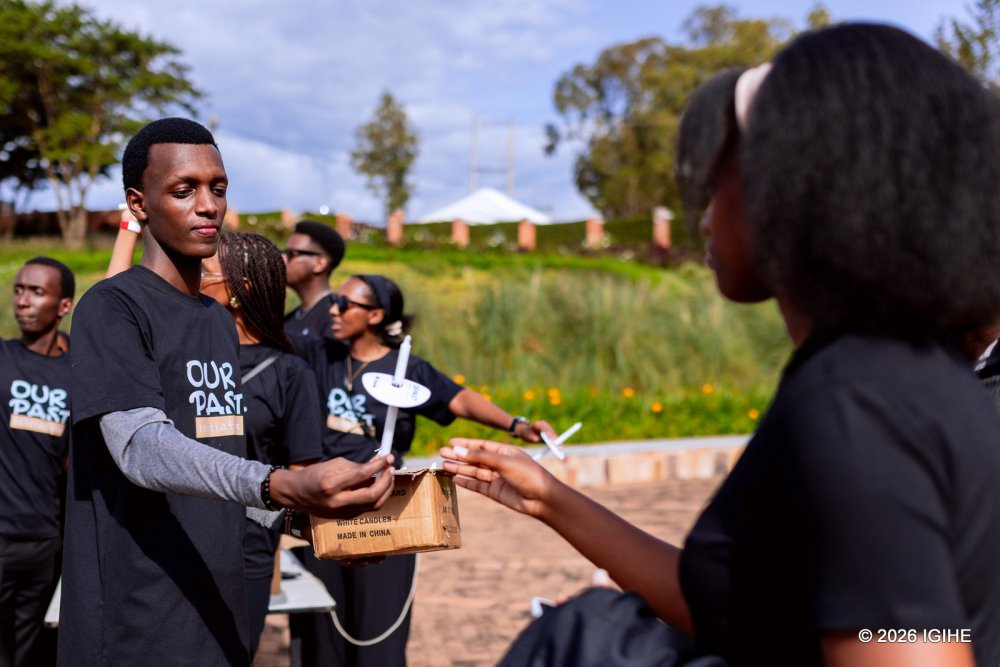
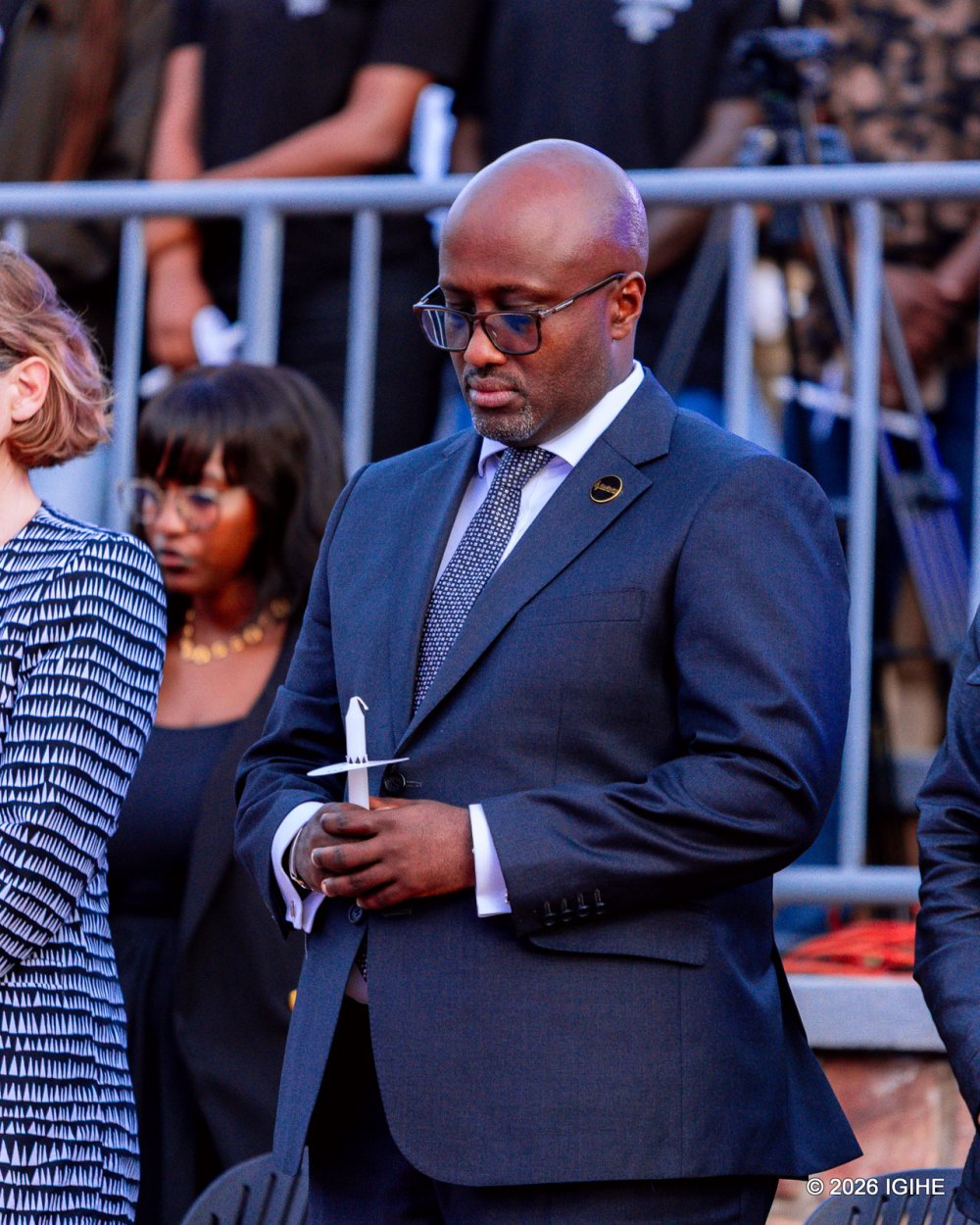
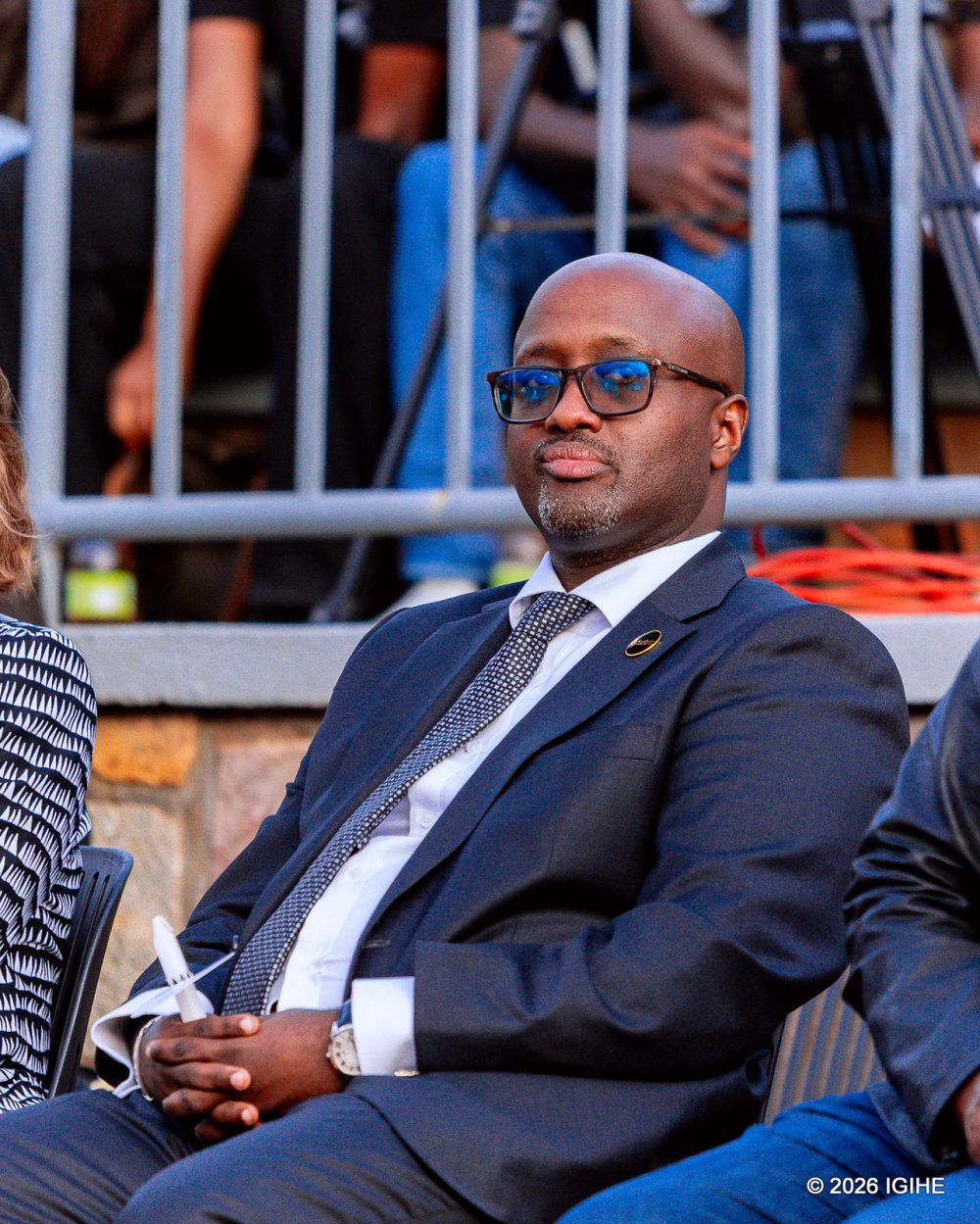
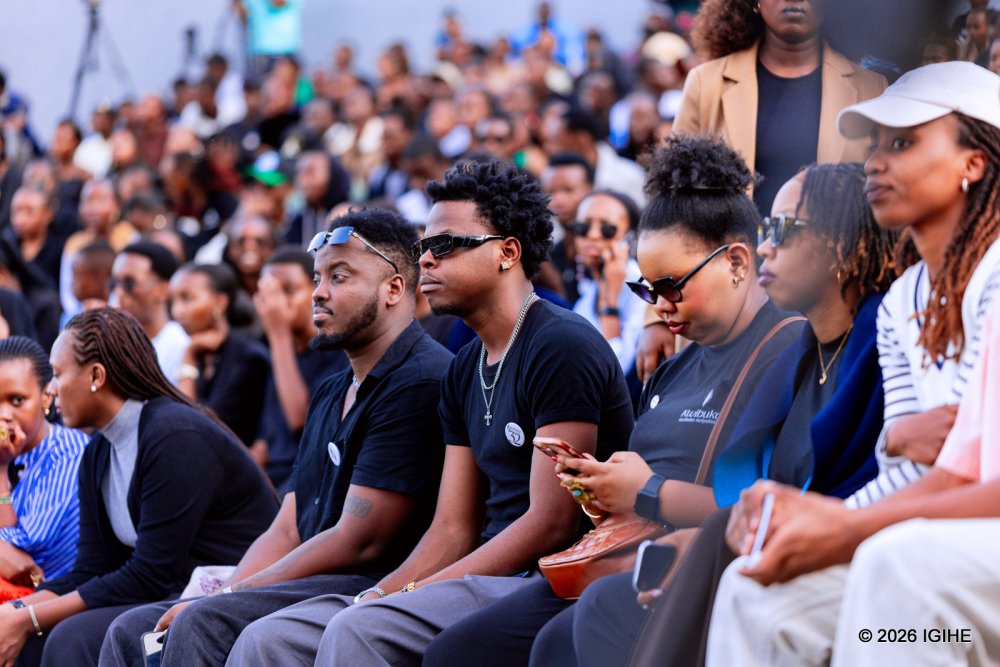
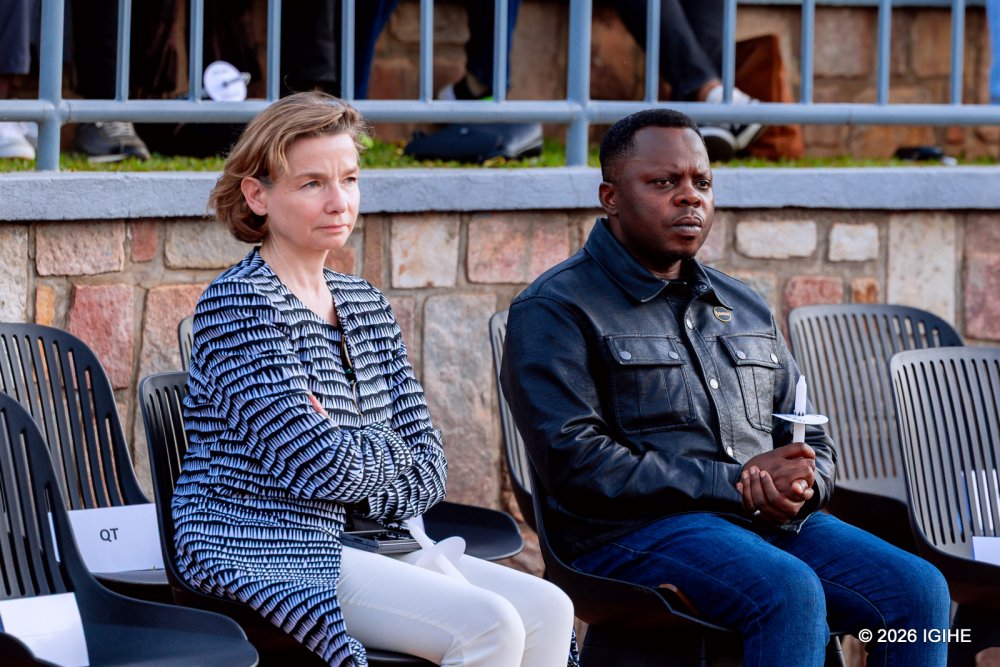
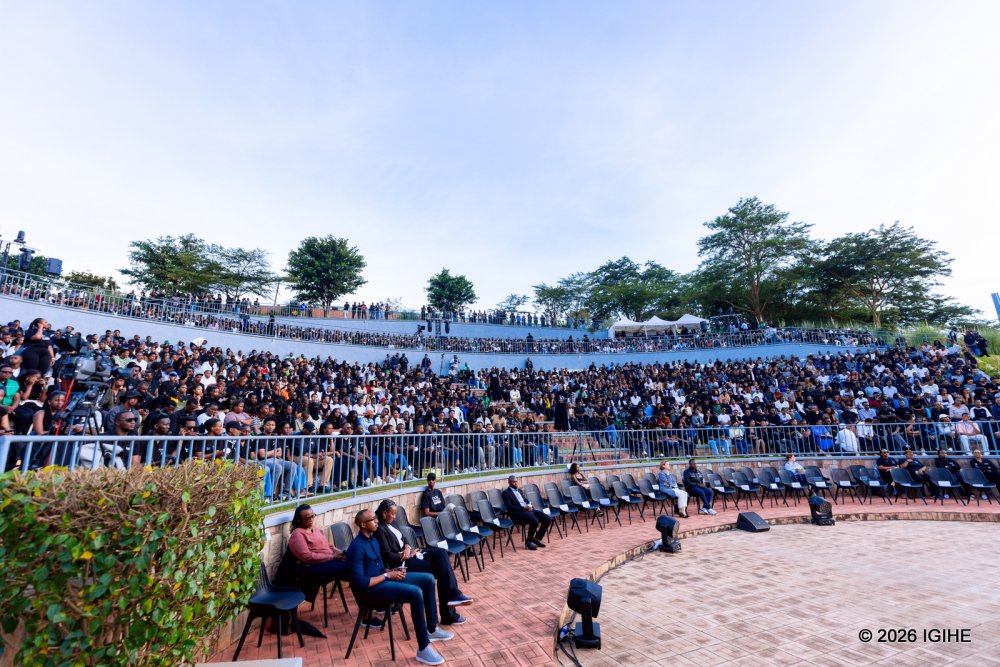
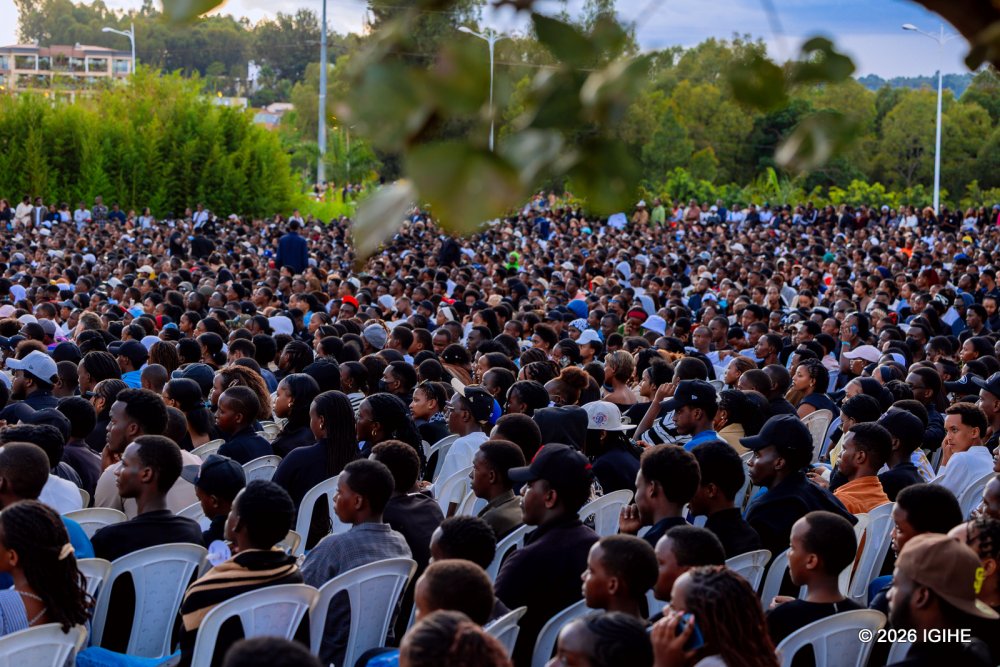
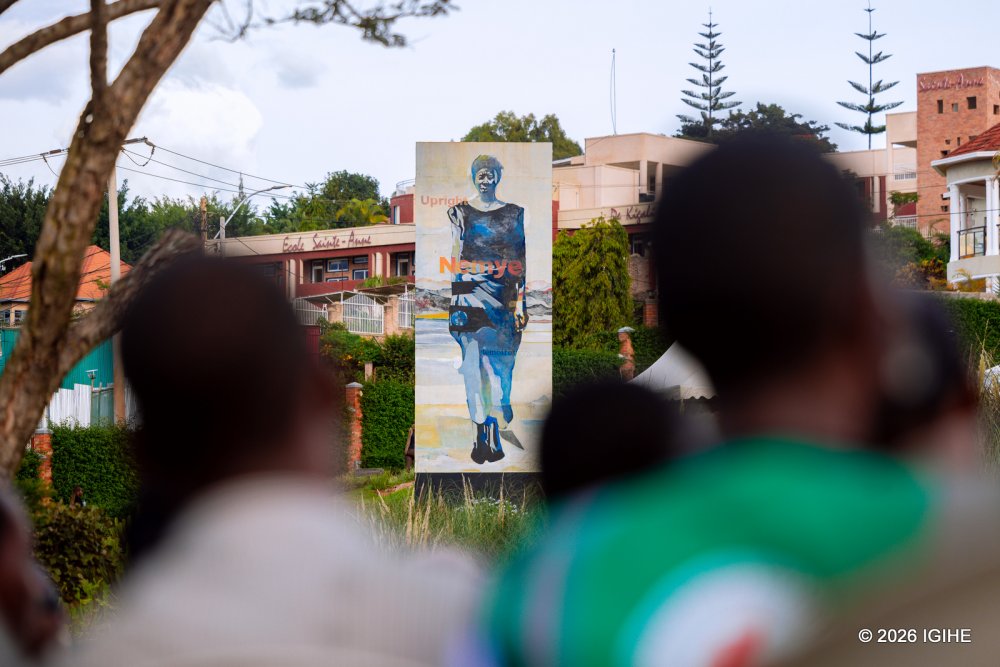
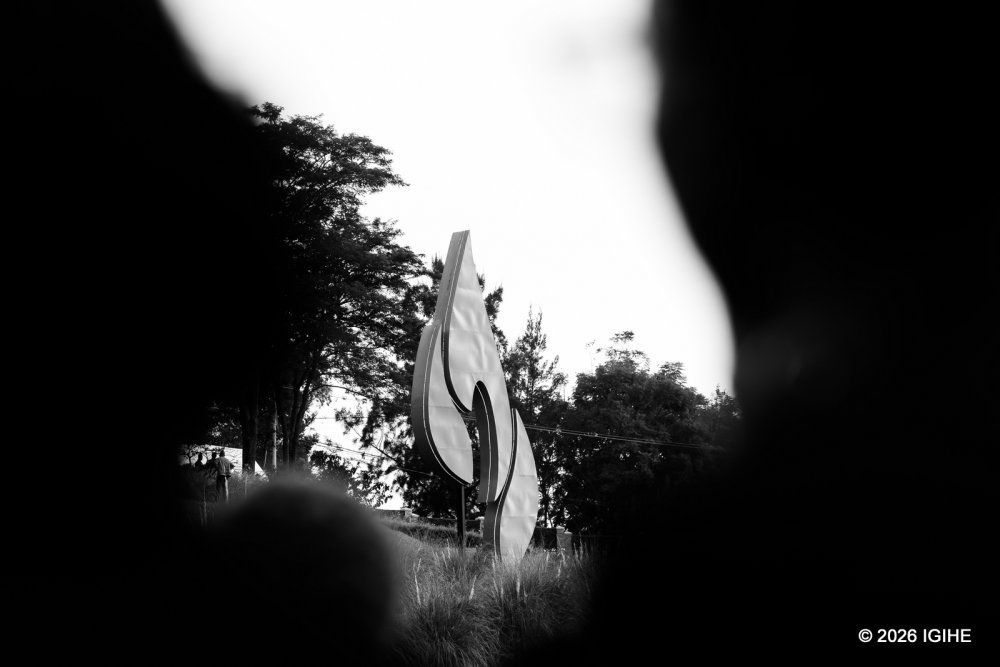
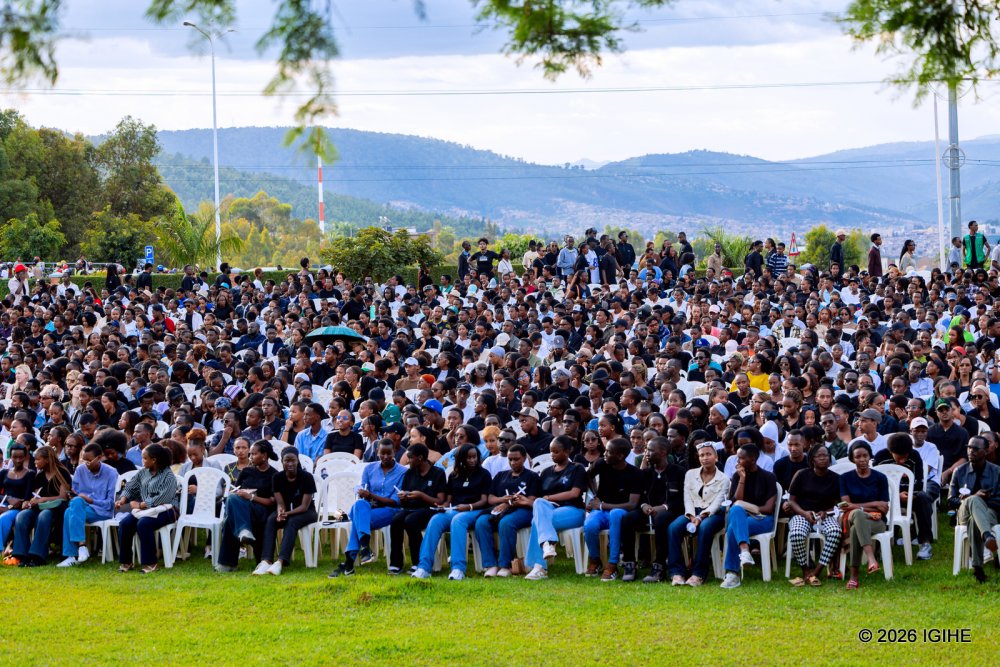
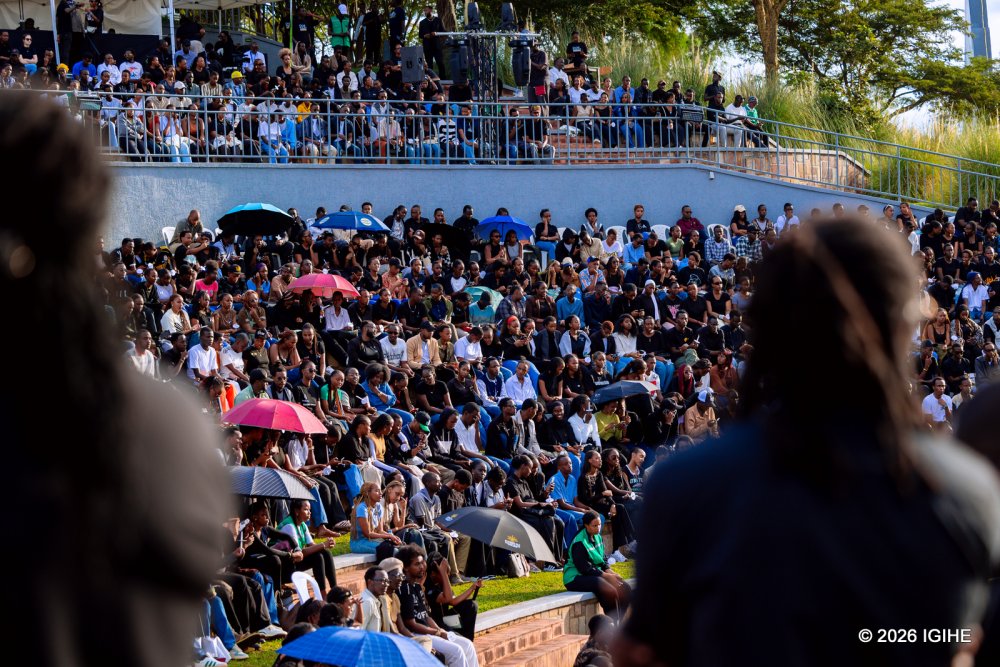
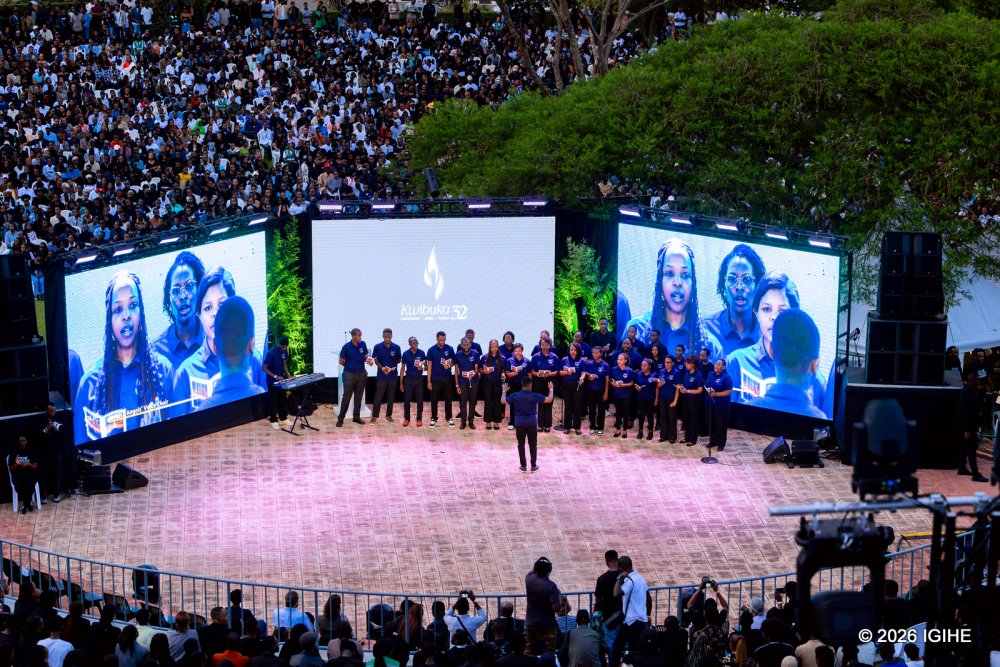
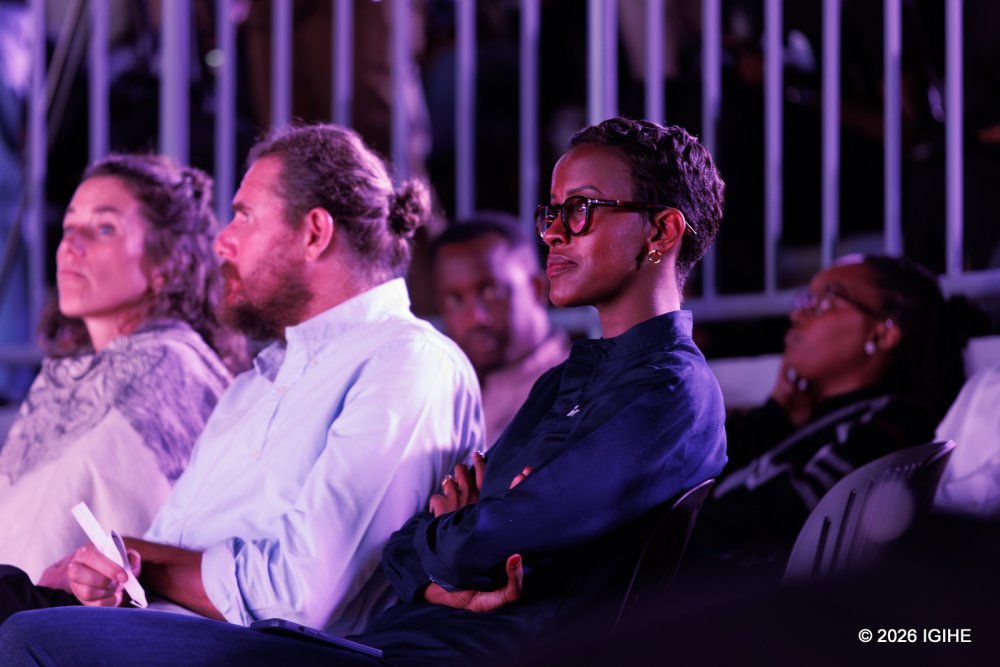
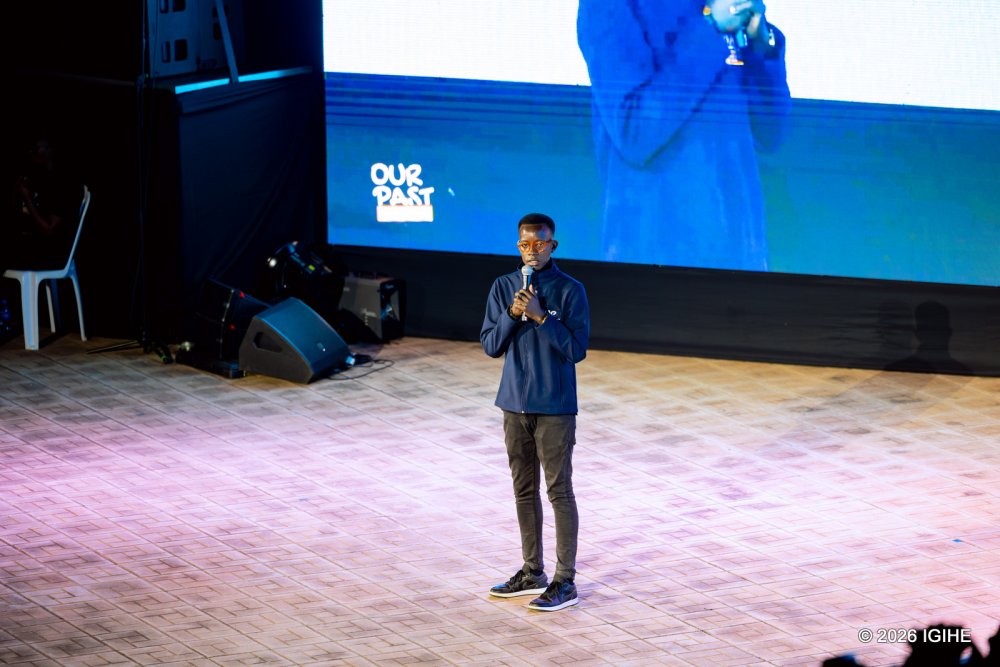
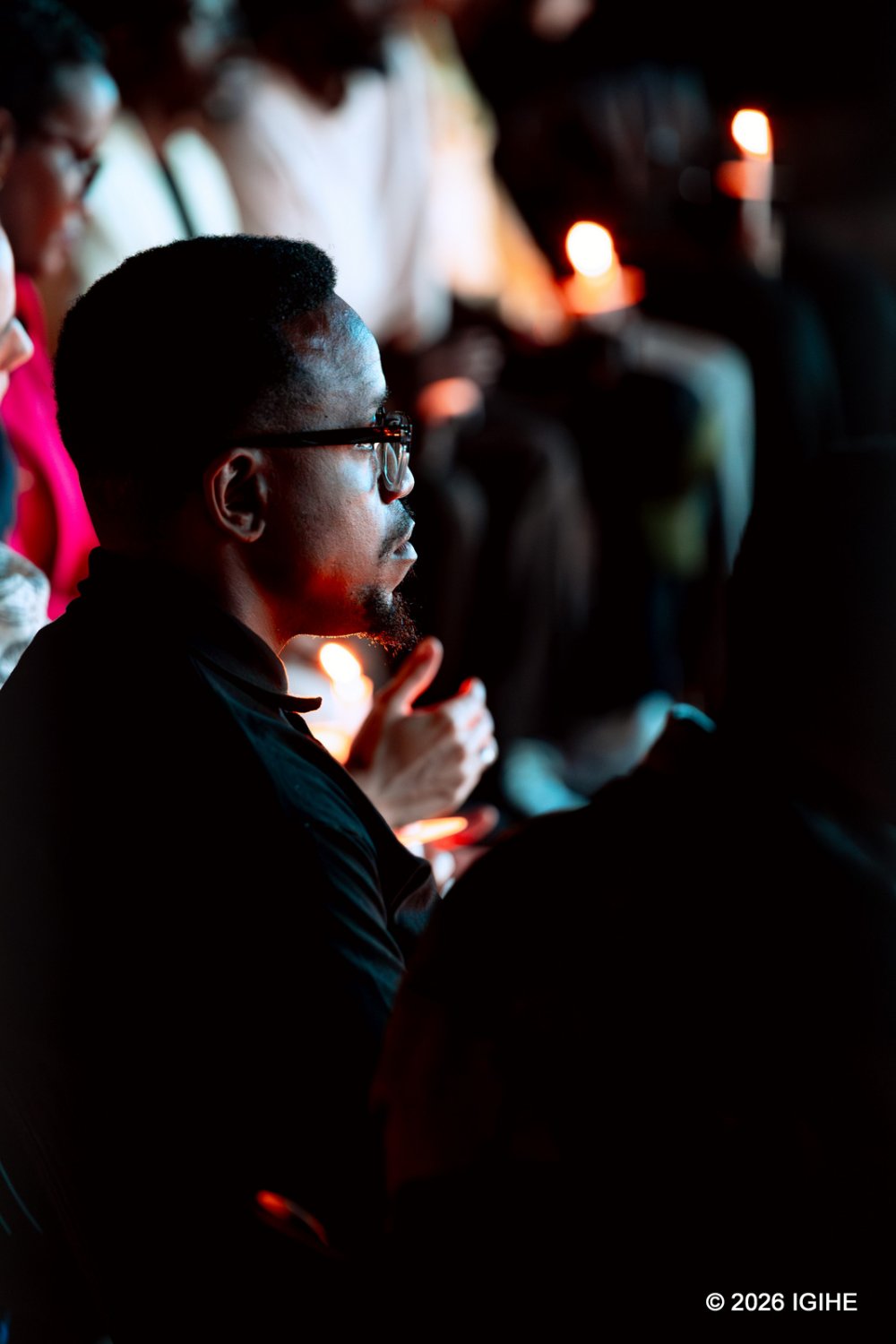
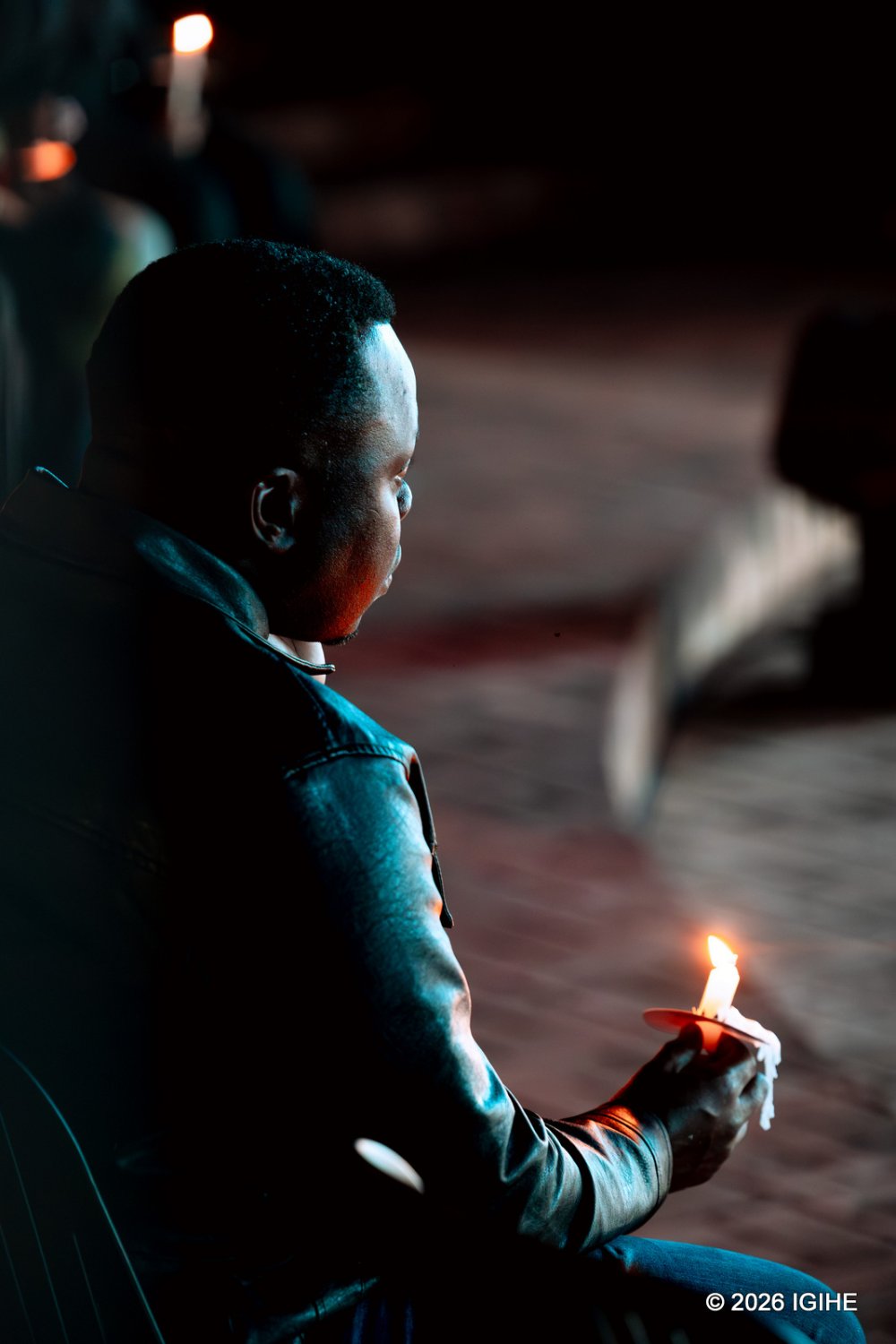
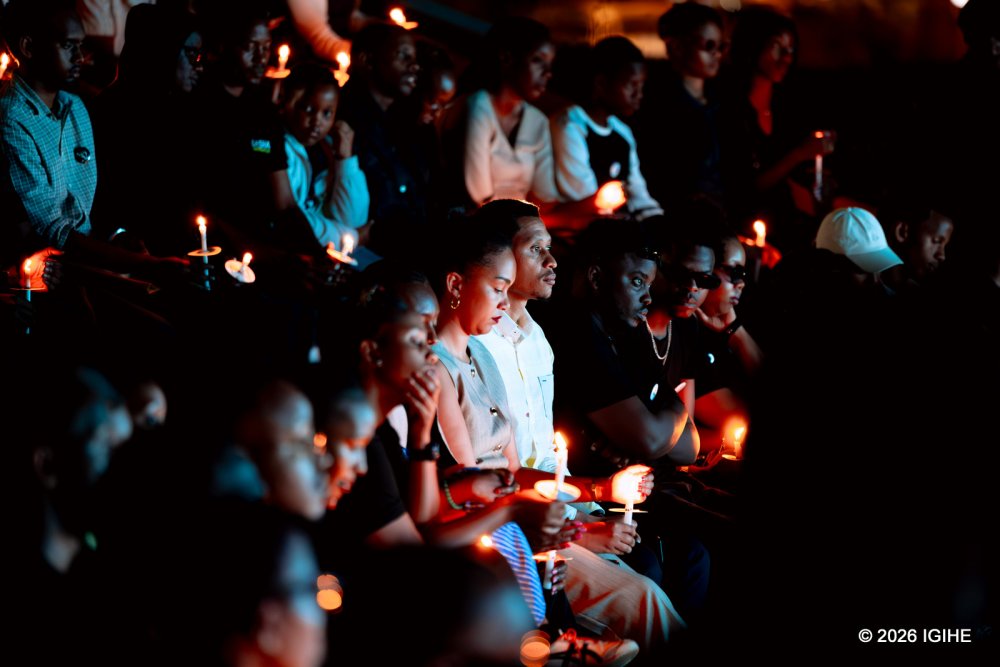
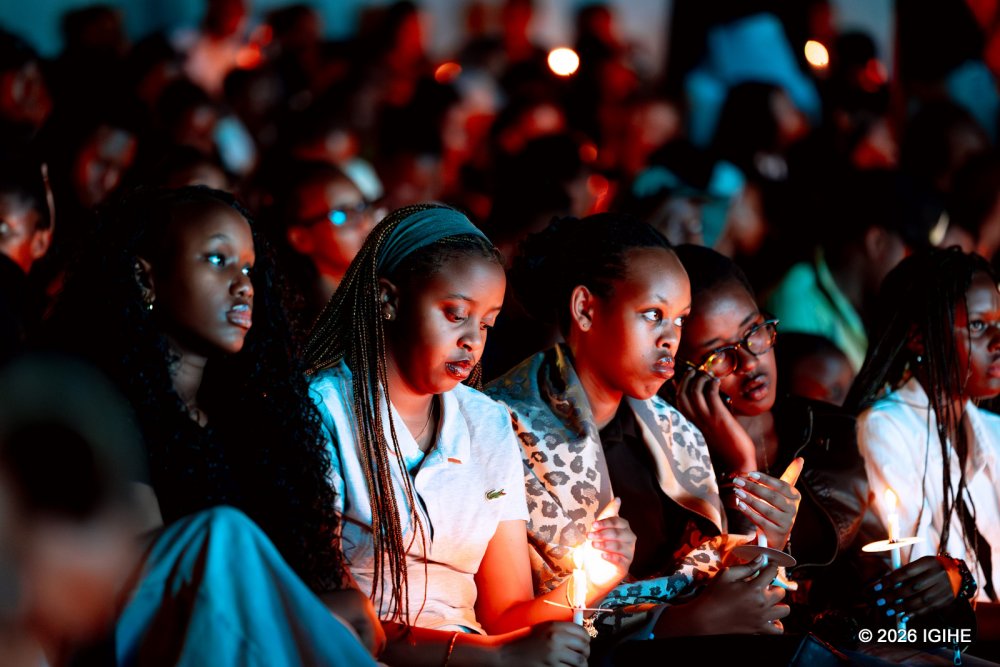
He made the remarks during the 32nd commemoration of the Genocide against the Tutsi, organised by a youth initiative known as “Our Past Initiative,” which is held annually on April 9. The event brought together more than 10,000 young people at the Nyanza Genocide Memorial in Kicukiro District.
Nduhungirehe said that while remembrance is a matter of principle for Rwandans, it is sometimes misunderstood internationally as an expression of resentment.
“Commemoration is very important, but not everyone understands it that way. Some believe we should forget and move on with life. I have personally been told that Rwandans are exaggerating and should simply forget,” he said.
He stressed that such a position is impossible given the scale and nature of the crime committed during the genocide.
“The Genocide against the Tutsi claimed more than one million lives out of a population of just over seven and a half million in only 100 days. It was an unimaginable crime, which is why remembrance must continue indefinitely,” he said.
Nduhungirehe reflected on Rwanda’s historical context, including the colonial period, during which social categories of Hutu, Tutsi, and Twa were ethnicised, and divisive ideologies were introduced and reinforced under Belgian rule.
He noted that these ideologies were later sustained by successive post-independence governments, from Grégoire Kayibanda to Juvénal Habyarimana, and further entrenched through education systems that normalised ethnic division from an early age.
“In history classes, no child could be identified as Tutsi without consequences. Students were taught divisive narratives and then asked to identify themselves along ethnic lines. Teachers often knew students’ backgrounds and would single them out accordingly,” he said.
He argued that decades of indoctrination and hate propaganda contributed significantly to the scale and intensity of the genocide.
“The genocide was carefully planned, but without more than 30 years of indoctrination, it would not have reached such magnitude. People were taught to see their neighbours as enemies,” he said.
He added that the genocide was not carried out by a single group, but involved widespread participation.
“The genocide was not committed by the Interahamwe alone, nor solely by the army. In many cases, neighbours took part. That is why escape was extremely difficult,” he said.
Following the genocide, Rwanda embarked on a long process of rebuilding national unity and reconciliation.
This included psychosocial healing programmes, the establishment of the National Unity and Reconciliation Commission, and community-based justice mechanisms such as Gacaca courts, which enabled citizens to participate in delivering justice for genocide crimes.
On the international stage, he said, Rwanda faced significant resistance in securing recognition that the 1994 atrocities constituted the Genocide against the Tutsi, rather than a general genocide in Rwanda.
“For many years, it was difficult to have the genocide recognised as the Genocide against the Tutsi,” he said.
He noted that the United Nations General Assembly only formally adopted the International Day of Reflection on the Genocide against the Tutsi on April 7 in 2020, 26 years after the genocide.
He attributed the delay to resistance from powerful member states within the United Nations.
“There were powerful countries that did not accept the terminology and did not want it to be called the Genocide against the Tutsi,” he said.
He added that Rwanda often had to advocate persistently for international recognition of its history.
“In 2014, when I was a diplomat in New York, we spent nights lobbying countries to acknowledge our history. Many of those countries had not intervened or had, in some cases, been complicit,” he said.
Call to youth
Nduhungirehe warned of ongoing genocide denial and revisionism, particularly among some members of the Rwandan diaspora youth.
He cited groups such as Jambo ASBL, which he said are composed of children of individuals implicated in the genocide, and which promote narratives denying that the genocide was planned, instead claiming it was a spontaneous reaction following the assassination of President Juvénal Habyarimana.
He urged young people to actively counter such narratives by studying history, educating others, and rejecting genocide ideology.
“National unity, reconciliation, and the understanding that we are one people must remain our priority. We must tell young people abroad that genocide ideology has no place in Rwanda and will never be tolerated again,” he said.
he event brought together more than 10,000 young people at the Nyanza Genocide Memorial in Kicukiro District.Nduhungirehe said that while remembrance is a matter of principle for Rwandans, it is sometimes misunderstood internationally as an expression of resentment.