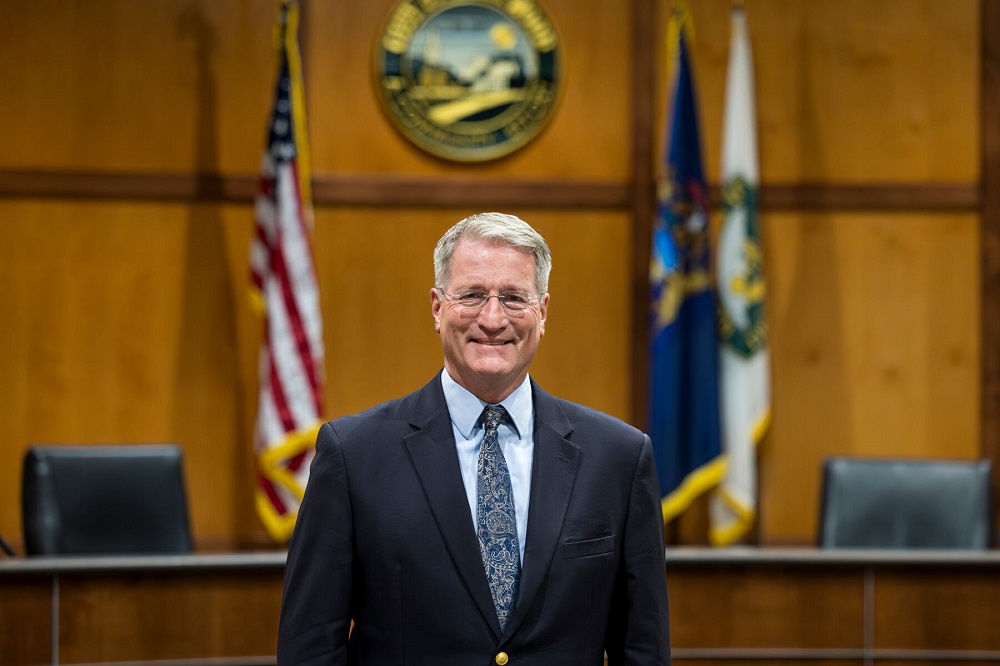
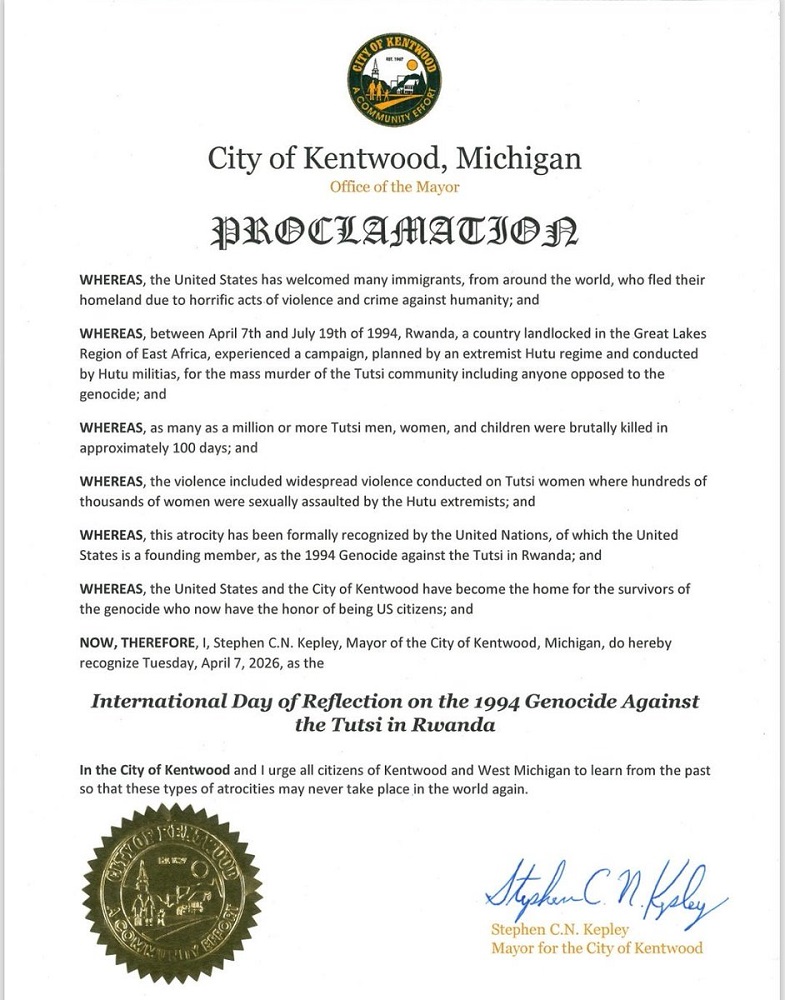
Issued by Mayor Stephen C. N. Kepley, the proclamation commemorates the lives lost during the 1994 atrocities in Rwanda and calls on residents of Kentwood and the wider West Michigan community to reflect on the lessons of the past.
“I urge all citizens of Kentwood and West Michigan to learn from the past so that these types of atrocities may never take place in the world again,” the mayor stated.
The proclamation recalls that between April 7 and July 19, 1994, Rwanda experienced a coordinated campaign of mass violence in which more than a million Tutsi men, women, and children were killed in approximately 100 days. It also highlights the widespread sexual violence committed against Tutsi women during the genocide.
Recognised by the United Nations as the Genocide Against the Tutsi, the atrocity remains one of the most devastating chapters in modern history. The proclamation further acknowledges that the United States, and Kentwood in particular, has become home to survivors who have since rebuilt their lives as American citizens.
By designating April 7 as the International Day of Reflection on the 1994 Genocide Against the Tutsi in Rwanda, the city aims to honour victims and encourage education to prevent future atrocities.
Community leaders and genocide survivors welcomed the move as an important step in preserving historical truth and promoting awareness.
Marcel Mushyindashyaka, President of IBUKA USA, emphasised the broader significance of such recognition.
“This proclamation is deeply significant,” he said. “It affirms the truth of our history and honours the dignity of the victims. Public recognition by local and state institutions strengthens remembrance, counters genocide denial, and reinforces our collective responsibility to ensure that such crimes never happen again, anywhere in the world.”
Similarly, Caleb Uwagaba, President of the Rwandan community in Kentwood, said the proclamation reflects values that go beyond a single city.
“It shows solidarity with those who lost their lives and with survivors who continue to heal,” he said. “It also reminds us that remembrance must go hand in hand with unity, reconciliation, and advocacy for humanity. The lessons of 1994 are not only for Rwanda, they are for the world.”
Kentwood’s recognition follows similar actions in other parts of the United States. In 2025, Greg Abbott, Governor of Texas, issued a proclamation recognising the 1994 Genocide Against the Tutsi, signalling growing awareness and acknowledgement at the state and local levels.
City officials say the Kentwood proclamation serves not only as a tribute to victims and survivors but also as a call to action, urging continued education, remembrance, and a shared commitment to ensuring that such atrocities are never repeated.
The proclamation was issued by Mayor Stephen C. N. Kepley.The proclamation commemorates the lives lost during the 1994 atrocities in Rwanda and calls on residents of Kentwood and the wider West Michigan community to reflect on the lessons of the past.
A Persian-Norwegian with a background in architecture and systemic design, Gharavi recently spent two weeks in Kigali, scouting Rwanda’s “hidden entrepreneurial gems” and exploring opportunities to connect them with European and Nordic investors.
“Rwanda is a bold and dynamic country,” Gharavi told IGIHE during an exclusive interview. “It has fundamental elements for finance structuring and project development in place, which makes it a very good base to expand into Africa.”
She added that the country’s commitment to entrepreneurship, strong institutions, and regional connectivity made it an ideal location for ENFA to establish a presence and test its model in practice.
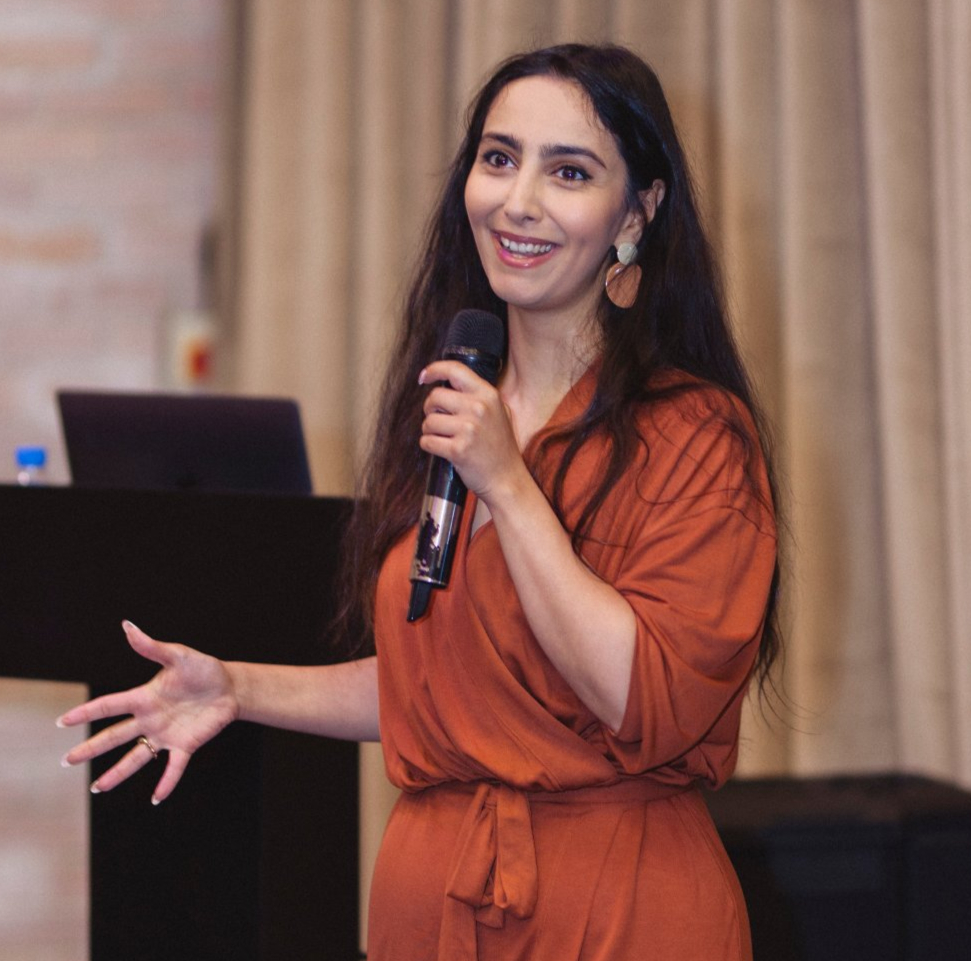
Euro Nordic Funding Alliance (ENFA) boss Niloufar Gharavi, during a recent meetup with startup founders and stakeholders in Kigali’s entrepreneur community at Norrsken.
Founded three years ago, ENFA has grown from a concept into a presence in 21 countries, operating as a facilitator of cross-border business development and blended financing. Gharavi explains that the organization’s core philosophy is not merely to introduce entrepreneurs to capital, but to become a development partner: providing training, advisory support, and strategic connections to ensure startups and SMEs thrive in the long term.
ENFA has been active in Rwanda for nearly a year through local partnerships, guided by Regina Mukamusinga, the CEO of ENFA Rwanda and a former investment analyst with 14 years of experience at the Development Bank of Rwanda. The organisation has now formalised its presence by establishing a legal entity in the country.
“The reception has been overwhelmingly positive,” Mukamusinga said. “Local entrepreneurs are eager to join our network, and we’re seeing real progress in turning these SMEs into internationally connected businesses.”
Gharavi highlights the impact of this approach using Rwanda’s honey industry as an example. Through ENFA, women-led honey businesses that had previously operated independently were connected, advised on value chain development, and introduced to international partners. This collaboration not only enhances production capacity but also opens doors to broader markets.
A systemic designer by profession, Gharavi, says she approaches business through a lens of complexity and interconnectivity.
For Grace Mbabazi, founder of M&M Sozo, producing and exporting honey, joining ENFA has shown her just how transformative the right support and connections can be for a growing business.
“Before ENFA, our business was mostly local. Now we have access to training, strategic advice, and European partners. It’s transforming how we operate and where we can sell our honey,” she said.
Beyond SMEs, ENFA is actively exploring larger projects across Rwanda in sectors such as affordable housing, health tech, and agriculture.
Initiatives include a state-of-the-art prefabricated housing factory, a network of 50-bed clinics to expand rural healthcare access, and digitised agricultural solutions to facilitate export and market expansion.
Gharavi also emphasised the potential for renewable energy projects, including Lake Victoria and Lake Kivu developments, as well as data centres that can tap into European and Nordic investment.
A systemic designer by profession, Gharavi approaches business through a lens of complexity and interconnectivity.
“Everything is a system,” she explains. “Your business, your product, your value chain; they’re all interconnected. We don’t just bring capital; we help entrepreneurs redesign and optimise their systems to generate sustainable growth.”
ENFA’s funding model spans five brackets, from €500,000 to over €15 million, combining public grants, philanthropic funds, and private investments. But Gharavi underscores the importance of local equity.
“Investors want to see Rwandans actively putting their own capital into their projects. That’s how trust is built and exploitation avoided,” she explains, adding that this approach supports local ownership and ensures international support complements, rather than replaces, Rwandan initiative.
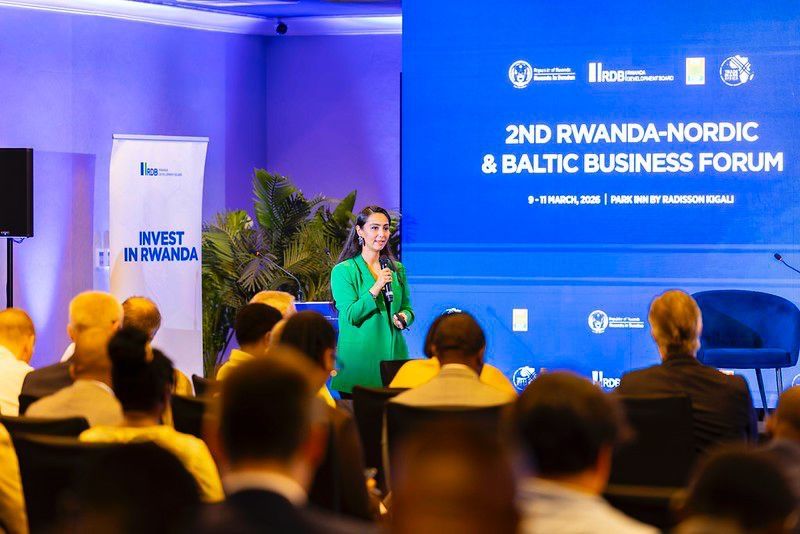
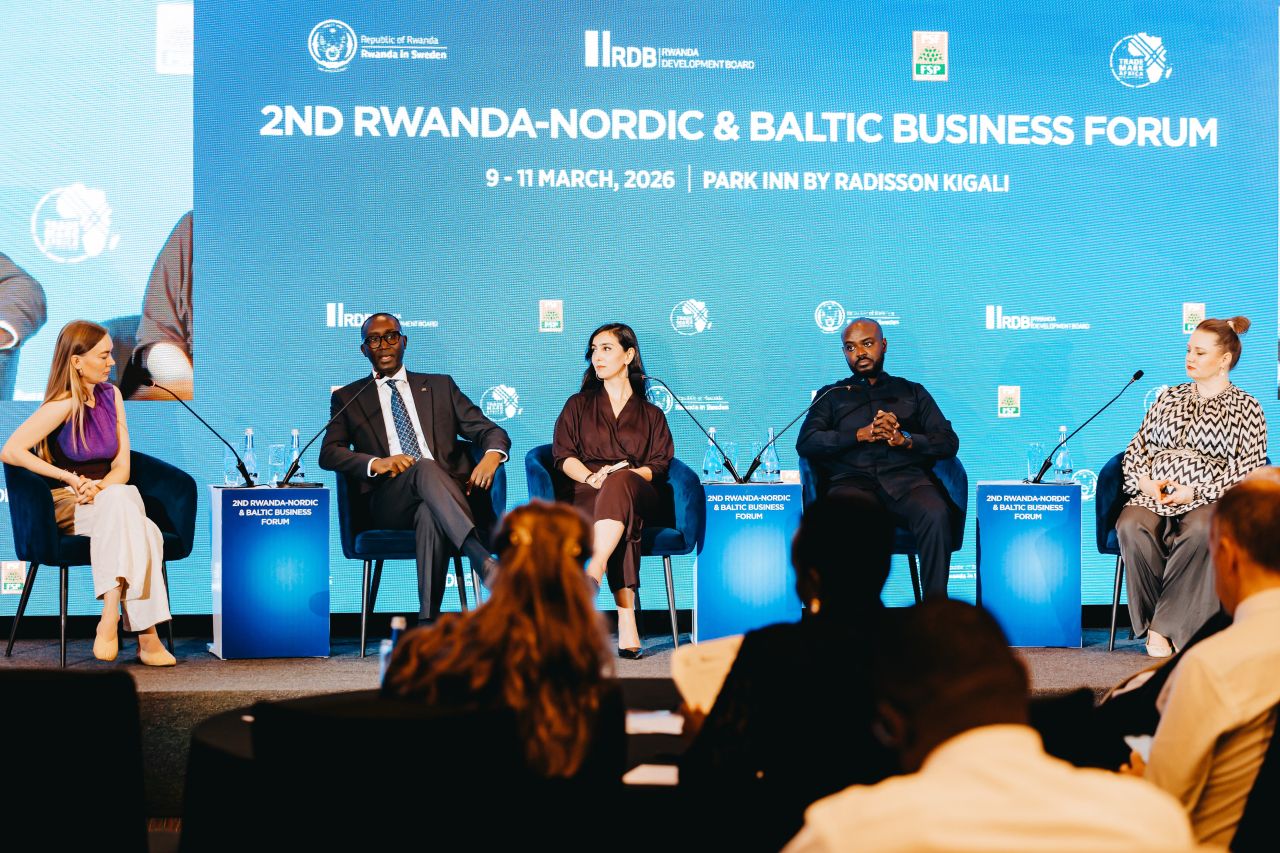
Niloufar Gharavi was a panellist at the 2nd Rwanda Nordic-Baltic Forum, held in Kigali from March 9–11, 2026
Earlier this month, Gharavi was a featured speaker and panellist at the 2nd Rwanda Nordic-Baltic Forum, held in Kigali from March 9–11, 2026. In the interview with IGIHE, she reiterated ENFA’s hands-on approach to connecting European and Nordic investors with African businesses.
“We actually become their partners. They join us, we give them the right advice and the right network, and support them as they grow,” the founder explained.
Last December, Gharavi launched her book, Save the World Before Breakfast, introducing the concept of design-driven entrepreneurship.
“Everything we do is designerly,” she stressed. “Designers see the world from scratch. We know that this chair, this building, this phone, even the lifestyles we live, they didn’t exist naturally. They were all created over time. Once you realise that everything can be redesigned, that’s when real sustainability and regeneration become possible.”
Niloufar Gharavi’s book Save the World Before Breakfast challenges conventional notions of startups, innovation, and leadership.
She emphasised that this philosophy shapes ENFA’s operations, from its internal code of conduct to member training programs. ENFA’s newly established holding in Luxembourg, she added, will champion regenerative, fair-share economies built on design thinking, equipping entrepreneurs to approach challenges with “fresh eyes on the world.”
For Gharavi, the journey from architect to global entrepreneur has been shaped by high-stakes decision-making and a design-driven mindset. Her experience as a professional rally driver also plays a role.
“Racing taught me to assess risks, make decisions quickly, and trust the team around me. Those same skills are vital when supporting entrepreneurs across continents,” she said.
Niloufar Gharavi is a former racing driver.
Reflecting on Rwanda’s entrepreneurial ecosystem, Gharavi is optimistic.
“We are becoming a fund ourselves, but primarily, we facilitate growth,” she said. “The local teams and authorities play a central role. Rwanda has the readiness, the infrastructure, and the entrepreneurial spirit to become a gateway to the continent.”
Gharavi envisions similar partnerships expanding across Africa, leveraging Rwanda as a model for design-driven, investor-backed entrepreneurial growth.
Curious to learn more? Watch her full conversation with IGIHE below.
At the spring, Niyonambaza Rachel Aisha, a representative of the women, remembers how different life used to be.
“In our daily lives, many things have changed. Before, we did not have clean water,” she says.
For more than two decades, cooperation between the Government of Rwanda and the Government of Japan, implemented through the Japan International Cooperation Agency (JICA), has quietly transformed rural water services. Behind each functioning water point are people like Rachel.
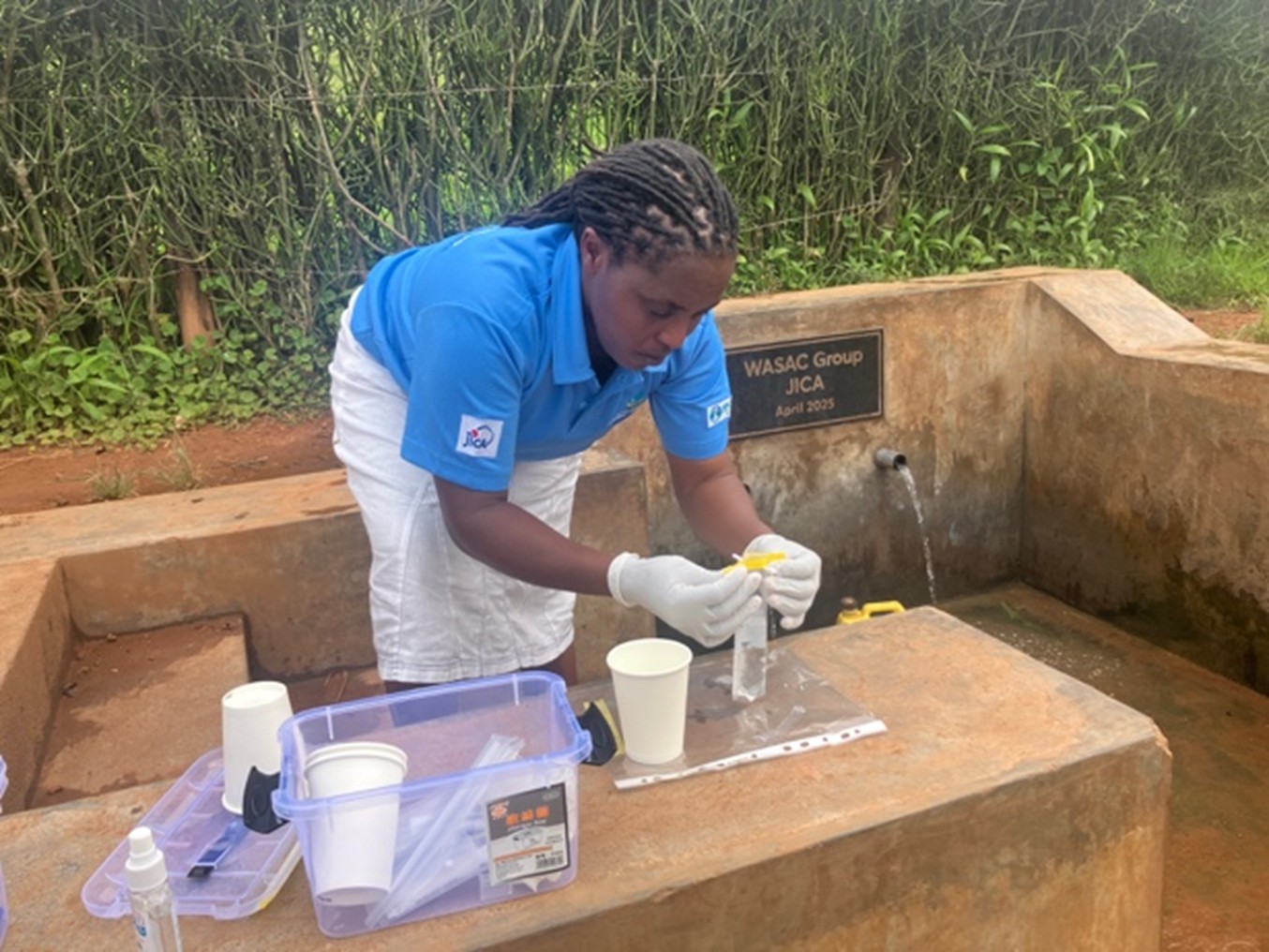
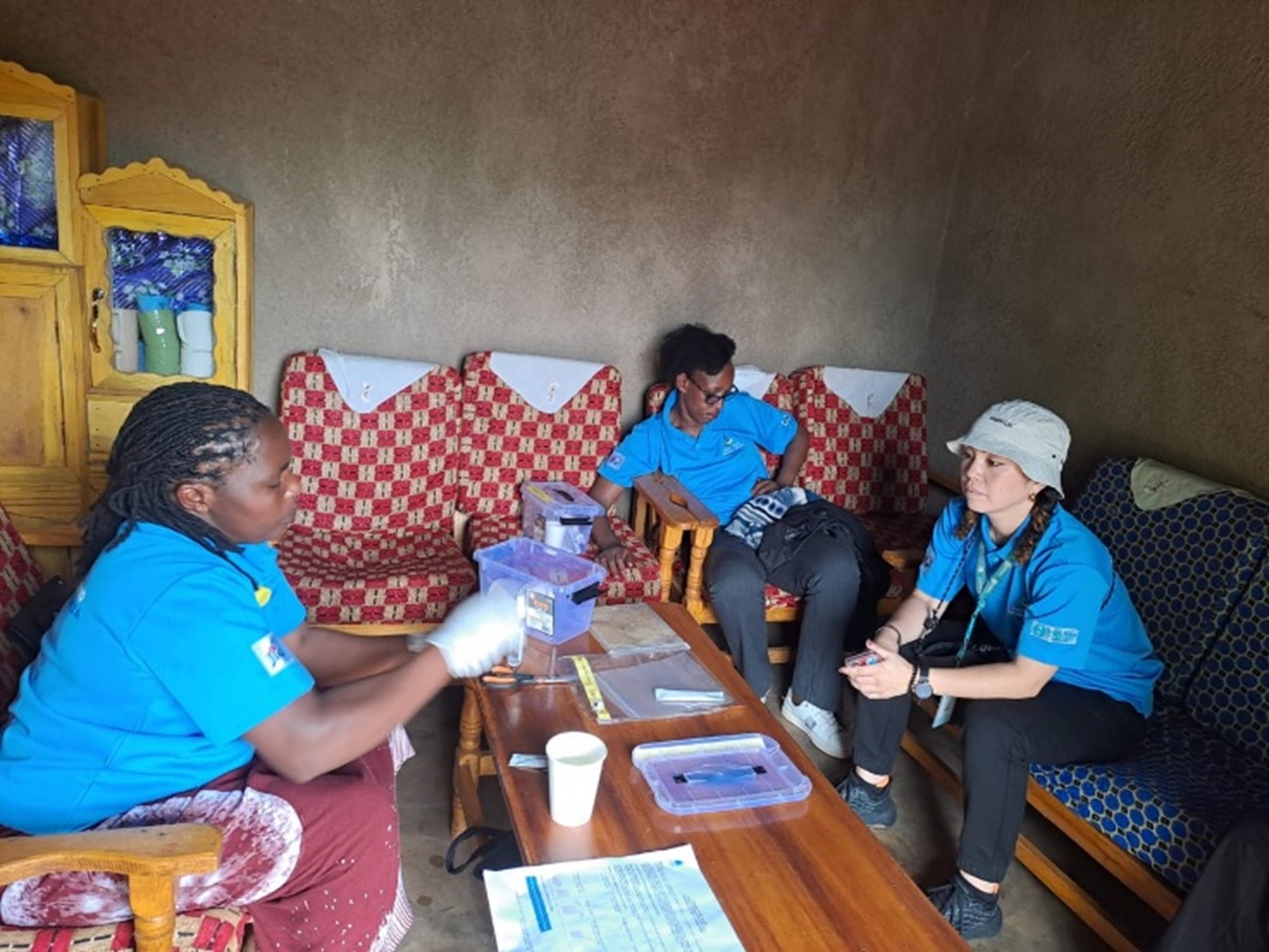
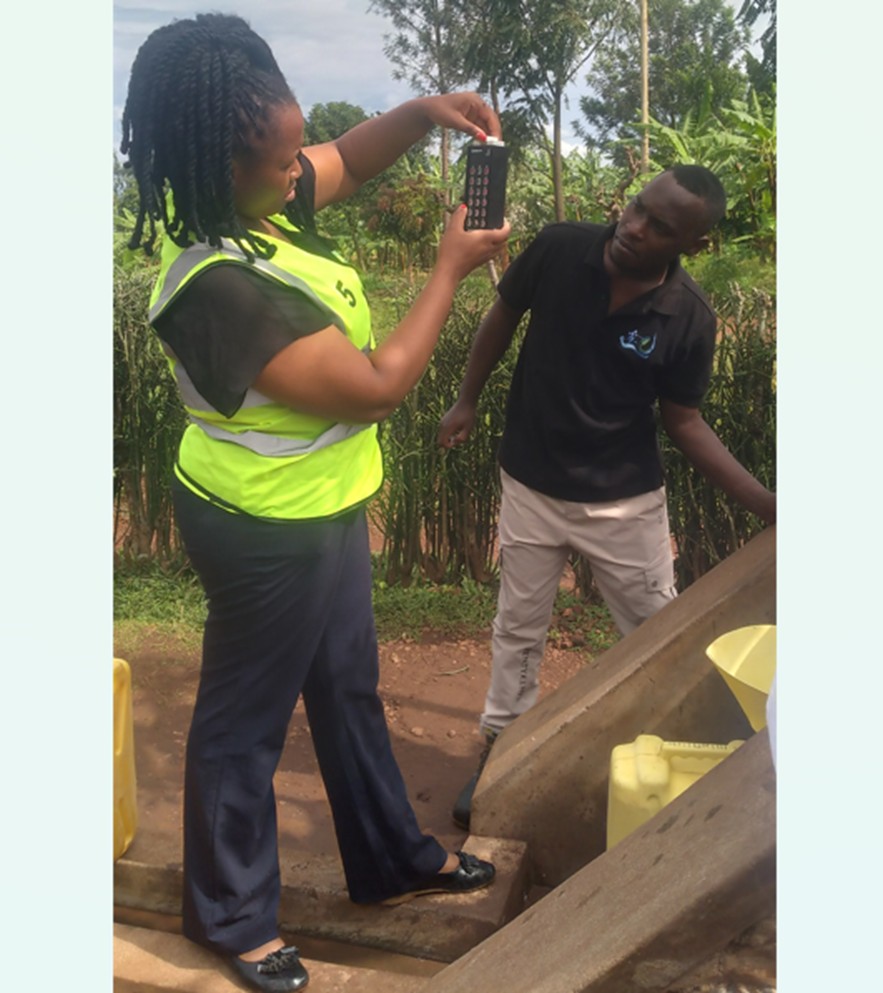
A community environmental health officer conducts an E. coli test at the household level for Kampambara Spring, Kazo Sector, Ngoma District, on February 23, 2026.
Before the rehabilitation of Kagezi spring under the “Project for Rural Water Supply Services and Infrastructure Management Development (RWASOM2)” in October 2024, fetching water was a daily struggle.
“The water was dirty and contained worms. Many in our community fell ill from unsafe water,” Rachel recalls.
Today, the spring is capped, channeled, and protected. Clear water now flows through a tap onto a clean concrete platform. The improvement is visible, but its deeper impact is measured in health and dignity.
“When you have clean water, you have good health. Now children go to school and study well because they are healthy,” Rachel says.
Seeing the transformation, Rachel and her community have committed themselves to protecting the spring. Every Saturday, they clean the area and ensure it remains safe.
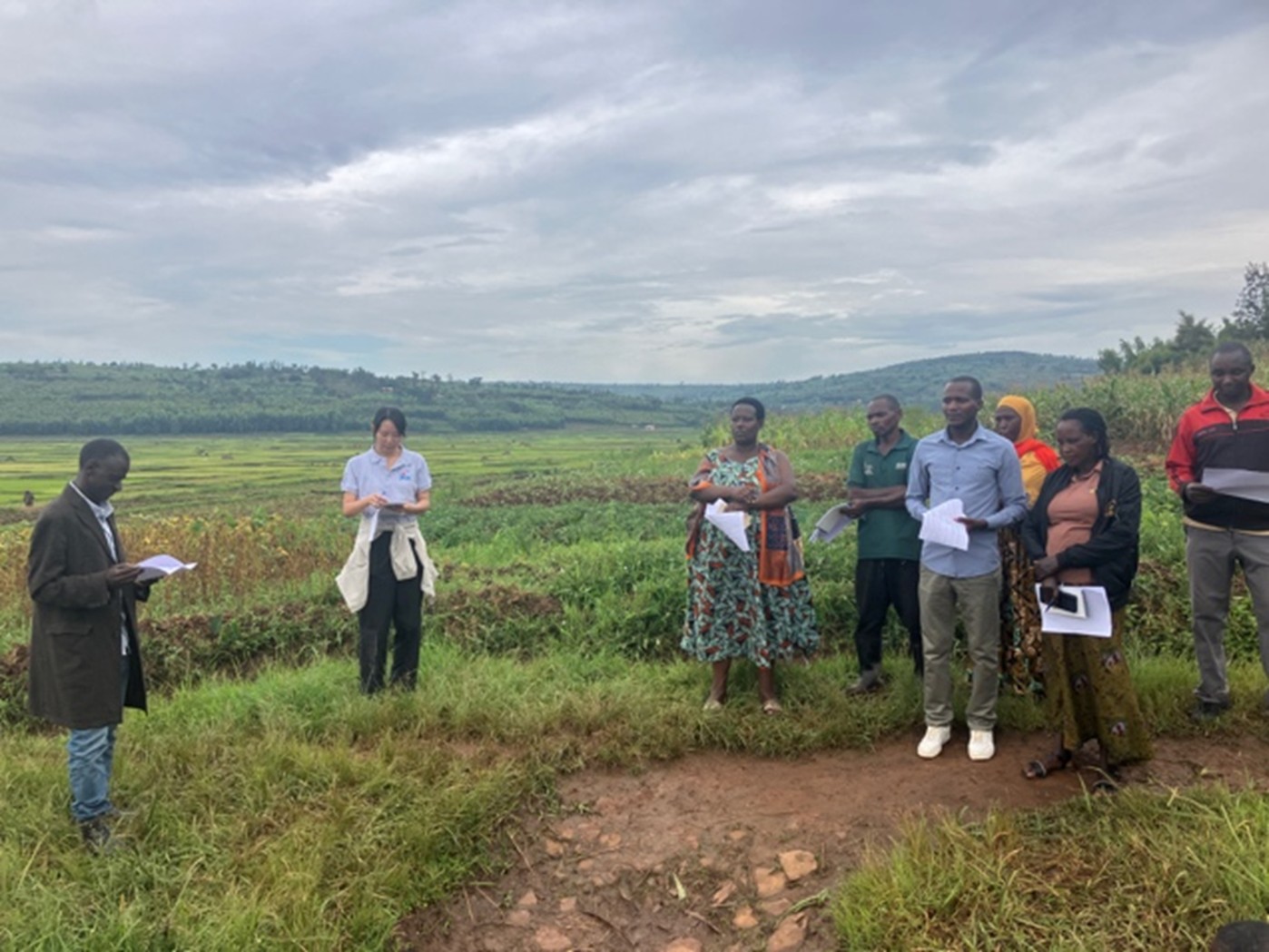
Transect walk during the workshop on CWSP monitoring for Rwamatabaro Spring in Rubona Sector, Rwamagana District, on February 5, 2026.
Building systems, strengthening communities
At the national level, rural water management is coordinated by the Water and Sanitation Corporation (WASAC). For Vincent de Paul Mugwaneza, Director of Water Supply at WASAC Development, the partnership with JICA has been both technical and transformative.
“Our projects with JICA are designed to address existing challenges. Before implementation, we ensure they align with national water strategies and are likely to deliver real, measurable impact,” he explains.
JICA’s long-standing cooperation has gone beyond infrastructure development; it has helped build a stronger and more sustainable ecosystem for water supply management by strengthening management structure, training private operators, and providing district teams with tools for planning, monitoring, and maintenance.
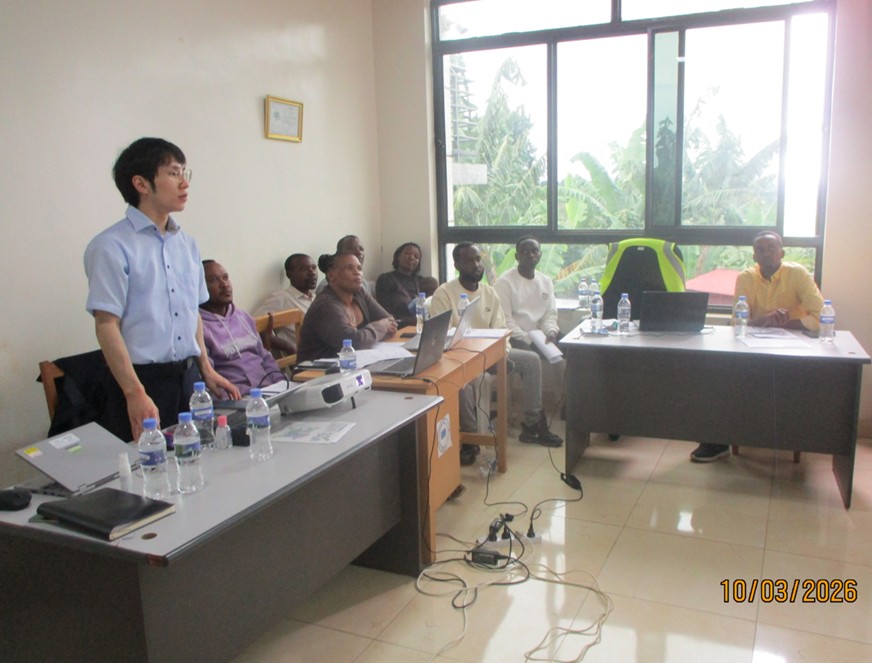
Business development training for sustainable water management for staff of AYATEKE Star Company Ltd (PO-Gatsibo), 10–12 March 2026.
RWASOM’s JICA expert Satoshi Ishida notes that sustainability depends less on construction and more on post-project management.
“Private operators manage rural pipelines and contribute a royalty fee equivalent to 10% of their revenue to WASAC, which funds major repairs and facility renewal plans,” he says.
The project improved how private operators plan repairs, shifting them from reactive to preventive management. Ishida adds that mapping facilities with GIS helps operators prioritise investments and promotes a culture of preventive maintenance.
Measurable improvements have followed. “We track functioning versus non-functioning systems and citizen complaints. These indicators provide a clear picture of progress,” Mugwaneza explains.
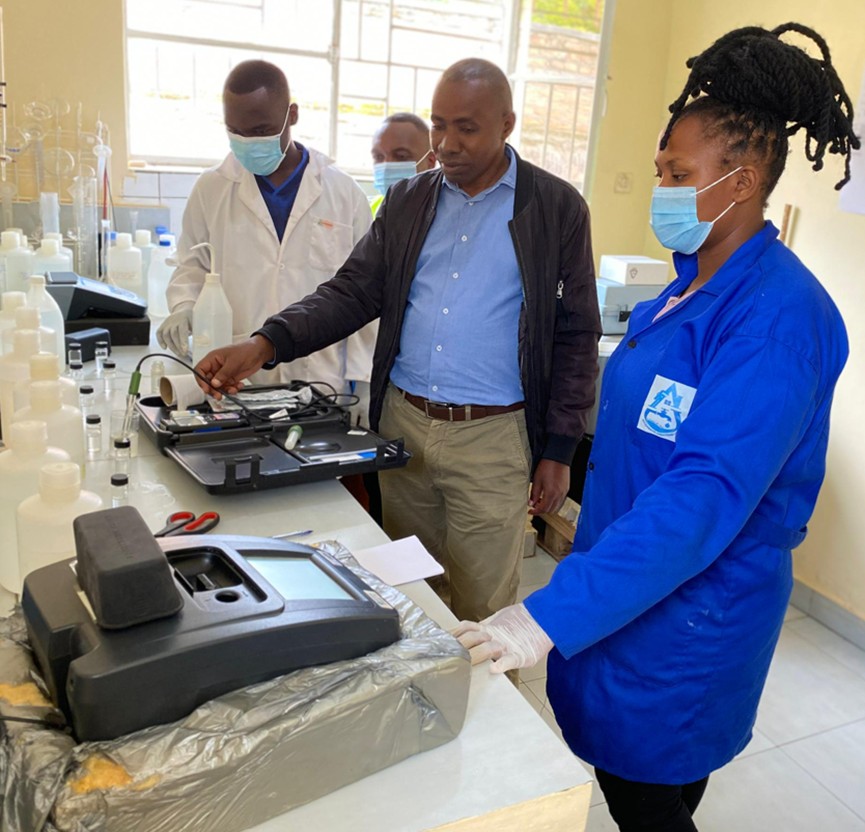
Refresher training for staff of Waterways Creation Ltd and Patto Water Ltd on conducting water quality testing for physico-chemical parameters, February 13, 2026.
On the ground, district officers ensure that systems continue to run. In Eastern Province, Nderabakura Jean Claude, District WATSAN Officer, monitors water points across wide rural areas.
“We must know how many water points we have, which are functioning, and why some are not,” he explains.
Training supported by JICA has expanded the district’s technical capacity. Officers now develop expansion plans using GIS and QGIS, design pipelines on paper, and calculate realistic budgets. Ishida notes that embedding skills in WASAC, districts, and communities ensures that knowledge is institutionalised rather than reliant on external experts.
Water quality monitoring is also essential. “We test chemical and biological parameters, check chlorine levels, ensure pH balance, and supervise cleaning of storage tanks,” Jean Claude says.
The impact is clear: waterborne diseases have decreased, even in health facilities.
Protecting gains
Despite progress, challenges remain. In some rural areas, vandalism and illegal connections threaten infrastructure, particularly during dry seasons. JICA has introduced digital monitoring and mapping tools to help operators respond quickly.
“Mapping water systems and sharing operational reports online allows rapid identification of failures,” Ishida explains.
“Some cut pipes for mud bricks or industries,” Jean Claude notes, adding that security patrols and community sensitisation have reduced incidents.
Yet even amid constraints, the principle of community ownership remains central.
Staff of Waterways Creation Ltd measuring residual free chlorine in Ngoma District, February 10, 2026.
To strengthen that ownership, JICA volunteers are rooted in the community and dedicated to protecting water sources. Over the past two decades, 61 JICA volunteers in water and sanitation have been placed in rural districts, supporting daily operations, data management, maintenance training, and hygiene promotion. Before these interventions, many boreholes with handpumps were not functioning.
“The government’s development policy emphasises citizen participation,” Jean Claude says. “When citizens request infrastructure and see it delivered, they appreciate it. They recognise its value and become more willing to protect and maintain it.”
Rachel embodies that spirit. At Kagezi Spring, they do not wait for breakdowns. They clean drainage channels, check for cracks, and keep watch.
“Now we have been given water, and we also have the responsibility to protect it,” she says firmly. “No one is allowed to damage it.”
The report shows that the employment-to-population ratio increased to 55.9% in 2025, up from 53.5% in 2024, signalling a growing capacity of the economy to absorb workers. About 4.77 million Rwandans were employed during the year.
This growth comes alongside an expansion of the labour force, which reached 5.4 million people, out of a working-age population of approximately 8.5 million.
Unemployment declines as more jobs are created
The survey indicates that unemployment fell to 12.4% in 2025, down from 14.9% the previous year, continuing a downward trend from pre-COVID-19 levels of around 15%.
This means that roughly one in eight people in the labour force was unemployed, reflecting improved job creation and labour market recovery.
Employment gains were recorded across both men and women, with the employment rate increasing by 1.4 percentage points among males and 3.1 percentage points among females. However, disparities remain, with men still more likely to be employed than women.
Services sector drives job growth
The report highlights a gradual structural shift in Rwanda’s economy, with the services sector emerging as the largest employer, accounting for 44.4% of total employment in 2025, up from 42.9% in 2024.
Agriculture remains a major source of jobs, employing 39.1% of the workforce, while the industry sector accounted for 16.5%, showing little change.
Sectors such as wholesale and retail trade, transport, manufacturing, and hospitality recorded notable increases in employment, reflecting expanding economic activity beyond traditional agriculture.
More people entering the labour market
The labour force participation rate rose slightly to 63.8%, indicating that more Rwandans are either working or actively seeking employment.
At the same time, about 3.1 million people remained outside the labour force, many of whom are engaged in subsistence agriculture, studying, or not actively seeking jobs.
Despite the overall improvement in employment outcomes, the report highlights areas where further gains can be made, particularly in expanding opportunities for youth and women. Youth unemployment stood at 14.7%, slightly above the national average, while female unemployment was estimated at 14.2% compared to 10.8% among men.
These figures suggest that targeted interventions, including skills development, entrepreneurship support and improved job matching, could help unlock additional employment potential, especially as more young people enter the labour market.
Encouragingly, the survey shows a continued upward trend in incomes, with the average monthly salary increasing to Rwf 82,996 in 2025, up from Rwf 73,948 in 2024.
While differences across sectors remain, the overall rise in earnings reflects improving economic activity and growing opportunities, particularly in higher-paying sectors such as services and industry.
Technicians at the Volkswagen assembly plant in the Kigali Special Economic Zone meticulously assemble a vehicle. A new labour force report shows that the employment-to-population ratio increased to 55.9% in 2025, up from 53.5% in 2024, signalling a growing capacity of the economy to absorb workers.
Ivana Lisette Ortiz, 35, appeared briefly on Wednesday at Los Angeles Superior Court wearing yellow prison attire. Through her attorney, she entered a plea of not guilty to 14 charges, including one count of attempted murder and 10 felony counts of assault with a semiautomatic firearm.
Judge Theresa McGonigle denied a request to reduce Ortiz’s $1.875 million (approximately Rwf 2.7 billion) bail and ruled that she cannot work as a licensed speech therapist in California while the case is pending. If convicted on all charges, Ortiz faces a maximum sentence of life in prison.
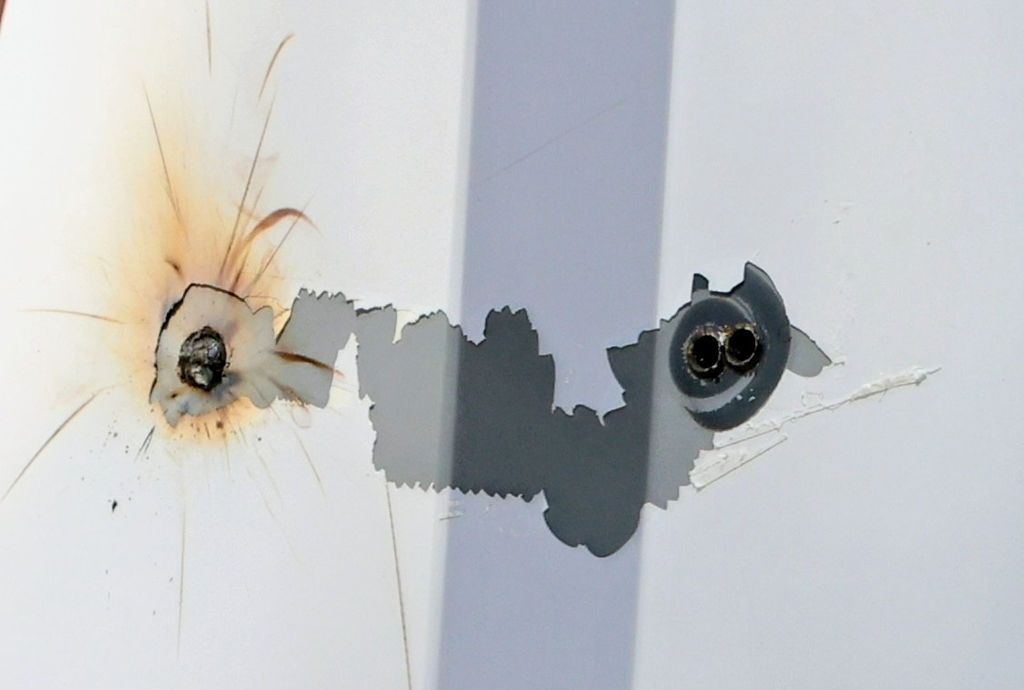
Prosecutors said Ortiz drove to the Beverly Crest neighborhood home on Sunday, March 8, and fired approximately 20 rounds. At the time, Rihanna and her partner A$AP Rocky were in a trailer on the property, while their three children, Rihanna’s mother, and staff members were inside the main house. No one was injured.
Deputy District Attorney Alexander Bott described the incident in court as “the kind of conduct that easily could have resulted in numerous homicides.”
Authorities said Ortiz fled the scene but was arrested a short time later in Los Angeles, found in a car with a rifle, extra ammunition, and a wig she had intended to use as a disguise.
Ortiz’s lawyer, deputy public defender Derek Ray Dillman, spoke on her behalf as she appeared behind glass in the custody area. She also waived her right to a speedy preliminary hearing, the next stage where evidence is reviewed to determine whether a trial is warranted.
Public records show Ortiz has been a licensed speech pathologist for more than a decade.
Rihanna, a nine-time Grammy winner with hits including We Found Love, Umbrella, and Diamonds, is also the founder of the make-up brand Fenty Beauty.
Bullet holes are seen as workers repair the exterior of Rihanna’s Beverly Hills home on March 17, 2026 in Los Angeles.
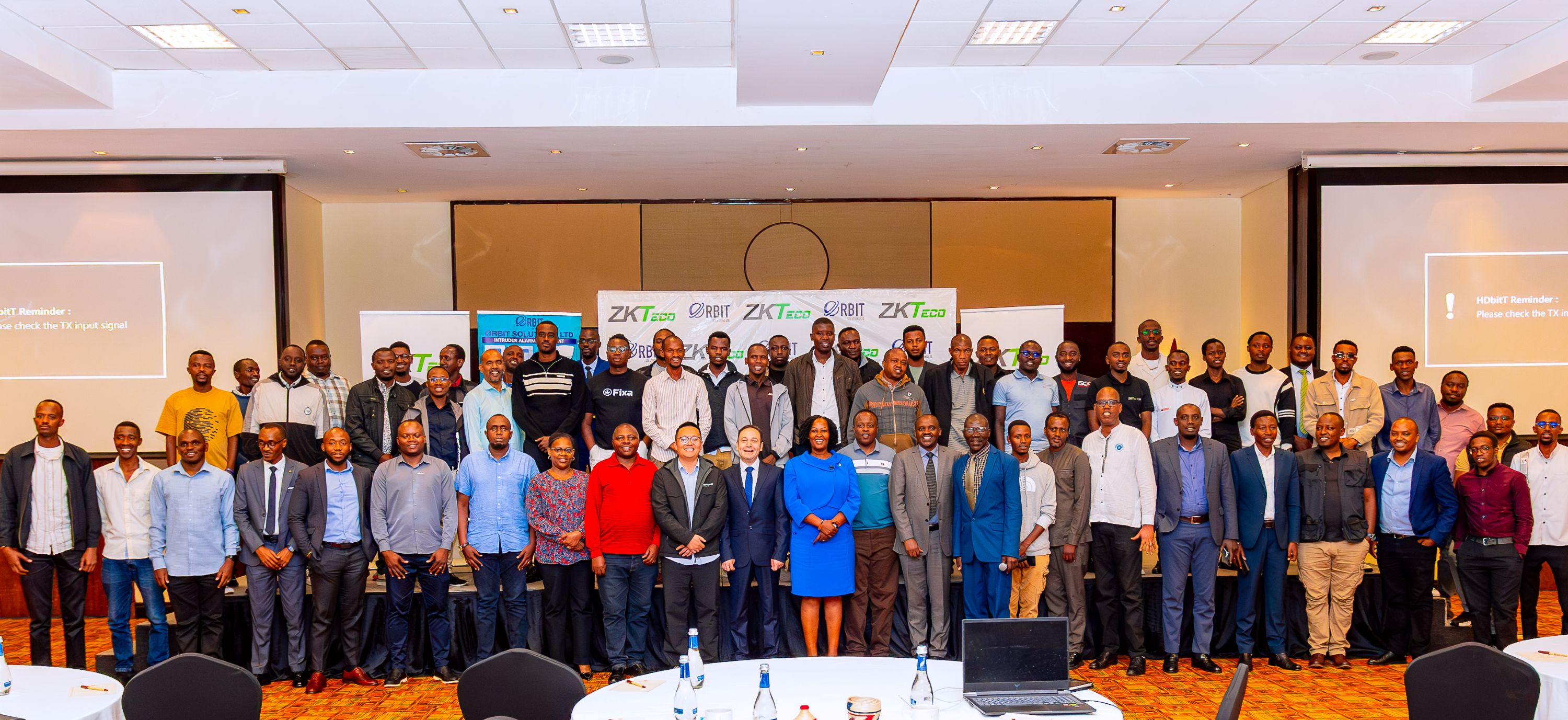
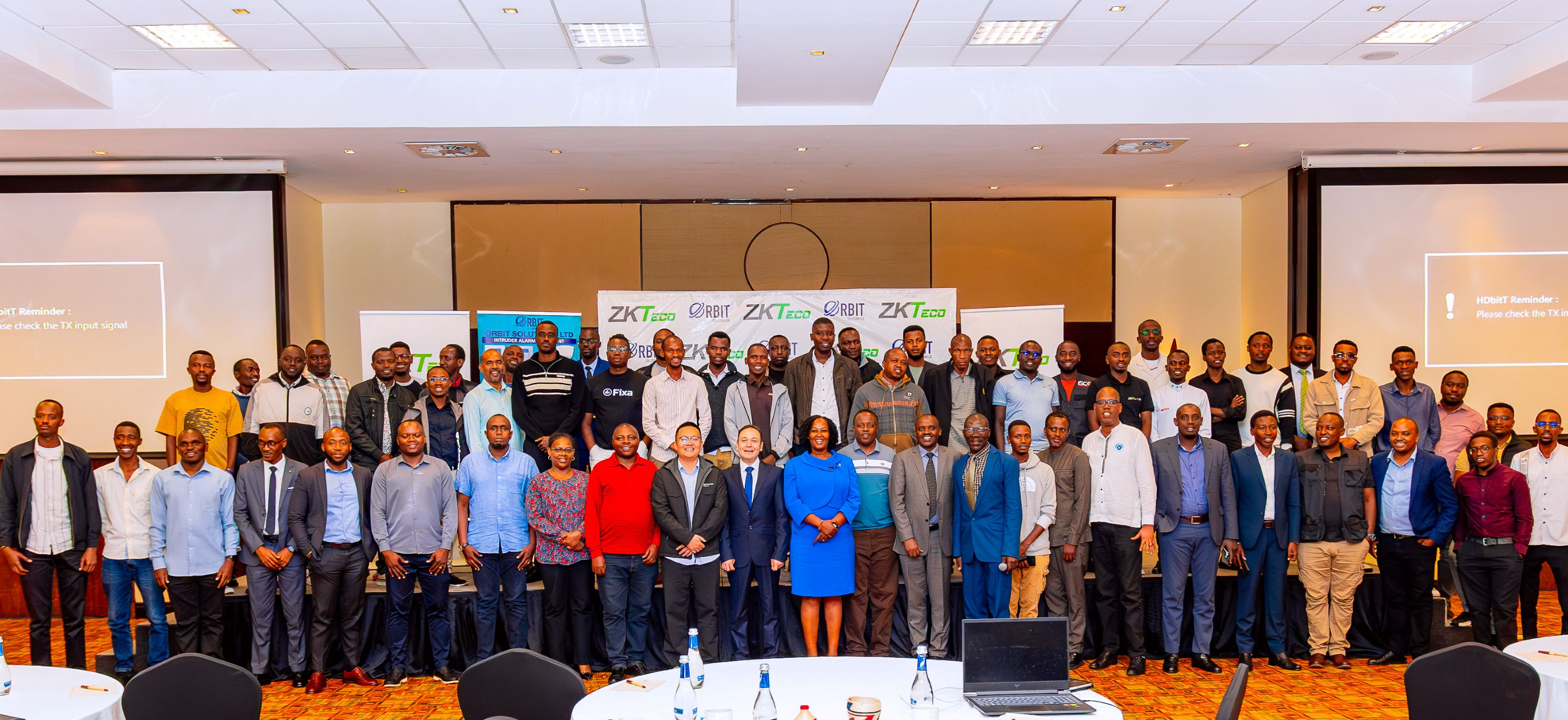
The event was designed to provide an understanding of modern access control, biometric systems, and intelligent surveillance solutions. With the theme “Effective, Reliable, and Efficient Security through Smart Access Systems”, the conference offered a deep dive into technologies that are redefining how organisations protect people, property, and information.
The conference was designed to provide understanding of modern access control, biometric systems, and intelligent surveillance solutions.
Orbit Solutions, a Rwandan company known for providing advanced electronic security equipment since 2014, has played a key role in bringing smart security solutions to businesses across Rwanda and the wider East African region. Through its exclusive partnership with ZKTeco, a global leader in biometric verification, AI-driven access control, and smart office platforms, the company offers everything from facial recognition and fingerprint devices to smart locks, fire detection systems, and CCTV solutions.
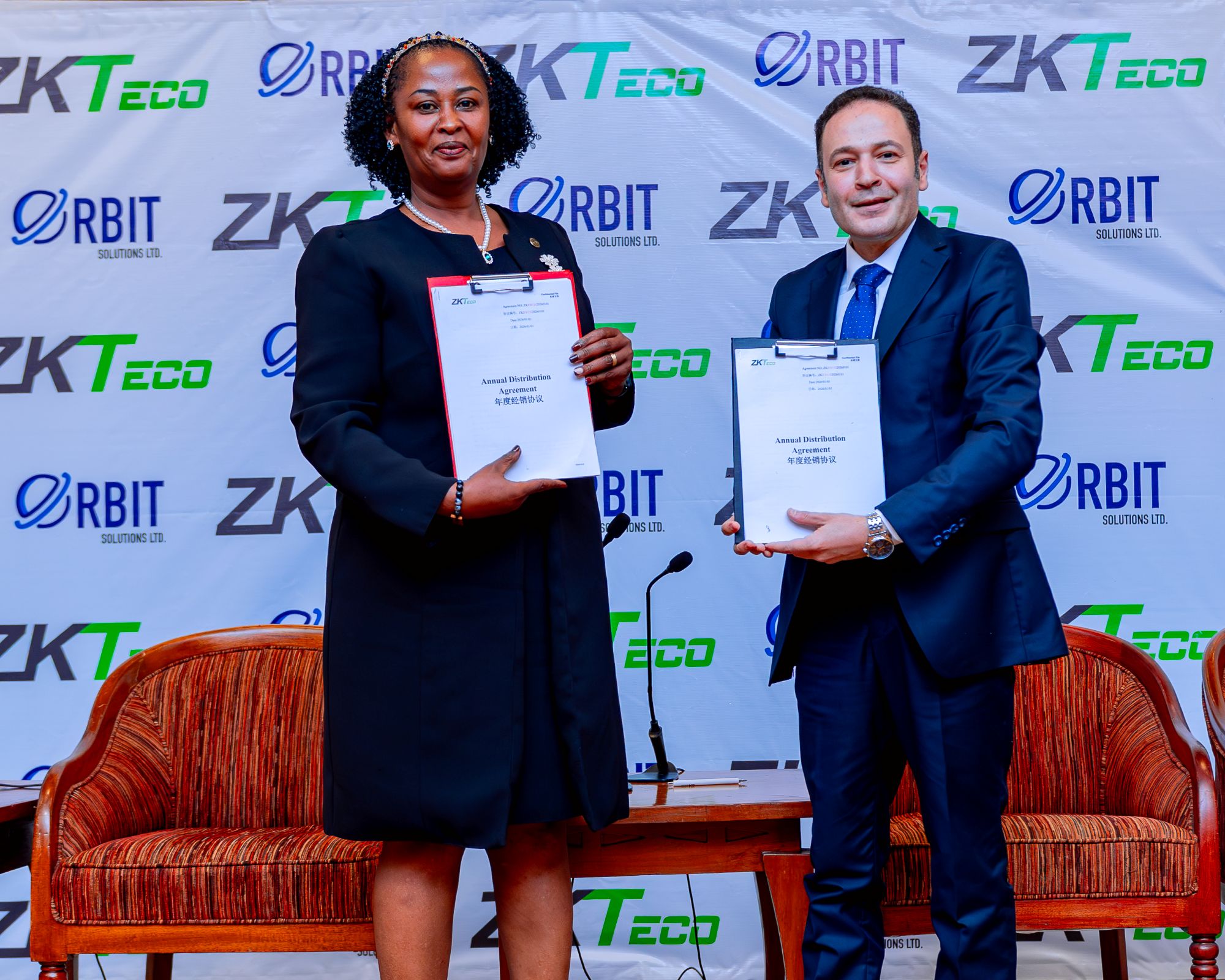
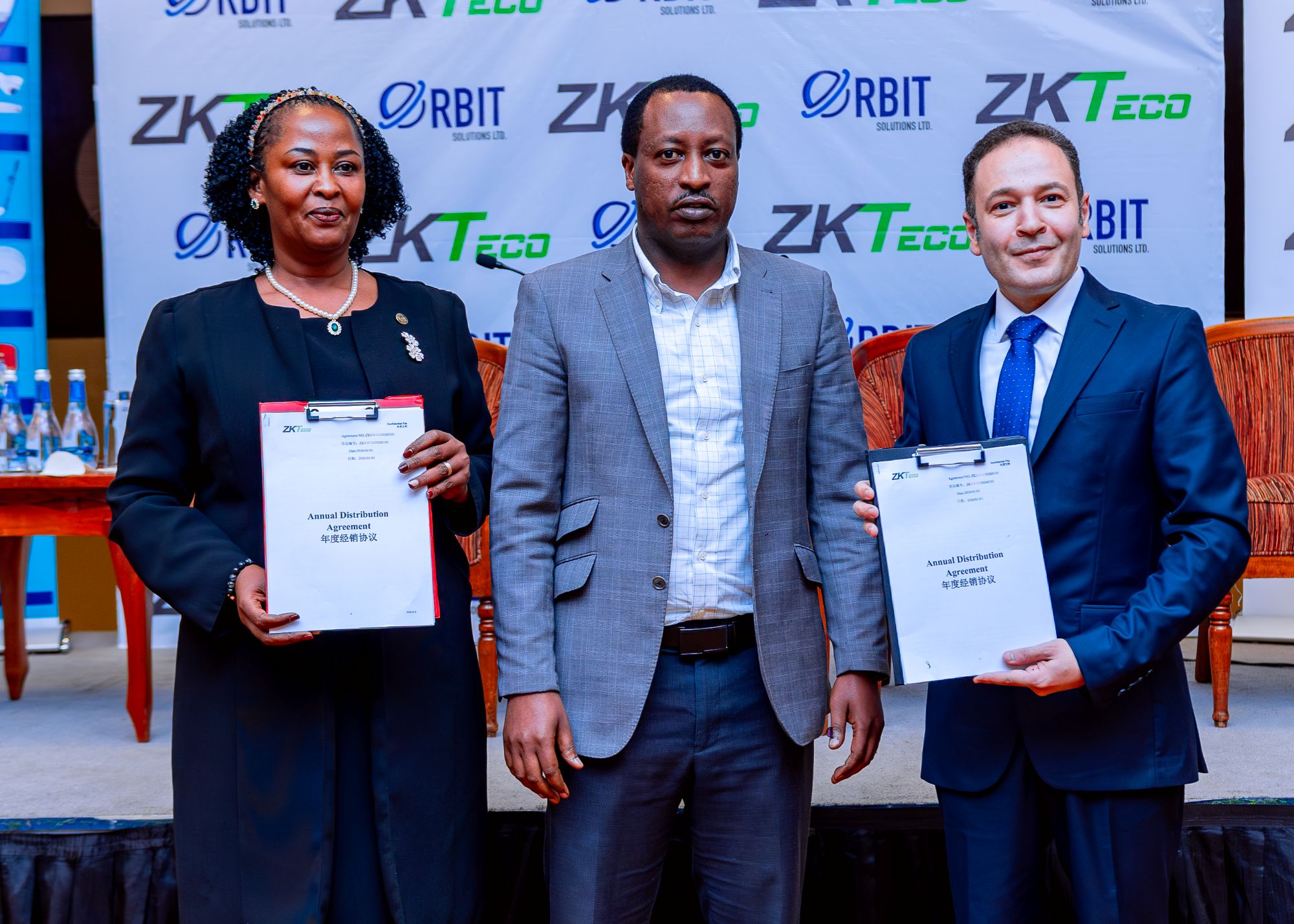
The conference also highlighted the long-standing partnership between the two companies, with the signing of a new agreement that strengthens Orbit Solutions’ role as ZKTeco’s official distributor in Rwanda. The agreement lays out plans to continue providing technical training, after-sales support, and expert guidance, ensuring clients not only access advanced security technology but also the knowledge to use it effectively.
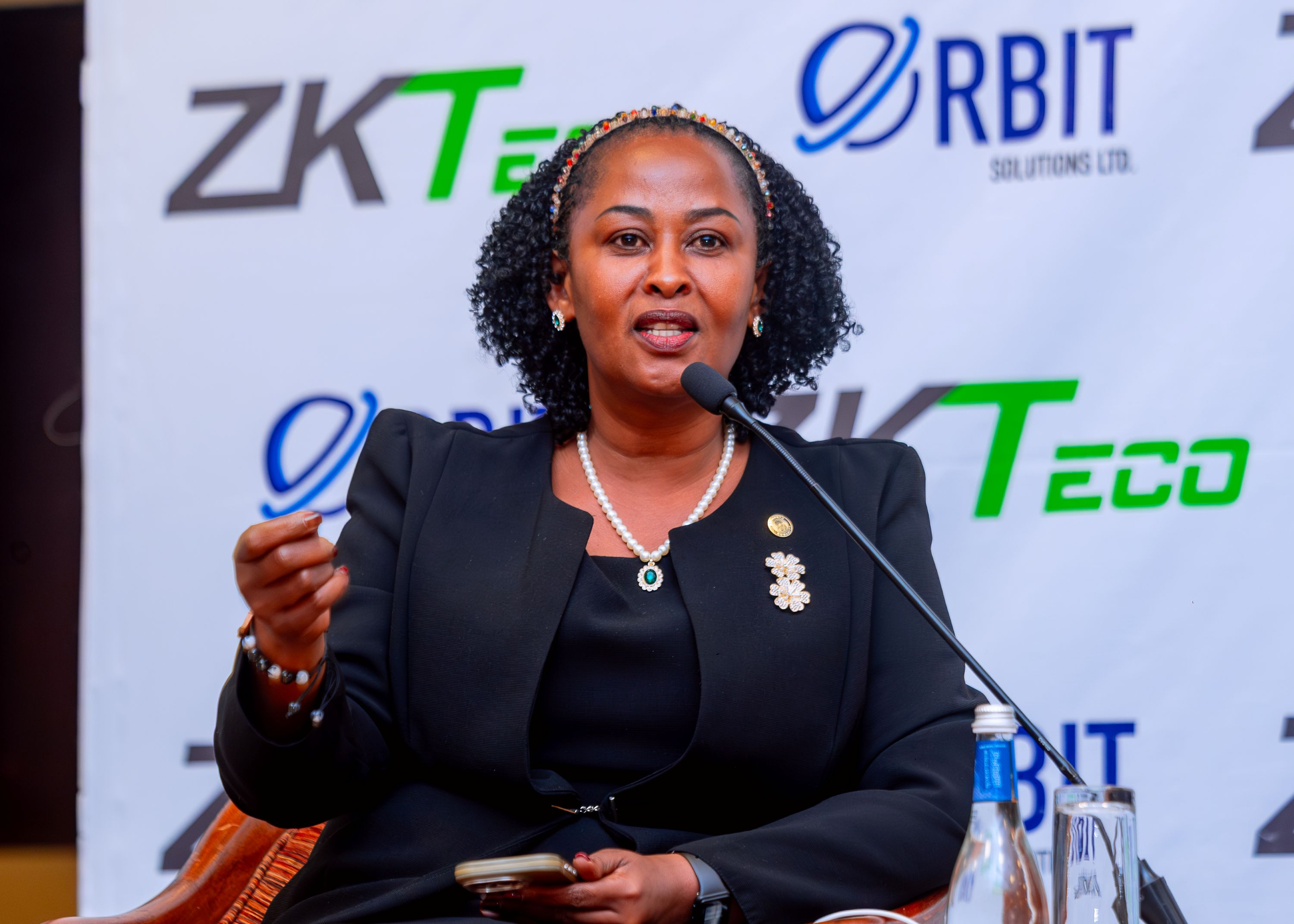
Orbit Solutions Ltd Managing Director Jenipher Ingabire and ZKTeco East Africa Managing Director Mostafa Kamel signed a new partnership agreement during the Kigali conference.
Bridging technology and training
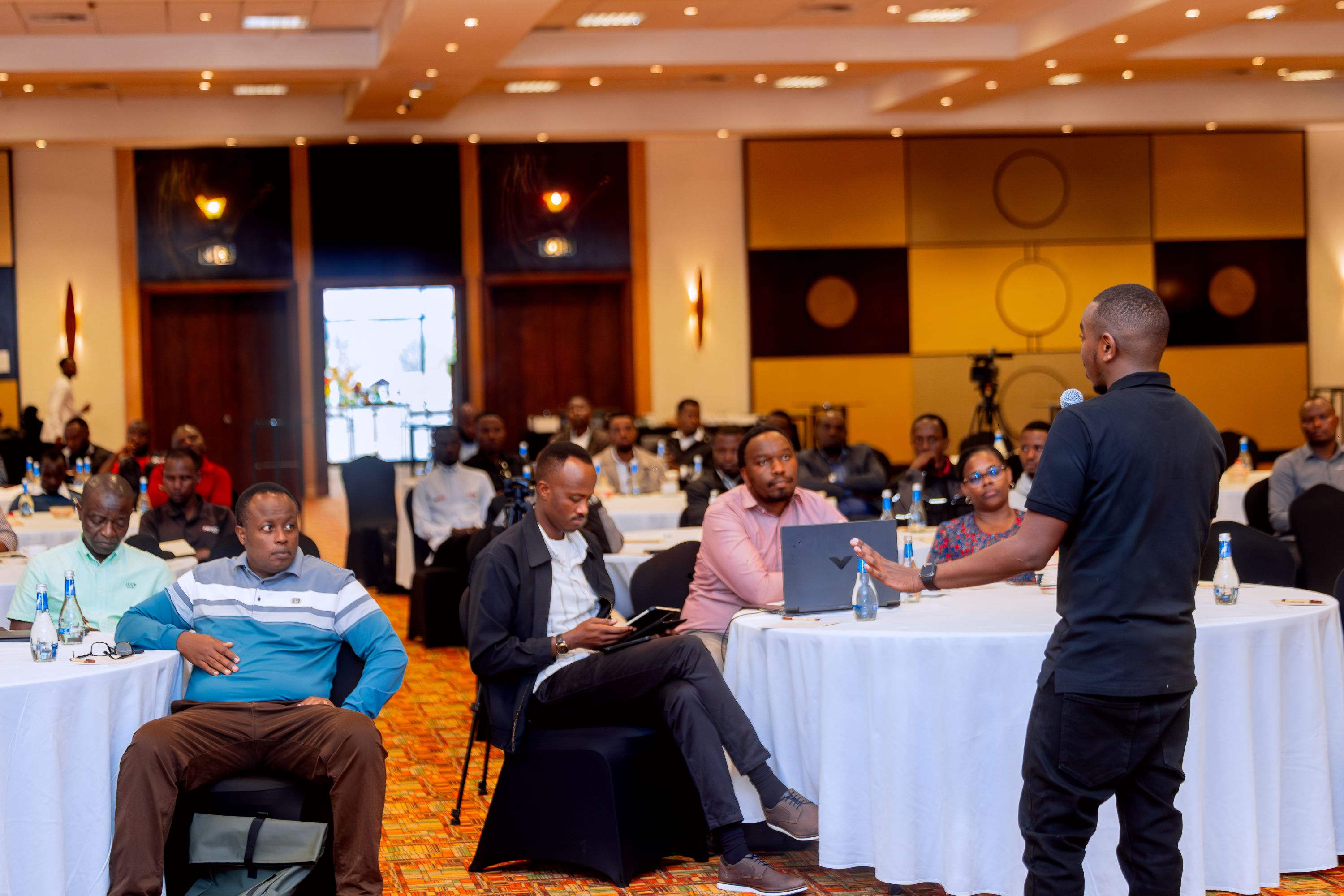
Organisers split the programme into two tracks. The morning session targeted technical teams, giving engineers and technicians a chance to handle the equipment, explore configurations, and understand integration with existing systems.
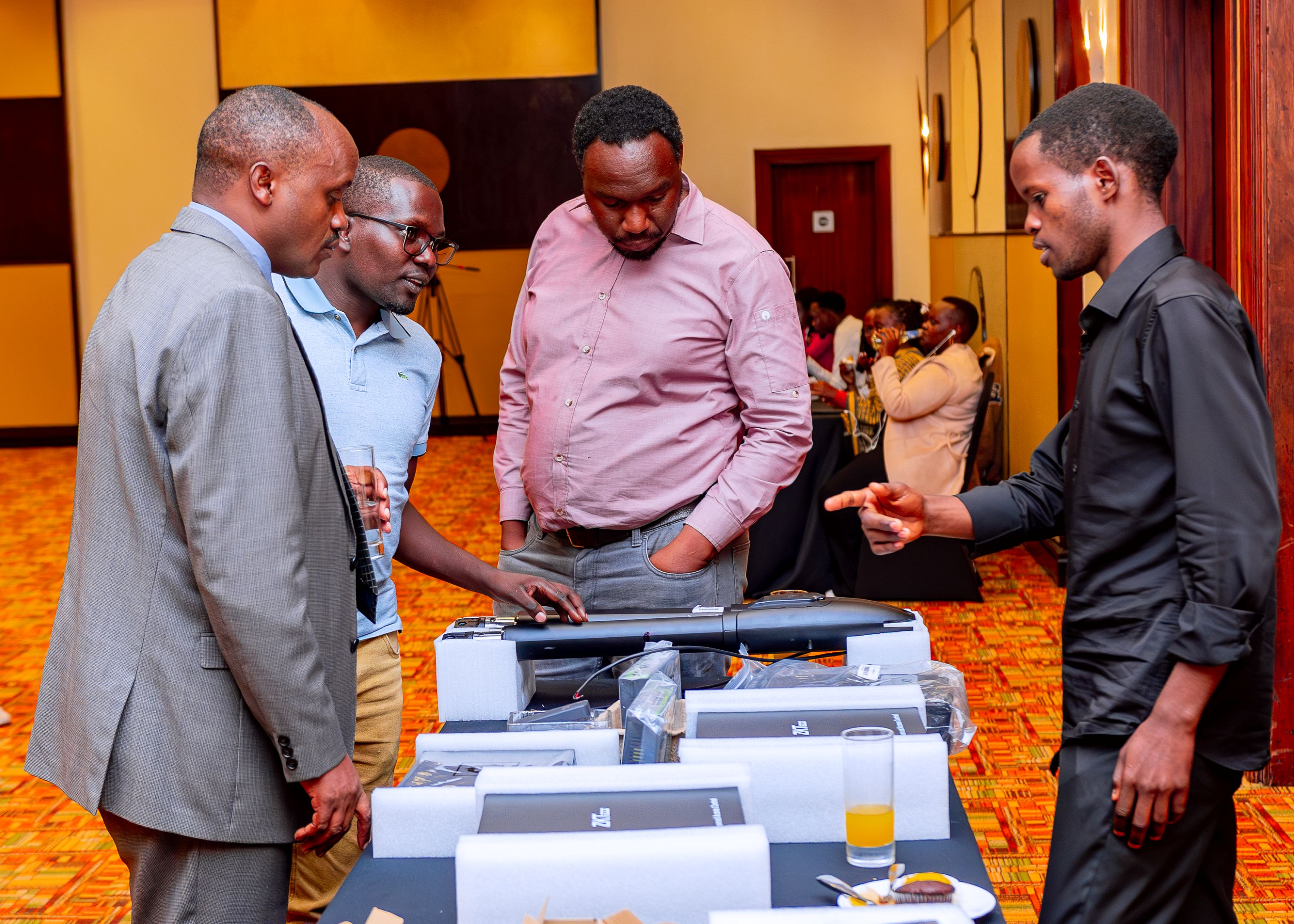
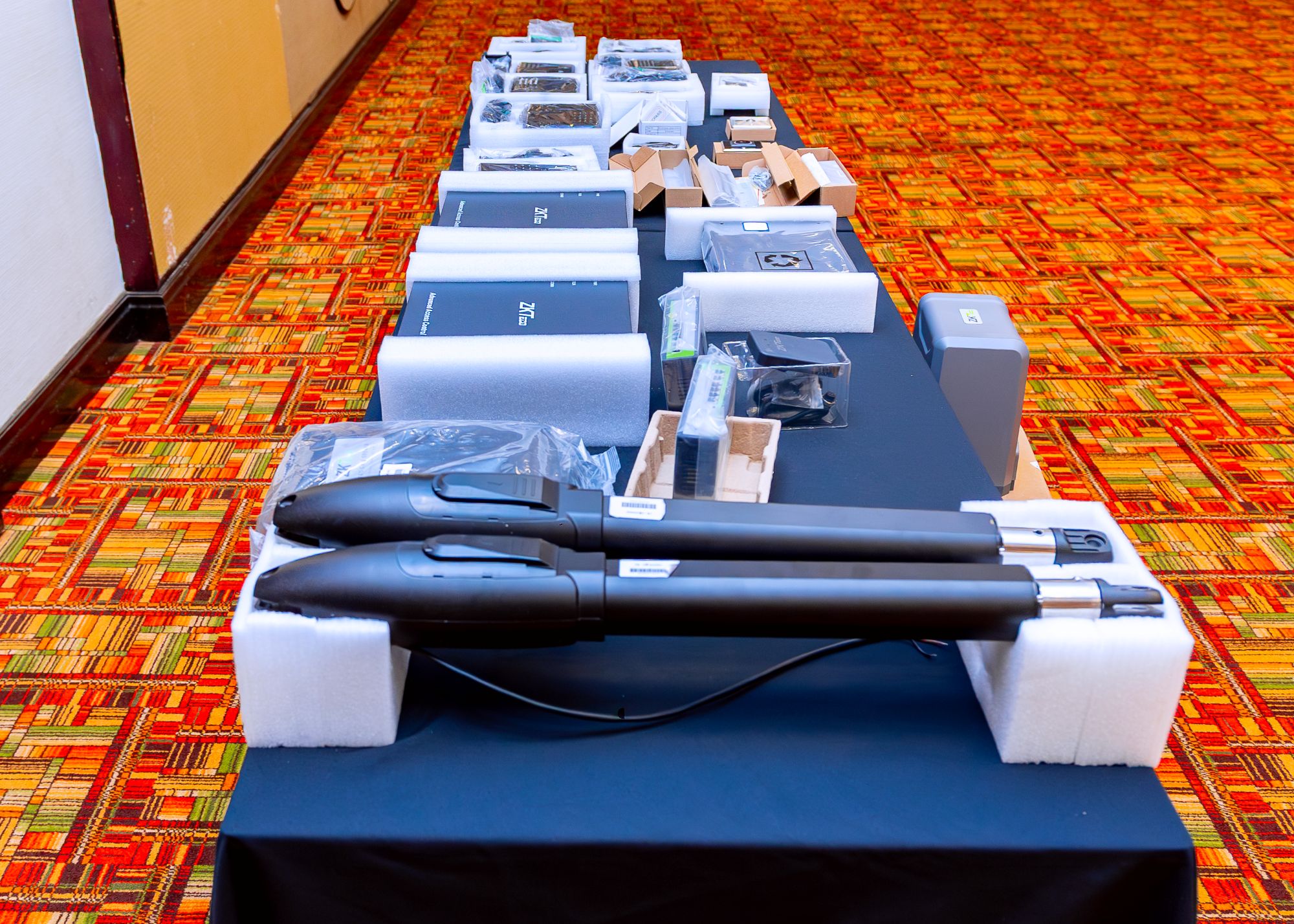
The technical sessions provided training on ZKTeco’s security ecosystem, covering access control, time and attendance systems, smart locks, parking solutions, and inspection technologies. Attendees gained insights into integrating biometric verification, AI, and advanced analytics into organisational security strategies.
Attendees were trained on ZKTeco’s access control, smart locks, and AI-powered security solutions.
The afternoon session focused on decision-makers, helping them grasp the strategic benefits of smart security, including improved efficiency, faster response times, and safer work environments.
A standout feature discussed throughout the day was ZKTeco’s AI-enabled CCTV technology. Unlike conventional cameras, these systems can detect fights, unauthorised access, or unusual behaviour in real time and send alerts directly to security control rooms, allowing teams to respond immediately rather than relying on manual monitoring or post-event review.
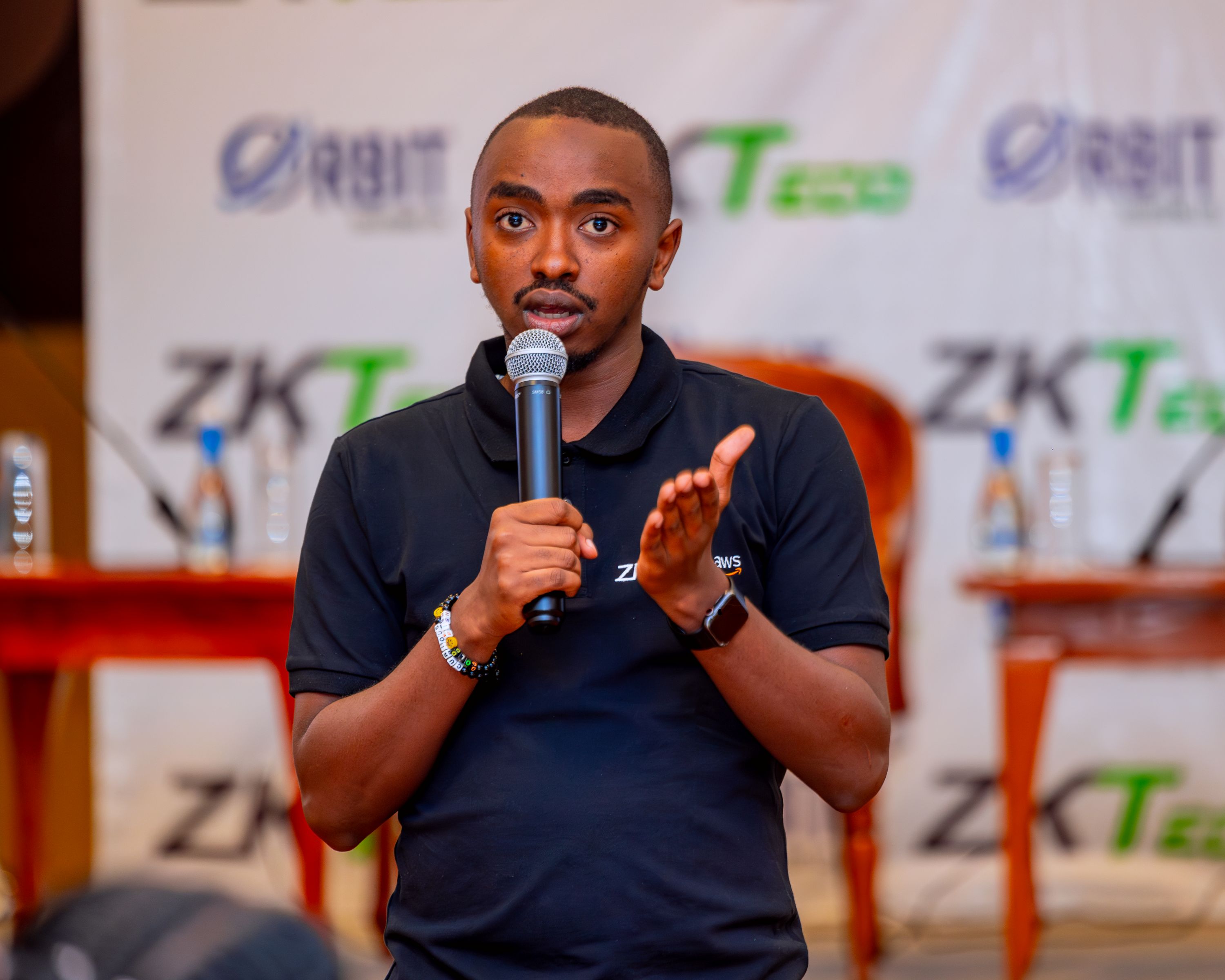
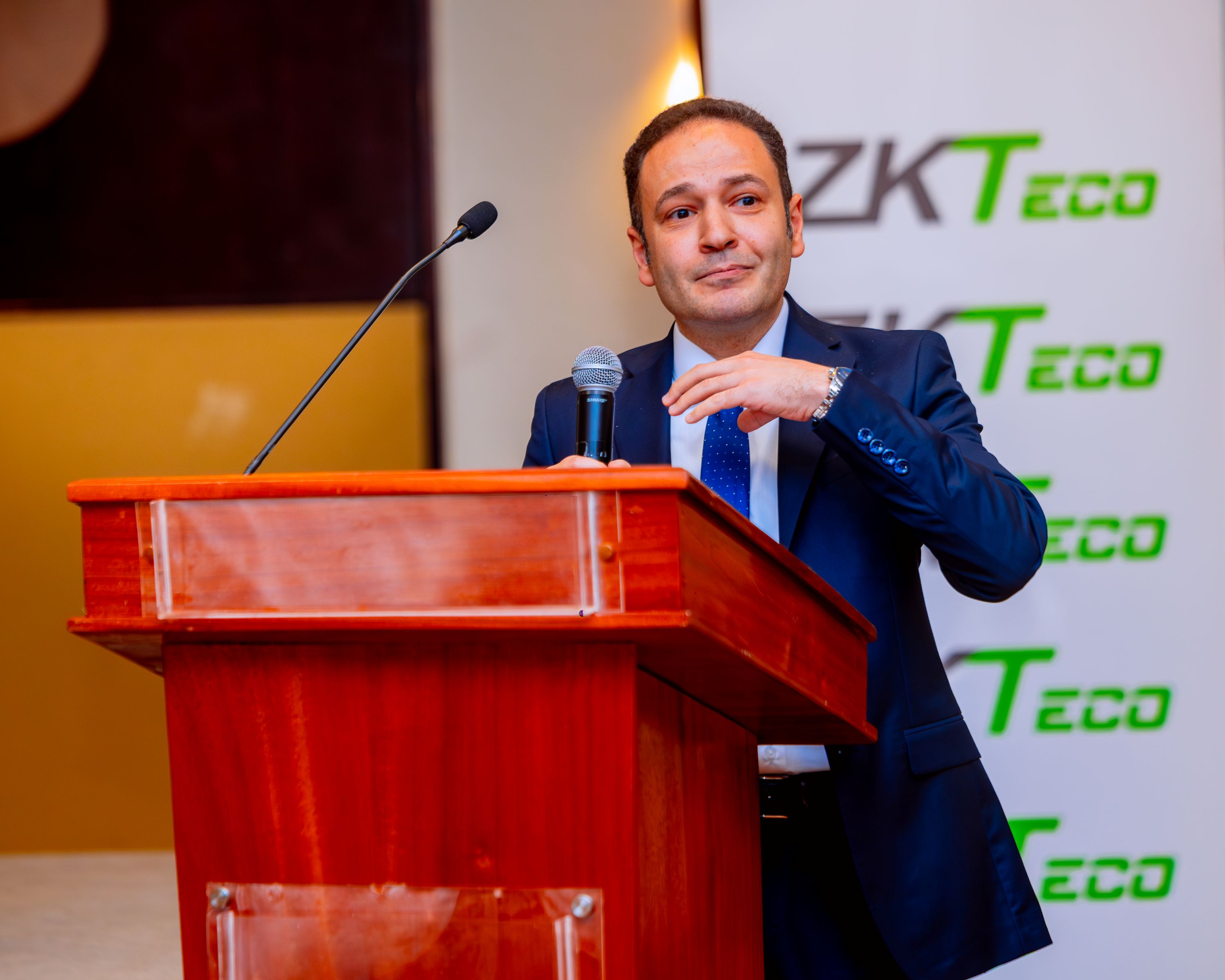
“With AI, CCTV moves from being a passive observer to an active partner in security,” explained Mostafa Kamel, Managing Director of ZKTeco East Africa.
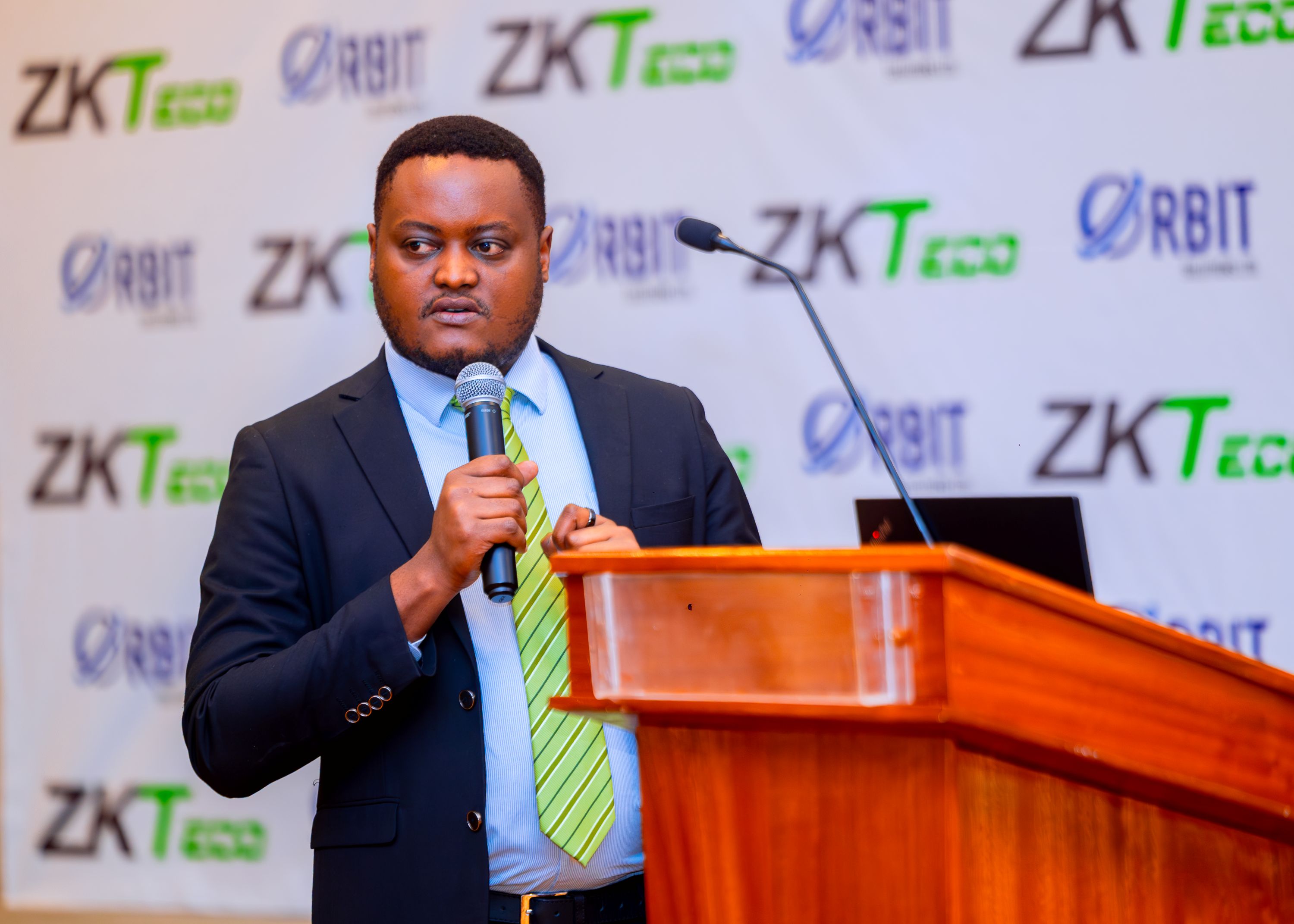
Orbit Solutions MD Jenipher Ingabire highlighted the company’s modern security solutions in Rwanda.
For Orbit Solutions’ Managing Director, Jenipher Ingabire, the conference was an opportunity to showcase the company’s approach to modern security in Rwanda.
“Access automation is no longer a luxury; it is a necessity. From residential developments to commercial facilities and critical infrastructure, the demand for secure, efficient, and intelligent access systems continues to grow,” she said.
Ingabire highlighted Orbit’s role as a distributor of a wide range of electronic security solutions, including biometric access devices, fire detection and suppression systems, CCTV cameras, metal detectors, and smart locks, all available locally and backed by technical support.
“We are a one-stop shop with everything available in stock. If we don’t have something, we can get it quickly through our strategic partnerships with suppliers. We have credit facilities available, so there is no project we cannot execute at any scale.”
Global expertise, local impact
Kamel highlighted how ZKTeco’s technology has been adopted globally, including by governments, multinational corporations, and logistics companies. He explained that the company’s research and development focuses on AI, biometrics, and cloud-enabled access control, ensuring solutions meet both international standards and local requirements.
Mostafa Kamel highlighted how ZKTeco’s technology has been adopted globally, including by governments.
He reminded organisations that only genuine ZKTeco products come with proper support, warranties, and compliance with privacy laws, cautioning that counterfeit devices could compromise security and create operational challenges.
Kamel also noted Rwanda’s growing role as a regional hub for technological innovation, highlighting the country’s openness to new solutions.
“Rwanda is a land of opportunity. By combining local expertise with global innovation, we aim to deliver comprehensive security solutions tailored to the region’s needs,” he said.
He further emphasised ZKTeco’s commitment to research and development, highlighting cutting-edge technologies such as visible-light 3D facial recognition, palm recognition from up to 30 metres, and AI-powered integration across security systems.
Conversations on the floor
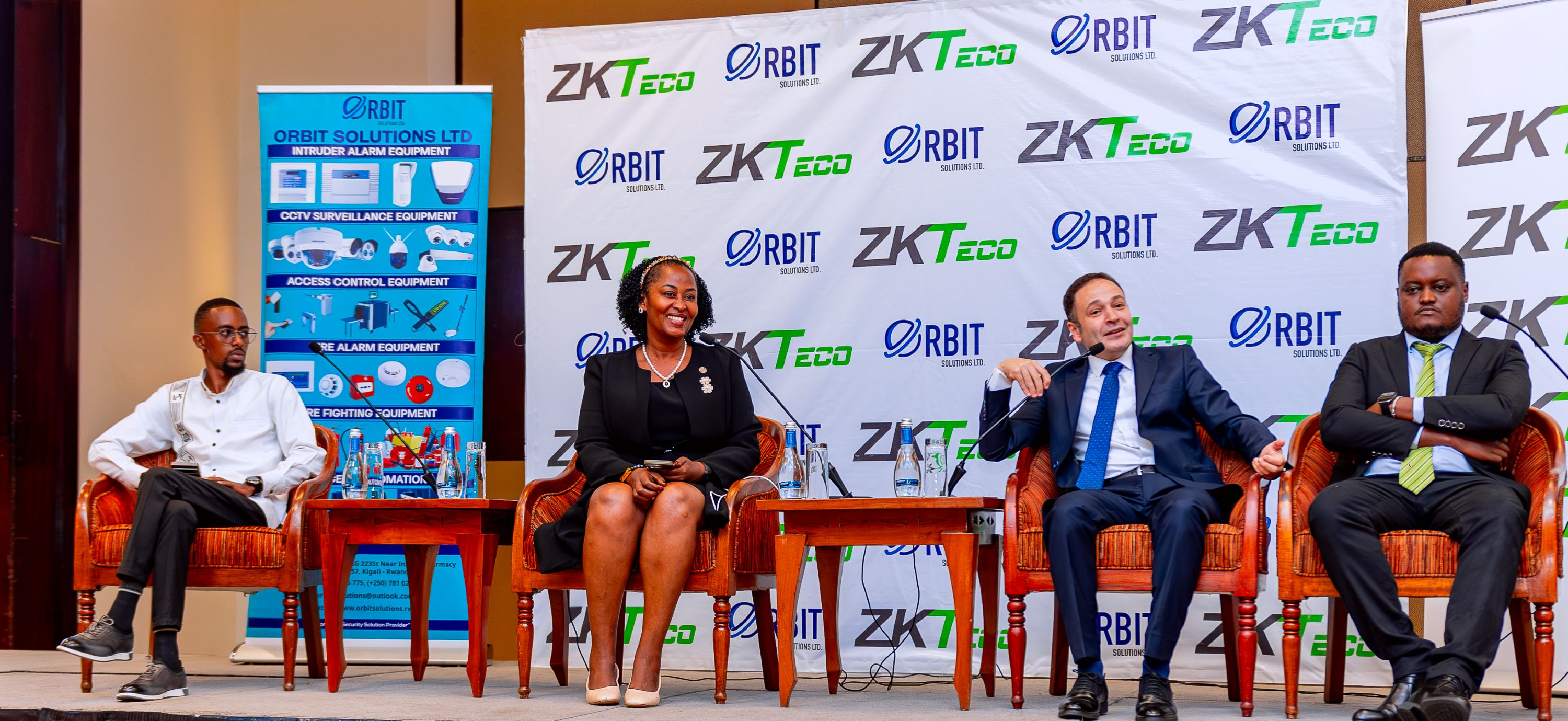
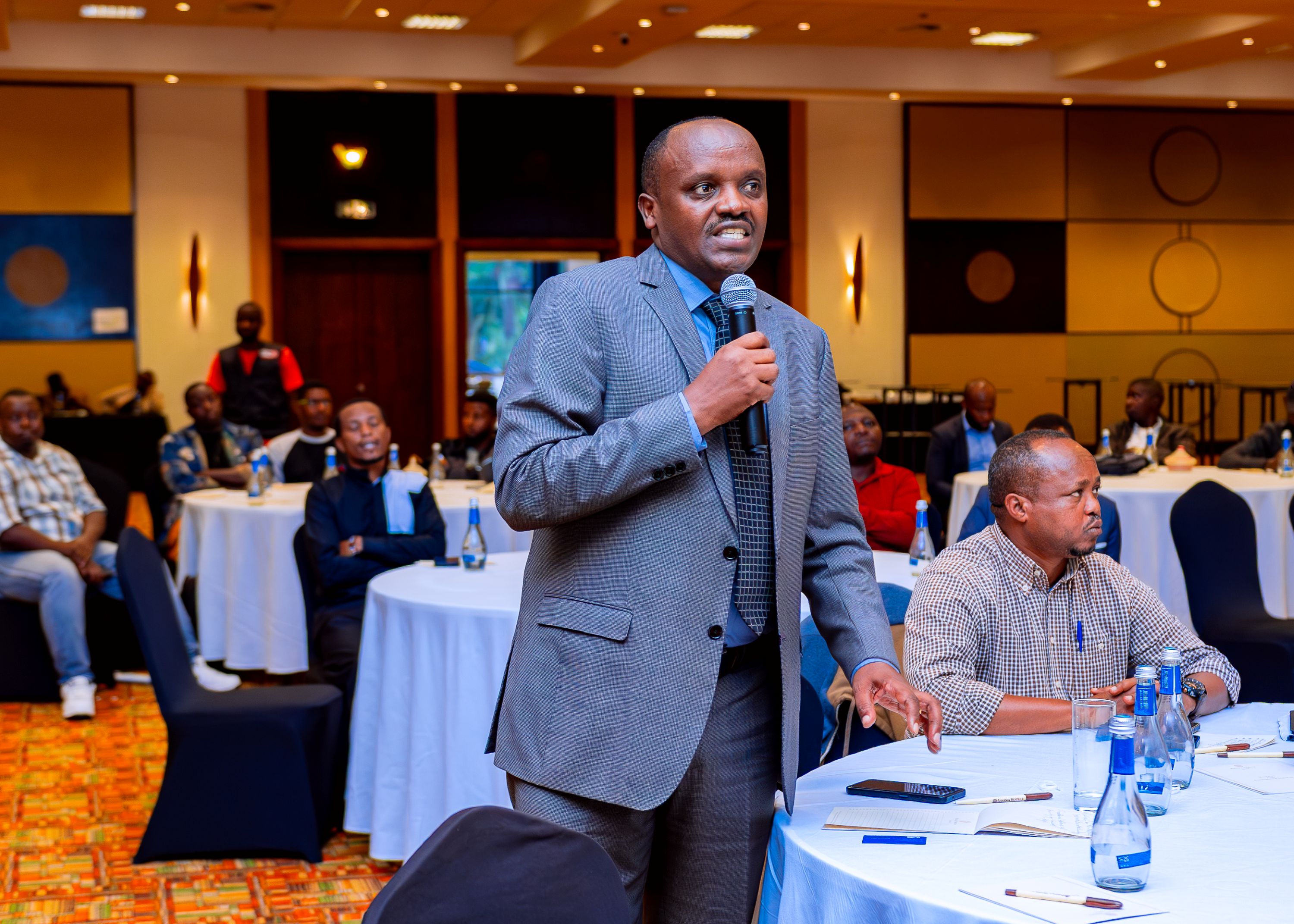
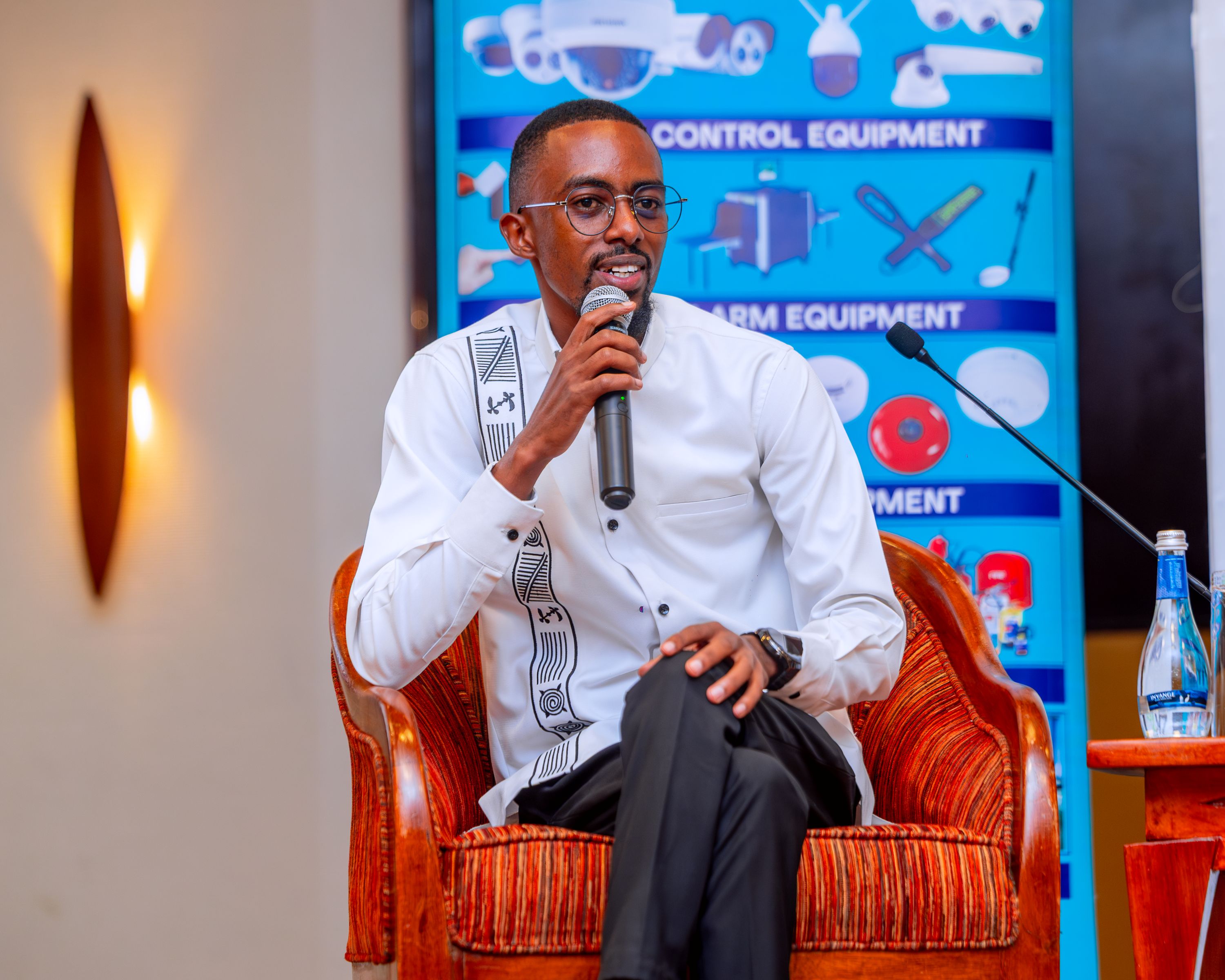
Panel sessions were lively, with participants exploring practical applications of AI and smart access systems. From corporate offices to public institutions, attendees discussed how technology can reduce reliance on traditional security personnel while increasing overall safety. One example: AI CCTV detecting a fight in real time can alert security, lock or unlock doors as needed, and even integrate with other systems such as fire alarms.
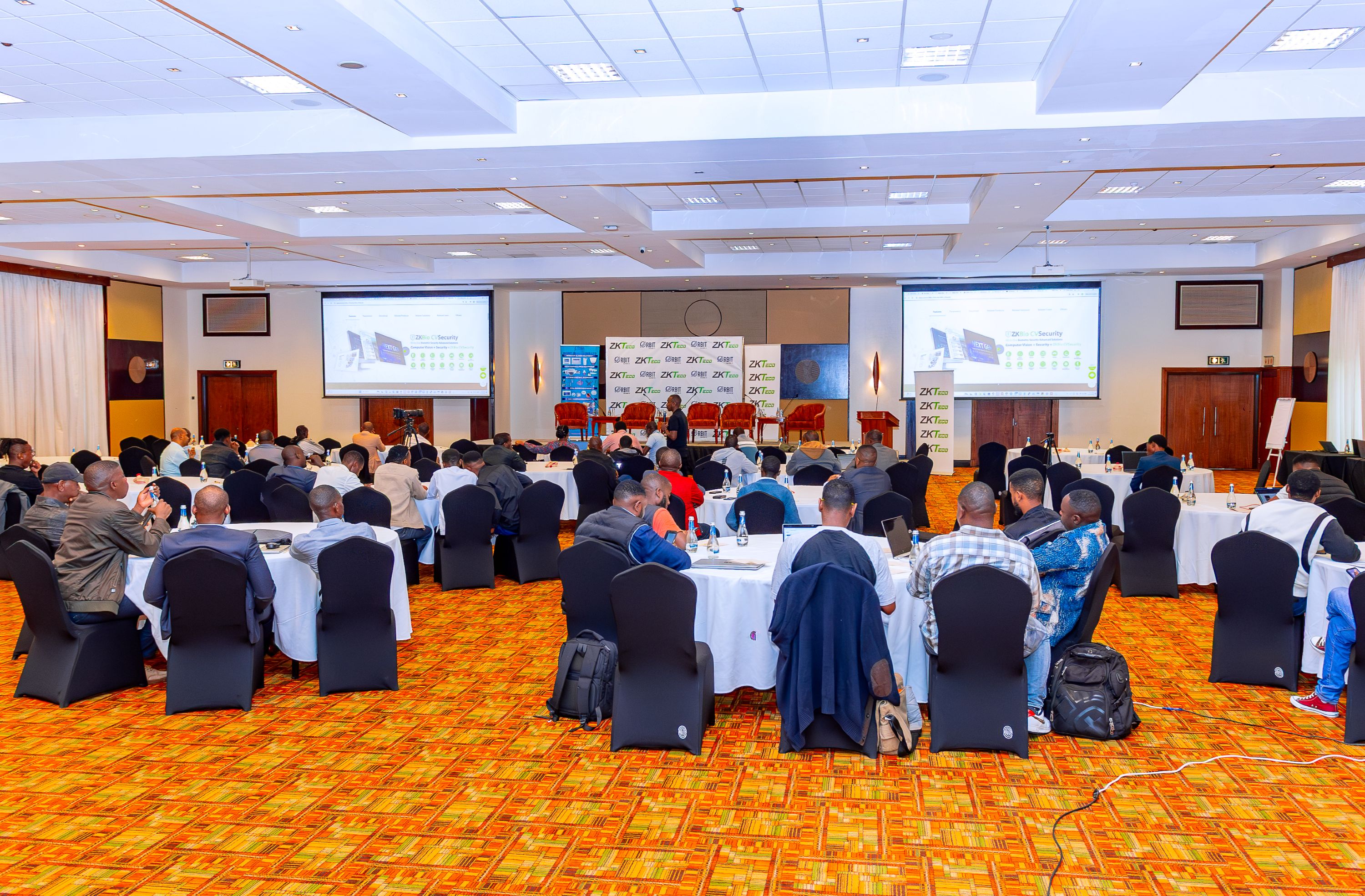
Panel sessions were lively, with participants exploring practical applications of AI and smart access systems.
The discussions also covered challenges, including budget constraints, integration with existing infrastructure, and staff training. Panellists encouraged organisations to view security as an investment in efficiency, rather than a cost.
Government support and collaboration
Decision-makers in attendance, including representatives from the Ministry of ICT and Innovation, underscored the importance of interoperable, reliable systems for Rwanda’s evolving digital infrastructure.
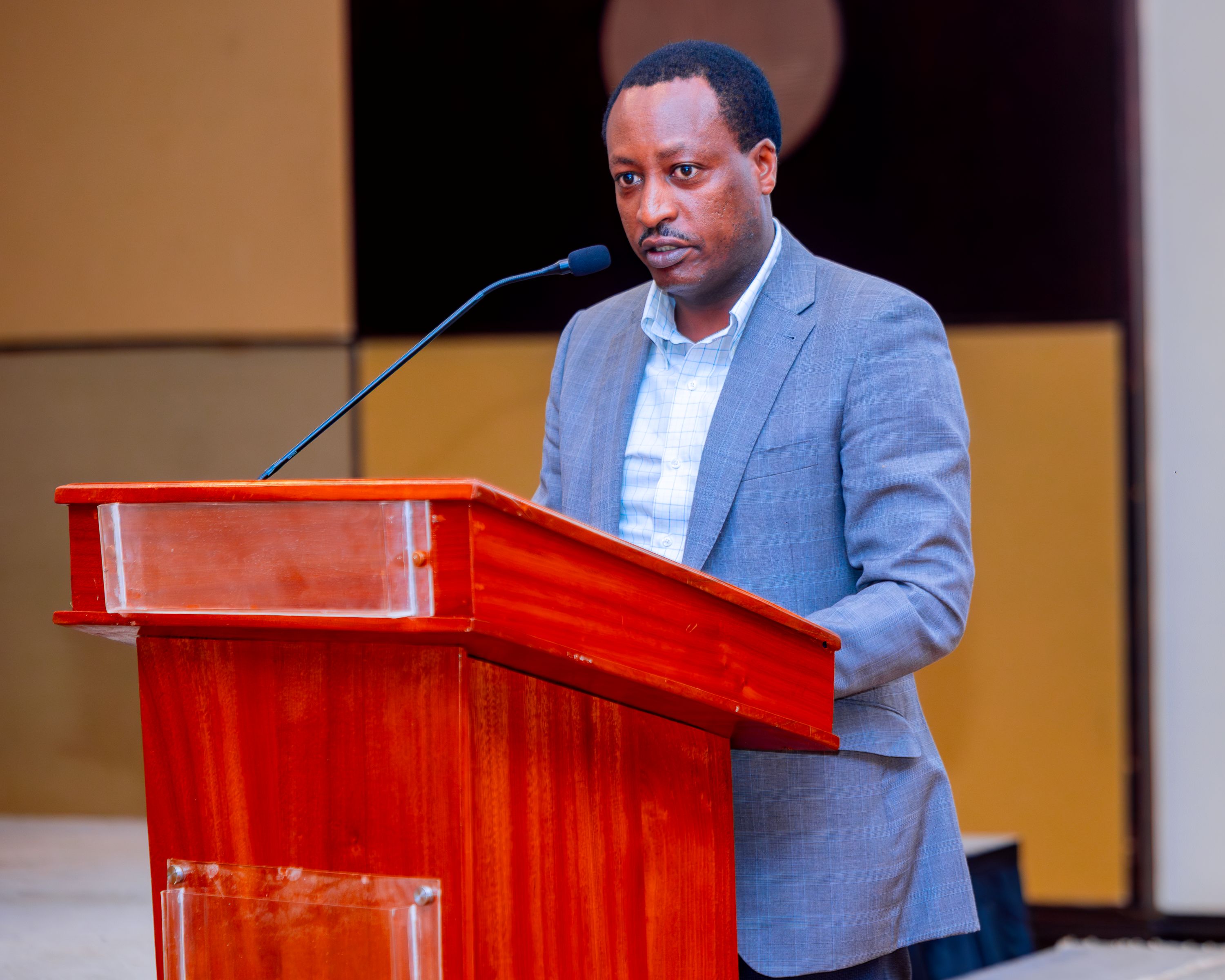
Thomas Ndayambaje, representing Minister Paula Ingabire, highlighted the strategic role of smart security technologies in safeguarding personal data and enabling safe access to digital services, particularly as Rwanda rolls out its national digital ID initiative.
“Even the smartest systems still require informed users,” emphasising the need for capacity building alongside technological deployment.
Thomas Ndayambaje represented ICT Minister Paula Ingabire at the event.
Ndayambaje further stressed that smart technologies, such as biometric authentication and access control systems, are essential in building trust within Rwanda’s digital ecosystem, enabling secure and seamless interactions across both public and private services.
He acknowledged the vital role of private-sector partnerships, pointing to the collaboration between organisations such as Orbit Solutions Ltd and ZKTeco as an example of how innovation can be brought closer to institutions and citizens.
The conference closed with a clear message for Rwanda’s growing security sector from Christine Uwase, Admin Manager at Orbit Solutions Ltd. Highlighting the skills, knowledge, and networks attendees had gained, she framed the event not just as a training session but as a catalyst for raising standards across the industry.
“As we leave this evening, kindly be the brand ambassador of effective, reliable, and efficient smart security equipment and accessories,” Uwase urged, positioning professionals as key drivers of a more secure, technology-enabled future.
Uwase’s remarks also underscored Orbit Solutions’ commitment as ZKTeco’s official distributor, ensuring that businesses and institutions across Rwanda have access to genuine products, local support, and the capacity to implement advanced security solutions, a message that resonates amid Rwanda’s push for digital innovation and modern infrastructure.
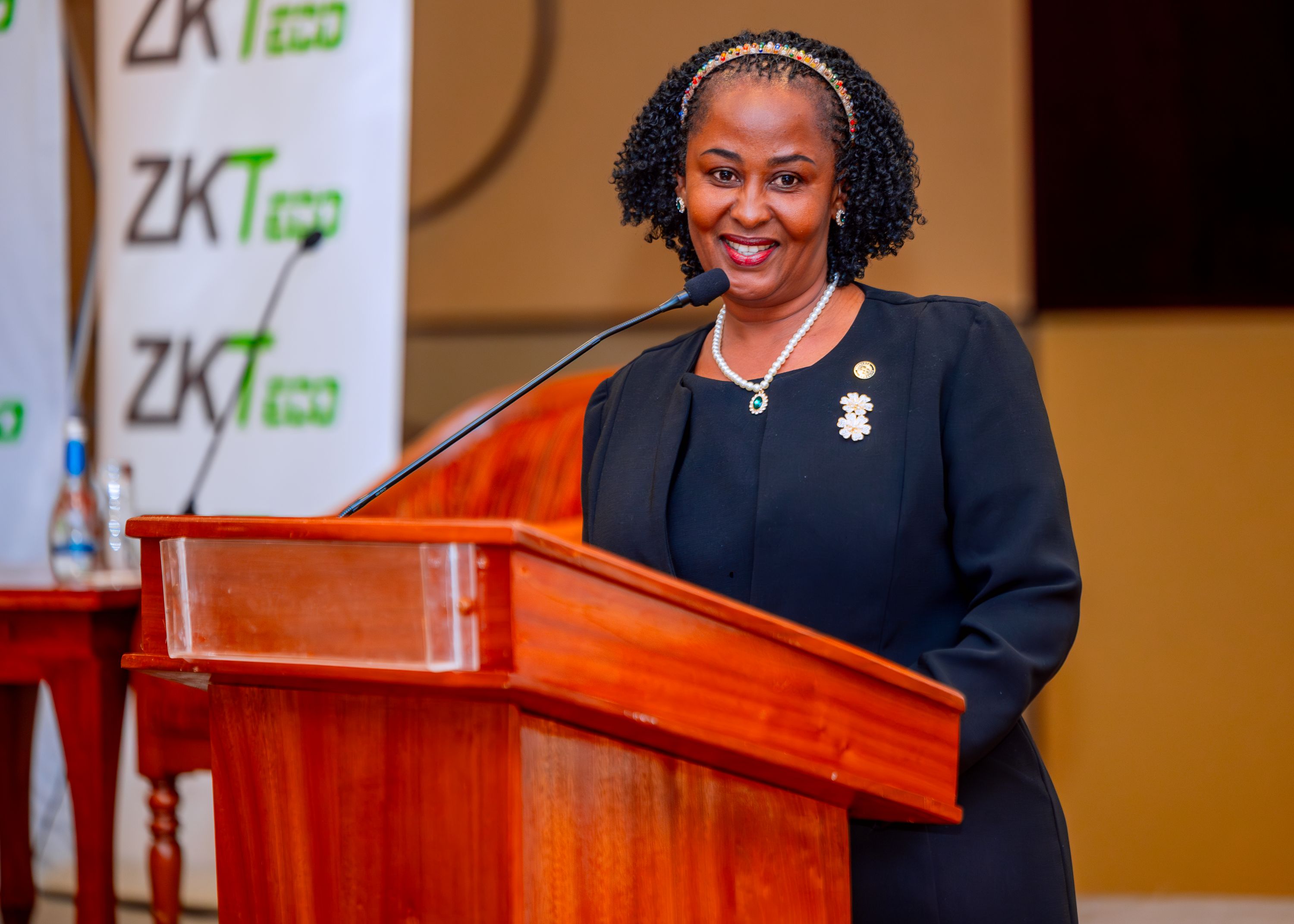
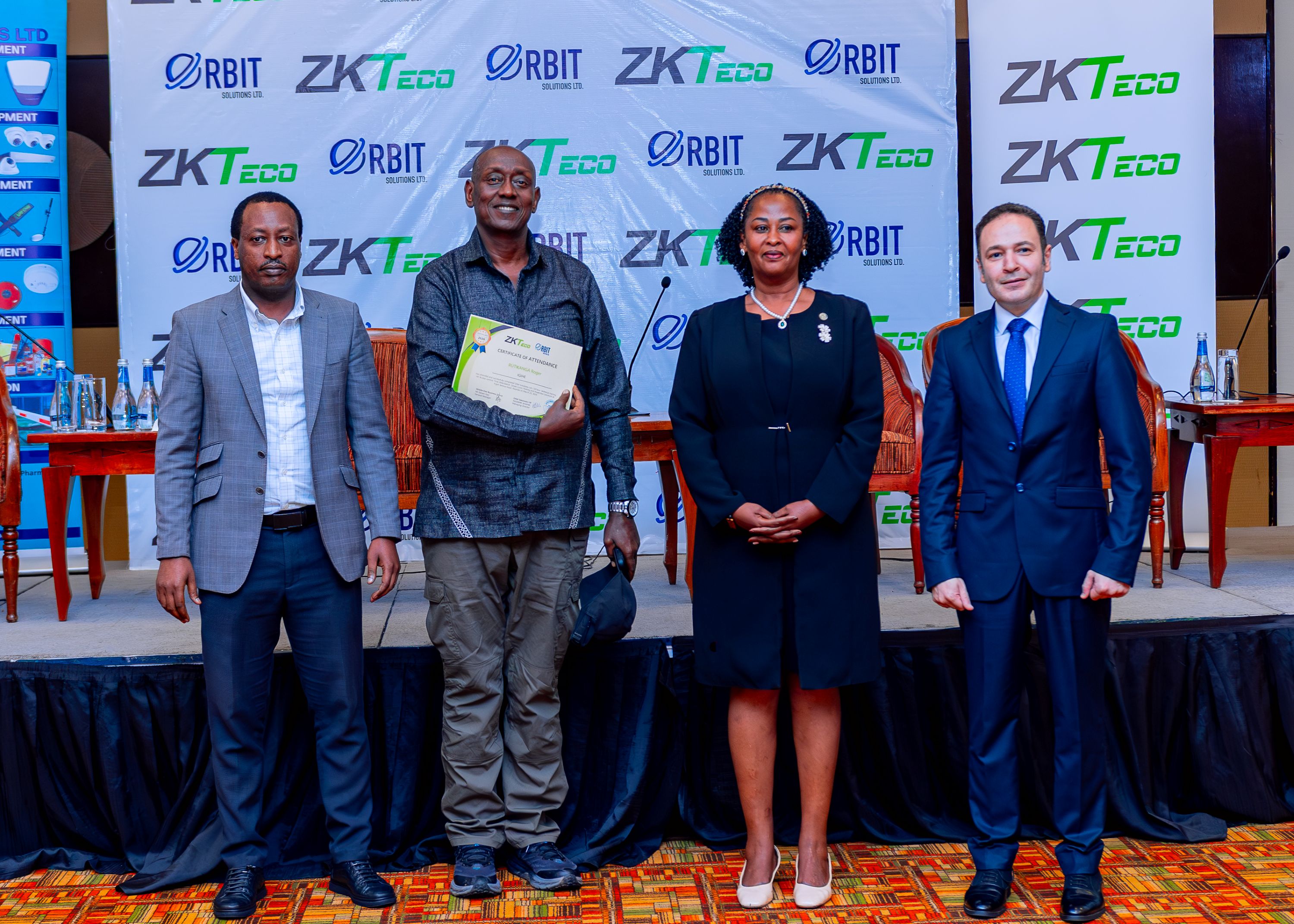
The conference brought together security professionals and decision-makers at Kigali Serena Hotel to explore modern security solutions transforming workplaces and institutions.Attendees explored security devices firsthand at the event.Participants represented various organisations, including banks and other key sectors.Participants actively engaged in interactive and practical sessions.From corporate offices to public institutions, attendees discussed how technology can reduce reliance on traditional security personnel while increasing overall safety.The conference also highlighted the long-standing partnership between the two companies, with the signing of a new agreement that strengthens Orbit Solutions’ role as ZKTeco’s official distributor in Rwanda. Participants were awarded attendance certificates.
“President Trump does not bluff and he is prepared to unleash hell,” she said at a White House press briefing. “Any violence beyond this point,” she said, will be because Iran “refused to understand they have already been defeated and refused to come to a deal.”
Leavitt declined to reveal whom Washington is negotiating with over how to end the war with Iran.
“We’re not going to get into the details of these negotiations and conversations that continue to take place as, of course, you can imagine, they are very sensitive diplomatic discussions,” she said.
Leavitt argued the war, breaking out on February 28, remains on track to endure for four to six weeks.
There are no talks or negotiations between Iran and the United States, said Iran’s foreign ministry spokesman Esmail Baghaei in an exclusive interview with India Today on Wednesday.
“No one can trust U.S. diplomacy,” Baghaei said, noting that Iran had a very catastrophic experience with U.S. diplomacy, evidenced by U.S. attacks during negotiations over the nuclear issue in the past.
Ebrahim Zolfaghari, spokesman of Iran’s main military command Khatam al-Anbiya Central Headquarters, said the United States is negotiating with itself due to its internal strife.
He urged the United States to stop disguising its defeat as “an agreement,” adding, “the strategic power the enemies would brag about has turned into a strategic defeat.”
White House Press Secretary Karoline Leavitt gestures at a White House press briefing in Washington, D.C., the United States, March 25, 2026. U.S. President Donald Trump will “unleash hell” if Iran refuses to make a deal over the ongoing U.S.-Israeli war against Iran, White House Press Secretary Karoline Leavitt said on Wednesday.
In a statement citing the Global Tuberculosis Report 2025 released by the World Health Organization, the Rwanda Biomedical Center (RBC) said tuberculosis cases in the country fell from 238 to 62 per 100,000 people between 2000 and 2024, while deaths dropped from 77 to 3 per 100,000 people over the same period due to various health interventions.
The interventions cited by the RBC include increasing the role of health workers in awareness campaigns, promoting early detection and supporting treatment in villages. In addition, the agency highlighted the extension of free diagnosis and treatment of tuberculosis to health facilities across the country.
During an event held on Tuesday to mark World Tuberculosis Day, Albert Tuyishime, in charge of disease prevention and control at the RBC, reaffirmed the government’s commitment to curbing tuberculosis by 2035.
Tuberculosis is an infectious disease caused by bacteria that spread through the air when an infected person coughs or sneezes.
However, in Rwanda, a lack of awareness among many people about how tuberculosis spreads, its symptoms and prevention measures calls for more public education, health officials said.
About 600,000 people with tuberculosis in the African region are either undiagnosed or not receiving treatment every year, according to the World Health Organization.
Tuberculosis is an infectious disease caused by bacteria that spread through the air when an infected person coughs or sneezes.
The Communications Regulatory Authority of Namibia confirmed that Starlink’s applications for both a telecommunications service licence and access to radio spectrum were rejected, according to a notice published in the government gazette earlier this week.
The regulator said Starlink only satisfied three of the six legal criteria required for approval. A key issue was non-compliance with Namibia’s local ownership laws, which require that at least 51% of a telecommunications company be owned by Namibian citizens or entities. Starlink, being wholly foreign-owned, had not obtained an exemption from this requirement.
Authorities also raised concerns related to national defence and public security, arguing that Starlink’s ownership structure presented challenges around jurisdiction and enforcement of regulatory obligations.
In addition, the regulator pointed to past instances in which Starlink was found to have contravened Namibia’s Communications Act and failed to respond to a regulatory summons, describing the conduct as showing “a total disregard” for the sector’s governance framework.
Despite the rejection, the regulator noted that Starlink met criteria related to competition, technical and financial capacity, as well as frequency availability.
Starlink has been expanding its presence across Africa, operating in several countries including Rwanda, but has encountered regulatory hurdles in others due to local ownership requirements and policy restrictions.
In Namibia, authorities previously issued a cease-and-desist order in November 2024, stating that the company had been operating without a licence and advising the public against using its services.
The regulator said it may reconsider the decision within 90 days, either on its own initiative or following a petition from an affected party.
Starlink has been expanding its presence across Africa, operating in several countries, but has encountered regulatory hurdles in others due to local ownership requirements and policy restrictions.
According to the ruling, the judge will reassess whether the conditions for house arrest remain in place once the period expires.
The decision follows a statement from Attorney General Paulo Gonet, who supported easing Bolsonaro’s detention conditions due to his health condition.
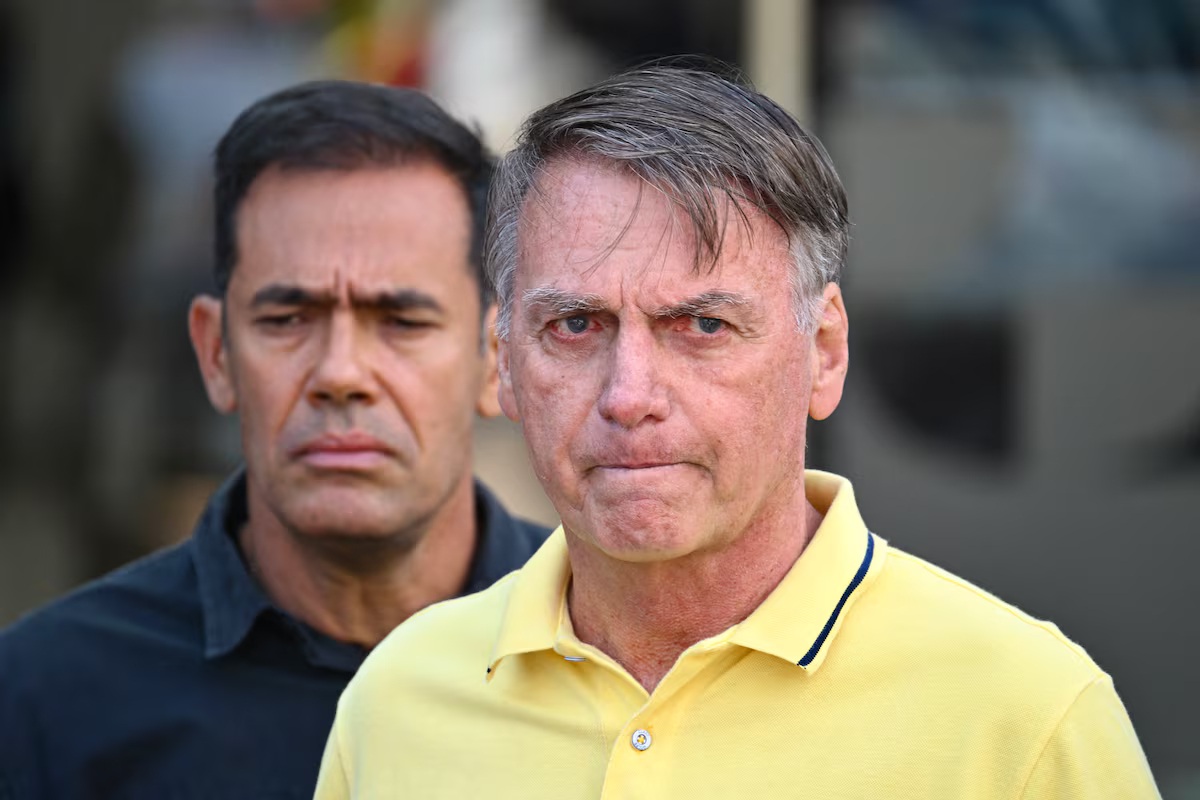
Bolsonaro is serving a final sentence of 27 years and three months in prison for leading an attempted coup in 2022.
He suffered a health episode on March 13 at a military police facility, which prompted his urgent transfer to a hospital in Brasilia. Medical reports showed respiratory complications and bilateral bacterial bronchopneumonia. According to the latest update, he is recovering well and is expected to leave intensive care within 24 hours.
The former president had previously been under house arrest but was returned to preventive detention in November, after violating the terms of his electronic monitoring.
The former president had previously been under house arrest but was returned to detention in November after violating electronic monitoring terms.