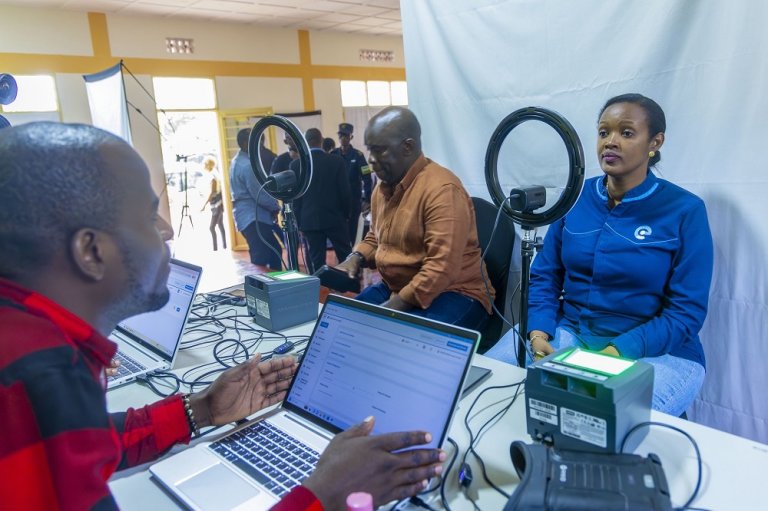
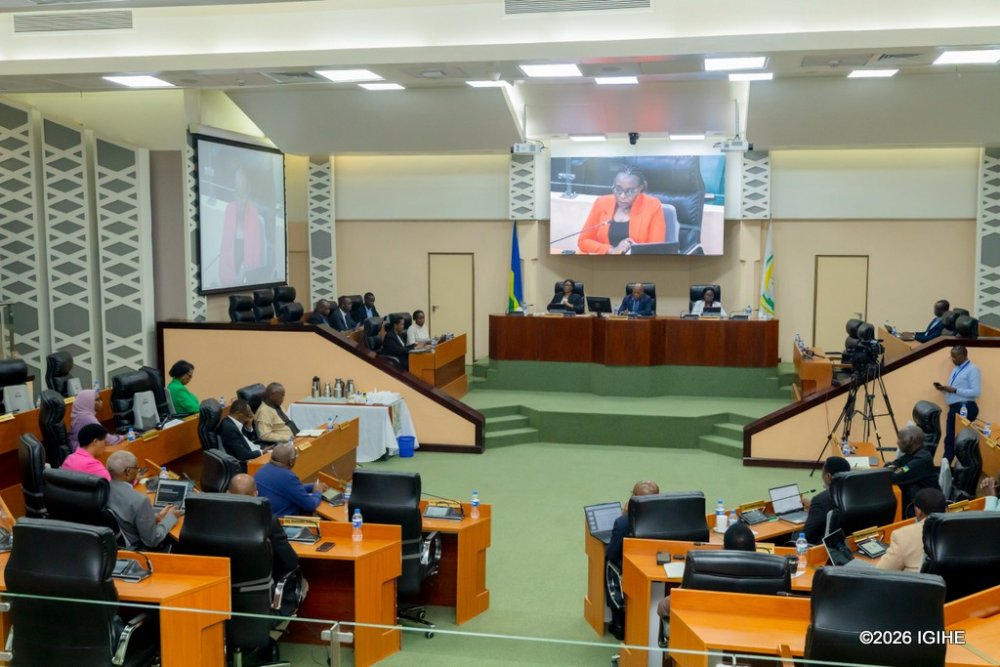
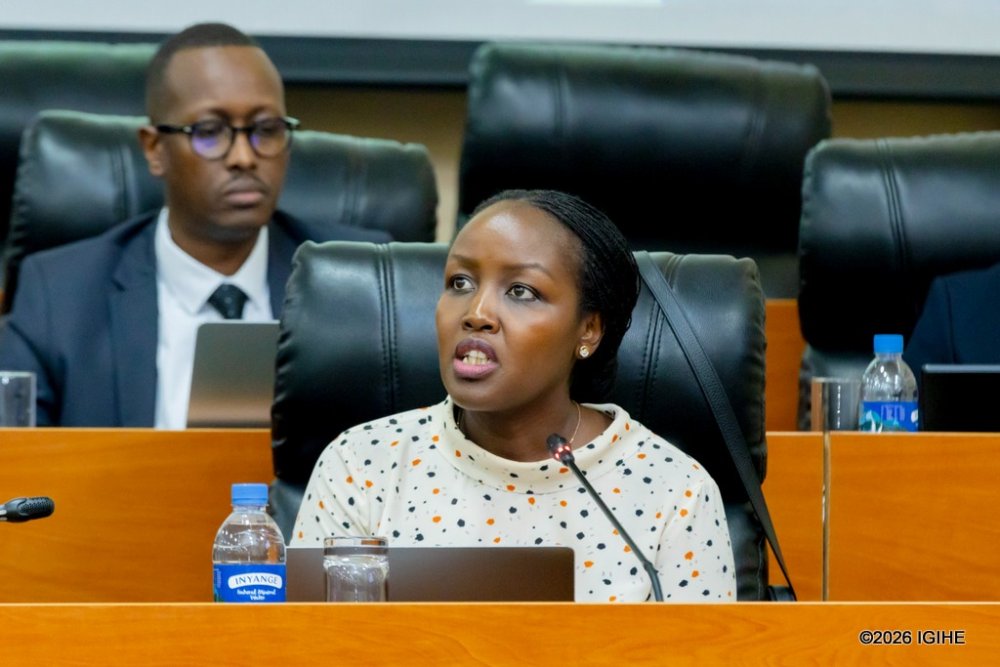
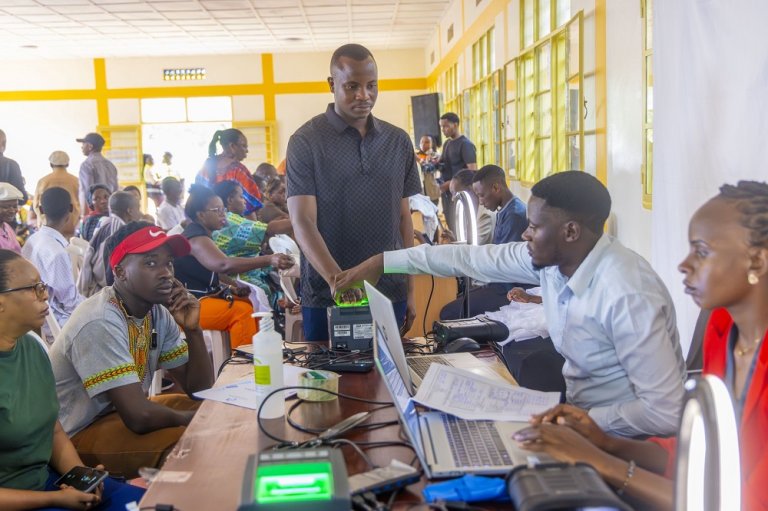
Speaking before the Senate on February 24, 2026, Minister Paula Ingabire stated that 1,828,763 individuals have so far had their data captured. The exercise has been conducted in nine districts, including the initial pilot districts of Huye, Nyanza, and Gisagara, as well as Kamonyi, Muhanga, Ruhango, Nyarugenge, Gasabo, and Kicukiro.
The digital ID, known as the e-ID or Single Digital ID, will be a permanent identification assigned to every Rwandan from birth and linked to key public and private services. The $50 million initiative aims to cover at least 15 million residents, including citizens, refugees, and migrants.
According to the Minister, nationwide biometric capture is expected to be completed by the end of this year, with the official issuance of the digital IDs set to begin in August 2026.
The e-ID will support access to vital services such as healthcare, education, banking, taxation, social protection, voting, and business registration. It will also simplify account opening and reduce the cost of linking bank and mobile money services.
Minister Ingabire emphasised that the system is not designed for surveillance and that data will be protected under Rwanda’s data protection law, which strictly requires any breach to be reported within 72 hours.
To ensure accessibility for all residents, including those without smartphones, the ID will be issued in three modalities: a physical card with a QR code, a digital ID number, and a secure token for online transactions.
Senators welcomed the initiative during the session, noting that it is expected to streamline service delivery and significantly improve efficiency across government institutions.
More than 1.8 million people have completed biometric enrollment under the country’s national digital ID project.Senators welcomed the initiative during the session, noting that it is expected to streamline service delivery.Minister Ingabire emphasised that the system is not designed for surveillance and that data will be protected under Rwanda’s data protection lawThe digital ID, known as the e-ID or Single Digital ID, will be a permanent identification assigned to every Rwandan from birth and linked to key public and private services.
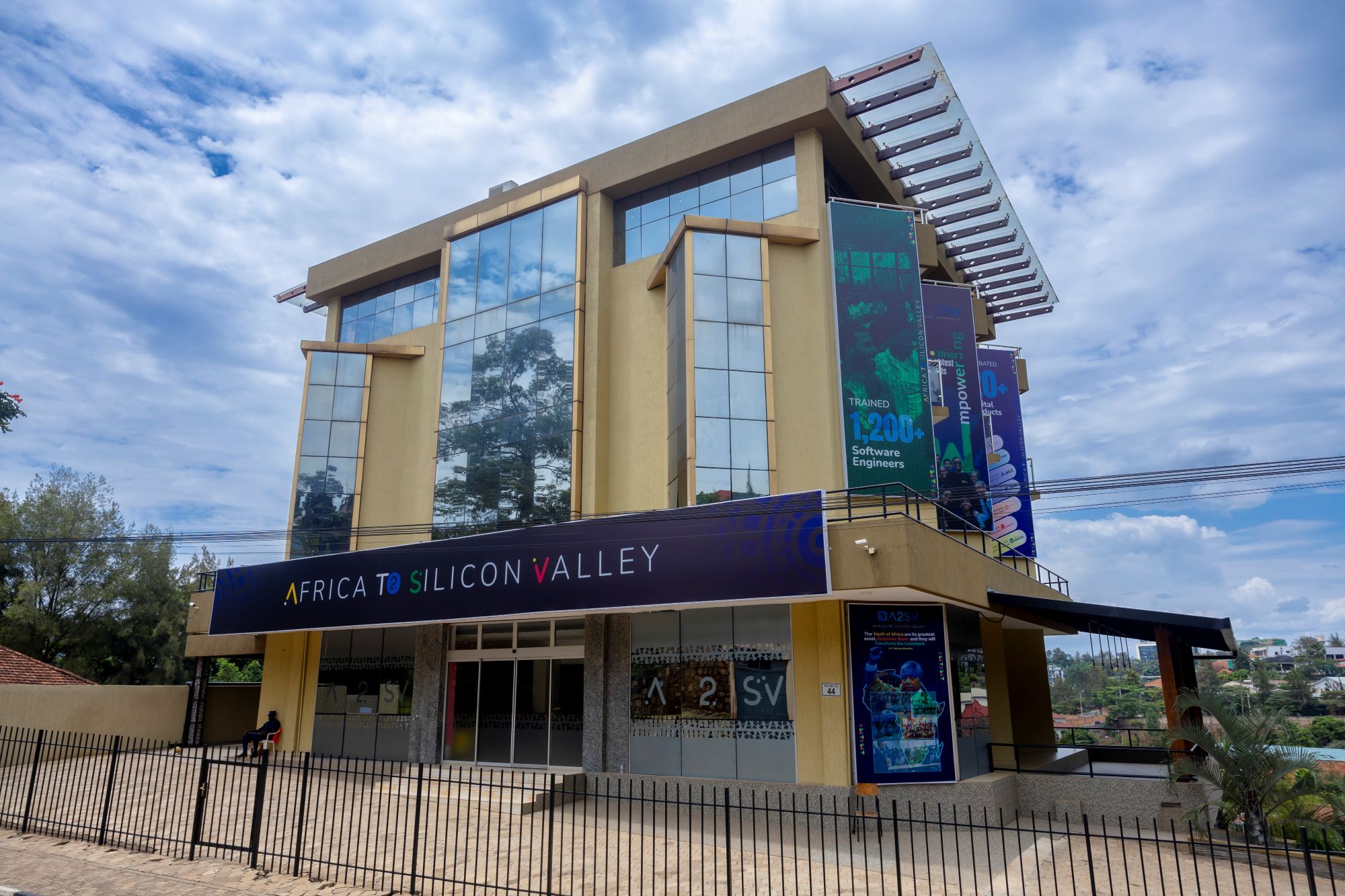
The organisation’s new office is located in Gishushu, placing it within Kigali’s growing tech ecosystem and providing a central base for A2SV’s education and incubator programs.
Founded in 2019 by former Google software engineer Emre Varol, A2SV is a free, non-profit initiative providing high-impact technical education to top-performing university students across Africa. Its mission is to bridge the gap between local university training and the expectations of global tech employers.
What began as a single, informal class at Addis Ababa University with just 22 students has grown into a continent-wide program. To date, A2SV has trained more than 1,200 software engineers from 22 African countries, with alumni securing over 120 job offers from global firms including Google, Amazon, LinkedIn, Bloomberg, and Meta.
A2SV’s model combines rigorous training, mentorship, and real-world project experience to develop globally competitive technologists. The program identifies promising students through a competitive selection process that includes solving data structure and algorithm problems and participating in technical and behavioural interviews.
Once selected, students receive intensive training both in-person and remotely, covering foundational software engineering concepts, problem-solving, and soft skills. Education is delivered in small groups, often with three educators for every thirty students, ensuring each participant receives personalised guidance.
Students work on digital products designed to address local African challenges, such as Eskalate, which connects developers to global companies; DIME, a digital money transfer platform; and Skillbridge, which helps bridge gaps between universities and the workforce. Beyond education, A2SV functions as an incubator, hiring top alumni to develop new solutions while mentoring the next generation of talent.
Graduates are connected to internships and full-time roles at top tech companies, and the program remains entirely free for participants through partnerships with universities. In Rwanda, A2SV has partnered with the University of Rwanda and the Adventist University of Central Africa.
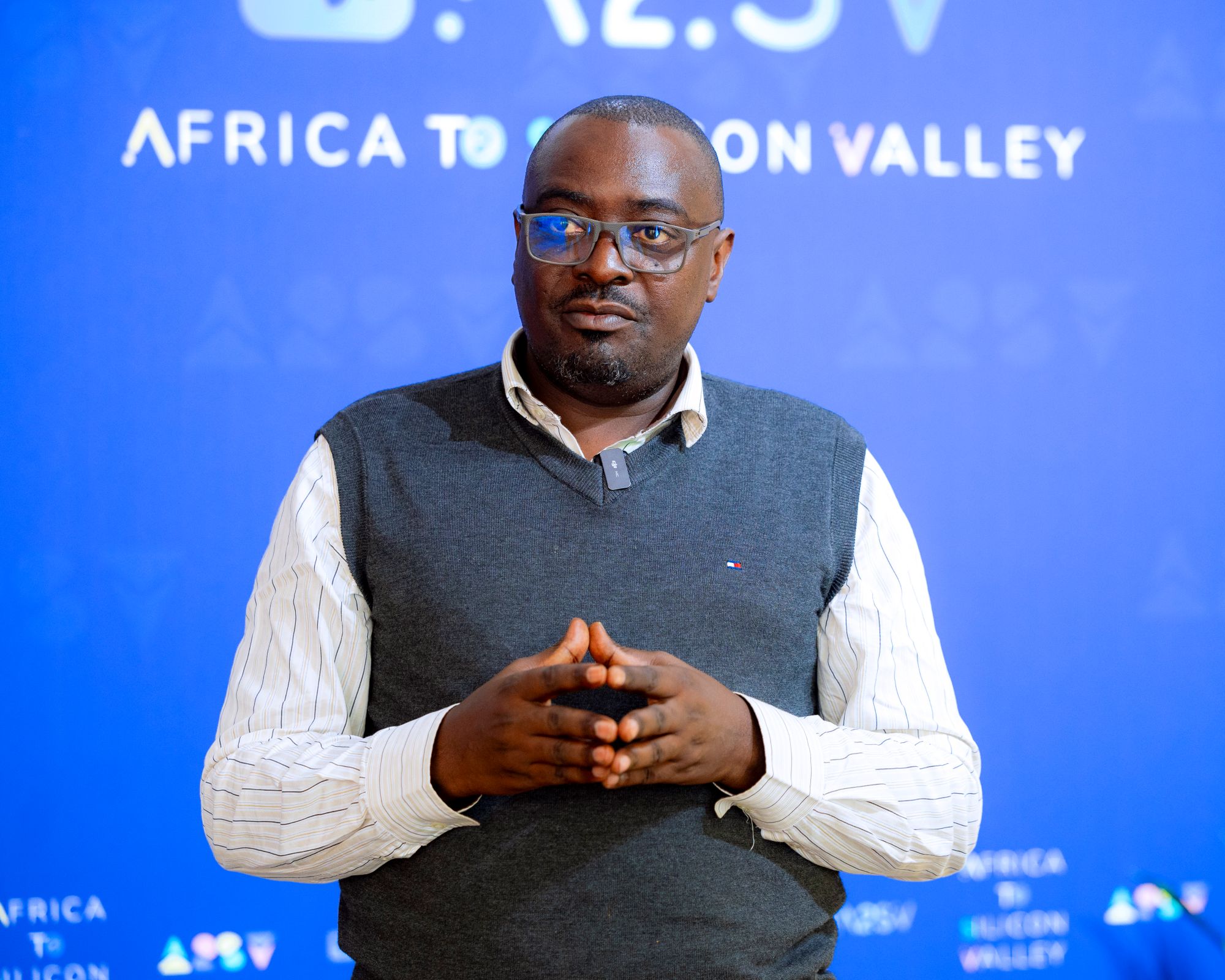
Shema Katende, A2SV’s marketing lead, explained that Kigali was chosen for its supportive environment for innovation and its growing pool of IT talent.
“Rwanda has systematically become a hub for innovation,” he said. “The government’s strong support and youth-focused initiatives made Kigali the ideal base for A2SV to scale across the continent.”
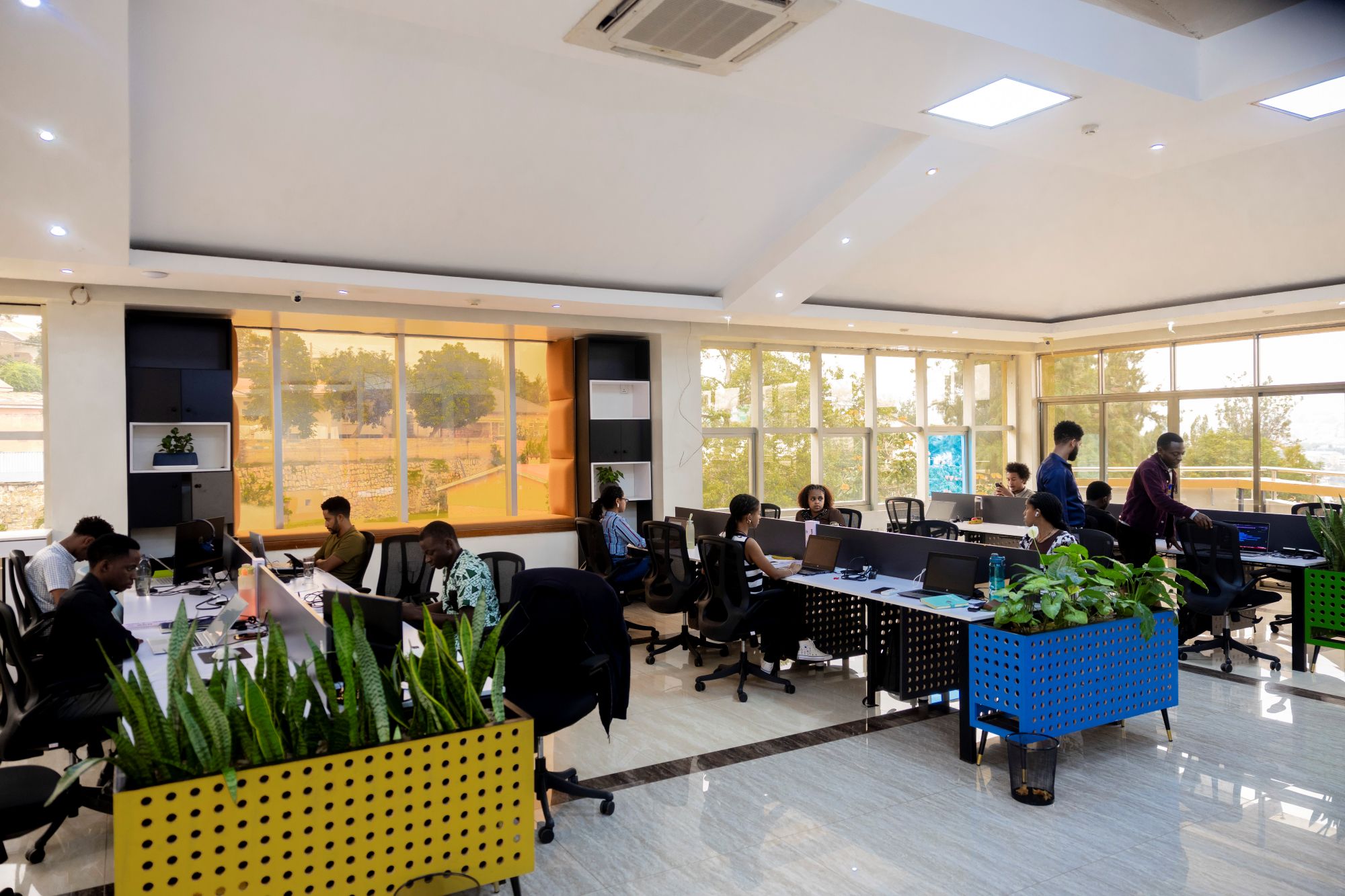
The Gishushu office now serves as the central hub for both the academy and incubator, attracting students, mentors, and developers to work on projects with both local and international impact.
The program emphasises building a strong foundation in programming, particularly in data structures and algorithms, which sets it apart from traditional boot camps.
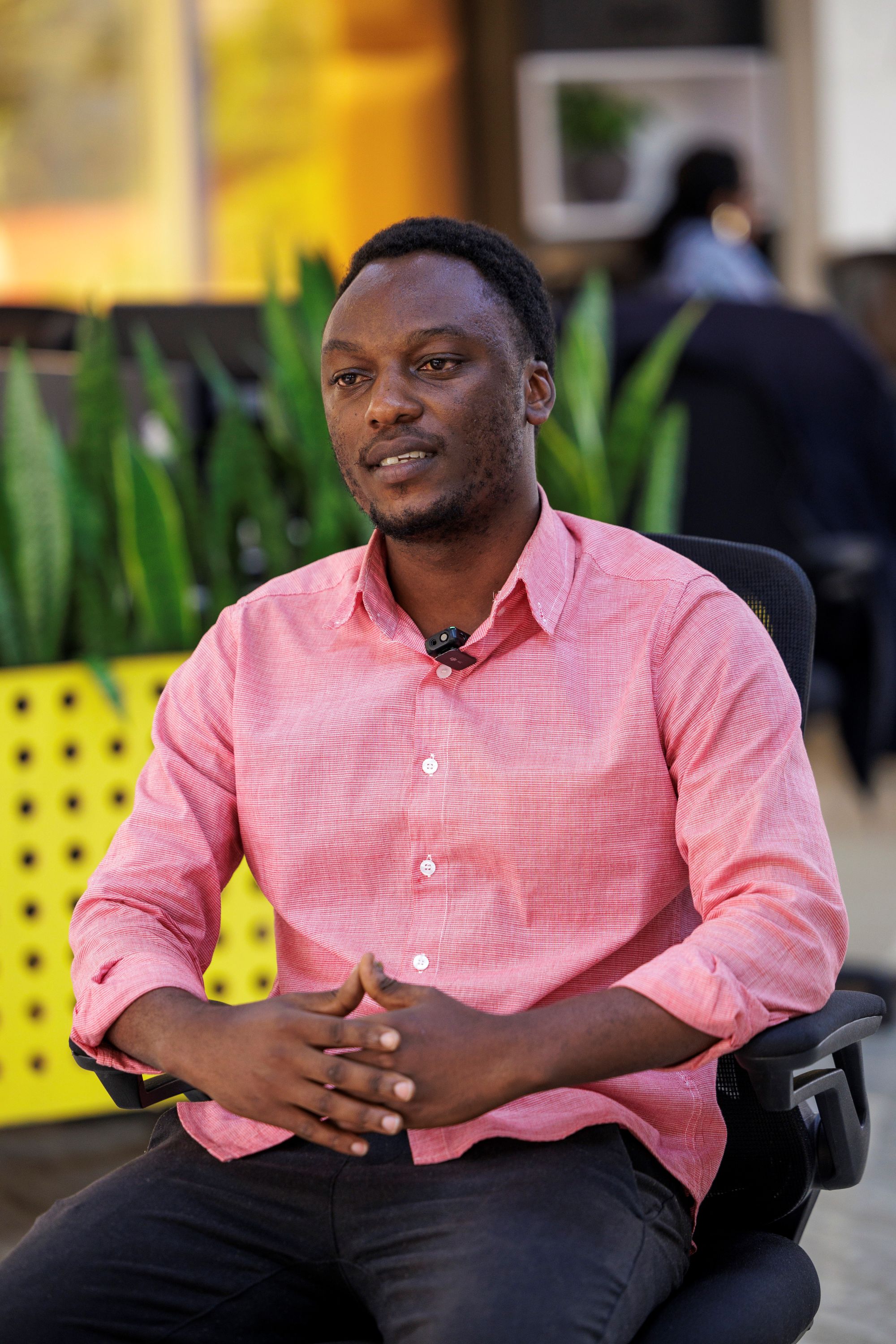
Adolphe Ngoga, a Rwandan IT graduate, is now part of the team on Eskalate, the organisation’s platform that connects African developers with companies around the world. The program gives developers the opportunity to work on real software projects and gain experience with international teams.
“By the time I joined, more than a dozen developers had already secured roles with U.S.-based companies, showing that these opportunities are truly possible,” said Ngoga, who joined A2SV nearly three months ago when the company relocated to Rwanda.
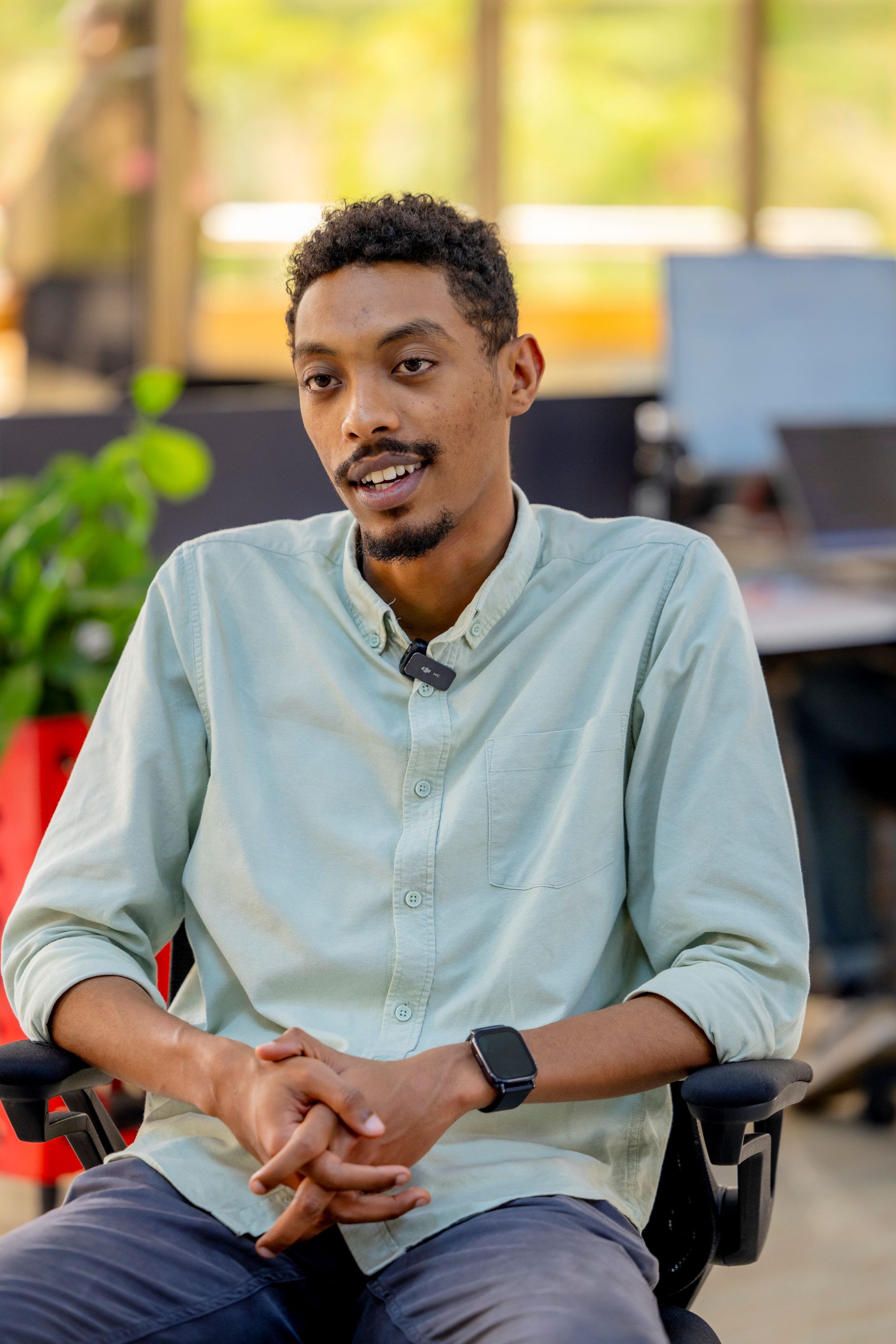
Mohamed Yasir, a Sudanese team lead who started as a student at A2SV a few years ago, highlighted the importance of mentorship and mastering foundational skills, saying, “Starting with the basics is key. If you understand data structures, algorithms, and how to collaborate with your team, you can take on bigger challenges.”
He advises emerging tech talent to focus on mastering foundational skills and adapting to the evolving landscape, including artificial intelligence: “AI is not here to replace us; it’s here to support developers. Learning how to collaborate with AI and communicate effectively is key to succeeding in today’s tech landscape.”
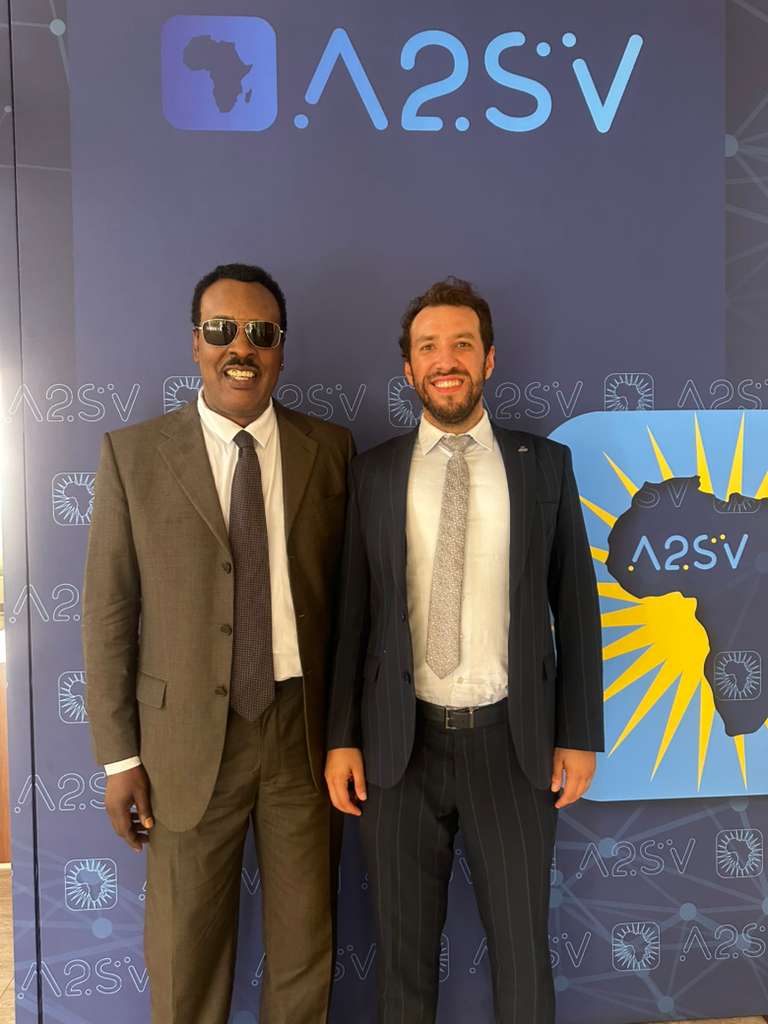
As A2SV grows in Kigali, founder Emre Varol emphasised the need for partners, investors, and philanthropists to help scale the initiative.
“Our goal is not to promise overnight transformation, but to do the rigorous work required to build a durable pipeline of technical talent and locally rooted ventures,” he remarked.
With its new base in Kigali, A2SV is positioning itself as a launchpad for a continent-wide vision, connecting African engineers to the global tech stage while simultaneously addressing real challenges in education, healthcare, and finance.
A2SV new office in Gishushu, Kigali.Founded in 2019 by Emre Varol, A2SV is a free, non-profit initiative that provides high-impact technical education to top-performing university students across Africa. The program emphasises building a strong foundation in programming, particularly in data structures and algorithms, which sets it apart from traditional boot camps.A2SV CEO Emre Varol (right) and the company’s Executive Public Relations Officer, John Bunyeshuri. The CEO emphasised the need for partners, investors, and philanthropists to help scale the initiative.Shema Katende, A2SV’s marketing lead, explained that Kigali was chosen for its supportive environment for innovation and its growing pool of IT talent.Adolphe Ngoga, a Rwandan IT graduate, is now part of the team on Eskalate, the organisation’s platform that connects African developers with companies around the world.Mohamed Yasir, a Sudanese team lead who started as a student at A2SV a few years ago, highlighted the importance of mentorship and mastering foundational skills
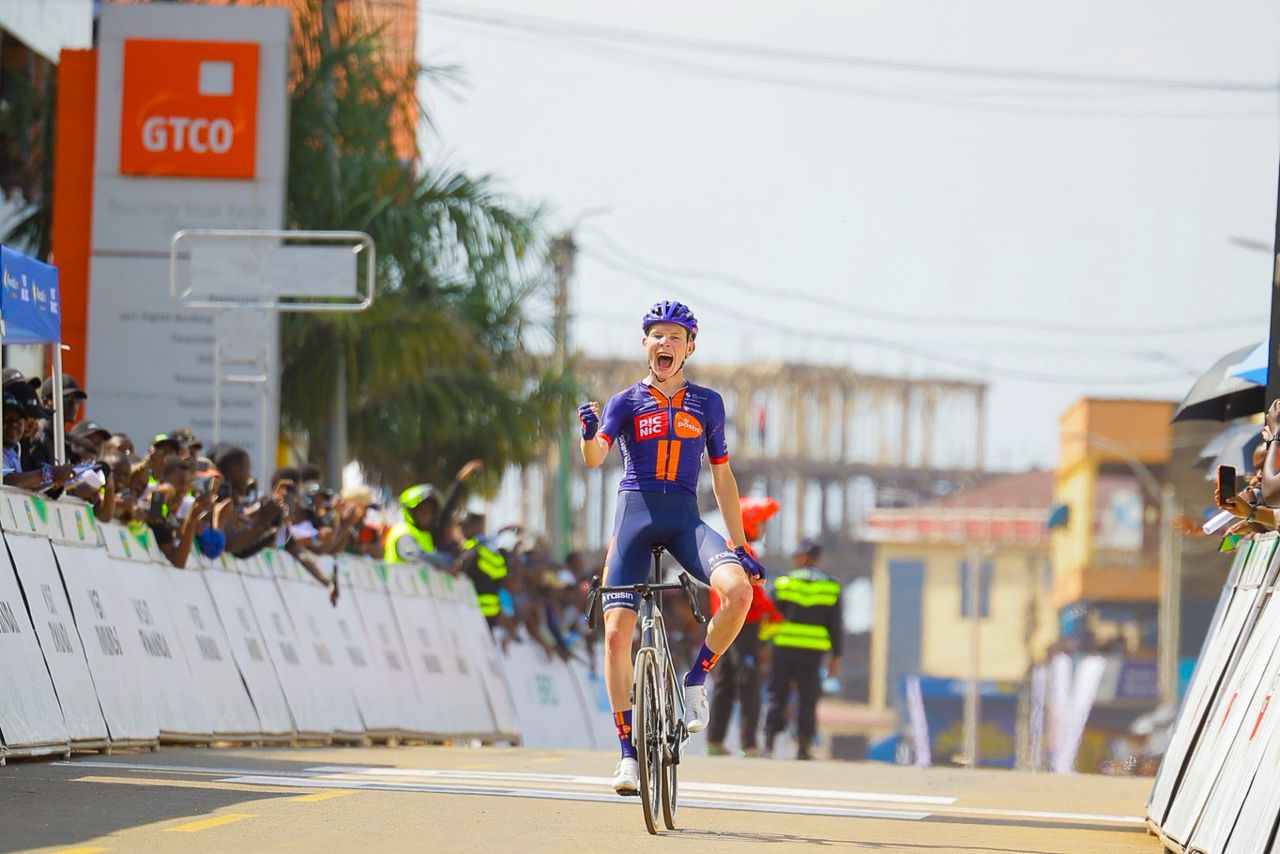
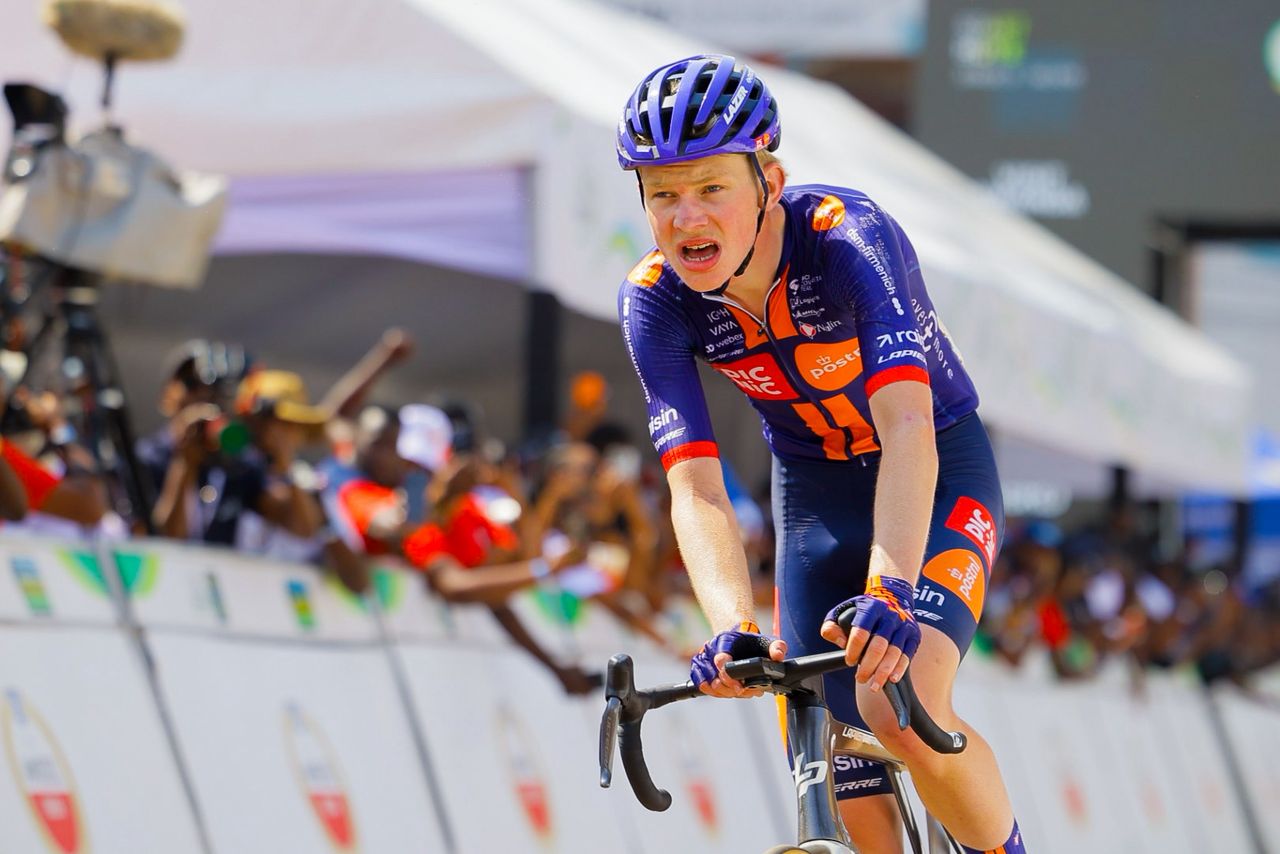
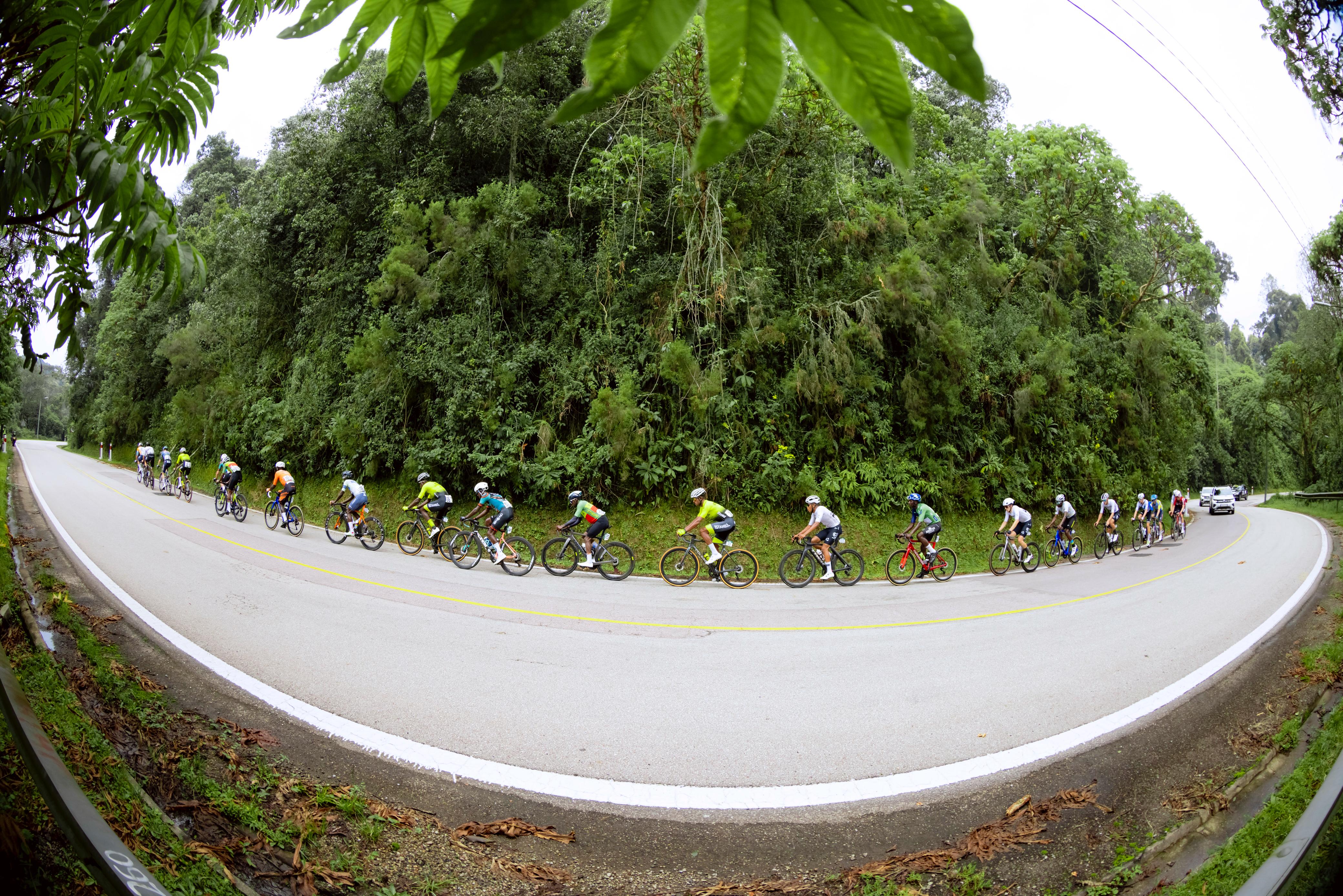
The 20-year-old, who also won a yellow jersey, made his decisive move with just three kilometers remaining, breaking clear from the peloton and holding off the chasing riders to cross the line solo. At the 1 km mark, he had a lead of 45 seconds, which had slightly narrowed to 35 seconds, while Pau Marti, in the yellow jersey, struggled to maintain pace in the chasing group.
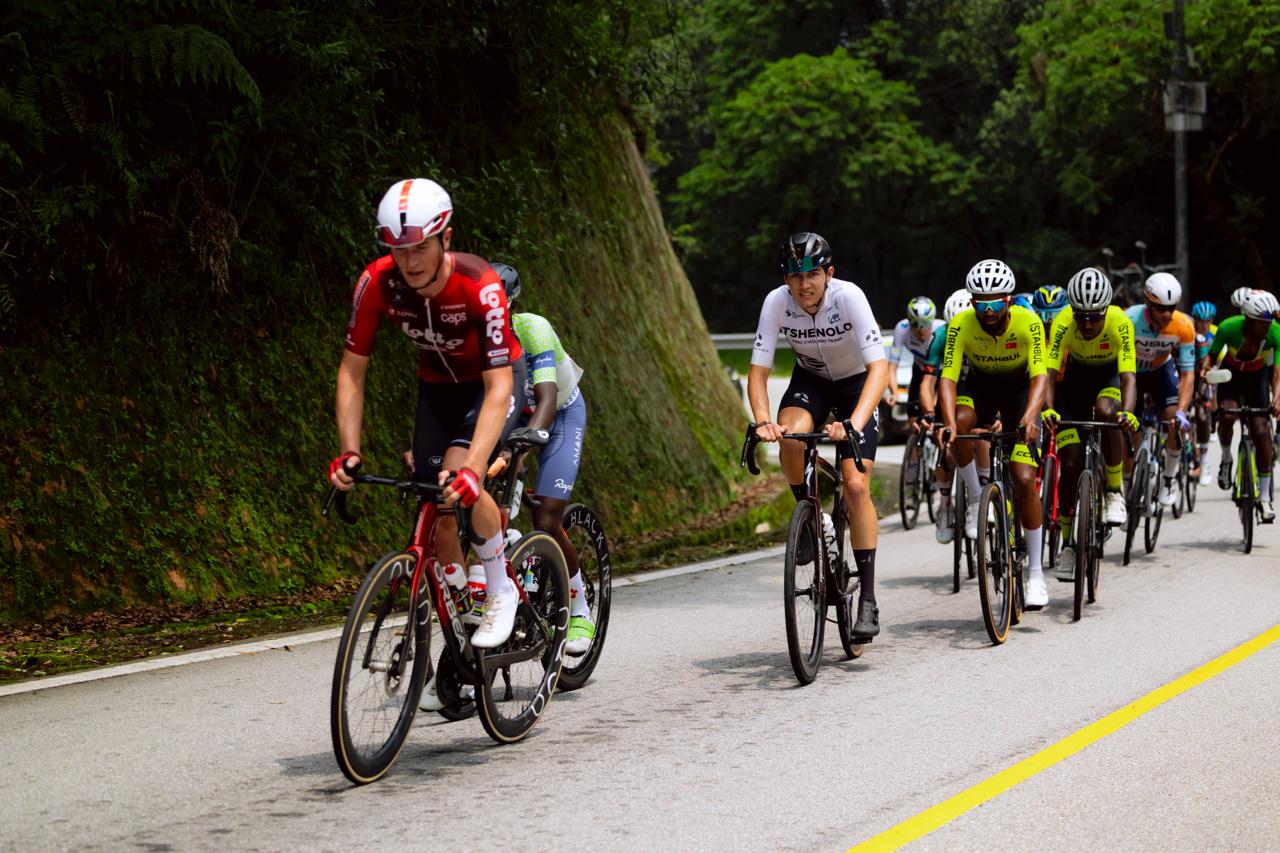
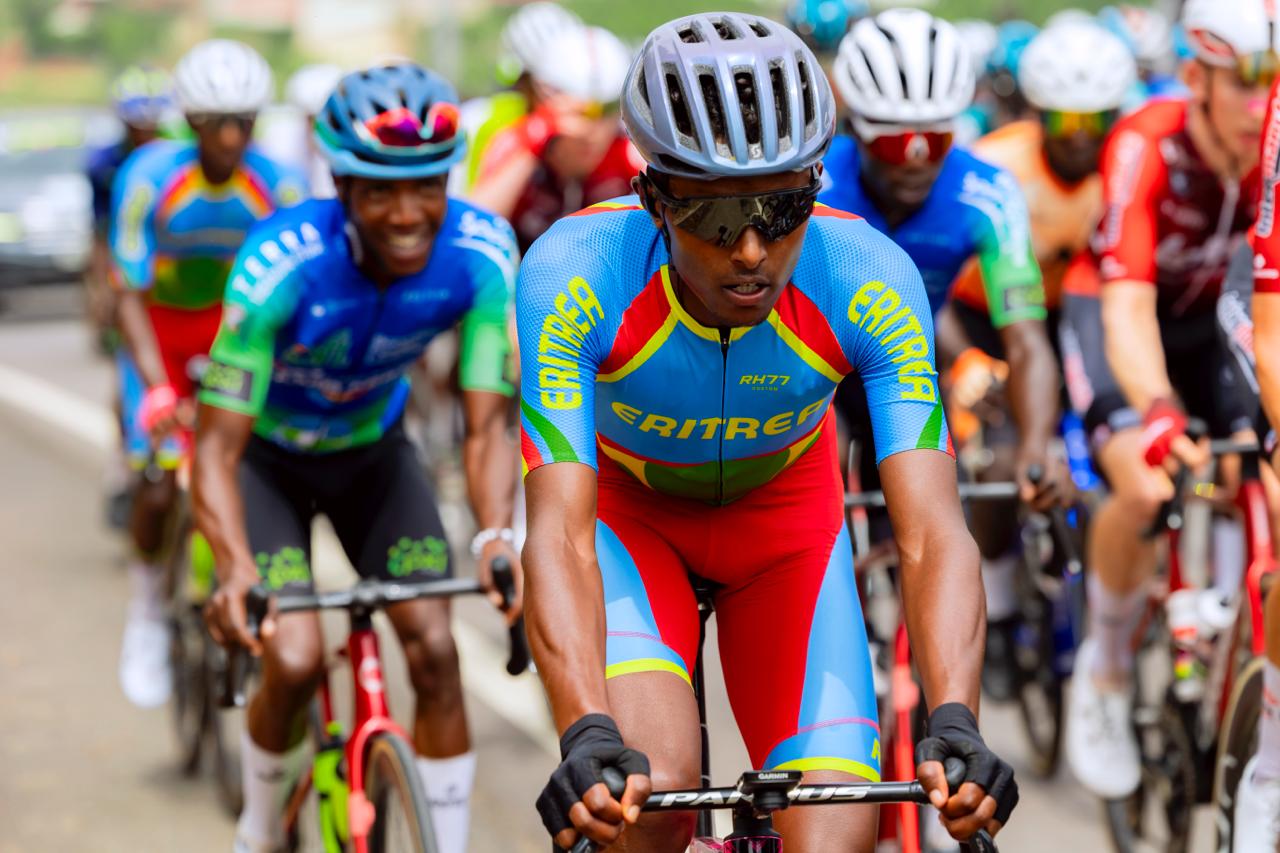
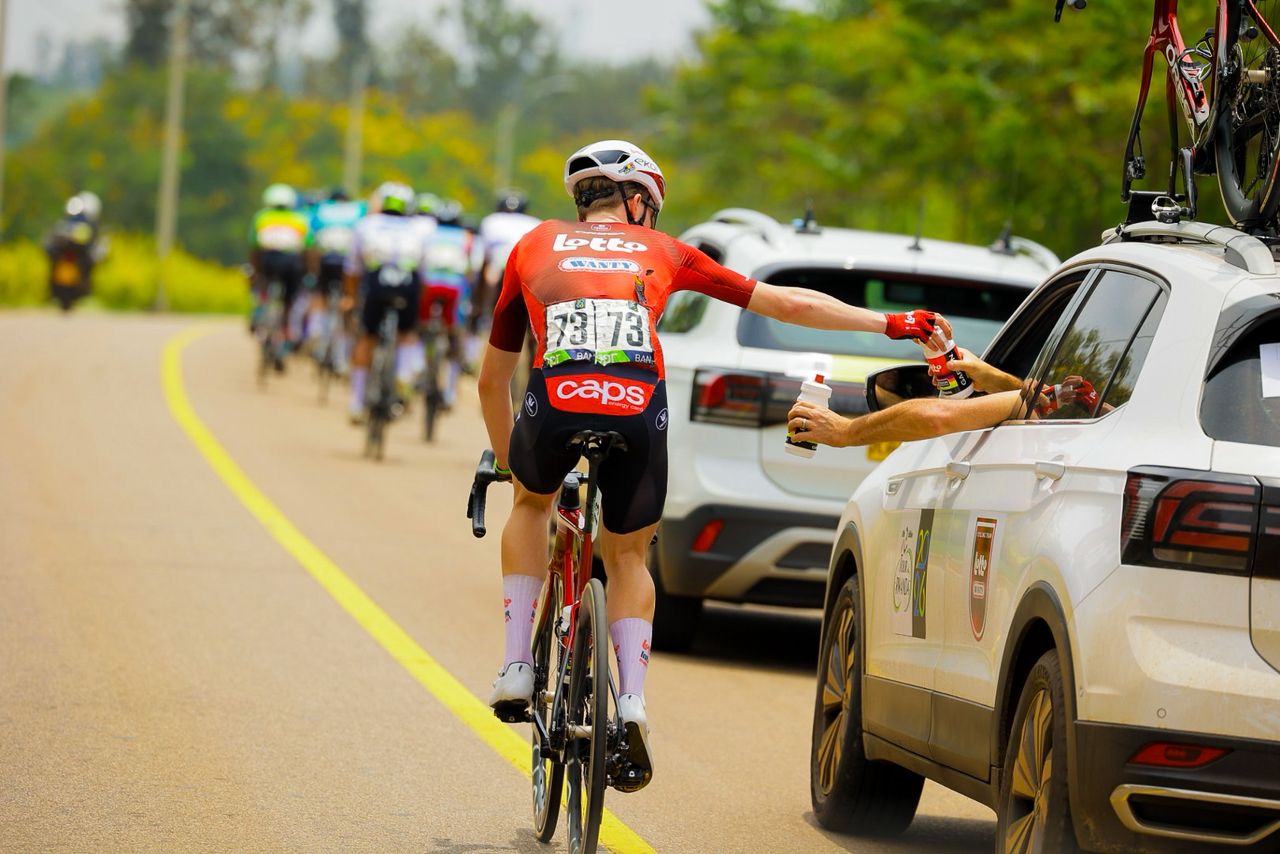
Earlier in the stage, the front group of 12 riders had established a 50-second gap over the peloton, featuring riders such as Ribeiro, Mulugeta, Mulubrhan, Aman, Vanhuffel, and Marti. Zomermaand also claimed the final climbing points at Bushenge Hill (km 127), edging past Mulubrhan and Vanhuffel. Solo breakaway attempts by Eritrea’s Nahom Araya earlier in the stage added drama, but the chasing group gradually reeled him back, including Duarte Marivoet of Lotto – Groupe Wanty.
Rwanda’s top rider
Rwanda’s own Samuel Niyonkuru of Team Amani finished 10th, emerging as the highest-placed Rwandan on Stage 3. Tackling the hilly 145 km course with determination, Niyonkuru stayed with the leading group for most of the stage, fending off the chasing pack to secure a top-ten finish.
Stage 3 Results (Elite – Top 10)
Jurgen Zomermaand (Development Team Picnic PostNL) – 3:44:53
Lucas Van Gils (Lotto – Groupe Wanty) – +20.36s
Matteo Vanhuffel (Development Team Picnic PostNL) – +20.50s
Jose Said Cisneros Diaz De Leon (Soudal Quick-Step Devo Team) – +28.22s
Yafiet Mulugeta (Eritrea) – +28.43s
Henrique Da Silva Avancini (Localiza Meoo / Swift Pro Cycling) – +28.93s
Oliver Mattheis (Bike Aid) – +29.09s
Awet Aman (Istanbul Team) – +29.27s
Samuel Niyonkuru (Team Amani) – +43.81s
The race continues on Wednesday, February 25, with Stage 4 starting in Karongi at 12:00 and concluding in Rubavu over a 127.2 km route.
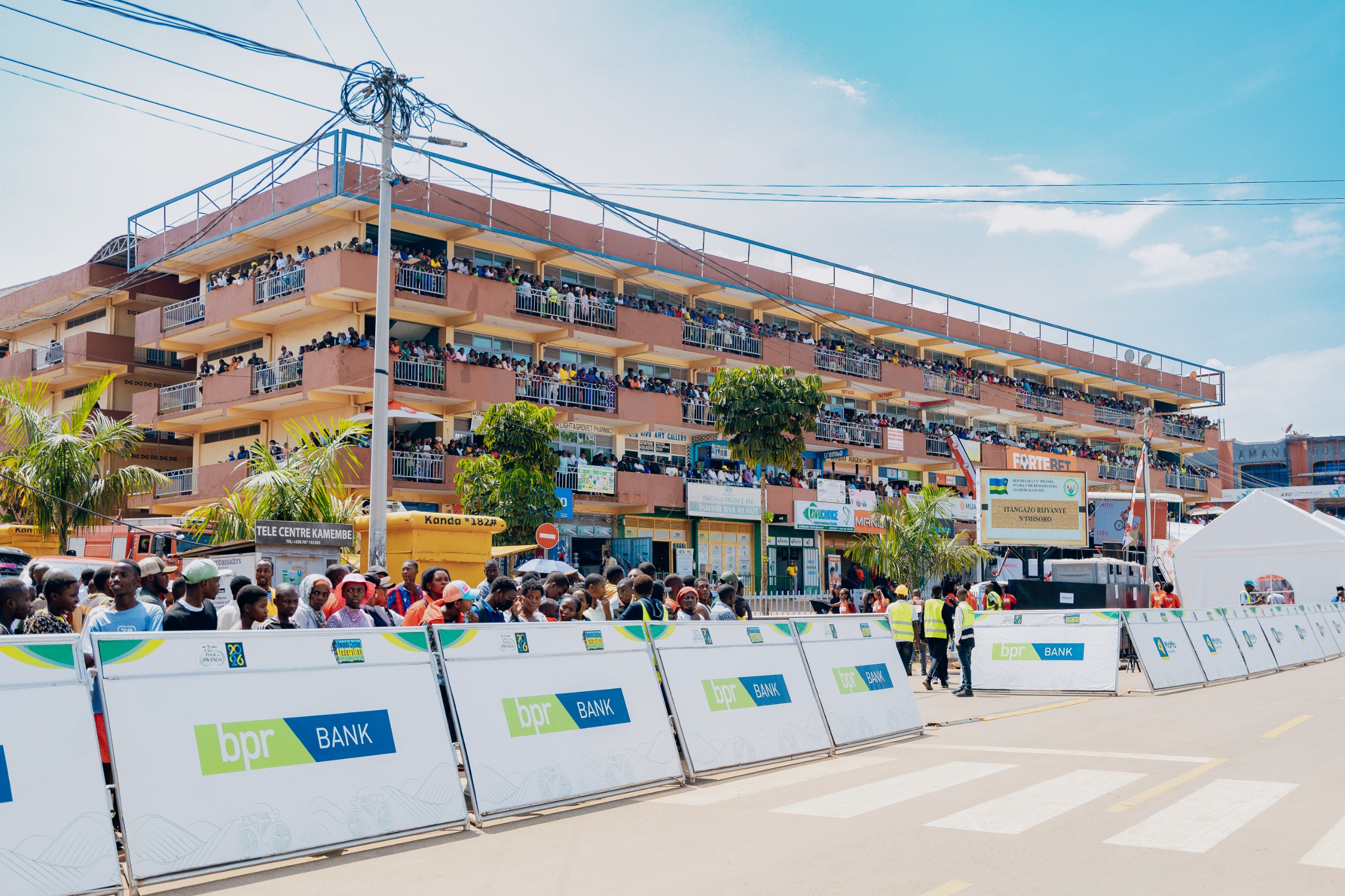
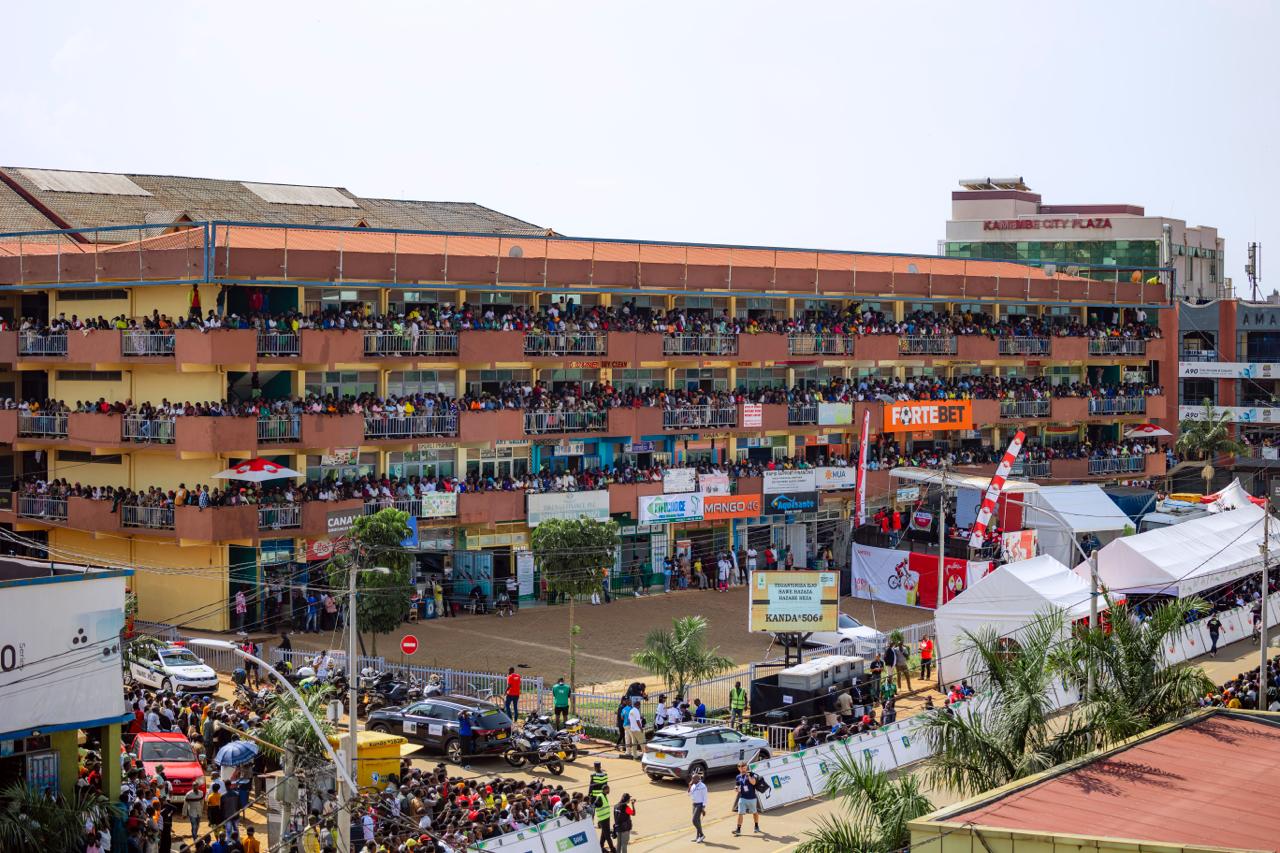
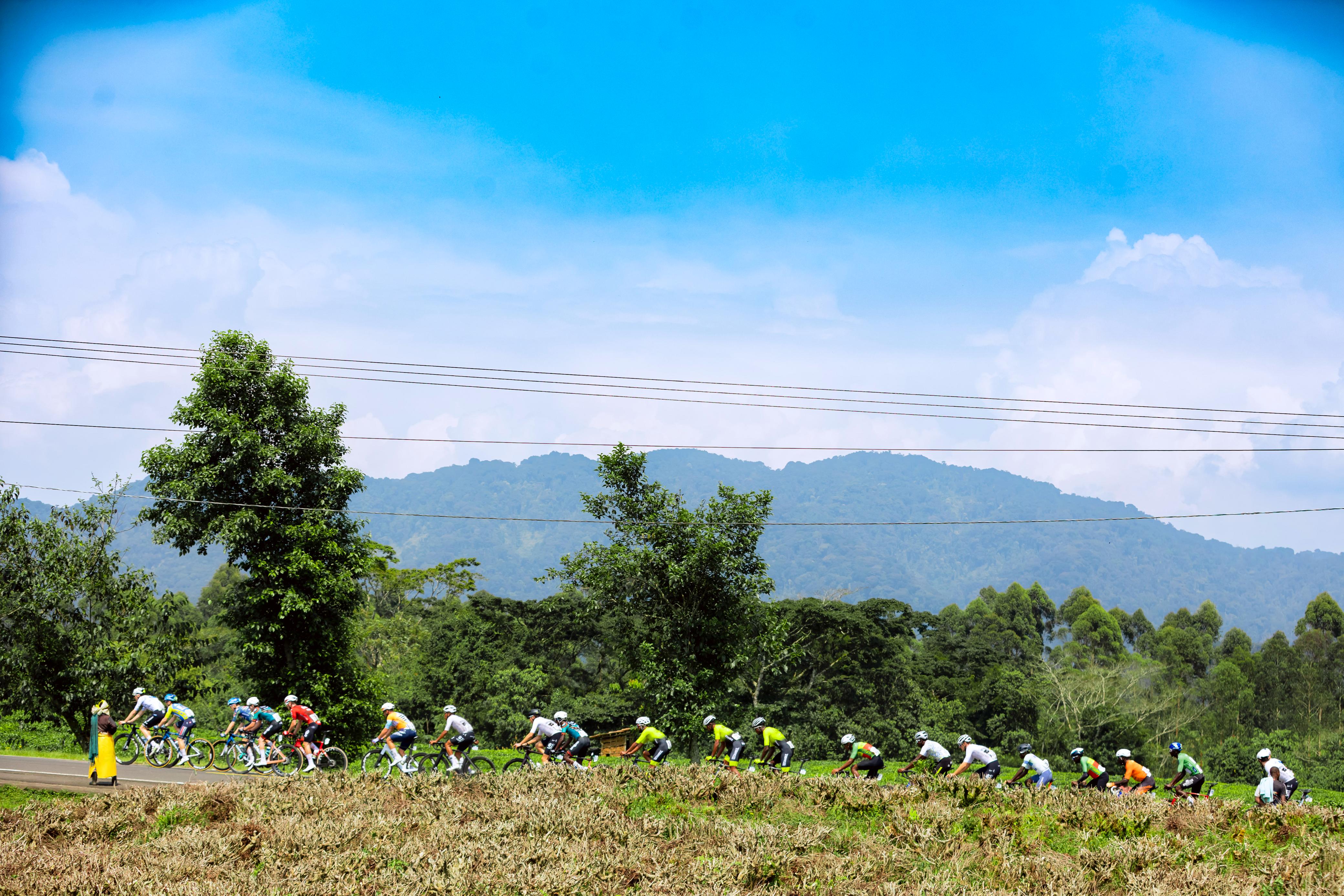
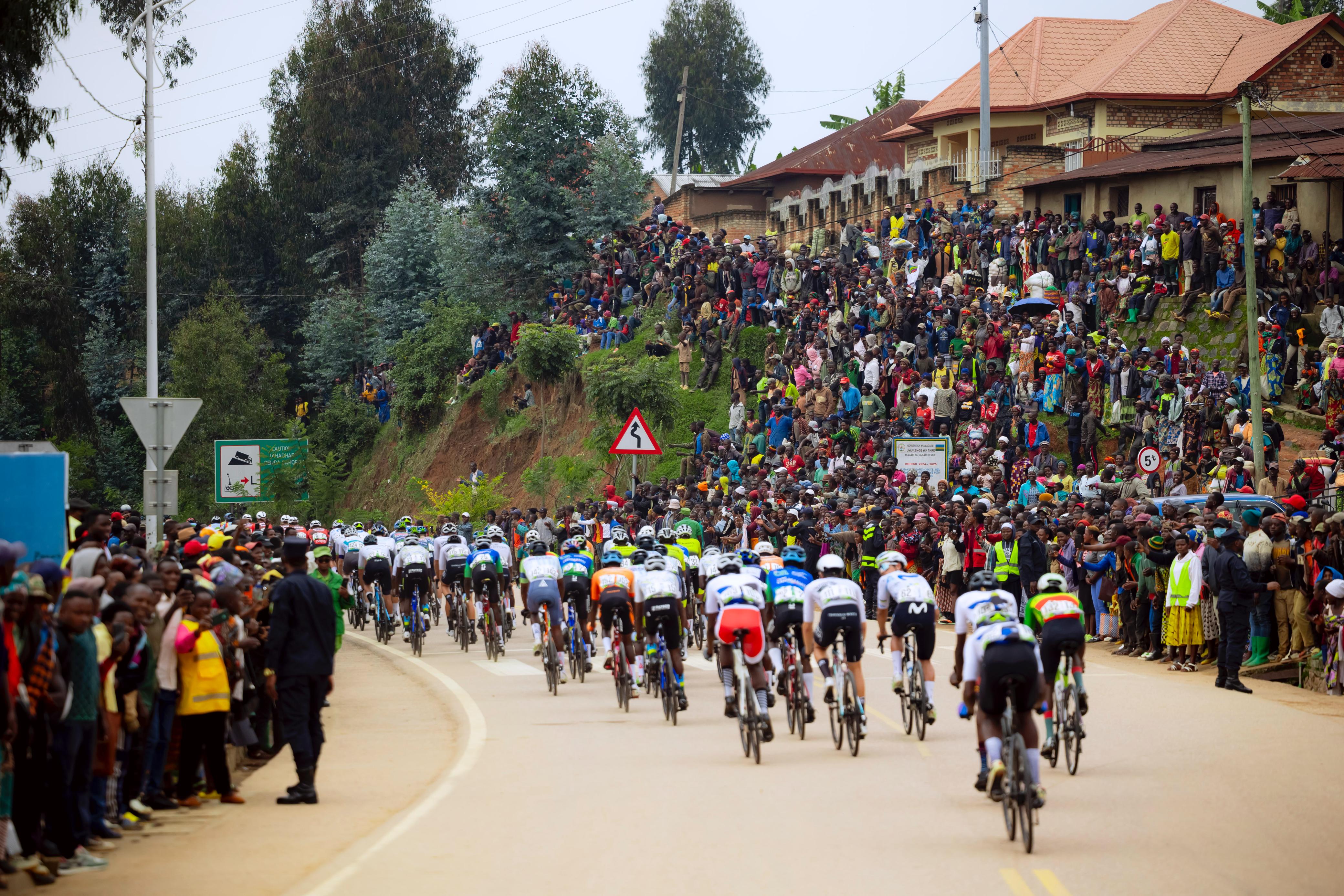
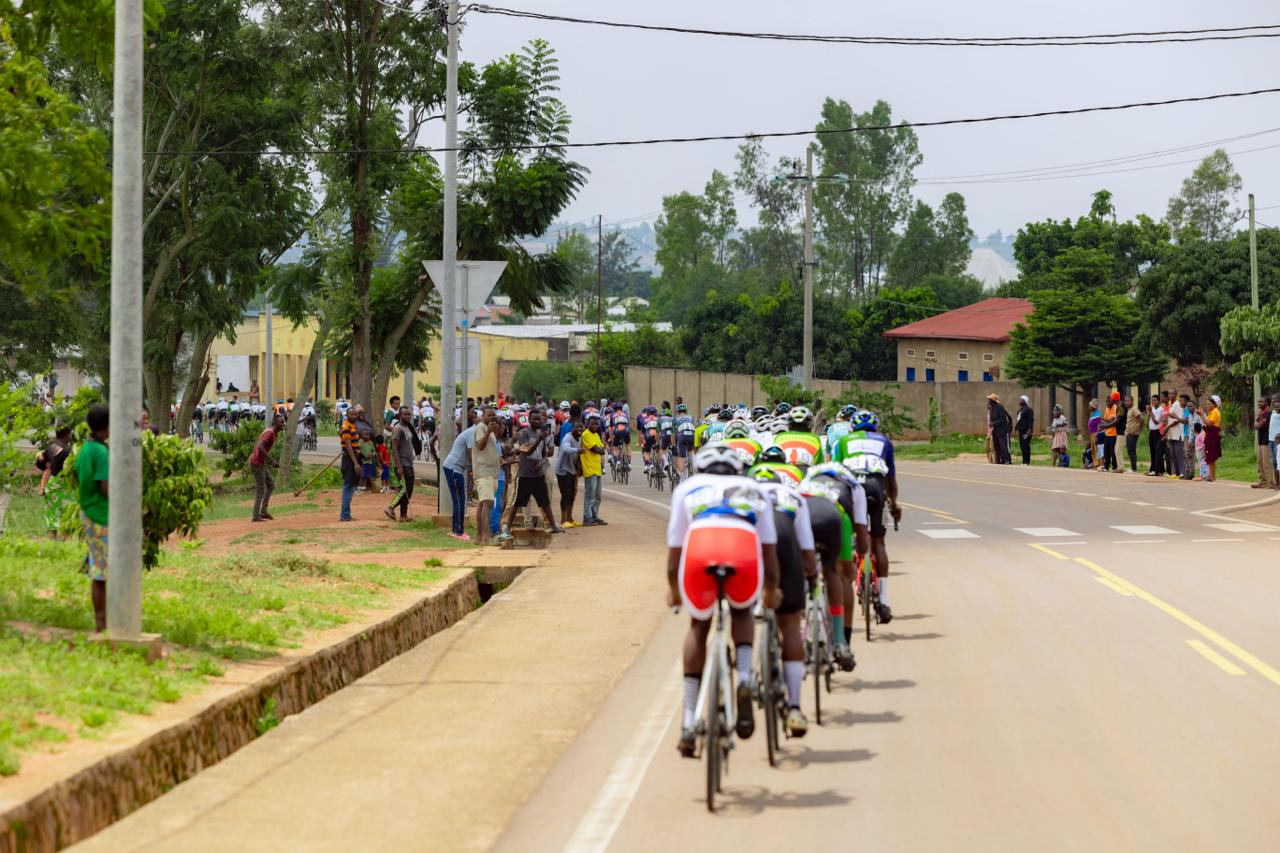
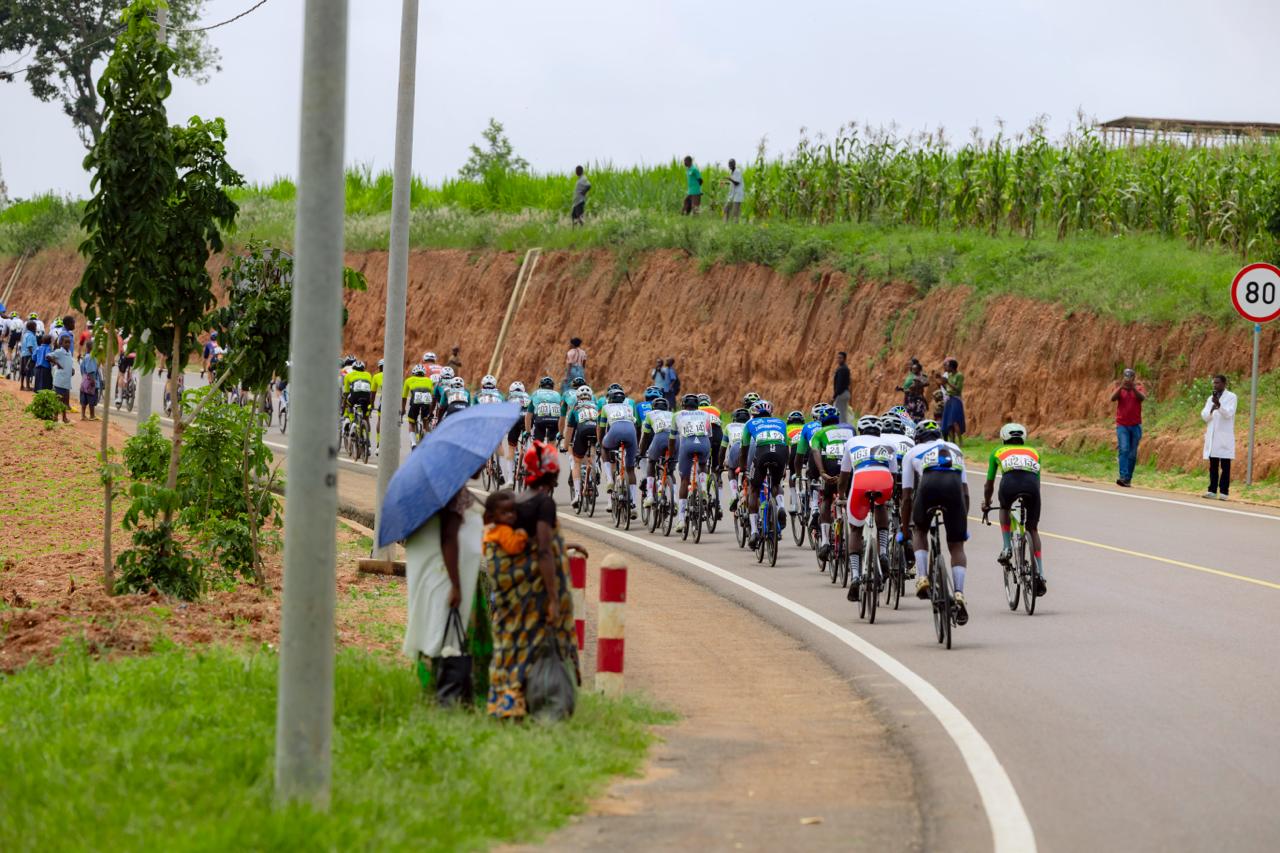
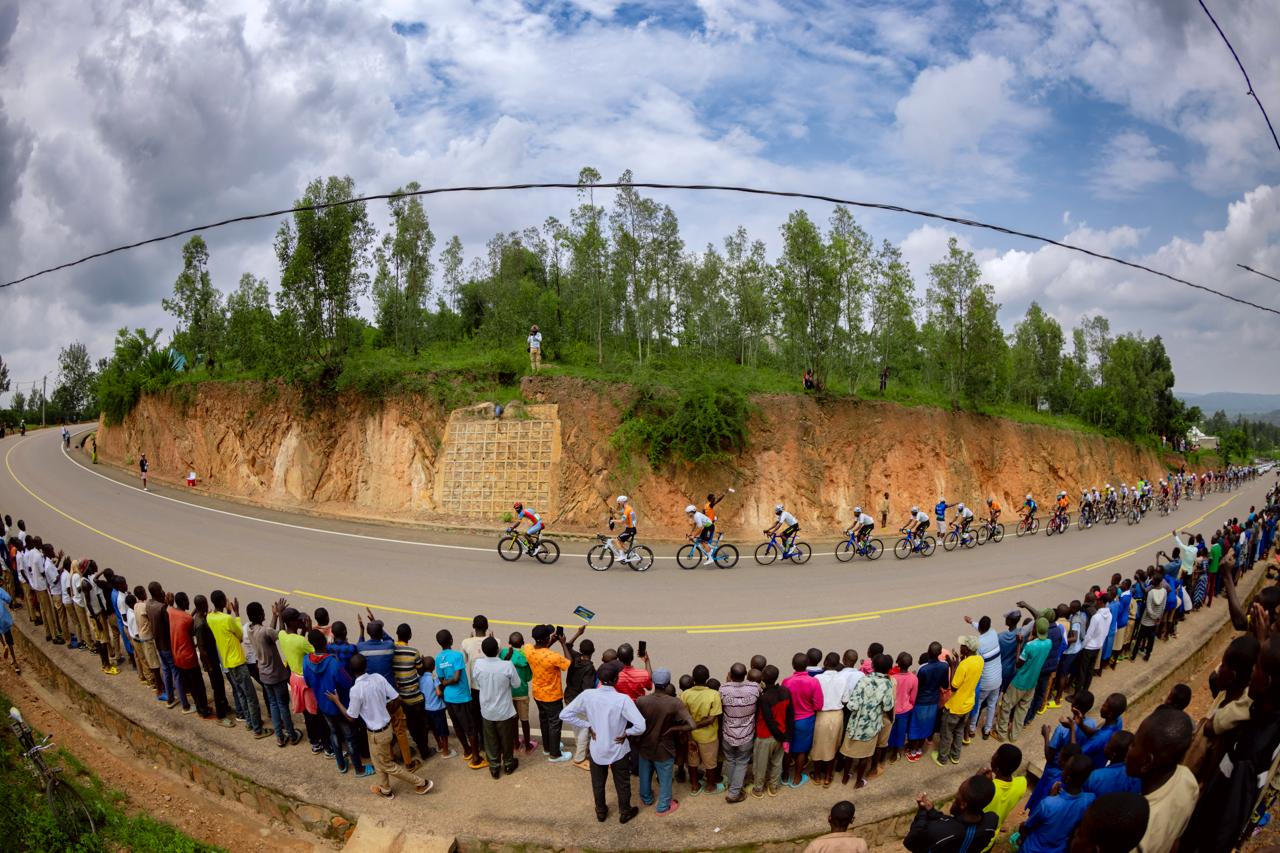
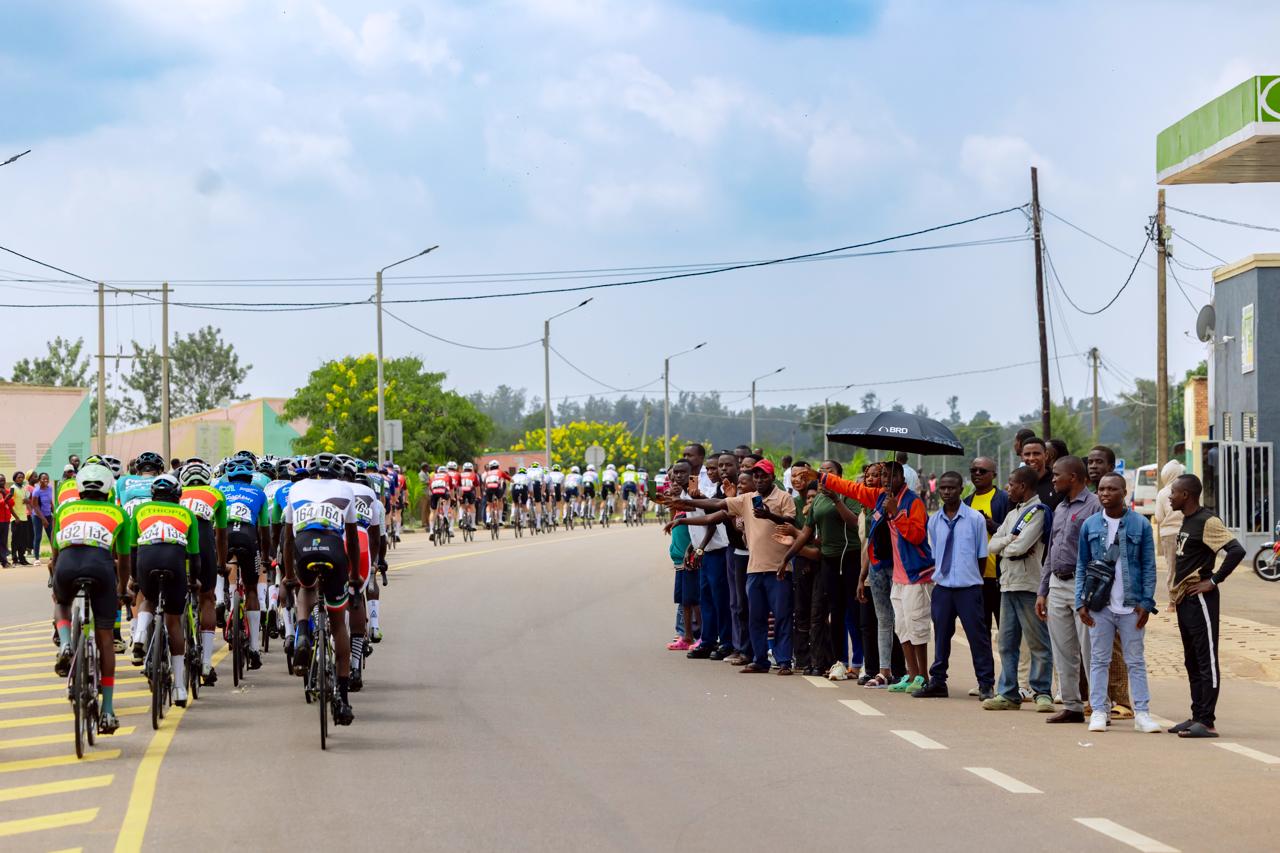
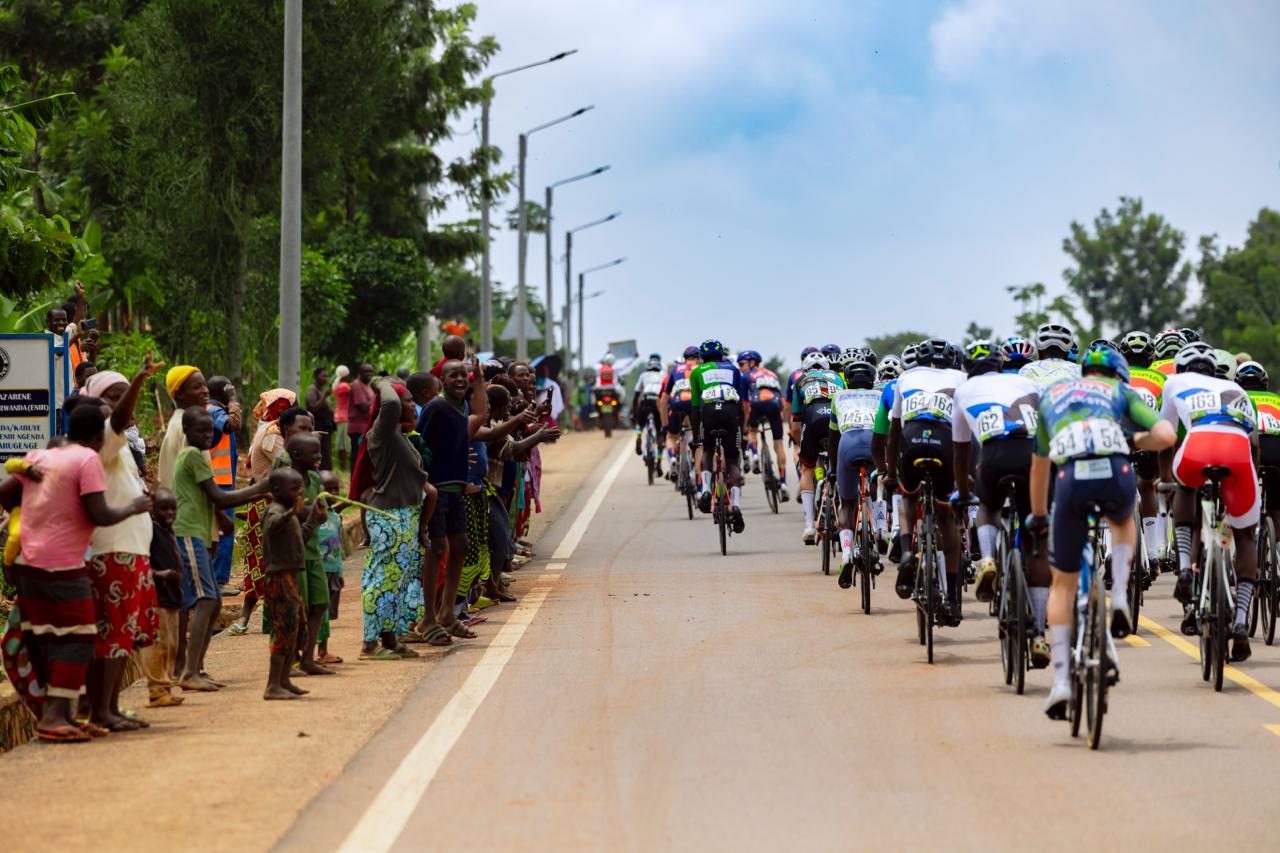
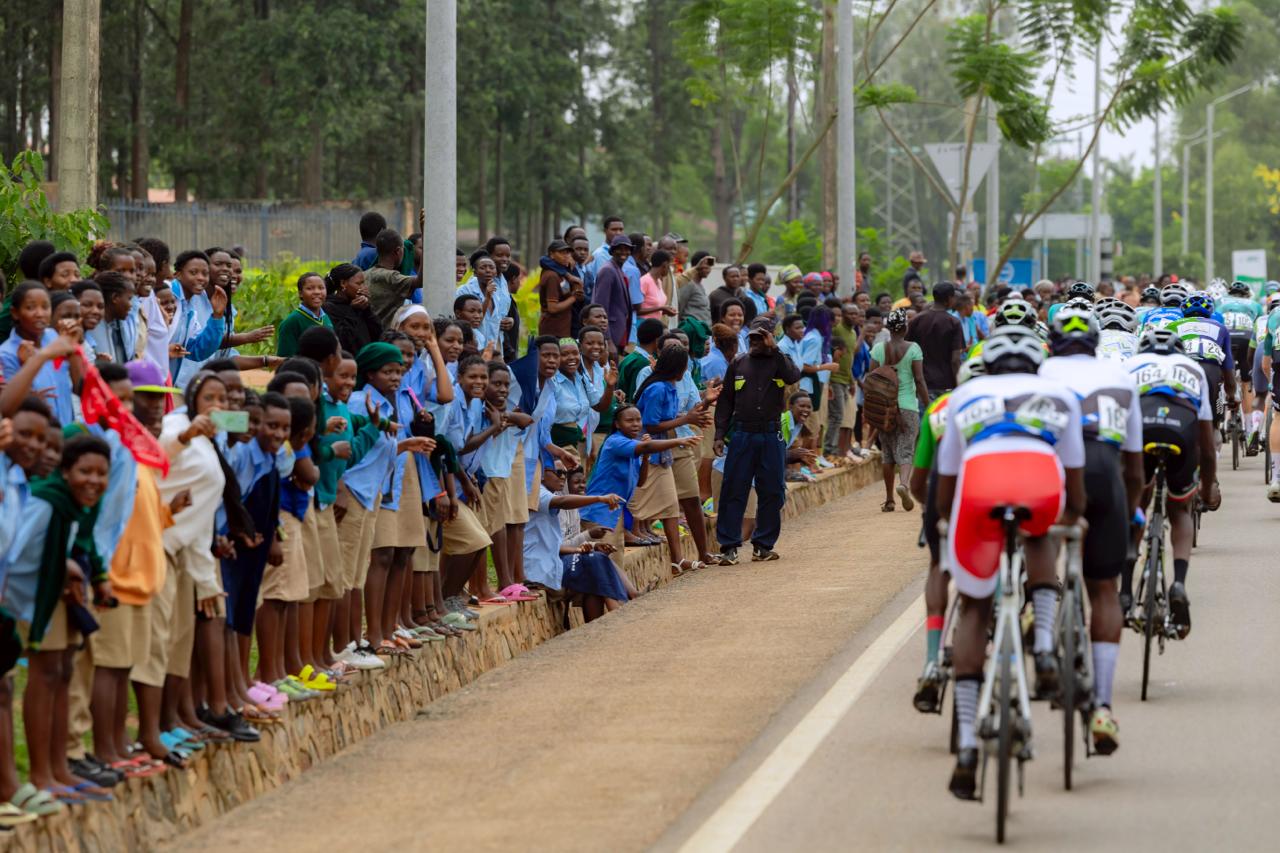
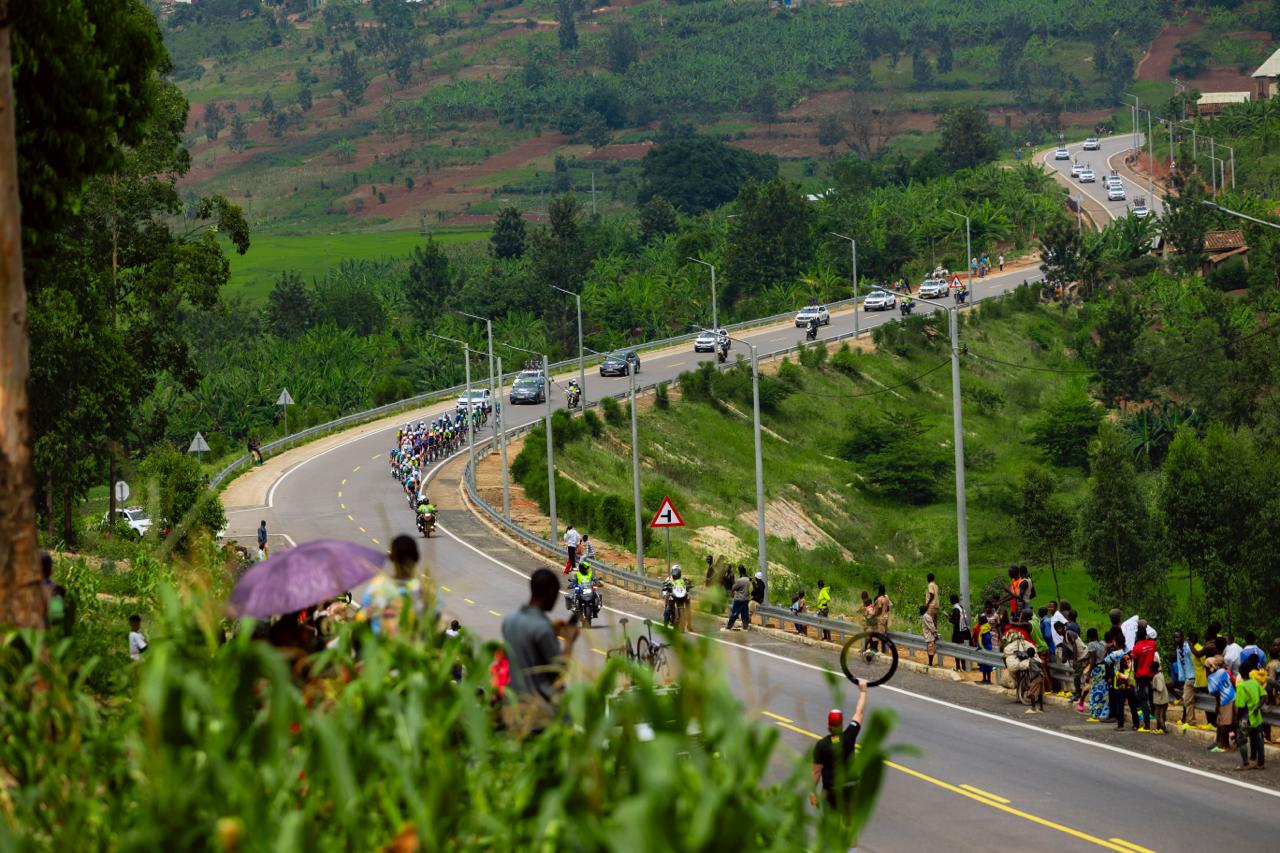
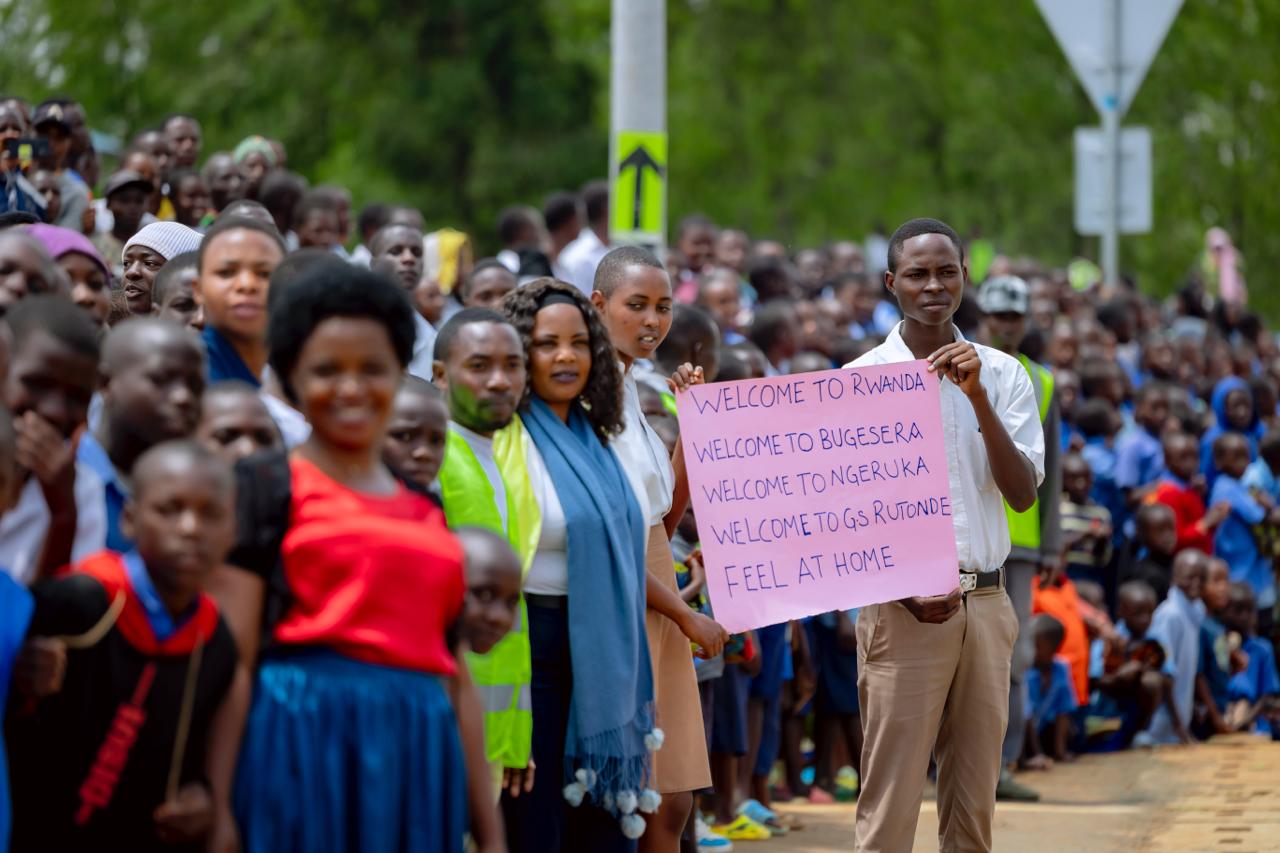
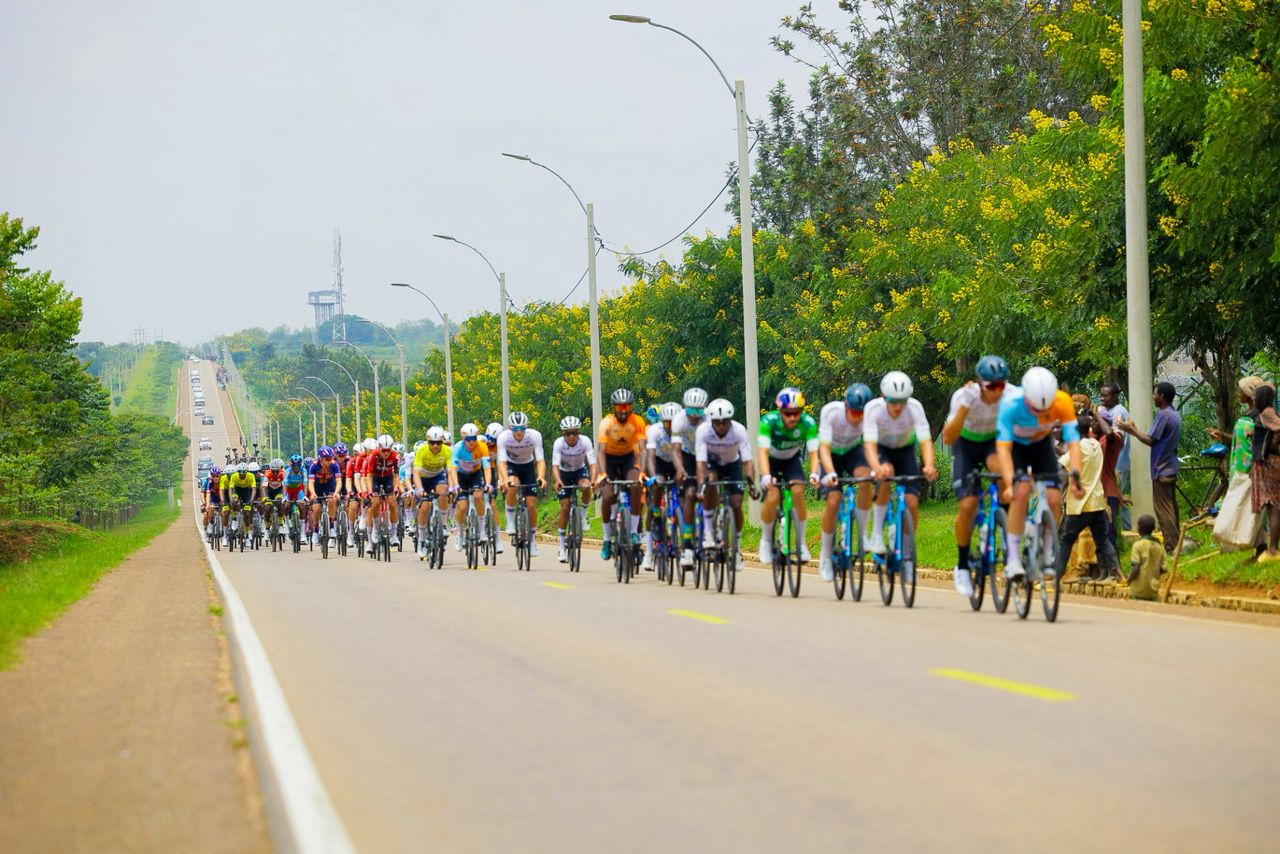
Zomermaand made his decisive move with just three kilometers remaining, breaking clear from the peloton and holding off the chasing riders to cross the line solo.Locals turned up along the road and on top of their buildings to witness the race.Stage 3 of the Tour du Rwanda stretched from Huye to Rusizi, covering 145.3 km of challenging terrain.
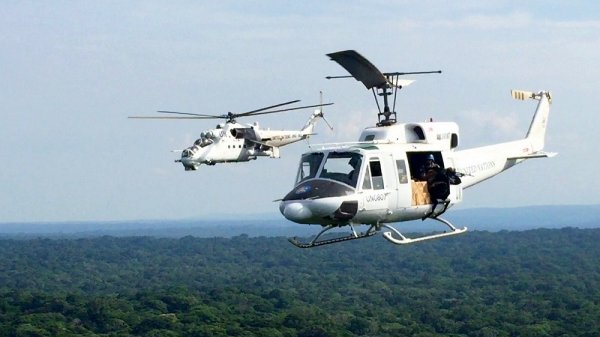
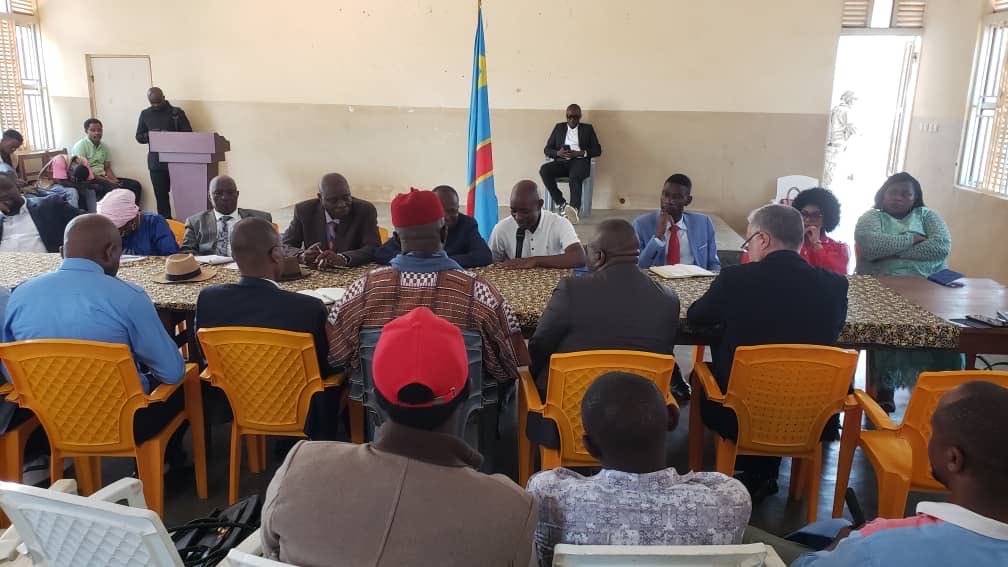
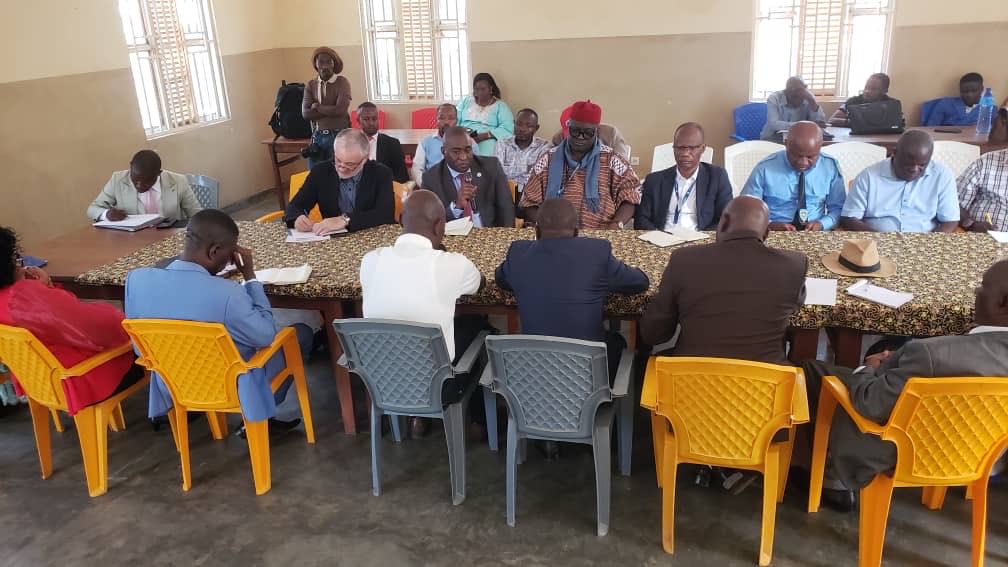
In a statement released on Tuesday, MONUSCO said the assessment mission, running from February 23 to 27, follows consultations with Democratic Republic of the Congo President Félix Tshisekedi, who also serves as chairperson of the ICGLR.
The statement noted that the deployment is a preparatory step toward operationalising the agreed ceasefire architecture. The team is evaluating access, security, logistics, and engagement requirements to ensure that future monitoring and verification efforts are credible, safe, and operationally feasible.
The initiative comes amid sustained diplomatic efforts to stabilise eastern DRC. In October 2025, the DRC government and the AFC/M23 rebel alliance signed the Doha Framework for Comprehensive Peace Agreement in Doha, establishing a joint monitoring and verification mechanism to investigate and prevent ceasefire violations. Observers from the United States, the African Union and Qatar are also part of that mechanism.
MONUSCO recalled that under UN Security Council Resolution 2808 (2025), the mission is authorised to support the implementation of a permanent ceasefire. This includes backing the Ceasefire Oversight and Verification Mechanism as well as the Expanded Joint Verification Mechanism Plus (EJVM+), created following the Doha agreement.
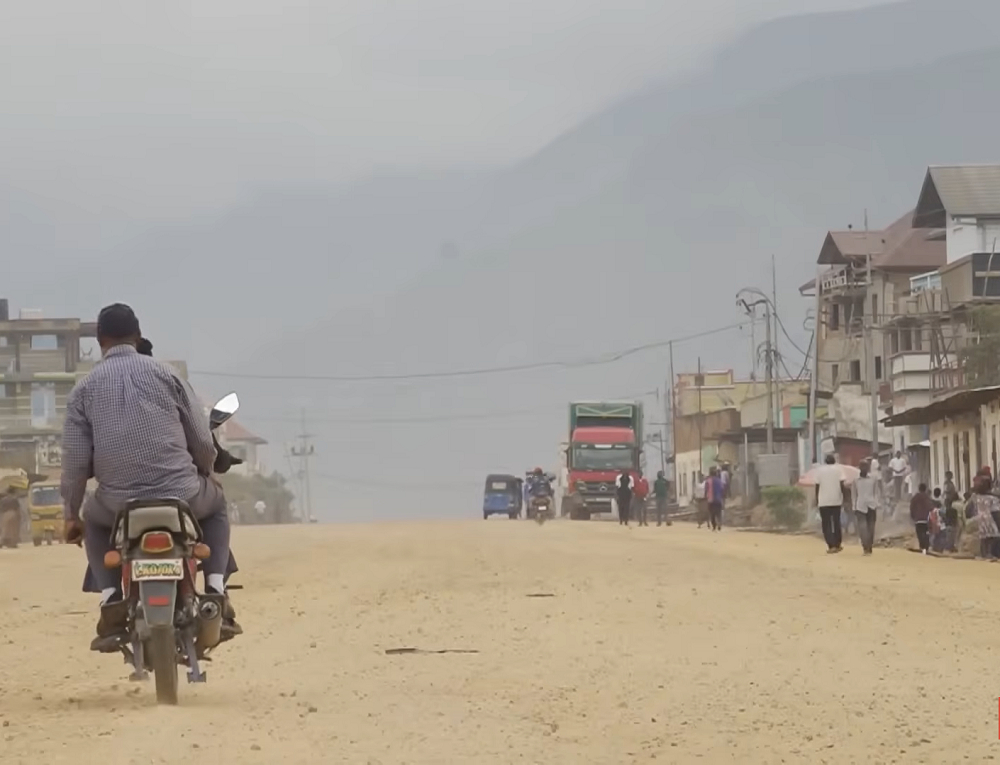
During their stay in and around Uvira, the joint team will assess political, security, logistical and socio-environmental conditions to inform comprehensive planning for a future deployment.
“Effective ceasefire monitoring is intended to reduce violence and create the necessary space for a durable political solution,” said Vivian van de Perre, Special Representative of the UN Secretary-General in the DRC and Head of MONUSCO ad interim.
She noted that, unlike in North Kivu and Ituri, MONUSCO’s mandate in South Kivu is limited to ceasefire monitoring and does not include Protection of Civilians responsibilities under Resolution 2808 (2025).
The mission emphasised that the current deployment is exploratory in nature. The scale and configuration of any subsequent ceasefire monitoring presence will depend on agreed parameters, security guarantees and operational requirements.
ICGLR Executive Secretary Dr. Mbita Luwabeha said regional cooperation remains key to lasting stability. “The Great Lakes region has vast potential for peace and prosperity. By uniting and cooperating, we can tackle challenges and create a brighter future for everyone,” he said.
Repeated ceasefire violations and ongoing hostilities have hampered efforts to stabilise the region, and it remains to be seen if the latest attempt to implement a lasting truce will succeed.
During their stay in and around Uvira, the joint team will assess political, security, logistical and socio-environmental conditions to inform comprehensive planning for a future deployment. The assessment mission runs from February 23 to 27.The team is evaluating access, security, logistics, and engagement requirements to ensure that future monitoring and verification efforts are credible, safe, and operationally feasible.
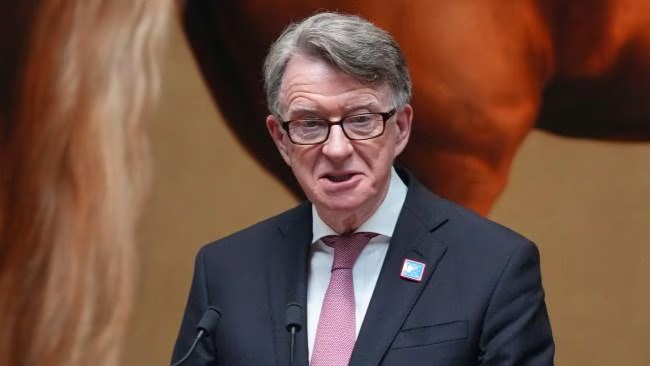
Officers arrested the 72-year-old Mandelson at an address in Camden on Monday, and he has been taken to a London police station for interview, a Metropolitan Police spokesperson said.
“This follows search warrants at two addresses in the Wiltshire and Camden areas,” the spokesperson said via a statement published online, adding that they were not able to provide further information to “prevent prejudicing the integrity of the investigation.”
In late January, the U.S. Justice Department made public a large cache of files related to the dead American financier and convicted sex offender Jeffrey Epstein, prompting renewed scrutiny in Britain. British police confirmed later that they had opened a criminal investigation into Mandelson over alleged misconduct while in public office, including the possible disclosure of market-sensitive information.
Mandelson previously served as a senior cabinet minister under former prime ministers Tony Blair and Gordon Brown. He was appointed ambassador to Washington in early 2025 but was dismissed by British Prime Minister Keir Starmer after seven months as questions over his past resurfaced.
Earlier this month, Starmer apologized for his decision to appoint Mandelson as British ambassador to the United States.
Speaking at an event in the town of Hastings in southeast England, Starmer said he had underestimated the seriousness of Mandelson’s past association with Epstein. He offered an apology to victims connected to the Epstein case and said he understood the anger voiced across parliament.
Due to the Mandelson-Epstein scandal, Starmer’s former chief of staff Morgan McSweeney, communications director Tim Allan, and Cabinet Secretary and Head of the Civil Service Chris Wormald have all stepped down from their posts.
Former British Ambassador to the US Peter Mandelson is seen in London on February 14.
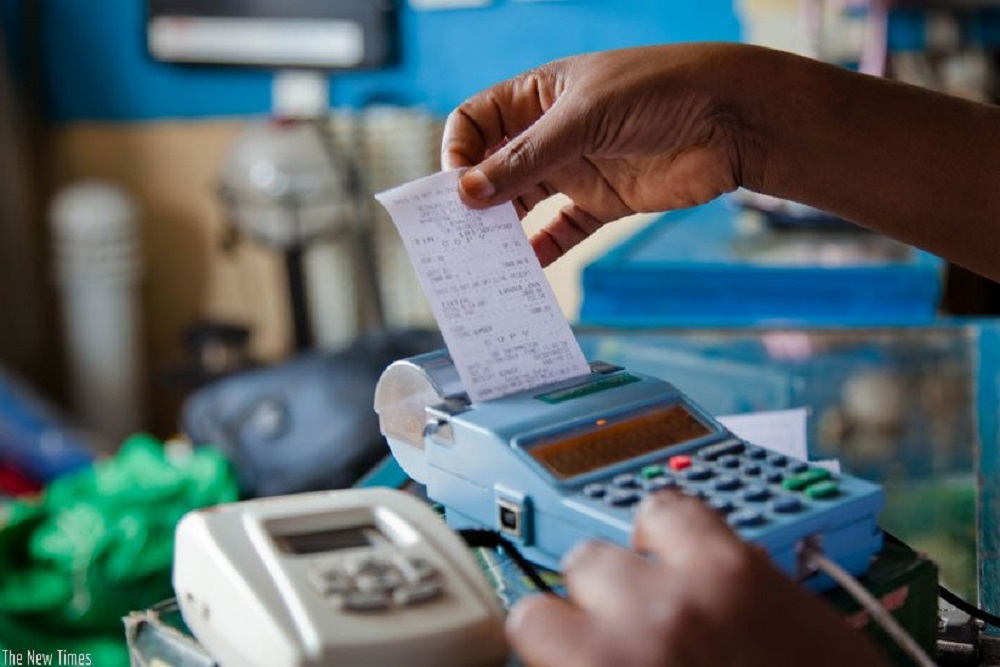
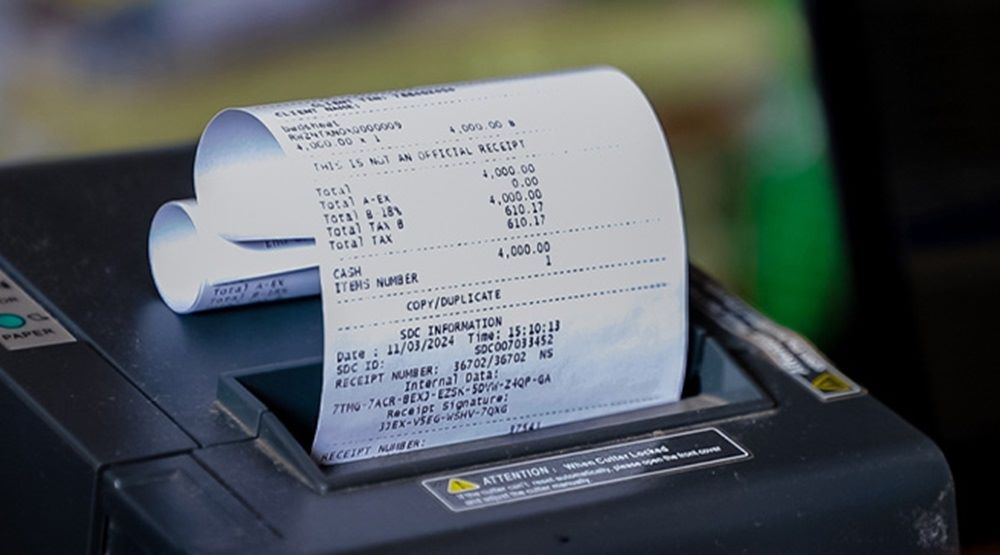
The rewards, equivalent to 10% of the VAT paid on Electronic Invoicing System (EBM) invoices requested during October, November, and December 2025, include 157,020 consumers from the final quarter of the year. An additional nine consumers received a combined Rwf 7,091,931 for invoices from July–September 2025, following verification for individual rewards exceeding Rwf 500,000.
To date, the VAT Reward programme, known as Tengamara Na TVA, has distributed more than Rwf 3.7 billion to 370,147 beneficiaries.
The programme has not only provided financial rewards but also reinforced tax compliance and civic responsibility, according to Assistant Commissioner for Taxpayer Services and Communications, Jean Paulin Uwitonze.
He noted that the 157,029 beneficiaries for this quarter have contributed to the collection of more than Rwf 13 billion toward national development.
“Since the launch of this programme, participants have continued to experience tangible benefits. Beyond the rewards, the initiative strengthens civic responsibility and reinforces a culture of tax compliance,” he stated.
Uwitonze emphasised that rewards are granted only for invoices accrued by final consumers in the relevant quarter, provided traders have declared and paid the VAT. He urged both consumers and traders to comply with invoicing requirements, noting that failure to issue or request EBM invoices is a legal violation.
Tengamara Na TVA encourages consumers to request EBM invoices for every purchase, offering a 10% VAT reward and a share of penalties from non-compliant traders. The programme aims to promote transparency and shared responsibility in national development.
To qualify, consumers must register for the VAT reward programme by providing their name, a Rwandan mobile phone number, a Mobile Money or bank account, and a national ID. Registration can be done by dialing *800# or through the MyRRA platform. The same channels allow users to check their reward accounts and track issued invoices.
To date, the VAT Reward programme, known as Tengamara Na TVA, has distributed more than Rwf 3.7 billion to 370,147 beneficiaries.
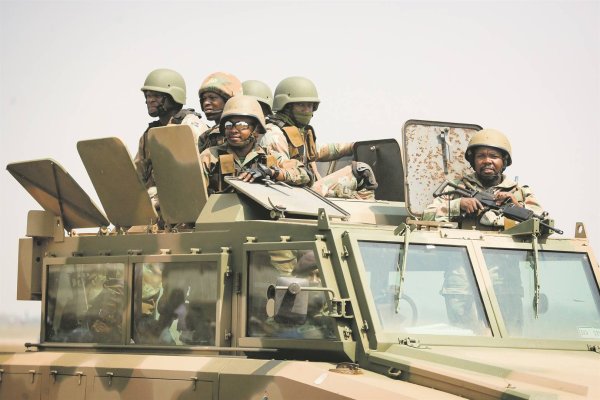
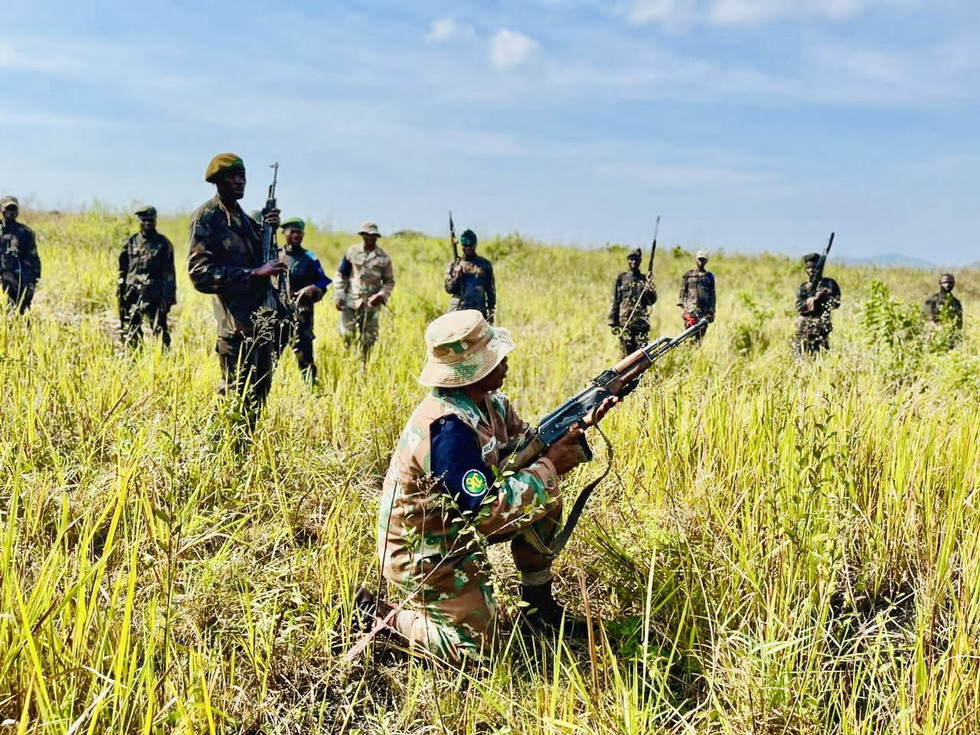
The request follows South Africa’s recent decision to withdraw its troops from eastern DRC, where they had been deployed under a Southern African regional mission against the AFC/M23 rebel alliance. Pretoria has also announced the withdrawal of its contingent serving under the United Nations peacekeeping mission, MONUSCO.
South Africa’s Presidency said the decision to pull its troops out of MONUSCO was driven by the “need to consolidate and realign the resources of the South African National Defence Force”, following 27 years of supporting UN peacekeeping efforts in the DRC.
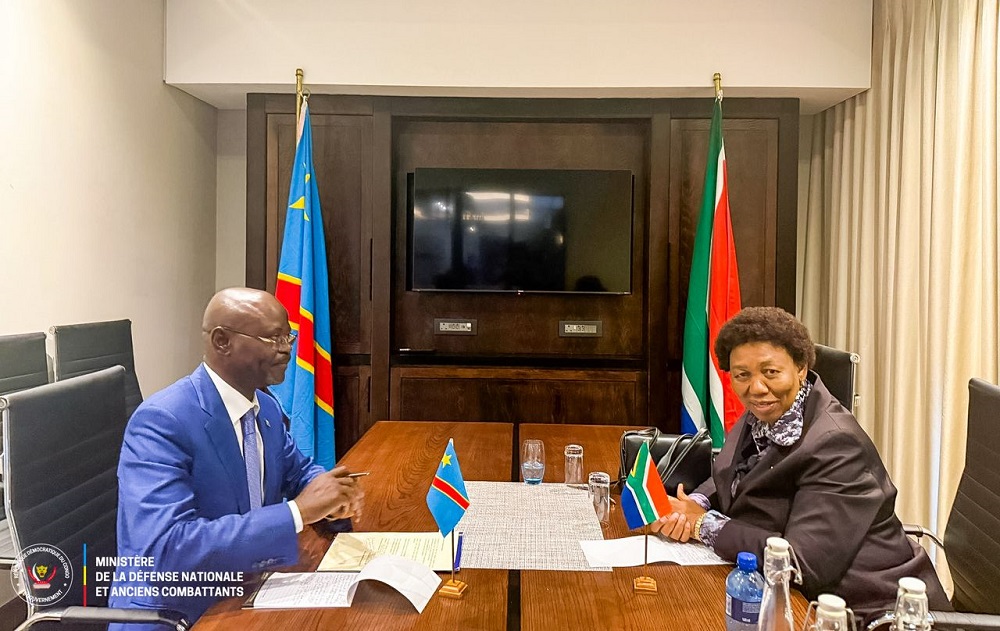
DRC Minister of Defence Guy Kabombo Muadiamvita visited Pretoria on February 21, 2026, where he held talks with his South African counterpart, Angie Motshekga. The discussions focused on strengthening bilateral military cooperation.
In a statement, the DRC Ministry of Defence said the two officials met in a closed-door session to review various aspects of military and strategic cooperation between the two countries. Revisiting the 2004 military agreement between Kinshasa and Pretoria was among the key items on the agenda.
Both sides agreed to establish a joint team of experts to examine potential areas of renewed cooperation, drawing on the provisions of the 2004 accord. The outcome of these consultations could inform the negotiation and signing of a new agreement.
The original Pretoria Agreement was signed in June 2004, shortly after the DRC emerged from years of armed conflict. At the time, the accord was part of broader efforts to stabilise the country and rebuild its security institutions and economy, particularly in a nation endowed with vast mineral resources.
Then South African Defence Minister Mosiuoa Lekota pledged that South Africa would support the professionalisation of Congolese forces through training programmes, supply of military equipment and technical assistance.
However, unlike in 2004, when peace processes were underway to integrate former armed groups into a unified national army, the current security context remains marked by ongoing hostilities in parts of eastern DRC.
Kinshasa is now actively seeking multiple international partners to strengthen a military widely seen as under-resourced and structurally weak. Should the discussions advance, the United States is also expected to provide support, including training, equipment and intelligence cooperation.
Ministers Guy Kabombo Muadiamvita and Angie Motshekga held talks on strengthening military cooperation. South Africa’s recently announced decision to withdraw its troops from eastern DRC.
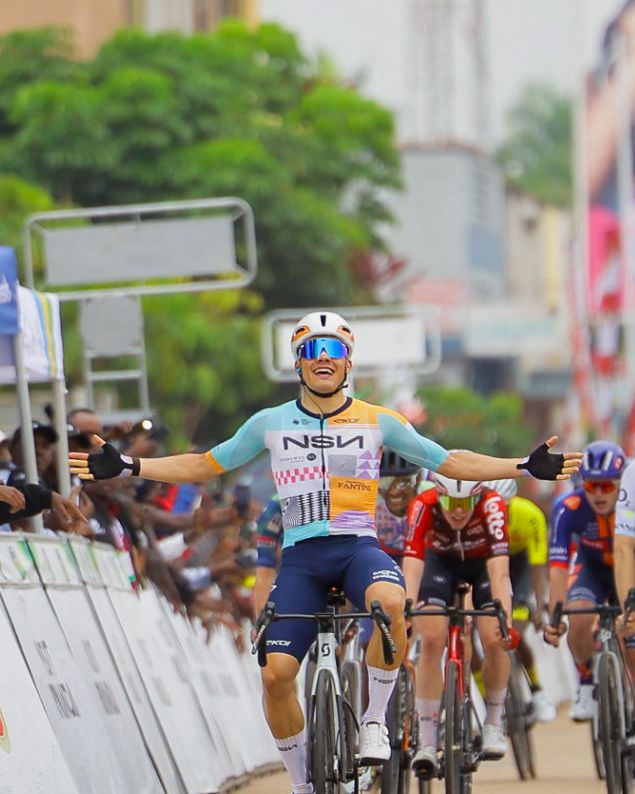
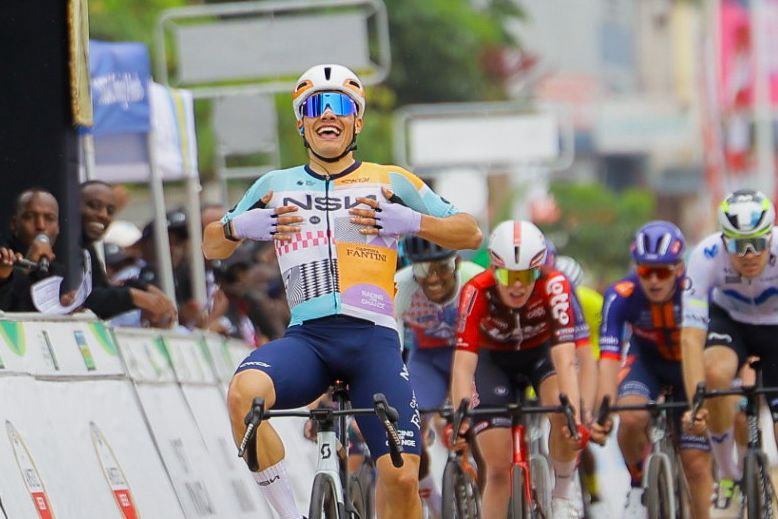
The 21-year-old covered the 134.6 km from Nyamata in three hours, 10 minutes and 10.30 seconds (3:10:10.30), edging Eritrea’s Henok Mulubrhan by just two milliseconds in a thrilling finish.
The win marks back-to-back stage victories for NSN Development Team, following Itamar Einhorn’s triumph in Stage 1 from Rukomo to Rwamagana on Sunday.
The 21-year-old covered the 134.6 km from Nyamata in three hours, 10 minutes and 10.30 seconds.
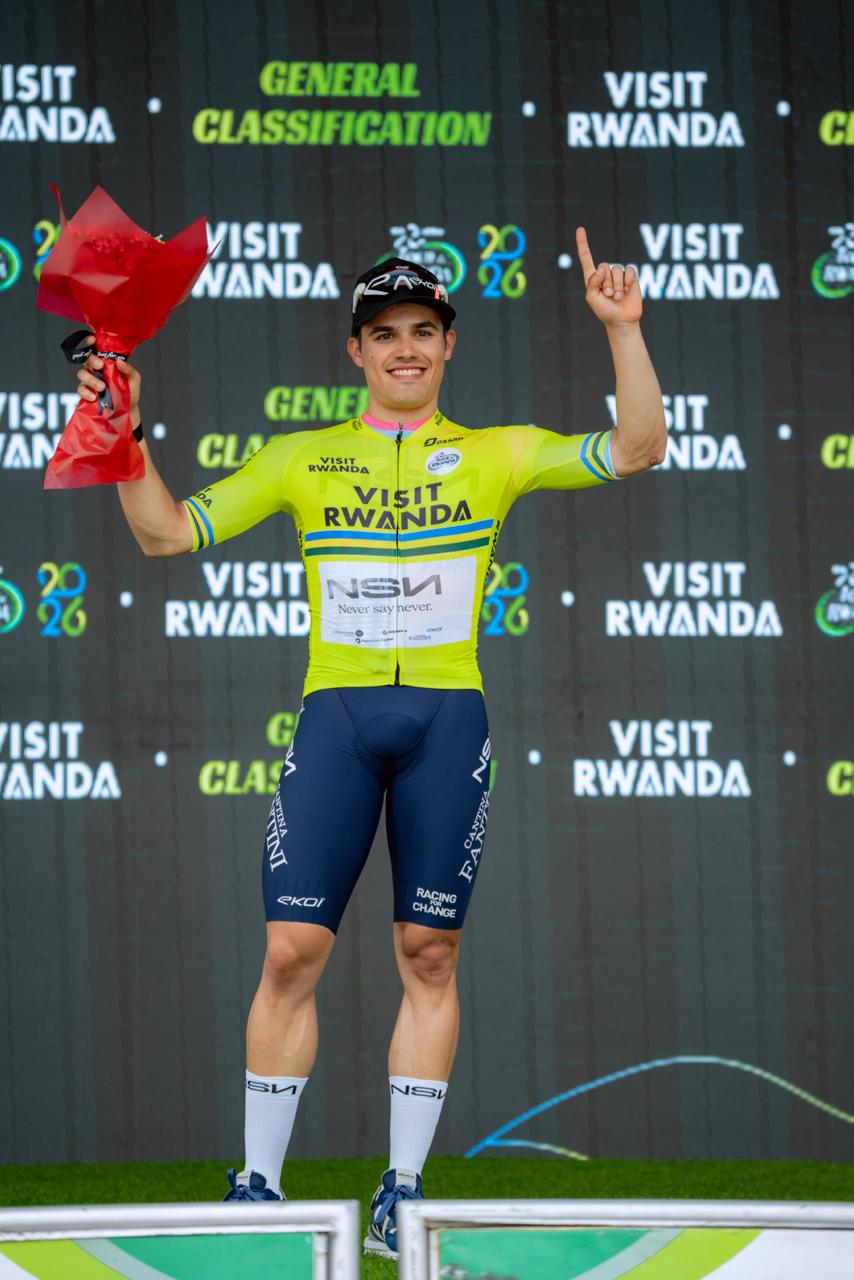
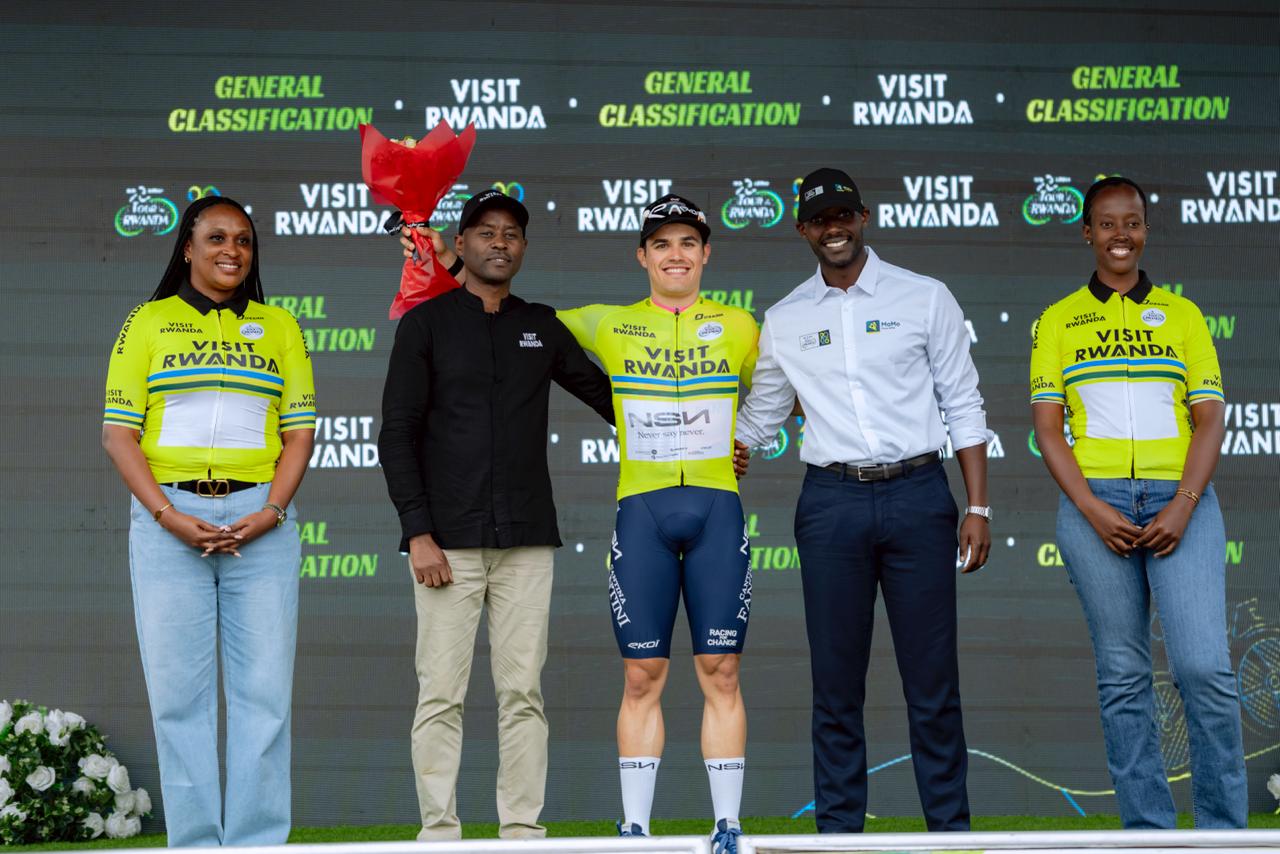
Marti Pau also took the yellow jersey, gaining a 10-second advantage in a sprint at Imberabyombi, which propelled him ahead of his teammate Einhorn, who did not finish among the top 40 riders on Monday.
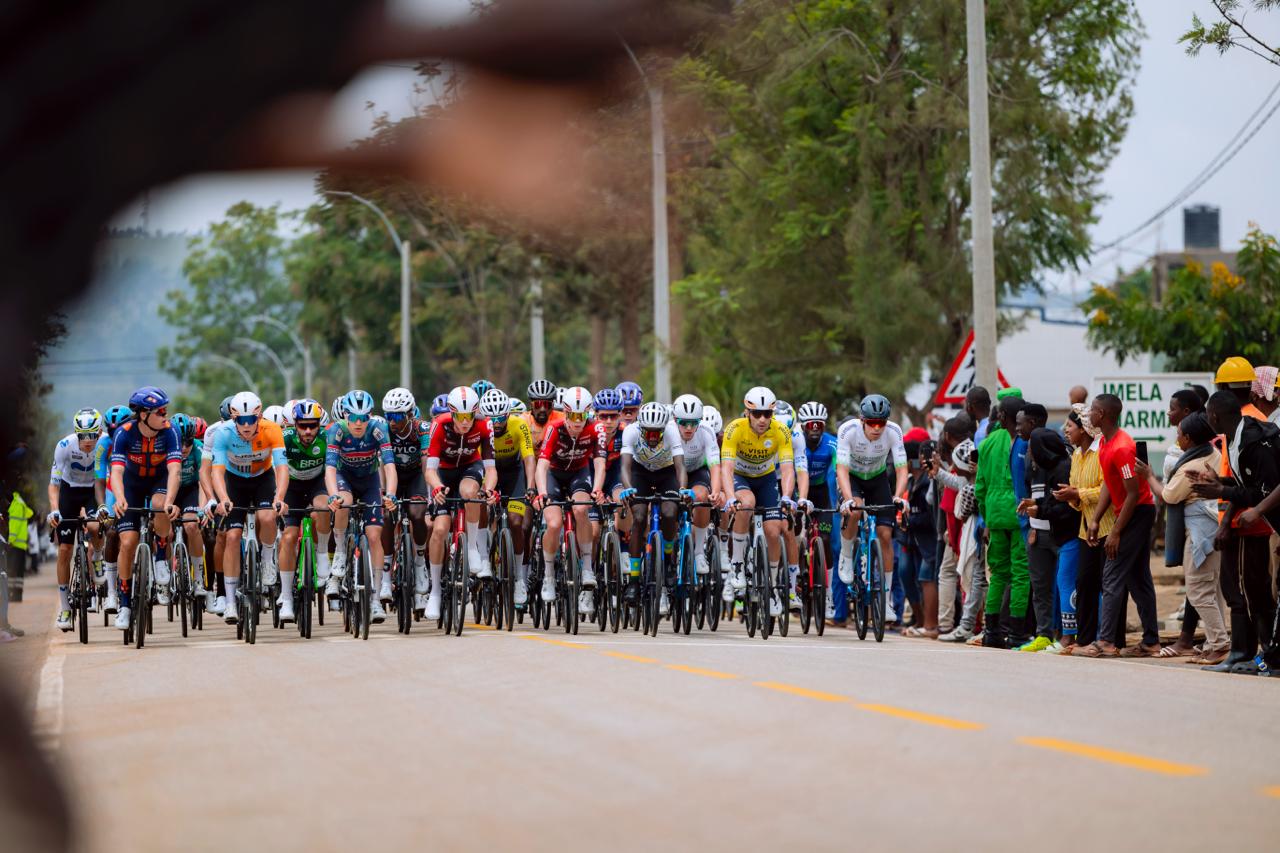
The stage saw the peloton tightly packed until the final kilometres, with Eritrean riders initially leading the charge into Huye. Riders positioned themselves for the decisive sprint in the last 2 km, with NSN and Soudal Quick-Step shaping the race for the finale.
Marti Pau’s win marks back-to-back stage victories for NSN Development Team, following Itamar Einhorn’s triumph in Stage 1 from Rukomo to Rwamagana on Sunday.
Top finishers in Stage 2 included Mauro Cuylits (Lotto-Groupe Wanty) in third, Hodei Muñoz Gabiña (Soudal Quick-Step Devo Team) in fourth, and Lucas Van Gils (Lotto-Groupe Wanty) in fifth.
The 2026 Tour du Rwanda will resume on Tuesday, February 24, with Stage 3 starting in Huye at 11:00 AM and finishing in Rusizi. The stage covers a distance of 145.3 kilometres.
Spanish rider Pau Soriano Martí powers past Eritrea’s Henok Mulubrhan to claim Stage 2 victory in Huye on Monday.The stage saw the peloton tightly packed until the final kilometresResidents turn up in large numbers along the road to witness the race.
The decision was announced on Monday, February 23, 2026, alongside updates for two other fixtures. The Rayon Sports–Al Hilal SC match had previously been postponed because Al Hilal SC was competing in the final stages of Group C in the CAF Champions League.
The game was initially rescheduled for Wednesday, February 25, 2026, at Stade Amahoro at 6:00 PM. However, it was later shifted to Kigali Pelé Stadium and brought forward to 3:00 PM due to recurring lighting issues, which the league cited as stemming from ongoing electricity supply problems.
In addition, the Kiyovu Sports vs. Marine FC match, originally set for Tuesday, February 24, 2026, has been postponed because Kigali Pelé Stadium will be closed. A new date for the match will be communicated in due course.
Another fixture affected is Al Merrikh SC vs. AS Muhanga, scheduled for Wednesday, February 25, 2026, at 3:00 PM, with the rescheduled date yet to be announced.
Currently, the league table is led by Al Hilal SC with 41 points, narrowly ahead of Al Merrikh SC, which trails by just one point.
Rayon Sports and Al Hilal SC will play at Kigali Pelé Stadium.
On a quiet afternoon in Kigali, the sound of traffic softens behind high compound walls. Inside, canvases lean against brick exteriors, paint dries in the sun, and artists move between studios with brushes still in hand. In a restored villa across town, visitors pause in front of layered abstract works, debating texture and meaning. Not far away, curators arrange lighting for an upcoming contemporary exhibition, fine-tuning how each piece will be encountered.
These are not isolated pockets of creativity. They are signs of a city steadily constructing its cultural identity.
Over the past decade, and more visibly in recent years, Kigali has developed a confident and increasingly structured contemporary art ecosystem. What began as collective studios driven by experimentation has expanded into a network that includes museums, research-based institutes, socially driven galleries, photography centres and private collector spaces.
Here are 10 art spaces at the heart of that transformation.
1. Inema Art Centre
More than a gallery, Inema, situated in the Kacyiru neighbourhood, functions as a living studio complex. Founded by brothers Emmanuel Nkuranga and Innocent Nkurunziza, the centre helped redefine what professional art practice could look like in Kigali.
Brothers Emmanuel Nkuranga and Innocent Nkurunziza founded Inema in 2012 in an effort to share their creative passion with Rwandans and visitors alike.
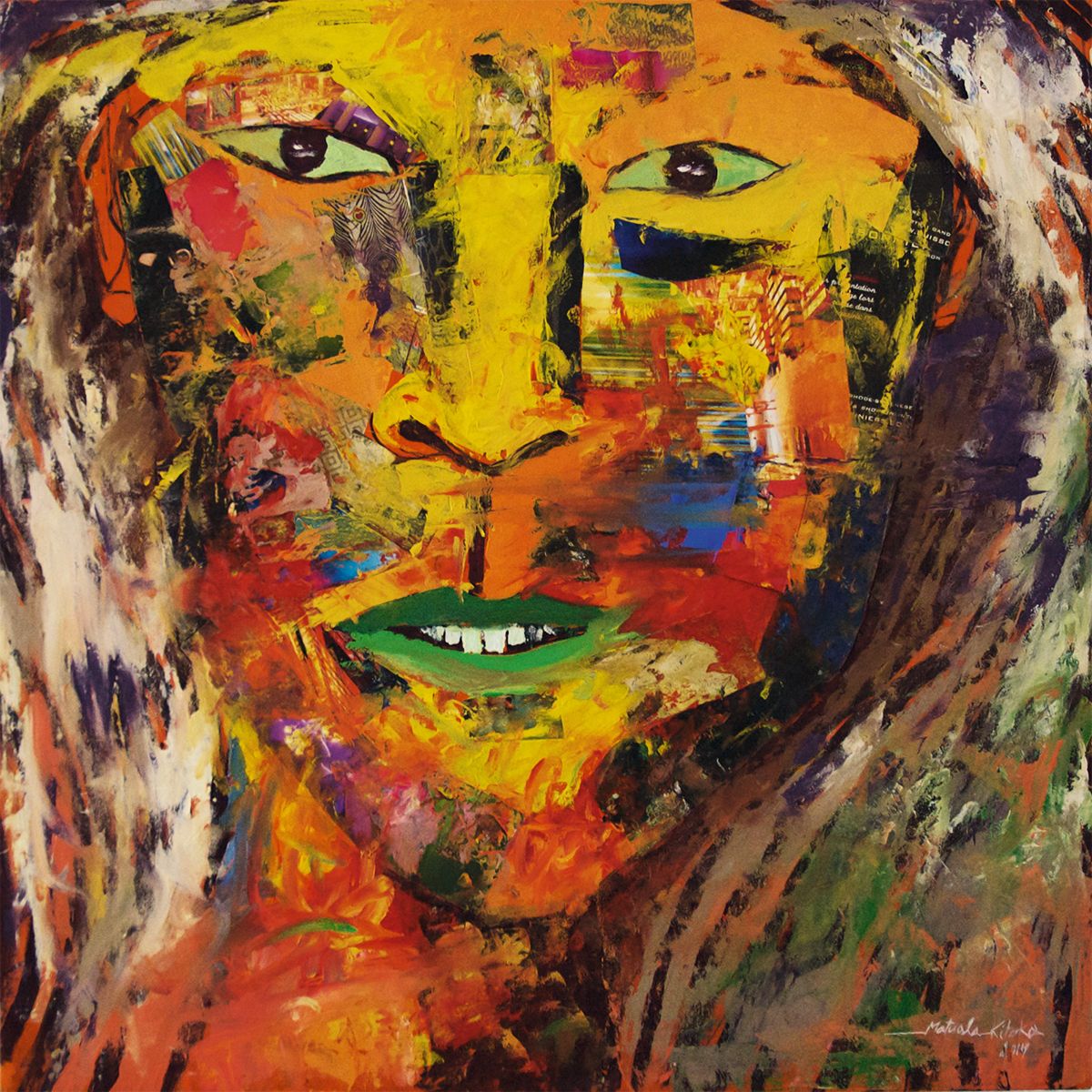
Visitors rarely encounter a silent, static space. Instead, they find artists actively working on large-scale canvases characterised by bold colour palettes, textured layers and recurring motifs that draw from Rwandan daily life. The centre regularly hosts themed exhibitions, dance performances, poetry evenings and workshops for young creatives.
Artworks on display at Inema Art Center.
Inema’s impact lies not only in the artwork it produces, but in how it normalised the idea that contemporary art could be visible, collaborative and commercially viable within Rwanda.
2. Ivuka Art
As Rwanda’s first contemporary art collective, Ivuka Arts, situated in Kacyiru, represents the roots of Kigali’s modern art movement. Its open compound model, where artists share space, critique each other’s work and collaborate across mediums, created an early support system in an otherwise limited infrastructure.
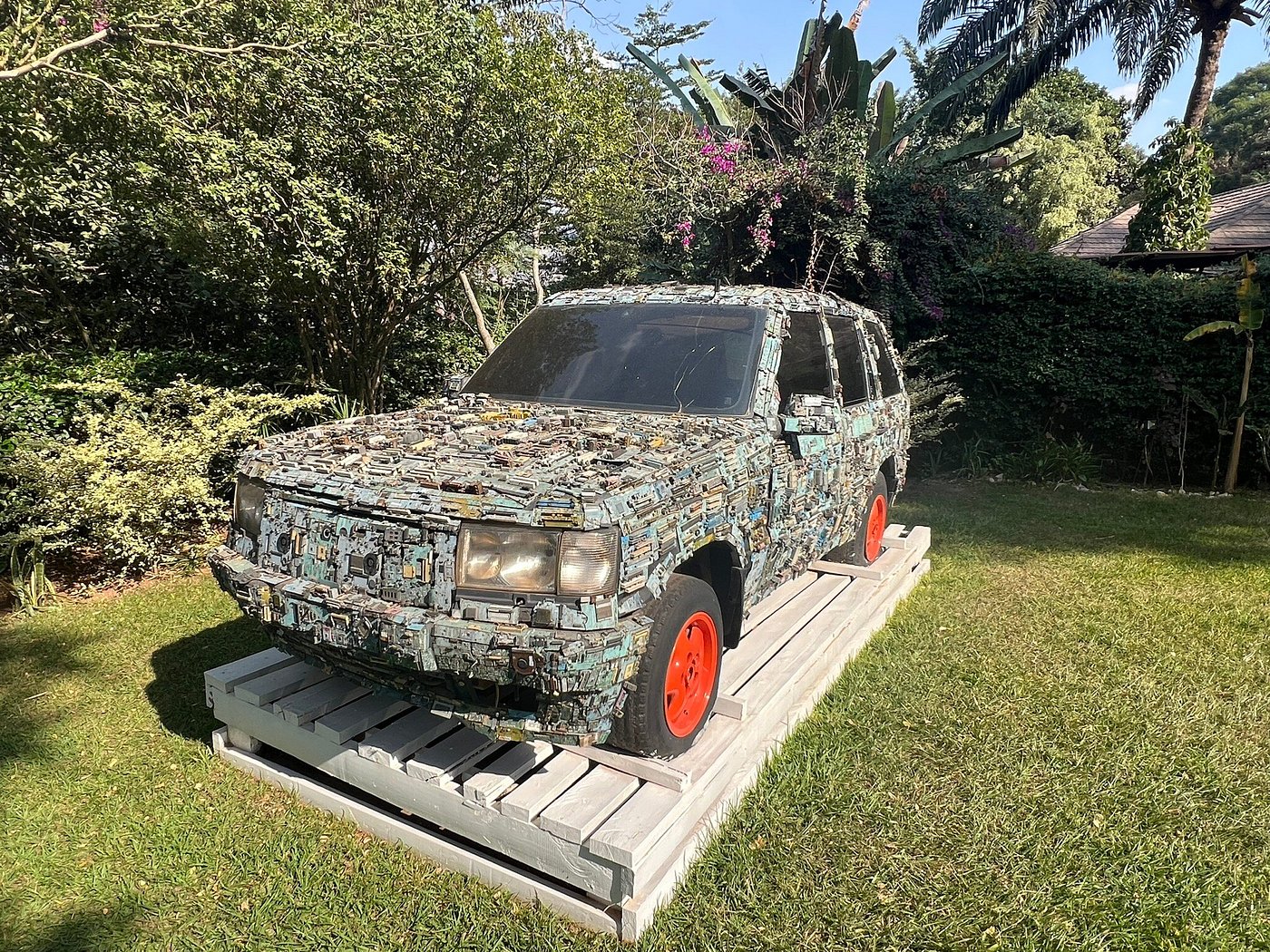
An artwork at Ivuka.
The space is known for its colourful murals and sculpture installations that spill into outdoor areas, blurring the line between exhibition and environment. Ivuka fostered experimentation at a time when contemporary art was still gaining recognition locally, helping shape a generation of artists who would later exhibit regionally and internationally.
3. Rwanda Art Museum
Set within the former Presidential Palace in Kanombe, the Rwanda Art Museum offers one of the most layered art experiences in the country. The building itself carries political history, and the preserved wreckage of the presidential plane in the garden serves as a reminder of the nation’s past.
The museum carries deep political history.
Inside, the museum houses more than 120 works by over 50 artists, providing a structured overview of Rwanda’s visual art evolution. The collection spans painting and sculpture, capturing shifts in style, subject matter and technique over time. Unlike studio spaces, the museum offers institutional framing, placing contemporary Rwandan art within a curated historical narrative.
4. Gihanga Institute of Contemporary Art(GICA)
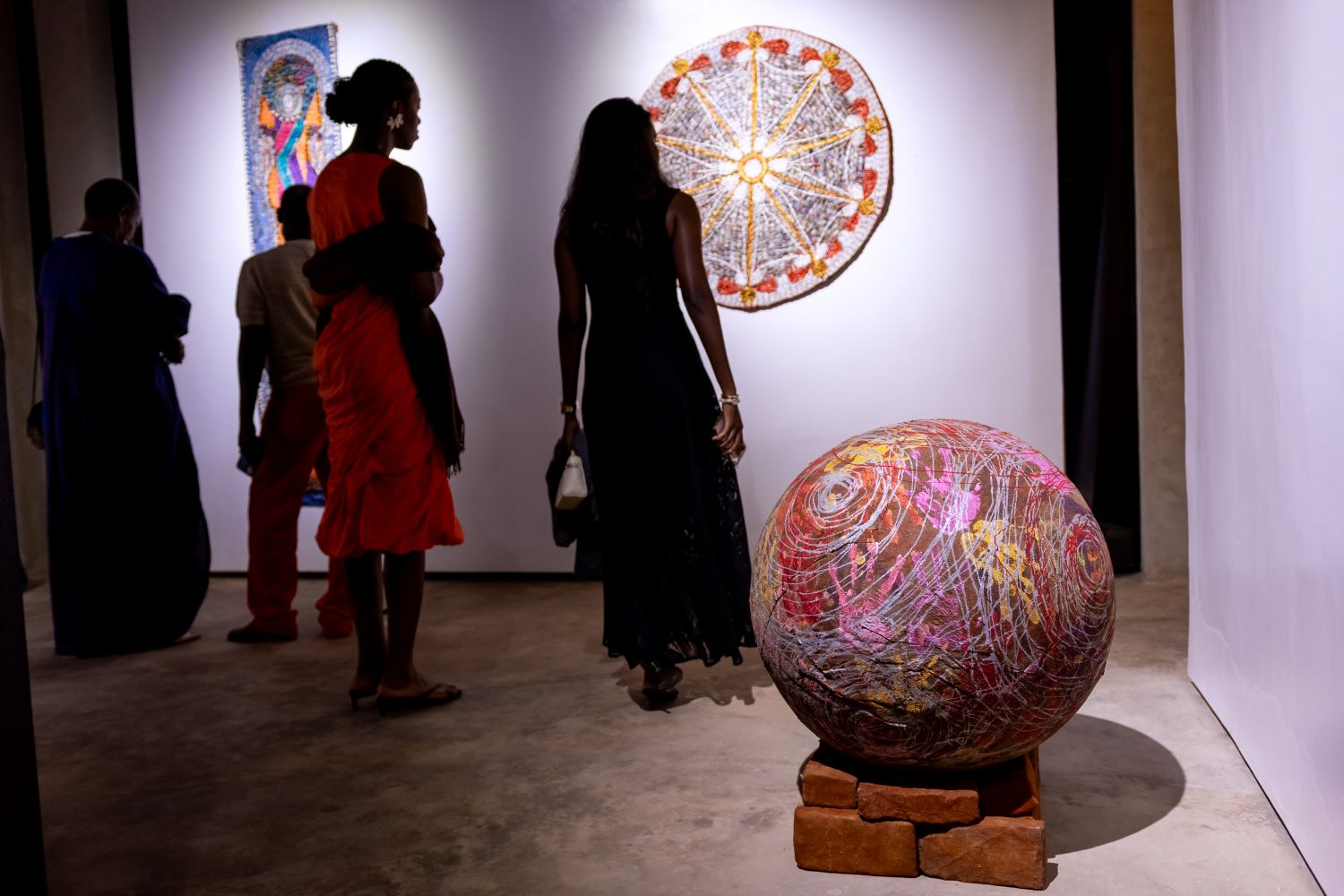
Opened in December 2025, the Gihanga Institute of Contemporary Art (GICA) represents a decisive step toward institutional maturity in Rwanda.
The Gihanga Institute of Contemporary Art (GICA), Rwanda’s first non-profit institution dedicated to contemporary art, officially opened in Kigali on December 20, 2025.
Situated in Kimihurura, GICA is the country’s first independent, non-profit center dedicated to high-end contemporary art and Pan-African exchange.
Co-founded by international curator Kami Gahiga and artist Kaneza Schaal, the 777-square-meter facility, designed by architect Amin Gafaranga, moves beyond exhibition alone. It functions as a complete ecosystem, integrating curated shows with a reference library curated by Christian Nyampeta, a screening room, and artist residency studios.
Its inaugural exhibition, Inuma: A Bird Shall Carry the Voice, featured world-class talent and underscored a multidisciplinary mission that positions Kigali as a rigorous hub for global art dialogue and structured cultural infrastructure.
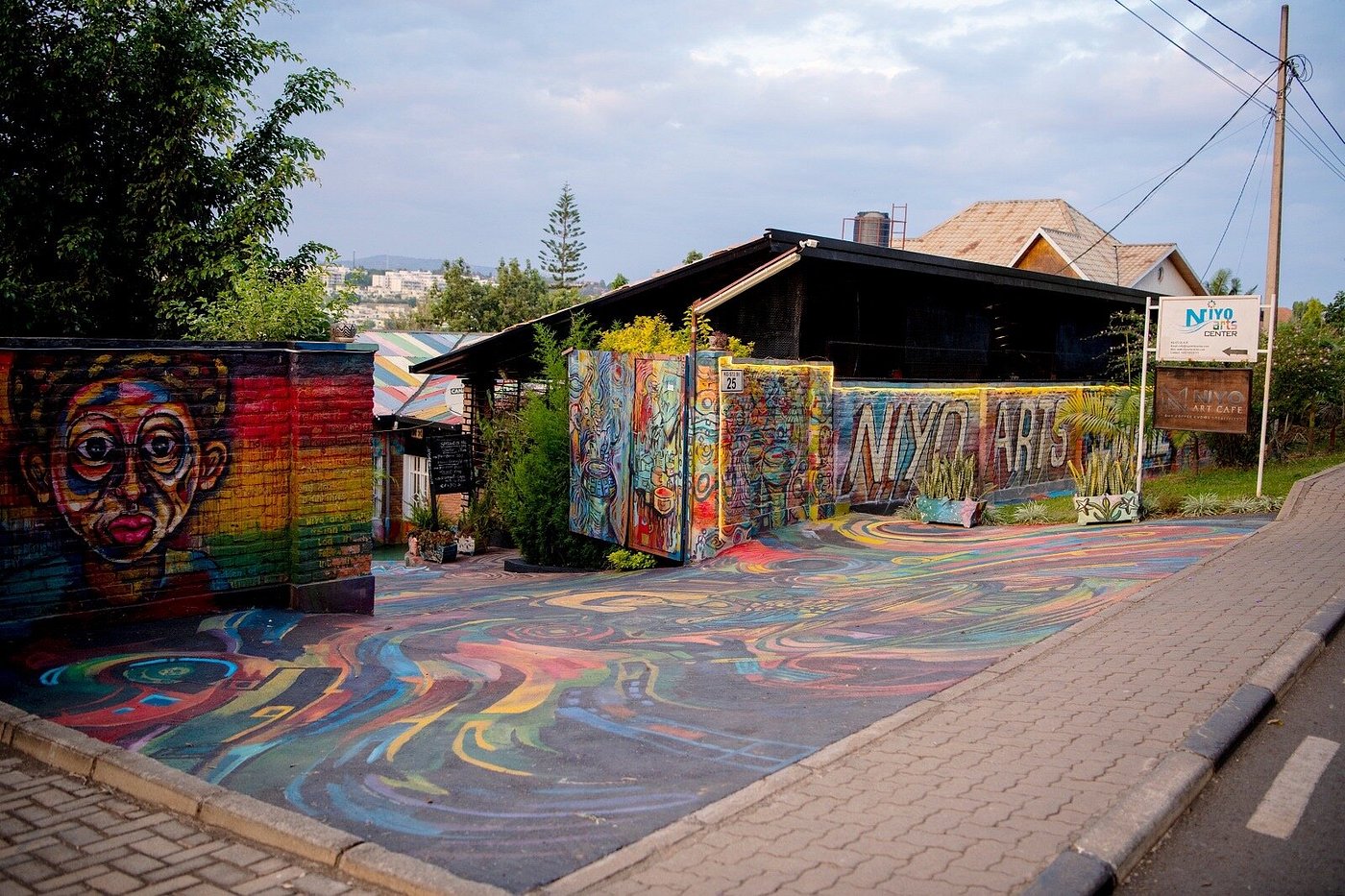
5. Niyo Art Gallery
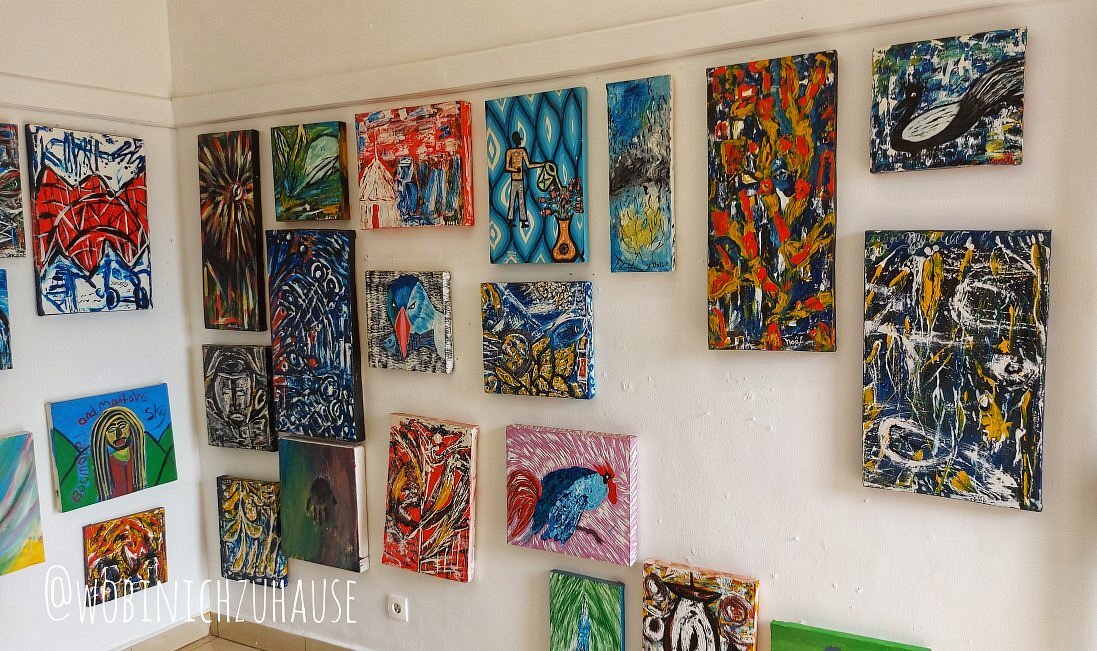
At Niyo Art Gallery in Kacyiru, artistic production is directly tied to social impact. Founded by Pacifique Niyonsenga, the gallery operates as a social enterprise supporting vulnerable children through education and creative training funded by art sales.
The gallery doubles as a learning space, where young artists receive mentorship and exposure.
The artwork displayed often reflects scenes of rural and urban Rwandan life, rendered in vibrant tones and layered textures. The gallery doubles as a learning space, where young artists receive mentorship and exposure. Here, art functions as both livelihood and opportunity, reinforcing its social dimension within Kigali’s ecosystem.
6. Tongo Art Gallery
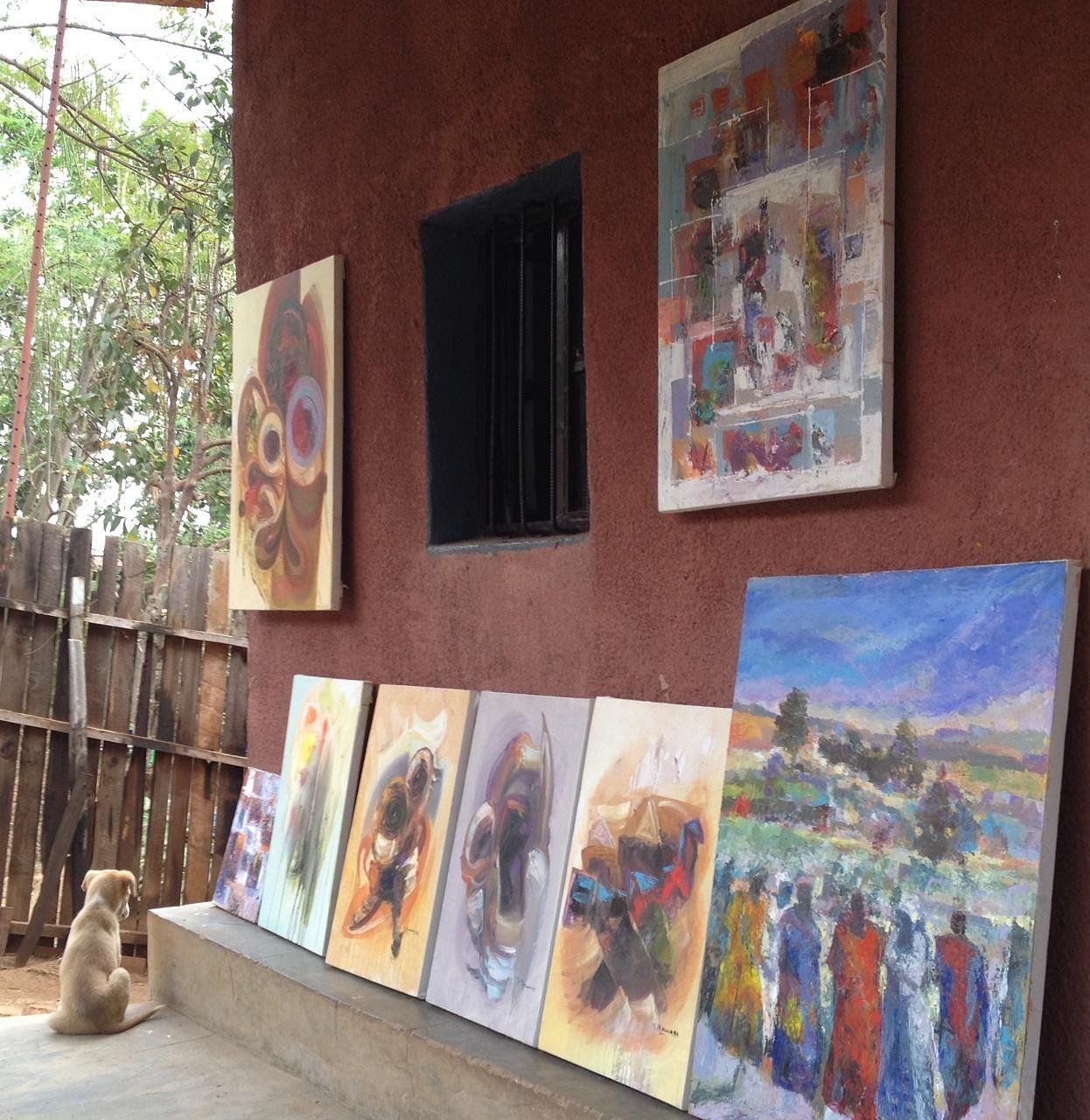
Tongo Art Gallery, located in Kacyiru, offers a quieter but deeply engaging experience. Known for abstract and mixed-media works, it provides space for experimentation in form and technique.
Exhibitions often rotate, allowing emerging and mid-career artists to test new ideas before an intimate audience. Live painting sessions and pop-up events keep the space fluid. Tongo’s strength lies in its accessibility; conversations between artists and visitors unfold naturally, demystifying the creative process.
7. Indiba Art Space
Indiba Art Space, nestled in the vibrant neighbourhood of Kimihurura, leans toward carefully curated exhibitions that explore identity, heritage and contemporary urban life. The gallery’s programming often includes workshops and discussions, reinforcing its role as more than a display venue.
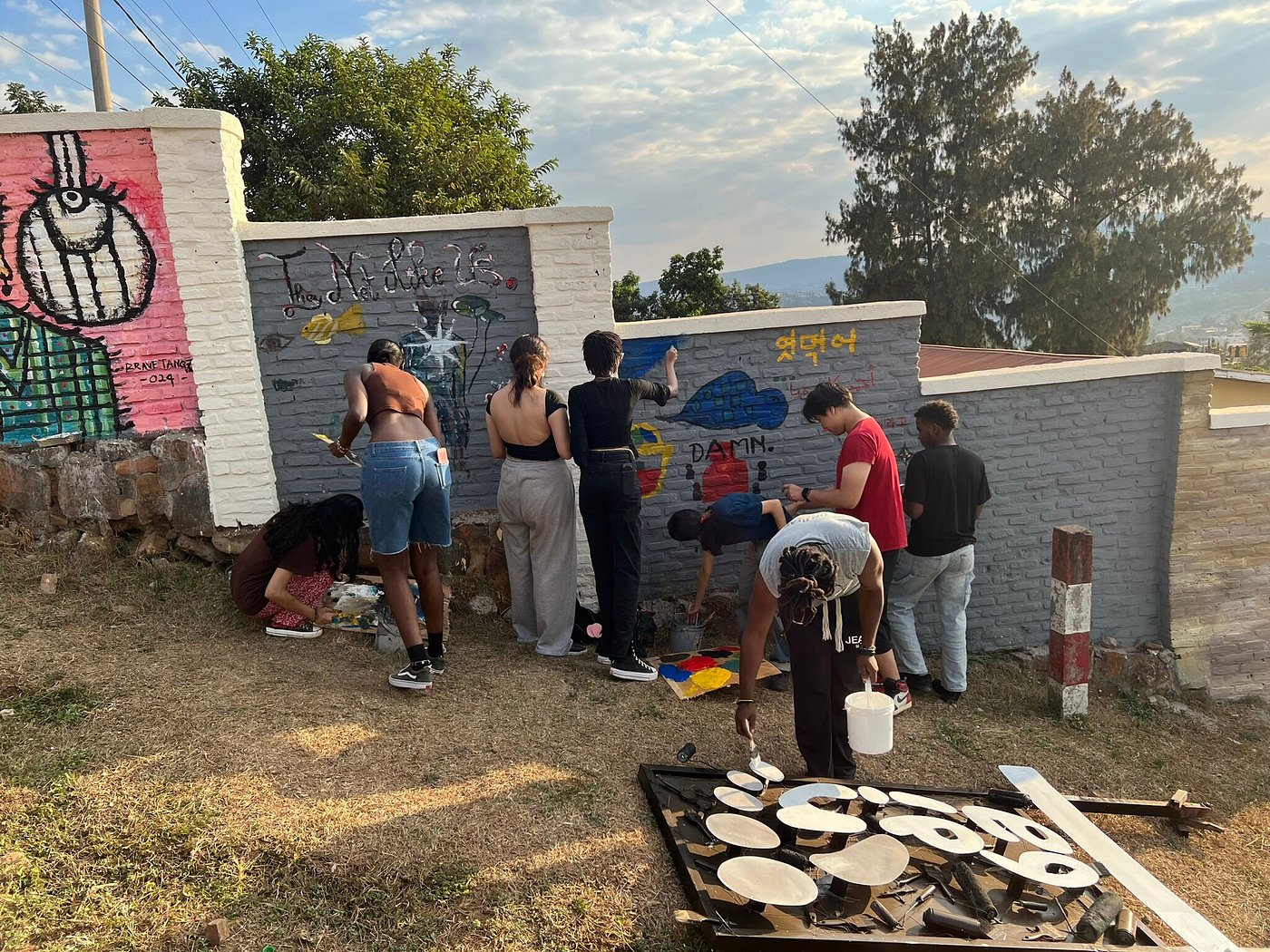
Artists making murals.
Works presented at Indiba frequently engage with memory and transformation, reflecting Rwanda’s rapid social and economic evolution. The gallery contributes to a growing culture of critical engagement around art in Kigali.
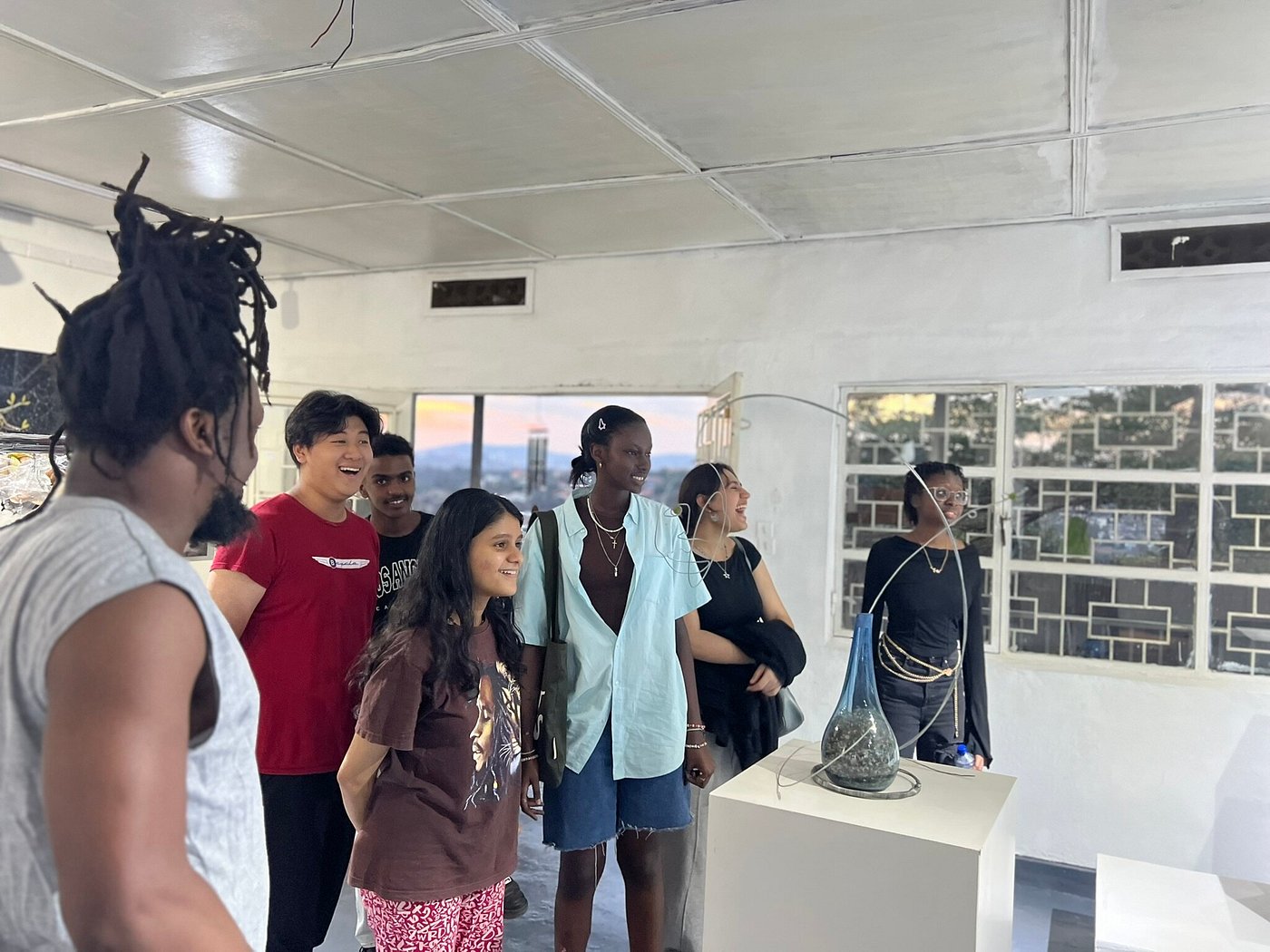
Group of students visiting the gallery for ‘Mural Day’.
8. Choose Kigali
Choose Kigali introduces a different model, merging contemporary art with high-end dining. Founded by Emmanuel Nkuranga, the space located in the Kiyovu neighbourhood caters to collectors and patrons seeking a more exclusive setting.
Choose Kigali merges contemporary art with high-end dining.
Artworks are displayed within a refined interior, encouraging slower viewing and private acquisition. This hybrid concept reflects the expanding commercial dimension of Kigali’s art scene and the rise of a discerning local and international clientele.
9. Kigali Center for Photography
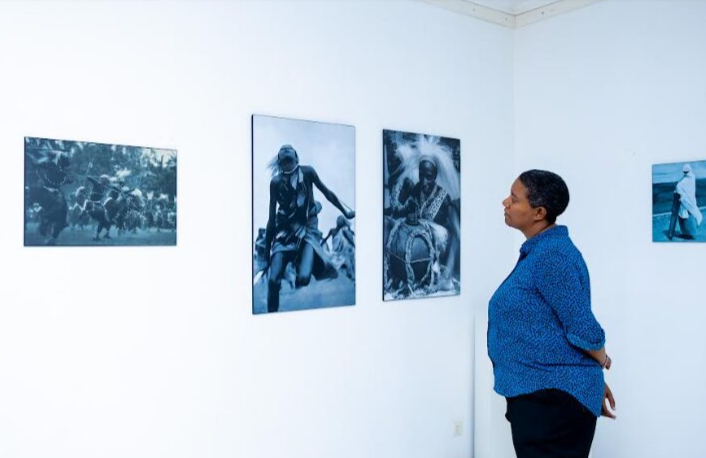
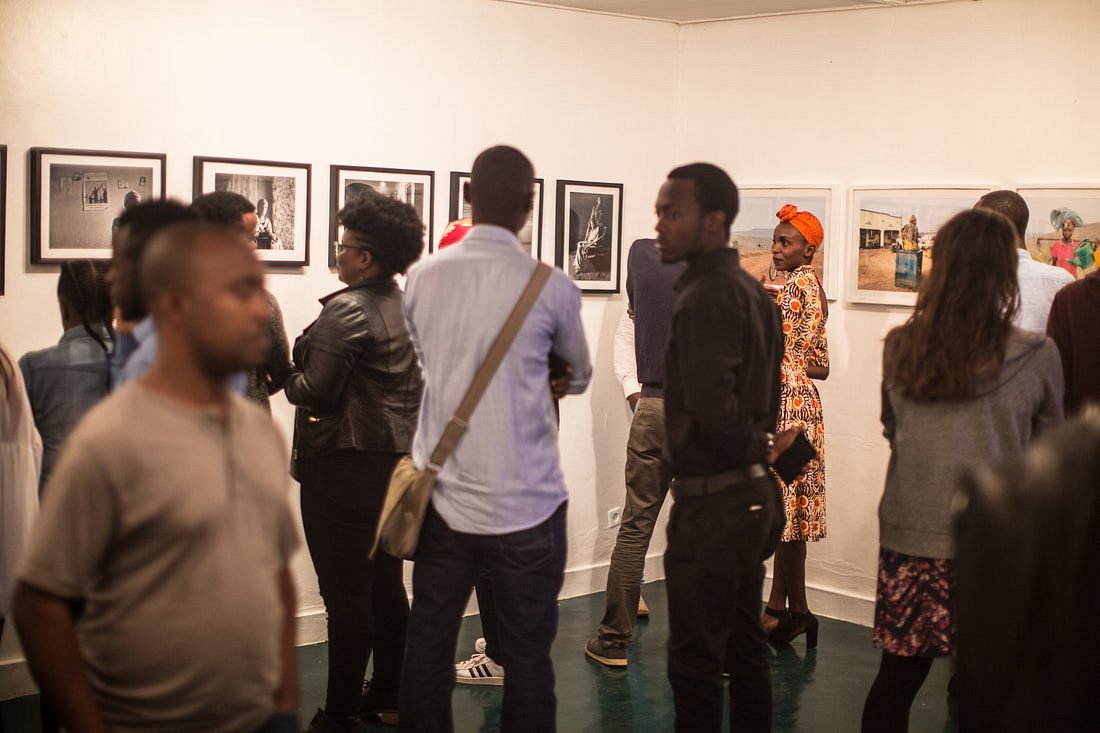
While painting dominates much of the city’s gallery landscape, the Kigali Center for Photography (KCP), situated in the creative heart of Kimihurura, anchors a different visual medium.
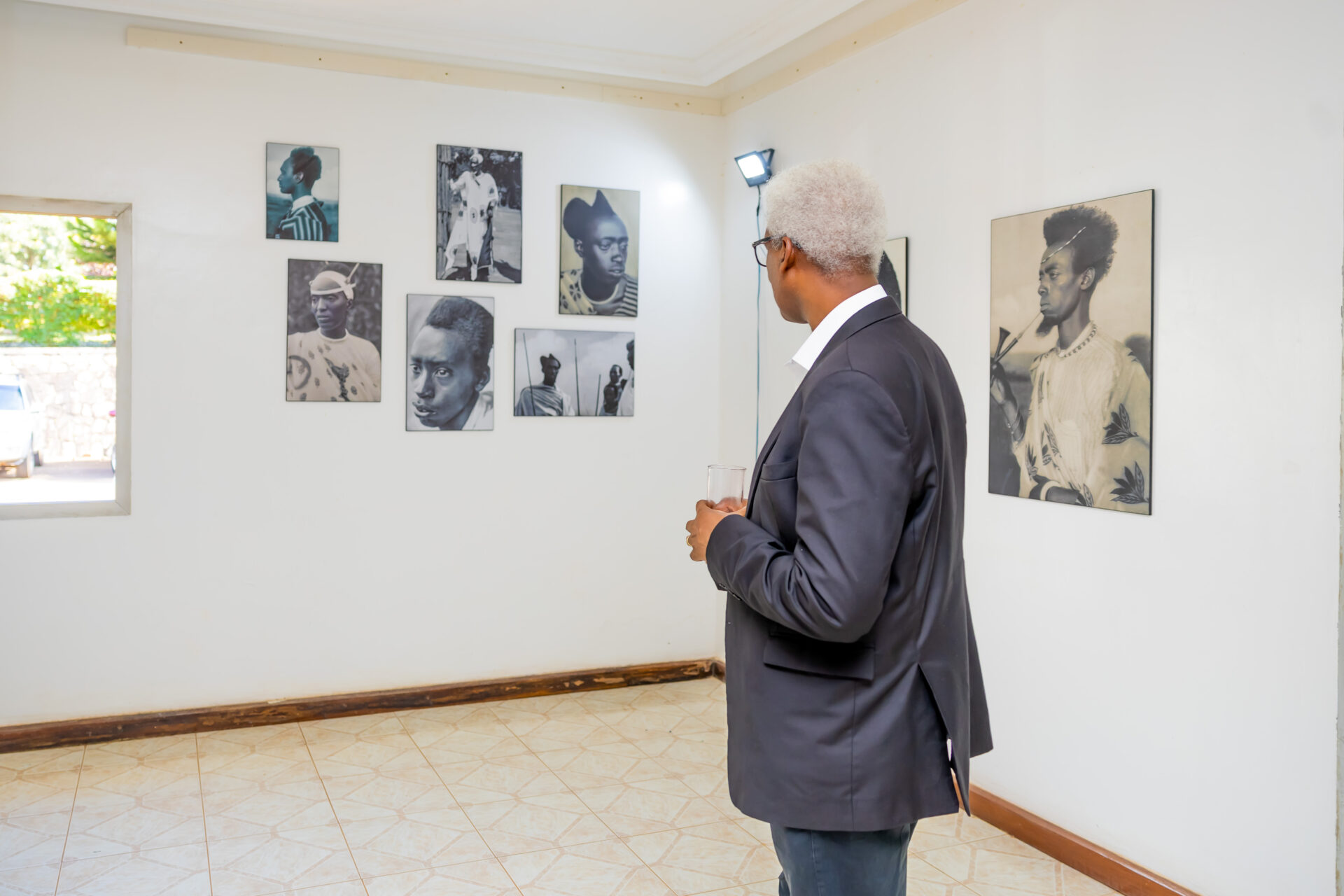
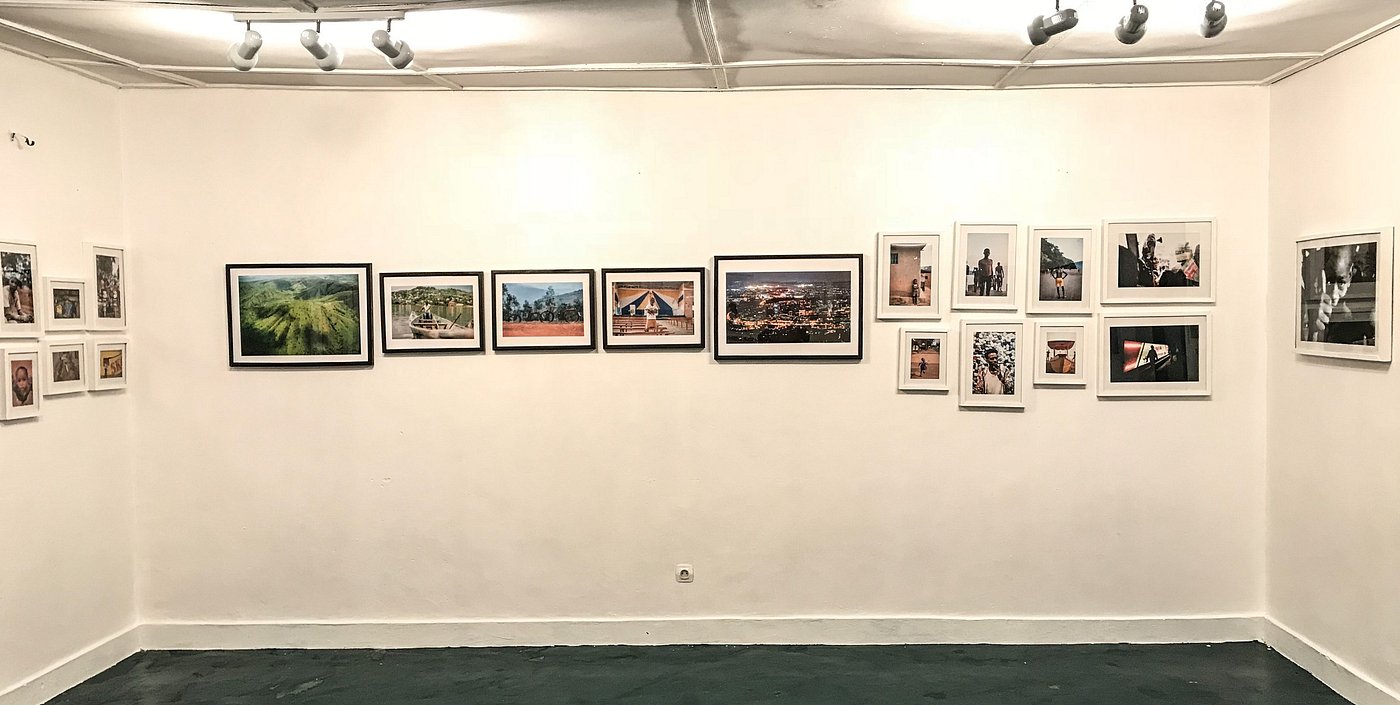
The centre aims to explore and promote Rwandan and foreign photography.
As the first dedicated space of its kind in Rwanda, the center prioritizes visual storytelling as a tool for social change and historical preservation. Beyond its gallery walls, KCP serves as a vibrant ‘learning lab’ where founder Jacques Nkinzingabo and local mentors provide free workshops, equipment access, and residencies for emerging talent.
By focusing on documentary and artistic photography, the center actively works to reclaim the Rwandan narrative, shifting the lens away from past trauma toward a multifaceted view of contemporary identity, resilience, and daily life.
10. Inkingi Arts Space
Inkingi, which translates to “pillar” or “support” in Kinyarwanda, lives up to its name by serving as a foundational space for both established and emerging artists.
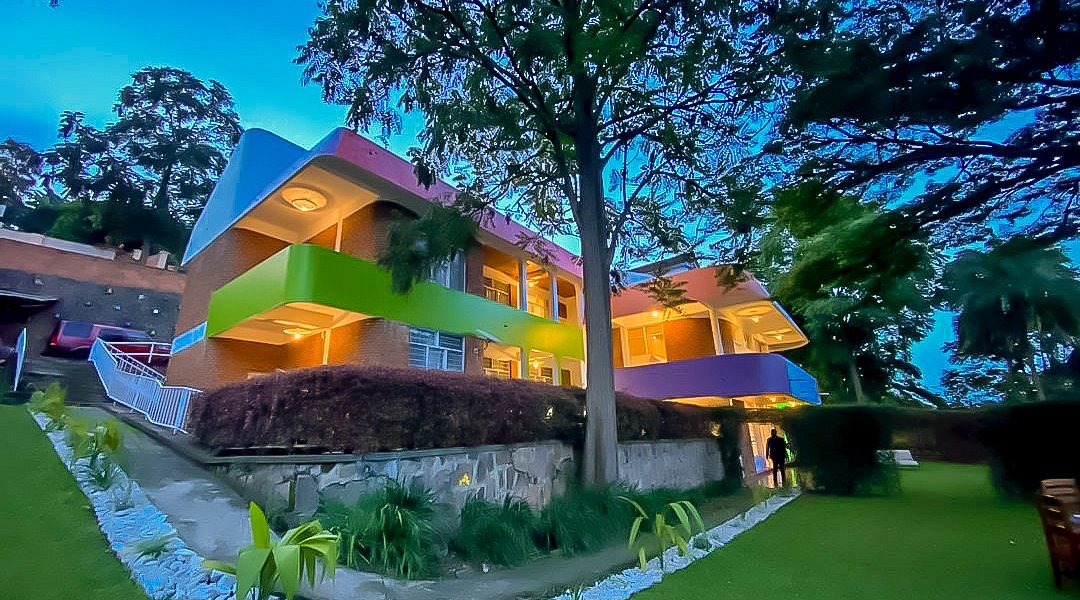
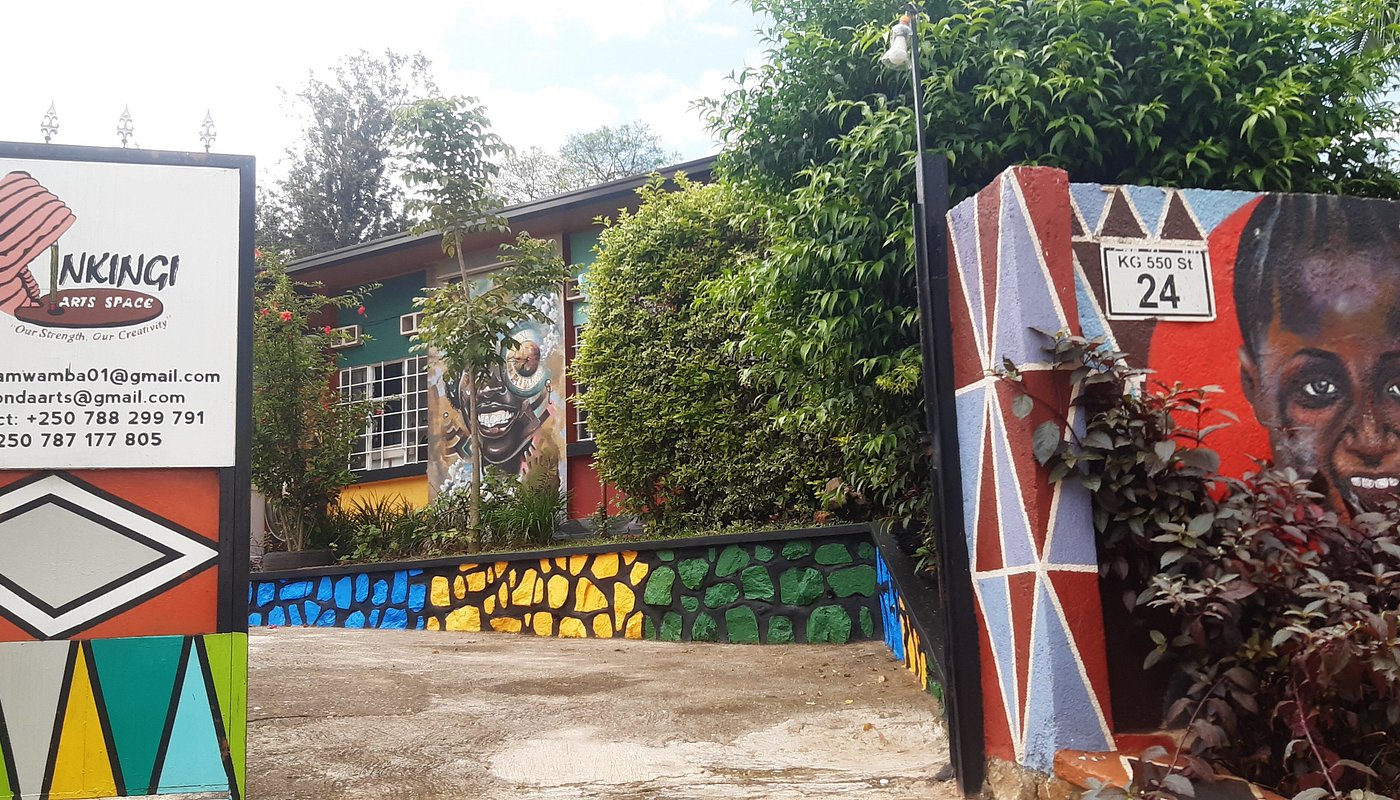
Nestled within a lush, green compound, Inkingi is incredibly photogenic and welcoming.
Founded in 2023 by Olivier Kwitonda and located in Kacyiru, the gallery exudes a distinct atmosphere that feels more like an intimate garden sanctuary than a bustling, high‑traffic space.
Nestled within a lush, green compound, Inkingi is incredibly photogenic and welcoming. Like Inema, it functions as an active studio where visitors can often meet the artists at work, and many guests describe the hospitality here as among the warmest in Kigali, making every visit feel personal and engaging.
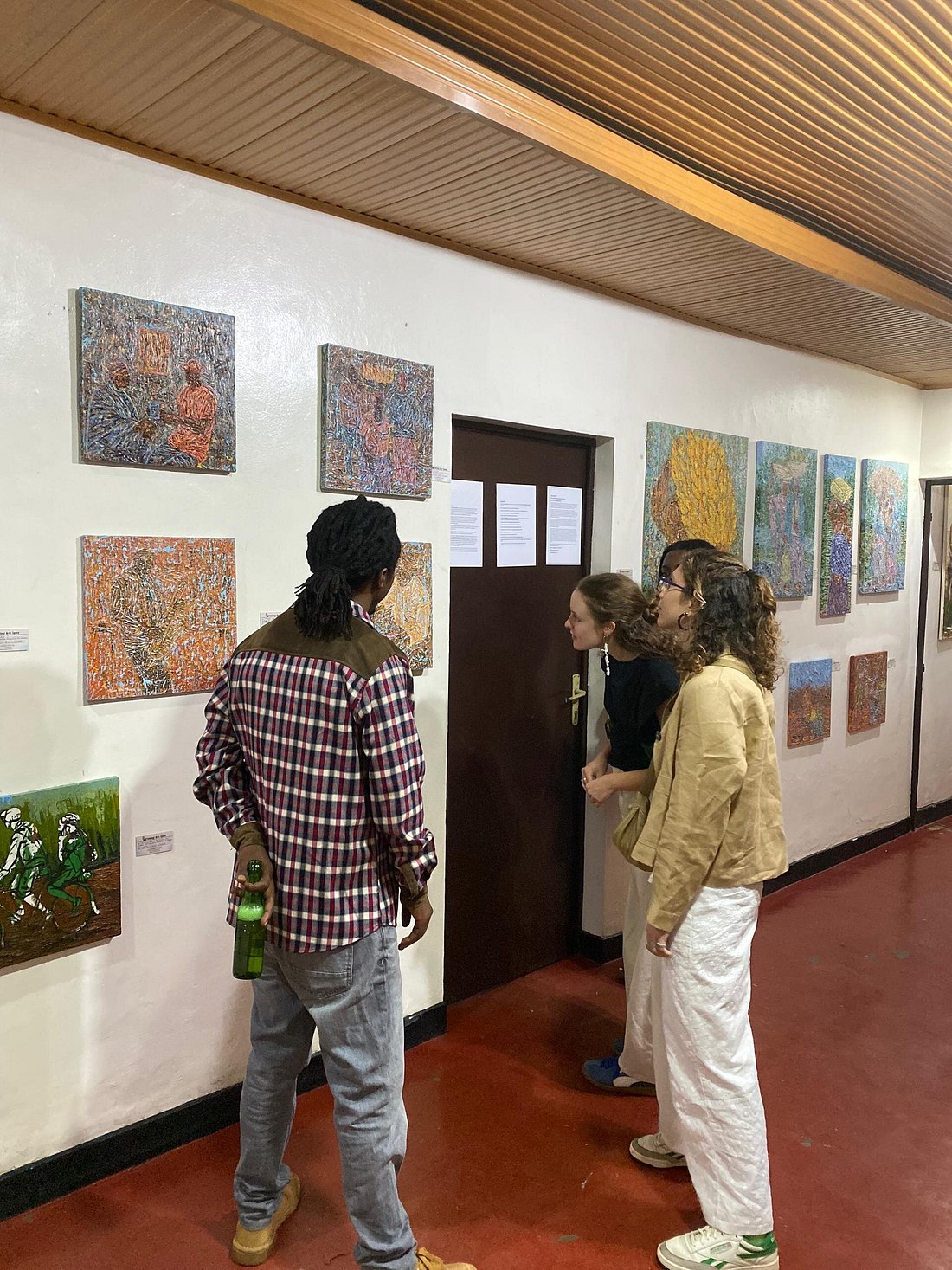
While bold acrylic paintings, a hallmark of Rwandan contemporary art, are on display, Inkingi distinguishes itself through diversity. Visitors encounter a mix of paintings, sculptures, intricate beadwork, and textiles, reflecting a wide range of creative practices.
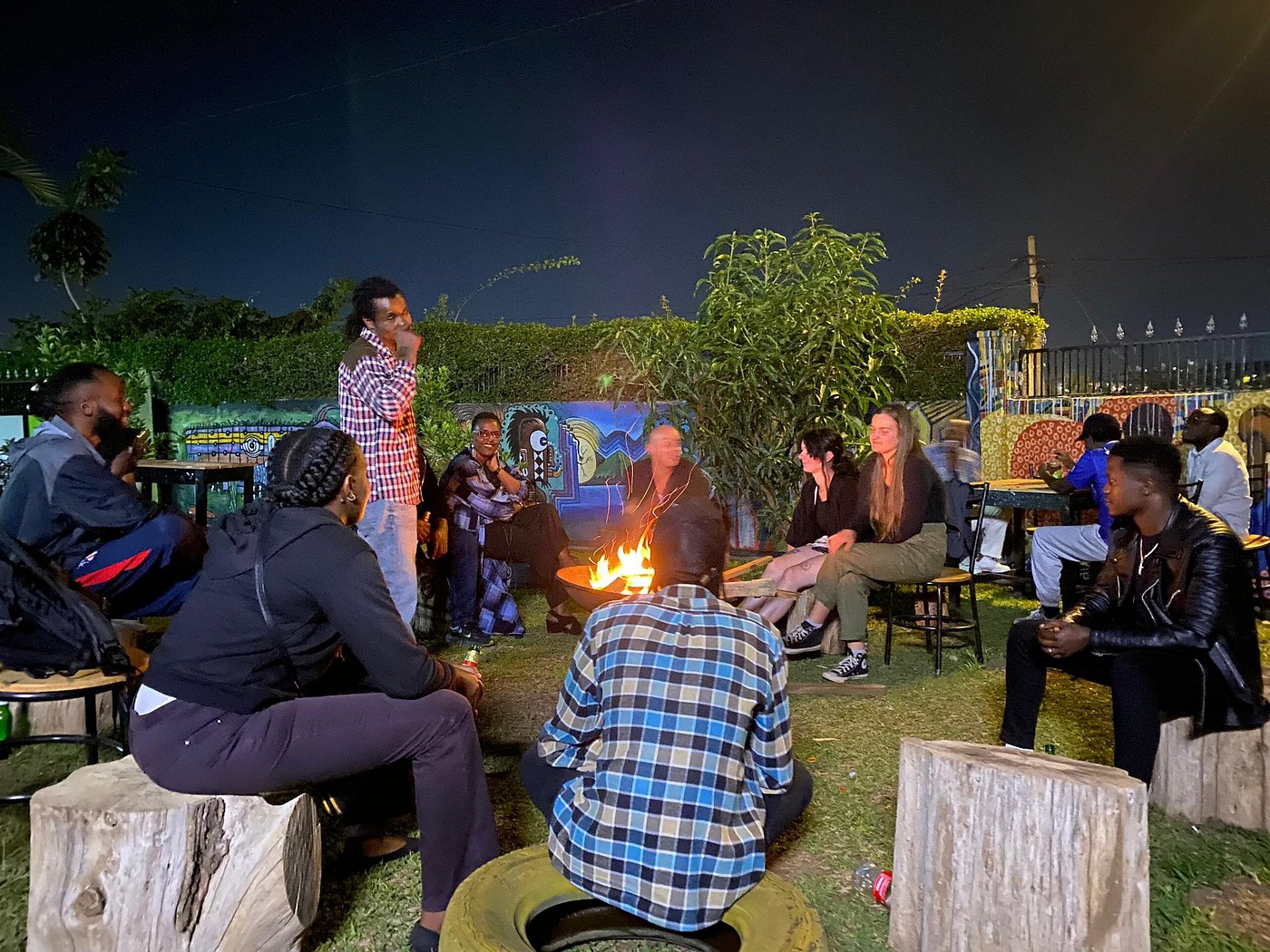
The gallery also offers a strong connection to Rwanda’s cultural heritage. Every third Saturday of the month, storytelling sessions are paired with traditional food, allowing guests to engage with the country’s oral traditions while surrounded by modern visual interpretations of those same stories. In this way, Inkingi bridges the gap between heritage and contemporary expression, creating a space that is both reflective and forward-looking.