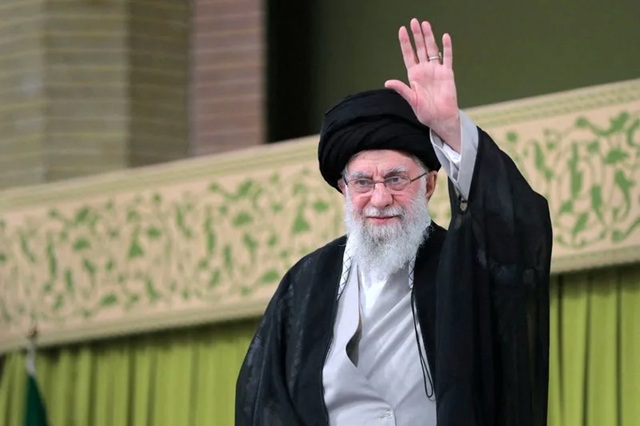
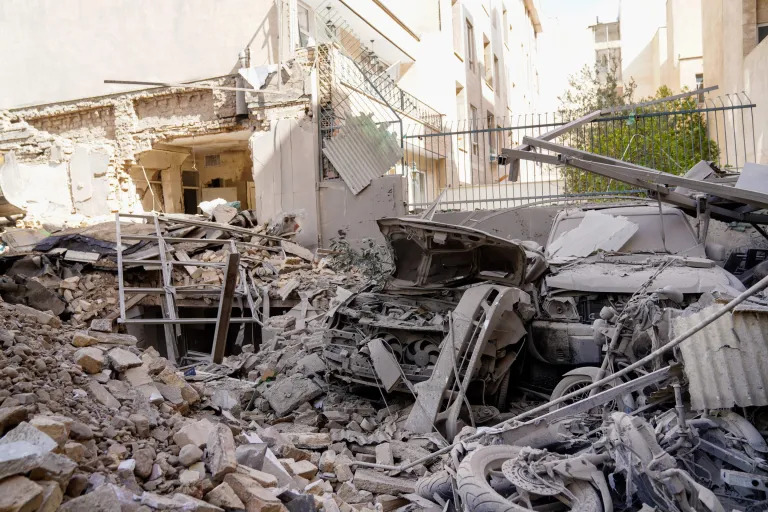
State television announced overnight that Khamenei, who had ruled Iran for nearly four decades, was killed in his office on Saturday morning during coordinated strikes by the United States and Israel. The attack is part of a broader military campaign that US President Donald Trump said would continue with “heavy bombing” throughout the week.
The Iranian government has announced a 40-day national mourning period following confirmation of the Supreme Leader’s death.
In a statement released shortly after the news broke, Trump described Khamenei as “one of the most evil people in History” and urged Iranians to “take back their Country,” signalling support for regime change in Tehran.
*Heavy casualties across Iran*
The strikes have resulted in significant civilian and military casualties. Iran’s Red Crescent said more than 200 people have been killed nationwide. Iranian state media reported that at least 108 people, including more than 100 girls, died when a strike hit an elementary school.
Sources speaking to international media said around 40 Iranian officials are believed to be among the dead. Israel said it killed several senior figures, including the head of the Islamic Revolutionary Guard Corps (IRGC). The IRGC has vowed to carry out “the most devastating offensive operation” in its history in response to the killing.
Overnight, Israel’s military launched additional waves of bombing, targeting what it described as Iran’s ballistic missile stockpiles, launch sites and air defence systems.
*Retaliation across the region*
Iran has responded with a fresh wave of retaliatory strikes across the Middle East. Missile attacks were reported in Dubai, Doha, Bahrain and Kuwait, countries that host US military bases or are allied with Washington.
In Israel, air raid sirens sounded again on Sunday morning as Iran continued to fire ballistic missiles. Israeli officials said most were intercepted by air defence systems. However, one missile struck Tel Aviv, killing a woman, the first Israeli fatality of the conflict, and injuring 120 others, most of them lightly, according to ambulance services.
Iran’s retaliatory campaign has also targeted US military facilities and key infrastructure across the Middle East region, disrupting air travel and oil shipments.
State television announced overnight that Khamenei, who had ruled Iran for nearly four decades, was killed in his office on Saturday morning during coordinated strikes by the United States and Israel.
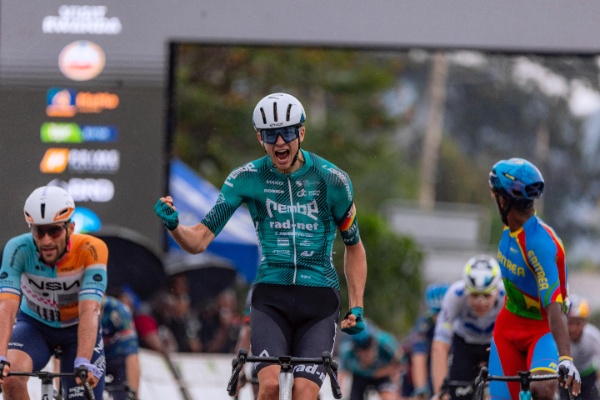
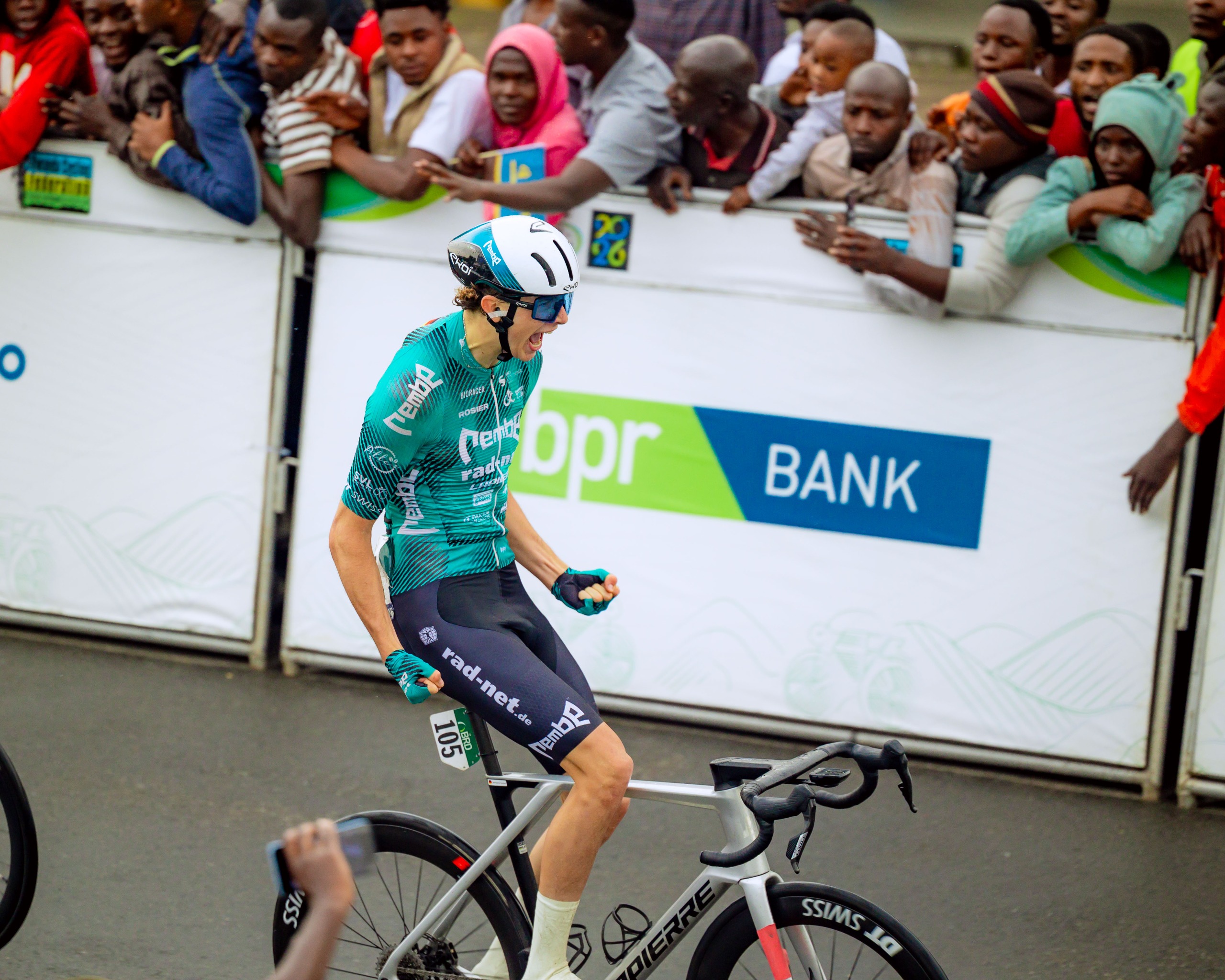
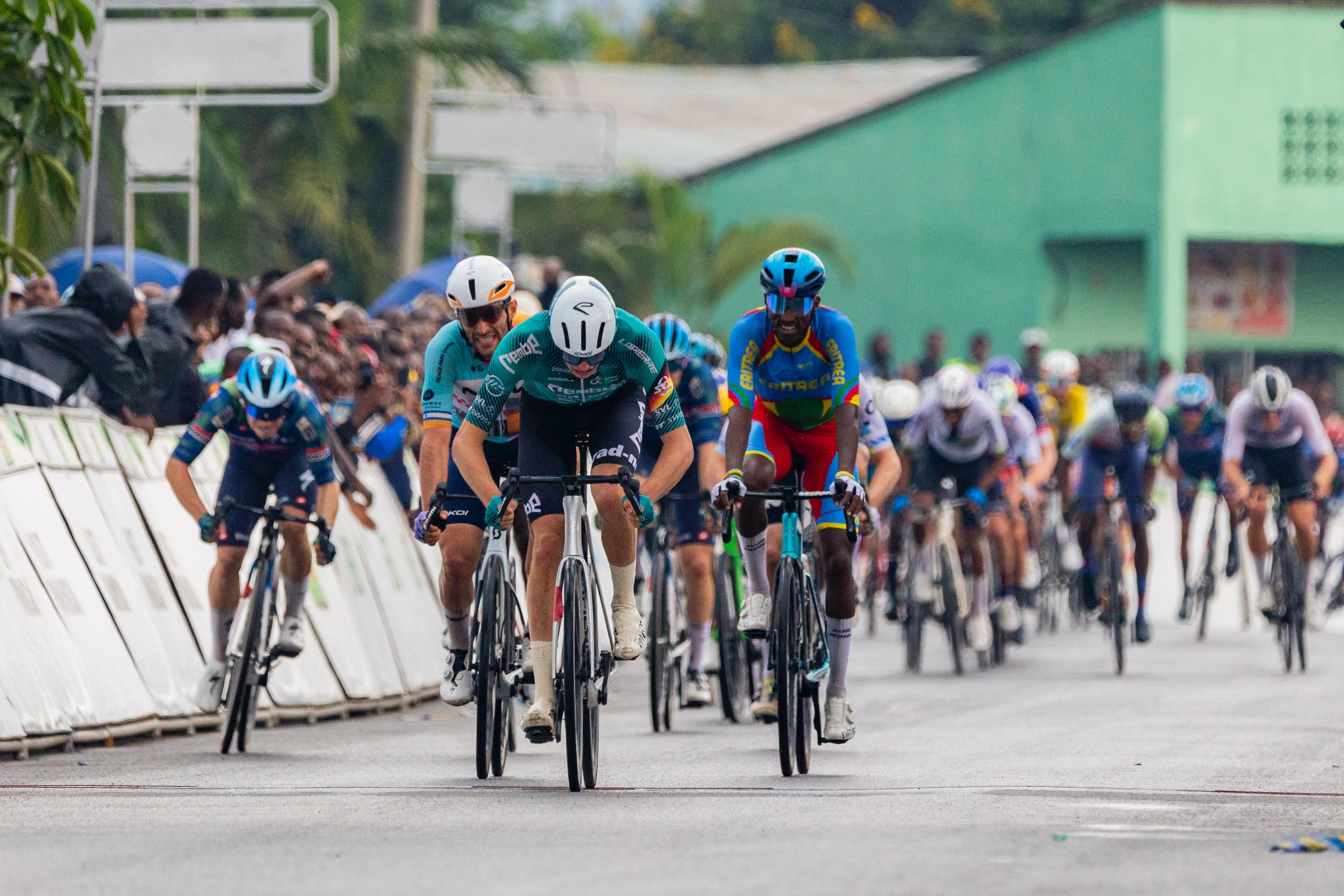
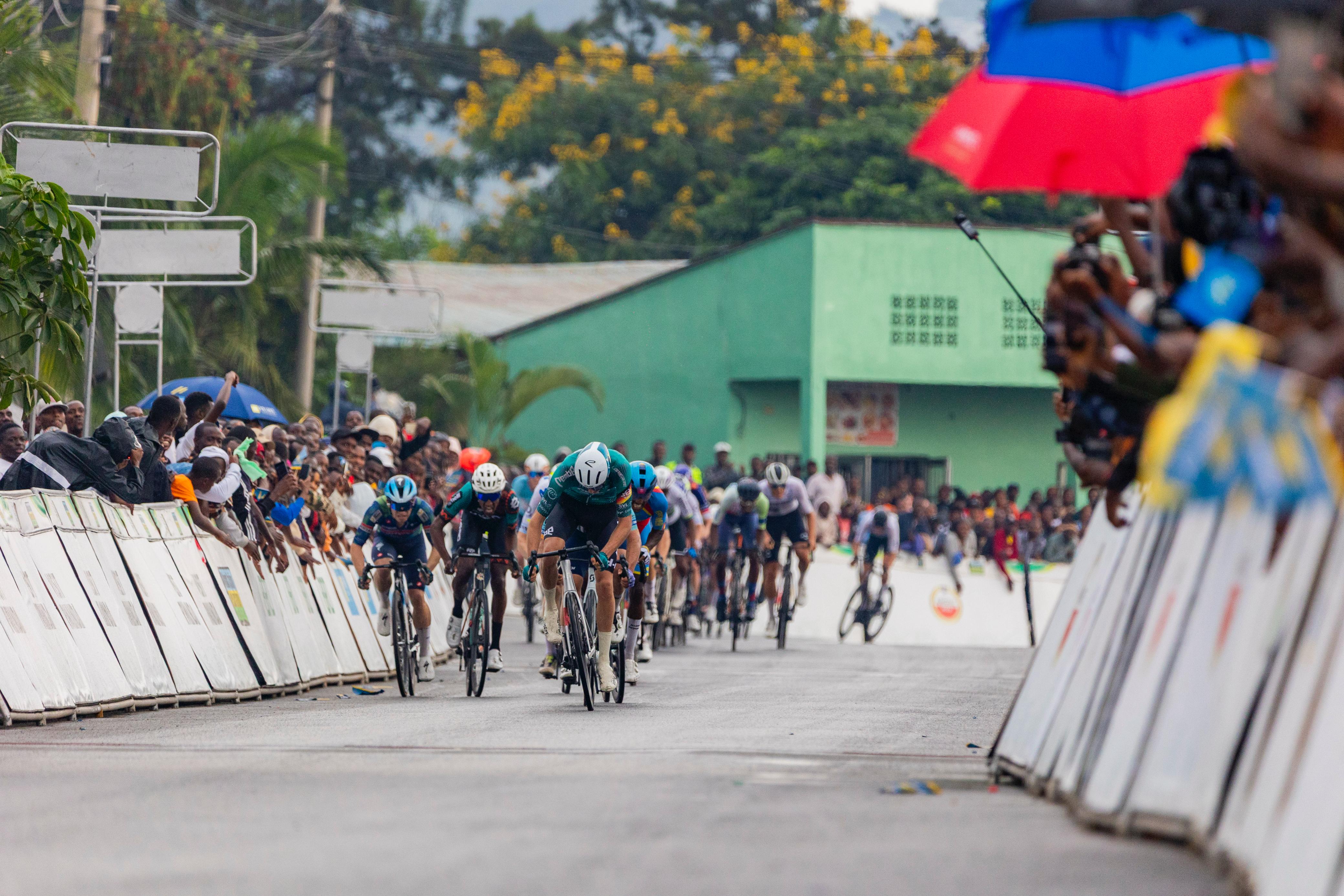
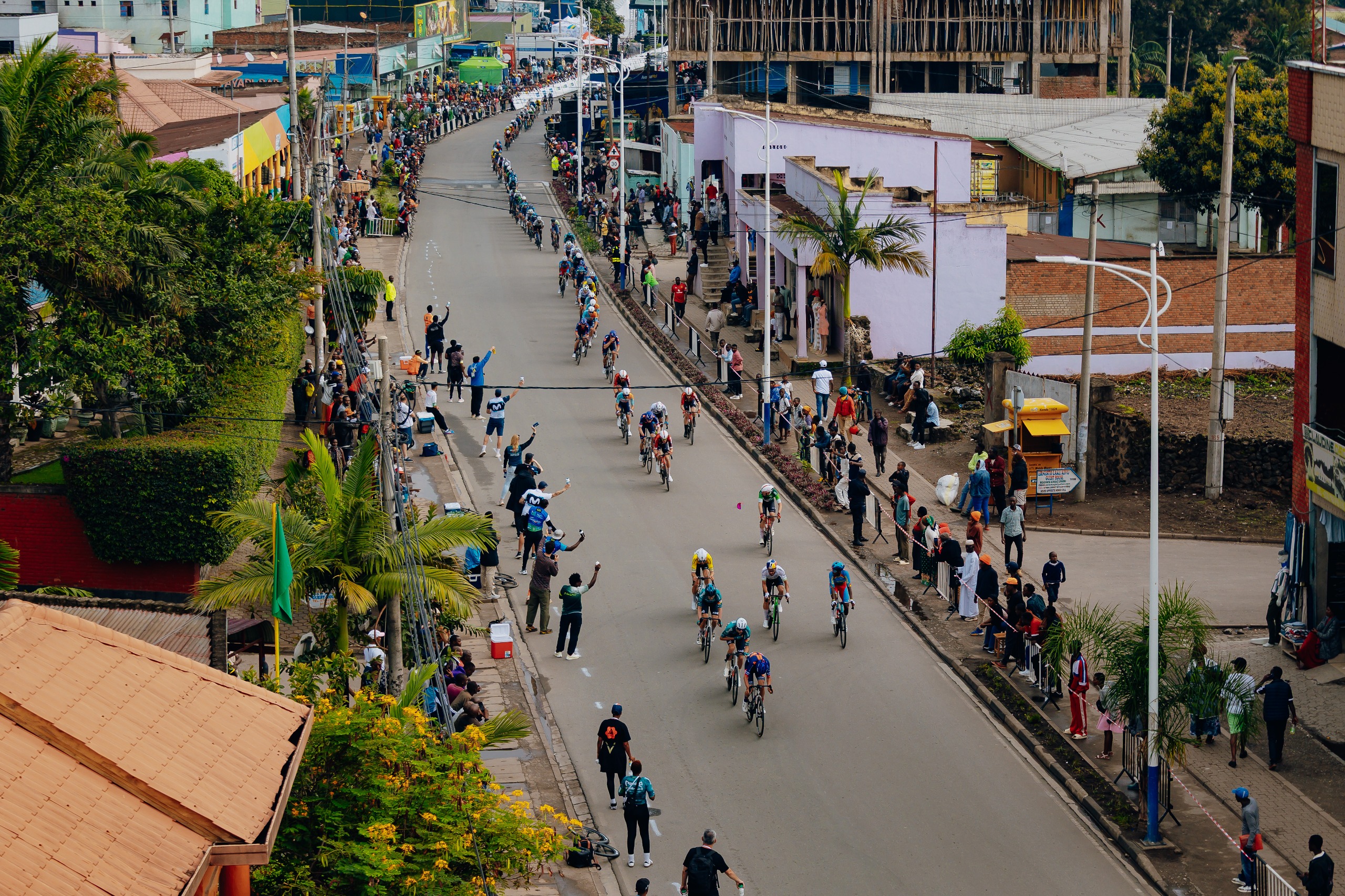
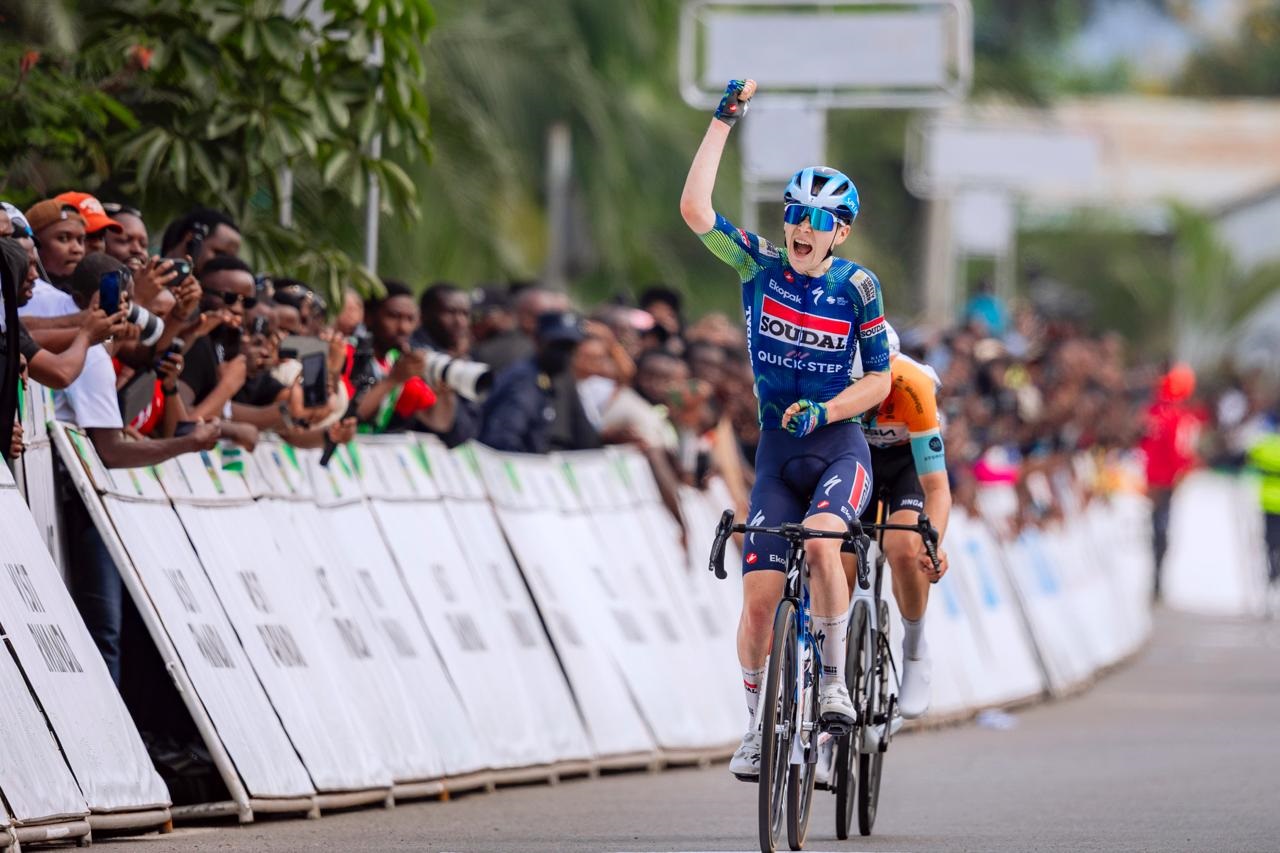
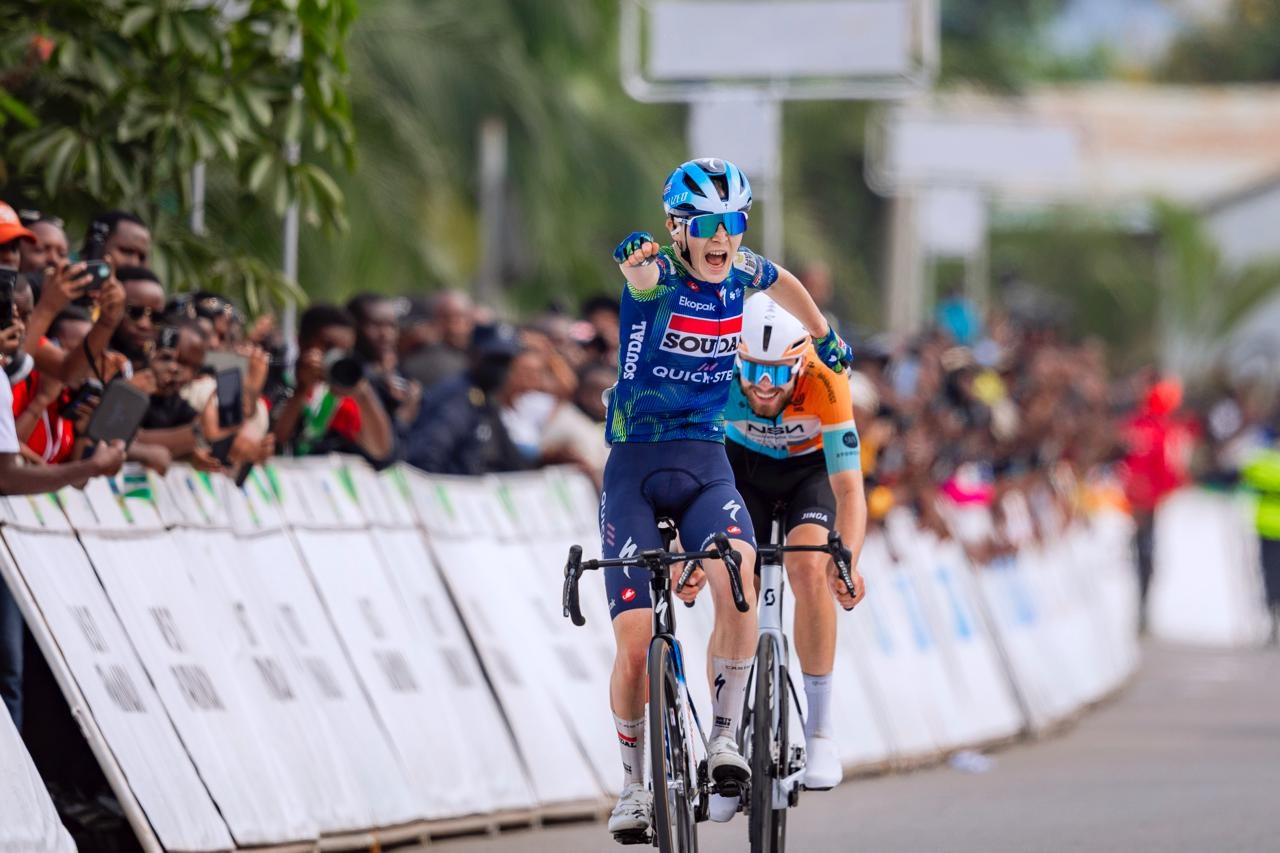
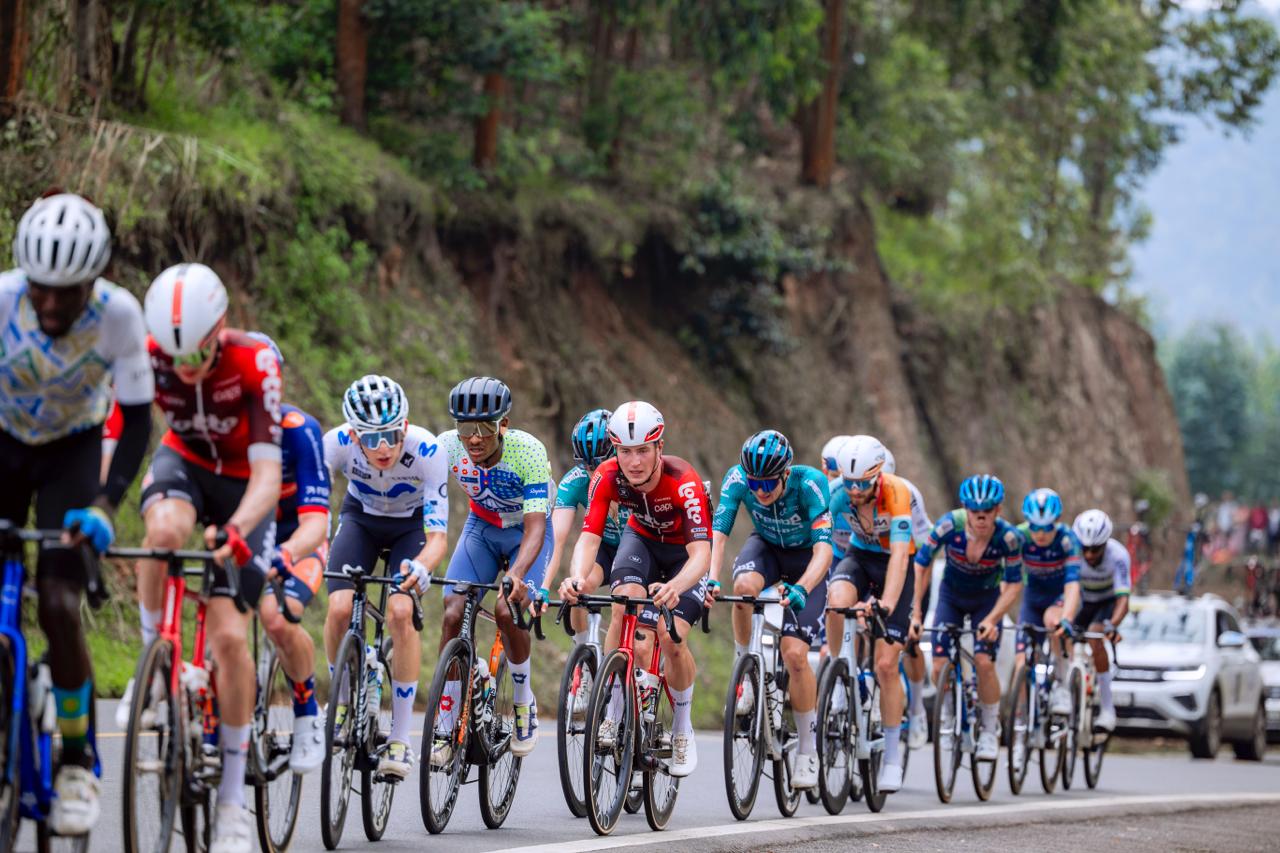
The stage, which consisted of nine nine-kilometre loops around Rubavu, saw riders constantly jostling for position in what became a tense, high-speed race. In the final sprint, Zemke surged ahead to cross the finish line first in a time of 1:44:27, narrowly outpacing Israel’s Itamar Einhorn (NSN Development Team) and Eritrea’s Mulueberhan Henok, who finished just seconds behind.
Other riders who featured prominently in the Stage 5 sprint included Even Yemane (Bike Aid), Muñoz Gabiña Hodei (Soudal Quick-Step Devo Team), Pareta Sala Roger (Movistar Team Academy), Erazem Valjavec (Soudal Quick-Step Devo Team), Da Silva Avancini Henrique (Localiza Meoo / Swift Pro Cycling), Johannes Adamietz (Rembe | RAD-NET), and Mulgeta Yafiet (Eritrea), all finishing within a handful of seconds.
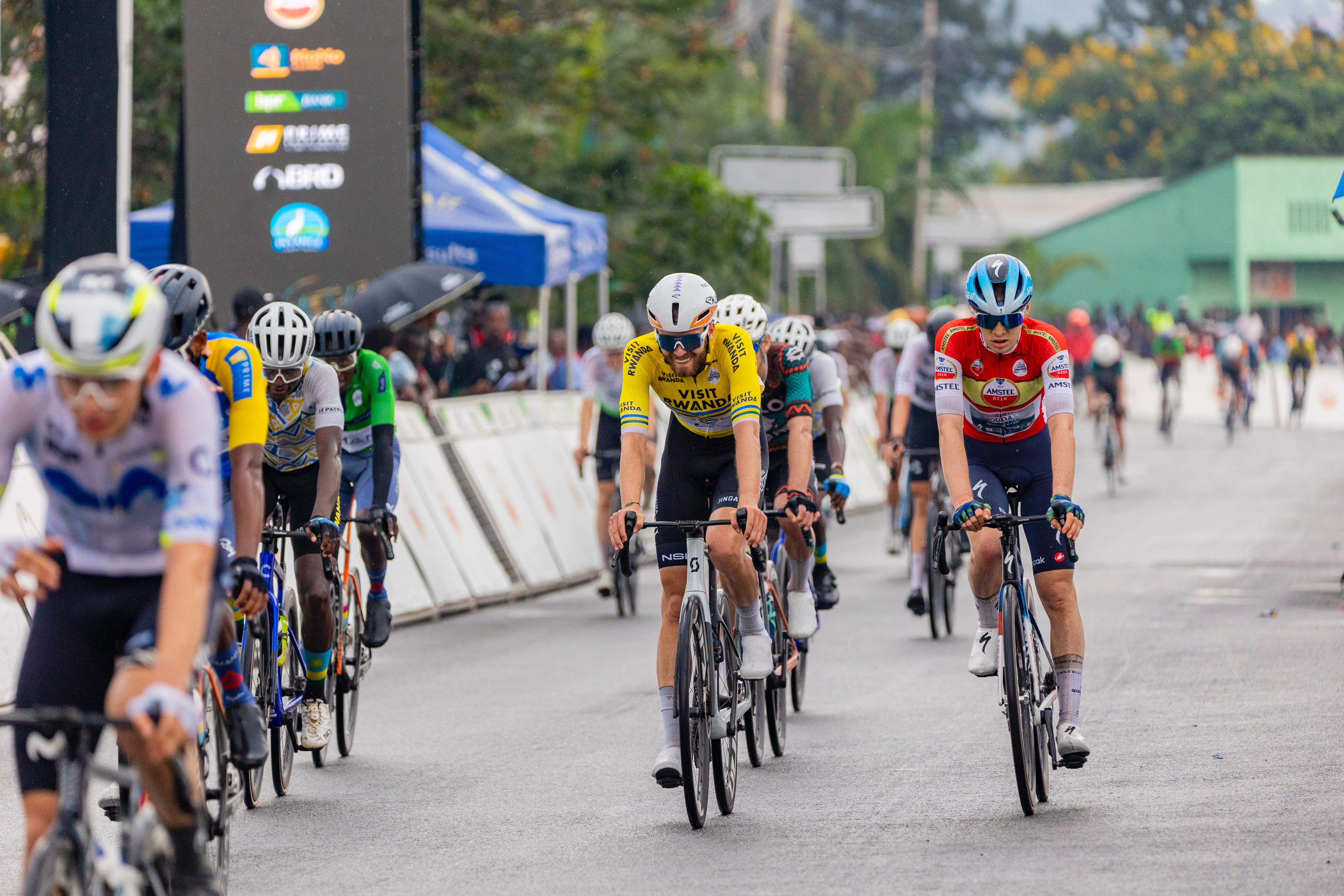
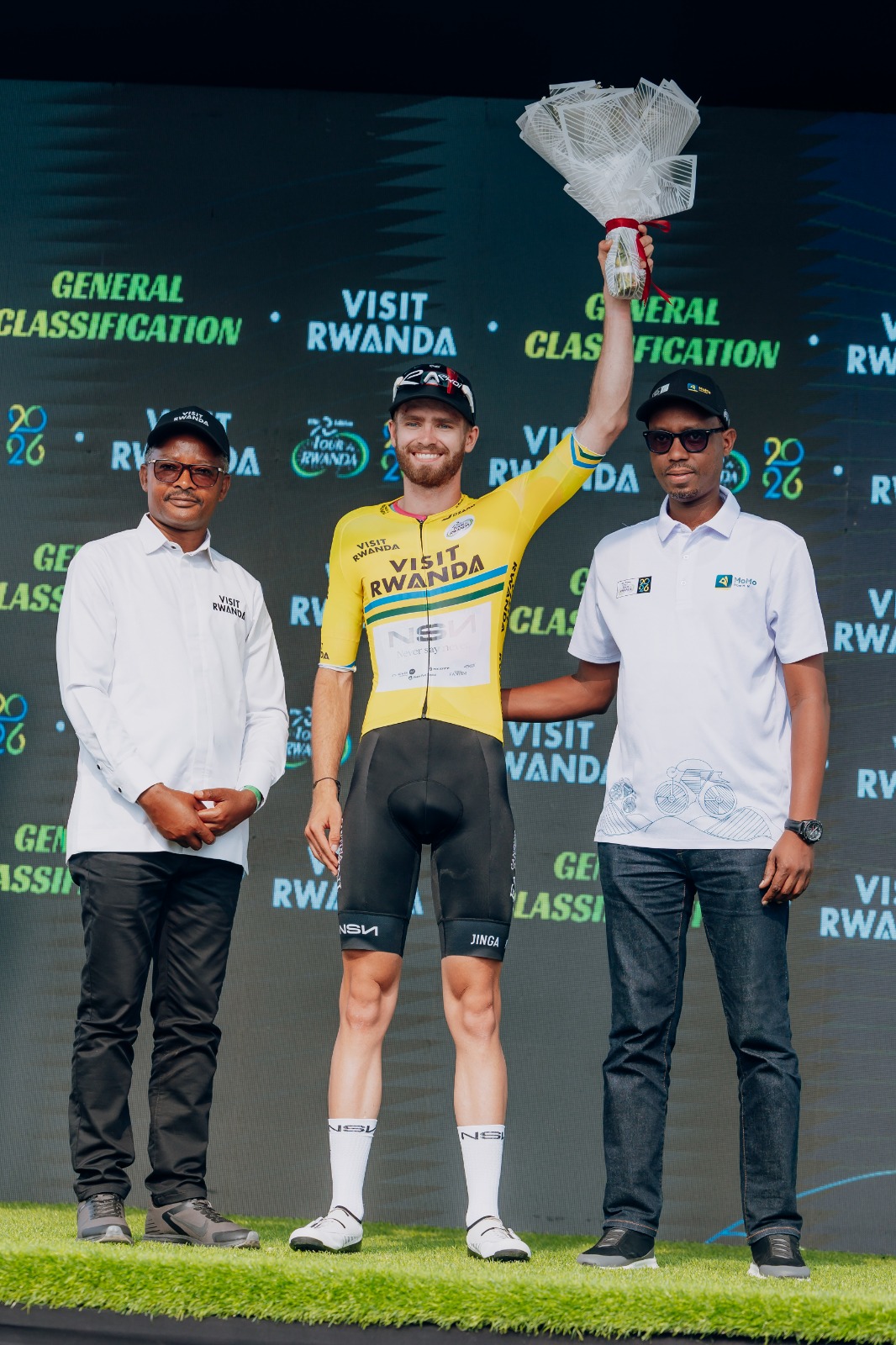
Stage 5 was a showcase of strategic riding and teamwork. German rider Moritz Kretschy (NSN Development Team) retained the coveted yellow jersey, continuing to lead the general classification after 663 kilometres of racing across the first five stages. Meanwhile, Jurgen Zomermaand (Development Team Picnic PostNL) held the distinction of the longest time spent in the lead during the race so far.
Several special awards were also presented after the stage. Eritrea was recognized as the Best Team by Inyange Industries, while Samuel Niyonkuru (Team Amani) received the Best Rwandan Rider honor from BPR Bank. Amaniel Desta (Team Amani) claimed both the Best African Rider and Best Young African Rider awards, while Miguel Heidemann (Rembe | RAD-NET) was acknowledged as the Best Climber. Desta Teweldemedhn Amaniel (Team Amani) was named Best Young Rider of the stage by Prime Insurance, and Mauro Cuylits (Lotto-Groupe Wanty) won the sprint award.
The victory for Zemke adds to a growing momentum for Rembe | RAD-NET in this year’s Tour du Rwanda, setting up an exciting Stage 6 on Friday. The next stage will cover 84.1 kilometres from Rubavu to Musanze, beginning at 1:00 PM local time.
Fans are eagerly anticipating whether Germany’s top riders will maintain their dominance or if local and African competitors will mount a challenge in the hilly northern terrain.
Stage 5 top 10 results
Jermaine Zemke (Rembe | RAD-NET) – 1:44:27
Itamar Einhorn (NSN Development Team) – +6s
Mulueberhan Henok (Eritrea) – +9s
Even Yemane (Bike Aid) – same time
Muñoz Gabiña Hodei (Soudal Quick-Step Devo Team) – same time
Pareta Sala Roger (Movistar Team Academy) – same time
Erazem Valjavec (Soudal Quick-Step Devo Team) – same time
Da Silva Avancini Henrique (Localiza Meoo / Swift Pro Cycling) – +2s
Johannes Adamietz (Rembe | RAD-NET) – same time
Mulgeta Yafiet (Eritrea) – same time
In the final sprint, Zemke surged ahead to cross the finish line first in a time of 1:44:27.The stage, which consisted of nine nine-kilometre loops around Rubavu, saw riders constantly jostling for position in what became a tense, high-speed race.
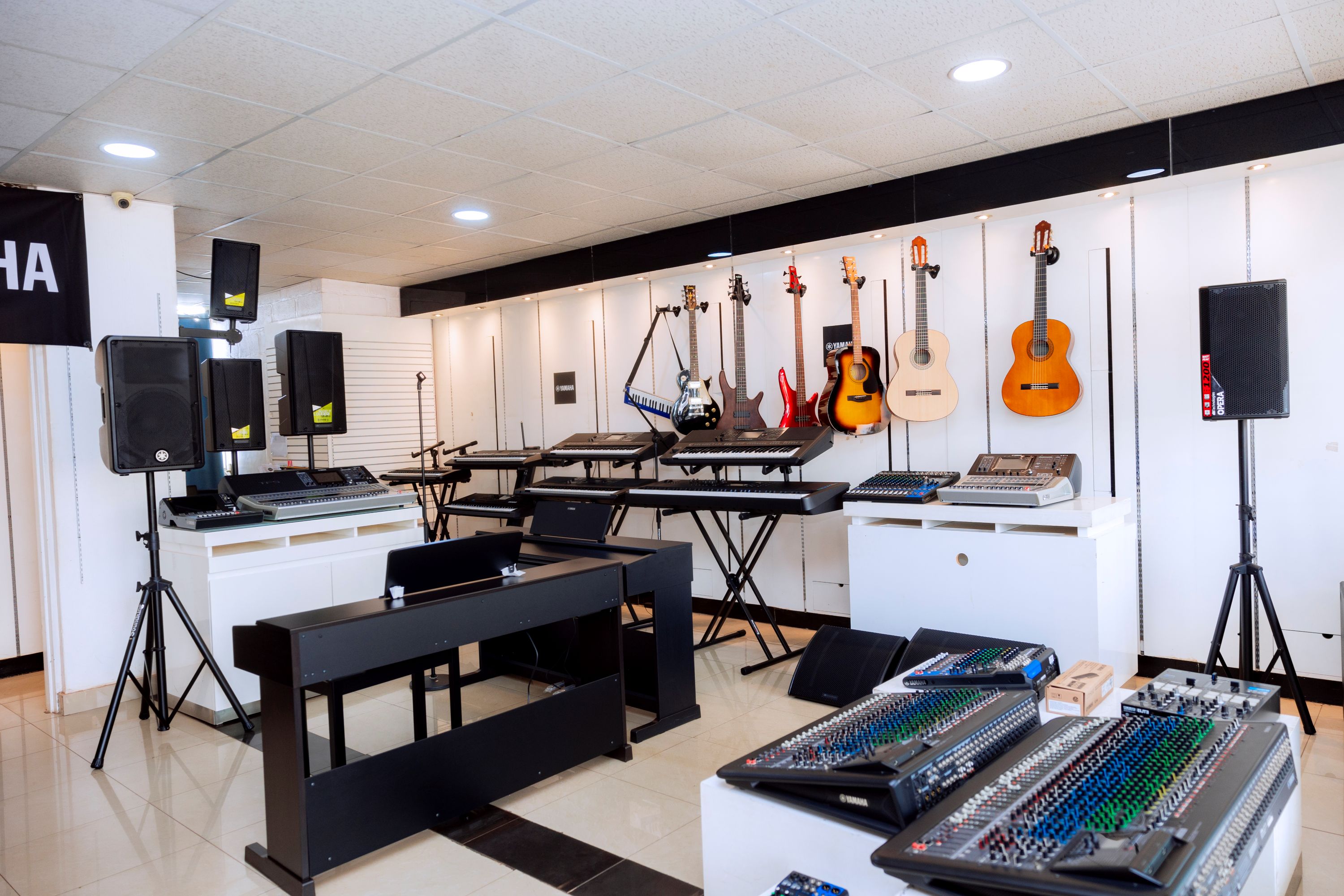
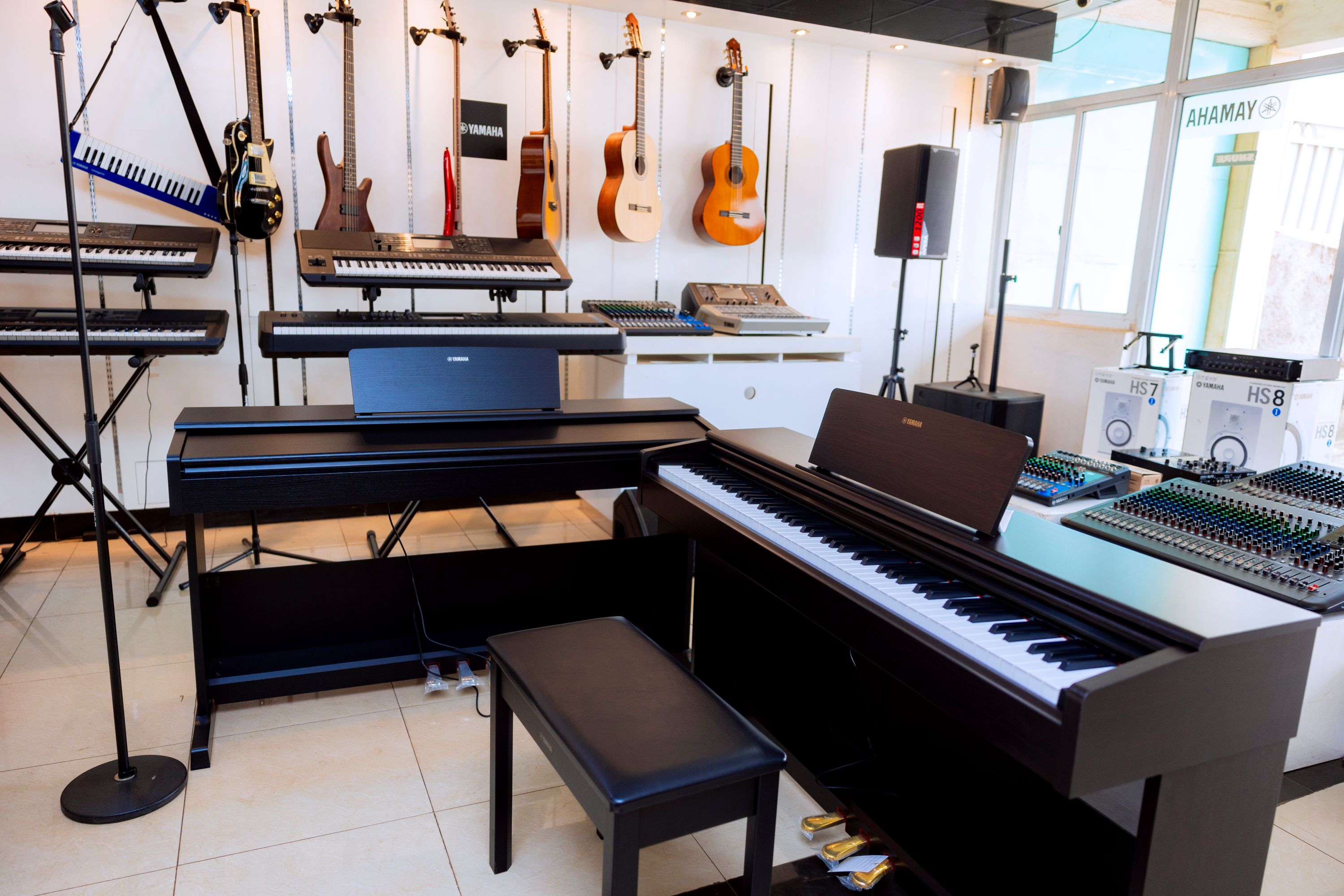
Unlike a market increasingly flooded with counterfeit and substandard audio products, Sound Creations has built its reputation on quality, authenticity, transparency, and long-term value rather than quick sales. The company is an official distributor of internationally respected brands such as Yamaha, dB Technologies, Shure, Behringer, Bose Professional and Rockfon.
Sound Creations stands out for quality, authenticity, and transparency in a market full of counterfeits.
Yamaha, the renowned Japanese manufacturer, is globally respected for its musical instruments, professional mixers, and studio equipment. dB Technologies, an Italian brand, is known for its powerful, pristine speakers and line-array systems used in high-end clubs and performance venues worldwide. Shure, an American audio giant, is synonymous with industry-standard microphones and conferencing systems trusted by professionals across the globe.
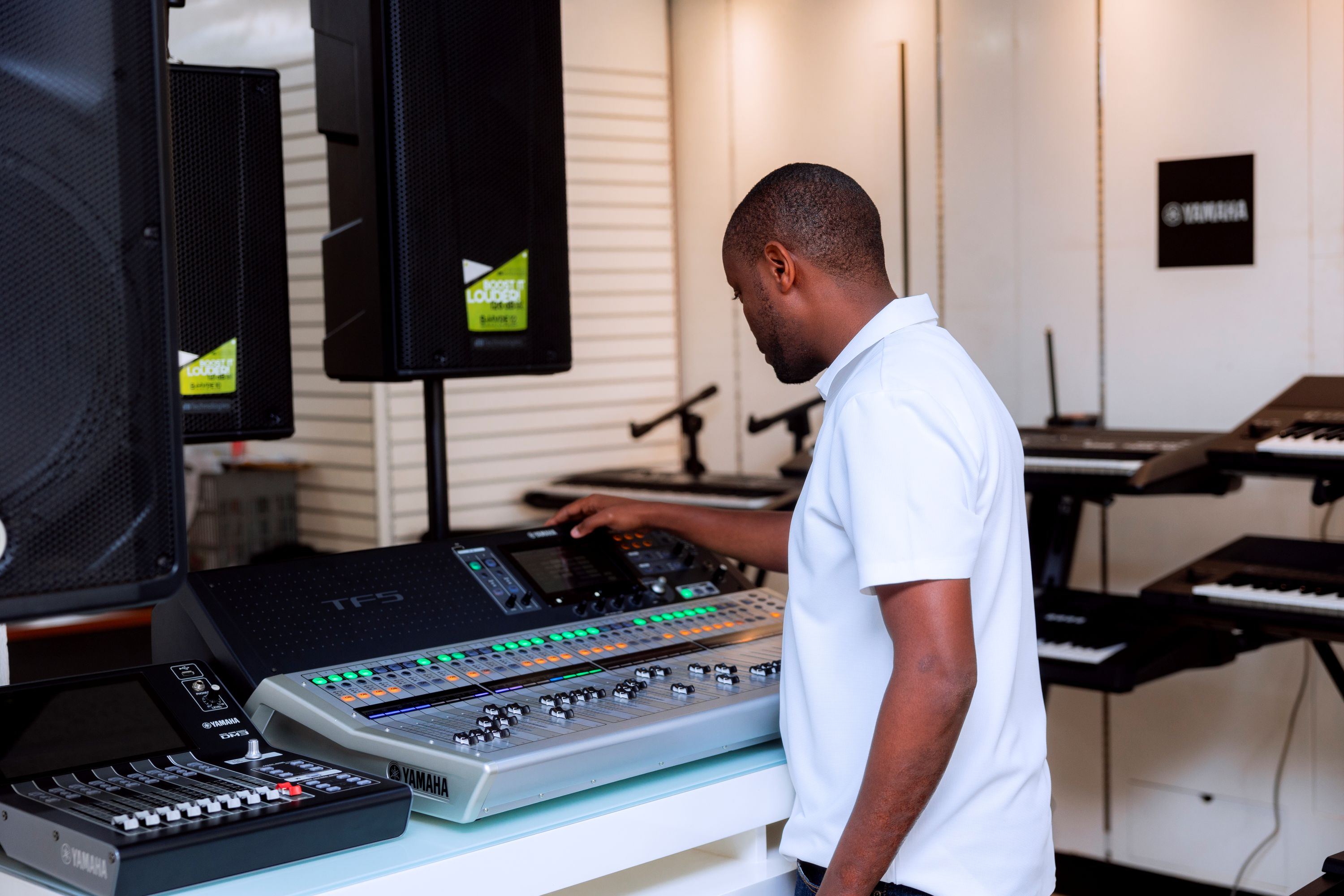
Managing Director Stefic Shen told IGIHE during a recent visit to the company’s store in Muhima, Kigali, that selling these genuine products is not just business; it is a commitment to raising the standard of sound in Rwanda.
“We care about reputation more than money. If it’s original, it’s genuine. We don’t cut corners,” the MD affirms. “People should enjoy music without leaving with ear pain. Good sound is not just loud; it’s clear, controlled, and comfortable.”
For Rwanda’s growing music industry, genuine equipment is essential for artists to take their craft to a professional level.
For Rwanda’s growing music industry, genuine equipment is helping artists raise their craft to a professional level. Yamaha keyboards and pianos supplied by Sound Creations are used in churches, music studios, and by independent artists, composers, and gospel musicians across the country. Reliable instruments and mixers allow producers to record with clarity and performers to deliver consistent live sound, helping local talent compete at regional and international levels.
In Kigali’s hospitality sector, the impact is equally visible. Several popular venues, including Serena Hotel, Atelier Du Vin and Boho, rely on dB Technologies speaker systems supplied and installed by Sound Creations. These systems are engineered not only for power but for balance, ensuring that music energises a space without overwhelming conversation. For business owners, quality sound enhances customer experience; for guests, it transforms an ordinary evening into a memorable one.
Premier hospitality venues like Serena Hotel, Atelier Du Vin, and Boho use dB Technologies speakers from Sound Creations.
Beyond entertainment venues, the company has also installed professional conferencing systems featuring Shure microphones and integrated audio solutions for institutions such as the Ministry of Finance and the Embassy of Sweden in Kigali. Built-in microphones, wireless systems, and carefully calibrated speakers ensure clarity in meetings where every word matters.
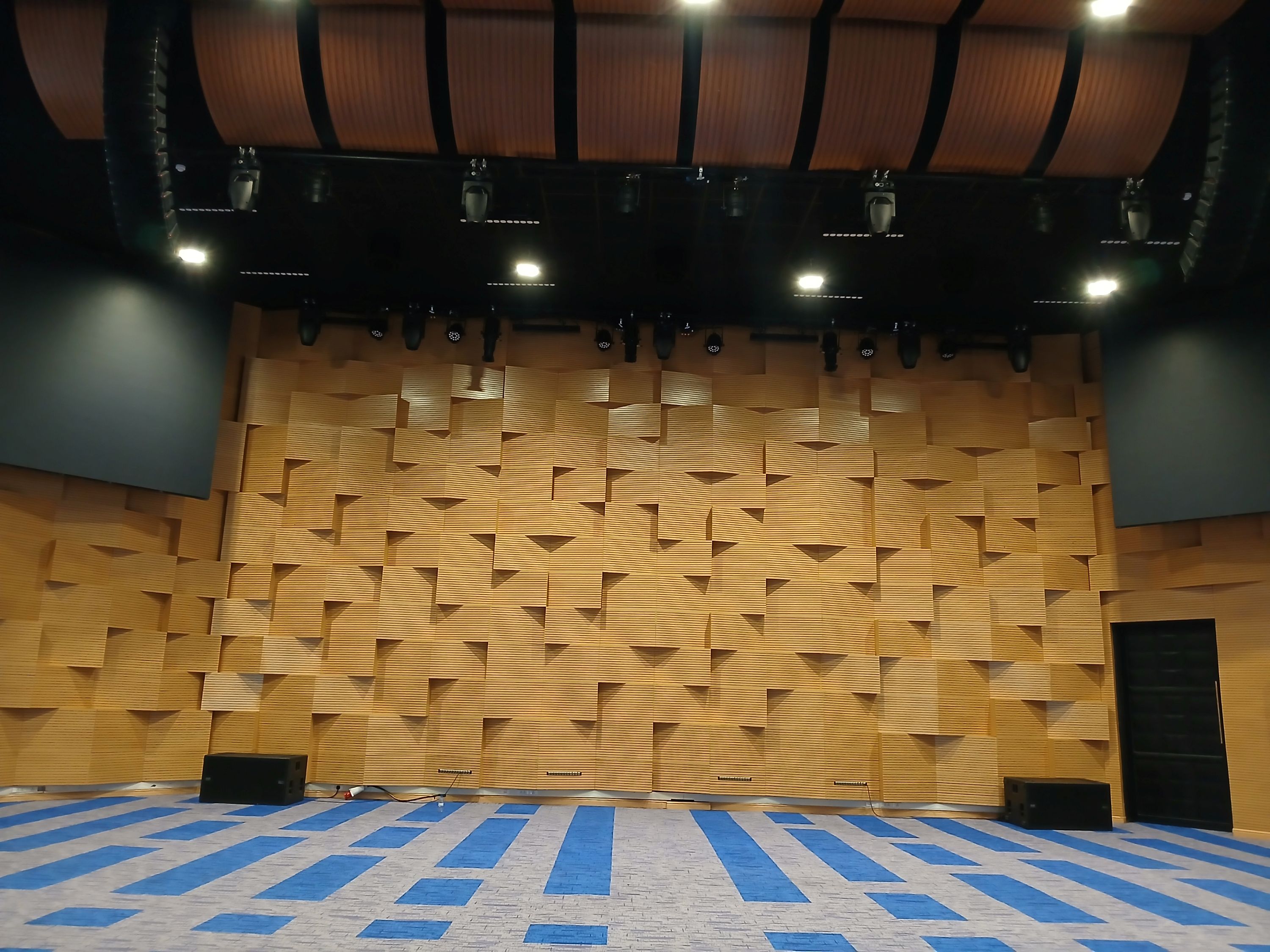
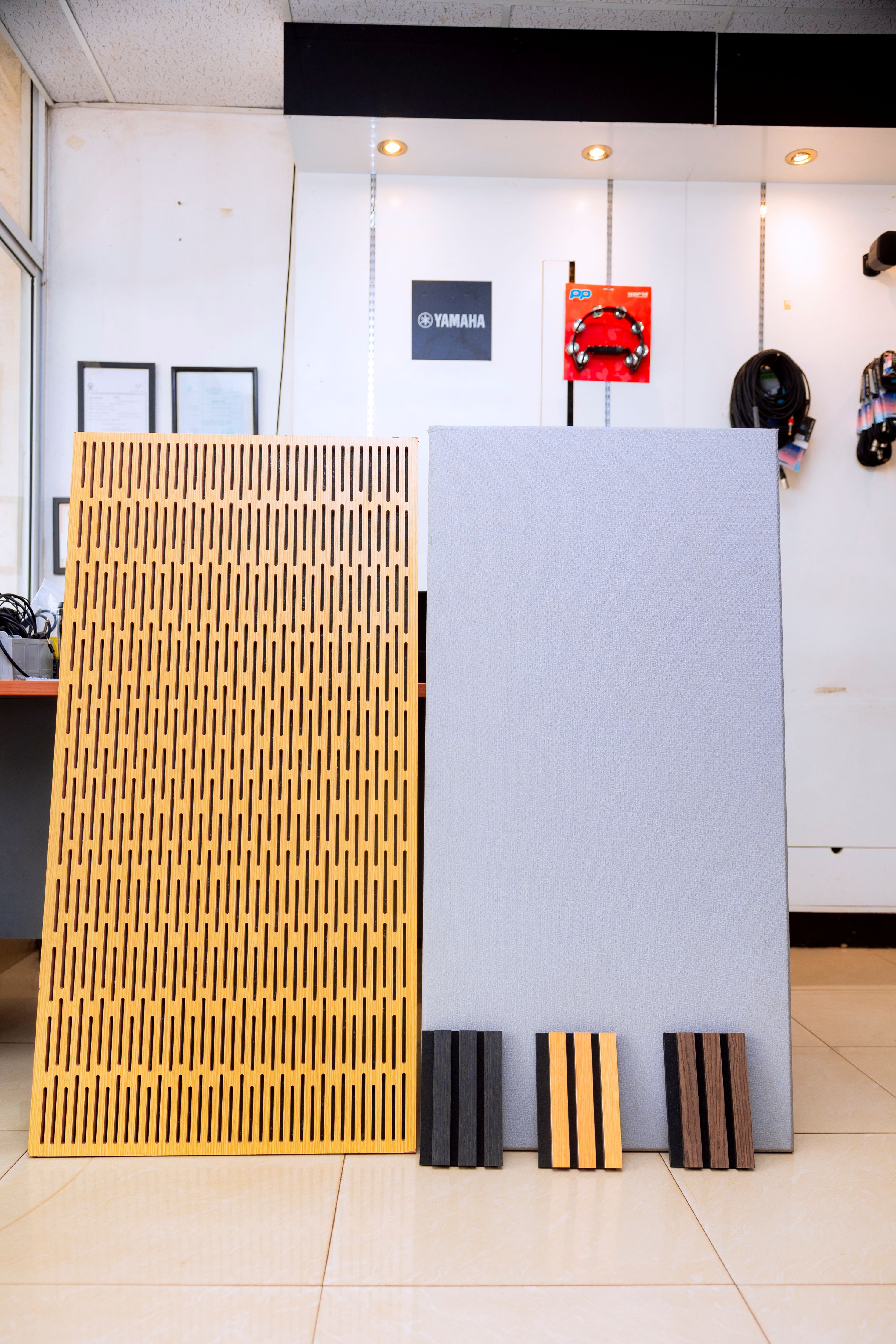
While selling systems remains the company’s primary operation, Sound Creations also provides acoustic consultation and installation for projects where sound control is critical. One of its most notable undertakings is the Kivu Intare Arena in Rubavu, an auditorium where acoustics are non-negotiable. In such spaces, proper design ensures controlled reverberation, balanced distribution, and speech intelligibility, demonstrating how engineering complements high-quality equipment.
“Sound and acoustics are a marriage,” Shen explains. “You can install the best speakers in the world, but without proper acoustic treatment, you will still have echo, distortion, and sound leakage that disturbs neighbours.”
Sound Creations installed acoustic solutions at Kivu Intare Arena in Rubavu.
Despite recent slowdowns in church-related supplies, the company sees an opportunity for places of worship to upgrade their installations through acoustic improvements in order to meet noise standards. The team also views the changing landscape as a chance to further educate clients about the value of investing in original systems.
From its early days in 2018 with just three team members to its current six-person operation, Sound Creations has relied heavily on demonstrations and direct engagement. Customers are encouraged to test equipment, compare genuine products with counterfeits, and experience the difference for themselves.
“Once clients hear the clarity and feel the balance, they understand why quality matters,” adds Olga Divine Agahozo, Sales and Digital Marketing Officer. “We want a community that understands and enjoys quality sound.”
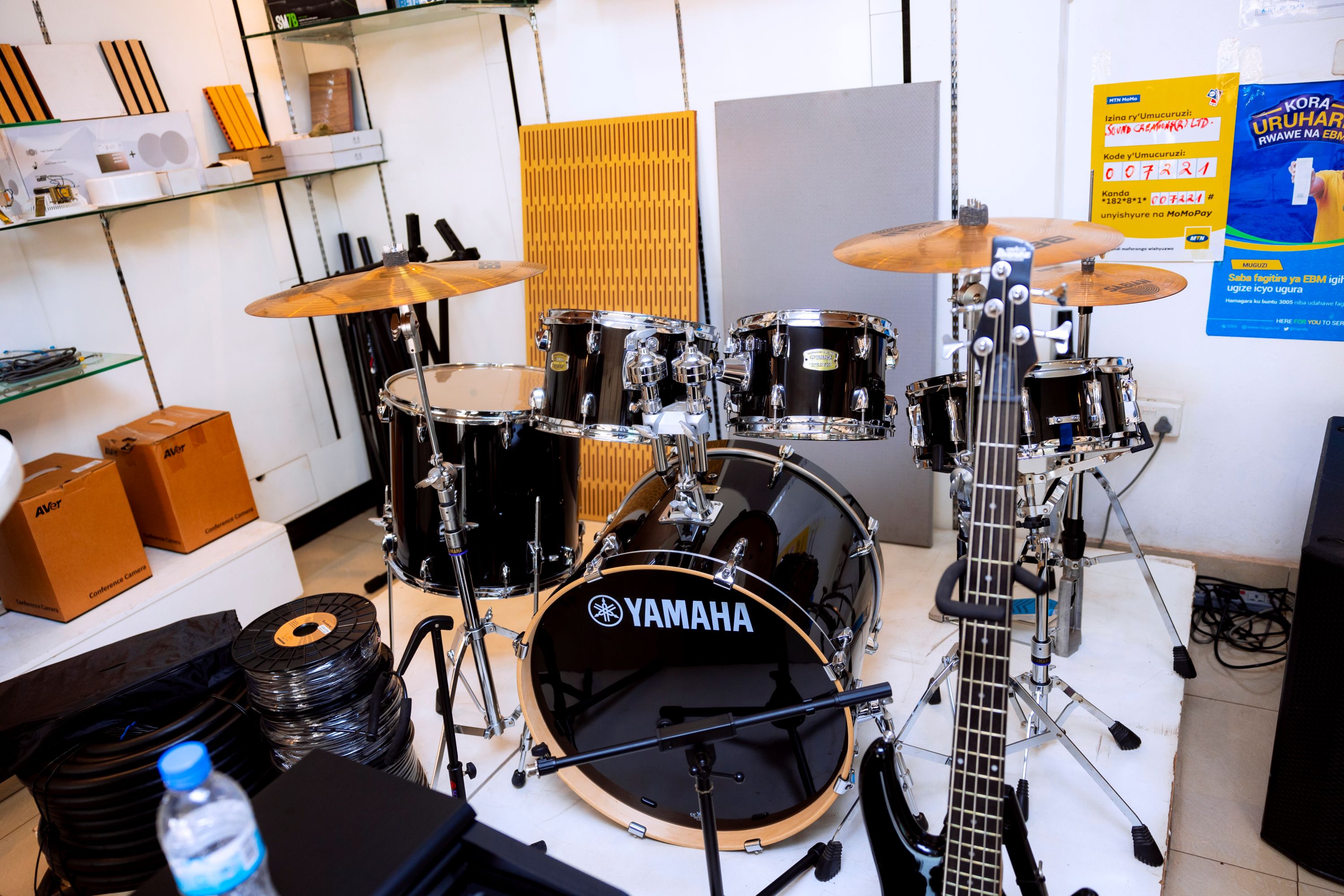
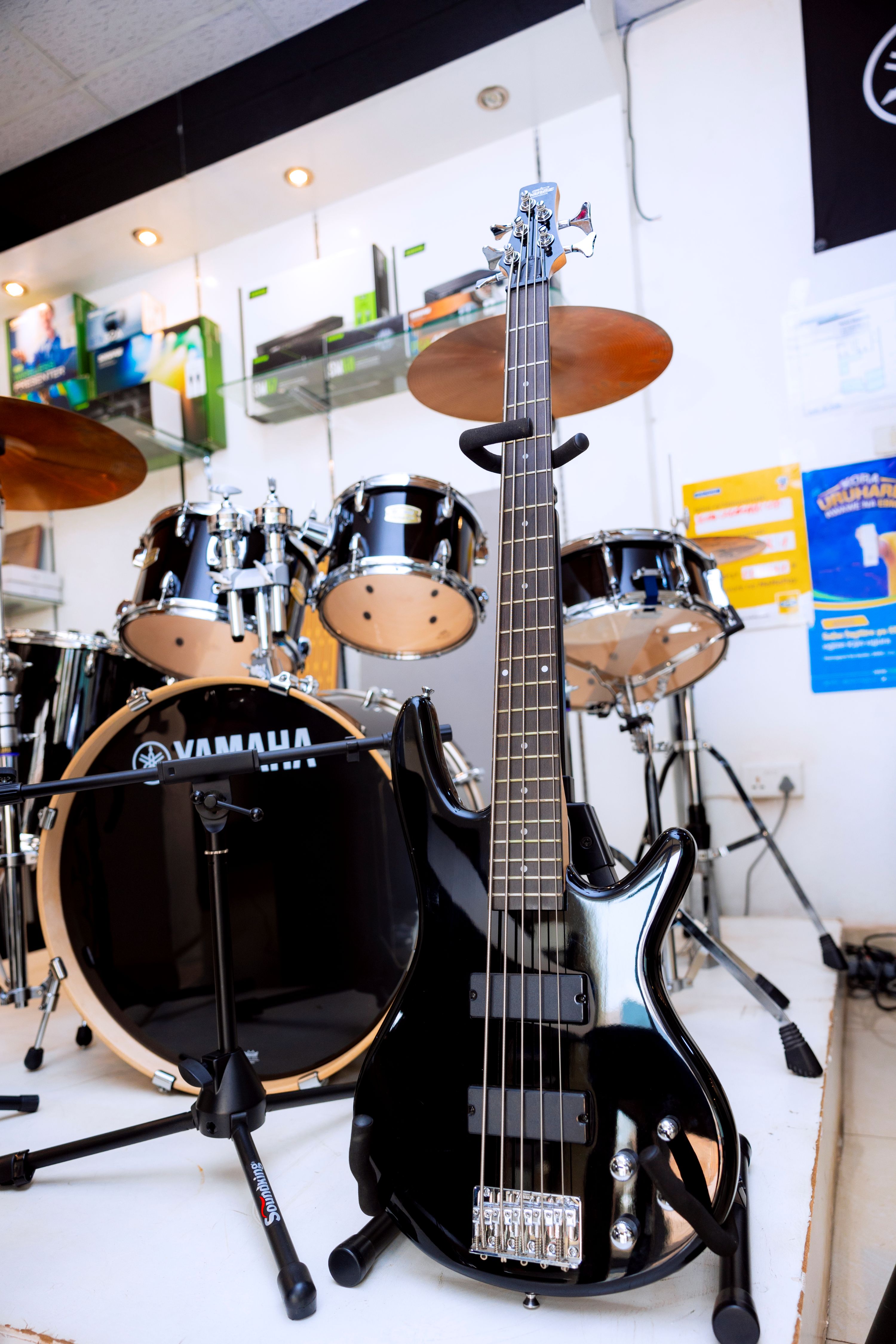
Yamaha acoustic drum kit and other music equipment on display at the Sound Creations store.
Looking ahead, the company hopes to contribute even more to Rwanda’s emerging music culture, particularly in education. Plans are underway to organise workshops and talent shows during school holidays, giving children hands-on exposure to instruments such as piano, keyboard, and guitar. The aim is to nurture creativity and encourage young people to see music as both an art form and a valuable skill.
“We want children to enjoy music, learn instruments like piano, guitar, and keyboard, and see music as something fun, educational, and even intellectual,” Shen says.
“This year, we plan to start workshops and talent shows during holidays so kids can experience music hands-on. It’s about creating a community that values and enjoys music, not just selling equipment.”
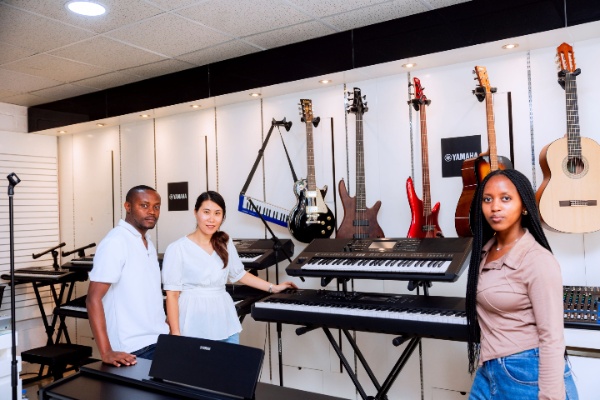
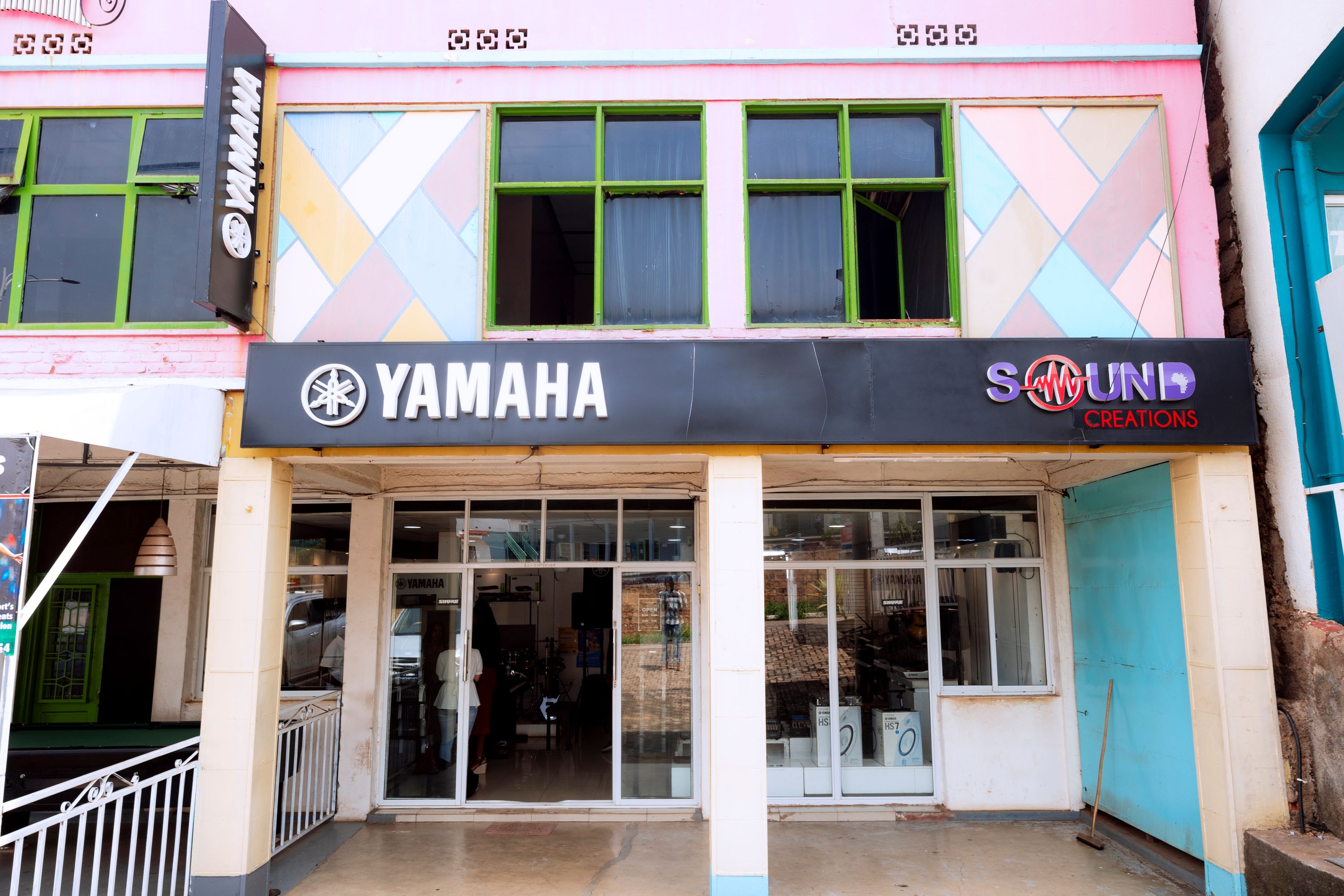
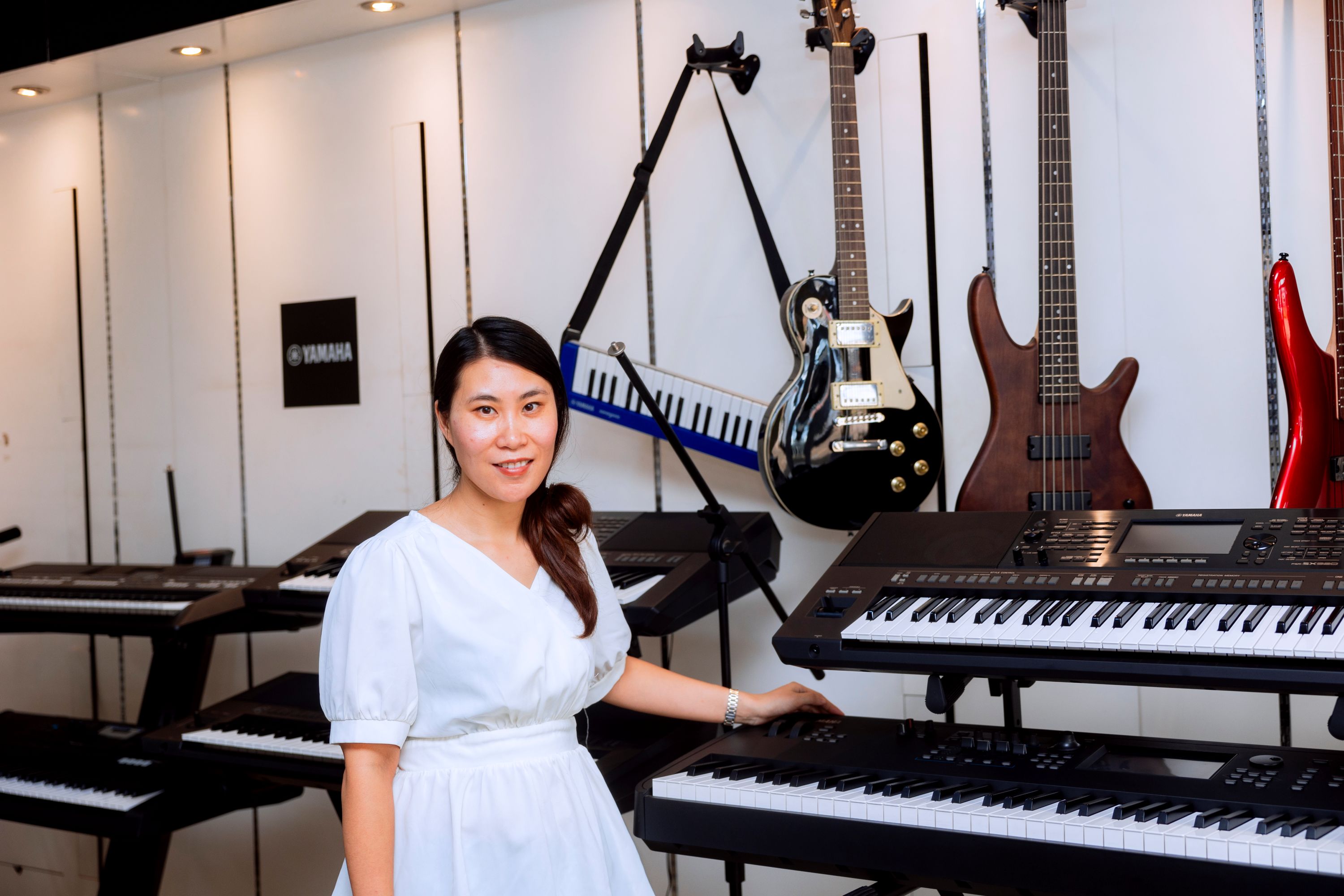
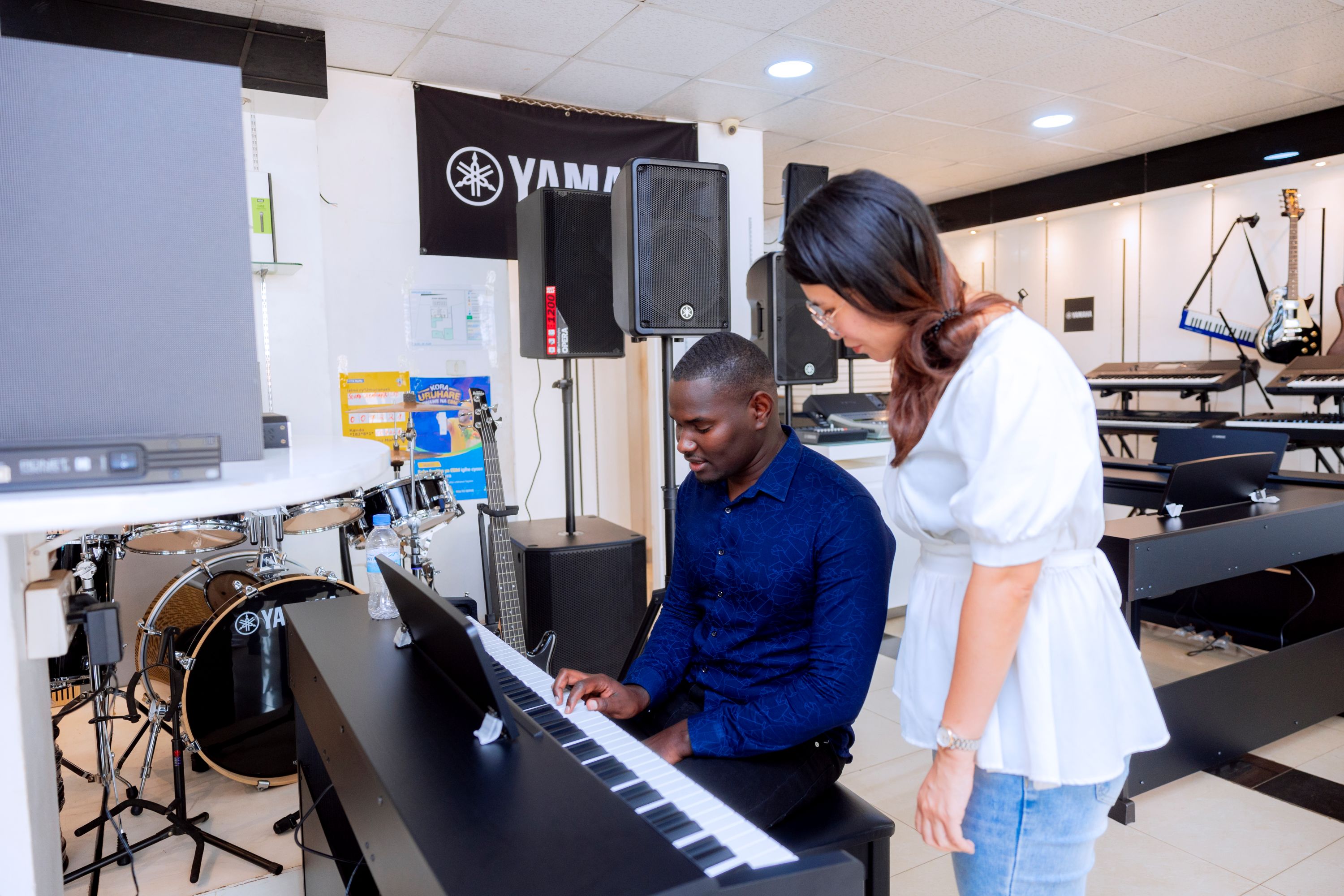
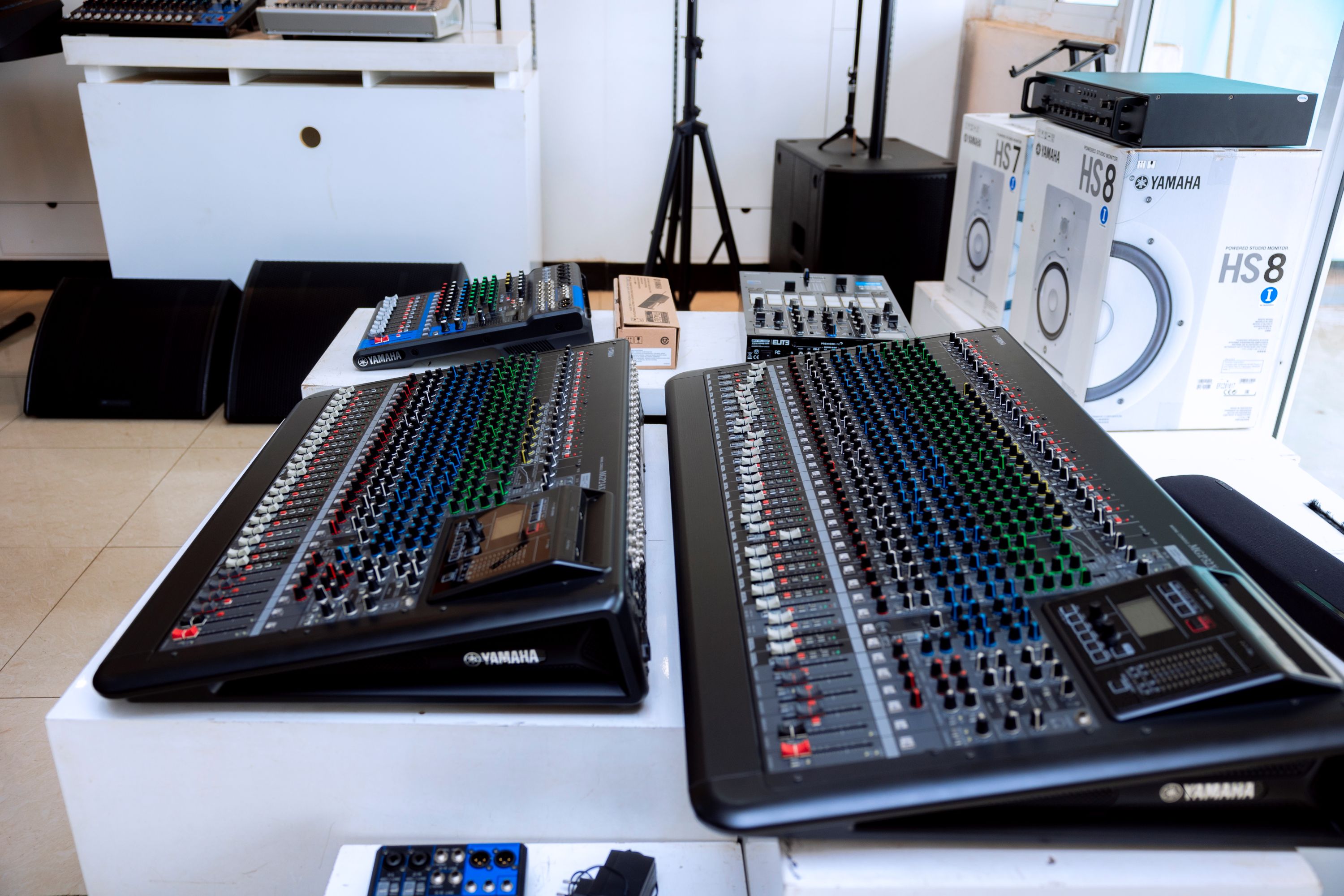
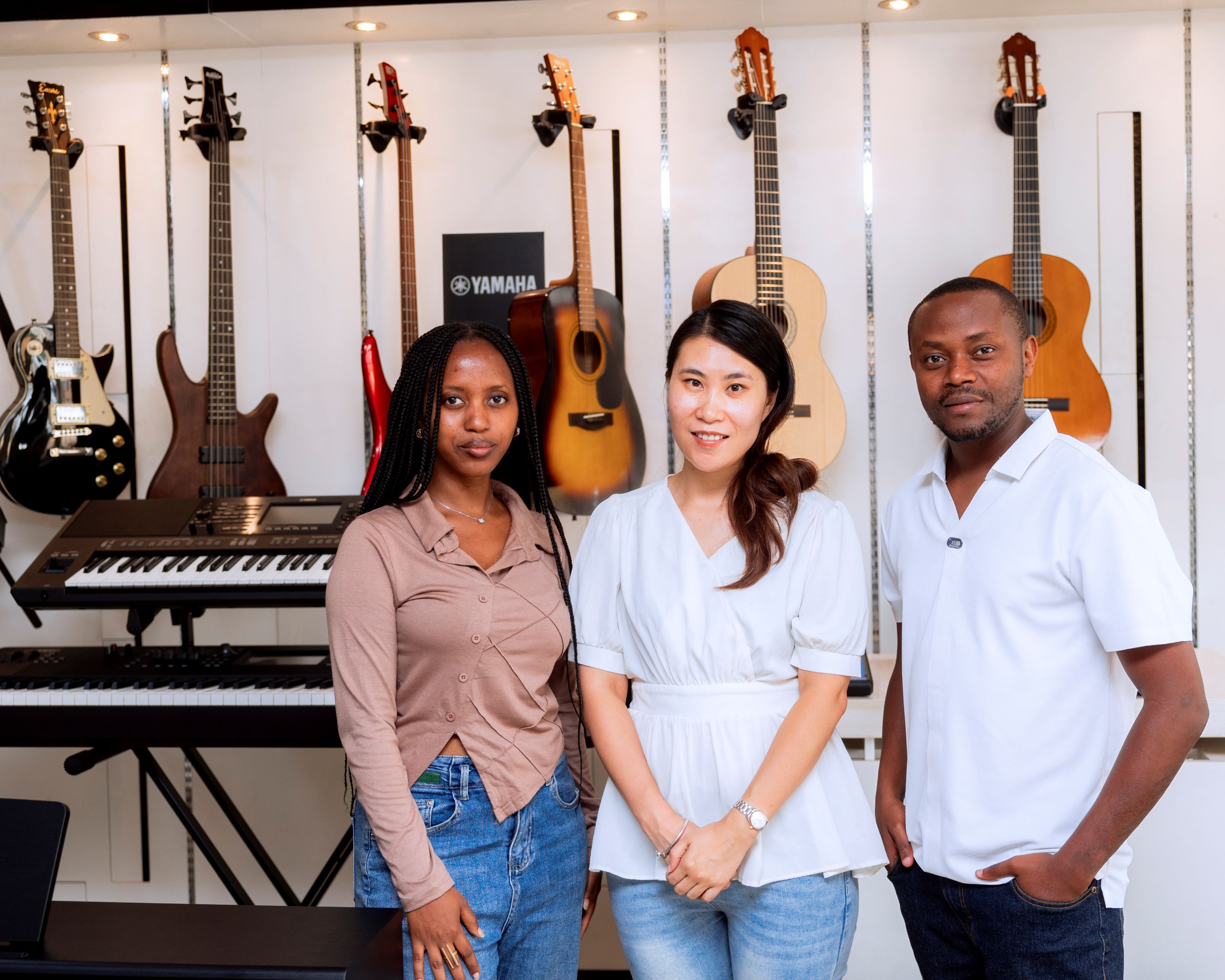
Sound Creations store, Muhima, Nyarugenge District, Kigali.Sound Creations Ltd Managing Director Stefic Shen emphasises that the company remains steadfast in its commitment to delivering unmatched quality.The company sells quality pianos from Yamaha, the renowned Japanese manufacturer.In addition to drum kits, the company also sells guitars.The company sells mixers from world-renowned brands.Sound Creations also provides acoustic treatment panels.Sound Creations Managing Director Stefic Shen poses for a photo with two of her staff members.
The tour will follow a one-day visit to Monaco on March 28 and a trip to Spain from June 6 to 12. During his African tour, Pope Leo is expected to draw large crowds, encourage world leaders to support development initiatives, and promote Catholic-Muslim dialogue, particularly in countries with diverse religious communities.
Africa is home to about 20% of the world’s Catholics, making it one of the fastest-growing regions for the Church. The continent has seen significant increases in Catholic communities in recent decades, particularly in Central and Sub-Saharan Africa, where the Church continues to expand.
“Pope Leo’s visit will remind the world that Africa matters and the vibrancy of the Church in Africa remains at the heart of a thriving global Church,” said Reverend Agbonkhianmeghe Orobator, a Nigerian Jesuit.
The trip is historically significant, as it will be the first time a pope has visited Algeria, a predominantly Muslim nation. Pope Leo, a member of the Augustinian order, has expressed a special interest in the country, which is the birthplace of St. Augustine of Hippo, a key figure in early Christianity.
In Cameroon, the Pope will visit Yaoundé, Douala, and Bamenda, including regions affected by long-standing conflict. Angola’s stops will include Luanda, Muxima, and Saurimo, while Equatorial Guinea will see visits to Malabo, Mongomo, and Bata, the continent’s only Spanish-speaking nation.
Although this will be Pope Leo’s first official visit to Africa as pope, he is no stranger to the continent, having traveled to countries like Kenya and Tanzania as Cardinal Robert Prevost.
Pope Leo’s African tour follows his first foreign visit to Turkey and Lebanon late last year and sets the stage for other planned trips, including a likely visit to Peru later in 2026.
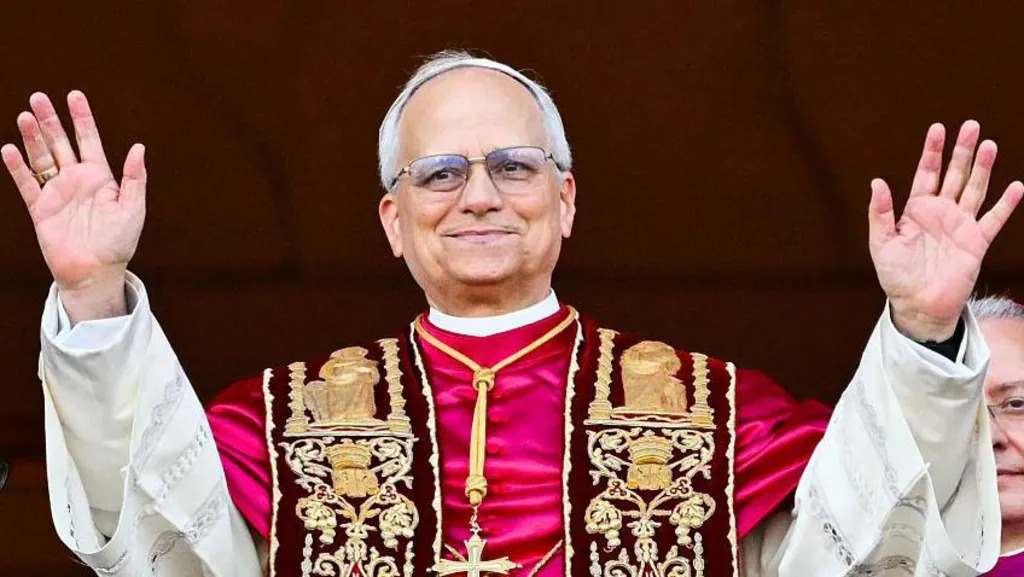
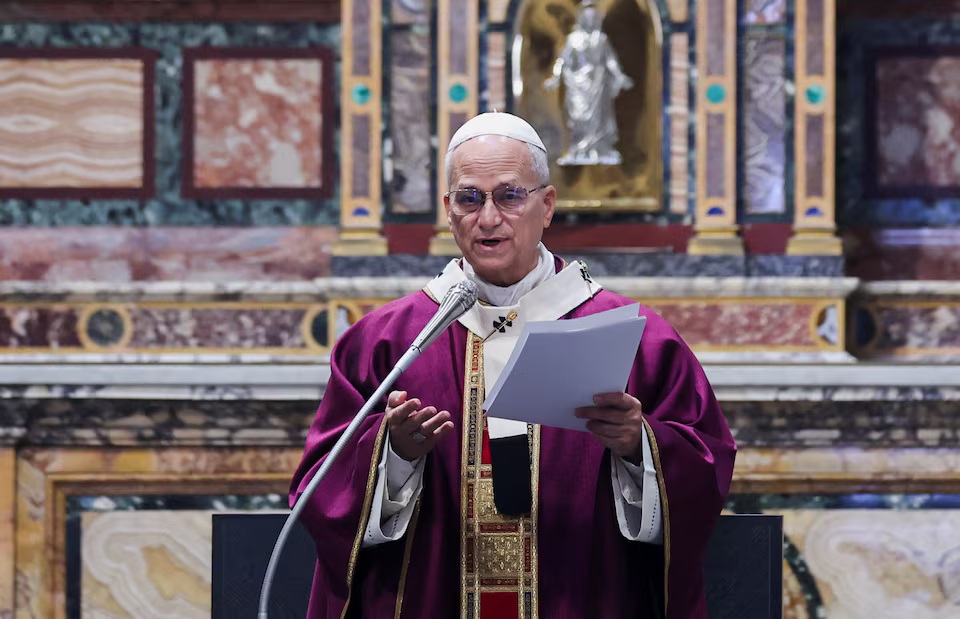
Pope Leo XIV will make his first official visit to Africa from April 13 to 23, travelling to Algeria, Angola, Equatorial Guinea, and Cameroon.
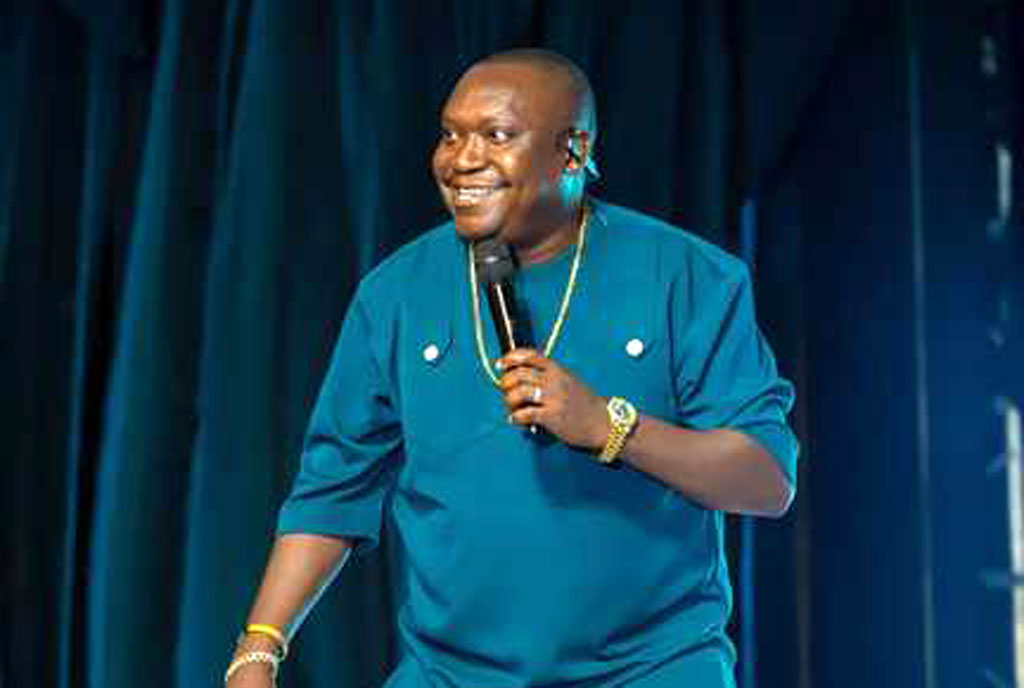
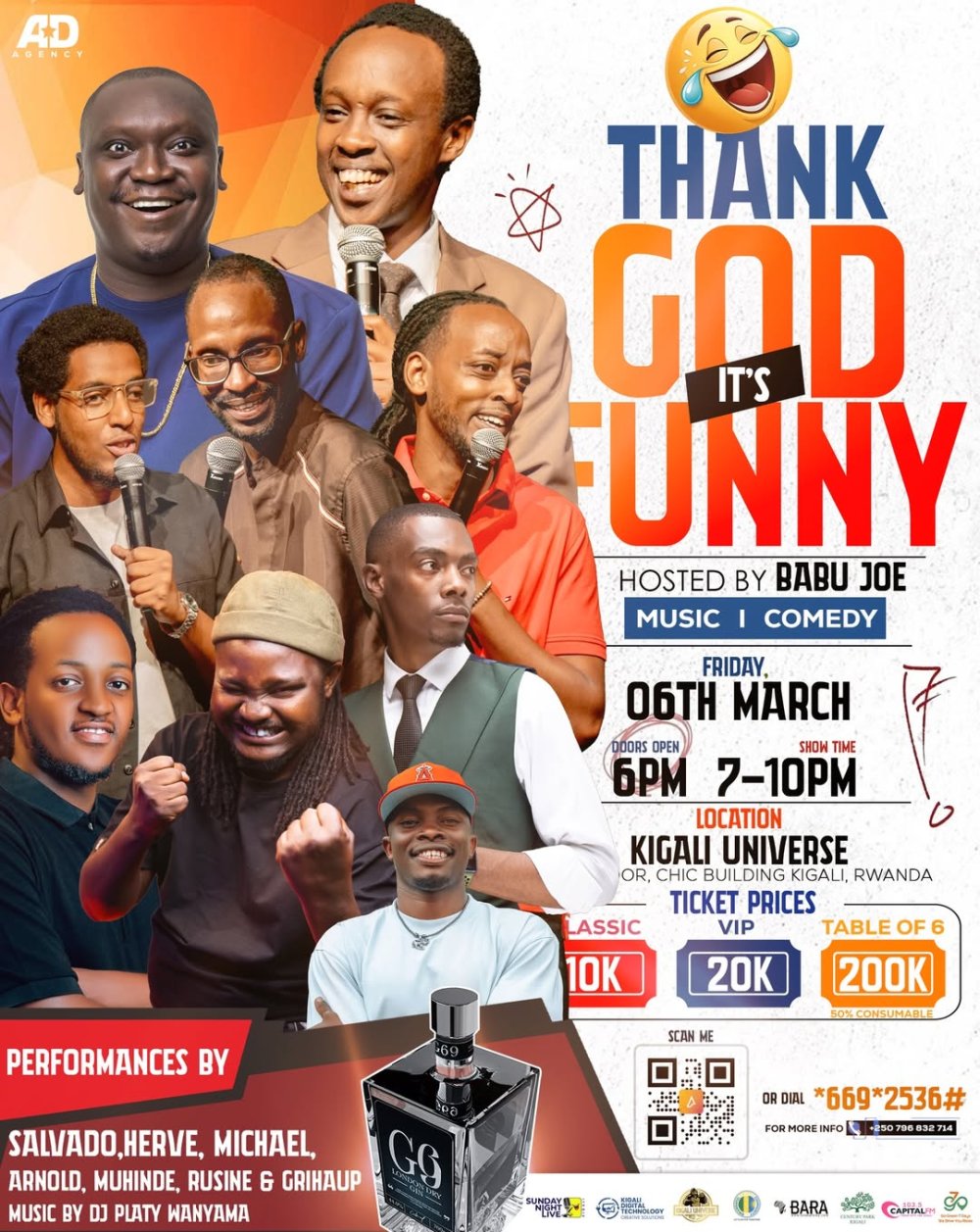
Patrick Salvado, a leading figure in Uganda and across Africa’s comedy scene, will headline the ‘Thank God It’s Funny’ show at Kigali Universe on March 6, 2026.
The show will feature an exciting lineup of local talent, including Rwandan comedians Rusine, Michael Sengazi, Hervé Kimenyi, Muhindee, and several others.
Patrick Idringi Viera, known professionally as Patrick Salvado, is a 41-year-old comedian and actor with a career spanning over 17 years.
He began performing in 2009 while working at NTV Uganda as a technical assistant during his university studies in Telecommunications Engineering. After graduating in 2008, he joined MTN Uganda, where he started developing his comedy career. In 2011, he moved to Capital FM, gaining wider recognition, including performing at events like Miss Uganda.
Since 2011, Salvado has performed in numerous shows both in Uganda and internationally, including Rwanda, where he has appeared in various comedy events.
The origin of “Salvado”
His stage name originates from the 2000s soap opera Second Chance (El Cuerpo del Deseo). Salvado has said that a woman once mistook him for the show’s handsome lead, Salvador Cerinza, a joke that eventually inspired his professional name.
Salvado’s work has gained international recognition. He was a semi-finalist in the 2016 “World’s Funniest Person” competition, organised by the Laugh Factory in the United States. He is also the founder and host of Africa Laughs, a comedy franchise that brings together performers from across the continent, including Nigeria, South Africa, and Kenya.
In addition to stand-up comedy, Salvado has appeared in television series such as Beneath the Lies and films including Bed of Thorns.
Away from the spotlight, Salvado shares his life with his wife, Daphine Frankstock Idringi, and their three children.
Patrick Salvado will headline the ‘Thank God It’s Funny’ show at Kigali Universe on March 6, 2026.
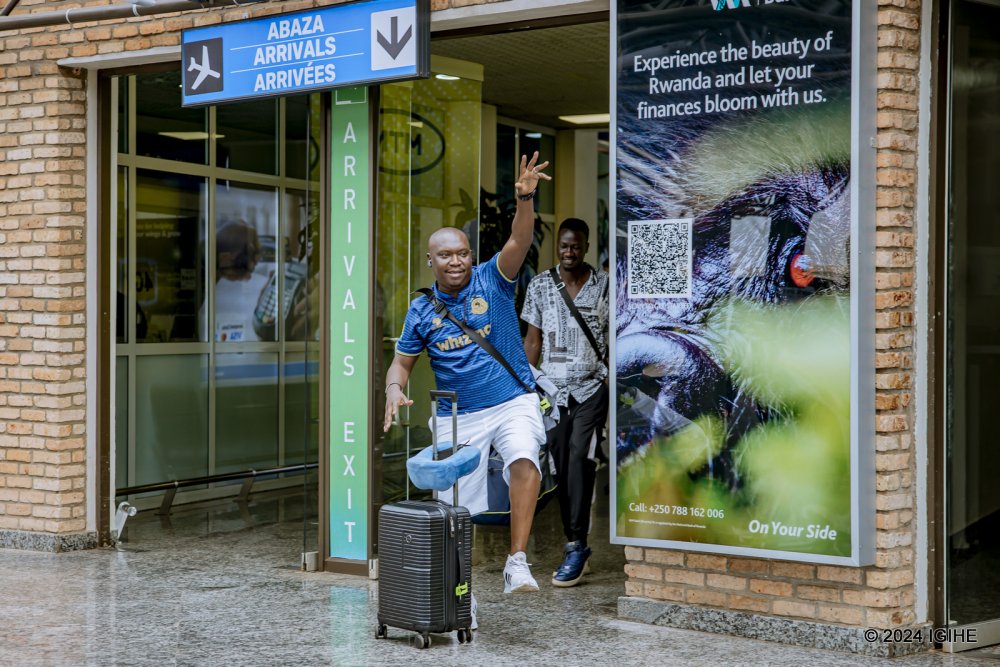
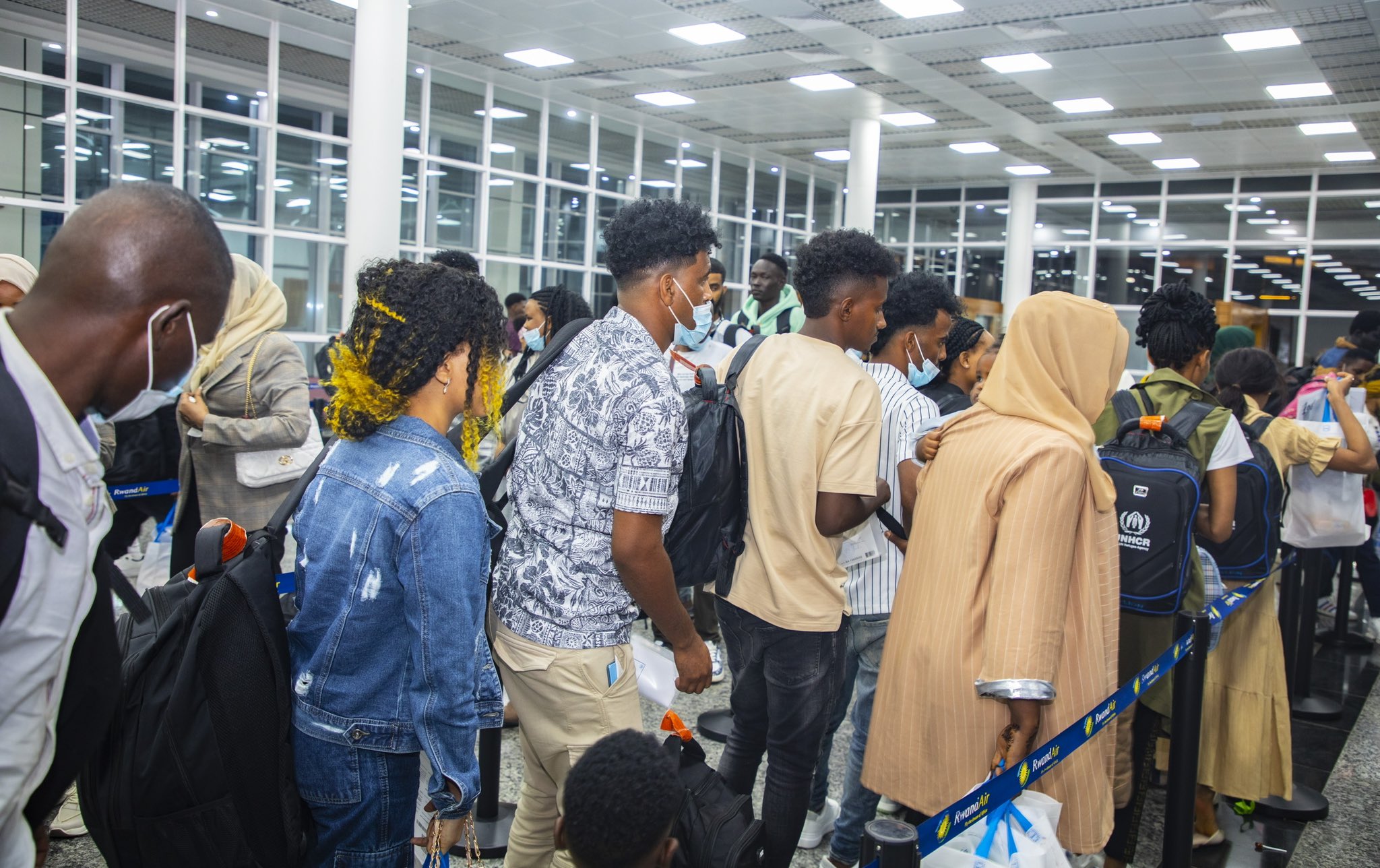
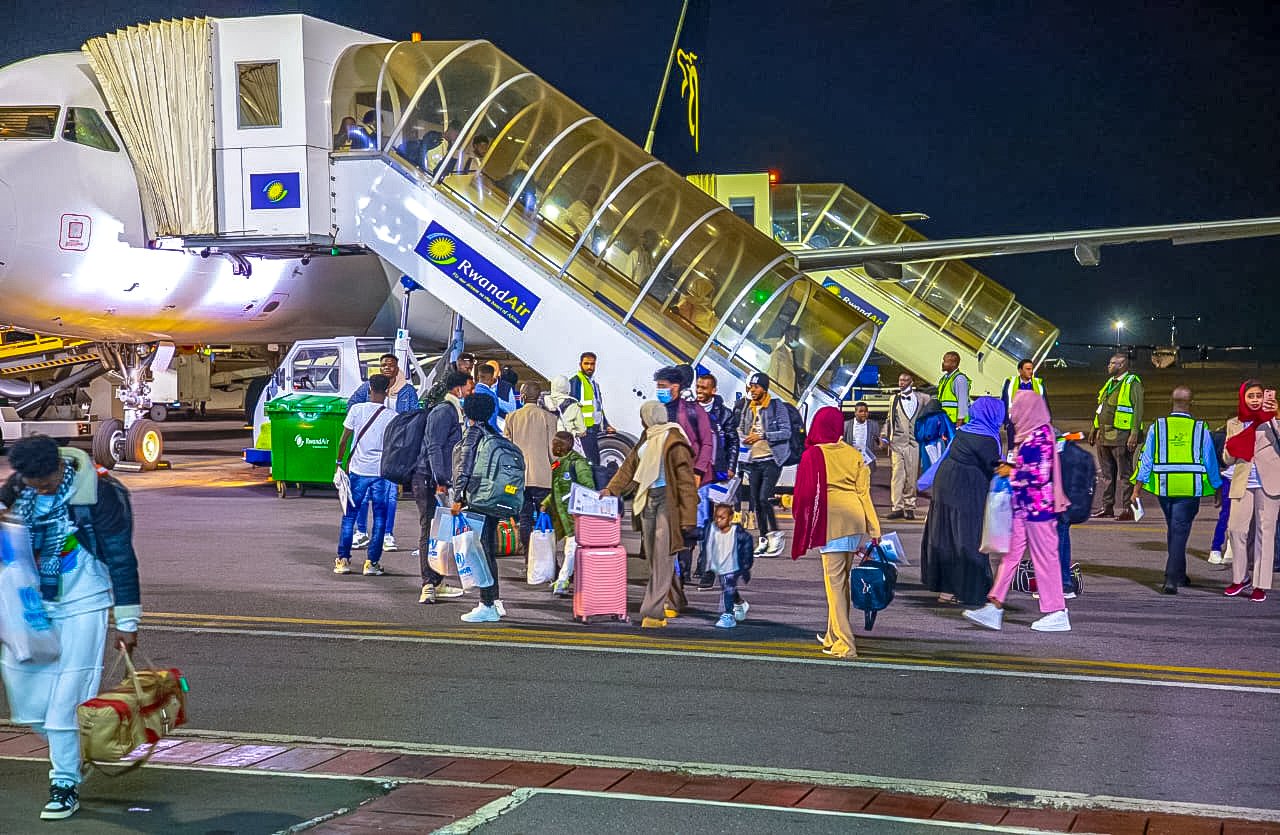
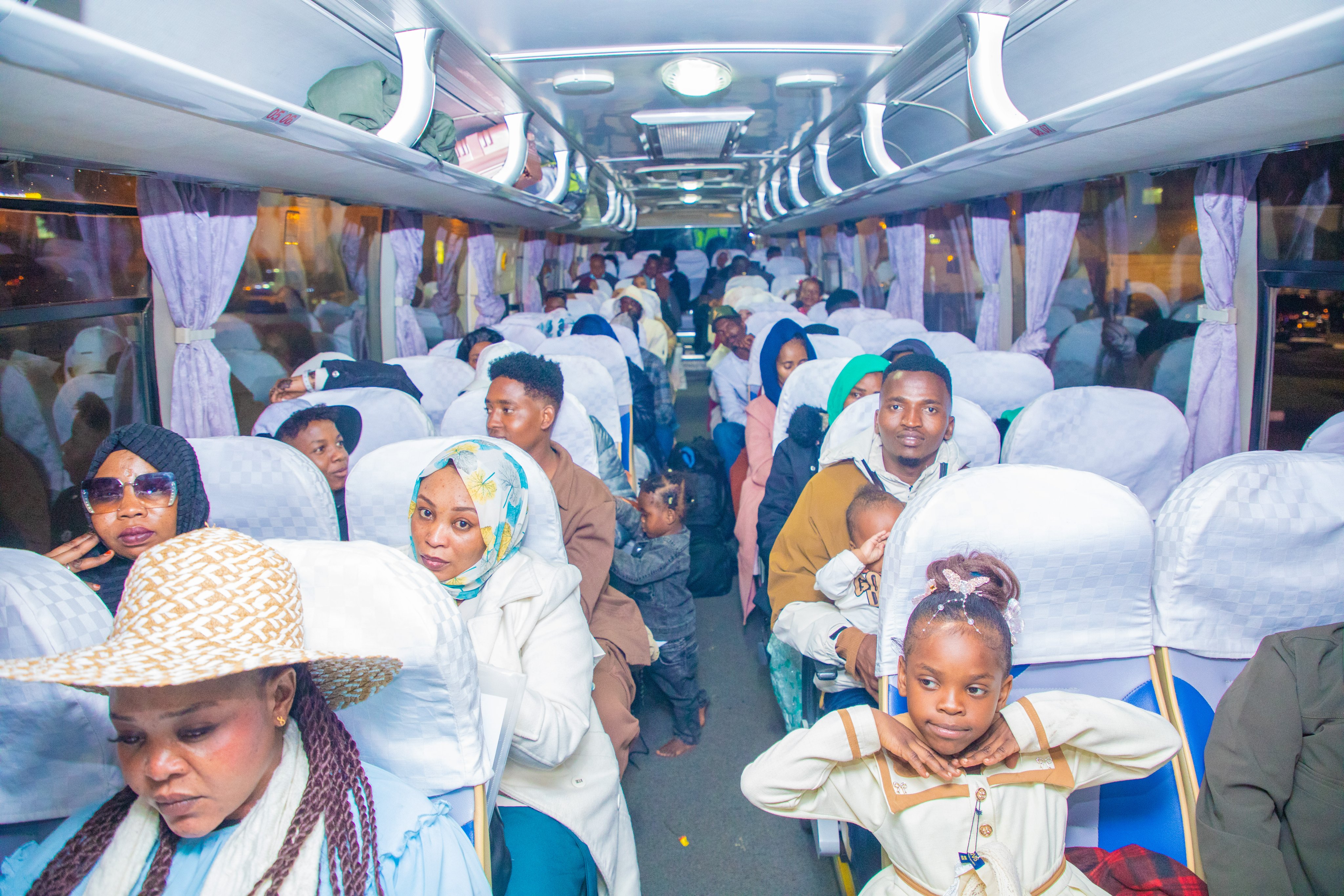
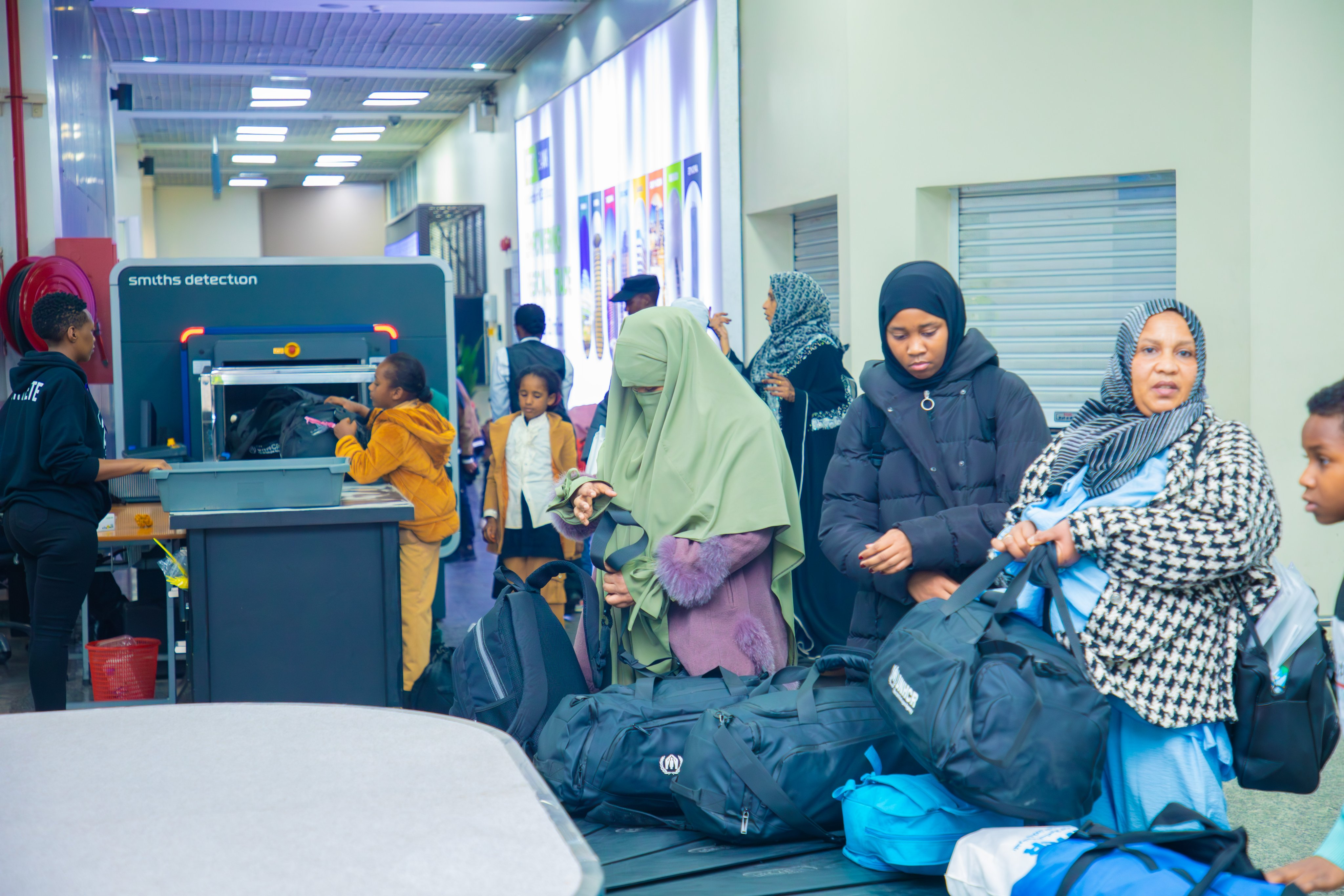
The group arrived on Wednesday night through a joint effort between the United Nations High Commissioner for Refugees (UNHCR) and the Government of Rwanda. Of the 164 evacuees, 143 originate from Sudan, 19 from Eritrea, while one person each comes from Ethiopia and South Sudan.
The ETM, a joint initiative involving UNHCR and the African Union, was established to provide lifesaving protection and assistance to vulnerable refugees and asylum seekers trapped in Libya. The mechanism temporarily relocates them to Rwanda while durable solutions, including resettlement to third countries, are pursued.
Since the launch of the ETM in 2019, a total of 2,760 people have been evacuated to Rwanda and hosted at Gashora Transit Centre. Of these, more than 2,500 have since been resettled in third countries.
In August 2024, the Government of Rwanda, UNHCR, and the African Union Commission agreed to extend the ETM programme. In a joint statement issued on August 22, 2024, the three parties reaffirmed their commitment to continue protecting evacuees and securing lasting solutions, while Rwanda provides temporary safe haven.
“The Government of Rwanda reaffirms its unwavering commitment to receive and protect these individuals, as well as others identified as particularly vulnerable and at risk,” the statement noted.
The parties also adopted a second addendum to the original Memorandum of Understanding signed on September 10, 2019. The updated framework emphasises a more transparent selection process for evacuees, ensuring equal opportunity for all potential candidates, regardless of nationality, ethnicity, race, gender, age, or any other factor unrelated to vulnerability.
The group arrived on Wednesday night through a joint effort between the United Nations High Commissioner for Refugees (UNHCR) and the Government of Rwanda.The ETM, a joint initiative involving UNHCR and the African Union, was established to provide lifesaving protection and assistance to vulnerable refugees and asylum seekers trapped in Libya. Since the launch of the ETM in 2019, a total of 2,760 people have been evacuated to Rwanda and hosted at Gashora Transit Centre.
The AFC/M23 movement has strongly criticised the international community for remaining silent as the government of the Democratic Republic of Congo (DRC) launched a large-scale offensive, causing civilian casualties and mass displacement.
According to Lawrence Kanyuka, spokesperson for AFC/M23, the attacks on Wednesday, February 25, 2026, marked a “new threshold of violence” by the Kinshasa regime.
The DRC military reportedly used armed drones and heavy artillery to strike densely populated areas as well as M23 positions, in what Kanyuka described as blatant violations of international humanitarian law.
The strikes were recorded throughout the morning and early afternoon, beginning at 9:00 AM in Rutigita, Minembwe, continuing at 10:30 AM in Kitazungura, Kalehe territory, and culminating at 12:00 PM in Rugezi and surrounding areas of Minembwe.
“These deadly aggressions are causing human casualties, mass displacement of civilian populations, and fueling an extreme humanitarian crisis,” Kanyuka said, highlighting the severity of the situation for local communities.
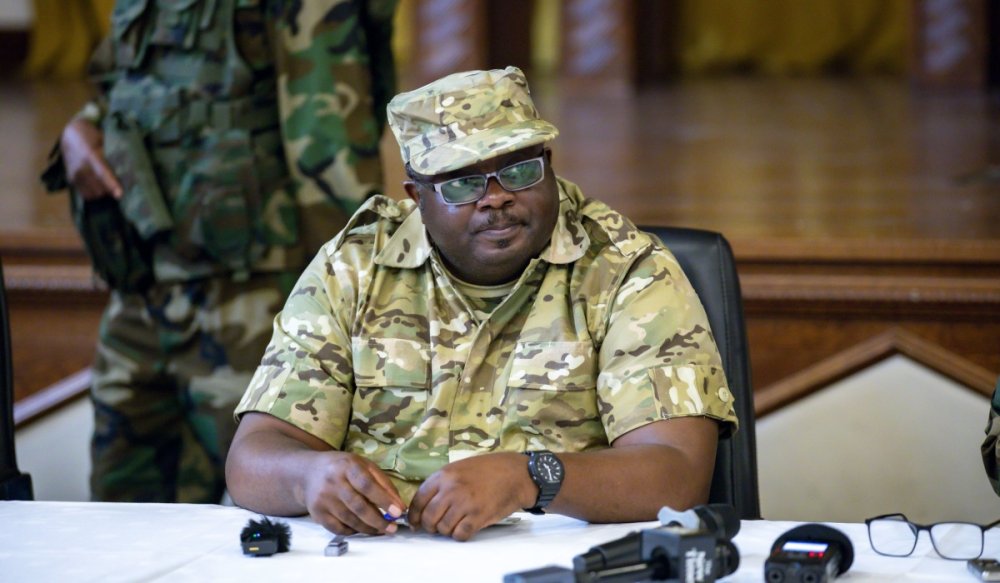
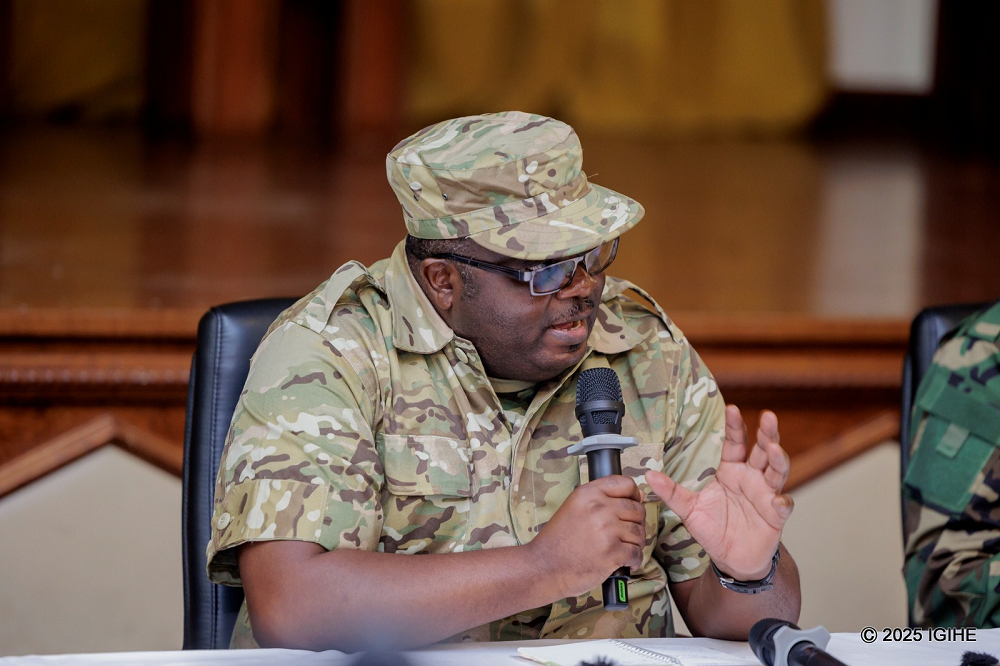
Bertrand Bisimwa, deputy coordinator of AFC/M23, emphasised that the offensive reflects a deliberate choice by the DRC government to pursue military escalation, violating ceasefire agreements. He also criticised the international community for failing to act:
“We cannot help but express our deep concern over the absence, at this stage, of any clear and visible initiative aimed at bringing an immediate halt to this government offensive. There has been no public reprimand, no condemnation… no discernible action seems to have been taken to prevent the risk of escalation,” Bisimwa stated.
He added, “This silence contrasts with the swift reactions observed when our movement is forced to exercise its legitimate right to self-defence in the face of direct attacks.”
The offensive marks a continuation of rising tensions in the region despite peace efforts by mediators such as Qatar and existing ceasefire commitments.
Bertrand Bisimwa, deputy coordinator of AFC/M23, emphasised that the offensive reflects a deliberate choice by the DRC government to pursue military escalation, violating ceasefire agreements.
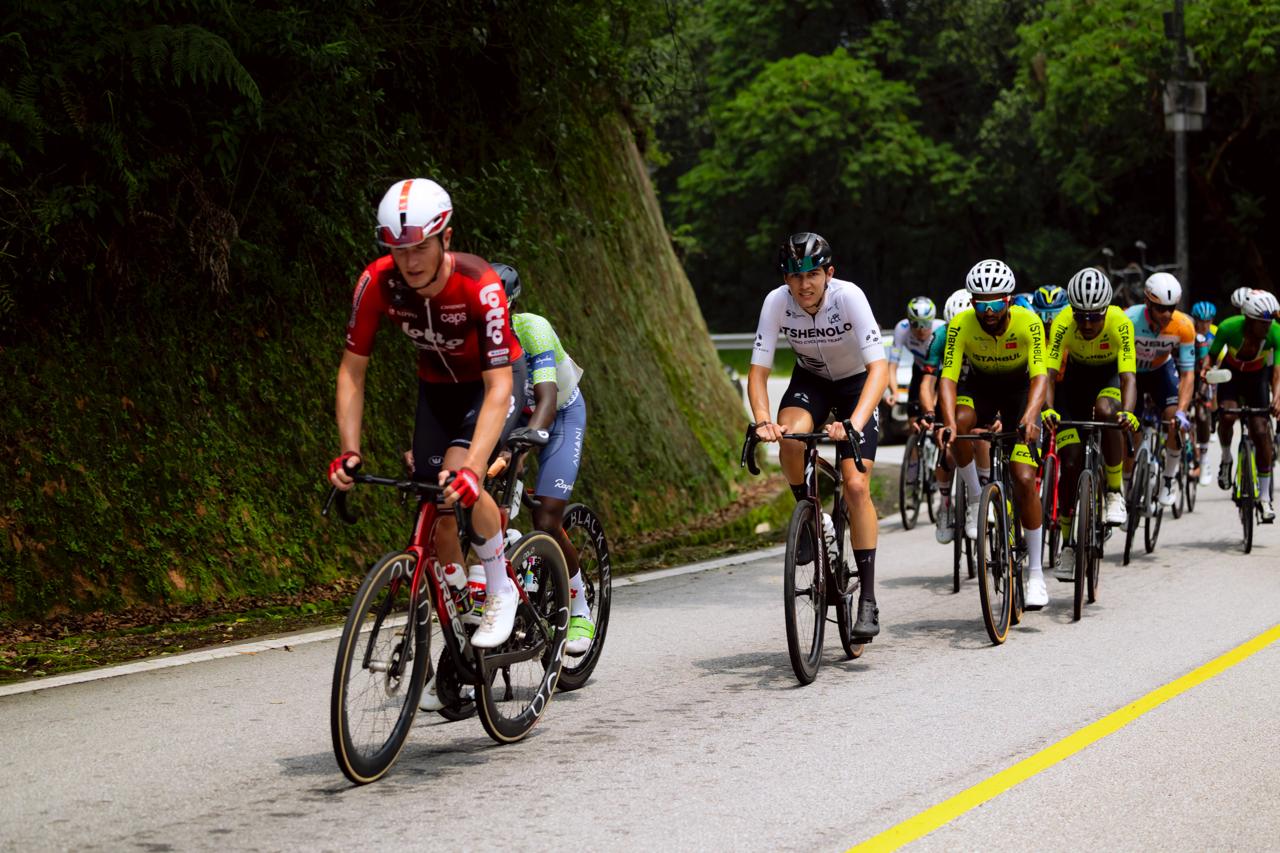
Riding for Soudal Quick-Step Devo Team, the 20-year-old showed composure and power in the closing meters to edge out Kretschy of NSN Development Team, capping off one of the most exciting stages of this year’s race.
Rambo climb proves decisive
The pivotal moment came on the Rambo climb at kilometre 111, a three-kilometre ascent positioned within the final 15 kilometres of the stage. De Clercq surged to take maximum mountain points ahead of Kretschy and Mauro Cuylits, tightening the battle at the front.
Matthijs De Clercq showed composure and power in the closing meters to edge out Kretschy of NSN Development Team.
With 20 kilometres remaining, De Clercq, Kretschy and Cuylits held a slender 20-second advantage over their nearest rivals, while the peloton trailed by five minutes and 30 seconds. Attacks soon began within the leading trio as each rider sensed an opportunity to break clear.
By the final 10 kilometres, De Clercq and Kretschy had distanced Cuylits by 50 seconds, with the chasing group sitting 1 minute and 40 seconds behind. The two leaders worked together before launching into a head-to-head sprint that saw the Belgian narrowly prevail on the line.
Kretschy takes the yellow jersey
Despite finishing second on the stage, Kretschy moved into the overall race lead and donned the coveted yellow jersey. Thanks to the time bonuses and the gap to the previous leader, Zomermaand, Kretschy successfully reclaimed the yellow for the NSN Development Team.
Kretschy moved into the overall race lead and donned the coveted yellow jersey.
The 23-year-old German becomes the fourth rider to wear yellow in four days, highlighting not only his strong performance today but also the strategic depth of his team.
Stage 4 top 10 results
Matthijs De Clercq (Soudal Quick-Step Devo Team) – 3:05:55
Moritz Kretschy (NSN Development Team) – 3:05:55
Luke Finlay Tarling (NSN Development Team) – +2:15
Jacob Bush (Development Team Picnic PostNL) – +2:15
Johannes Adamietz (Rembe | Rad-Net) – +2:15
Duarte Marivoet Scholiers (Lotto – Groupe Wanty) – +2:15
Merhawi Kudus (Eritrea) – +2:15
Sebastian Castro Castro (Movistar Team Academy) – +2:
Stage 5 awaits
The Tour du Rwanda continues on Thursday, February 26, with Stage 5 set for an 82-kilometre circuit in Rubavu. Riders will tackle a nine-kilometre loop nine times, starting at 3:00 PM, promising another tactical showdown as Kretschy defends the yellow jersey and De Clercq looks to build on his breakthrough victory.
After four stages, the race for overall glory remains wide open, and Rubavu has already delivered a thriller.
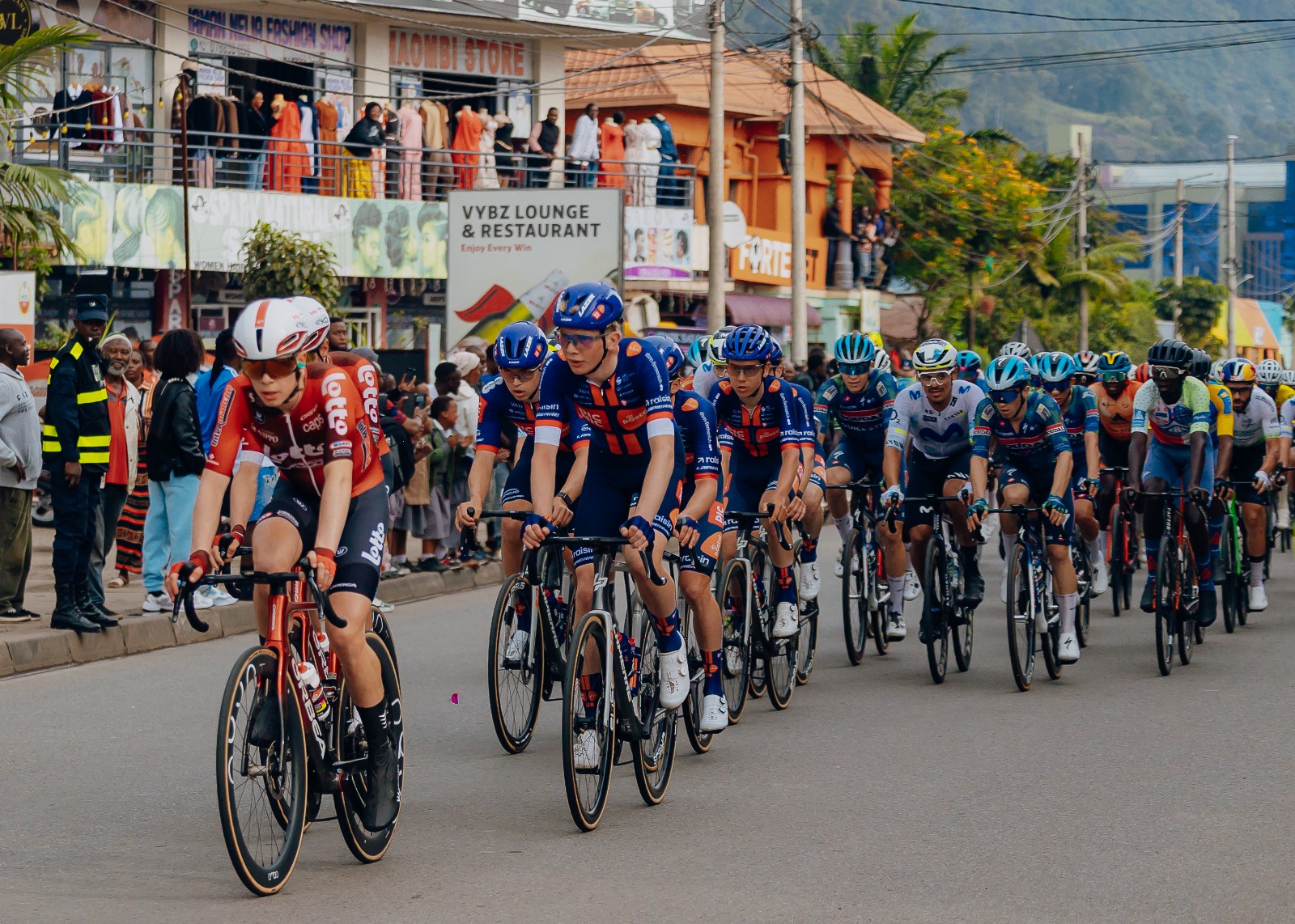
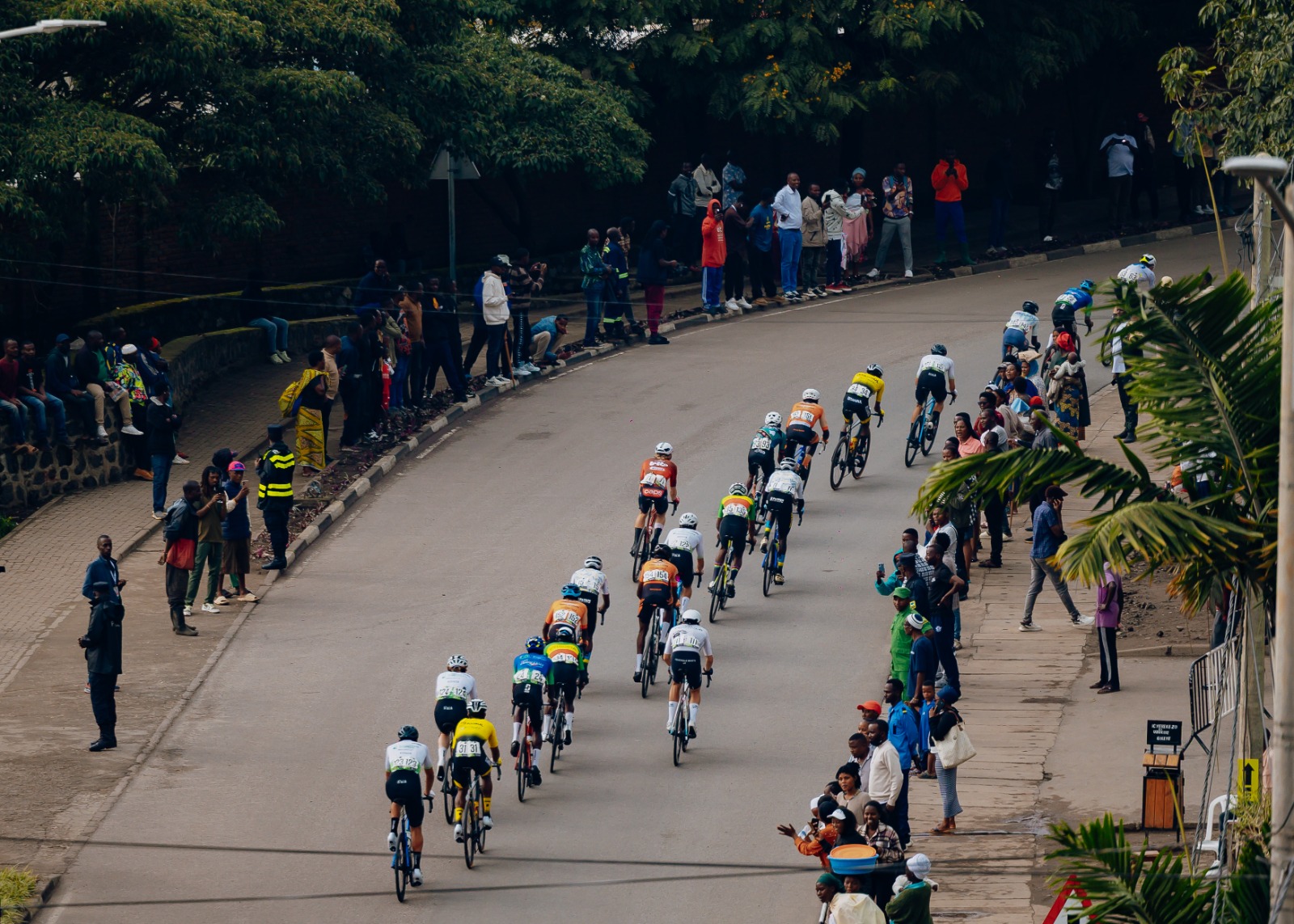
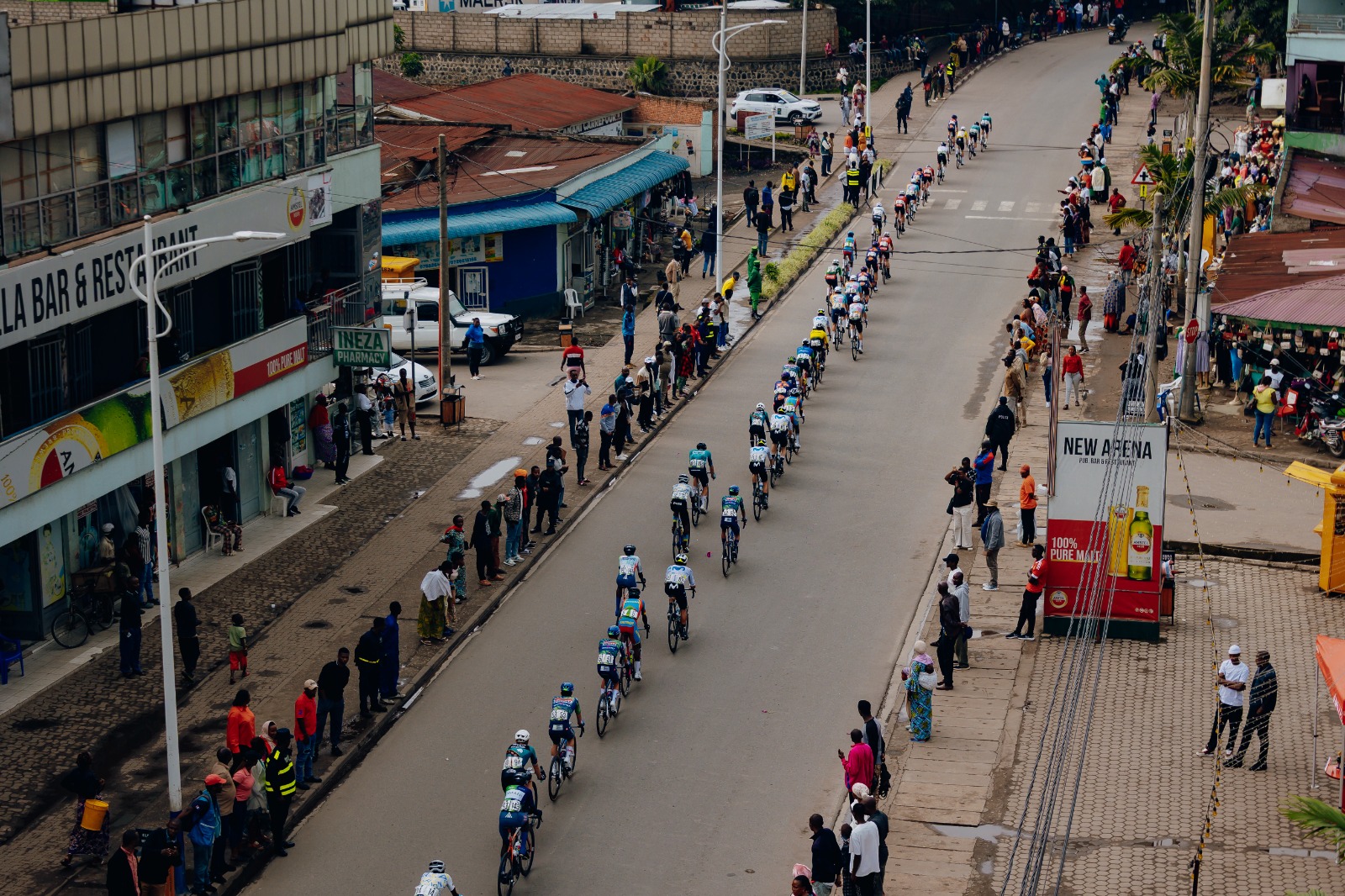
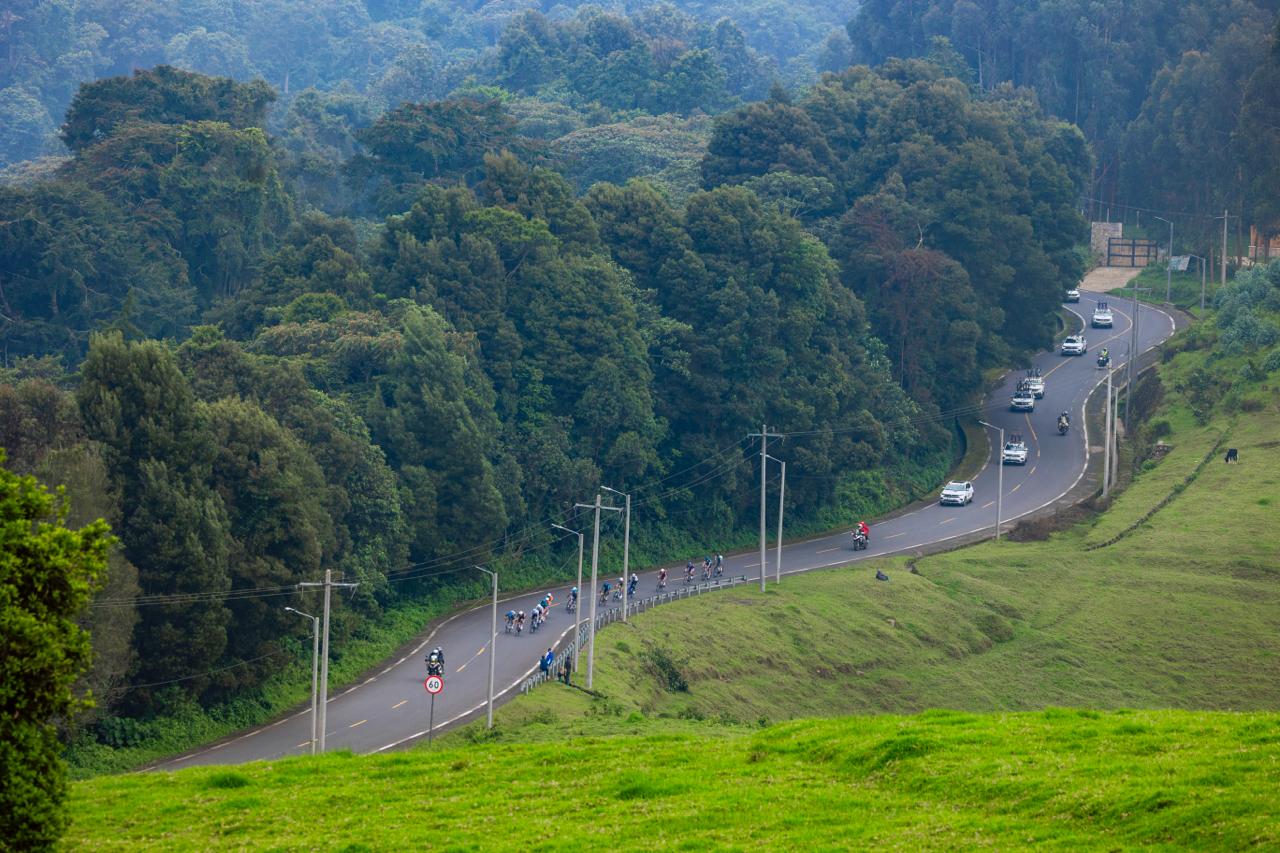
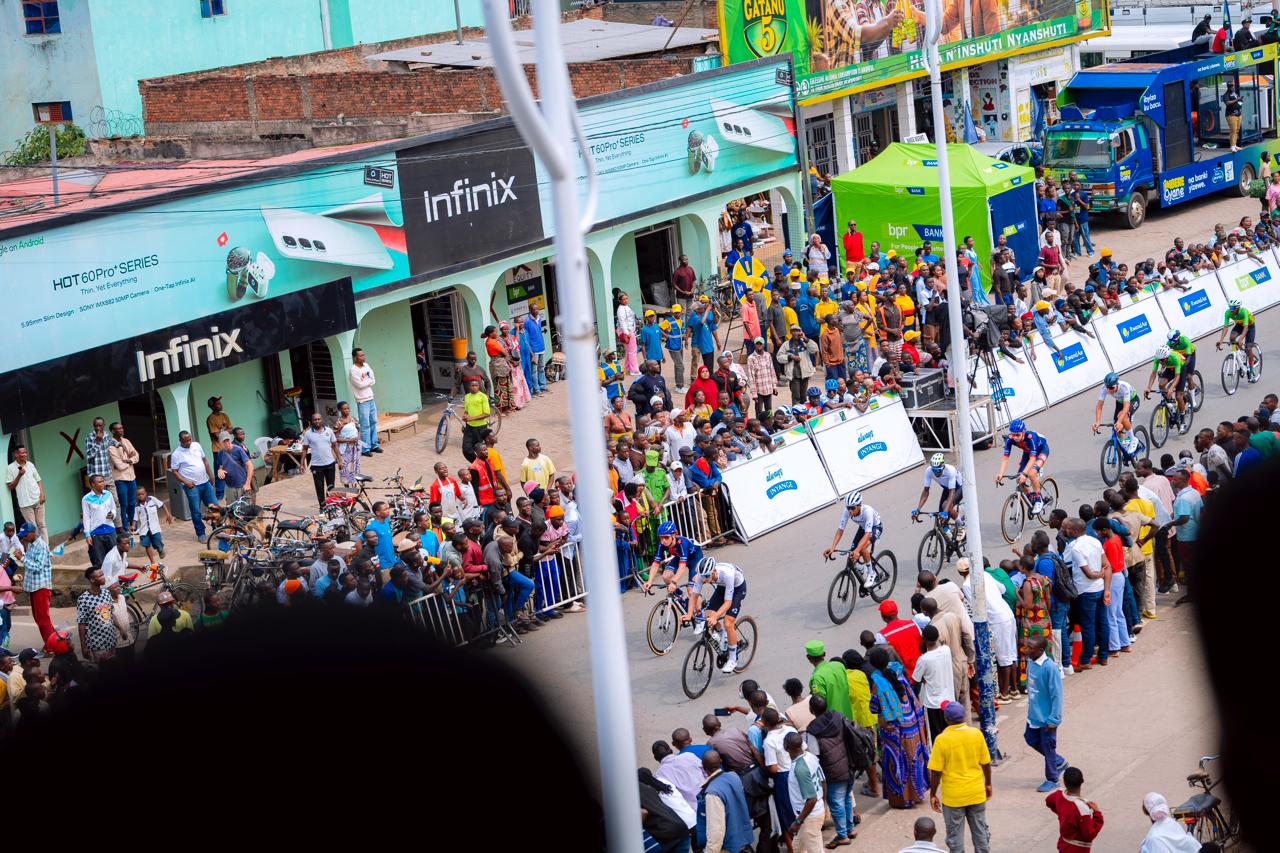
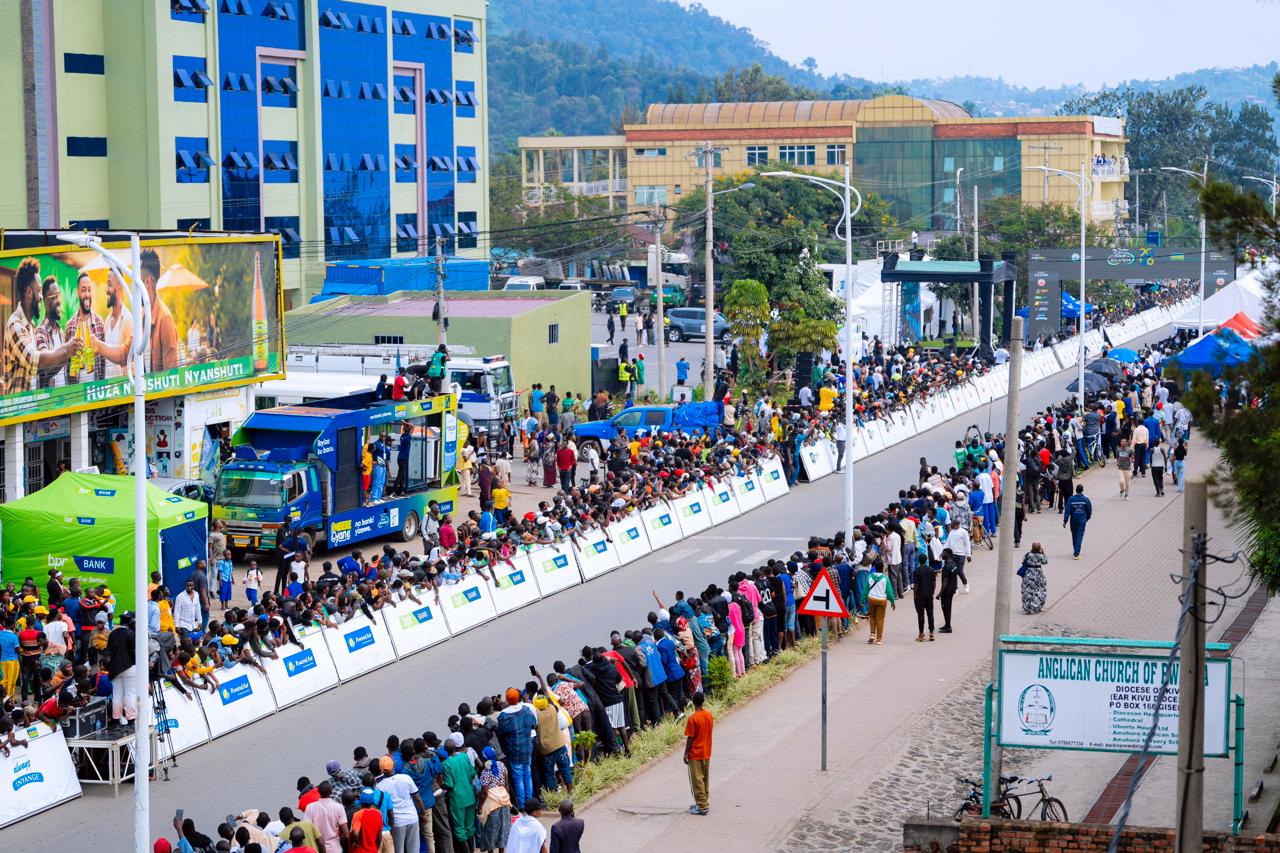
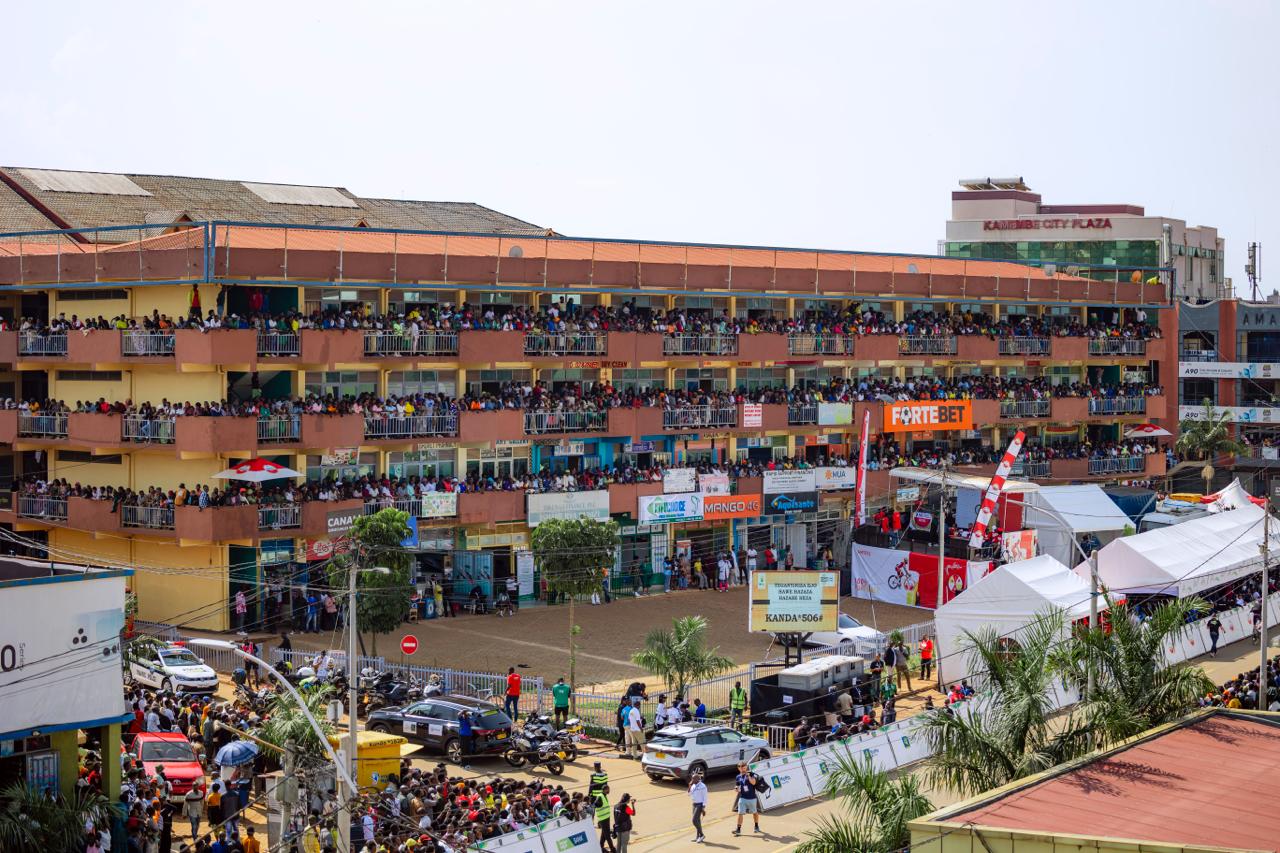
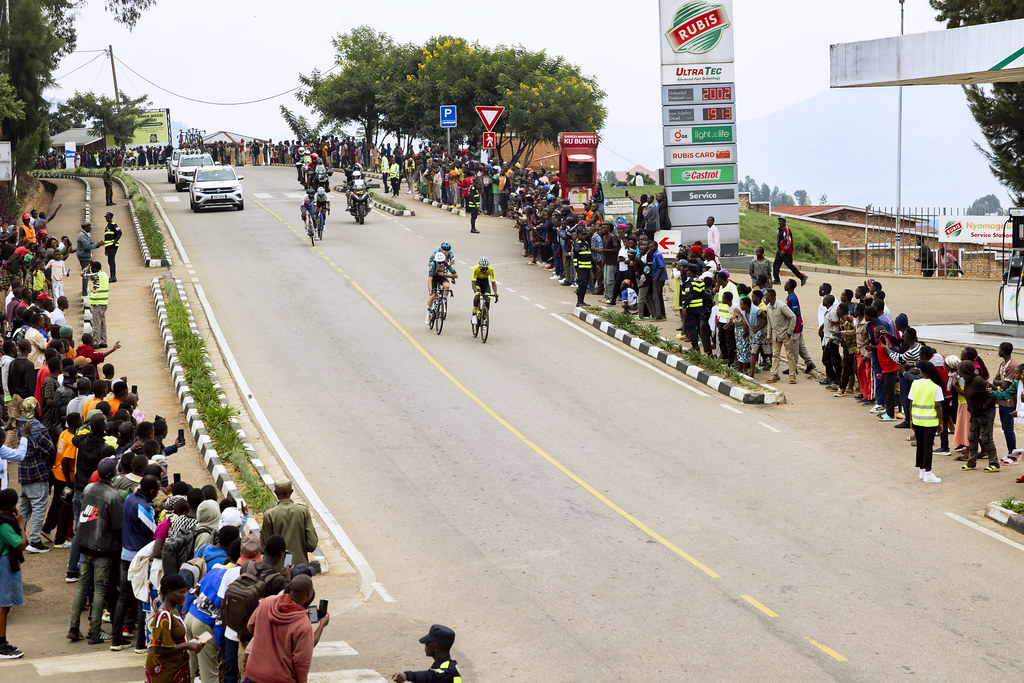
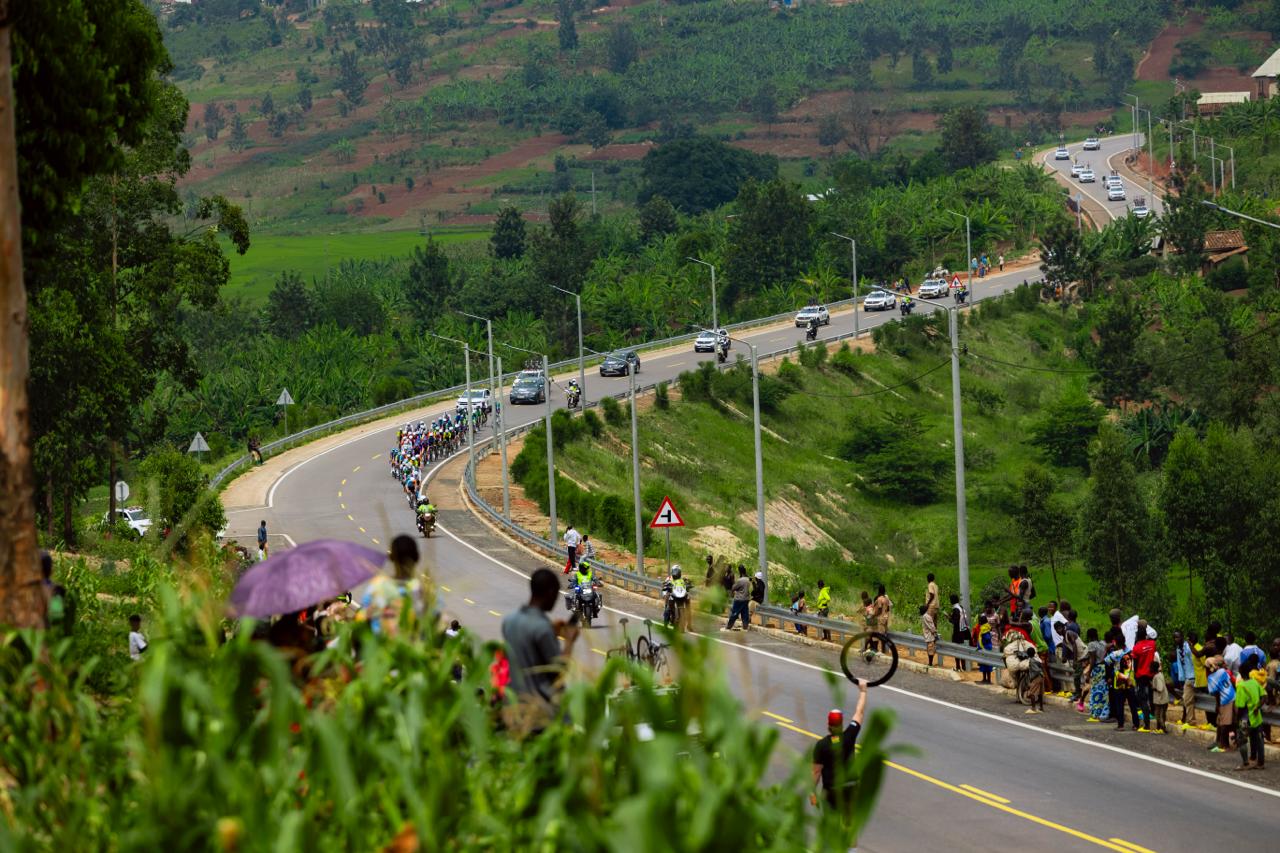
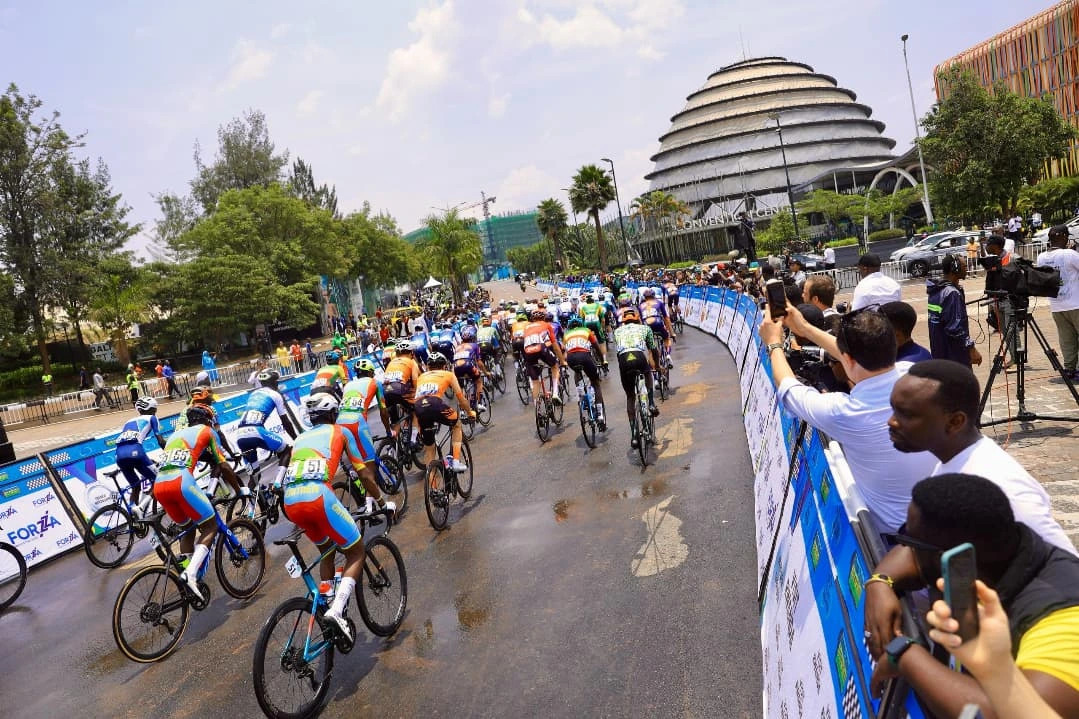
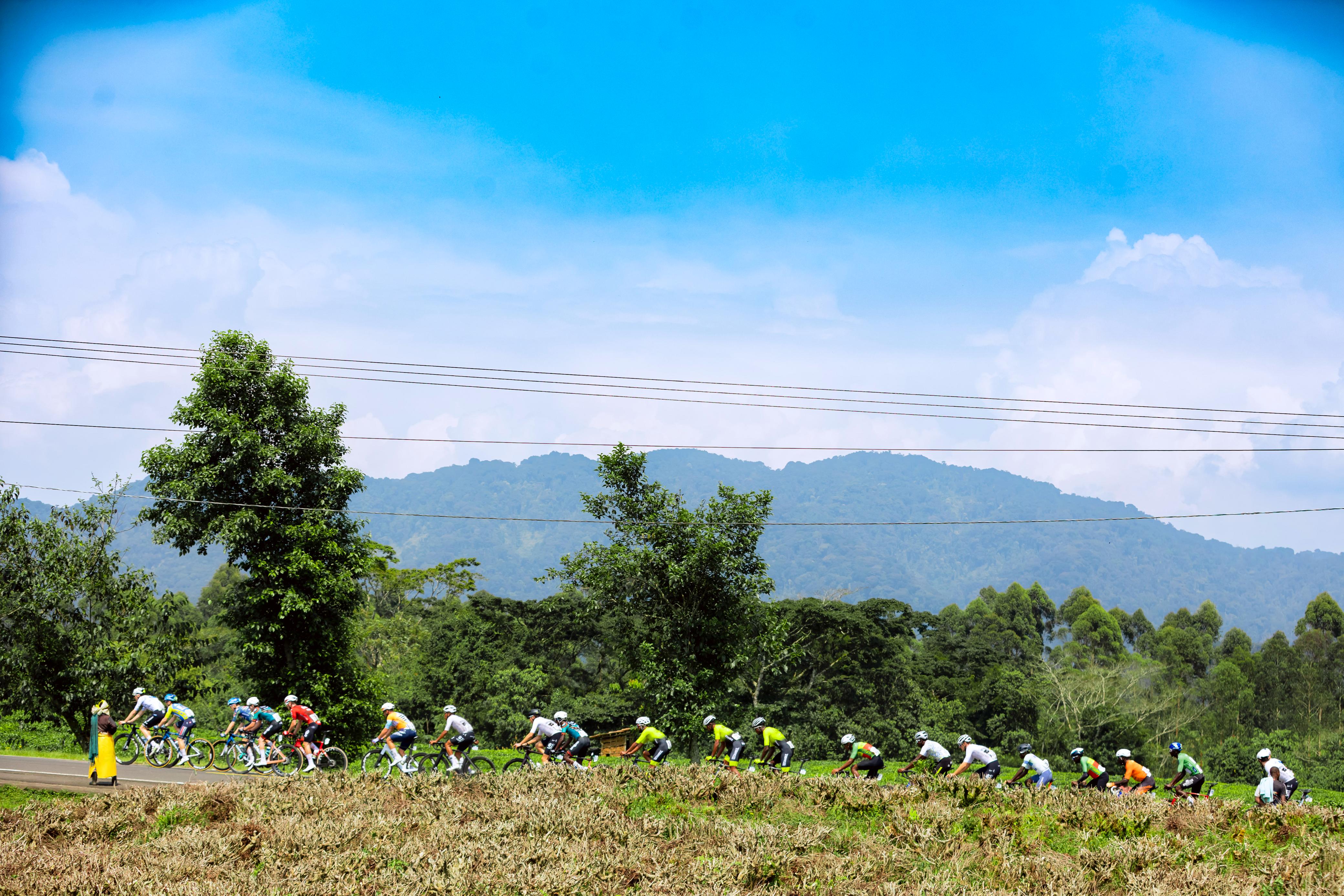
Riders covered 127.2 km from Karongi to Rubavu, ending in a thrilling sprint finish. Locals turned up in large numbers along the road to cheer the riders.
The Tour du Rwanda 2026 is currently rolling across the “Land of a Thousand Hills”, and while on paper it’s a UCI 2.1 cycling race, to anyone standing on the roadside, it feels more like a national carnival.
Now in its 18th edition as an international event, the Tour has grown from a local race into one of Africa’s premier cycling competitions. Following the massive success of the historic 2025 World Championships held right here in Rwanda, this year’s Tour feels like a victory lap for an entire continent.
Here is why this race is so much more than just a bike ride.
1. The “Mur de Kigali” is our colosseum
In European cycling, fans talk about the cobbled climbs of Flanders. In Rwanda, the Mur de Kigali demands the same awe. This steep, cobblestone climb winds through the lively streets of Nyamirambo, where the energy of the crowd meets the grit of the riders.
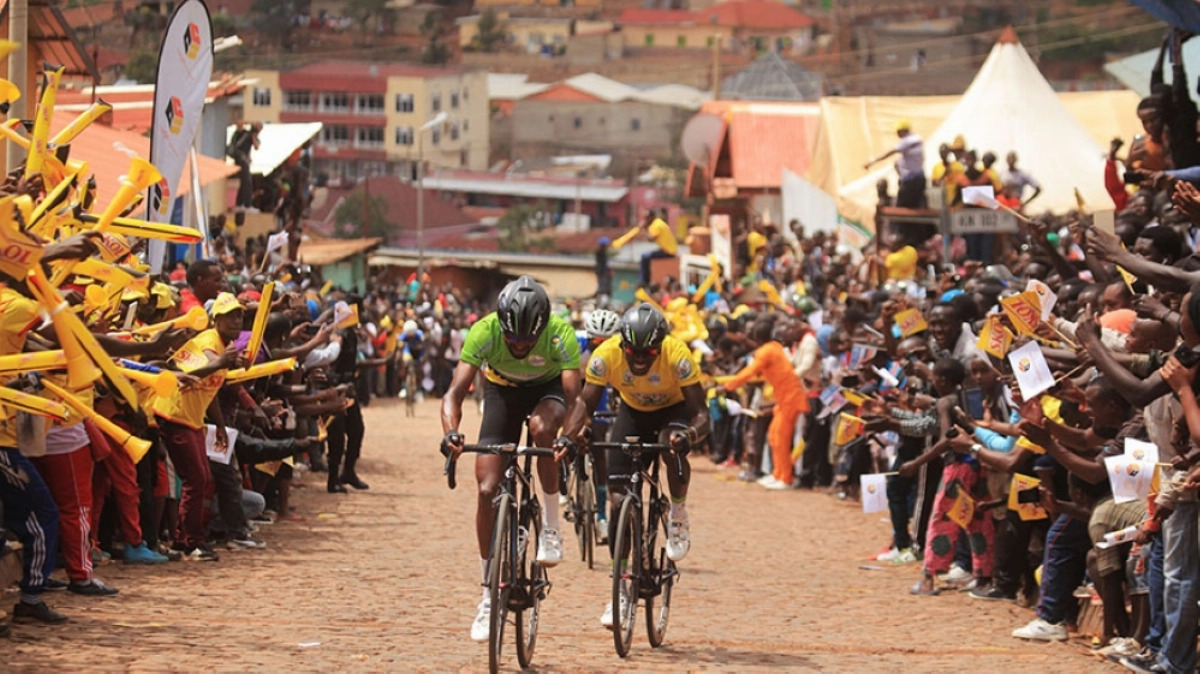
Tour du Rwanda 2017: Joseph Areruya and Eritrean Eyob Metkel climb the Mur de Kigali, the legendary cobblestone climb, one of the toughest challenges awaiting global cycling stars.
Streets packed with cheering spectators transform each pedal stroke into a test of endurance, courage, and sheer will. When a Rwandan rider leads up “The Wall,” the roar of the crowd echoes across the surrounding hills.
Thousands of fans line the streets, standing along sidewalks, slopes, and open areas near the climb. You’ll see grandmothers cheering next to teenagers, all drawn together by the sight of elite athletes powering up a 12% incline.
When the peloton powers up the Mur de Kigali, the cheers ripple across the surrounding hills, filling the neighborhood with energy and excitement. Fans clap, wave, and call out encouragement as riders tackle the steep climb, making the moment feel like a shared celebration of effort and endurance.
It has become a norm for locals to turn up along the road and on top of their buildings to witness the race.
2. A “stadium” without walls
Most sports require a ticket and a seat. The Tour du Rwanda requires a front porch and a pair of lungs.
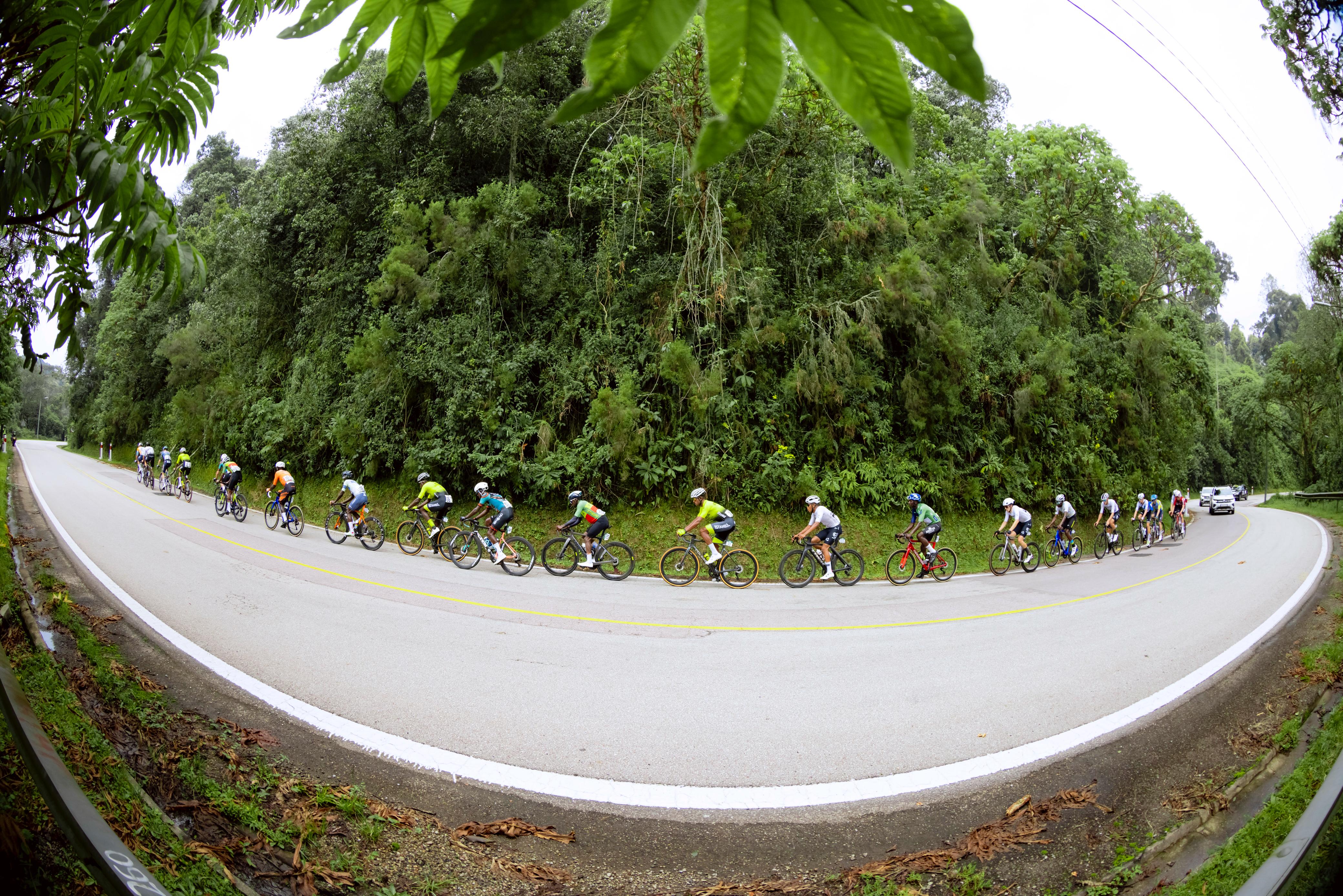
Because the 2026 route stretches across nearly 1,000 kilometres of the country, from the rolling highlands of northern Rwanda to the palm-fringed shores of Lake Kivu, it brings the spectacle to the people. It’s estimated that over 2 million people line the roads.
Crowds gather to cheer on the elite riders.
For a few minutes, every village becomes the centre of the world. Rural farmers and urban residents alike watch the same drama unfold as the peloton passes by, united in the excitement of the race.
3. Cycling is part of life in Rwanda
To understand why Rwandans love this race, you have to look at the “abanyonzi” taxi-velo riders. In Rwanda, the bicycle isn’t just for fitness; it’s a lifeline.
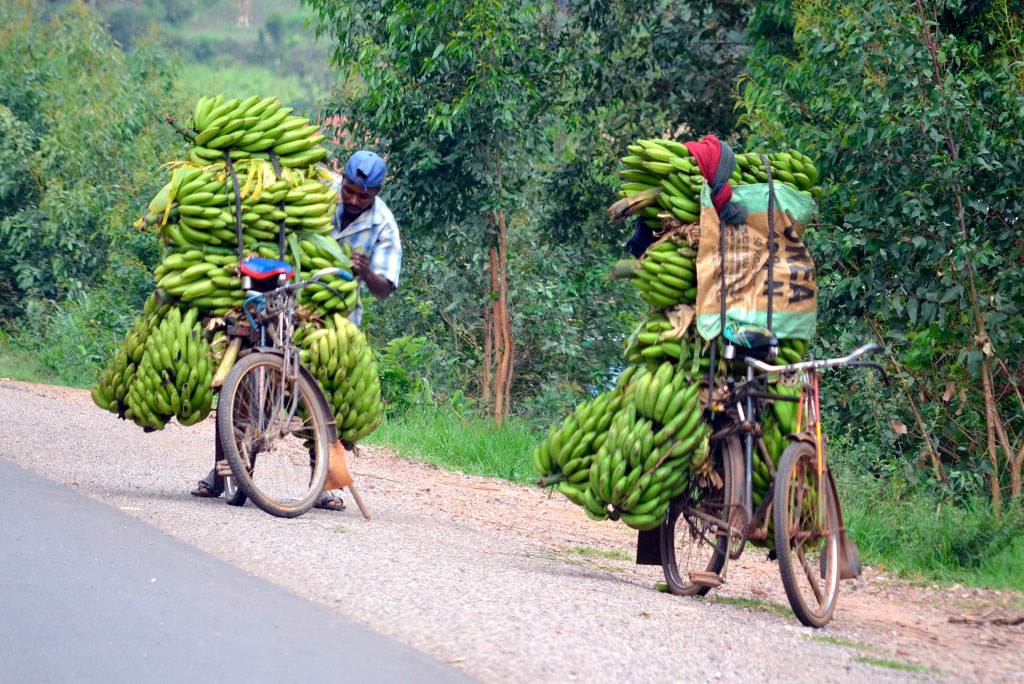
Bicycles are common in rural Rwandan villages and are often used to transport farm produce like green bananas.
Every day, thousands of Rwandans use bikes to transport massive loads of ibitoke (green bananas), heavy milk jugs, or charcoal across impossible inclines. There is a deep, cultural respect for anyone who can conquer a hill on two wheels.
When locals watch a pro athlete fly up a mountain that they usually struggle to climb with a load of crops, there is an instant, visceral connection. It’s a celebration of the hustle that defines Rwandan rural life.
4. A high-def tour of the “new Rwanda”
The Tour is arguably Rwanda’s most effective “business card” to the world. As the cameras follow the peloton, the world sees not just sweat; but also the results of a nation’s transformation.
Tour du Rwanda showcases Rwanda’s incredible transformation to the world.
The 2026 footage showcases the pristine, plastic-free streets of Kigali, the lush green tea plantations of the West, and the world-class infrastructure that makes this the safest and cleanest cycling environment in Africa. It’s a source of immense national pride, a way for Rwandans to say, “This is who we are now.”
6. The “Africa’s turn” momentum
For decades, professional cycling was a closed-off European club. The Tour du Rwanda changed that narrative. As the premier stage for African talent, this race is where the next global stars, like Samuel Niyonkuru or Henok Mulubrhan, prove they belong on the world stage.
In the wake of the 2025 UCI World Championships, the 2026 Tour feels like the start of a new era. It’s no longer about hosting a race; it’s about owning the sport. For every kid on the side of the road in Rubavu or Gicumbi watching the peloton fly by, that bike represents a path to the world stage.
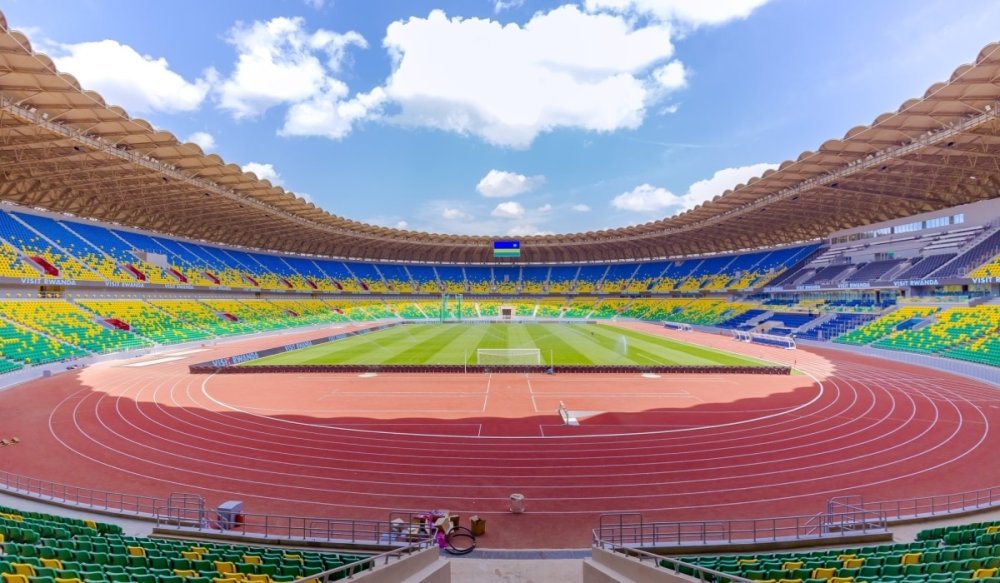
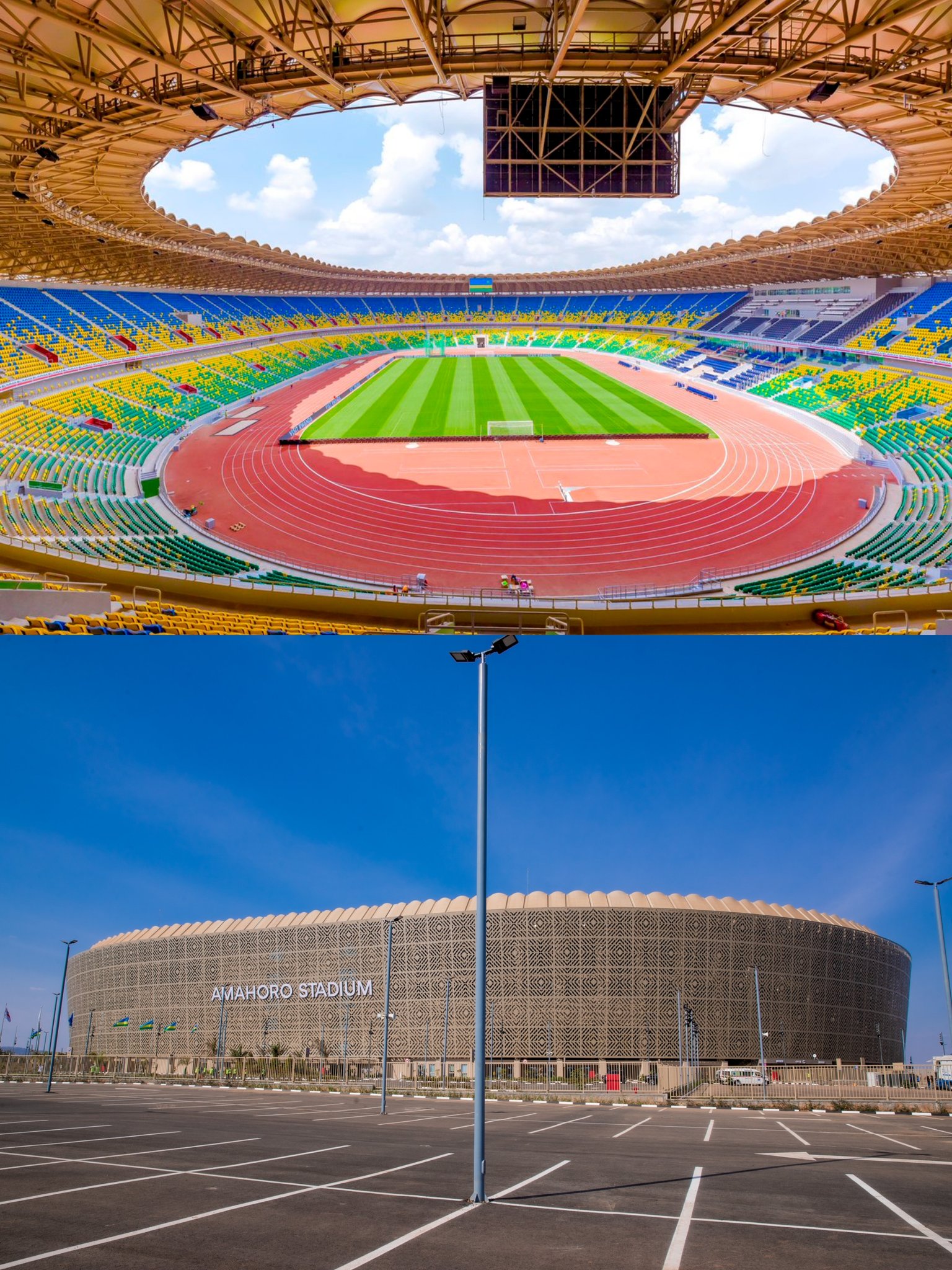
Jules Karangwa, Chief Executive Officer (CEO) of the Rwanda Premier League, explained that the closure is the reason for several changes in scheduled matches.
“The stadium is being prepared for FIFA Series matches,” Karangwa told RBA. “After the recent match between Kiyovu Sports and APR FC, it was closed for maintenance. It is expected to reopen after March 2026.”
He added, “We have looked into alternatives, but in order to meet FIFA’s standards for the tournament, the stadium must remain closed. We will continue to organize matches at other venues in the meantime.”
Amahoro Stadium was originally set to host the match between Rayon Sports and Al Hilal SC. The fixture has now been moved to Kigali Pelé Stadium and will take place on Wednesday, February 25, 2026.
During the FIFA Series 2026, starting on March 26, Amahoro Stadium will host Group A matches, featuring Estonia, Grenada, Kenya, and Rwanda. Group B matches, including Aruba, Liechtenstein, Tanzania, and Macau, will be played at Kigali Pelé Stadium.
Amahoro Stadium was originally set to host the match between Rayon Sports and Al Hilal SC. The fixture has now been moved to Kigali Pelé Stadium and will take place on Wednesday, February 25, 2026.