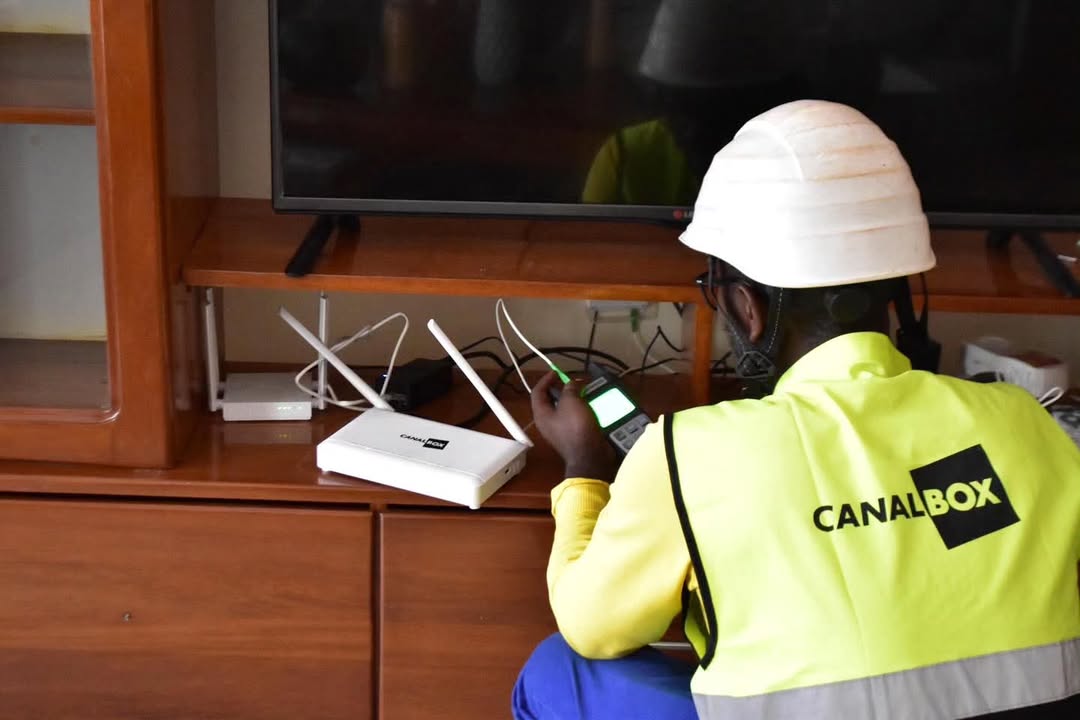
The Rwanda Utilities Regulatory Authority (RURA) has sanctioned internet service provider GVA Rwanda Ltd, commonly known as CanalBox, following days of widespread service disruptions that affected customers across Rwanda.
In a statement issued on Monday, April 27, RURA said the company had been penalised under Article 269 of Law No. 24/2016 for continued non-compliance with service standards. The regulator ordered CanalBox to compensate all customers affected between April 13 and April 20, 2026, and to pay daily penalties until it fully restores stable service.
Additionally, the company has been instructed to submit regular progress reports within prescribed timelines. RURA emphasised that it will closely monitor the operator’s compliance, warning that failure to meet requirements could lead to further regulatory action.
“GVA has committed to compliance, and RURA will continue to closely monitor progress to ensure full service stability. Failure to comply will result in further regulatory action,” RURA announced.
The sanctions follow earlier enforcement steps taken by the regulator. On April 21, RURA summoned CanalBox management after receiving numerous complaints about poor internet connectivity. The company was invited to a formal hearing to explain the disruptions and outline corrective measures.
The disruptions were initially linked to a major fiber optic fault with their international provider overseas, which impacted stability and speeds across their network.
The Rwanda Utilities Regulatory Authority (RURA) has sanctioned internet service provider GVA Rwanda Ltd, commonly known as CanalBox, following days of widespread service disruptions that affected customers across Rwanda.
Kaniki made the appeal amid what he described as continued inaction by the international community in response to ongoing attacks carried out by coalition forces of the Congolese government in areas inhabited by, or hosting displaced Banyamulenge populations in South Kivu Province, particularly in Minembwe.
He noted that the United States places strong constitutional emphasis on the protection of fundamental human rights and that this principle obliges it to oppose any government actions that violate them.
According to Kaniki, these principles are not limited to domestic application but also inform U.S. foreign policy and international engagements.
He further argued that recent mineral extraction agreements signed between the United States and the DRC in December 2025 risk sidelining broader human rights considerations in favour of strategic and economic interests.
Kaniki added that what distinguishes the United States on the global stage is its historical commitment to defending human rights in situations of crisis, urging Washington to reassess its position regarding the ongoing conflict in eastern DRC.
“It is time for the United States to reconsider the side it has taken in the war in the DRC, based on the values that form the backbone of the United States as a nation,” he said.
On April 20, 2026, members of the Banyamulenge diaspora in the United States staged a demonstration in Washington, D.C., calling on the international community to break its silence as reports continue of killings targeting their relatives in their homes and displacement sites.
The protest followed a prolonged period of advocacy by human rights organisations, including MPA (Mahoro Peace Foundation) and MRDP-Twirwaneho, which say they have repeatedly raised concerns without prompting significant international intervention.
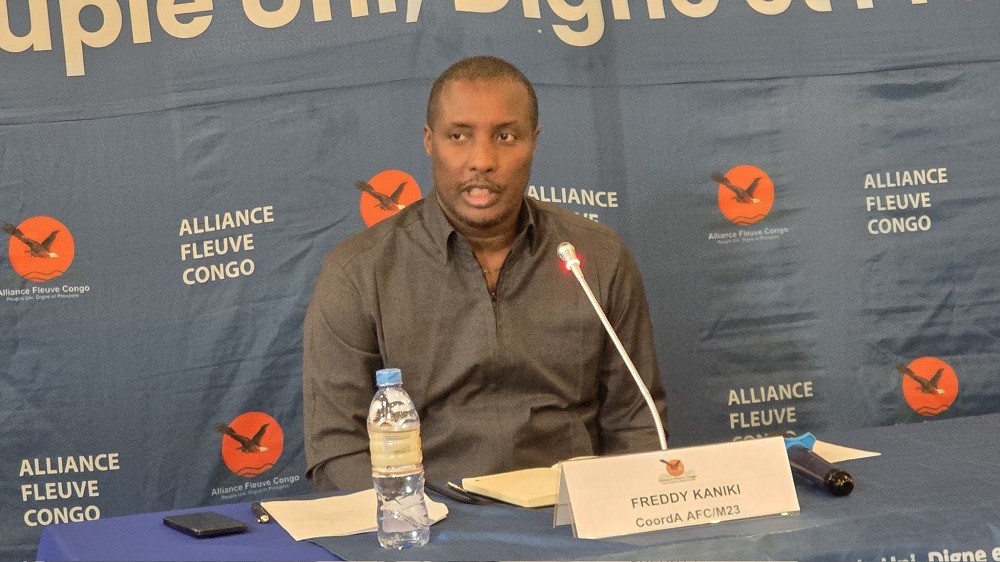
The deputy coordinator of the AFC/M23 coalition in charge of economic and financial affairs, and leader of the MRDP-Twirwaneho movement, Freddy Kaniki Rukema, has called on the United States to place greater emphasis on the protection of human rights in the Democratic Republic of Congo (DRC).
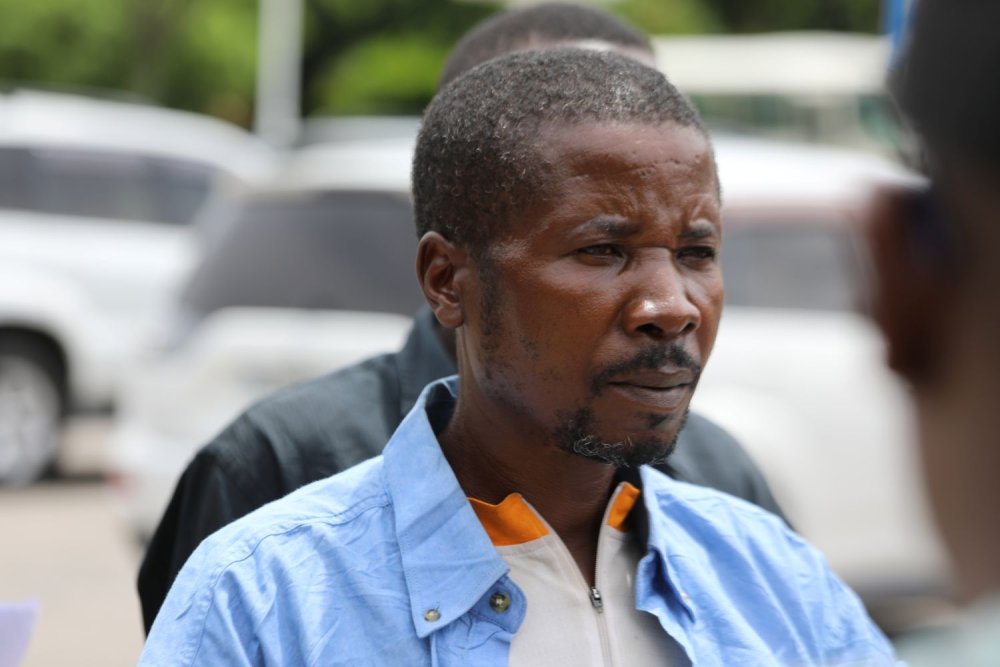
“FDLR and Nyatura would capture us and try to force us to join them in fighting, claiming that we are Rwandans. Anyone who refused was taken away at night, and we would never see them again. Later, we would be told they had been killed,” said 28-year-old Dushime Janvier, one of the returnees.
Dushime arrived in Rwanda from Kitchanga, in eastern DRC. He said his family originates from the former Rwerere Commune in Gisenyi Prefecture, now part of Rubavu District.
He is among 317 Rwandans who were repatriated on Friday, April 24, 2026, after being held by the FDLR, a group designated as a terrorist organisation.
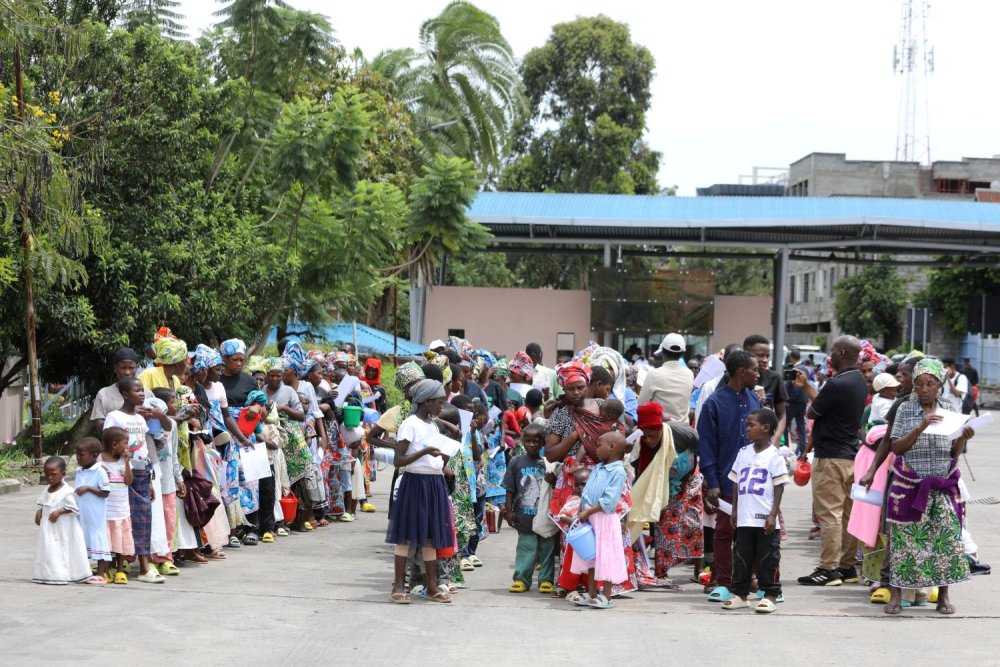
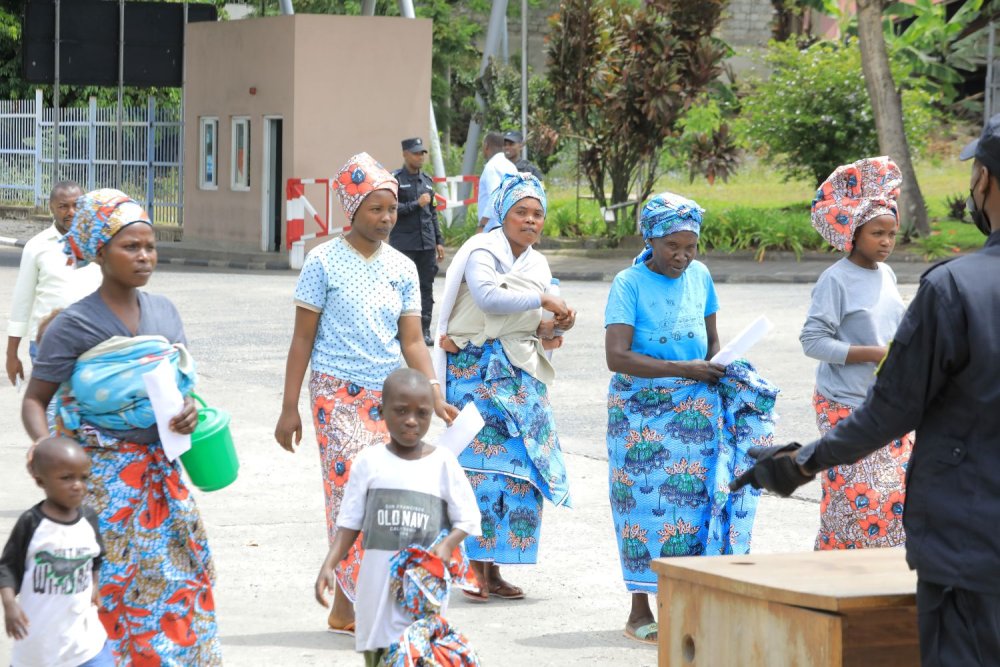
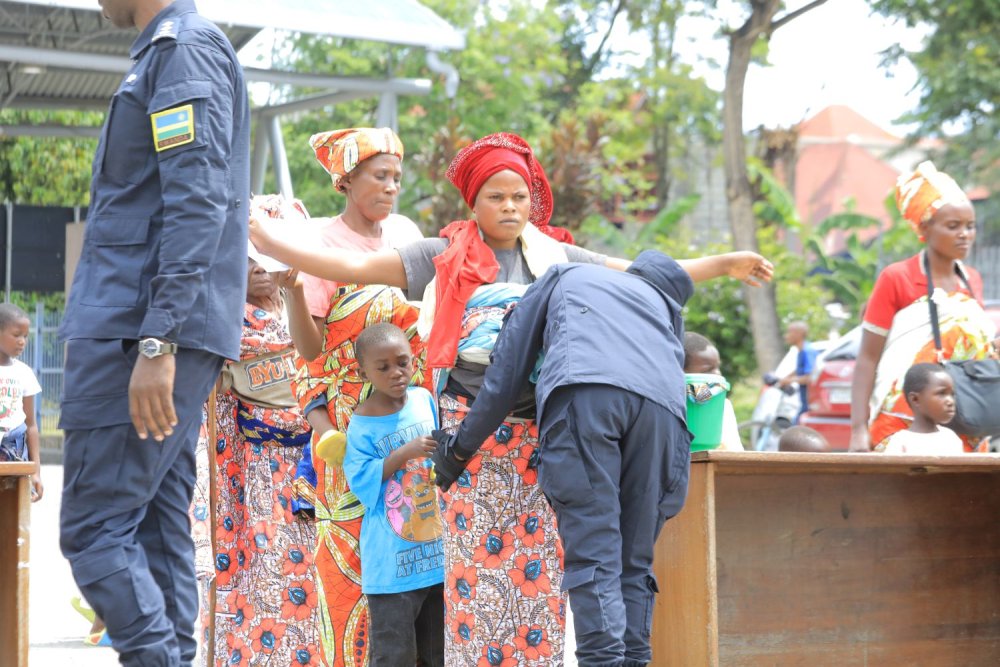
The returnees crossed into Rwanda through the Grande Barrière border post, where they were received by government officials before being transferred to the Kijote transit centre in Nyabihu District.
The group is largely composed of children, who number 226, alongside 76 women and 15 men.
Speaking about his experience, Dushime said he fled to the DRC with his aunt, who later died. He explained that he chose to return due to the harsh conditions he faced.
“I never had the opportunity to attend school because I spent my life herding cattle. Nyatura and FDLR were constantly pursuing us because we are Rwandans. We cultivated crops, but they would take the harvest. Life was extremely difficult, which is why I decided to return,” he said.
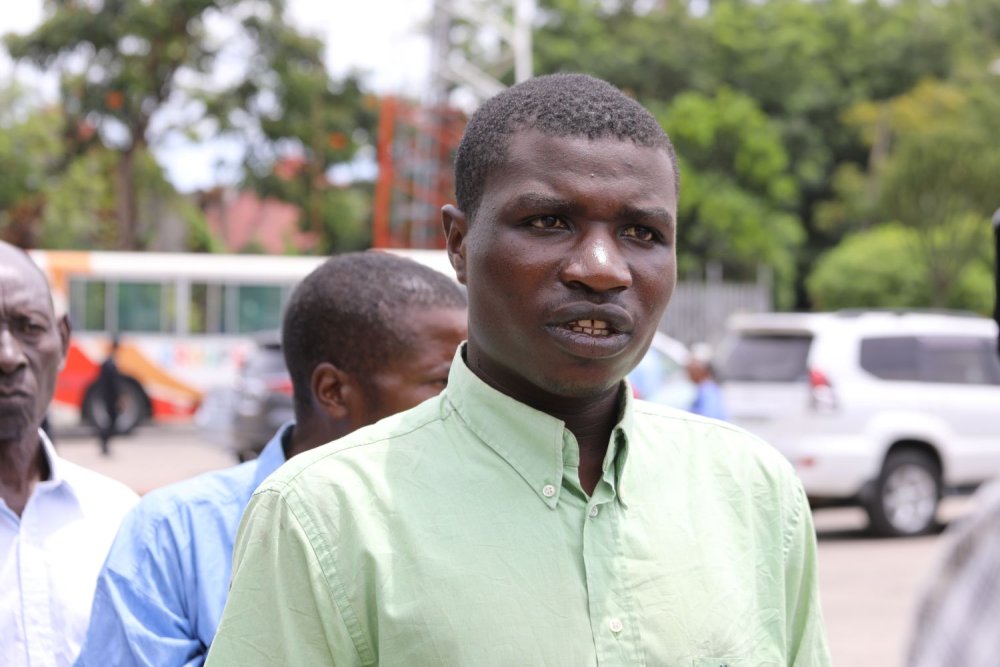
Another returnee, 50-year-old Akiri Valens, said he fled Rwanda in 1998 and initially settled in Rusongati before moving to Karenga, where he worked cutting trees. He expressed relief and optimism upon returning home.
“We stayed there hoping our situation would improve, but it never did. Working in a foreign country is difficult. Today, I am happy to be back with my wife and seven children, and I am determined to work and build a better future,” he said.
Valens added that in 2023, during intensified fighting, he fled to Rugali, where he remained until his return. He noted that armed groups had spread misinformation, claiming that anyone who returned to Rwanda would be killed, which he later discovered was untrue.
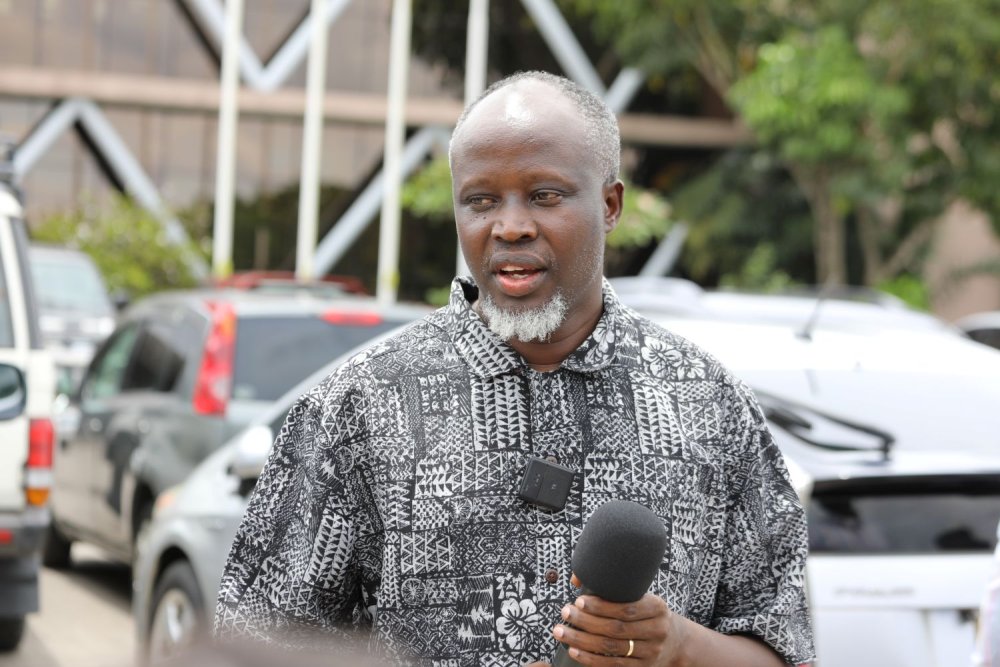
The Vice Mayor of Rubavu District in charge of economic development, Nzabonimpa Déogratias, welcomed the returnees and reassured them of their safety and opportunities in Rwanda.
“You have returned home to a country that prioritises the well-being of its citizens. You will find leadership committed to inclusive development without discrimination. We encourage you to enrol your children in school and contribute to the development of our nation, which is peaceful and stable,” he said.
He also called on the returnees to encourage others still living in the forests of eastern DRC to come back to Rwanda.
The repatriation follows agreements reached on July 24, 2025, during a tripartite meeting involving Rwanda, the DRC, and the United Nations High Commissioner for Refugees (UNHCR) in Addis Ababa, Ethiopia.
Before their return, the group had been living in a temporary camp in Goma after leaving various areas in eastern DRC, where they had been held by the FDLR. They later sought assistance from UNHCR to facilitate their return to Rwanda.
As part of reintegration support, returnees receive initial financial assistance to help them rebuild their lives. Adults receive 188 US dollars, while minors are allocated 113 dollars. Each individual also receives basic food supplies valued at 40,800 Rwandan francs.
The returnees are mostly women and children.Upon arrival at the border, the returnees are received by security authorities.More than 8,000 Rwandans have returned from the DRC in the past 16 months.50-year-old Akiri Valens, said he fled Rwanda in 1998 and initially settled in Rusongati before moving to Karenga, where he worked cutting trees. He expressed relief and optimism upon returning home.Dushime Janvier, one of the returning Rwandans, says that those who refused to join the FDLR were killed.The Vice Mayor of Rubavu District in charge of economic development, Nzabonimpa Déogratias, welcomed the returnees and reassured them of their safety and opportunities in Rwanda.
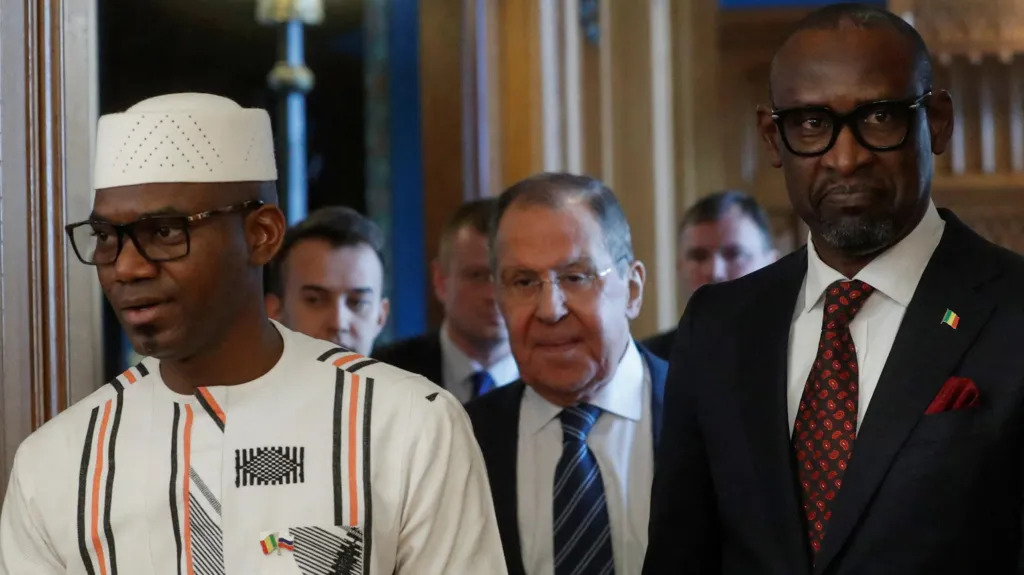
In a statement, the government said Camara’s residence in Kati, a garrison town near the capital Bamako, was hit Saturday morning by a vehicle bomb driven by a suicide attacker.
Camara exchanged fire with the attackers and neutralized some of them, the statement said. He was wounded during intense fighting and later died of his injuries in hospital.
The collapse of his residence caused other casualties and destroyed a nearby mosque, killing some worshippers inside, according to the statement.
The government said the late general will be given a national funeral.
Several localities in Mali, including Bamako, Kati, Gao, Sevare and Kidal, were hit by coordinated attacks on Saturday. The government had earlier said the attacks left 16 civilians and military personnel wounded.
Mali’s defense minister Sadio Camara, left, with Russia’s foreign minister, Sergei Lavrov, in Moscow in February 2024. The government said Camara’s residence in Kati, a garrison town near the capital Bamako, was hit Saturday morning by a vehicle bomb driven by a suicide attacker
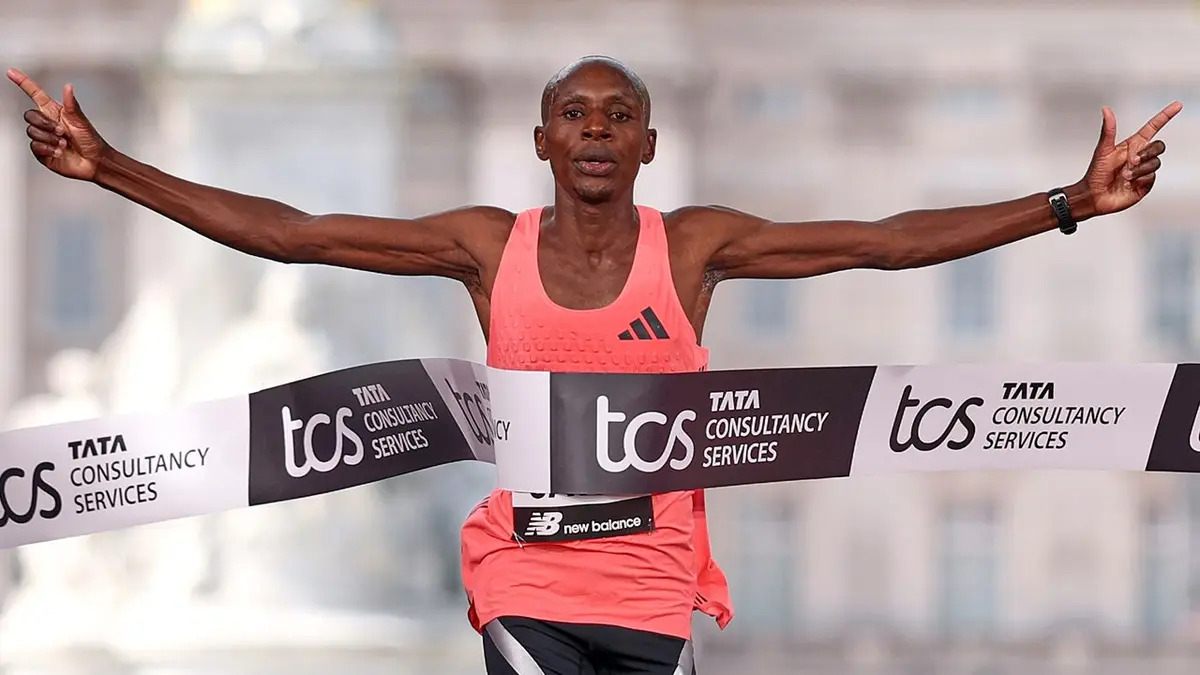
Sawe crossed the finish line in an astonishing 1:59:30, rewriting distance running history on one of the sport’s biggest stages. The performance marks the first time the sub-two-hour marathon has been achieved in an official race setting, ending years of debate and controlled experimental attempts.
“I am feeling good, I am happy, it’s a day to remember for me,” Sawe told reporters after his record-breaking run, holding up his shoe marked with the words “world record” and “sub-2” written in black ink.
Historic race pushes human limits
The race itself delivered a dramatic trio of landmark performances. Ethiopia’s Yomif Kejelcha, running his first marathon, also went under the two-hour mark, finishing just 11 seconds behind Sawe. Uganda’s Jacob Kiplimo completed the podium in 2:00:28, breaking the previous official world record set by Kenya’s Kelvin Kiptum in Chicago in 2023 by seven seconds.
The sub-two-hour marathon has been one of athletics’ most elusive goals, pursued for years through high-profile experimental projects designed to test human endurance under near-perfect conditions.
Nike’s Breaking2 attempt in Monza in 2017 narrowly missed the mark, while Eliud Kipchoge famously ran 1:59:40 in Vienna in 2019 during the INEOS 1:59 Challenge, an achievement not recognised as an official record due to its controlled setup.
Sawe’s breakthrough, however, came in open competition in London, giving the feat unprecedented legitimacy within elite marathon racing.
Sawe’s triumph is made even more striking by his disrupted preparation. The Kenyan athlete was injured throughout the previous autumn and only resumed proper training in January. By February, he had recovered sufficiently to prepare for a title defence in London, culminating in a historic victory few could have predicted.
He credited the atmosphere in the capital for helping drive his performance.
“I think they help a lot,” Sawe said of the crowd support. “With them calling, you feel so happy and strong.”
The women’s race also produced a record-breaking performance, as Ethiopia’s Tigst Assefa defended her London Marathon title in 2:15:41. The 29-year-old broke her own world record by nine seconds, pulling away late from Kenya’s Hellen Obiri, who finished second in 2:15:53, with Joyciline Jepkosgei third in 2:15:55.
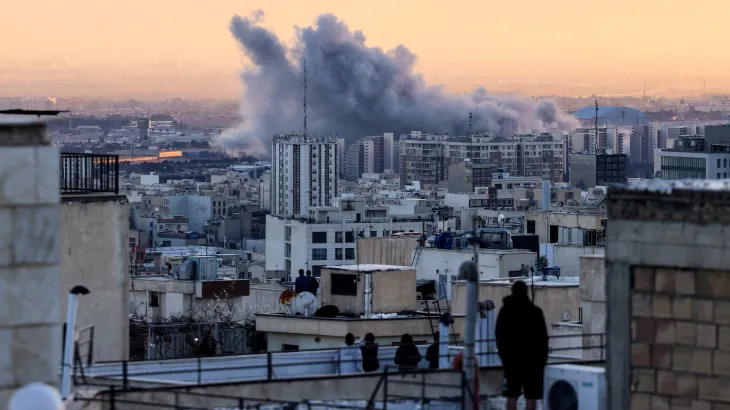
The official news agency IRNA, citing Iranian officials, reported that the total death toll stood at 3,468, including 1,460 civilians.
Jamshid Nazmi, a senior adviser to the head of Iran’s Foundation of Martyrs and Veterans Affairs, gave the figures at a press conference in Tehran, according to IRNA.
He said the civilian dead included women, men, children and older adults, and added that citizens of Lebanon, Palestine, Iraq and Pakistan were also among those killed.
At the same briefing, Farideh Oladqobad, a deputy head at the foundation, said 499 of the victims were women and 2,969 were men. She also said the military death toll was 2,008.
The report did not provide details on how the figures were verified or independently confirmed.
Iranian officials have said the fighting began on February 28, when Israel and the United States launched joint strikes on Tehran and other Iranian cities. Iranian authorities said senior military figures were killed in the opening attacks.
Iran responded with waves of missile and drone strikes targeting Israel and U.S. bases and military assets in the Middle East, according to officials on both sides.
A ceasefire was reached on April 8, and follow-up talks were held in Pakistan on April 11 and 12, but they ended without an agreement, according to previous reports.
The official news agency IRNA, citing Iranian officials, reported that the total death toll stood at 3,468, including 1,460 civilians.
A U.S. Secret Service agent was shot in protective gear on Saturday at the White House Correspondents’ Dinner and has been hospitalized, U.S. media reported.
In a post on Truth Social, Trump shared a photo of the suspected gunman, who appears to have been subdued, with his hands bound behind his back and lying face down on the ground.
In a press conference at the White House late Saturday evening, Trump said that the alleged shooter lives in the state of California and law enforcement agents went to his apartment.
When asked by a reporter whether the shooter acted alone, Trump said that “they seem to think he was a lone wolf, and I feel that too.”
In response to a question about whether this shooting could have been linked to the war in Iran, Trump said, “I don’t think so. But you never know.”
“Quite an evening in D.C. Secret Service and Law Enforcement did a fantastic job. They acted quickly and bravely. The shooter has been apprehended,” Trump said in an earlier post on Truth Social shortly after the incident.
In another post later, Trump said that “law enforcement has requested that we leave the premises, consistent with protocol, which we will do, immediately,” noting that “The First Lady, plus the Vice President, and all Cabinet members, are in perfect condition.”
He added that the White House Correspondents’ Dinner will be rescheduled within 30 days.
The U.S. Secret Service said in a post on X that it is investigating “a shooting incident near the main magnetometer screening area” at the White House Correspondents’ Dinner, in coordination with the Metropolitan Police Department.
“The president and the first lady are safe along (with) all protectees,” the statement said. “One individual is in custody. The condition of those involved is not yet known, and law enforcement is actively assessing the situation.”
Trump has been evacuated from the Dinner after the shooting at the Washington Hilton Hotel. Attendees were seen on the live broadcast ducking around their tables and taking cover.
This would mark Trump’s first time attending the White House Correspondents’ Dinner.
In a joint press conference, Washington, D.C. Mayor Muriel Bowser said all guests at the dinner were safe, while U.S. Attorney for D.C. Jeanine Pirro said the suspect now faces charges including using a firearm during a crime of violence and assault on a federal officer with a dangerous weapon.
The suspect named Cole Allen by U.S. media, 31, of Torrance, California, was armed with a shotgun, a handgun and multiple knives, police said.
Political violence has been frequent in the U.S. in recent years. Trump has been the target of multiple assassination attempts and death threats during his presidential campaign and as the president.
The most prominent example is the July 2024 assassination attempt in Butler, Pennsylvania, which Trump narrowly survived while campaigning for president.
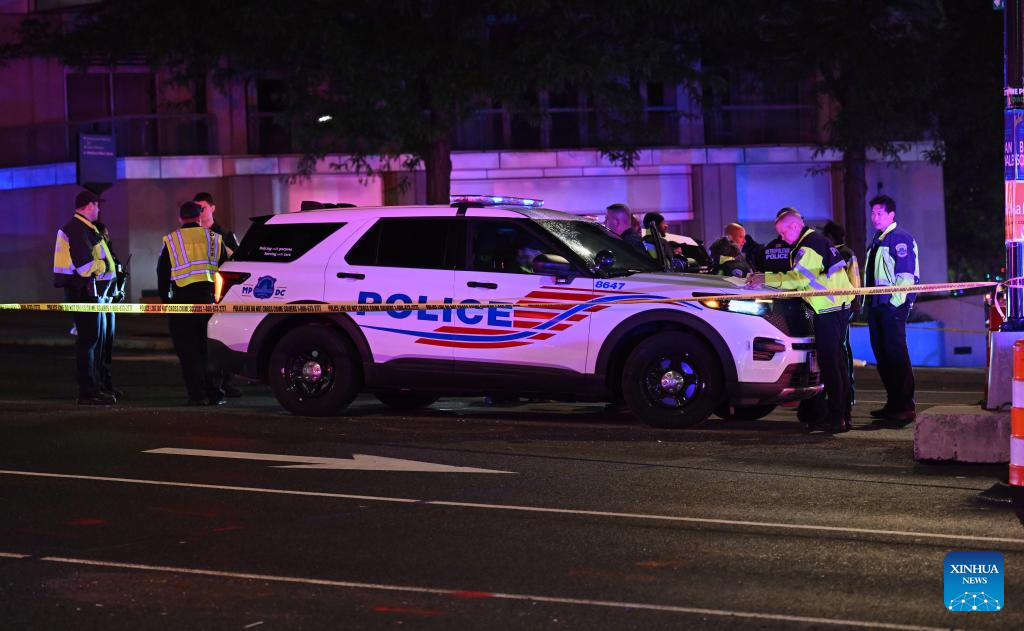
In a press conference at the White House late Saturday evening, Trump said that the alleged shooter lives in the state of California and law enforcement agents went to his apartment. When asked by a reporter whether the shooter acted alone, Trump said that “they seem to think he was a lone wolf, and I feel that too.” Police officers stand guard near the Washington Hilton Hotel, where the White House Correspondents’ Dinner was held, in Washington, D.C., the United States, April 25, 2026.
During this period, the park received more than 11,700 visitors, with Rwandan tourists accounting for the largest share. The figures highlight continued growth in domestic tourism and the park’s rising appeal.
Park authorities attribute this growth to the presence of the “Big Five” species, lions, elephants, buffaloes, leopards, and rhinos, as well as ongoing conservation efforts and tourism promotion campaigns, including the Visit Rwanda initiative.
Compared to the same period in 2025, revenue increased by 8%, with earnings from tourism and related commercial activities reaching approximately $1.33 million.
National Geographic further boosted the park’s global profile by listing Akagera among the 25 must-visit destinations in the world for 2026, citing its exceptional biodiversity and scenic landscapes.
Local communities benefit from tourism revenue
Communities surrounding Akagera National Park also reported significant earnings during the first quarter of 2026, collectively generating over $168,220 through conservation-linked income-generating activities.
Fishing groups earned $59,770, while beekeepers made $17,309. Income from crafts, poultry farming, and accommodation services totaled $16,998.
In addition, local tour guides earned $31,922, and cooperatives involved in construction and casual labor generated $42,227. These figures reflect the growing role of community participation in conservation-based tourism.
Wildlife monitoring strengthened with technology
Akagera’s wildlife continues to roam freely within its open ecosystem, meaning animal sightings vary across time and location.
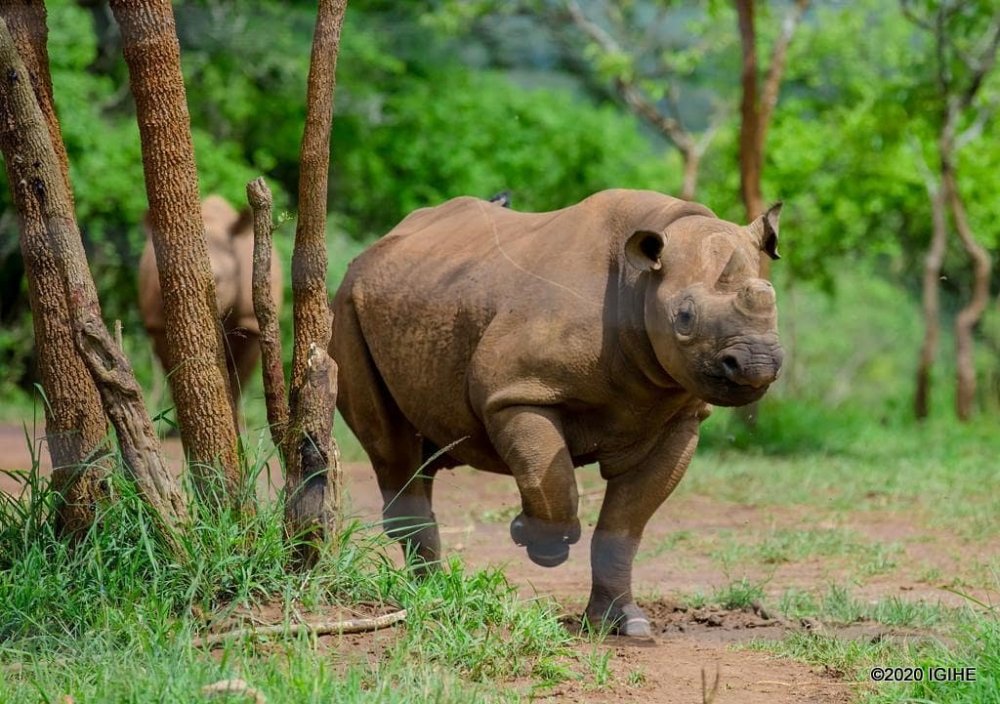
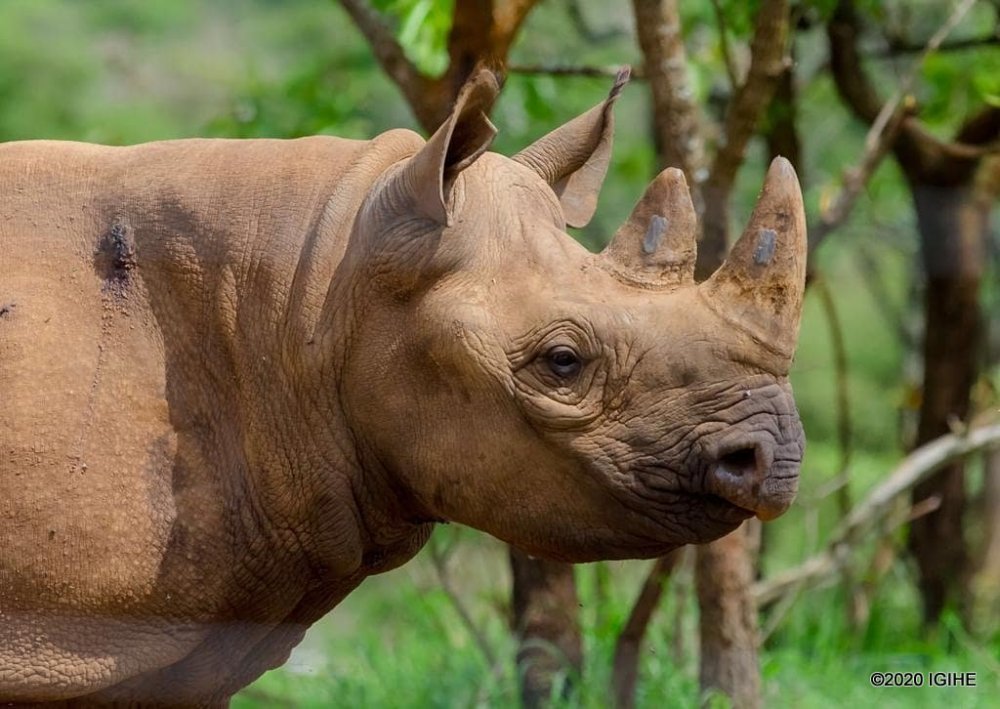
Between January and March 2026, conservation teams fitted GPS collars on three lions and one elephant to enhance tracking and research efforts. In addition, 17 black rhinos were equipped with VHF transmitters attached to their horns to support monitoring and protection efforts.
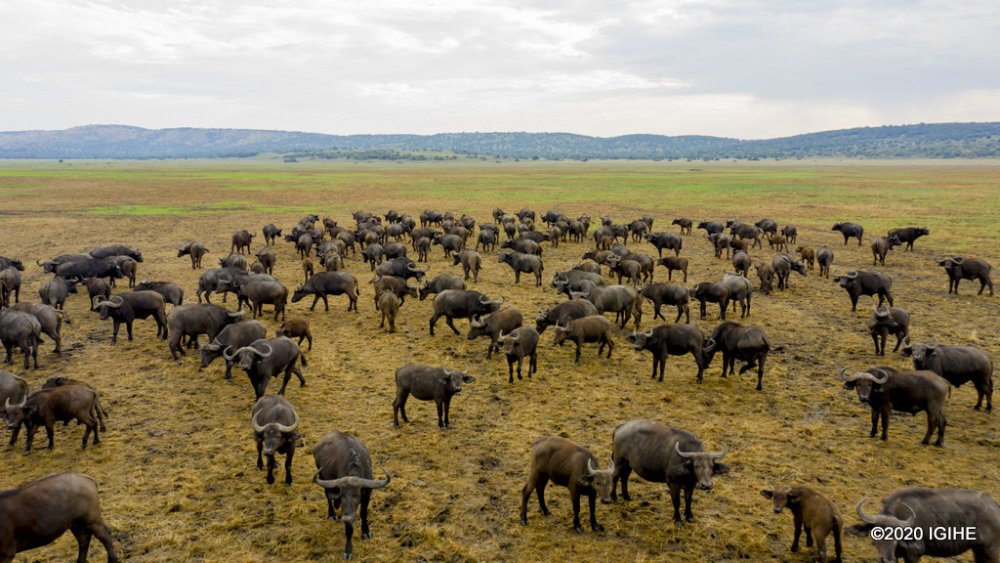
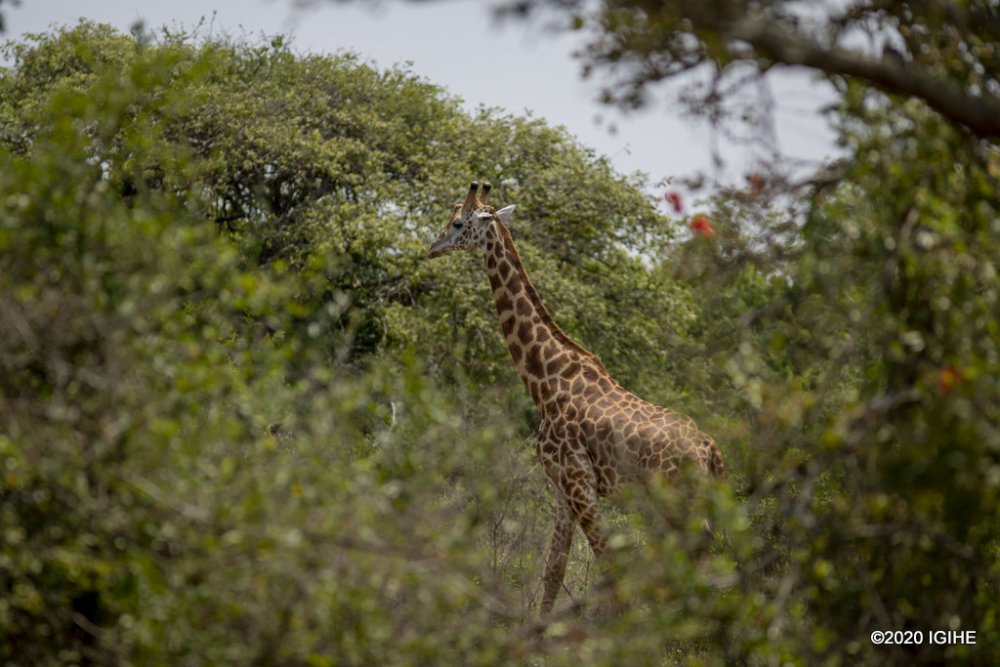
Established in 1934, Akagera National Park spans 1,122 square kilometers and is one of Rwanda’s most biodiverse protected areas. It is home to more than 11,300 recorded animals, including approximately 60 lions, 142 elephants, 4,000 buffaloes, 115 giraffes, between 80 and 100 leopards, and 145 rhinos.
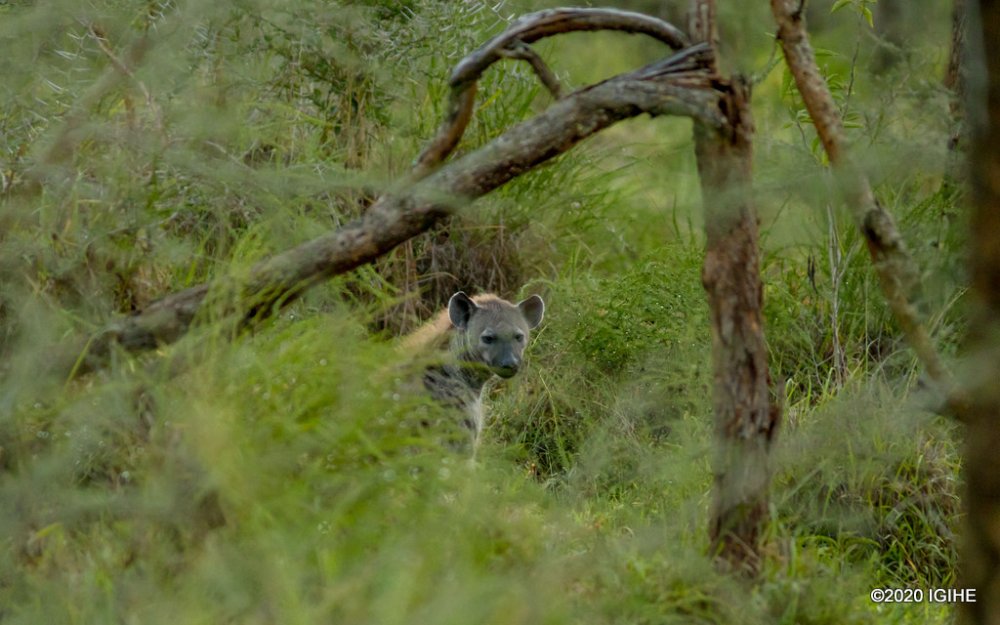
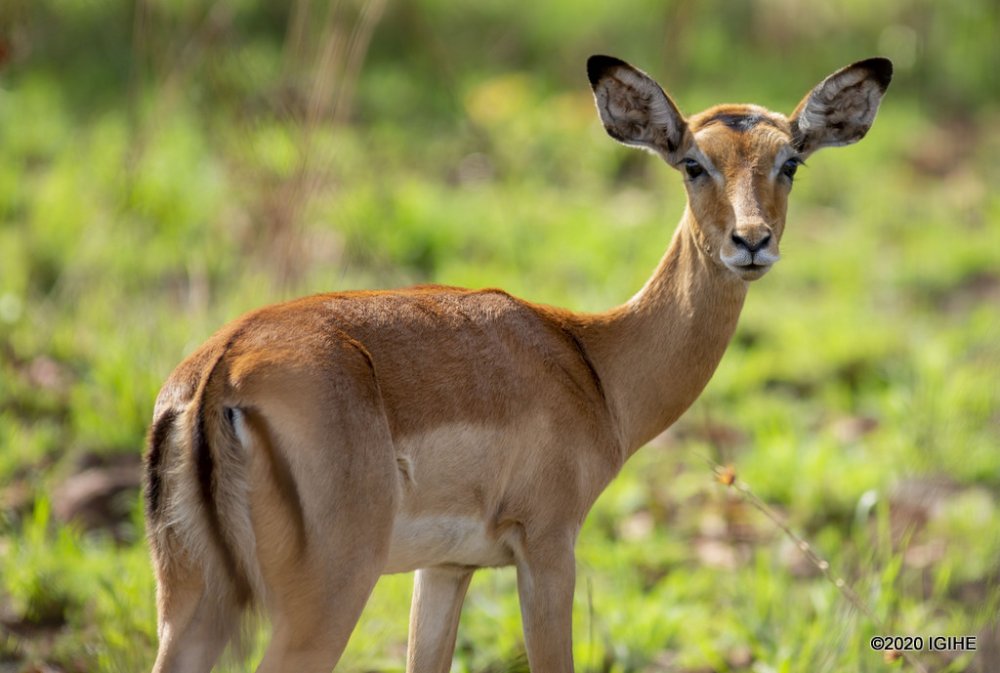
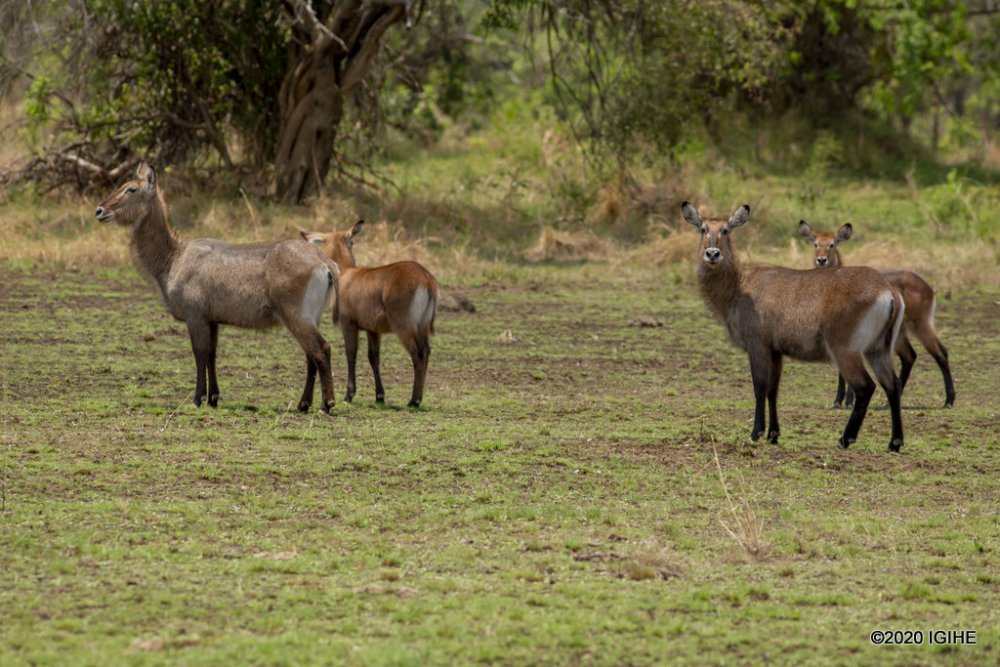
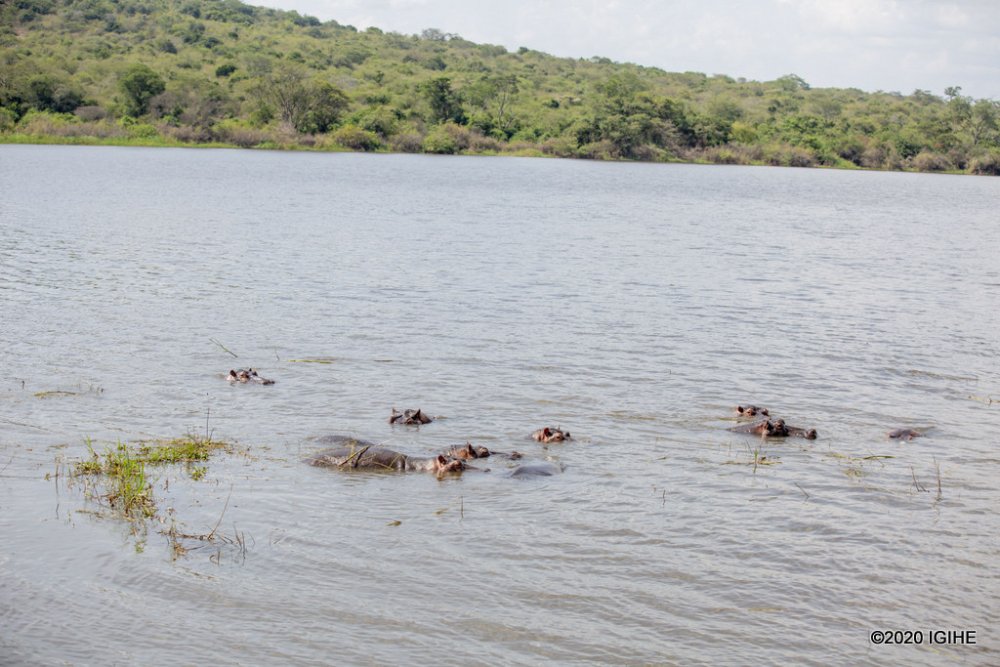
Other species include around 2,000 impalas, 1,500 antelopes, and between 120 and 150 hyenas. The park also supports an estimated 1,500–1,800 hippos, 1,000 waterbucks, and over 1,000 additional antelope species.
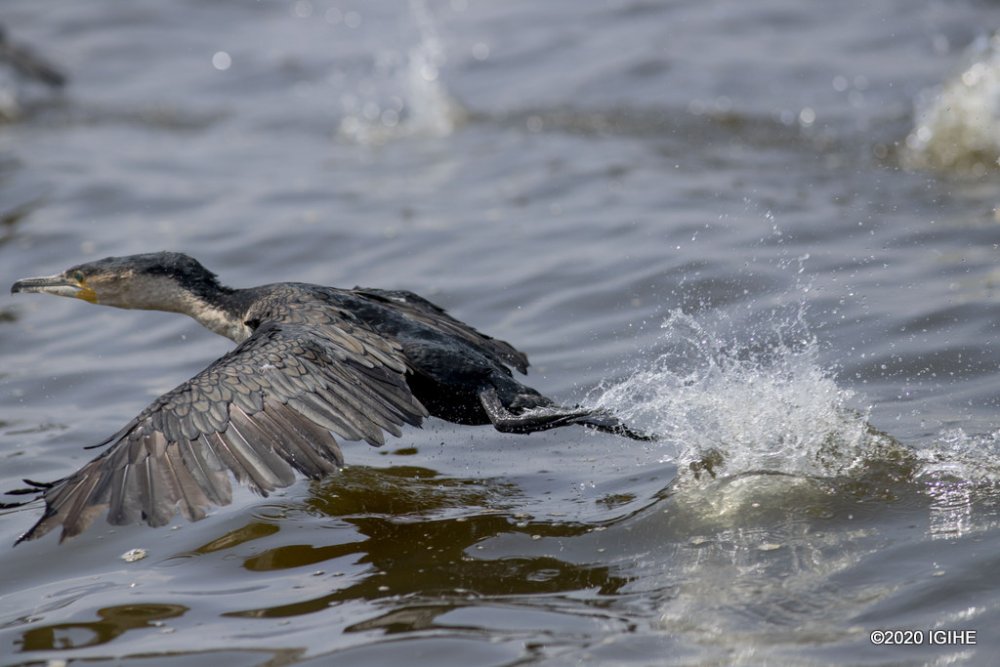
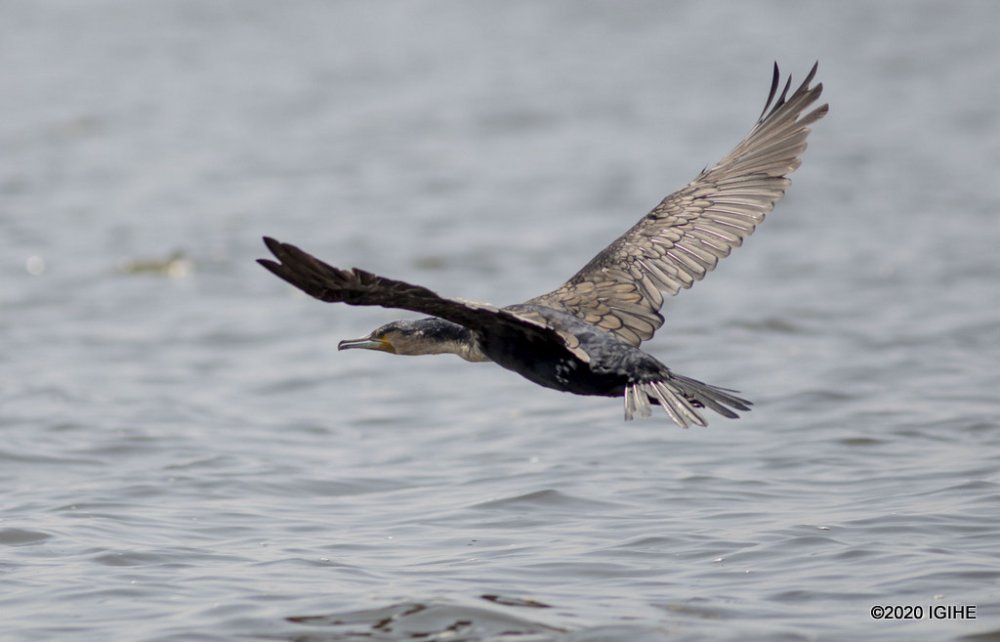
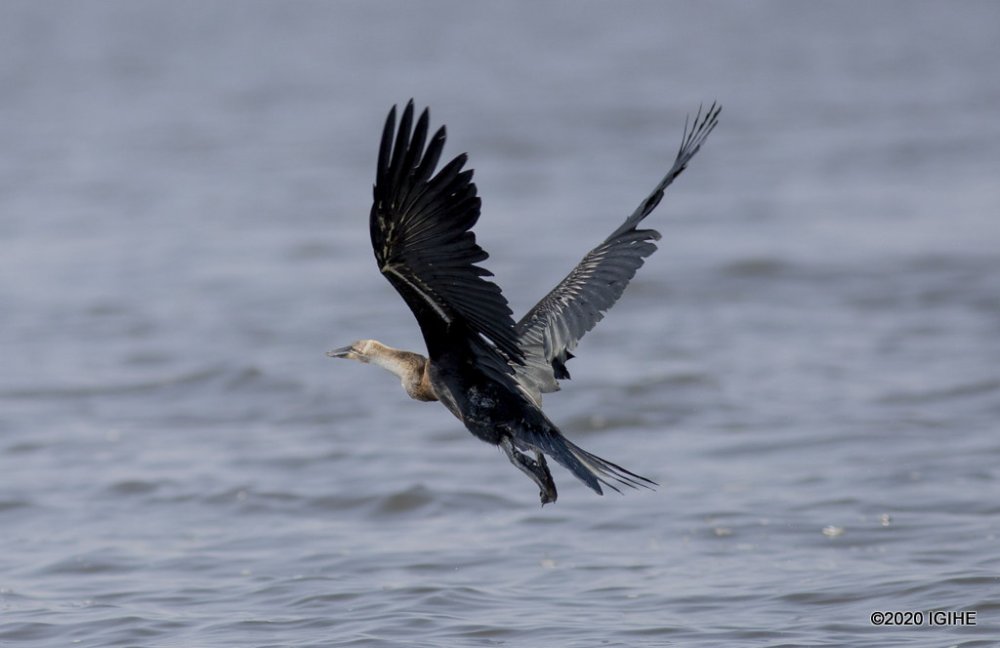
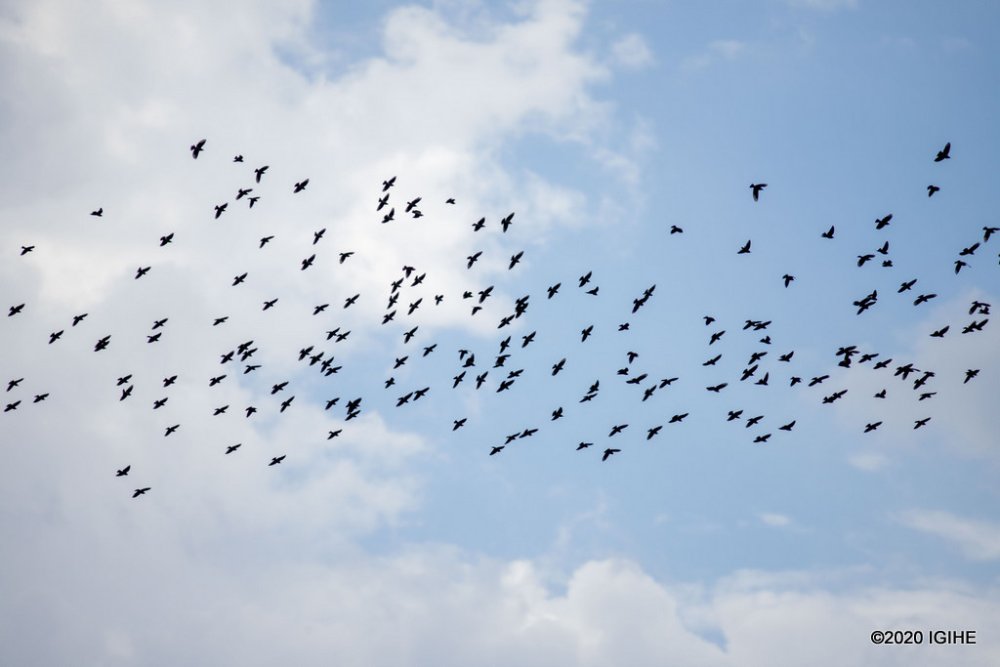
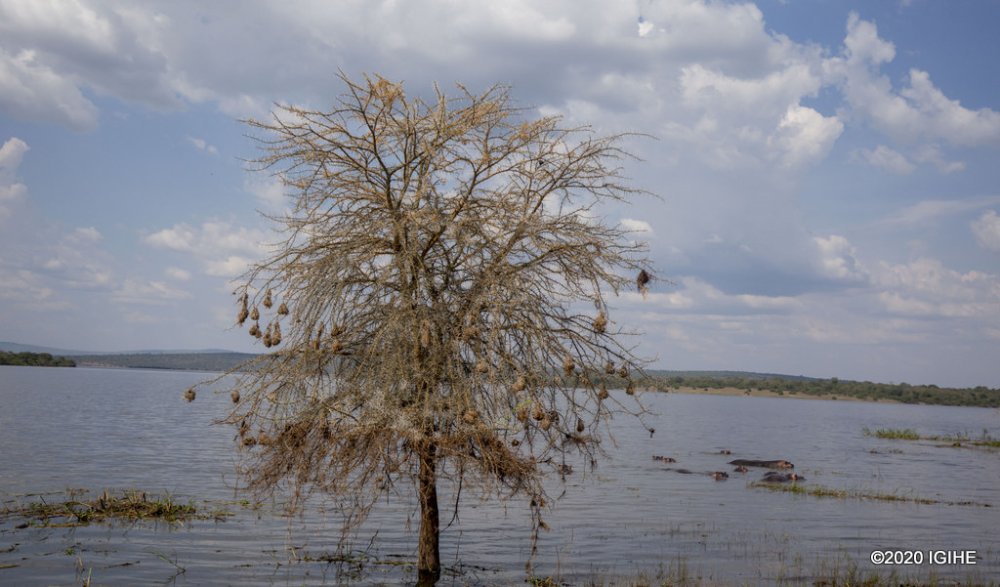
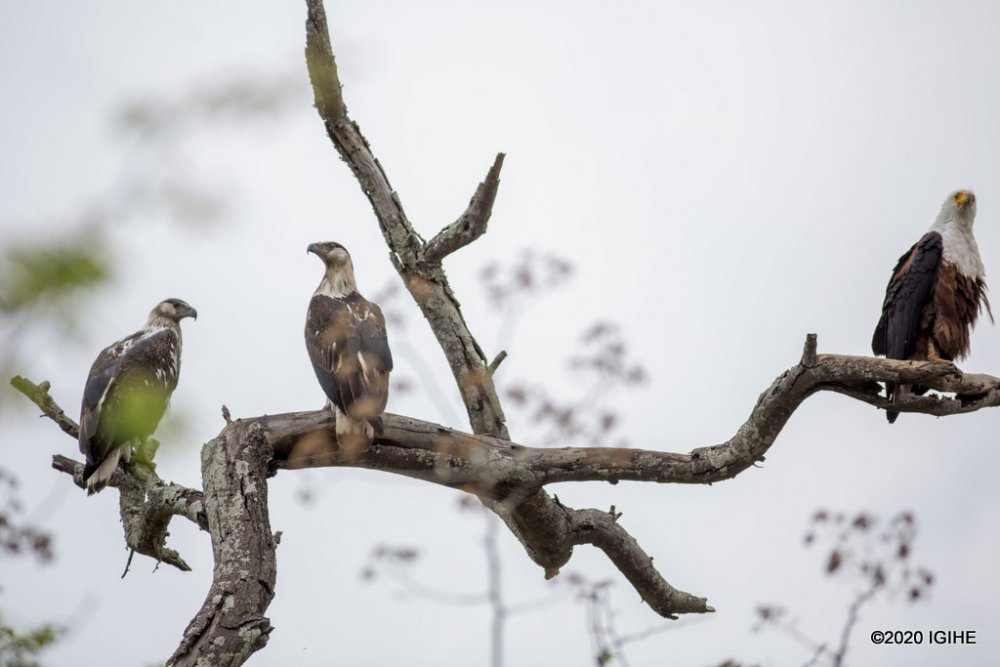
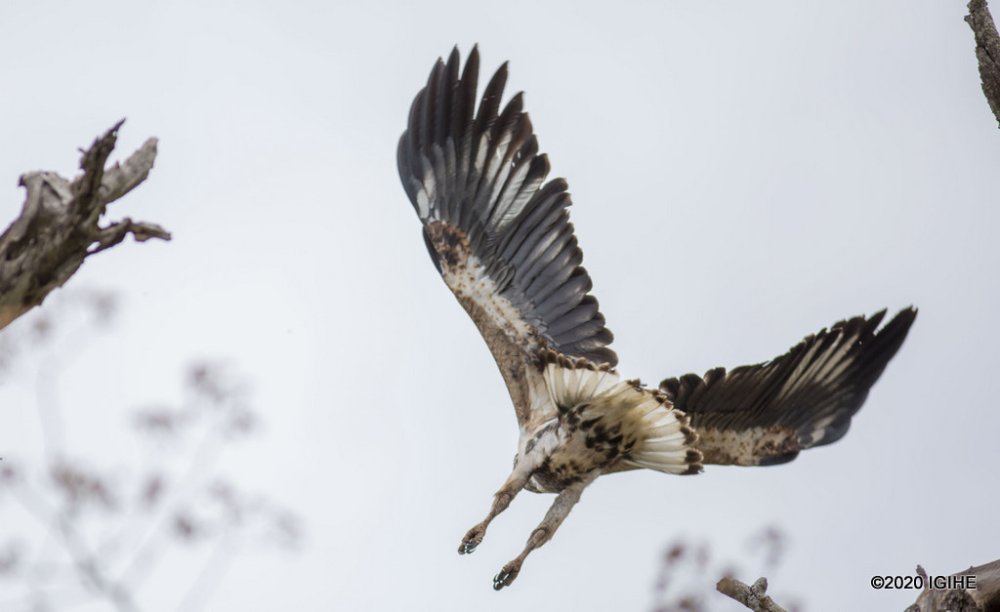
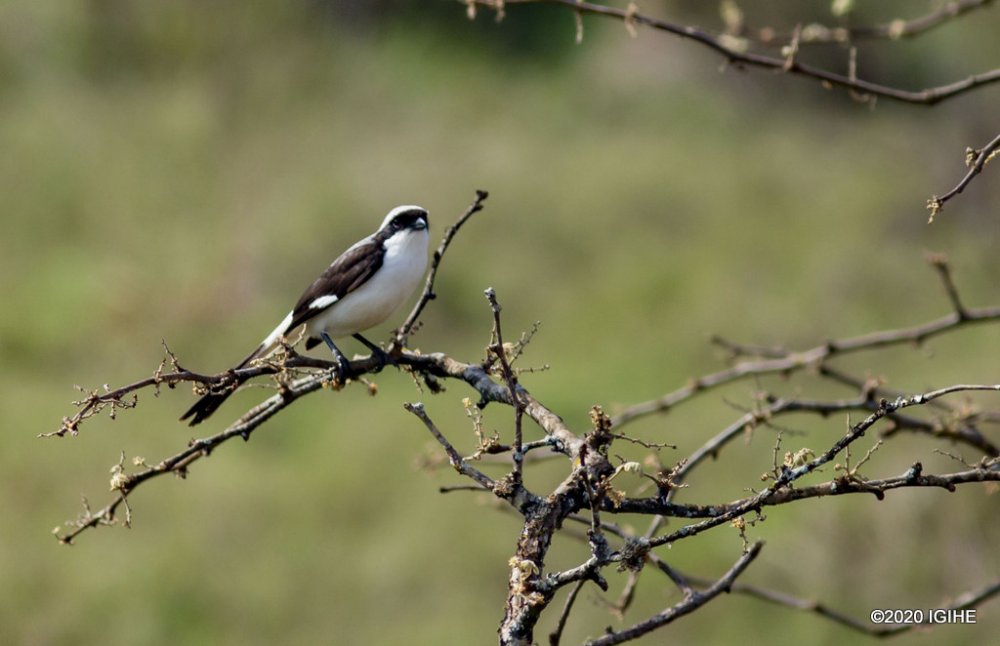
Akagera is also a major birding destination, hosting about 500 bird species, the highest number recorded in any national park in Rwanda. By comparison, Nyungwe National Park hosts around 300 species, while Gishwati and Volcanoes National Parks have fewer.
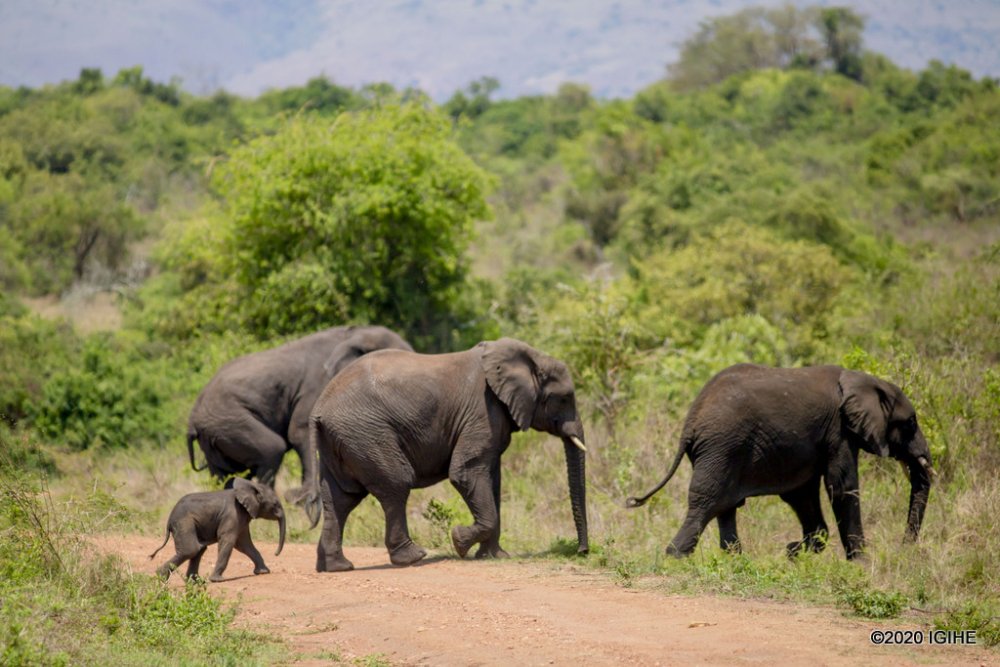
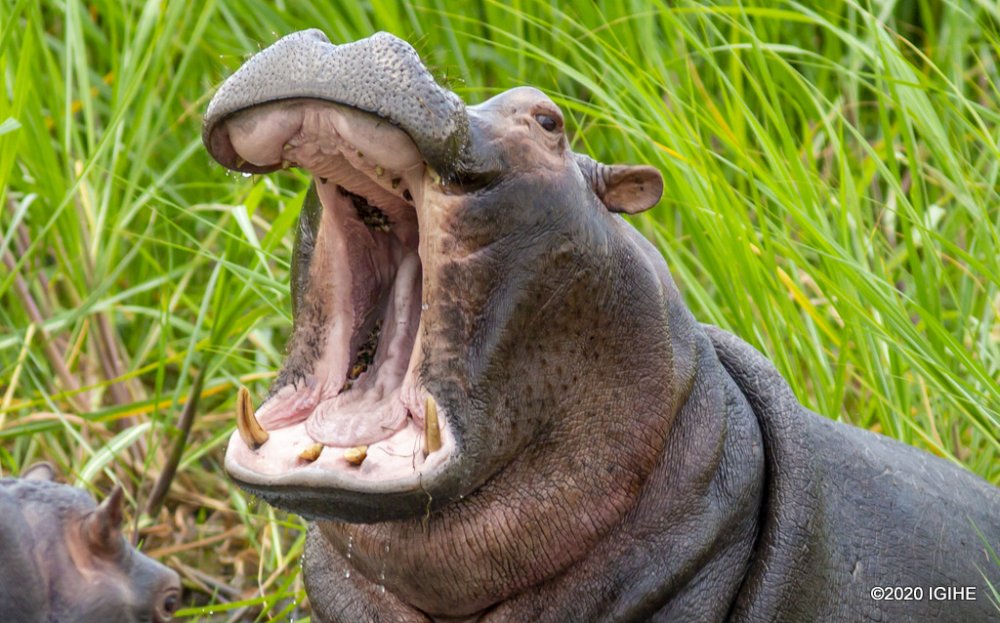
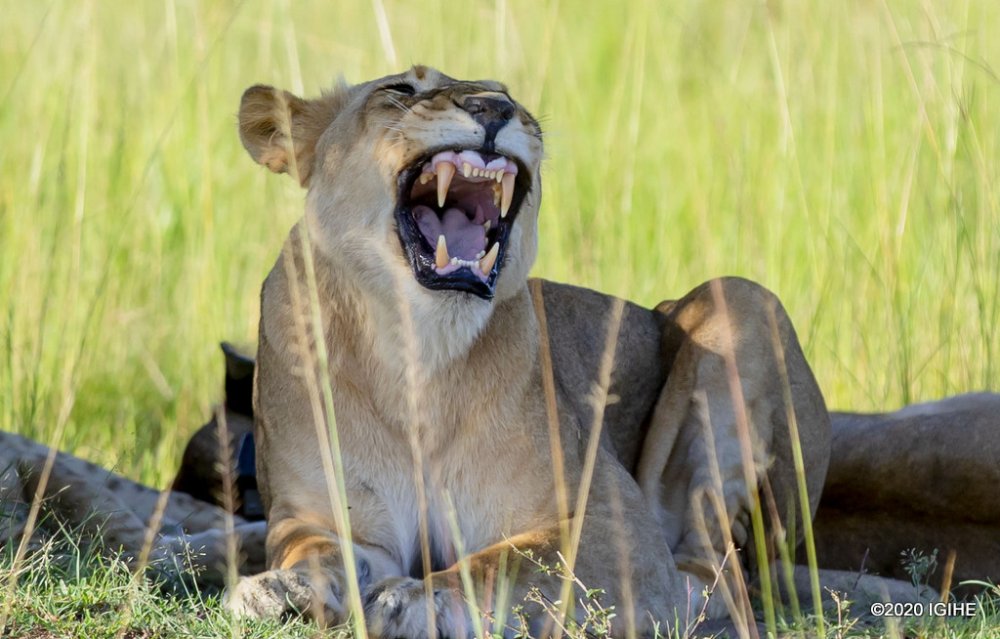
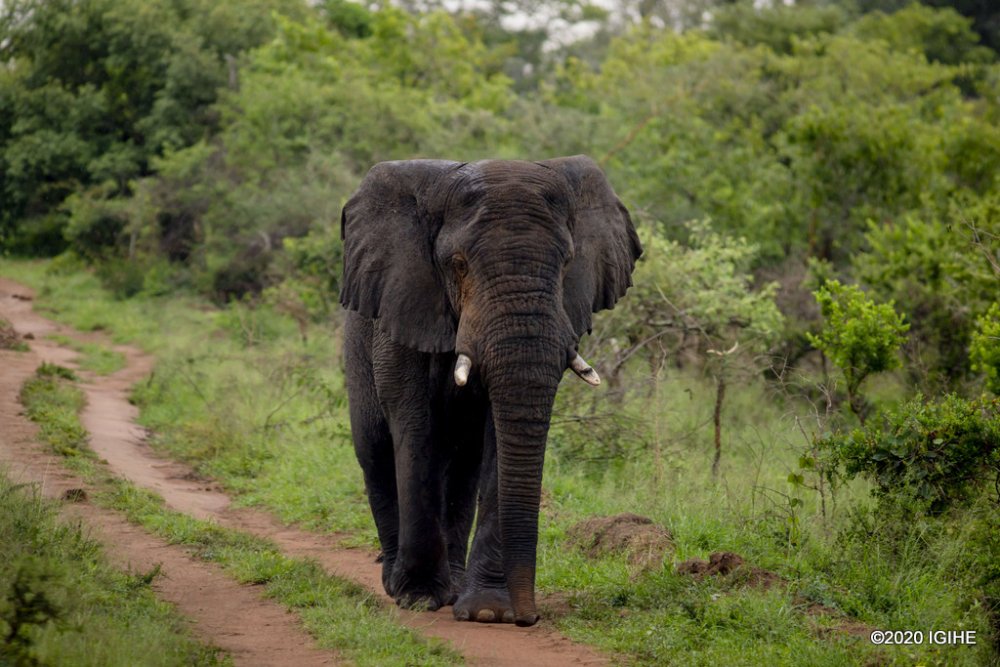
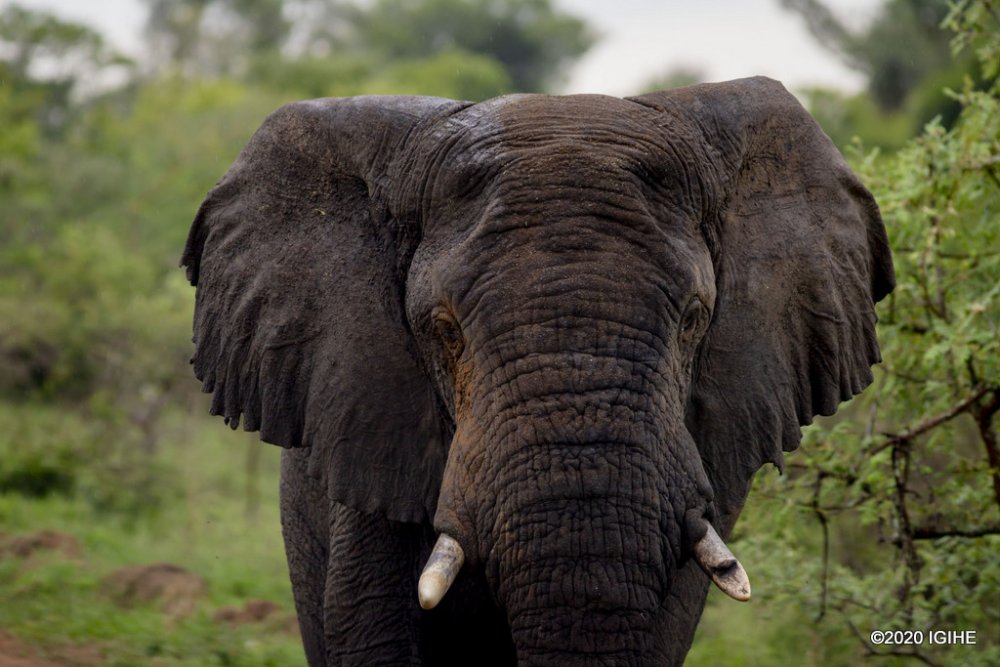
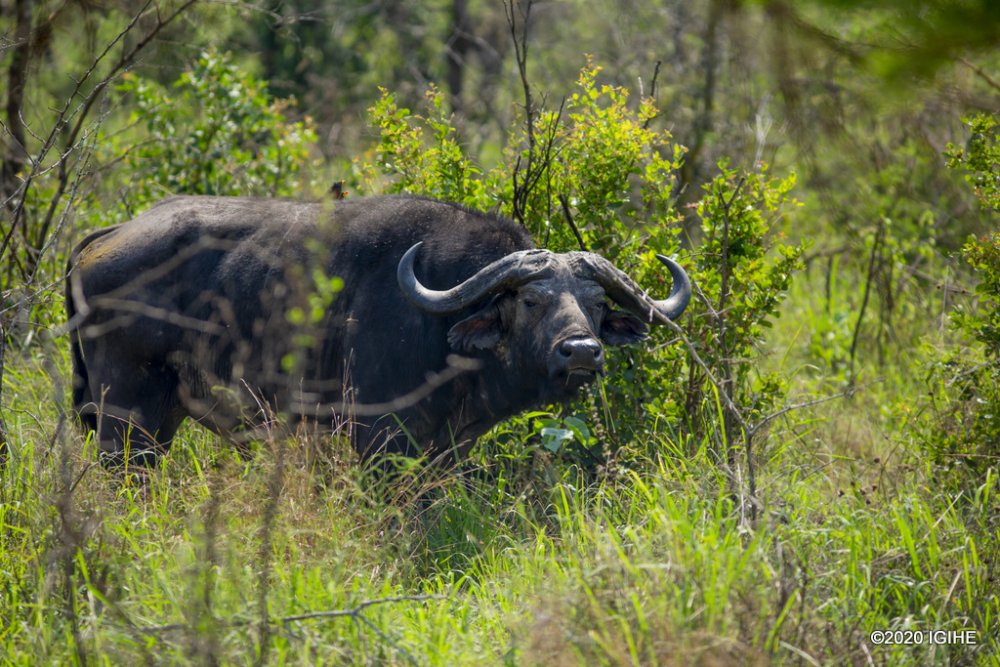
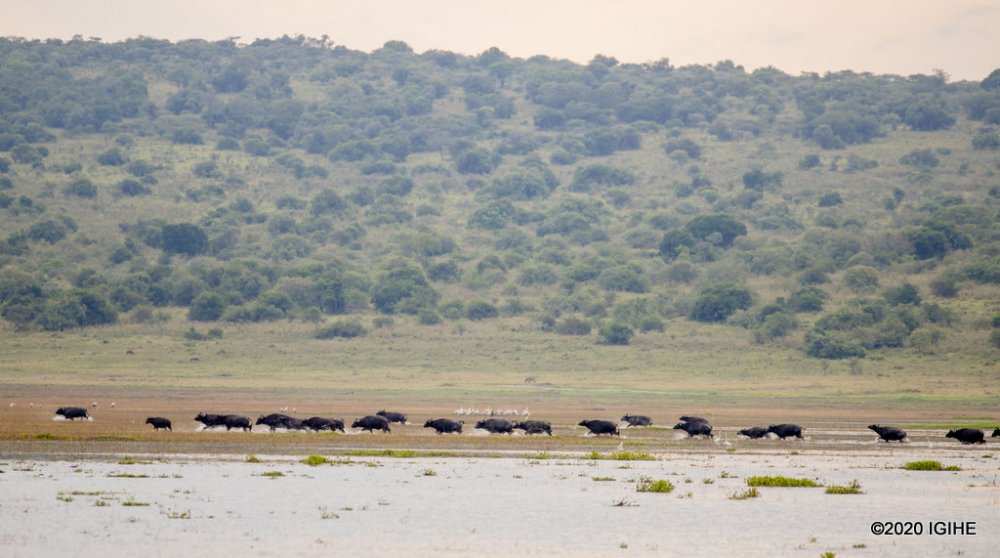
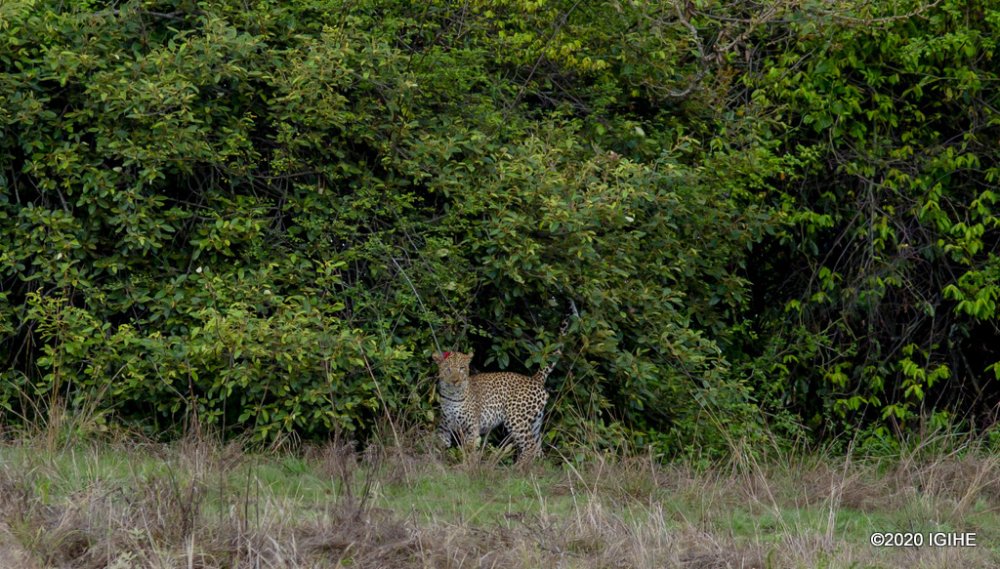
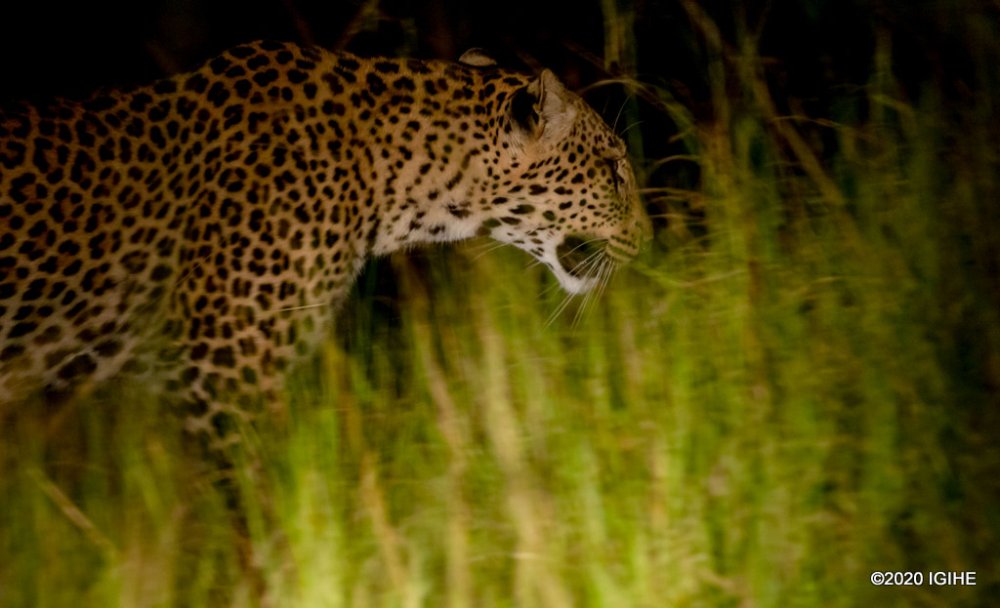
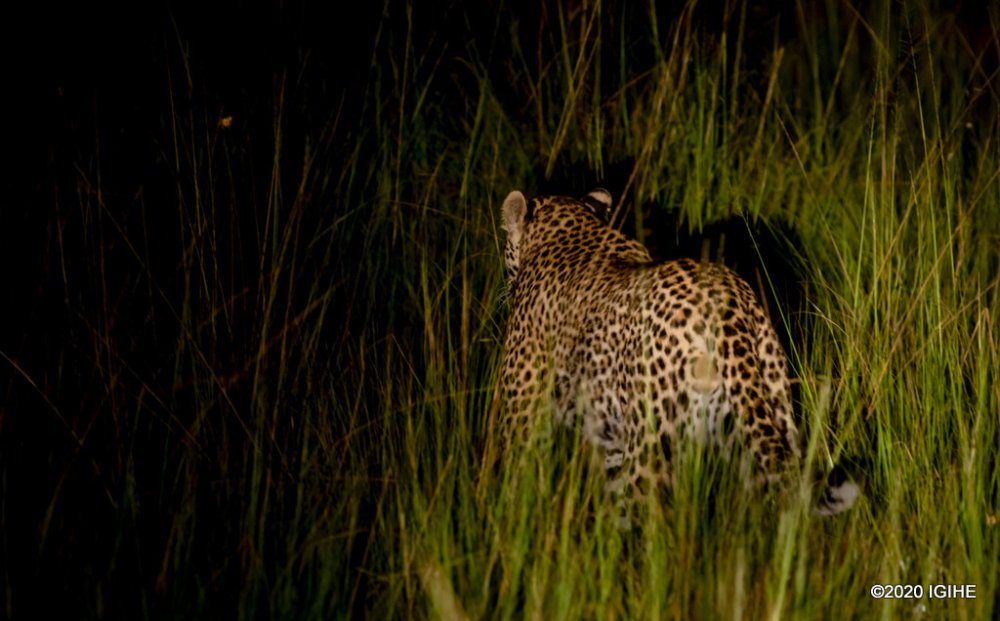
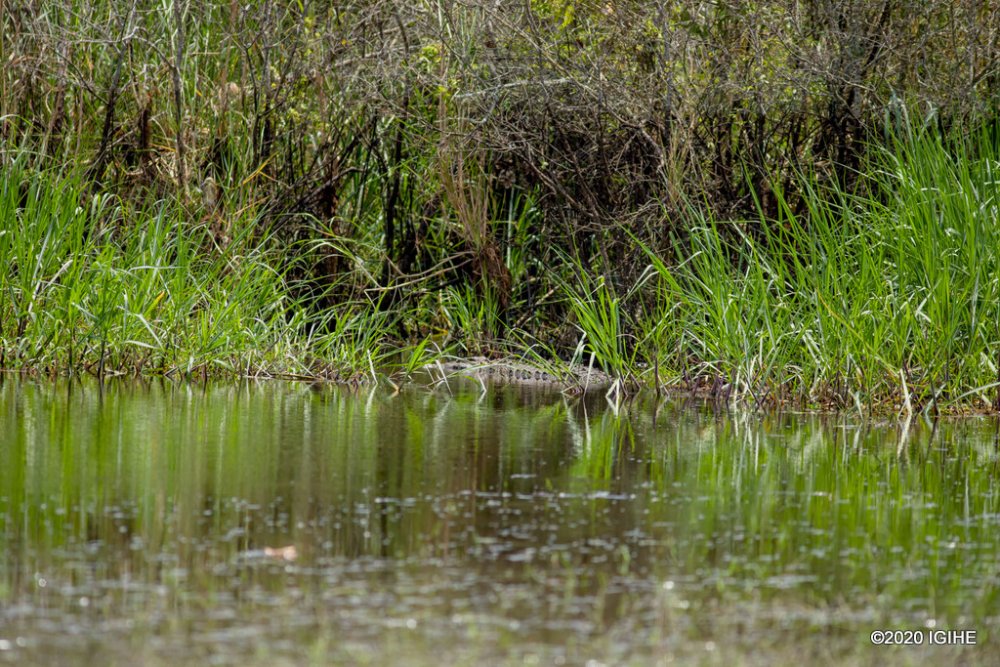
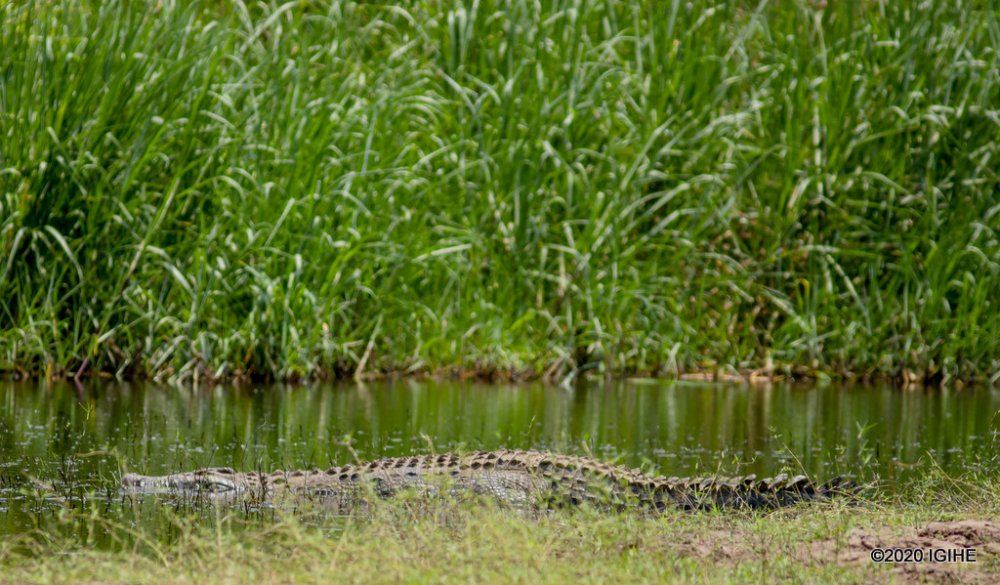
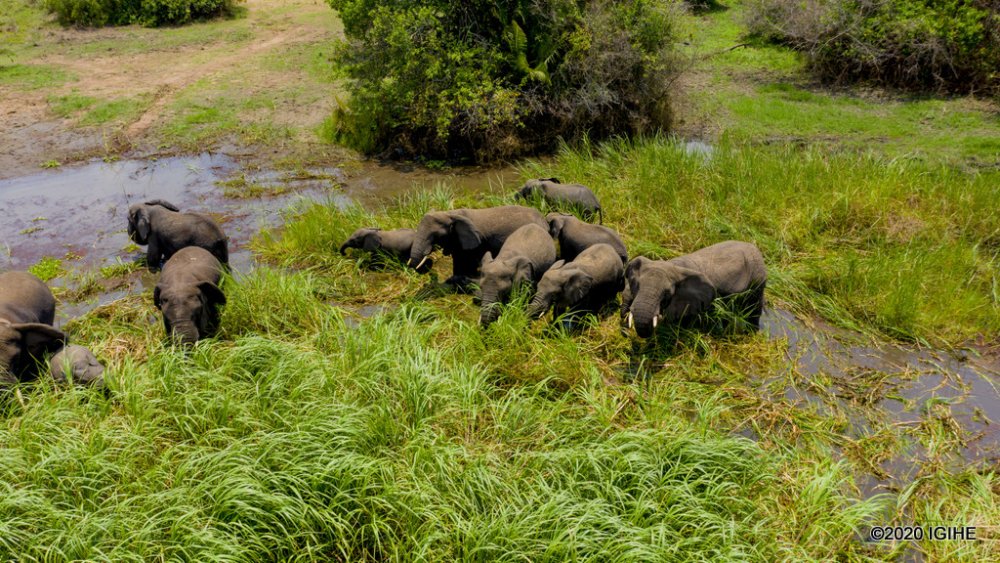
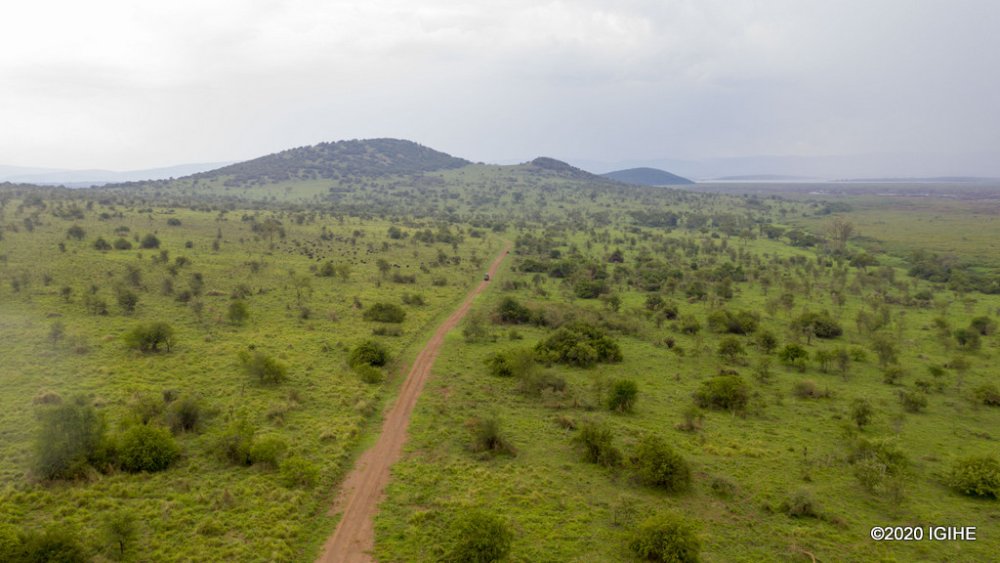
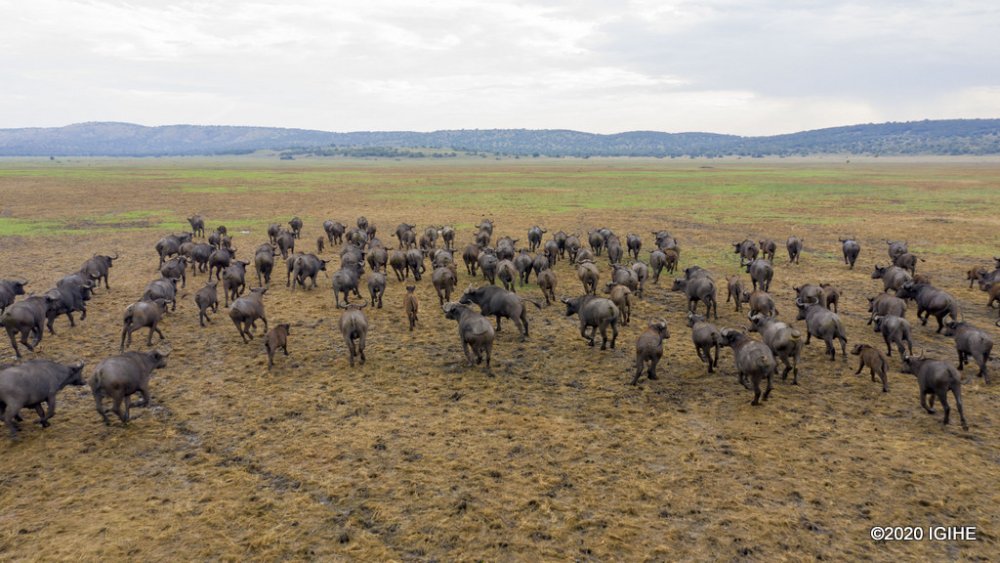
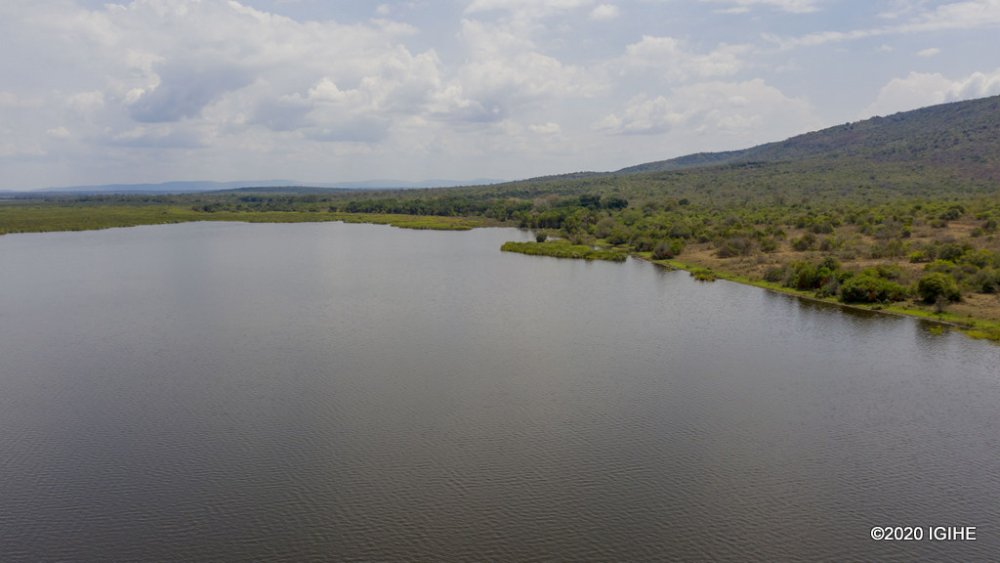
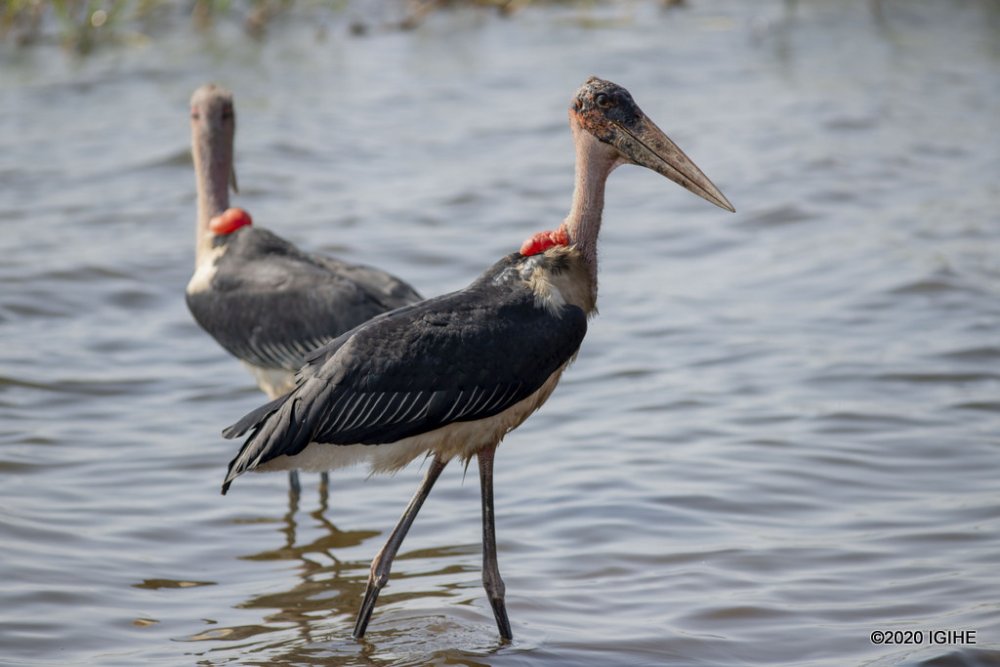
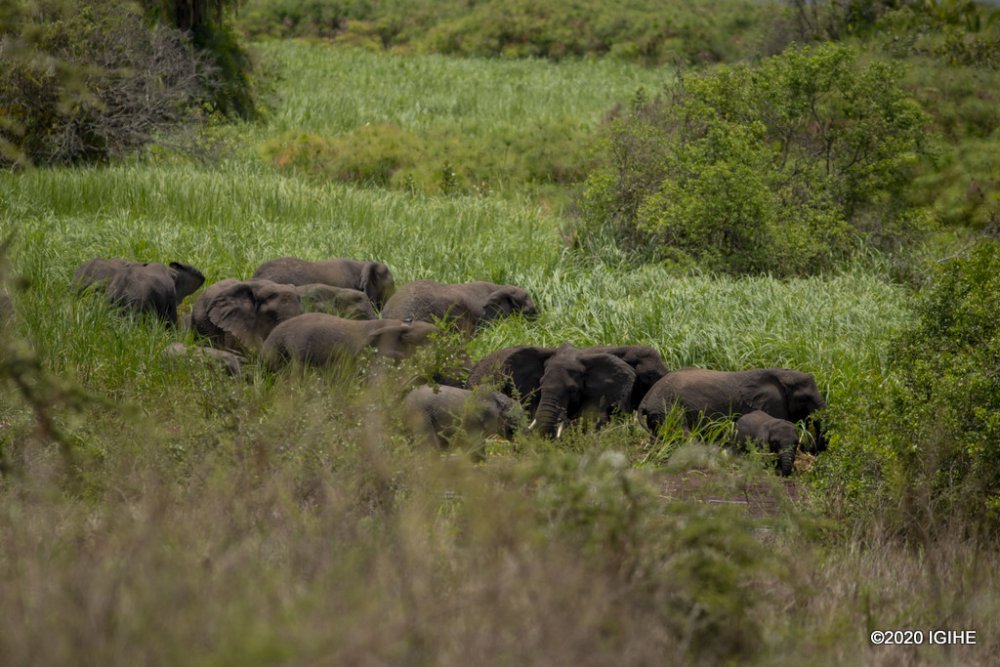
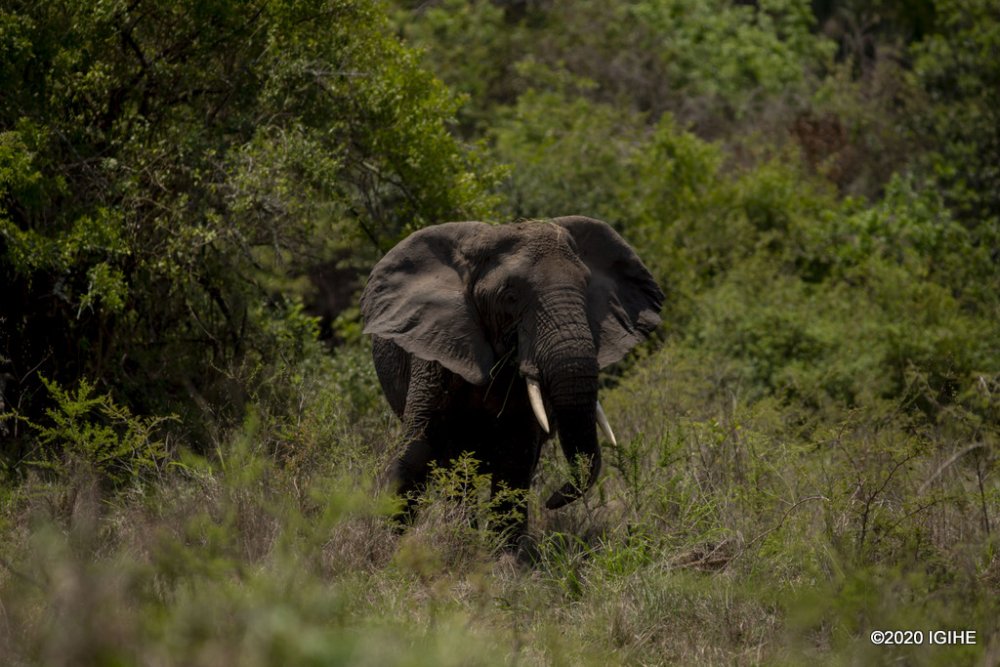
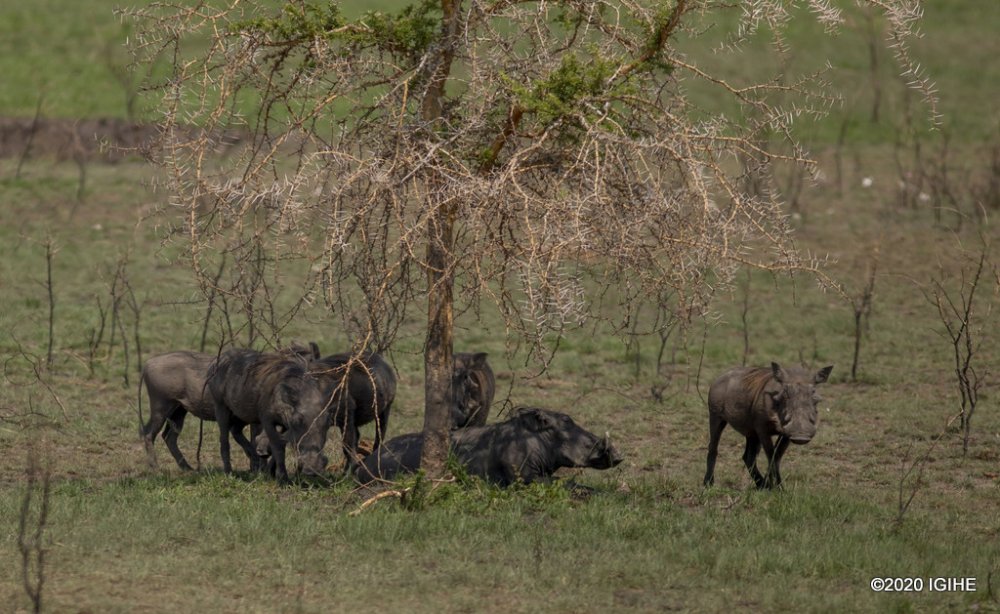
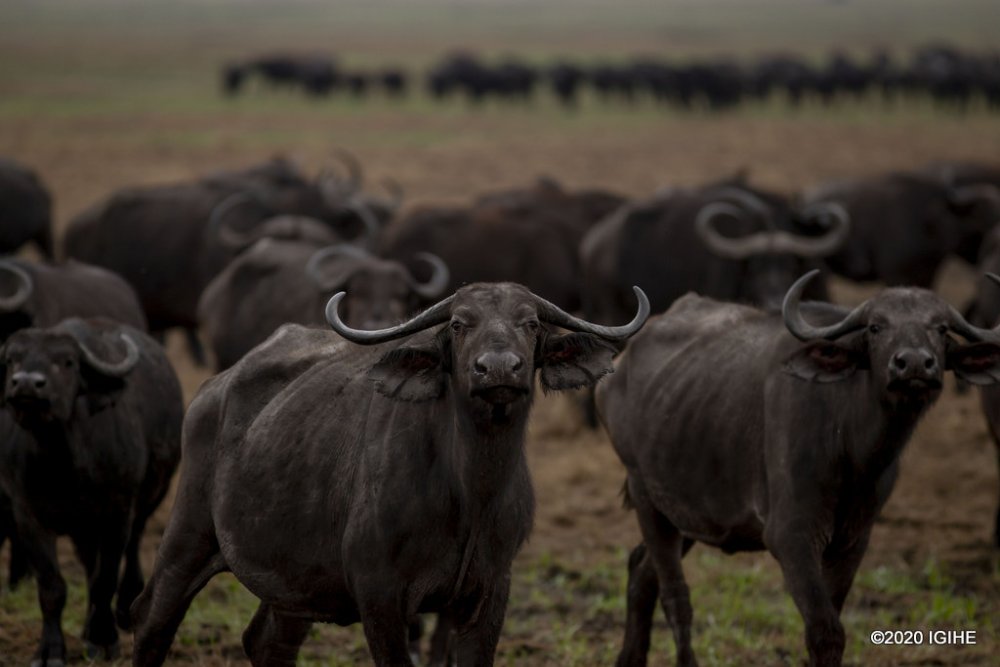
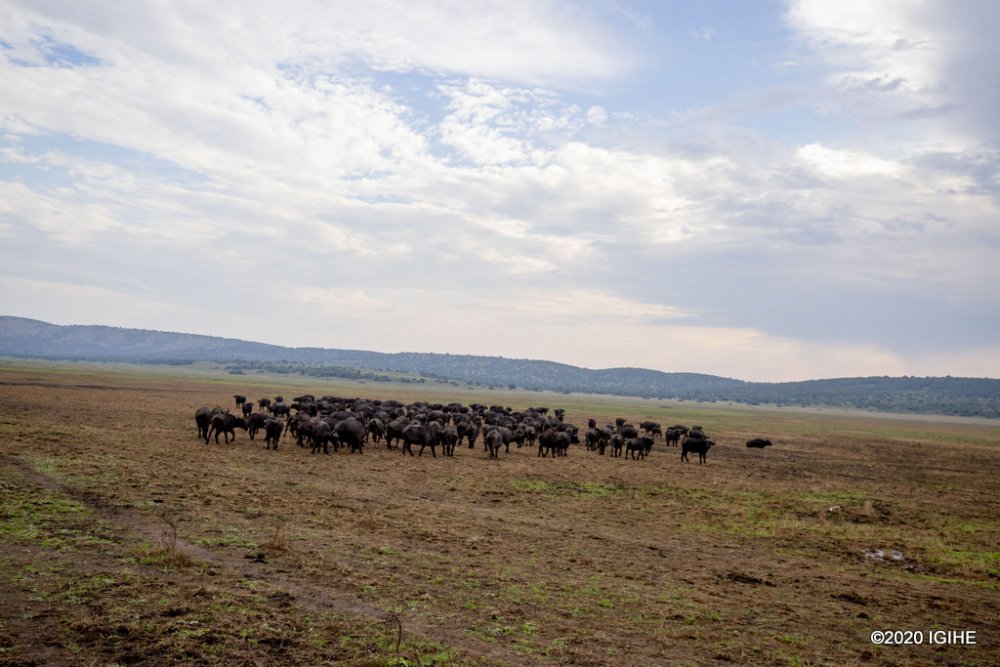
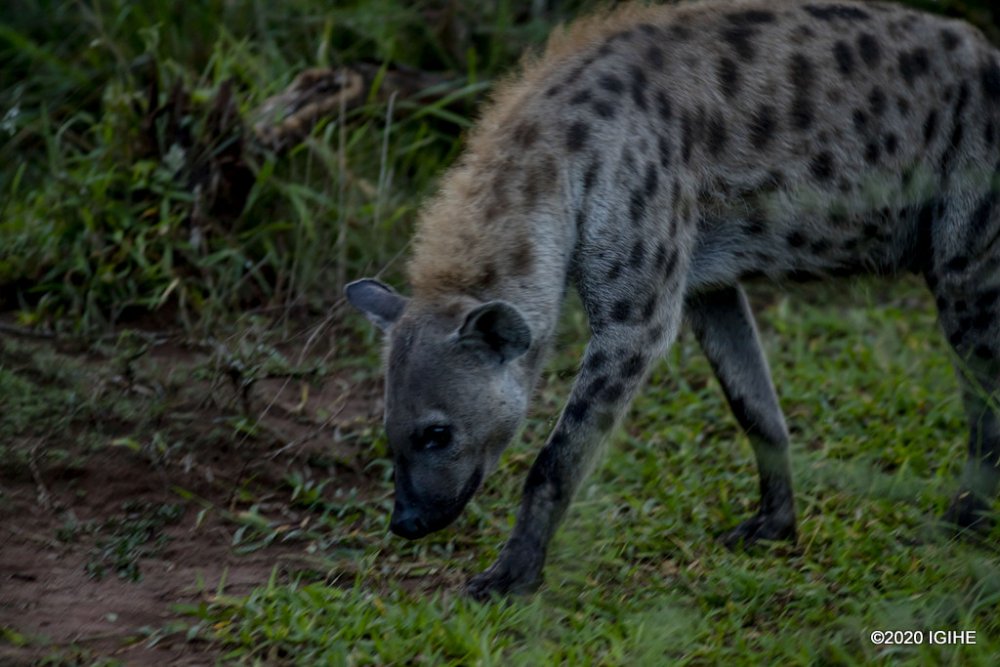
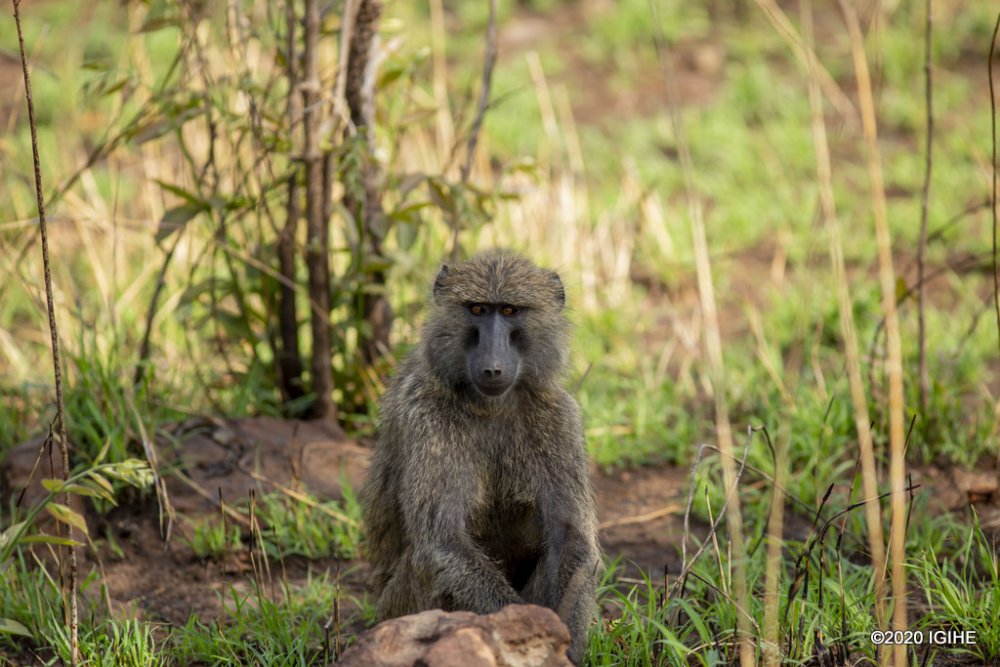
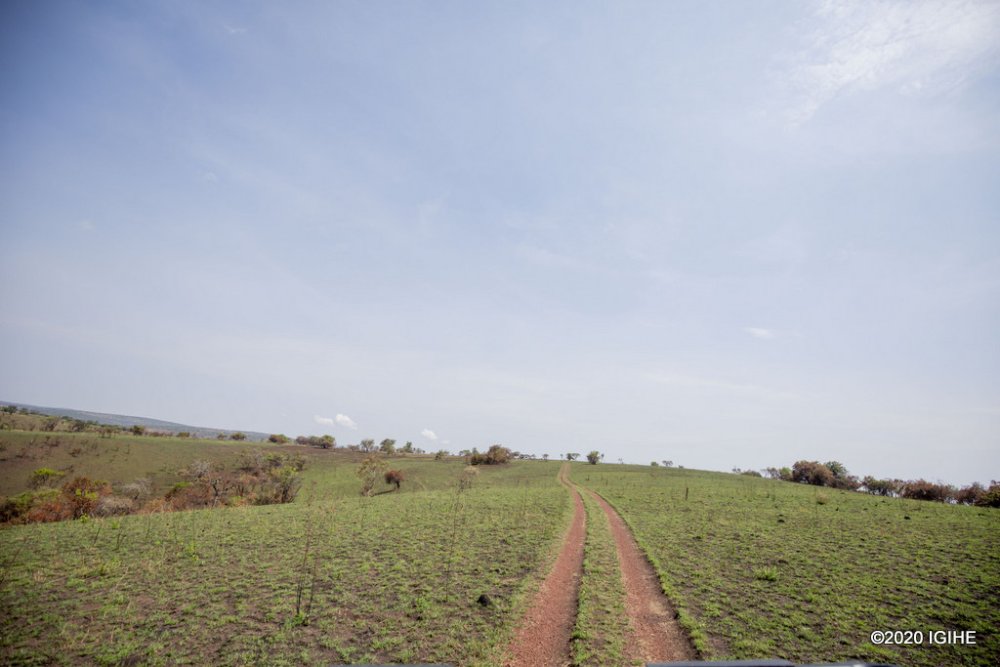
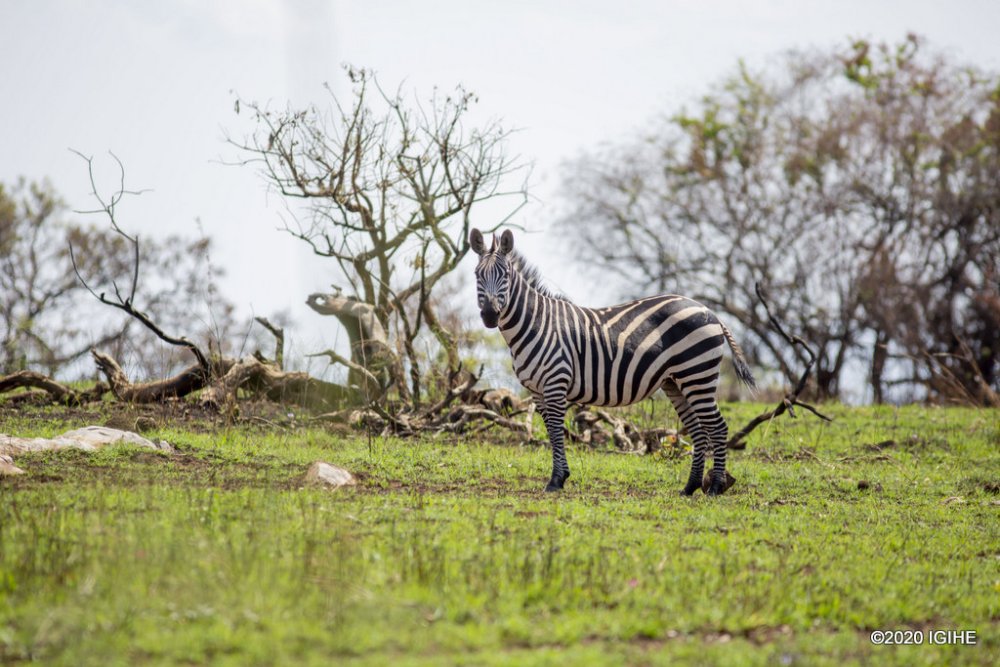
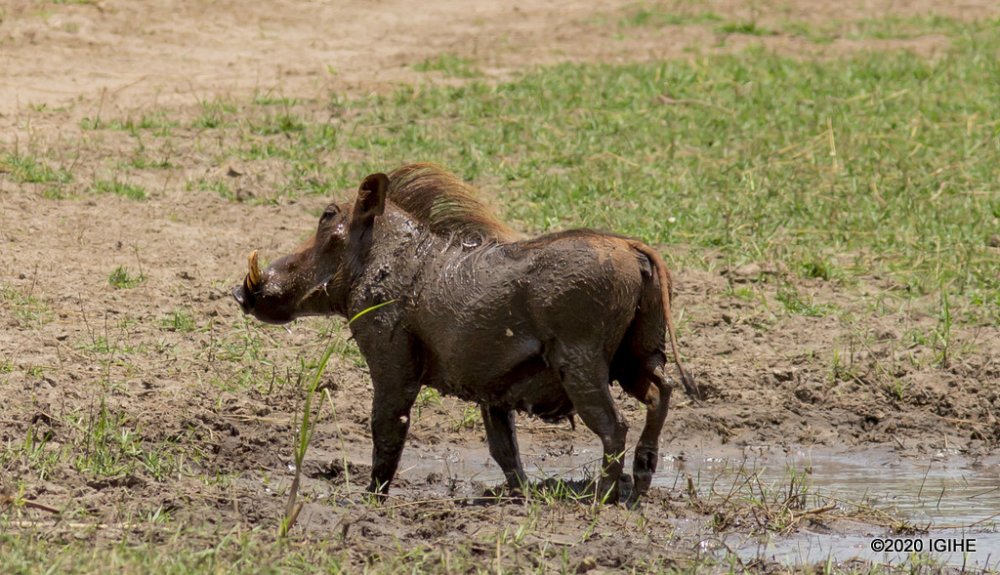
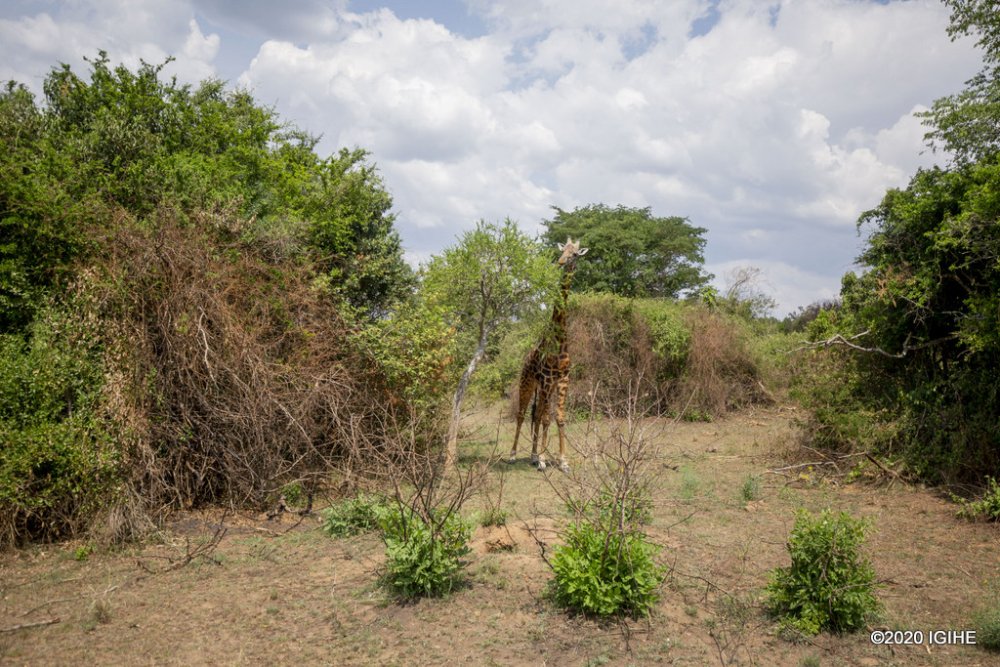
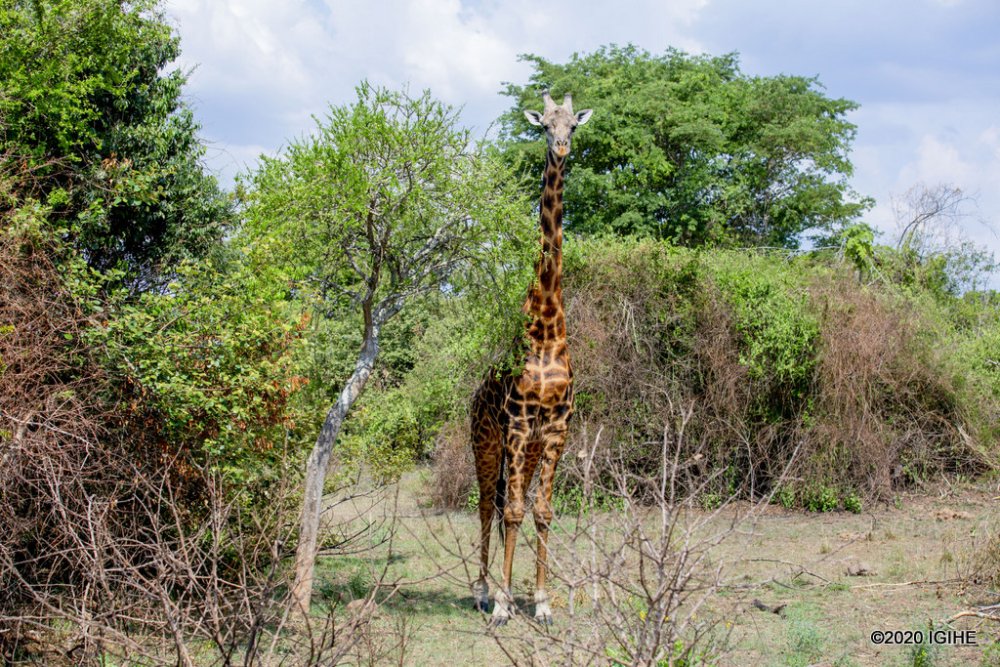
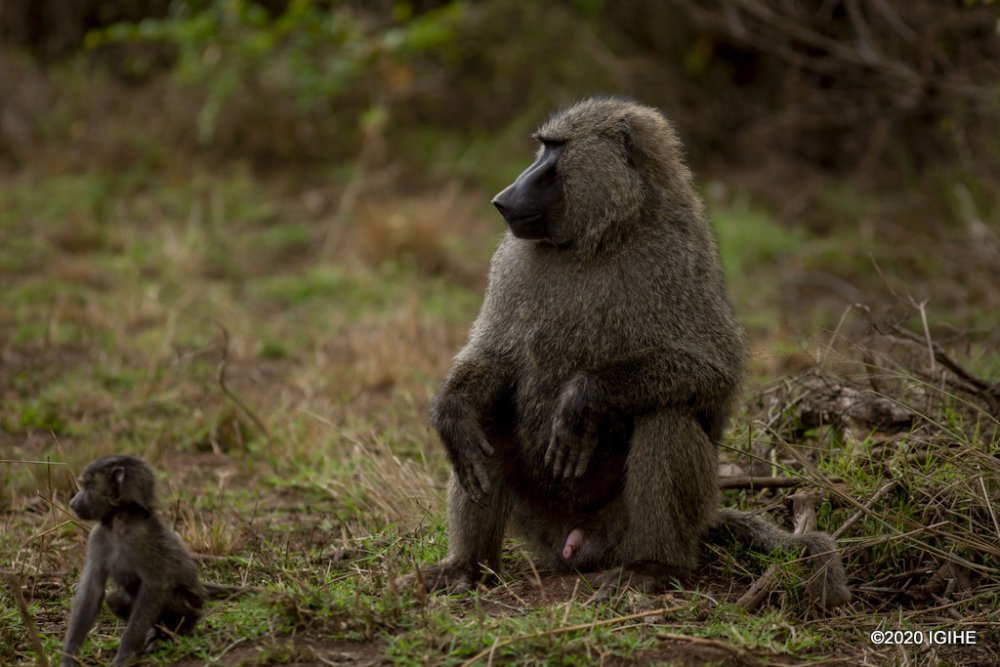
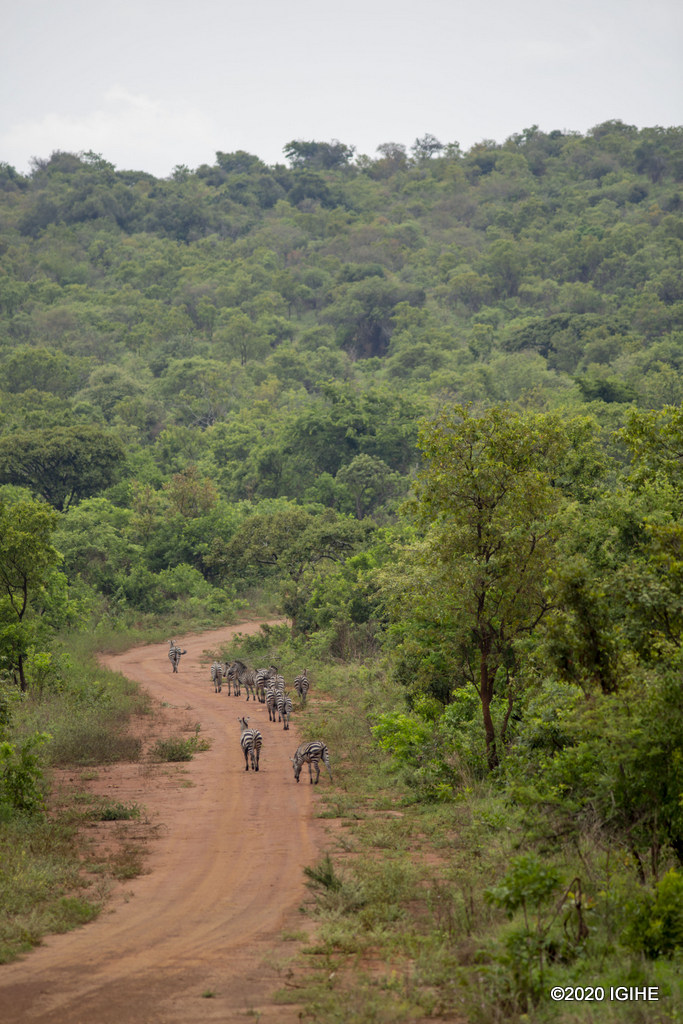
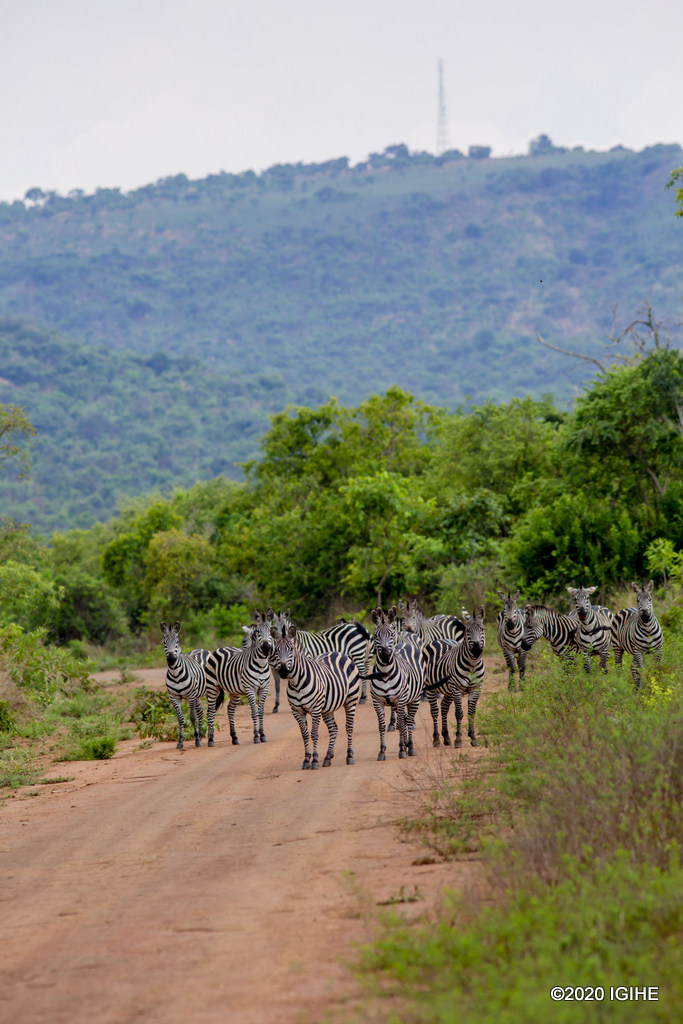
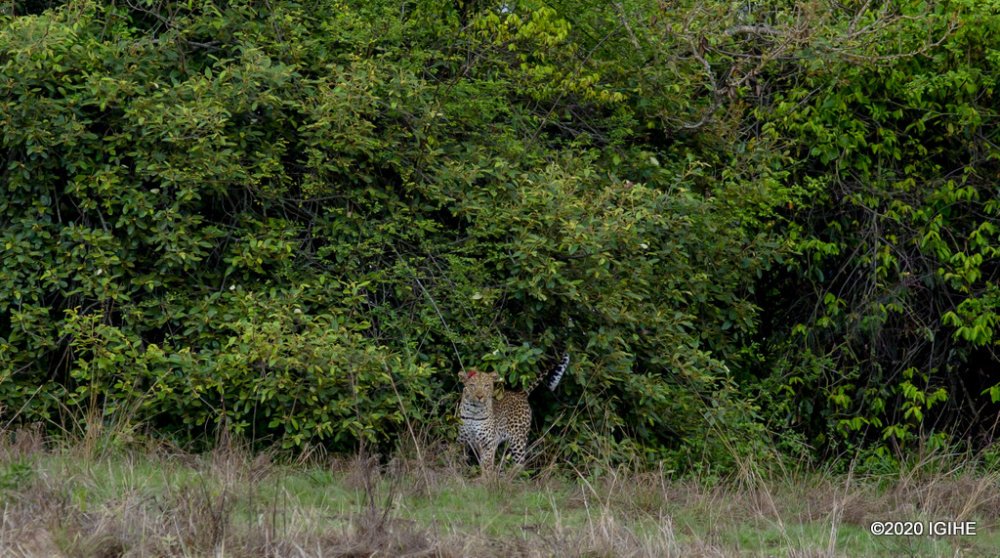
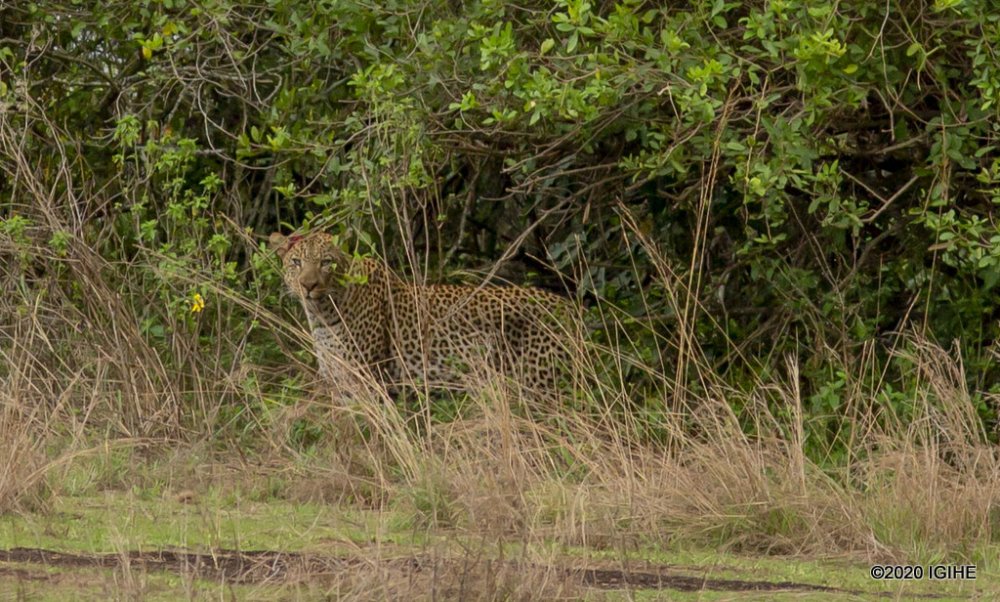
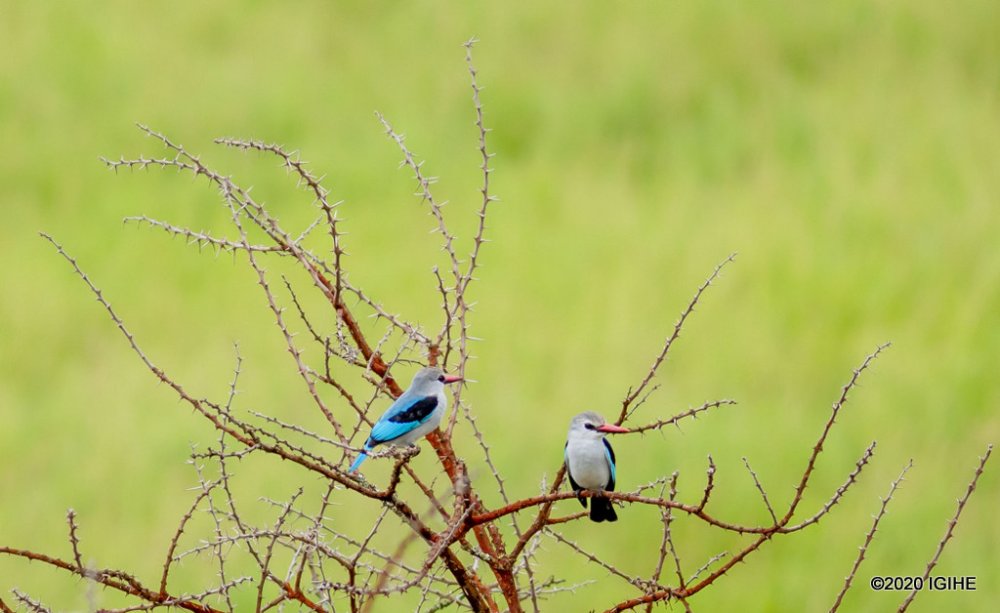
Hippos are among Africa’s most iconic and powerful animals.Lions are among the Big Five species found in Akagera National Park.Elephants cross a road in Akagera National Park, with a calf following behind.Elephants are among the most iconic animals in the park.A buffalo grazes in Akagera National Park.Hyenas are also common in Akagera National Park.A rhinoceros, known for its great strength, uses its horn for defense and fighting.The leopard is a rarely seen animal, with estimates suggesting that only 100 individuals remain in the park.Leopards are among the most commonly seen at night due to their nocturnal and elusive nature.” A crocodile in the waters of Akagera National Park.Elephants often move in groups.Akagera National Park is characterized by a diverse landscape of savannah plains, low-lying hills, and a network of lakes and wetlands.Buffaloes often graze in herds, especially in the valleys.Akagera National Park is home to a network of lakes, including Lake Ihema, the largest in the park. The name “Ihema” means “tent” in Kinyarwanda and is linked to early expeditions that camped in the area.Akagera National Park is also home to a wide variety of bird species, including the marabou stork.Elephants gather to feed on fresh vegetation.Giraffes feed on leaves high in the treetops.This large bird, the African darter, is found in Akagera National Park.A flock of birds flies over Akagera National Park.Warthogs, often referred to as “wild pigs,” are also found in Akagera National Park.A hyena hunting at Akagera National Park.Impala at Akagera.Zebras are also common at Akagera.Warthogs, sometimes referred to as “wild pigs,” are also found in Akagera National Park.Akagera is also a major birding destination, hosting about 500 bird species.
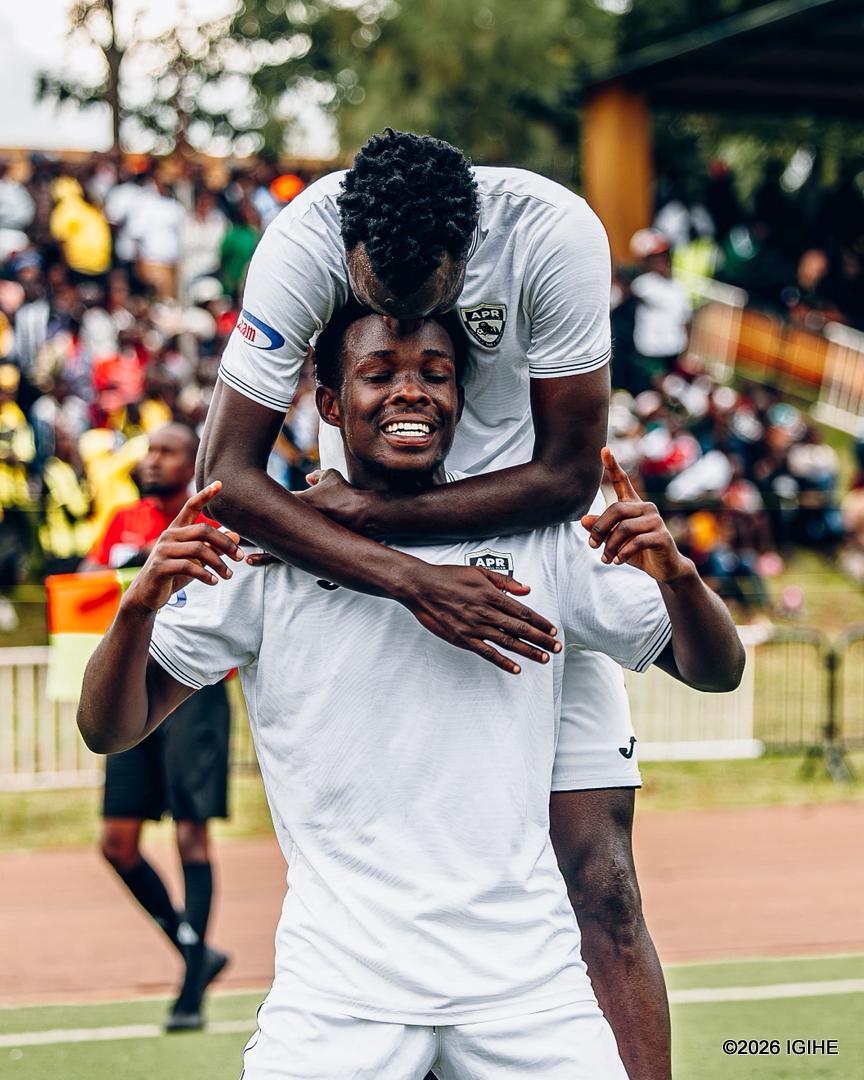
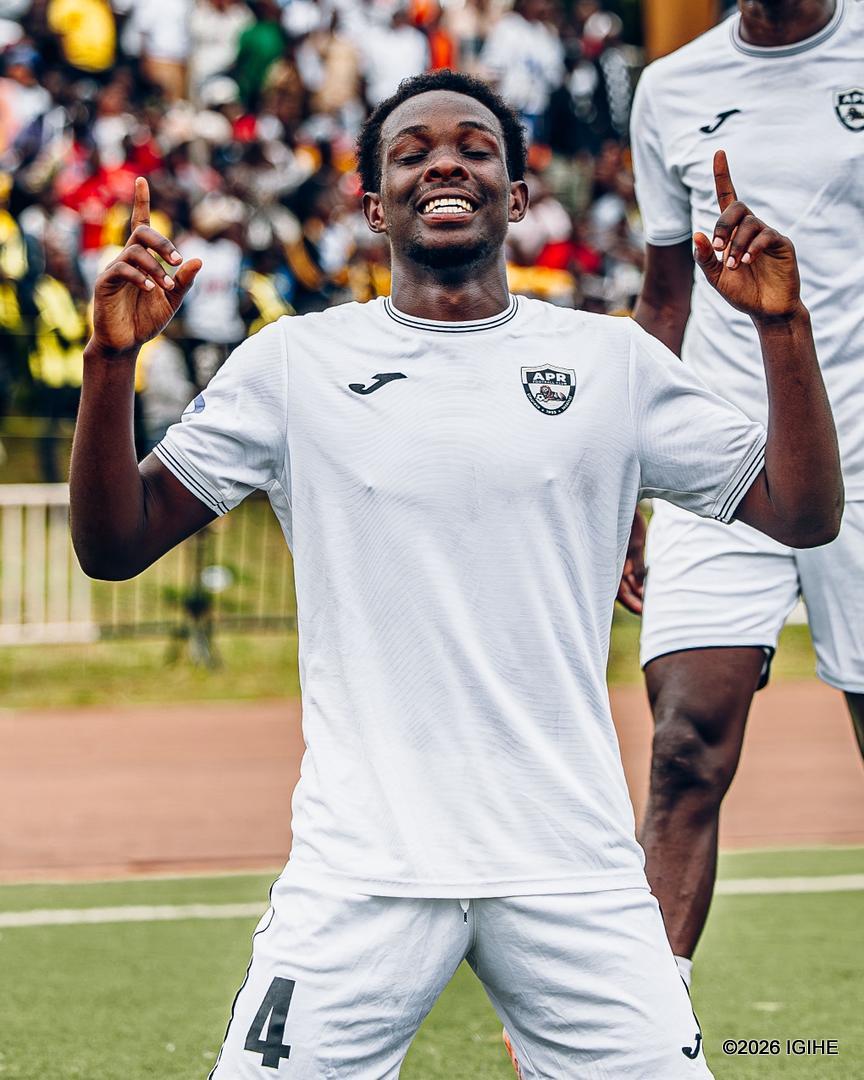
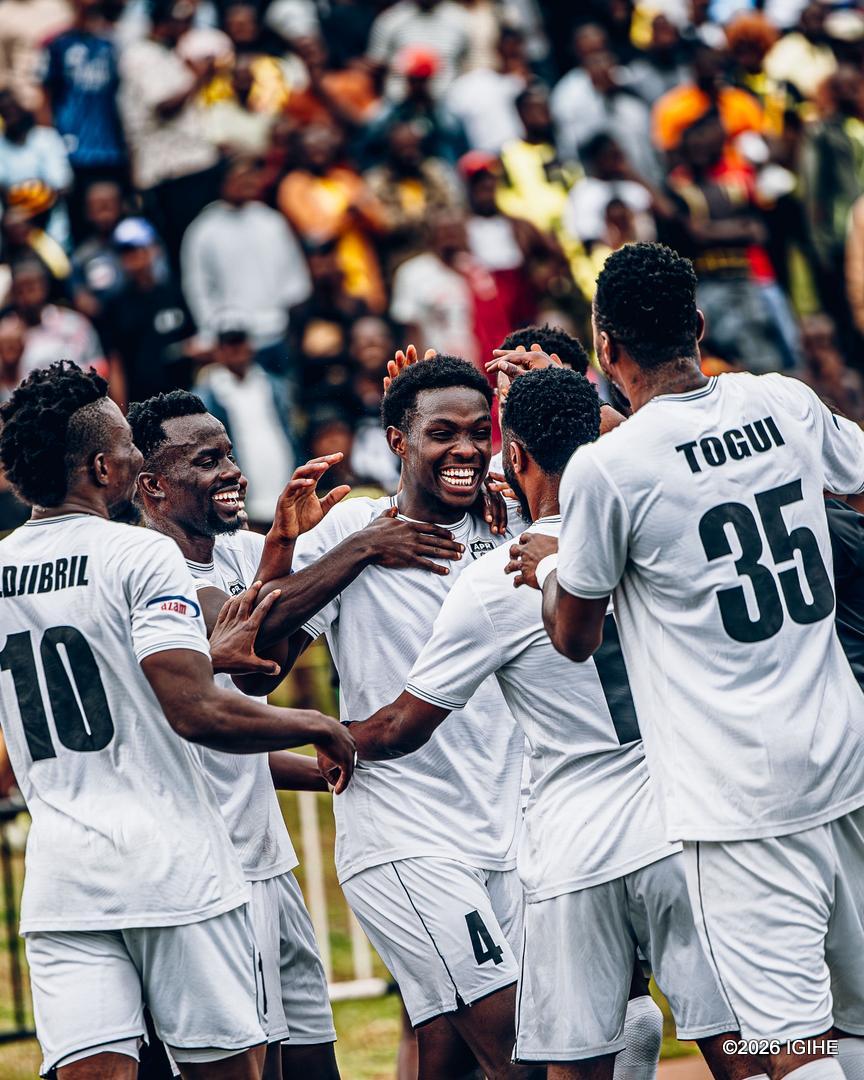
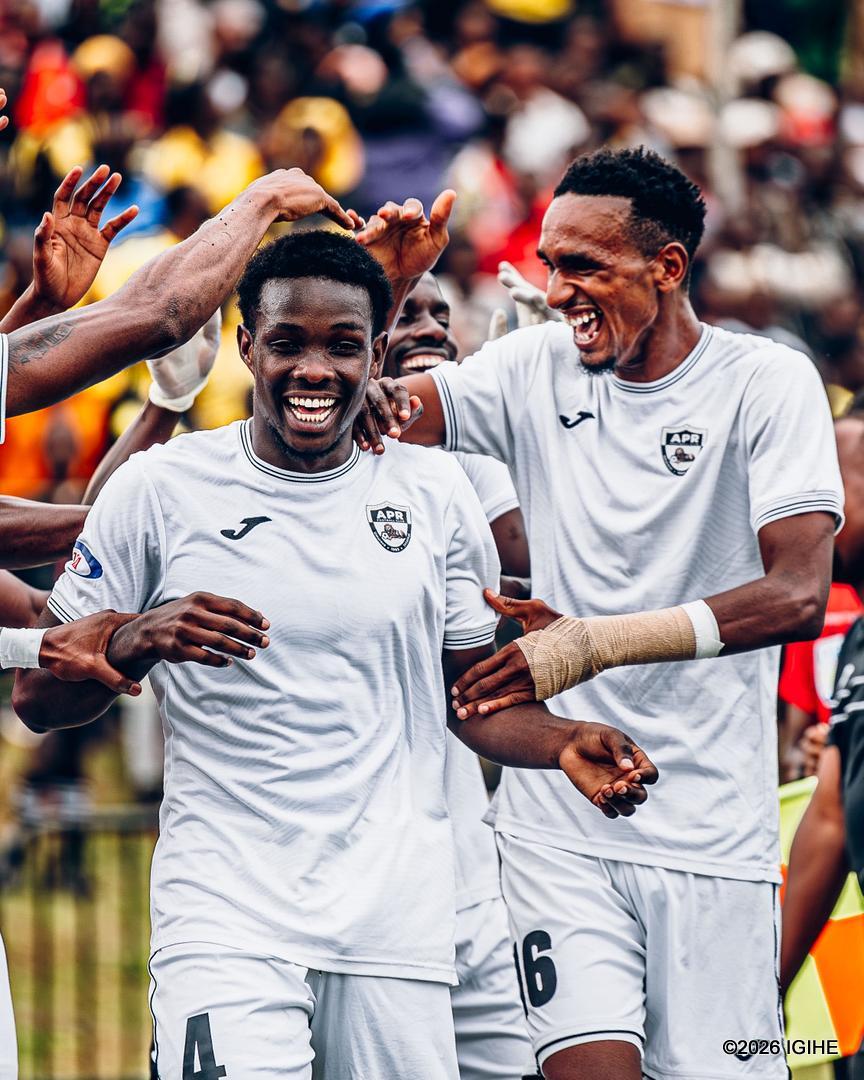
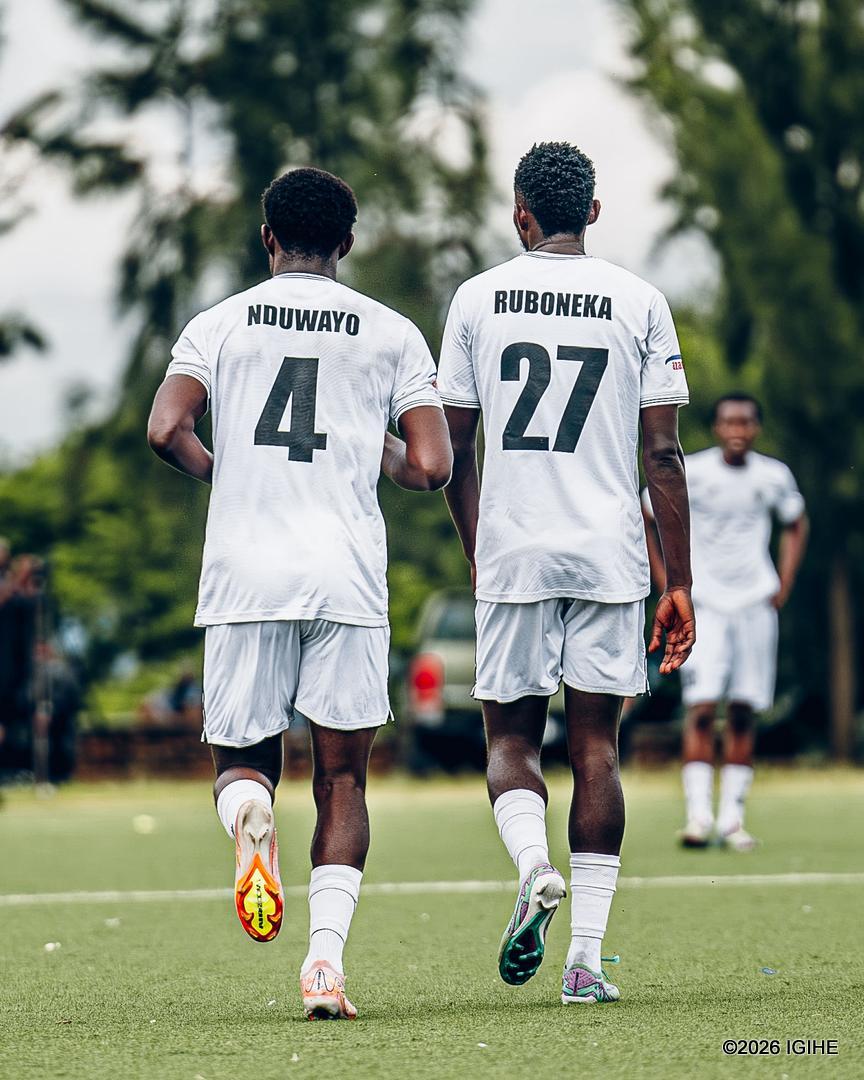
The Matchday 28 fixture of the BK Premier League, played at Kamena Stadium, saw Nduwayo net the third goal in the 61st minute. The goal came from a well-delivered corner kick taken by Ruboneka Bosco, which he successfully converted.
It marked the defender’s first goal for APR FC, coming in just his second start in the Rwanda Premier League since joining the club.
His debut appearance came earlier in the season during APR FC’s 2–1 win over Marine FC.
Speaking after the match, Nduwayo described the moment as an important step in his development.
“It’s just the beginning of a journey. I will keep working hard. I am being given opportunities, and I need to make the most of them,” he said.
The defender also credited his teammates for helping him settle and perform confidently on the pitch.
Nduwayo started due to Niyigena Clément’s injury, while Nshimiyimana Yunussu missed the match after picking up three yellow cards.
Since joining APR FC from Gasogi United during the summer transfer window, the young defender has quickly risen through the ranks, earning a national team call-up with the Amavubi. On Saturday, he delivered a composed display at the heart of defence alongside Ishimwe Abdoul, contributing to a clean sheet for APR FC.
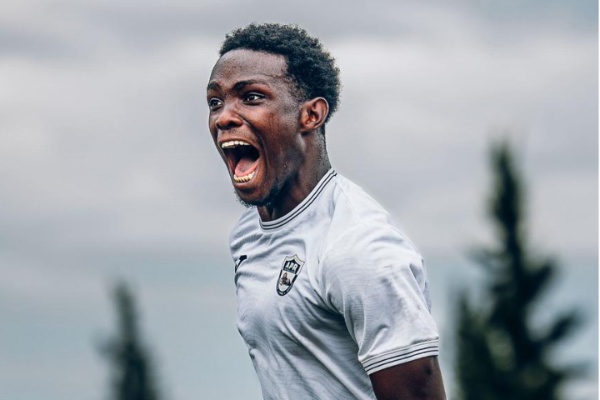
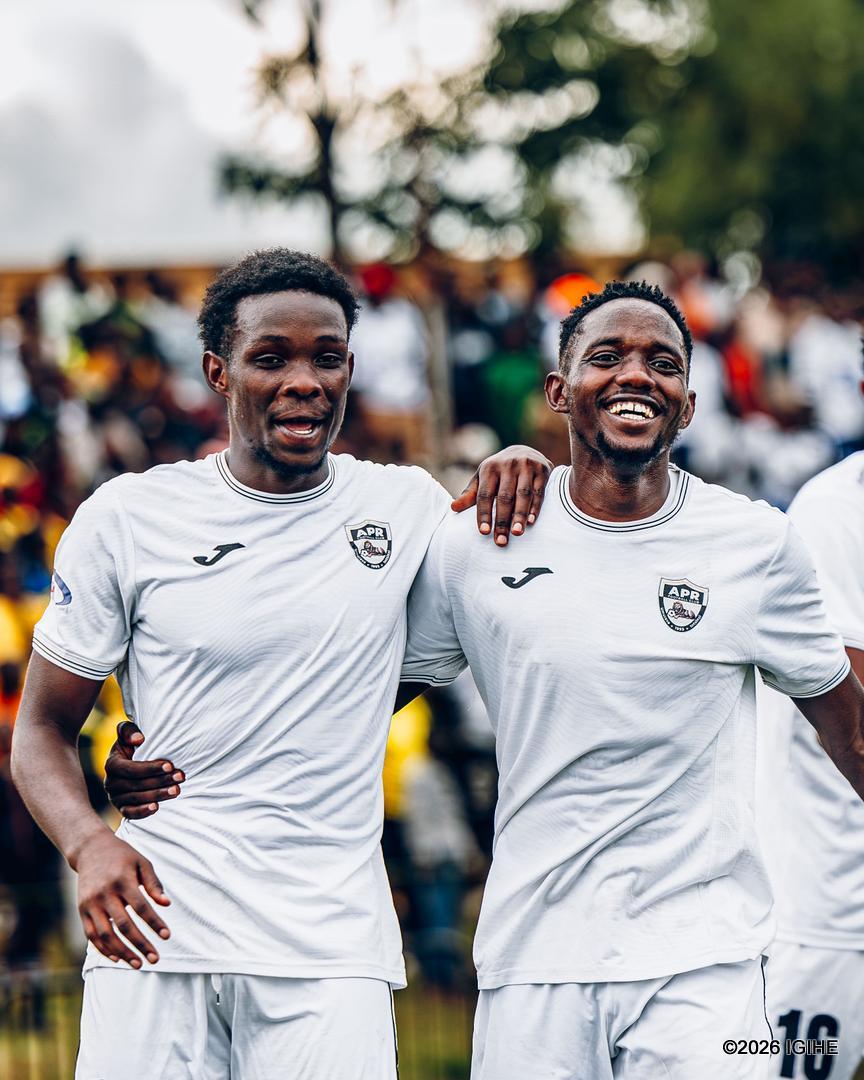
It was a special moment of joy for Nduwayo Alexis, who scored APR FC’s third goal at Kamena Stadium.Nduwayo was making his second league appearance since joining APR FC.APR FC players were delighted to see the young defender score.
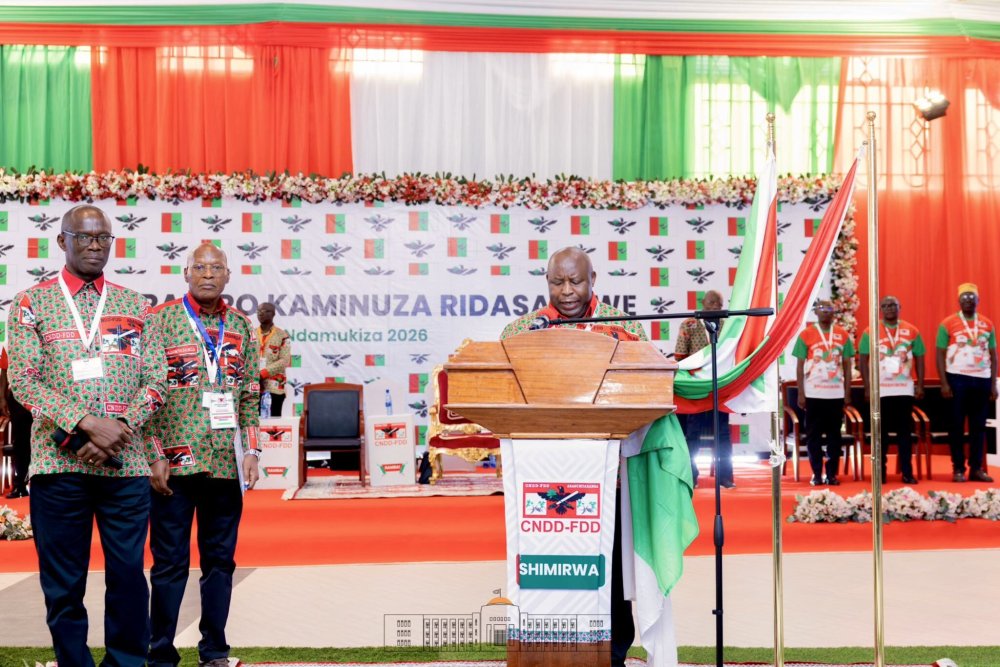
The decision was announced on Sunday, April 26, 2026, following an Extraordinary National Congress of the Party.
A statement posted on the party’s official X account confirmed that Ndayishimiye will represent the CNDD-FDD in the upcoming presidential poll.
Among those considered as potential candidates was the party’s Secretary-General, Révérien Ndikuriyo. Reports indicate there have been disagreements between him and the President over certain policy directions and their implementation.
If re-elected in 2027, Ndayishimiye would serve a second term as President of Burundi. He first assumed office in 2020 following a general election victory.
Burundi’s ruling party, CNDD-FDD, has officially designated President Évariste Ndayishimiye as its candidate for the 2027 presidential election.