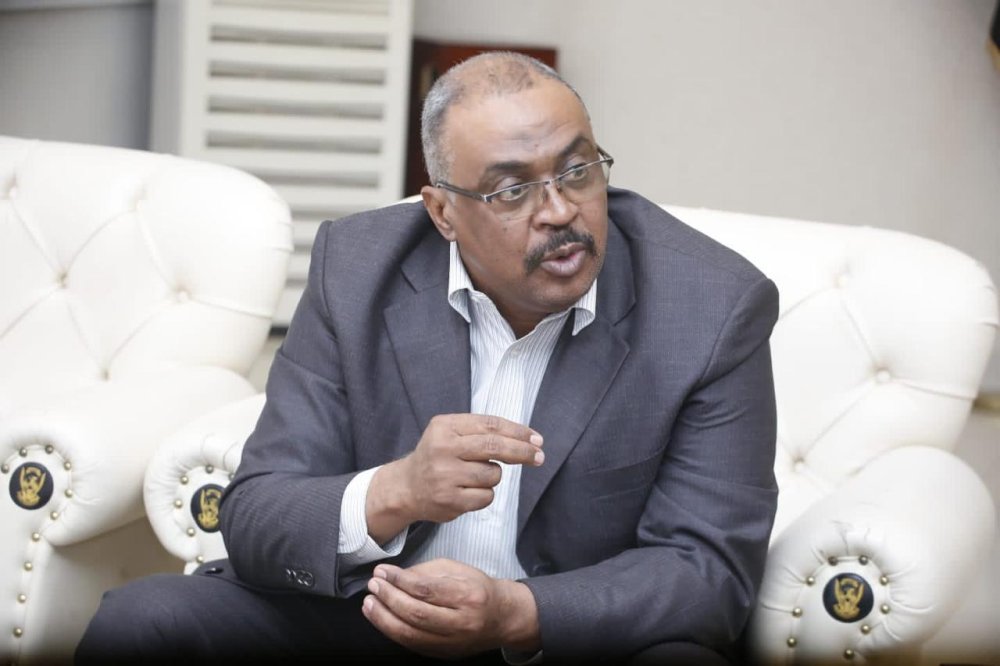
Mohamed Musa Al Kando, a board member of Al-Merrikh, thanked the Rwandan government and people for their support in a statement released on Friday.
“Thanks to the government and nation of Rwanda for welcoming our two big teams and, before that, welcoming the Sudanese people during this hard time of war.”
Al-Merrikh and fellow Sudanese club Al-Hilal SC were cleared to participate in the 2025/26 Rwanda Premier League in November last year, following the suspension of the Sudan Premier League in April 2023, which prompted the clubs to seek temporary relocation.
The clubs have received support from the Rwanda Football Federation and the league organizers, helping them integrate smoothly into the competition.
“I was very happy when I arrived in Kigali just two days before the big derby and we won,” Al Kando said, reflecting on their recent success.
Al-Merrikh plans to build stronger ties with local clubs through collaboration and experience sharing, and the board is also considering establishing a Merrikh Academy in Rwanda in the near future.
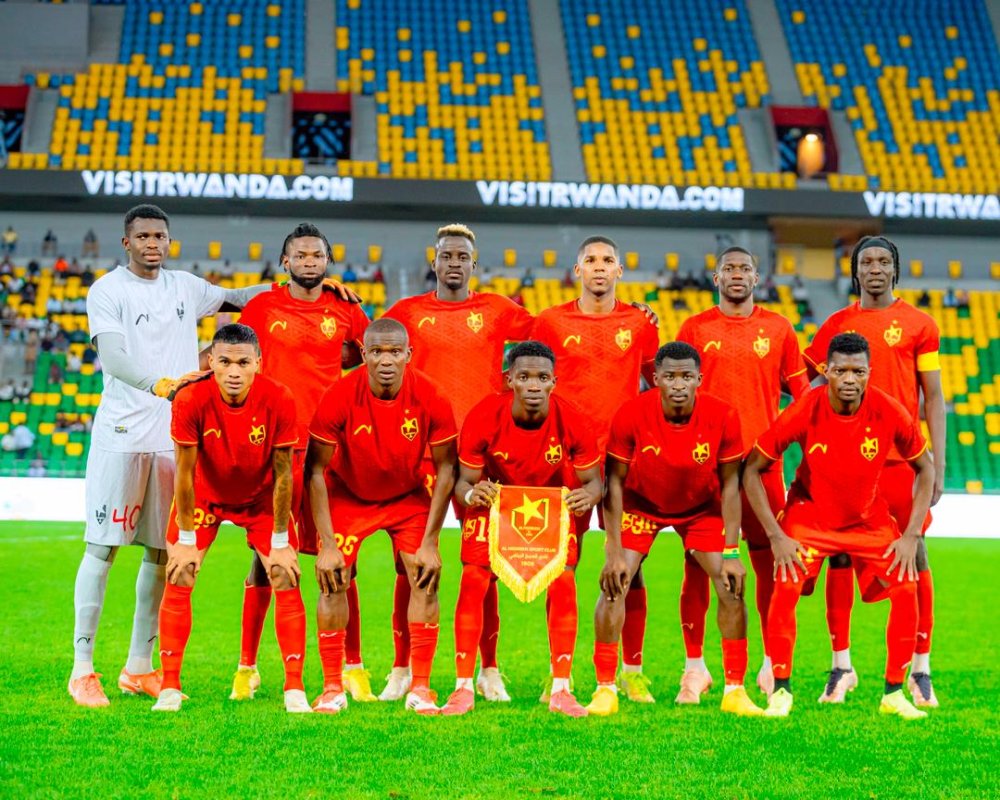
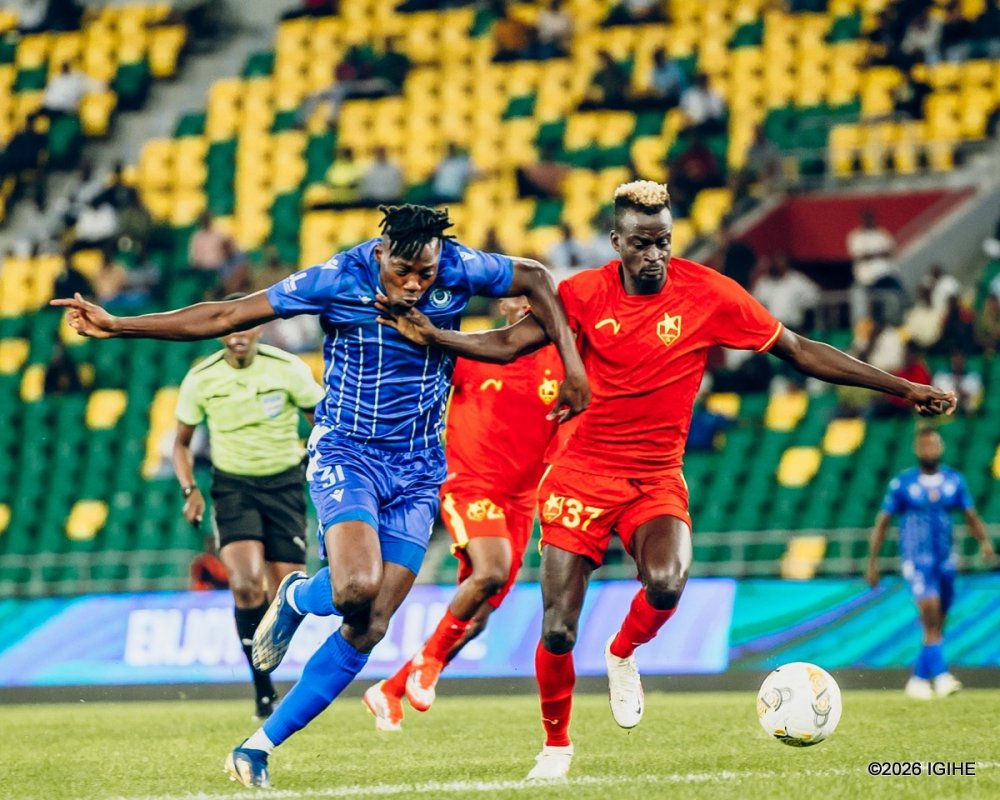
Currently, Al-Merrikh sits third in the Rwanda Premier League with 37 points, just one point behind Al-Hilal and APR FC, following a 2-1 victory over rivals Al-Hilal SC at Stade Amahoro on Tuesday, February 17, 2026.
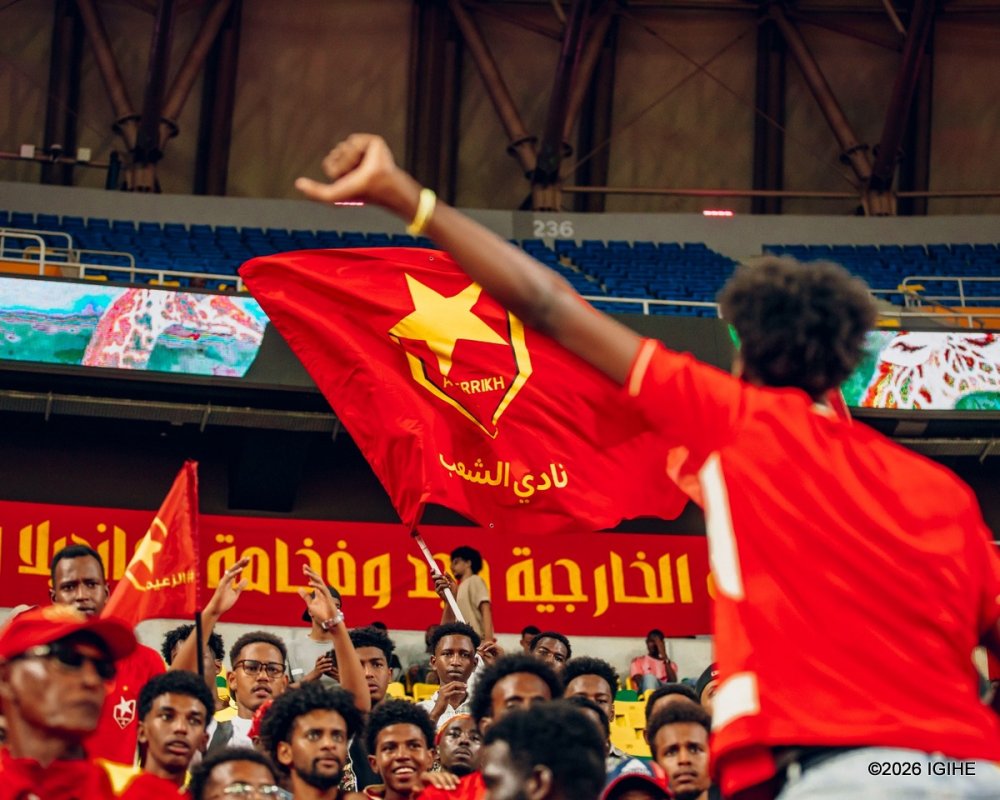
Al-Merrikh SC has been playing in the Rwanda Premier League since November 2025. In their most recent match, Al-Merrikh SC beat Al-Hilal SC 2-1 in the derby.Sudanese nationals in Rwanda often turn out to support their teams.
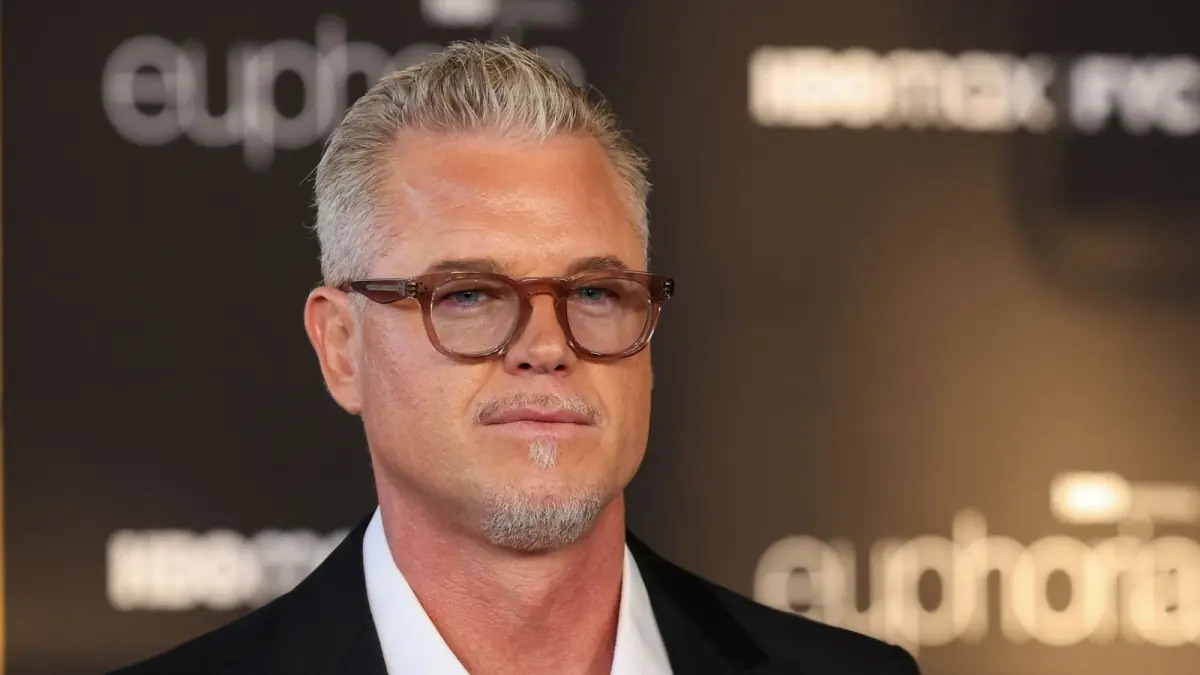
His family confirmed he passed away on Thursday, describing his final months as a courageous fight marked by advocacy and dedication to raising awareness of the disease.
Dane publicly revealed his ALS diagnosis in April 2025 and spent the months that followed using his platform to support patients and research.
Family statements highlighted his determination to make a difference, noting that he focused on fundraising and bringing public attention to ALS, the most common form of motor neurone disease. In recognition of his efforts, Dane was named “Advocate of the Year” by the ALS Network in late 2025.
Born with a versatile talent for television and film, Dane first gained widespread recognition for his portrayal of Dr. Mark Sloan, affectionately nicknamed “McSteamy”, on the long-running medical drama Grey’s Anatomy. Introduced in Season 2, he became a fan favorite, appearing in 139 episodes, and left a lasting mark on pop culture.
He later drew acclaim for his darker, complex role as Cal Jacobs on the hit teen series Euphoria, continuing through the show’s second season and filming scenes for its upcoming third season. Dane also starred as Captain Tom Chandler on the post-apocalyptic action series The Last Ship from 2014 to 2018.
His other work included recurring television roles in Charmed and Gideon’s Crossing, early appearances in The Wonder Years, Roseanne, and Saved by the Bell, as well as film roles in X-Men: The Last Stand, Marley & Me, Valentine’s Day, Burlesque, and Bad Boys: Ride or Die.
Tributes have poured in from co-stars and colleagues, who remembered Dane as a warm, humorous, and intelligent presence on set. Many praised his dedication to ALS advocacy, noting his final months were defined by generosity and purpose.
Dane is survived by his wife and two daughters, Billie and Georgia, whom his family described as the center of his world. His memoir, scheduled for release later this year, will offer a closer look at his life, career, and enduring efforts to make a difference for those affected by ALS.
Dane publicly revealed his ALS diagnosis in April 2025 and spent the months that followed using his platform to support patients and research.
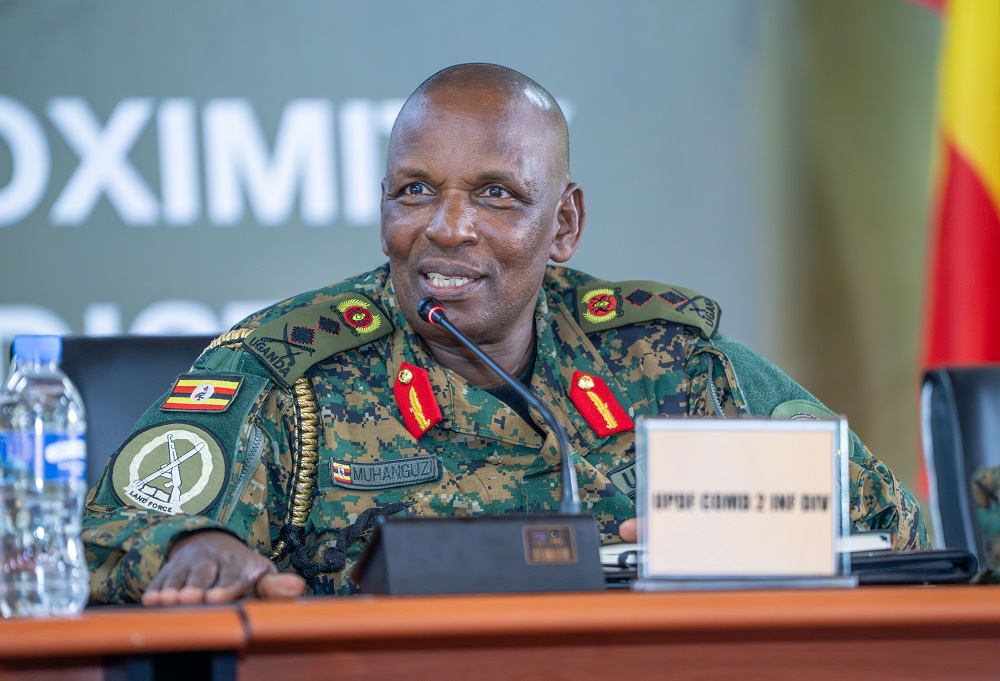
He emphasised that both countries are members of the East African Community (EAC) and, as such, should not harbour forces hostile to one another.
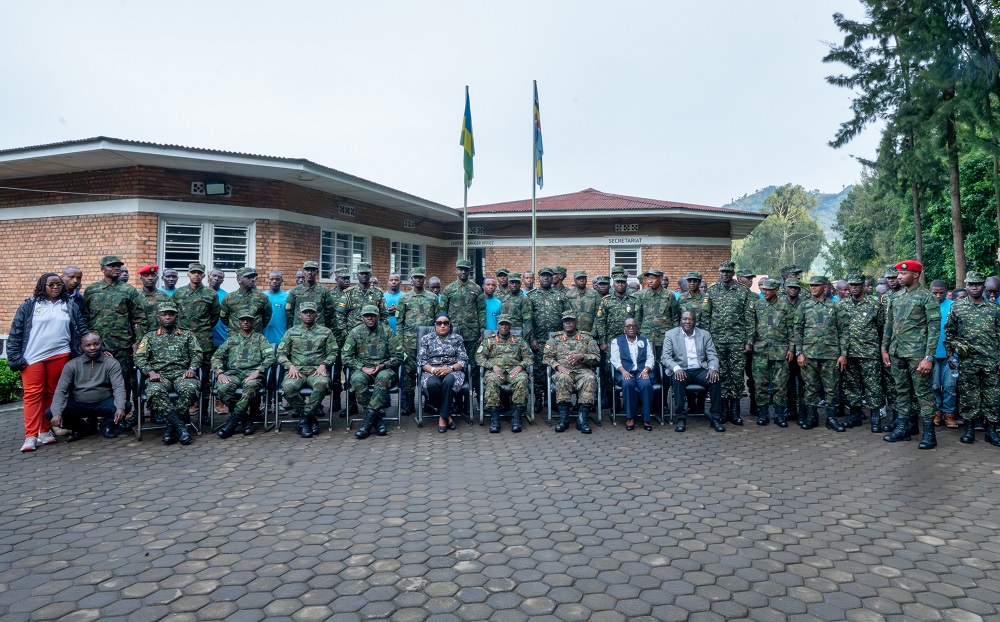
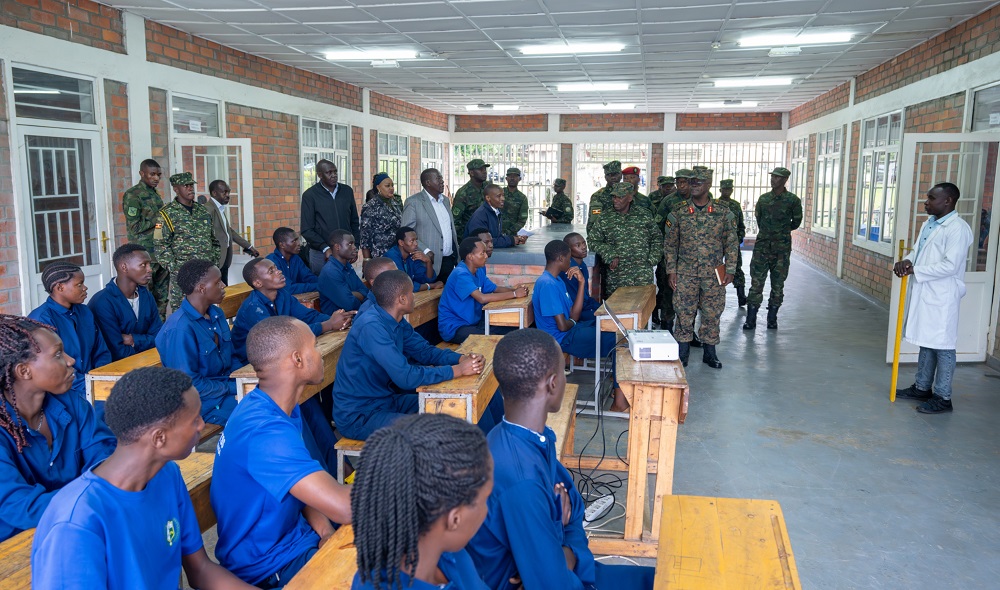
Major General Muhanguzi made the remarks on February 19, 2026, while leading a delegation of Ugandan soldiers on a visit to Rwanda. The delegation toured the National Commission for Demobilization and Reintegration (RDRC) center in Mutobo, located in Musanze District.
The visit aimed to familiarise Ugandan officers with Rwanda’s demobilisation and reintegration programs, which support the transition of former combatants, including members of the Democratic Forces for the Liberation of Rwanda (FDLR) and their families, back into civilian life.
Many of these former fighters had been operating from eastern DRC, where members of the militia group responsible for the 1994 Genocide against the Tutsi sought refuge after their defeat by the Rwanda Patriotic Army (RPA).
Speaking during the visit, Maj Gen Muhanguzi stressed that regional cooperation requires member states to prevent armed groups from operating within their borders.
“Rwanda should never have enemies originating from Uganda, and likewise, no enemy should be allowed to come from Rwanda to Uganda. However, we want Congo to ensure that it does not harbour enemies that attack both Uganda and Rwanda,” he said.
Maj Gen Muhanguzi praised former FDLR fighters who have chosen to return to Rwanda, saying many still have the capacity to contribute to national development alongside other citizens.
“A country is not built by one individual; it is built by all its people,” he added. “I also commend President Kagame for his leadership of Rwanda, and you, too, should come to understand the truth and return to your home.”
According to the RDRC, since 2001, a total of 12,602 former combatants have been reintegrated into civilian life. However, testimonies from returnees indicate that a number of former fighters, particularly from the FDLR, remain in hiding in the forests of eastern DRC.
Soldiers from Uganda’s Commander of the 2nd UPDF Infantry Division visited the Mutobo Centre.The delegation toured the National Commission for Demobilization and Reintegration (RDRC) center in Mutobo, located in Musanze District.
MediConnect is a digital health platform that connects patients with licensed doctors across multiple specialities through messaging, phone calls, or video consultations. It offers electronic prescriptions, home delivery of medications, and follow-up care. Consultations are priced to remain affordable, with a general practitioner costing 3,000 Rwandan francs and a specialist 5,000 Rwandan francs.
In an interview with IGIHE, Dr. Iradukunda explained that MediConnect was born from watching patients travel long distances for consultations and imagining a way for doctors to provide care beyond hospital walls.
The MediConnect platform connects patients with licensed doctors across multiple specialities through messaging, phone calls, or video consultations.
The shortage of doctors was another driving factor. Currently, Rwanda has approximately one doctor for every 4,000 members of its population, but the government is working aggressively to meet the WHO-recommended threshold by 2028 through the “4×4 Reform”.
“At the current rate, it would take us about 180 years to reach the World Health Organization’s recommended number of healthcare providers,” he remarked, acknowledging the urgent need to disrupt that timeline through the government’s ambitious initiative to quadruple the number of healthcare professionals within four years.
The MediConnect solution, he said, was not about replacing existing services but complementing them. MediConnect allows doctors to consult patients virtually when they are not at hospitals or clinics, extending care beyond traditional settings and reaching patients in both urban and rural areas.
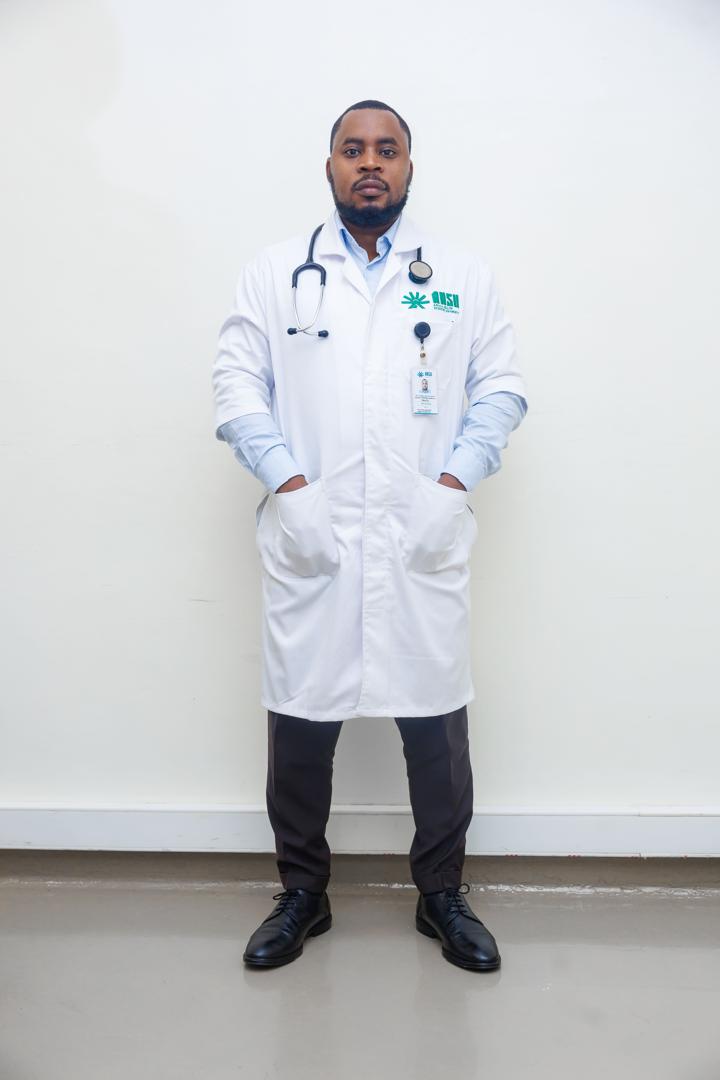
Dr. Seraphin Iradukunda launched MediConnect in 2024.
The platform was conceived during the COVID-19 lockdowns in 2020, when access to healthcare became even more challenging. Development began in 2023, when Dr. Iradukunda brought together a team of colleagues, developers, and digital health experts. MediConnect officially launched in 2024 and has since onboarded more than 60 licensed doctors across different specialities, facilitating hundreds of consultations.
The platform is registered with the Rwanda Development Board, licensed by the Ministry of Health, and cleared by the Rwanda Cyber Security Authority for data protection and privacy compliance. It was also featured on the Africa Digital Health Network Watchlist 2025 as one of the continent’s promising digital health startups.
MediConnect’s impact goes beyond consultations. Dr. Iradukunda is specializing in Emergency Medicine and Critical Care at Africa Health Sciences University (AHSU). Launched in September 2024 by King Faisal Hospital Rwanda in partnership with the Ministry of Health, AHSU aims to expand the country’s healthcare workforce.
King Faisal Hospital Rwanda is the founder and a key stakeholder of Africa Health Sciences University (AHSU).
The university currently has 202 students and is expecting its third cohort this September. Its first cohort, which began training in 2024 and is expected to graduate in 2028, will produce roughly 60 specialists and 40 midwives. AHSU integrates digital health, telemedicine, and artificial intelligence into its residency programs, equipping students with the skills to innovate.
Residents from AHSU, including Dr. Iradukunda, have contributed to MediConnect by refining the web application, creating patient-centred designs, and developing health education tools.
“That early training in digital health opened our minds to technology’s role,” he told IGIHE. “We show that beyond being a doctor, you can provide solutions using university-acquired skills to solve real-world problems.”
Residents from AHSU, including Dr. Iradukunda, have contributed to MediConnect by refining the web application.
Beyond the code and the interface, the true heart of MediConnect is found in the lives it quietly saves when every second counts. This was the reality for a 25-year-old patient in 2025 who logged on to discuss persistent headaches.
What began as a convenient digital check-up quickly turned urgent as the physician identified critical warning signs, blurred vision and impaired balance. The resulting CT scan uncovered a brain tumour, leading to an immediate referral and successful surgery that likely wouldn’t have happened without that timely virtual connection.
“This shows MediConnect’s role in early detection of serious conditions that could have been missed,” Dr. Iradukunda said.
Looking ahead, MediConnect and AHSU innovators are developing AI-powered triage tools to determine whether cases can be managed virtually or need urgent referral. They are also creating electronic health information cards to track patient histories and exploring digital medical fitness certificates to reduce unnecessary clinic visits. Plans are underway for a mobile app and telemedicine kiosks to reach rural areas with limited digital access.
Dr. Iradukunda sees the platform not just as technology but as a new model of healthcare delivery. “We must be solution providers for our country and continent,” he said. “The future belongs to those who use knowledge and digital technology like AI to solve real-world problems.”
To access MediConnect’s services, book a consultation, or learn more about their digital health solutions, visit their web portal at www.mediconnect.rw.
Rwanda is set to spend more than Rwf 513 billion on key infrastructure projects during the 2025/2026 fiscal year, according to a performance report from the Ministry of Infrastructure. The funding will support the construction and rehabilitation of roads and other strategic facilities across the country.
The government recently indicated that the national budget approved by Parliament in June 2025 has so far been implemented at 65 percent. The budget is currently undergoing revisions, with some projects receiving increased allocations while others are being scaled down.
Among the major undertakings is the rehabilitation of 79 kilometers of roads in different parts of the country. This includes the Muhanga–Rubengera road, specifically the 24-kilometer Nyange–Muhanga section. At the start of the fiscal year, works on this stretch had reached 30 percent completion. The rehabilitation of this section is expected to cost more than Rwf 8.59 billion. The Muhanga–Rubengera road has been developed in phases, beginning with Rubengera–Rambura, followed by Rubengera–Nyange, and finally Nyange–Muhanga.
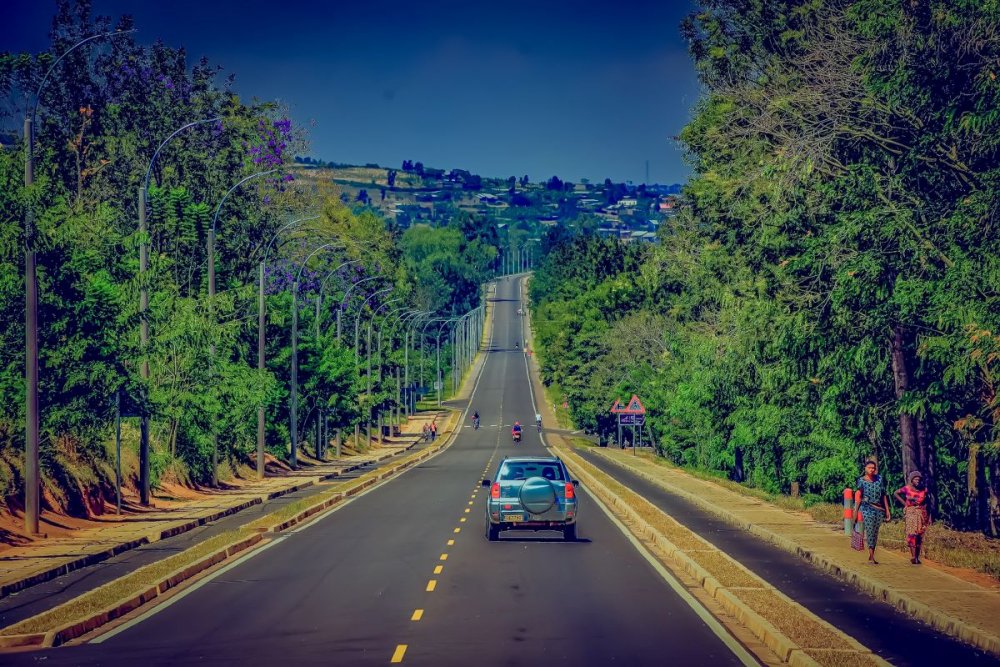
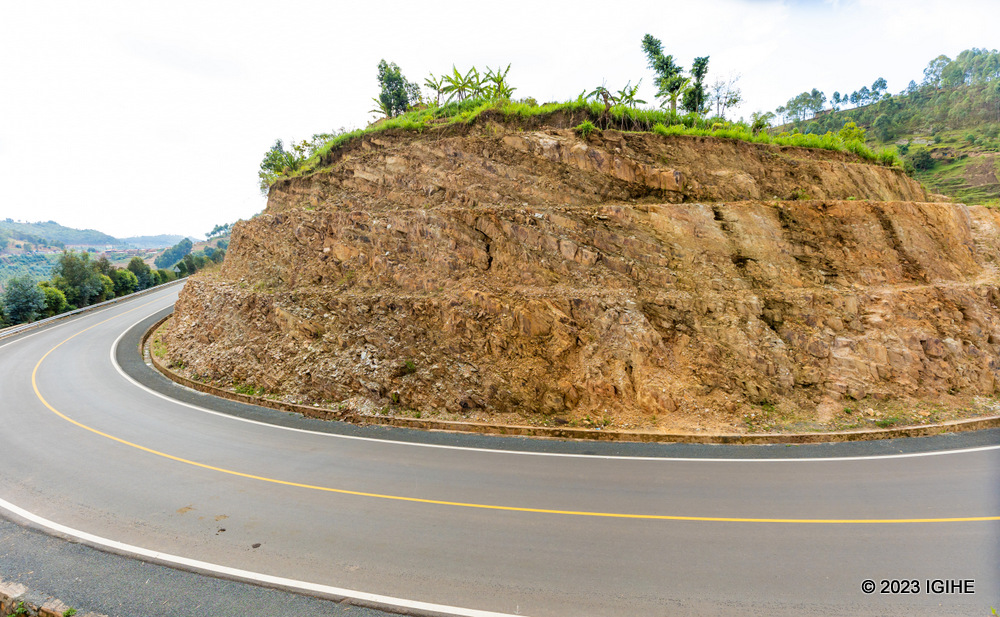
Rwanda continues to invest heavily in road development.
The ministry also plans to produce a detailed design report for the rehabilitation of the 45-kilometer Kigali–Muhanga asphalt road at an estimated cost of Rwf 3 billion.
Construction preparations are underway for the 10-kilometer Prince House–Giporoso–Masaka road. Preliminary activities have begun, including the removal of houses along the road corridor, and construction is expected to commence by February 2026.
In addition, MININFRA will oversee the paving of 184.8 kilometers of national roads this year. Among them is the 63-kilometer Base–Butaro–Kidaho road, with works budgeted at more than Rwf 11.77 billion.
Further roadworks will cover the 18-kilometer Nyagatare–Rwempasha road and the 73-kilometer Nyagatare–Rukomo road, for which over Rwf 4 billion has been allocated. Construction will also proceed on the 52-kilometer Ngoma–Ramiro road linking Ngoma and Bugesera districts, with Rwf 6 billion set aside for the project.
Before the end of the fiscal year, feasibility studies will be completed for the modernization of three major road junctions in Kigali—Gishushu, Chez Lando, and Sonatube—as part of efforts to improve urban transport in the capital. The planned upgrades, to be implemented using modern interchange designs, are expected to cost $100 million.
The government will also undertake construction of the 51-kilometer Sashwara–Rega–Kabuhanga–Busasamana–Muhato road at a cost of Rwf 4.3 billion.
Beyond national highways, Rwanda is preparing to develop feeder roads and apply light asphalt surfacing, including 194 kilometers of feeder roads in Rutsiro District. Other priority projects include infrastructure works at the Kigali Logistics Platform dry port, upgrades to the Nyacyonga–Mukoto and Byumba–Ngondore roads, infrastructure supporting refugees and host communities, and improvements to roads near border areas.
Rwanda will spend more than Rwf 513 billion on key infrastructure projects during the 2025/2026 fiscal year.
Specific border-area projects include paving the 18-kilometer Nyagisozi–Remera–Nshili road at a cost of Rwf 6.1 billion. In Rutsiro, 41 kilometers of feeder roads will be constructed at a cost of Rwf 5.3 billion. Additional funding amounting to Rwf 3.1 billion has been earmarked for equipment and supervision works at the Kigali Logistics Platform, as well as the preparation of a master plan covering 69.45 kilometers of roads.
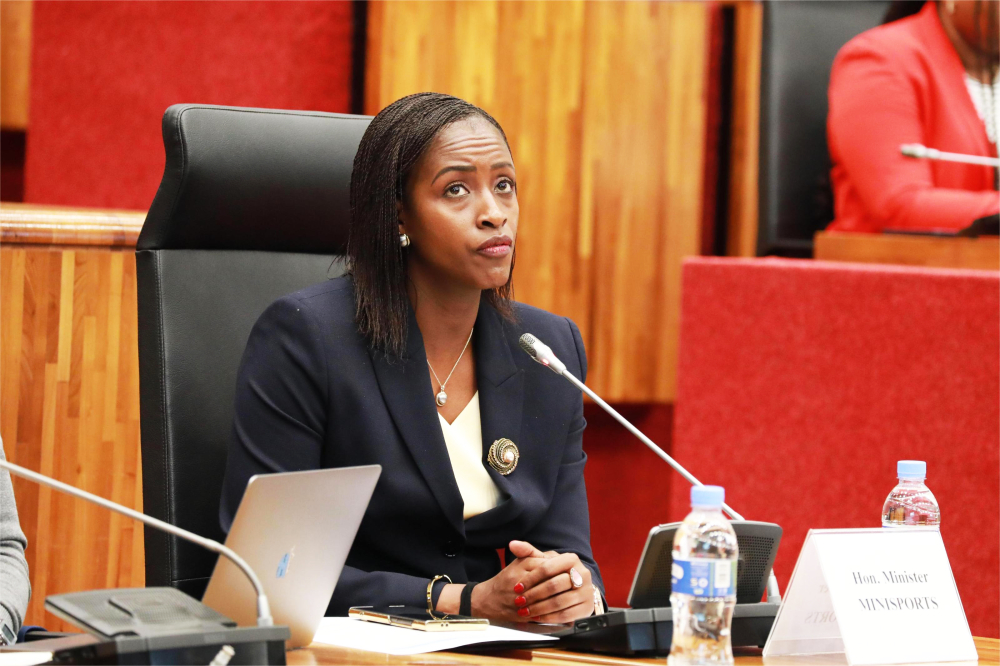
Mukazayire told Members of Parliament on Thursday that the government was not satisfied with the team’s current performance but had put in place a long-term strategy aimed at building a competitive and professional football system.
“We are not satisfied with the way Amavubi are performing,” she said. “Changes will continue at the Federation, the Ministry and elsewhere for as long as we have not achieved the results we expect.”
Her remarks came after MP Rutebuka Balinda, Deputy Chairperson of the Committee on Education, Technology, Culture, Youth and Sports, questioned the frequent turnover of coaches and leadership within the Rwanda Football Federation (FERWAFA), warning that instability could undermine progress.
Mukazayire said the changes were intended to establish a clear direction for Rwandan football, focused on professionalism, talent development and achieving victories.
She acknowledged that the national team’s results reflect the broader state of football development in the country, arguing that meaningful improvement requires structural reforms rather than short-term fixes.
A key pillar of the strategy, she said, is identifying and recruiting talented players of Rwandan origin living abroad while ensuring their integration serves national interests.
“We must identify them, bring them in and use them effectively. We have already discussed this with FERWAFA and implementation is underway,” she said.
The minister also stressed that coaching contracts must clearly define performance targets, warning that leadership changes would persist if expectations are not met.
“If contracts do not clearly state the expected outcomes, you will continue to see changes because we need results,” she said.
Youth development forms the core of the reform agenda. Mukazayire said players under the ages of 15 and 17 will be closely monitored and systematically developed so they can transition into competitive professional football by the age of 21.
“You cannot neglect youth development and expect to qualify for the Africa Cup of Nations,” she said. “We must build from the grassroots.”
Rwanda plans to establish a National Football Academy where young players can train and study together as part of a long-term effort to build a stronger national team.
Currently, the Isonga talent development programme operates in 17 schools with 599 children and is expected to expand to more than 2,000 participants. Other initiatives include the Bayern Munich academy in Rwanda, the Paris Saint-Germain academy and the Tony Football academy, which collectively support youth talent development.
Mukazayire cautioned that the reforms would take time to produce tangible results, estimating that visible improvements may require at least five years.
Meanwhile, FERWAFA recently parted ways with head coach Adel Amrouche on January 14, 2026, after one year in charge. The federation said it has received 688 applications from qualified candidates and will shortlist coaches based on credentials, experience with national teams and participation in major tournaments such as the Africa Cup of Nations and the FIFA World Cup.
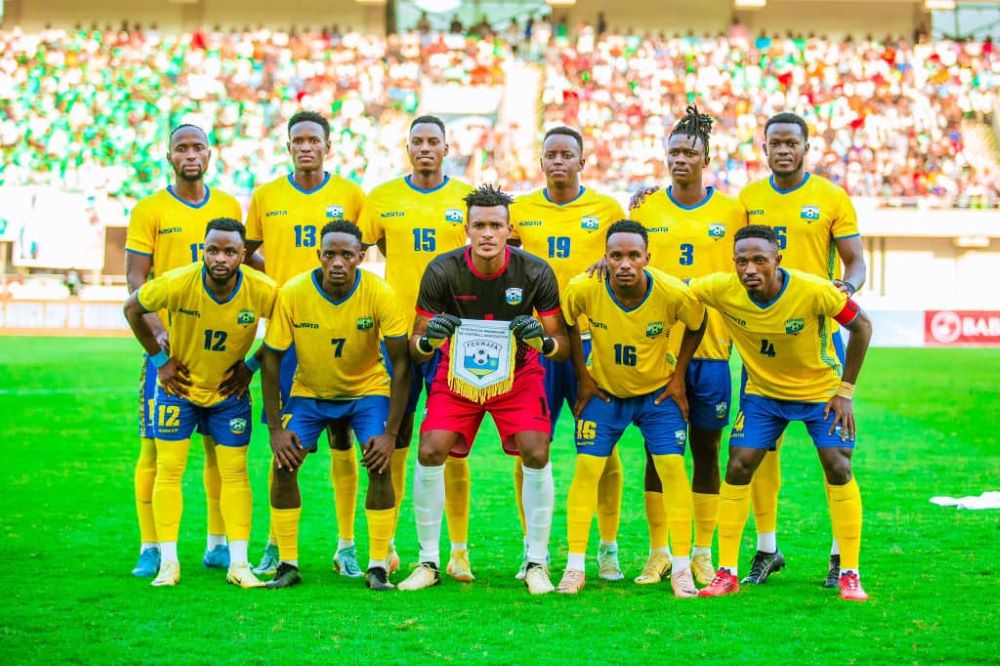
With less than a month before Rwanda hosts the FIFA Series friendly matches in Kigali from March 23–31, the national team remains without a head coach. Rwanda is scheduled to face Estonia, Grenada and Kenya in Group A.
Mukazayire also emphasized the importance of mentality, noting that defeats are not always due to a lack of technical ability but can stem from psychological factors affecting players and coaching staff.
Sports Minister Nelly Mukazayire stressed that there is a plan to turn Amavubi into a results-driven team.Sports Minister Mukazayire expressed dissatisfaction with Amavubi’s current performance.
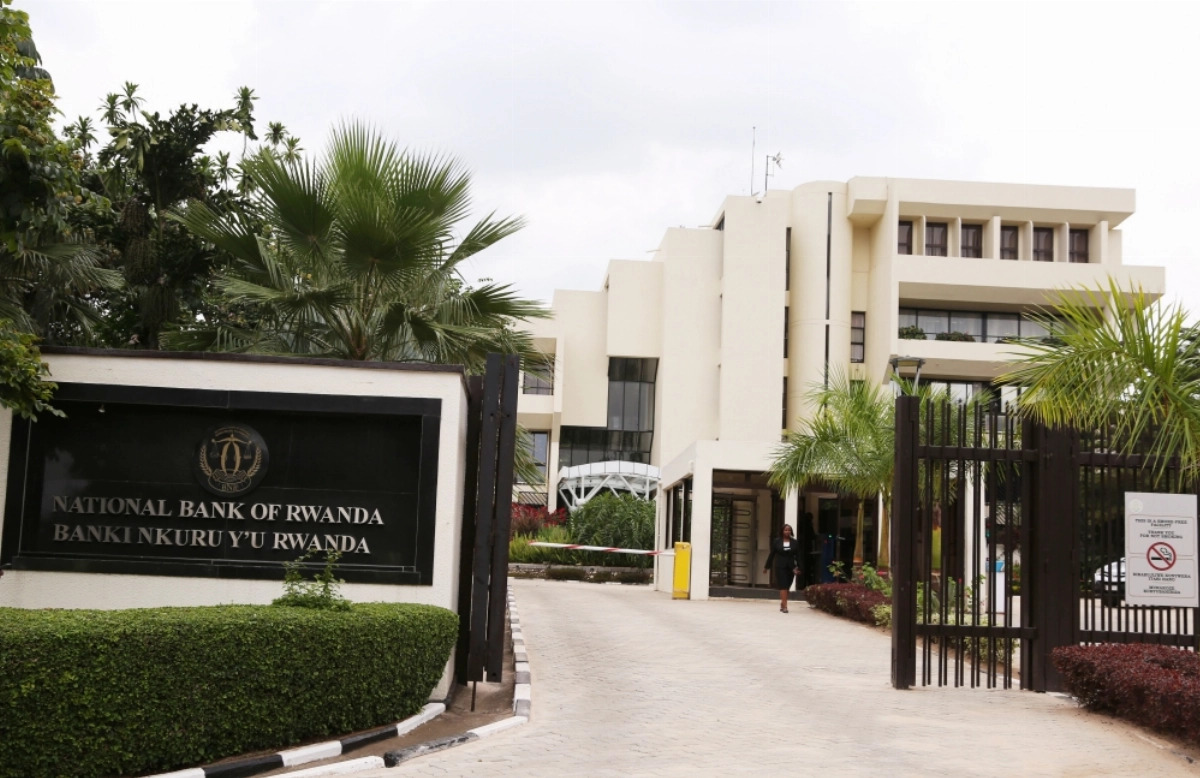
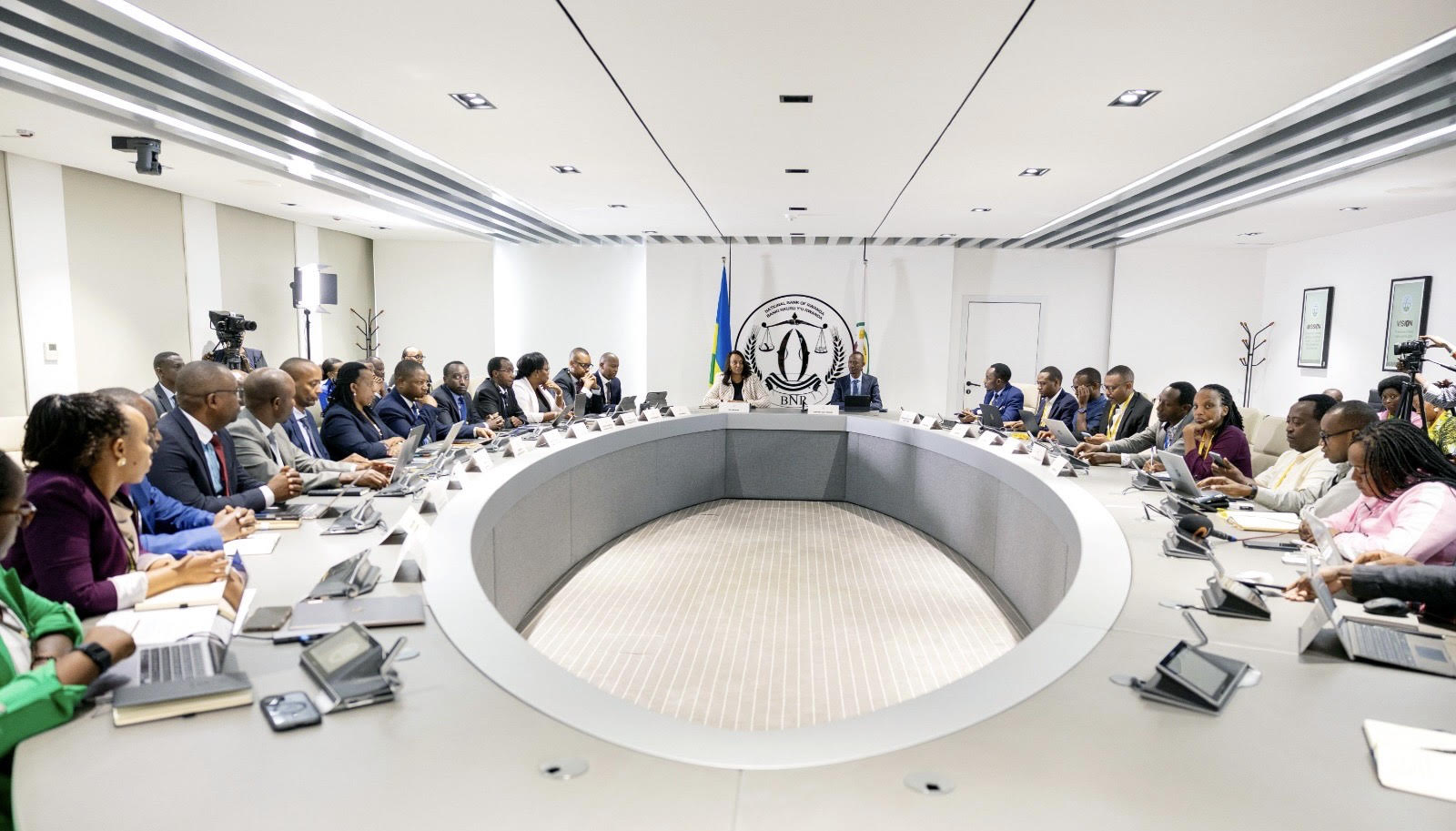
NBR Governor Soraya Hakuziyaremye announced the decision on Thursday, February 19, following a meeting of the Monetary Policy Committee (MPC) on Wednesday, which reviewed recent domestic and international economic developments and updated the country’s economic projections.
Inflation in Rwanda increased to 8.9 percent in January 2026, up from 8.0 percent in December 2025, exceeding the Central Bank’s target range of 2–8 percent.
The rise, the central bank boss said, has been driven largely by higher energy costs, electricity tariffs, fuel prices, and supply constraints on fresh food, particularly vegetables affected by below-normal rainfall.
“The Monetary Policy Committee has decided to increase the Central Bank Rate to 7.25 percent to limit second-round effects of recent price increases and support a timely return of inflation to the target range,” she stated.
The governor noted that headline inflation is expected to remain slightly above 8 percent in the first half of 2026, before easing toward the target band by the end of the year.
“The MPC will continue to closely monitor economic developments and the inflation outlook. Should the highlighted risks materialize, we will assess the need for further policy adjustments to ensure inflation converges to the target range over the medium term,” Governor Hakuziyaremye added.
Despite inflationary pressures, Rwanda’s economy continues to perform strongly. The country recorded an average growth of 8.7 percent during the first three quarters of 2025, with the Composite Index of Economic Activity (CIEA) rising 17.1 percent in the fourth quarter.
Merchandise exports grew by 14.1 percent, supported by traditional exports such as coffee and minerals, while non-traditional exports, including processed cooking oil and wheat flour, also recorded notable gains.
The Rwandan franc showed signs of stabilisation in 2025, with depreciation slowing to 4.4 percent from 9.42 percent in 2024, thanks to stronger tourism receipts, increased remittances, and domestic foreign exchange reforms.
In the financial sector, Rwanda continues to demonstrate resilience. Credit institutions, insurance companies, and microfinance institutions maintained strong capital and liquidity positions, while the consolidated loan book of the banking sector grew by 28.5 percent to reach Rwf 6.8 trillion as of December 2025. Non-performing loans remained low at 2.5 percent, within regulatory limits.
NBR Governor Soraya Hakuziyaremye announced the decision on Thursday, February 19, following a meeting of the Monetary Policy Committee (MPC) held on Wednesday.
Reuters reports that the list was presented at a DRC-U.S. meeting in Washington on February 5 to advance their strategic minerals partnership agreed in December.
The proposal offers Washington access to highly sought tantalum, a heat-resistant metal processed from coltan ore used in semiconductors, aerospace components, computers, mobile phones and gas turbines.
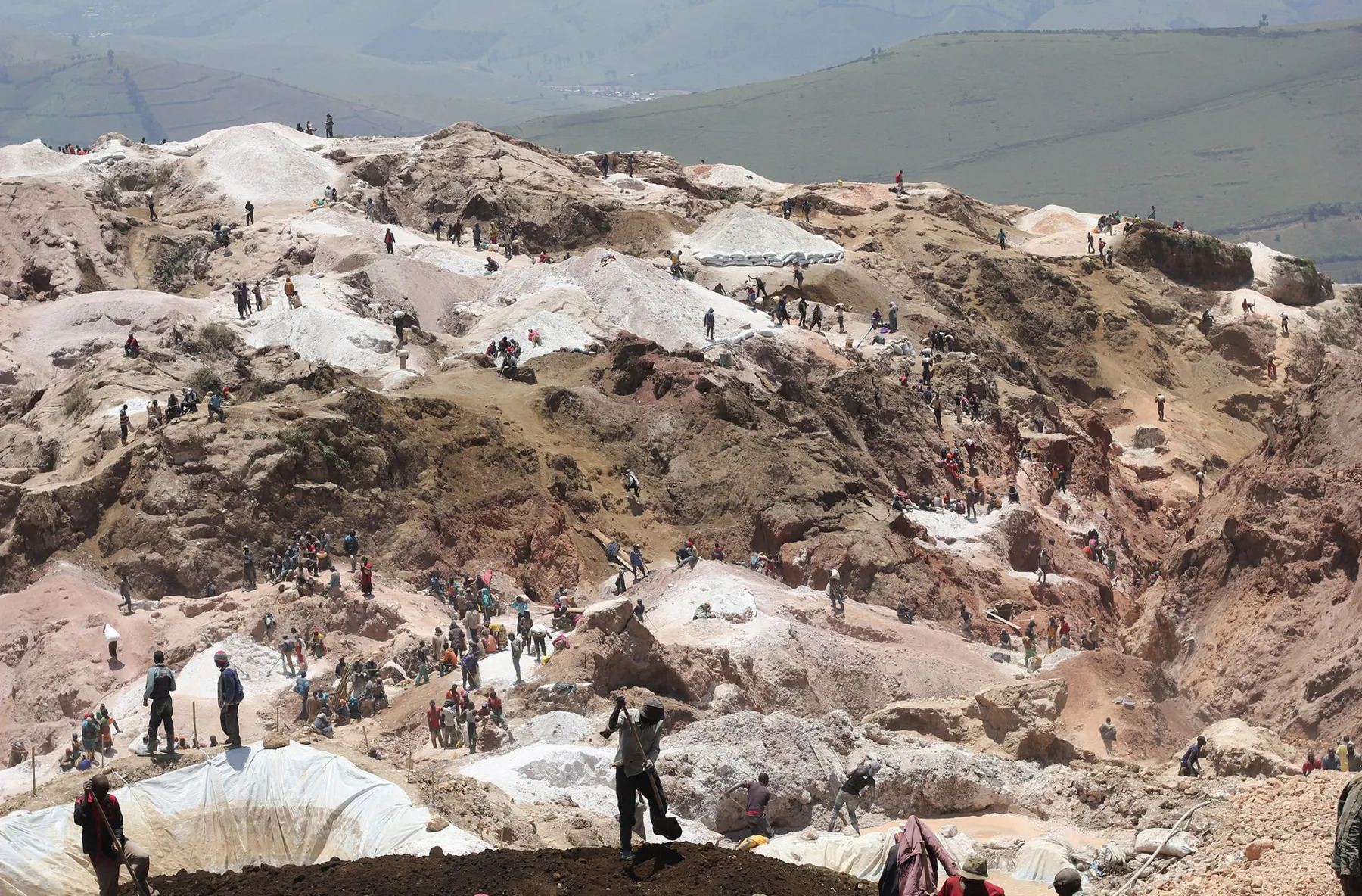
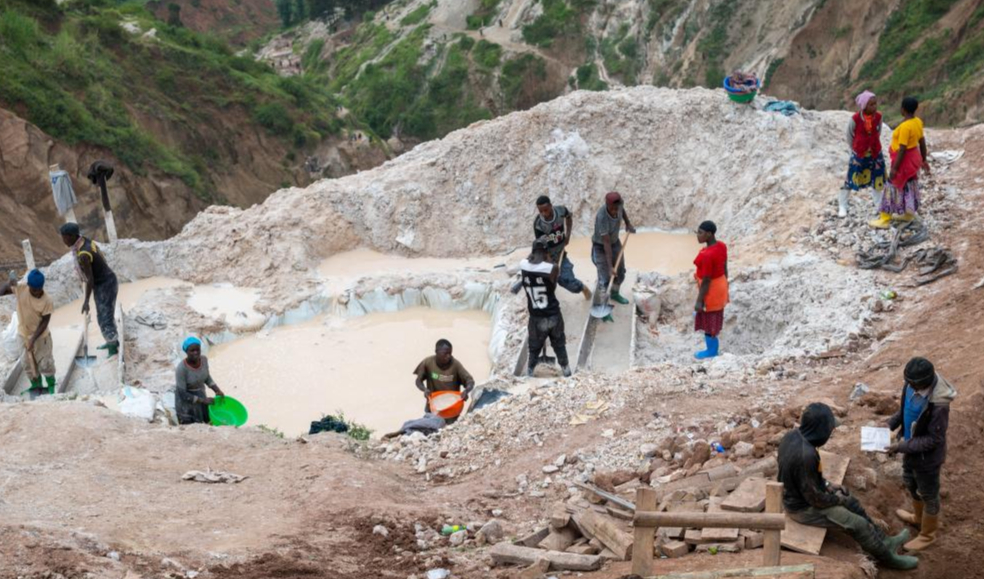
Congo estimates that Rubaya needs $50 million to $150 million to restart and ramp up commercial output. The mine accounts for around 15% of the world’s coltan output, all dug manually by locals earning a few dollars a day.
The deal puts the U.S. at the center of Congo’s strategic minerals push. However, with the Rubaya mine and surrounding hills still under the control of the M23 rebels, it remains unclear how Washington could exercise control over the site or secure its operations, given ongoing fighting and the possibility of disputes over mining rights.
AFC/M23 political coordinator, Corneille Nangaa, has in the past criticised the deal, calling it “deeply flawed and unconstitutional” and highlighting concerns over transparency and legal procedures. He said mining sites offered to Washington “could later become the subject of disputes because they may already have been granted to other partners.”
This file photo shows miners at work at a coltan mining site in the town of Rubaya.
Mozambique is among countries in the Southern African region looking to benchmark with nations like Rwanda, which has successfully rolled out an e-government portal handling over 100 government services, making service delivery to citizens easier, more convenient, and paperless.
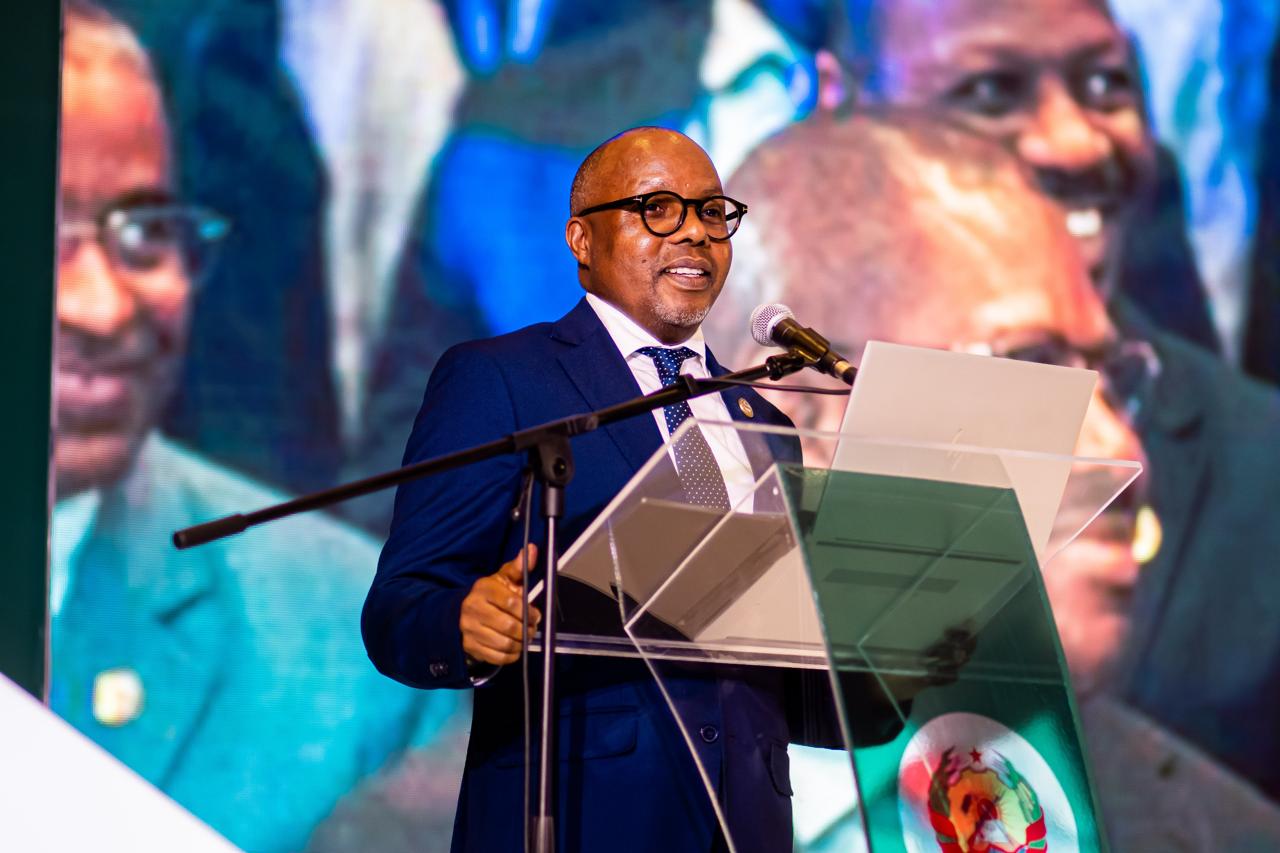
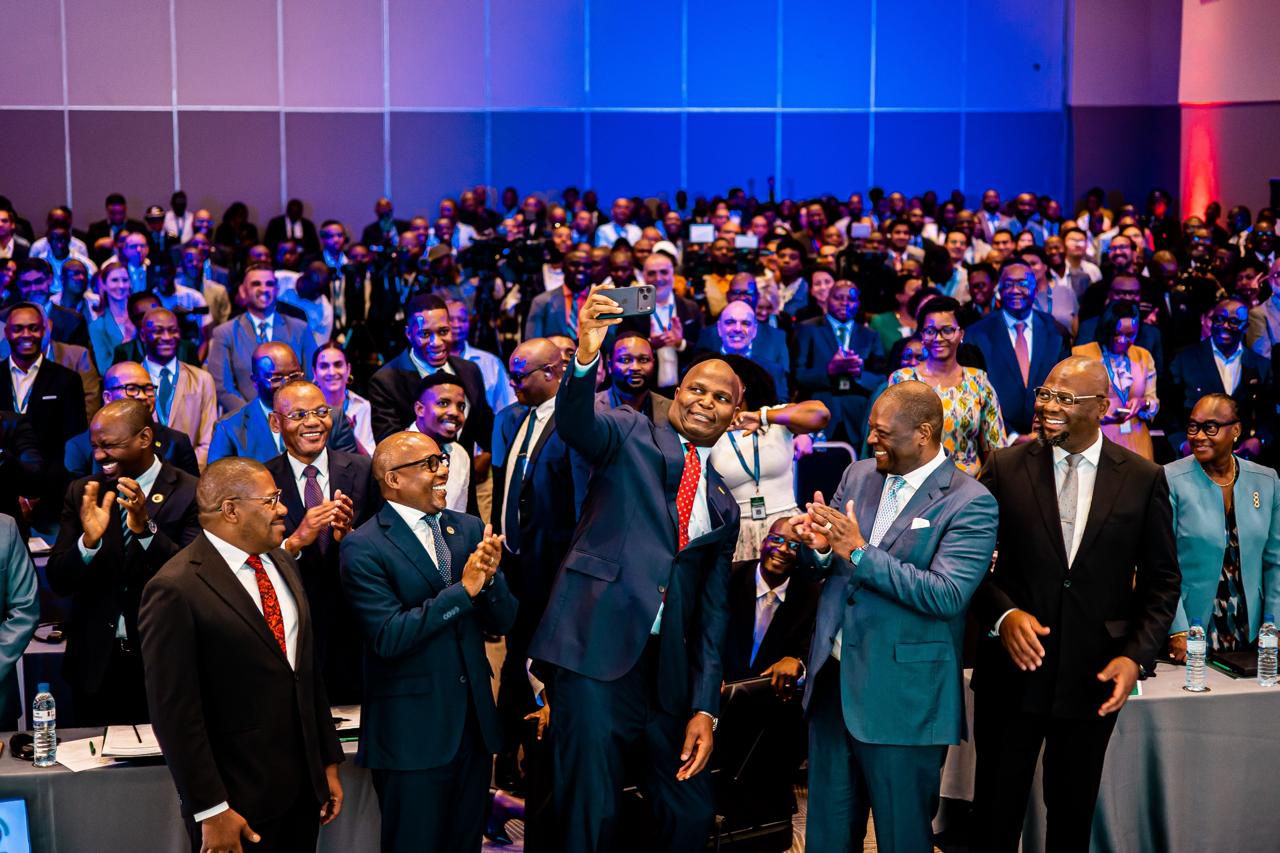
Speaking after the First National Conference on Digital Transformation, Américo Muchanga, Minister of Communications and Digital Transformation, said the government is learning from other countries’ experiences to overcome challenges and deliver high-quality digital services.
“We want to move at the same pace as those ahead, learning from those who have done it already, learning from the challenges they faced and how they overcame them to bring about the same level of services that you can find in those countries,” the minister said.
He acknowledged that the path ahead will not be easy but emphasised that Mozambique is prepared to combine political will, digital infrastructure, and private-sector involvement to make the transformation a reality.
The minister also outlined opportunities for investors and companies, saying, “Mozambique is open for business. All our tenders for digital systems and infrastructure are international. We invite companies in the technology sector to look to Mozambique as a place to invest and deliver the services we need as a nation.”
Mozambique’s digital agenda includes the creation of a Multi-Sector Technical Commission to develop a national roadmap for integrating public services. The government aims to enable citizens and businesses to access services such as identity documentation, licensing, tax payments, and business registration through interoperable platforms and a central Citizen Portal, reducing bureaucratic delays and improving transparency.
Muchanga highlighted the role of technology in disaster management, noting Mozambique’s recent floods and cyclones.
“We are using telecommunication networks to send messages to people in affected areas, and we employ drones to assess damage and locate stranded citizens. Technology has a crucial role in saving lives and building resilient communities,” he said.
As Mozambique advances its digital transformation agenda, the government hopes that partnerships with regional and international technology players will accelerate the rollout of integrated public services, strengthen resilience to natural disasters, and bring the country closer to its goal of building a seamless, citizen-centred digital state.
Mozambique’s President, Daniel Francisco Chapo, has framed digitalisation as a governance reform rather than a purely technological upgrade.
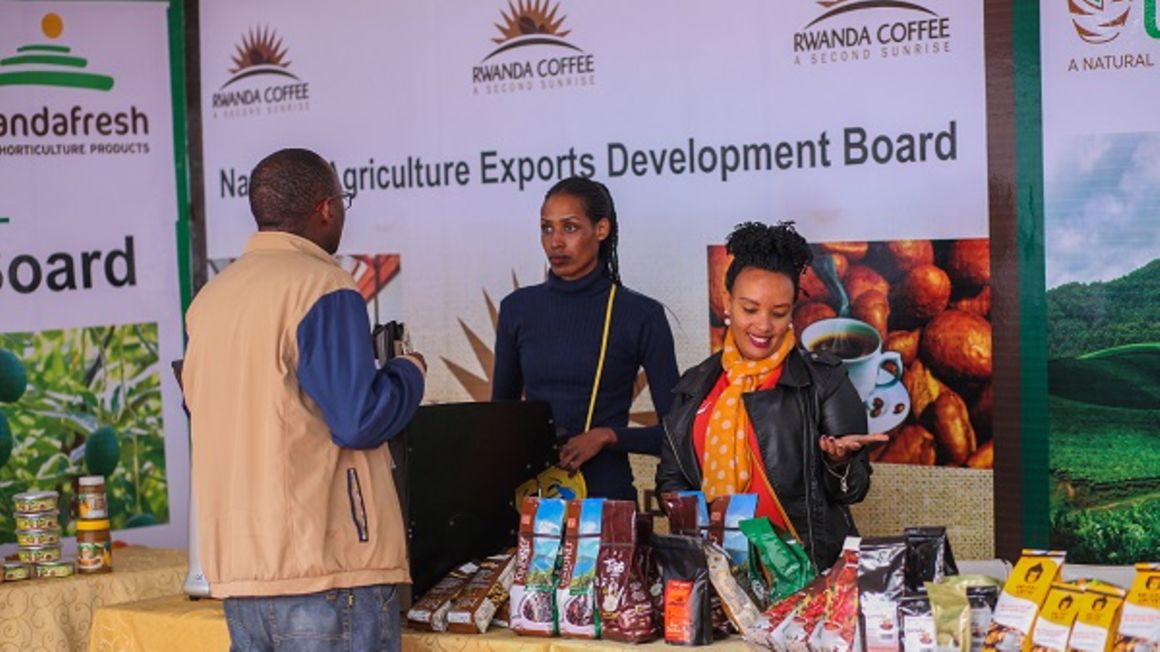
According to data from the National Agricultural Export Development Board (NAEB), coffee and tea remained the leading foreign exchange earners during the period under review.
Coffee leads export revenues
Coffee recorded export volumes of 741 metric tons, generating $4,854,267 in revenues, the highest among all product categories. The strong performance underscores Rwanda’s reputation for high-quality speciality coffee in global markets.
Tea followed closely, with 1,097 metric tons exported and revenues amounting to $3,175,927, reinforcing its position as one of the country’s traditional top export commodities.
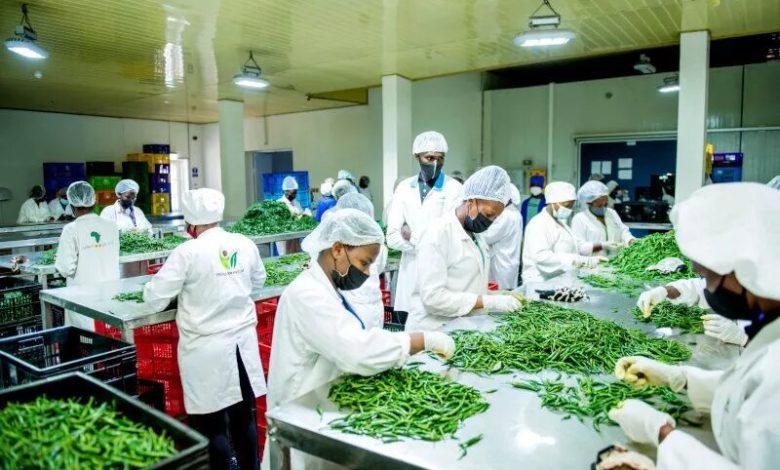
Vegetable exports reached 509 metric tons, generating $485,340. Key destination markets included Great Britain, the Netherlands, the United Arab Emirates, France, China, as well as cross-border and other African countries.
Fruit exports totalled 385 metric tons and earned $286,215. Japan, Great Britain, Vietnam, and regional African markets were among the primary destinations.
Flower exports, though smaller in volume at 44 metric tons, generated a notable $388,241. Major markets included Nigeria, the Netherlands, and the United Kingdom.
Diversified agricultural products accounted for the largest export volume at 6,500 metric tons, bringing in $3,431,876. The main destinations for these products were the United States of America, Oman, India, and cross-border and other African countries.
Animal products also contributed to overall earnings, with 266 metric tons exported and revenues totalling $449,009, largely destined for cross-border and regional African markets.
The export data highlights Rwanda’s expanding footprint across Europe, Asia, the Middle East, North America, and intra-African markets. The diversified export basket demonstrates the country’s ongoing efforts to strengthen agricultural value chains and enhance competitiveness in international trade.
Diversified agricultural products accounted for the largest export volume at 6,500 metric tons, bringing in $3,431,876.