These figures are part of the 2025 annual report released by African Parks, which manages the park in partnership with the Rwanda Development Board. The report highlights the park’s achievements across conservation, tourism, community development, and global recognition.
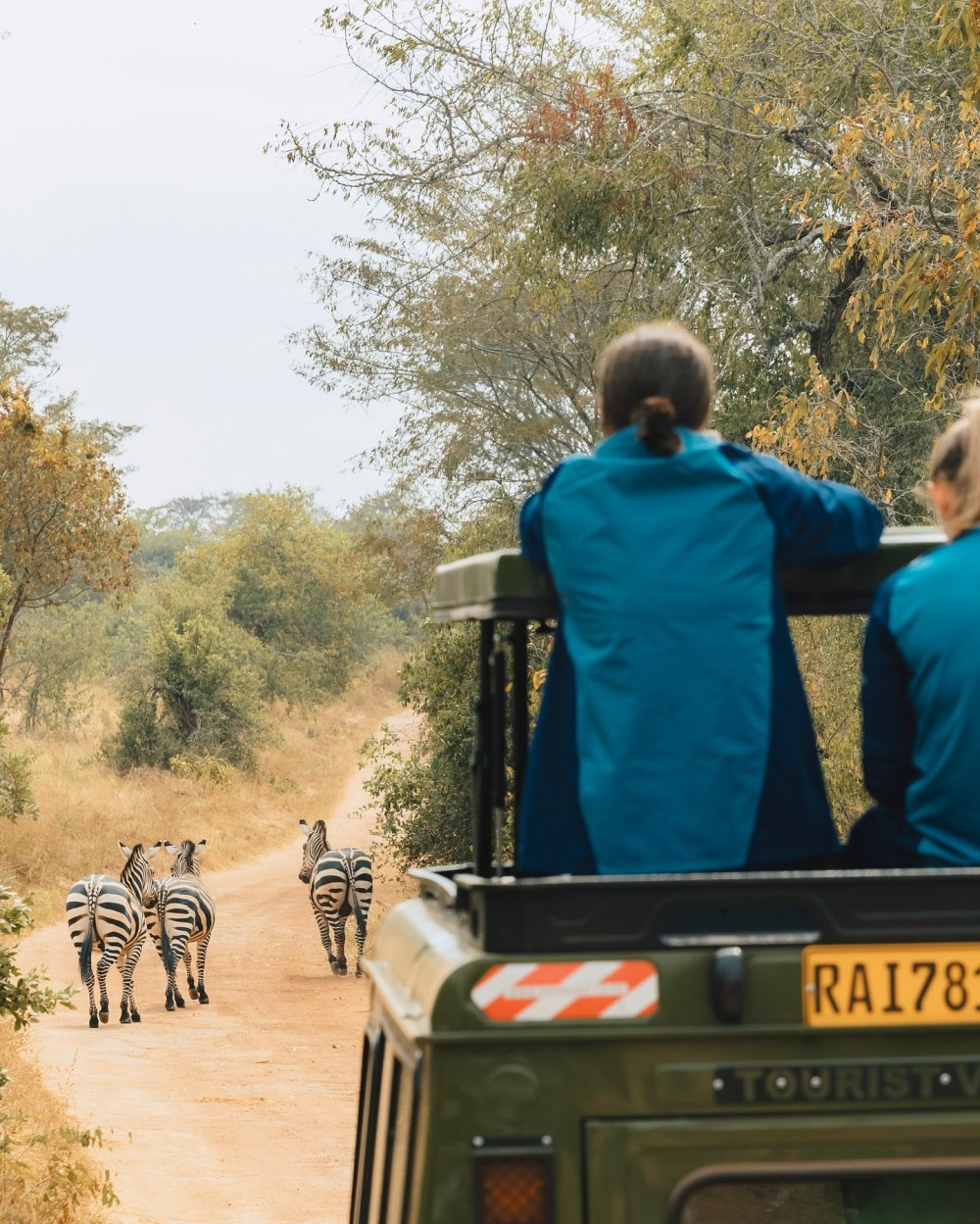
In 2025, Rwandan nationals and international tourists each accounted for 47 percent of visitors, while foreign residents made up 6 percent.
The park was able to cover its core operating costs through its own revenue, marking a milestone as the first park under African Parks management to achieve operational self-sufficiency.
Besides, Akagera earned international acclaim after being listed among the world’s top 25 must-visit destinations for 2026 by National Geographic. The recognition celebrates over a decade of restoration work that has reestablished the park as a Big Five destination, showcasing Rwanda’s growing presence in global conservation and tourism.
Wildlife conservation milestones also marked the year. In June, 70 southern white rhinos were translocated from South Africa in the largest movement of its kind under the Rhino Rewild Initiative. Some of these rhinos have already given birth, signaling successful adaptation.
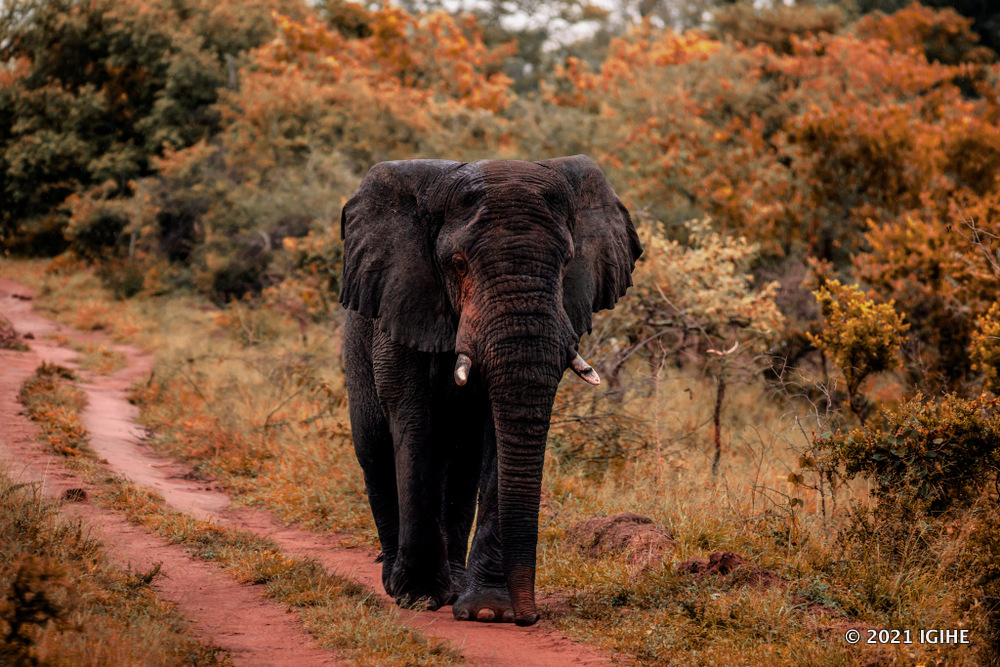
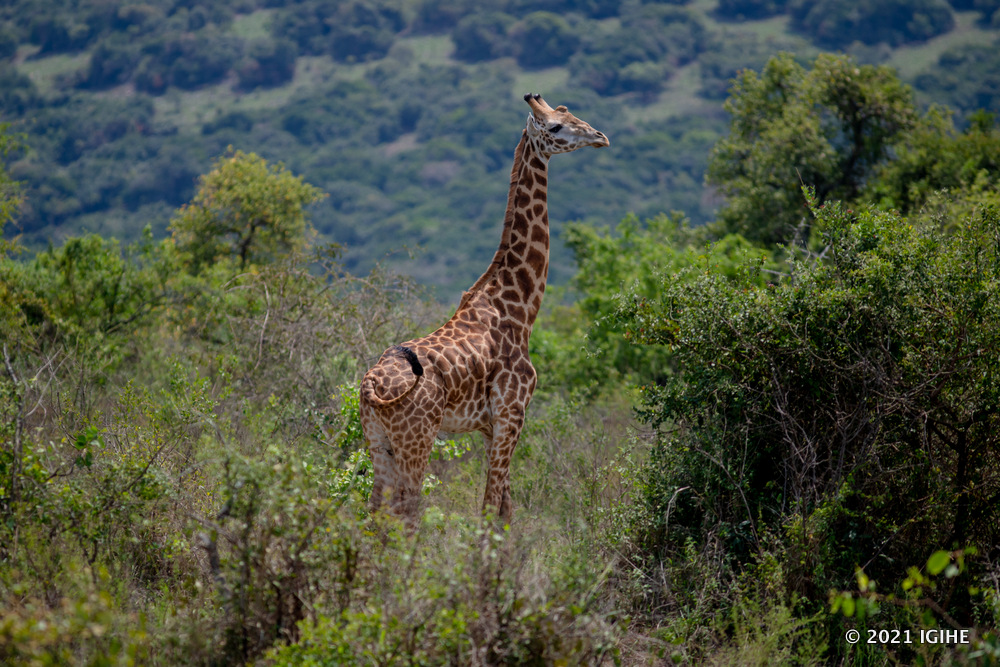
Routine wildlife monitoring continued, with 17 white rhinos and 7 black rhinos darted for tracking, along with elephants and lions. A ground survey counted 70 giraffes, while elephant identification projects documented 92 individuals, representing about 75 percent of the park’s estimated 142 elephants.
Tourism infrastructure expanded with the opening of Wilderness Magashi Peninsula, an exclusive retreat overlooking Rwanyakizinga Lake. The new facility strengthens premium tourism offerings and supports the park’s sustainability goals.
Law enforcement and anti-poaching efforts remained effective. Rangers completed over 21,000 field days, covering 134,076 kilometers in patrols. Only five animals were poached inside the park, while collaborative operations outside the park resulted in 135 arrests and 20 prosecutions. The number of illegal fires dropped dramatically, from 13 in 2024 to just one in 2025.
Community engagement and capacity building were a key focus. More than 124,000 community members participated in 30 outreach events, including the Rhino Velo Race, Rhino Foot Race, and Lion’s Cup football tournament. Over 4,000 individuals accessed the Savannah Learning Centre, nearly 2,000 visited the community library, and 4,300 students and teachers participated in school visits. The park also supported 30 local teachers in strengthening eco-clubs focused on biodiversity and climate change.
Community enterprises benefited significantly, generating $555,242 in revenue for approximately 1,200 individuals. Beekeeping cooperatives produced over 17 tons of honey, while fishing groups earned $122,356. Other income came from guiding services, hospitality initiatives, and procurement of goods and services from local businesses, contributing an additional $637,000. Through Rwanda’s Tourism Revenue Sharing Program, $886,379 was allocated for local development projects.
Infrastructure development in 2025 included the completion of the Gishanda Fish Farm Aquaculture Training Centre, fencing of Karenge Bush Camp, maintenance of Ruzizi Tented Lodge, and road upgrades totaling 27 kilometers, bringing the park’s operational road network to 511 kilometers. New ranger facilities, expanded gift shops, and a café kitchen were also completed.
Akagera National Park spans more than 1,200 square kilometers, covering the districts of Kayonza, Gatsibo, and Nyagatare.
Over the past 30 years, Rwanda has made significant efforts to restore the park, which was once heavily impacted by poaching, resulting in the extinction of some species.
Leave a Reply