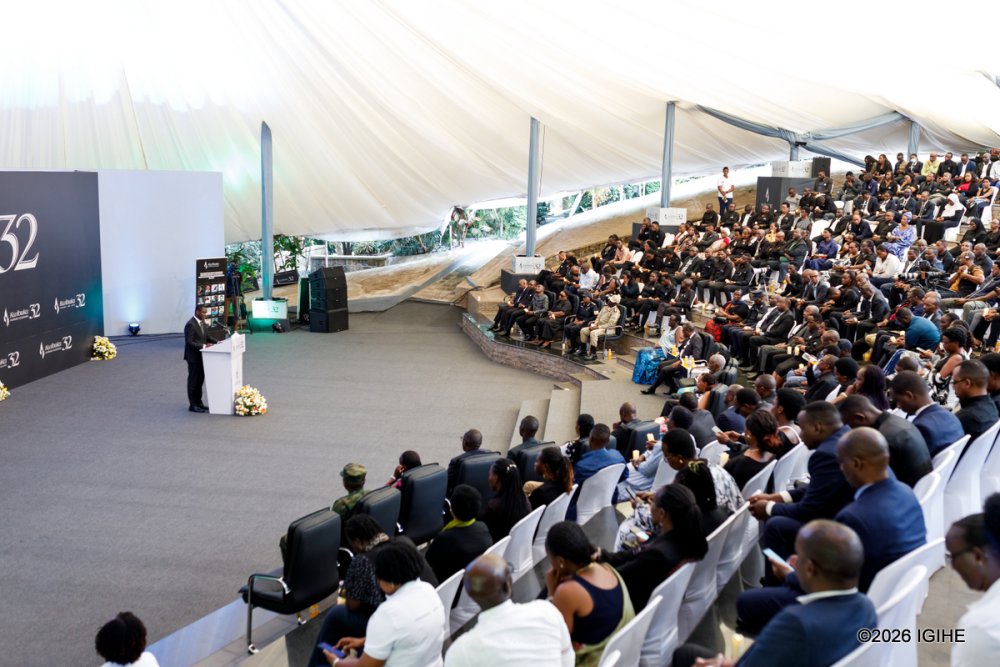
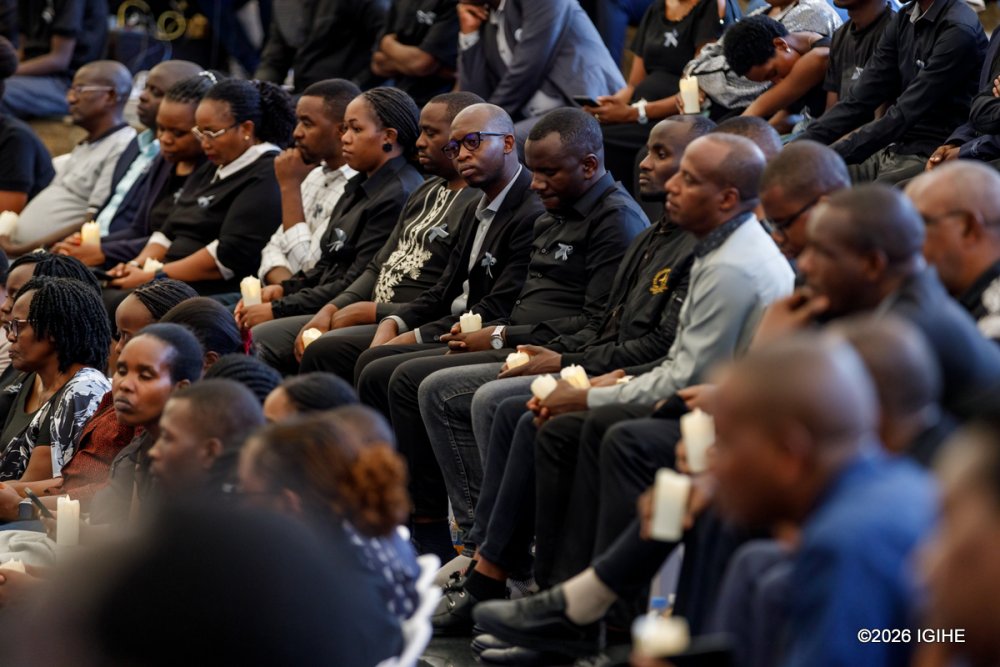
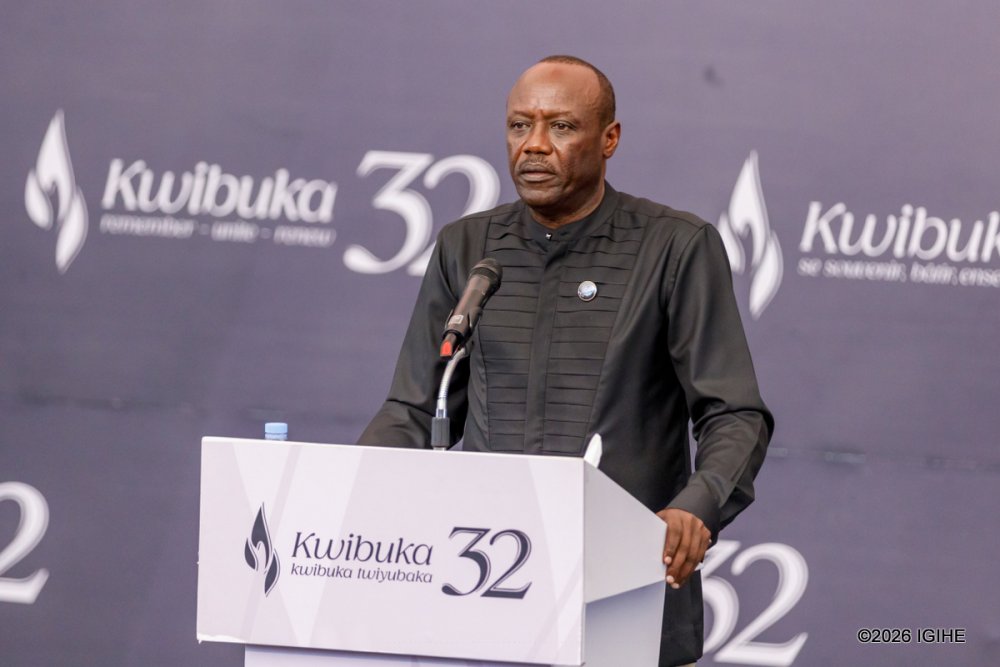
He made the remarks on April 30, 2026, during a commemoration event marking the 32nd anniversary of the Genocide against the Tutsi. The event was organised by the Ministry of Local Government, Ministry of Internal Security, Ministry of Public Service and Labour, CHENO, Directorate-General of Immigration and Emigration, the National Electoral Commission, and RALGA.
Gen (Rtd) Ibingira, who presented an overview of Rwanda’s liberation struggle, said the Rwanda Patriotic Army (RPA) took up arms in 1990 after peaceful efforts to resolve the country’s crisis failed, as Tutsi citizens were being persecuted, killed, and stripped of their rights.
He noted that for him, having been born outside Rwanda, the country was initially only known as a point on the map until the Rwandan Patriotic Front (RPF-Inkotanyi) made the decision to return and liberate it.
He explained that the liberation struggle and the effort to stop the genocide were extremely difficult, as they involved both combat operations and rescuing civilians who were being killed.
He further stated that some Congolese fighters initially opposed the return of the Rwandan Patriotic Army, as they supported the forces of the former regime.
After the 1994 Genocide against the Tutsi, Interahamwe militia members and former soldiers of the defeated regime fled to then Zaire (now the DRC), where they were granted refuge and reorganised with the intention of launching attacks against Rwanda.
These groups later carried out cross-border attacks into Rwanda. When their efforts failed, they formed armed movements such as ALIR and PALIR, taking advantage of the fact that they had fled with military equipment that was not confiscated in line with international law.
The FDLR was later formed through the merger of these groups, built on an ideology that labels the Tutsi as enemies and seeks to overthrow the Rwandan government.
Gen Ibingira said that more than 30 years later, the FDLR continues to operate, claiming that it is being supported by the government of Félix Tshisekedi, which he alleged has pledged cooperation with the group against Rwanda.
He argued that this support has strengthened the FDLR and contributed to the spread of genocide ideology in eastern DRC and the wider Great Lakes region, resulting in continued violence against Congolese Tutsi communities.
“Genocide was carried out openly by the government of Habyarimana and Sindikubwabo. It was stopped openly by the RPA in broad daylight. No one else stopped it,” he said.
He added: “Anyone backing the Interahamwe will face consequences. Those who support them and shelter them today will face the consequences of their actions.”
Gen Ibingira further said that those supporting the FDLR are openly aligned with its agenda of destabilising Rwanda.
He stressed that Rwanda will not accept insecurity imposed from outside, even if it faces sanctions.
“If the world says it is sanctioning us, we will not fold our arms and allow Interahamwe to attack us,” he said.
He urged Rwandans to remain vigilant, saying the country’s security depends on collective responsibility.
“The life of this country is in your hands, both young and old,” he said.
He also reflected on the 32 years since the genocide, saying Rwanda has made significant progress in rebuilding unity and ensuring citizens are no longer persecuted based on identity, crediting strong leadership and national resilience.
Minister of Local Government Habimana Dominique said the Genocide against the Tutsi was stopped by Rwandans themselves, and that their bravery remains a national responsibility.
He emphasised that fighting genocide ideology remains a duty for all citizens, warning that some perpetrators continue to deny the genocide and pass on its ideology to younger generations.
Leave a Reply