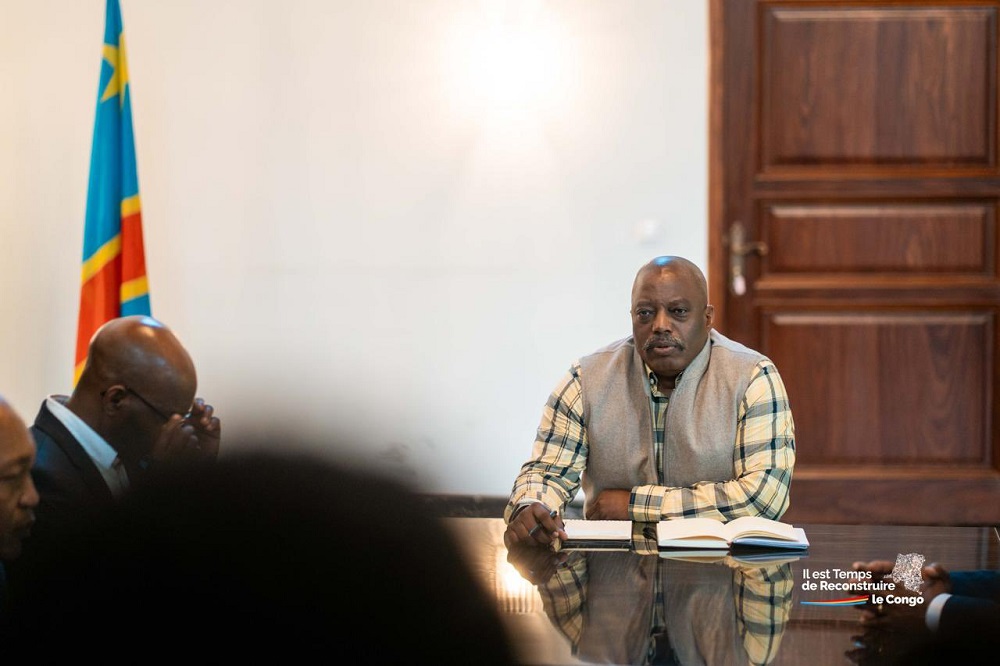
In a statement released on April 30, the U.S. Department of the Treasury announced that Kabila was designated for allegedly supporting the March 23 Movement and its political-military coalition, the Congo River Alliance (AFC).
Treasury Secretary Scott Bessent said the move reflects the administration’s commitment to enforcing accountability as part of broader peace efforts.
The sanctions freeze any assets Kabila may hold under U.S. jurisdiction and prohibit American entities from engaging in transactions with him.
According to U.S. officials, Kabila has played a role in backing AFC/M23 activities, including providing financial support and encouraging defections from the Congolese army to rebel ranks. The statement further alleges he sought to influence political developments in eastern Congo and reassert power through opposition figures.
Kabila, who ruled the DRC from 2001 to 2019, has rejected such claims. He has previously stated that his return to the country from exile in South Africa, specifically to the eastern city of Goma, was motivated by a desire to engage with national challenges and contribute to solutions.
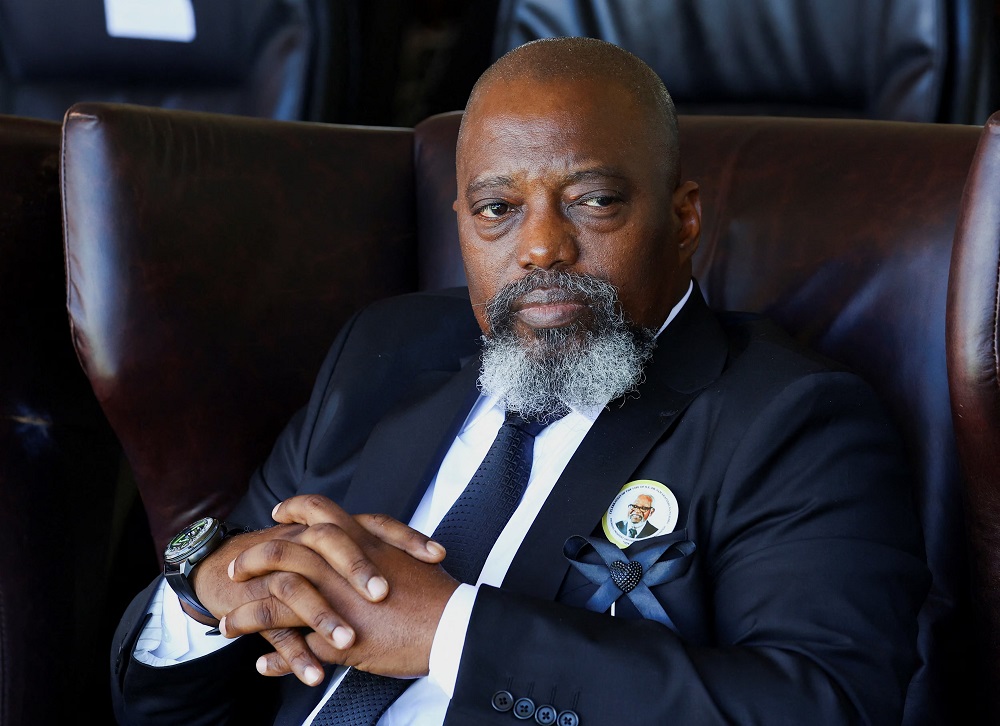
The former Head of State, who was sentenced to death in absentia in September 2025 by a military court in Kinshasa over similar allegations of supporting rebel groups, maintains that his presence there does not imply collaboration with armed groups.
Broader regional context
The sanctions come amid fragile diplomatic efforts to stabilise the Great Lakes region. The U.S. has positioned itself as a key mediator, backing peace initiatives between the DRC and Rwanda, including agreements signed in 2025 aimed at ending hostilities and dismantling armed groups such as the FDLR.
However, implementation of these agreements has stalled. While Washington has criticised Rwanda’s security posture along the border, critics argue that it has been less vocal about the DRC government’s continued collaboration with the FDLR genocidal militia, which seeks to destabilise Rwanda.
In March 2026, the U.S. also sanctioned members of the Rwanda Defence Force and the RDF as a unit, a move that further complicated perceptions of neutrality in the conflict.
Despite backing peace talks, including negotiations in Doha between Kinshasa and AFC/M23, analysts note that U.S. policy appears to lean toward the Congolese government, particularly given strategic interests such as access to critical mineral supply chains.
These dynamics have fueled criticism from various actors, including AFC/M23, which accuses the international community of selectively condemning violence while overlooking ceasefire violations by government forces and continued hostilities against Kinyarwanda-speaking communities in the eastern DRC.
Leave a Reply