The move follows a week of heightened economic pressure, including new sanctions on shipping companies involved in transporting Iranian oil.
White House Press Secretary Karoline Leavitt confirmed the mission, stating that the U.S. is prepared for “in-person conversations” to move toward a permanent deal, even suggesting that Iran had requested the direct encounter.
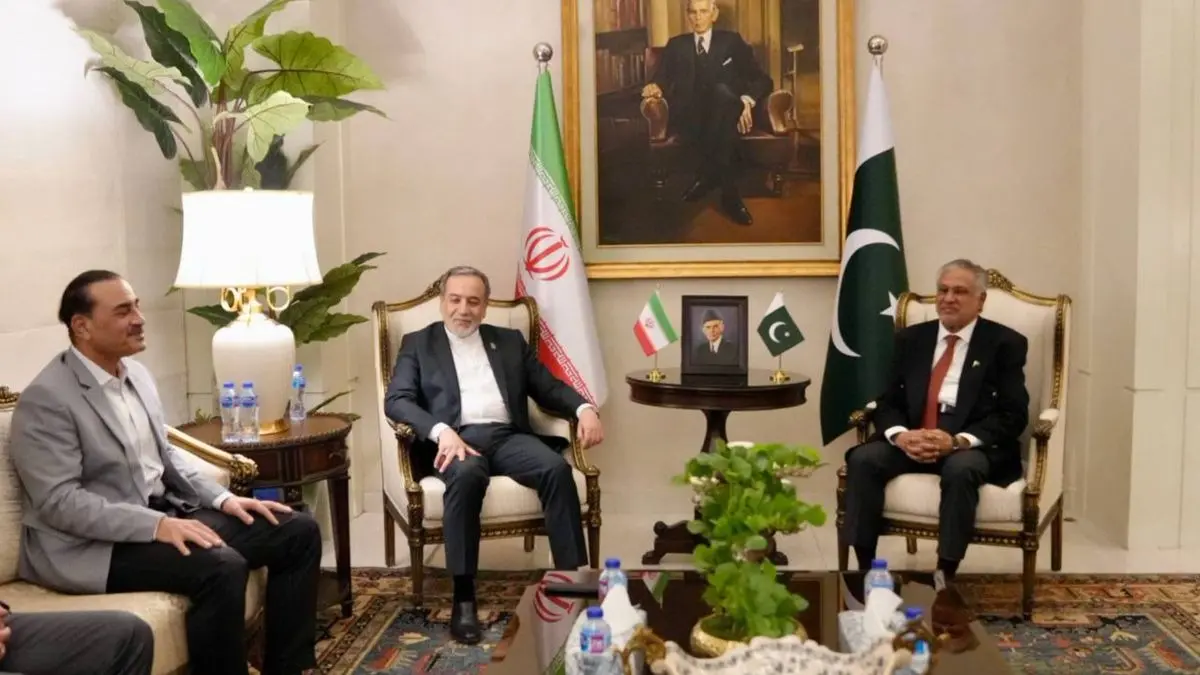
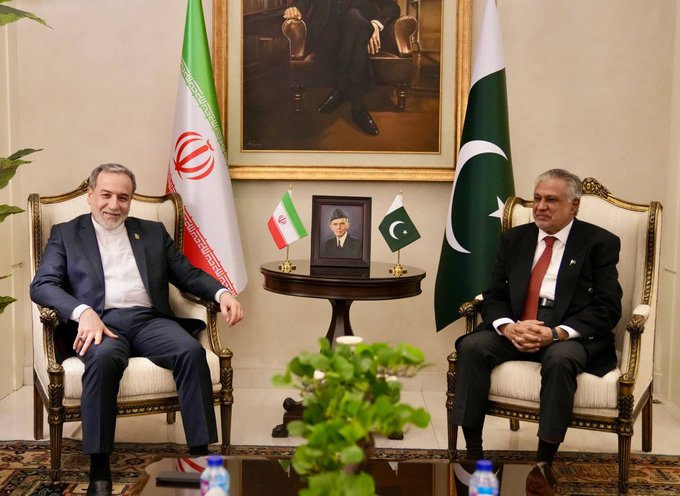
However, the nature of the engagement remains a point of intense diplomatic dispute. Shortly after Iranian Foreign Minister Abbas Araghchi arrived in Islamabad for meetings with Pakistani Foreign Minister Ishaq Dar and Army Chief Field Marshal Asim Munir, Tehran issued a firm denial of direct contact.
Iranian Foreign Ministry spokesperson Esmaeil Baqaei clarified in a statement on X that “no meeting is planned” to take place between Iranian and U.S. officials.
Instead, Iran maintains that it will only convey its “observations” through Pakistani intermediaries, highlighting the deep-seated mistrust that has defined the relationship since the 1979 Revolution and the 2018 U.S. withdrawal from the nuclear deal.
Pakistan continues to play a pivotal role as the “bridge” in this conflict, leveraging its unique diplomatic ties with both Washington and Tehran.
While U.S. negotiators express hope that this round of talks will lead to a breakthrough, the conflicting accounts from both capitals underscore the immense challenges of de-escalating a war of aggression that has disrupted regional peace and global trade for 57 days.
Leave a Reply