Beneficiaries were urged to take good care of the homes and continue striving for self-reliance.
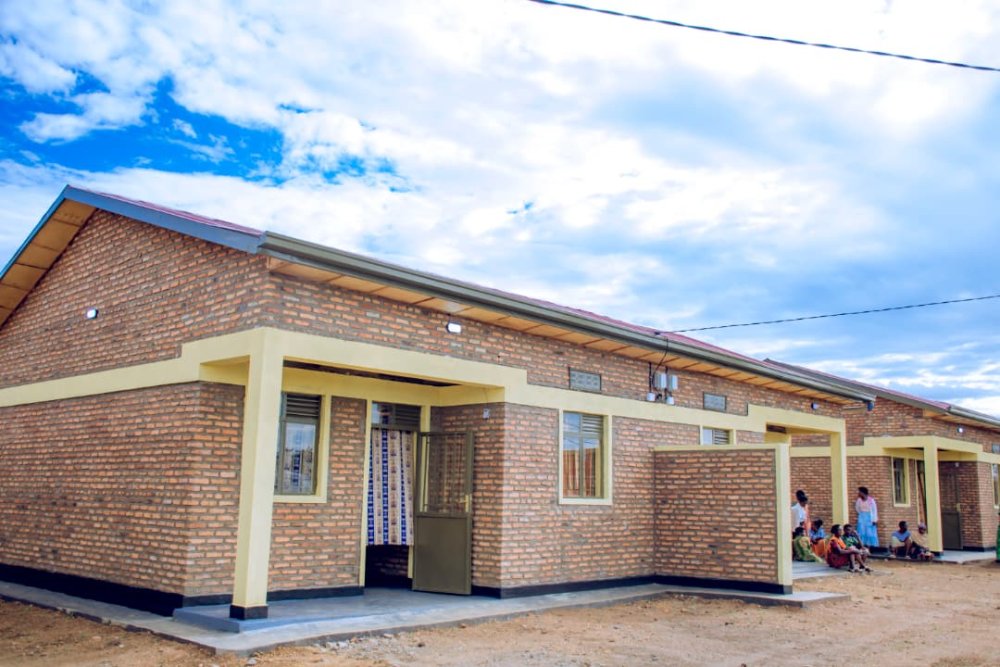
The houses were officially inaugurated on Tuesday, April 21, 2026, in Kinihira Village, Nyagatare Cell, Nyagatare Sector.
Jacqueline Uwimana said that having a home is a major step in rebuilding life for a Genocide survivor and restoring hope for the future. She explained that paying rent had been extremely challenging, but she now looks forward to living in peace.
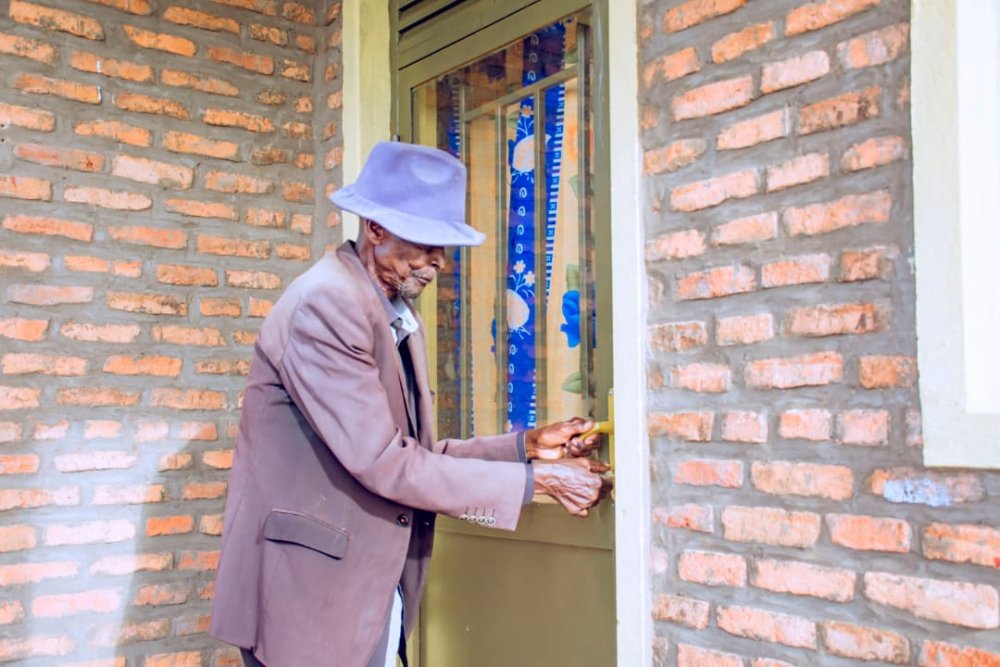
Jean Damascene Rwabukambizi, aged 78, expressed gratitude to the Government of Rwanda for moving him out of rented accommodation and providing him with a modern house. He pledged to take good care of it.
Betty Mukamwiza, 40, shared that she had spent 11 years struggling with the burden of rent.
She said the situation was emotionally painful, especially considering the traumatic experiences she endured during the Genocide against the Tutsi.
“Paying rent was very difficult for me, especially while also trying to afford food. When I learned that I would receive a house, I was overwhelmed with joy. I thank the authorities who rescued me from a difficult life. This house will help me start a new chapter, and I will take good care of it because it is a valuable asset I have been given,” she said.
The Vice Mayor of Nyagatare District in charge of Economic Development, Gonzague Matsiko, noted that the housing program for Genocide survivors is ongoing in partnership with Ministry of National Unity and Civic Engagement (MINUBUMWE).
He said that survivors who have not yet received houses will continue to be supported next year.
“The goal is to ensure that survivors of the 1994 Genocide against the Tutsi live in dignified conditions, with safe housing that enables them to improve their livelihoods and enjoy a decent life,” he said.
According to IBUKA, the umbrella organization of Genocide survivors, 142 families in Nyagatare District are still in need of housing support.
Leave a Reply