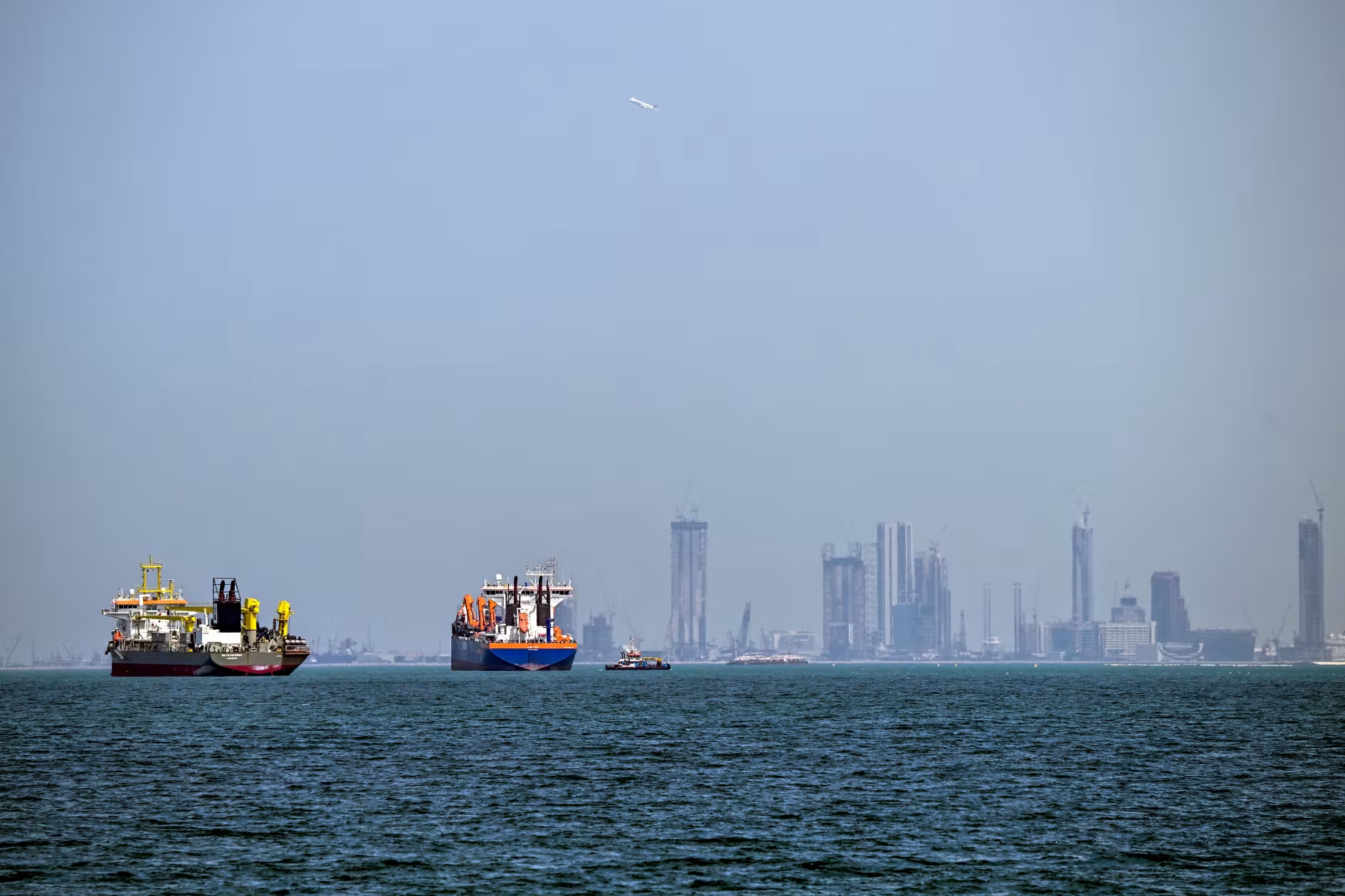
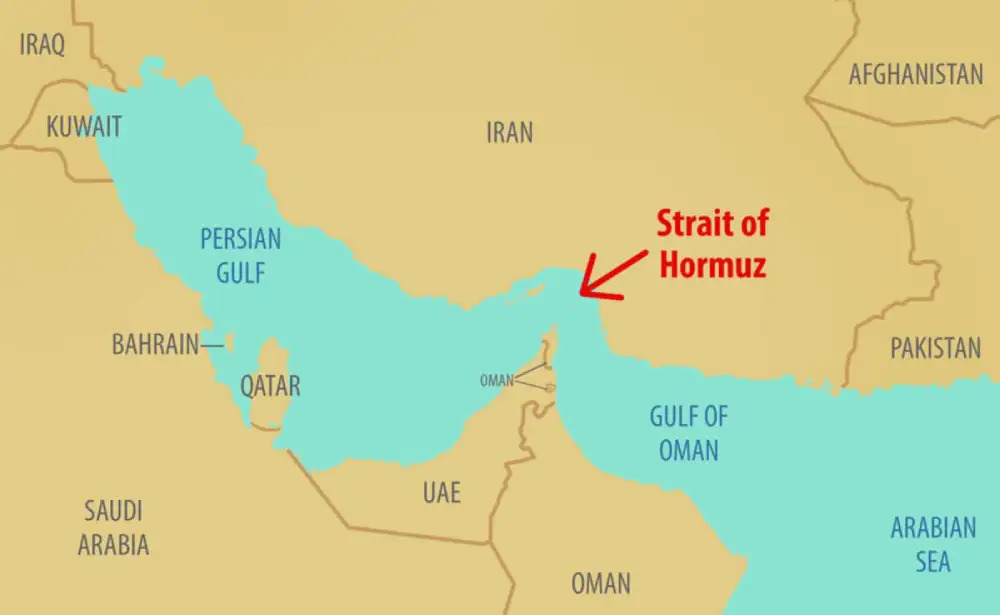
Iranian Foreign Minister Abbas Araghchi said in a statement that “the passage for all commercial vessels” through the strait would remain open for the remainder of the truce. The narrow waterway, through which a significant portion of the world’s oil supply passes, has been a focal point of conflict during recent hostilities involving Iran, the United States, and its regional allies.
The announcement triggered an immediate reaction in global markets, with oil prices dropping sharply, falling by more than 10 percent to below $89 per barrel, amid expectations of stabilised supply.
The global impact of disruptions in the Strait of Hormuz has also been felt far beyond the Middle East, including in Rwanda, where fuel prices have surged in recent days. Authorities raised the price of petrol to Rwf 2,938 per litre, up sharply from Rwf 2,303, citing sustained pressure from international oil markets and supply constraints linked to the conflict.
While petrol prices have been increased to align more closely with these global trends, the government has opted to hold diesel prices steady through targeted interventions. Diesel is a key input in Rwanda’s transport and logistics sectors, and keeping its price unchanged is aimed at limiting knock-on effects on public transport fares, goods movement, and overall inflation.
Meanwhile, U.S. President Donald Trump welcomed Iran’s move in a post on Truth Social, writing: “Iran has just announced that the Strait of Iran is fully open and ready for full passage. Thank you!” However, in a follow-up statement, he emphasised that the U.S. naval blockade of Iranian ports would remain in place until a permanent agreement is reached.
“This process should go very quickly,” Trump added, suggesting that most elements of a broader deal had already been negotiated.
Despite the reopening, uncertainty remains over how shipping will operate in practice. Iranian authorities indicated that vessels should follow “coordinated routes” set by the country’s Ports and Maritime Organisation, though it is unclear whether new conditions, such as transit fees, could apply.
The move comes as diplomatic efforts intensify to bring a broader end to the conflict. Talks between U.S. and Iranian officials in Islamabad reportedly identified control and access to the strait as a major sticking point.
Meanwhile, a separate 10-day ceasefire between Israel and Lebanon has taken effect, raising cautious hopes for de-escalation across the region. Celebrations were reported in Beirut, though the humanitarian toll of the conflict remains severe.
More than 2,000 people in Lebanon have been killed over six weeks of fighting, and roughly one in five residents has been displaced. Israel has reported the deaths of two civilians and 13 soldiers.
Leave a Reply