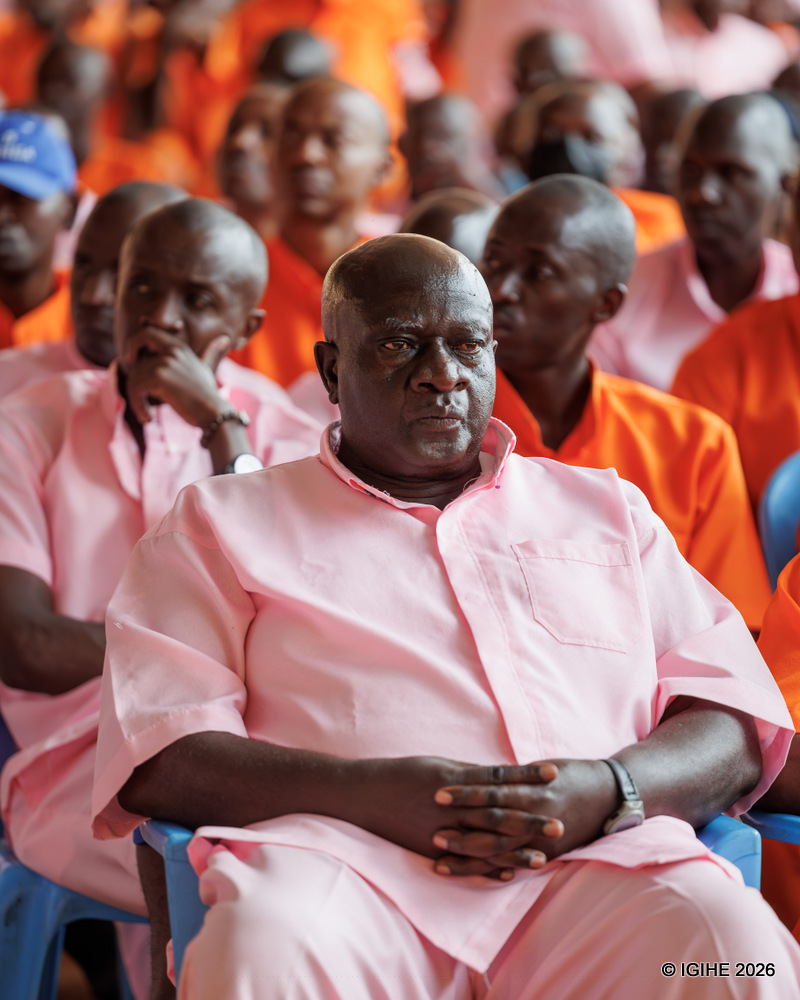
These are the words of Grégoire Nyirimanzi, 57, a former local official, expressing deep remorse.
Once entrusted with the responsibility of protecting civilians, he instead violated that duty and actively participated in their extermination during the 1994 Genocide against the Tutsi.
Born in Nyakabanda Sector, Nyarugenge District, Nyirimanzi served as a sector executive secretary during the genocide.
He participated in meetings with senior leaders, including former President Juvénal Habyarimana, where a consistent agenda was promoted: the systematic extermination of Tutsis based solely on their identity.
Nyirimanzi is currently serving a 30-year prison sentence at Nyarugenge Prison in Mageragere, following his conviction for genocide-related crimes.
He was arrested in Gabon, where he had fled, and was repatriated to Rwanda in 1997. He was subsequently tried and imprisoned that same year, with his sentence expected to conclude in 2027.
Reflecting on his actions, he stated: “I incited Hutus to kill Tutsis. I distributed firearms that were used in these killings. I also sent young people for weapons training and encouraged them to participate in the atrocities committed against the Tutsis in 1994.”
He recalls distributing approximately ten firearms, which he had received from the former Nyarugenge Commune, to local administrative leaders at the cell and village levels. These weapons were later used in attacks against Tutsis in his area.
One of the most distressing incidents, he recounts, is the attack on Pastor Amoni Iyamuremye: “He was burned alive in his home while I was leading the attack. This act has deeply affected me. That image continues to haunt me, even after I sought and received forgiveness from his son.
“I led numerous attacks, including those at Collège Saint André, at Iyamuremye’s residence, and at the homes of Laetitia and Jean Baptiste. There were many others I cannot even count. Many lives were lost in these attacks.”
Addressing common narratives that attempt to minimize or deny the Genocide against the Tutsi such as claims that it was unplanned or triggered solely by the downing of President Habyarimana’s plane Nyirimanzi firmly rejects such assertions. He emphasizes that genocidal ideology was systematically instilled long before the violence erupted.
“We were taught nothing of value except genocide ideology. I remember seeing the bodies of Tutsis lying everywhere and questioning how I could still be alive. Today, I receive medical care and support, yet I feel unworthy of such treatment.”
He further reflects on the organized nature of the genocide, questioning why some continue to deny its occurrence: “Tutsis were shot, burned, and brutally killed in broad daylight. Denial is a deliberate act, often motivated by personal interests. The genocide devastated our country, leaving it in ruins. Those of us who took part now live with deep regret. Anyone who doubts this should come and see the evidence.”
As evidence of premeditation, he points to the preparation of lists identifying Tutsis to be targeted. He personally compiled such lists in Nyakabanda, while other leaders in districts such as Rusizi did the same independently, without direct coordination.
He also describes how authorities required lists of young men to be sent for military training at the Gabiro Military Camp, where they received instruction from French trainers.
“The youth who underwent this training were later encouraged to continue to Bugesera to join earlier attacks against Tutsis. These events did take place. Rwambuka Fidèle, who was the mayor of Commune Kanzenze at the time, played a role in those initial phases of the violence.”
Participation in high-level meetings to coordinate the extermination of Tutsis
Nyirimanzi further substantiates claims that the Genocide against the Tutsi was systematically planned by describing his involvement in high-level meetings with political leaders and influential figures.
Among those he encountered were former President Juvénal Habyarimana and prominent businessman Félicien Kabuga, who has been widely associated with financing the procurement of machetes used during the killings.
He recalls a significant meeting held in Rebero and chaired by President Habyarimana. The gathering brought together leaders from various administrative levels, ranging from local cell authorities to senior government officials and high-ranking military officers.
According to Nyirimanzi, the purpose of the meeting was made explicit.
He recounts that Habyarimana declared that the country had been attacked by an enemy and emphasized that immediate action was required. Participants were urged not to remain passive but to mobilize and confront the identified enemy whom he explicitly defined as the Tutsi population.
During the meeting, a local official raised concerns about the lack of necessary equipment. In response, Habyarimana assured attendees that weapons would be provided, stating that firearms were available and that those without guns would be supplied with grenades or machetes. He emphasized that all available means should be used to carry out the objective.
Nyirimanzi also describes attending meetings involving influential civilian actors, including Félicien Kabuga. While Kabuga’s involvement has been contested by some, Nyirimanzi asserts that he played a direct and active role. He specifically recalls a meeting held at Kabuga’s residence in Muhima, where Kabuga pledged material and logistical support for the killings.
According to Nyirimanzi, Kabuga assured participants that they would face no shortages, stating that weapons including guns and machetes were readily available.
He further committed to providing logistical support, including food supplies for those carrying out the attacks. Nyirimanzi insists that any denial of Kabuga’s involvement is deliberate and unfounded, noting that he clearly remembers both the meeting and Kabuga’s presence.
The meeting was attended by several prominent figures, including senior members of the ruling MRND party and leaders associated with the Interahamwe militia, further underscoring the coordinated nature of the planning.
Efforts to uncover the truth within the prison system
More than three decades after the Genocide against the Tutsi was halted, challenges remain in uncovering the full truth particularly regarding the locations where victims’ bodies were dumped.
Nyirimanzi notes that some perpetrators, including those already convicted and imprisoned, continue to withhold such information.
He explains that significant efforts have been undertaken within the prison system to encourage transparency and accountability.
However, these efforts have faced resistance from a group of former leaders who still wield influence, both within correctional facilities and beyond.
According to him, this group actively discourages others from cooperating, urging them to remain silent and avoid disclosing any information.
Despite this resistance, Nyirimanzi expresses confidence that truth will ultimately prevail.
He highlights his own role in revealing information that led to the discovery of human remains at the Rwezamenyo bus station information that had remained undisclosed for nearly 25 years, despite the presence of individuals living nearby who had never come forward.
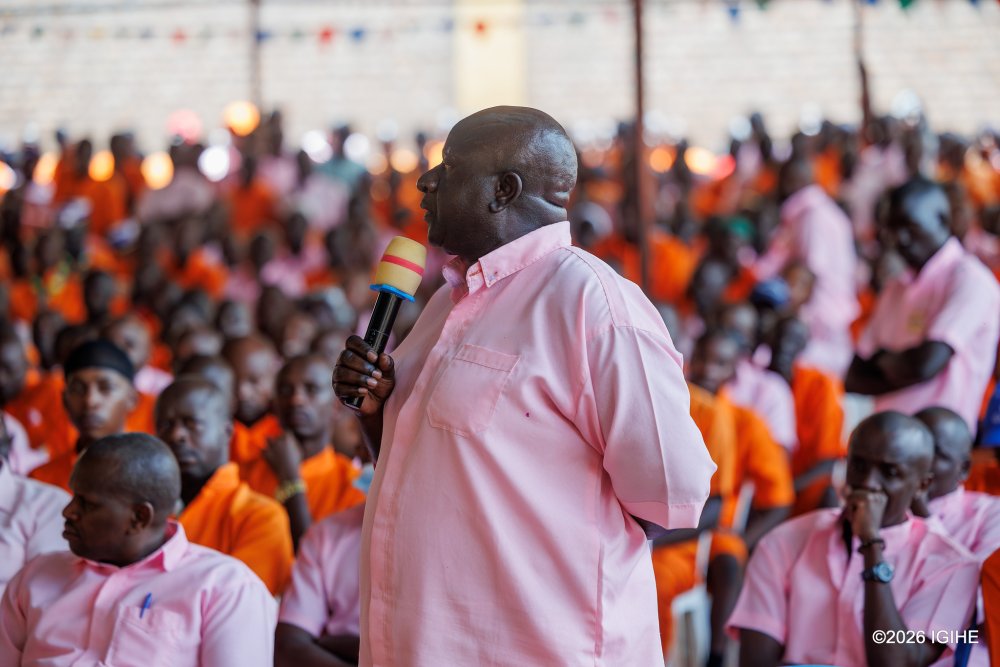
Nyirimanzi recounts that when survivors of the Genocide against the Tutsi approached him seeking reconciliation or asking him to reveal the locations where their relatives’ bodies had been buried, he initially felt deep fear.
Given the severity of the crimes he had committed, his hesitation was significant. However, the survivors reassured him, demonstrating forgiveness and encouraging him to speak openly.
This support enabled him to overcome his fear and disclose the locations of mass graves, allowing families to recover the remains of their loved ones and provide them with dignified burials.
He explained that he identified several burial sites, including one near the Nyamirambo Brigade and another in a place known as Ku Ryanyuma’ near the stadium.
He noted that, although local residents had long been aware of these sites, many had chosen not to speak. His testimony ultimately contributed to meaningful outcomes, as families were able to locate and properly bury their relatives.
Nyirimanzi conveyed a message of reassurance to survivors, expressing his intention to contribute positively to society upon completing his sentence. He emphasized his willingness to take part in rebuilding what he had helped destroy.
On the issue of seeking forgiveness, he stated that many inmates at Nyarugenge Prison are eager to apologize to those they wronged. He called for structured initiatives to facilitate dialogue and reconciliation across communities.
He noted that many individuals complete their sentences while still burdened by fear and uncertainty about facing their victims.
He believes that creating opportunities for reconciliation before release would allow them to seek forgiveness and reintegrate into society with a sense of emotional relief and responsibility.
Testimony before the International Criminal Tribunal for Rwanda (ICTR)
Nyirimanzi also revealed that he provided testimony to investigators and appeared before the International Criminal Tribunal for Rwanda (ICTR), where he gave evidence regarding the role of senior military officials in the genocide.
He testified in cases involving high-ranking officers, including Gratien Kabiligi, Théoneste Bagosora, Aloys Ntabakuze, and Lieutenant-Colonel Anatole Nsengiyumva.
According to his account, these individuals played a key role in distributing weapons to civilians and organizing meetings that encouraged participation in the killings.
He stated that they not only facilitated the widespread distribution of weapons but also used meetings to persuade participants that the violence was justified, framing it as a necessary act of retaliation against an alleged enemy.
In subsequent ICTR rulings, Gratien Kabiligi was acquitted, while Théoneste Bagosora and Aloys Ntabakuze were each sentenced to 35 years in prison. Anatole Nsengiyumva received a sentence of 15 years.
Nyirimanzi expressed a profound sense of regret that he did not live under Rwanda’s current leadership during that period. He spoke positively about the country’s governance, emphasizing the promotion of national unity and the absence of division.
He highlighted the progress made in ensuring equal opportunities, noting that access to education and employment is no longer influenced by family background or past associations.
As a personal example, he pointed out that his own child is able to study and work without discrimination, despite his past actions.
He expressed appreciation for what he described as inclusive leadership, which prioritizes unity and does not punish children for the crimes committed by their parents.
Leave a Reply