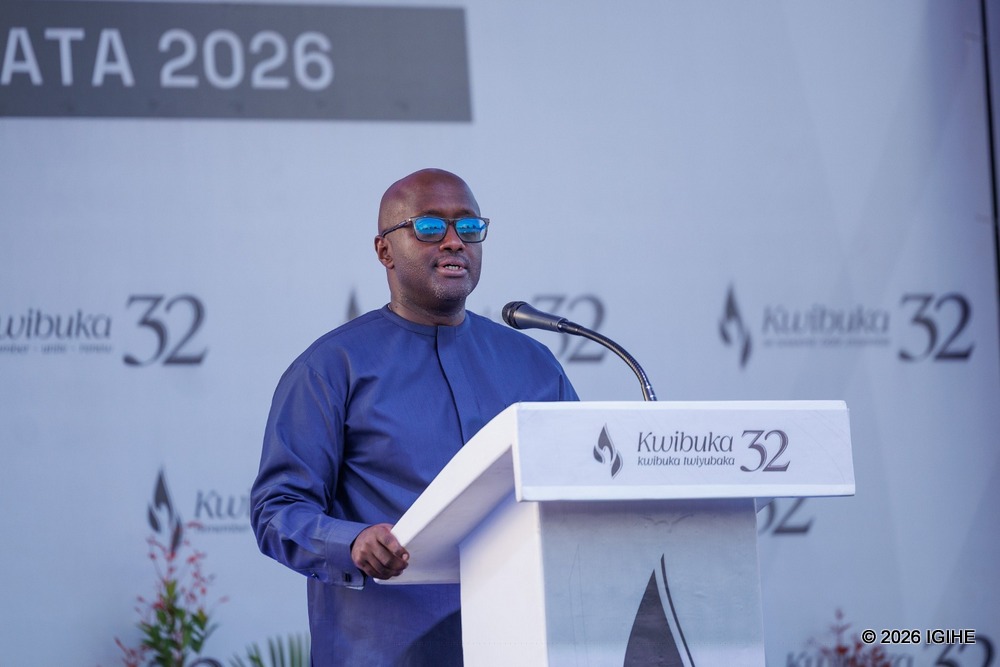
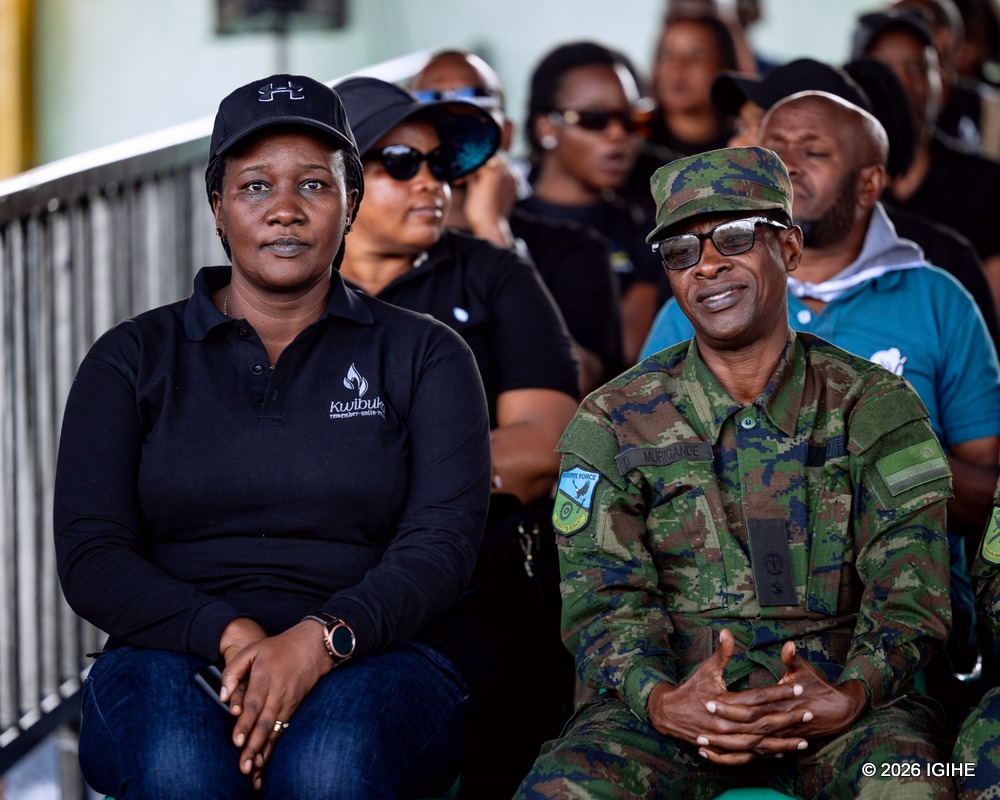
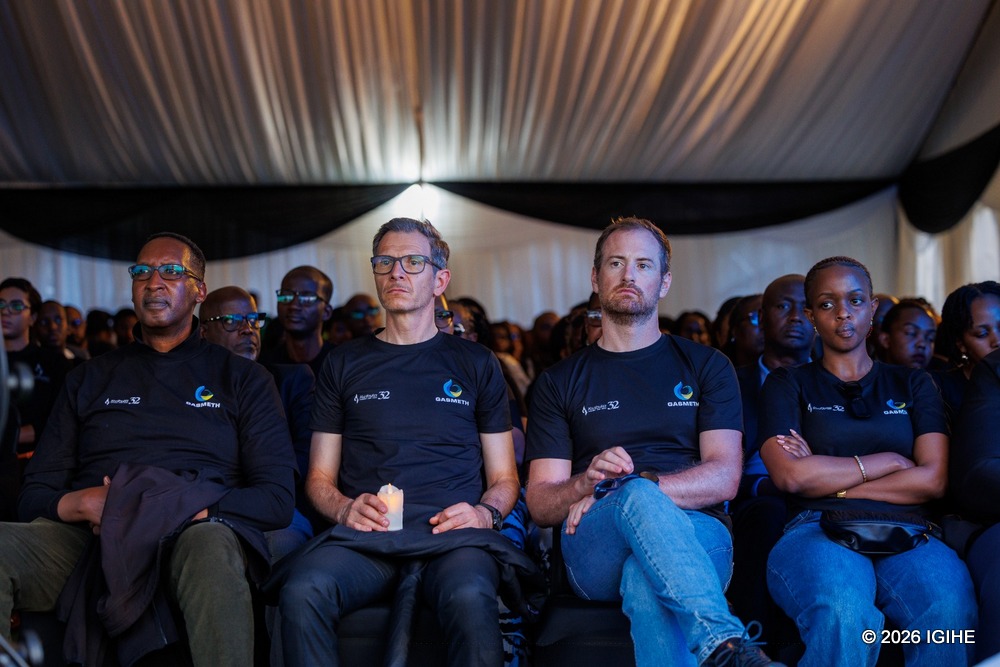
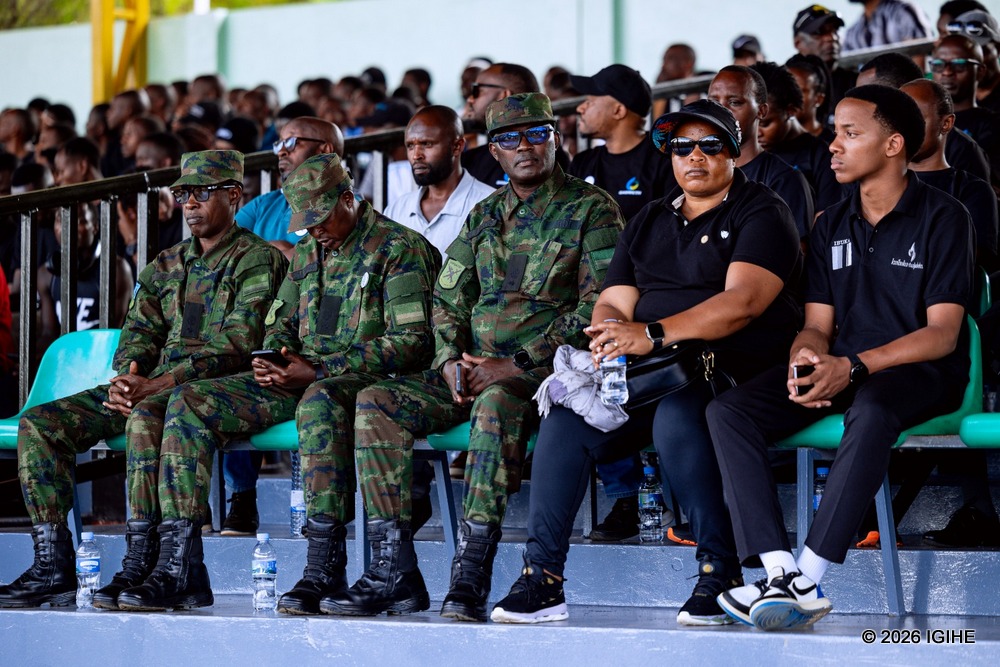
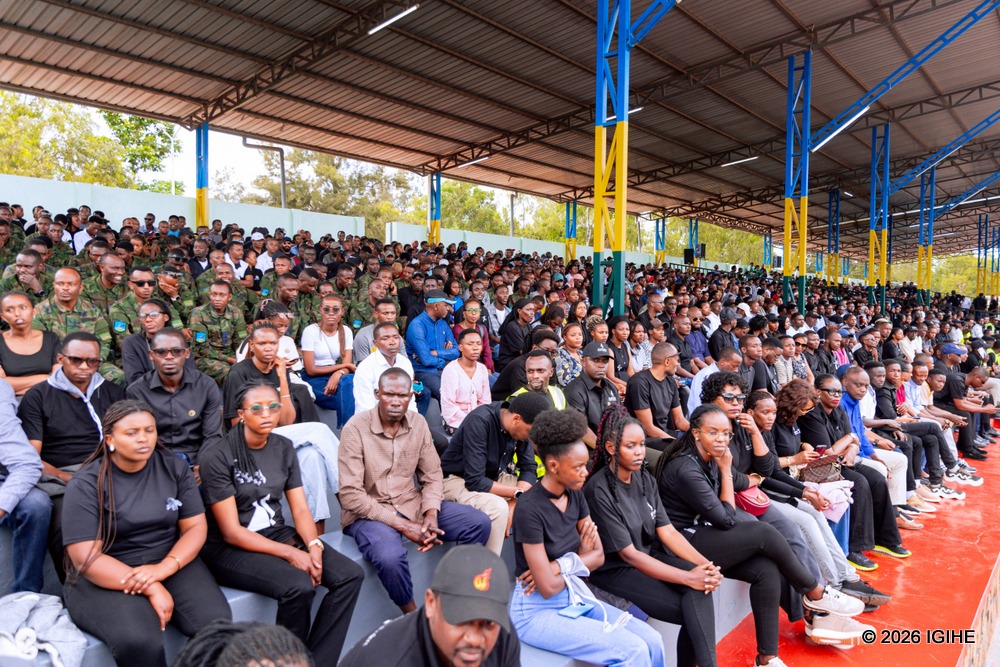
He made the remarks on April 11, 2026, during a commemoration event marking the 32nd anniversary of the killing of Tutsis at ETO Kicukiro, where Belgian peacekeepers withdrew and left behind more than 2,000 Tutsis who had sought their protection, leaving them vulnerable to attack by Interahamwe militia.
Nduhungirehe said no professional soldier should have acted in the way the Belgian contingent did.
“Sometimes we soften it because saying that Belgian soldiers abandoned the Tutsis is an understatement,” he said. “When those troops were ordered to withdraw from ETO, they packed their equipment and even their dogs. Outside ETO there were Interahamwe waving machetes. Any professional soldier who carries out such an action, leaving civilians behind while seeing armed killers, is not merely abandoning them, it is handing them over to killers.”
He argued that the incident reflects a broader pattern of international responsibility in the events leading up to and during the 1994 Genocide against the Tutsi, which he said began long before 1994, during the colonial period under Belgian administration.
Colonial roots and early violence
According to Nduhungirehe, the first phase of foreign involvement began with colonial-era policies that institutionalised ethnic divisions, introducing identity-based classifications and governance systems that deepened divisions among Rwandans.
He said these policies contributed to violence against Tutsis in the post-colonial transition period, including the 1959 crisis, and subsequent killings between 1961 and 1963. He described this period as an early genocide in Rwanda in which more than 35,000 Tutsis were killed and many others fled into exile, with Belgian authorities implicated.
Preparation phase of the 1994 Genocide against the Tutsi
The second phase, he said, involved the preparation of the 1994 genocide. From 1990, when the Rwandan Patriotic Army (RPA) began its liberation struggle, multiple foreign military presences were deployed in Rwanda.
He specifically cited French forces, noting that they remained in the country and contributed to training elements of the Rwandan army (ex-FAR) and the Interahamwe militia.
Nduhungirehe also referenced reports from UNAMIR forces, including communications by its commander, Lt. Gen. Roméo Dallaire, who warned of planned mass killings and requested authority to seize weapons caches.
“On January 11, he sent warnings to the United Nations saying there was a witness reporting that weapons were being prepared in Kigali to kill Tutsis,” Nduhungirehe said. “He asked for permission to seize those weapons, but he was told to report it to President Habyarimana. That decision, to inform a leadership involved in the preparations, reflected the UN’s failure.”
He said the international response amounted to inaction despite clear warnings.
Withdrawal of UN forces during the genocide
Nduhungirehe also cited the UN Security Council’s decision on April 21, 1994, adopting Resolution 912, which reduced UNAMIR forces in Rwanda from 2,548 troops to about 270.
“At that time the country was in mourning and genocide was ongoing,” he said. “But instead of intervening, the UN decided to withdraw its forces from Rwanda.”
The minister said that a third phase concerned the international recognition of the Genocide against the Tutsi, which he said was long delayed due to resistance from powerful states that preferred the term “genocide in Rwanda” instead of explicitly acknowledging its targeting of Tutsi.
He noted that it took 26 years for April 7 to be officially recognised as the International Day of Reflection on the Genocide against the Tutsi, a designation only formally adopted in 2020.
Call to youth
Nduhungirehe urged young people to remember that genocide ideology still exists and that it is their responsibility to fight it.
“All Rwandans are not yet fully liberated,” he said. “There are young people, especially those outside Rwanda, who still hold genocide ideology. I call on their peers to educate them, and if necessary, confront them with the truth.”
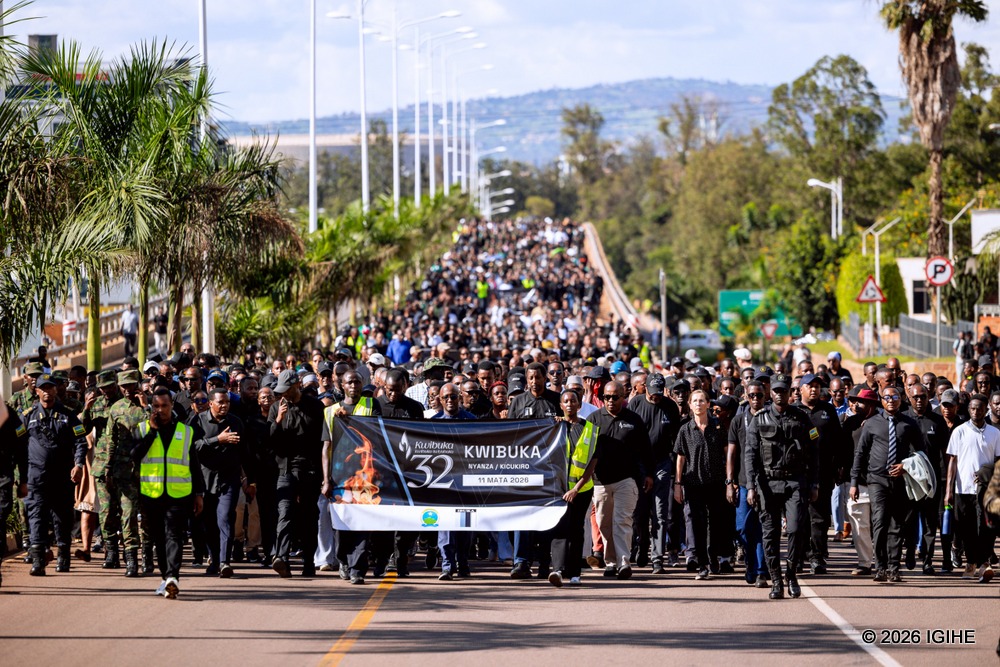
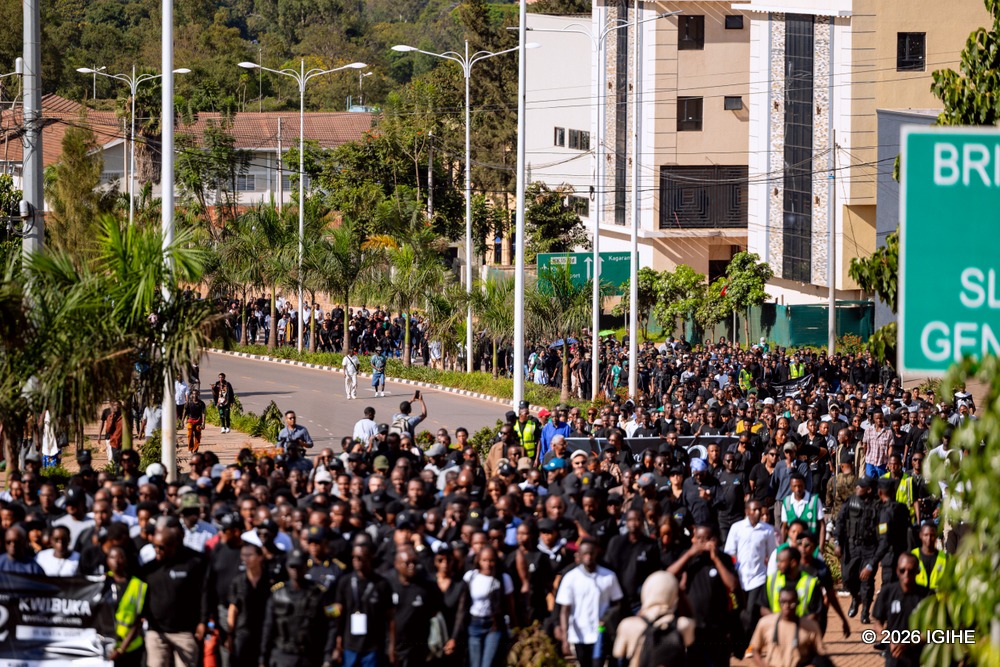
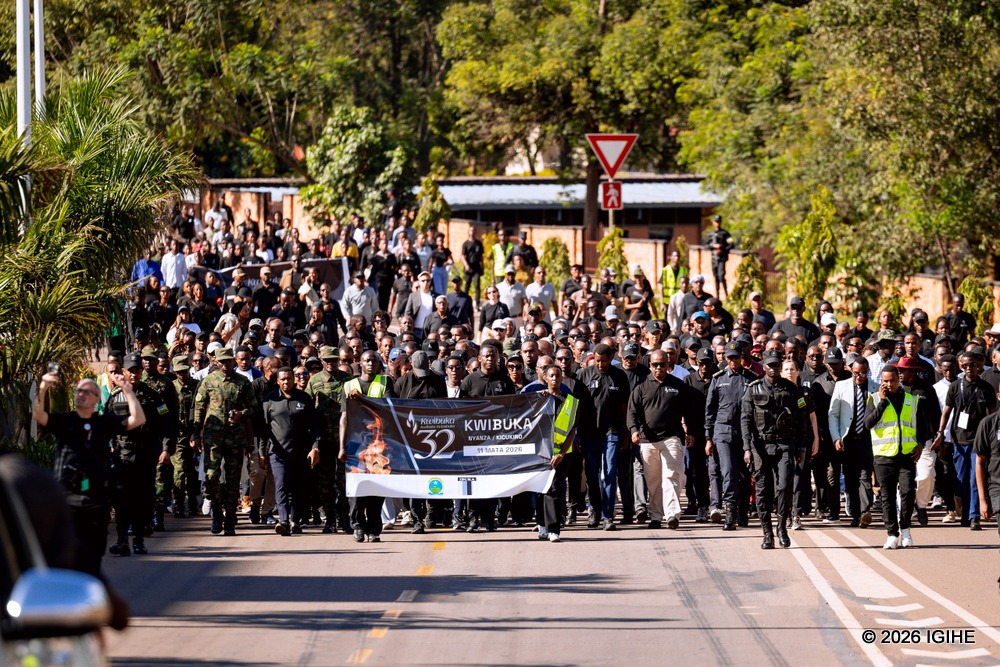
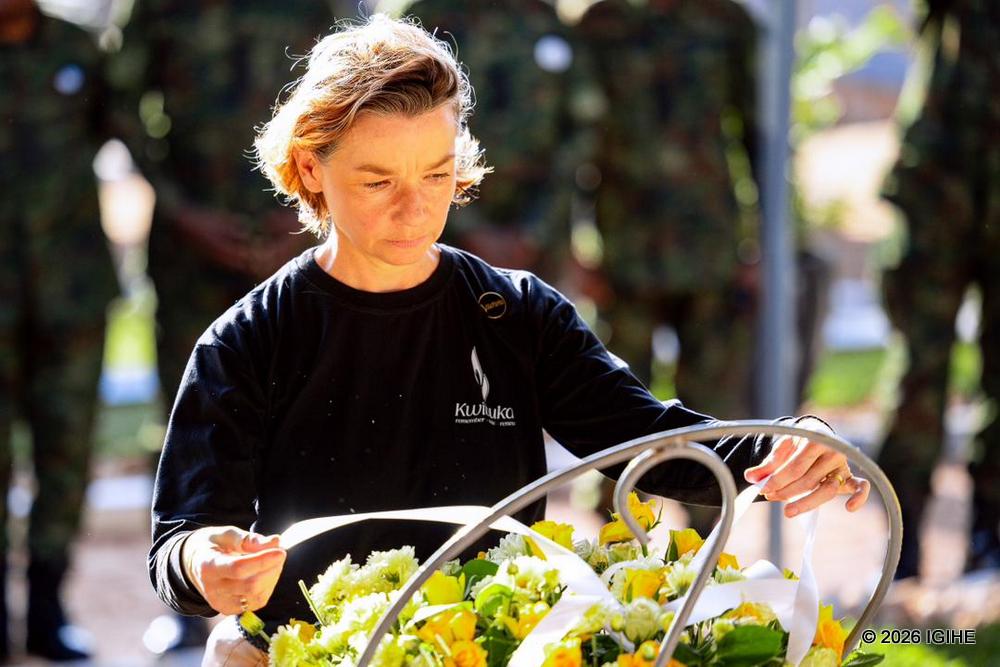
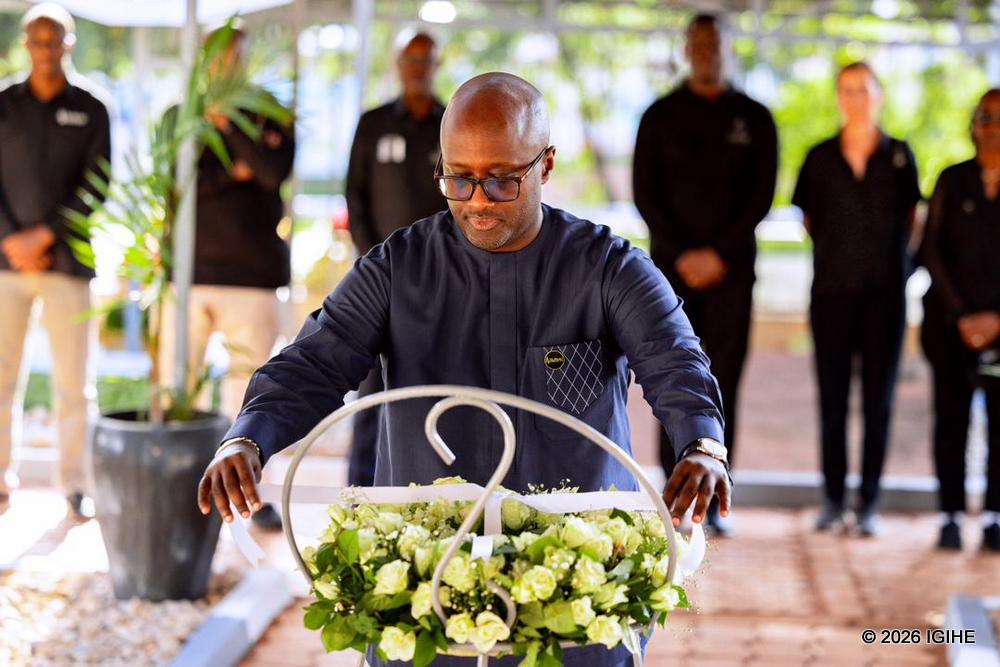
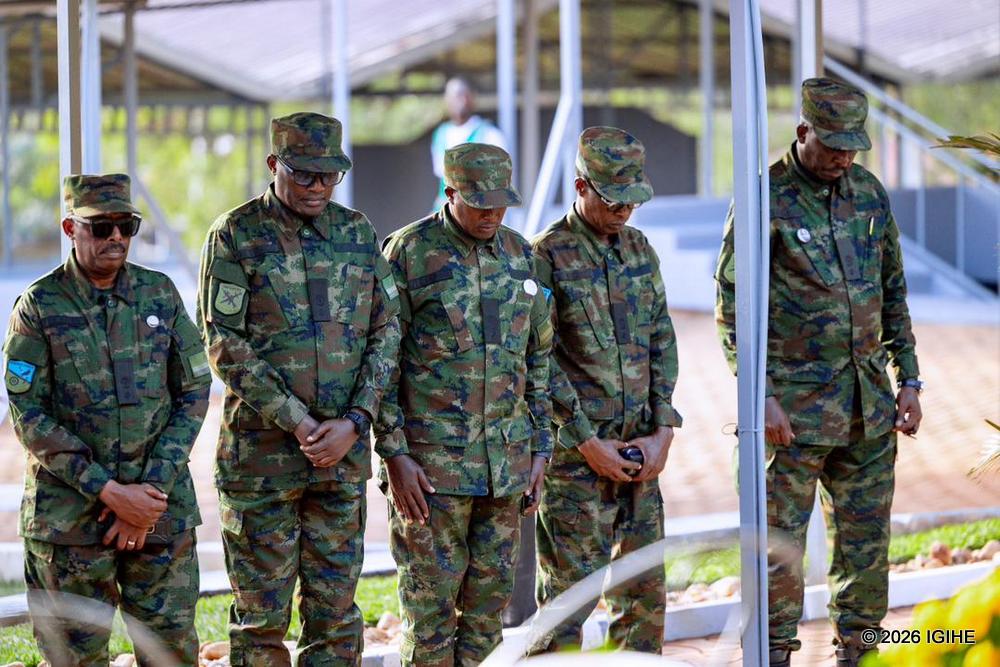
The 32nd commemoration of the 1994 Genocide against the Tutsi included the “Walk to Remember” and wreath-laying ceremonies at mass graves in Nyanza, where remains of more than 2,000 Tutsis who had sought refuge at ETO Kicukiro and were later killed are buried.

Leave a Reply