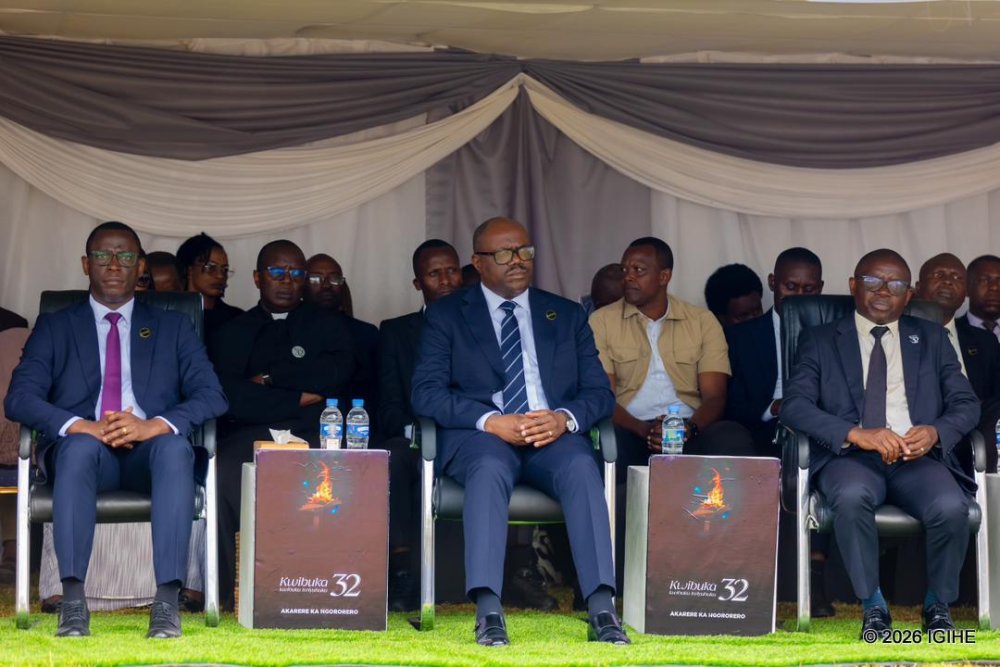
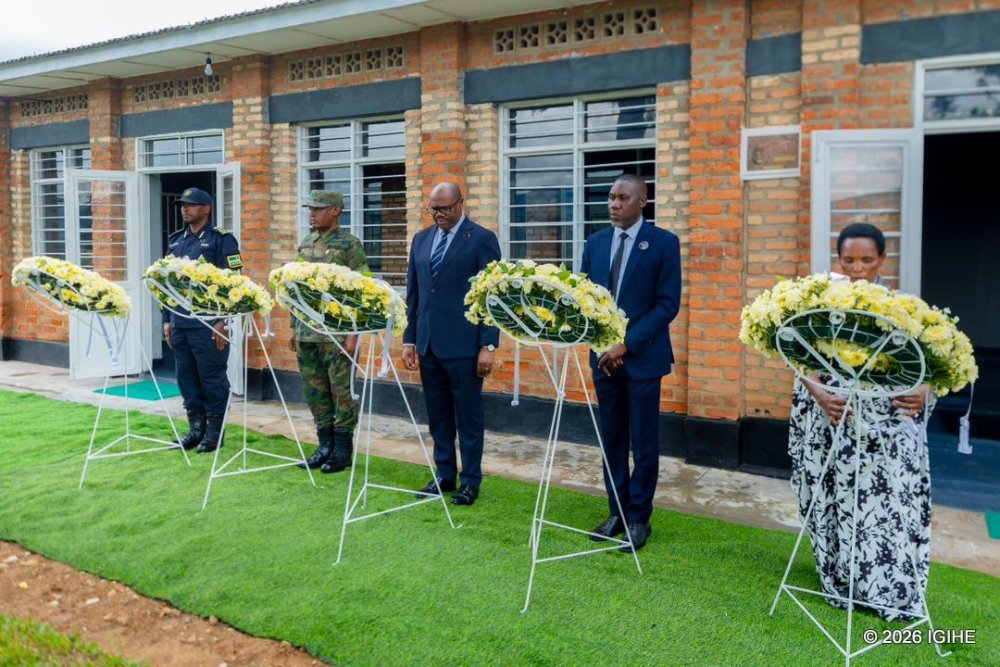
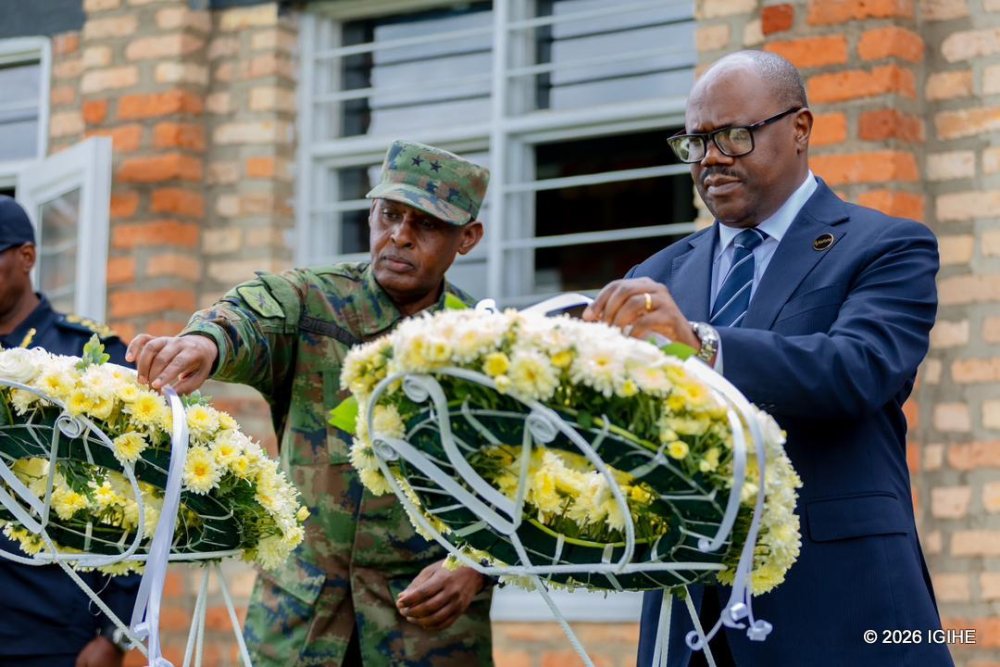
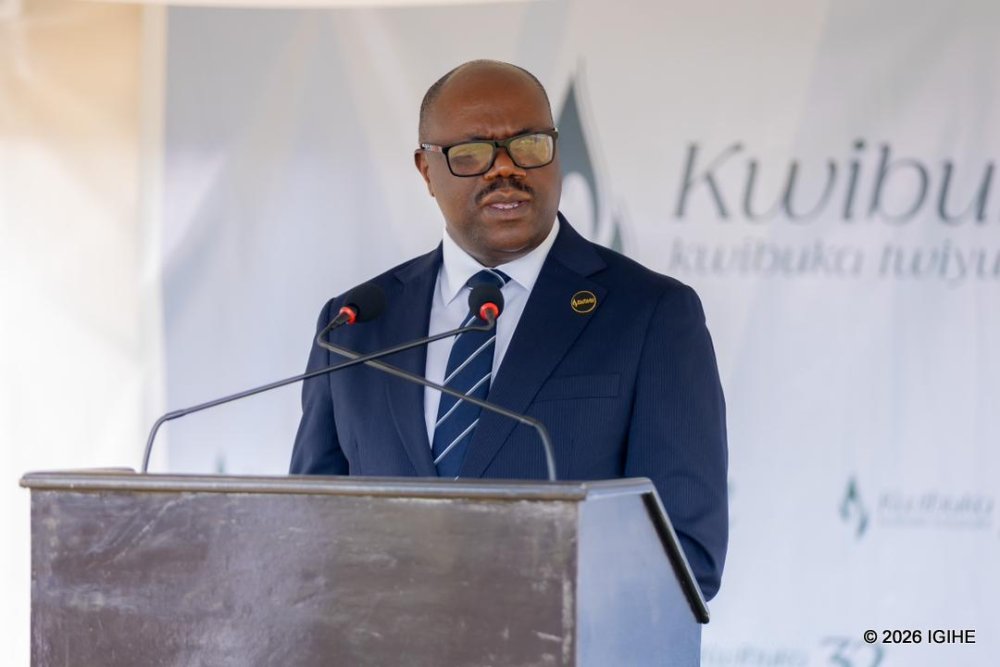
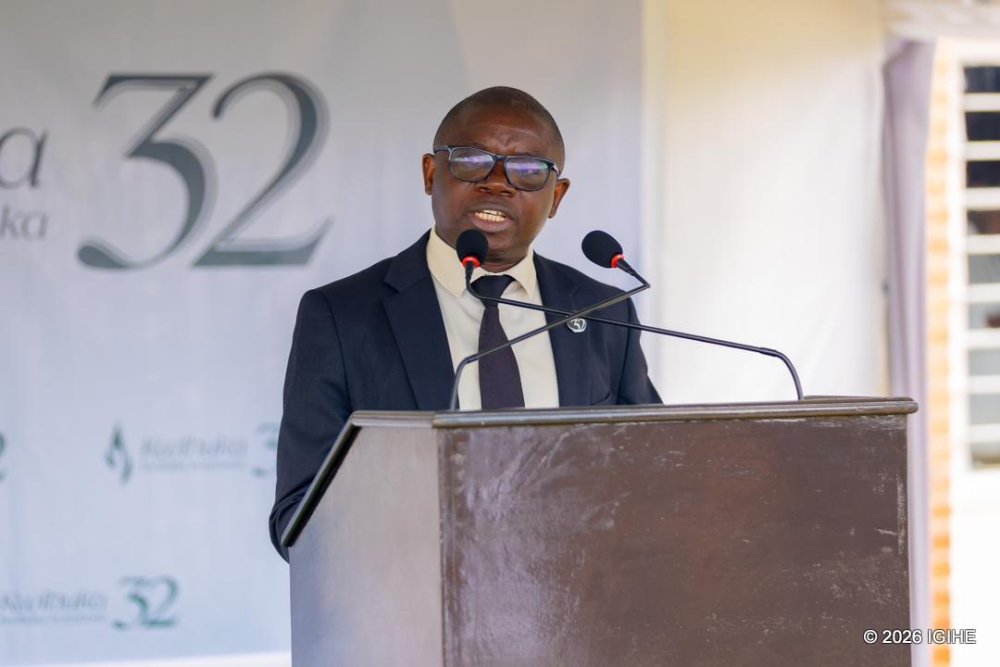
He made the remarks during the 32nd commemoration of the Genocide against the Tutsi held at the Ngororero Genocide Memorial in Ngororero Sector on April 10, 2026.
The memorial site holds the remains of more than 14,500 victims, most of whom were killed on April 10, 1994, after they had sought refuge in the former MRND party headquarters located at the site where the memorial now stands.
The Prime Minister noted that although Rwanda continues to make progress in rebuilding itself after the genocide, complacency must be avoided, as there are still individuals intent on dragging the country back into its tragic past.
“We must not be complacent because there are those who do not wish our country well. As you know and continue to hear, those who participated in the 1994 Genocide against the Tutsi continue to deny it and spread genocide ideology in the region where Rwanda is located, especially in the Democratic Republic of Congo,” he said.
He added that such actions often take place while the international community looks on, as was the case in Rwanda in 1994 and before.
“The choices we made as Rwandans, as the President of the Republic has emphasized, are that the Genocide against the Tutsi will never happen again in Rwanda,” he said.
He stressed that this commitment goes hand in hand with closing all possible paths that could allow genocide ideology to take root again, as well as strengthening self-reliance through hard work.
The Prime Minister also called on young people to take the lead in understanding the country’s history so they can effectively confront those who still promote genocide ideology, especially through online platforms. He also urged parents to be truthful with their children about what happened.
He commended the bravery of the Nyange students, who refused to be divided when they were attacked by infiltrators, saying their courage remains a powerful symbol of national unity.
Ngororero District Mayor Christophe Nkusi said that killings in the area began as early as 1990, and that more than 57,000 Tutsi were killed in the district and are laid to rest in seven memorial sites across different sectors.
Mayor Nkusi expressed concern that some victims’ remains have still not been recovered, urging residents to continue sharing information about their locations.
“I once again strongly urge the residents of Ngororero District not to hide information about whereabouts of remains that have not yet been recovered and buried with dignity. This helps bring comfort to families who lost their loved ones and strengthens the unity and resilience we have committed to as Rwandans,” he said.
He added that even after the genocide was stopped, Ngororero was later affected by attacks from “infiltrators” led by former political and military leaders originally from the district. He said these were eventually defeated by the unity government, and the area is now peaceful and developing.
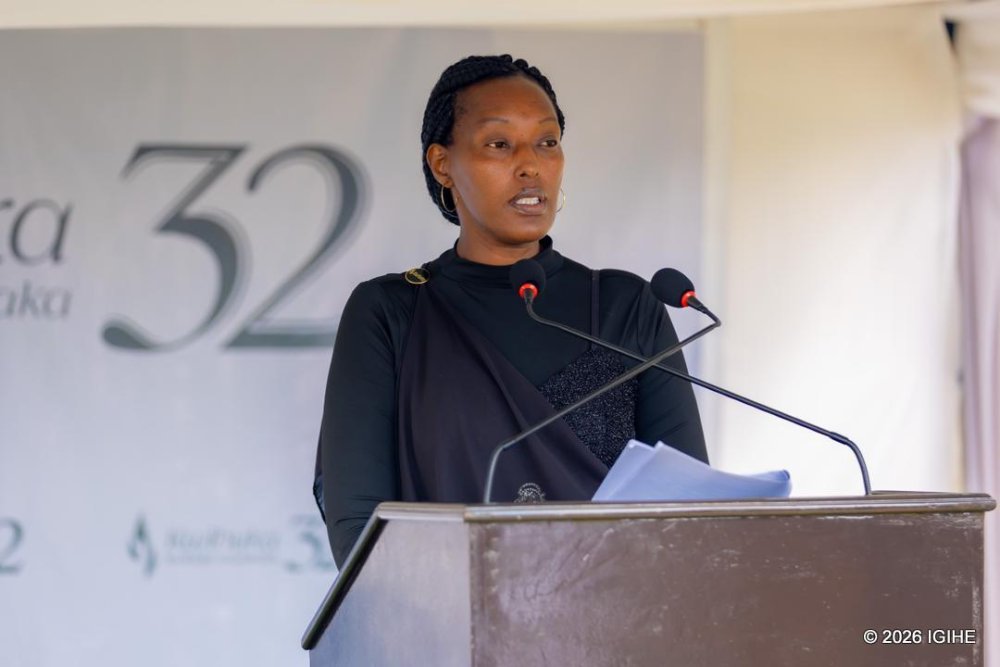
Annoncée Manirarora, a commissioner in IBUKA, the genocide survivors’ organization, said that Ngororero’s genocide history is unique because killings began as early as 1990.
Ngororero District today comprises the former Kabaya and Ngororero sub-prefectures.
The former Ngororero sub-prefecture included the communes of Kibilira, Ramba, Satinsyi, and Gaseke, where killings began well before 1994.
In Kibilira Commune, more than 400 Tutsi were killed between October 10 and 13, 1990. Additional killings were recorded in February 1992.
In Satinsyi Commune, killings had been going on before 1994, while in Ramba Commune, atrocities were intensified by speeches and mobilization efforts, including those of Dr. Léon Mugesera, who is accused of inciting violence during a public meeting in Birembo.
Similar patterns of violence were also reported in Gaseke Commune before 1994.
Leave a Reply