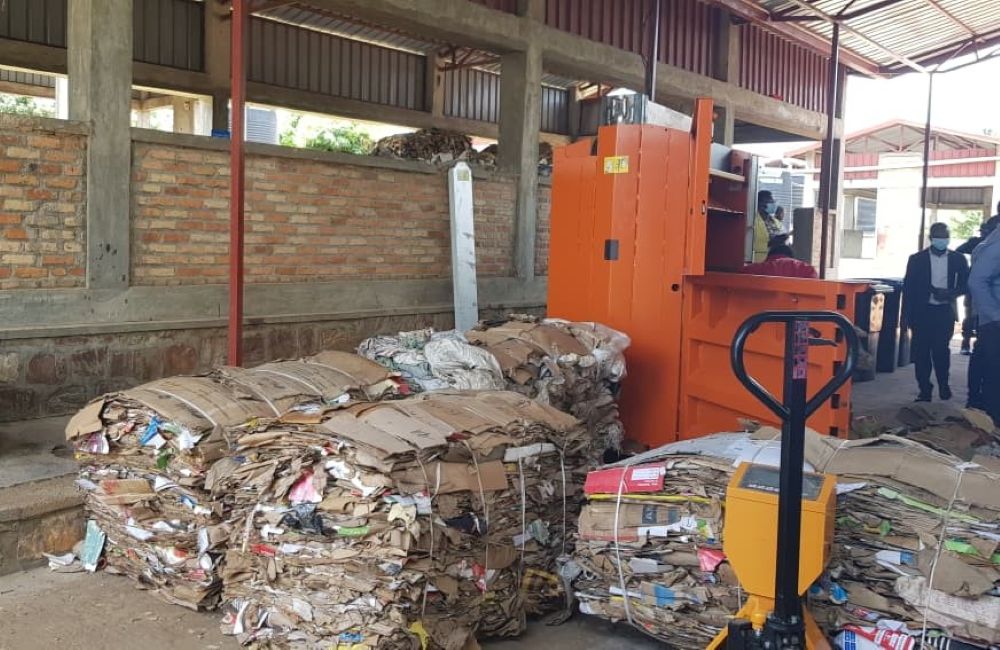
This initiative was carried out in collaboration with France, which contributed £429,000 (about Rwf 680 million) for the purchase of various machines used for processing and recycling waste at the newly established landfill in Ruhango town.
Additionally, Rwf 300 million was allocated for the construction of the landfill site located in Rwoga Cell, Ruhango Sector.
Ruhango District Mayor, Habarurema Valens, mentioned that this project is the first of its kind outside Kigali and will help manage waste in the district through the program called ‘Ruhango Icyeye’ (Clean Ruhango).
All waste in Ruhango town will be collected and transported to the Rwoga landfill, where it will be sorted based on its type and processed into useful materials, including organic fertilizer.
This approach is expected to reduce the amount of waste accumulating at the landfill, as most of the materials previously stored there will now be processed into valuable products in factories.
“We plan to process nearly all of the waste, leaving only about 10% at the landfill. The rest will be turned into various products, including fertilizer,” he added.
He further explained that, after collecting waste from Ruhango town, the project will expand to other centers such as Kinazi, Gitwe, and Buhanda, where waste will also be collected and transported to the main landfill.
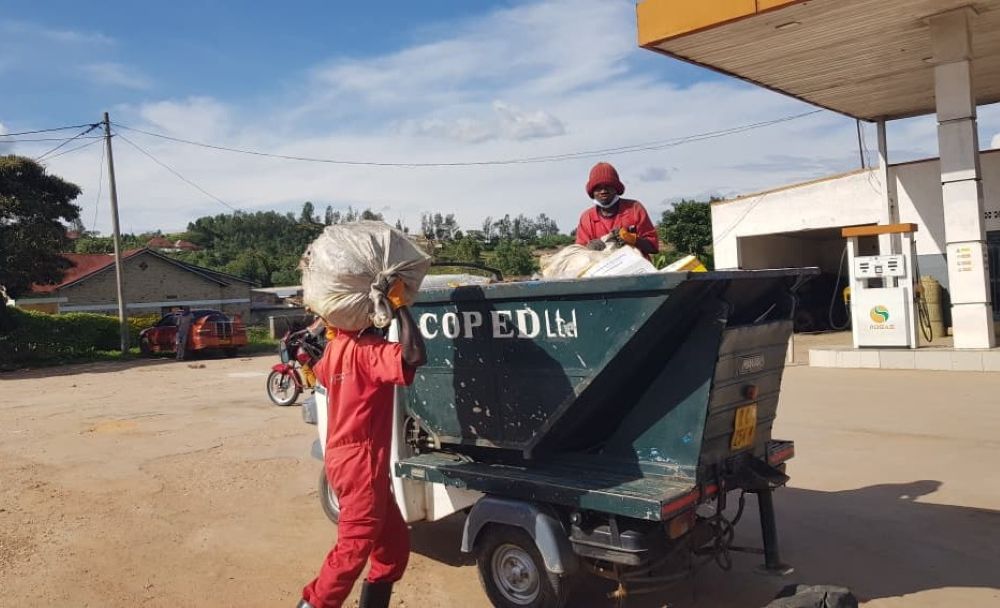
Paulin Buregeya, CEO of COPED Ltd, the company managing the landfill on behalf of Ruhango District, stated that the project has begun by collecting tons of waste daily in Ruhango town. Waste is being collected from households, street bins, markets and shops.
This waste will be collected at designated sites using electric-powered bicycles to help reduce costs, and then transported to the landfill.
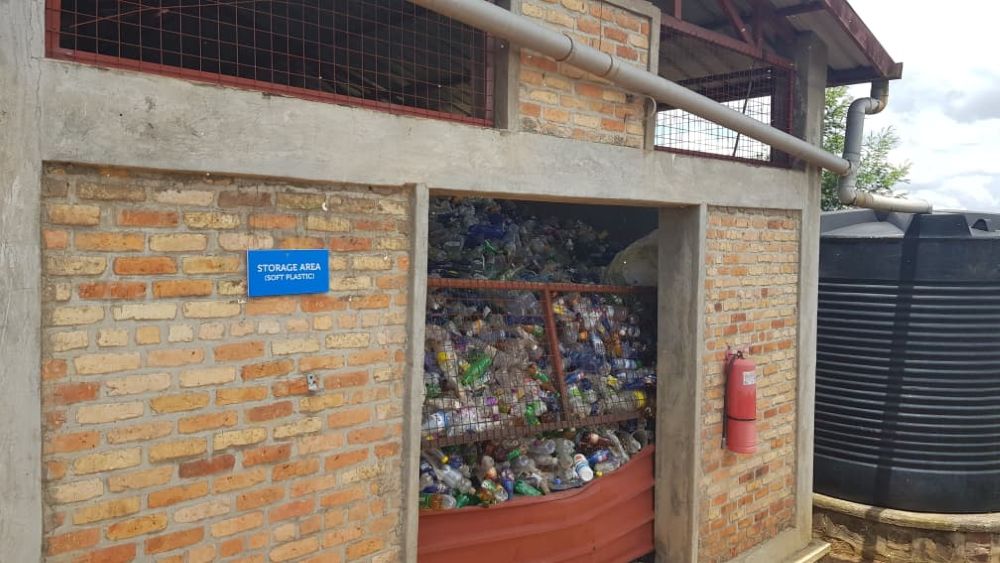
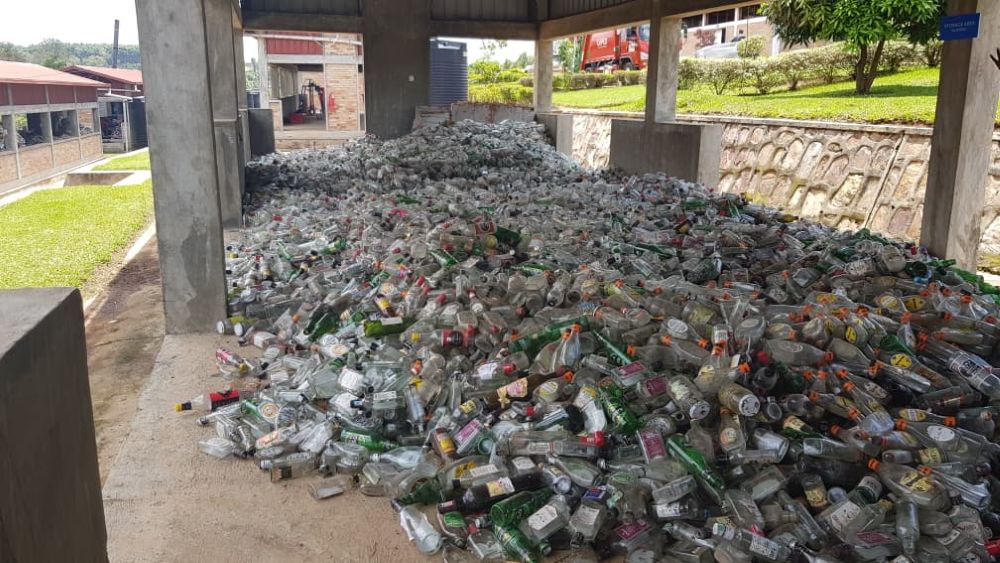
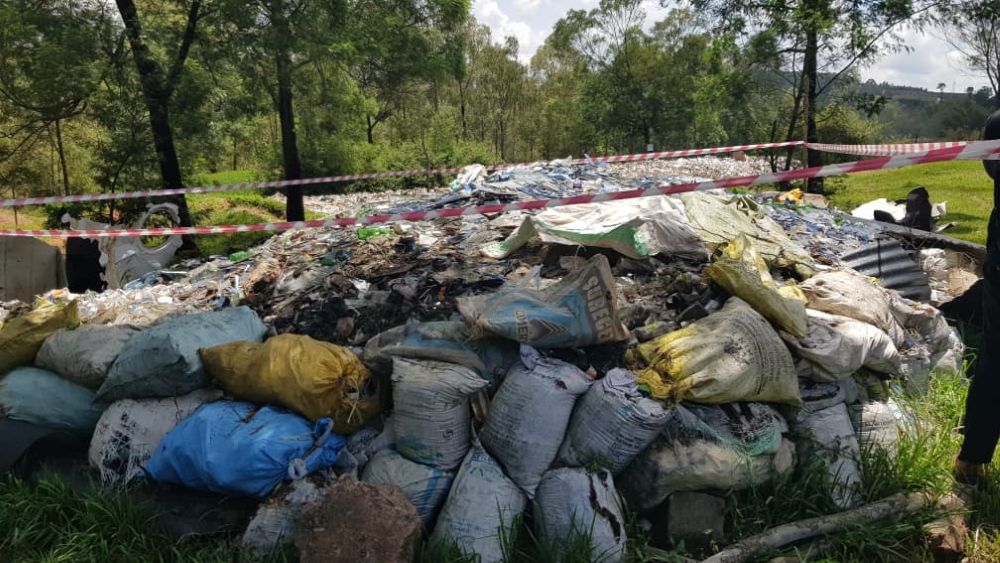
At the landfill, the waste will be sorted into biodegradable and non-biodegradable categories, such as metal and plastic bottles, tires, glass, and other waste, which will be placed in separate areas.
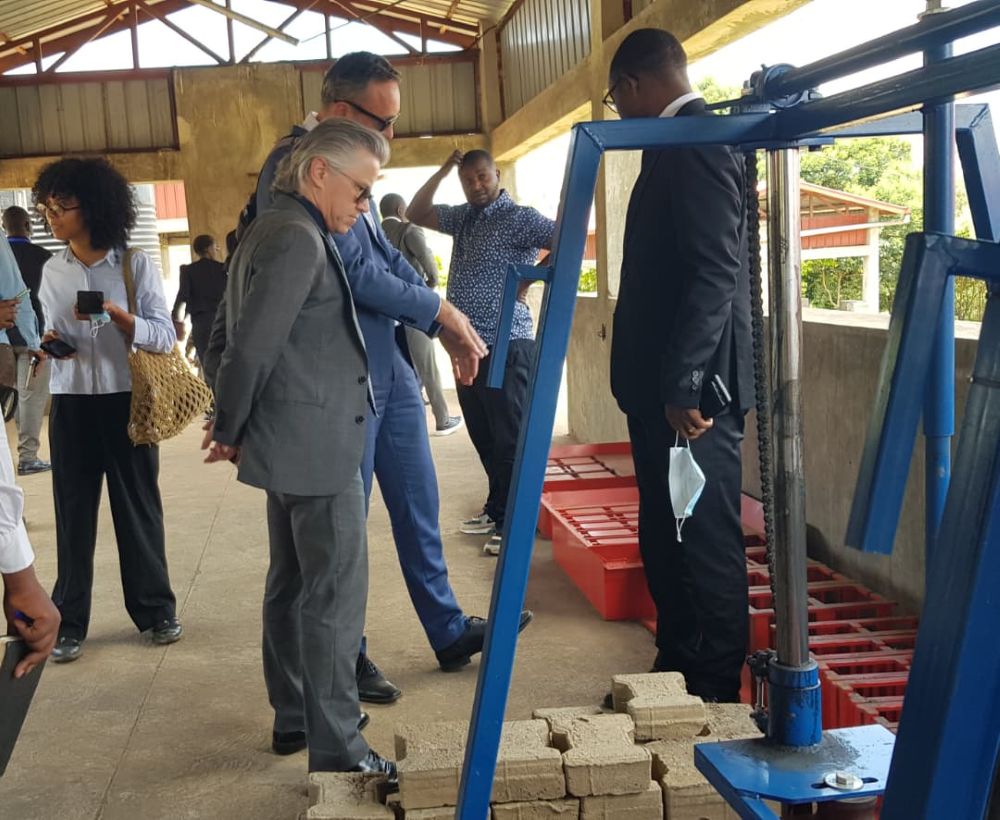
Buregeya continued by explaining that they have set up a system to recycle some of the waste. Cardboard, paper, and plastic will be sent to factories to be turned into other products. Glass bottle fragments will be crushed and mixed with sand and cement to produce paving tiles, while plant-based waste will be processed into organic fertilizer.
“Our cities are facing challenges with waste, and we are figuring out how to process it without harming the environment. In the past, all the waste was dumped without sorting, but now, thanks to this project, only 10% will be discarded, and the rest will be recycled,” he said.
He also emphasized that projects like this create jobs, noting that in Ruhango, they started with more than 30 employees, and the number is expected to grow to 200 as the project progresses.
Workers involved in the project are also pleased to be earning income while contributing to the cleanup of the planet, Rwanda, and Ruhango District in particular.
It is expected that, after three months of the project’s implementation, an assessment will be conducted to determine whether similar initiatives can be extended to other districts, in order to continue promoting environmental sanitation throughout the country.
Leave a Reply