From her early studies in interior architecture to leading an internationally recognized coffee brand, Kubwimana combines creativity, heritage, and entrepreneurship in a journey that celebrates both her roots and Rwanda’s growing prominence in the global coffee market.
IGIHE spoke with her during the recent International Food and Drink Event (IFE) trade show in London about her career, the evolution of Kinunu, and the story behind the coffee that has captured international attention.
IGIHE: Your academic and professional background is in architecture, yet today you lead a coffee business. How did this transition come about?
Michaelle Kubwimana: I wasn’t initially destined for the coffee sector. I completed my bachelor’s degree in interior architecture in 2001 in South Africa, and later earned my master’s degree in 2006 in Italy. I practiced in this field for several years, running my own architecture business in Rwanda before gradually becoming involved in the family coffee enterprise.
Can you share how you became involved in the family coffee business?
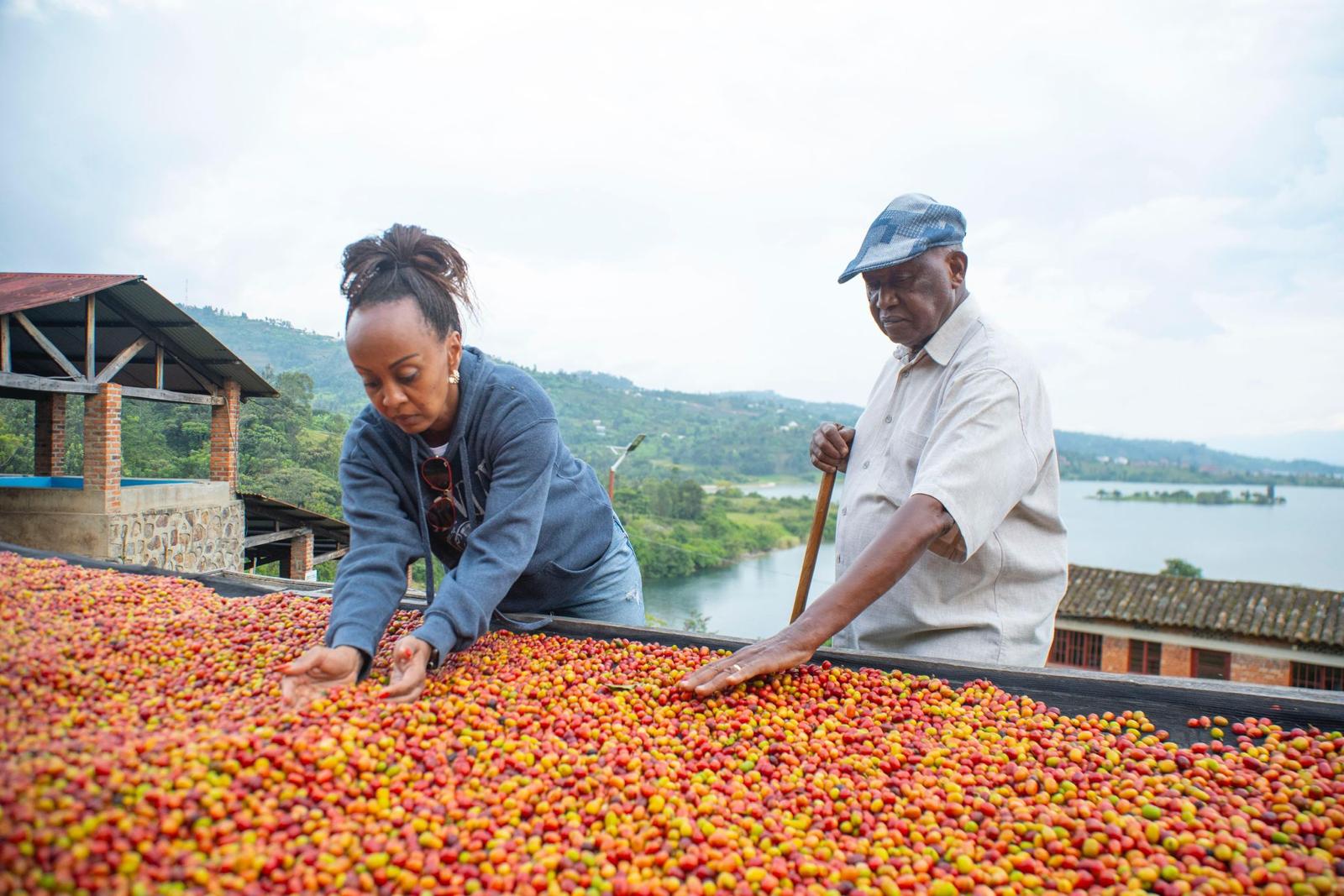
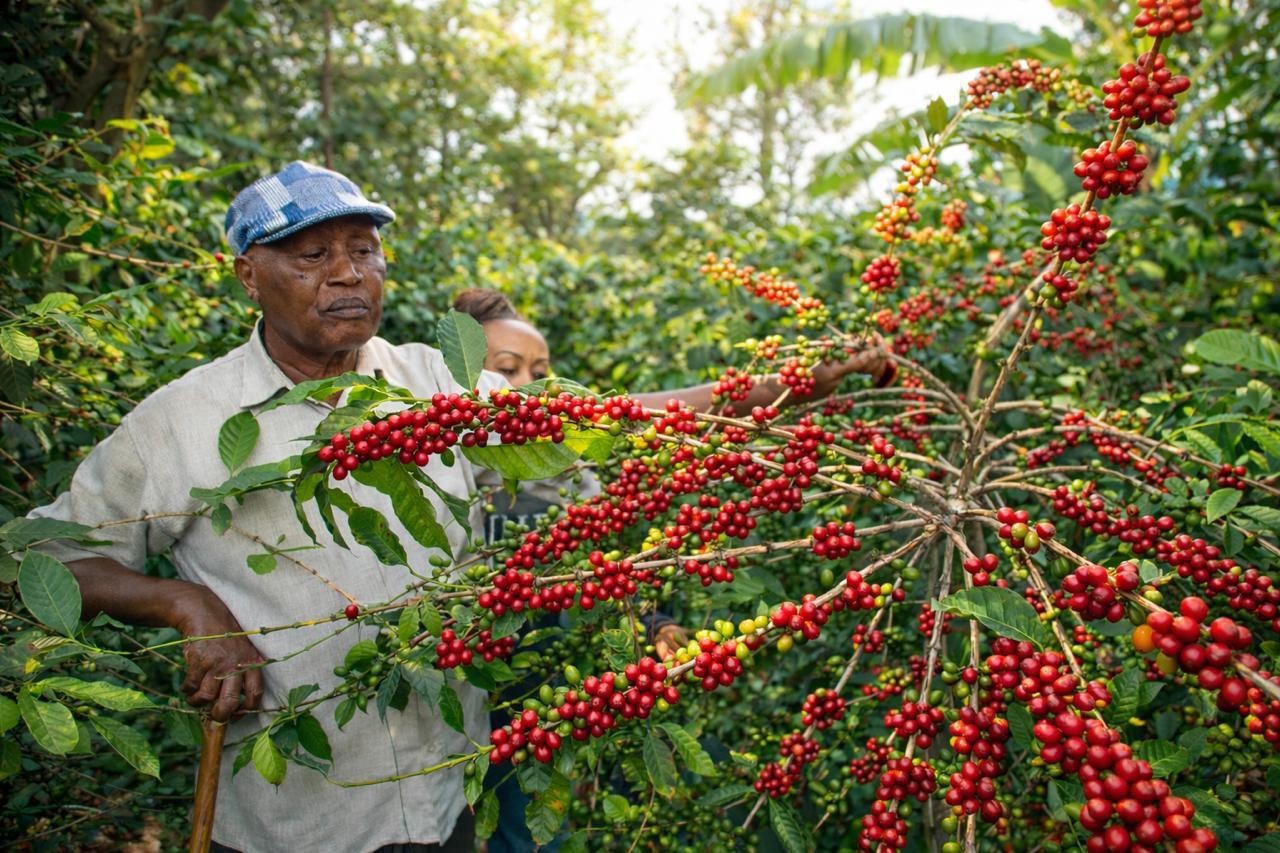
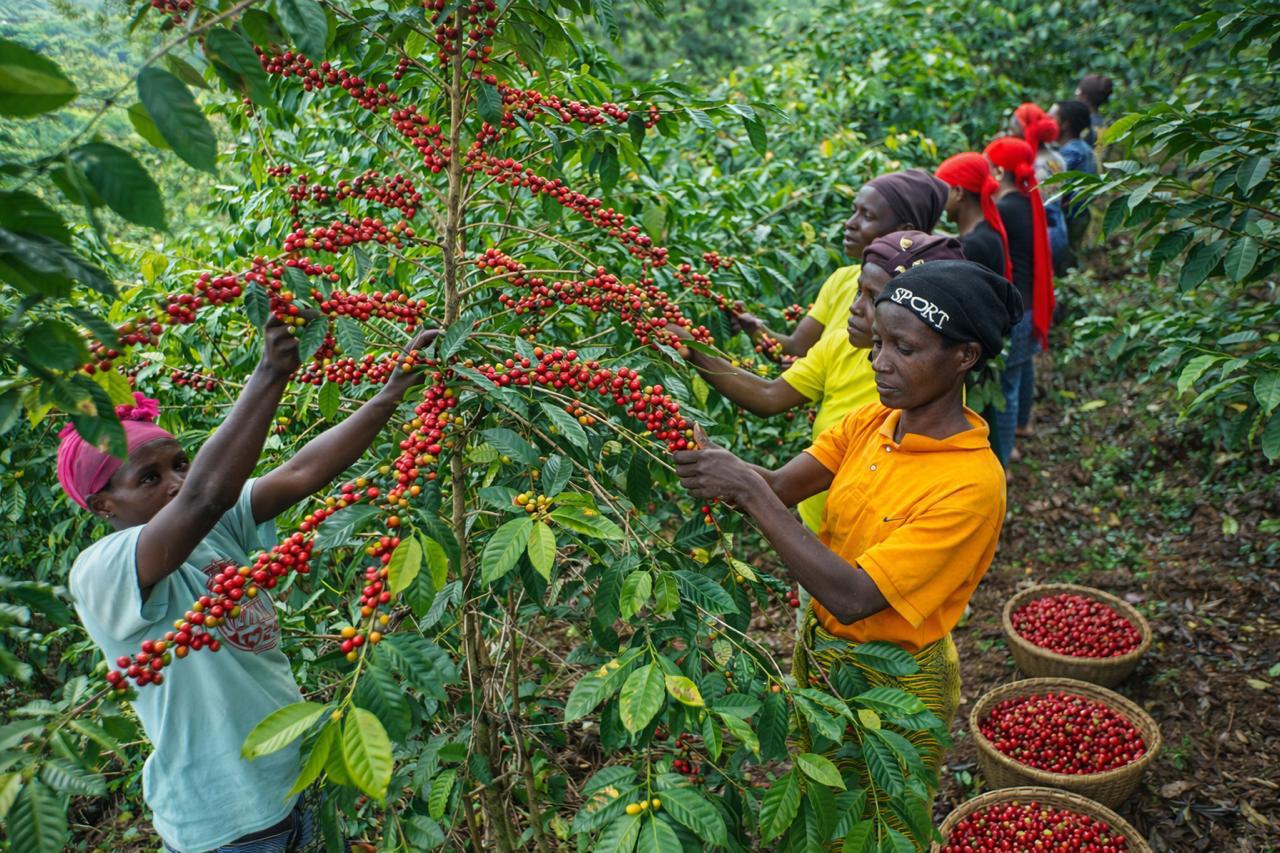
Kubwimana: By the time I finished my studies, my father had already started the coffee farm in his native village, working with one of my brothers. That village has always been central to our family life, and I spent much of my childhood there. Over time, I developed a genuine interest in the farm, particularly as I saw the positive impact it had on the local community.
Kinunu today seems to be much more than a coffee farm. How has it evolved?
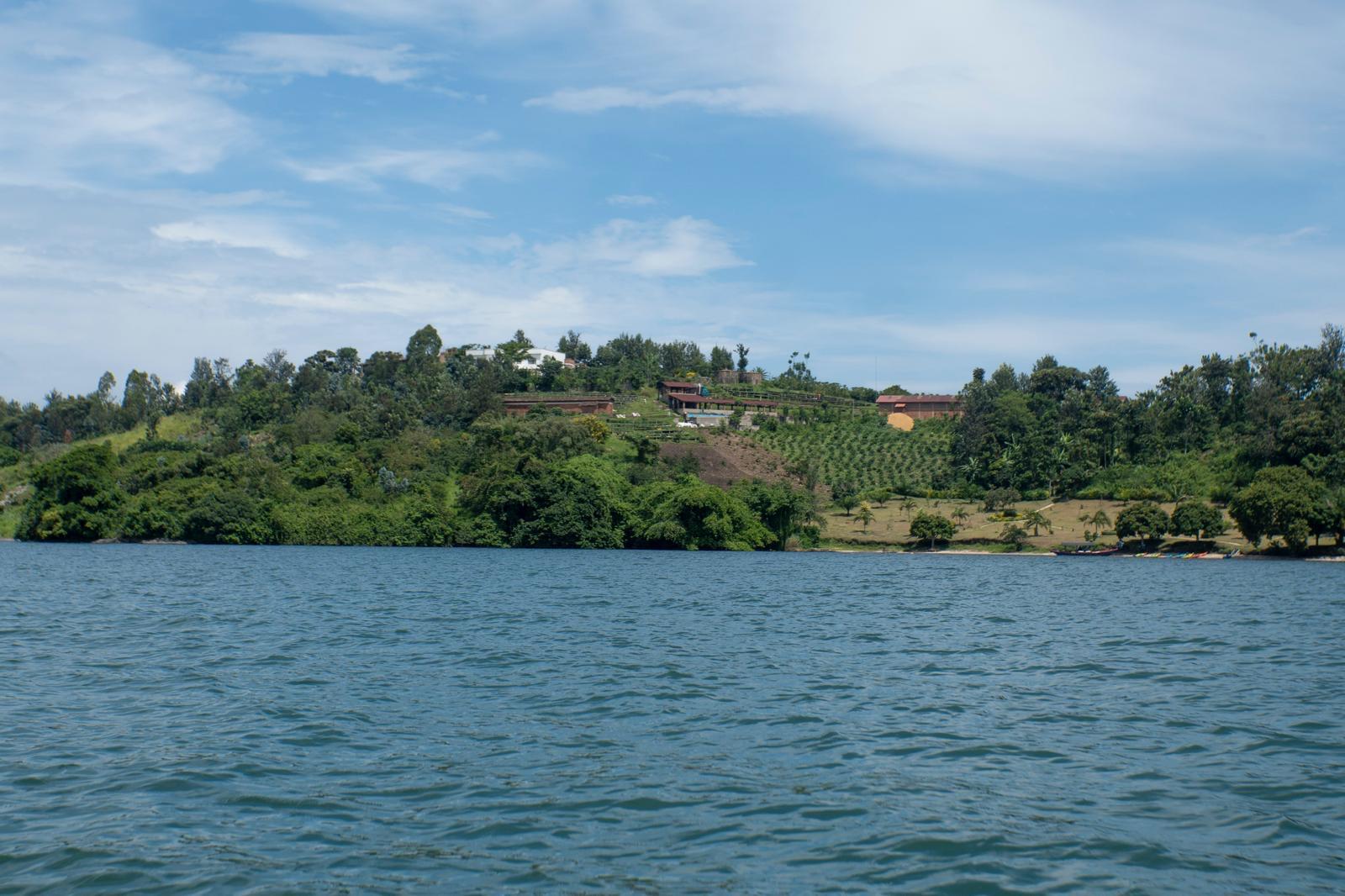
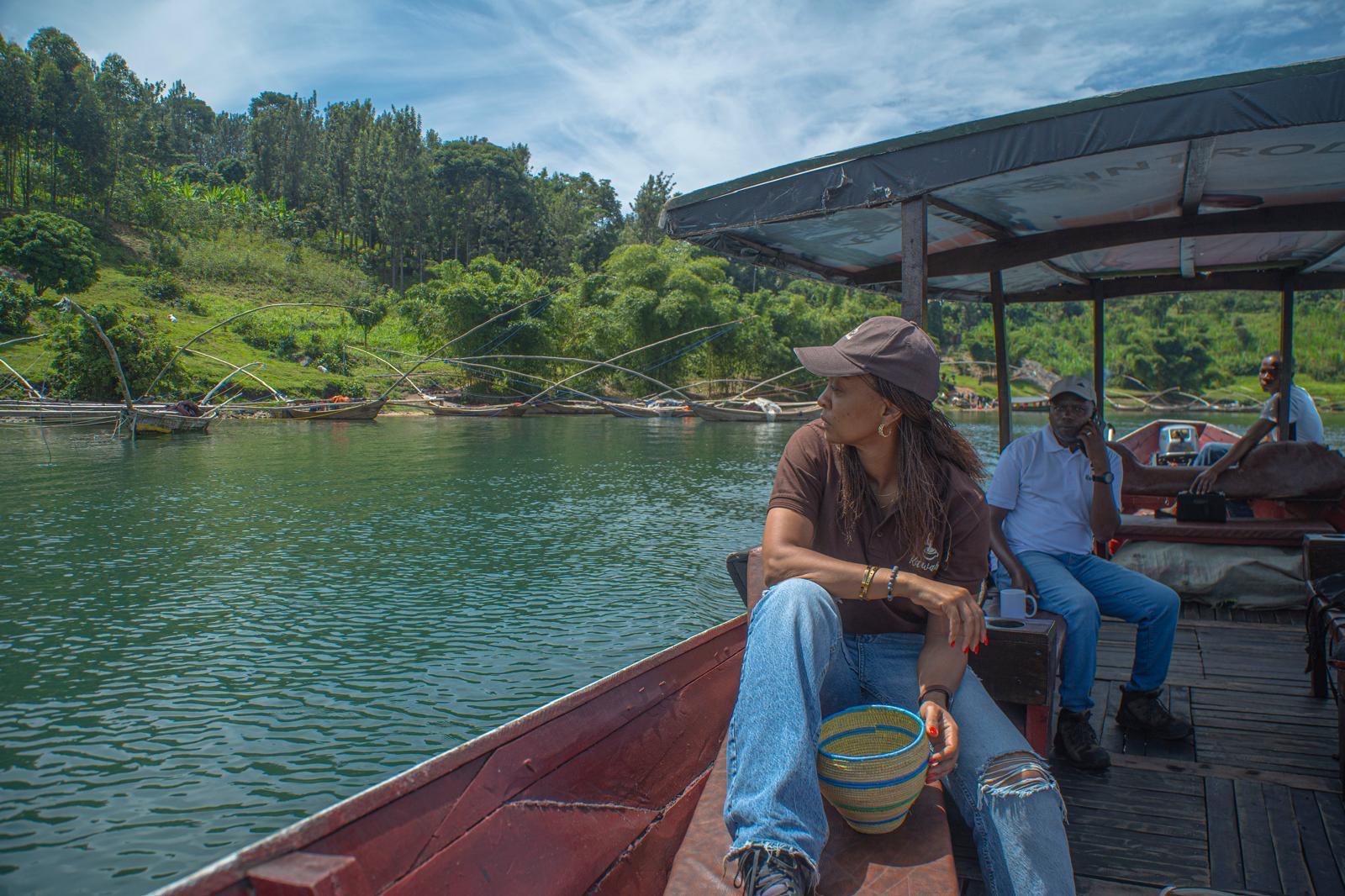
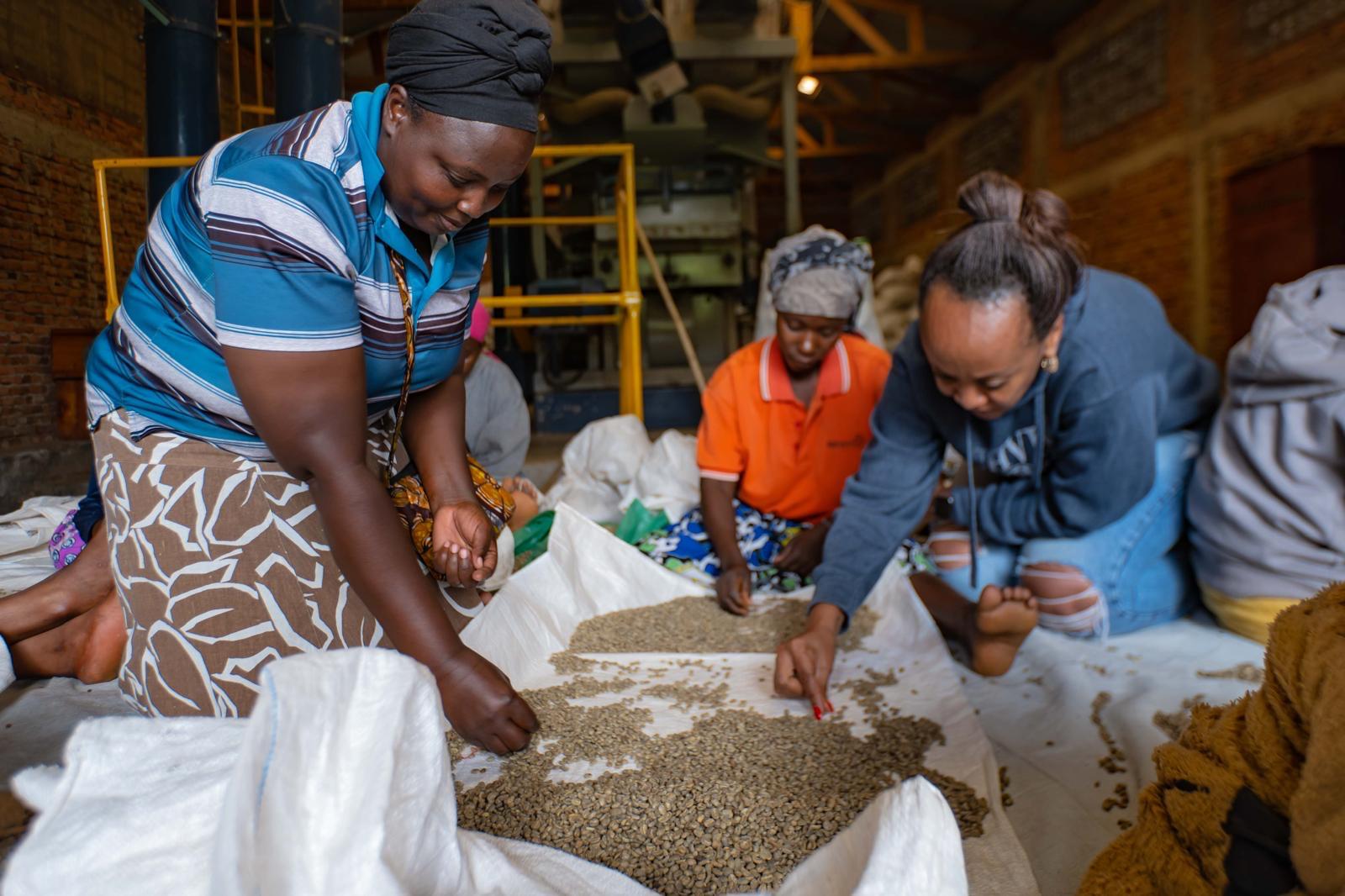
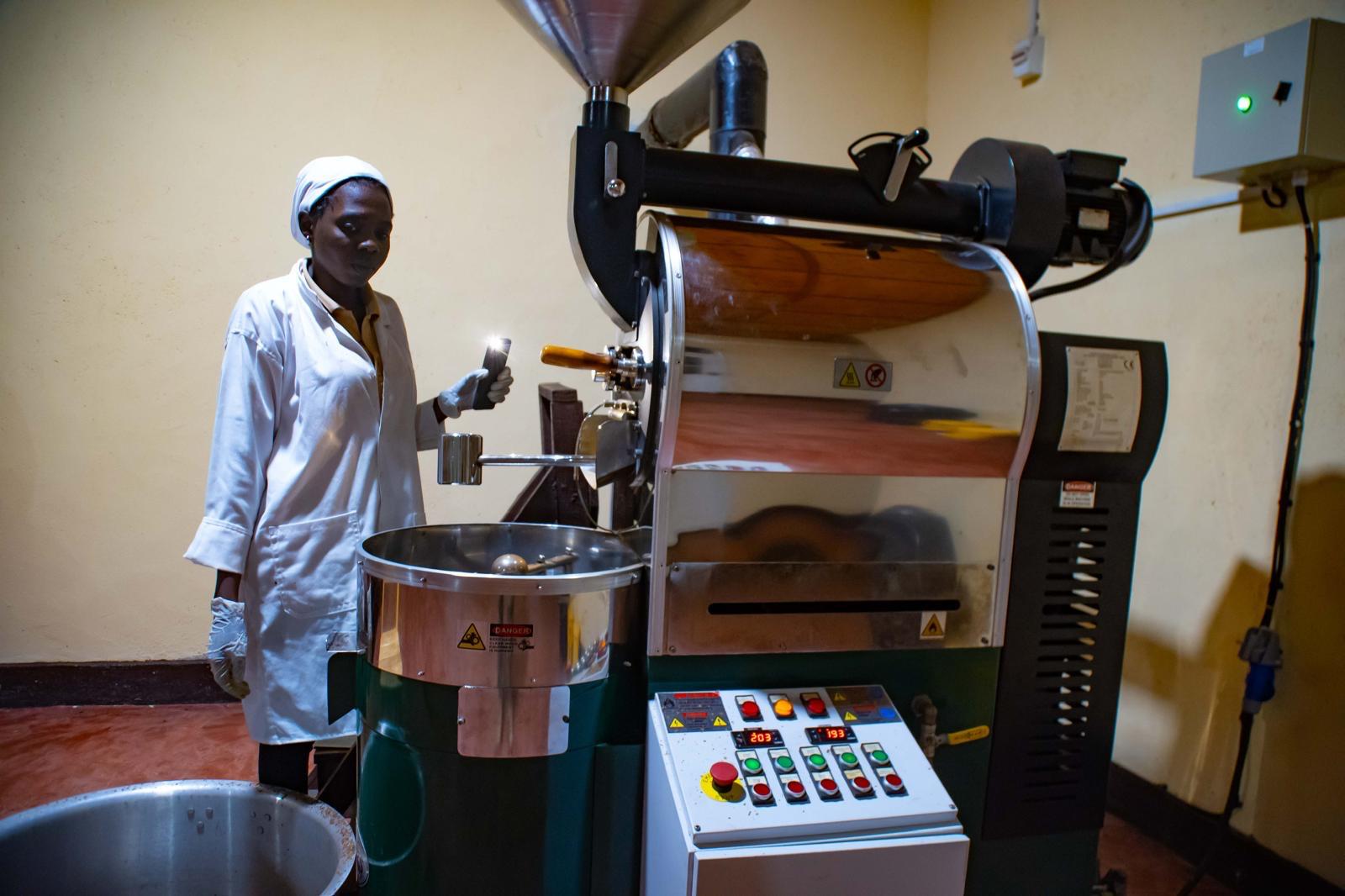
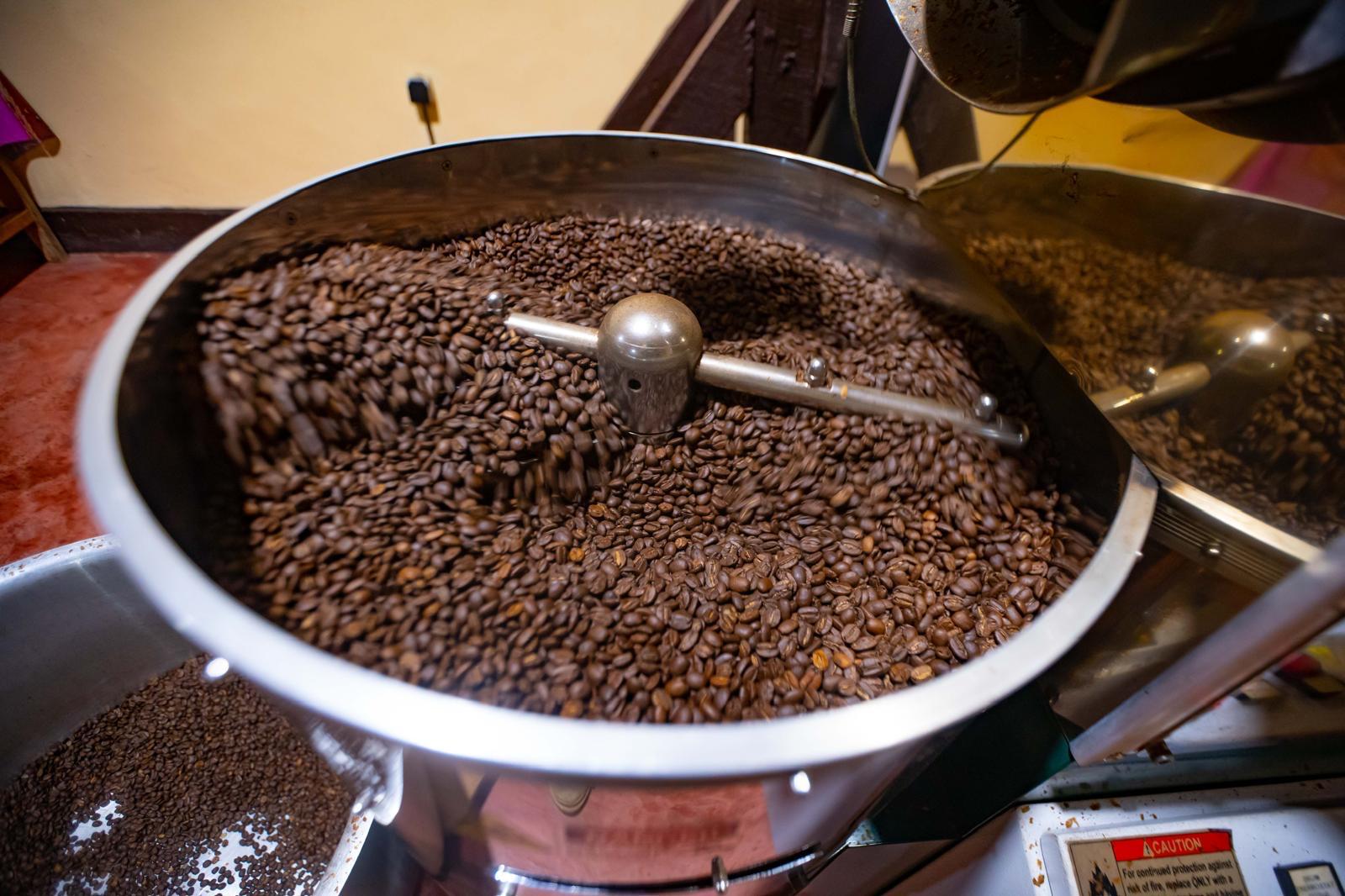
Kubwimana: Absolutely. What started as a small farm aimed at supporting the village and surrounding region has grown into a full ecosystem. We now operate a coffee washing station, host tours for both local and international visitors, and offer a guesthouse and restaurant managed by my sister. Kinunu is recognized by the Rwanda Development Board as a key stop along the Congo Nile Trail, blending heritage, tourism, and community development.
You have also played a role in expanding Rwandan coffee internationally. What has the journey been like?
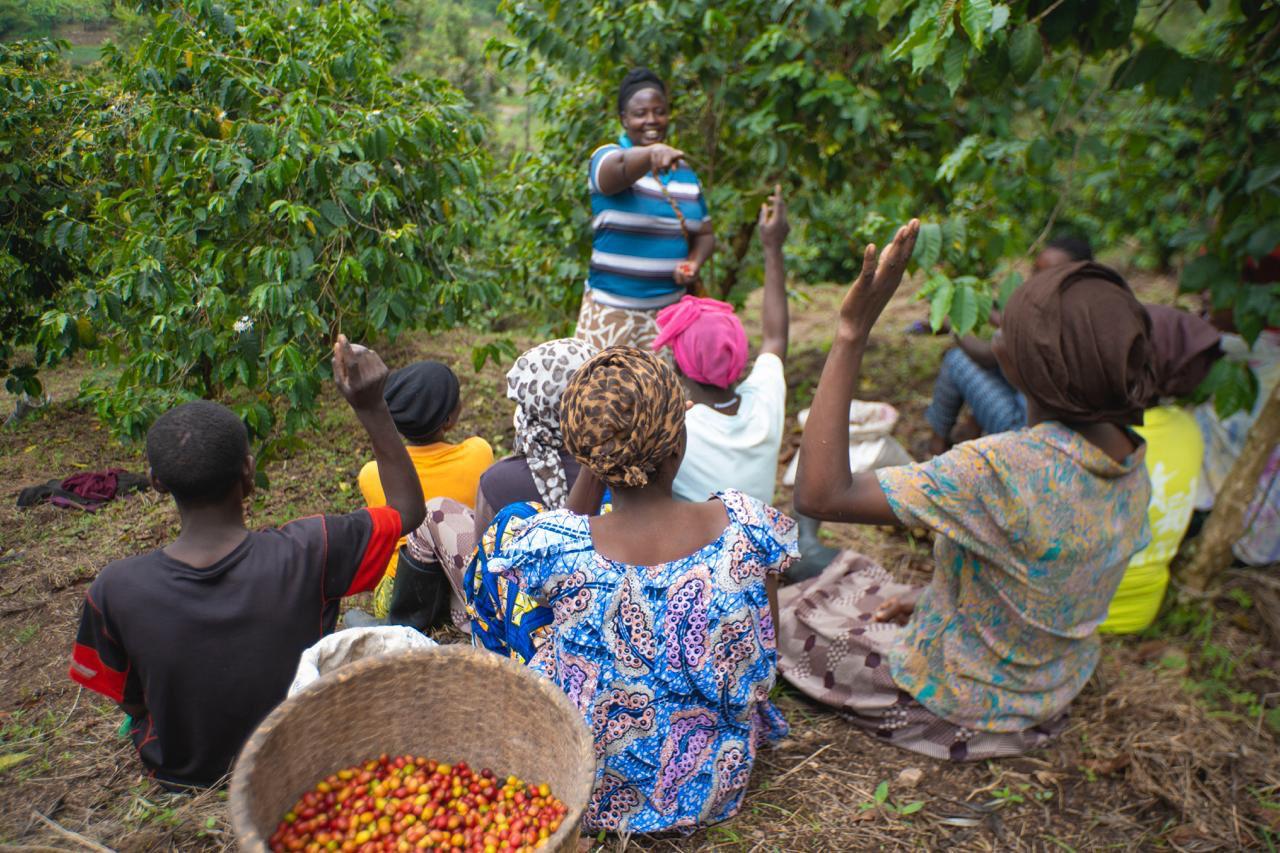
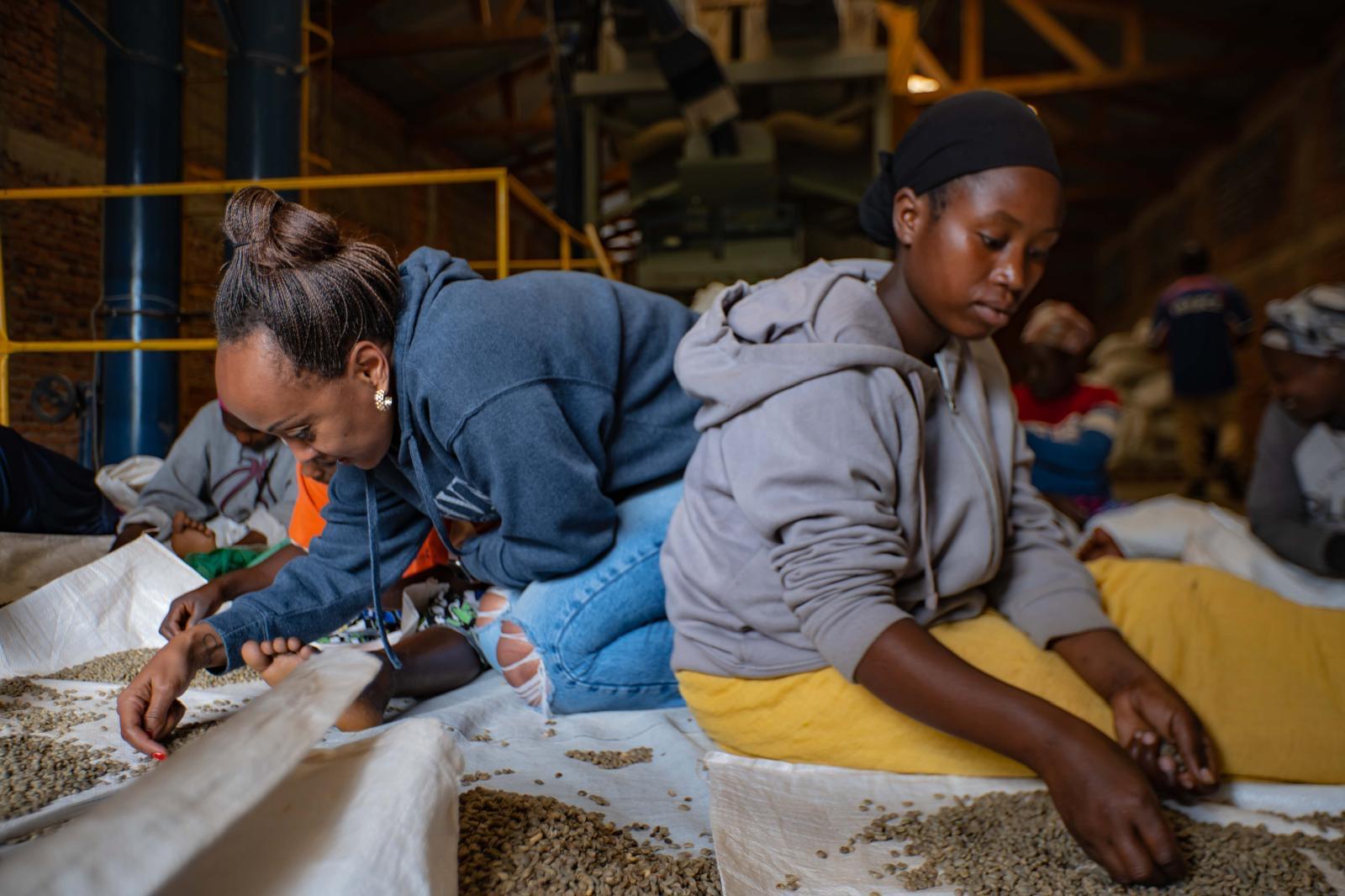
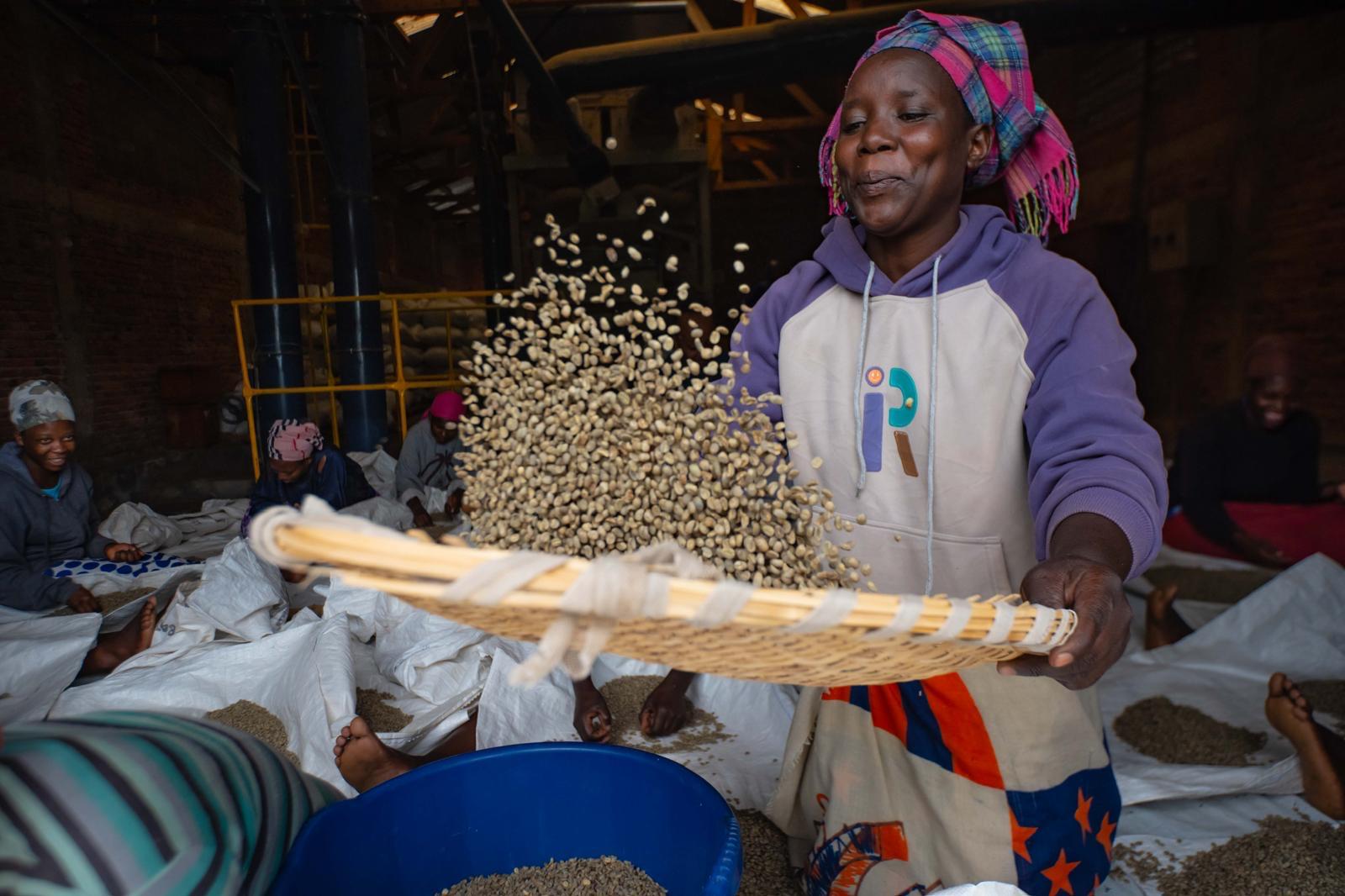
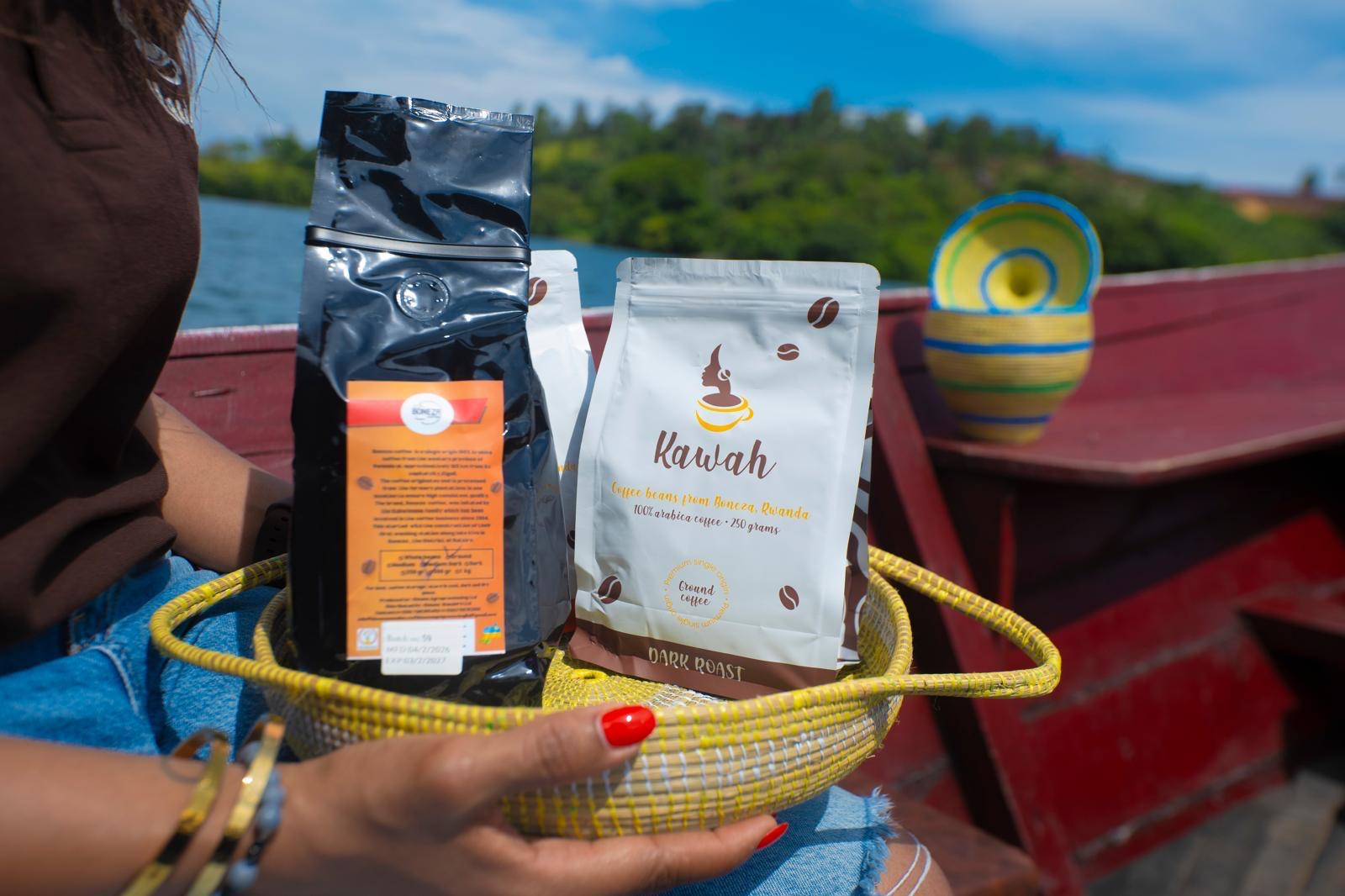
Kubwimana: In 2014, I began promoting our coffee abroad, especially in Dubai, through Boneza Coffee. In 2020, after moving to Singapore, I launched Kawah Coffee, targeting the international market. The goal was not just to showcase our coffee but also to highlight the stories of our farmers—90% of whom are women. By September 2022, the brand was registered in the UK after we relocated there.
What inspired you to formally take on the leadership of Kinunu Agroprocessing?
Kubwimana: It was a gradual decision fueled by both passion and responsibility. Kinunu is more than a business—it’s a family legacy. Leading it allows me to honor the heritage of my father and grandfather while supporting the community that has grown with the farm.
How do you see Rwandan coffee positioned in the global market today?
Kubwimana: Rwanda has made a clear strategic choice to focus on quality. Despite its small size, the country produces coffee under excellent conditions, which is why Rwandan coffee is now recognized among the best in the world. Initiatives such as the Visit Rwanda brand have also helped increase the country’s visibility internationally, making it much easier today to introduce Rwandan coffee to new markets compared to a few years ago.
Any final thoughts you’d like to share?
Kubwimana: Taking over Kinunu is about continuing a family and human story. It’s about preserving heritage, staying true to our values, and looking forward, ensuring that the legacy of our coffee farmers continues to thrive both locally and globally.
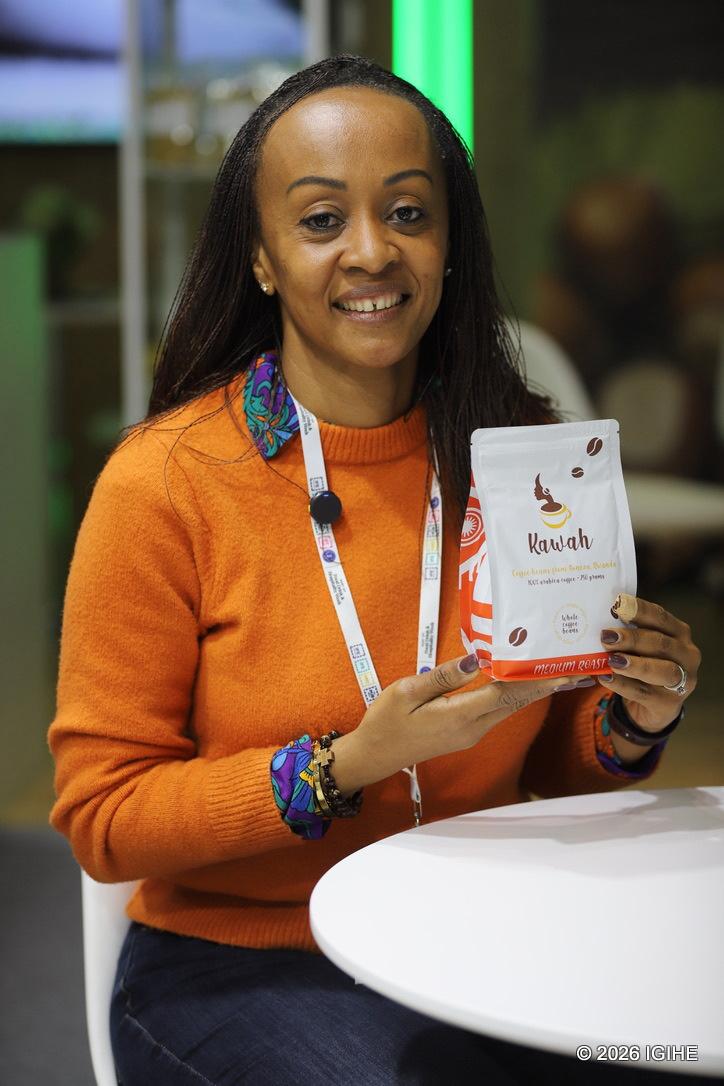
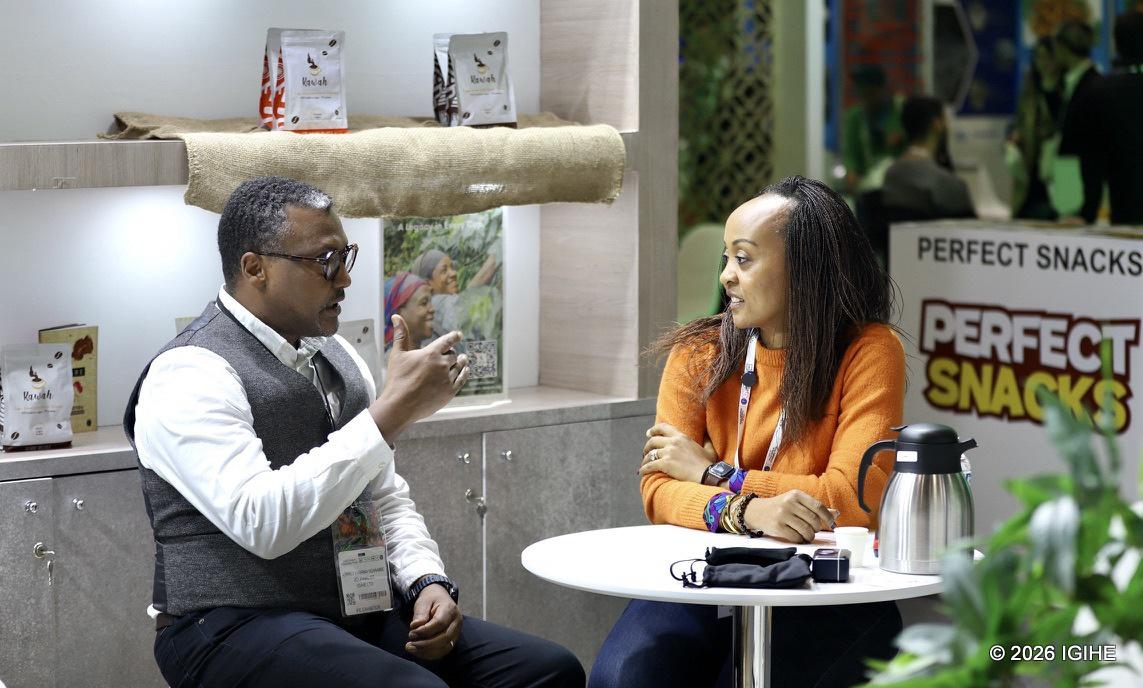
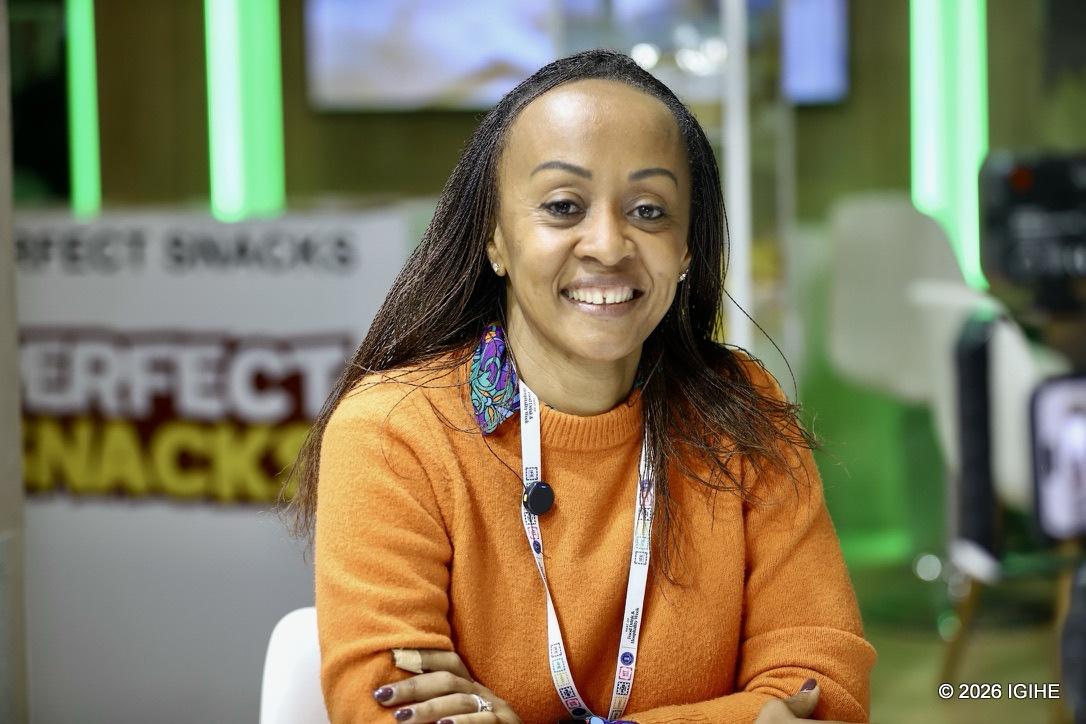
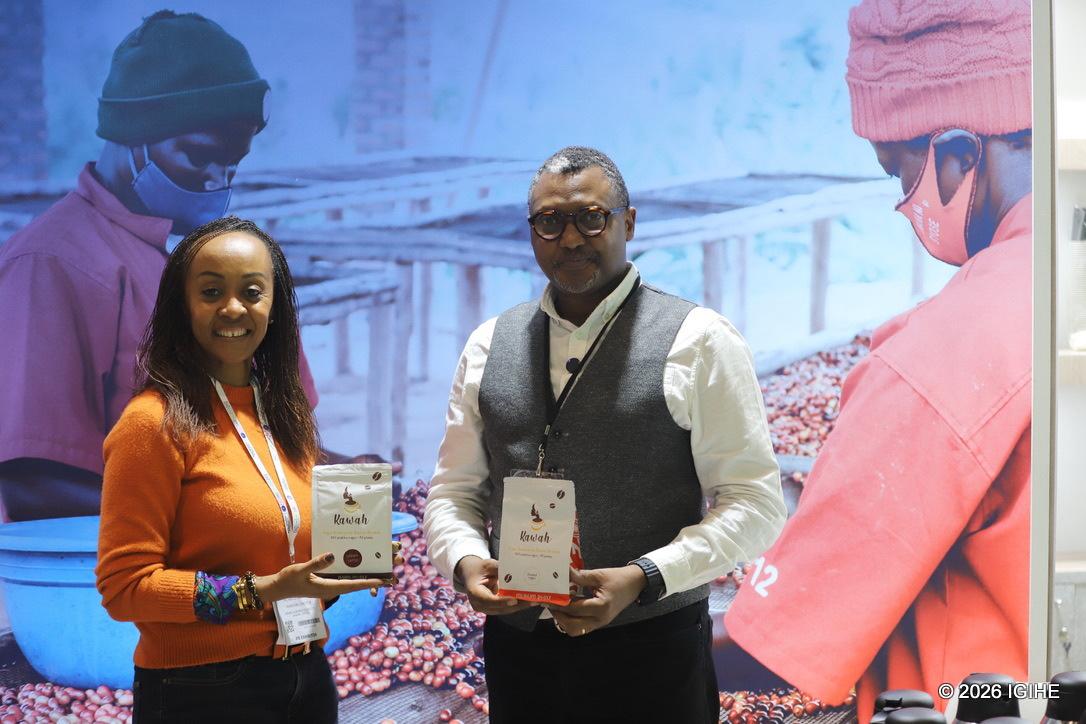
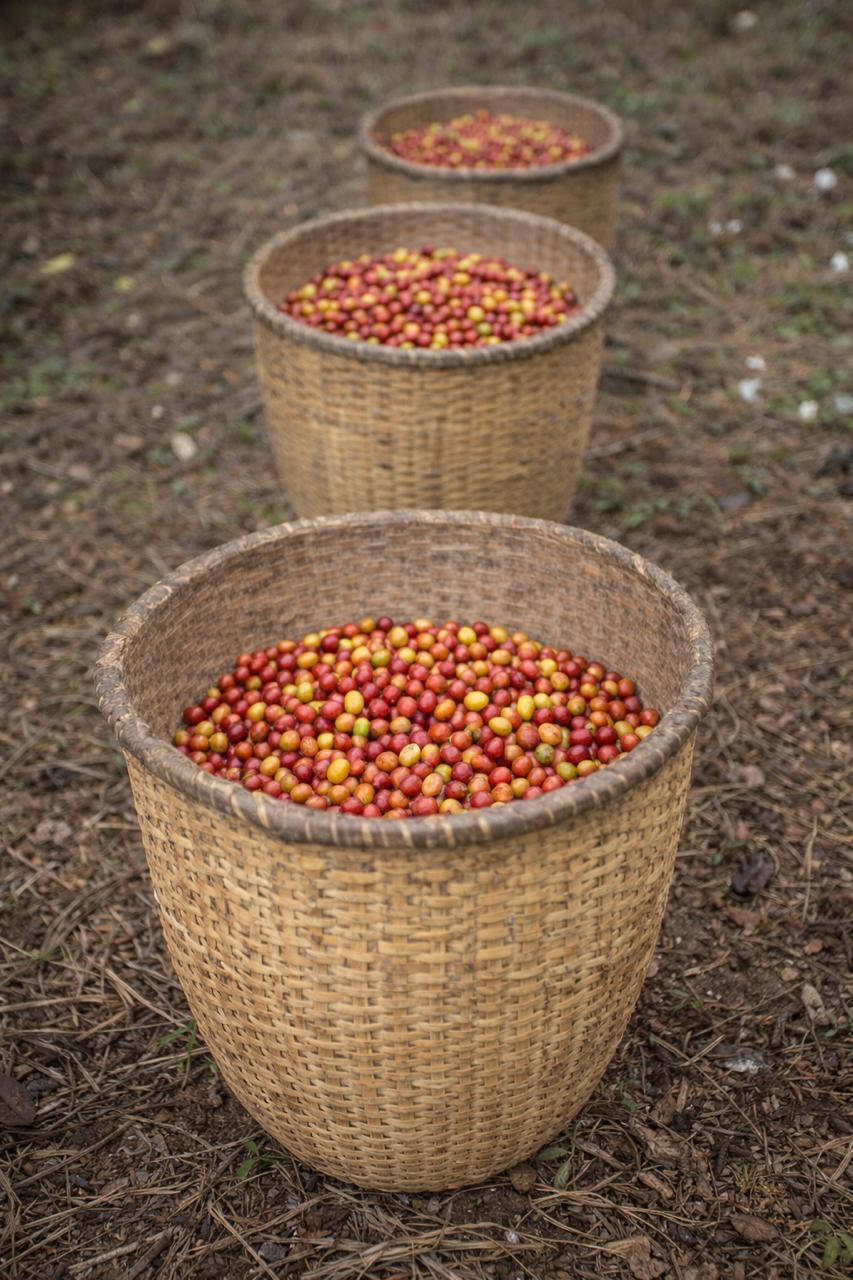
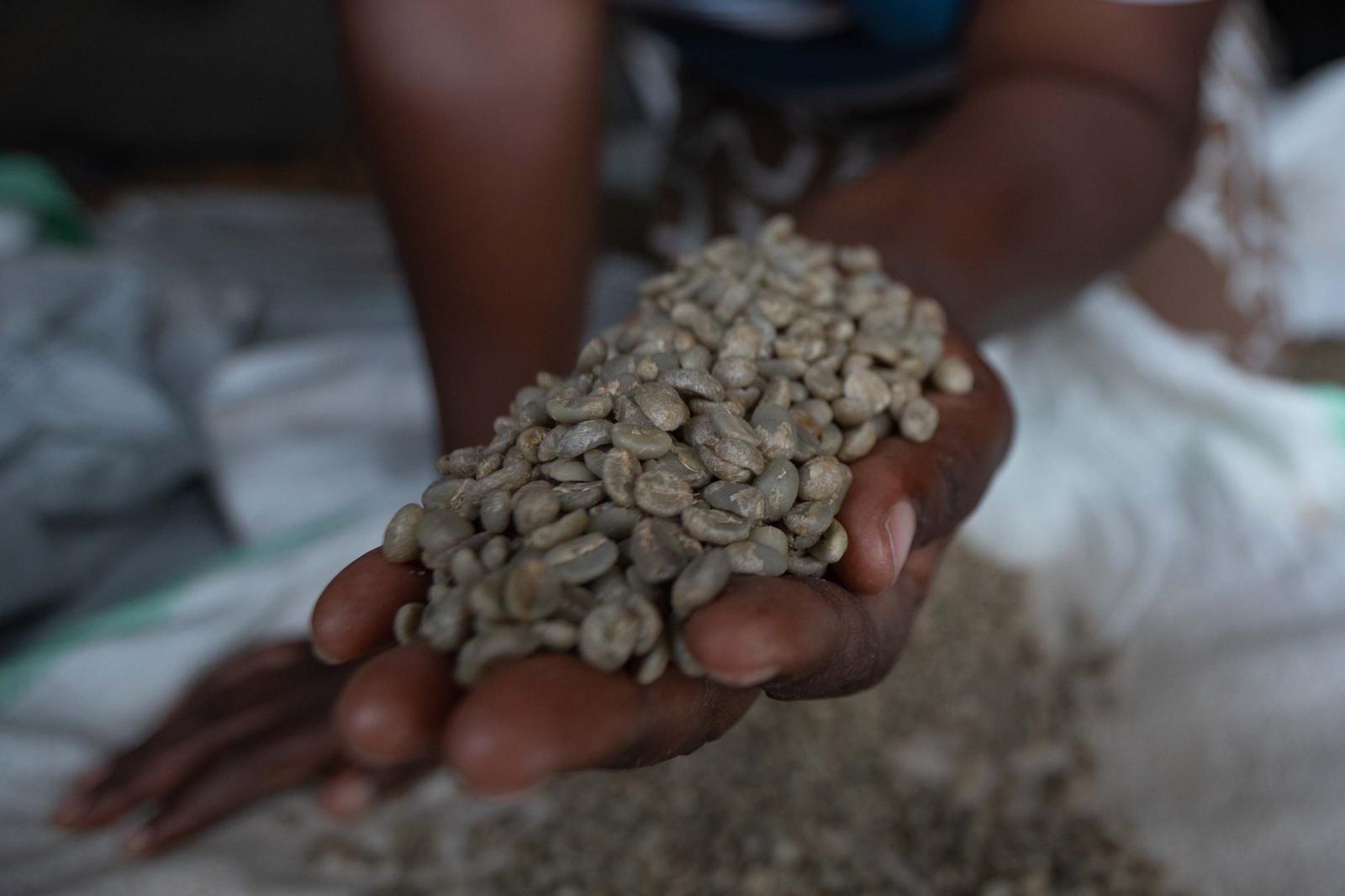
Photos showing Kubwimana and her father with farmers working on their farm in Kinunu
karirima@igihe.com
Leave a Reply