The Government of Rwanda introduced the workplace learning programme, known as Dual TVET, in 2019. It was designed to help students in technical and vocational education gain both theoretical knowledge and hands-on experience in the workplace.
The programme initially started in six TVET schools in the Western Province before expanding to 16 schools across Kigali and other provinces.
It has produced strong results, with 76% of graduates securing jobs within six months of completing their studies.
In addition, an evaluation conducted on Dual TVET graduates from the 2022/2023 academic year showed that 95.7% of them had already found employment.
The programme differs from traditional internships, as each term includes a period during which students are required to train in companies and institutions related to their fields of study.
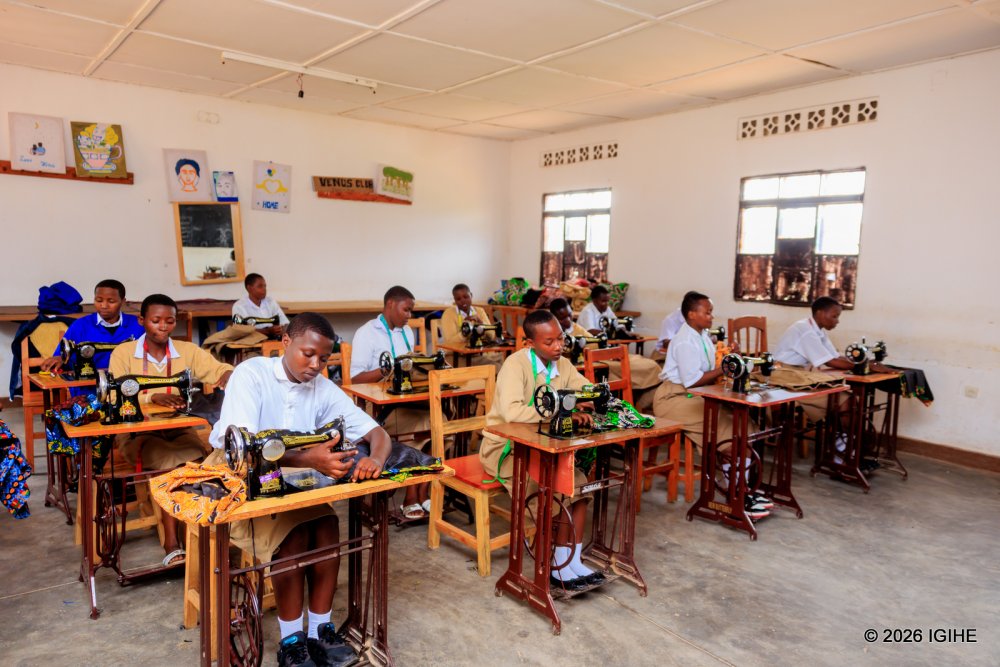
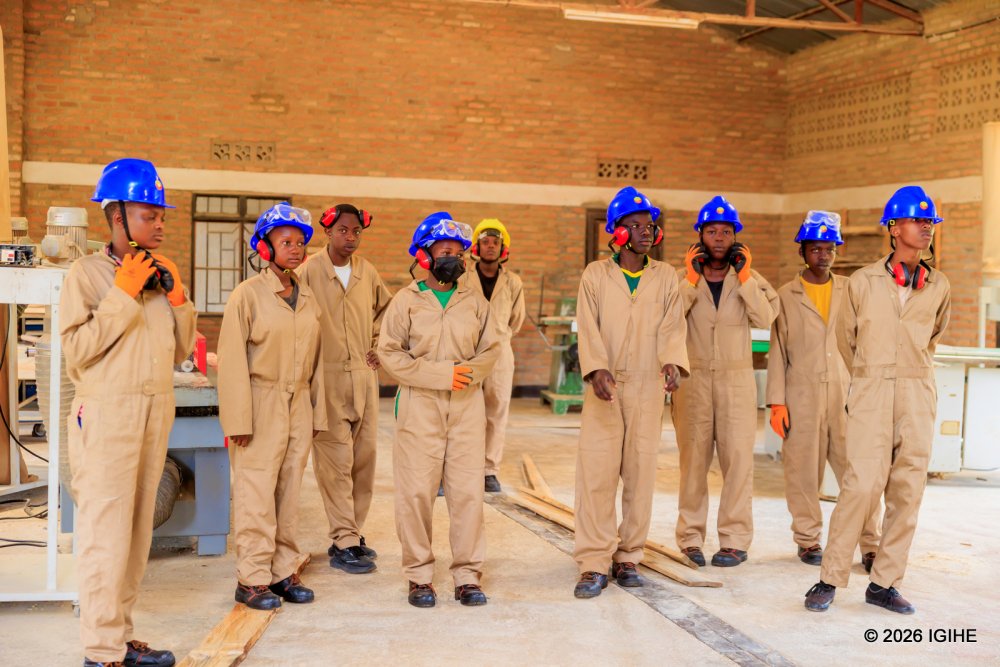
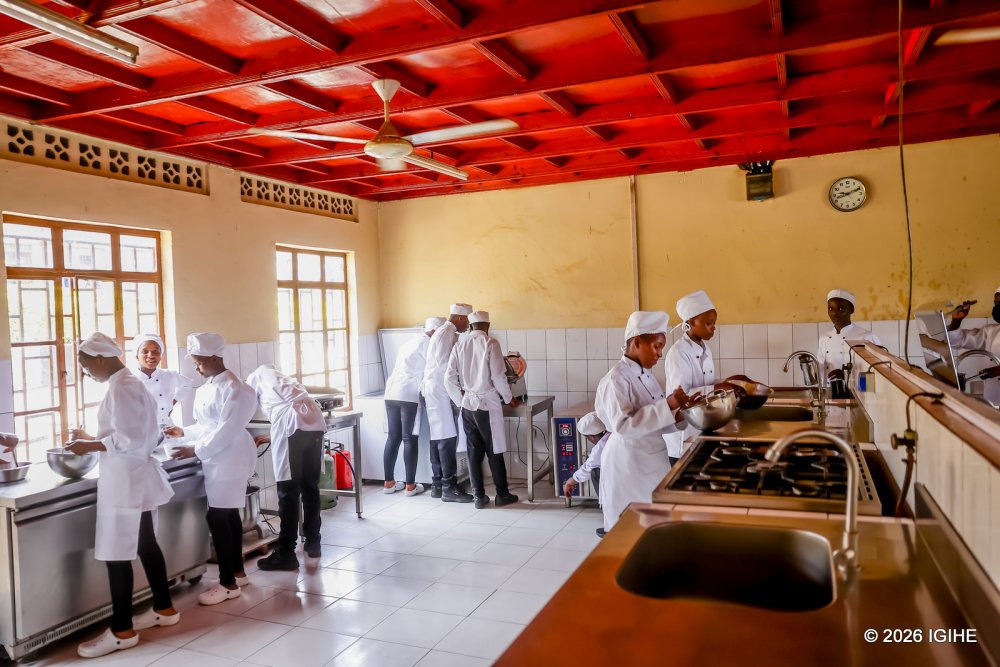
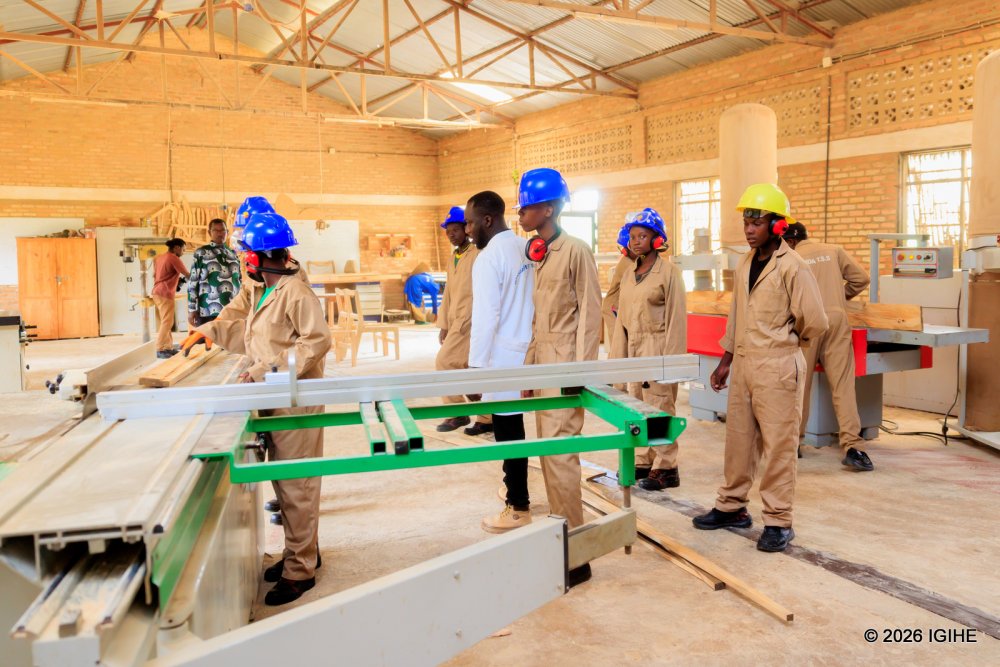
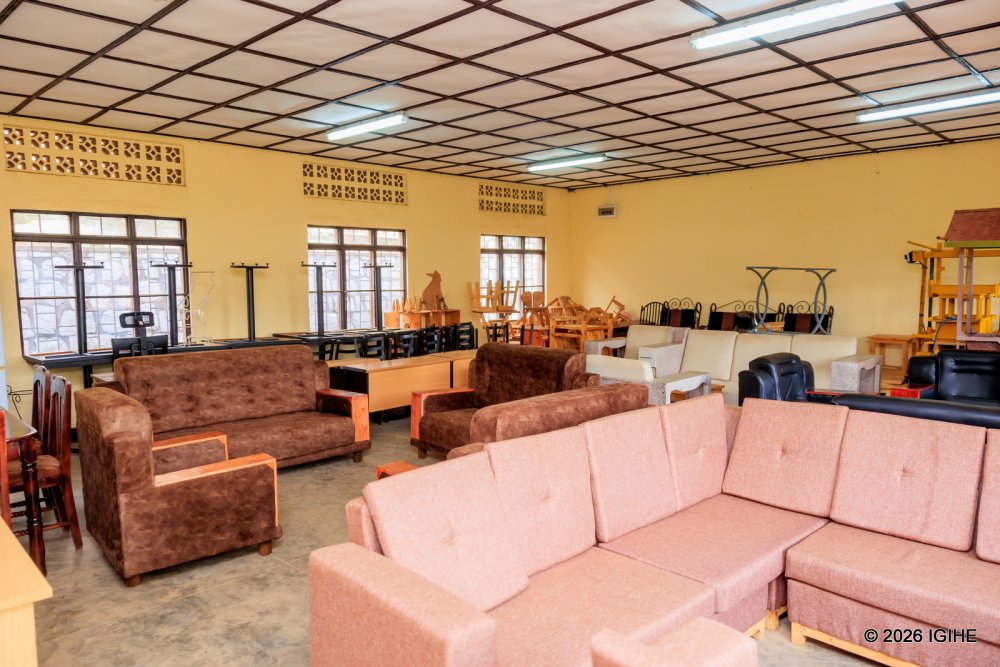
Mpanda TSS has more than 600 students, of whom 85 are enrolled in the Dual TVET programme this academic year. They are studying in three departments: carpentry, fashion design, and culinary arts.
Students and teachers told IGIHE that the programme’s impact is remarkable, as it equips learners with complete, practical skills, allowing them to graduate fully prepared to perform their jobs without needing additional adjustment between school and the workplace.
Divine Gasaro, a fourth-year student in culinary arts, said:
“Now I have fully understood how to serve food, and even in preparation I have learned how to properly use spices before cooking. I can now provide good service because during workplace learning we interacted with clients and learned how to handle them in a way that satisfies them.”
Daniel Mugisha, a fourth-year carpentry student, said:“During workplace learning, it is all about working because we go from Monday to Friday. It is very different from studying at school, where sometimes there are limited materials and practical sessions are allocated only a few hours. Workplace learning is what really shows that you have mastered what you studied.”
The students also expressed strong confidence in securing jobs after graduation, as they already feel experienced due to combining studies with real work.
Latifa Akimana, who teaches hospitality in the culinary department, emphasized that the previous system, where students mainly learned theory before going for internships, did not produce sufficient results.
“Previously, a student would finish school but then have to start learning again once they got a job. Now they graduate already having enough skills. They understand what they are getting into. As teachers, our role is to work with the companies that train them so that students are exposed to what is outlined in the curriculum,” she said.
The head teacher of Mpanda TSS, Gilbert Ndangamira, noted that at the beginning, some private companies did not fully understand the programme, but this challenge has gradually been resolved, and the school now partners with 12 companies.
“There was initially a challenge where staff in those companies who were guiding students did not have teaching skills. However, the Rwanda TVET Board has supported us by providing them with training so they can effectively deliver learning,” he noted.
Marie Grâce Munderere, founder of Light and Moriah Company, a carpentry firm based in Muhanga furniture workshop, said hosting students for workplace learning benefits both sides.
“We contribute to training future workers by giving them the skills needed in the job. When we need an employee, we often recruit from those who trained with us or connect them with others looking for workers because we already know their capabilities,” she stated.








Leave a Reply