Despite its ongoing presence, there are those who downplay its significance, particularly in the international community. Often, it is portrayed as an organization no longer a threat to Rwanda, to the Congolese civilians, or to the Great Lakes region in general.
The first mistake made by those who hold such views is the neglect of the fact that the FDLR is rooted in genocide ideology. The extremists within this group continue to wreak havoc in eastern Congo while seeking to destabilize Rwanda.
Although the group remains under UN and U.S. sanctions, this has not stopped it from continuing its operations, even receiving occasional political, military, and logistical support from the Kinshasa government over the years.
Congolese authorities have repeatedly claimed that the FDLR is no longer a formidable force and is merely composed of elderly individuals fleeing justice. However, this claim is far from the truth. The FDLR remains active in politics, military actions, and the propagation of its genocidal ideology.
This has been further demonstrated in the ongoing conflict between the Congolese government and the M23 rebel group.
Reports from UN experts in 2024 and 2025 revealed that the administration of President Félix Tshisekedi has utilized the FDLR and other groups such as Wazalendo as auxiliary forces to support government troops against M23. These developments should decisively eliminate any confusion or misinformation about the group being a mere historical relic.
Who are the current leaders of the FDLR?
The FDLR is currently led by Lt Gen Iyamuremye Gaston, also known as Byiringiro Victor or Rumuri, who serves as the group’s president.
Iyamuremye, born in 1948 in the current Musanze District, now resides in Hembe, Bashali-Mokoto, in Masisi, eastern DRC. He is under both UN and U.S. sanctions.
During the 1994 genocide against the Tutsi, Iyamuremye held the rank of major and led an armoured battalion.
His continued leadership of the FDLR underscores the fact that the group is still directed by individuals with direct involvement in the genocide.
Iyamuremye has close associates in both political and military operations within the FDLR. These include Moïse Izabayo, who is in charge of foreign relations and also based in Hembe, and Maj Gen Bunani Daniel, also known as Busogo Ukwishatse, responsible for security.
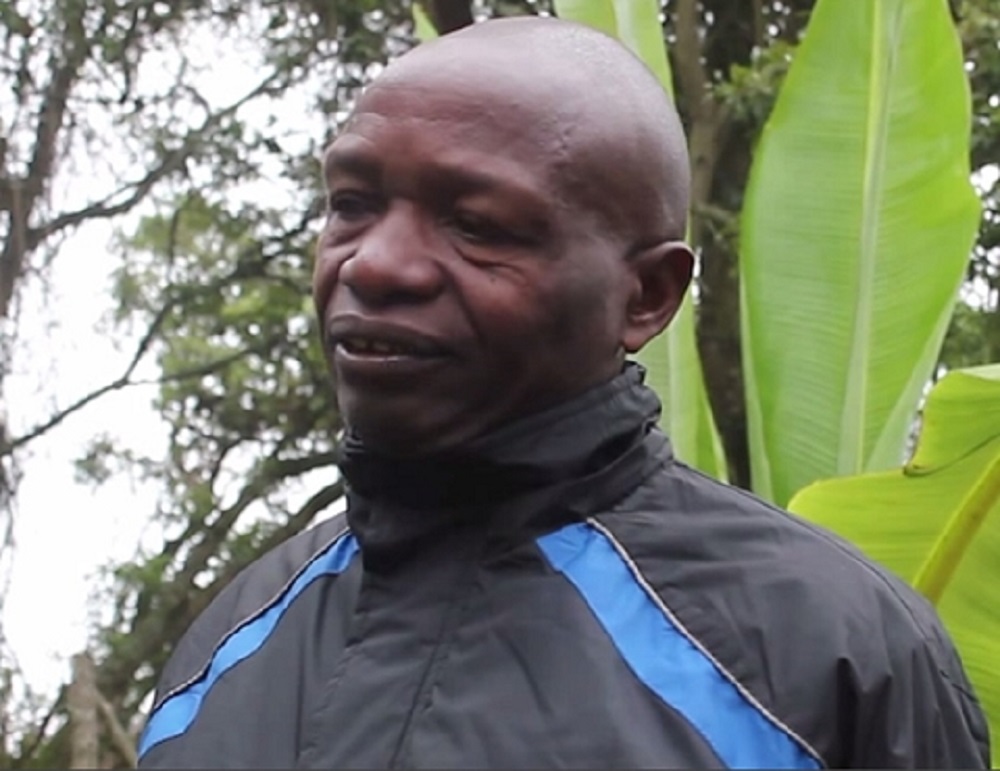
Another key figure is the FDLR’s spokesperson, Augustin Maniragaba, known as Cure Ngoma, who also operates from Hembe. Maniragaba, who hails from Nyamutera in Ruhengeri, Rwanda, was a teacher during the 1994 genocide against the Tutsi and has been a prominent advocate for the group’s genocidal ideology.
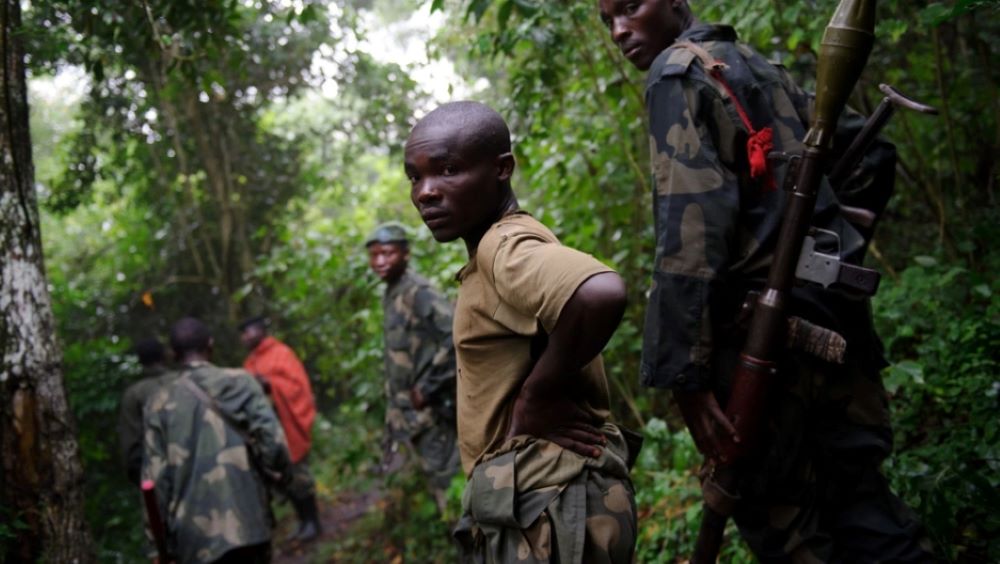
Military backbone of the FDLR
The FDLR’s military wing, the Forces Combattantes Abacunguzi (FOCA), is led by Maj Gen Pacifique Ntawunguka, known as Omega. Ntawunguka was born in 1964 in Gisenyi (now Rubavu) and resides in the Kirama forest in the Rutshuru area of North Kivu. He was a lieutenant in the FAR (Rwandan Armed Forces) during the 1994 genocide against the Tutsi and later fled to Congo after the defeat of the genocidal regime.
Ntawunguka, with his extensive military training, remains a senior leader within the FDLR, having undergone military education in Egypt, Greece, and France. His role and leadership show that the FDLR is not a random or ill-trained group, but one with substantial military expertise. He continues to express his defiance, stating that he will not return to Rwanda until no Tutsi is left.
Intelligence and propaganda within the FDLR
The FDLR also has an intelligence division led by Brig Gen Uwimbabazi Sebastien, known as Kimenyi Gilbert Nyembo. Uwimbabazi was sanctioned by the U.S. in 2023 for his involvement in the ongoing conflicts in eastern DRC. He was a lieutenant colonel in the Rwandan gendarmerie during the genocide and is closely linked to the group’s propaganda efforts.
FDLR also runs a military academy, headed by Brig Gen Hitimana Bernard, who has been instrumental in training the group’s forces. Hitimana was involved in the FDLR’s operations in 2008-2009 and has served in various leadership capacities in the group.
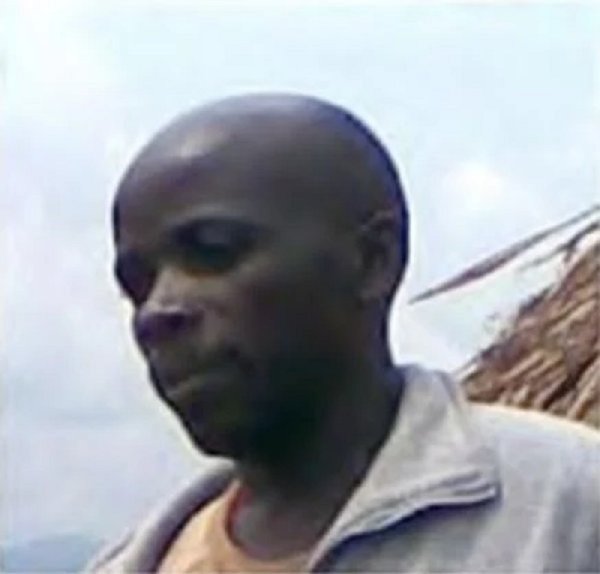
Elite forces
Among the most notorious commandos within the FDLR is Lt Col Rurakabije Pierre Célestin, known as Samba Guillaume, who leads an elite unit called CRAP (Commandos de Recherche et d’Action en Profondeur).
Rurakabije is listed on four international sanctions lists due to his involvement in promoting violence and insecurity in eastern DRC.
Another prominent figure is Col Kubwayo Gustave, known as Sircof Modeste, who leads operations under the name SINAI in many areas of Rutshuru, including Kahumiro, Kazaroho, Katanda, and Mayamoto.
Additionally, there is Col Oreste Ndatuhoraho, who uses the names Uwikunda Oreste or Issa Pierre. He leads CANNAN/JERICHO, which is considered the main headquarters of the FDLR.
Ndatuhoraho was born in Rutobwe in 1970 and worked as a secondary school teacher before joining armed groups. In 1994, he participated in military training for the Interahamwe militia to use weapons aimed at killing the Tutsi during the Genocide.
FDLR is not a group to underestimate
The FDLR is a highly organized and skilled group, with a clear political, military, and ideological agenda. It is not a group of displaced individuals without power, as some would suggest. On the contrary, the FDLR continues to pose a significant threat to both the region and Rwanda, bolstered by military expertise, political ties, and a genocidal ideology that remains influential.
To dismiss the FDLR as a mere historical artifact is to ignore the real threat it still poses today. The international community must recognize the continued existence of this threat and work together to address it. Military action alone is not enough to dismantle the FDLR; a coordinated and sustained international effort is necessary to address the root causes of this violent group.
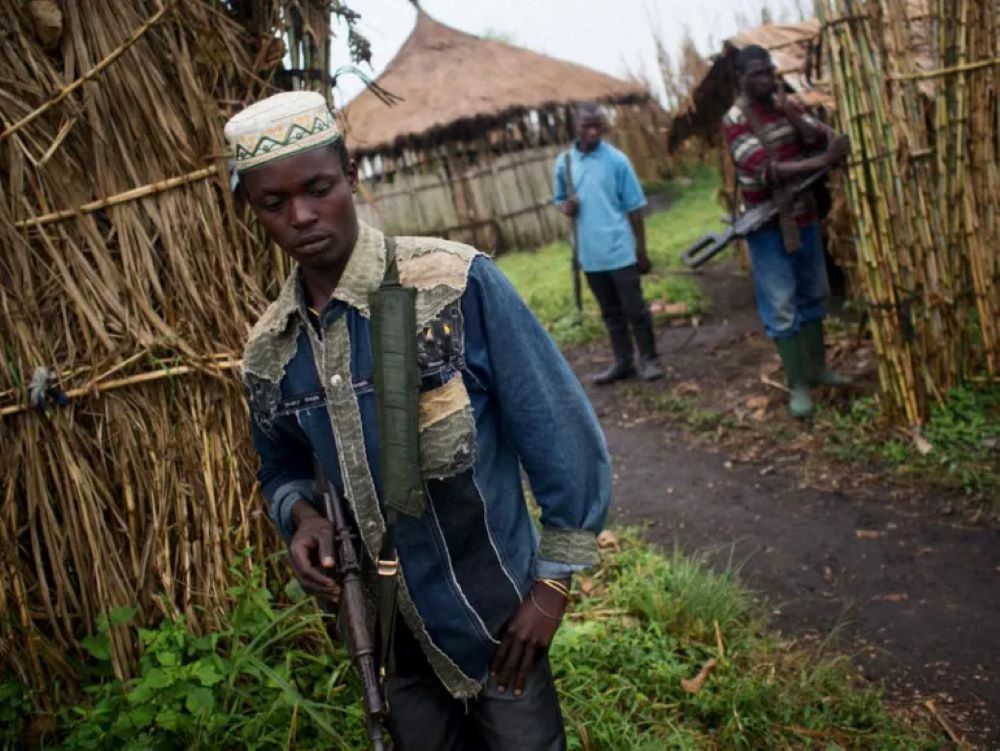
Leave a Reply