In the research, scientists followed 81 African turquoise killifish, a species with a naturally short life span of four to eight months. Despite having similar genetics and identical living conditions, the fish aged very differently.
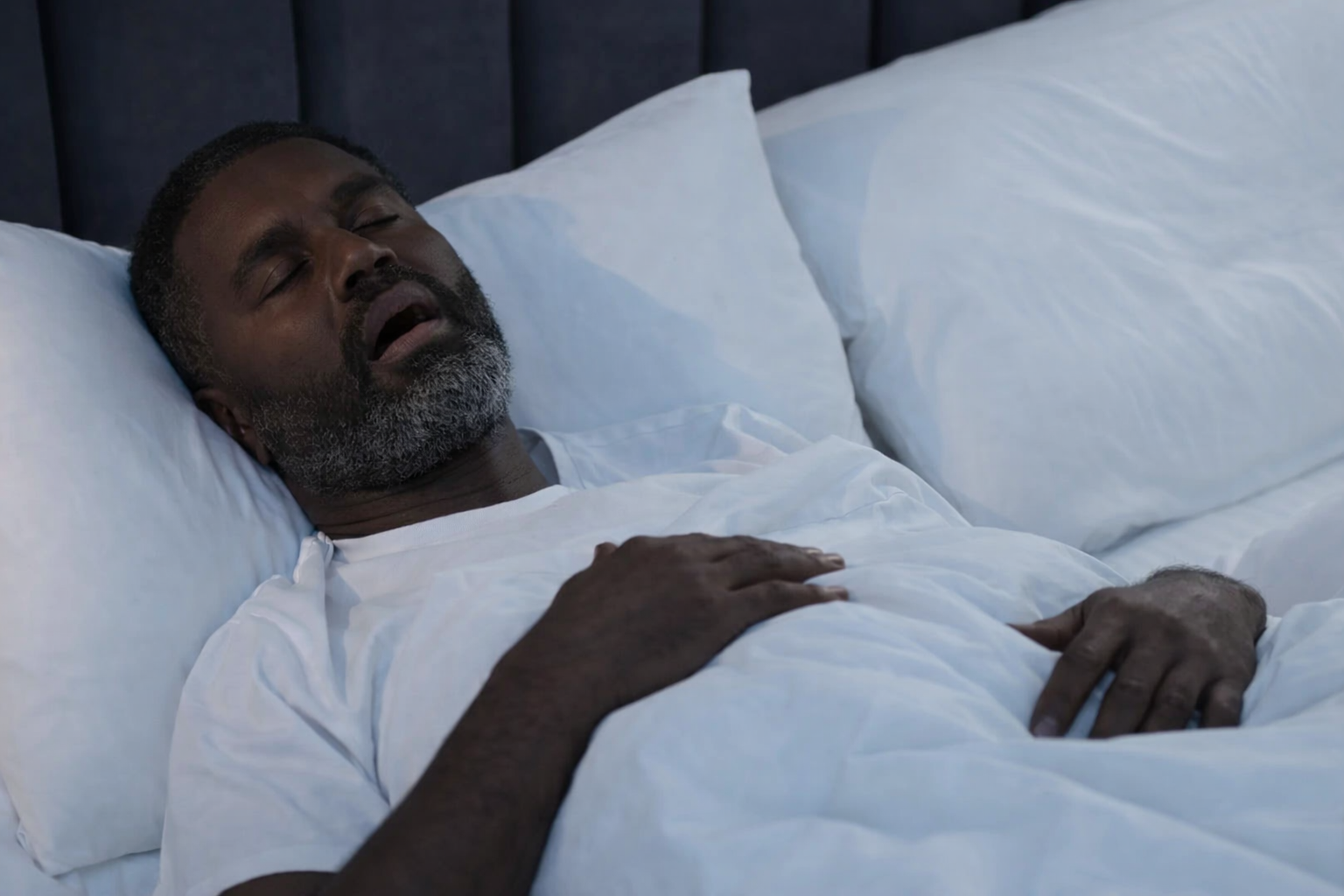
Some stayed active and slept mainly at night, while others became less active earlier and slept more during the day. These small differences in everyday behavior were strong predictors of how long each fish lived.
The research team, supported by the Wu Tsai Neurosciences Institute’s Knight Initiative for Brain Resilience, tracked each fish using a continuous camera system that recorded movement and rest patterns throughout their lives.
From this massive dataset, they analyzed thousands of moments to identify distinct behavioral patterns. These “behavioral syllables,” such as posture, swimming speed, and rest habits, helped the scientists see how individual aging paths diverged early even when the fish were in midlife.
One of the key findings was that fish with longer lifespans tended to stay more active during the day and sleep mostly at night, while shorter‑lived fish showed more daytime sleep and reduced activity. The researchers also used machine learning to show that just a few days of midlife behavior were enough to provide strong predictions of lifespan.
Lead researchers like Claire Bedbrook noted that “behavior is a wonderfully integrated readout, reflecting what’s happening across the brain and body,” suggesting that habits may offer a dynamic window into health and aging.
The study also found that aging doesn’t occur gradually in a smooth way. Instead, most fish experienced distinct stages of aging, moving quickly from one phase to another before settling into periods of stability. This pattern challenges traditional ideas about how aging progresses and highlights the importance of continuous behavioral tracking.
The researchers hope these findings will encourage further studies in humans, especially as wearable devices like smartwatches already collect data on activity and sleep. If similar patterns hold true in people, monitoring simple daily habits could one day help identify early signs of aging differences and inform strategies for healthier, longer lives.
Leave a Reply