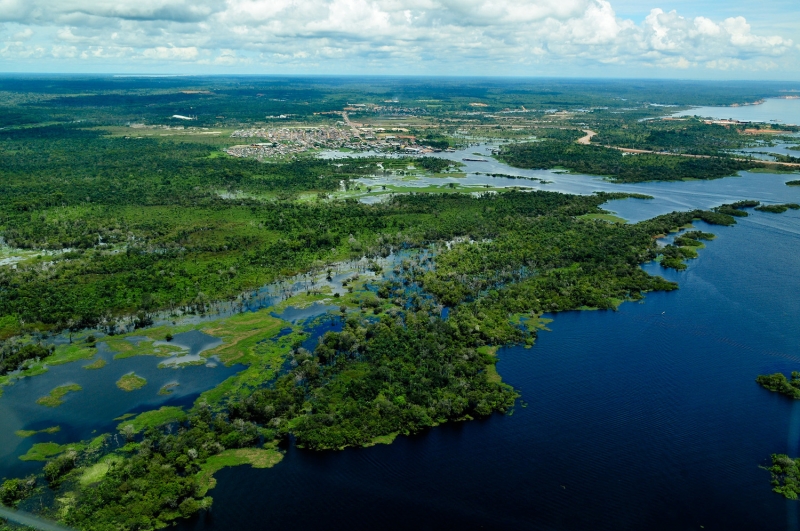
Each year, these remarkable fish undertake the longest migration of any freshwater species, traveling between 8,000 and 12,000 kilometers from the foothills of the Andes to the Atlantic Ocean.
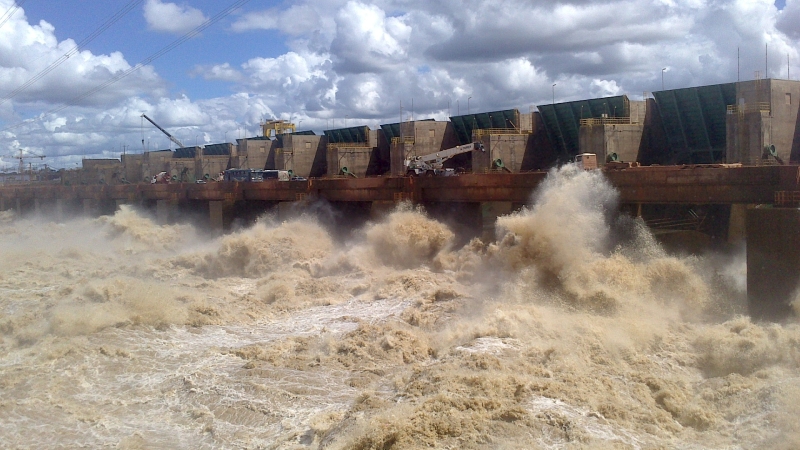
Scientists have only recently uncovered the full scale of this journey, which can last for 12 to 15 years. However, while the journey itself is an incredible natural phenomenon, it is now at risk due to human-caused disruptions. Dams and hydropower projects along the Amazon River and its tributaries are blocking the fish’s migratory routes, altering water quality, and disrupting essential seasonal flooding that sustains the region’s ecosystems. These obstacles threaten the fish’s life cycle, which relies on specific environmental conditions to thrive.
The dorado catfish plays a critical role in the Amazon’s ecosystem as an apex predator, helping to maintain balance in the food web. Its migration also supports local economies, as the species is a key source of protein for millions in the region and fuels commercial fisheries.
A new report from the Convention on the Conservation of Migratory Species of Wild Animals (CMS) calls for urgent action to protect migratory freshwater species like the dorado.
Governments and experts are encouraged to discuss a multi-species action plan that focuses on safeguarding migration routes, restoring connectivity, and promoting sustainable fishing practices.
Leave a Reply