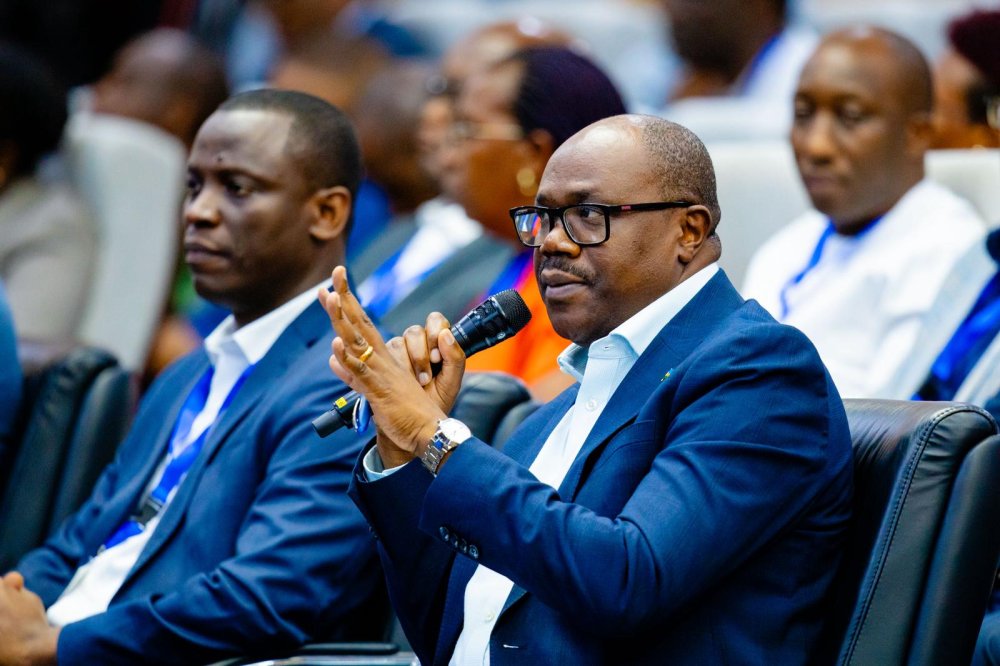
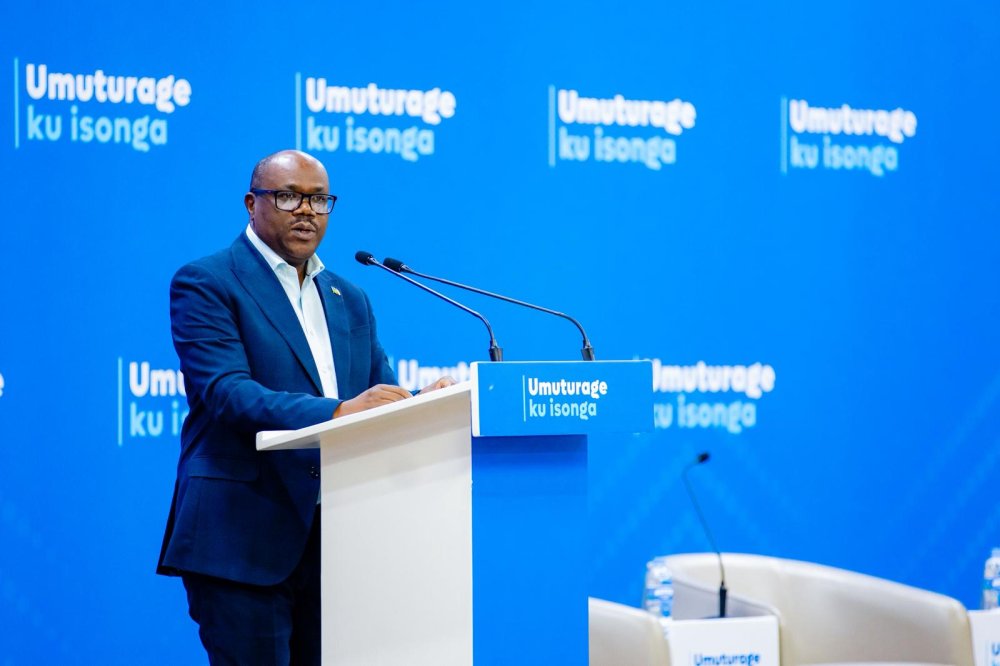
He made the remarks during the opening of the one-day consultation meeting of senior government officials and local leaders at Gako Military Academy.
The meeting discussed the ideal conduct for leaders in advancing the country and delivering quality services.
Dr. Nsengiyumva highlighted the importance of improving planning and coordination between various levels of government, stating that working in isolation often leads to inefficiencies and failed projects.
An example was shared about how some ministries implement projects fail to work with private sector partners to build additional infrastructure, which often results in unproductive outcomes.
The meeting takes place at a time when Rwanda Governance Board scorecard shows a decline in service delivery performance from 78.2% in 2023 to 75.8% in 2024, and 71.7% in 2025.
He urged leaders to commit to delivering timely and quality services, emphasizing that citizens have an inalienable right to good service. “We must ensure that citizens see the government as approachable, responsive, and focused on improving their lives,” he said.
The Prime Minister also discussed the worsening issue of drought, exacerbated by climate change, and the importance of leaders being close to the people to identify and address their challenges. He stressed that when leaders are close to their communities, they can identify needs, such as lack of seeds, ensuring that expected results are achieved.
Dr. Nsengiyumva also called on leaders to understand the living conditions of the people they lead and act quickly to address problems. He encouraged timely reporting of issues to higher authorities to allow the government to intervene when necessary. “Leaders must be proactive and ensure they follow up on issues in their communities,” he added.
Addressing the issue of malnutrition, the Prime Minister urged every district to have a target to eliminate malnutrition, particularly among children. He also raised concerns about poor hygiene and inadequate sanitation in some areas, where people live without basic sanitation facilities or with livestock in their homes.
Another critical issue raised was the substandard alcohol being produced, which not only harms citizens’ health but also impedes economic development.
Dr. Nsengiyumva also discussed the failure of many projects due to poor management, stating that stalled projects result in job losses and hinder economic growth. He gave the example of a market in Nyagatare that cost Rwf1.5 billion but was unused for two years, becoming overgrown with grass.
He urged leaders to follow up on projects, ensuring they meet their objectives and addressing any issues that arise. “You must take an active role in planning, monitoring, and solving issues related to the projects in your respective districts as you have what it takes to do so,” he stated.
Dr. Yusuf Murangwa, the Minister of Finance and Planning, emphasized the need for strategic planning to prioritize urgent projects, allocate resources, and ensure timely execution. He also pointed out that some projects are poorly aligned with actual needs, leading to inefficiency.
Mulindwa Prosper, the Mayor of Rubavu, stressed that poor planning erodes citizens’ trust in their leaders, leading to widespread dissatisfaction.
Leave a Reply