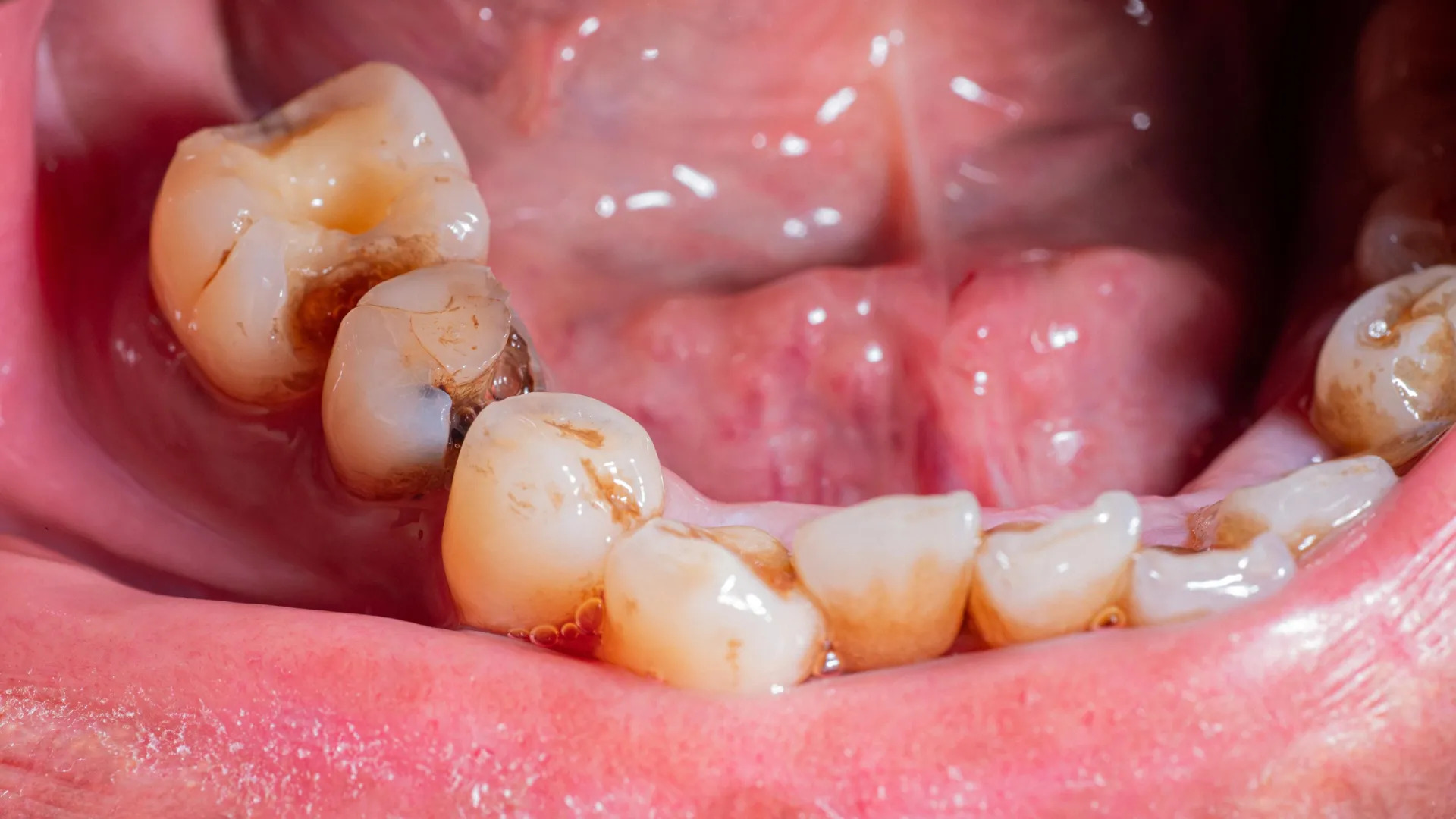
The study followed 65 patients who underwent root canal treatments for apical periodontitis (an infection at the tip of the tooth’s root).
What the researchers found was surprising: over the two years following treatment, patients showed improved blood sugar control.
Their glucose levels dropped, which is especially significant for those at risk of developing diabetes. In addition to this, cholesterol levels improved, and inflammation markers which are linked to heart disease also dropped.
So, what does this mean for our overall health? The research points to the idea that bacteria from dental infections can enter the bloodstream, triggering inflammation throughout the body.
Dr. Sadia Niazi, a senior lecturer in Endodontology, explained: “Root canal infections can allow bacteria to enter the bloodstream. Once there, these microbes may contribute to inflammation that raises the risk of heart disease and diabetes.”
This makes the case for treating dental infections more seriously not just for preserving your teeth, but because they might be contributing to other serious health issues. The study’s findings really emphasize that oral health is closely connected to overall well-being.
The researchers used a technique called nuclear magnetic resonance (NMR) spectroscopy to track the improvements in blood sugar, cholesterol levels, and inflammation markers. It turns out that when you treat a tooth infection, you’re not only fixing a local problem, you’re making a positive impact on systemic health too.
Dr. Niazi also highlighted that dentists and general healthcare providers should work more closely together to monitor how oral health affects patients’ broader health. She shared:
“Our findings show that root canal treatment doesn’t just improve oral health, it may also help reduce the risk of serious health conditions like diabetes and heart disease.”

Leave a Reply