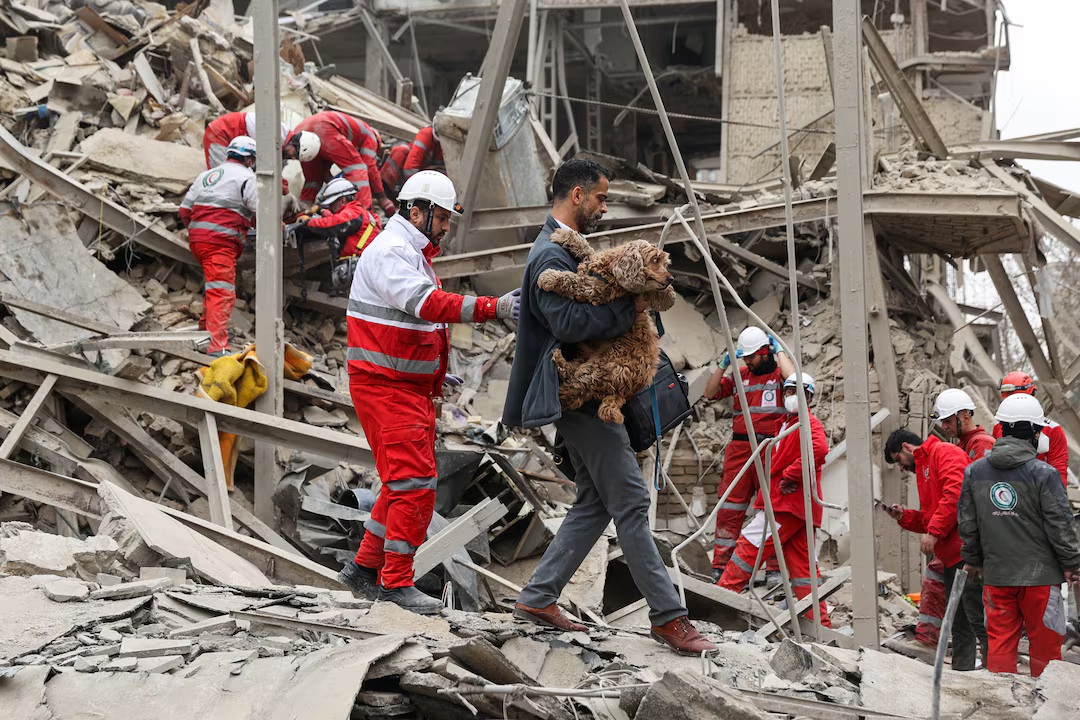
The conflict began in late February when the United States and Israel launched coordinated air strikes against Iranian military positions.
In response, Iran has retaliated with drone and missile attacks not only against U.S. and Israeli targets but also against neighbouring Gulf states including the United Arab Emirates and Saudi Arabia disrupting energy operations in the region.
Amid these rising tensions, Trump demanded that allied nations support his plan to protect commercial vessels and reopen the strait.
However, countries including Germany, Spain and Italy declined to participate, citing legal constraints and a lack of clear international mandate.
German Chancellor Friedrich Merz was quoted emphasizing that any mission would require approval from entities such as the United Nations, NATO or the European Union before deployment.
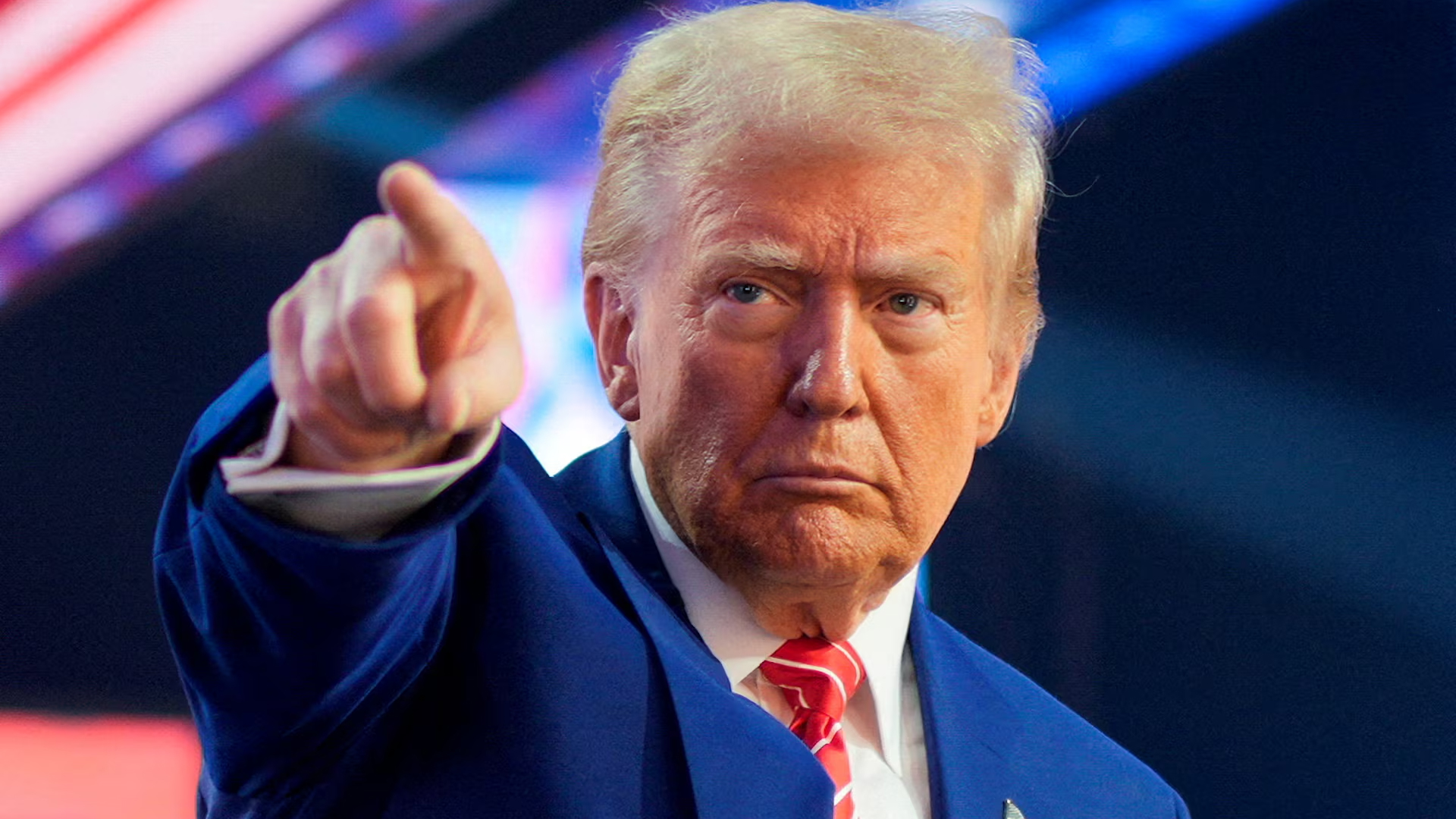
At a White House event in Washington, Trump expressed frustration with allies who had not shown what he described as sufficient enthusiasm.
He noted that some countries had offered support in principle but were reluctant to commit naval forces, particularly given the risks of being drawn deeper into the conflict. Trump’s remarks also hinted at long-standing geopolitical tensions, as he pointed to nations that the U.S. has historically helped or protected.
The ongoing military exchanges have had significant economic consequences, with disruptions in Gulf oil infrastructure and closures of key transport routes contributing to a rise in global energy prices.
In some cases, airports were temporarily shut down and major oil export facilities in the UAE were forced to halt operations due to attacks attributed to the conflict.
In addition to criticising allies, Trump claimed that some Iranian regional strikes were unexpected, despite intelligence warnings that Tehran might retaliate if attacked.
While the White House maintains that protecting global energy flows is a priority, the standoff underscores deep divisions among American partners over how best to respond to Iran’s actions and the broader escalation in the Middle East.
Leave a Reply