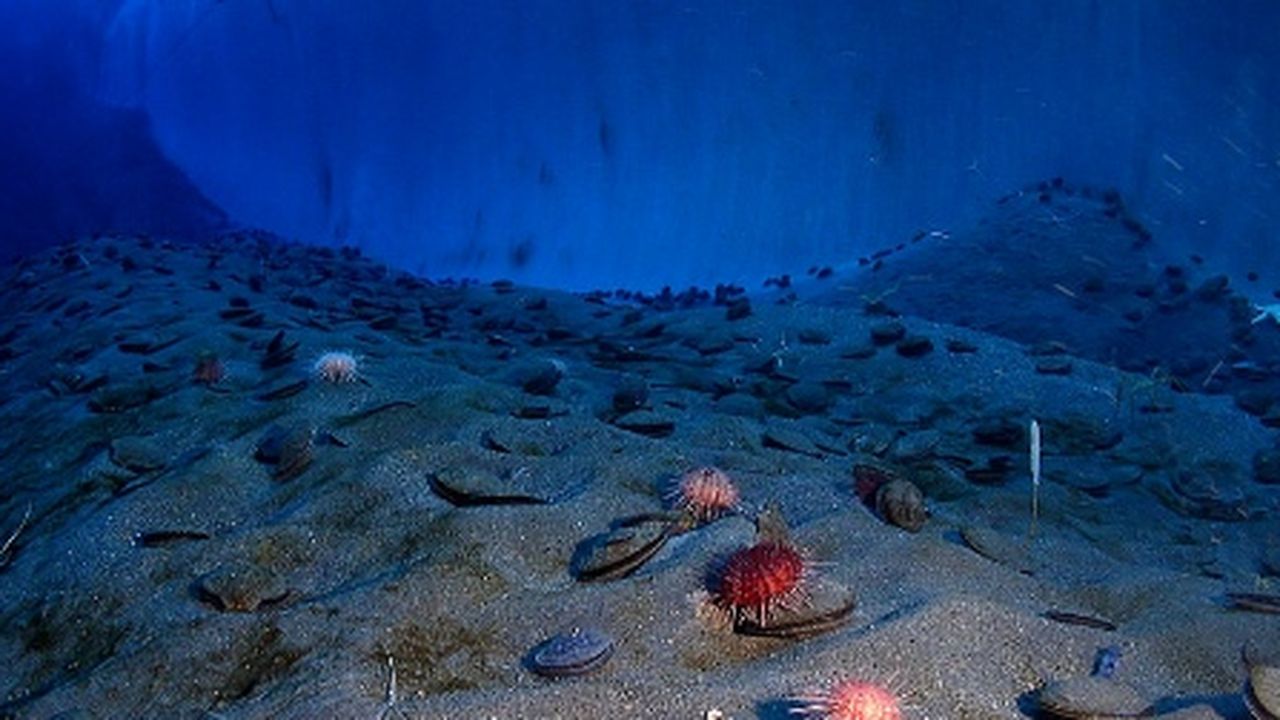
The research, published in Proceedings of the National Academy of Sciences, focuses on the microbe Nitrosopumilus maritimus, a type of ammonia-oxidizing archaea that plays a crucial role in ocean nutrient cycles. Scientists say these microbes make up roughly 30 percent of marine microbial plankton and are essential for the chemical processes that sustain marine life.
As ocean temperatures rise due to climate change and marine heatwaves, scientists have been concerned about how warming waters, sometimes reaching depths of more than 1,000 meters, could disrupt delicate biological and chemical systems in the deep sea.
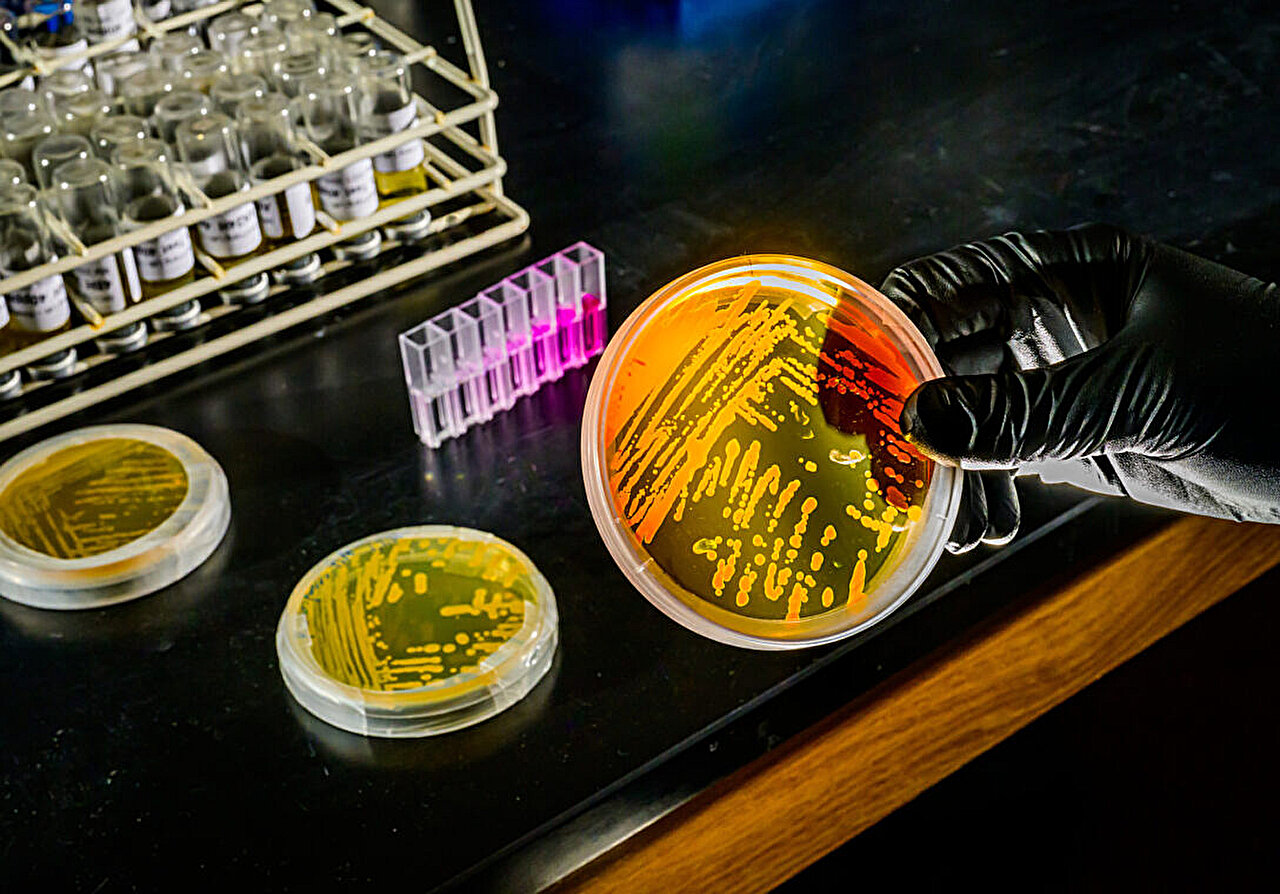
The study was led by Wei Qin, a microbiology professor at the University of Illinois Urbana‑Champaign, and David Hutchins of the University of Southern California. Using controlled laboratory experiments, the team exposed cultures of Nitrosopumilus maritimus to different temperatures and iron levels.
They discovered that warmer conditions combined with limited iron actually improved the microbes’ efficiency in using the metal, which is vital for their metabolism. This suggests the organisms can adapt to the stress of higher temperatures and reduced nutrient availability.
According to the researchers, global ocean models indicate that these microbes could continue, and possibly strengthen, their role in nitrogen cycling and supporting marine productivity in a warming ocean.
Later this year, the scientists plan to test their findings during a research expedition aboard the RV Sikuliaq, traveling from Seattle to the Gulf of Alaska and toward Honolulu to study natural microbial populations in real ocean conditions.
Leave a Reply