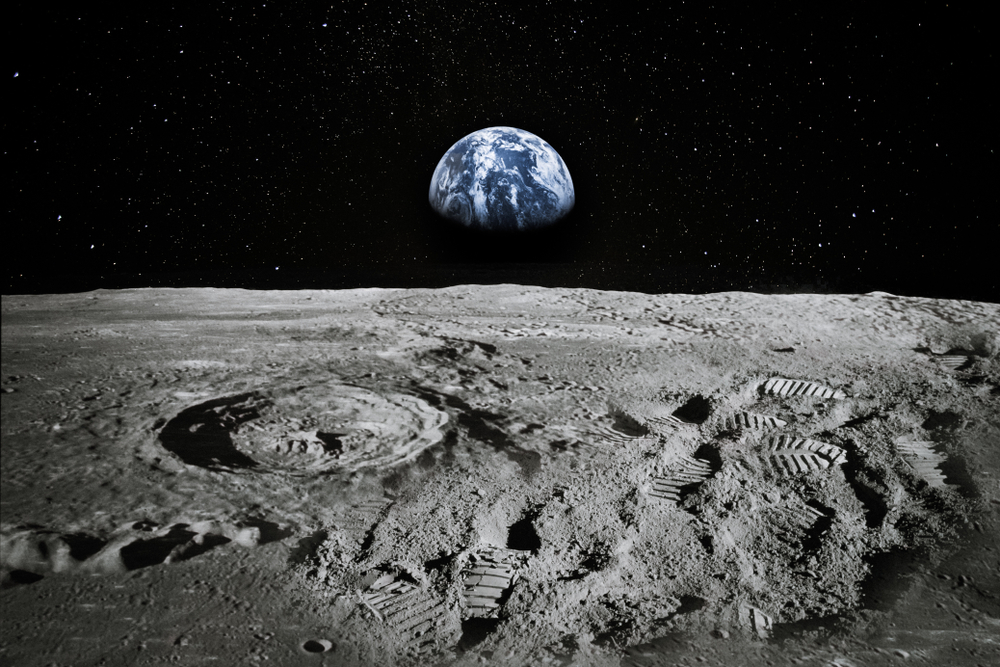
As the Moon’s core cools, it pulls its surface inward, much like a grape shrivelling into a raisin. This creates wrinkled, cliff-like ridges known as lobate scarps, formed when the brittle crust is pushed and crumpled from below. These features are a clear sign that, despite lacking the tectonic plate activity found on Earth, the Moon is not geologically dead.
“This is not to alarm anyone,” says Dr. Thomas R. Watters, a senior scientist emeritus at the Smithsonian and a lead researcher on the study. “But it is to raise the caution that the Moon is not this benign place where nothing is happening.”
The phenomenon is not entirely new; Watters first demonstrated in 2010 that the Moon has been shrinking for millions of years. However, recent data suggests many of these features are geologically young, meaning the Moon remains tectonically active. This activity is a significant concern for future space missions, as shallow moonquakes could impact landing sites and potential lunar bases.
“Unlike earthquakes, which last for tens of seconds, these moonquakes can last for hours,” explains planetary scientist Dr. James O’Donoghue. Such tremors could be “sufficient to potentially knock over any astronaut infrastructure.”
What if the moon disappeared?
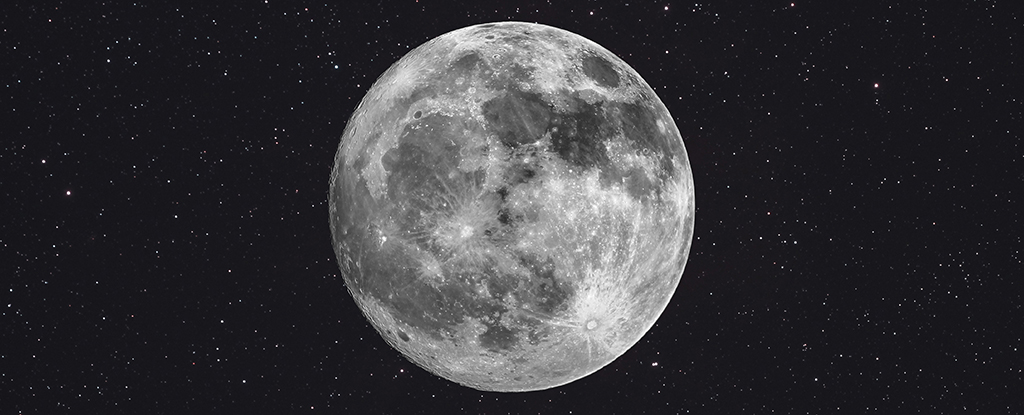
While the Moon is not going anywhere, scientists often use the “disappearing Moon” scenario to highlight its importance to our survival. The Moon acts as a gravitational anchor, stabilising our planet’s tilt and driving the tides.
Without it, Earth’s axis could wobble uncontrollably. “Everything we know about the seasons would be completely out of whack,” notes astrophysicist Paul Sutter. “Some places on the planet would hardly ever see the sun at all, and at others, the sun would be overhead for months on end.” These shifts would disrupt marine life, weather patterns, and the predictable climate that allowed human civilisation to thrive.
The idea of a “disappearing Moon” even has a place in history. Records from England in 1110 describe the Moon vanishing from the night sky entirely. Scientists later determined that a massive volcanic eruption had filled the atmosphere with sulfur-rich particles, temporarily blocking its light and creating the haunting illusion that it had vanished.
Even as it shrinks by a few hundred feet over millions of years, the Moon remains a critical stabiliser for Earth. Studying these lunar “wrinkles” does more than just reveal the Moon’s history; it helps us understand the delicate celestial balance that sustains life on our own planet.
Leave a Reply