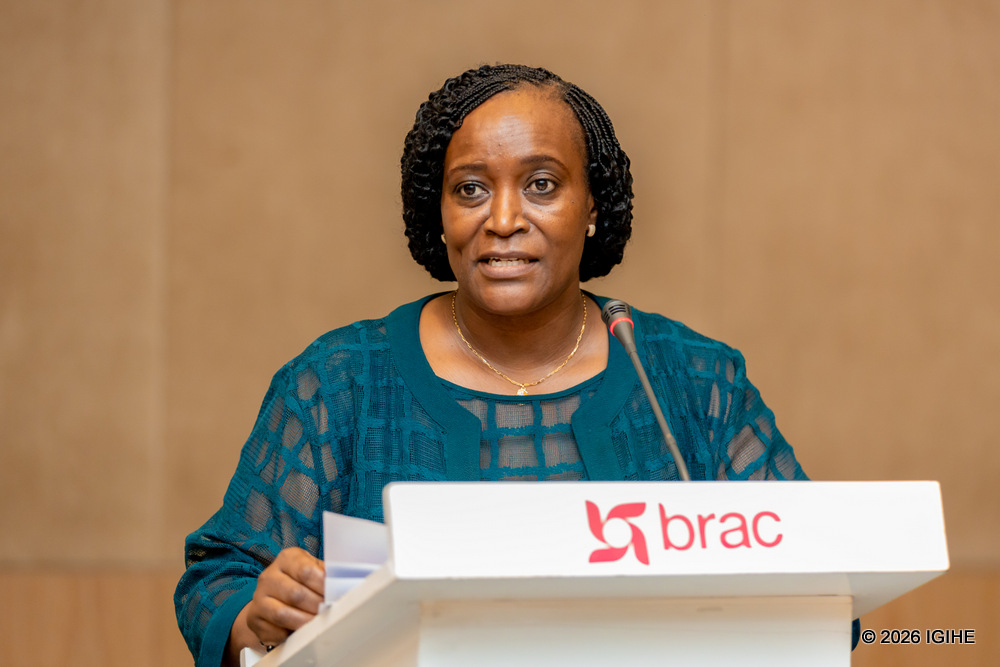
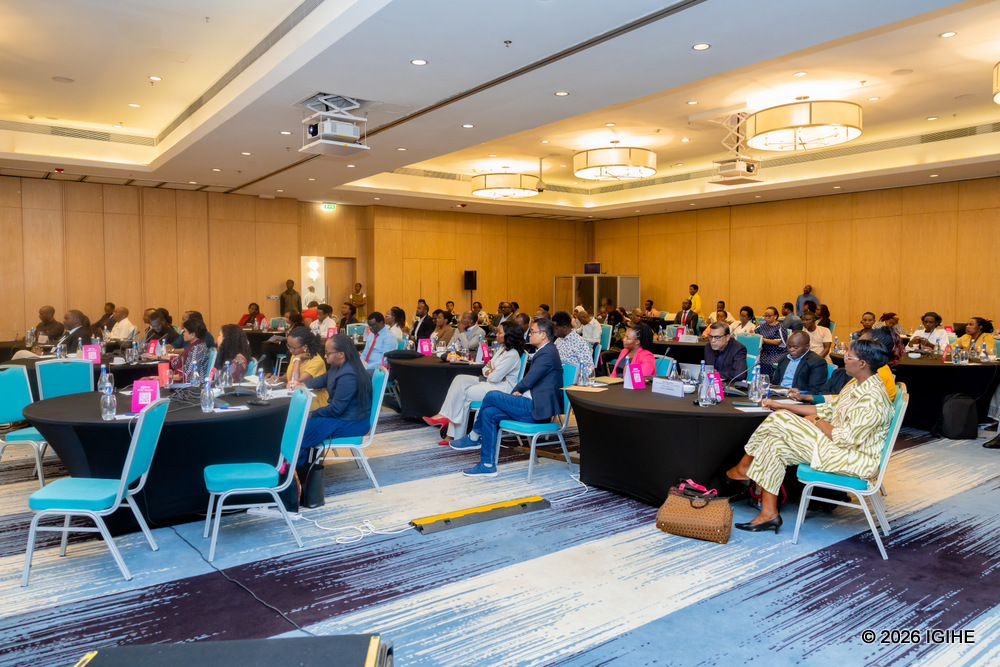
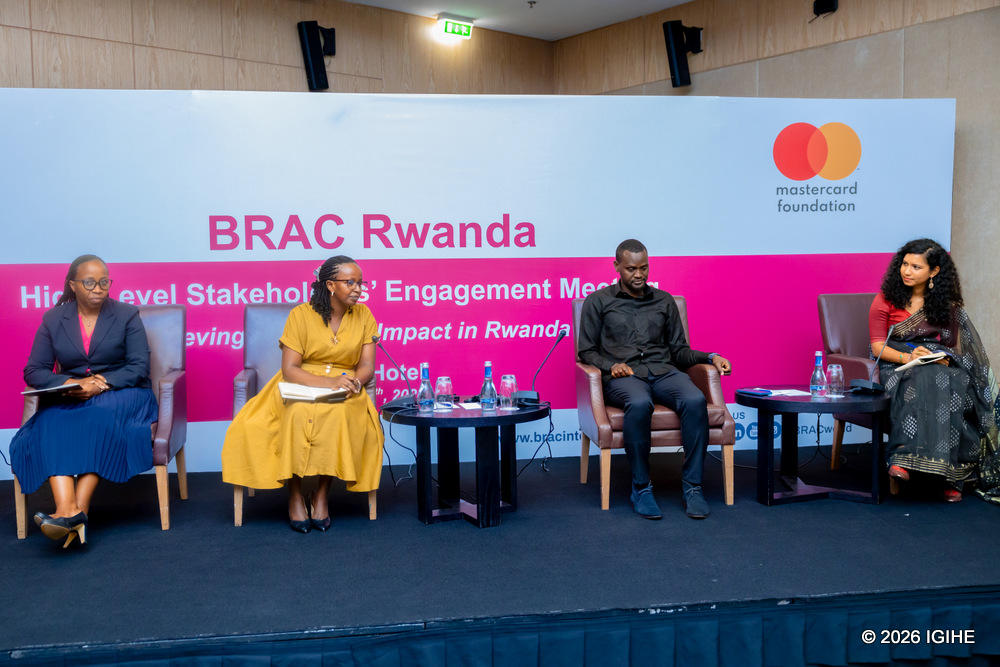
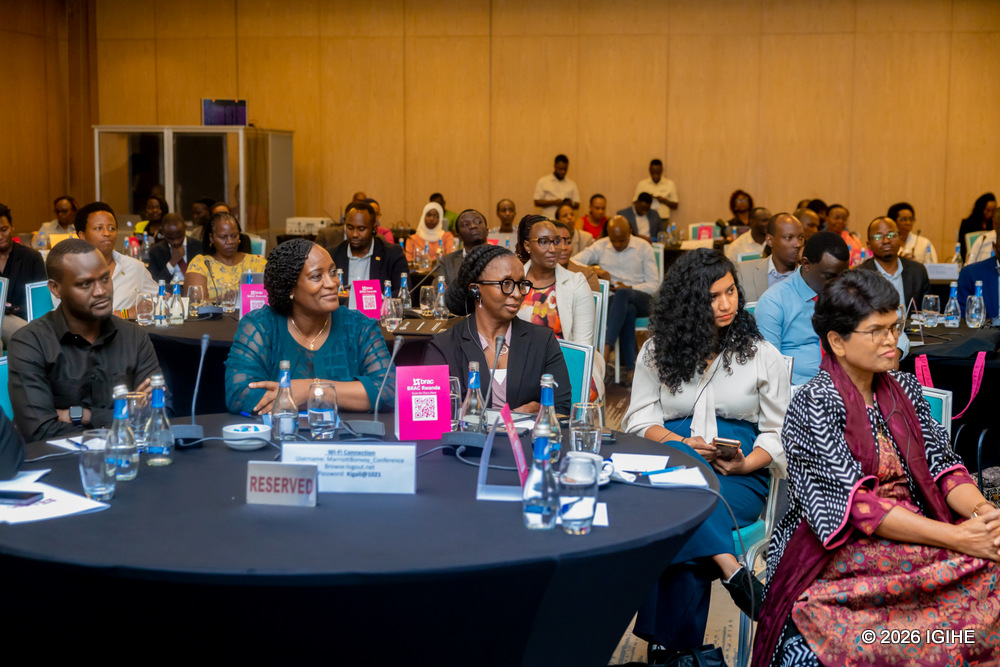
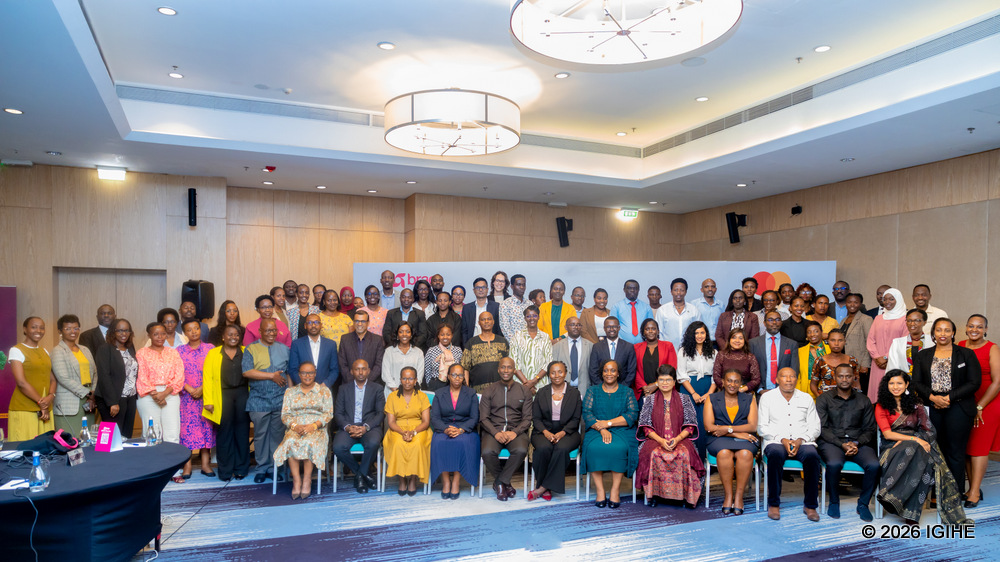
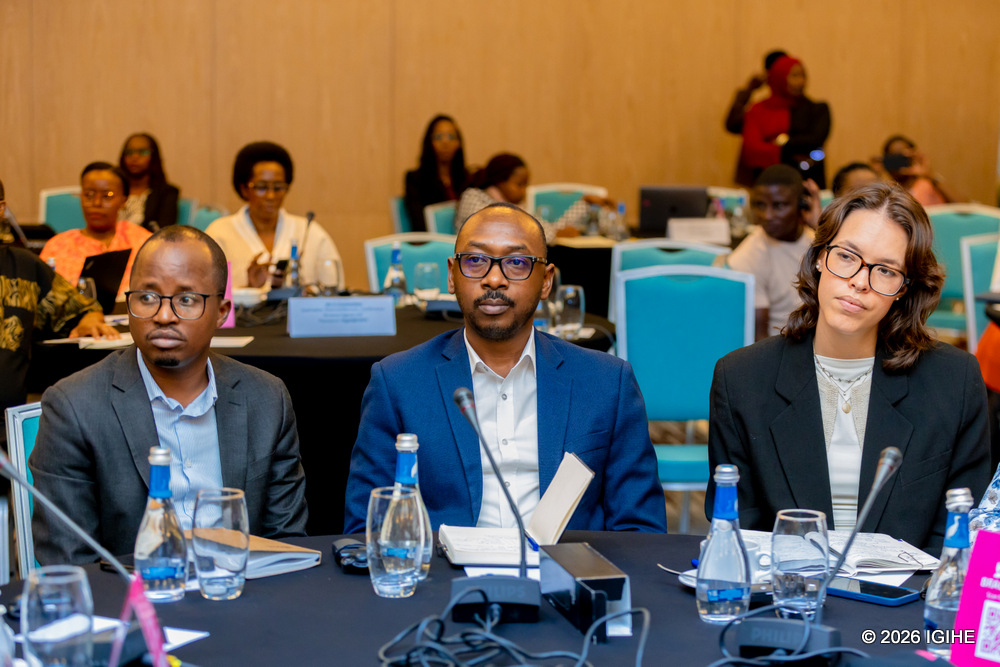
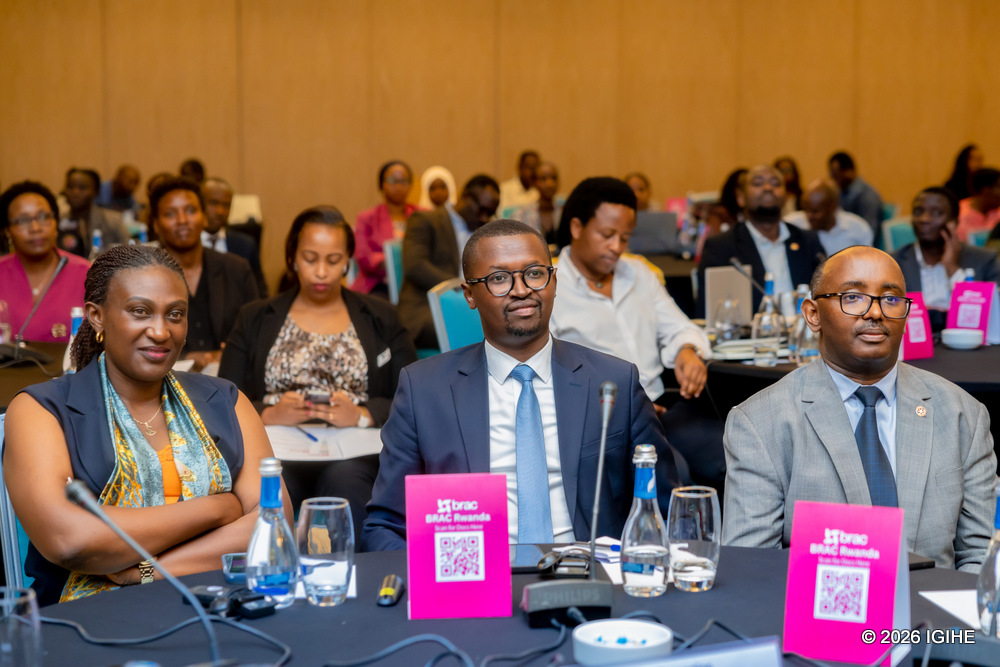
She voiced the appreciation during a High-Level Stakeholders’ Engagement Meeting held on February 27, 2026, at the Kigali Marriott Hotel.
The minister specifically highlighted BRAC’s commitment to combating issues such as teenage pregnancy and school dropout rates affecting both boys and girls.
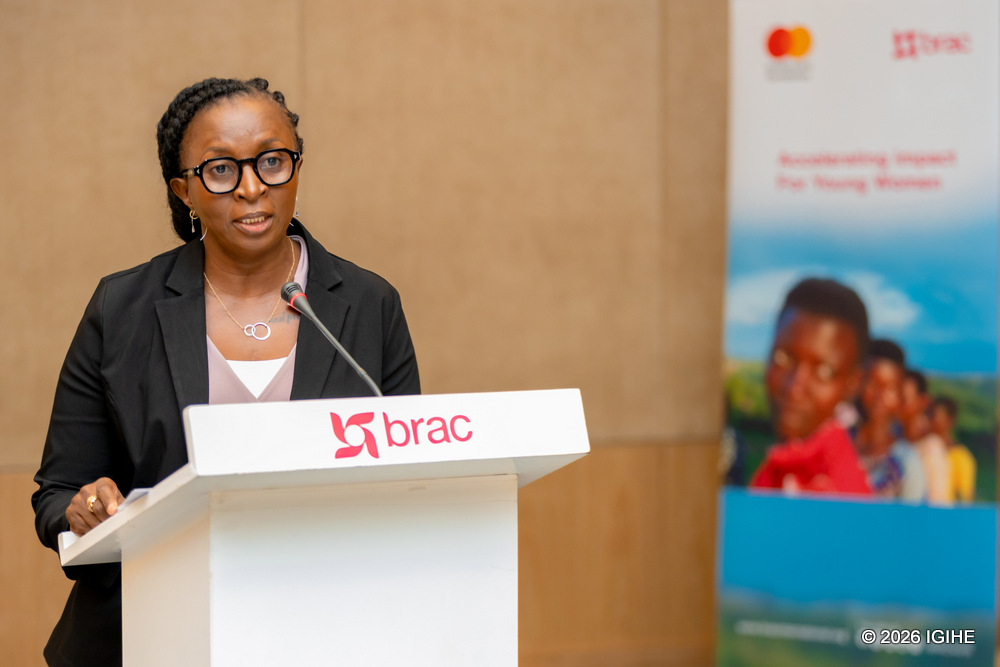
Minister Uwimana emphasized the urgency of intensified action on these concerns and urged all stakeholders to collaborate more effectively, aligning their initiatives with Rwanda’s national priorities to achieve measurable and lasting impact.
BRAC, originally the Bangladesh Rural Advancement Committee, is a global development organization founded in 1972 in Bangladesh. It began operations in Rwanda in 2019, concentrating on youth unemployment, gender inequality, and financial inclusion.
These efforts support Rwanda’s long-term development agenda, including Vision 2050 and the National Strategy for Transformation (NST2).
BRAC Rwanda operates through three entities; BRAC Microfinance and BRAC NGO, which implements Accelerating Impact for Young Women (AIM ) programme in partnership with the Mastercard Foundation and BRAC Ultra Poor graduation Initiative (UPGI) which supports Rwanda to implement out of poverty graduation agenda.
Since 2019, BRAC Rwanda Microfinance has grown to 35 branches covering all 30 districts, serving over 100,000 borrowers, 98% of whom are women. It offers collateral-free group loans, agricultural finance products, savings services, and financial literacy training, primarily targeting women in rural and remote areas.
Through its AIM programme, launched in 2023 in partnership with the Mastercard Foundation, BRAC has reached over 30,000 adolescent girls and young women in Rwanda.
The programme provides life skills, entrepreneurship training, employability skills, and access to finance, equipping participants to succeed in the country’s growing economy.
Minister Uwimana expressed deep appreciation to BRAC and its partners, for their vital funding and support.
“This comprehensive approach aligns strongly with our national priorities and aspirations. We extend our appreciation to BRAC and its partners, especially MasterCard Foundation for generously funding these programmes, enabling the success we are celebrating today,” she stated.
“Your partnership exemplifies how strategic collaboration can translate into meaningful opportunities for young people, families, across all the country,” the minister added.
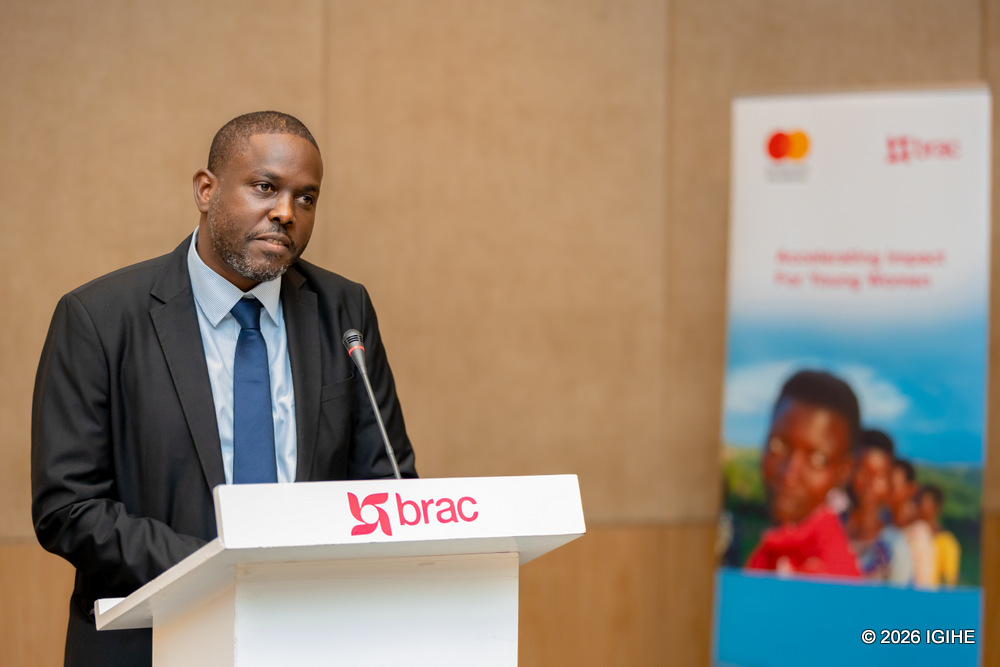
Alex Bekunda, BRAC’s Country Director for Rwanda, reinforced the value of joint efforts.
“We have witnessed young women start and grow businesses, engage in productive work among others and build confidence as leaders within their communities. These are not isolated stories. They are powerful reminders of what is possible when systems work together and when potential is nurtured,” he said.
Bekunda also called for expanding youth programmes to reach an additional 100,000 adolescent girls and young women by 2030.
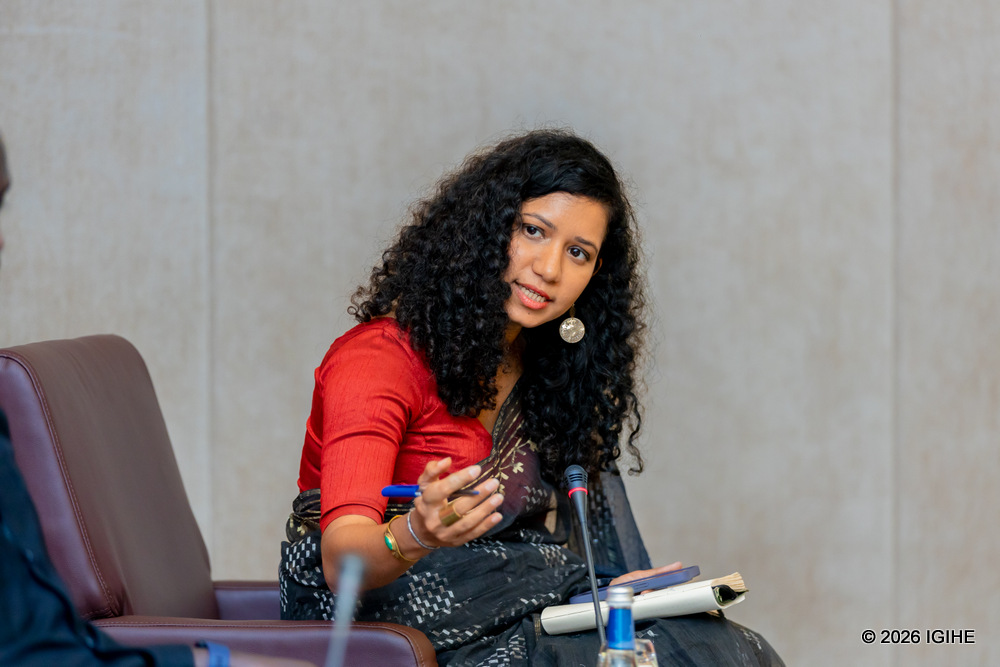
Anne Mutta, BRAC’s Regional Director, elaborated on the organization’s integrated model, stressing the importance of combining skills development with financial access.
She also stressed the urgent need for collective action to confront the persistent challenges of gender-based violence and teenage pregnancy, issues that continue to disrupt girls’ education, threaten their safety, and constrain their economic prospects.
“Ending poverty in Rwanda will remain incomplete unless we protect girls, keep them in school, and create safe pathways for them to thrive.
“BRAC stands ready not only as a problem solver but also as a long-term partner committed to advancing Rwanda’s development vision through evidence, scale, and systems change to reduce poverty,” Mutta noted.
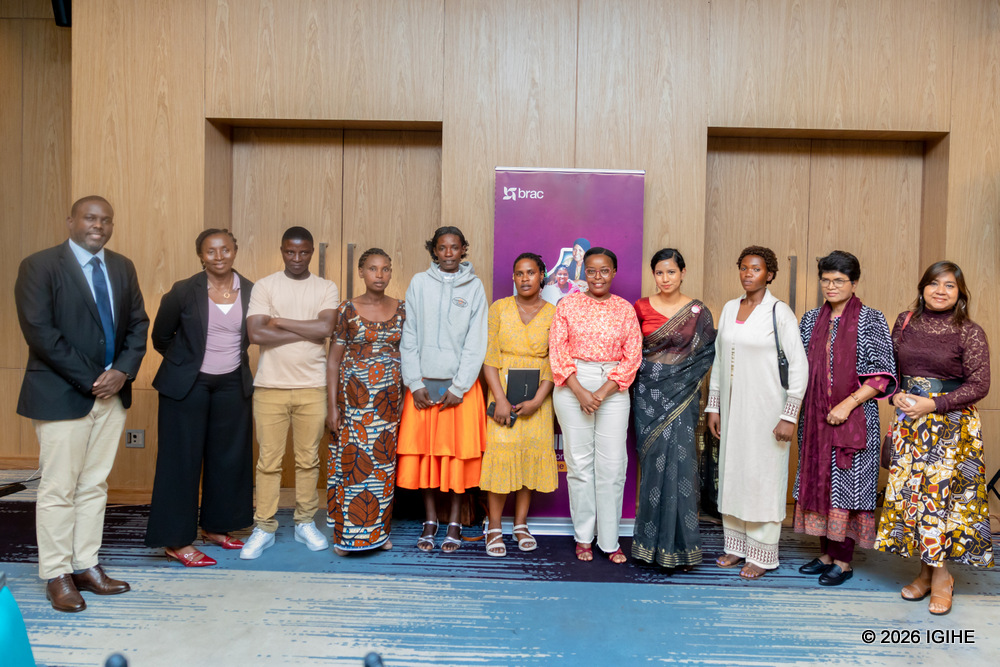
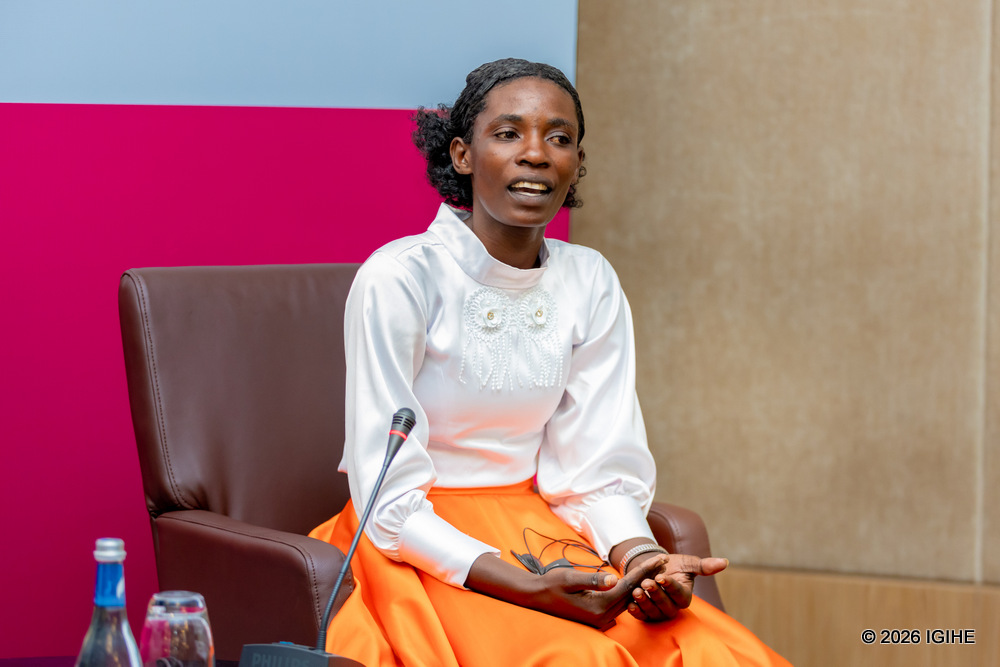
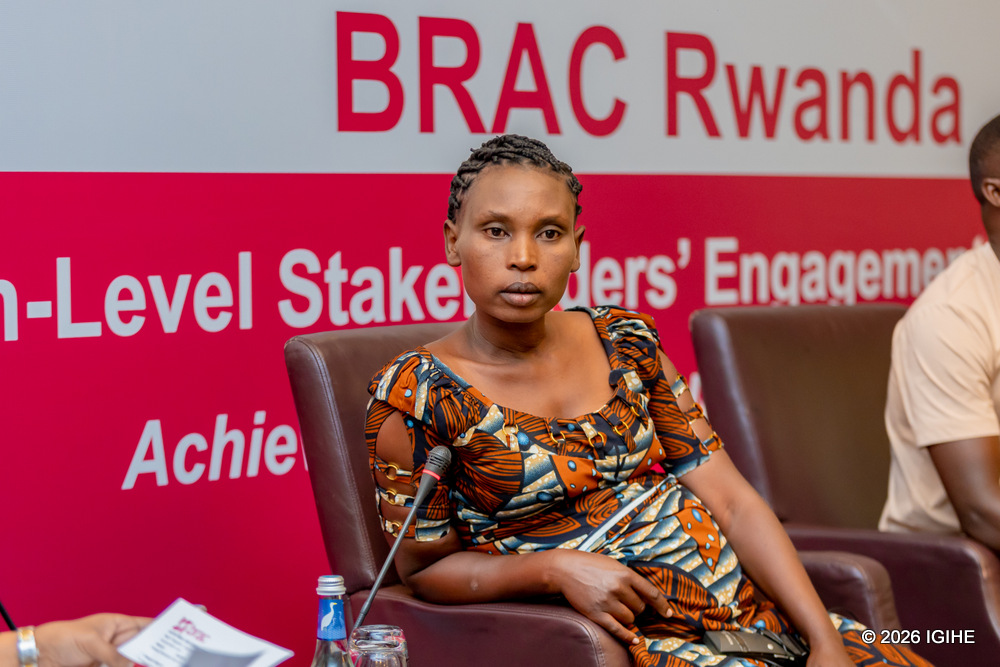
The event included inspiring testimonies from beneficiaries. Gaudence Muhongerwa, a mother of four from Ruhango District who participated in the AIM Programme, shared her progress.
“Through the AIM Programme, I have gained new skills that have helped me grow my business and empower my family,” she noted.
Marie Rose Uwizeyimana, a para-social worker from Nyamagabe District, also praised BRAC’s grassroots impact and its role in driving sustainable change.
The meeting took place as BRAC Rwanda hosted senior leadership; including the Regional Director, Senior Director of Programs, and AIM Director, from February 23–27.
During the visit, the delegation witnessed firsthand the depth of BRAC’s integrated impact and how the “ONE BRAC” model works seamlessly to transform lives across the country.
In the Southern Province, they observed how AIM is creating pathways of opportunity for young women and communities. They met with provincial and district officials, led by Governor Alice Kayitesi, and engaged directly with frontline staff whose dedication drives the organization’s mission forward. They also interacted with BRAC participants who shared powerful testimonies of transformation and resilience.
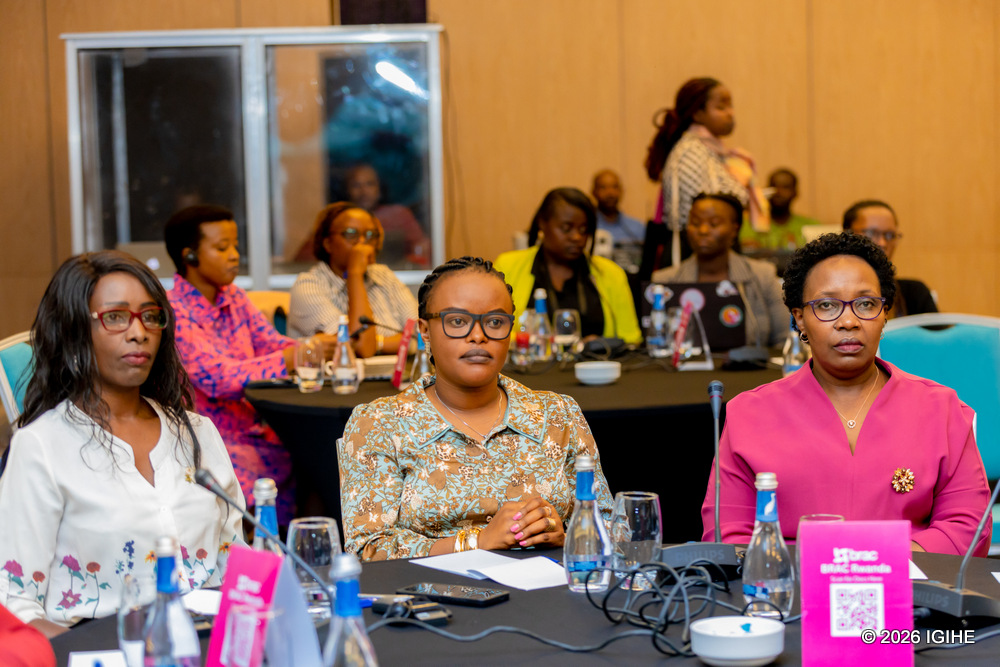
The visit culminated in a high-level stakeholder meeting on the 27th, attended by senior government officials, civil society leaders, and development partners, with the Minister of Gender and Family Promotion, Consolée Uwimana, serving as Guest of Honor.
Leave a Reply