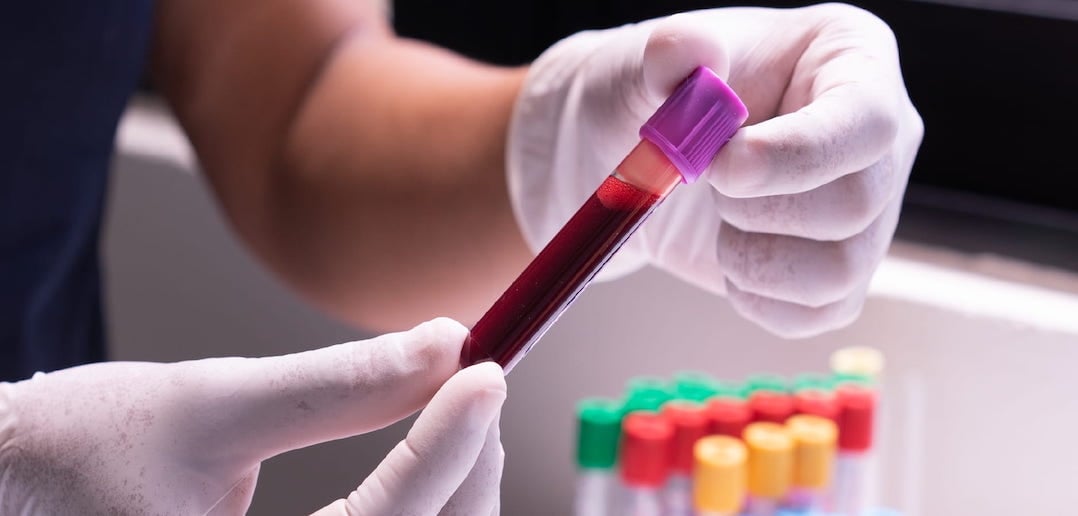
Researchers analyzed post-surgery blood samples and linked the presence of circulating tumor cells — cancer cells that have broken away from a tumor and entered the bloodstream — to increased recurrence odds, said a statement from Australia’s Centenary Institute on Wednesday.
Around 5,500 Australians face diagnosis annually for head and neck cancer, which affects the lining of the mouth, throat and voice box. While many patients respond well to treatment, a significant number experience relapse, often with limited early warning, said the study published in the European Journal of Surgical Oncology.
Follow-up care relies heavily on scans and clinical exams, which do not always spot early relapse risks, said study co-senior author Jonathan Clark, director of Head and Neck Cancer Research at Australia’s Chris O’Brien Lifehouse, in collaboration with Centenary Institute.
“Our findings suggest that detecting circulating tumor cells could provide additional information to help identify patients who may benefit from closer monitoring after surgery,” said study lead author Dannel Yeo, laboratory head at the Centenary Institute’s Center for Cancer Innovations.
The findings add to growing evidence that blood-based biomarkers could play an important role in more personalized cancer care, the researchers said.
Leave a Reply