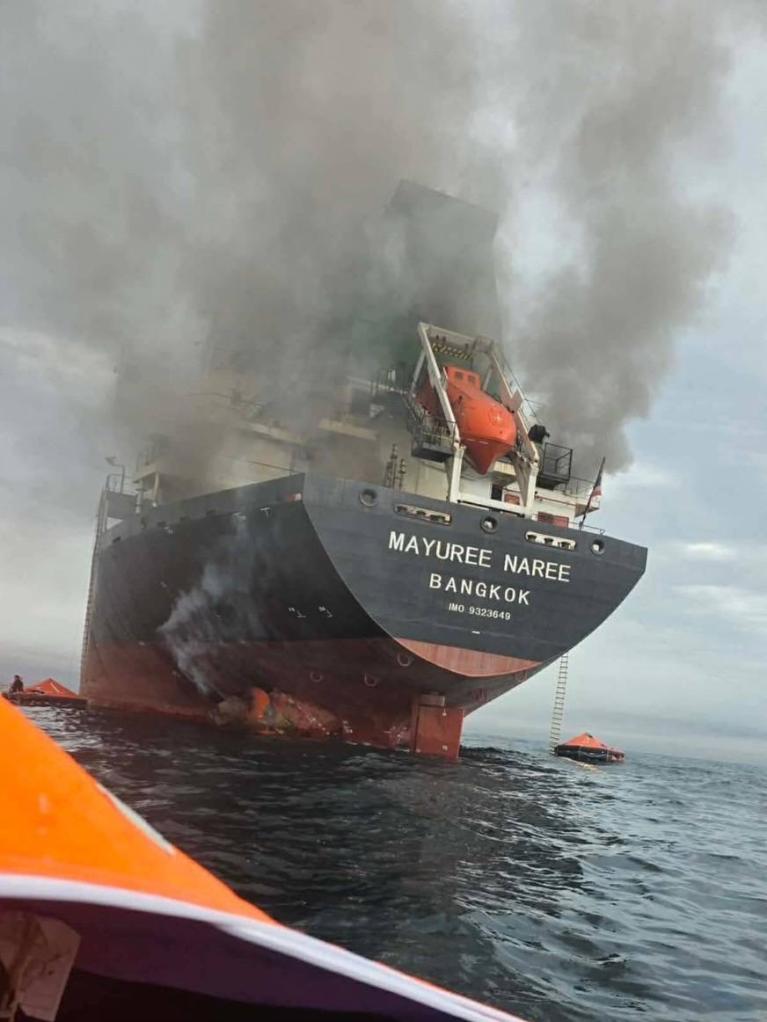
As attacks between the warring sides continue, shipping through the strategic Strait of Hormuz, a vital global transport chokepoint, has been heavily disrupted.
Beyond the energy and shipping sectors, the global food supply is also feeling the pinch, reflected in a sharp surge in food prices and warnings from UN agencies.
How does the crisis hit food production?
The Gulf region not only produces a significant portion of the world’s fertilizer but also supplies key raw materials, with roughly one-third of global seaborne fertilizer trade passing through the Strait of Hormuz.
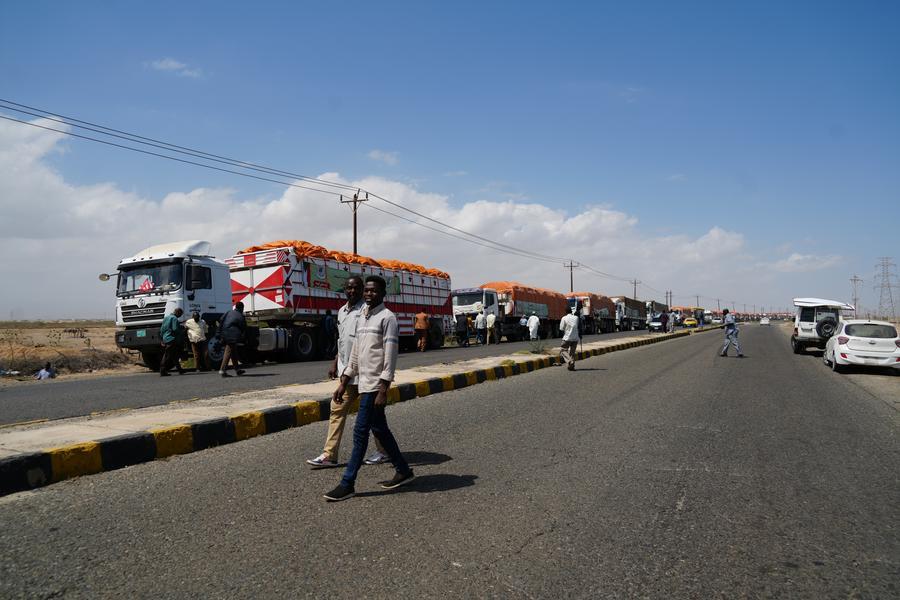
As transport through the Strait of Hormuz is largely disrupted, natural gas, the essential feedstock for nitrogen fertilizers, has become difficult to deliver to major agricultural producers such as Brazil and Sudan. Meanwhile, fertilizer producers in India and Pakistan are also struggling to secure raw materials.
Phosphate fertilizers face similar disruption. Gulf states accounts for roughly one-fifth of the world’s phosphate fertilizer output and one-quarter of the world’s sulfur supply, a petrochemicals’ byproduct used to process phosphate. With exports largely halted, the supply shock is cascading across fertilizer markets.
The timing compounds the crisis. Across the Northern Hemisphere, from Europe to North America, farmers typically purchase fertilizer in March for application in April and May. Fertilizer shortages could force growers to reduce usage or shift to less input-intensive crops — decisions that may translate into lower yields months later.
How do energy prices affect food costs?
Modern agriculture is deeply dependent on fossil fuels. Oil and natural gas power tractors, irrigation systems, and grain dryers; they also underpin fertilizer production, food processing, refrigeration, and transportation. Even packaging materials, from plastic wraps to storage containers, are derived from petrochemicals.
Global fertilizer prices have surged by roughly one-third since the conflict began. Plastics futures are also soaring, with chemical giant BASF announcing price increases of up to 20 percent for core plastic additives worldwide. Higher fuel prices are also pushing up shipping and logistics costs, which feed directly into food supply chains.
“If the crisis continues, transportation and food processing costs may rise further, and agricultural inputs such as fertilizers may become scarce,” Samina Sultan, an economist of the German Economic Institute, warned. “Supply risks could further push up agricultural product costs, leading to higher supermarket prices and triggering a new round of inflationary pressures.”
How could global food security be at risk?
The United Nations has warned that rising food and energy prices will hit hardest in developing countries and among low-income families, where food already accounts for a large share of spending.
“The conflict is already having immediate food security impacts in the Middle East. In Lebanon, significant internal displacement is occurring within a population that has been grappling with high levels of food insecurity for several years,” the World Food Programme (WFP) said in a recent report.
Humanitarian operations are also under strain.
“Extended shipping routes and congestion are jeopardizing WFP’s ability to reach vulnerable populations quickly, increasing the risk that people will wait longer for assistance and face heightened food insecurity and malnutrition,” added the report.
As the crisis deepens, what began as a regional conflict over energy and geopolitics is increasingly turning into a threat to the global food supply, with consequences measured not only in barrels of oil, but also in empty plates.
Leave a Reply