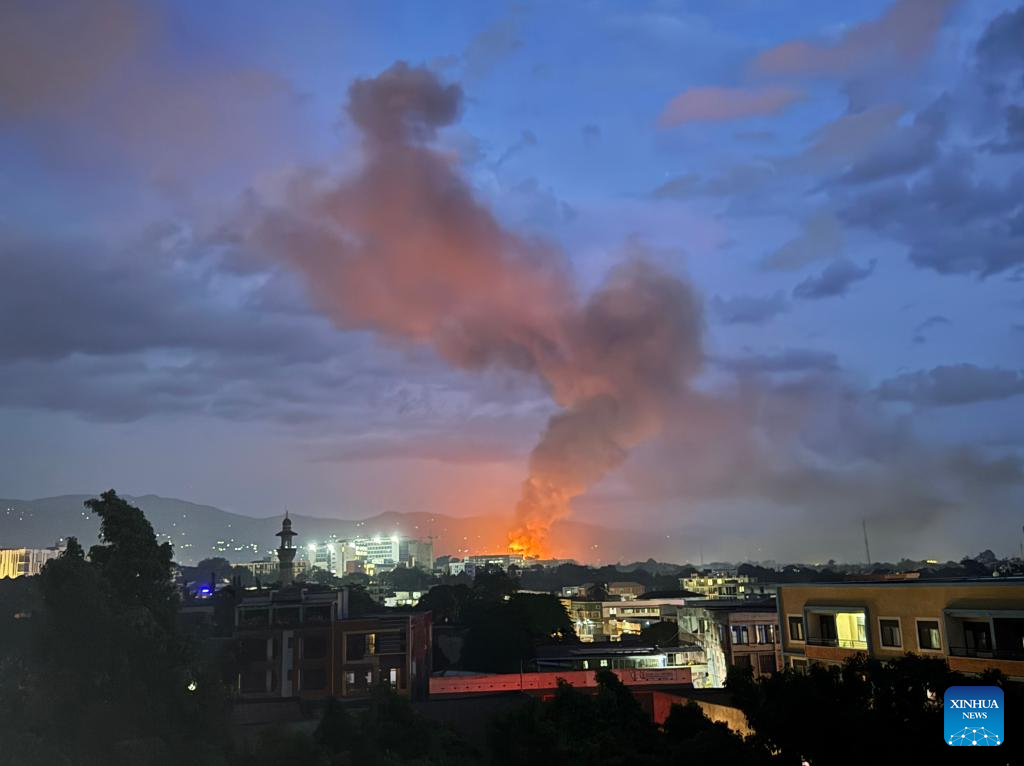
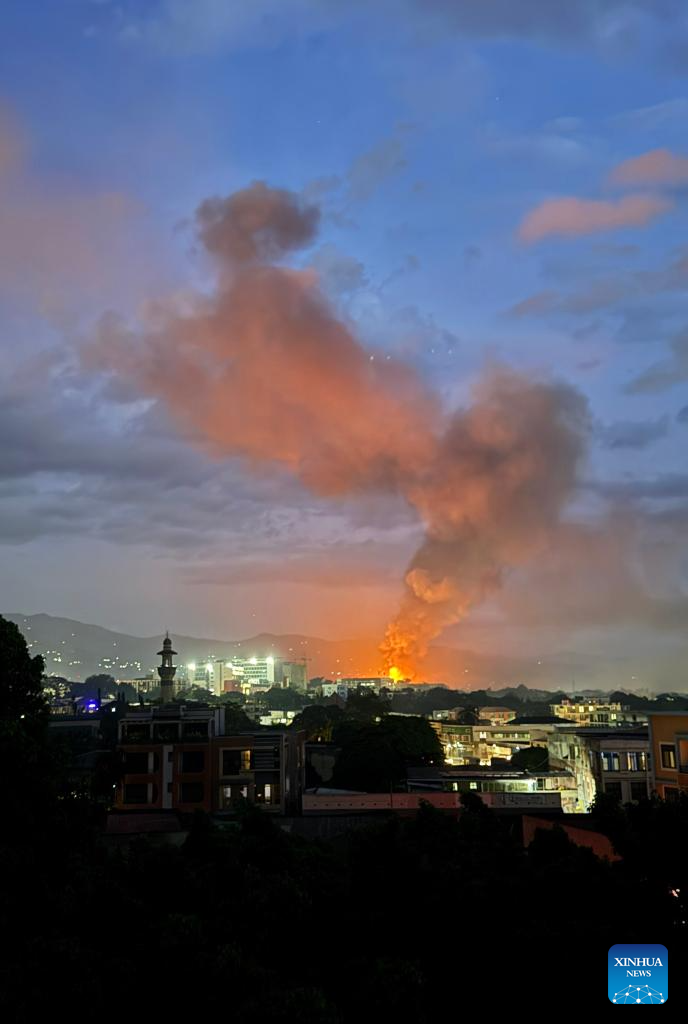
The incident occurred on the night of March 31 at a military facility known as “Base,” located in the Musaga area of Bujumbura.
Burundi’s military and the Ministry of Internal Security stated that the fire was caused by an electrical fault.
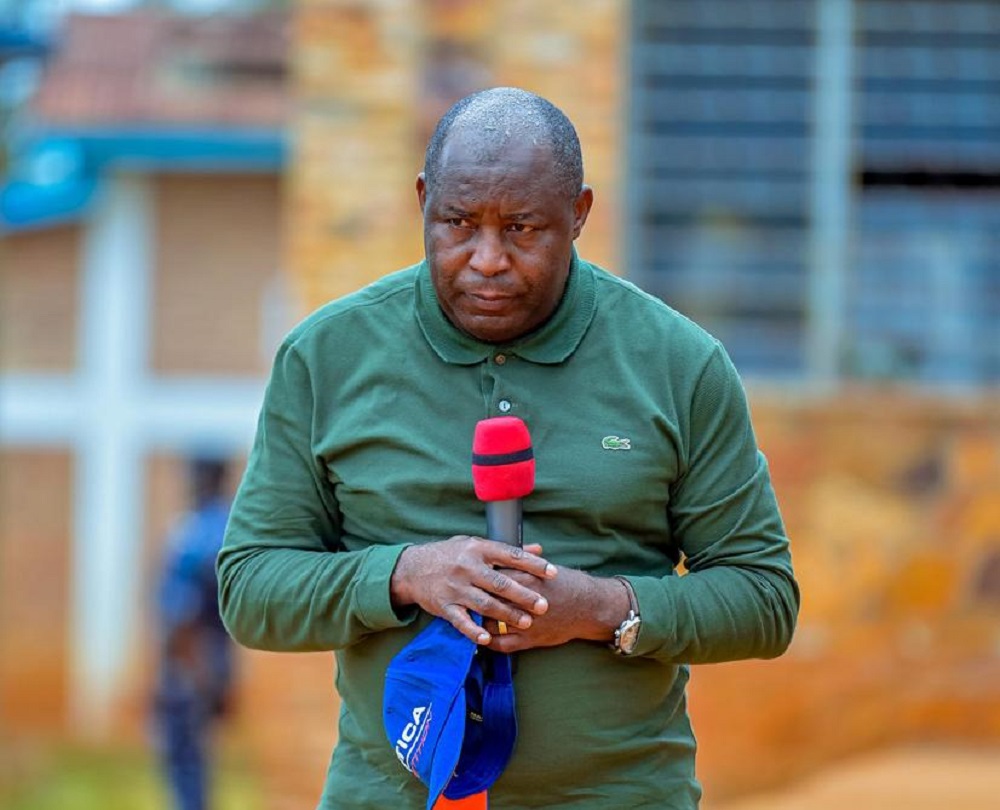
In a message posted on social media platform X, President Ndayishimiye expressed his sympathy to affected citizens and reassured the public.
“I extend my condolences to those affected by the fire that broke out in one of the depots at a military base in Musaga zone. We reassure all Burundians that national institutions are doing everything possible to respond and maintain security. May God protect Burundi,” he said.
The fire triggered a series of powerful explosions from the stored weapons, with blasts heard across several parts of Bujumbura.
According to reports by BBC, explosions were still being heard as late as 10:30 p.m.
The incident caused panic among residents, with some seen fleeing their homes. People living near the military base reported damage to their houses, forcing some to relocate to safer areas within the city.
Fragments from the explosions landed in residential neighborhoods including Kinanira 3 and 4, while others reached Ngagara Zone, particularly Quartier 9, located more than five kilometers from the site of the incident.
As of now, the full extent of the damage remains unclear, though reports indicate that several injuries and dozens of casualties have already occurred near the base and in other areas affected by the explosions.
President Ndayishimiye expressed his sympathy to affected citizens and rcalled for divine protection. Photo taken on March 31, 2026 shows smoke rising after explosions followed a fire at a military camp in Bujumbura Province, Burundi. Several blasts were heard in Bujumbura, Burundi’s economic capital, on Tuesday.
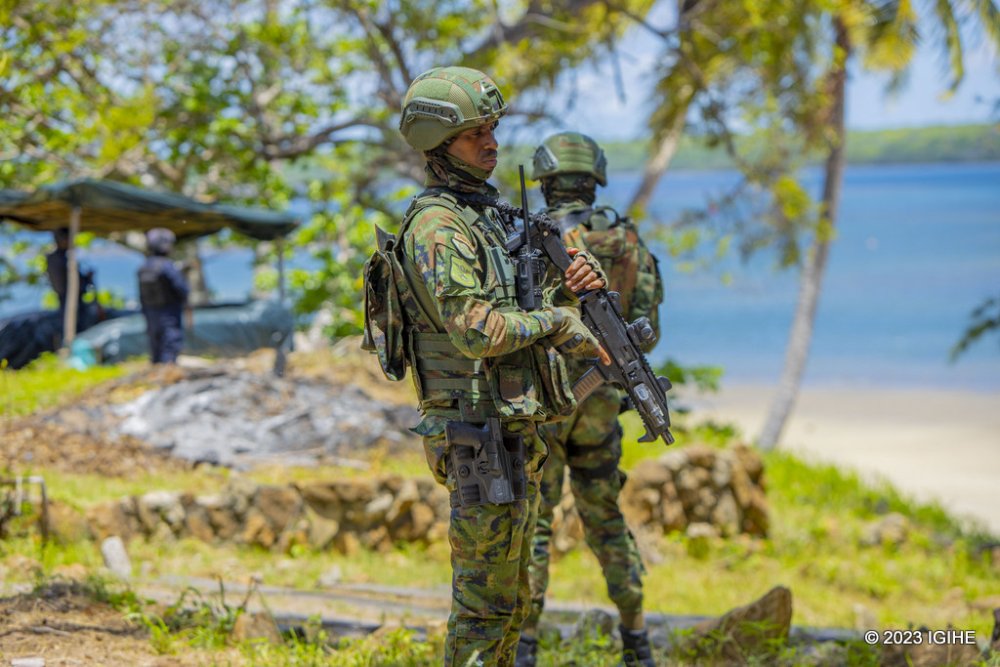
“The full cost to the Government of Rwanda is at least 10 times more, in addition to the ultimate sacrifice of loss of soldiers’ lives, all to stabilize Cabo Delgado,” she said.
Makolo was reacting to a report by Bloomberg indicating that the European Union’s funding to Rwandan forces deployed in Cabo Delgado could come to an end in May 2026.
The €20 million package was approved by foreign ministers of the European Union during a meeting in Brussels, Belgium, on November 18, 2024. It followed another €20 million support package granted to Rwandan troops in December 2022, about a year and a half after they began the deployment.
The reported halt in funding comes after the United States announced sanctions against the Rwanda Defence Force (RDF) on March 2, 2026, accusing Rwanda of supporting the M23 rebel group, allegations Kigali has repeatedly denied.
A spokesperson for the European Union said the assistance programmes approved in 2022 and 2024 will expire in May 2026, adding that the bloc is reviewing the implications of the recent US sanctions targeting Rwandan military leaders.
Bloomberg reported that there are currently no plans to extend the funding.
Makolo noted that Rwanda’s continued deployment in Cabo Delgado, if deemed necessary, depends on sufficient and predictable support.
“The sustainability of Rwanda’s bilateral counter-terrorism deployment in Mozambique, if our forces are actually needed, depends on adequate, predictable funding,” she said.
She recalled that Rwanda first deployed its forces in 2021 following a request from the Mozambican authorities.
“Rwandan Forces went to Cabo Delgado in 2021 at the request of the Mozambican government, to work with a brotherly African country that needed the support; money was not the first consideration,” she said.
Makolo highlighted the impact of the mission, noting that civilians have returned to their homes, children have gone back to school, businesses have reopened, and major foreign investments have resumed.
Cabo Delgado is rich in natural gas resources and hosts major liquefied natural gas projects led by TotalEnergies, valued at around $20 billion.
The project has also received backing from the Export-Import Bank of the United States.
Makolo stressed that the work carried out by the Rwanda Defence Force has benefited both local communities and companies investing in LNG projects.
“To be clear, the work of RDF in countering terrorism in Cabo Delgado has benefitted the Mozambican people and the companies investing in LNG, and supporting that work is not a favor being granted to Rwanda,” she said.
“Should the RDF Command assess that the work being done by Rwandan Security Forces in Cabo Delgado is not appreciated, they would be right to urge the government to end this bilateral counter-terrorism arrangement and pull out,” Makolo concluded.
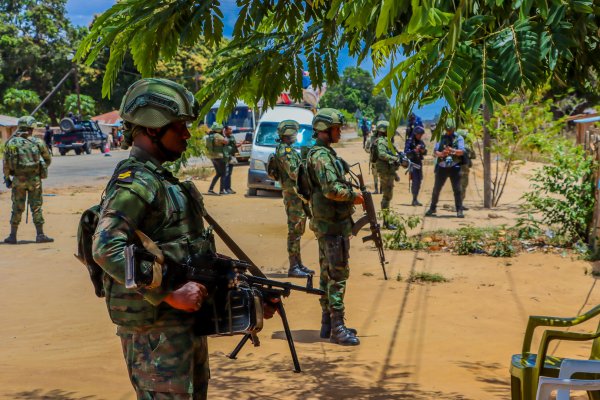
Rwanda first deployed its forces in 2021 following a request from the Mozambican authorities.
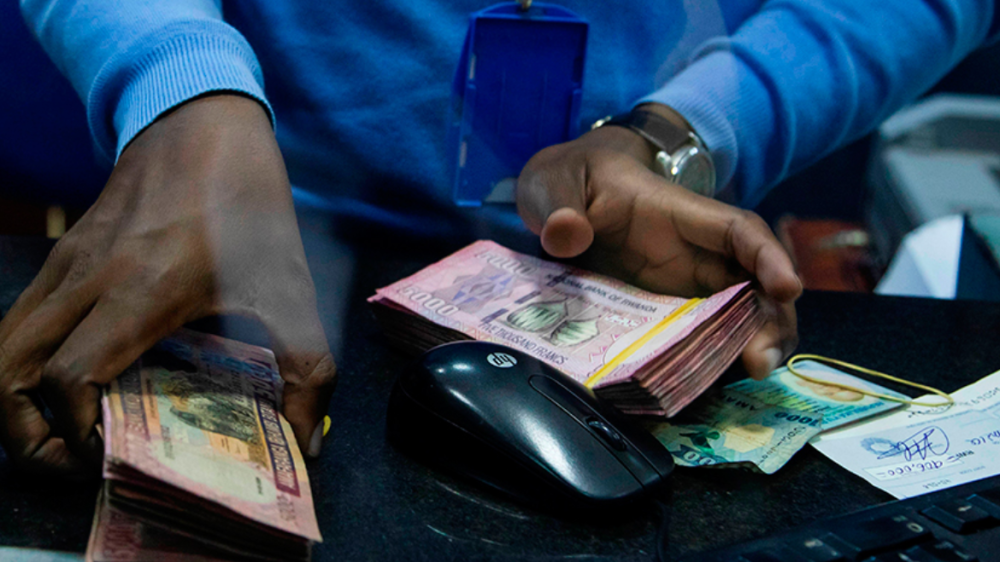
The report shows that prices increased 0.9 percent in February compared with January 2026, indicating continued pressure on the cost of living as households face higher spending on key goods and services. On average, inflation stood at 7.4 percent over the past 12 months, reflecting a steady rise in consumer prices across the economy.
Several sectors recorded notable price increases over the past year. Housing, water, electricity, gas and other fuels, which constitute a large share of the consumer basket, rose by 12.3 percent, while restaurants and hotels registered a sharp 19.9 percent increase. Prices for alcoholic beverages and tobacco also climbed significantly, increasing by 18.3 percent, while transport costs rose by 8.6 percent.
Food prices, which account for a large share of household spending, increased more moderately compared with other sectors. The category of food and non-alcoholic beverages rose by 4.6 percent annually, with bread and cereals increasing by 11.7 percent and meat by 9 percent, while vegetable prices recorded a smaller annual rise of 3.4 percent.
The report also points to sharp increases in the health sector, where prices surged by 71.1 percent over the past year, though the category represents a relatively small share of the consumer basket.
Meanwhile, core inflation, which excludes volatile items such as fresh food and energy, rose by 9.6 percent year-on-year, suggesting that underlying price pressures remain. On a monthly basis, core inflation increased by 0.9 percent in February.
Energy prices also played a role in the rise in consumer costs, increasing by 20 percent annually and 2.6 percent compared with January, reflecting higher fuel and electricity expenses.
The CPI measures the average change over time in prices paid by households for a basket of goods and services. The index is calculated using data from more than 1,600 products collected monthly from markets, shops, hospitals and other service providers across the country.
Economists closely watch inflation trends as they influence purchasing power, household spending and policy decisions. In the month under review, the National Bank of Rwanda (NBR) raised its key interest rate by 50 basis points to 7.25 percent in a move aimed at curbing rising inflation.
Inflation in Rwanda increased to 8.9 percent in January 2026, up from 8.0 percent in December 2025, exceeding the Central Bank’s target range of 2–8 percent.
The rise, Central Bank Governor Soraya Hakuziyaremye said, was driven largely by higher energy costs, electricity tariffs, fuel prices, and supply constraints on fresh food, particularly vegetables affected by below-normal rainfall.
“The Monetary Policy Committee has decided to increase the Central Bank Rate to 7.25 percent to limit second-round effects of recent price increases and support a timely return of inflation to the target range,” she stated.
The latest report from the National Institute of Statistics of Rwanda (NISR) shows that prices increased 0.9 percent in February compared with January 2026, indicating continued pressure on the cost of living as households face higher spending on key goods and services.
Minister of Trade and Industry, Prudence Sebahizi, said the closure of the Strait of Hormuz, a key route for global oil trade, poses challenges for oil-importing countries worldwide, including Rwanda. However, he noted that Kigali has activated contingency plans to prevent immediate disruptions for consumers.
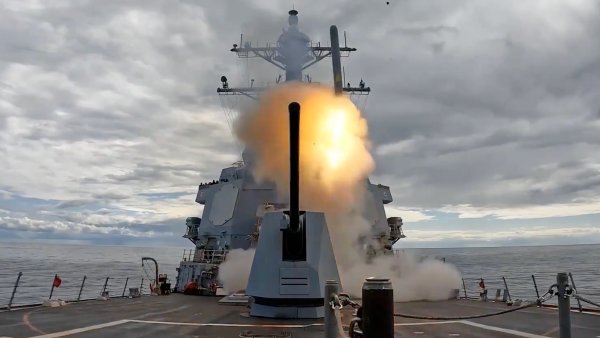
Heavy strikes by the United States and Israel began on February 28, 2026, with Iran retaliating against neighboring countries such as Qatar, Saudi Arabia, Kuwait, and Bahrain. The escalation has disrupted traffic through the Strait of Hormuz, which carries roughly 20 percent of globally traded oil.
Speaking to the Rwanda Broadcasting Agency, Sebahizi highlighted the immediate impact on petroleum products.
“Nearly one-fifth of the world’s traded oil passes through that corridor. Countries that rely on imported petroleum products will inevitably be affected,” he said, noting that much of the fuel supplied to East Africa transits through this route.
Rwanda, a landlocked country dependent on imports, is working with suppliers to ensure that shipments already in transit reach the country without delay, and to strengthen national reserves.
“We are coordinating with importers to ensure that fuel shipments already in transit, particularly those that have cleared the conflict-affected routes, arrive promptly. The objective is to build sufficient stock so that if tensions ease within the coming months, we will have maintained stability in the domestic market,” Sebahizi explained.
The Strait of Hormuz lies between Iran and Oman and facilitates the daily passage of between 16 and 21 million barrels of oil. Major exporters under the Organization of the Petroleum Exporting Countries, including Iran, Saudi Arabia, the United Arab Emirates, and Kuwait, rely heavily on this corridor to supply Asian markets.
Fuel prices in Rwanda have already risen in recent months, with petrol at Rwf 1,989 per litre and diesel at Rwf 1,900 per litre since November 2025. Sebahizi said the government is taking steps to ensure that adequate reserves are maintained to reduce exposure to supply disruptions.
He added that private investors have committed to building additional storage facilities, which will allow Rwanda to hold larger fuel reserves in the future.
“We must accelerate the development of storage infrastructure so that, in the future, the country can hold fuel for longer periods and reduce vulnerability to external shocks,” Sebahizi said.
The minister also noted that authorities are reviewing trade strategies, including diversifying sourcing options for goods imported from Asia, to manage potential disruptions or price increases in global markets.
Minister Sebahizi says closure of the Strait of Hormuz poses challenges, but Rwanda has plans to avoid immediate fuel disruptions.
In an official communique released on Saturday night, the group said the strike occurred on February 24, 2026, and targeted both soldiers and civilian populations far from the front lines.
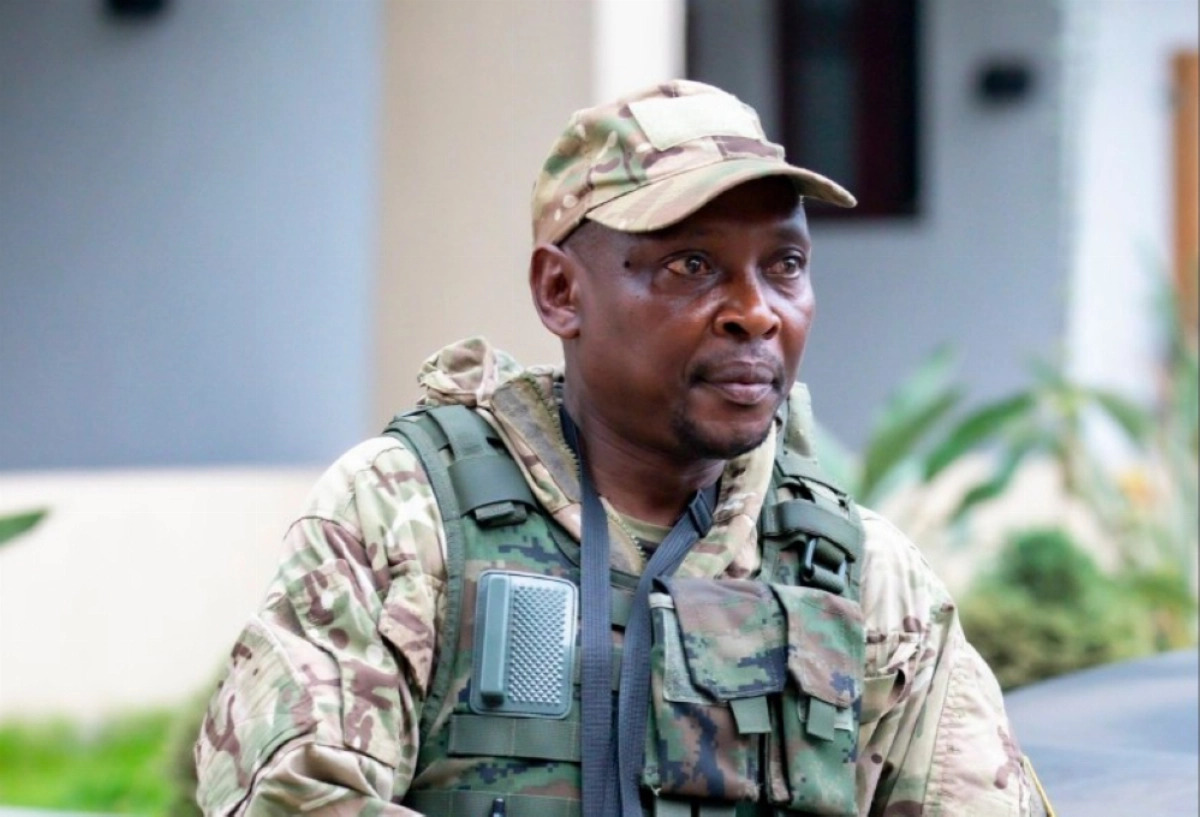
Initial media reports indicated that Ngoma, a senior official within the AFC/M23 ranks, was killed in a drone strike by the Kinshasa forces in Rubaya.
AFC/M23 accused the Kinshasa regime of violating the ceasefire and imposing a full-scale war against the group. The communique states that these attacks have claimed multiple lives and continue to put civilians at risk across the eastern Democratic Republic of Congo.
“These crimes will neither go unnoticed nor unpunished. The memory of the victims binds us and engages our collective responsibility,” the statement read, emphasising the group’s commitment to defending both civilians and its forces.
The rebel group further noted that the AFC/M23 had repeatedly alerted national and international partners about ongoing ceasefire violations and massacres of civilians in numerous densely populated areas of North Kivu and South Kivu.
According to the group, the affected areas include Kawele, Mweso, Rutigita, Kitazungura, Rugezi, Kitendebwa, Kashihe, Kiduveri, Rubaya, Rumbishi, Walikale, Masisi, Kalehe, Gasovu, Nkowe, Gatoyi, Minembwe, Gasheke, Murema, Mberwa, Ruki, Mutobo, Nyaruhinga, Mulumemunene, Rutare, Kadasomwa, Nyagisozi, Nyabikeri, Kinyumba, Nyabyondo, Miyanga, Kasirosiro, Bunyantenge, and Misiya, as well as their surrounding areas.
Despite these warnings, the group says, the Kinshasa regime continued its attacks, demonstrating a “blatant disregard for de-escalation efforts.”
The AFC/M23 also reaffirmed its dedication to the peace process while vowing to continue protecting the populations and territories under its control.
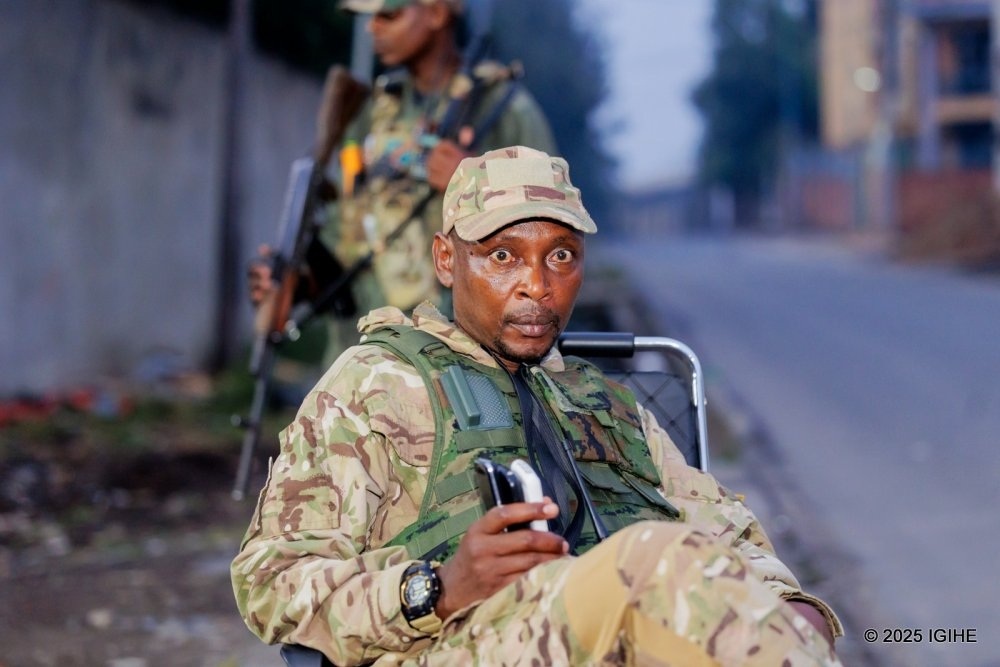
AFC/M23 said the attack that killed Col. Willy Ngoma targeted both soldiers and civilians far from the front lines.
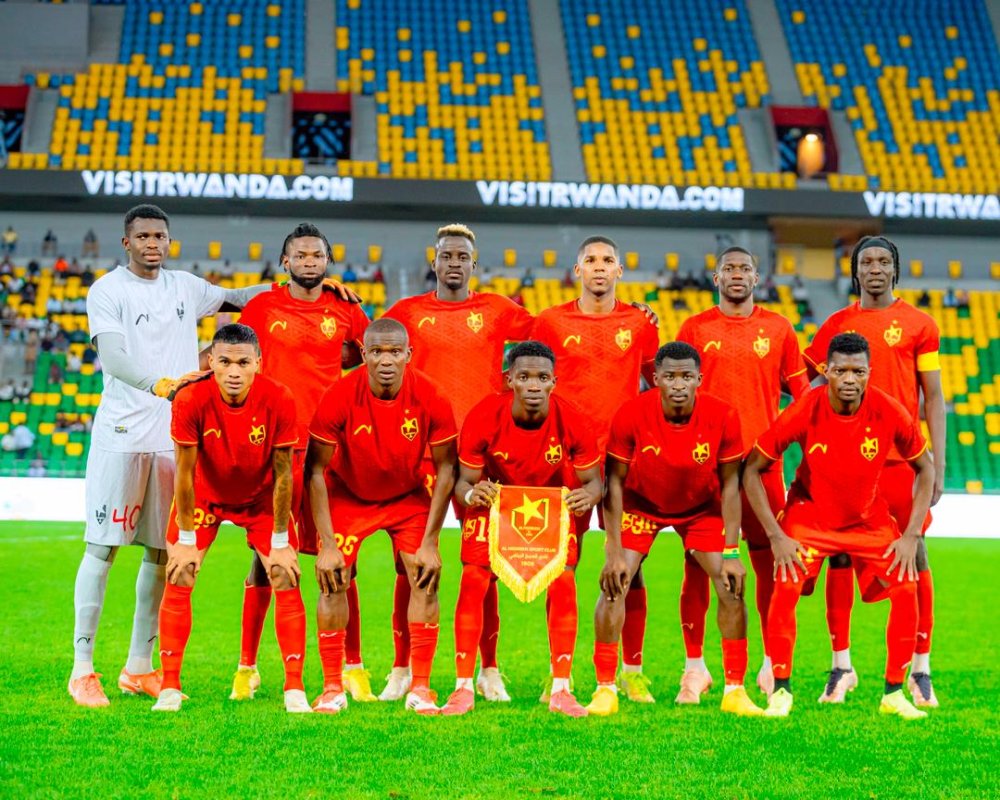
Mohamed Musa Al Kando, a board member of Al-Merrikh, thanked the Rwandan government and people for their support in a statement released on Friday.
“Thanks to the government and nation of Rwanda for welcoming our two big teams and, before that, welcoming the Sudanese people during this hard time of war.”
Al-Merrikh and fellow Sudanese club Al-Hilal SC were cleared to participate in the 2025/26 Rwanda Premier League in November last year, following the suspension of the Sudan Premier League in April 2023, which prompted the clubs to seek temporary relocation.
The clubs have received support from the Rwanda Football Federation and the league organizers, helping them integrate smoothly into the competition.
“I was very happy when I arrived in Kigali just two days before the big derby and we won,” Al Kando said, reflecting on their recent success.
Al-Merrikh plans to build stronger ties with local clubs through collaboration and experience sharing, and the board is also considering establishing a Merrikh Academy in Rwanda in the near future.
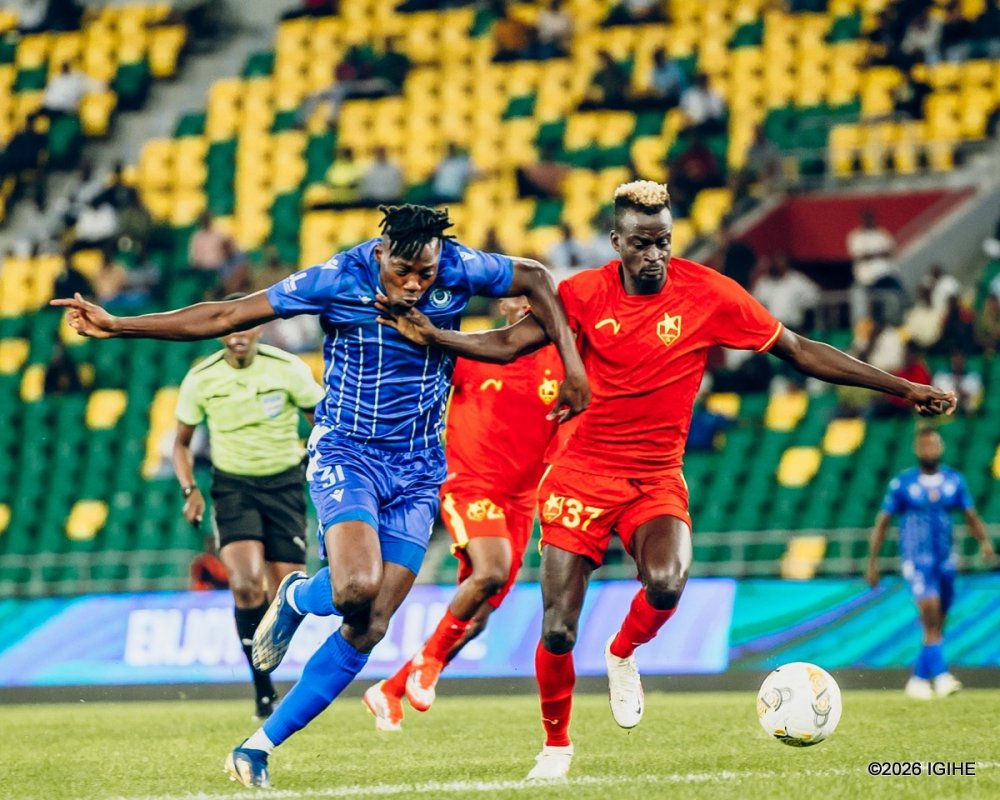
Currently, Al-Merrikh sits third in the Rwanda Premier League with 37 points, just one point behind Al-Hilal and APR FC, following a 2-1 victory over rivals Al-Hilal SC at Stade Amahoro on Tuesday, February 17, 2026.
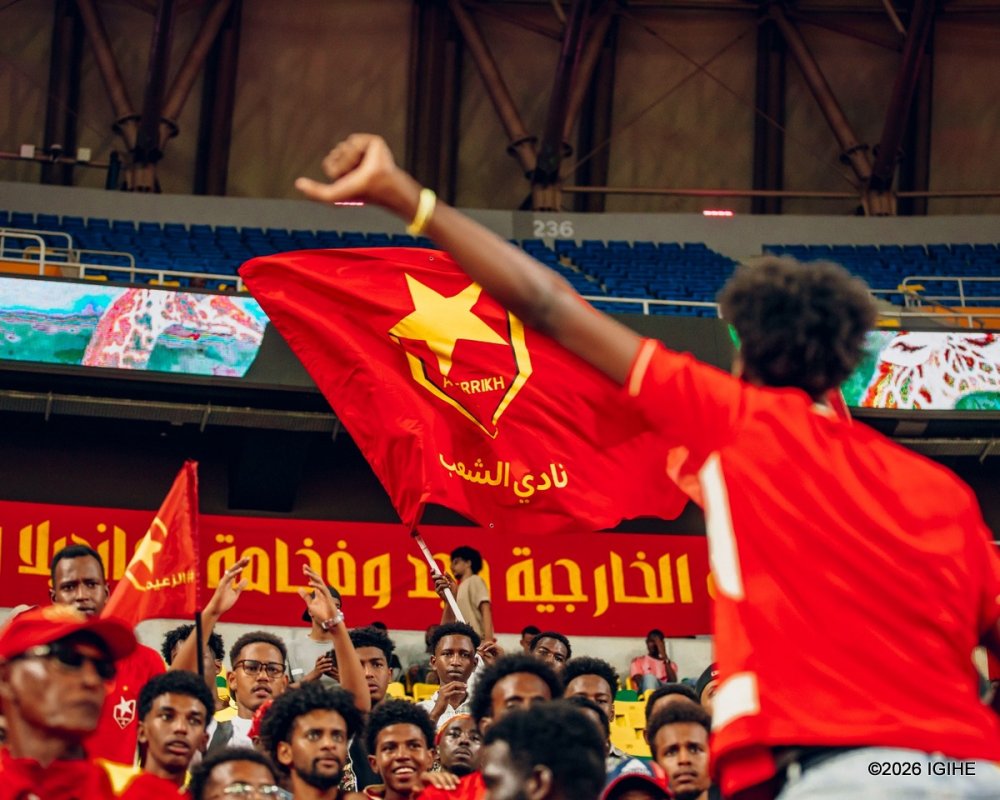
Al-Merrikh SC has been playing in the Rwanda Premier League since November 2025. In their most recent match, Al-Merrikh SC beat Al-Hilal SC 2-1 in the derby.Sudanese nationals in Rwanda often turn out to support their teams.
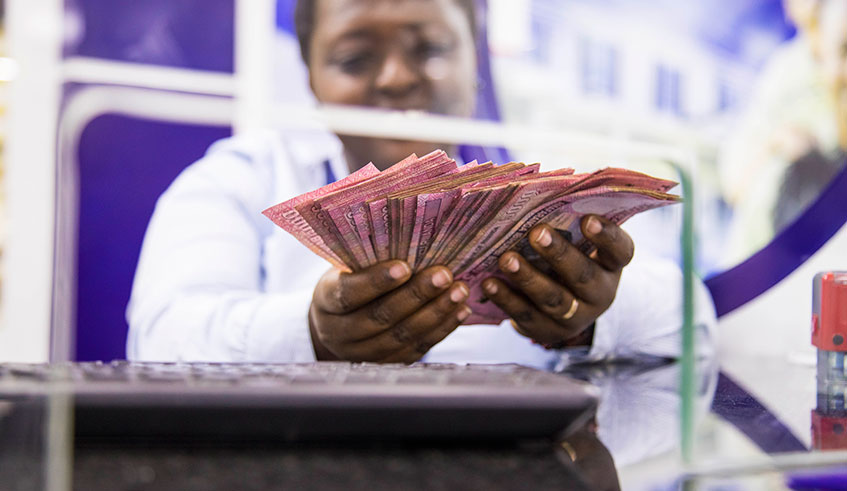
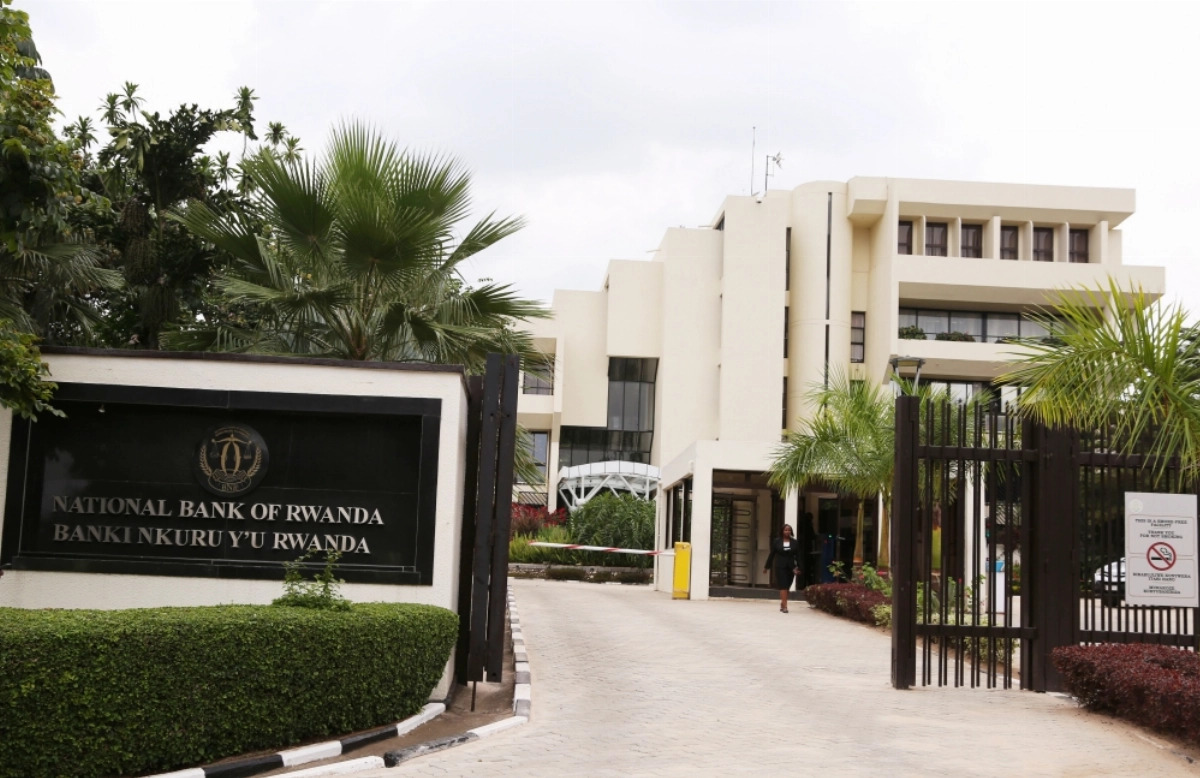
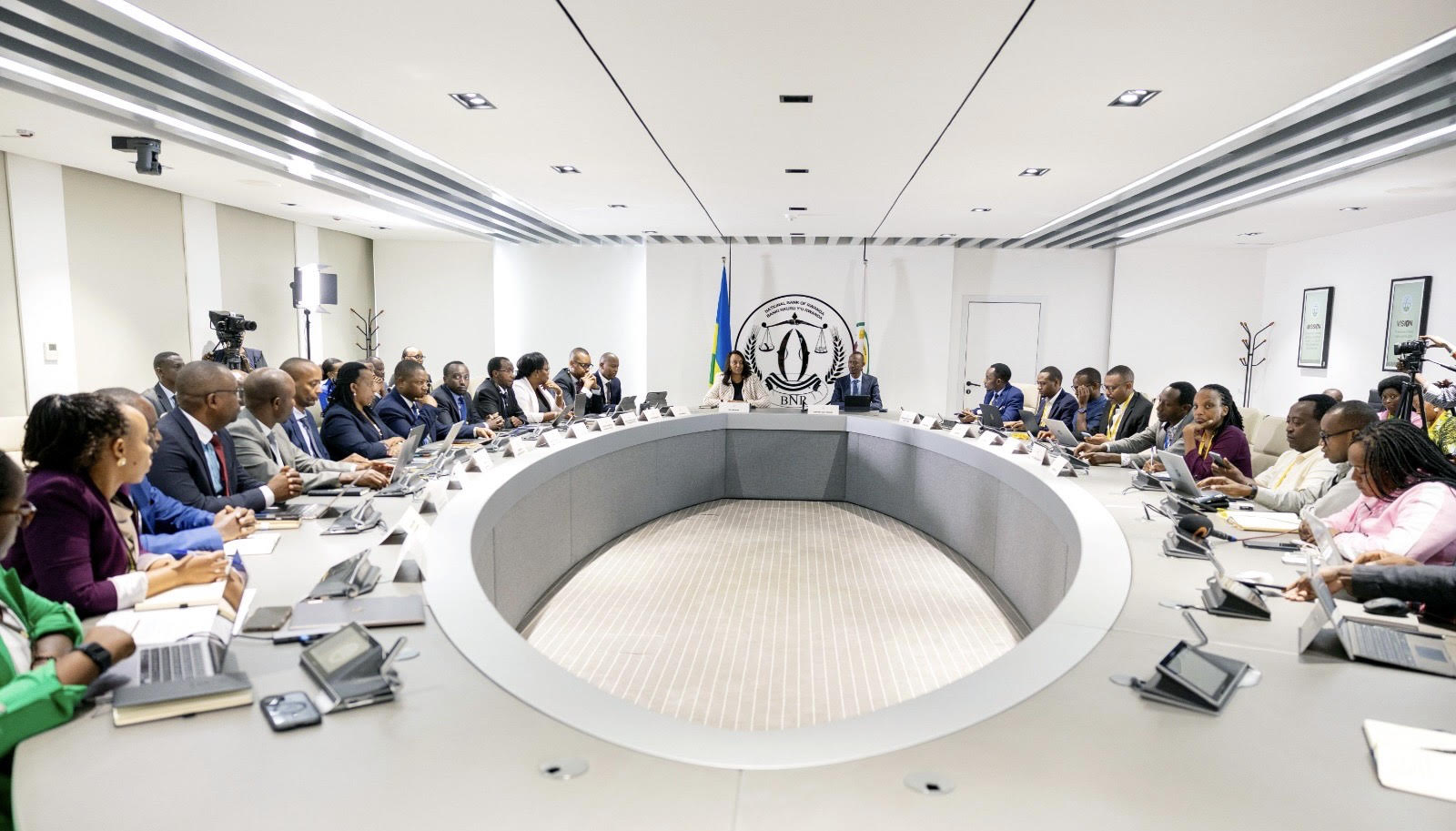
NBR Governor Soraya Hakuziyaremye announced the decision on Thursday, February 19, following a meeting of the Monetary Policy Committee (MPC) on Wednesday, which reviewed recent domestic and international economic developments and updated the country’s economic projections.
Inflation in Rwanda increased to 8.9 percent in January 2026, up from 8.0 percent in December 2025, exceeding the Central Bank’s target range of 2–8 percent.
The rise, the central bank boss said, has been driven largely by higher energy costs, electricity tariffs, fuel prices, and supply constraints on fresh food, particularly vegetables affected by below-normal rainfall.
“The Monetary Policy Committee has decided to increase the Central Bank Rate to 7.25 percent to limit second-round effects of recent price increases and support a timely return of inflation to the target range,” she stated.
The governor noted that headline inflation is expected to remain slightly above 8 percent in the first half of 2026, before easing toward the target band by the end of the year.
“The MPC will continue to closely monitor economic developments and the inflation outlook. Should the highlighted risks materialize, we will assess the need for further policy adjustments to ensure inflation converges to the target range over the medium term,” Governor Hakuziyaremye added.
Despite inflationary pressures, Rwanda’s economy continues to perform strongly. The country recorded an average growth of 8.7 percent during the first three quarters of 2025, with the Composite Index of Economic Activity (CIEA) rising 17.1 percent in the fourth quarter.
Merchandise exports grew by 14.1 percent, supported by traditional exports such as coffee and minerals, while non-traditional exports, including processed cooking oil and wheat flour, also recorded notable gains.
The Rwandan franc showed signs of stabilisation in 2025, with depreciation slowing to 4.4 percent from 9.42 percent in 2024, thanks to stronger tourism receipts, increased remittances, and domestic foreign exchange reforms.
In the financial sector, Rwanda continues to demonstrate resilience. Credit institutions, insurance companies, and microfinance institutions maintained strong capital and liquidity positions, while the consolidated loan book of the banking sector grew by 28.5 percent to reach Rwf 6.8 trillion as of December 2025. Non-performing loans remained low at 2.5 percent, within regulatory limits.
NBR Governor Soraya Hakuziyaremye announced the decision on Thursday, February 19, following a meeting of the Monetary Policy Committee (MPC) held on Wednesday.
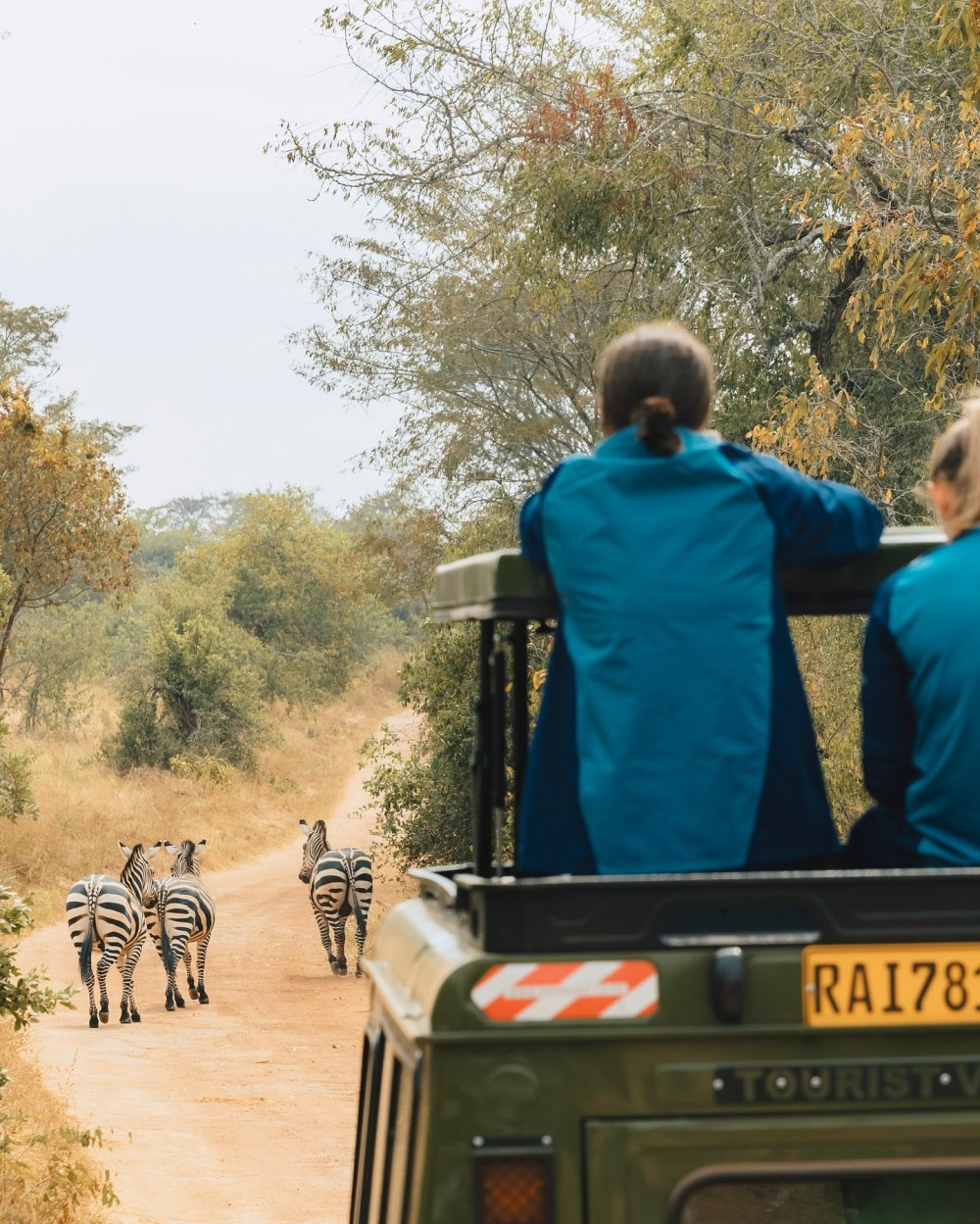
These figures are part of the 2025 annual report released by African Parks, which manages the park in partnership with the Rwanda Development Board. The report highlights the park’s achievements across conservation, tourism, community development, and global recognition.
In 2025, Rwandan nationals and international tourists each accounted for 47 percent of visitors, while foreign residents made up 6 percent.
The park was able to cover its core operating costs through its own revenue, marking a milestone as the first park under African Parks management to achieve operational self-sufficiency.
Besides, Akagera earned international acclaim after being listed among the world’s top 25 must-visit destinations for 2026 by National Geographic. The recognition celebrates over a decade of restoration work that has reestablished the park as a Big Five destination, showcasing Rwanda’s growing presence in global conservation and tourism.
Akagera National Park received nearly 60,000 visitors in 2025.
Wildlife conservation milestones also marked the year. In June, 70 southern white rhinos were translocated from South Africa in the largest movement of its kind under the Rhino Rewild Initiative. Some of these rhinos have already given birth, signaling successful adaptation.
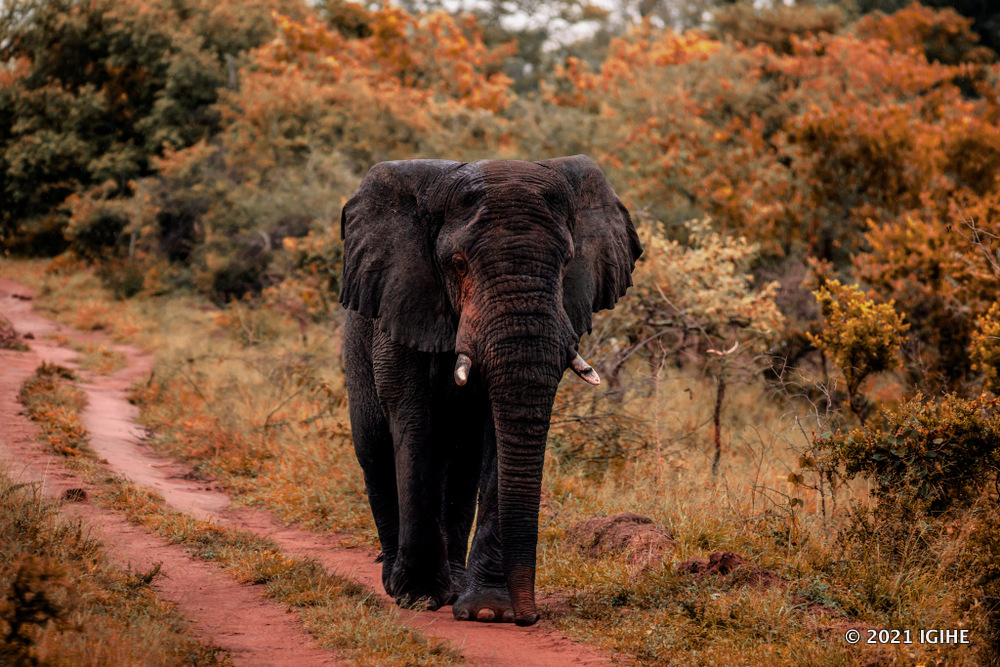
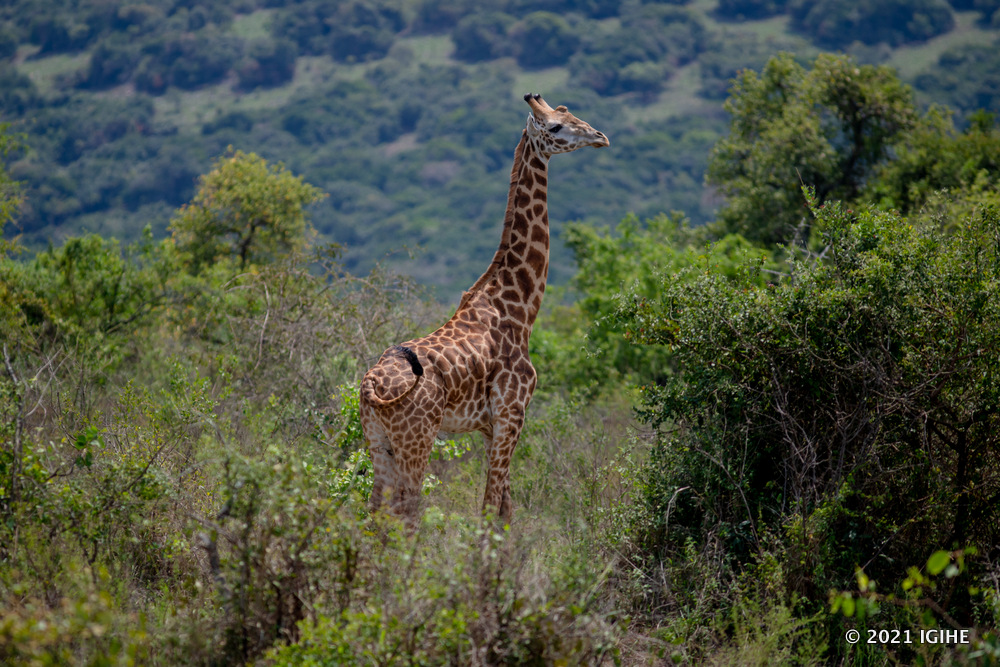
Routine wildlife monitoring continued, with 17 white rhinos and 7 black rhinos darted for tracking, along with elephants and lions. A ground survey counted 70 giraffes, while elephant identification projects documented 92 individuals, representing about 75 percent of the park’s estimated 142 elephants.
Tourism infrastructure expanded with the opening of Wilderness Magashi Peninsula, an exclusive retreat overlooking Rwanyakizinga Lake. The new facility strengthens premium tourism offerings and supports the park’s sustainability goals.
Law enforcement and anti-poaching efforts remained effective. Rangers completed over 21,000 field days, covering 134,076 kilometers in patrols. Only five animals were poached inside the park, while collaborative operations outside the park resulted in 135 arrests and 20 prosecutions. The number of illegal fires dropped dramatically, from 13 in 2024 to just one in 2025.
Community engagement and capacity building were a key focus. More than 124,000 community members participated in 30 outreach events, including the Rhino Velo Race, Rhino Foot Race, and Lion’s Cup football tournament. Over 4,000 individuals accessed the Savannah Learning Centre, nearly 2,000 visited the community library, and 4,300 students and teachers participated in school visits. The park also supported 30 local teachers in strengthening eco-clubs focused on biodiversity and climate change.
Community enterprises benefited significantly, generating $555,242 in revenue for approximately 1,200 individuals. Beekeeping cooperatives produced over 17 tons of honey, while fishing groups earned $122,356. Other income came from guiding services, hospitality initiatives, and procurement of goods and services from local businesses, contributing an additional $637,000. Through Rwanda’s Tourism Revenue Sharing Program, $886,379 was allocated for local development projects.
Infrastructure development in 2025 included the completion of the Gishanda Fish Farm Aquaculture Training Centre, fencing of Karenge Bush Camp, maintenance of Ruzizi Tented Lodge, and road upgrades totaling 27 kilometers, bringing the park’s operational road network to 511 kilometers. New ranger facilities, expanded gift shops, and a café kitchen were also completed.
Akagera National Park spans more than 1,200 square kilometers, covering the districts of Kayonza, Gatsibo, and Nyagatare.
Over the past 30 years, Rwanda has made significant efforts to restore the park, which was once heavily impacted by poaching, resulting in the extinction of some species.
In 2025, elephant identification projects documented 92 individuals, representing about 75 percent of Akagera National Park’s estimated 142 elephants.Akagera National Park is home to diverse species including giraffes.
Construction work has largely finished, with final touches underway, including cleaning, interior landscaping, and minor corrections. The project is reportedly 99.8% complete.
A key part of the new facility involves installing modern, internationally standard medical equipment, reflecting the hospital’s high-level services.
The project is being carried out by the Chinese company Shanghai Construction Group Co. Ltd, at a total cost of approximately 85 billion Rwandan francs (around 580 million yuan).
The hospital will have a capacity of 827 beds, nearly doubling the current CHUK capacity of 400 beds.
{{Advanced facilities and technology}}
The new hospital will feature 18 surgical rooms, excluding operating theaters for maternity cases. It will also be equipped with advanced diagnostic and treatment technologies, including four X-ray machines, two anti-radiation devices, MRI machines, radiology equipment, and other modern medical instruments.
This expansion aligns with Rwanda’s vision to develop a world-class healthcare system in Africa and promote medical tourism. It is expected to reduce the number of Rwandans seeking treatment abroad, as advanced services will now be available domestically.
During the National Dialogue held on February 5–6, 2026, Rwanda’s Minister of State for Health, Dr. Yvan Butera, disclosed that Rwanda successfully performed 83 kidney transplants over the past three years, saving around $800,000. Heart surgeries included 543 pediatric patients and 318 adults.
{{Construction and design}}
On-site, workers are completing final corrections identified by the Rwanda Housing Authority. Some employees are also preparing interior landscaping for the hospital. Local Rwandan laborers contributed to the construction, and most of the building materials, including sand, bricks, and stones, were sourced within Rwanda.
The hospital consists of three multi-story buildings, one with five floors and two with four floors. One building will house outpatient services, while another will serve as an inpatient unit. The remaining two buildings, located separately, will accommodate hospitalized patients and include a dedicated medical technology building for advanced treatments.
Each patient room is spacious and includes its own toilet and shower, a feature not common in other hospitals. The hospital is also designed to be environmentally friendly, with natural ventilation and private terraces in each room, allowing patients to enjoy fresh air and sunlight without relying on air conditioning.
Accessible pathways and elevators have been incorporated to accommodate patients with disabilities.
{{Helicopter landing pad and medical gases}}
The hospital will include a helicopter landing pad to transport critically ill patients from remote regions. It will also have a specialized room for medical gases, such as oxygen, which can now be generated on-site rather than imported in bulk. Piping systems will deliver these gases directly to patient rooms as needed.
The hospital is equipped with two generators to provide backup power, ensuring uninterrupted electricity supply. It also has advanced fire suppression systems capable of targeting specific areas in the event of a fire.
Medical equipment and patient beds are currently being installed. If all goes according to plan, CHUK’s relocation to Masaka is expected to begin in April 2026, though the process will be gradual.
The new hospital is located in a dedicated medical zone near IRCAD Africa, which specializes in teaching cancer surgeries and robotic-assisted procedures. There will also be specialized cardiac care units, as well as an infectious disease research and treatment center.
Minister Juma Al Hamli visited the memorial with his accompanying delegation from UAE and Rwandan officials led by Gaspard Musonera, the Permanent Secretary at the Ministry of Public Service and Labour (MIFOTRA).
Al Hamli and his delegation were taken through the history of the 1994 Genocide against the Tutsi and how bad leadership culminated into the preparation and execution of genocide. They also toured different facilities of the memorial and laid wreaths to mass graves where 259,000 victims are laid to rest.
Minister Juma Al Hamli said he was moved by tragic history Rwanda experienced and hailed the country’s resilience under the leadership of President Paul Kagame.
“I have been moved by what happened in Rwanda. I would like to commend Rwandans and the Government of Rwanda for creating the room for the world to learn from bitterness of fruits from hatred and violence,” he said.
“I thank President Kagame who built the memorial helping people to remember victims of the 1994 Genocide against the Tutsi. It is a place for remembrance not only for Rwandans but also for the rest of humanity,” added Juma.
Located in Gisozi sector of Gasabo district, Kigali Genocide Memorial was built in 1999.