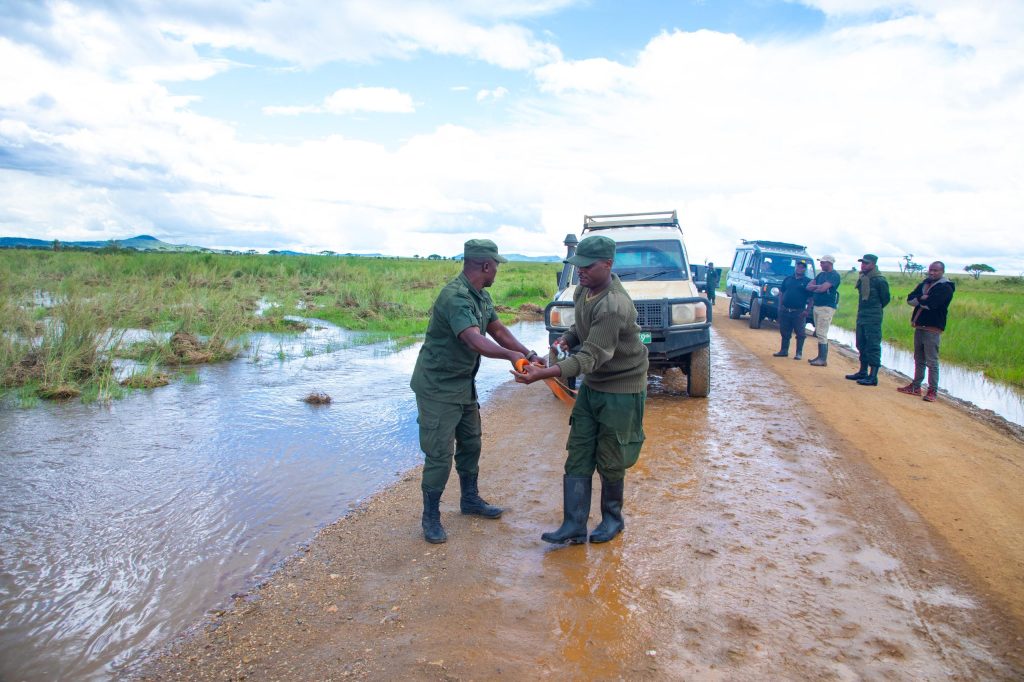
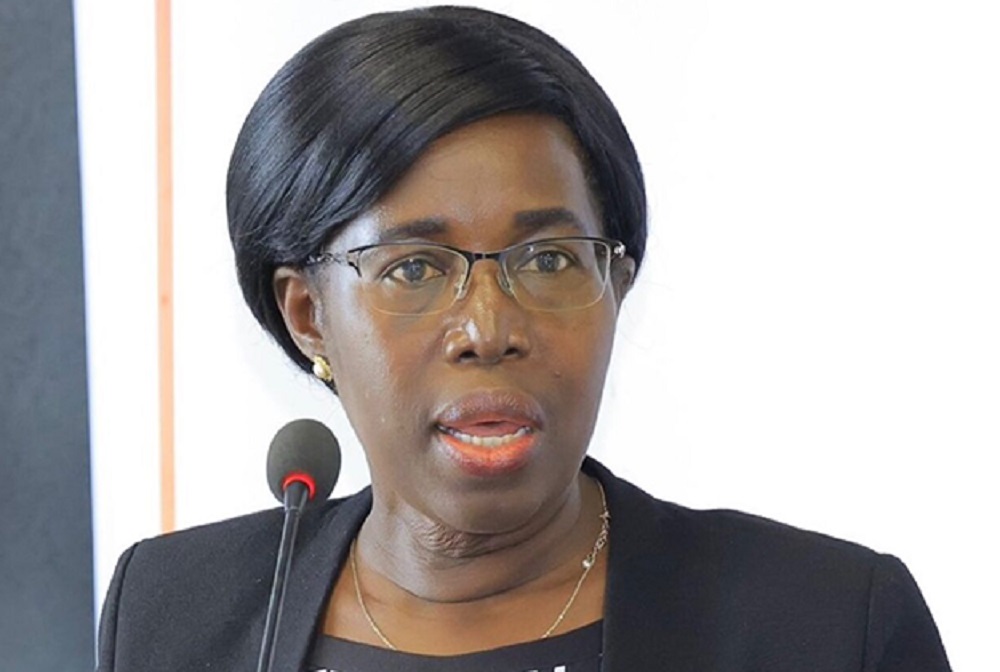
Kijaji made the remarks late Sunday during an inspection tour of the park, where she assessed the damage caused by recent downpours linked to climate change, which had left several tourist vehicles stranded for extended periods.
She said the government would urgently release the funds to ensure the timely rehabilitation of the affected infrastructure, including bridges and roads critical for tourism activities in the park.
“I urge tour guides to strictly follow instructions from rescue officers deployed by the Tanzania National Parks Authority in areas affected by the rains,” Kijaji said.
Serengeti Chief Park Warden Ismail Omary said the park had already taken emergency measures following the damage, including temporary repairs to roads and bridges, deployment of security personnel, and provision of emergency accommodation for stranded visitors and drivers.
Omary added that park authorities also assisted in rescuing stranded vehicles and waived overstay fees for tourists whose departures were delayed due to damaged roads.
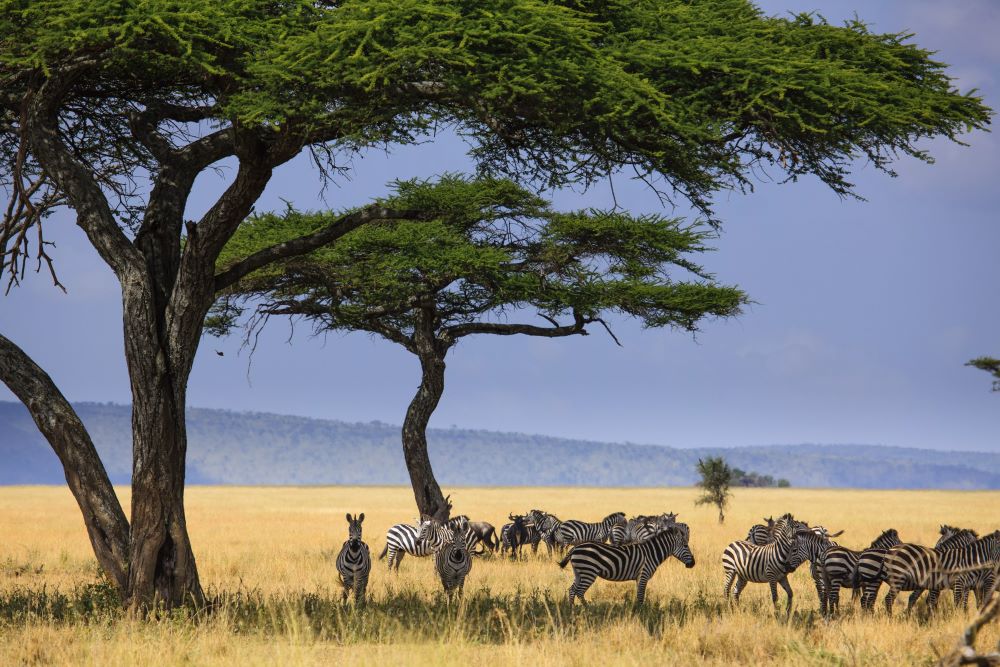
Serengeti National Park in northern Tanzania is a vast protected savanna ecosystem covering about 14,750 square kilometers, famous for its sweeping grasslands, scattered acacia trees, rocky kopjes, and one of the highest concentrations of wildlife in the world.
Tanzania will allocate 8.1 billion Tanzanian shillings (about 3.2 million U.S. dollars) to repair roads and bridges damaged by heavy rains in Serengeti National Park.
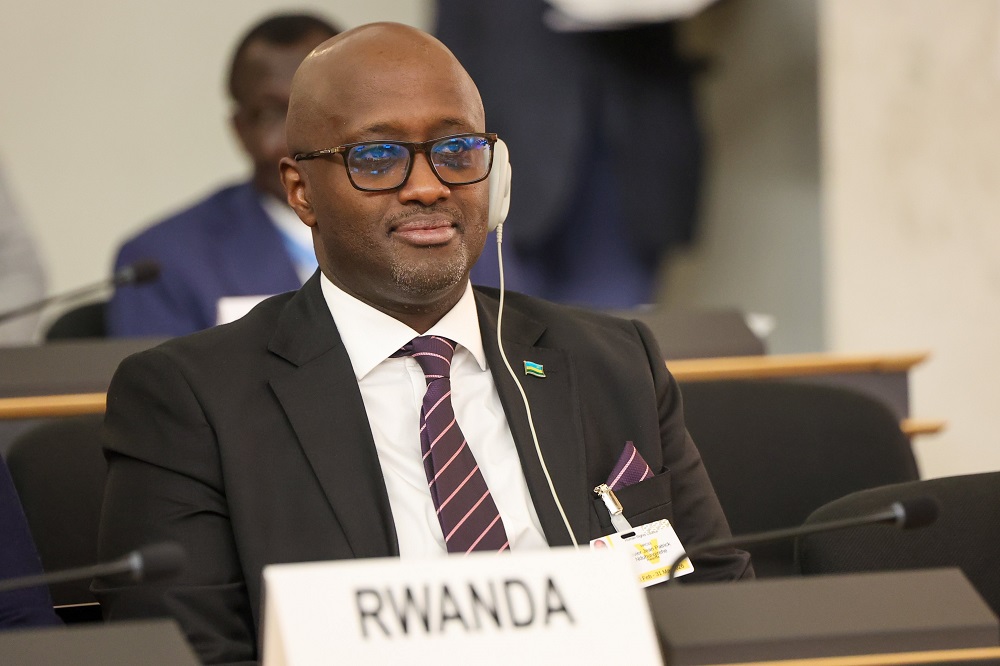
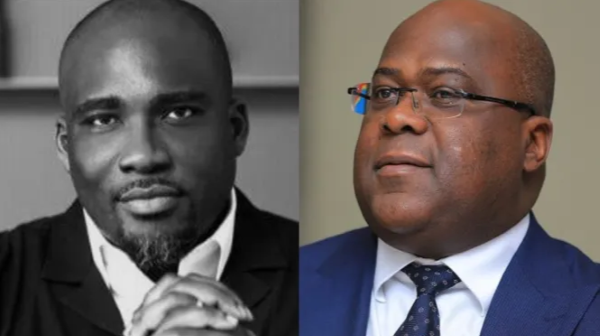
In a statement addressing Jean-Luc Habyarimana’s recent post on X , Nduhungirehe said the former president’s son’s description of his frequent visits to Kinshasa as “private” was an insult to Rwanda’s intelligence services.
“Here, your impulsive and violent nature from 1994 has evidently resurfaced. Instead of enjoying a peaceful life in your Parisian exile, instead of seeking stable employment in France, you made the decision to enter the arena, offering your services to the genocidal FDLR and President Tshisekedi, to plan subversive actions against your own country. But rest assured, we take this threat very seriously,” Nduhungirehe said.
The minister’s comments follow social media posts by Jean-Luc Habyarimana in which he sought to portray his personal trips to the Democratic Republic of Congo (DRC) as unrelated to any regional security issues or his links with the FDLR, a militia group formed by individuals responsible for the 1994 Genocide against the Tutsi in Rwanda.
Nduhungirehe’s statement also referenced the history of the Habyarimana family, noting that Rwanda continues to consider regional security, including its relationship with DRC President Félix Tshisekedi, as a priority.
“I will simply focus on the fact that you present your frequent visits to Kinshasa as ‘private.’ My response is this: this is an insult to our intelligence, whether understood in the common or institutional sense of the term,” the minister added.
President Paul Kagame recently raised concerns over Jean-Luc Habyarimana’s visits to Kinshasa during a dinner with members of the diplomatic corps in Kigali. During the meeting, the Head of State reaffirmed Rwanda’s strong stance on national security and regional stability.
“The Congolese government has provided political cover and financial support to the FDLR and integrated this group into its military structures, from where it now operates with total impunity. They have attacked Rwanda on multiple occasions. Some countries even issued travel advisories as a result,” he said.
He also referenced recent videos showing Jean-Luc Habyarimana travelling to Kinshasa in 2025.
“Lately, the son of the former leader of Rwanda, who led this country into genocide, along with other close collaborators, has been visiting Kinshasa to deepen the alliance with the FDLR, and they have more or less openly been welcomed there,” he added.
The FDLR currently maintains bases in the DRC, with estimates placing its fighters between 7,000 and 10,000. Rwanda has consistently expressed concern over the group’s activities, which threaten both national and regional security.
Rwanda continues to stress the importance of regional cooperation and the enforcement of security measures to prevent destabilising activities by armed groups operating across its borders.
A recent trip to Kinshasa by Jean-Luc Habyarimana, son of former President Juvénal Habyarimana, has raised concerns over ties with the genocidal FDLR and President Félix Tshisekedi, whose administration continues to harbour the group.
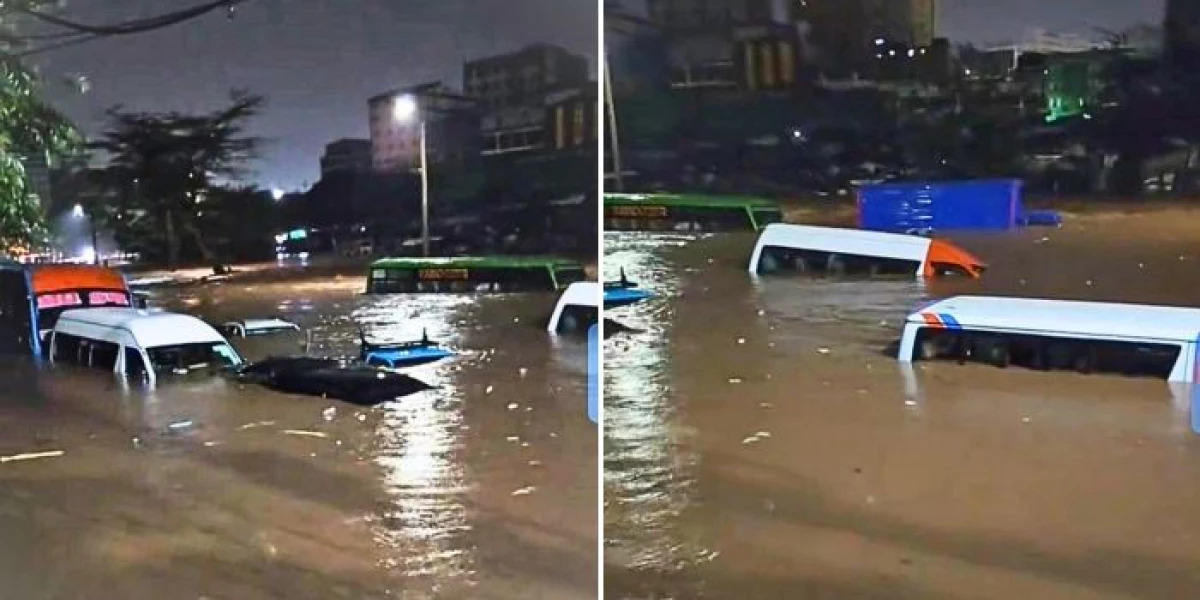
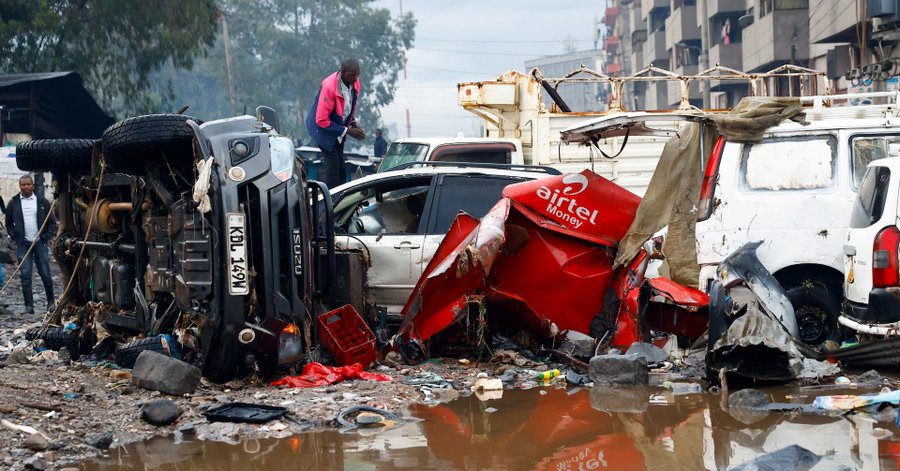
Public Service Minister Geoffrey Ruku said the updated death toll follows Friday evening’s flash floods that swept through several counties, causing widespread destruction. The fatalities rose from the 25 deaths reported shortly after the disaster.
Multi-agency teams, including the National Police Service, the Kenya Defence Forces and the Kenya Red Cross Society, have been deployed to assist with search and rescue operations and distribute relief supplies to affected families.
Nairobi hardest hit
The capital, Nairobi, accounts for the majority of the deaths, with 26 of the 42 fatalities recorded there.
Authorities said most of the victims were residents of informal settlements located near overflowing rivers in areas such as Mathare, Mukuru and Kibra. Among those who died were 21 adult men, three adult women and two children.
The remaining 16 deaths were reported in other parts of the country, including the Eastern region (10), Rift Valley (4), Coast (1) and Homa Bay County (1).
Several people are still missing, with officials saying the figures may change as rescue teams continue searching in areas that remain cut off by floodwaters.
Widespread damage
Authorities reported that floodwaters swept away 172 vehicles in Nairobi alone, though all have since been recovered. Damage to homes, private property and road infrastructure remains extensive.
Across the country, more than 50,000 people have been forced to leave their homes, with many now sheltering in schools, churches and temporary relief centres.
The floods have also devastated livestock, killing at least 607 animals, including pigs and poultry in parts of Nairobi and more than 200 animals in Migori.
Ruku said the government will cover hospital bills and burial costs for victims of the disaster as part of emergency support to affected families.
Relief teams are currently distributing food, blankets and mattresses to displaced residents in hard-hit neighbourhoods such as Mathare and Ruaraka.
The Kenya Meteorological Department has maintained a heavy rainfall advisory until Monday, March 9, warning that saturated soils could still trigger flash floods and landslides even if rainfall intensity decreases.
Although the rains eased slightly on Sunday, forecasters warned that moderate to heavy showers and isolated thunderstorms could continue in parts of Nairobi and neighbouring counties.
Residents living near rivers, including the Nairobi River, have been urged to move to higher ground, while motorists have been advised to avoid submerged roads and bridges.
Authorities also warned of possible water contamination in densely populated settlements and urged residents to seek emergency assistance through local officials or by calling national emergency lines.
Transport disruption and recovery plans
Heavy rainfall has disrupted transport in several areas after damaging roads and bridges. In some cases, motorists have been forced to use alternative routes after major highways became impassable due to flooding and traffic congestion.
Government officials said relief centres have been established in sub-county offices in affected regions, while distribution of building materials to displaced households is expected to begin on Monday as authorities transition from emergency response to early recovery.
Meanwhile, Johnson Sakaja has defended his administration against criticism over the city’s preparedness for flooding.
“I am not resigning, I’m working,” Sakaja said, acknowledging the challenges posed by limited financial resources and long-standing infrastructure gaps in the city.
He said the county government is working to expand drainage systems and address flooding risks, but warned that progress has been slowed by budget constraints and inherited debts from previous administrations.
Multi-agency teams have been deployed to assist with search and rescue operations.
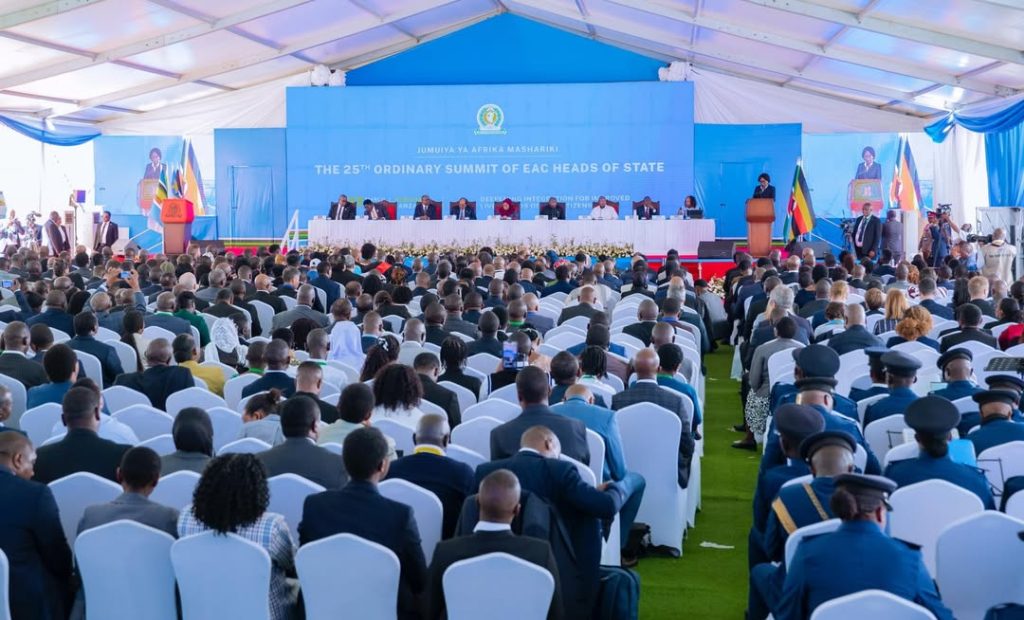
The call was made during the 25th Ordinary Summit of the EAC Heads of State, held in Arusha, Tanzania.
A communique issued late Saturday at the end of the summit said the leaders reviewed progress on the EAC-led Nairobi Peace Process aimed at restoring peace and stability in eastern DRC.
The summit welcomed the progress made so far and commended Kenyan President William Ruto for steering the implementation of regional decisions regarding the security situation in eastern DRC and coordinating the peace process, the communique said.
However, the leaders expressed concern over continued hostilities in the conflict-affected region and urged all parties involved to immediately cease fighting, according to the communique.
“The summit called on all parties to the conflict to cease hostilities and observe an immediate ceasefire while recommitting to the peaceful resolution of their differences.”
The communique said the heads of state also appealed to the African Union to provide adequate financial and logistical support to the AU-led mediation efforts to ensure the peace process proceeds effectively and reaches a sustainable conclusion.
In addition, the leaders acknowledged ongoing diplomatic efforts under the International Conference on the Great Lakes Region, led by Ugandan President Museveni, and agreed that regional initiatives should be harmonized to strengthen peacebuilding efforts in eastern DRC, it said.
According to the communique, beyond security issues, the summit reaffirmed the bloc’s commitment to accelerating regional integration in areas such as trade, infrastructure development and the movement of people and goods.
The summit, held at the Arusha International Conference Centre (AICC), brought together Heads of State and senior officials from EAC partner states to deliberate on key regional priorities
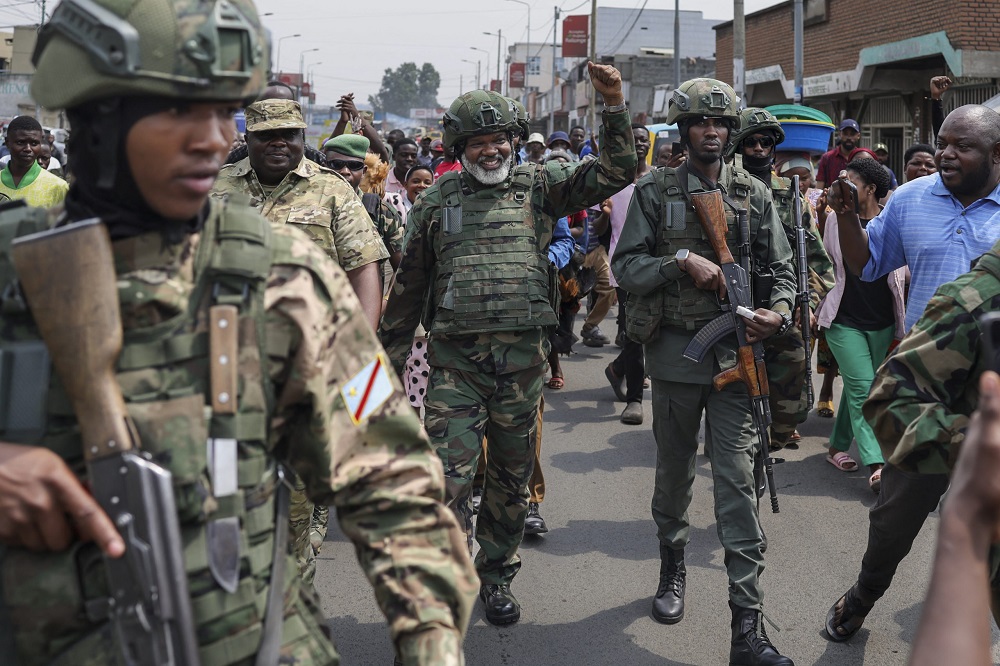
In a statement issued by AFC/M23 spokesperson Lawrence Kanyuka, the movement said the handover took place on March 2, 2026, at Rugamabo camp in North Kivu Province, where the captives had been held after being captured on various frontlines of the conflict.
According to the statement, the detainees were transported back to the Congolese capital under the supervision of the Red Cross.
The prisoner transfer comes within a broader framework aimed at facilitating detainee exchanges between the Congolese government and the AFC/M23. The Red Cross was tasked with overseeing such exchanges in eastern Congo in September 2025 as part of confidence-building measures linked to mediation efforts.
During a ceremony in Doha, officials from Qatar, acting as mediator, handed the ICRC a signed copy of the mechanism for the release of detainees. Representatives from both the Congolese government and AFC/M23 attended the event, which established procedures for verification and exchange operations.
As part of the process, the AFC/M23 has called for the release of more than 700 prisoners currently held by Congolese authorities in connection with the conflict. The group says the request should be addressed during the Red Cross–supervised exchange process.
The ICRC has previously facilitated similar operations in eastern Congo, including the transfer of disarmed Congolese government soldiers and their family members from Goma to Kinshasa.
In its statement, the AFC/M23 said the handover of prisoners demonstrates its commitment to confidence-building measures and to easing tensions in accordance with international humanitarian law.
However, the group accused the government in Kinshasa of failing to reciprocate. It alleged that authorities have refused to release detainees linked to the movement and accused the government of violating ceasefire arrangements while continuing military operations against its forces.
The statement also urged international mediators and partners to take note of repeated ceasefire violations by the government of President Félix Tshisekedi.
The conflict in eastern Democratic Republic of the Congo, particularly in North Kivu, has escalated in recent years, displacing hundreds of thousands of civilians and drawing regional and international mediation efforts aimed at restoring stability in the mineral-rich region.
L’Alliance Fleuve Congo/Mouvement du 23 Mars (AFC/M23) informe l’opinion publique qu’elle a une fois de plus remis au Comité international de la Croix-Rouge (CICR) plus de 5 000 éléments des FARDC, capturés sur différents fronts. Ceux-ci seront rapatriés vers Kinshasa sous la… pic.twitter.com/5eP9QCLFD5
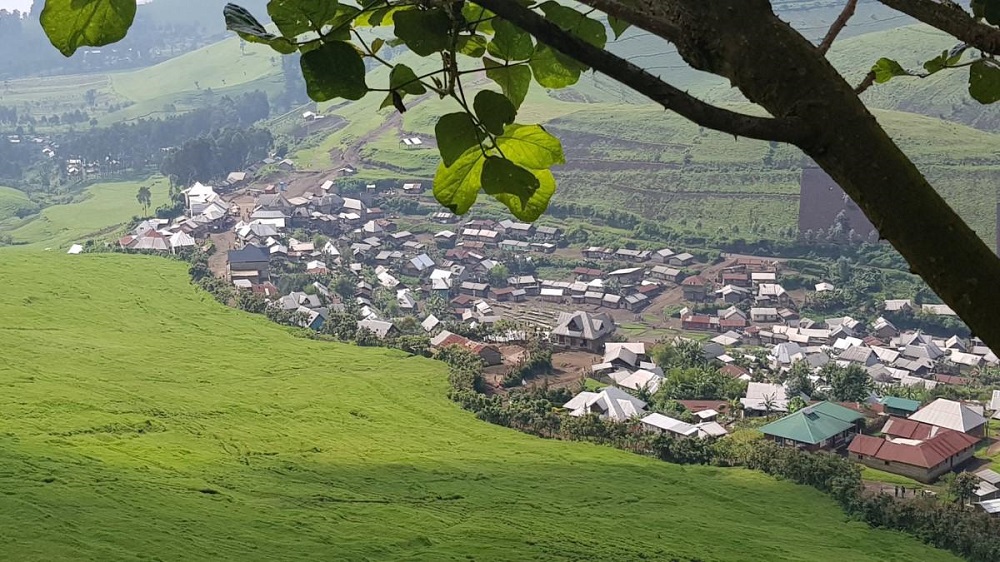
AFC/M23 spokesperson Lawrence Kanyuka explained that the attack targeted densely populated areas in the Masisi territory of North Kivu province, resulting in numerous civilian casualties and the destruction of homes.
“At 5:15 a.m., the Kinshasa government forces fired multiple indiscriminate shells at heavily populated areas in Mushaki and its surroundings. These attacks were blind and showed no regard for human life, killing many innocent civilians and destroying numerous houses,” Kanyuka said.
AFC/M23 seized control of Mushaki in early December 2023, expelling DRC, Burundian, and allied forces. Mushaki is a strategically important area in Masisi territory, located approximately 30 kilometers from the city of Goma.
Kanyuka further stated that this morning, DRC forces also carried out a significant attack in the densely populated Gakenke area in Minembwe commune, actions he described as part of a plan to target the Banyamulenge population.
These attacks follow a drone strike carried out by DRC forces on March 6 in the Kibanda Mangobo area of Walungu territory, South Kivu province.
AFC/M23 reported that eight people were killed and 12 others injured in this latest attack, reiterating its commitment to protecting civilians who continue to be affected by ongoing hostilities.
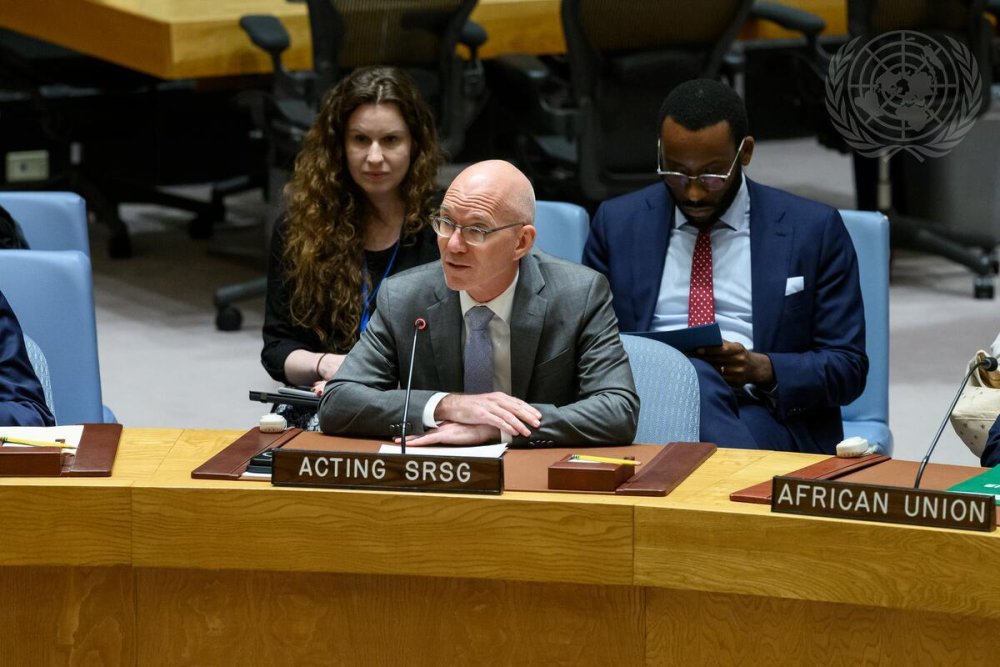
Swan succeeds Bintou Keita of Guinea-Conakry, who stepped down on November 30, 2025, shortly before the end of her term.
Swan is an experienced diplomat with a long career in African countries facing complex political and security transitions.
Most recently, since March 2025, he has served as Special Representative of the Secretary-General for Somalia and Head of the United Nations Transitional Assistance Mission in Somalia (UNTMIS), a role he previously held in an acting capacity from May 2024 until his appointment to the position.
Earlier he was also Special Representative and Head of the United Nations Mission in Somalia (UNSOM) from 2019 to 2022.
Prior to that, Swan had a 32-year career in the United States Government, with multiple assignments related to the Democratic Republic of the Congo, including as Ambassador (2013-2016), Deputy Chief of Mission (2001-2004) and Desk Officer (1996-1998).
During his bilateral career, Swan also served as Special Representative for Somalia (2011-2013), Ambassador to Djibouti (2008-2011), Deputy Assistant Secretary of State for African Affairs (2006-2008) and Director of African Analysis in the United States Department of State’s Bureau of Intelligence and Research (2005-2006).
Earlier assignments included the Republic of Congo, Somalia, Cameroon, Nicaragua and Haiti.
Swan holds a Bachelor of Science degree from Georgetown University’s School of Foreign Service, a Master of Arts from Johns Hopkins University’s School of Advanced International Studies and a Master of Arts in security studies from the National War College, all in the United States.
American Swan is an experienced diplomat with a long career in African countries facing complex political and security transitions.
The group called on all parties, particularly those involved in recent military actions, to immediately cease hostilities, recommit to peace agreements, and prioritize negotiations to prevent further escalation and civilian suffering.
The concern was expressed through a joint statement issued on March 5, 2026, by the governments of the United States, Belgium, Denmark, France, Germany, the Netherlands, Sweden, Switzerland, the United Kingdom, and the European Union, chaired by Sweden.
The Armed Forces of the Democratic Republic of Congo (DRC) have been conducting attacks on AFC/M23 positions in South Kivu and North Kivu, as well as targeting civilians, particularly members of the Banyamulenge community living in Minembwe Commune, using fighter jets and drones.
On January 2, 2026, DRC forces carried out a drone strike on residential buildings in Masisi Center, North Kivu, killing approximately 22 people and injuring many others. The area was reportedly under AFC/M23 control.
Another drone attack by DRC forces near Rubaya Center in Masisi Territory on March 24 resulted in the deaths of several fighters, including Lt Col Willy Ngoma, the rebel coalition’s military spokesperson.
In response to these ongoing attacks, AFC/M23 announced that it would begin intercepting incoming strikes.
On February 1 and March 1, 2026, the group reportedly deployed drones from Bangoka Airfield in Kisangani to target and destroy planned military operations against its positions.
The statement emphasized that such violations, including the use of drones in military attacks, pose an acute risk to civilian populations.
“All parties involved should urgently and unequivocally recommit to ceasing the hostilities and return to negotiations,” the ICG declared, stressing that there can be no military solution to the conflict.
The group urged full implementation of obligations under the Washington Accords and the Doha process, alongside compliance with relevant UN Security Council resolutions, including 2773 and 2808, and full respect for territorial integrity.
It commended the ongoing mediation by the African Union-appointed mediator, Faure Gnassingbé, President of the Council of the Republic of Togo, and the Panel of Facilitators, as well as crucial efforts by the United States and Qatar.
It further recalled the need for conditions enabling an inclusive inter-Congolese dialogue involving all key Congolese stakeholders as essential for durable peace.
The ICG affirmed its readiness to support these diplomatic efforts, urging all parties to uphold international humanitarian law, ensure full, safe, and unimpeded humanitarian access for critical assistance to affected populations.
The statement pressed parties to halt incitement to hatred, discrimination, or violence; including against Rwandophone minorities, and any actions that endanger civilians and undermine social cohesion in the region.
AFC/M23 has vowed to neutralize threats at its source following DRC’s ceasefire violations. DRC continues to opt for military solution despite call for dialogue to end hostilities.
Kinyera died on March 3, 2026, at Mulago National Referral Hospital in Kampala, where he had been receiving treatment.
According to the ministry, the funeral service will be held on Thursday, March 12, 2026 from 10:00 a.m. to 12:00, at Our Lady of Africa Church in Mbuya, followed by a vigil in Naalya, Wakiso District from 3:00 p.m. onwards.
On Friday, March 13, 2026, his body will be transported to his birthplace in Amuru District, where a vigil will take place in the evening.
His burial is scheduled for Saturday, March 14, 2026, in Akurukwe, within the same district.
Santa Mary Laker Kinyera had served in the Ministry of Foreign Affairs of Uganda since 1994.
In addition to his posting in Rwanda, he held diplomatic positions in Uganda’s embassies in Denmark, the United States, and Turkey.
Former Ugandan Deputy High Commissioner to Rwanda Kinyera died on March 3, 2026, at Mulago Specialised National Referral Hospital in Kampala.
AFC/M23 stated that it conducted drone strikes on the airport on February 1 and March 1, 2026, targeting a section of the facility used by the DRC military and its allies.
The aim was to destroy part of the airport’s infrastructure utilized by the DRC military forces and their partners.
The alliance explained that the DRC military and its partners use the airport to prepare and launch drone strikes against AFC/M23 bases and civilians in North Kivu and South Kivu provinces.
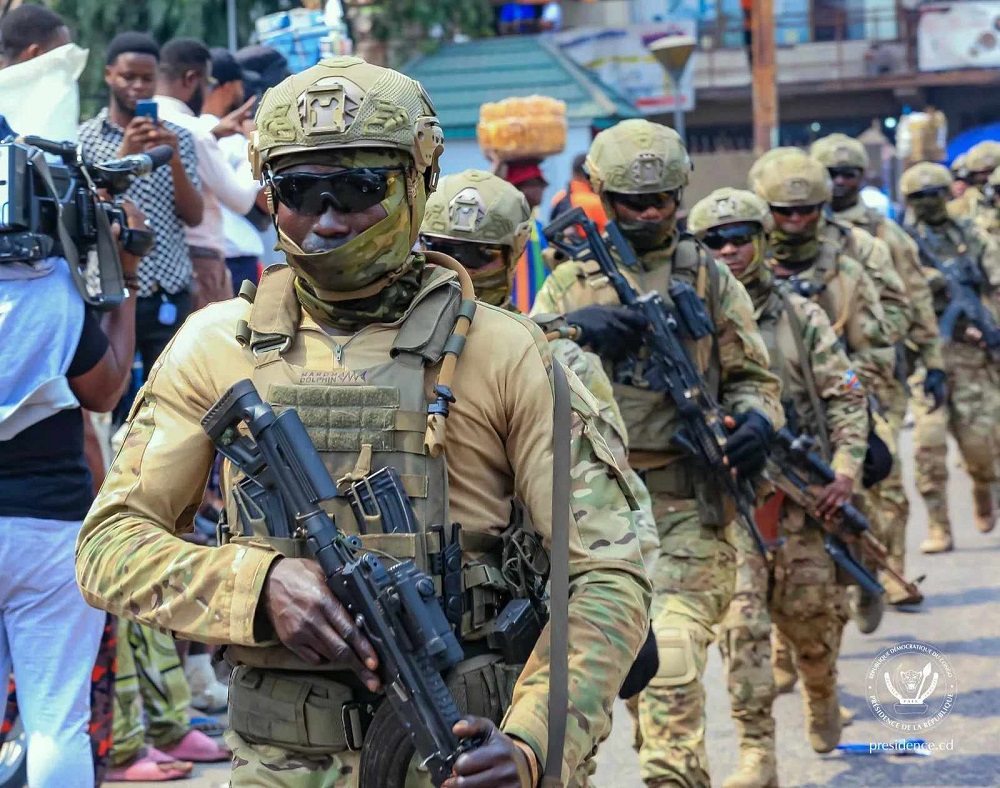
Dr. Oscar Balinda, the Deputy Spokesperson for AFC/M23, revealed that the alliance has deployed commando units near Kisangani.
These units are tasked with carrying out operations aimed at disrupting the DRC’s plans to destabilize areas under AFC/M23 control.
“The commandos operate day and night, completing their missions and returning once the task is finished. Our goal is to halt this terror and restore peace so we can return to the negotiation table and work towards lasting peace,” he stated.
On March 2, 2026, AFC/M23 enrolled 1,518 special force recruits who were trained at the Rumangabo military camp in Rutshuru Territory.
The alliance clarified that these new recruits are specially trained commandos with advanced combat skills, prepared to undertake mobile operations and establish permanent bases.
Yannick Tshisola, Chief of Staff to AFC leader, hinted that these new fighters would be involved in future missions, similar to the recent strike on Bangoka International Airport.
Dr. Balinda stated that AFC/M23 fighters conduct targeted attacks in Kisangani before returning to their original positions.