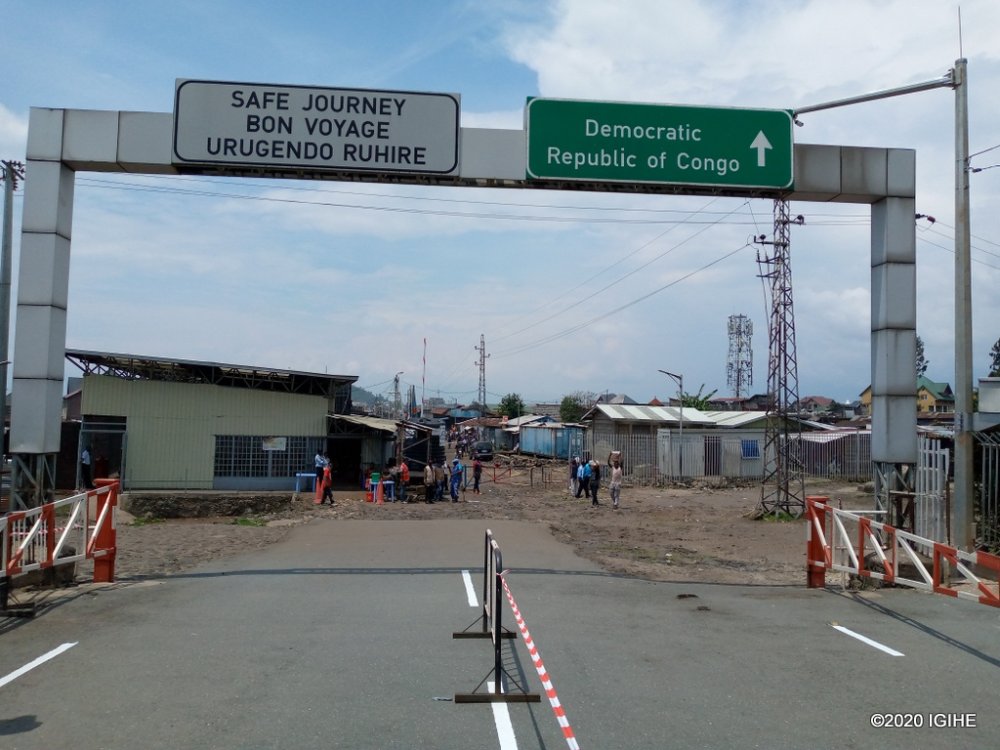
On March 2, 2026, the U.S. Department of the Treasury’s Office of Foreign Assets Control (OFAC) announced sanctions against the RDF as an institution and four senior military officials; Chief of Defence Staff Gen Mubarakh Muganga; Army Chief of Staff Maj Gen Vincent Nyakarundi; Commander of the RDF Special Operations Force, Brig Gen Stanislas Gashugi; and Commander of the RDF’s Fifth Division, Maj Gen Ruki Karusisi.
In early December 2025, Rwanda and the DRC signed the Washington Accords in Washington, D.C., aimed at restoring peace in eastern DRC.
Despite the agreements, however, a DRC-allied coalition—including the genocidal FDLR militia, mercenaries, Burundian soldiers, and Wazalendo militia, has continued launching attacks on AFC/M23 positions and densely populated areas using ground and drone offensives.
The DRC has accused Rwanda of supporting the AFC/M23 rebel coalition, which resumed fighting in 2021 to defend the rights of marginalized Tutsi communities targeted by the DRC government after previous talks failed.
The United States statement imposed sanctions, accusing Rwanda of backing the M23, allegations Kigali has consistently denied, while urging the Democratic Republic of the Congo to end its collaboration with the FDLR, which has launched attacks on Rwandan territory on multiple occasions.
During the fighting in DRC, Rwanda was targeted multiple times, prompting the country to establish defensive measures along its border.
In its statement released on March 2, 2026, the Rwandan government insisted that the sanctions unfairly target only one party to the peace process while ignoring violations by the DRC side.
“The sanctions issued today by the United States unjustly targeting only one party to the peace process misrepresent the reality and distort the facts of the conflict in eastern Democratic Republic of Congo,” reads the statement.
“Consistent and indiscriminate drone attacks and ground offensives constitute clear violations of ceasefire agreements by the DRC, and continue to cost many lives. Protecting Rwanda is a badge of honour which the Rwanda Defence Force carries very proudly,” the statement adds.
Since the Washington Accords were signed on December 4, 2025, Rwanda has repeatedly affirmed its readiness to comply, stating that its defensive measures will only be lifted once the DRC has fully dismantled the FDLR.
In the statement released today, Rwanda has again reaffirmed its full commitment to the Washington Accords.
“The DRC committed, in the Washington Accords, to an irreversible and verifiable end to state support for the FDLR and associated militias, but have not taken any steps to do so. […]
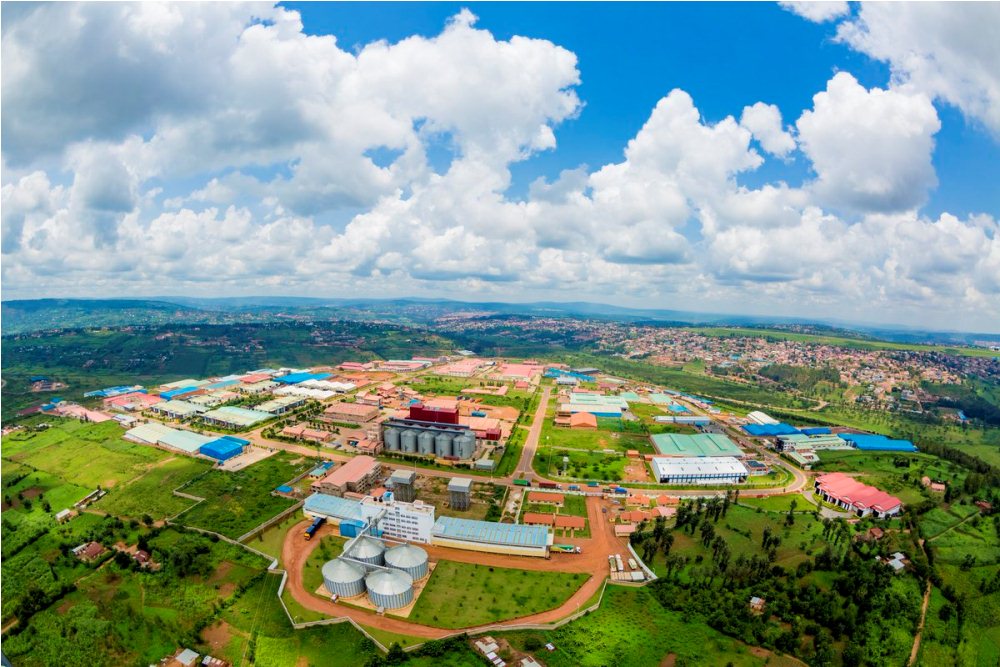
“Rwanda welcomes the resumption of the implementation process, including the Joint Oversight Committee, which requires an even-handed approach from all partners. Rwanda remains committed to delivering on all aspects of the Washington Accords, including the Regional Economic Integration Framework,” the statement concluded.
The fighting in eastern DRC, prompted Rwanda to set up defensive measures along its border.
The Producer Price Index (PPI) measures the average change over time in prices received by domestic producers for their goods and services, essentially the price at which products leave the factory gate.
The annual increase was largely driven by strong price growth in mining and utilities. Mining and quarrying prices rose 20.4 percent year-on-year, while electricity, gas and steam supply surged by 34.8 percent. Manufacturing prices recorded a more moderate annual increase of 2.5 percent.
On a monthly basis, the General PPI rose 1.1 percent compared to December 2025, mainly due to a 1.2 percent increase in manufacturing prices. Mining and utility prices remained unchanged over the month.
The data also reveals a divergence between domestic and export markets. Producer prices for locally sold goods increased by 2.8 percent year-on-year and 1.3 percent month-on-month. Electricity costs played a significant role in the annual rise, while manufacturing prices for local sales rose marginally by 0.2 percent.
Export prices, however, climbed sharply by 15.3 percent compared to January 2025. This growth was largely supported by higher mining prices, which account for more than half of the export index weight. Despite the strong annual growth, export prices declined by 1.3 percent month-on-month, reflecting a 3.1 percent drop in manufacturing export prices.
Overall, the January figures suggest that while producer prices remain elevated, particularly in export-oriented sectors, inflationary pressures at the production level are more moderate than the double-digit increases recorded in mid-2025. The continued rise in electricity prices remains a key structural factor influencing production costs across the economy.
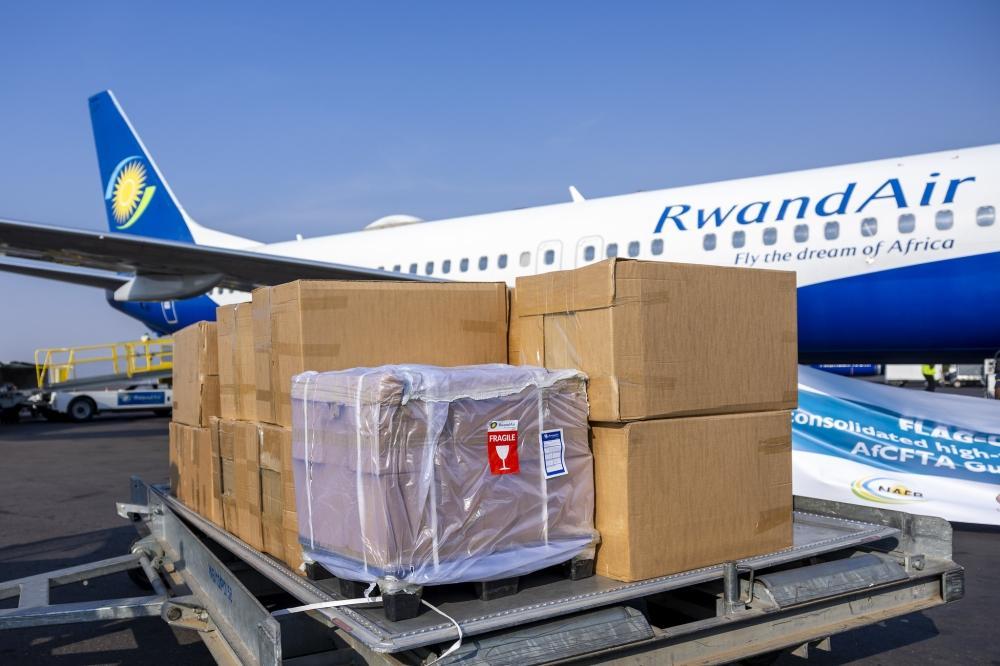
Rwanda’s export prices rose sharply by 15.3 percent compared to January 2025, according to the latest Producer Price Index (PPI).
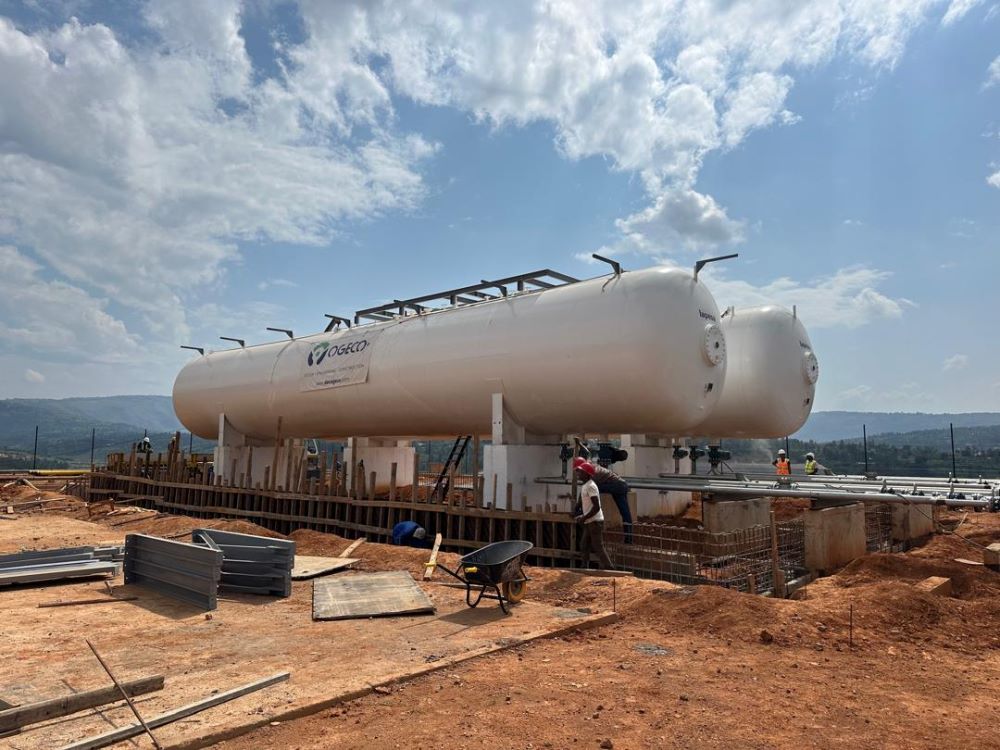
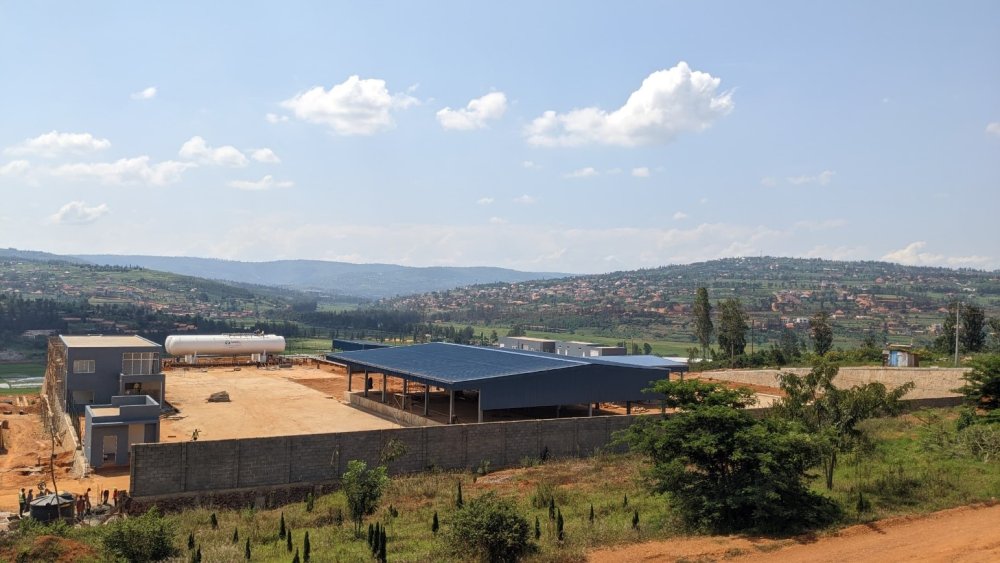
The facilities, with a combined capacity of 17,500 cubic meters, are being built on six hectares in Rusororo, Gasabo District at an estimated cost of Rwf65 billion. They are expected to start supplying gas by July 2026.
The project supports Rwanda’s national goal of reducing reliance on wood-based fuels, improving public health, and strengthening resilience to climate change.
Abdul Rahman, the project’s construction manager, told RBA that the new storage facilities will allow large quantities of gas to be preserved efficiently and provide benefits to consumers.
“The gas will be transported in trucks carrying 20 to 25 tons, stored in these large tanks, and then distributed to daily-use facilities and cylinders for customers,” Rahman explained.
He added that the tanks will also allow other gas distributors in Rwanda to source supplies locally, helping to lower prices.
“With a storage capacity of 17,500 cubic meters, the country will have two main advantages; a secure national supply during emergencies or global market disruptions, and the ability to reduce prices through bulk storage and distribution,” he said.
Rahman further noted, “Currently, we import 200–300 tons at a time. With the new tanks, we can bring in 1,000 to 4,000 tons, creating room for better negotiations with suppliers. This will reduce costs for industries and eventually for consumers.”
Local gas distributors have welcomed the project, highlighting its benefits for both businesses and customers.
Jean Damour Ntibutura said, “Previously, we faced high transport costs and limited supply, which raised prices. Once these tanks are operational, new investors may also build smaller local tanks, improving supply and stabilizing costs.”
Dr. Joseph Akumuntu, Chairperson of the Rwanda Petroleum Importers and Distributors Association (ASSIMPER), described the storage facilities as a solution to fluctuating gas prices.
“The tanks will provide transparency and stability, ensuring everyone knows supply levels and reducing price discrepancies,” he said.
Plans are also underway to make gas more affordable by allowing citizens to purchase smaller quantities according to their budgets.
The facilities, with a combined capacity of 17,500 cubic meters, are being built on six hectares in Rusororo, Gasabo District.
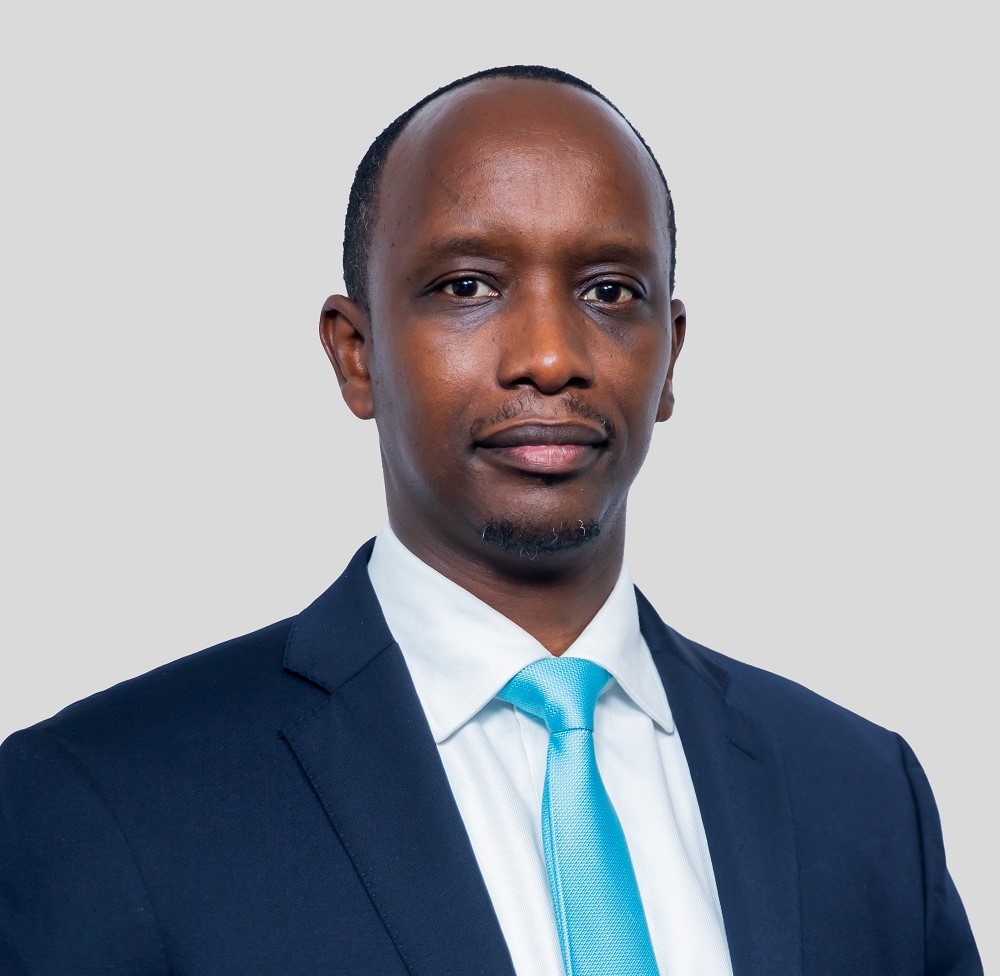
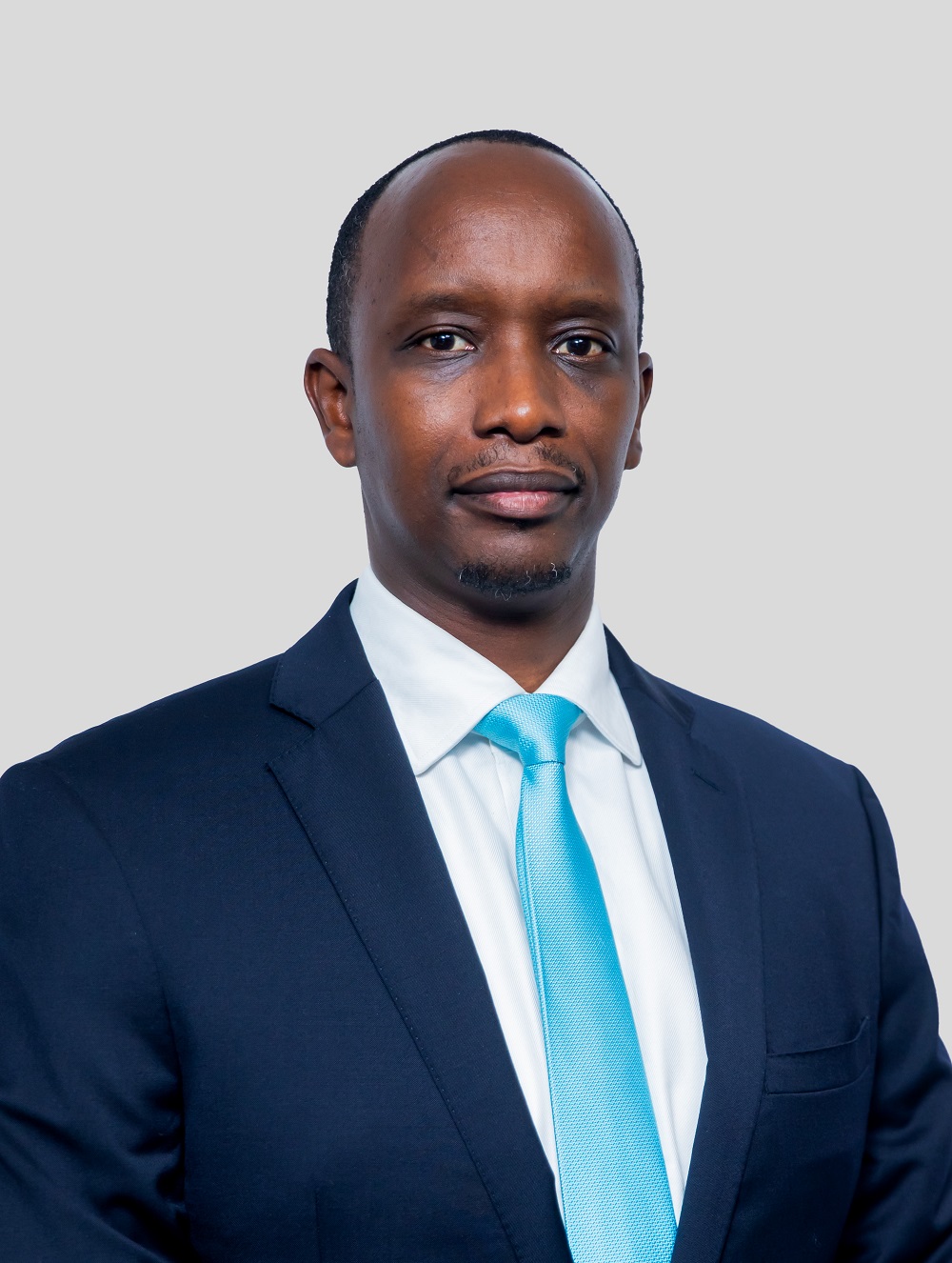
He succeeds Eric Karekezi Ngabonziza, who had served as acting CEO since January 7 following the departure of Botswana’s Thapelo Tseole.
Ngarambe assumes this role at an important stage in the continued development of Rwanda’s capital markets, as CMA advances its mandate to build sound, efficient and inclusive markets that support long-term investment and contribute to national economic growth.
Marc Holtzman, Chairman of CMA, welcomed Ngarambe on his appointment, expressing full confidence in his abilities.
“Romeo brings over 13 years of international experience as a strategic finance and investment leader, with a proven track record in commercial growth, capital markets operations and corporate advisory across multinational organisations.
“He has demonstrated strong expertise in shaping financial strategies, strengthening governance frameworks and developing performance measures aligned with institutional objectives while upholding the highest standards of regulatory compliance.”
The Minister of Finance and Economic Planning, Yusuf Murangwa, added: “Mr. Ngarambe has shown exceptional capability in leading cross-functional teams, producing data-driven insights to support executive decision-making, building strategic partnerships and improving operational efficiency in dynamic, client-focused environments.”
Prior to his appointment, Ngarambe held senior finance leadership roles at Corning Inc., where he oversaw budgeting, forecasting, reporting, investment analysis and governance initiatives across multiple operations.
He also served at Deloitte & Touche LLP as a Senior Business Risk Consultant, leading capital markets and advisory assignments, including due diligence, structured finance reviews and investor protection engagements.
Ngarambe holds a Master of Science in Accounting from Binghamton University and a Bachelor of Science in Business Administration from Toccoa Falls College. He is a certified Project Management Professional (PMP).
Hortense Mudenge, Rwanda Finance CEO and CMA Vice Chairperson welcomed the appointment as a significant milestone.
He expressed confidence that strengthened collaboration between the Kigali International Financial Centre, the Rwanda Stock Exchange and the Capital Markets Authority will accelerate efforts to attract international investment and deepen the competitiveness of Rwanda’s capital markets.
Ngarambe’s appointment reflects CMA’s continued commitment to strong institutional leadership as the Authority works to strengthen market confidence, reinforce regulatory effectiveness and advance Rwanda’s long-term capital market ambitions.
Romeo Ngarambe is the new CEO of Rwanda’s Capital Market Authority (CMA).
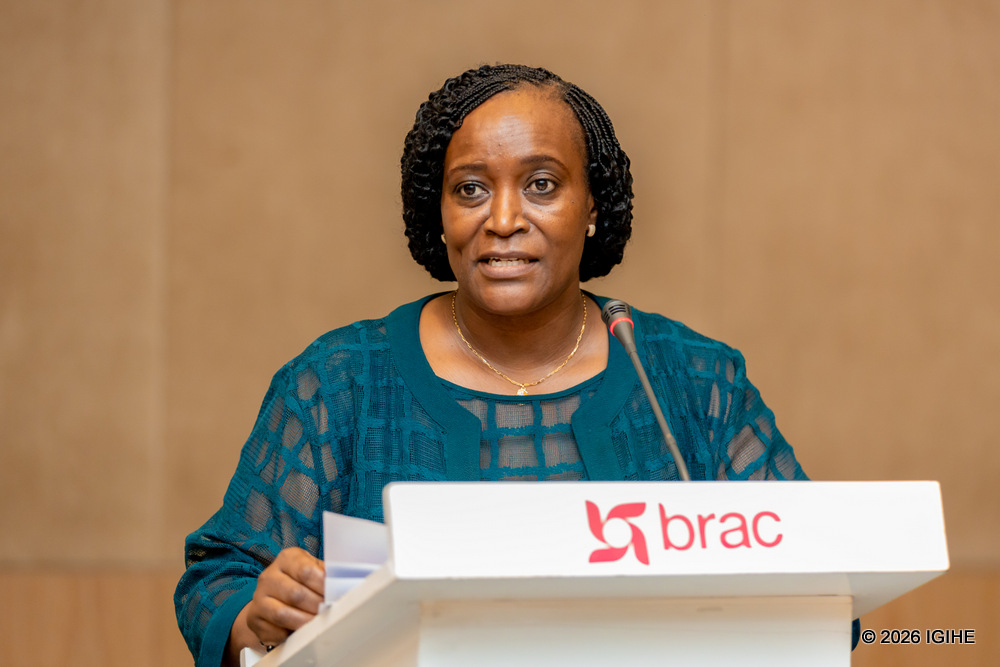
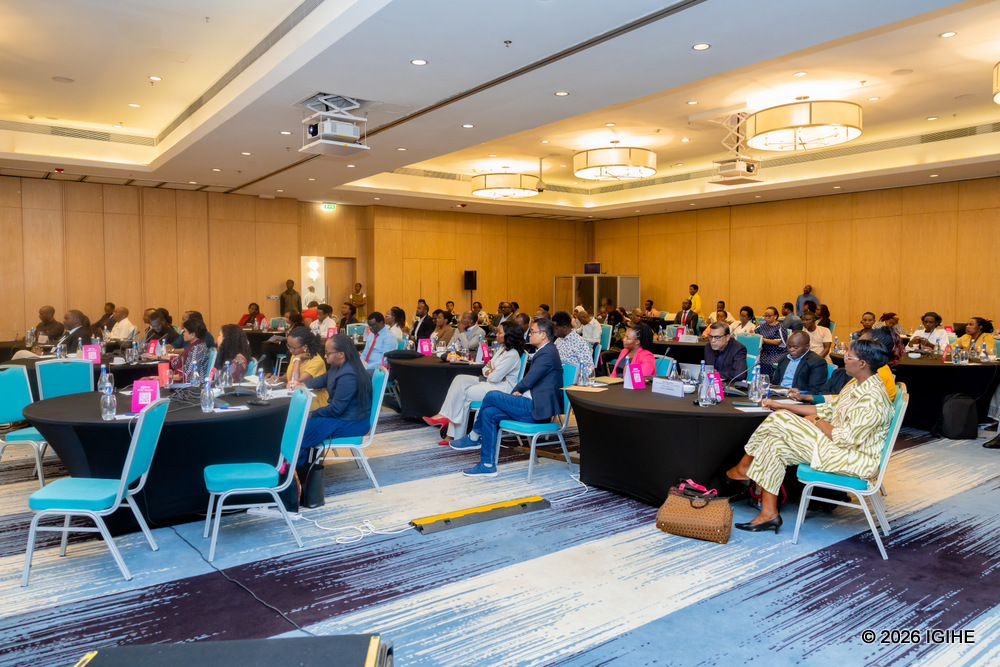
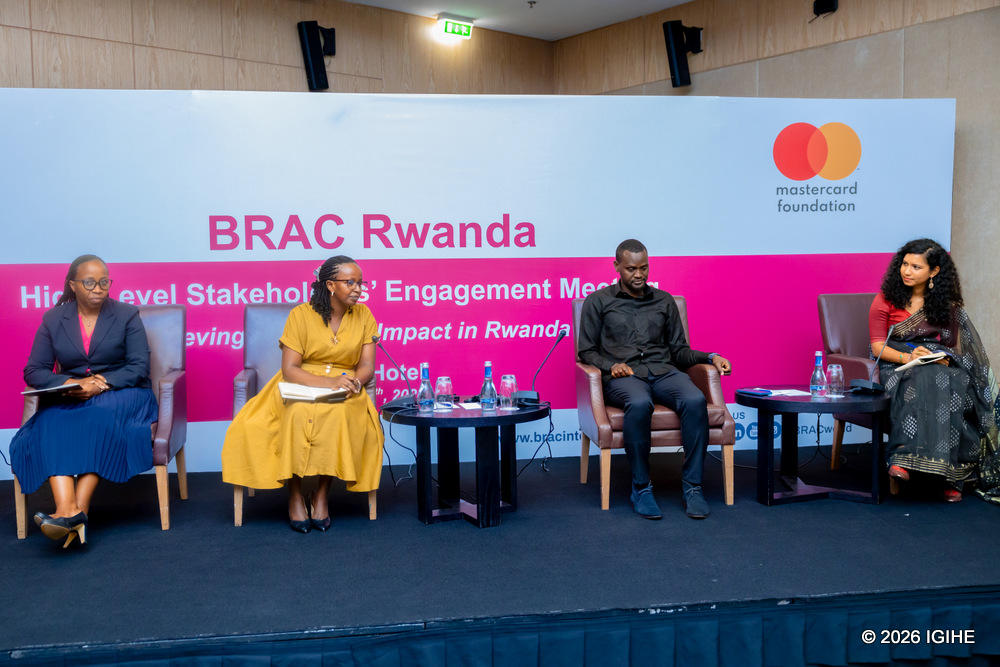
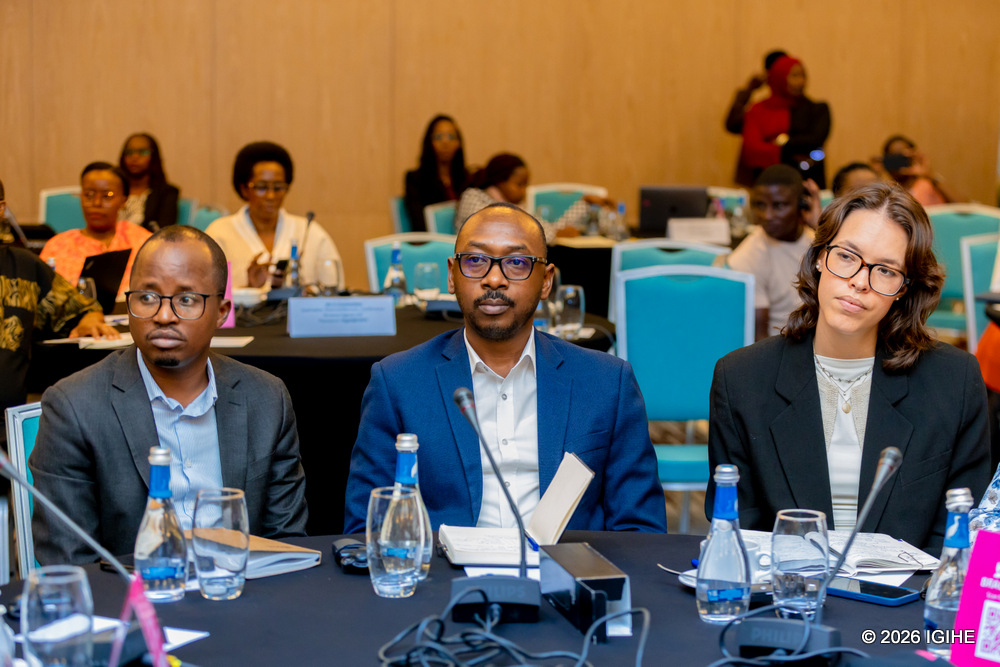
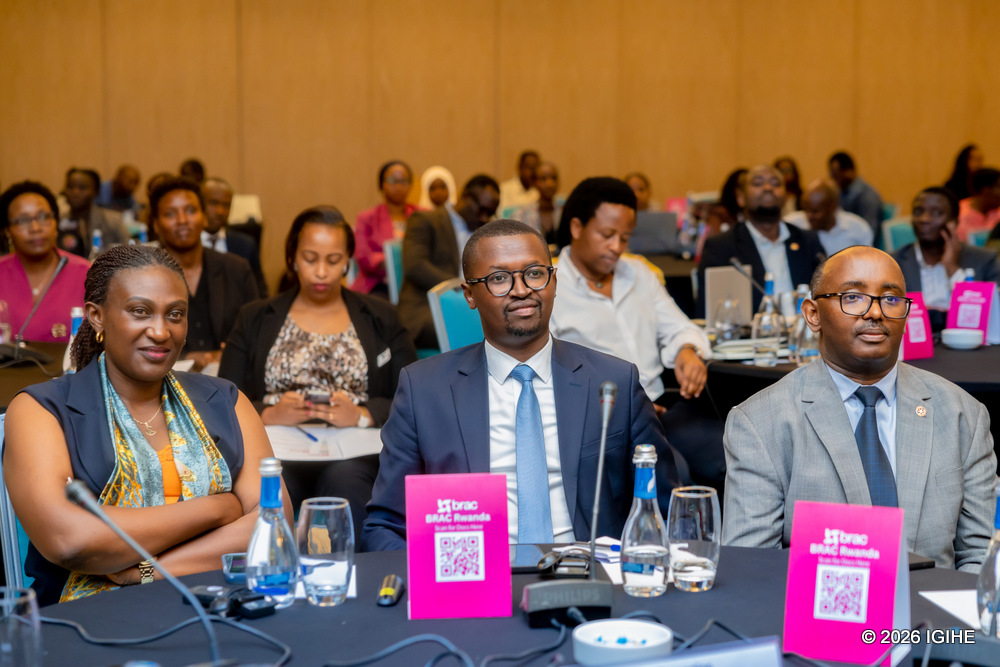
She voiced the appreciation during a High-Level Stakeholders’ Engagement Meeting held on February 27, 2026, at the Kigali Marriott Hotel.
The minister specifically highlighted BRAC’s commitment to combating issues such as teenage pregnancy and school dropout rates affecting both boys and girls.
Minister Uwimana emphasized the urgency of intensified action on these concerns and urged all stakeholders to collaborate more effectively, aligning their initiatives with Rwanda’s national priorities to achieve measurable and lasting impact.
BRAC, originally the Bangladesh Rural Advancement Committee, is a global development organization founded in 1972 in Bangladesh. It began operations in Rwanda in 2019, concentrating on youth unemployment, gender inequality, and financial inclusion.
These efforts support Rwanda’s long-term development agenda, including Vision 2050 and the National Strategy for Transformation (NST2).
BRAC Rwanda operates through three entities; BRAC Microfinance and BRAC NGO, which implements Accelerating Impact for Young Women (AIM ) programme in partnership with the Mastercard Foundation and BRAC Ultra Poor graduation Initiative (UPGI) which supports Rwanda to implement out of poverty graduation agenda.
Since 2019, BRAC Rwanda Microfinance has grown to 35 branches covering all 30 districts, serving over 100,000 borrowers, 98% of whom are women. It offers collateral-free group loans, agricultural finance products, savings services, and financial literacy training, primarily targeting women in rural and remote areas.
Through its AIM programme, launched in 2023 in partnership with the Mastercard Foundation, BRAC has reached over 30,000 adolescent girls and young women in Rwanda.
The programme provides life skills, entrepreneurship training, employability skills, and access to finance, equipping participants to succeed in the country’s growing economy.
Minister Uwimana expressed deep appreciation to BRAC and its partners, for their vital funding and support.
“This comprehensive approach aligns strongly with our national priorities and aspirations. We extend our appreciation to BRAC and its partners, especially MasterCard Foundation for generously funding these programmes, enabling the success we are celebrating today,” she stated.
“Your partnership exemplifies how strategic collaboration can translate into meaningful opportunities for young people, families, across all the country,” the minister added.
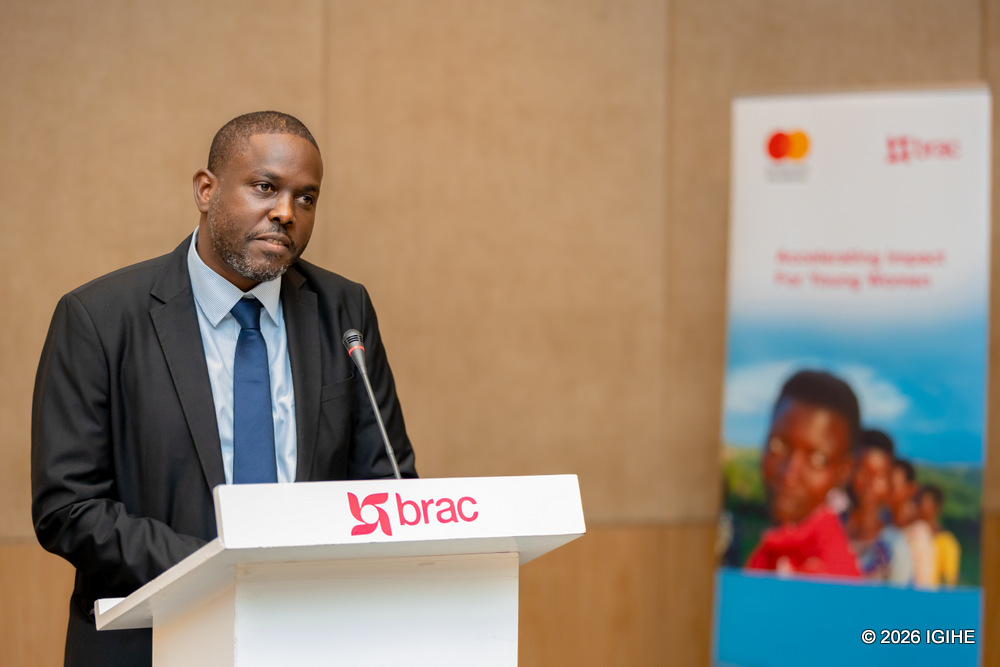
Alex Bekunda, BRAC’s Country Director for Rwanda, reinforced the value of joint efforts.
“We have witnessed young women start and grow businesses, engage in productive work among others and build confidence as leaders within their communities. These are not isolated stories. They are powerful reminders of what is possible when systems work together and when potential is nurtured,” he said.
Bekunda also called for expanding youth programmes to reach an additional 100,000 adolescent girls and young women by 2030.
Anne Mutta, BRAC’s Regional Director, elaborated on the organization’s integrated model, stressing the importance of combining skills development with financial access.
She also stressed the urgent need for collective action to confront the persistent challenges of gender-based violence and teenage pregnancy, issues that continue to disrupt girls’ education, threaten their safety, and constrain their economic prospects.
“Ending poverty in Rwanda will remain incomplete unless we protect girls, keep them in school, and create safe pathways for them to thrive.
“BRAC stands ready not only as a problem solver but also as a long-term partner committed to advancing Rwanda’s development vision through evidence, scale, and systems change to reduce poverty,” Mutta noted.
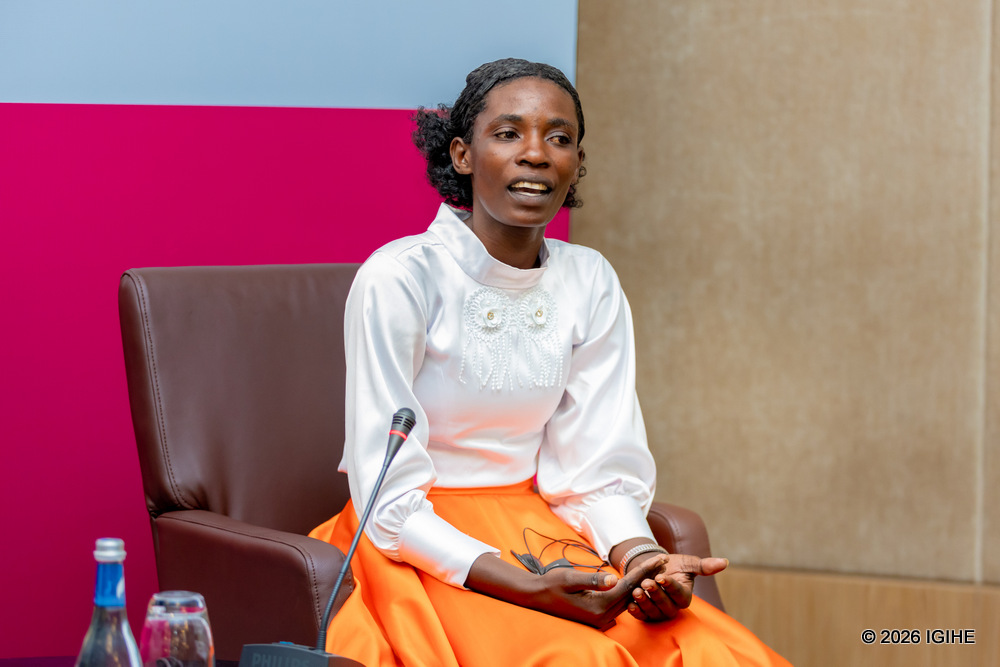
The event included inspiring testimonies from beneficiaries. Gaudence Muhongerwa, a mother of four from Ruhango District who participated in the AIM Programme, shared her progress.
“Through the AIM Programme, I have gained new skills that have helped me grow my business and empower my family,” she noted.
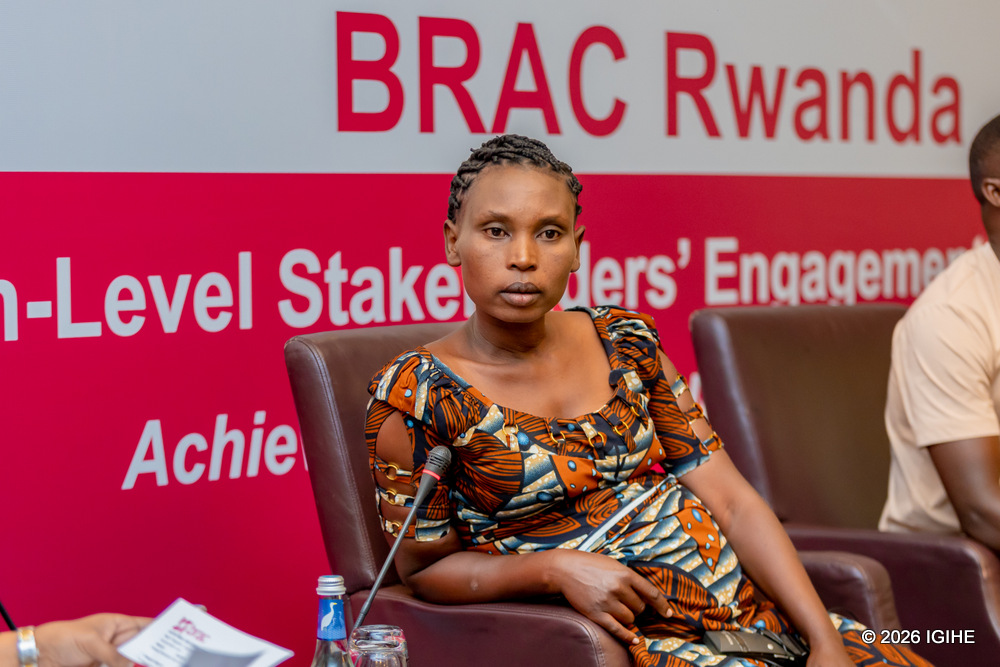
Marie Rose Uwizeyimana, a para-social worker from Nyamagabe District, also praised BRAC’s grassroots impact and its role in driving sustainable change.
The meeting took place as BRAC Rwanda hosted senior leadership; including the Regional Director, Senior Director of Programs, and AIM Director, from February 23–27.
During the visit, the delegation witnessed firsthand the depth of BRAC’s integrated impact and how the “ONE BRAC” model works seamlessly to transform lives across the country.
In the Southern Province, they observed how AIM is creating pathways of opportunity for young women and communities. They met with provincial and district officials, led by Governor Alice Kayitesi, and engaged directly with frontline staff whose dedication drives the organization’s mission forward. They also interacted with BRAC participants who shared powerful testimonies of transformation and resilience.
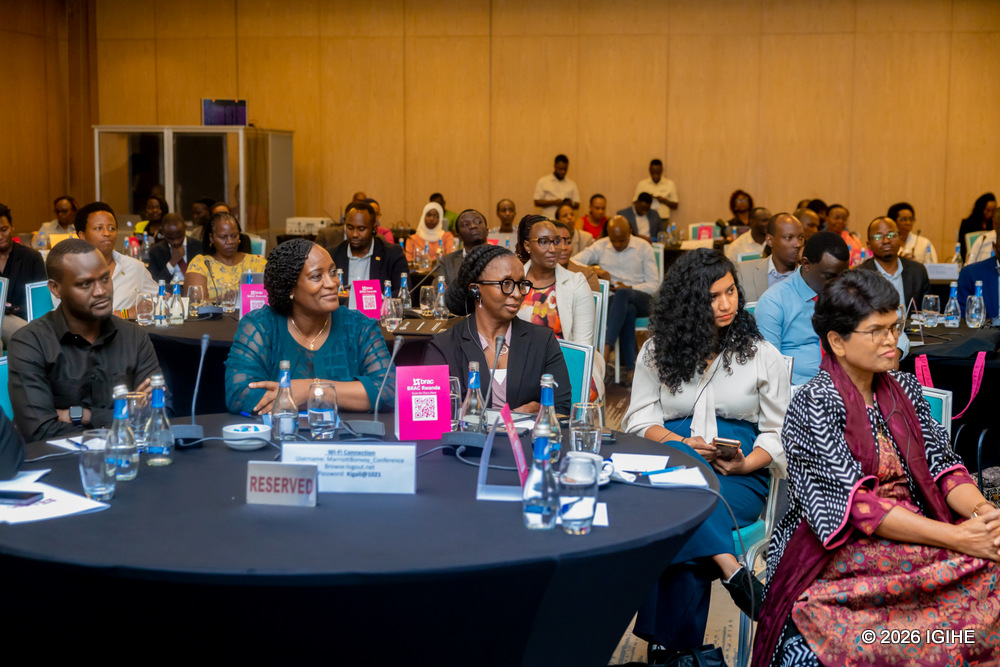
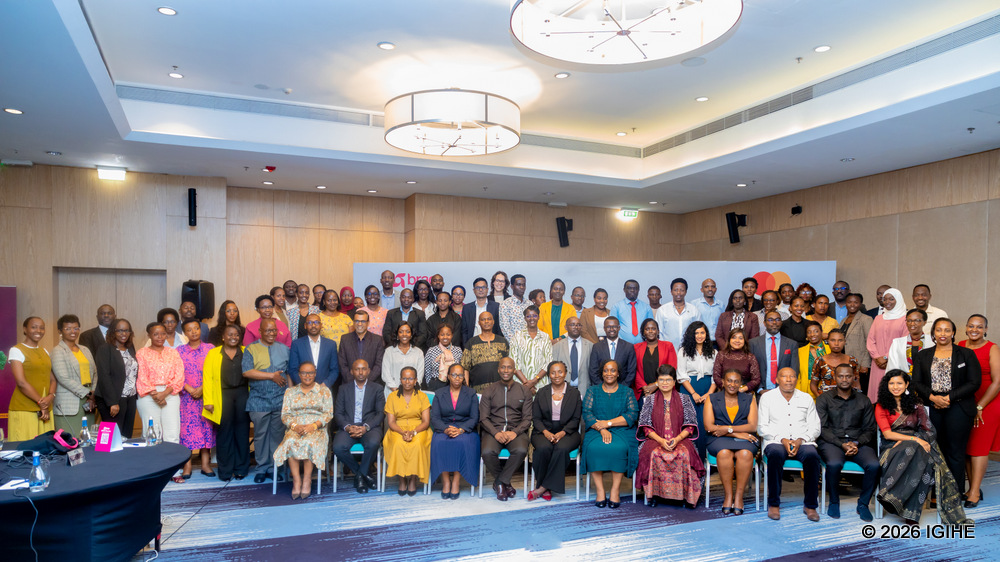
The visit culminated in a high-level stakeholder meeting on the 27th, attended by senior government officials, civil society leaders, and development partners, with the Minister of Gender and Family Promotion, Consolée Uwimana, serving as Guest of Honor.
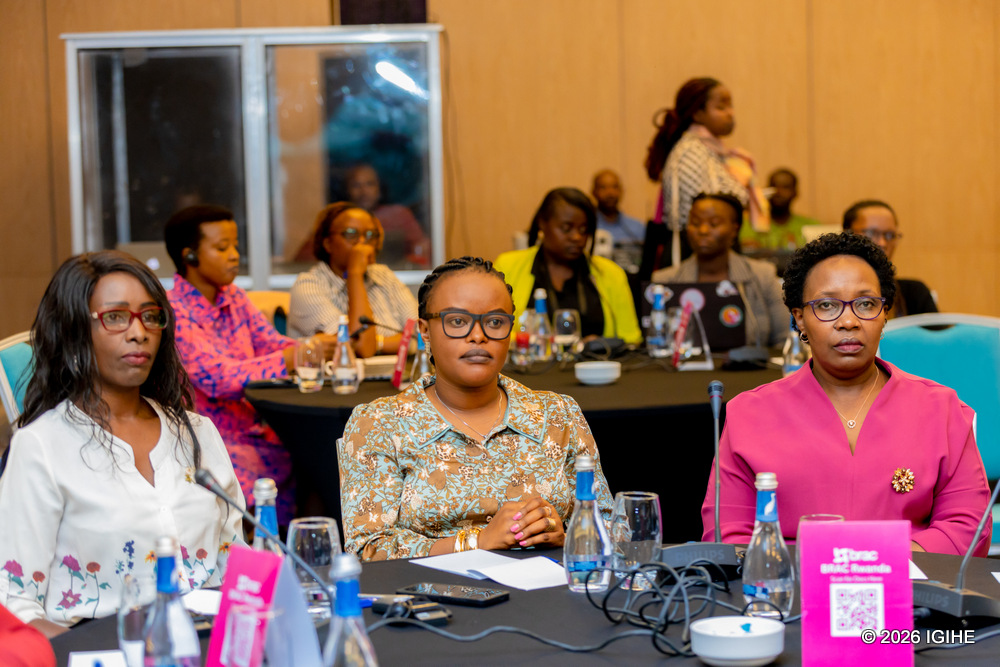
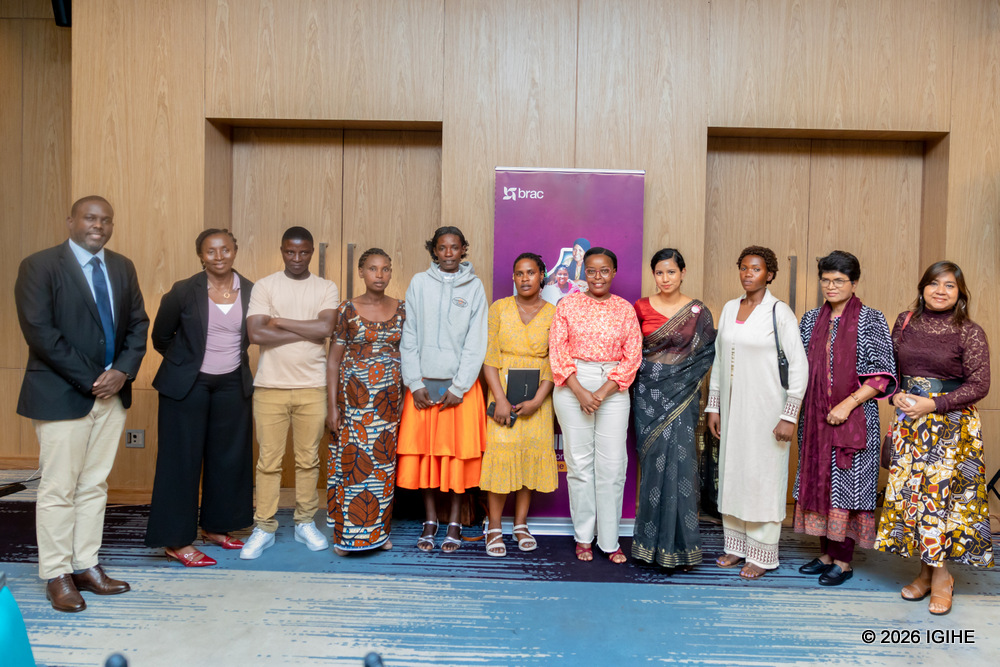
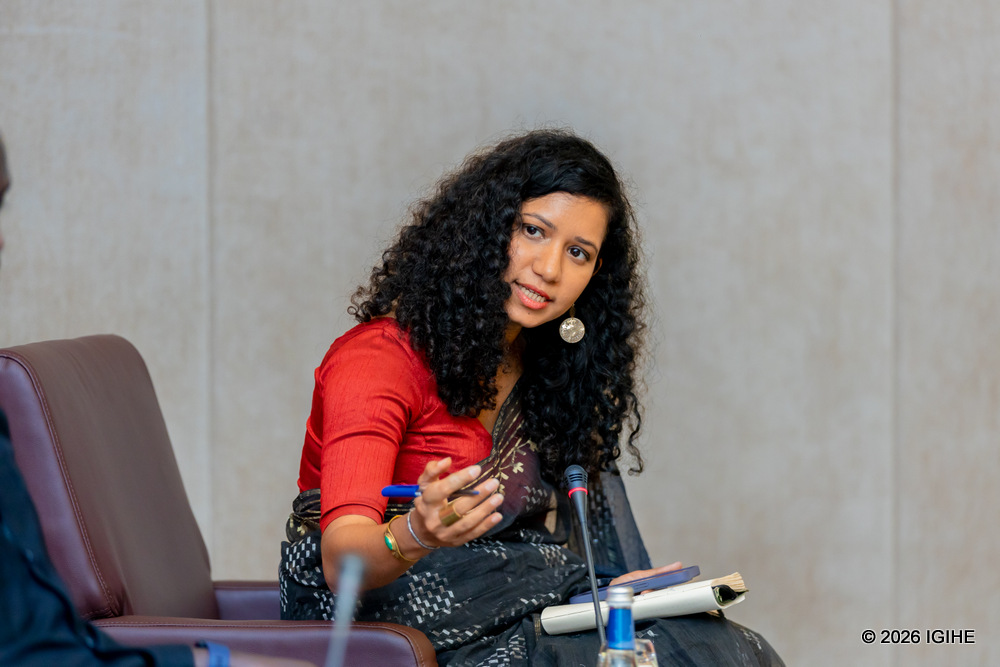
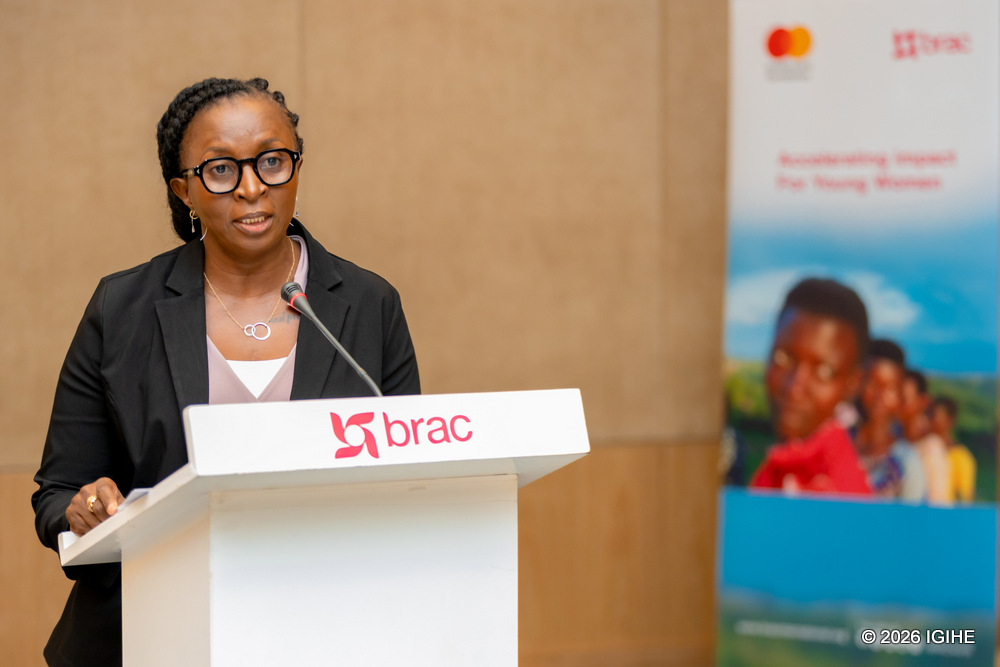
Minister Uwimana has praised BRAC’s efforts in empowering young women, tackling youth challenges. The event took place at Kigali Marriott Hotel. Alex Bekunda, BRAC’s Country Director for Rwanda, reinforced the value of joint efforts.BRAC has reached over 30,000 adolescent girls and young women in Rwanda. Upoma Husain, Chief Executive Officer, BRAC Rwanda Microfinance also shared insights into key areas of interventions. Anne Mutta, BRAC’s Regional Director, elaborated on the organization’s integrated model.The event also featured a panel discussion revolving around community empowerment. Marie Rose Uwizeyimana, a para-social worker from Nyamagabe District, also praised BRAC’s grassroots impact. Participants of the event in a group photo. Gaudence Muhongerwa, a mother of four from Ruhango District who participated in the AIM Programme, shared her progress.
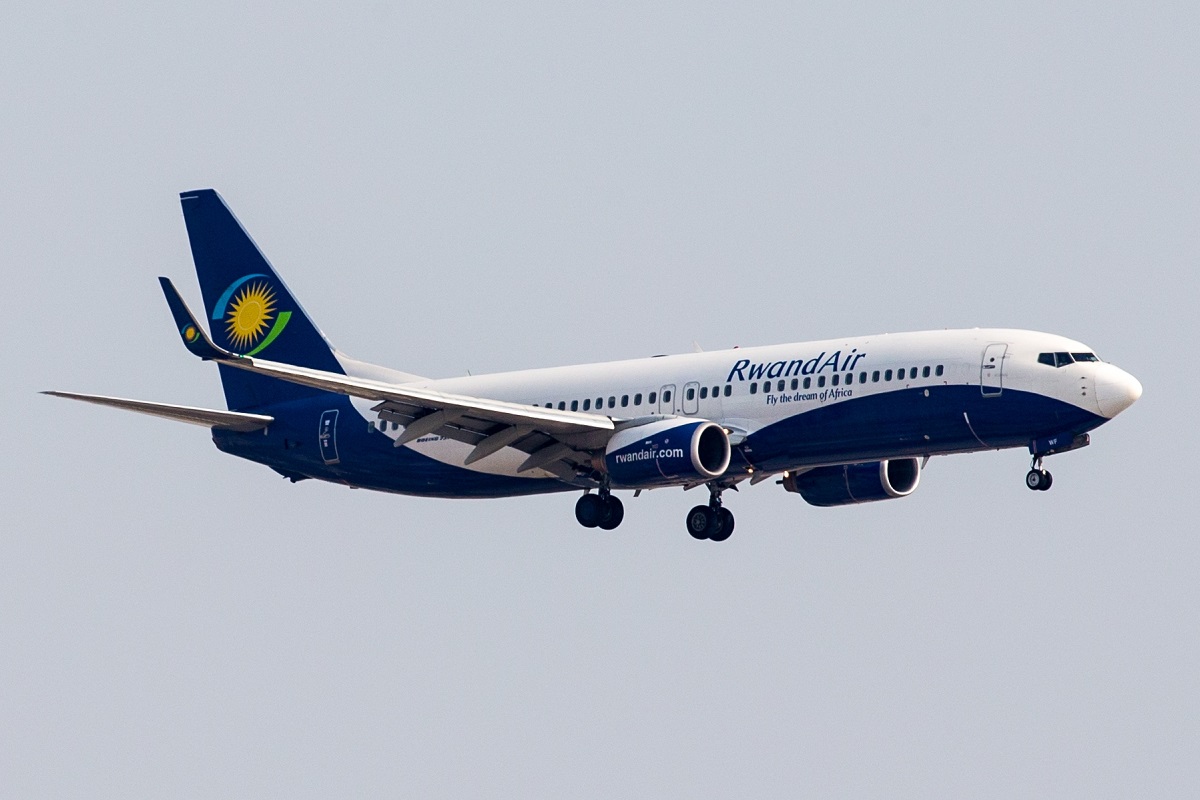
The announcement, made on February 28, 2026, follows a major strike by Israel and the United States on Iran, dubbed “Operation Roaring Lion.”
RwandAir said passenger and crew safety remains its top priority and urged affected passengers to reschedule their flights.
“ We are closely monitoring the situation and will provide further updates as more information becomes available. Affected passengers may reschedule their tickets for a later date,” reads a statement shared on X.
As Iran began retaliating, several neighboring countries; including Qatar, Kuwait, Syria, and the United Arab Emirates,closed their airspace.
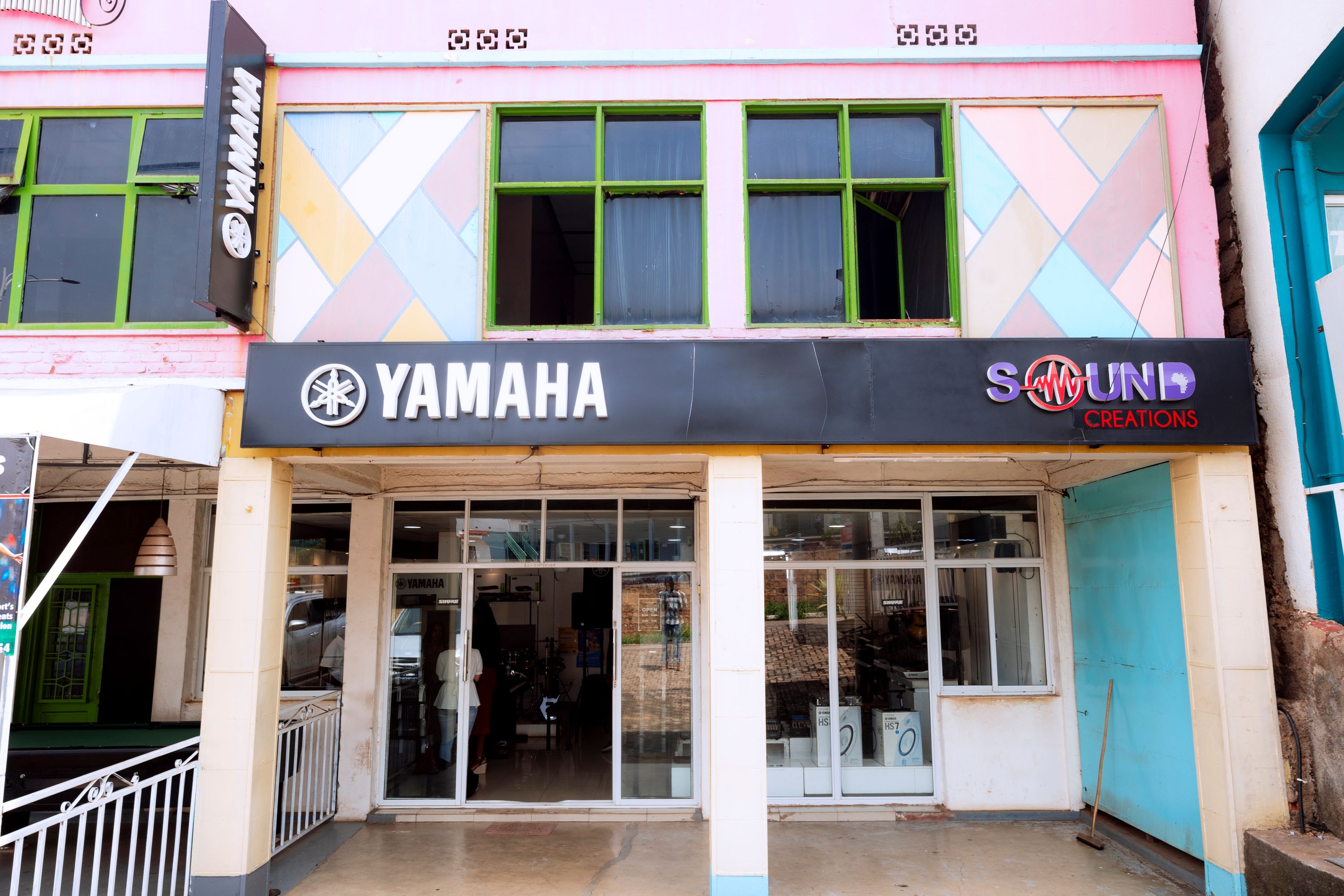
Unlike a market increasingly flooded with counterfeit and substandard audio products, Sound Creations has built its reputation on quality, authenticity, transparency, and long-term value rather than quick sales. The company is an official distributor of internationally respected brands such as Yamaha, dB Technologies, Shure, Behringer, Bose Professional and Rockfon.
Sound Creations stands out for quality, authenticity, and transparency in a market full of counterfeits.
Yamaha, the renowned Japanese manufacturer, is globally respected for its musical instruments, professional mixers, and studio equipment. dB Technologies, an Italian brand, is known for its powerful, pristine speakers and line-array systems used in high-end clubs and performance venues worldwide. Shure, an American audio giant, is synonymous with industry-standard microphones and conferencing systems trusted by professionals across the globe.
Managing Director Stefic Shen told IGIHE during a recent visit to the company’s store in Muhima, Kigali, that selling these genuine products is not just business; it is a commitment to raising the standard of sound in Rwanda.
“We care about reputation more than money. If it’s original, it’s genuine. We don’t cut corners,” the MD affirms. “People should enjoy music without leaving with ear pain. Good sound is not just loud; it’s clear, controlled, and comfortable.”
For Rwanda’s growing music industry, genuine equipment is essential for artists to take their craft to a professional level.
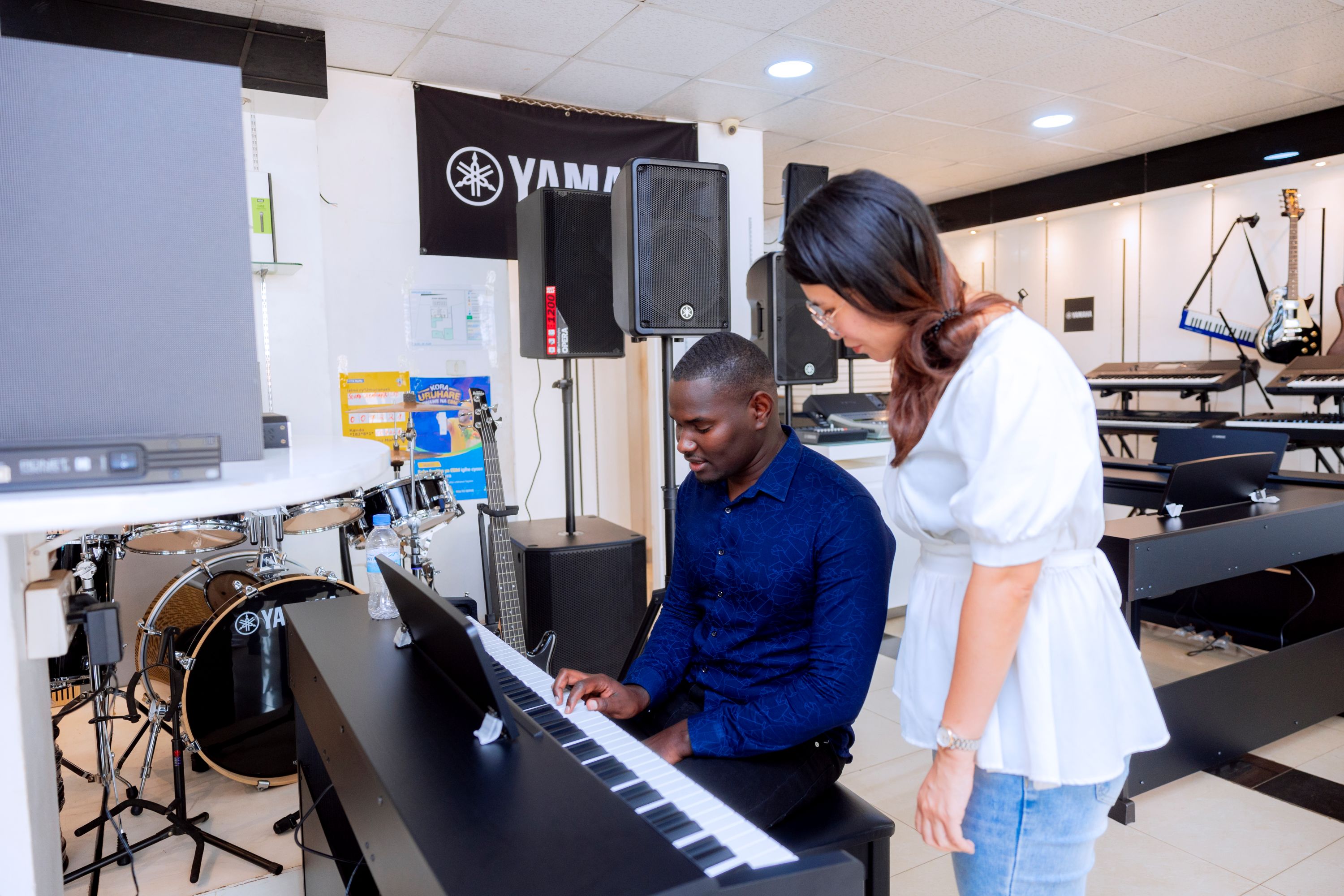
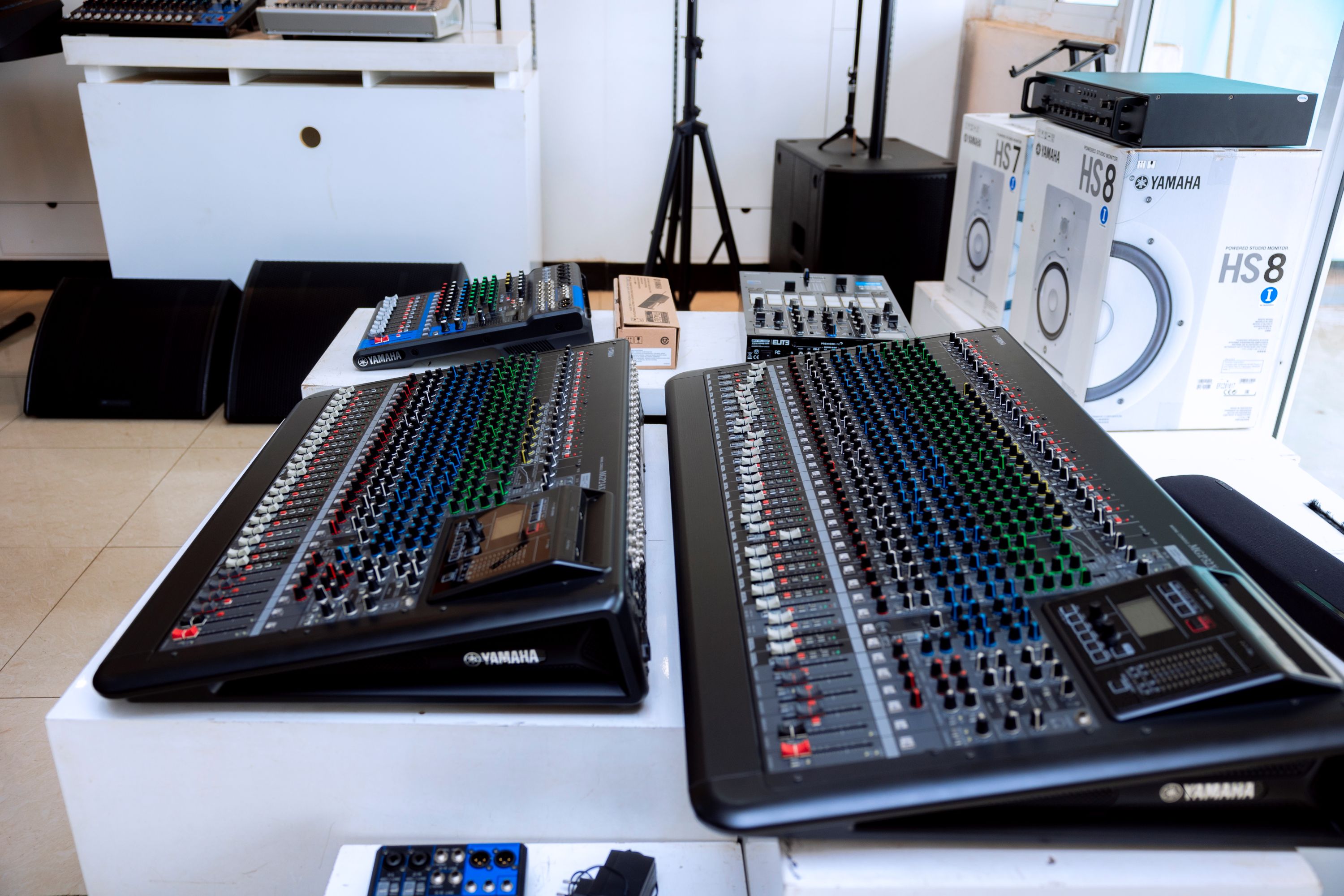
For Rwanda’s growing music industry, genuine equipment is helping artists raise their craft to a professional level. Yamaha keyboards and pianos supplied by Sound Creations are used in churches, music studios, and by independent artists, composers, and gospel musicians across the country. Reliable instruments and mixers allow producers to record with clarity and performers to deliver consistent live sound, helping local talent compete at regional and international levels.
In Kigali’s hospitality sector, the impact is equally visible. Several popular venues, including Serena Hotel, Atelier Du Vin and Boho, rely on dB Technologies speaker systems supplied and installed by Sound Creations. These systems are engineered not only for power but for balance, ensuring that music energises a space without overwhelming conversation. For business owners, quality sound enhances customer experience; for guests, it transforms an ordinary evening into a memorable one.
Premier hospitality venues like Serena Hotel, Atelier Du Vin, and Boho use dB Technologies speakers from Sound Creations.
Beyond entertainment venues, the company has also installed professional conferencing systems featuring Shure microphones and integrated audio solutions for institutions such as the Ministry of Finance and the Embassy of Sweden in Kigali. Built-in microphones, wireless systems, and carefully calibrated speakers ensure clarity in meetings where every word matters.
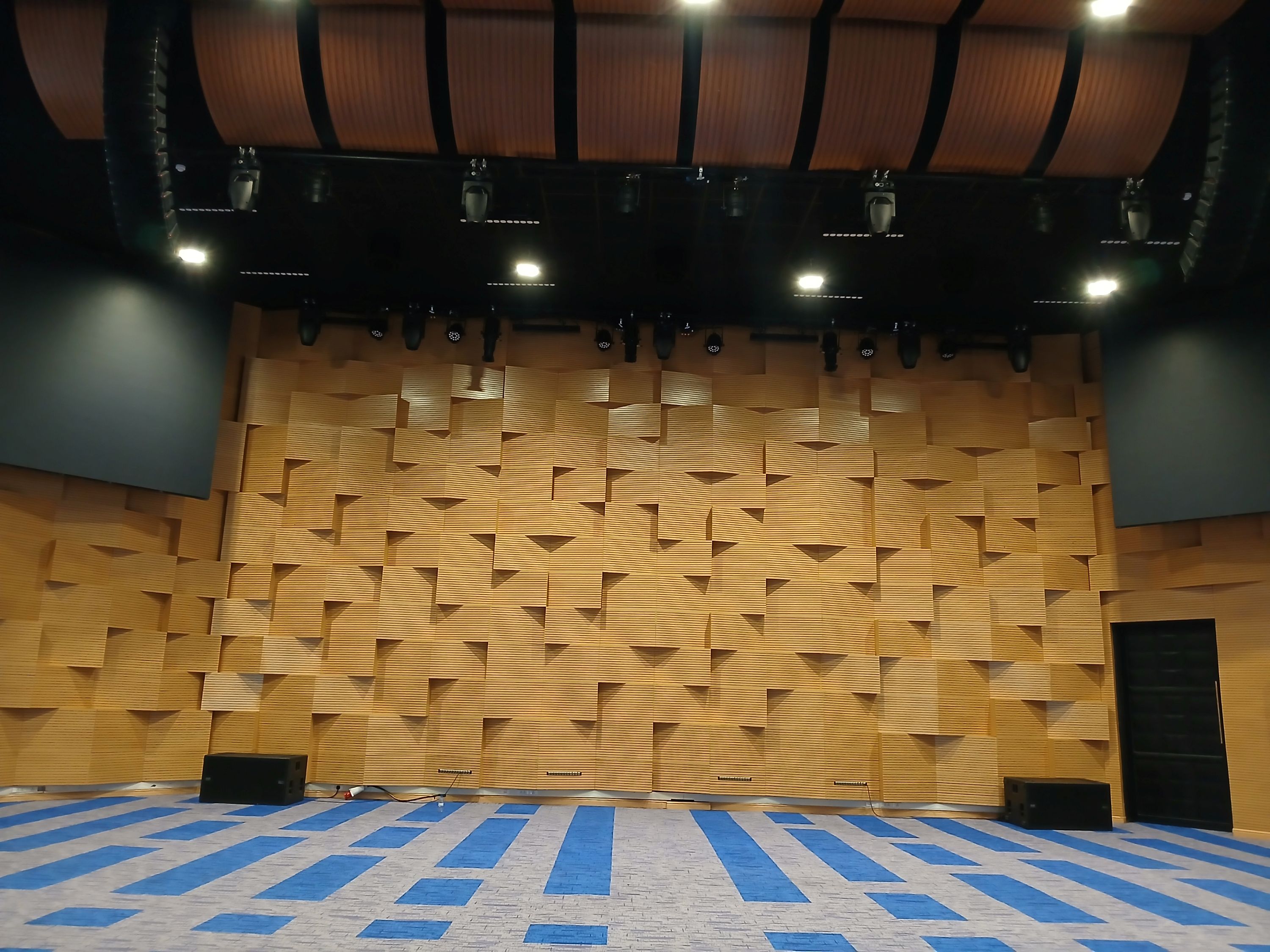
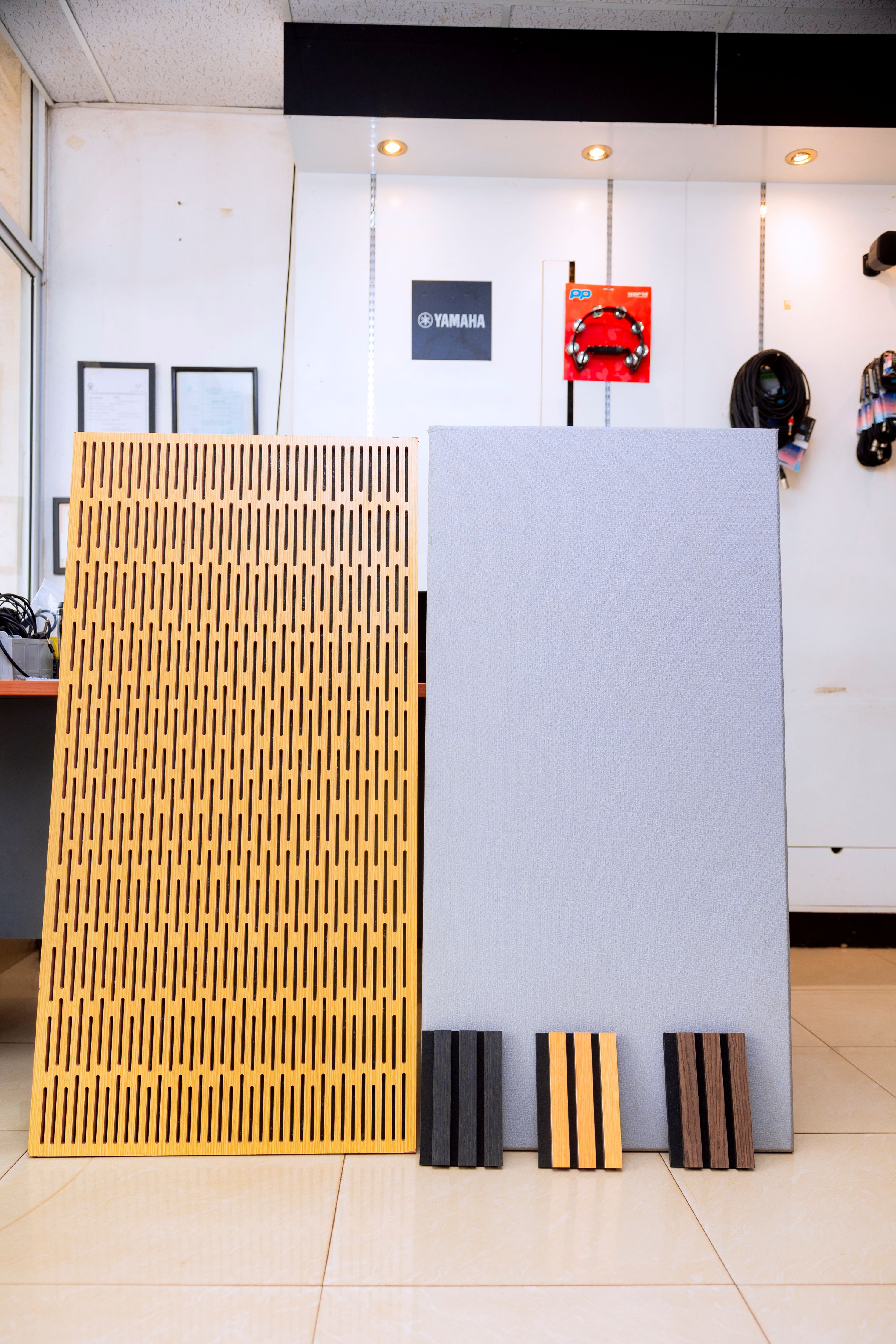
While selling systems remains the company’s primary operation, Sound Creations also provides acoustic consultation and installation for projects where sound control is critical. One of its most notable undertakings is the Kivu Intare Arena in Rubavu, an auditorium where acoustics are non-negotiable. In such spaces, proper design ensures controlled reverberation, balanced distribution, and speech intelligibility, demonstrating how engineering complements high-quality equipment.
“Sound and acoustics are a marriage,” Shen explains. “You can install the best speakers in the world, but without proper acoustic treatment, you will still have echo, distortion, and sound leakage that disturbs neighbours.”
Sound Creations installed acoustic solutions at Kivu Intare Arena in Rubavu.
Despite recent slowdowns in church-related supplies, the company sees an opportunity for places of worship to upgrade their installations through acoustic improvements in order to meet noise standards. The team also views the changing landscape as a chance to further educate clients about the value of investing in original systems.
From its early days in 2018 with just three team members to its current six-person operation, Sound Creations has relied heavily on demonstrations and direct engagement. Customers are encouraged to test equipment, compare genuine products with counterfeits, and experience the difference for themselves.
“Once clients hear the clarity and feel the balance, they understand why quality matters,” adds Olga Divine Agahozo, Sales and Digital Marketing Officer. “We want a community that understands and enjoys quality sound.”
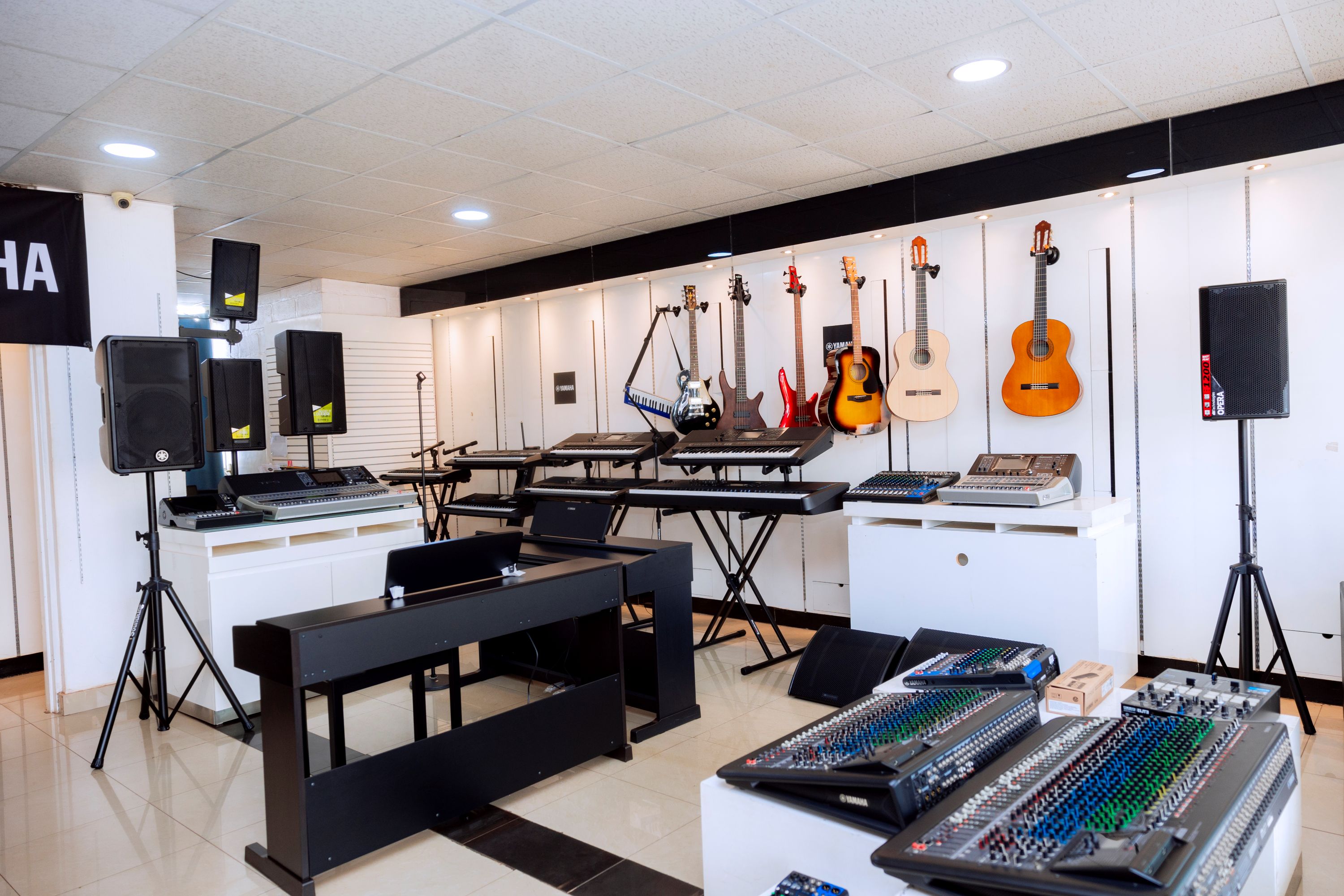
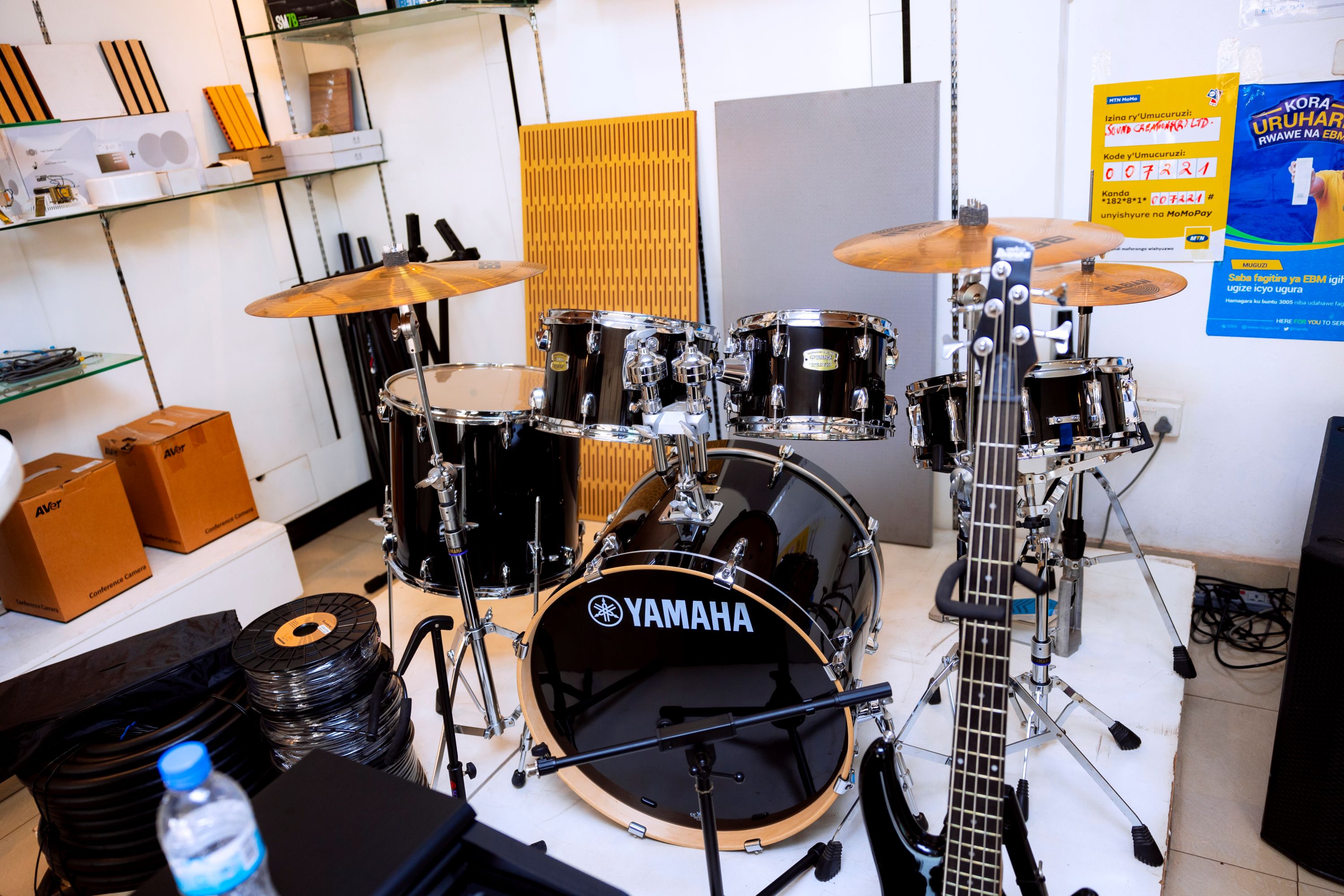
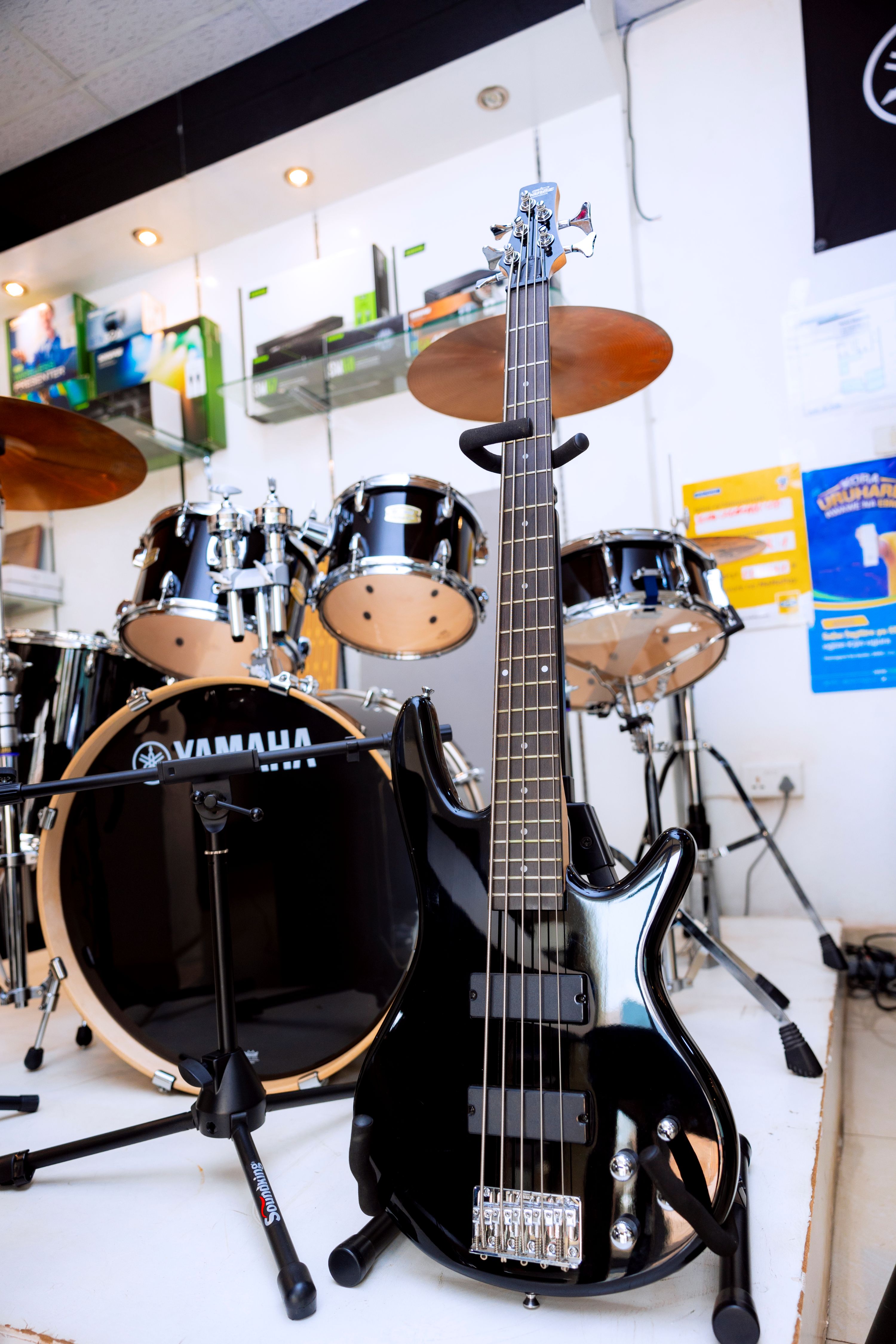
Yamaha acoustic drum kit and other music equipment on display at the Sound Creations store.
Looking ahead, the company hopes to contribute even more to Rwanda’s emerging music culture, particularly in education. Plans are underway to organise workshops and talent shows during school holidays, giving children hands-on exposure to instruments such as piano, keyboard, and guitar. The aim is to nurture creativity and encourage young people to see music as both an art form and a valuable skill.
“We want children to enjoy music, learn instruments like piano, guitar, and keyboard, and see music as something fun, educational, and even intellectual,” Shen says.
“This year, we plan to start workshops and talent shows during holidays so kids can experience music hands-on. It’s about creating a community that values and enjoys music, not just selling equipment.”
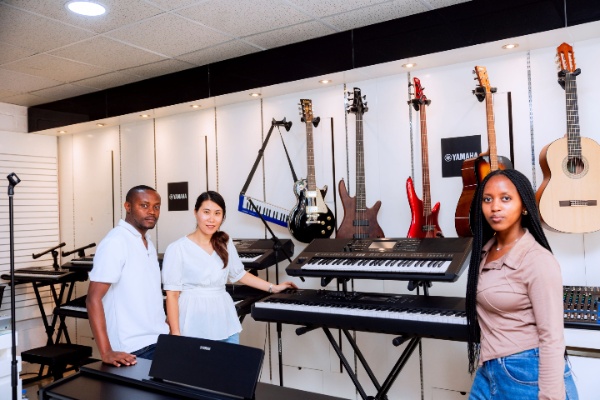
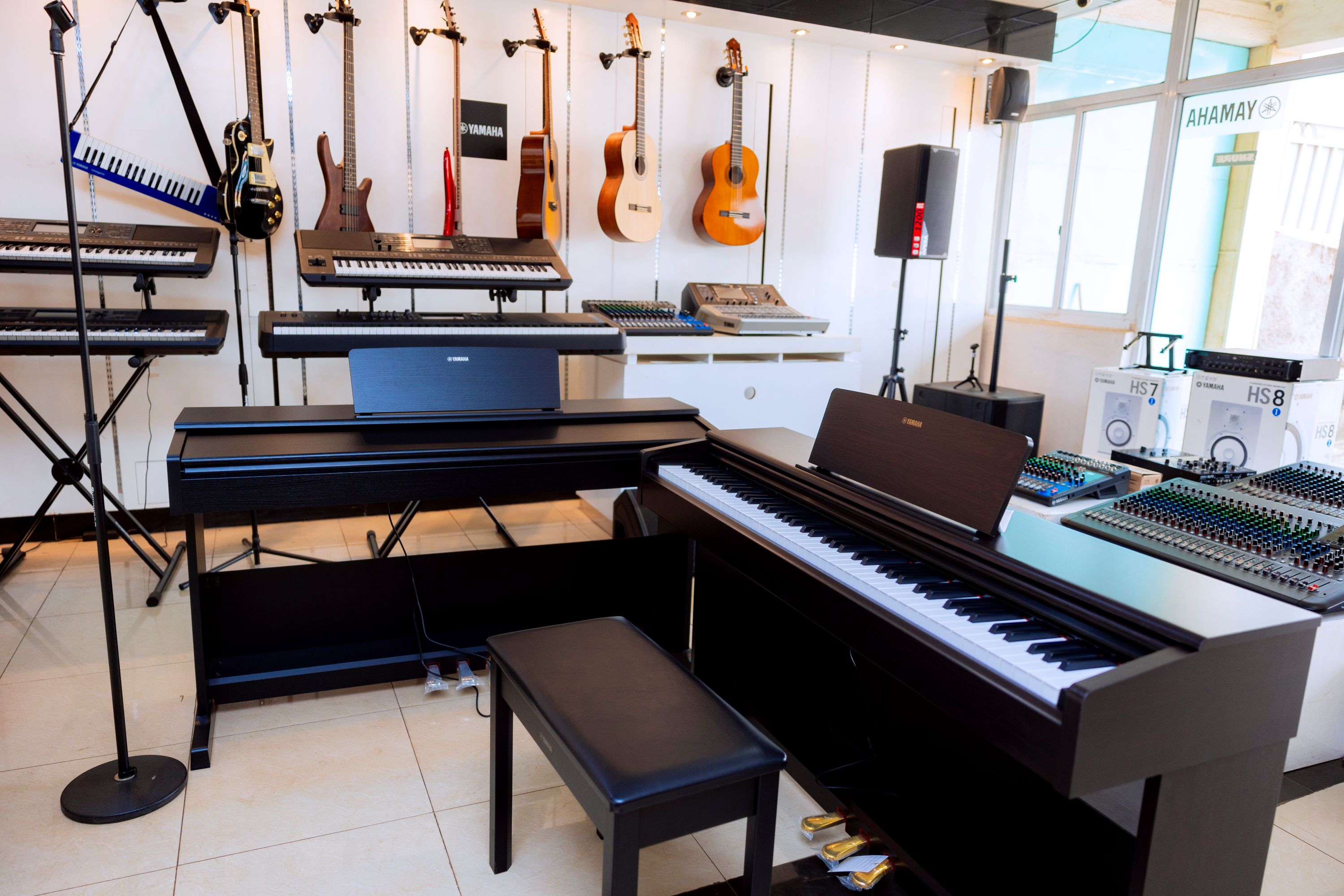
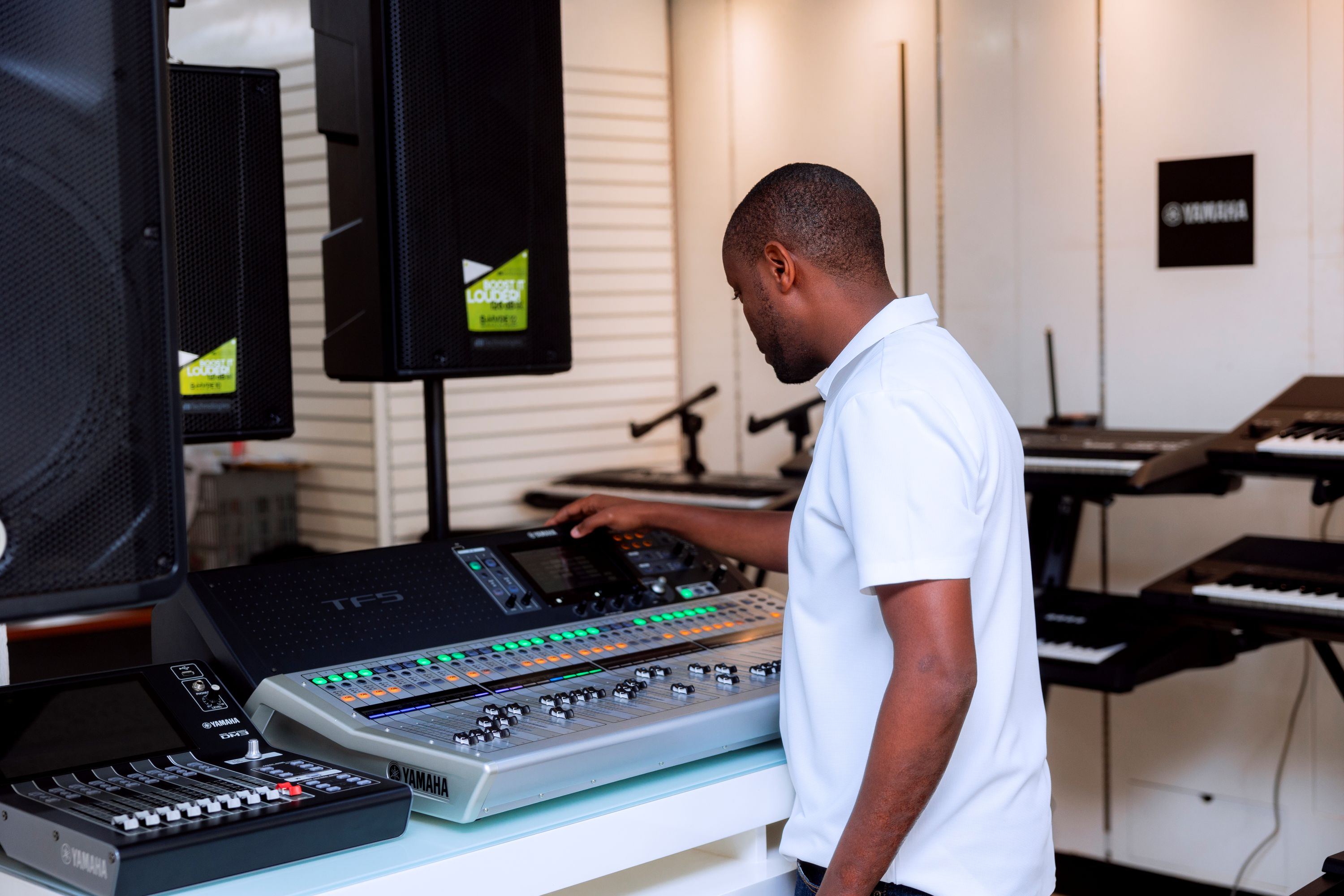
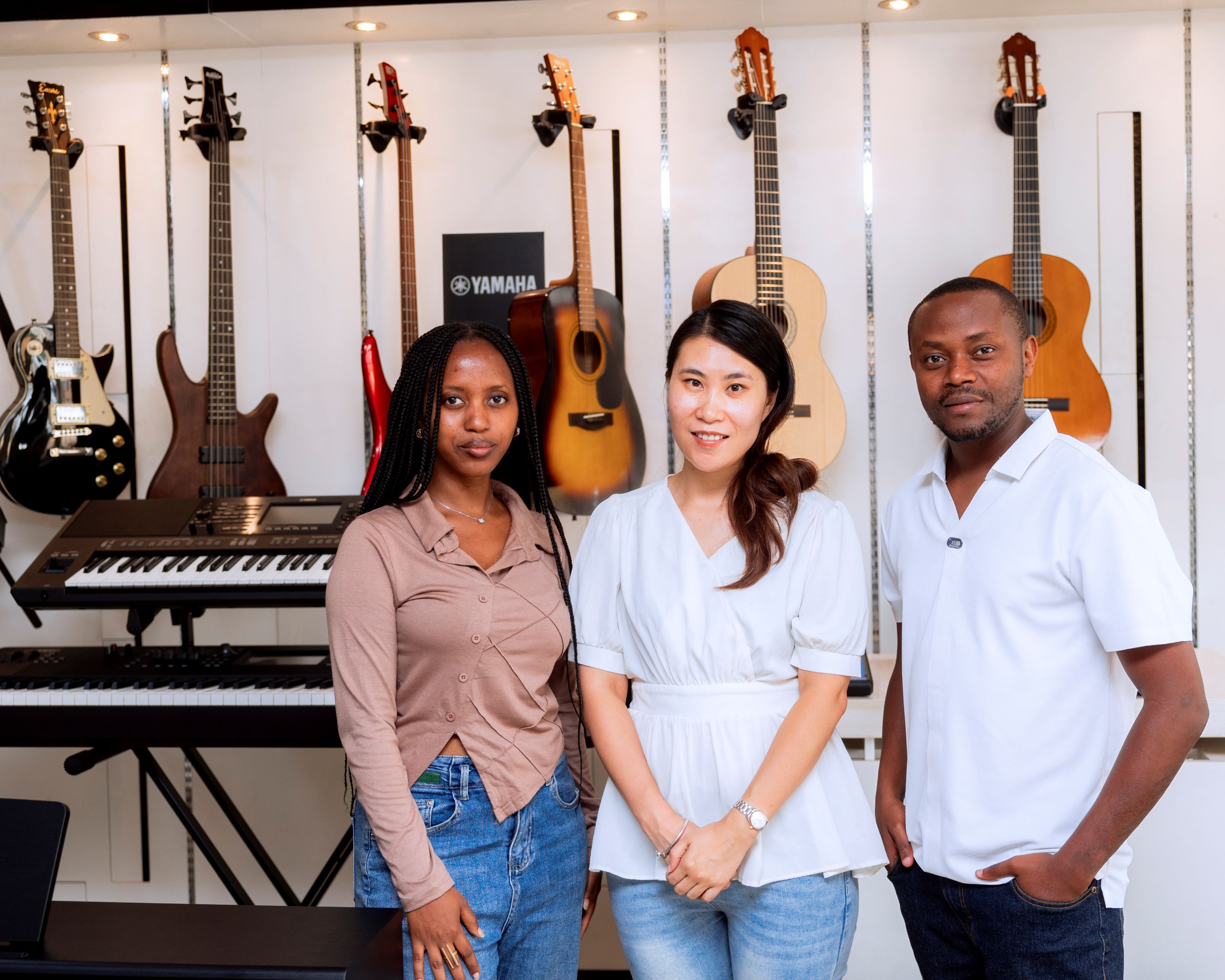
Sound Creations store, Muhima, Nyarugenge District, Kigali.Sound Creations Ltd Managing Director Stefic Shen emphasises that the company remains steadfast in its commitment to delivering unmatched quality.The company sells quality pianos from Yamaha, the renowned Japanese manufacturer.In addition to drum kits, the company also sells guitars.The company sells mixers from world-renowned brands.Sound Creations also provides acoustic treatment panels.Sound Creations Managing Director Stefic Shen poses for a photo with two of her staff members.
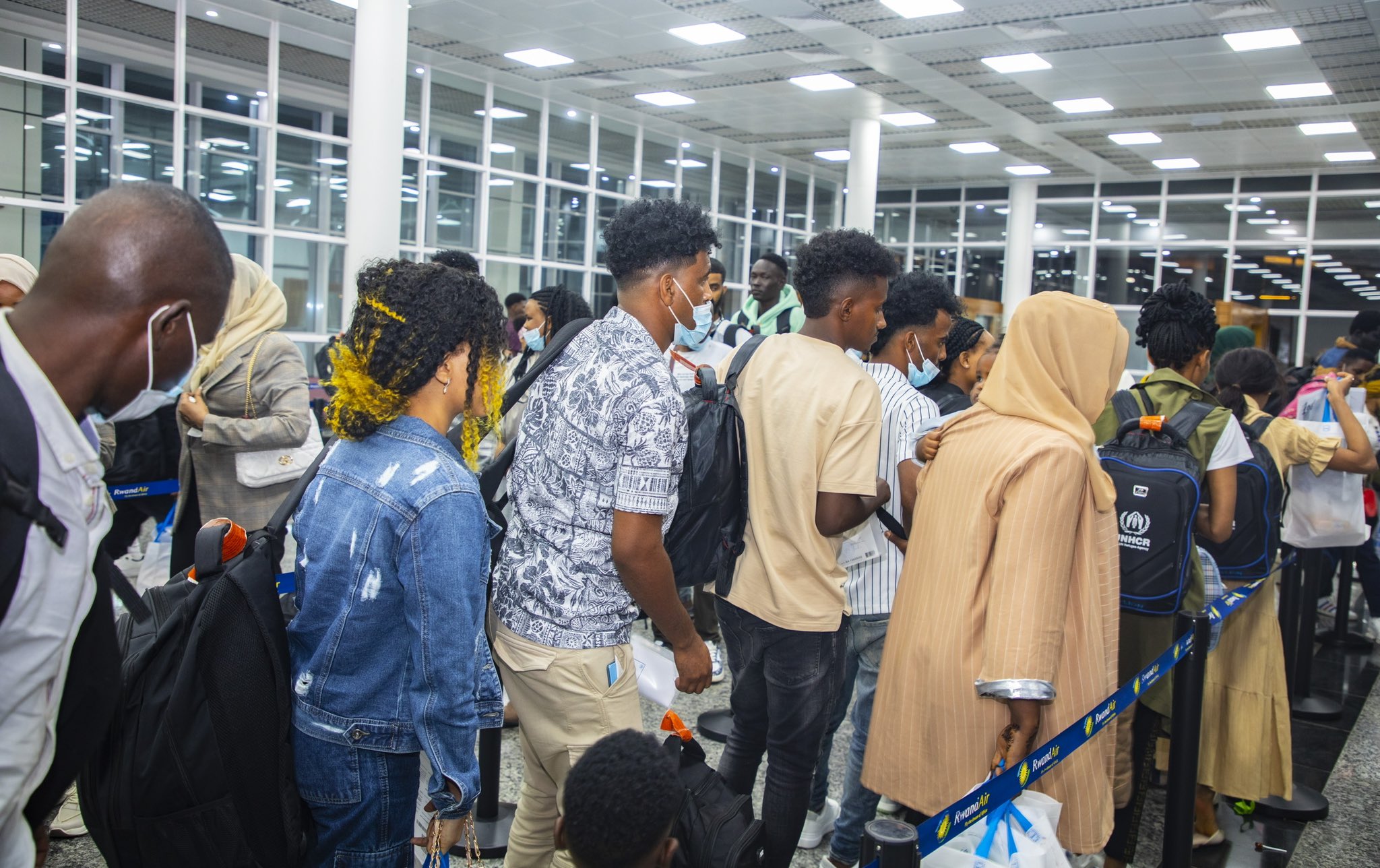
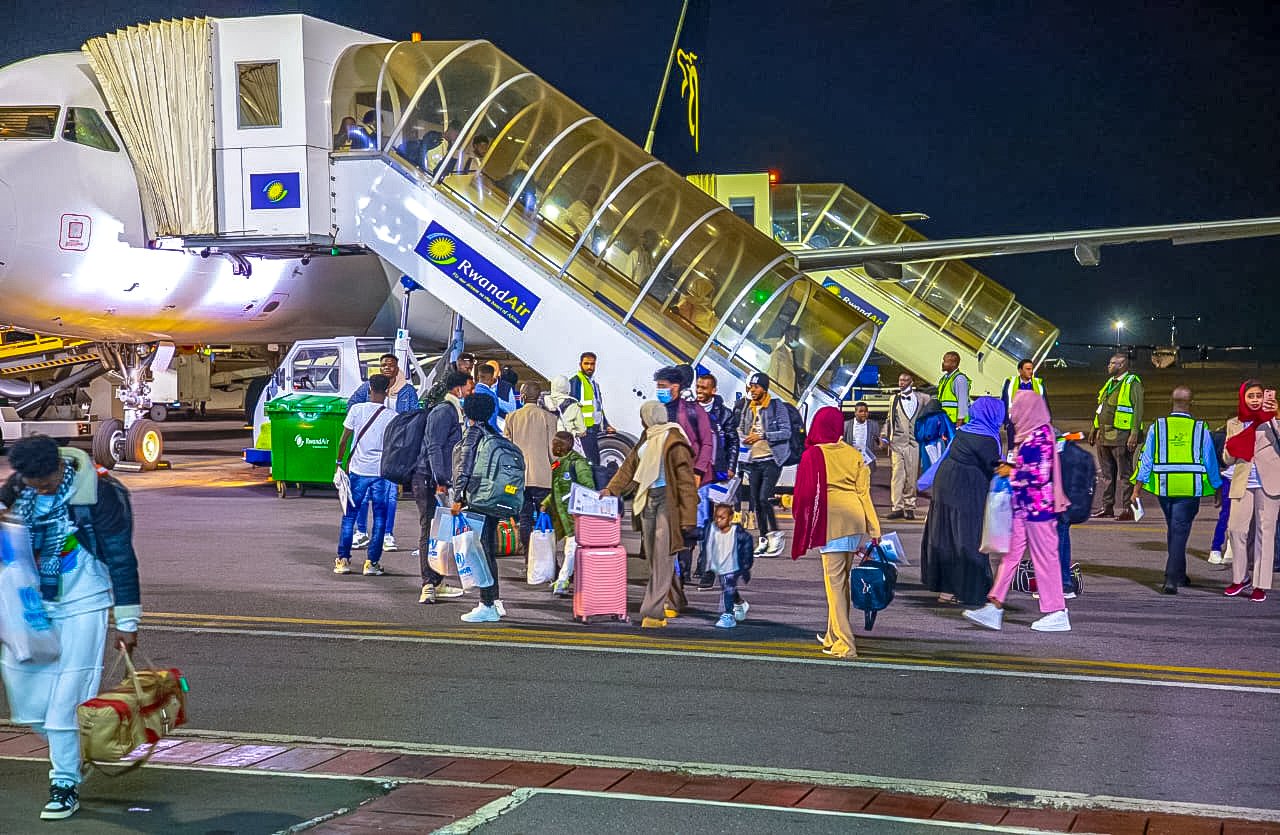
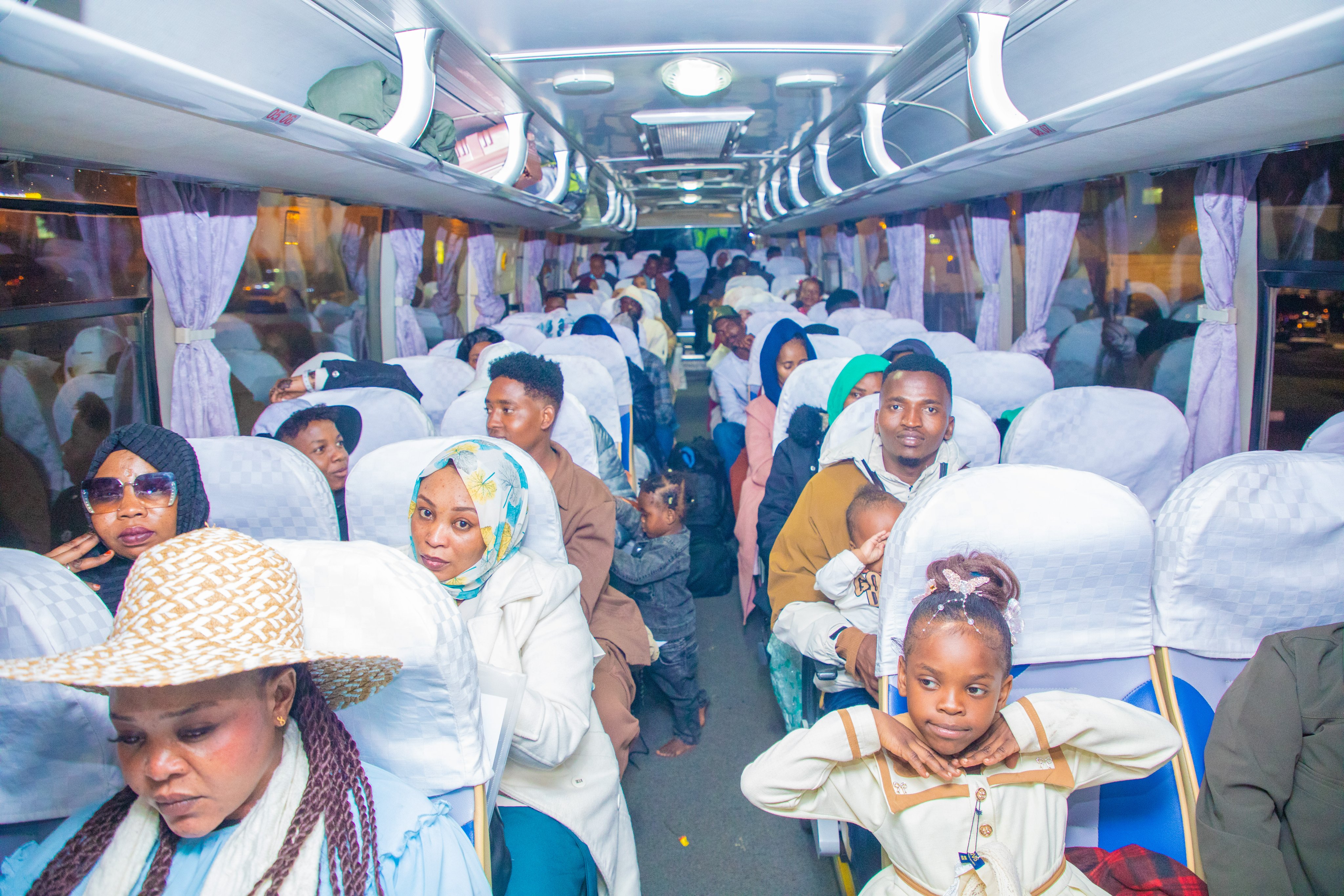
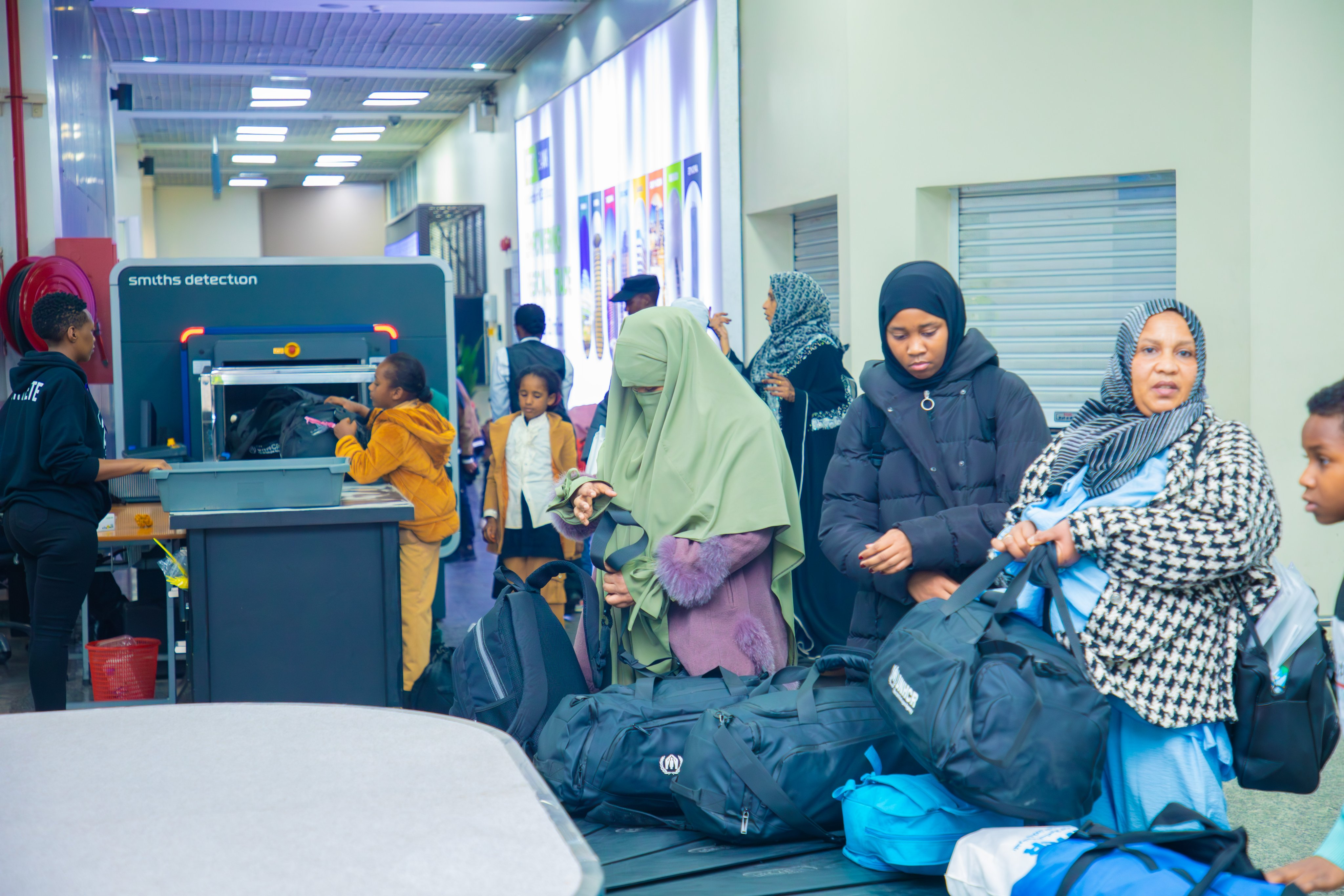
The group arrived on Wednesday night through a joint effort between the United Nations High Commissioner for Refugees (UNHCR) and the Government of Rwanda. Of the 164 evacuees, 143 originate from Sudan, 19 from Eritrea, while one person each comes from Ethiopia and South Sudan.
The ETM, a joint initiative involving UNHCR and the African Union, was established to provide lifesaving protection and assistance to vulnerable refugees and asylum seekers trapped in Libya. The mechanism temporarily relocates them to Rwanda while durable solutions, including resettlement to third countries, are pursued.
Since the launch of the ETM in 2019, a total of 2,760 people have been evacuated to Rwanda and hosted at Gashora Transit Centre. Of these, more than 2,500 have since been resettled in third countries.
In August 2024, the Government of Rwanda, UNHCR, and the African Union Commission agreed to extend the ETM programme. In a joint statement issued on August 22, 2024, the three parties reaffirmed their commitment to continue protecting evacuees and securing lasting solutions, while Rwanda provides temporary safe haven.
“The Government of Rwanda reaffirms its unwavering commitment to receive and protect these individuals, as well as others identified as particularly vulnerable and at risk,” the statement noted.
The parties also adopted a second addendum to the original Memorandum of Understanding signed on September 10, 2019. The updated framework emphasises a more transparent selection process for evacuees, ensuring equal opportunity for all potential candidates, regardless of nationality, ethnicity, race, gender, age, or any other factor unrelated to vulnerability.
The group arrived on Wednesday night through a joint effort between the United Nations High Commissioner for Refugees (UNHCR) and the Government of Rwanda.The ETM, a joint initiative involving UNHCR and the African Union, was established to provide lifesaving protection and assistance to vulnerable refugees and asylum seekers trapped in Libya. Since the launch of the ETM in 2019, a total of 2,760 people have been evacuated to Rwanda and hosted at Gashora Transit Centre.
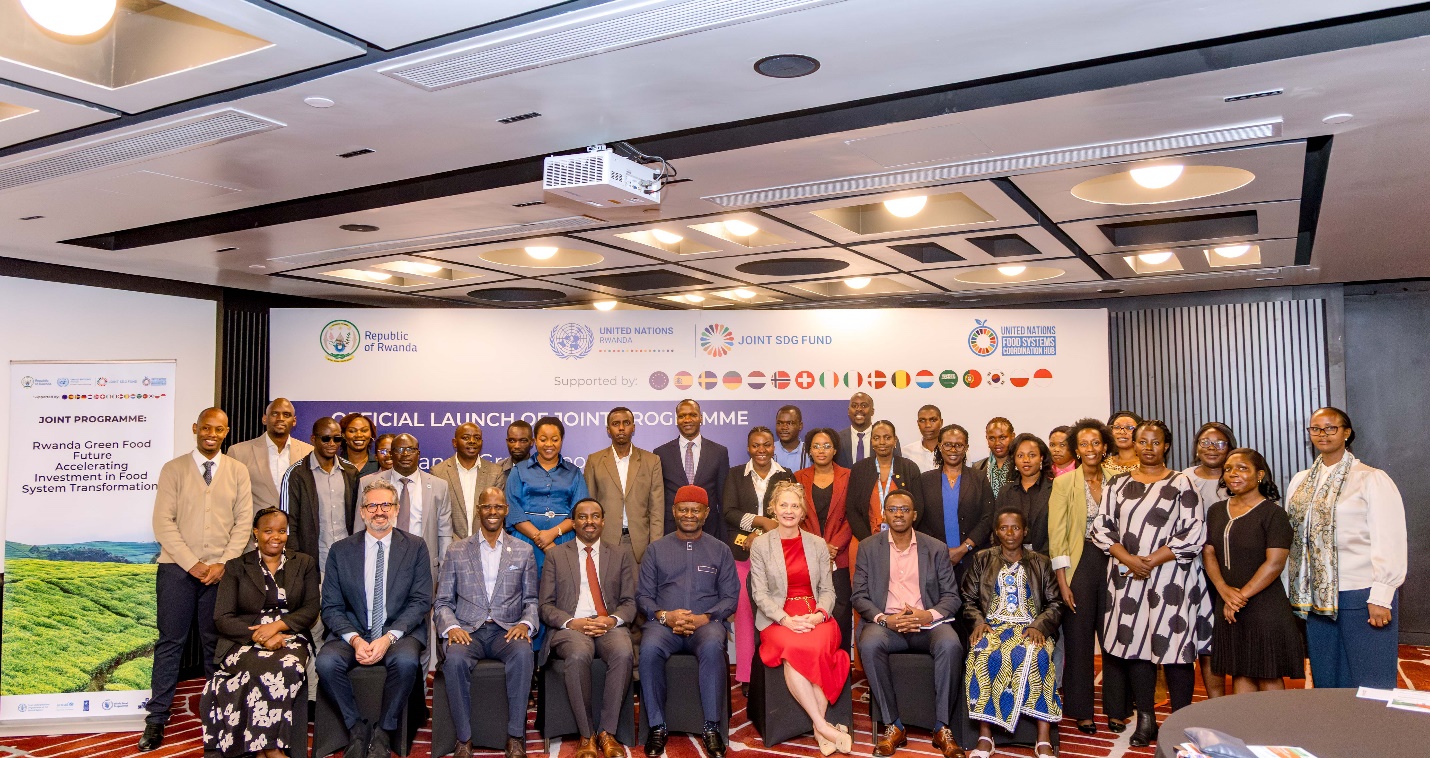
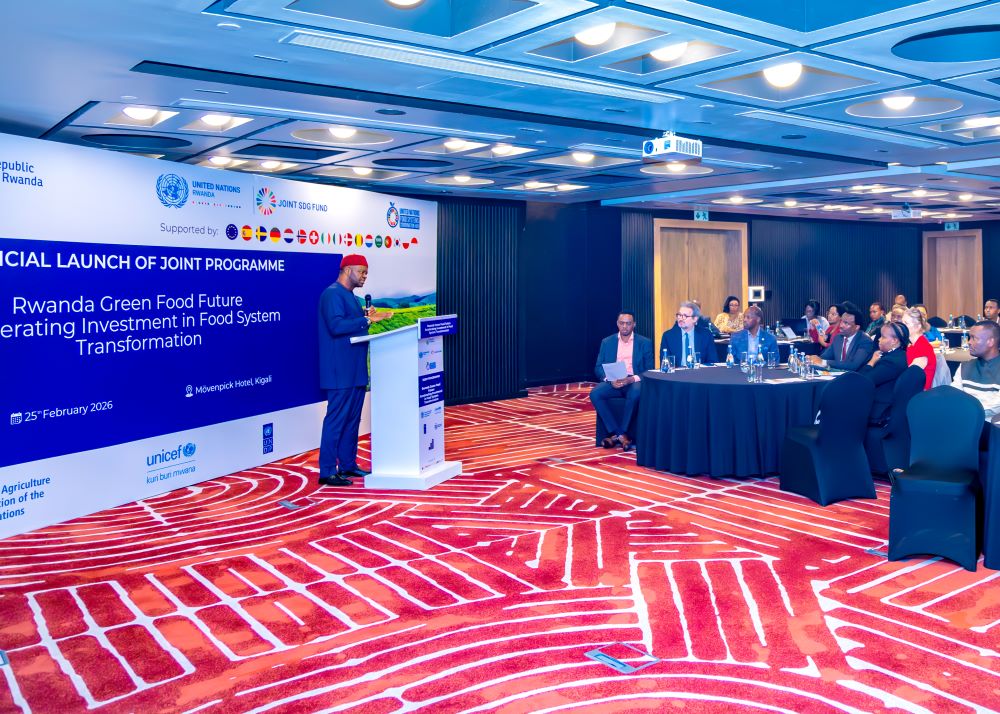
Supported by the UN Joint SDG Fund, this multi-agency initiative launched on Thursday, February 25, 2026, aims to fast-track the transition toward sustainable, inclusive, and climate-resilient agri-food systems across six food-insecure districts including; Rubavu, Rutsiro, Ngororero, Nyamagabe, Nyaruguru, and Burera.
The programme focuses on strengthening strategic partnerships, improving access to finance, and promoting affordable green technologies in horticulture, poultry, and livestock value chains. It further provides targeted support to agri‑MSMEs and cooperatives through financial literacy training, investment-ready business planning, and strengthened lending capacity among financial institutions.
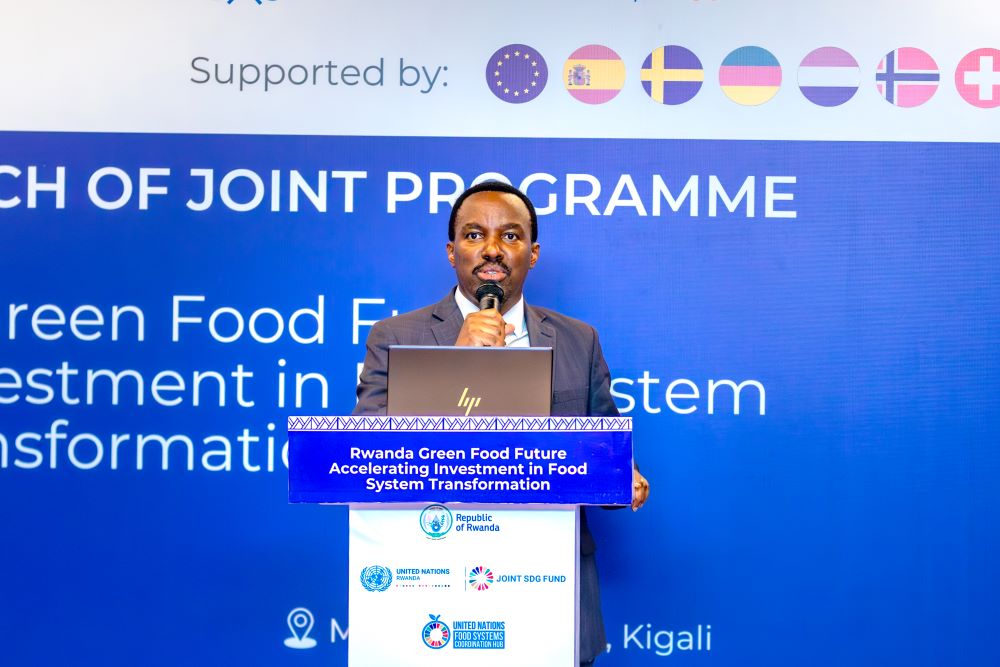
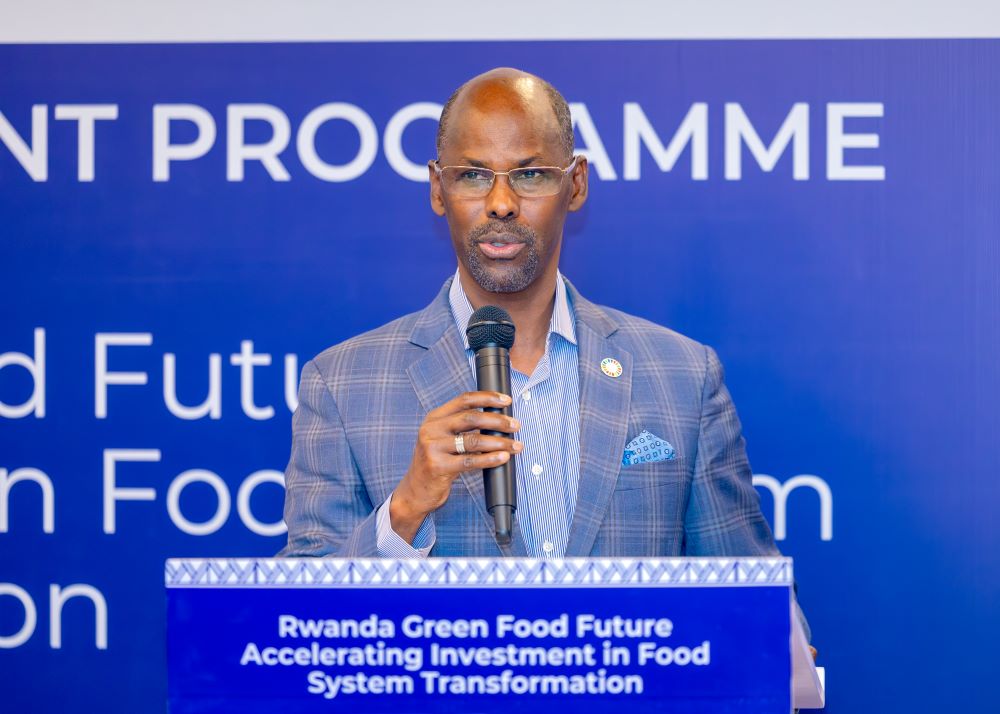
Dr. Patrick Karangwa, Director General of Agriculture Modernisation at the Minister of Agriculture and Animal Resources, emphasized the programme’s transformative potential: “The Rwanda Green Food Future programme represents a strategic step in strengthening our food systems through innovation, partnerships, and investment. By empowering farmers, cooperatives, and agribusinesses with climate-smart solutions and access to finance, we are building a resilient agricultural sector that supports national development and improves livelihoods across rural communities.”
Dr. Ozonia Ojielo, United Nations Resident Coordinator in Rwanda, underscored the collective commitment of the UN system: “This Joint Programme reflects the United Nations’ commitment to supporting Rwanda’s vision for sustainable development. By bringing together multiple agencies, government institutions, and private-sector partners, we are creating a powerful platform to mobilize resources, scale innovation, and accelerate progress toward inclusive and climate-resilient food systems.”
The launch event convened government ministries, district authorities, development partners, financial institutions, agribusinesses, cooperatives, and UN agencies to align priorities and reinforce commitments for effective implementation.
The programme is designed to de-risk private investment, strengthen value chains, and expand financial inclusion, ensuring that farmers and small enterprises can access the tools, capital, and knowledge needed to scale sustainable production.
By fostering coordinated action among public and private stakeholders, the initiative aims to expand the adoption of climate-smart agricultural technologies, strengthen the investment readiness of agri-MSMEs and cooperatives, improve access to finance across agricultural value chains, and advance inclusive economic growth and food security in vulnerable districts across Rwanda.
The Joint SDG Fund Food Systems Transformation Window was established through a partnership between the UN Food Systems Coordination Hub and the Joint SDG Fund Secretariat to support government-led food systems transformation and accelerate progress across the SDGs.
This joint programme is supported by the Joint SDG Fund in collaboration with the UN Food Systems Coordination Hub.
The European Union and the governments of Belgium, Denmark, Germany, Ireland, Italy, Luxembourg, Monaco, the Netherlands, Norway, Poland, Portugal, the Republic of Korea, Saudi Arabia, Spain, Sweden, and Switzerland have been also commended for their contributions in accelerating progress towards the SDGs.
The launch marks a pivotal milestone in building a shared platform for collaboration and sustained partnership, accelerating Rwanda’s journey toward a resilient, competitive, and inclusive agrifood system.
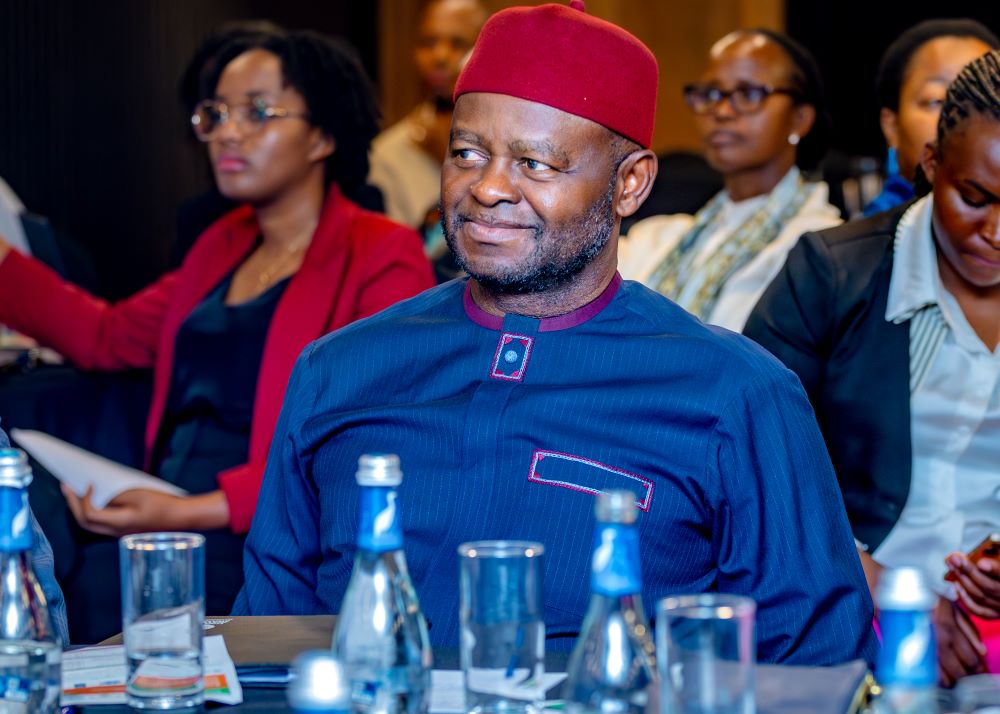
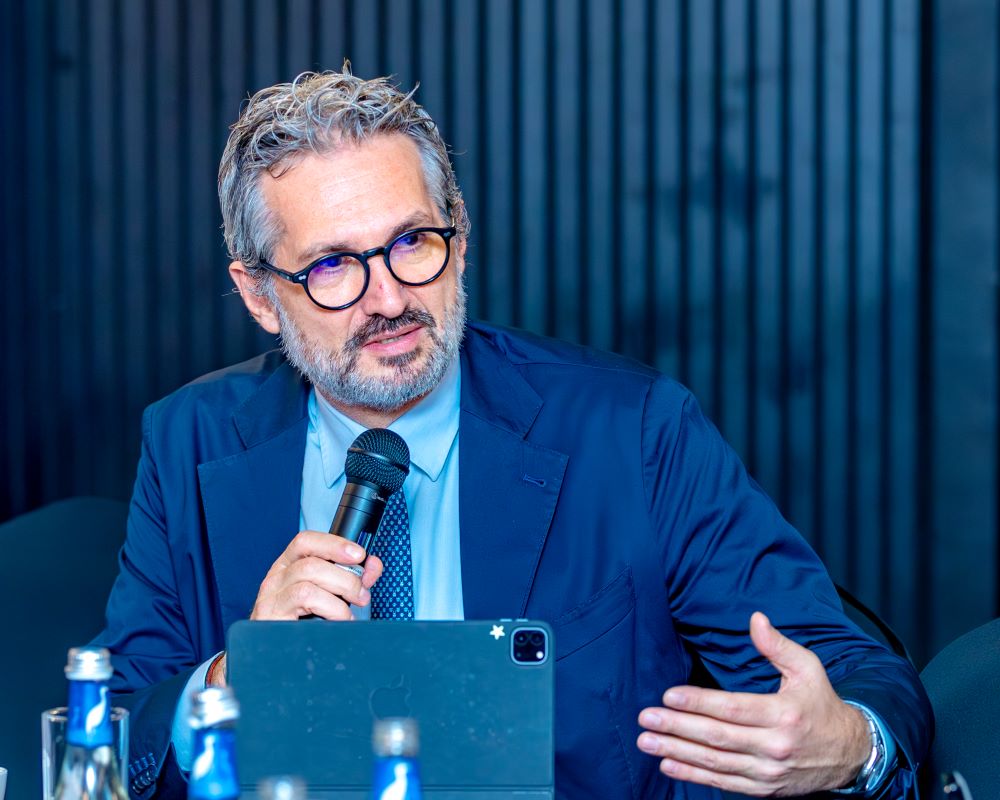
Participants at the launch of the Rwanda Green Food Future programme./@FAORwandaDr. Patrick Karangwa, Director General of Agriculture Modernisation at the Minister of Agriculture and Animal Resources speaking at the launch. Dr. Ozonia Ojielo, United Nations Resident Coordinator in Rwanda, underscored the collective commitment of the UN system.
Rather than a simple list of attractions, Rwanda unfolds as an interconnected journey, where wildlife encounters, cultural immersion, and lakeside retreats flow seamlessly together, and every adventure feels part of a larger story. This thoughtful balance is what makes Rwanda a standout choice for travelers in 2026: a destination that leaves a lasting impression, offering both authenticity and unforgettable moments.
Your journey often begins in Kigali, one of Africa’s cleanest and most welcoming capitals. The city’s impeccably tidy streets reflect a longstanding commitment to the environment, starting with the groundbreaking 2008 plastic bag ban and reinforced by nationwide community clean-up efforts.
This green ethos extends far beyond the city: Rwanda maintains around 30% forest cover through ambitious tree-planting campaigns and wetland restorations that curb flooding, boost biodiversity, and create urban gems like the Nyandungu Urban Wetland Eco-Tourism Park, with its scenic trails and over 100 bird species.
Layered onto this foundation is an unwavering reputation for safety, stability, and efficient infrastructure, making Rwanda genuinely accessible and reassuring for families, solo adventurers, and everyone in between.
Heading north to Volcanoes National Park, the experience becomes truly transformative. Here, mountain gorillas, now numbering close to 1,080 worldwide, thanks to relentless anti-poaching and habitat protection, offer one of wildlife’s most profound encounters.
The annual Kwita Izina ceremony, celebrating its 20th edition in September 2025, named 40 baby gorillas (bringing the total named since 2005 to nearly 400).
This vibrant tradition blends Rwandan cultural heritage with global conservation support, while gorilla trekking permits sustain high-value tourism. Crucially, 10% of park revenues flow back to surrounding communities through sharing programs, funding schools, clinics, clean water, and more, transforming local residents into active stewards of their shared heritage.
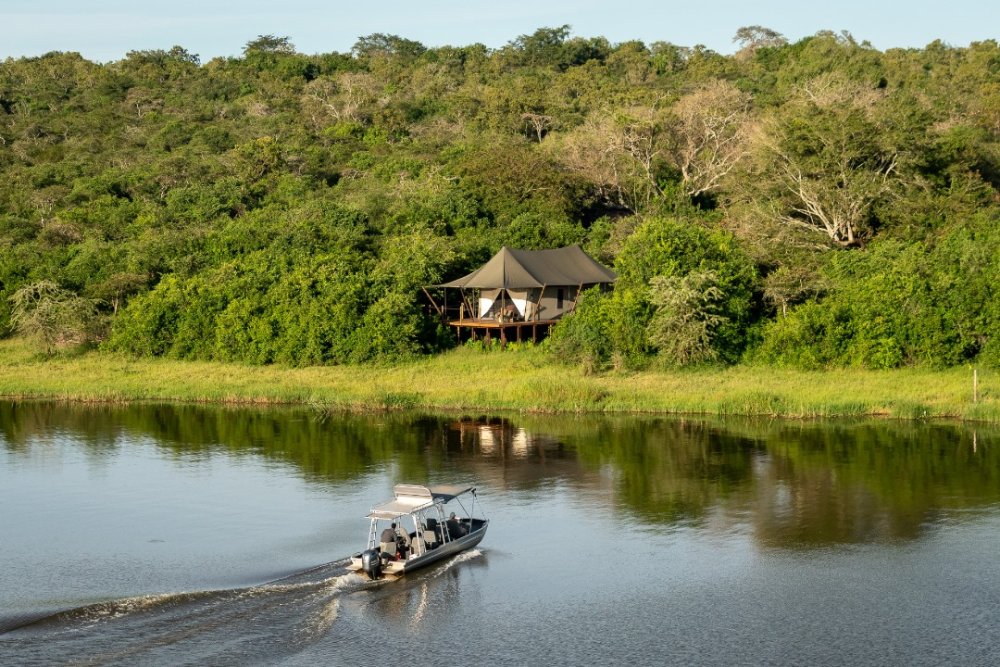
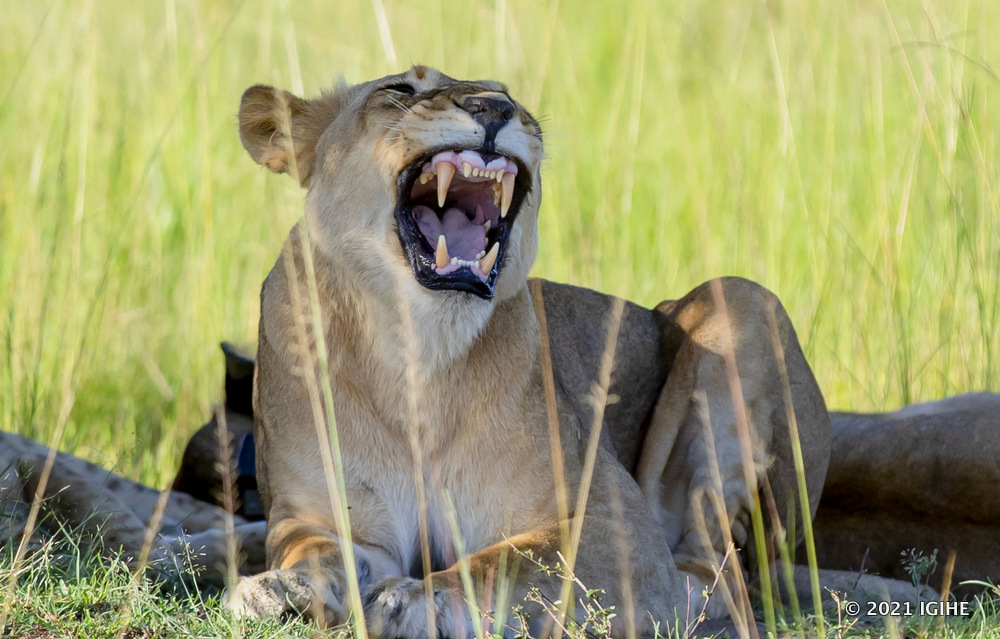
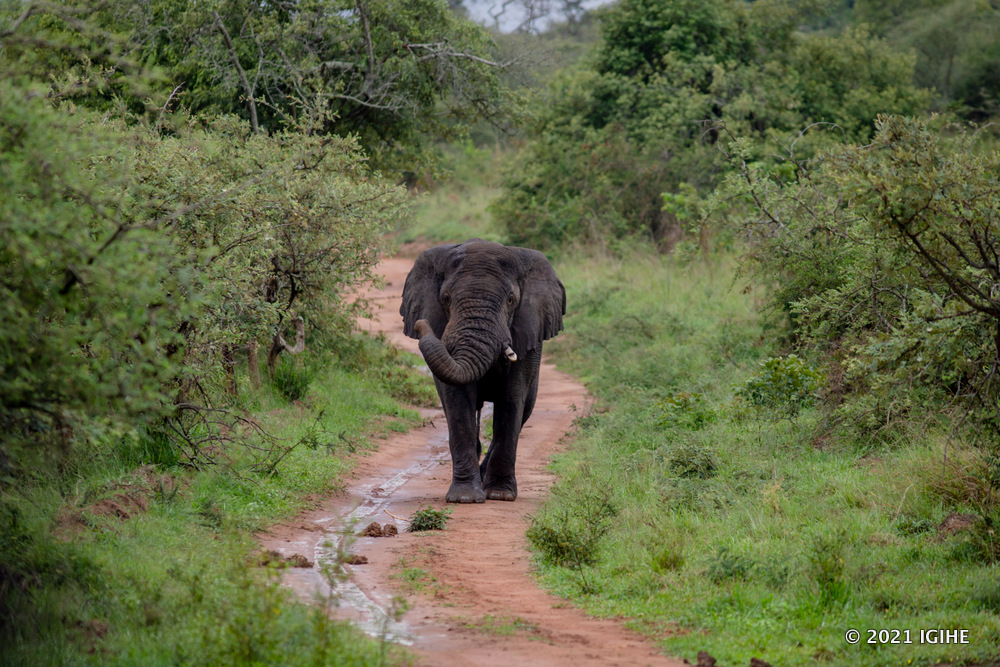
Eastward, Akagera National Park showcases the power of rewilding. Lions, reintroduced in 2015, now thrive with a population of about 70 individuals through natural growth. Rhinos have made a bold return, highlighted by the historic translocation of 70 southern white rhinos in June 2025—the largest single operation of its kind in Rwanda’s history.
These achievements, driven by strong partnerships and zero poaching losses for key species since reintroduction, have restored classic Big Five safaris across sweeping savannas, lakes, and wetlands.
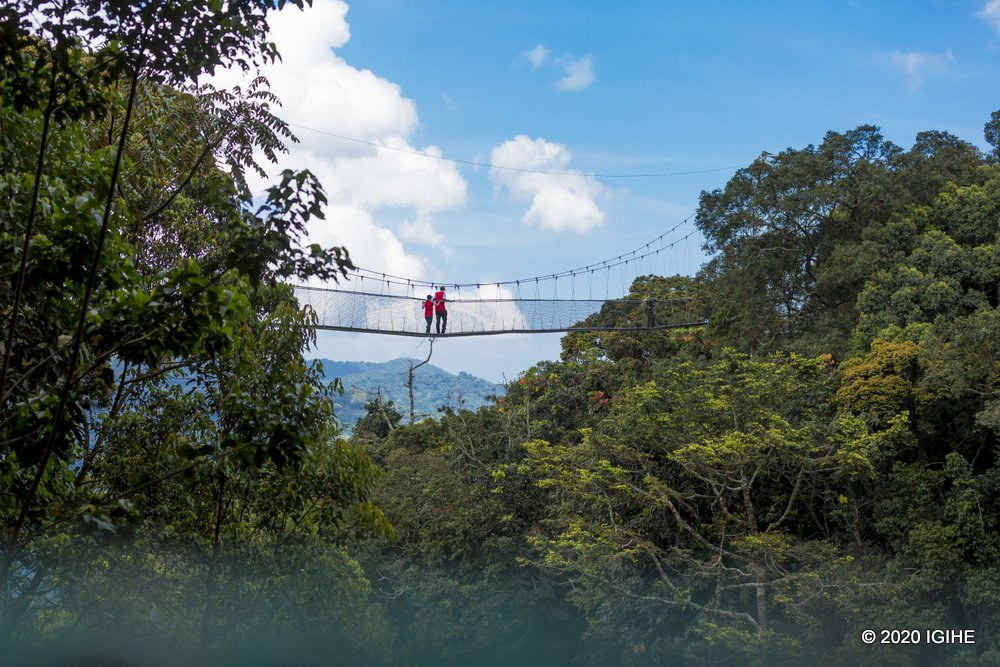
To the south lies Nyungwe Forest National Park, inscribed as a UNESCO World Heritage Site in 2023. As one of Africa’s oldest montane rainforests, it pulses with life: chimpanzees, rare birds, suspended canopy walks, and unparalleled biodiversity within the Albertine Rift.
Ongoing restoration efforts only deepen its global significance. Rwanda’s protected areas continue to evolve, with the newer Gishwati-Mukura National Park safeguarding regenerating forests home to Eastern chimpanzees and golden monkeys, opening fresh avenues for eco-tourism and community empowerment.
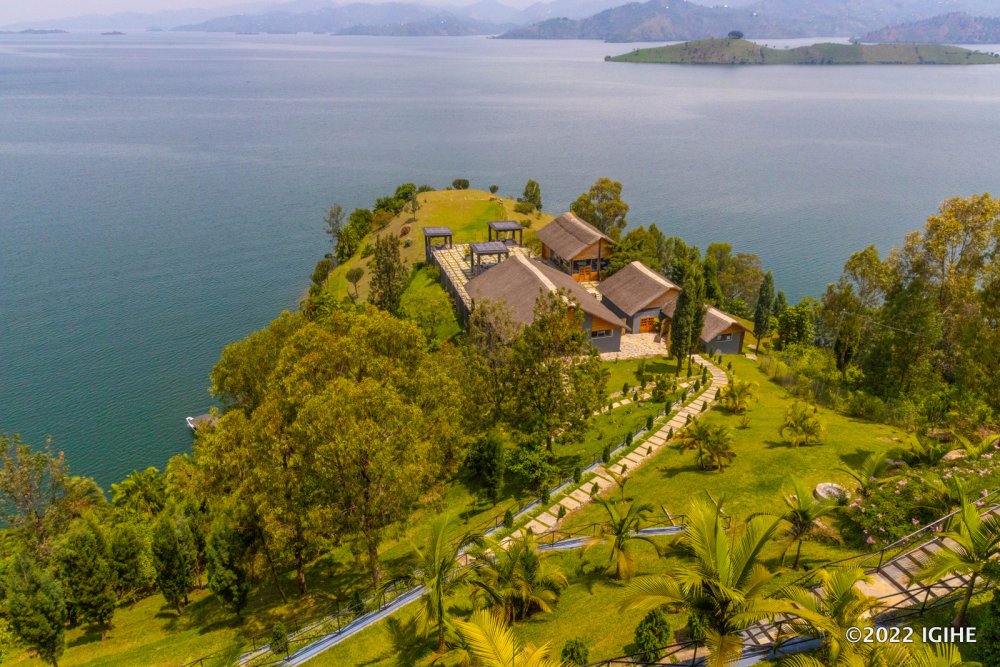
Beyond the parks, the country’s scenic shores, especially along Lake Kivu, offer tranquil lakeside lodges, cultural villages, and relaxed immersion, rounding out a portfolio that balances adventure with serenity.
Hospitality here mirrors this thoughtful approach: elevated yet unobtrusive, sustainable, and deeply connected to place. In Volcanoes, standout lodges like Singita Kwitonda (with sweeping volcano views), One&Only Gorilla’s Nest (nestled in eucalyptus groves), and Bisate Lodge (with its innovative, tradition-inspired pods) set benchmarks for luxury and responsibility.
In Nyungwe, One&Only Nyungwe House harmonizes with surrounding tea plantations; in Akagera, Magashi Camp delivers intimate wilderness immersion. These are just highlights in a landscape dotted with exceptional options, from misty highlands to serene lakesides and vibrant urban edges, ensuring every traveler finds spaces to rest, reflect, and reconnect.
This is merely a glimpse; Rwanda pulses with more: emerging trails, ziplines, cultural encounters, adventure pursuits, and new developments that keep the destination fresh and forward-looking.
The vision guiding it all is measured yet ambitious. From $647 million in tourism revenue in 2024 (boosted by a 27% surge in gorilla tourism), Rwanda eyes over $700 million in 2025, with a longer-term goal of $1.1 billion annually by 2029.
This growth stems from smart diversification; into Meetings, Incentives, Conferences, and Exhibitions (MICE), sports, nature-based experiences, and more, while redefining what sustainable African tourism can look like, ensuring revenues regenerate communities, spark positive change, and let visitors connect with genuine hope.
This photo shows the canopy walkway in Nyungwe National Park. Tourists take a leisurely cruise across a lake in Akagera National Park.Tourists can enjoy a variety of breathtaking scenic views.Akagera National Park is home to the big five animals.