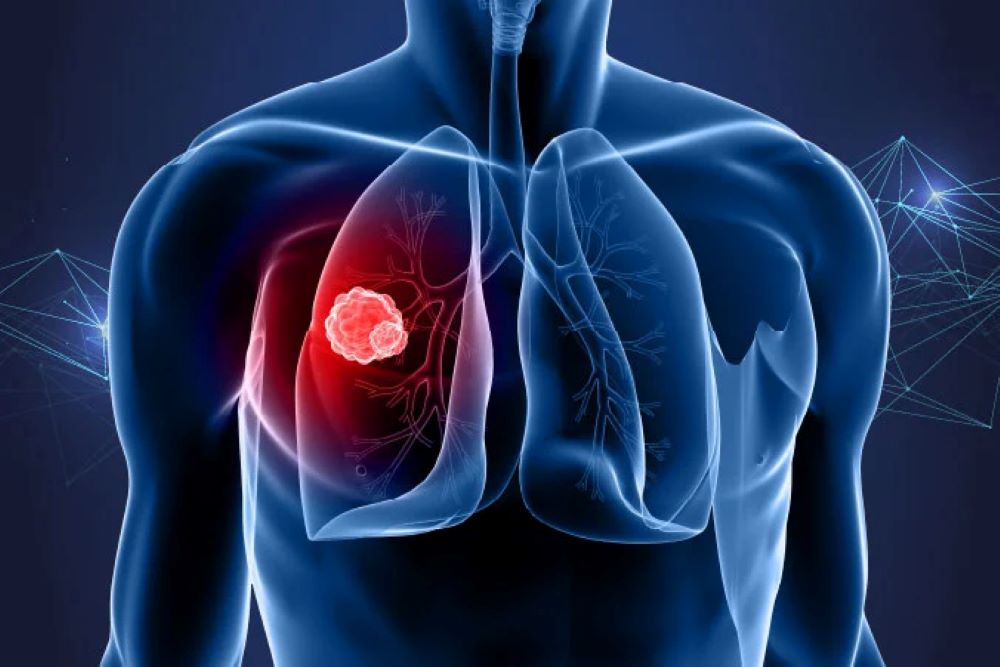
Published in the Journal of the National Cancer Institute, the research led by Australia’s Adelaide University identified consistent differences between male and female cancer patients in both survival and treatment toxicity, a university statement said Monday.
Researchers found female patients had a 21 percent lower risk of death than male patients but a 12 percent higher risk of severe toxicities.
These sex-based differences were largely consistent across 12 advanced solid tumor types as well as treatment modalities including chemotherapy, targeted therapies and immunotherapy, suggesting they stem from underlying biological mechanisms, not just drug-specific effects, the researchers said.
The study provides some of the clearest evidence yet that biological sex is a key predictor of outcomes in cancer care, said lead author Natansh Modi.
“Sex is a fundamental biological factor that influences immune function, drug metabolism, body composition and tumor biology,” said Modi, lecturer at Adelaide University.
The findings have important implications for how drugs are evaluated and prescribed, strengthening the case for routinely reporting and acting on sex-specific evidence in clinical research, the authors said.
The study analyzed data from more than 20,000 cancer patients across 39 clinical trials supporting U.S. Food and Drug Administration approvals between 2011 and 2021, and spanned advanced solid tumor types including lung, colorectal, melanoma, and breast cancers.
Researchers found female patients had a 21 percent lower risk of death than male patients but a 12 percent higher risk of severe toxicities.
The evaluation, conducted from March 2–9, 2026, reviewed 19 key areas, including the country’s long-term nuclear energy plans, measures to protect people and the environment, financial frameworks for building and maintaining facilities, skilled personnel, and relevant legislation. The experts concluded that Rwanda is well-prepared in many of these areas.
Dr. Fidele Ndahayo, CEO of the Rwanda Atomic Energy Board (RAEB), said six priority areas require continued focus.
“We have made progress across all areas assessed, but there is still work to be done. The priority areas include preparing comprehensive documentation of what has been achieved and what remains, ensuring national leadership is fully informed, and reviewing all legislation to remove potential obstacles to the nuclear power plant project,” he said.
Rwanda plans to develop small nuclear power plants, which are expected to increase the country’s electricity capacity from 447 megawatts.
President Paul Kagame, speaking at the Nuclear Energy Summit in Paris, France, on Tuesday, said Rwanda’s long-term ambition to become a high-income country by 2050 requires a reliable and abundant electricity supply. He noted that nuclear energy will play a central role in diversifying the country’s energy mix and providing the stability needed for sustained economic transformation.
According to the Head of State, nuclear power offers Rwanda a dependable source of electricity that can support industrial expansion while helping reduce carbon emissions.
“We have decided to make nuclear central to our strategy,” Kagame said. “It will diversify our energy mix while providing the stability required for industrial growth and long-term transformation.”
The government estimates that $5 billion will be needed to establish nuclear power generation in the country.
Rwanda began collaborating with Russia in 2018 to establish a nuclear research center, paving the way for a future power plant. In August 2024, the country signed a partnership with U.S.-based Nano Nuclear Energy Inc. to develop new technology for generating electricity from nuclear energy.
RAEB projects that by 2028, the 234 skilled personnel required for the nuclear program will be in place, enabling the nuclear power plant to start supplying electricity by 2030.
In late 2025, the University of Rwanda introduced a new academic programme in nuclear science to build local expertise. Dr. Ndahayo also highlighted the need to support local industries to actively participate in building and operating nuclear-powered facilities.
As of early 2026, over 85% of Rwandan households have access to electricity, with residential and industrial sectors accounting for the highest demand.
Rwanda plans to develop small nuclear power plants, which are expected to increase the country’s electricity capacity from 447 megawatts.
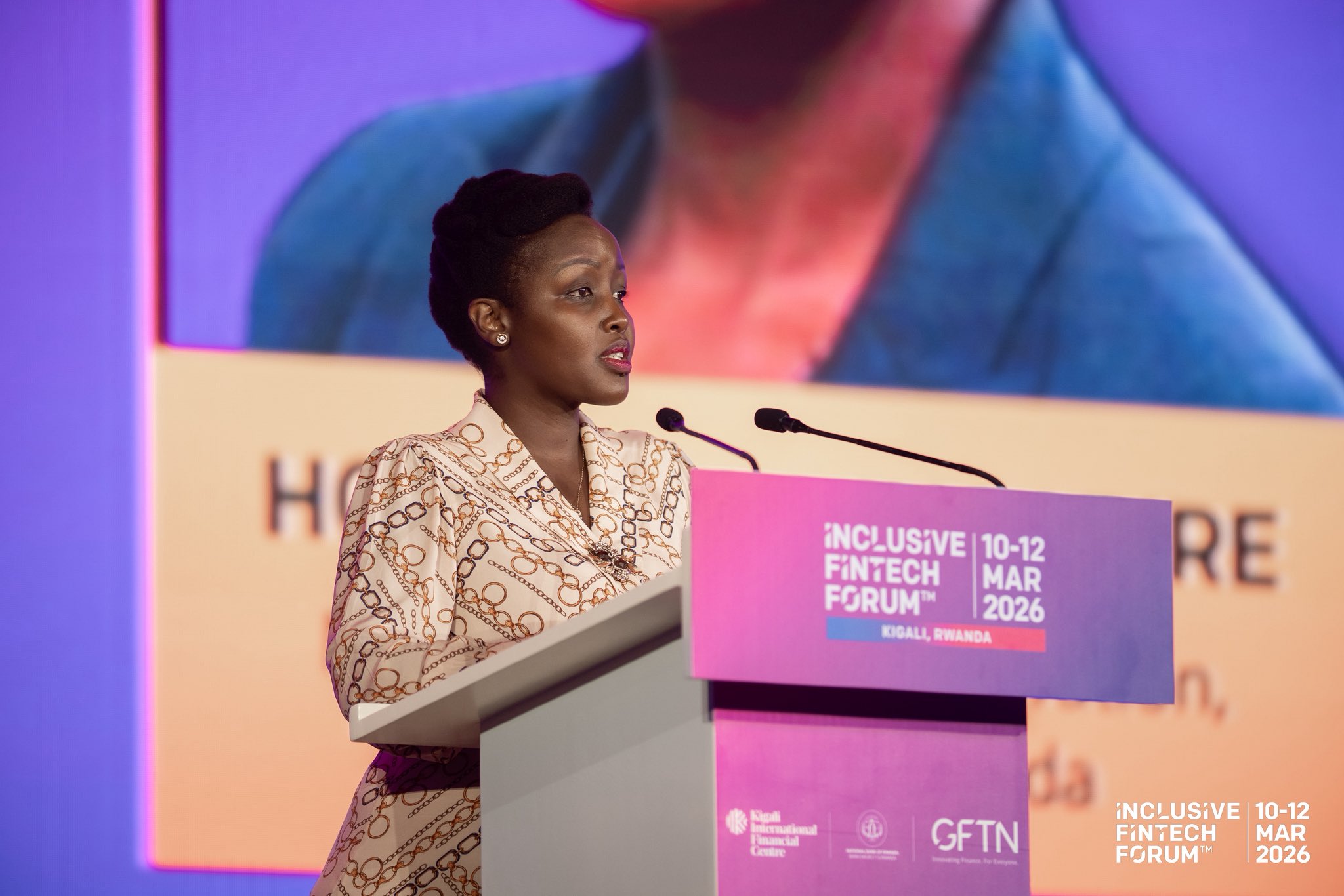
The platform, unveiled by Minister of ICT and Innovation Paula Ingabire on the sidelines of the Inclusive FinTech Forum, serves as a central gateway for Rwanda’s innovation landscape, making it easier for founders, partners, and investors to discover opportunities, collaborate, and grow innovative ventures.
“The platform will provide innovators and partners with an environment to experiment, collaborate, and develop solutions that address real challenges across digital finance, public services, and cross-border trade,” Minister Ingabire stated.
Innovate Rwanda enables ecosystem support organisations, including hubs, accelerators, incubators, and capacity-building programs, to better coordinate their efforts in supporting startups. Through the platform, the organisations can publish their programs, track startup engagement, and connect with partners working in similar sectors. By offering a shared space for visibility and collaboration, the platform aims to reduce fragmentation and improve the effectiveness of support for founders.
Minister of ICT and Innovation Paula Ingabire unveiled the platform on the sidelines of the Inclusive FinTech Forum.
For startups, Innovate Rwanda acts as a gateway to opportunities across Rwanda’s innovation ecosystem. Founders can create profiles to showcase their ventures, discover support programs, access funding and partnerships, and connect with ecosystem organisations that can help scale their ideas. The platform simplifies navigation of the innovation landscape, ensuring entrepreneurs find the right support at every stage of their journey.
The platform also enhances visibility for investors by providing a clear view of Rwanda’s startup pipeline. Investors can explore verified startup profiles, identify high-potential ventures, and engage with ecosystem organisations that facilitate deal flow and due diligence. This improved transparency helps investors discover opportunities and participate more effectively in the country’s growing startup scene.
Beyond connecting stakeholders, Innovate Rwanda strengthens coordination among ecosystem actors. By promoting programs, reaching the right founders, and aligning initiatives, the platform ensures that support, investment, and talent flow efficiently to innovators.
Ultimately, Innovate Rwanda positions Rwanda’s innovation ecosystem to be more connected, visible, and accessible both locally and globally, providing innovators with the resources and partnerships they need to grow and scale.
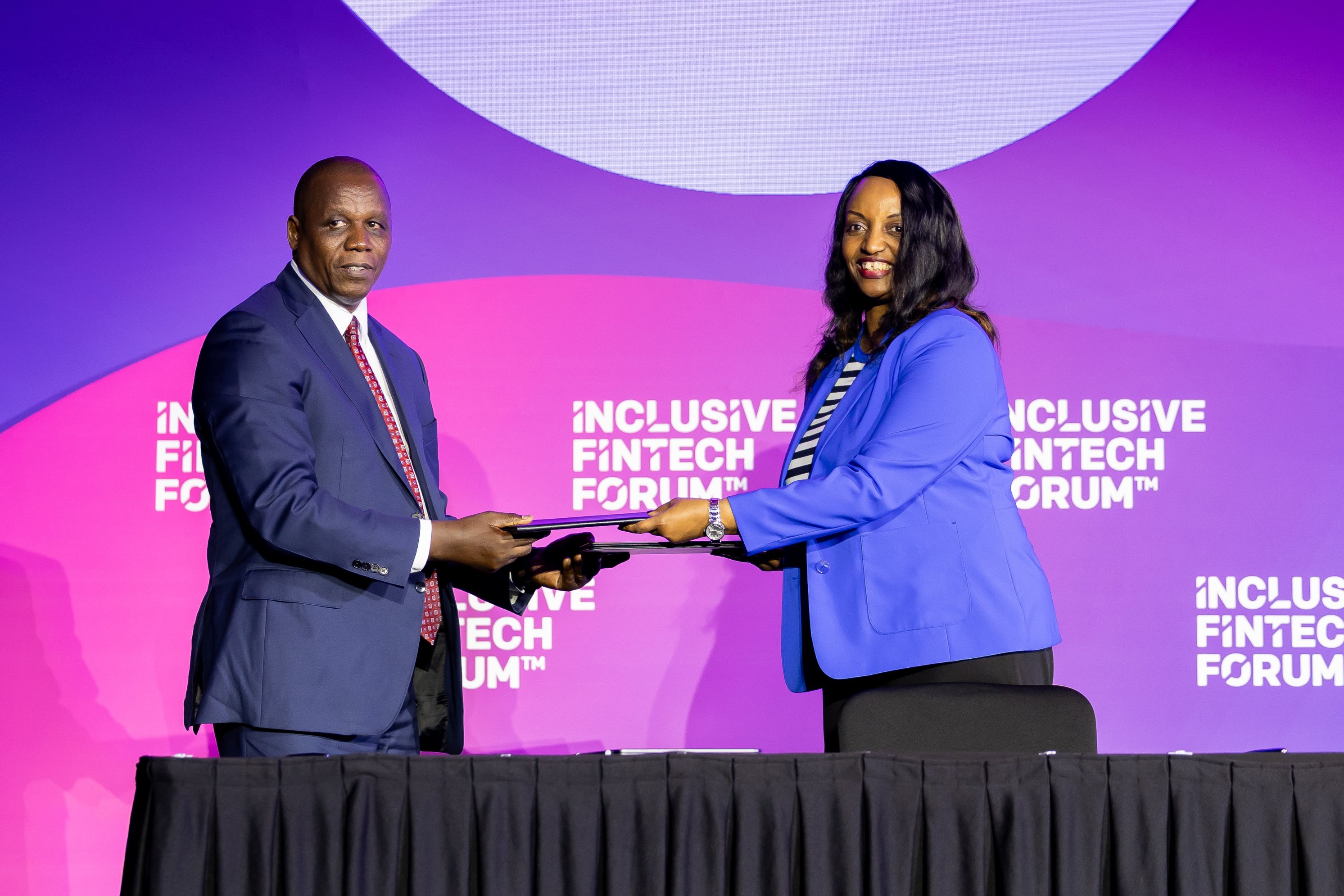
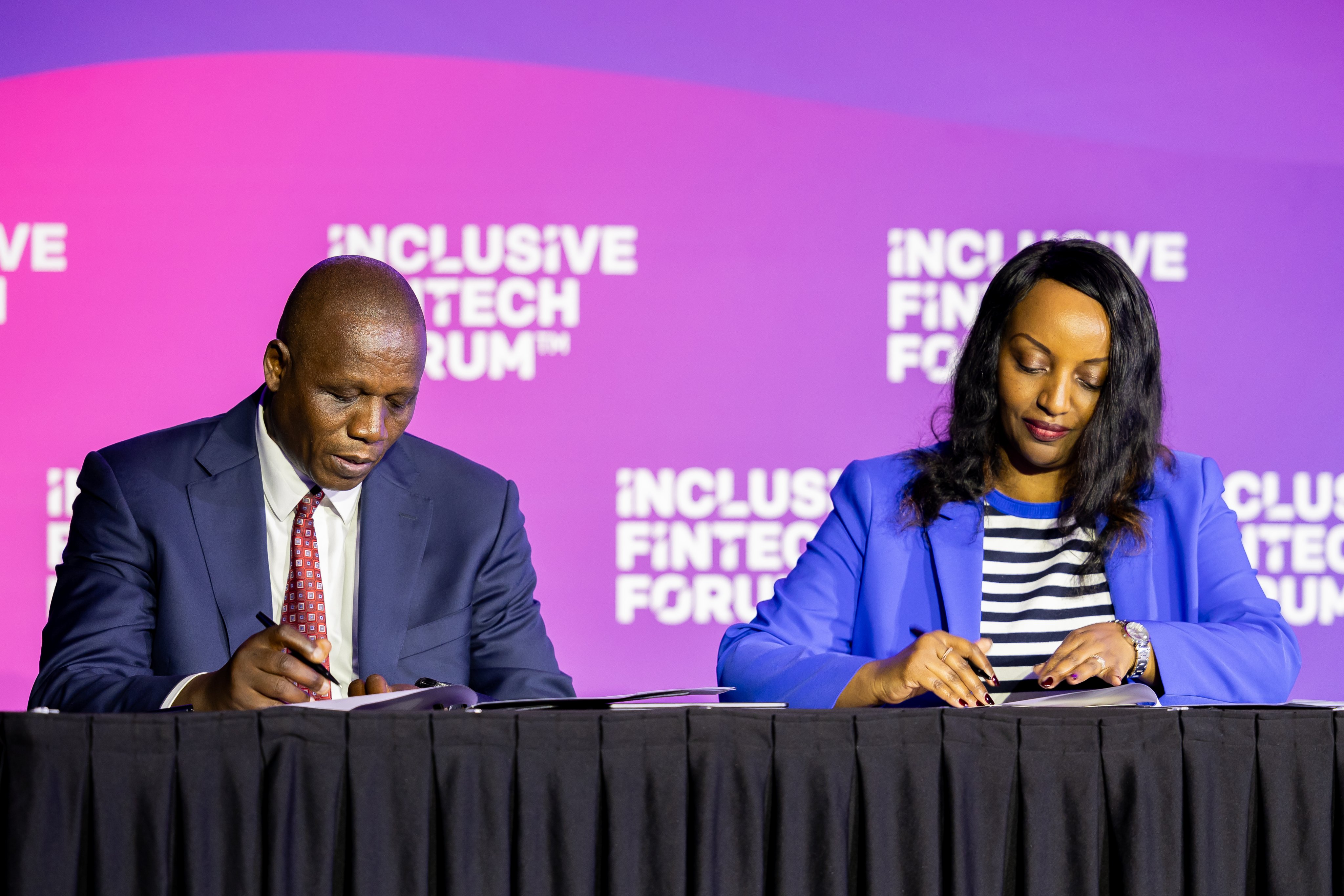
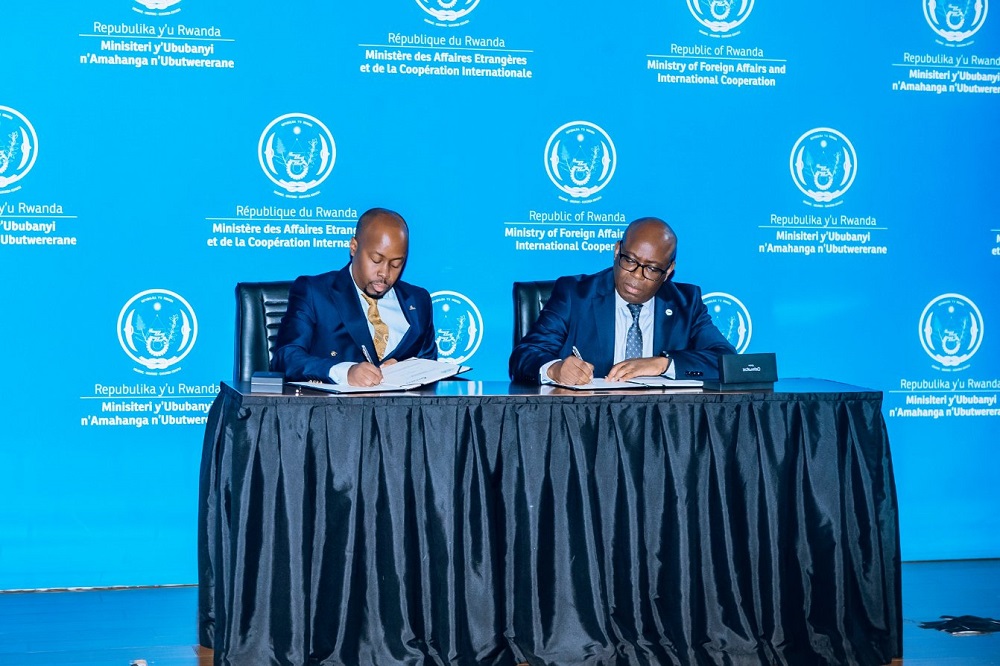
Signed on the sidelines of the Inclusive FinTech Forum 2026 in Kigali on Wednesday, the new framework aims to reduce duplicative regulatory processes while maintaining strong oversight, allowing licensed PSPs to operate seamlessly in both Kenya and Rwanda.
By promoting mutual recognition of licensing regimes, the initiative is expected to foster competition, encourage innovation, and accelerate the delivery of digital financial services across borders.
The MoU, the partners said, aligns with the East Africa Community Cross-Border Payment System Masterplan (EAC Masterplan), which envisions a more integrated, efficient, and inclusive regional payments ecosystem.
One of the Masterplan’s key priorities is to create a mutual recognition system for PSP licensing across partner states, addressing the regulatory fragmentation that has historically limited cross-border payment expansion.
Rwanda’s central bank termed the new agreement a “major step toward stronger competition, greater innovation, and faster cross-border digital financial services under robust regulatory oversight.
The Central Bank of Kenya reaffirmed its commitment to strengthening regional collaboration and ensuring that national payment infrastructures meet the evolving needs of the economy.
The agreement is expected to pave the way for a more connected East African payments landscape, benefiting businesses and consumers alike by facilitating faster, safer, and more accessible digital financial services.
Signed on the sidelines of the Inclusive FinTech Forum 2026 in Kigali on Wednesday, the new framework aims to reduce duplicative regulatory processes while maintaining strong oversight, allowing licensed PSPs to operate seamlessly in both Kenya and Rwanda.
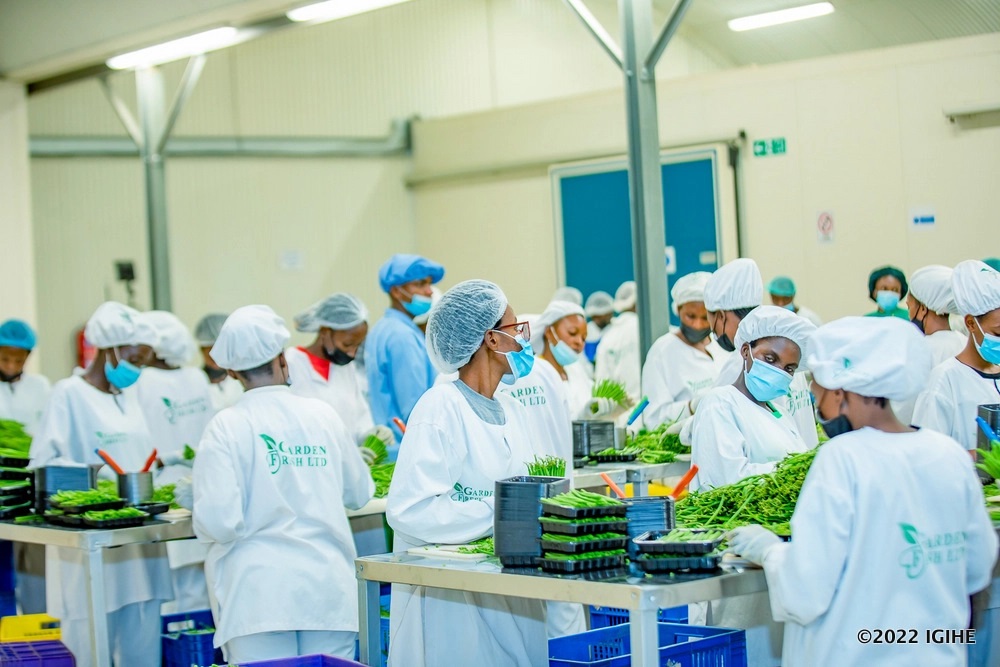
During these five days, the country shipped a variety of products including coffee, tea, vegetables, fruits, flowers, livestock products, and more.
Coffee exports totaled 508 tonnes, earning over $2.7 million, while 846 tonnes of tea brought in more than $2.3 million. Vegetables, shipped at 440 tonnes, generated approximately $479,450. Fruit exports reached 462 tonnes, earning over $311,000, and 42 tonnes of flowers brought in more than $282,000.
The main destinations for these exports included the United Kingdom, the Netherlands, the United Arab Emirates, France, Germany, and other African countries.
Other agricultural products totaling 7,078 tonnes earned over $3.7 million, while 273 tonnes of livestock products generated more than $437,000. These were primarily exported to Oman, Nigeria, and other African countries.
Rwanda earned over Rwf14 billion from agricultural exports in five days.
This timeline was announced following the cabinet meeting held on March 4, which greenlighted an agreement between the Government of Rwanda and Bauhaus International Rwanda Ltd, a subsidiary of Bauhaus International Incorporated, headquartered in New Jersey, United States, for the phased development of more than 3,000 housing units.
This initiative will make a major contribution to Rwanda’s urban development goals and expand access to modern, affordable housing.
Phase one development
The initial phase involves constructing 892 housing units in Gahanga Sector, Kicukiro District, Kigali. The estate will feature diverse modern residential options, including one- and two-bedroom apartments, three-bedroom apartments, and three-bedroom terraced duplex houses.
The project also incorporates a community center to offer social and recreational services for residents.
“This development represents an important contribution to Rwanda’s vision of modern, sustainable urban living. Our goal is to deliver high-quality housing while creating a vibrant community environment for residents,” said Mukiza.
The project will be implemented through a partnership framework involving key national institutions, with the City of Kigali and the Rwanda Development Board acting as project promoters, and Bauhaus International Rwanda Ltd serving as the developer.
This collaboration underscores Rwanda’s ongoing commitment to attracting international investment and forging partnerships that fast-track infrastructure and housing advancements.
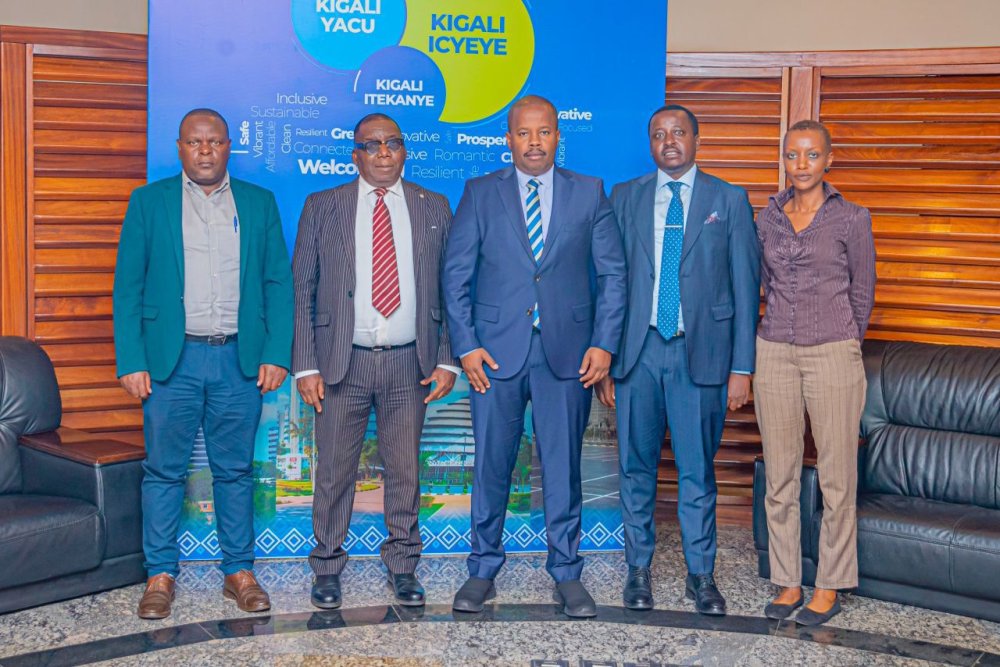
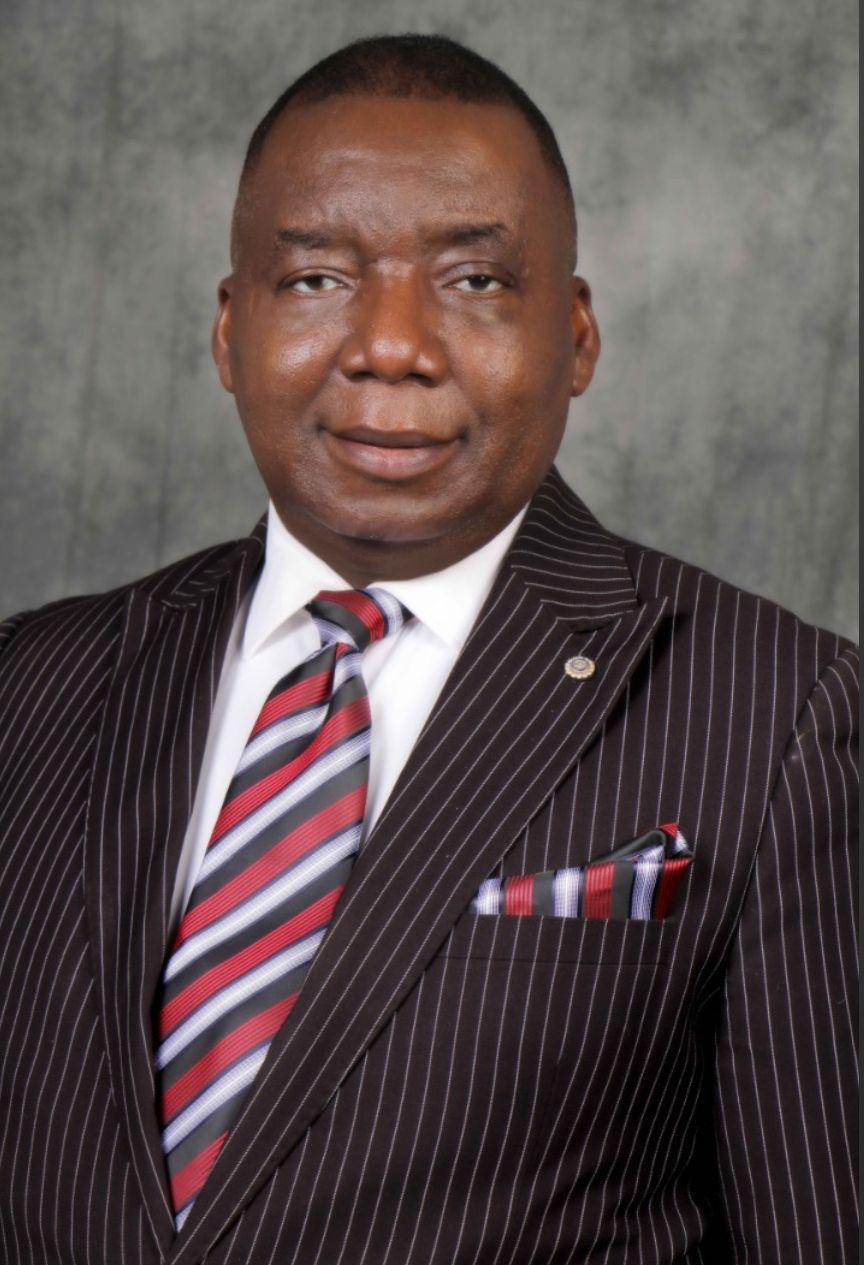
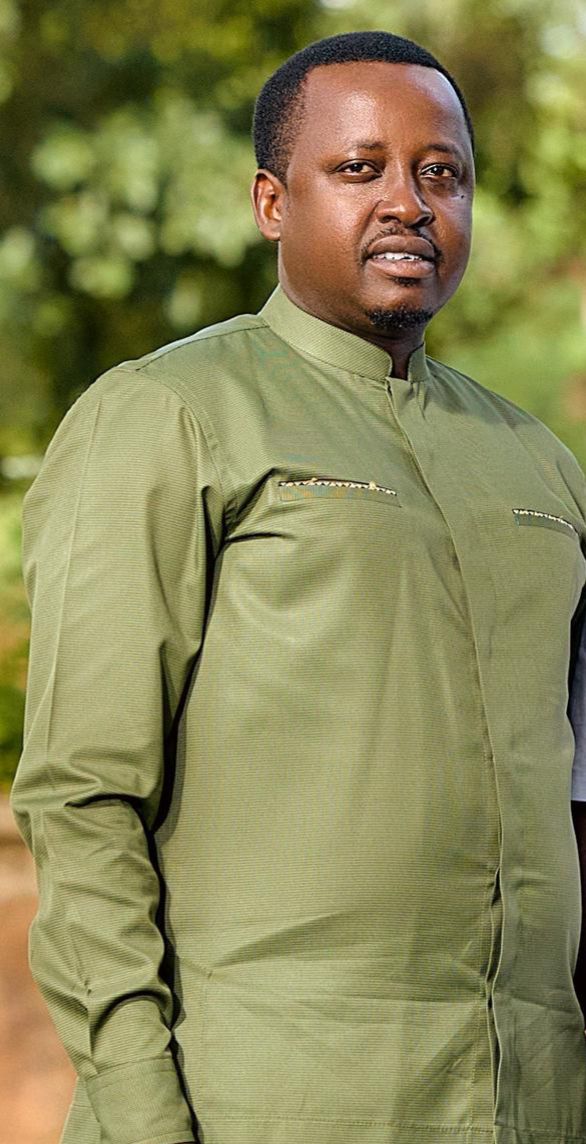
The project will be implemented through a partnership framework between the City of Kigali, the Rwanda Development Board, and Bauhaus International Rwanda Ltd serving.Dr Victor C ONUKWUGHA, the CEO of Bahaus International Ltd Richard Mukiza, Managing Director of Bauhaus International Rwanda Ltd said the project will be completed within 24 months.
Holding a PhD from the University of California, Berkeley, Faraj first moved to Tanzania for dissertation research, where he ended up living for about 12 years before eventually relocating to Rwanda, where he established the African Olympiad Academy.
The latter is a unique school dedicated to training the continent’s next generation of innovators, problem-solvers, and leaders.
In an exclusive interview with IGIHE reflecting on the decision to set up his school in Rwanda, Dr. Faraj explained that the country offers a unique environment for building impactful institutions.
“Both my wife and I have a very strong commitment to Pan-African institution building. We chose Rwanda as our base, but it’s not just to do work in Rwanda or just to impact Rwanda. Rwanda is almost like a sandbox where you can operate within a very safe and disciplined environment to build institutions and structures that have broader impact beyond the borders of Rwanda,” he said.
Dr. Faraj’s journey into education deepened after working in Tanzania’s private sector during a period when the country’s economy was opening up and undergoing rapid change.
“Education is my real passion. I believe in the transformative power of education,” he said.
His academic path led him to the African Leadership University (ALU), where he first worked in Mauritius before being asked to move to Rwanda to help launch the institution’s campus in 2018.
During his time in Rwanda, Faraj came to see the country as an example of how strategic planning and discipline can rebuild a nation and create an environment that supports innovation and institution building.
“One of the things that I really appreciate about Rwanda is that it is a proof of concept. Rwanda has been able to rebuild itself through focus, discipline, strategic planning and a real commitment to institution building,” he explained.
Inspired by this environment, Dr. Faraj later co-founded the African Olympiad Academy (AOA) in Kigali, a Pan-African residential high school dedicated to nurturing Africa’s most talented students in mathematics, science, and technology.
The academy, launched in November 2025, offers full scholarships and uses an Olympiad-based learning approach to prepare students for international competitions and careers in advanced technology.
Dr. Faraj and his wife are both committed to Pan-African institution building, using Rwanda as a foundation to impact the continent and beyond.
According to Dr. Faraj, the school also aims to challenge common misconceptions about Africa’s intellectual history.
“We want our students to understand that they come from a rich tradition of doing mathematics and STEM on the continent. Too often Africans get pigeonholed as only doing culture, but the reality is we built the pyramids, and the pyramids required a great amount of math,” he said.
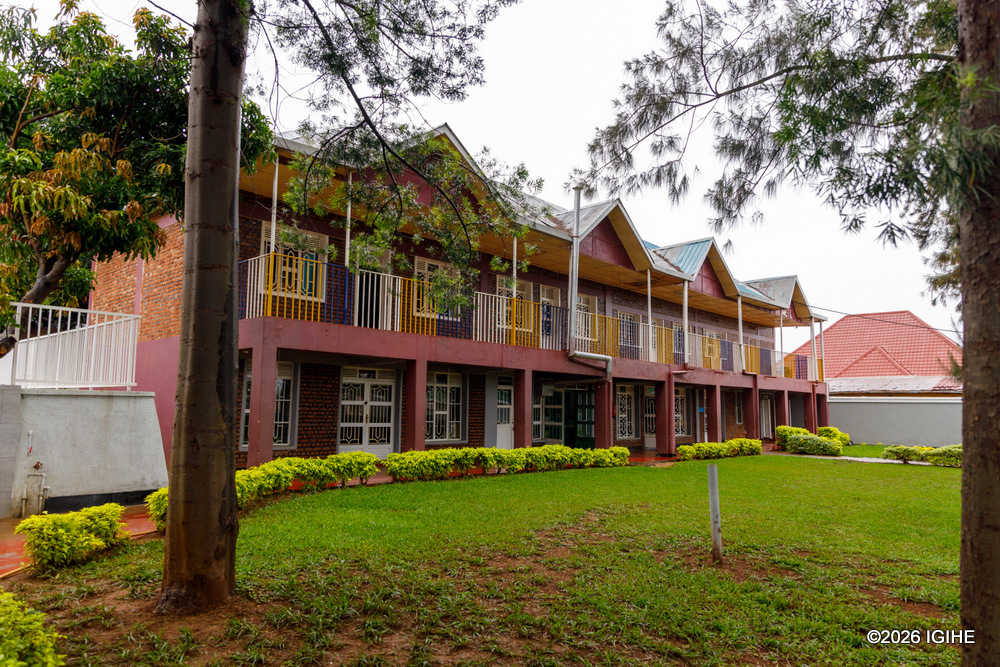
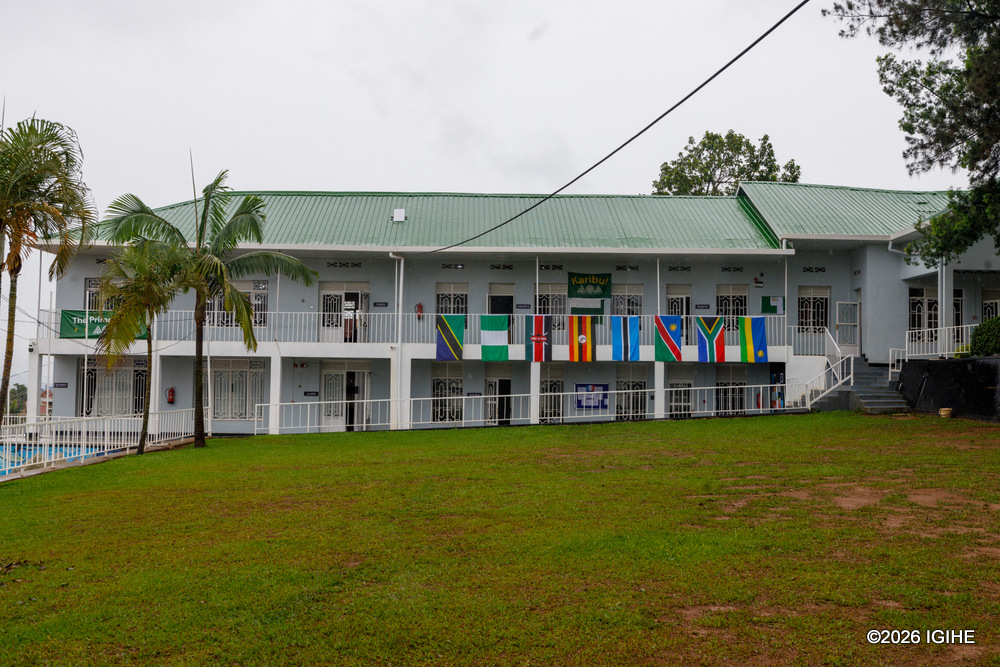
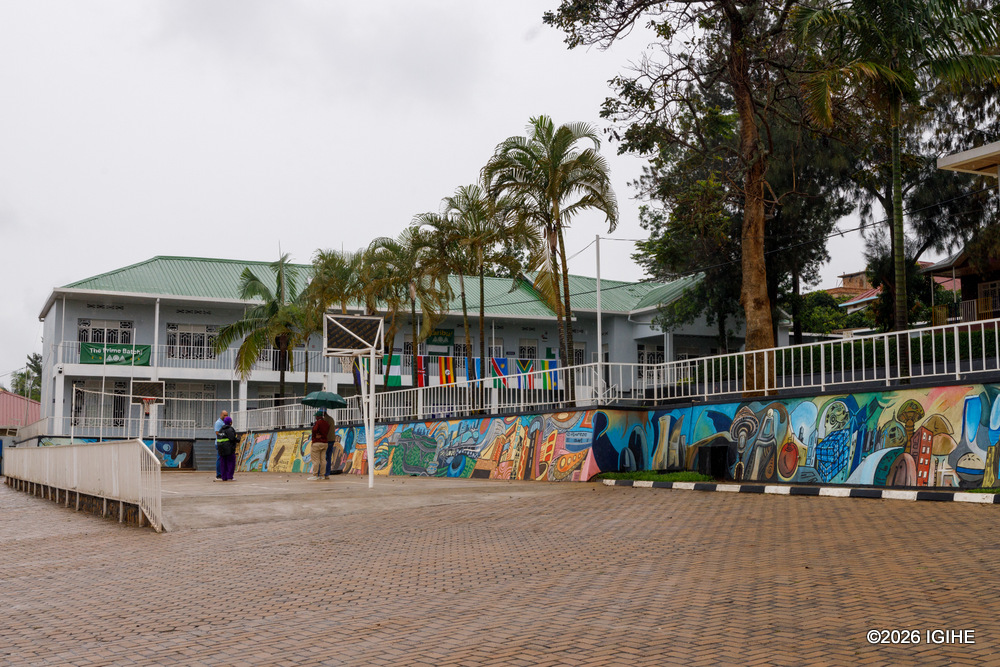
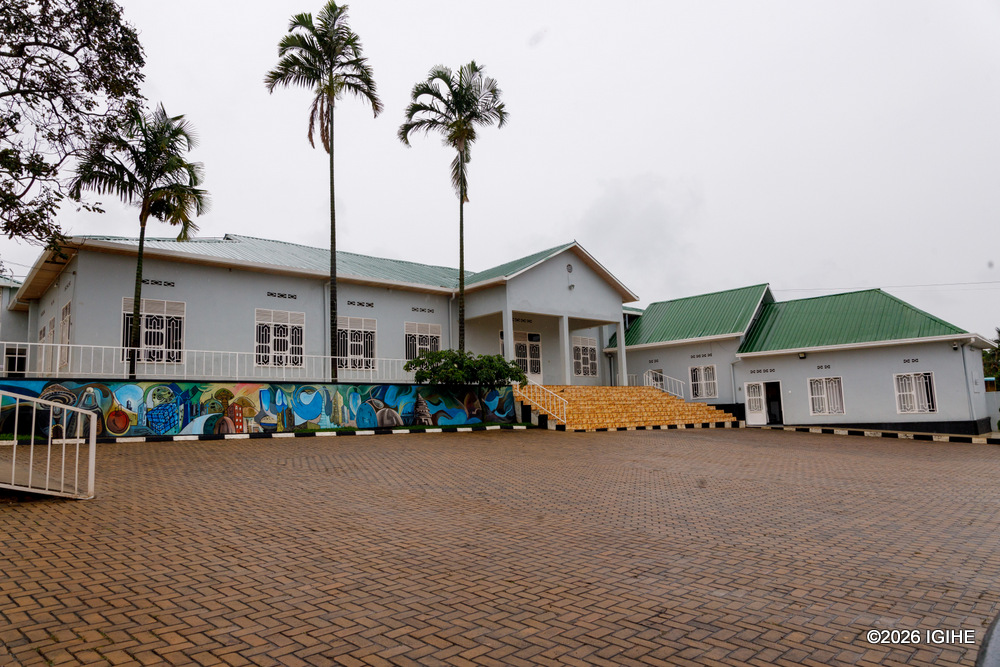
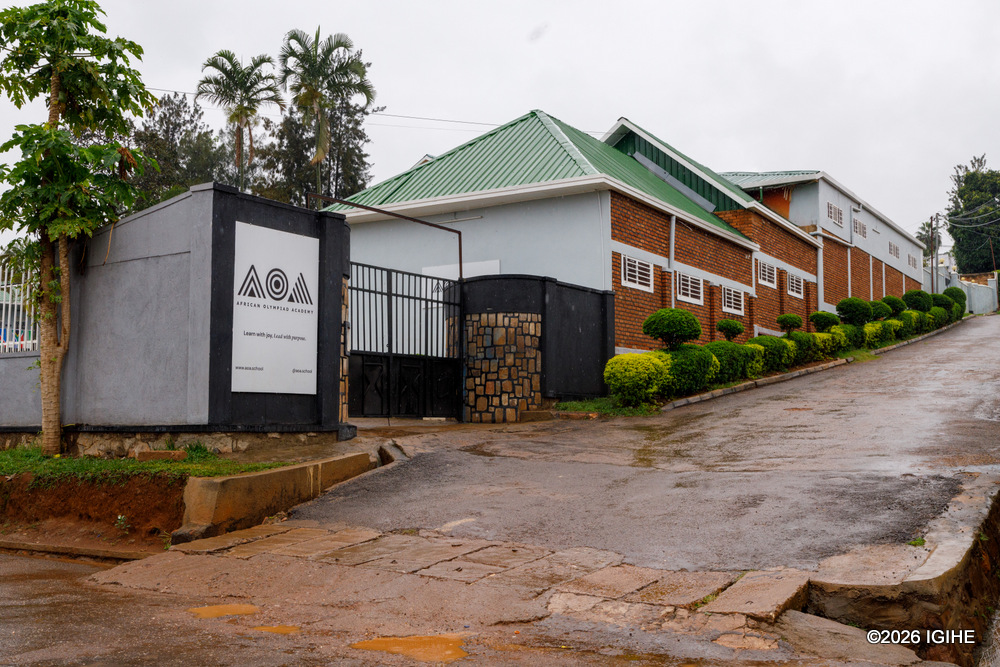
The academy is located in Kanombe, Kigali, on the renovated campus of a former primary school. At the entrance stands a large mural illustrating the history of science and technology in Africa, linking ancient achievements with modern landmarks like the Kigali Convention Centre and an imagined Afro-futurist future.
“This is our Afro-futurism mural. We want to inspire our students to think about themselves as the architects of Africa’s future,” Dr. Faraj said. “If we ever achieve the Africa we want, it will be because our students have been able to imagine and build what that future looks like.”
Currently, the academy hosts 30 students from eight African countries, with plans to expand gradually to about 120 students. Admission is highly competitive, and unlike traditional schools, students do not apply.
Students are selected through competitions, mathematics camps, and the Rwanda Olympiad program, which attracts tens of thousands of participants across the continent. In one recent competition, more than 60,000 students participated before the selection process narrowed down to a small group of finalists.
At AOA, the curriculum is built around three core subjects: foundational mathematics, applied mathematics, and global perspectives. The emphasis on mathematics is particularly important in the age of artificial intelligence.
“You can’t really have AI if you don’t have strong foundational math,” Dr. Faraj said. “If Africa does not develop its own AI developers, we will simply remain consumers of technologies created elsewhere.”
The applied mathematics courses include physics and computer science, while the global perspectives program ensures students understand history, geopolitics, economics, and African identity.
“We want our students to understand the world around them and have a strong sense of African identity so that when they apply their skills, they are solving real problems facing the continent,” he said.
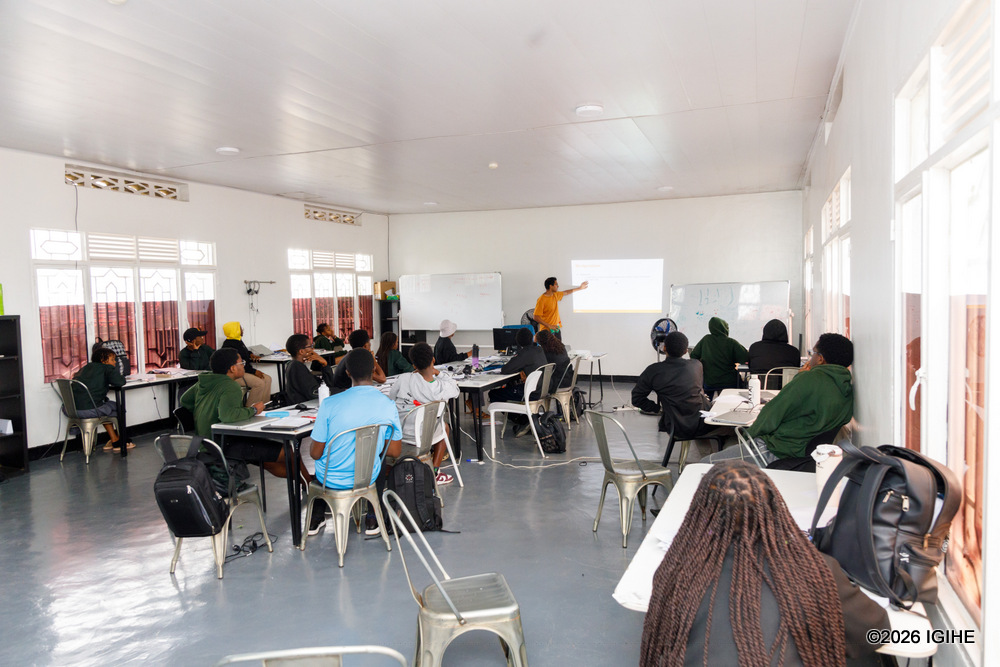
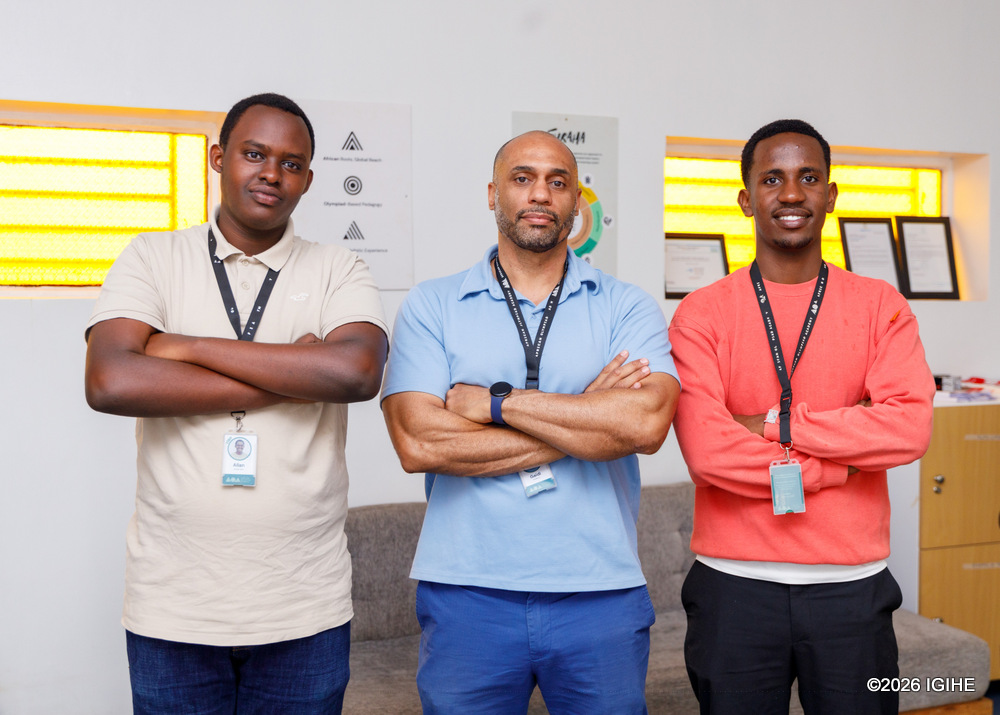
Students at the African Olympiad Academy (AOA) are mastering applied mathematics, equipping themselves with the skills needed to innovate in AI and technology.Some of the dedicated staff at the African Olympiad Academy (AOA).
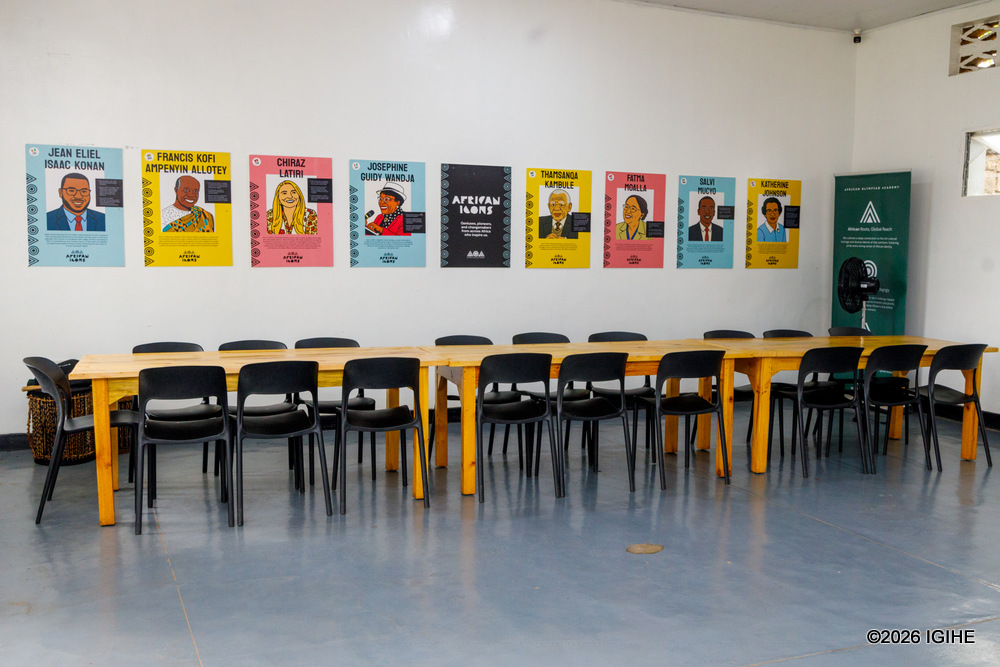
Life at the academy extends beyond the classroom. The campus features murals celebrating African scientists and innovators, residential facilities for students, and spaces where learners interact through activities such as games, movie nights, and discussions.
The academy also runs an online initiative called Rising Stars, which provides mathematics training for talented students across Africa in both English and French.
Rwanda’s supportive environment played a crucial role in the academy’s rapid development. According to Dr. Faraj, the country’s stability, openness to African diaspora professionals, and ease of establishing institutions allowed the school to launch in just one year.
Looking ahead, the academy aims to prepare students to compete in prestigious competitions such as the International Mathematical Olympiad and other global science contests. Dr. Faraj believes that such programs can help African students gain entry to the world’s top universities and become innovators shaping the continent’s future.
“Our mission here is really about scaling impact,” he said. “Research shows that students who participate in math Olympiads often go on to achieve extraordinary things. We want our students to be AI creators and developers so that Africa is not dependent on technologies built elsewhere.”
Through the African Olympiad Academy, Dr. Faraj hopes to build a Pan-African educational ecosystem capable of transforming Africa’s youngest generation into global leaders in science, technology, and innovation during the Fourth Industrial Revolution.
Outside the classrooms of the African Olympiad Academy.The academy is located in KanombeDr. Gaidi Faraj, an educator hailing from California.
The agreement ensures that products from Rwanda certified as meeting quality standards will no longer require retesting upon arrival in these countries and can move directly to their markets.
The same applies to products originating from Zimbabwe and Congo Brazzaville exported to Rwanda. The agreement was signed in Kigali at the Ministry of Foreign Affairs and Cooperation on March 6, 2026, and is based on collaboration between Rwanda Standards Board (RSB) and the equivalent institutions in Zimbabwe and Congo Brazzaville.
Key provisions include recognizing that laboratories in the three countries meet internationally trusted quality standards. Products tested in Rwanda will not need to be retested in Zimbabwe or Congo Brazzaville, speeding up trade and reducing the costs associated with repeated testing.
The signing followed a three-day meeting of the African Organisation for Standardisation (ARSO) held in Kigali, which focused on establishing 25 continental quality standards for unstitched fabrics, textile products, and related goods.
Following the agreement, 32 Rwandan factories received certificates confirming that their products meet trade-quality standards across Africa. This will prevent delays at customs and the need for additional testing in other countries.
The head of Uniworks Transporters and Logistics, which also operates a maize-processing factory in Rwanda, said the certificates will ensure their products are internationally trusted.
He stated, “When we started, it was challenging. We even began operations in Uganda before coming here, and it was not easy. Opening doors to other African markets is very important for our business. Previously, the challenge was proving the quality of our products; retesting in other countries caused delays and extra costs.”
Rwanda’s Minister of Trade and Industry, Sebahizi Prudence, said that Africa has long been criticized for signing agreements without implementing them. He emphasized that such agreements now help accelerate trade among the signatory countries.
ARSO Secretary-General Dr. Hermogene Nsengimana said the agreement benefits all parties and will open opportunities for Rwanda to expand trade with Southern African Development Community (SADC) countries, where Zimbabwe is a member.
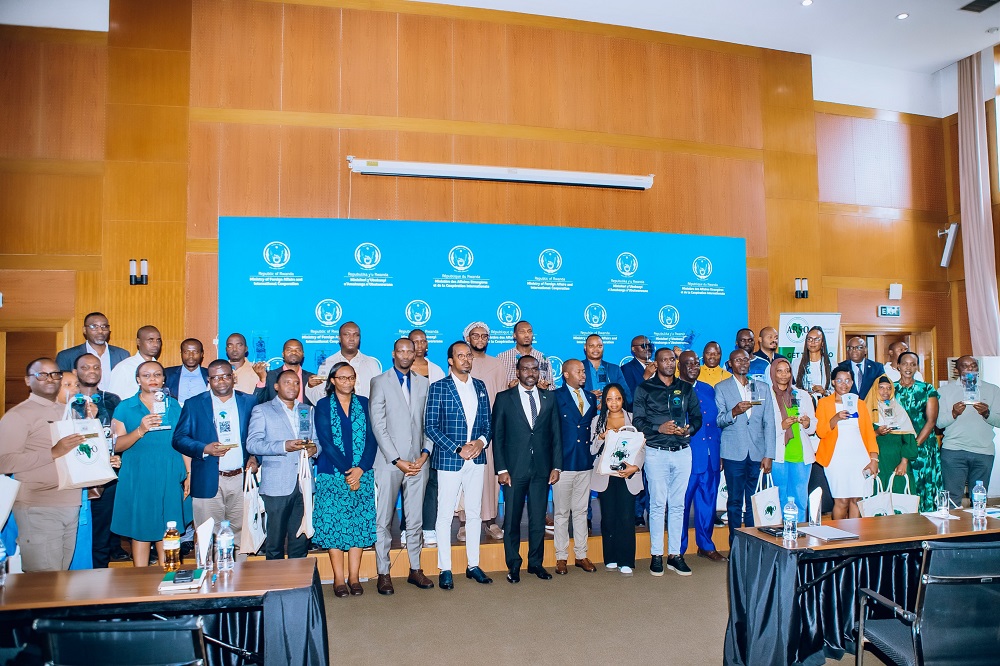
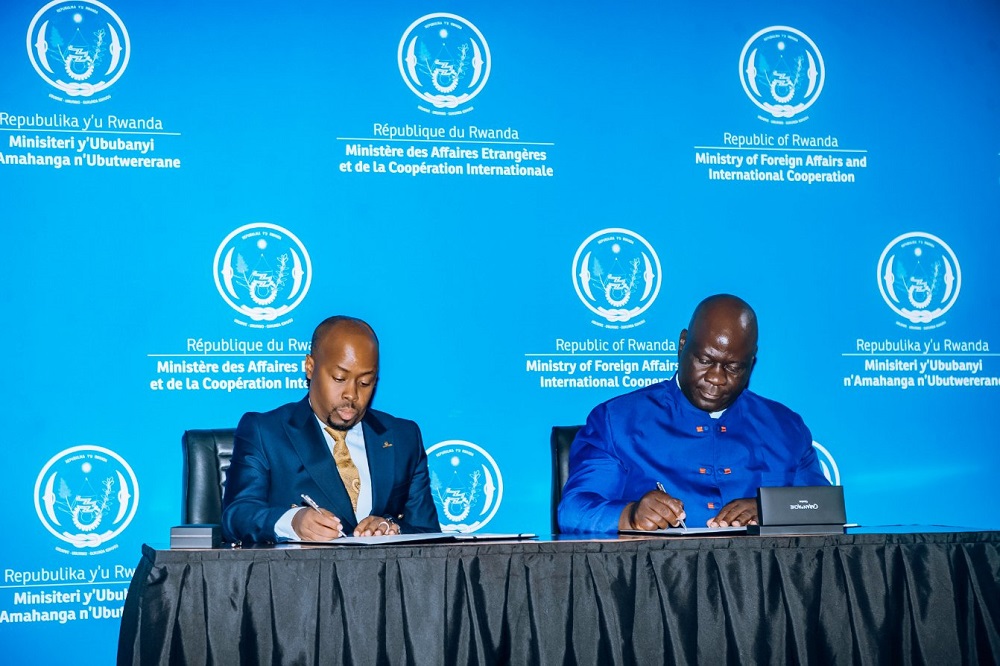
Rwanda and Zimbabwean representatives signing the agreement in Kigali. Officials who participated in the meeting in a group photo. The agreement was signed on Friday, March 6, 2026. The signing followed a three-day meeting of the African Organisation for Standardisation (ARSO) held in Kigali.
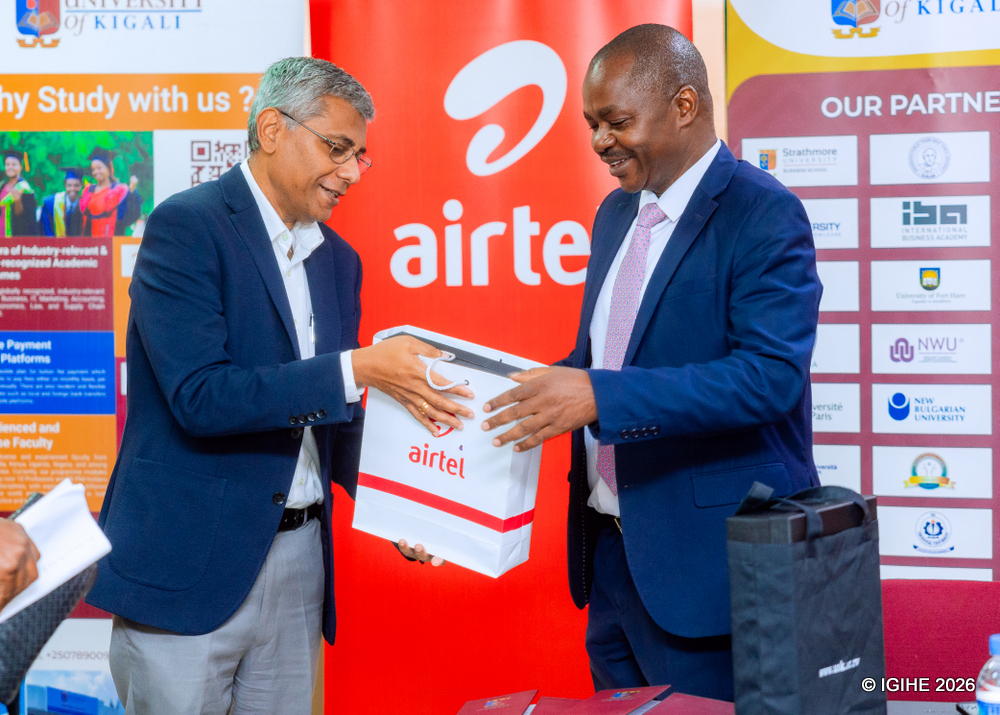
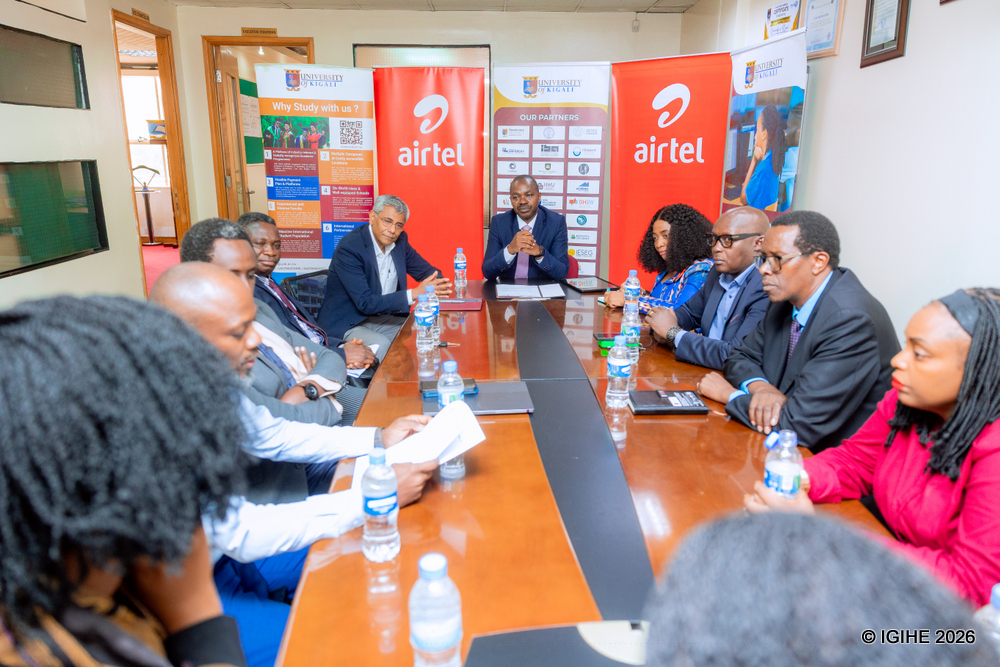
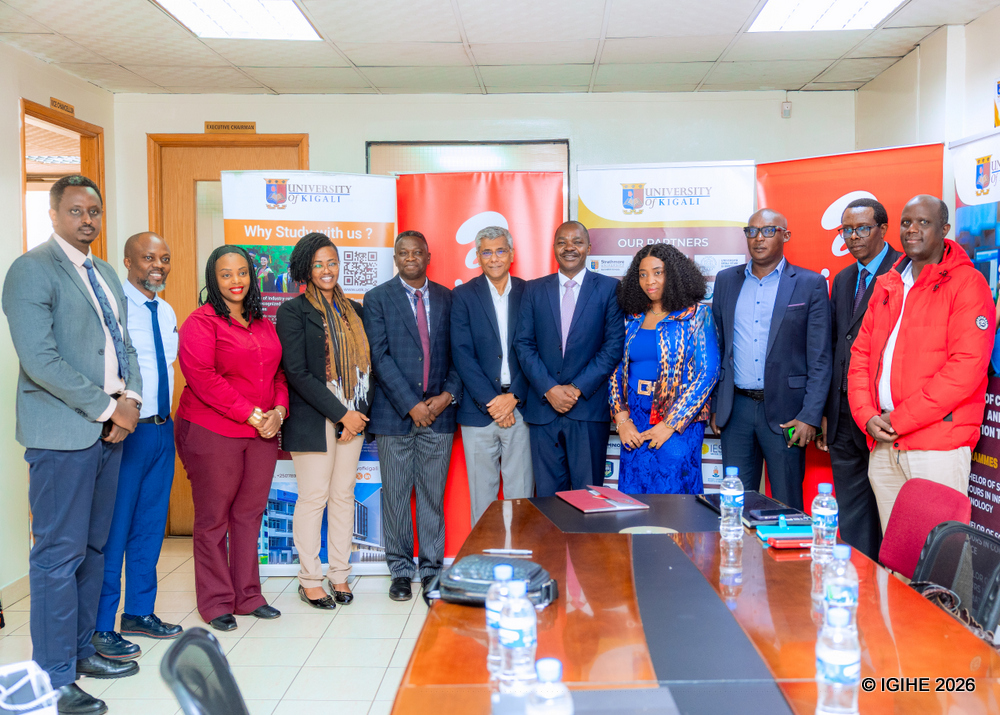
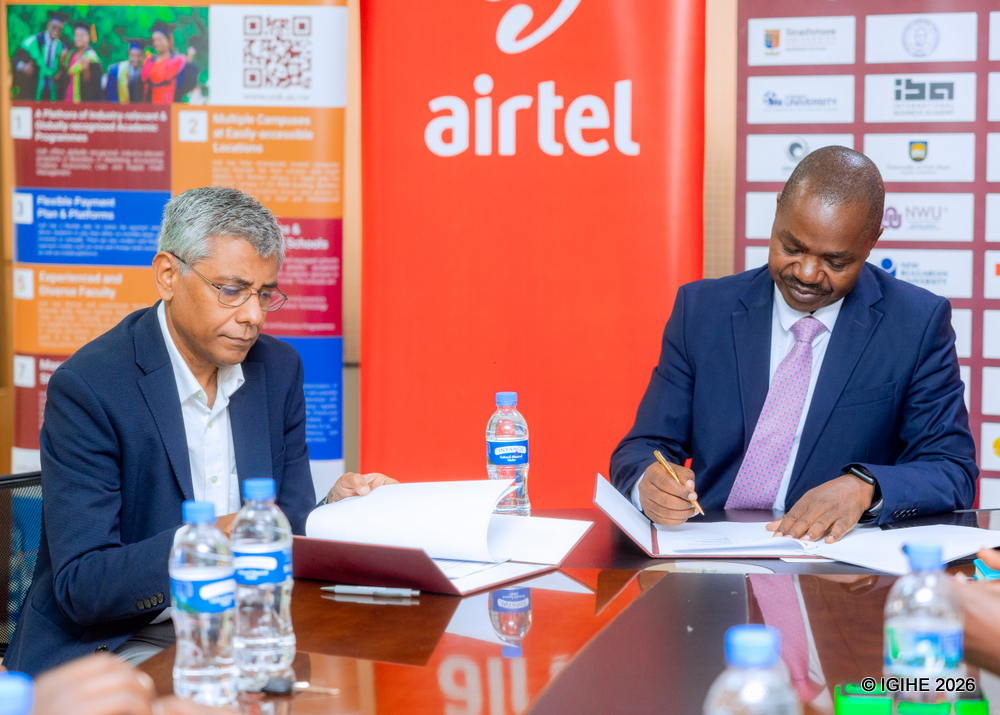
The agreement was signed at the university’s headquarters in Kigali on March 5, 2026.
Under the partnership, Airtel Rwanda will provide affordable internet packages and routers to students at the University of Kigali to support digital learning.
One of the initiatives includes offering a router with 60GB of monthly internet, normally priced at Rwf10,000, at a reduced cost of Rwf5,000. The package can be shared by up to ten users.
Students who prefer mobile connectivity will also be able to subscribe to a package costing Rwf3,000 per month, which provides one gigabyte of 4G internet per day along with the ability to make calls across all networks.
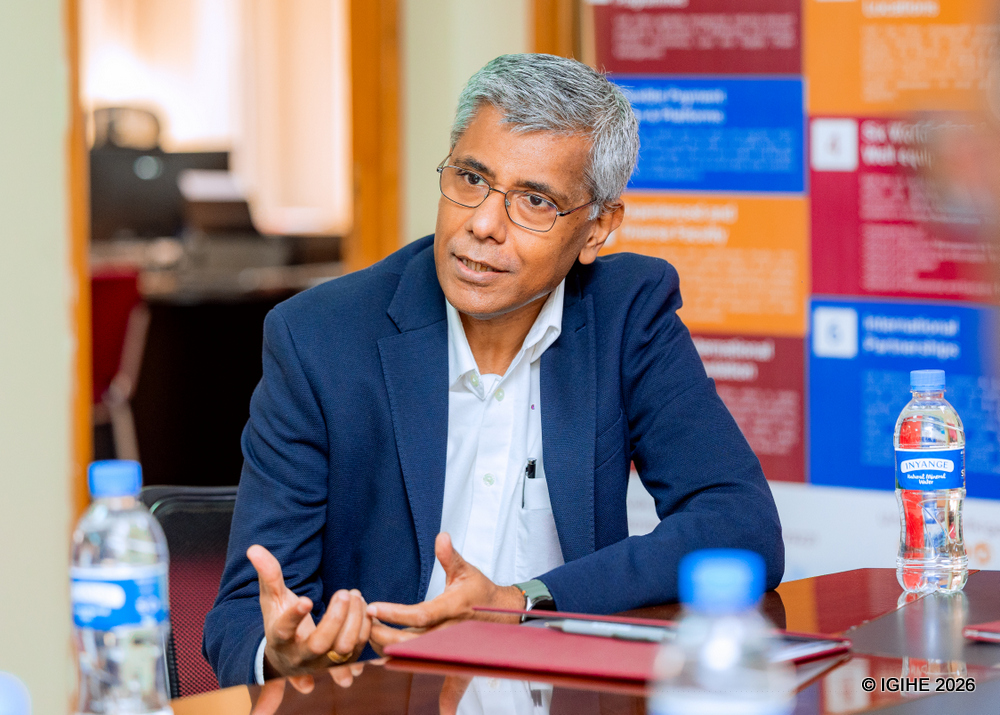
The Managing Director of Airtel Rwanda, Sujay Chakrabarti, said the company plans to expand similar partnerships with other universities in order to support students who rely on internet access for their studies.
“We believe that education is extremely important,” he said, adding that universities host large numbers of young people who increasingly depend on digital tools for learning. “With the university’s support, our technological equipment such as routers and other services will be made available to students.”
The Vice Chancellor of the University of Kigali, George Kimathi, said both institutions have strong experience in research and that the partnership will allow them to collaborate in finding solutions to global challenges.
“We have a large number of researchers here, and Airtel also has experts. Together we can conduct joint research to identify problems that need solutions,” he said. “This partnership will accelerate research and produce better outcomes than if either side worked alone.”
The collaboration will also allow Airtel Rwanda to expand its services among the university’s student community while enabling students to access relevant data and resources that can support research and practical learning.
Both institutions also plan to organize mentorship sessions, innovation activities, and knowledge-sharing events.
The partnership aligns with Rwanda’s Vision 2050 strategy, which aims to build a knowledge-based economy and ensure that graduates leave universities equipped with the digital skills needed to compete in a technology-driven job market.
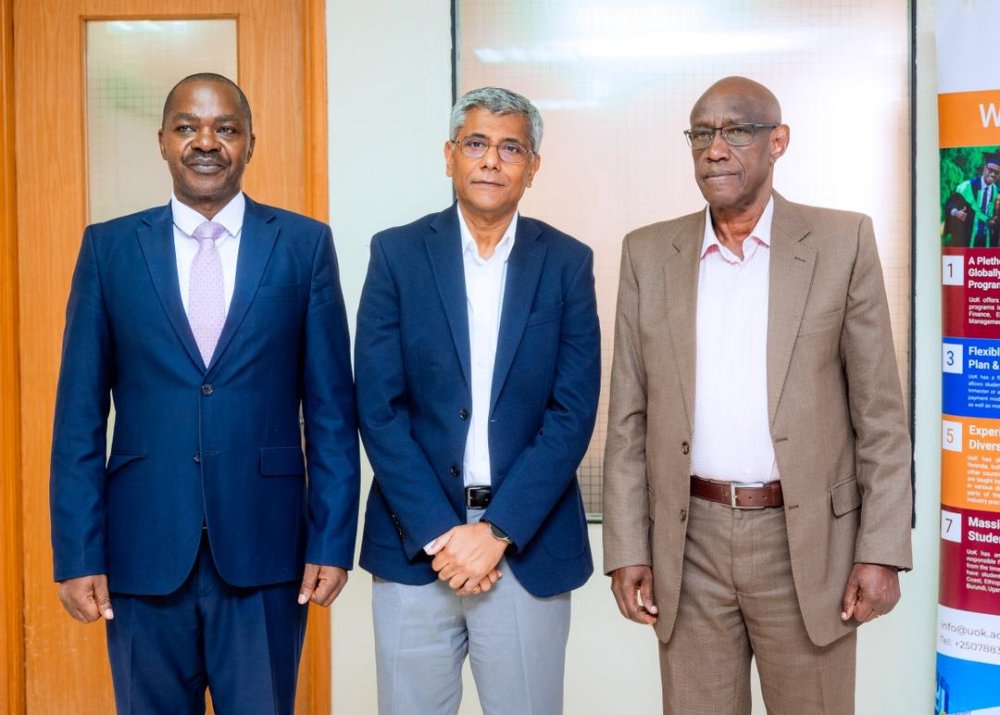
The agreement was signed on March 5, 2026. The Airtel Rwanda–UoK partnership is also expected to create job opportunities UoK Vice Chancellor Prof. George Kimathi highlighted the partnership’s impact on teaching and learning Airtel Rwanda MD Sujay Chakrabarti says affordable internet will support university studiesThe benefits of the Airtel Rwanda–UoK agreement were discussed ahead of the signingExecutives from Airtel Rwanda and UoK represented their institutions at the signing The agreement aims to promote tech-driven learning at the university
Speaking in an interview with Firstpost, Amb. Nduhungirehe said the roots of Rwanda’s security concerns date back to the aftermath of the genocide, when forces responsible for the killings crossed into the eastern part of the Democratic Republic of the Congo.
“In 1994 in Rwanda, we had a genocide against the Tutsi. Over one million people were killed over three months,” he said, noting that the perpetrators later fled across the border. “Those who committed that genocide crossed the border. They were never disarmed by the UN or other forces that were on the ground.”
He said the group that later became the Democratic Forces for the Liberation of Rwanda has continued to operate from eastern Congo and has launched attacks on Rwanda over the past three decades.
“From DRC, they have been attacking Rwanda over the past 30 years on countless occasions,” Amb. Nduhungirehe said, adding that Rwanda has therefore deployed defensive measures along its border to prevent further attacks.
The minister also warned that genocide ideology remains a concern in the region. “When we hear the same words that were used before the genocide… we take it very seriously,” he said, stressing that what happened in 1994 should never happen again.
He further argued that ongoing hostilities on the ground, including increased air strikes and drone attacks in eastern Congo, risk undermining ceasefire commitments linked to ongoing peace initiatives.
Despite these challenges, Amb. Nduhungirehe said Rwanda remains engaged in diplomatic efforts aimed at resolving the conflict while ensuring the country’s security and preventing a repeat of the dark moments of 1994.
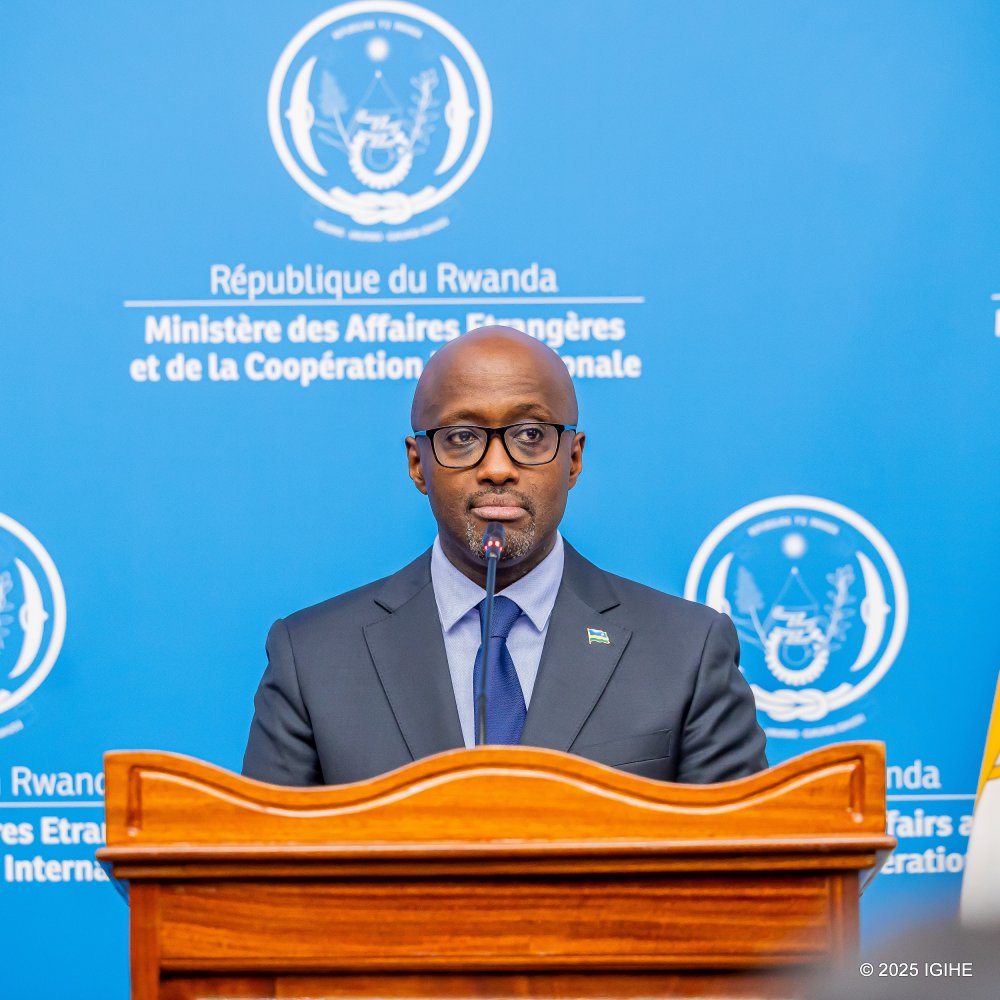
Rwanda’s Foreign Affairs Minister, Amb. Olivier Nduhungirehe has shed light on reasons why Rwanda’s defensive measures remain in place.