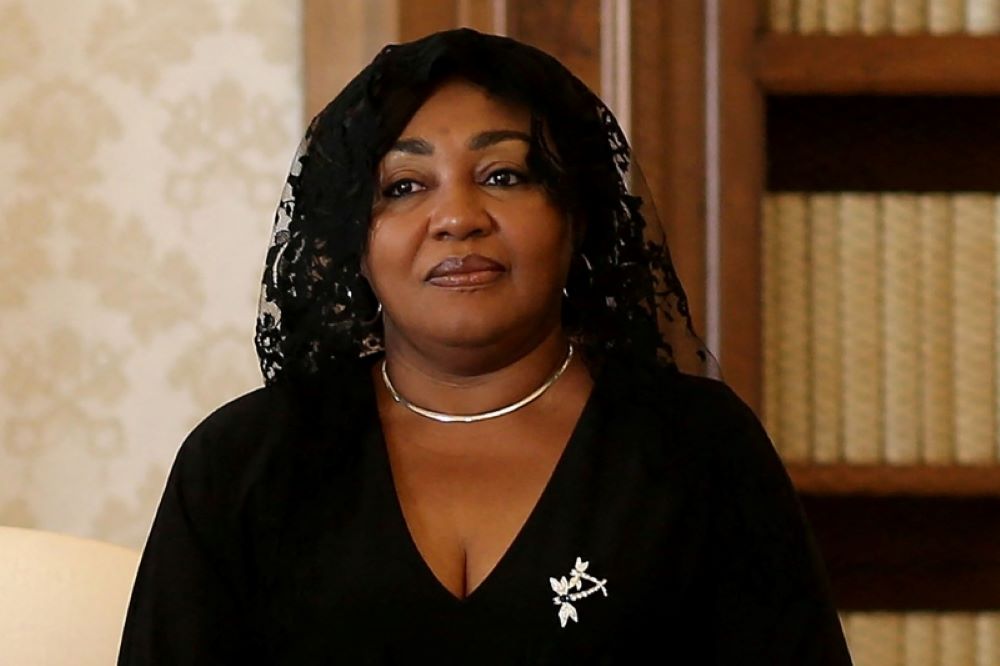
Earlier reports from Congolese sources suggested an attempted intrusion at the hotel, with government spokesperson Patrick Muyaya asserting that assailants who allegedly targeted Nyakeru were neutralized by presidential security.
Rumors from DRC side quickly circulated in media and social circles linking the incident to external actors, including Rwanda, though these claims remain unverified.
In a statement released on Wednesday, the embassy clarified that reports of an attempted intrusion were misleading and misrepresented the actual events.
The statement explained that an unarmed member of a Rwandan VIP security detail “inadvertently encountered security agents of a DRC delegation in a hotel hallway accessible to all guests,” as both delegations were staying at the same hotel.
The embassy added that the Rwandan security member was “briefly restrained from accessing the elevator by the DRC security agents, which was inappropriate and wrong behavior in a common area,” but emphasized that the situation “was eventually resolved without further escalation.”
“Following this incident, the Rwandan party made a decision to change hotels, but were harassed and filmed by unknown persons as they checked out and departed. Despite this provocation, the Rwandan team was restrained and professional at all times, and carefully avoided any confrontation,” the statement reads.
“There has been gross misrepresentation of what transpired, including blatant dishonesty by the DRC Minister of Information in a press conference last night. These contemptible lies should be disregarded and condemned,” the embassy added.
Nyakeru has traveled to the United States for an official visit.
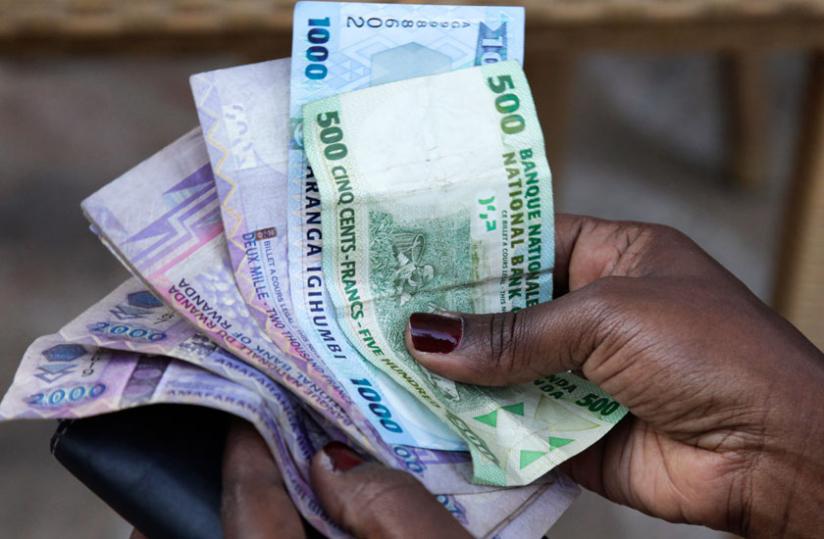
In a public notice issued on March 24, 2026, the Central Bank Governor Soraya Hakuziyaremye said the move follows Presidential Order nº11/01 of February 27, 2026, which authorised the withdrawal of specific banknote series. The order was published in the Official Gazette on March 2, 2026, marking the start of the transition period.
The affected denominations include Rwf 500 notes issued on July 1, 2004 and January 1, 2013; Rwf 1,000 notes issued on July 1, 2004 and May 1, 2015; Rwf 2,000 notes issued on October 31, 2007; as well as Rwf 5,000 notes issued on April 1, 2004 and February 1, 2009.
According to the announcement, these banknotes will officially lose their legal tender status on March 2, 2027.
“After this period, these banknotes will no longer be accepted as a means of payment,” said the central bank boss.
Holders of the affected notes have been advised to exchange them within set timelines. From March 2, 2026, to November 1, 2026, the banknotes can be exchanged at commercial banks and Umwalimu SACCO branches across the country. After this period, they will only be exchangeable at the headquarters of the National Bank of Rwanda in Kiyovu, Kigali, and its branches until March 1, 2027.
In a statement issued on Tuesday, March 24, the company clarified that it has no intention of ceasing its operations in Rwanda and urged stakeholders, customers, and the general public to disregard the circulating reports.
“The media reports about Volkswagen disinvesting or leaving Rwanda are incorrect and unfounded,” the company stated, reaffirming its continued presence in the country.
The automaker further announced that, effective April 1, 2026, Volkswagen Mobility Solutions Rwanda will relocate to new and larger premises in the Special Economic Zone, signalling continued investment in its local operations.
Volkswagen Group Africa emphasised that it will maintain and expand its business activities in Rwanda, which include mobility services, vehicle assembly, vehicle retail, and after-sales services.
The company also outlined its broader strategy to strengthen its presence in the country by building a regional team to drive its mobility services across Africa.
Reaffirming its long-term outlook, Volkswagen Group Africa said it remains committed to delivering world-class automotive products and services in Rwanda.
Volkswagen Group Africa operates a vehicle assembly plant in Kigali, Rwanda, opened in 2018 in partnership with CFAO Mobility to promote local manufacturing and reduce reliance on used car imports. The plant specialises in assembling models like the Polo, Passat, and Teramont, with a capacity of roughly 5,000 cars per year.
President Paul Kagame inaugurated a Volkswagen assembly plant in Rwanda back in 2018.
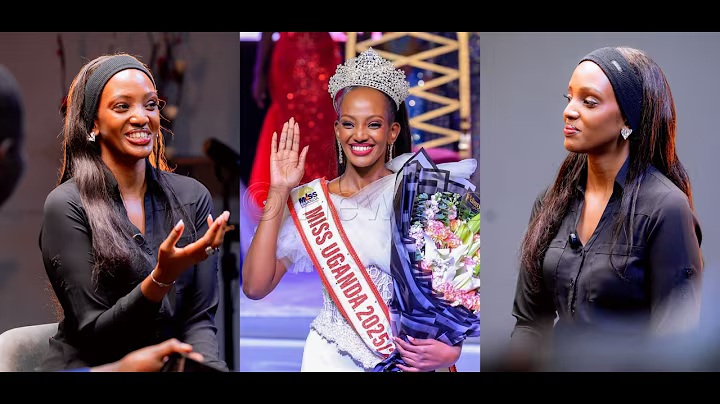
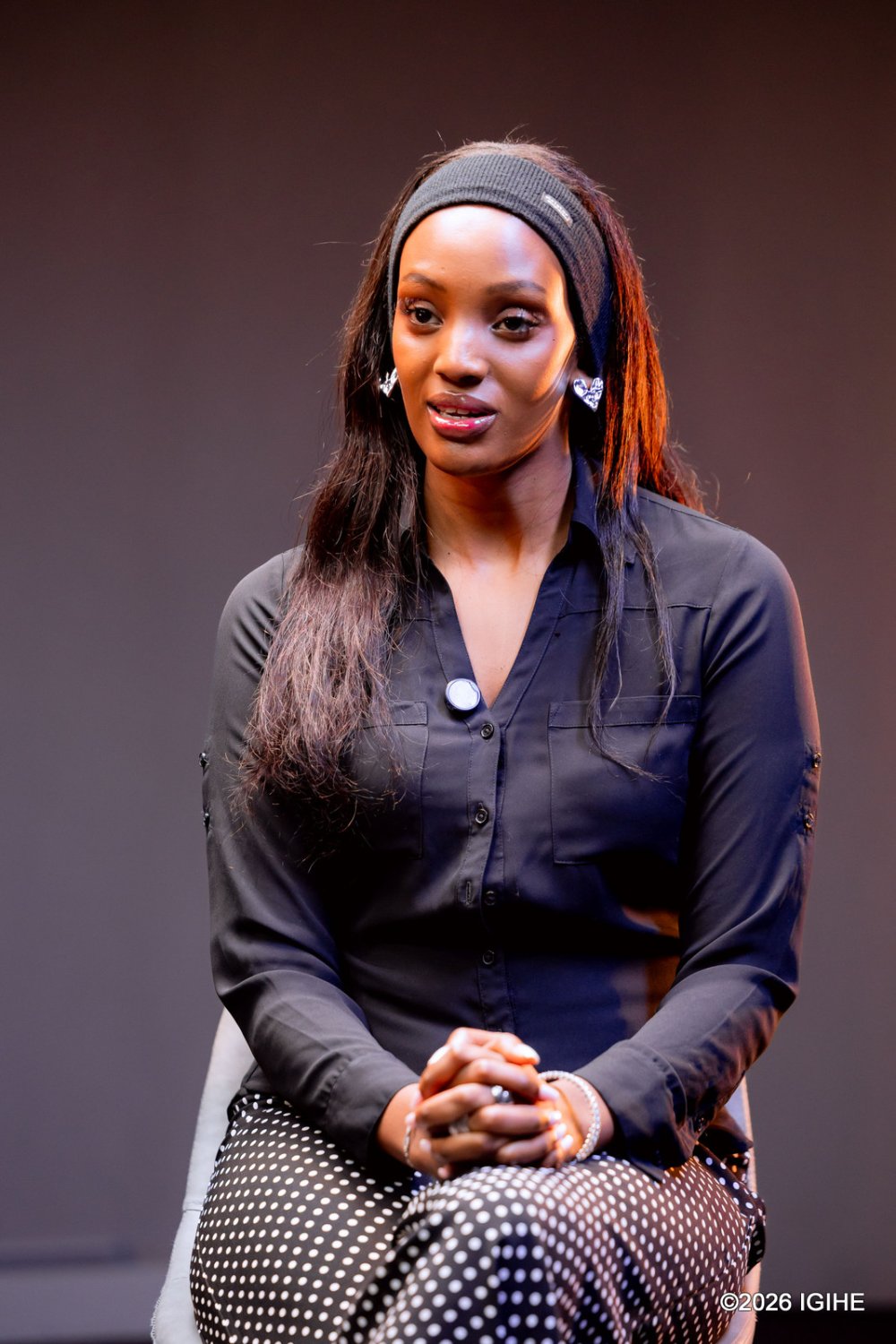
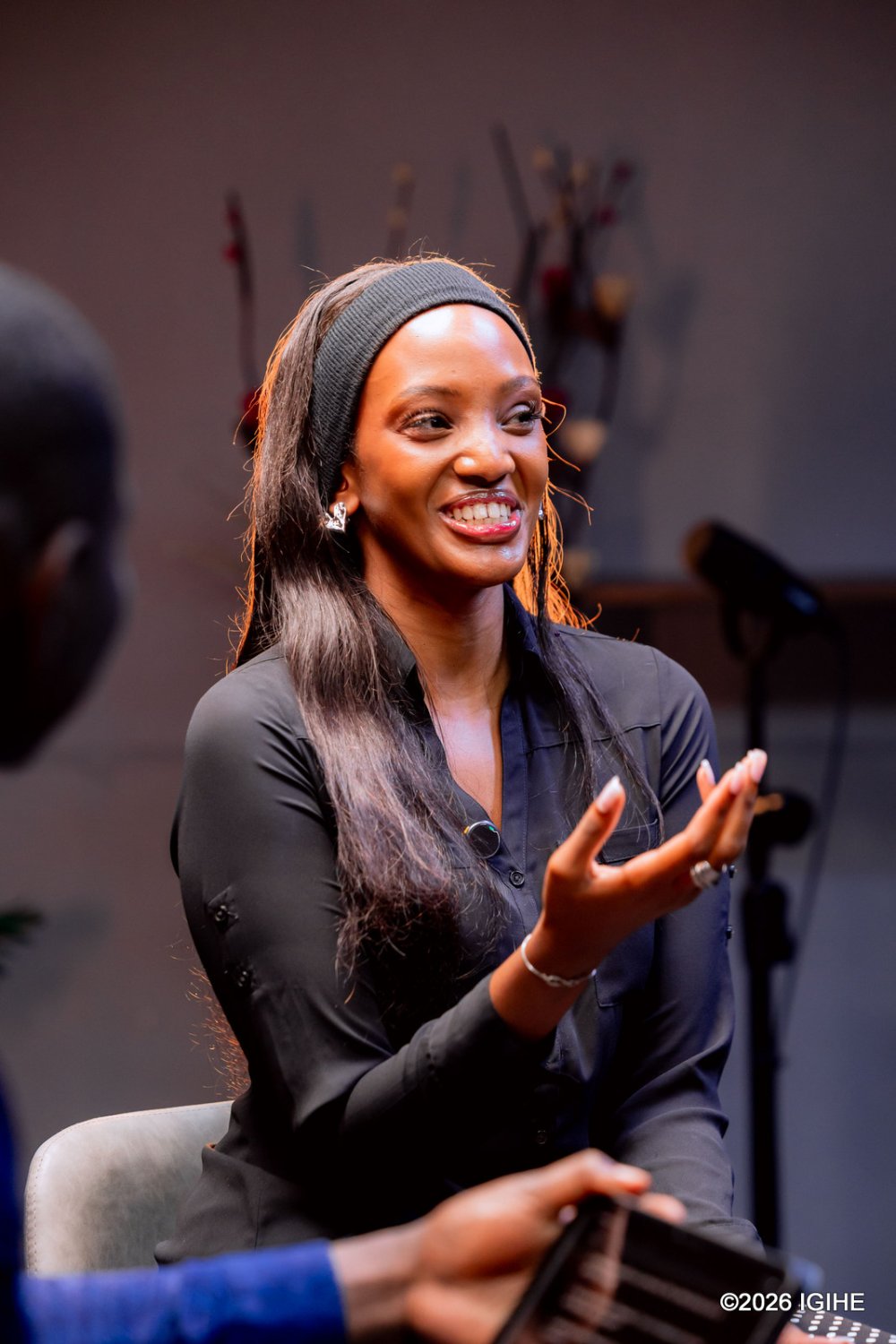
During her recent visit to Kigali, the 23-year-old entrepreneur and philanthropist sat down for an exclusive interview with IGIHE, offering a glimpse into her personal journey, her passion projects, and her growing love for her Rwandan heritage.
Though born and bred in Uganda, Muhoza revealed a deep personal connection to Rwanda through her maternal roots. Having visited multiple times before, this trip held special meaning.
“This time around, I just wanted to learn more about the culture and embrace this side of me,” she shared, describing Rwanda as a nation defined by love, patriotism, and a strong sense of unity. “It feels like one big family.”
Her admiration for Rwanda’s societal values, particularly its patriotism and structure, left a lasting impression, highlighting contrasts with her home country while inspiring ideas for regional collaboration.
Muhoza was crowned Miss Uganda 2025 on September 20, 2025, at the Sheraton Kampala Hotel.
A night out at the Doja Cat Rwanda concert
Muhoza also joined thousands of fans at the highly talked-about Doja Cat Rwanda Concert, featuring American superstar Doja Cat. The experience, she said, was both exciting and eye-opening.
“It was a last-minute decision, but the turnout was incredible, people from Nigeria, Uganda, Rwanda,” she recalled. However, what stood out most wasn’t just the music, but the discipline of the crowd. “In Rwanda, everyone goes home early because they have work the next day. That’s something new to me!”
She believes such international concerts are putting Rwanda firmly on the global entertainment map, attracting tourism and boosting the region’s showbiz industry.
Though born and bred in Uganda, Muhoza revealed a deep personal connection to Rwanda through her maternal roots.
From shy girl to national queen
Crowned on September 20, 2025, at the Sheraton Kampala Hotel, Muhoza’s rise to the crown was anything but predictable. The Bukomansimbi-born beauty admitted she was once shy and reserved.
“I never imagined I’d stand on that stage and hear my name,” she said. “But this journey has transformed me, my confidence, my voice, everything.”
Now preparing to represent Uganda at the 73rd Miss World Festival later this year, Muhoza is stepping onto the global stage with a mission that goes far beyond beauty.
At the heart of Muhoza’s advocacy is the fight against gender-based violence, a cause deeply personal to her.
“It’s something close to my heart because I’ve seen my own mother go through it and the trauma we carried as her children,” she shared. “One in three women globally experience gender-based violence, and it’s something we need to talk about now to protect future generations.”
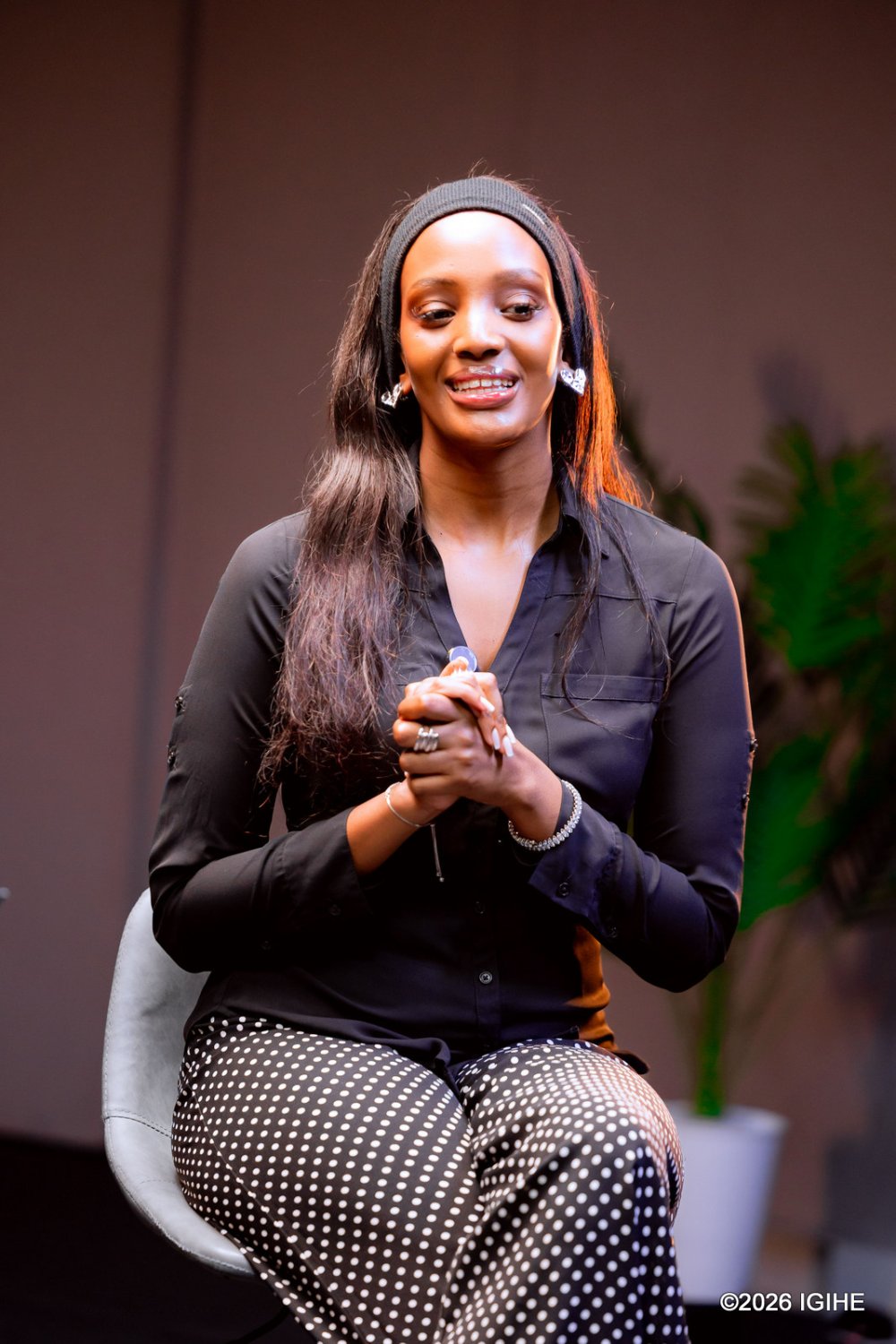
The beauty queen is preparing to represent Uganda at the 73rd Miss World Festival later this year.
Through the Miss Uganda Foundation and her own Fairfield Foundation, which she co-founded with her sisters, Muhoza is actively working in schools and communities. Her initiatives include tackling period poverty by distributing sanitary products in rural areas and advocating for women’s empowerment across East Africa.
She also runs a growing beauty business, Elle Lip Care, focused on skincare and cosmetics, proving that her entrepreneurial spirit matches her advocacy work.
Miss Muhoza expressed a strong desire to replicate her initiatives in Rwanda and foster collaboration between the two nations.
“Rwanda has made incredible progress, especially in women’s representation. If we can exchange ideas, we can create a better future for all of us,” she said.
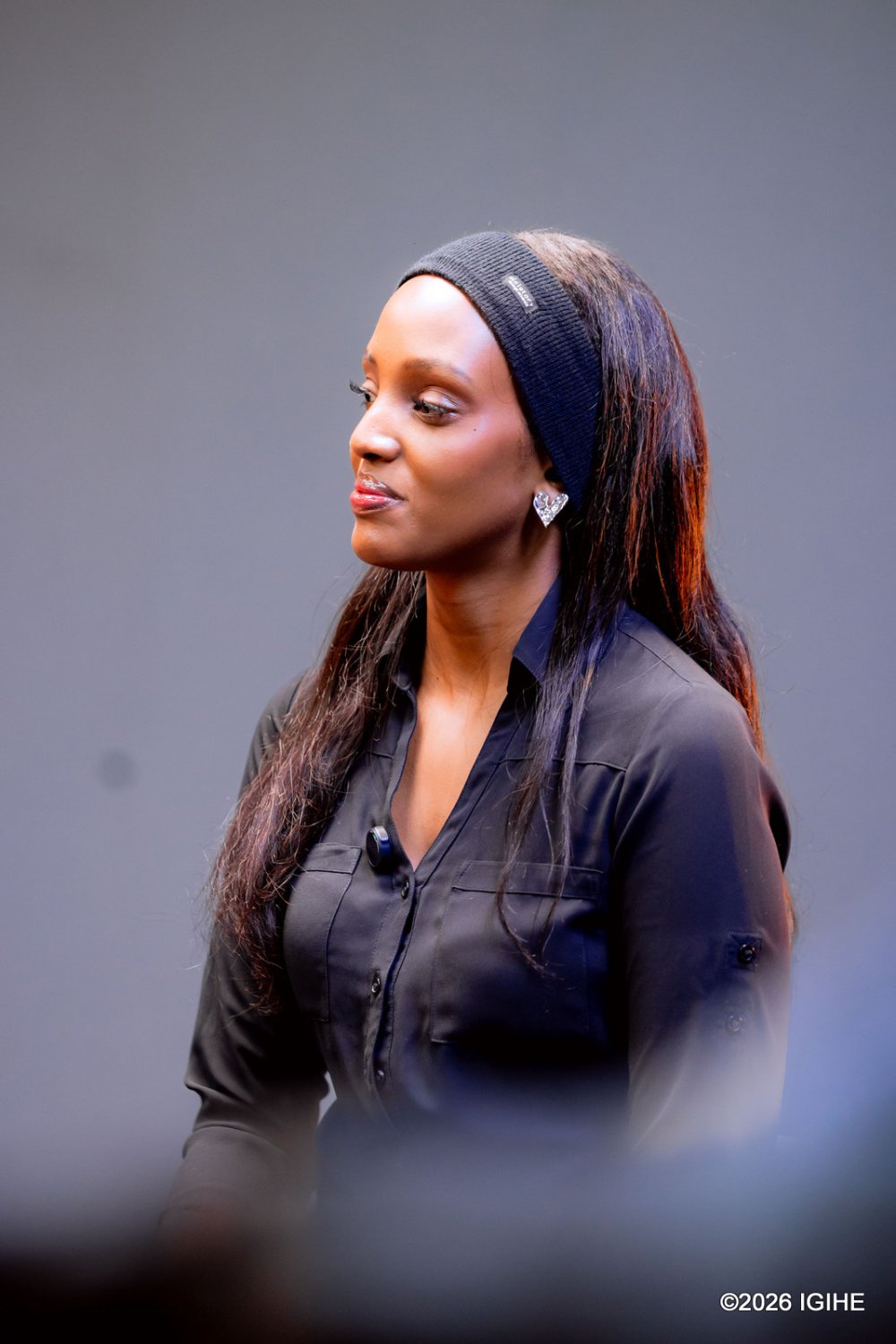
Miss Muhoza expressed deep admiration for Rwanda’s societal values, particularly its patriotism and structure, which have left a lasting impression on her.
Inspired by African excellence
In the pageantry world, Muhoza draws inspiration from African queens who have broken barriers, including Quiin Abenakyo and Rwanda’s own Naomie Nishimwe, who recently released a memoir titled More Than a Crown, offering a candid look at life beyond the spotlight and the pressures behind the title.
“I respect African queens so much, it’s not easy to stand on a global stage and be recognised,” she noted.
With her automatic qualification for the Miss World Festival, Muhoza is already deep in preparation, mentally, physically, and emotionally.
“This competition is about impact, not just appearance,” she emphasised. “It’s about what you’re doing in your country.”
If successful, she hopes to amplify her campaign against gender-based violence on a global scale.
Drawing from her own experiences, Muhoza inspires girls to reach for their dreams: “Put God at the centre of everything, believe in yourself, and be confident. If you don’t believe in yourself, no one else will.”
Curious to hear it all? Catch the full video below!
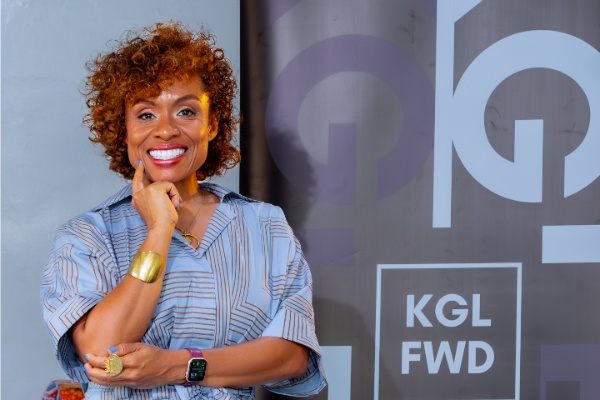
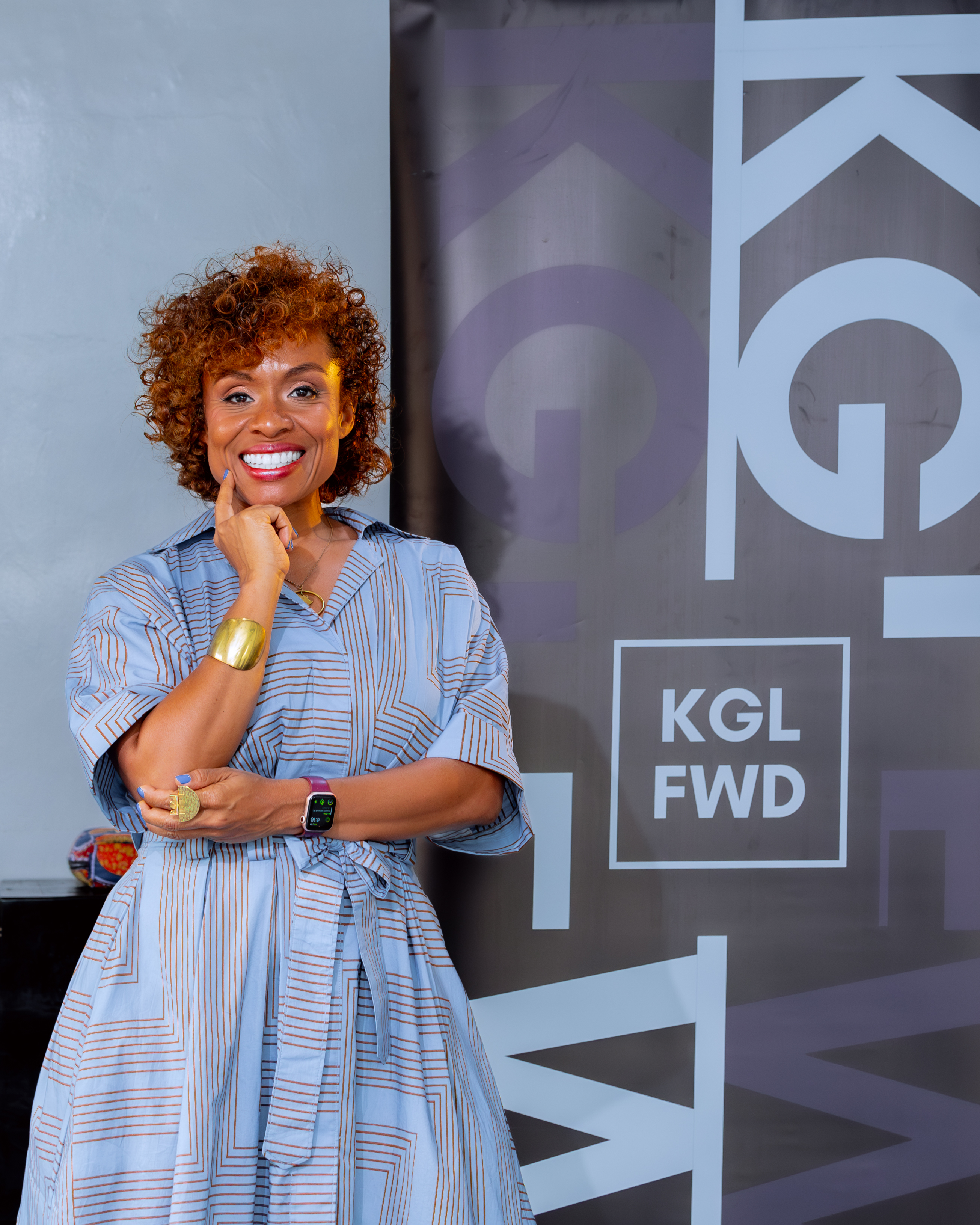
Today, Autumn is the founder and CEO of KGL FWD, a Kigali-based communications firm that leverages public relations, events, cultural experiences, and capacity building to elevate Rwanda’s story and strengthen connections across the global diaspora.
“We use the power of PR, experiences, events, and capacity building to amplify a more expansive narrative of Rwanda and thereby Africa,” she explained.
Now based in Kigali and approaching eight years of living in the country, Autumn describes Rwanda as home, an identity that has been shaped by both her personal journey and professional evolution.
Autumn Marie Autumn is the founder and CEO of KGL FWD, a Kigali-based communications firm.
A worldview shaped by culture and social justice
Autumn’s roots trace back to the outskirts of Chicago, where she grew up in Bellwood, Illinois, in a diverse, multicultural environment. Her early life was influenced by neighbors from different parts of the world, exposure to international food and culture, and a strong connection to the arts.
She trained in ballet, modern dance, and West African dance, while music also played a central role in her upbringing. With a father and brother who were trumpet players, and growing up during the late 1980s and 1990s hip-hop era, she was immersed in a blend of musical traditions that shaped her creative outlook.
Beyond the arts, Autumn credits social justice movements in both Chicago and New York for deeply influencing her worldview. She highlights the role of elders involved in movements such as the Black Panther Party and the Young Lords Party, who introduced her to ideas of pan-Africanism, internationalism, and community engagement.
“That’s how I really learned about pan-Africanism and about internationalism and how to interact with communities,” she said.
From community organising to communications
Autumn’s entry into communications was not through a traditional academic path. Initially studying philosophy and intending to pursue a career in social justice law, she instead found herself working as a community organiser at Sisters on the Rise in the South Bronx.
There, she focused on reproductive justice for young Black and brown women, managing a range of responsibilities that included campaign strategy, political education, and media engagement.
It was during a campaign opposing the closure of daycare services in public schools for teen mothers that she experienced a turning point.
“Seeing the impact of the media come out to that campaign really set something on fire inside of me,” she recalled. “When media amplifies our stories, people are able to see them in an exponential way.”
That experience sparked her interest in public relations, leading her to her first role at a boutique fashion PR agency. She later expanded her career into the music industry at Digiwaxx, where she worked on influencer marketing, talent booking, and events, collaborating with clients including Nas, Jamie Foxx, and Busta Rhymes.
Her professional journey continued into film and television communications, working with clients, Oprah Winfrey Network (OWN) and diaspora-focused platforms such as Urbanworld Film Festival and ImageNation Film and Music Festival.
A move that became a long-term home
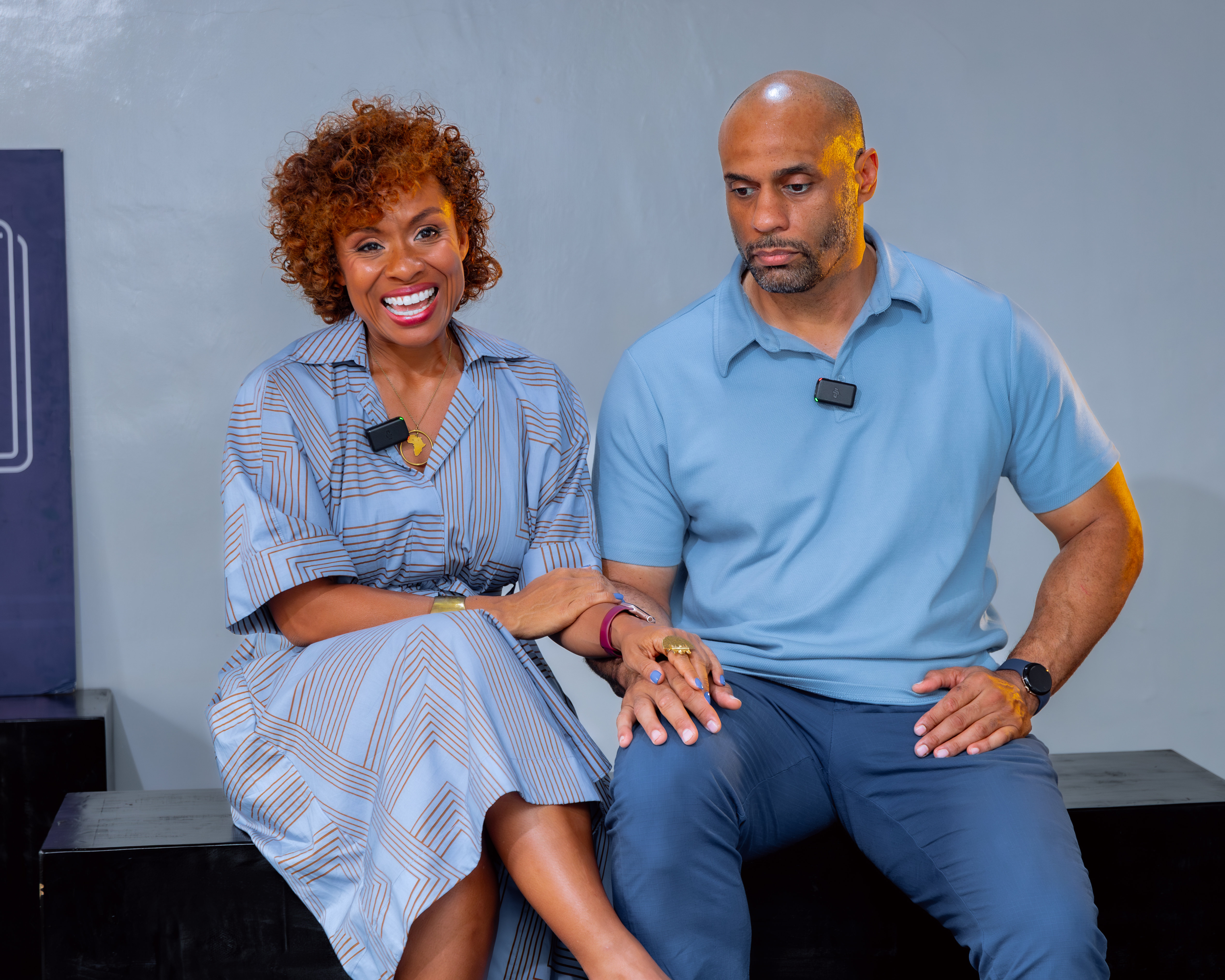
Autumn’s relocation to Africa was not initially planned as a permanent move. In 2017, seeking a change in lifestyle, she left the United States with a desire for a different environment. Her journey first took her to Mauritius, following her partner’s professional path, before eventually leading them to Rwanda when he joined the African Leadership University campus in Kigali.
Autumn Marie Autumn’s journey first took her to Mauritius, following her partner’s professional path.
What started as a relocation linked to career and personal circumstances evolved into a deliberate choice to remain.
“It’s been the intentional decision to choose Rwanda again and again since being here,” she said.
Over time, Rwanda became more than a place to live, it became a place she identifies with personally and professionally.
Building across cultures and perspectives
Through KGL FWD, Autumn works with a diverse team composed of Rwandan and international professionals from countries including Zimbabwe, Malawi, and Nigeria. She notes that this diversity contributes to richer, more well-rounded campaigns that reflect multiple perspectives.
Her work also aligns with her long-standing belief in pan-Africanism—not just as a concept, but as a lived experience. In Rwanda, she says she has been able to translate those ideals into daily practice through collaboration, community engagement, and cross-cultural work.
Through KGL FWD, Autumn works with a diverse team composed of Rwandan and international professionals from countries including Zimbabwe, Malawi, and Nigeria.
Autumn highlights Rwanda’s homegrown solutions and governance systems as key elements that distinguish the country. She points to initiatives such as Umuganda and Umudugudu as examples of community participation embedded in national development.
She describes Rwanda as a country defined by ambition and forward-thinking approaches.
“Rwanda is like the overachiever student,” she said. “The country achieves something and then still says there is more to do. It does not see a glass ceiling.”
For Autumn, this mindset has not only influenced her perspective but has also expanded the scope of her work, pushing her into new sectors such as tourism education, cultural exchange, and international partnerships.
Expanding Rwanda’s global connections
Autumn’s work increasingly focuses on building bridges between Rwanda and the global diaspora. Through cultural exchange initiatives, she has helped facilitate visits from groups such as Nomadness Travel Tribe, as well as delegations from across Africa and beyond.
Her efforts have also contributed to collaborations linking Rwanda-based experiences to international platforms, including exhibitions and artistic exchanges tied to commemorations of the 1994 Genocide against the Tutsi, as well as media placements for artists.
These initiatives, she says, are rooted in a broader goal: ensuring that people experience Rwanda firsthand rather than relying solely on external narratives.
Reflecting on her personal transformation, Autumn contrasts her life in the United States with her experience in Rwanda. She references the work of James Baldwin in describing the emotional and psychological weight often associated with life in the U.S., particularly for Black individuals engaged in social awareness and activism.
For her, relocating to Rwanda offered a different kind of environment, one that allows for clarity, focus, and intentionality.
“Moving to Africa and more so to Rwanda is a break from that,” she said. “You can see things more clearly and work more purposefully.”
In her message to the Rwandan government and people, Autumn emphasised partnership and shared responsibility in telling Rwanda’s story.
“If I could say anything to the government of Rwanda, I would say you are not alone,” she said. “We in the private sector are standing with you.”
She also expressed gratitude for the opportunity to live and work in Rwanda, noting the country’s broader impact beyond its borders.
“Thank you for giving us this example for the world to see, for children to see, so that they can dream bigger… This is real in Rwanda,” she said.
Through KGL FWD, Autumn continues to position storytelling as a powerful tool for connection and change, bridging diasporas, challenging stereotypes, and contributing to a more nuanced understanding of Rwanda and Africa.
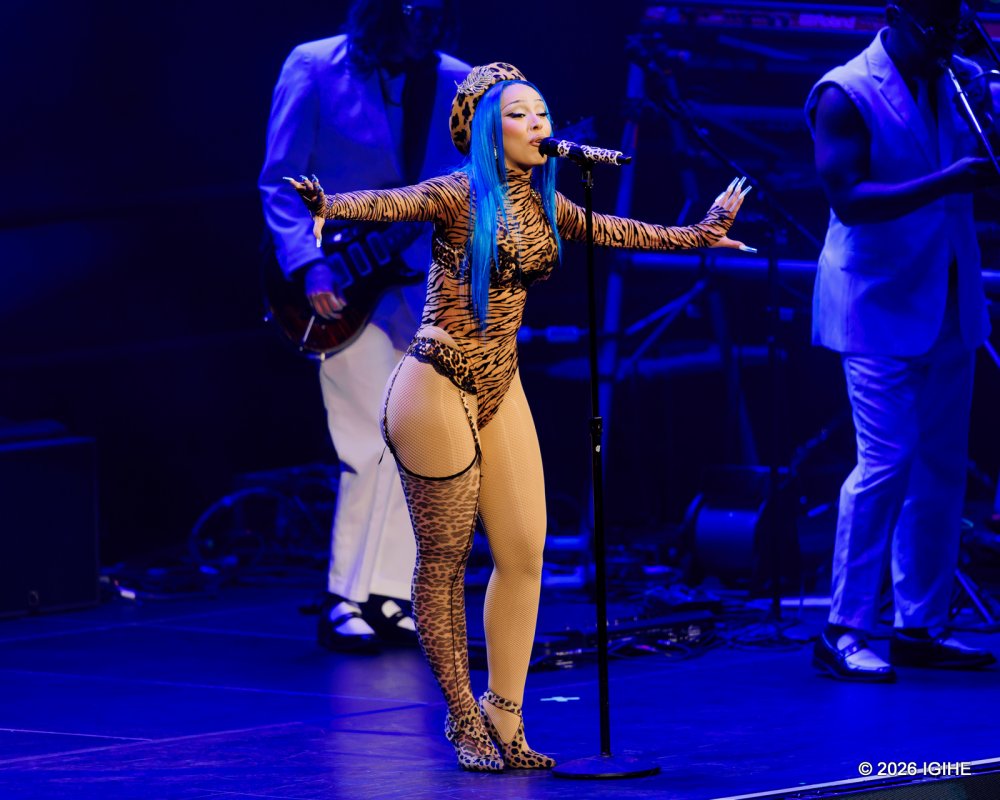
The Kigali concert formed part of the “Move Afrika” tour, which continues with Doja Cat’s scheduled performance in South Africa on March 20, 2026, extending the tour’s reach across the continent.
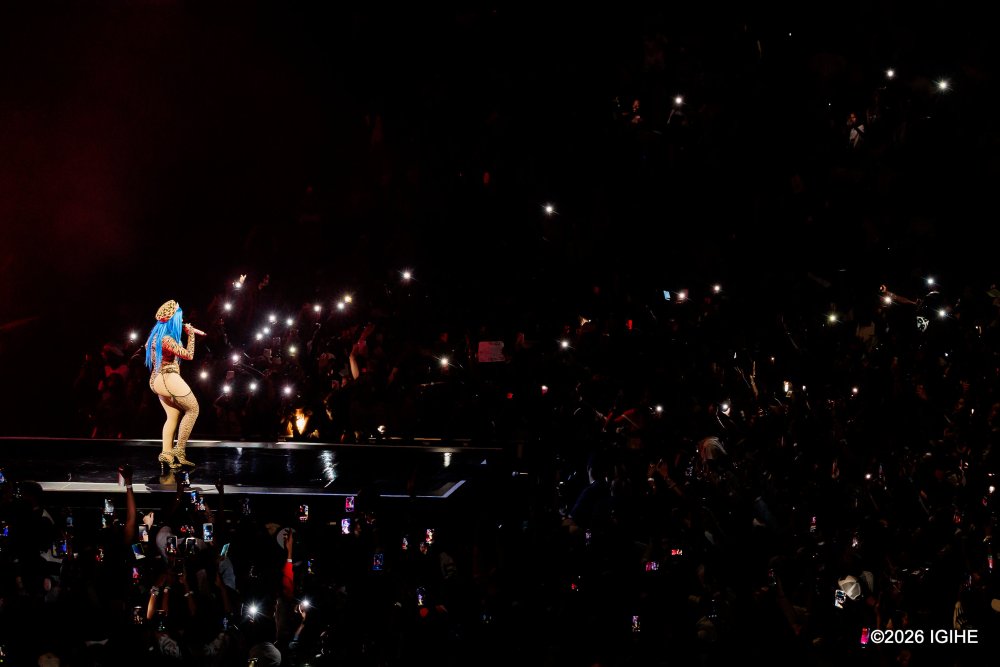
In Kigali, the atmosphere matched the event’s international billing. Beyond the lights, sound, and stage production, the crowd itself told a story of a concert that resonated far beyond Rwanda’s borders.
Data compiled from ticket sales shows that 7,908 tickets were purchased from 25 countries across all continents, reflecting both strong local demand and growing regional and global interest in Kigali as a live entertainment destination.
Unsurprisingly, Rwanda led the way with 5,488 tickets sold, accounting for 69.4% of total attendance. The home crowd formed the backbone of the audience, creating the energy and reception that typically defines major concerts.
Uganda followed with 1,023 tickets (12.9%), while Kenya contributed 746 tickets (9.4%), underscoring East Africa’s strong presence at the event.
Beyond the region, the concert also drew attendees from further afield. The United States recorded 228 ticket purchases, followed by Tanzania with 72, Canada with 60, South Africa with 59, and the United Kingdom with 33.
European representation included the Netherlands (29 tickets), Spain (28), Belgium (26), France (21), and Germany (15), alongside 27 tickets purchased from the United Arab Emirates.
Other countries on the list included Nigeria and Poland with eight tickets each, the Democratic Republic of Congo with seven, Côte d’Ivoire, Ukraine, and Zimbabwe with six each, Japan with four, Togo with three, Mauritius and South Sudan with two each, and India with one.
Taken together, the numbers point to a concert that transcended borders, blending a predominantly local audience with a noticeable international footprint, an increasingly familiar hallmark of Kigali’s emergence on the global entertainment circuit.
Move Afrika, a Global Citizen initiative, blends world-class live music with social impact programs, aiming to create jobs, support youth entrepreneurship, and provide skills training across Africa. The initiative also engages local artists, production crews, and vendors, boosting capacity in host cities while delivering a world-class entertainment experience.
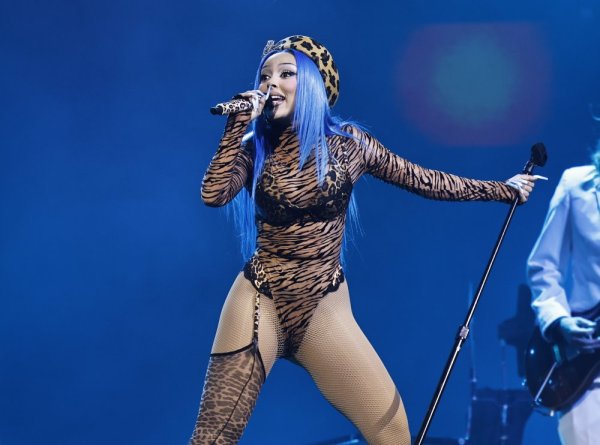
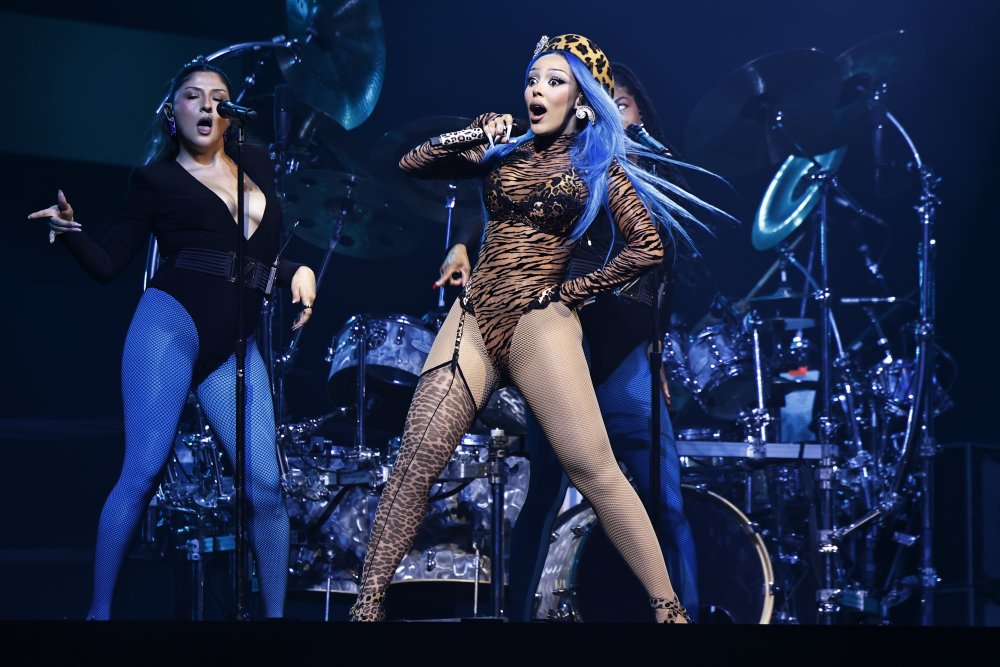
Doja Cat wowed fans with an electrifying performance in Kigali on March 17, 2026.The concert atmosphere in Kigali matched the event’s international billing. Beyond the lights, sound, and stage production, the crowd itself told a story of a concert that resonated far beyond Rwanda’s borders.
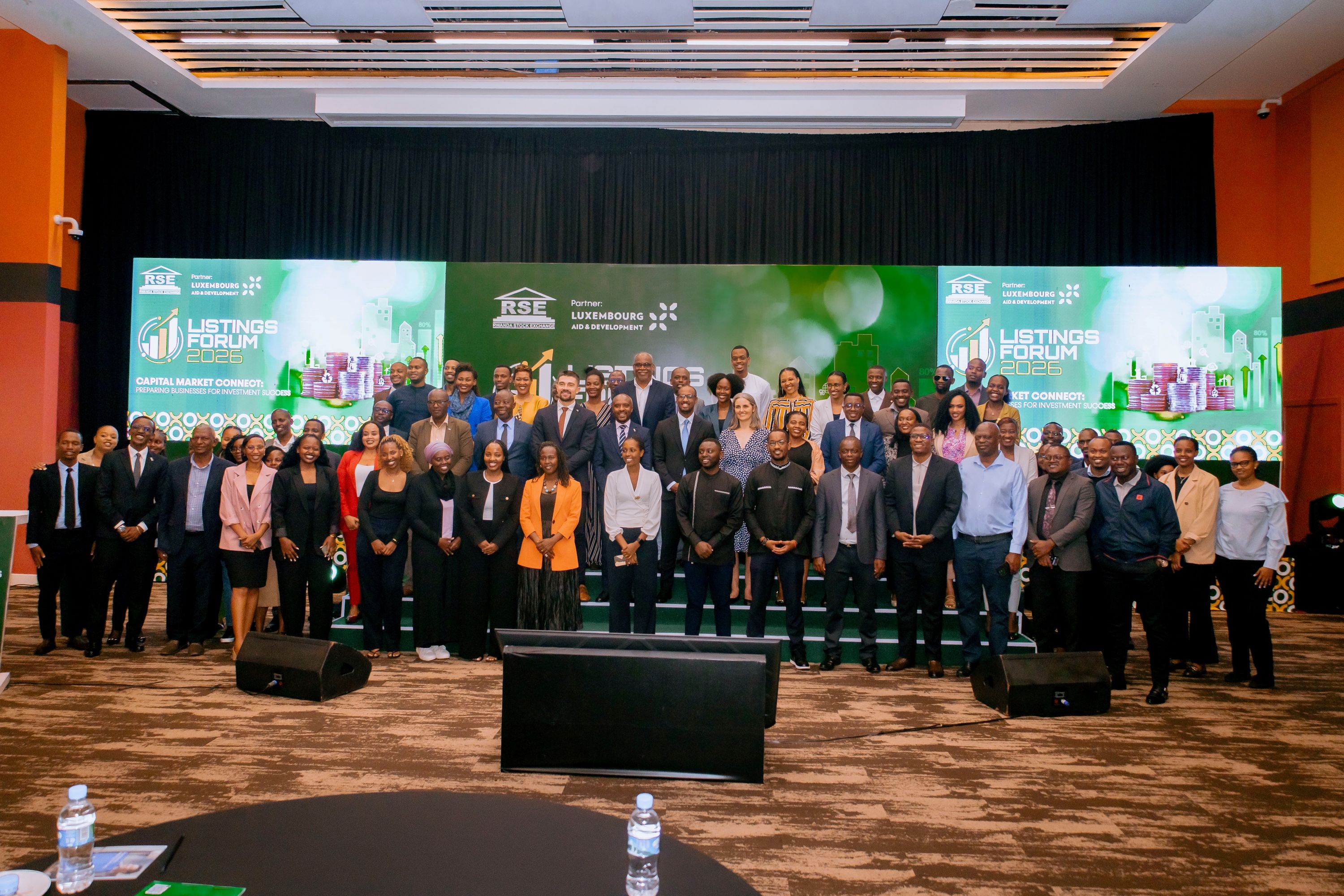
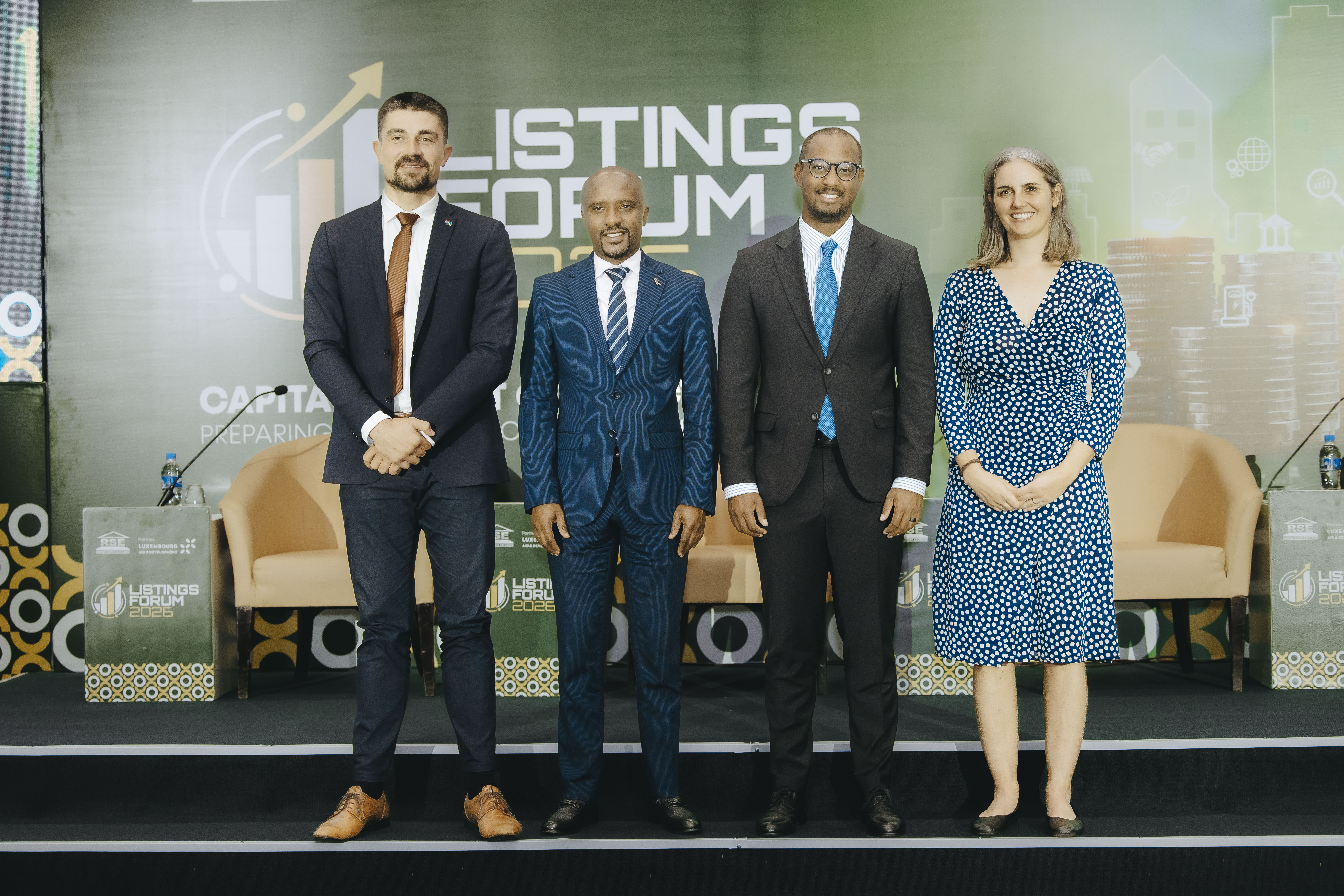
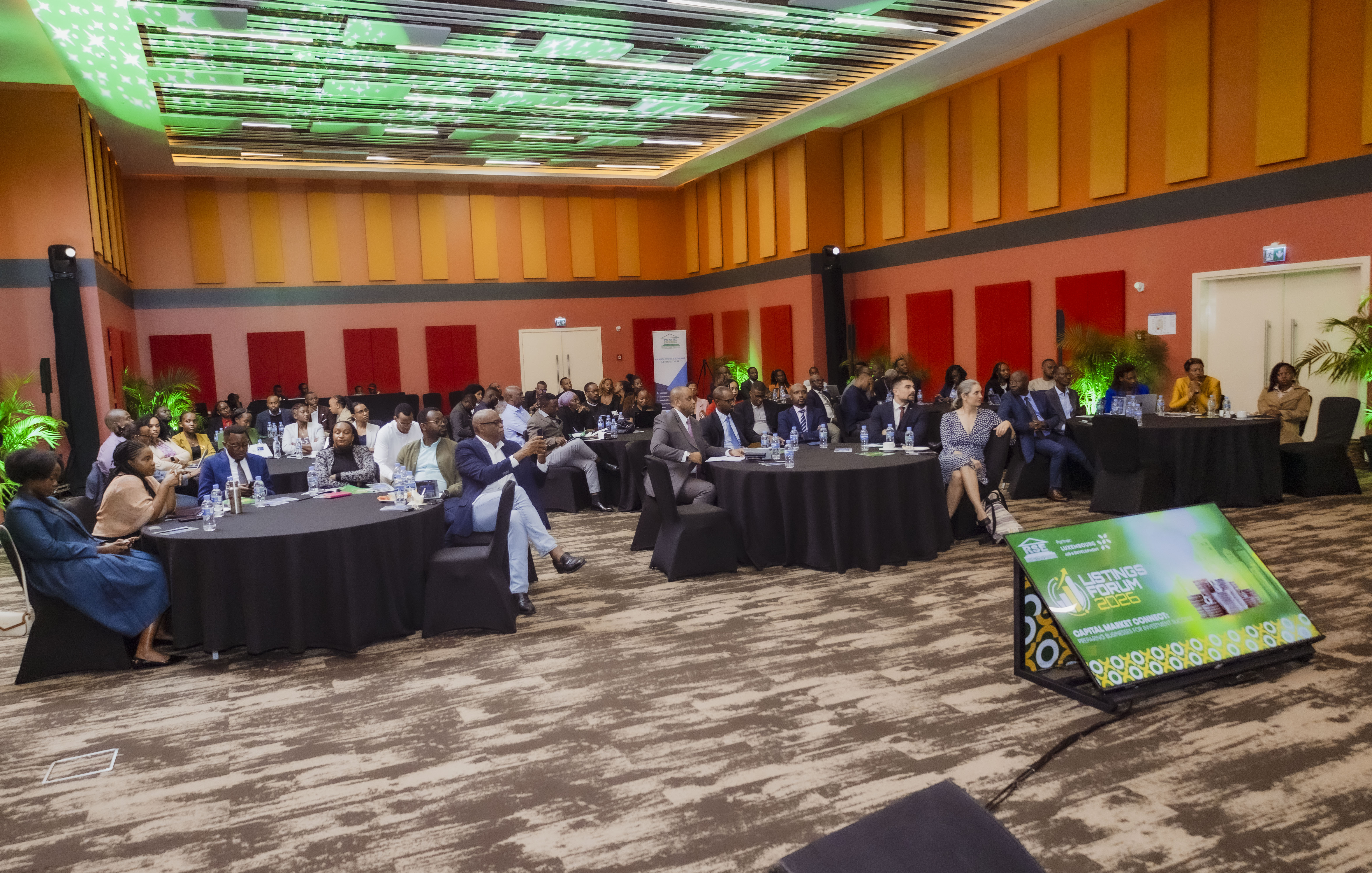
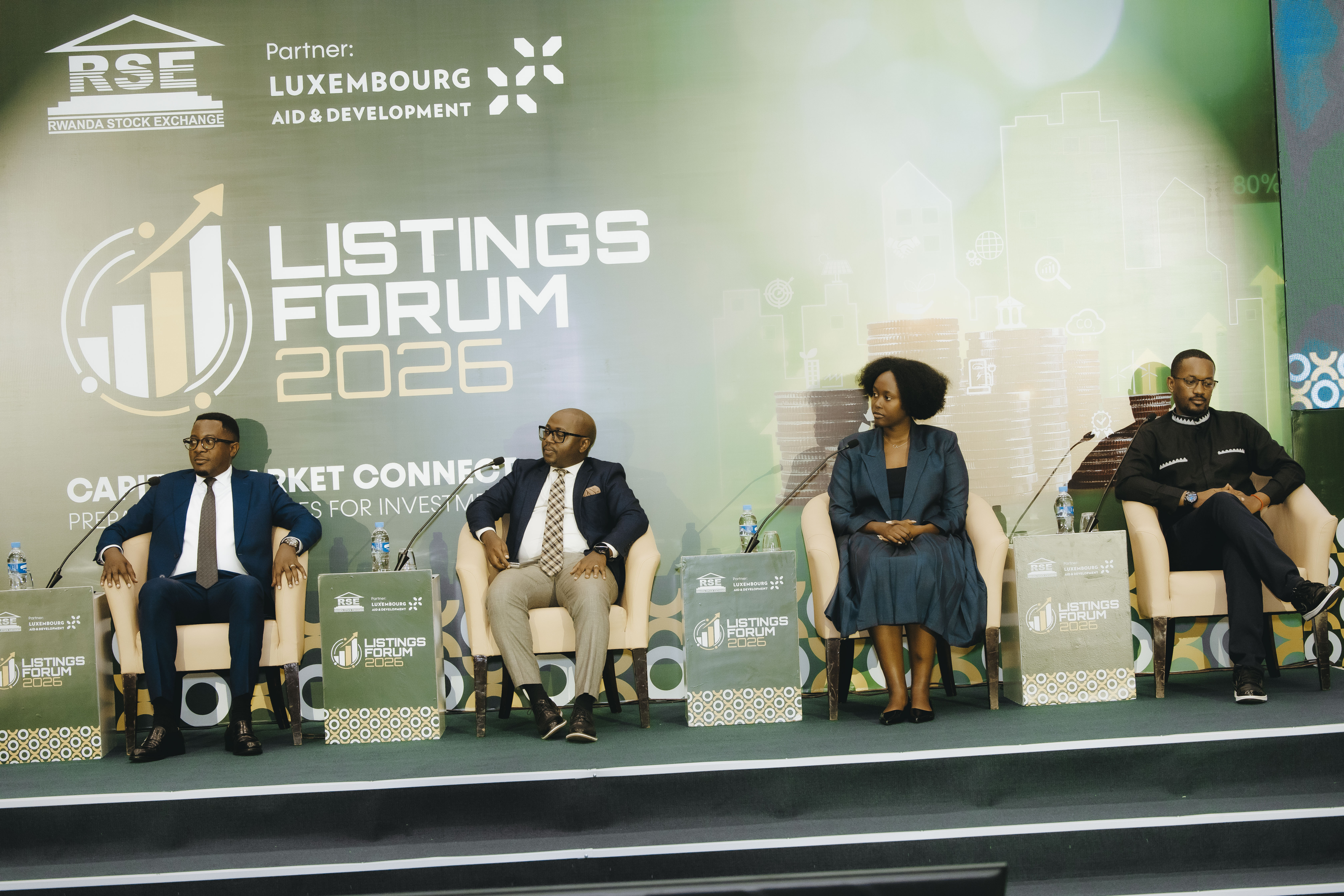
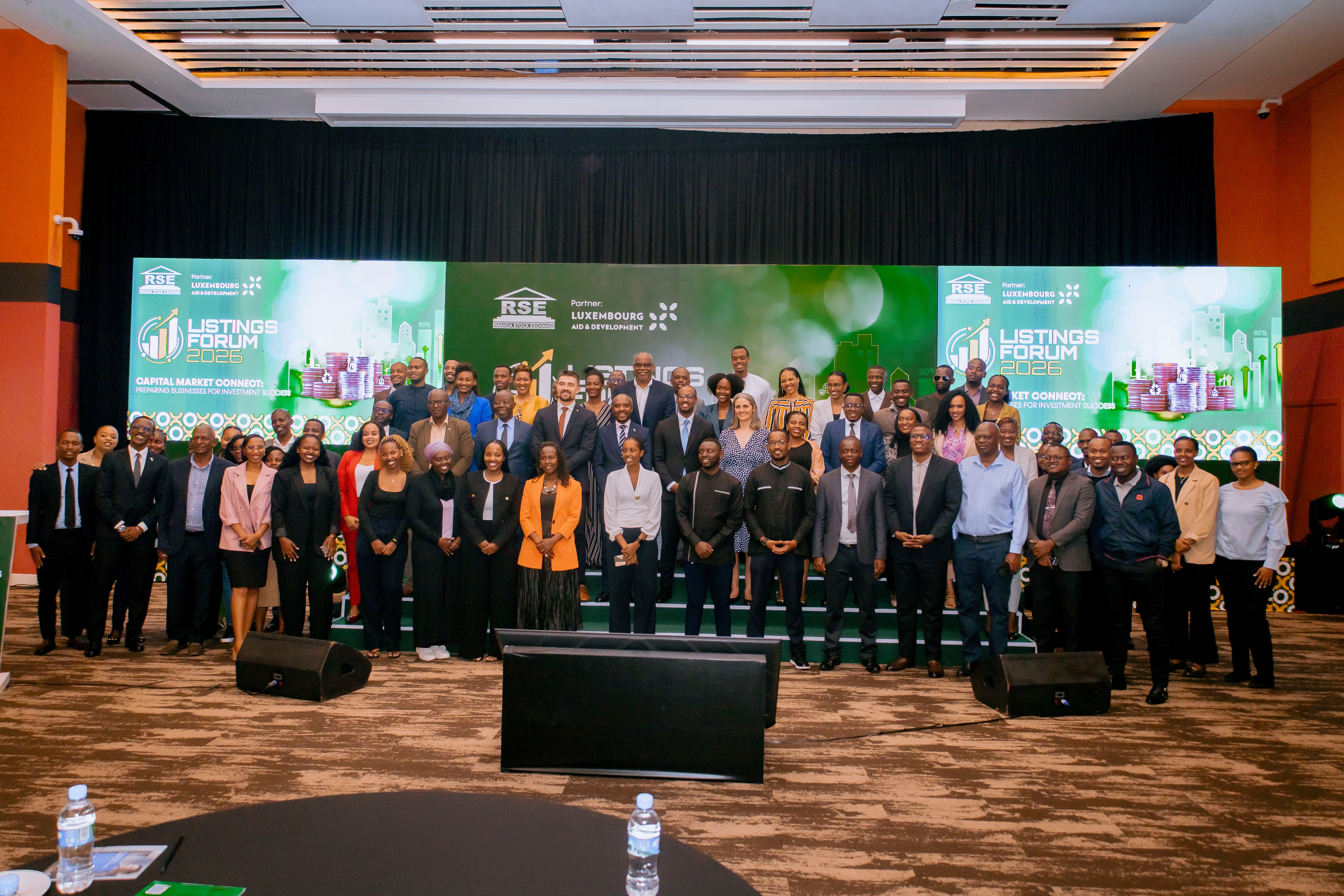
Held on Thursday under the theme “Capital Market Connect: Preparing Businesses for Investment Success,” the forum brought together entrepreneurs, investors, policymakers, and development partners to explore how Rwanda’s private sector can access long-term financing through the stock market and related instruments.
The event underscored the growing role of capital markets in supporting business expansion, improving corporate governance, and enhancing investor confidence, key elements considered essential for attracting both local and international investment.
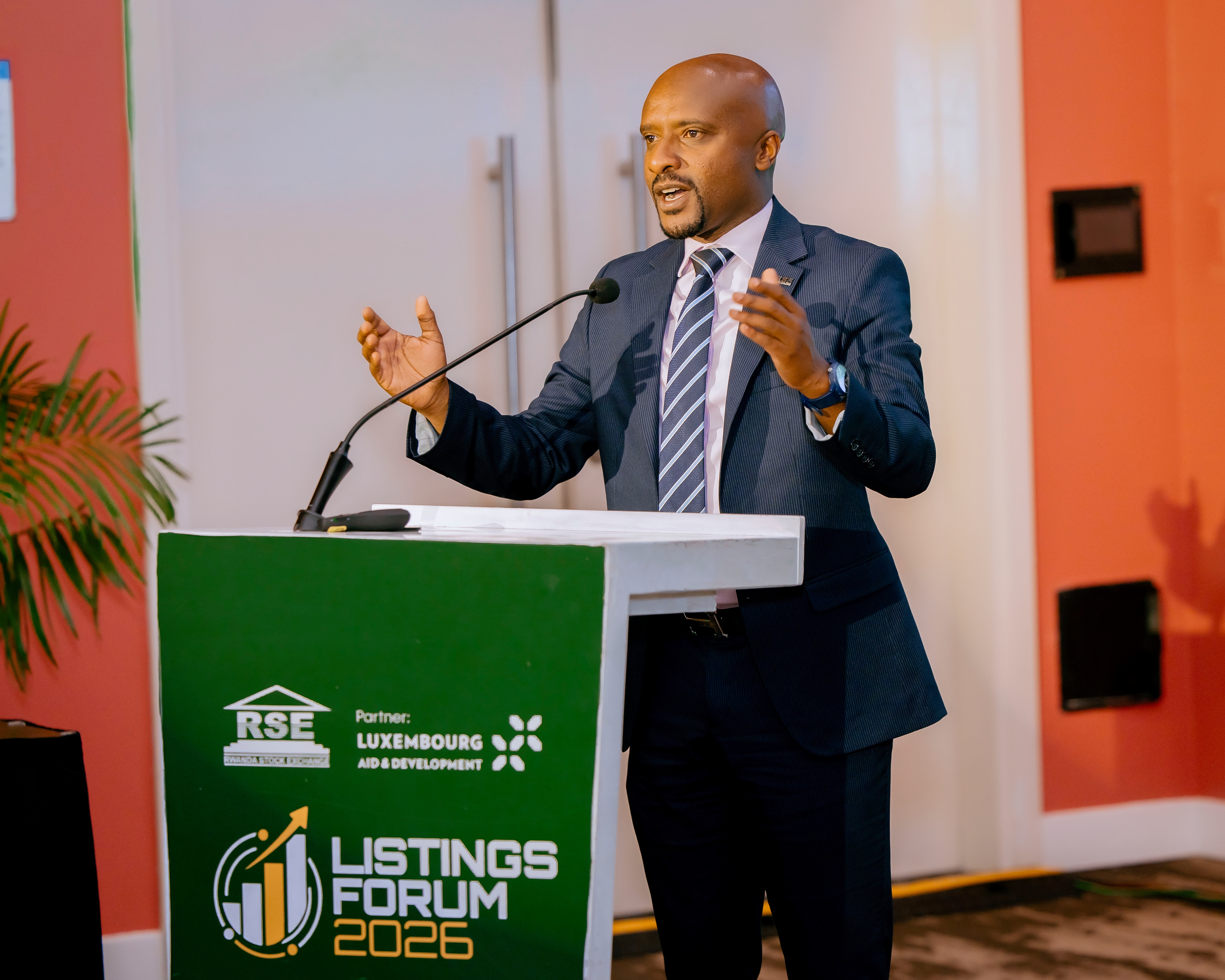
Opening the forum, Rwanda Stock Exchange Chief Executive Officer, Pierre Celestin Rwabukumba, said capital markets remain central to linking ideas with financing and enabling businesses to scale.
“Good businesses require access to great capital. Capital markets allow ideas to become companies, and companies to become industries,” he said, emphasising that market development is a strategic pillar for national economic growth.
He noted that the Listings Forum serves as a platform to engage businesses across sectors and raise awareness about the value of listing on the stock exchange, including access to long-term funding, broader investor participation, and strengthened governance structures.
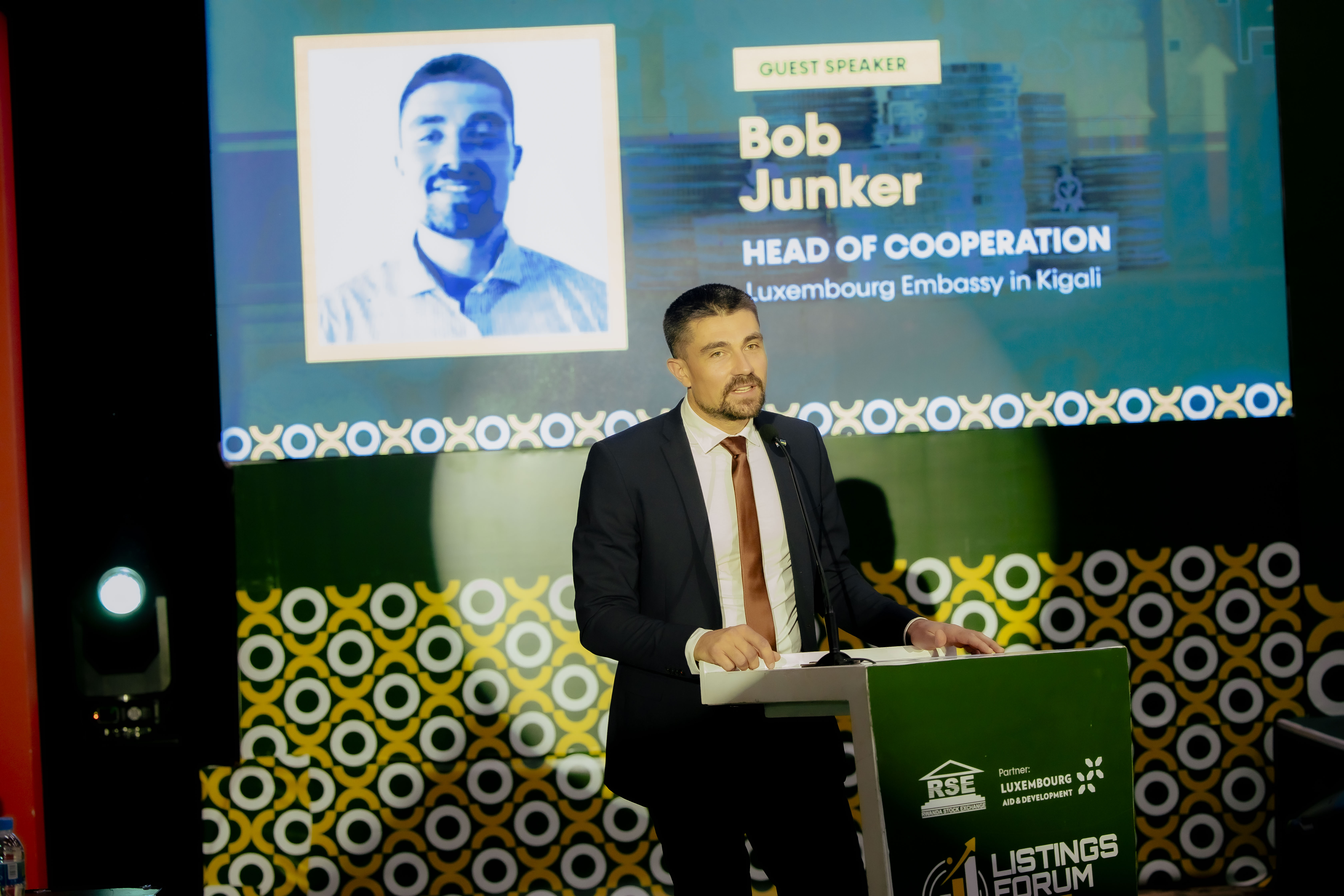
Bob Junker, Head of Cooperation at the Luxembourg Embassy in Kigali, reaffirmed the international community’s support for Rwanda’s financial growth, highlighting the importance of capital markets in driving innovation and competitiveness.
“Capital markets play a critical role in enabling businesses to grow, to innovate, and to compete,” he said, adding that listing on a stock exchange also improves transparency and visibility for companies seeking to scale sustainably.
From a policy perspective, Antoine Marie Kajangwe, Permanent Secretary at the Ministry of Trade and Industry (MINICOM), emphasised that capital markets provide alternative financing options beyond traditional lending, including equity listings and corporate bonds.
He noted that Rwanda Stock Exchange initiatives, such as the Investment Clinic, are helping businesses meet the standards required by investors by strengthening financial reporting, governance, and internal management systems.
“A key barrier is meeting corporate governance standards. Investments follow preparation,” he said, pointing to the need for SMEs to formalise operations and improve compliance in order to access capital market financing.
The forum also highlighted the challenges faced by small and medium enterprises (SMEs), particularly in meeting due diligence and governance requirements. Stakeholders noted that programs like the Investment Clinic are designed to bridge these gaps by equipping firms with the tools needed to become “investment ready.”
Capital Market Authority Rwanda representatives reiterated that investor trust depends on strong regulatory frameworks and transparent business practices.
Eric Karekezi Ngabonziza, Head of Market Development at the Capital Market Authority, highlighted that regulations are designed to create the right conditions for investment, noting that “we are not here to create barriers. We are here to build the conditions that make investment possible.”
The Listings Forum forms part of RSE’s broader efforts to expand awareness of capital markets across Rwanda’s business community and encourage more companies to consider listing as a viable financing option.
Rwanda Stock Exchange, established in 2005, currently lists more than 100 securities, including equities, government treasury bonds, and corporate bonds, and continues to play a central role in mobilising capital for economic development.
As Rwanda’s economy continues to grow, stakeholders at the forum emphasised that stronger capital markets will be critical in connecting businesses with investors, fostering innovation, and supporting long-term, inclusive economic growth.
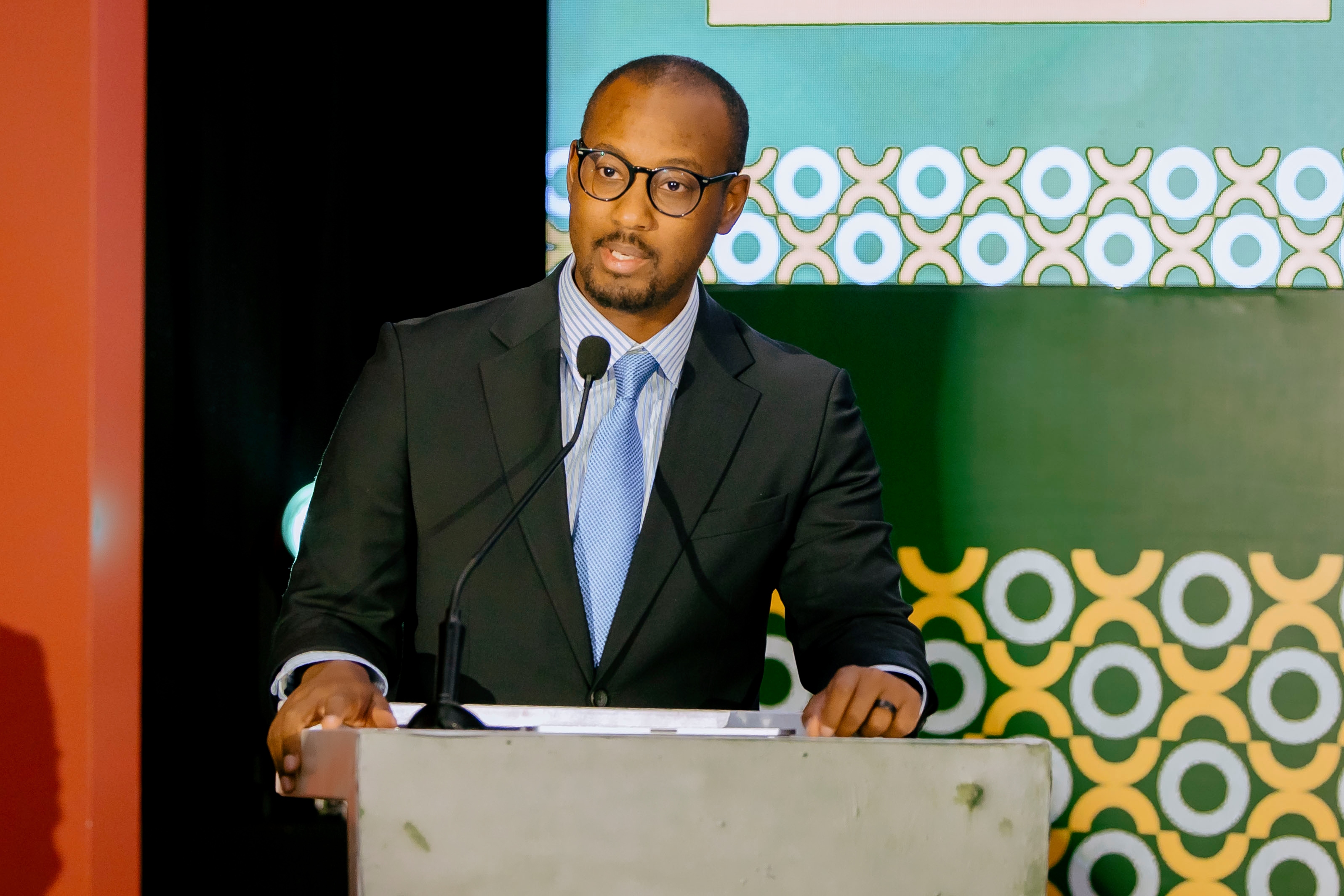
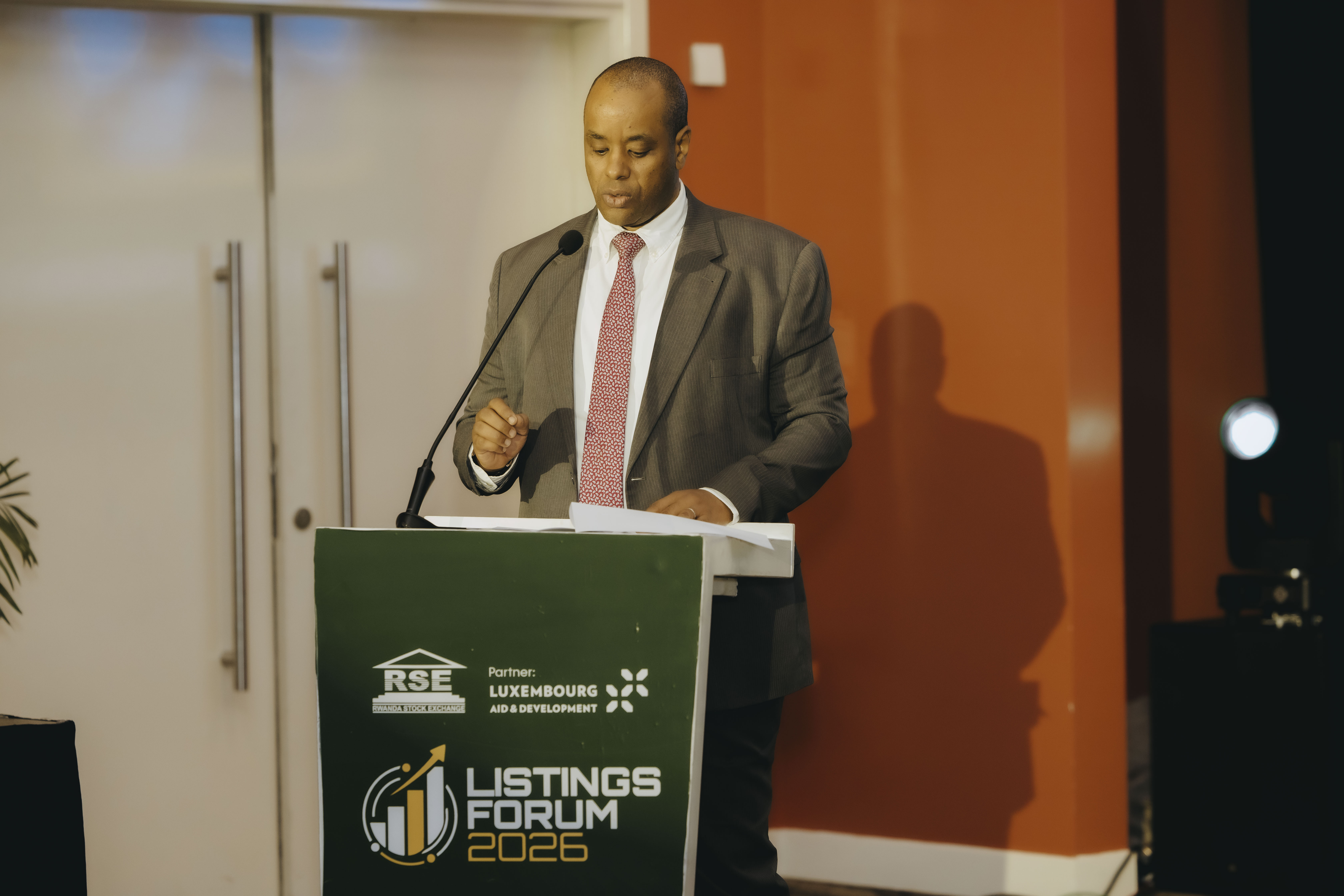
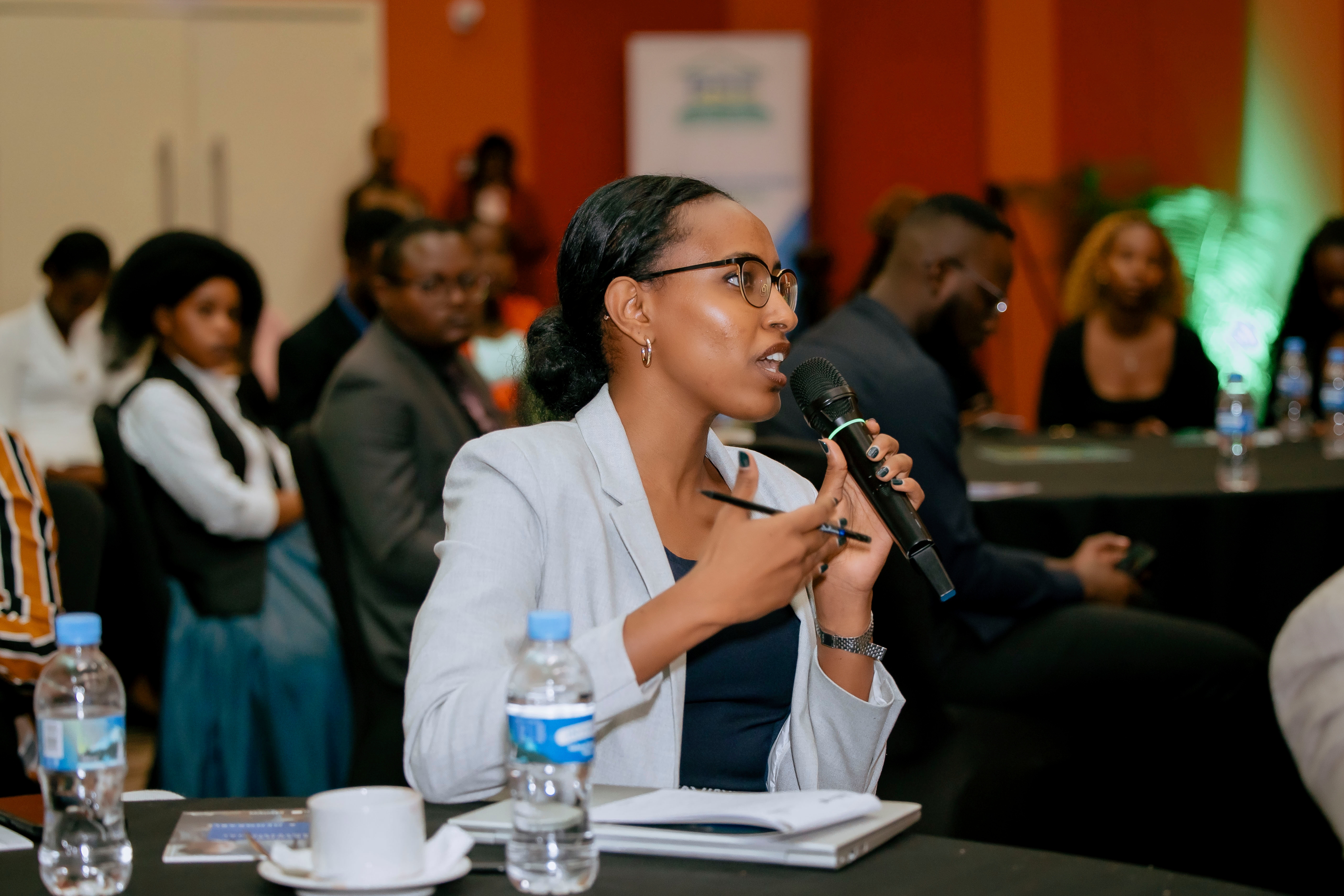
Rwanda Stock Exchange (RSE), together with its partners, urged businesses to leverage capital markets as a pathway to sustainable growth. Rwanda Stock Exchange CEO, Pierre Celestin Rwabukumba, said capital markets remain central to linking ideas with financing and enabling businesses to scale.Bob Junker, Head of Cooperation at the Luxembourg Embassy in Kigali, reaffirmed the international community’s support for Rwanda’s financial growth.Antoine Marie Kajangwe, Permanent Secretary at the Ministry of Trade and Industry (MINICOM), emphasised that capital markets provide alternative financing options beyond traditional lending.Eric Karekezi Ngabonziza, Head of Market Development at the Capital Market Authority, highlighted that regulations are designed to create the right conditions for investment.The forum was interactive, allowing attendees to engage with the panellists.The forum brought together entrepreneurs, investors, policymakers, and development partners to explore how Rwanda’s private sector can access long-term financing through the stock market and related instruments.
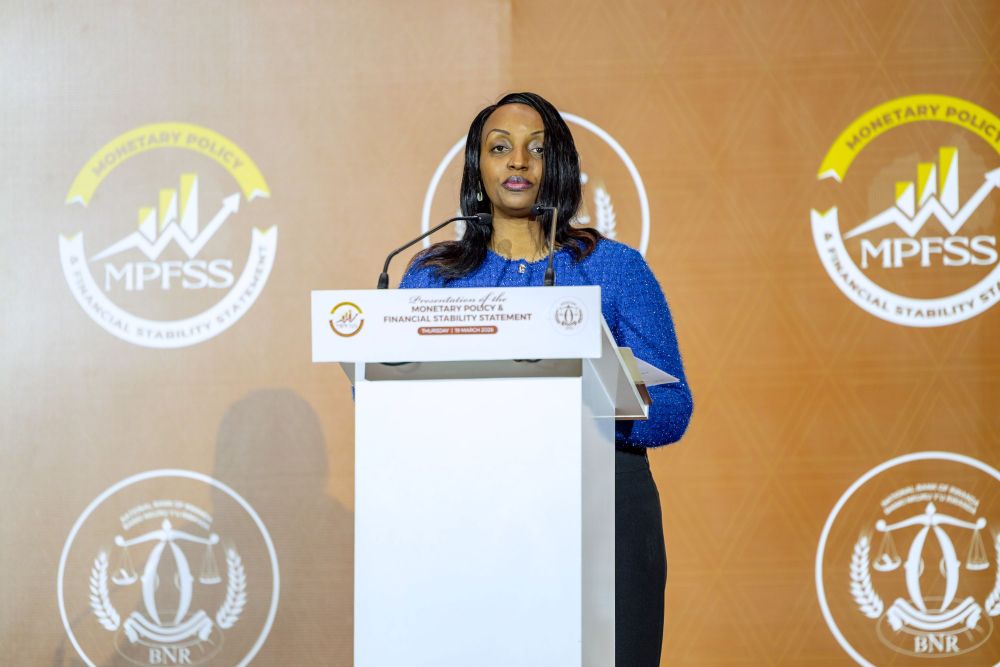
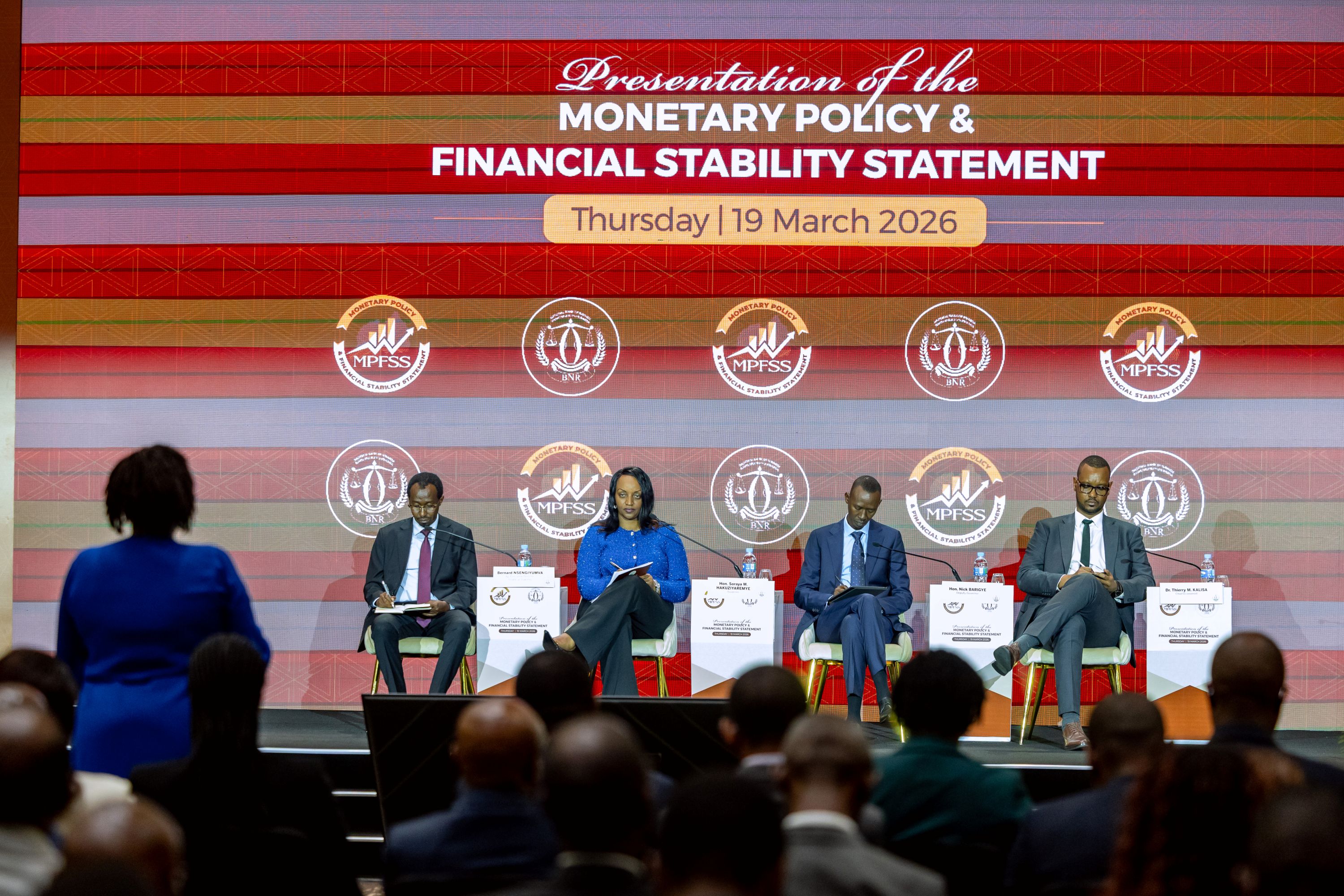
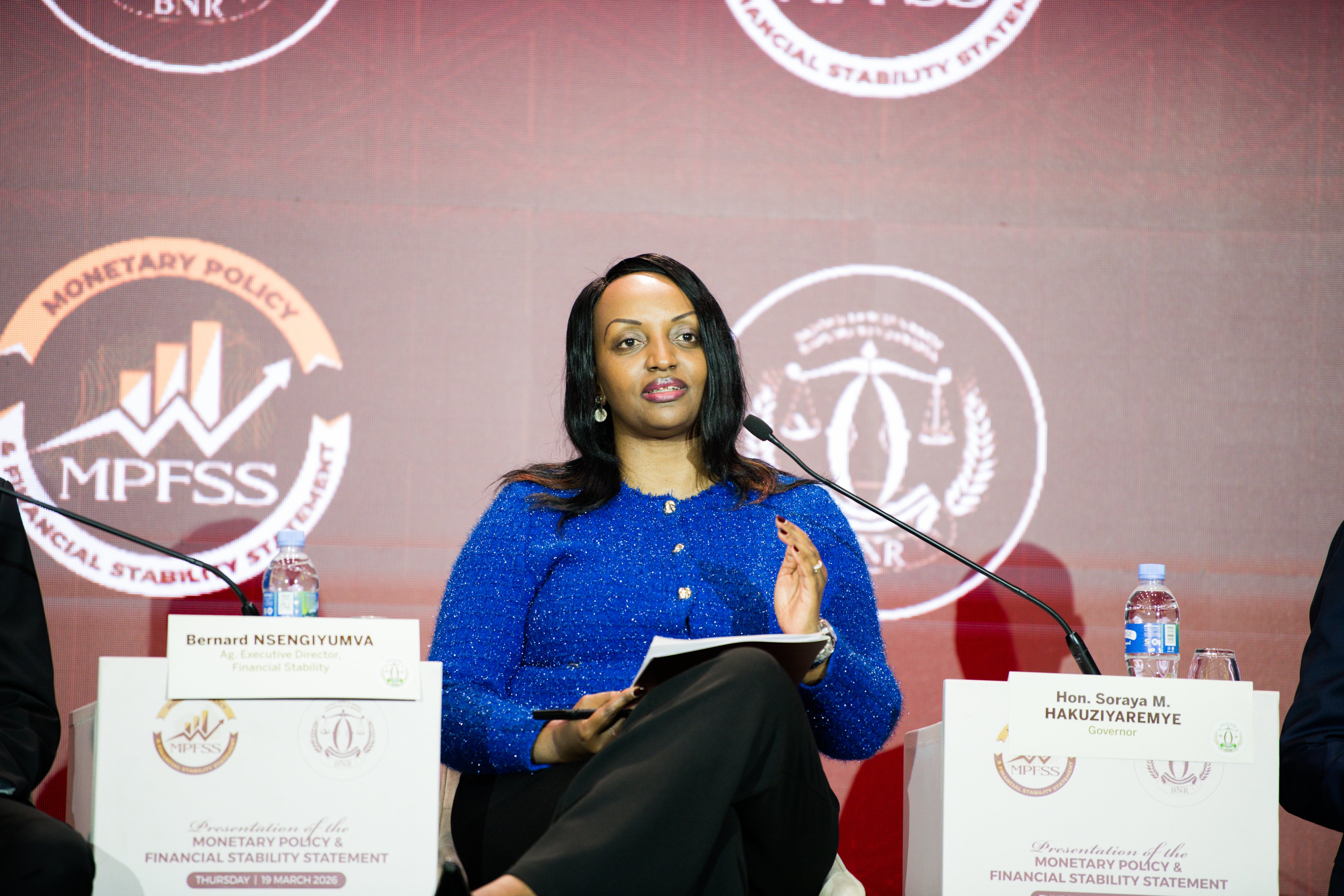
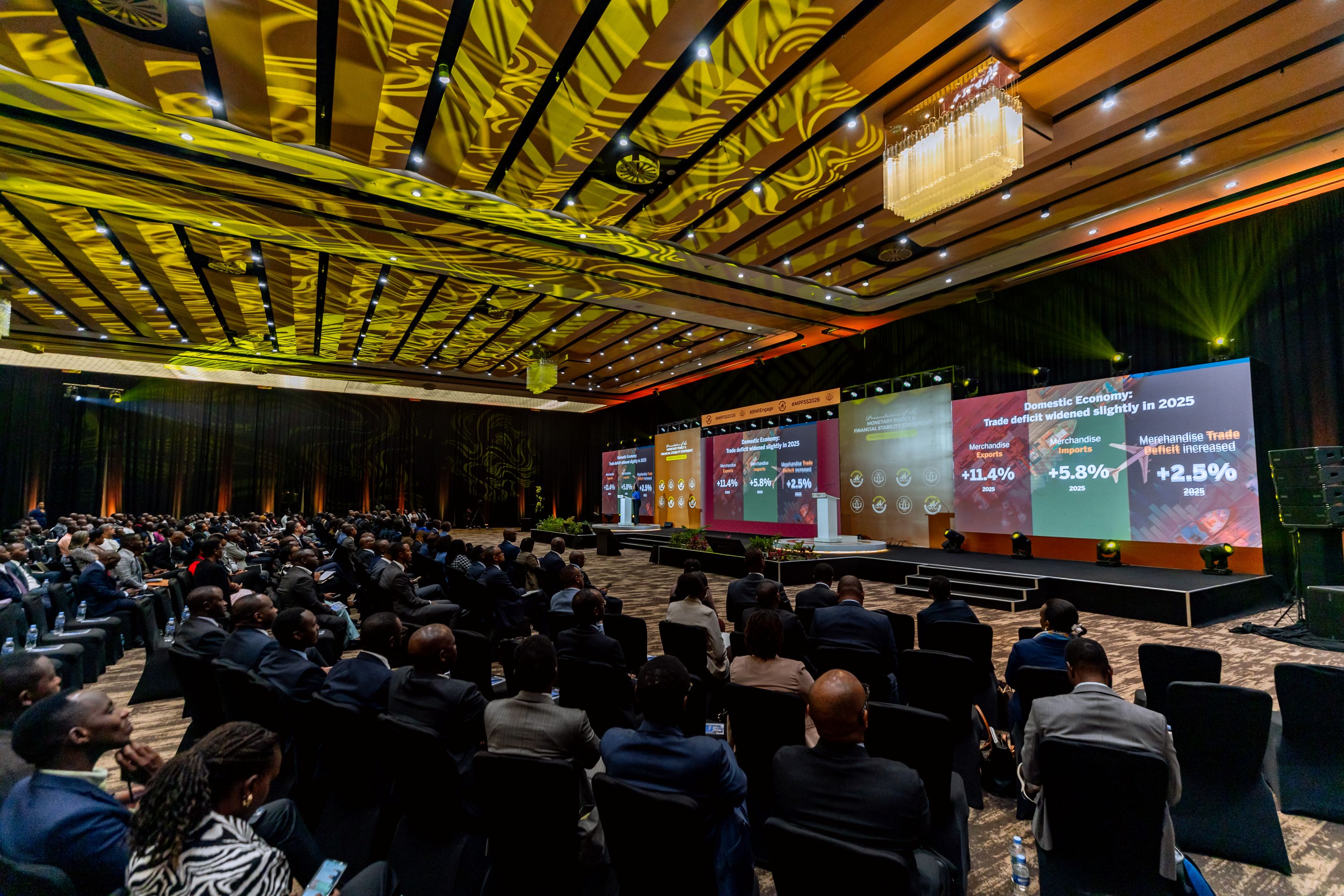
Delivering the National Policy and Financial Stability Statement (NPFSS) 2026 on Thursday at the Kigali Convention Centre, Governor Hakuziyaremye addressed members of the public and stakeholders from various sectors, emphasising the Central Bank’s mandate to maintain price stability and promote a sound and inclusive financial system.
“We meet at a time when the global economic environment is marked by elevated uncertainties, in particular geopolitical tensions, volatile stock markets, and commodity markets. These developments continue to shape global and domestic inflation dynamics, financial conditions, and growth prospects around the world and in Rwanda,” the governor stated.
The ongoing Middle East conflict began in late February 2026, when US and Israeli strikes on Iranian military targets escalated tensions in the region. This disruption triggered sharp increases in global energy prices.
The Governor noted that disruptions in oil and gas flows via the Strait of Hormuz have triggered sharp price increases, with crude oil rising 43% from $72 to $103 per barrel, and natural gas up 64% from $32 to $52 per megawatt-hour. She warned that these energy price shocks elevate risks to inflation and could slow economic activity if the conflict persists.
Despite global pressures, the Rwandan franc depreciated against the US dollar at a much slower pace in 2025, with a 4.4% decline compared to a 9.4% drop in 2024. This relative stability was supported by a stronger current account, boosted by tourism receipts and remittances, reforms in the domestic foreign exchange market, and a weakening of the US dollar globally.
Governor Hakuziyaremye also addressed concerns about the potential impact of the Middle East crisis on food and agriculture. When asked about fertiliser supply, which largely comes from the Middle East, she said that imports for upcoming agricultural seasons B and C are secure. However, the Central Bank and government will continue to monitor potential effects on season A, which starts in September.
“As a country, we diversify sources of fertiliser, and there are always ways to access raw materials when a region is impacted,” she explained.
Rwanda’s economy remained strong in 2025, with GDP growth of 9.4%, surpassing the Second National Strategy for Transformation (NST2) target of 9.3%. Growth was driven by industry (11%), services (8.5%), and agriculture (7.4%), supported by exports of coffee, minerals, and other industrial and digital services.
The Governor also highlighted developments in Rwanda’s financial sector, which recorded nearly 24% growth in total assets to 15.9 trillion Rwandan francs in 2025. Lending rose 25% to support households and businesses, with trade, construction, personal loans, and manufacturing accounting for 70% of total credit. Digital financial services expanded rapidly, with the eKash platform nearly tripling transaction values to 136 billion francs.
Looking ahead, the Central Bank remains vigilant against global and domestic risks, including geopolitical tensions, energy price shocks, virtual assets, operational and cyber threats, and limited financing in strategic sectors.
Inflation remains above target, with headline inflation at 9.2% in February 2026, slightly above the upper bound of 8%. The Governor said inflation is expected to remain elevated in the near term but gradually return to the target range of 2–8% by the end of 2026.
“In spite of global headwinds, the central bank remains confident in Rwanda’s macroeconomic stability, sustained growth, and the soundness of the financial system to support the financial resilience of households and businesses,” Governor Hakuziyaremye assured.
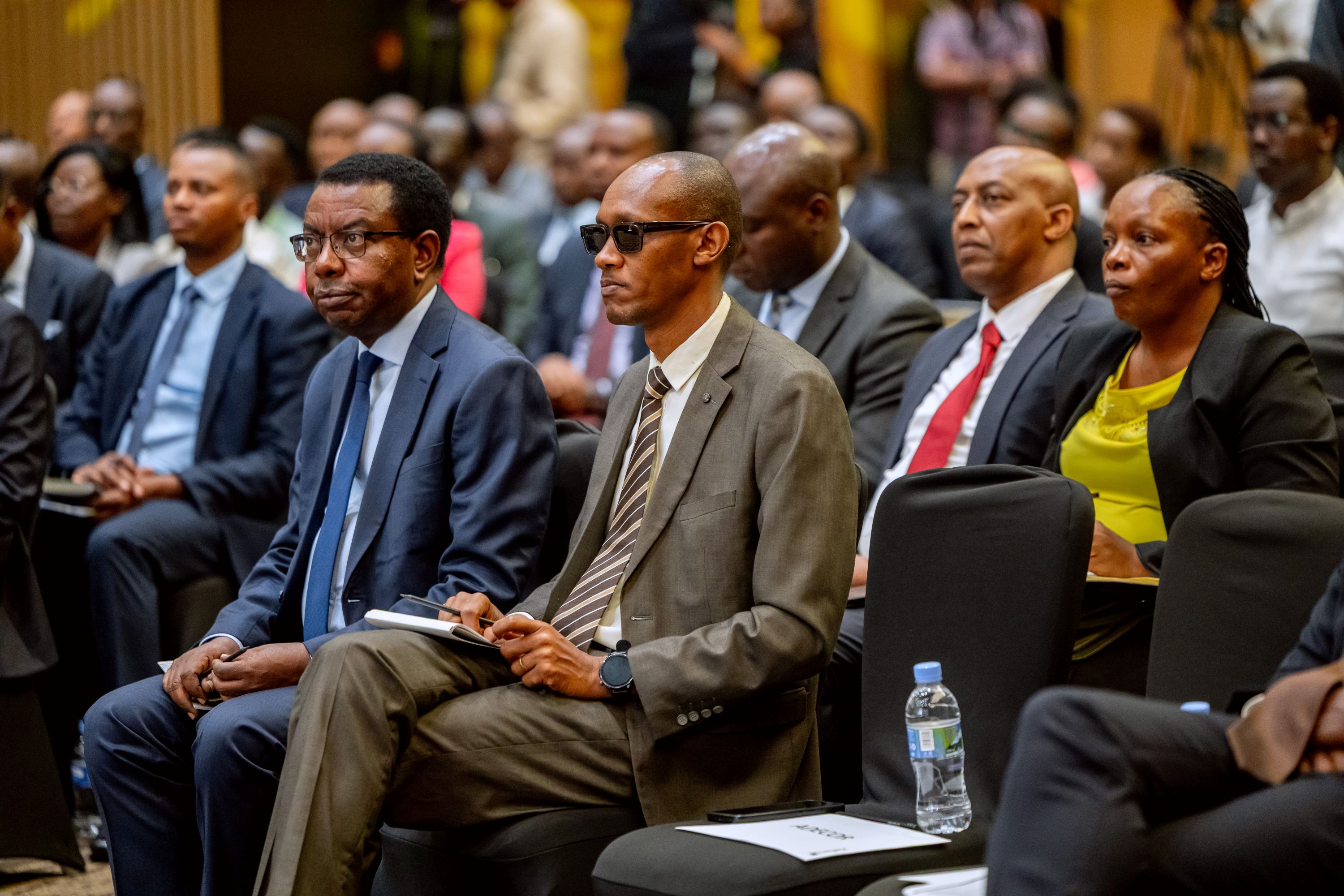
Governor Hakuziyaremye and her team from BNR addressed members of the public and stakeholders from various sectors.She emphasised the Central Bank’s mandate to maintain price stability and promote a sound and inclusive financial system.The meeting was attended by stakeholders from various sectors.
Nowhere is this more critical than in the movement of money. Banking has evolved from cash, to cards, to digital wallets, where today, a fingerprint or a glance at your device can move funds in seconds. As financial services become faster and more seamless, the responsibility to secure them becomes even greater.
At the center of Rwanda’s financial ecosystem, RSwitch Ltd has taken deliberate steps to meet this responsibility.
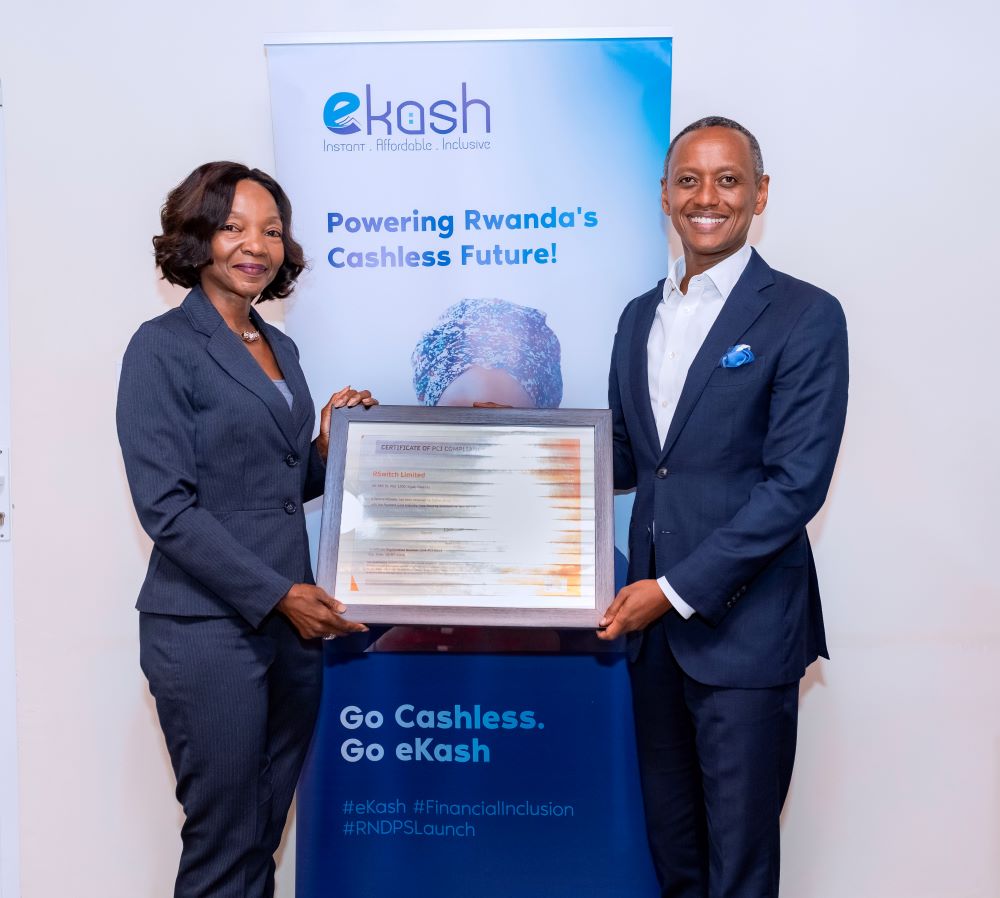
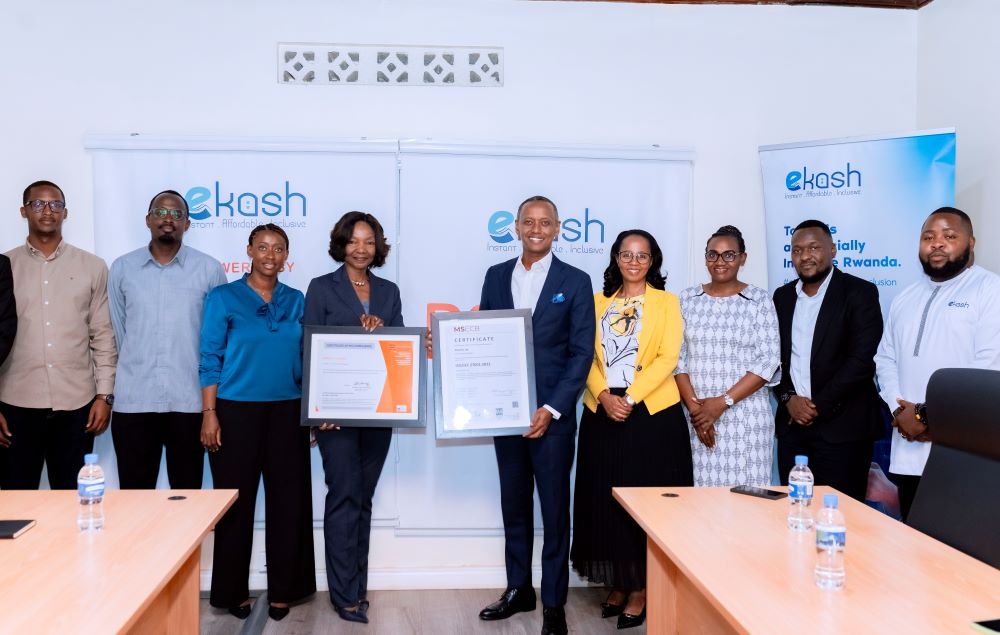
Through rigorous training, testing, and independent assessment, RSwitch has achieved both PCI DSS and ISO/IEC 27001:2022 certifications globally recognized benchmarks for security and data protection.
What is PCI DSS?
PCI DSS (Payment Card Industry Data Security Standard) is an international certification that ensures organizations handle card transactions securely. It requires adherence to 12 strict security controls designed to protect cardholder data from fraud and breaches.
What is ISO/IEC 27001:2022?
ISO/IEC 27001:2022 is a global standard for information security management. It confirms that an organization has implemented systems, processes, and controls to manage risks, protect data, and ensure long-term resilience against cyber threats.
Why should people care?
At its core, this is not about technical certifications; it is about trust. By achieving ISO/IEC 27001:2022 and PCI DSS, RSwitch is demonstrating that every transaction moving through its systems is protected by globally recognized safeguards. In practical terms, this means people can send money, make payments, and use digital financial services with confidence, knowing that their funds are not only secure, and their personal data is handled with the highest level of care.
Beyond individual transactions, these certifications signal something bigger: reliability and accountability at a national level. They show that RSwitch’s infrastructure has been independently tested and meets international benchmarks for security and resilience, even under pressure. For users, this translates into a system that works consistently and safely; for partners and investors, it positions Rwanda as a trusted, globally competitive player in the digital financial ecosystem.
As Rwanda continues its journey toward a cashless and inclusive economy, solutions like SmartCash and eKash are leading the way. With globally recognized certifications now in place, RSwitch is not only powering these innovations it is securing them for the future.
RSwitch has achieved both PCI DSS and ISO/IEC 27001:2022 certifications globally recognized benchmarks for security and data protection. RSwitch Ltd has taken deliberate steps to secure financial services.
The sanctions, announced on Wednesday, March 18, 2026, target Mauritius-based PwC Associates Africa Ltd., PricewaterhouseCoopers Limited, Kenya, and PricewaterhouseCoopers Rwanda Limited. They are tied to the Eastern Electricity Highway Project under the First Phase of the Eastern Africa Power Integration Program in Ethiopia.
The project, designed to increase the volume and reduce the cost of electricity supply in Kenya while generating revenues for Ethiopia through electricity exports, was intended to boost regional power integration and reduce energy costs for consumers.
According to the World Bank, the PwC firms, prominent for providing audit, tax, and advisory services, “obtained confidential procurement information from project officials to improperly influence the award of a consultancy services contract in 2019” for implementing International Financial Reporting Standards at the Ethiopian Electric Power Corporation.
Investigators also found attempts by the firms to influence the award of a contract for Fixed Asset Inventory and Revaluation for the Ethiopian Electric Utility (EEU FAIR Contract). During the selection and execution of that contract, PwC Associates “misrepresented the availability, qualifications, and employment status of key experts, and failed to fully disclose all subconsultants.” The Bank said these actions “constitute collusive and fraudulent practices under the Bank Group Consultant Guidelines.”
As a result, the three firms and any affiliates they control are barred from participating in World Bank-financed projects and operations. The debarment is part of a settlement agreement under which the companies admitted to wrongdoing.
The World Bank noted that the reduced debarment period takes into account the firms’ “admission of misconduct, cooperation, strengthening of aspects of their existing integrity compliance program, and voluntary remedial actions,” including internal investigations, disciplinary measures against responsible staff, training, and ceasing business with involved subconsultants.
PwC firms must also implement or enhance integrity compliance programs aligned with the Bank’s guidelines and continue full cooperation with the Bank’s Integrity Vice Presidency to regain eligibility. PricewaterhouseCoopers Africa Limited, which oversees PwC network firms in Africa, signed the agreement as a non-sanctioned party.
The Bank added that the debarment “qualifies for cross-debarment by other multilateral development banks” under the 2010 Agreement for Mutual Enforcement of Debarment Decisions, raising the potential for wider repercussions across Africa.
The sanctions target Mauritius-based PwC Associates Africa Ltd., PricewaterhouseCoopers Limited, Kenya, and PricewaterhouseCoopers Rwanda Limited. They are tied to the Eastern Electricity Highway Project under the First Phase of the Eastern Africa Power Integration Program in Ethiopia.