The agreement, signed on March 26, 2026, in Kigali, marks a strategic partnership that brings together EADB’s financial expertise and the UN’s technical capacity and convening power to support the growth and development of SMEs in Rwanda.
The two institutions said the collaboration seeks to strengthen support for SMEs, which are widely regarded as the backbone of Rwanda’s economy, driving job creation, innovation and inclusive growth.
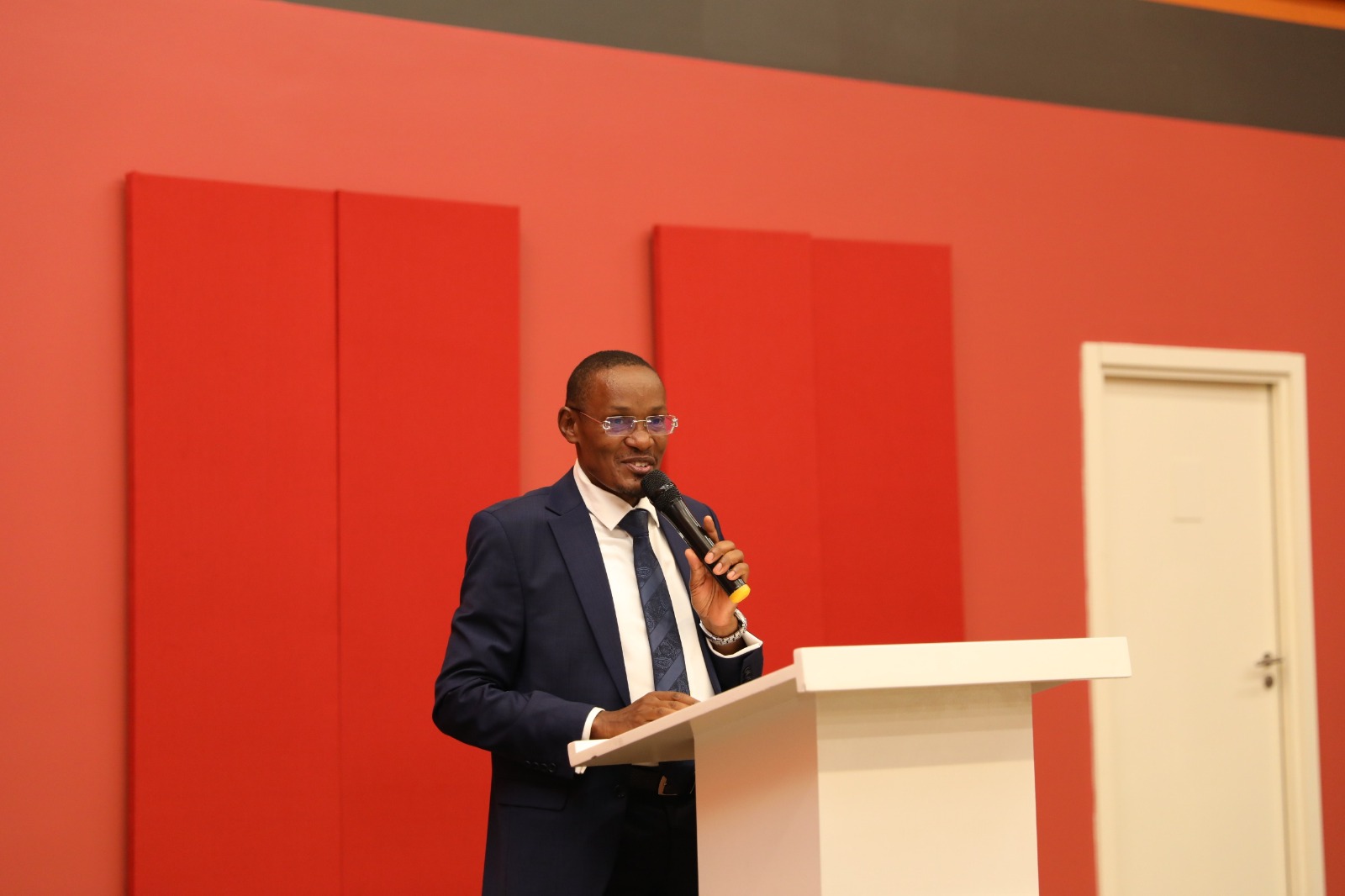
Speaking at the signing ceremony, EADB Acting Director General Benard Mono said the partnership is designed to provide a more coordinated and impactful response to barriers affecting SMEs.
“By combining the UN’s strength in technical expertise, capacity building, and social development with EADB’s role as a development finance institution, we are working to expand access to tailored financing, strengthen entrepreneurial skills, and support innovation, especially among youth and women-led enterprises. It will also address challenges faced by SMEs such as access to finance and capacity building,” he said.
Mono noted that the initiative will also help SMEs integrate into value chains, enabling them to scale and compete more effectively both regionally and globally.
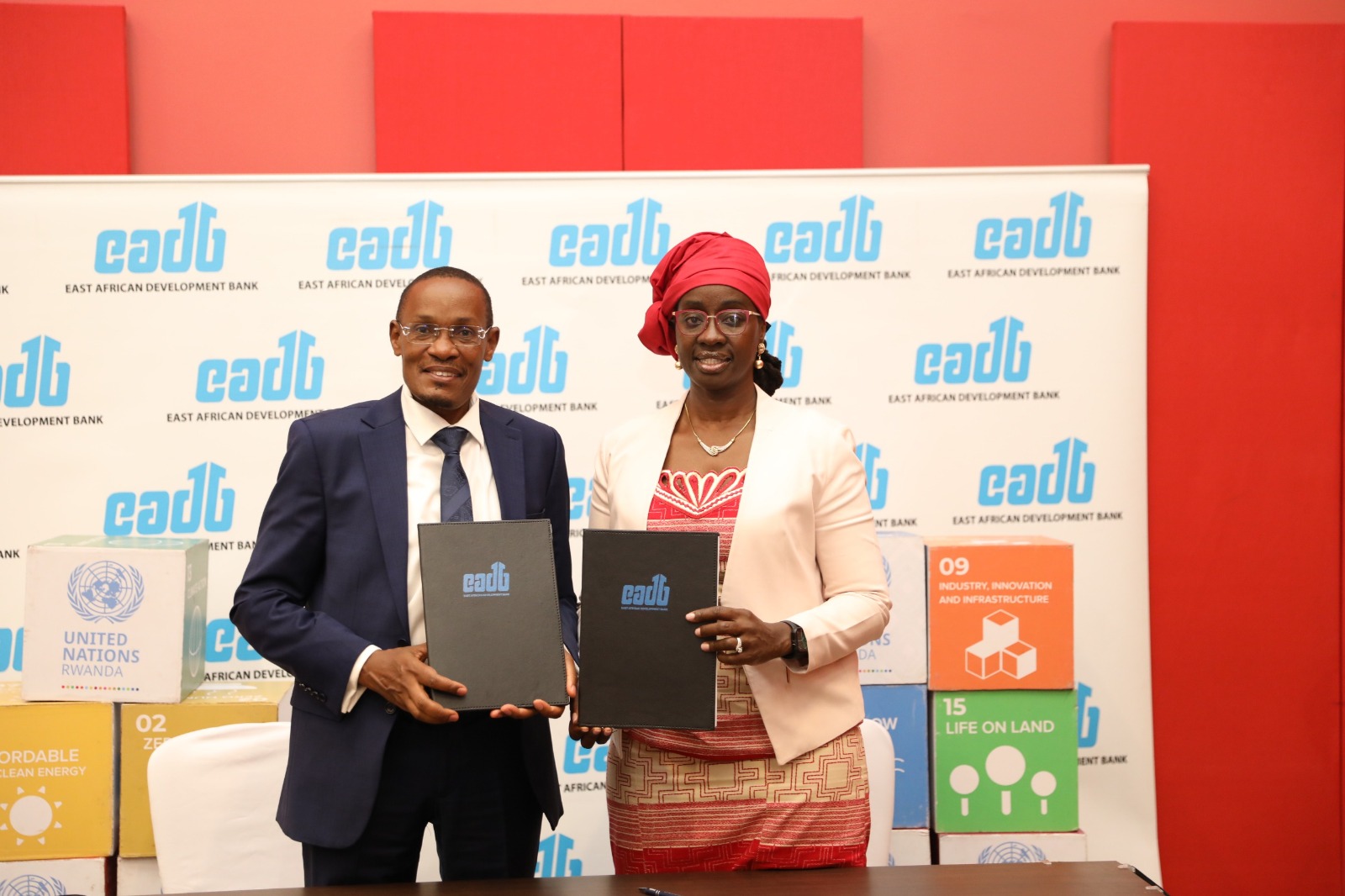
EADB Director General Mr. Benard Mono and UN Rwanda Resident Coordinator Dr. Fatmata Lovetta Sesay shake hands at the signing ceremony.
The partnership aligns with Rwanda’s broader national priorities of promoting private sector growth and building a resilient economy.
On her part, Fatmata Lovetta Sesay, the UN Resident Coordinator, described the MoU as a shared commitment to unlocking the full potential of SMEs and entrepreneurs across the country.
“Ultimately, this collaboration will contribute to job creation, strengthen SME growth and sustainability, and expand economic opportunities on a larger scale,” Sesay said.
Sesay noted that the partnership builds on engagements between the two institutions since 2024, anchored on EADB programmes that already support over 500 SMEs across sectors such as agriculture, commerce, transport and manufacturing.
She added that the partnership will be implemented through a clear plan, with a steering committee providing strategic guidance and a technical working group managing day-to-day activities.
Under the agreement, the partners will co-develop tailored financial solutions such as concessional loans, blended finance, guarantees and equity instruments, alongside targeted technical support and knowledge-sharing initiatives.
SMEs remain central to Rwanda’s economic transformation, and this partnership is expected to unlock new opportunities, strengthen their growth, and accelerate inclusive development across the country.
Established in 1967, the East African Development Bank is owned by its four member states including, Rwanda, Kenya, Uganda and Tanzania, as well as other development and commercial financial institutions. The Bank provides financial and technical support to projects that contribute to socio-economic development and regional integration across the region.
EADB Acting Director General Benard Mono said the partnership is designed to provide a more coordinated and impactful response to barriers affecting SMEs.EADB Director General Mr. Benard Mono (left) and UN Rwanda Resident Coordinator Dr. Fatmata Lovetta Sesay display their copies of the signed agreement.
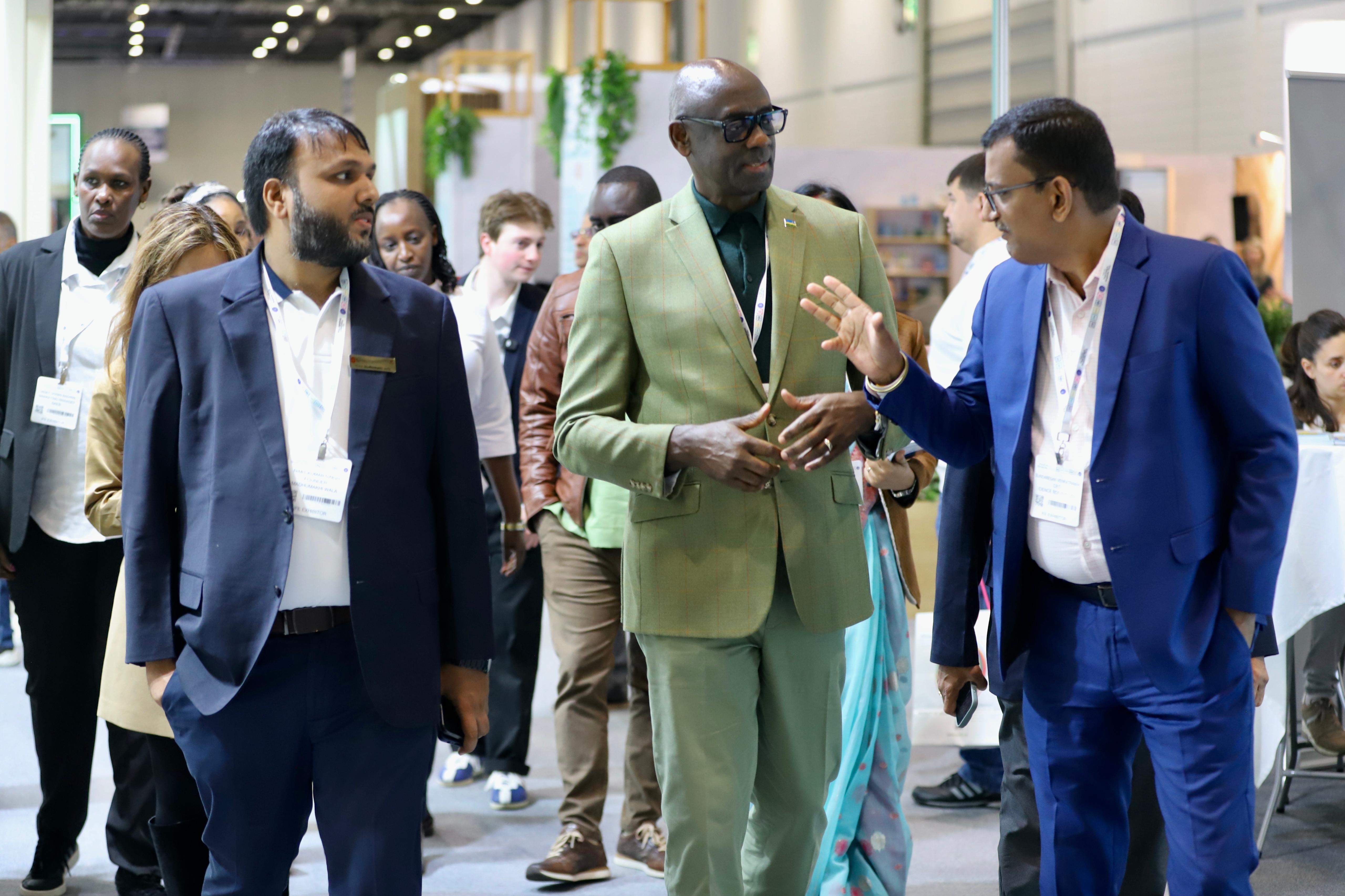
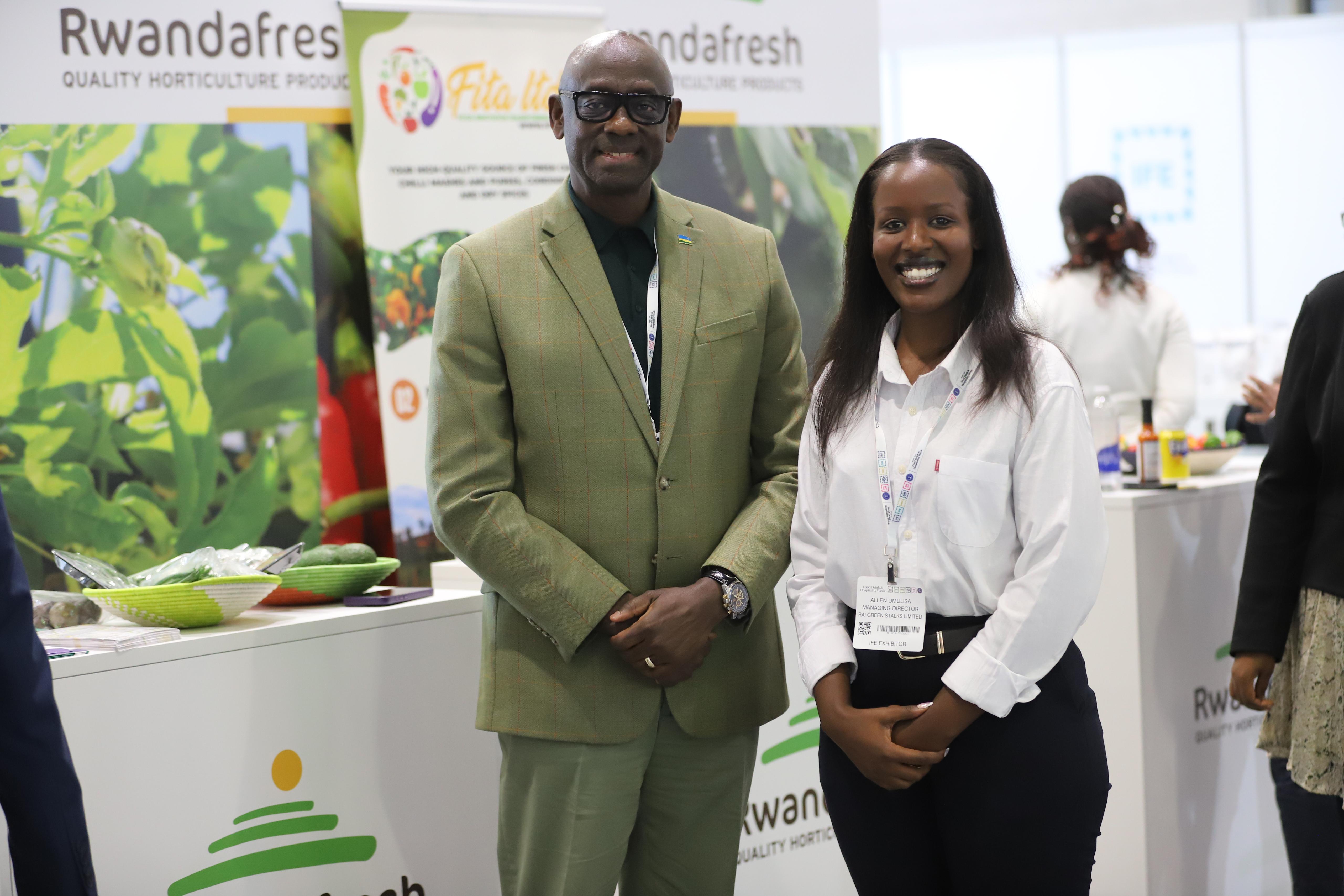
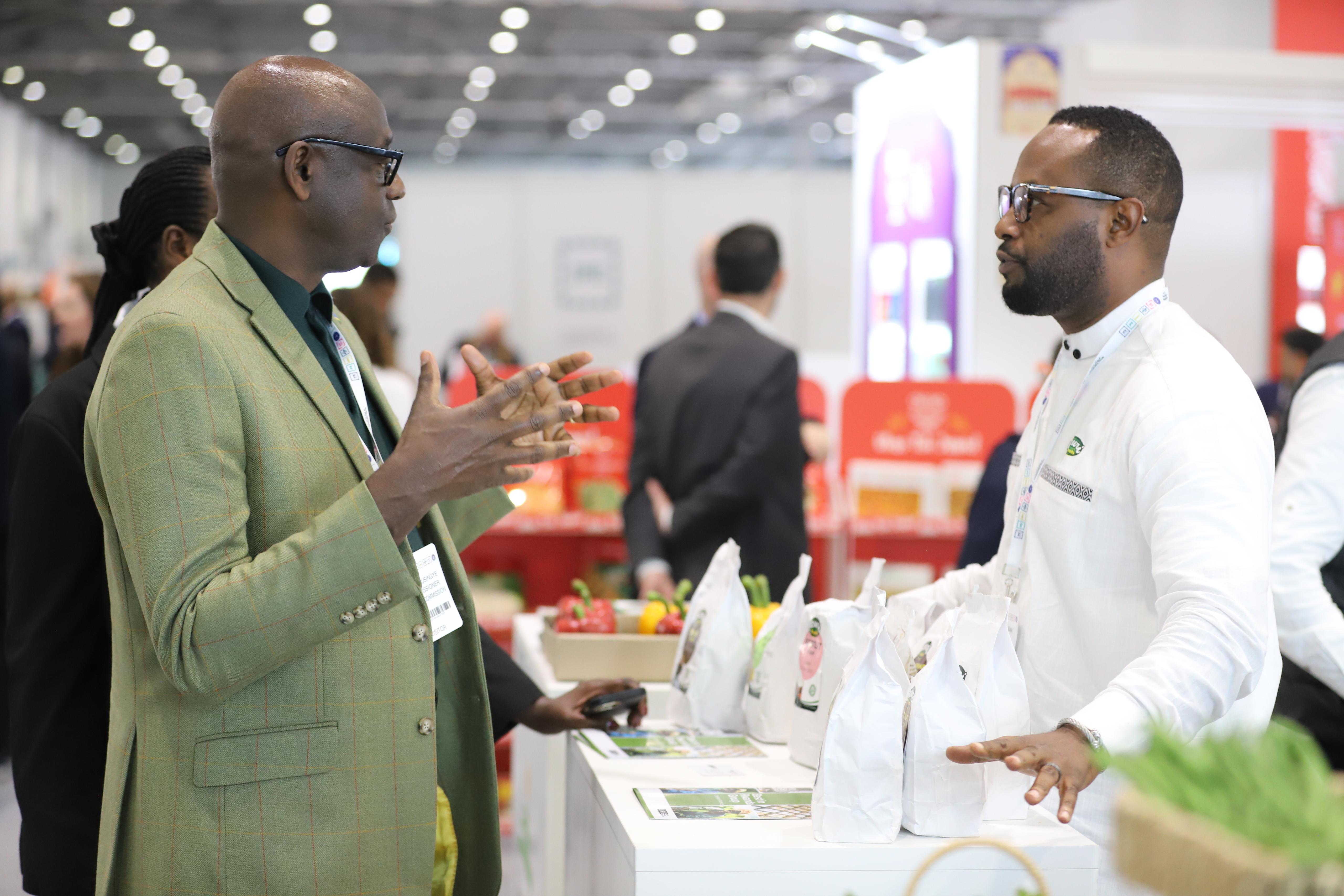
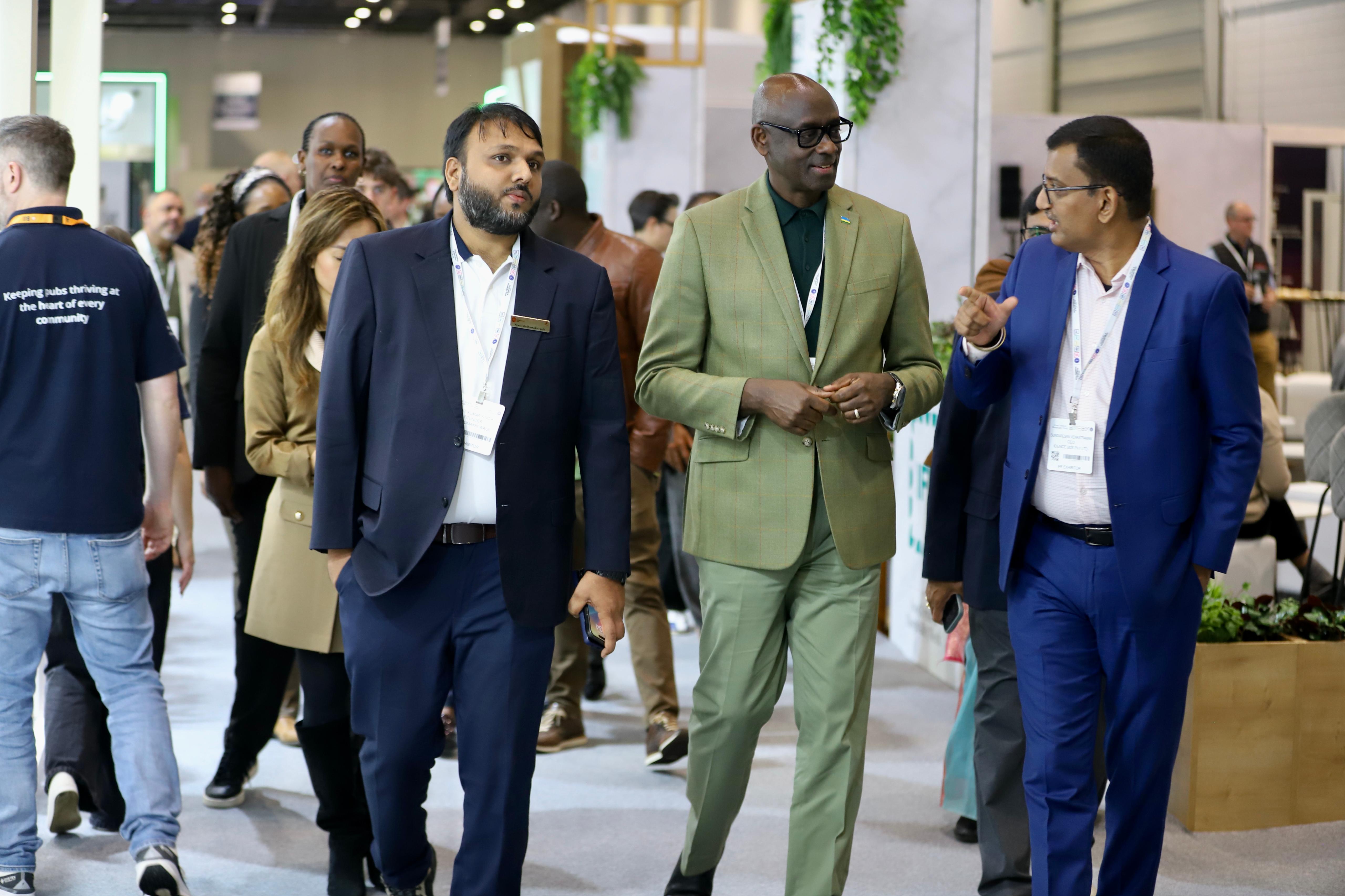
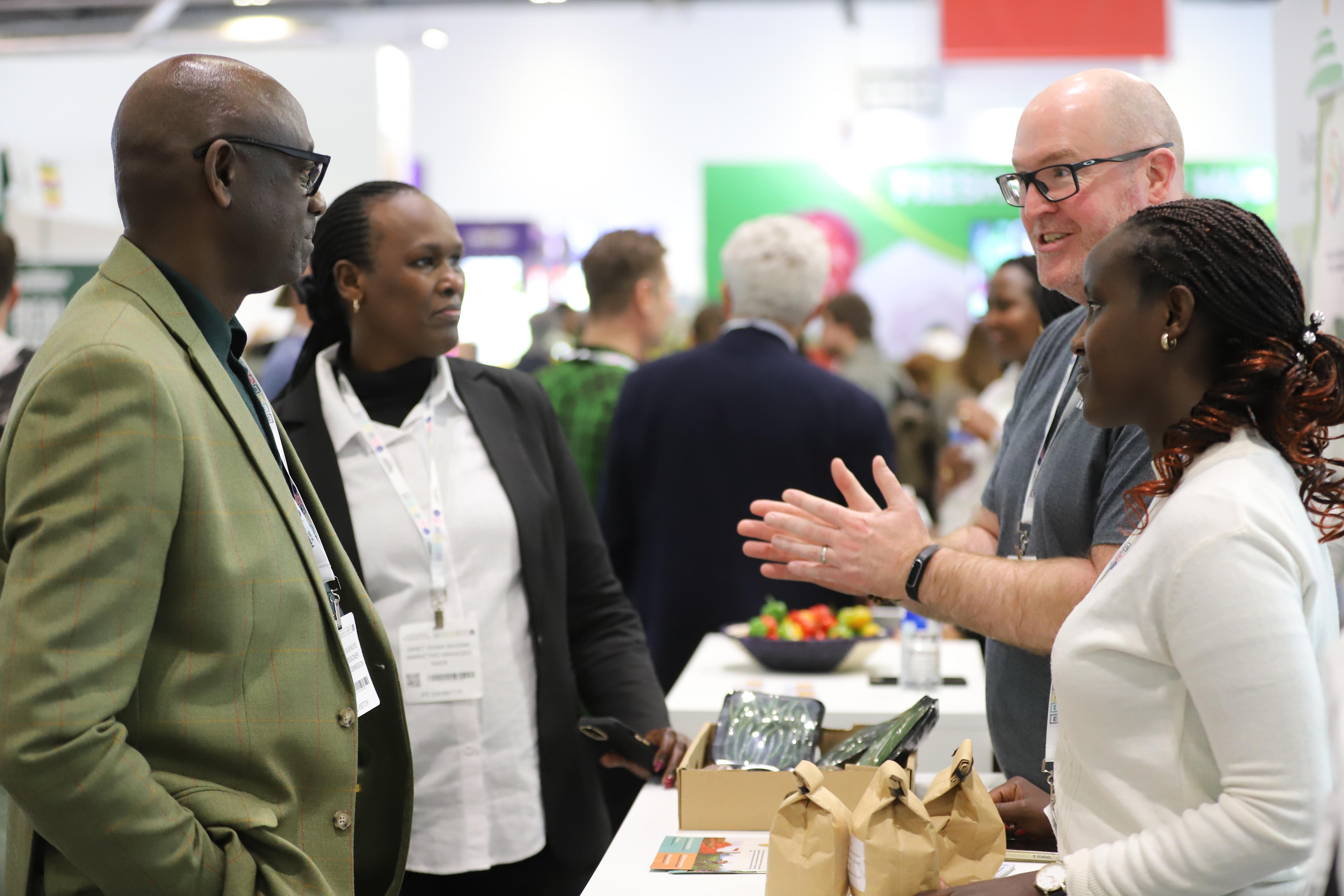
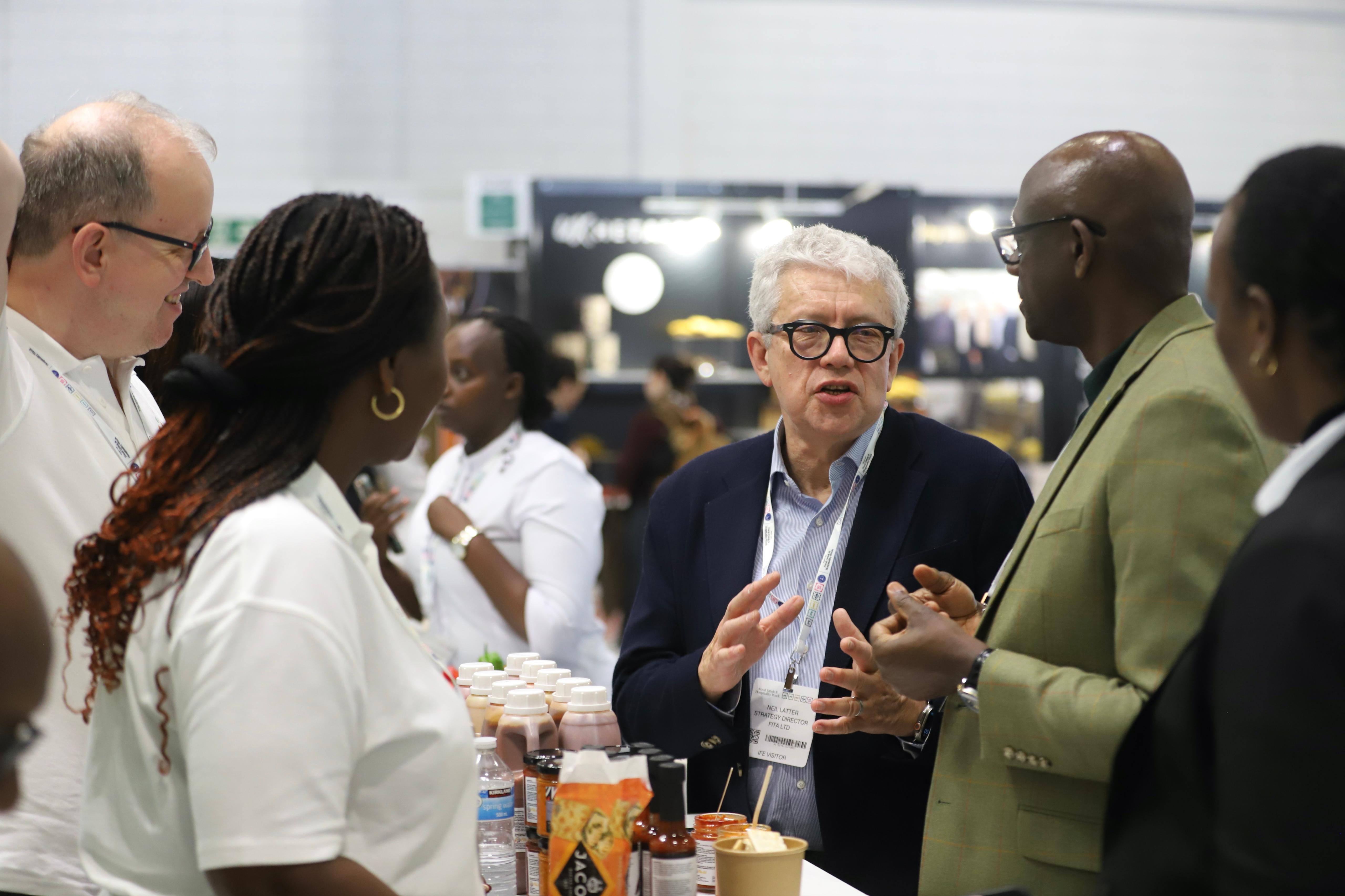
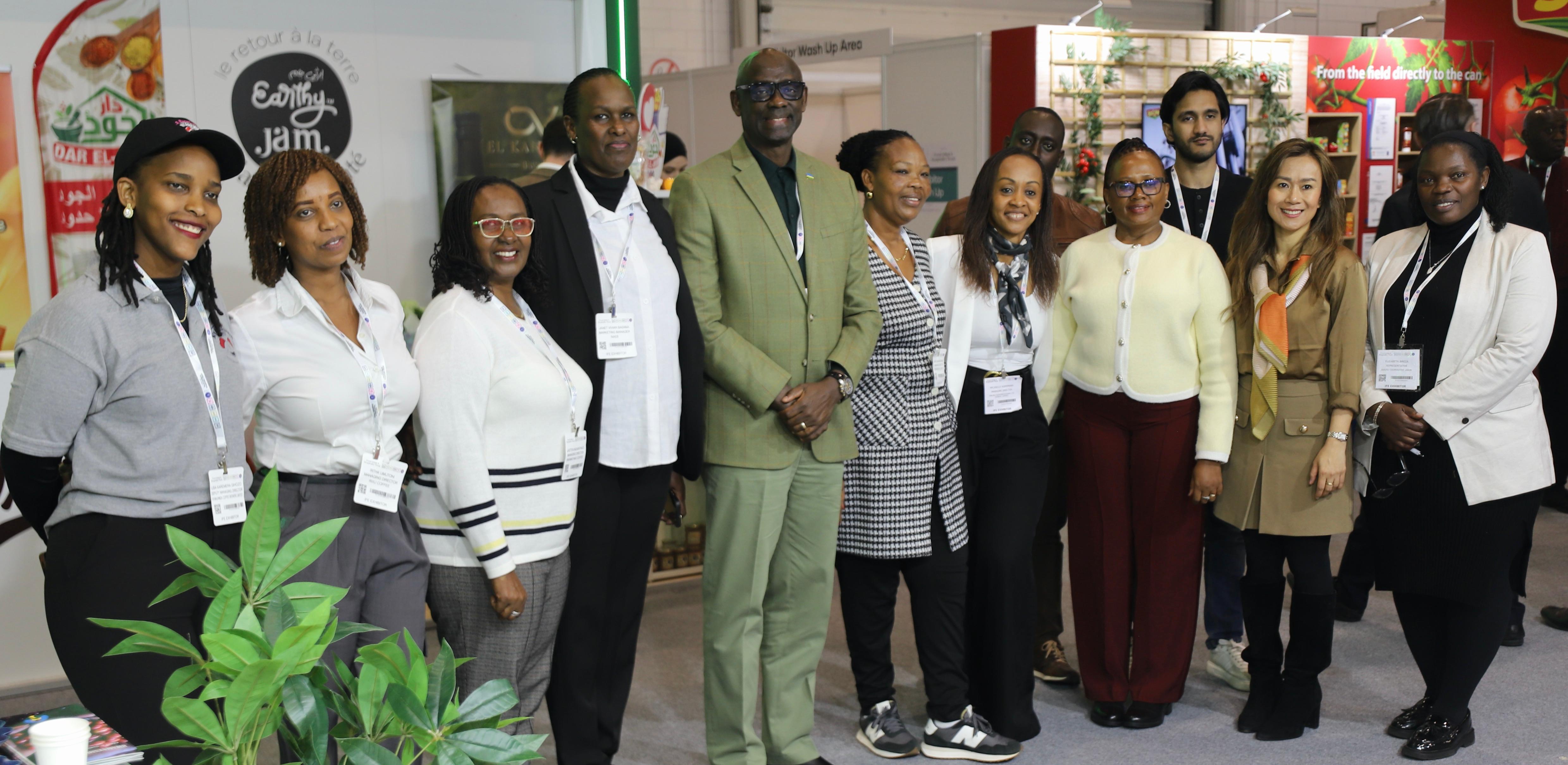
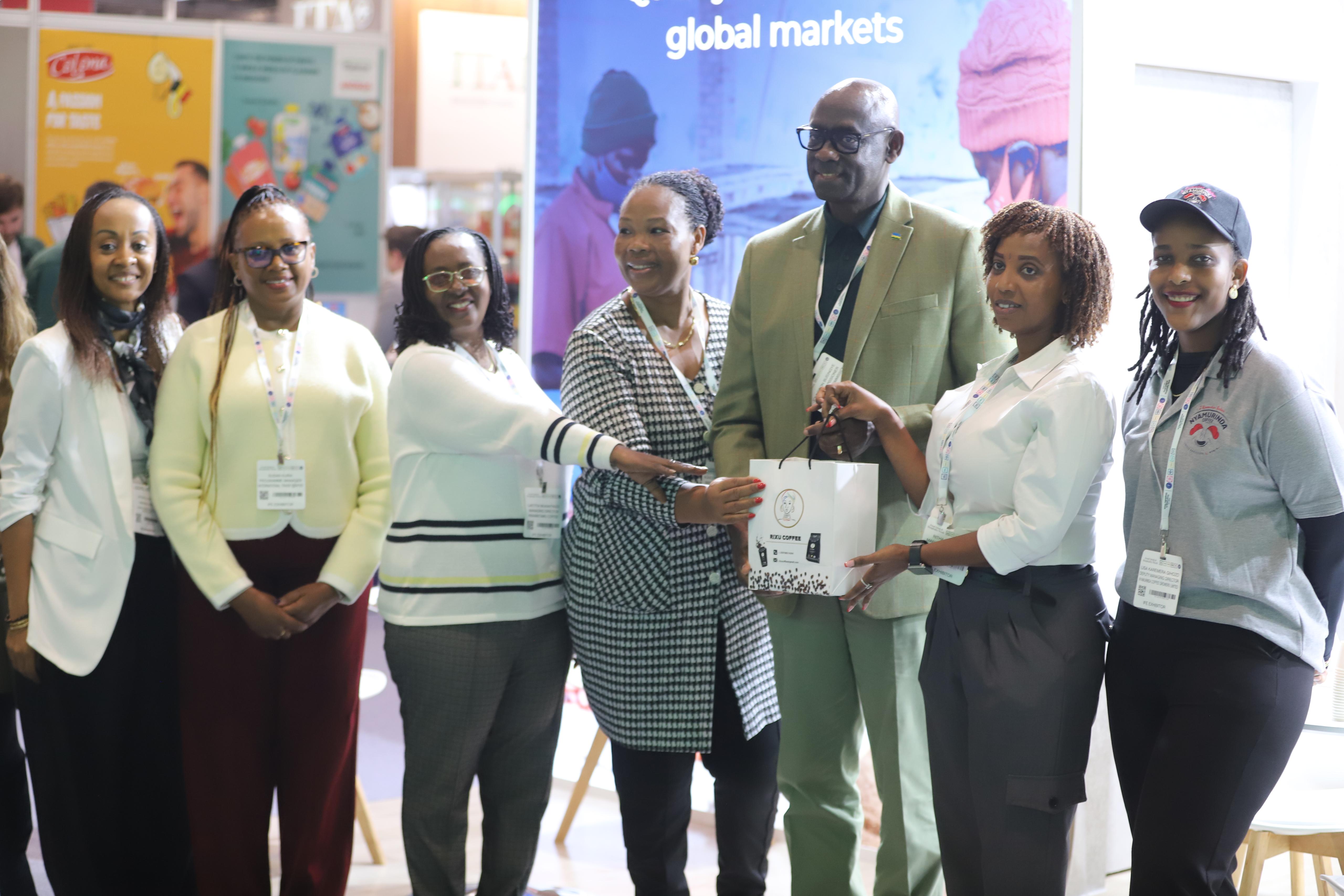
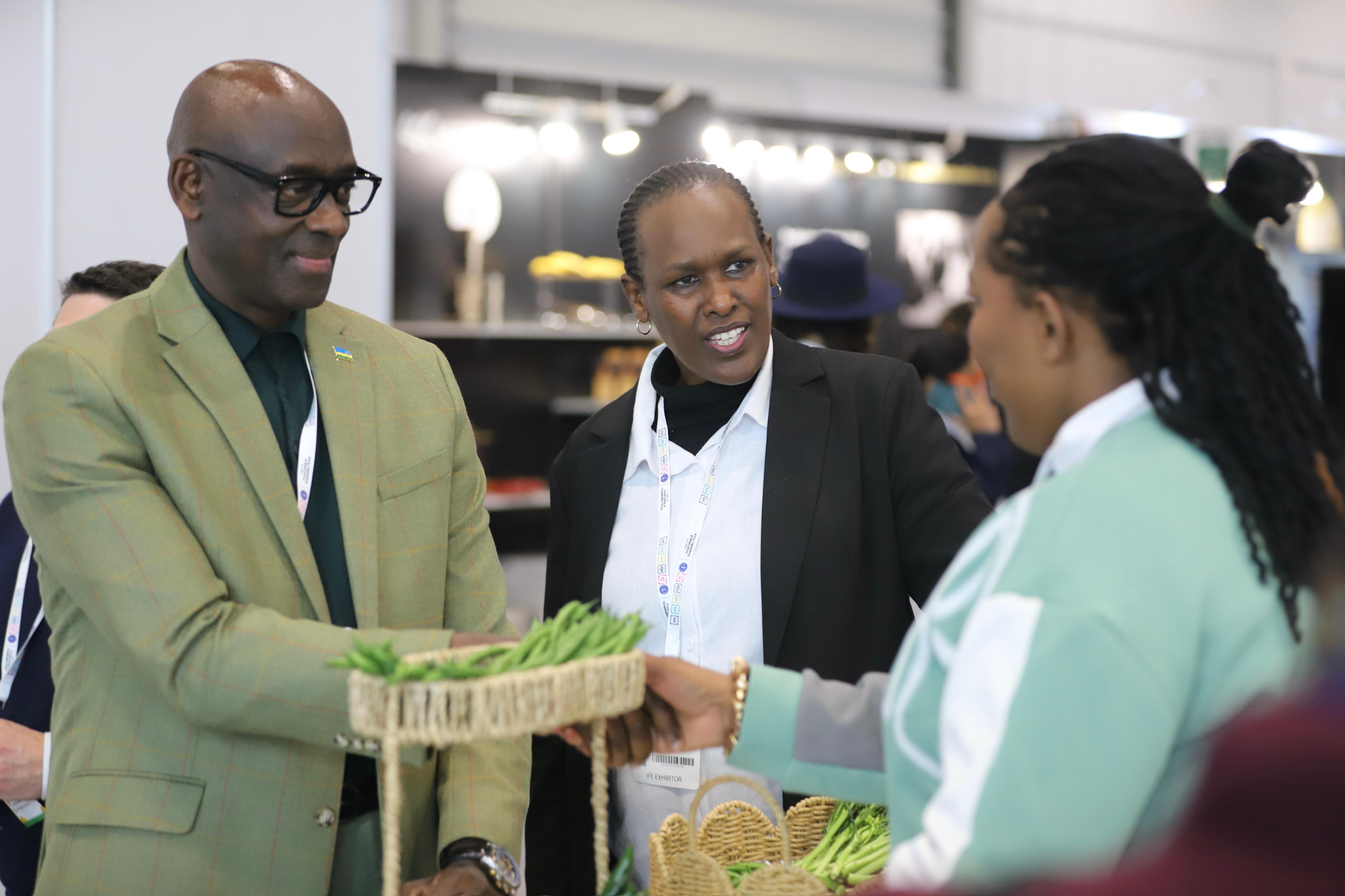
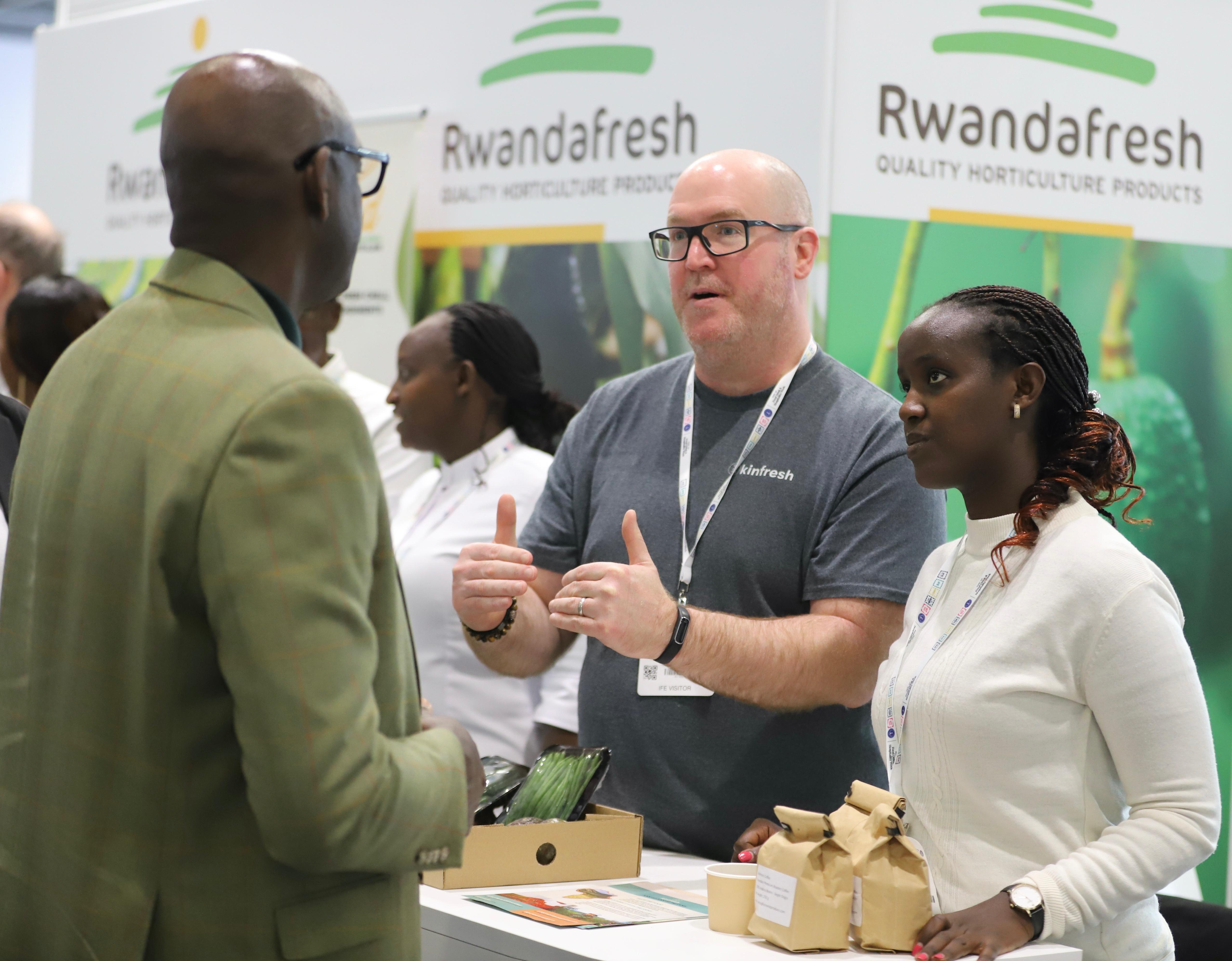
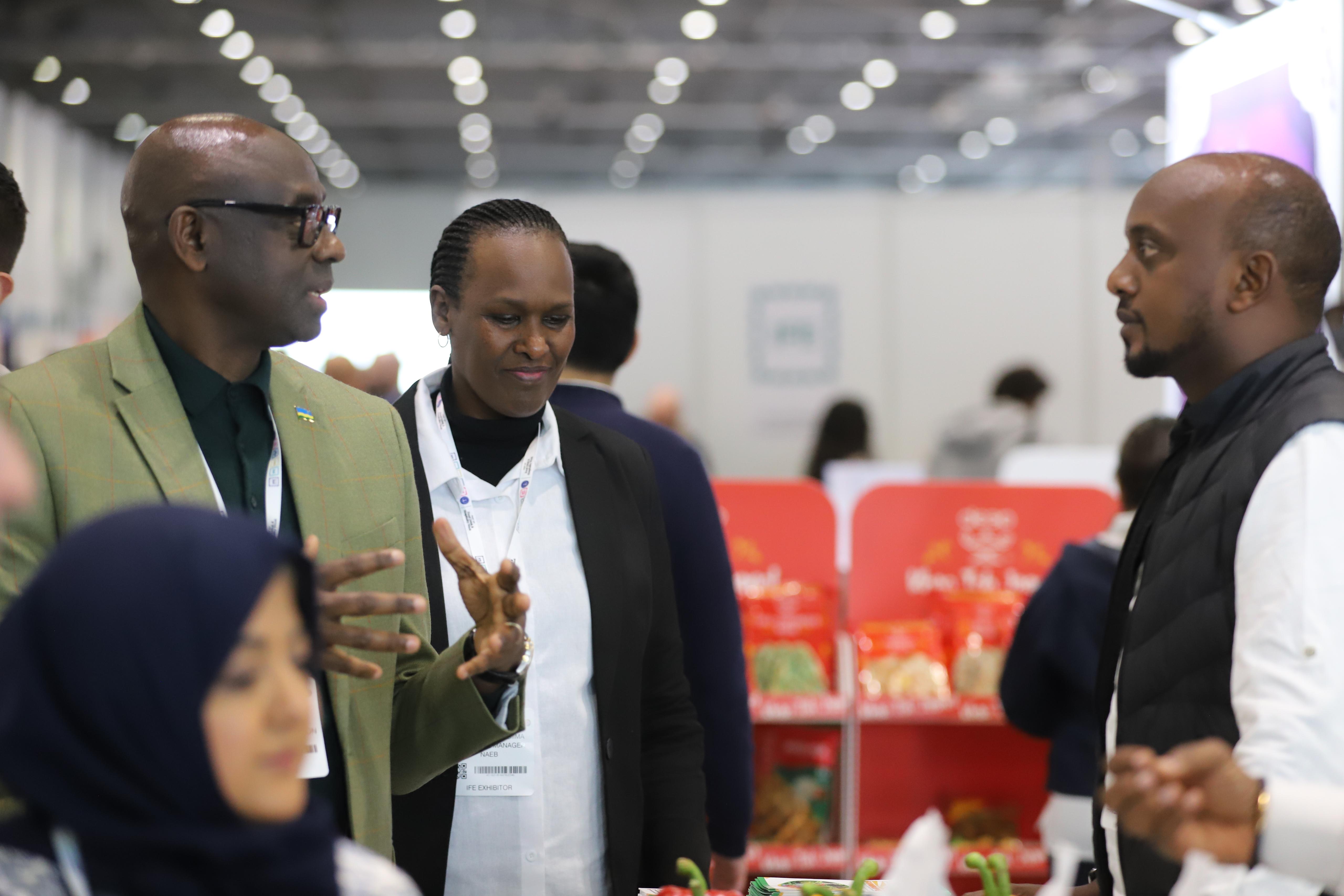
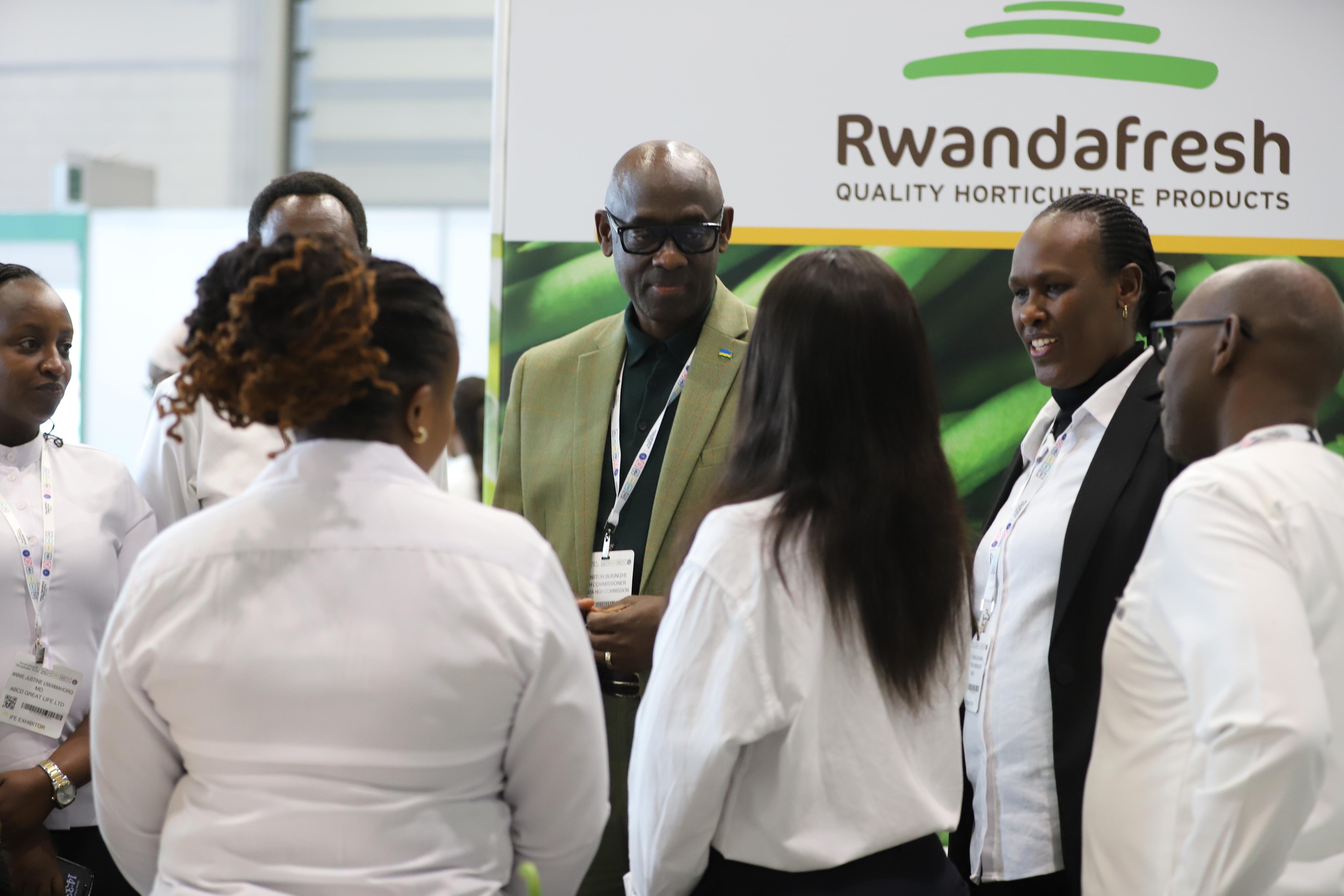
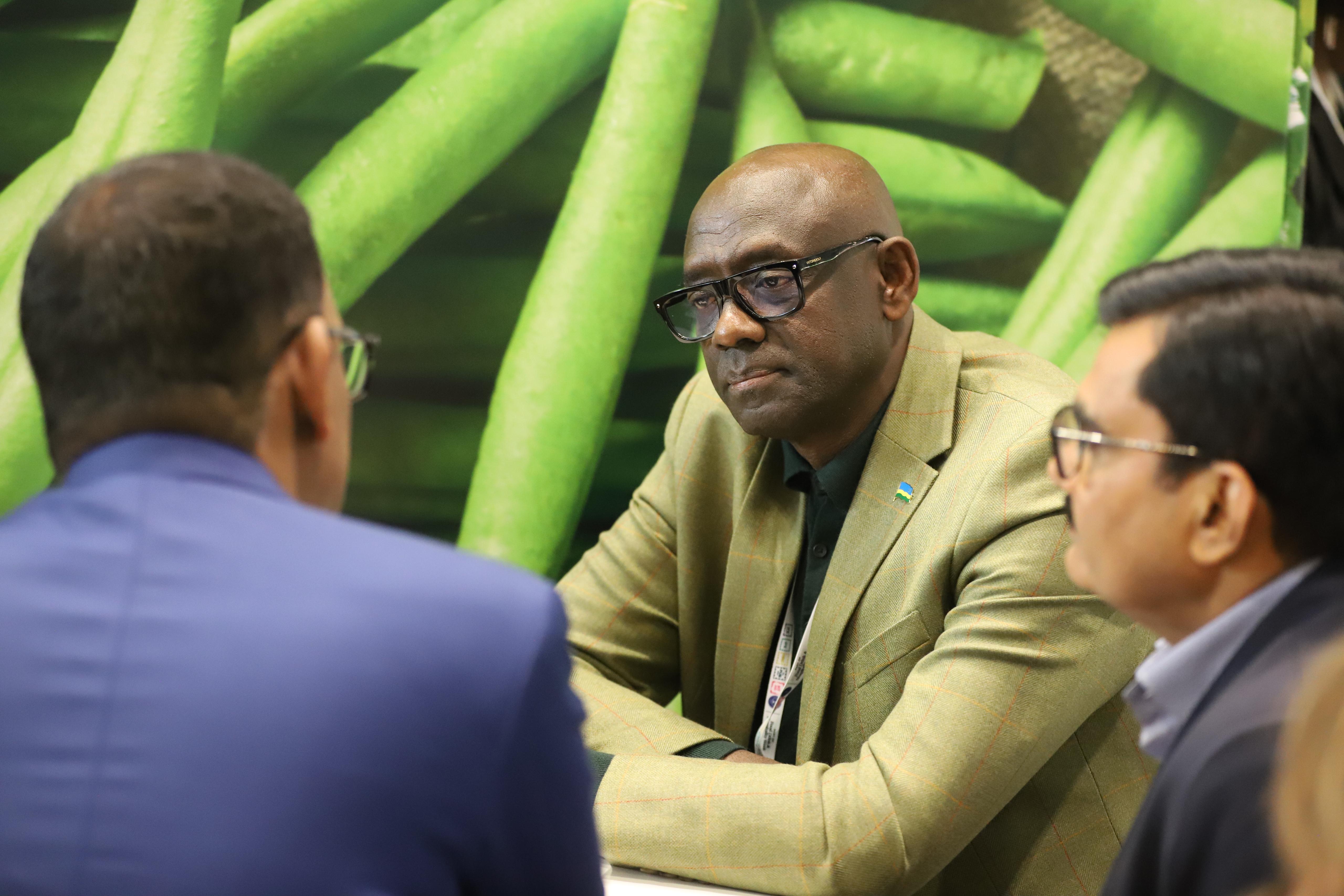
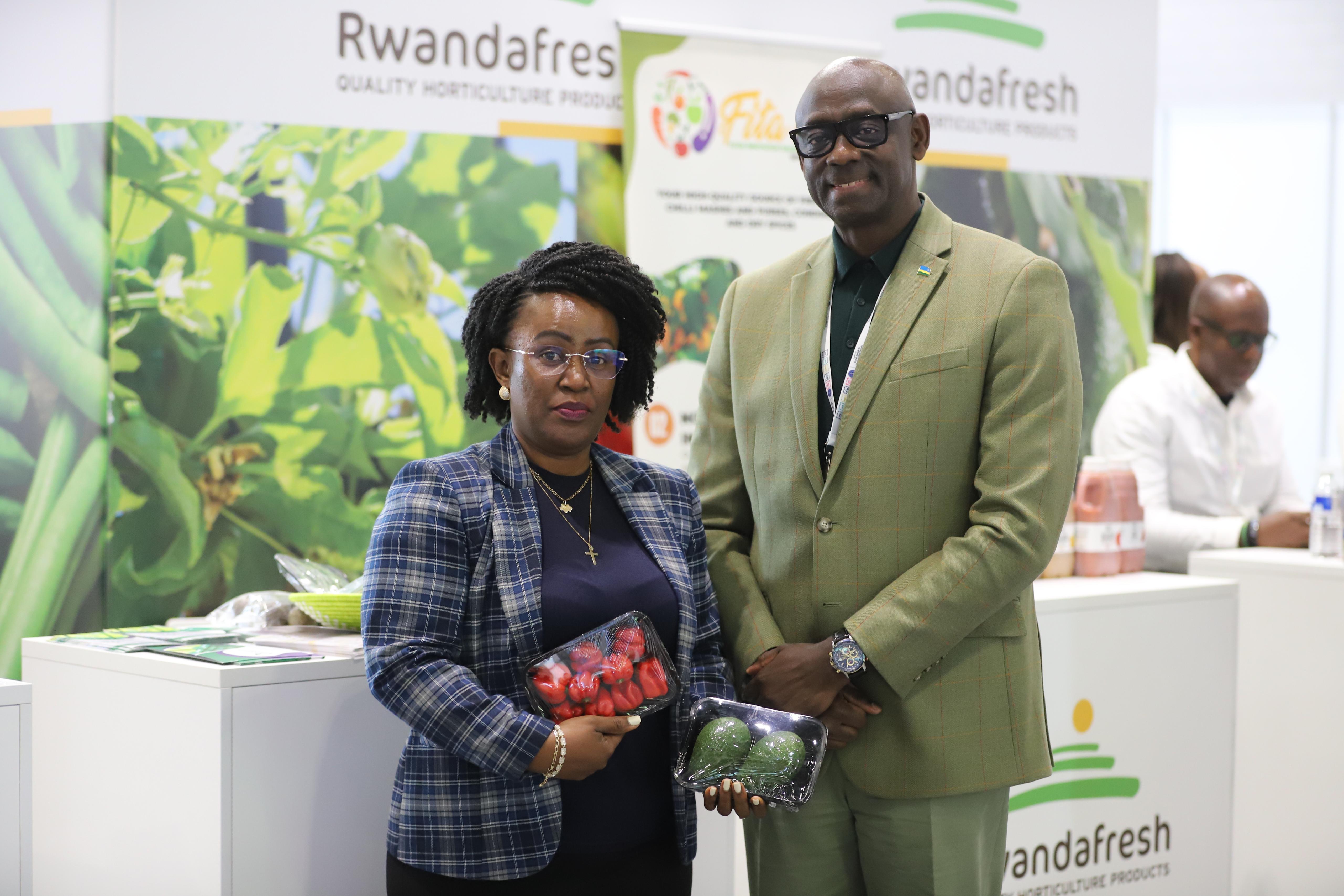
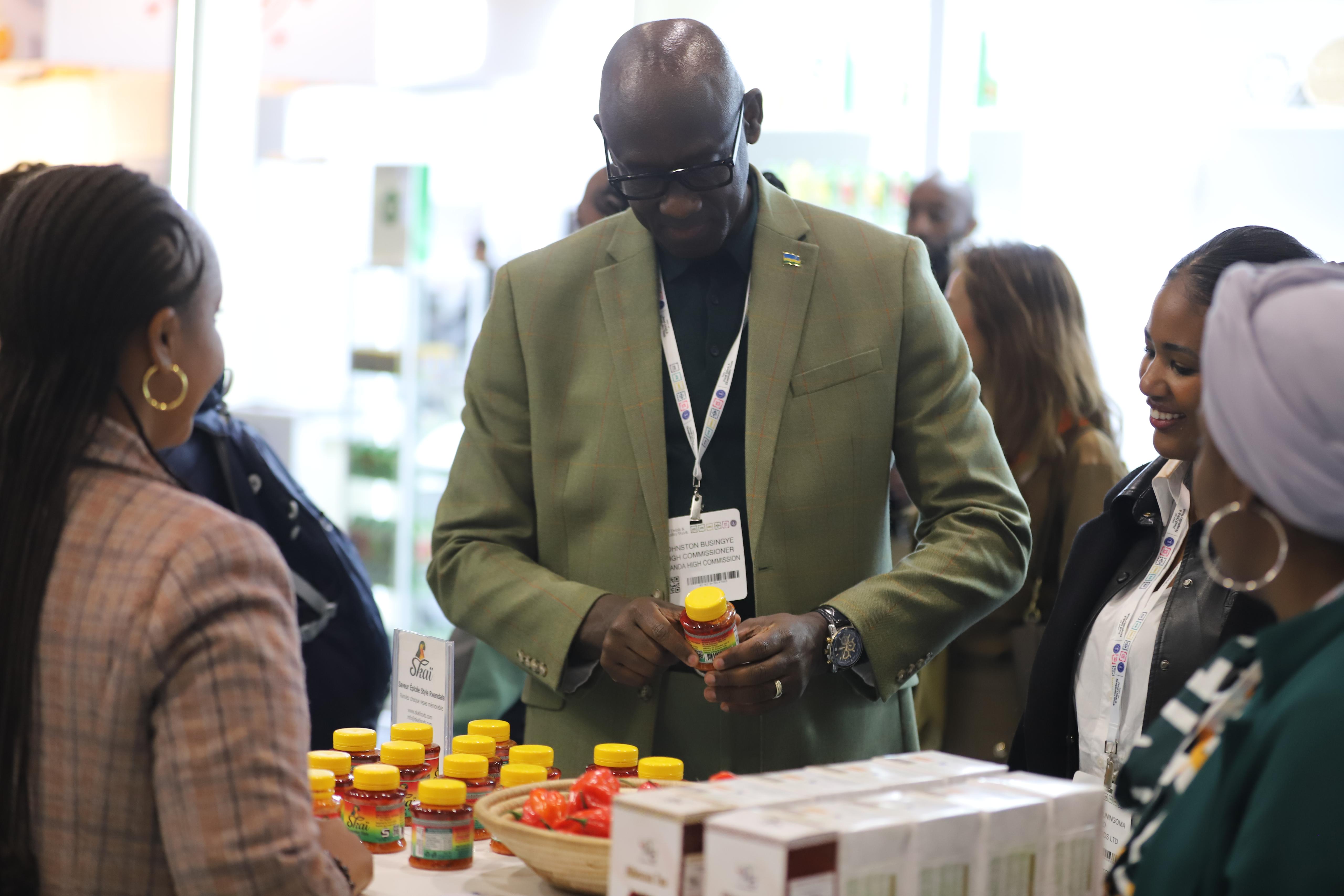
He made these remarks on March 31, 2026, during his visit to Rwandan exhibitors participating in a food and beverage trade fair taking place in the United Kingdom.
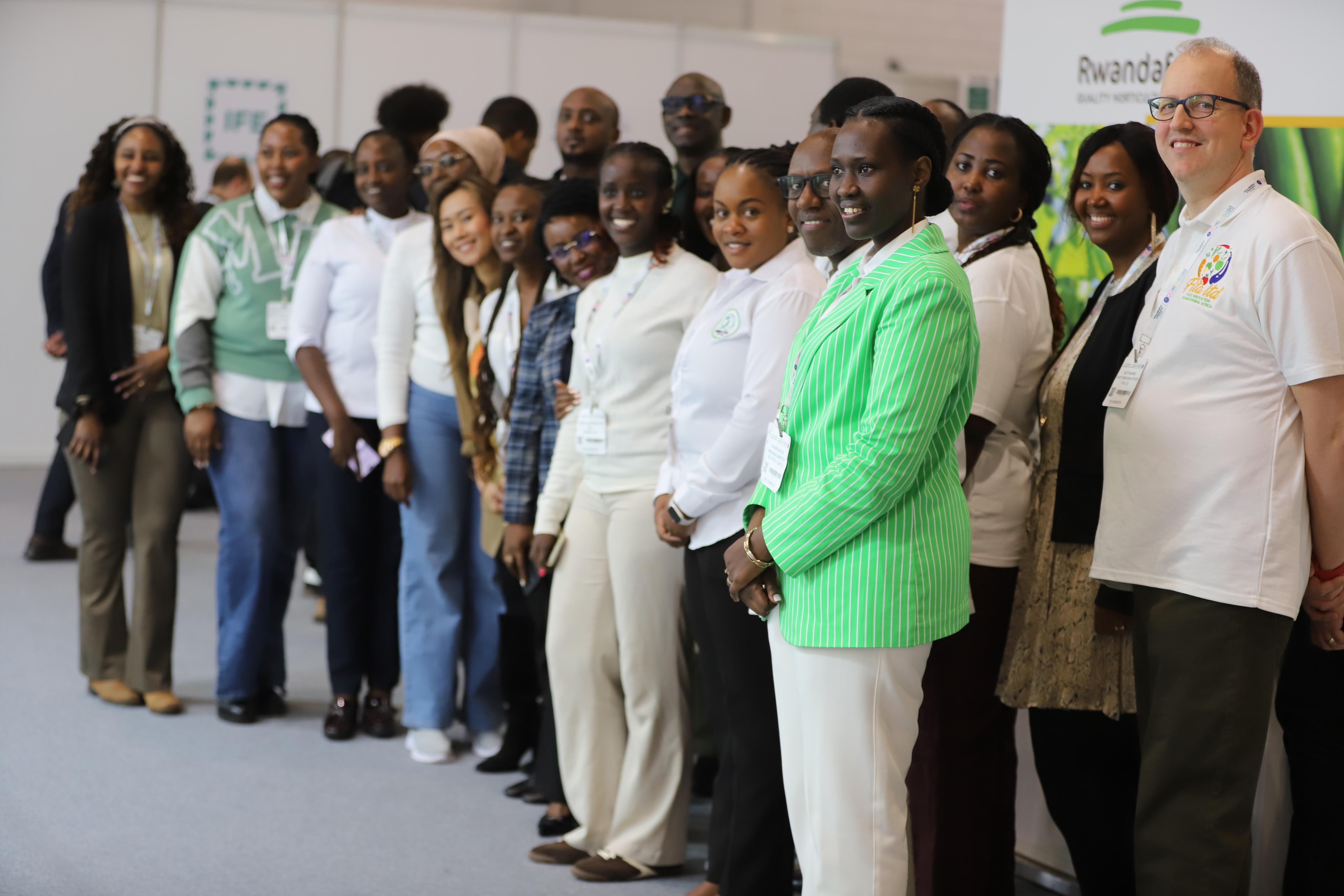
This year’s edition of the exhibition, known as the International Food and Drink Event (IFE), ran from March 30 to April 1, 2026 at ExCeL London.
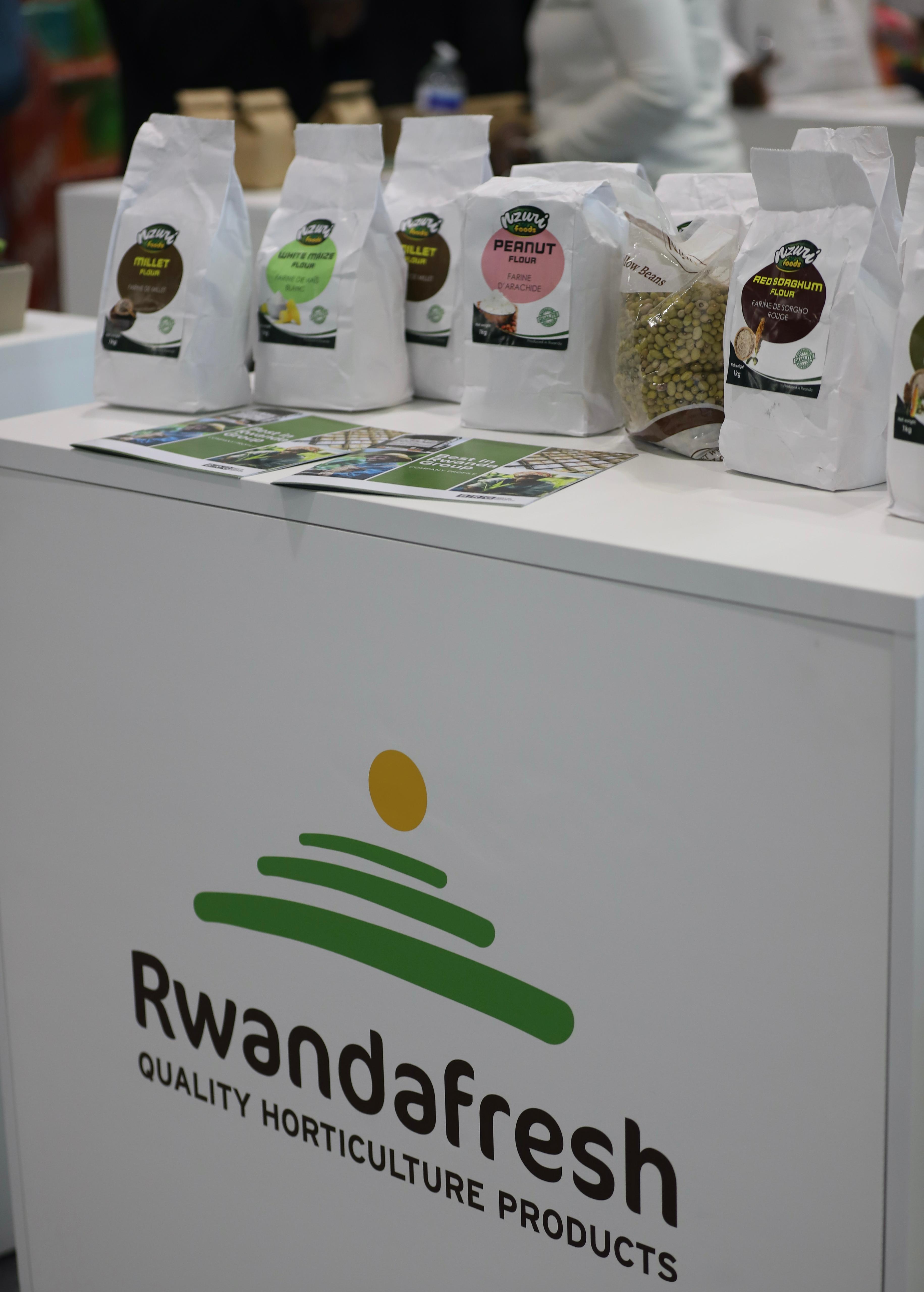
Rwanda is represented by around 20 participants from the agriculture and agro-processing sectors.
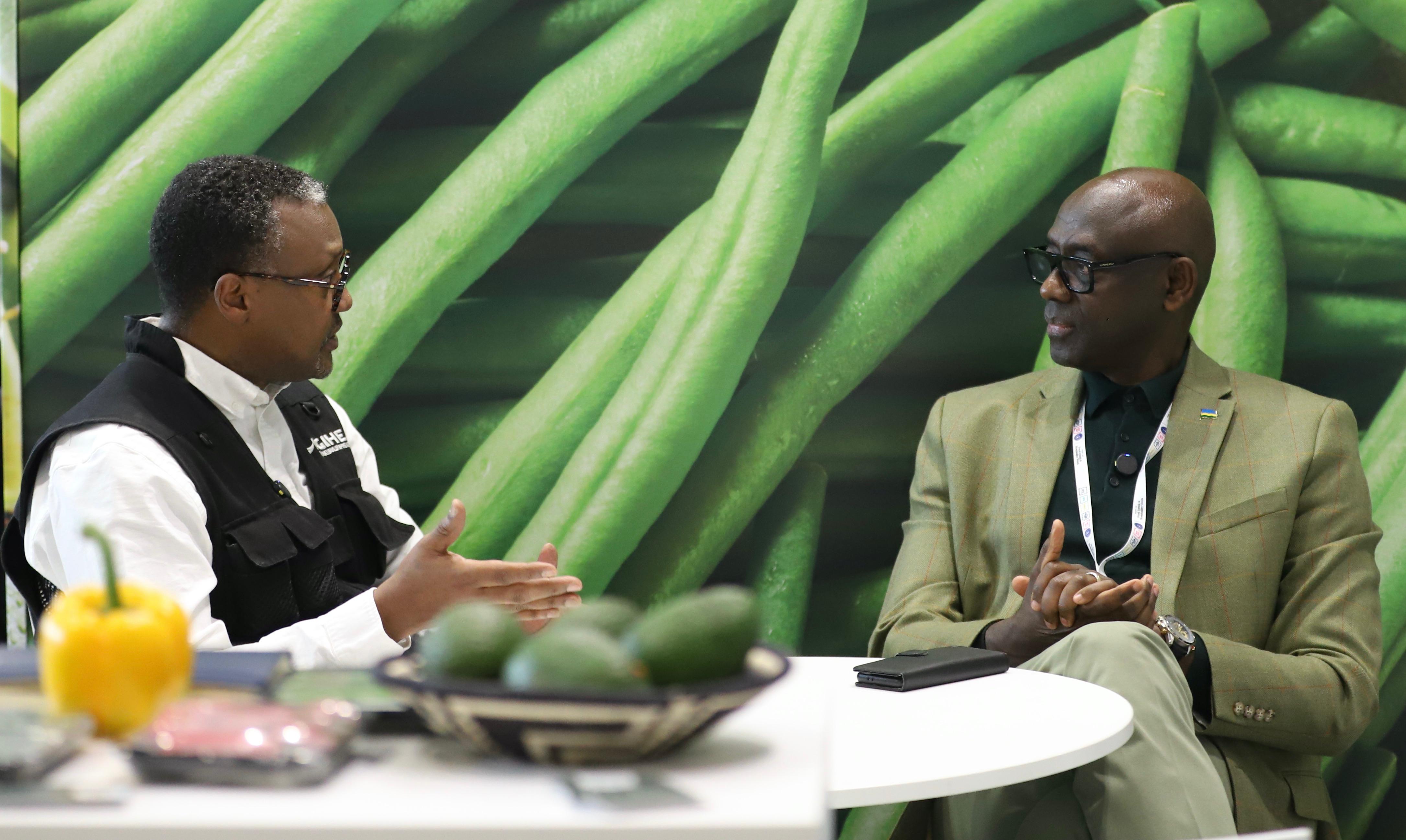
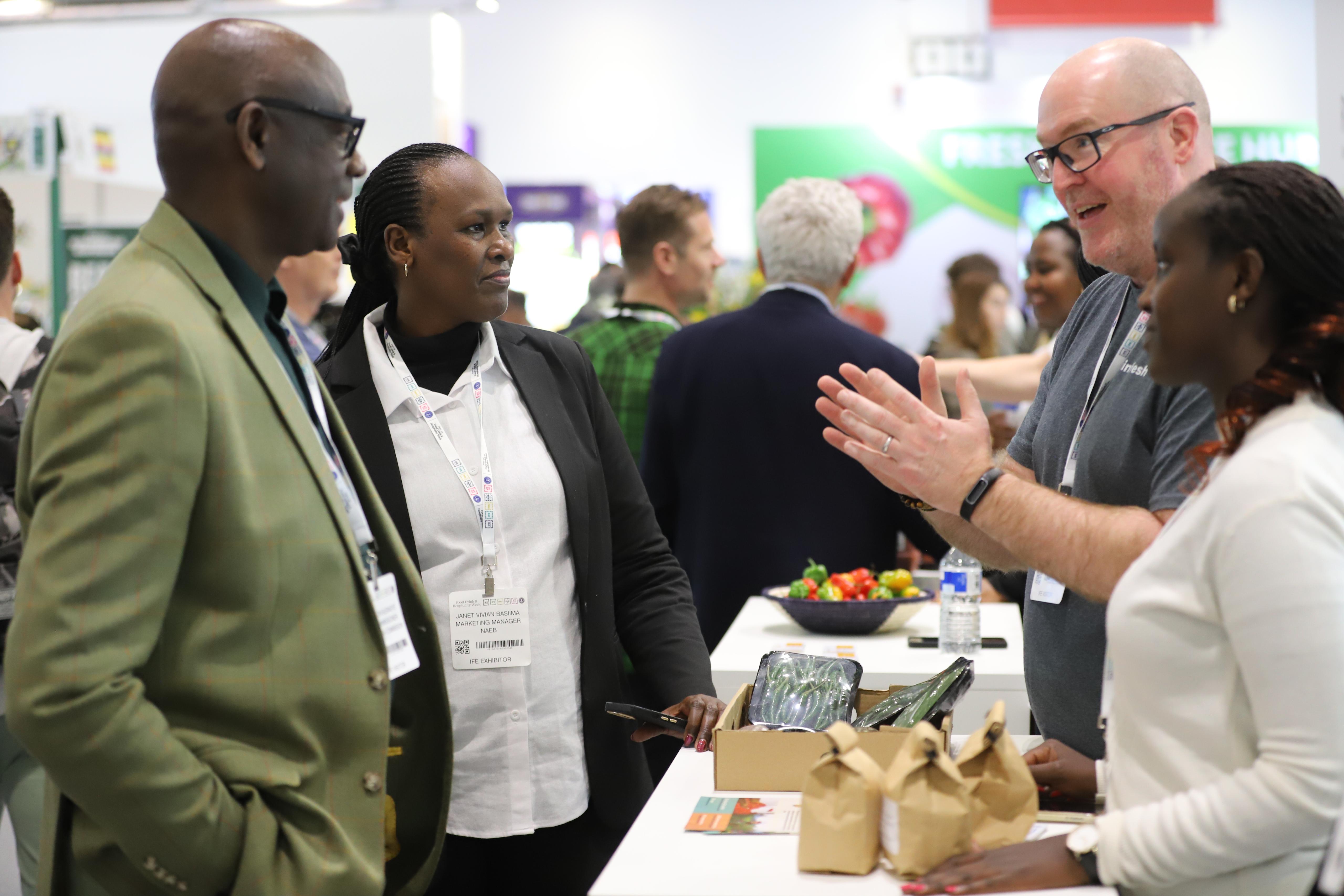
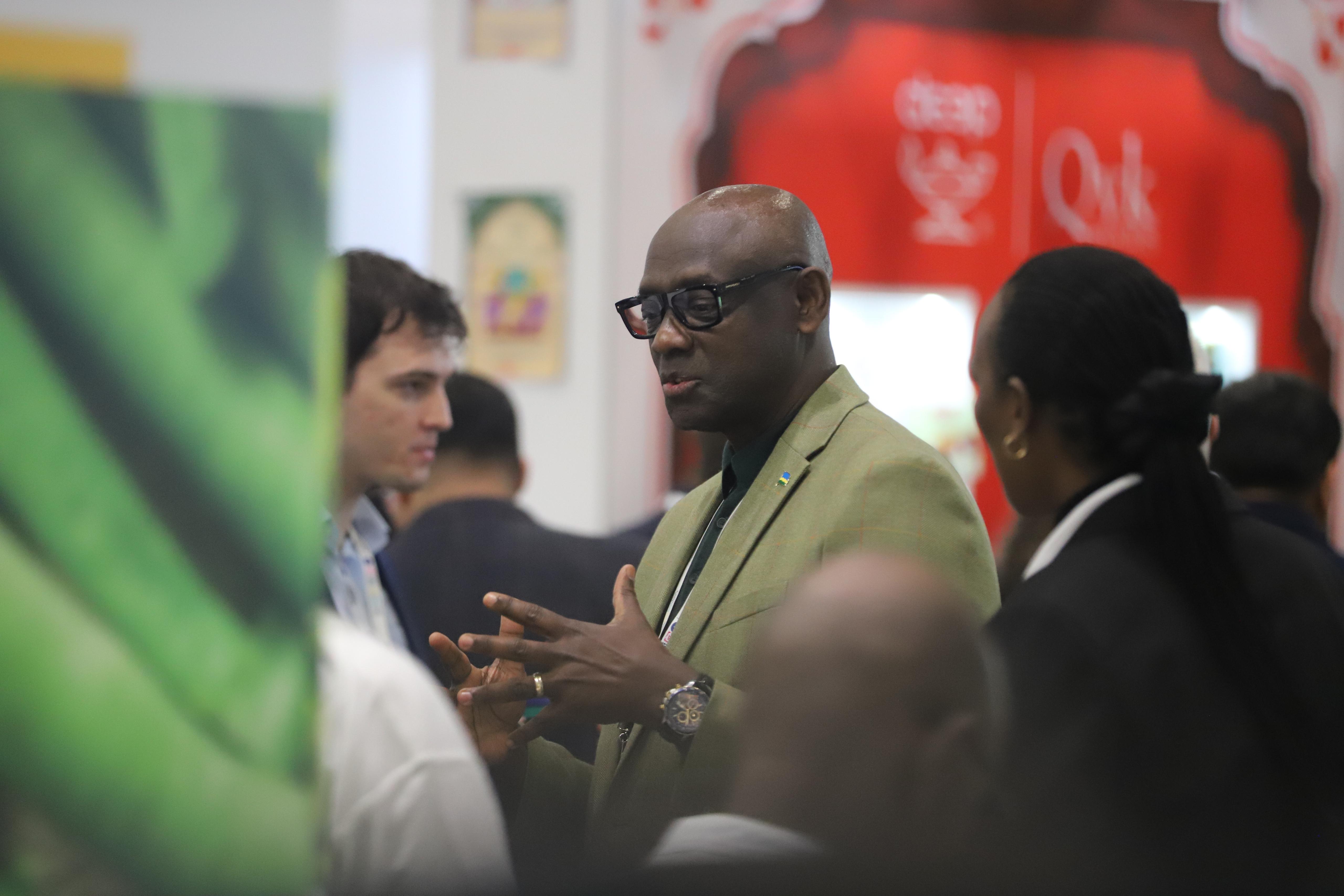
In an interview with IGIHE, Amb. Busingye noted that participation in such exhibitions has helped Rwandans build confidence and gain visibility.
“Since Rwandans started participating, there are clear achievements. The first is confidence, coming to showcase the food and beverage products made in Rwanda.
“This is very significant because historically we were not present in these markets. Today, especially young people, have stepped up and are actively engaged with strong expertise,” he said.
He added that the exhibition has also highlighted the strong demand for Rwandan products in the UK, which is difficult to meet.
“The second is the market. Everyone I visited told me the same thing: demand here exceeds supply. This is a country that relies heavily on imported food. Everywhere I went, whether in food, beverages, or coffee, what they showed me is that there is a market they cannot satisfy,” he explained.
Amb. Busingye also pointed out that the UK offers a favorable environment for international trade, making it easier for Rwandan products to access the market.
He emphasized the importance for Rwandan producers to improve packaging and preservation to maintain product quality and appeal.
“What Rwandans need to learn is how to add value to their agricultural products, preserve them properly, and package them well so they can withstand transport, whether by air or sea, and remain attractive on shelves. Packaging is as important as the product itself, sometimes even more important,” he stressed.
UK as an alternative
The Ambassador also addressed the challenges exporters are facing due to the ongoing conflict in the Middle East.
This situation has significantly affected Rwandans who export fruits and vegetables to the United Arab Emirates and other countries in the region.
According to him, the UK can serve as a viable alternative while the situation remains unresolved.
“You can see that trade routes to the Middle East are currently disrupted, but here there is a very quick solution. Some have even told me they are ready to buy immediately if products are available.
“Among those here, some were already exporting to the Middle East. If we coordinate our efforts, the UK market can provide a short-term solution, because demand for food and agricultural products here cannot be fully met,” he said.
Amb. Busingye also noted, as per information from NAEB, discussions are ongoing to encourage Rwandan exporters to explore this market while awaiting stability in the Middle East.
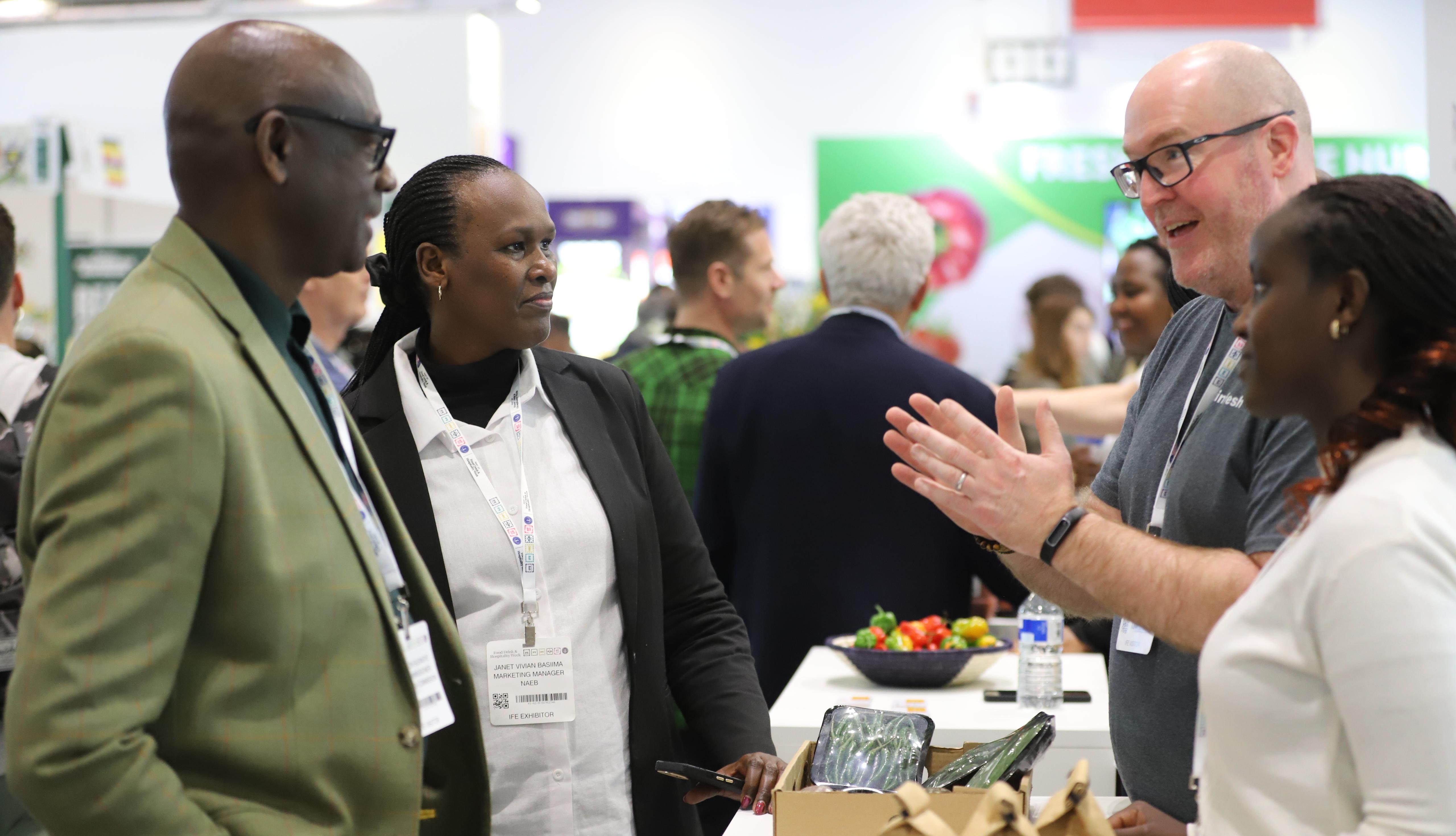
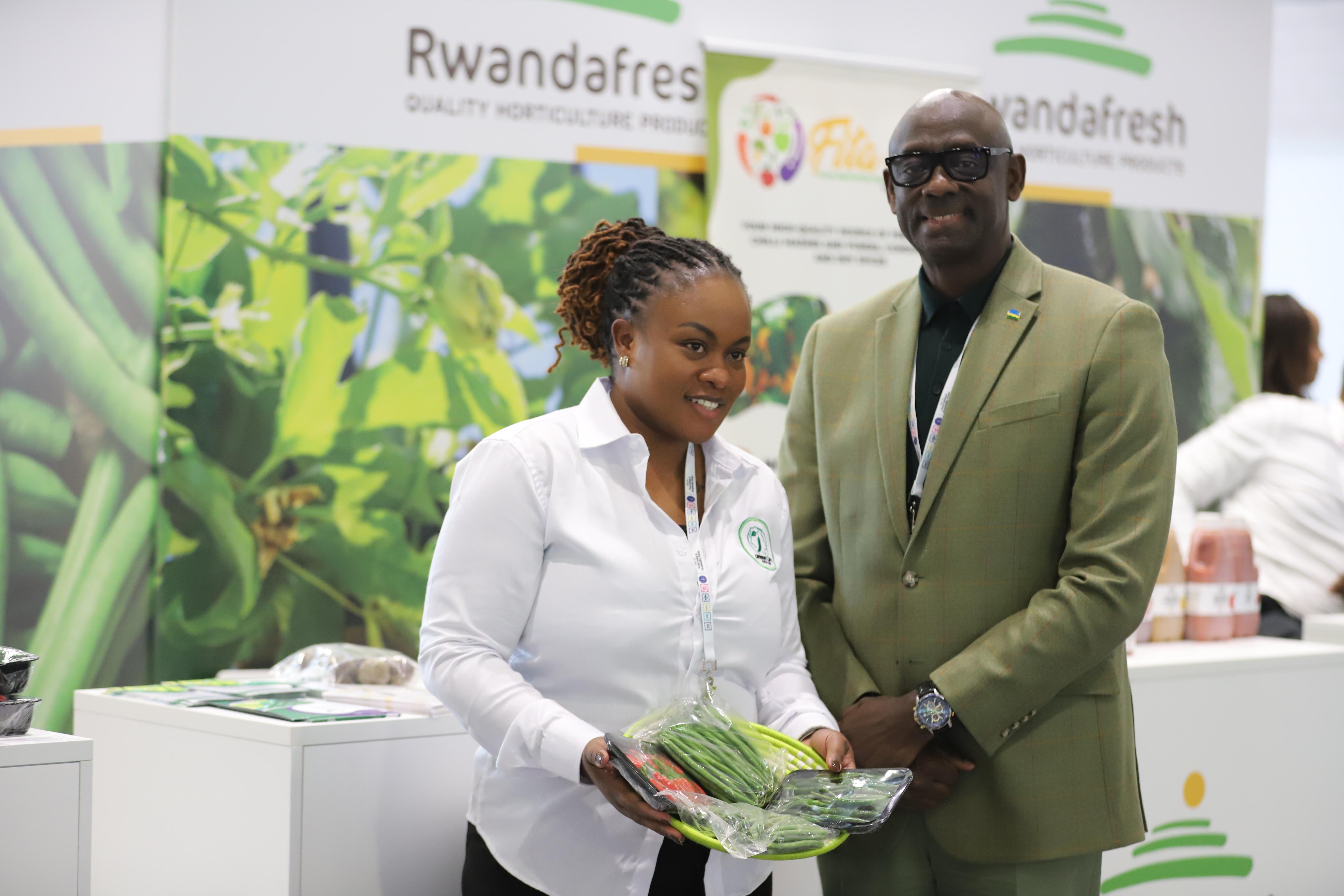
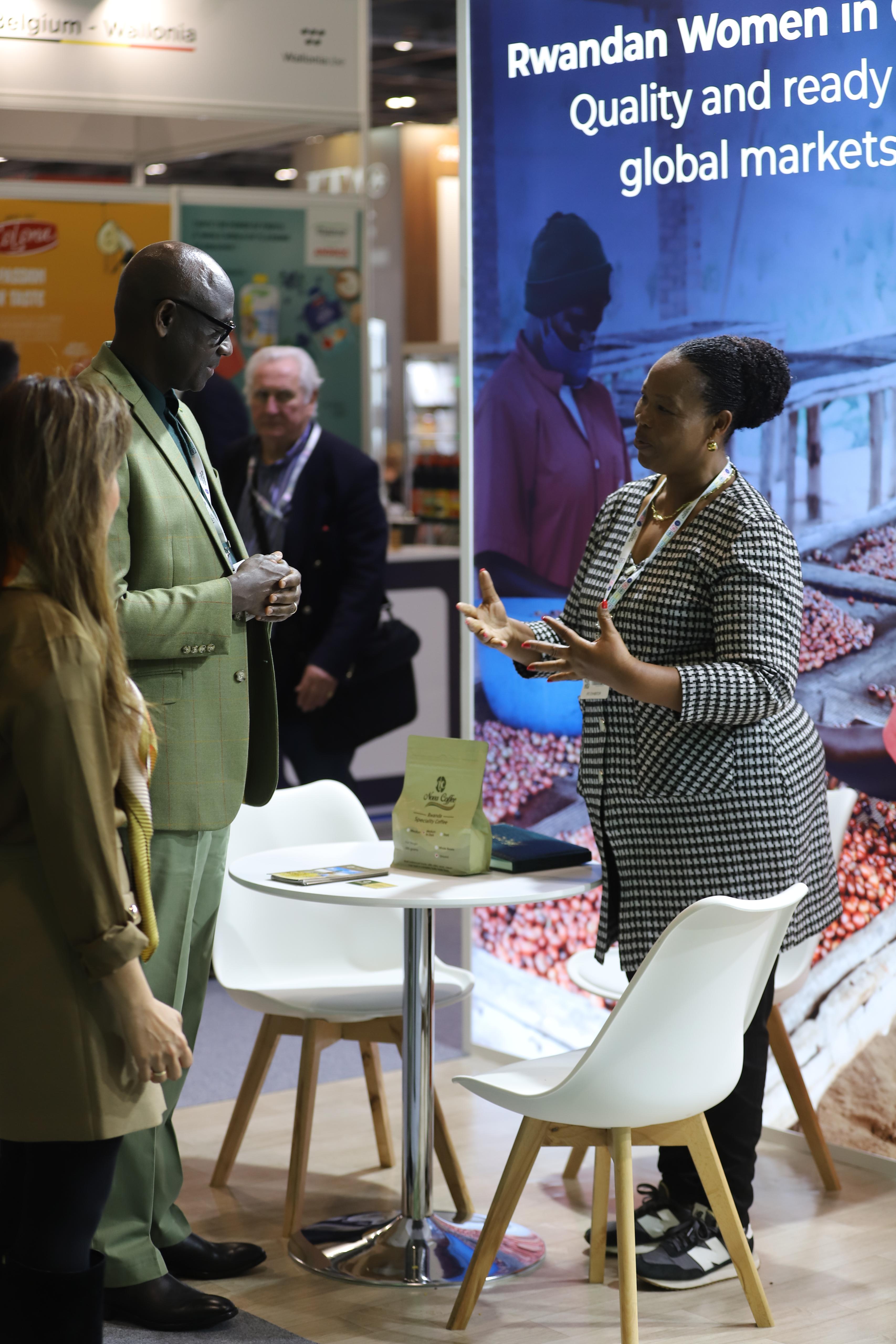
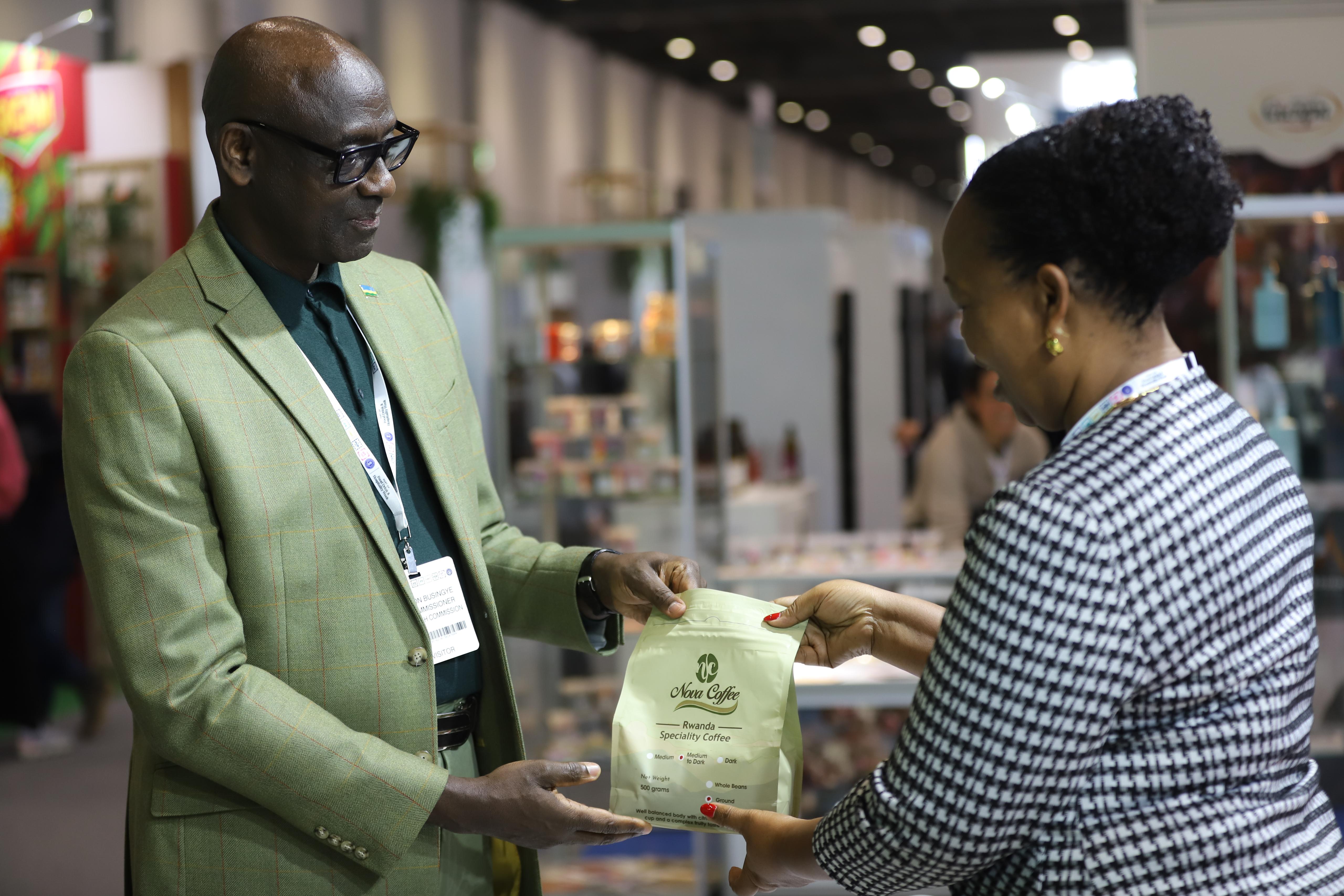
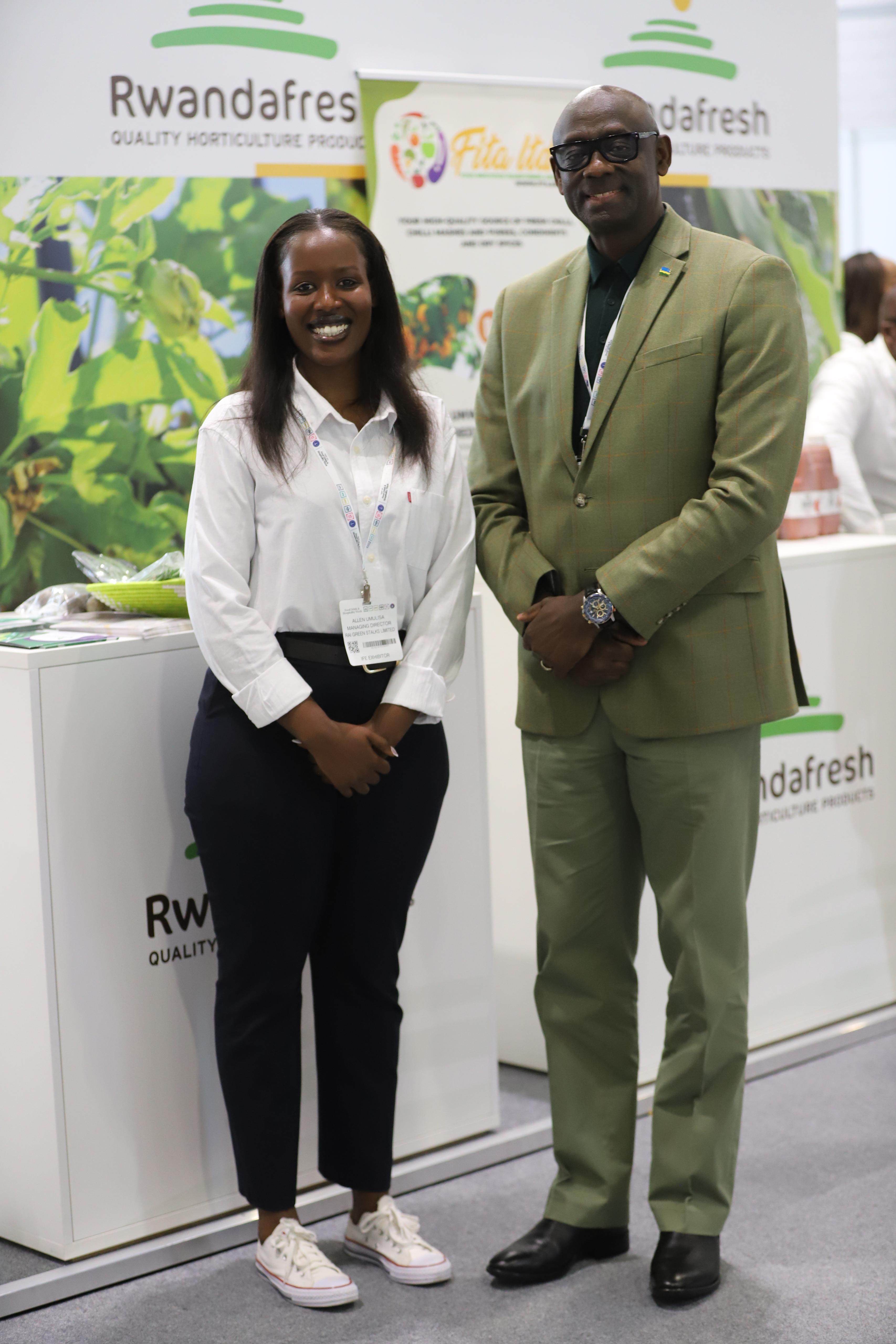
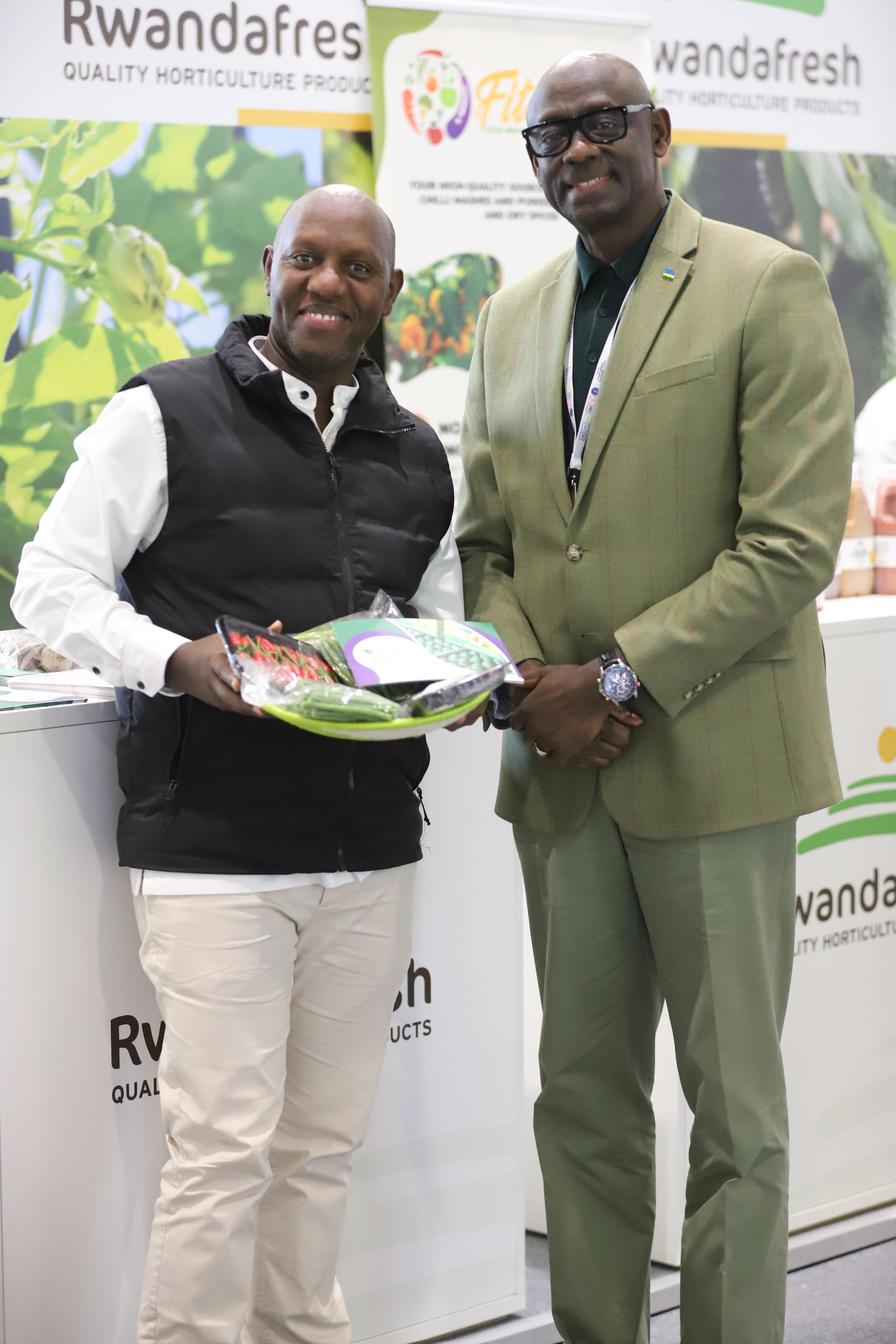
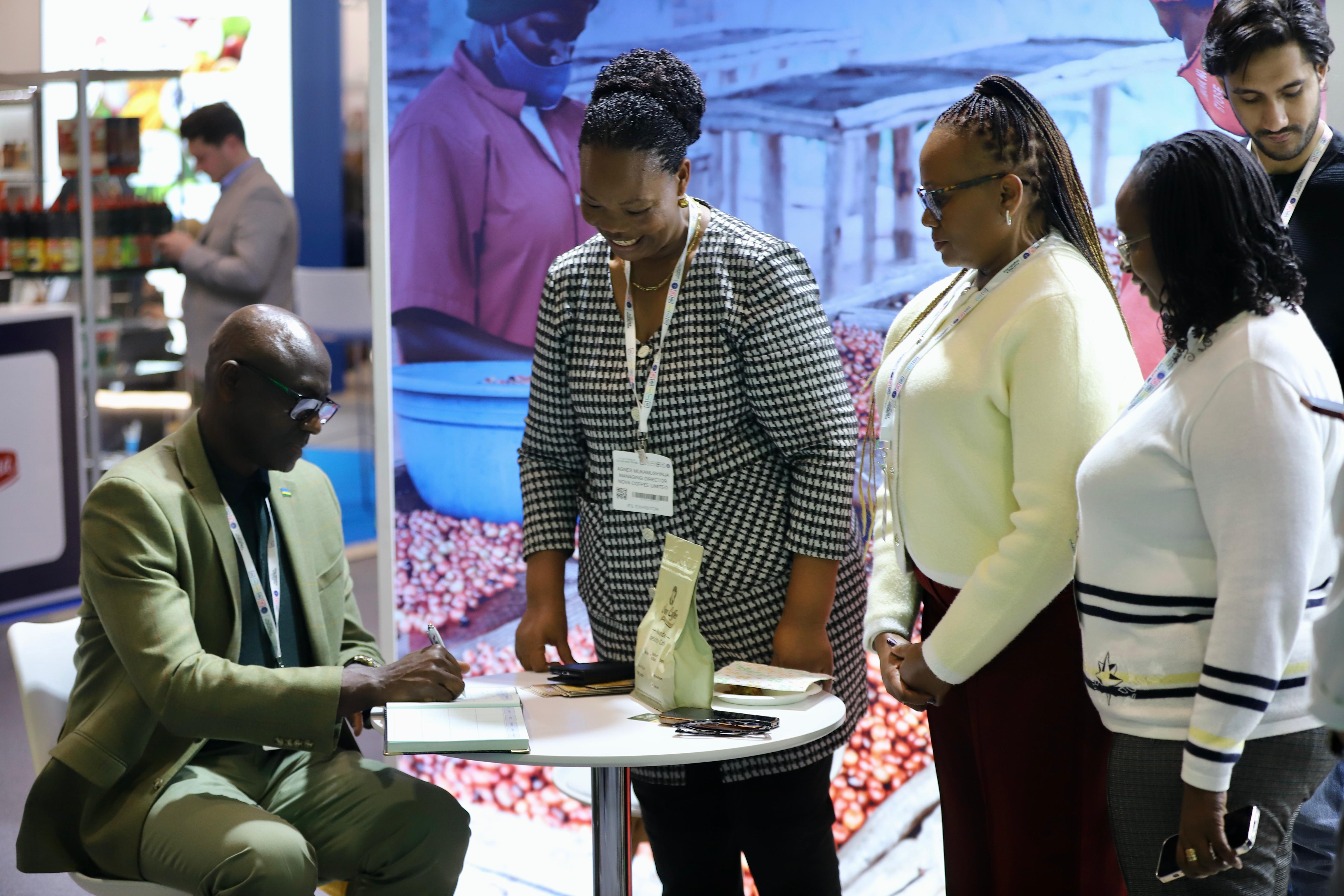
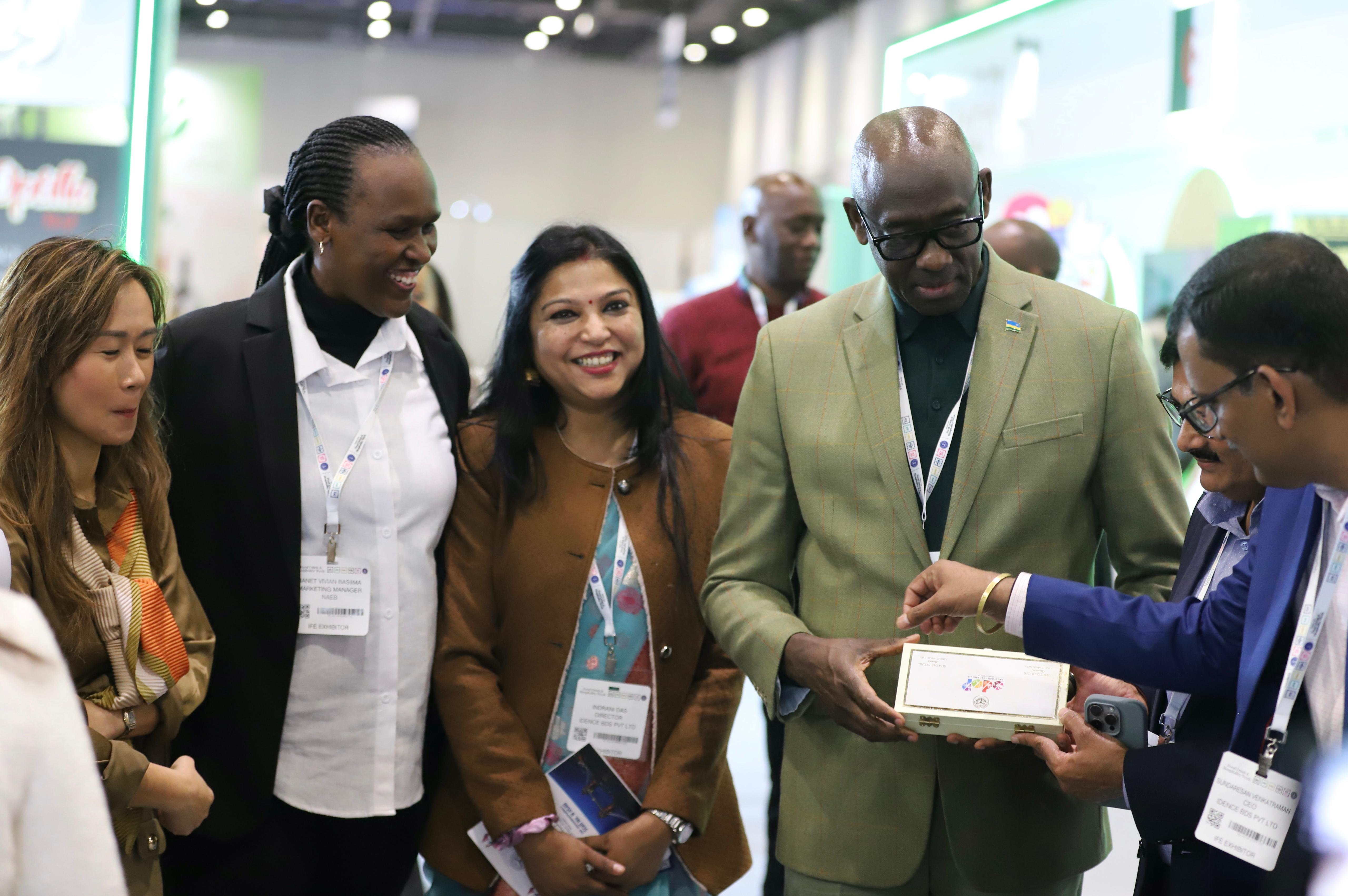
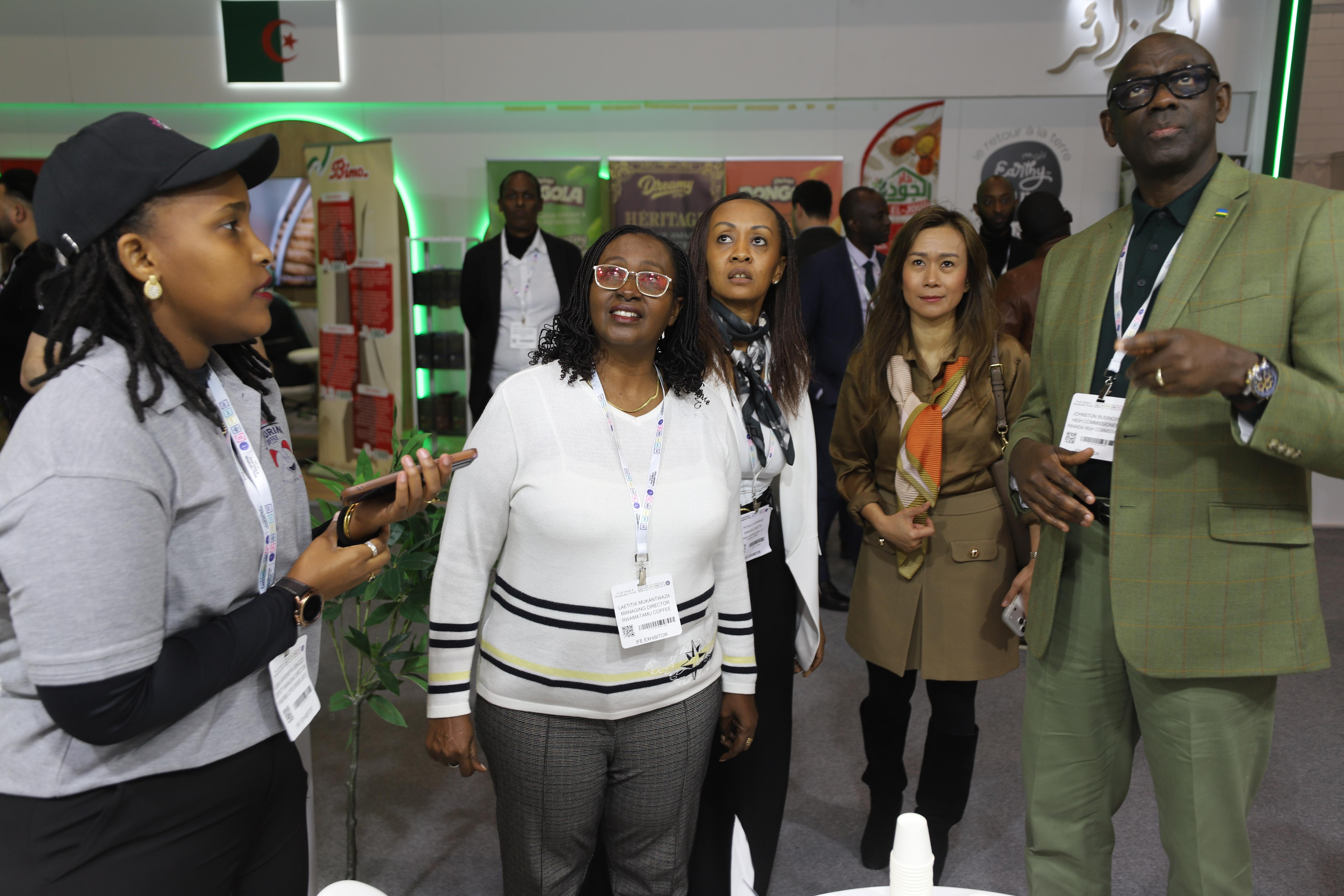
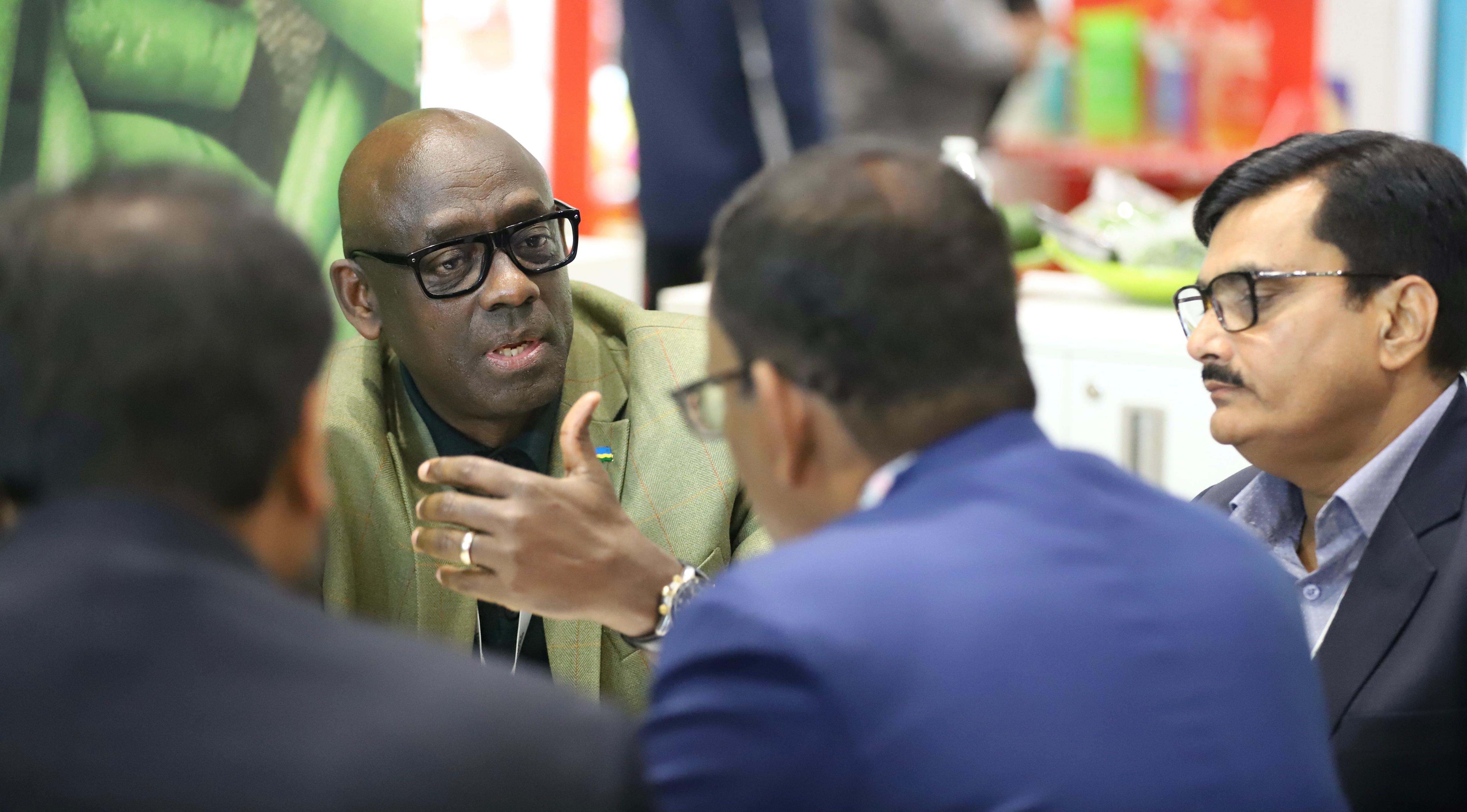
Amb. Busingye also visited the youth showcasing agricultural products at the exhibition. Ambassador Busingye interacted with women showcasing Rwandan coffee in the United Kingdom.Janet Basiima, Export Market Development and Innovation Division Manager at NAEB in a conversation with Ambassador Busingye. Amb. Busingye in an interview with IGIHE
He made the remarks following an announcement by the Congolese armed forces (FARDC) on March 29, 2026 that it had sent its deputy chief of staff, Lt Gen Nduru Jacques Ychaligonza to Kisangani to initiate operations to disarm FDLR fighters.
The Democratic Republic of Congo (DRC) has often claimed that the FDLR, terrorist group which Rwanda accuses of collaboration in destabilizing the region, is being used as a pretext.
Rwanda has shown that its fighters are already integrated into FARDC forces, both in combat operations in eastern Congo and in Kinshasa, and have long been involved in teaching genocidal ideology.
Lt Gen Nduru told the media on March 29, 2026 that he had been sent to eastern DRC, in the Kisangani area, to prepare operations against the FDLR. He stated: “They must surrender their weapons voluntarily or by force.”
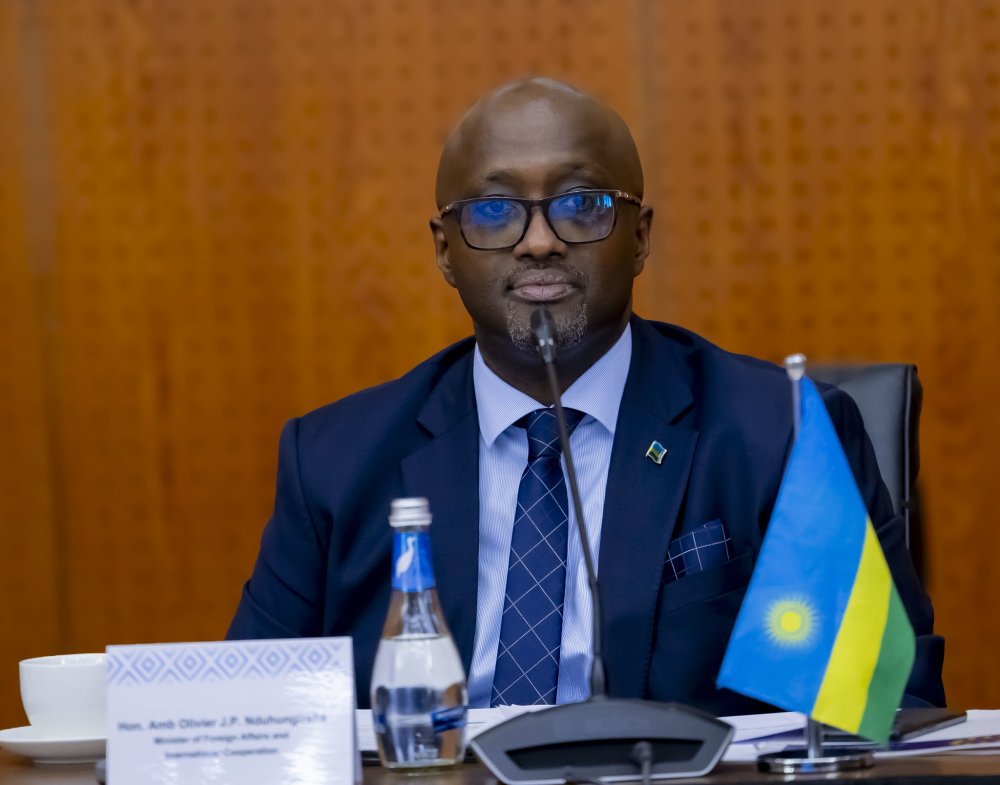
Minister Nduhungirehe, commenting on a report by RFI about FARDC’s push for FDLR disarmament, emphasized that agreements cannot be implemented through words alone.
“The implementation of the Washington Peace and Prosperity Agreements requires concrete actions on the ground, not empty words, unfulfilled promises, endless awareness campaigns, or a government cacophony over the existence or threat posed by the FDLR genocidaires,” he said.
The Concept of Operations (CONOPS) under the peace agreement signed by Rwanda and DRC in Washington, with support from the United States, indicates that the removal of Rwanda’s security measures will be preceded by actions by the DRC to dismantle the FDLR terrorist group.
Col (Rtd) Augustin Nshimiyimana, also known as Col Bora, a former FDLR combatant, recently told IGIHE that FARDC’s statements about dismantling the FDLR would be hardly achieved, given the ongoing collaboration.
“If they truly intended to act, they should start in Kinshasa, because the FDLR is there, and there are FDLR members within FARDC even today. These statements are deceptive—they plan the operation secretly, but instead of announcing it, they should act immediately because the FDLR is already within FARDC ranks. Where would they even pursue them when they are already integrated?” he wondered.
Previously, the number of FDLR combatants was estimated between 7,000 and 10,000 fighters.
Rwanda continues to emphasize its commitment to the Washington Peace Agreement signed on December 4, 2025 and supports the Doha process.
Minister Nduhungirehe has called for concrete actions to dismantle the FDLR.
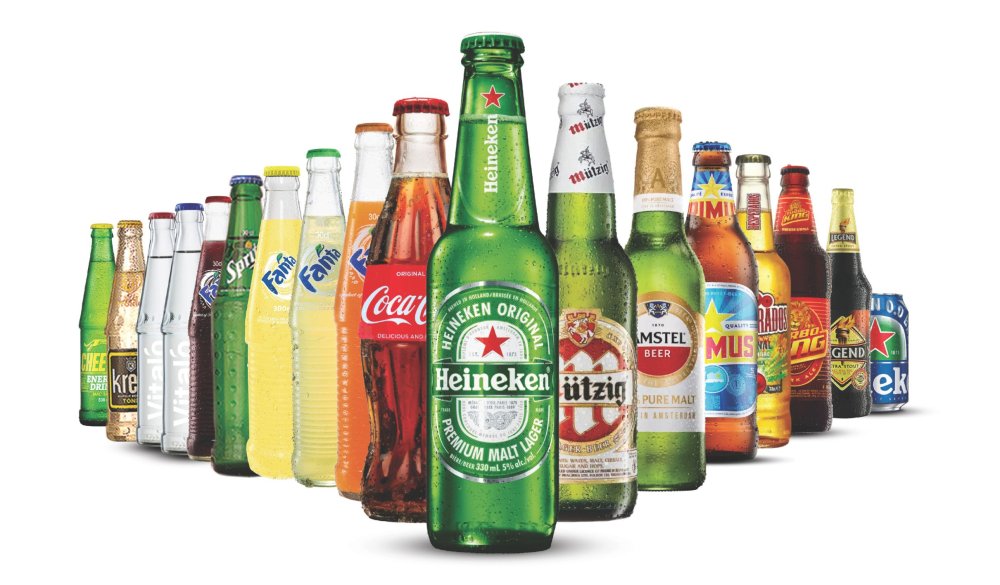
The company’s revenues grew by 22.1%, driven by increased sales of both alcoholic and non-alcoholic beverages, as well as pricing strategies designed to remain affordable for consumers.
BRALIRWA indicates that production increased in line with higher sales volumes, but this growth was constrained by a 23.6% rise in production costs compared to the previous year. This was largely attributed to rising global prices of raw materials and packaging inputs.
The company also reported a 39% rise in distribution and selling expenses, mainly due to increased investment in market operations and higher transportation costs associated with delivering products to customers.
Administrative expenses, however, declined slightly by 1.5%, largely due to a reclassification of inventory variance accounting into the cost of sales following operational changes implemented in 2025. Excluding this adjustment, administrative costs would have increased by 5.1%, primarily driven by higher staff-related expenses.
As a result, BRALIRWA recorded an operating profit of Rwf 70.9 billion in 2025, up from Rwf 59.4 billion in 2024. This growth contributed to a 23.1% increase in profit before tax, which in turn led to a 44.8% rise in income tax compared to the previous year.
The Managing Director of BRALIRWA Plc, Ethel Emma-Uche, described 2025 as a strong year for the company’s performance, crediting customer loyalty, a supportive business environment, and effective price management strategies.
Despite continued pressure from high input costs, she said, the company’s strong performance reflects the sustained efforts made in cost management and operational efficiency.
She also expressed gratitude to customers for their continued trust in the beverage manufacturer’s products.
In addition to its improved earnings, the company also reported an increase in dividends to shareholders, rising to Rwf 41.63 per share from Rwf 35.96 in 2024. Subject to approval at the Annual General Meeting scheduled for June 29, 2026, the dividend is expected to be paid on July 15, 2026.
BRALIRWA’s revenues grew by 22.1%, driven by increased sales of both alcoholic and non-alcoholic beverages
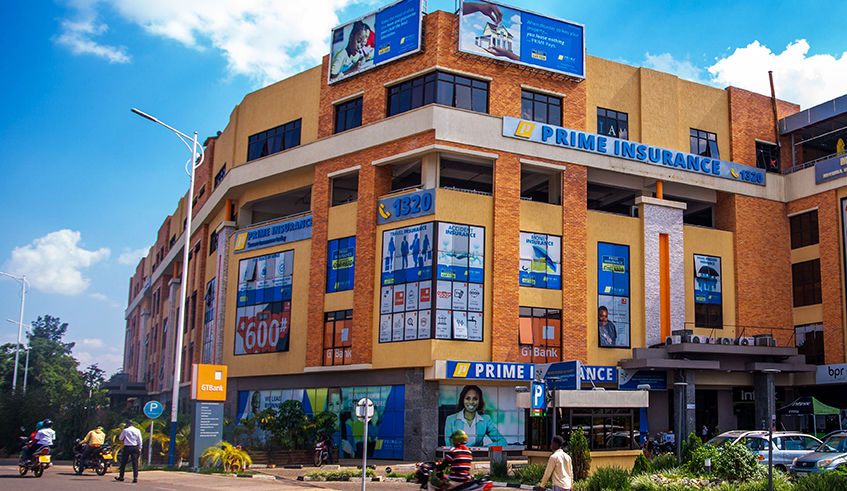
According to the company’s financial statement, insurance revenue for 2025 reached Rwf24.23 billion, up from Rwf22.33 billion in 2024, driven by increased underwriting activities. Profit before tax rose to Rwf 7.03 billion, while net profit after tax stood at Rwf4.92 billion, compared to Frw 4.42 billion in the previous year.
The company’s balance sheet also reflected a stronger financial position, with total assets rising to Rwf43.94 billion from Rwf38.19 billion, and total equity increasing to Rwf20.15 billion. Insurance liabilities accounted for Rwf 16.21 billion, while cash and cash equivalents amounted to Rwf 2.67 billion, underscoring improved liquidity.
The 2025 results demonstrate Prime Insurance’s sustained profitability, operational efficiency, and compliance with the IFRS 17 Insurance Contracts standard. The company also reported growth in its investment portfolio, supporting long-term stability.
Camille Karamaga, Chairman of the Board expressed satisfaction with the results, highlighting disciplined underwriting, prudent financial management, and a strengthened capital base.
“The company remains well-capitalized, financially sound, and strategically positioned to continue delivering sustainable growth and value to its shareholders and policyholders,” he stated.
Prime Insurance has also declared a dividend payout of Rwf1.5 billion, signaling a commitment to shareholder value creation.
Looking ahead, Prime Insurance has affirmed commitment to expand market share across Rwanda, enhance customer-centric insurance solutions, drive innovation and digital transformation, strengthen property and medical insurance offerings, and build strategic partnerships across sectors.
More details about the financial statement can be accessed here
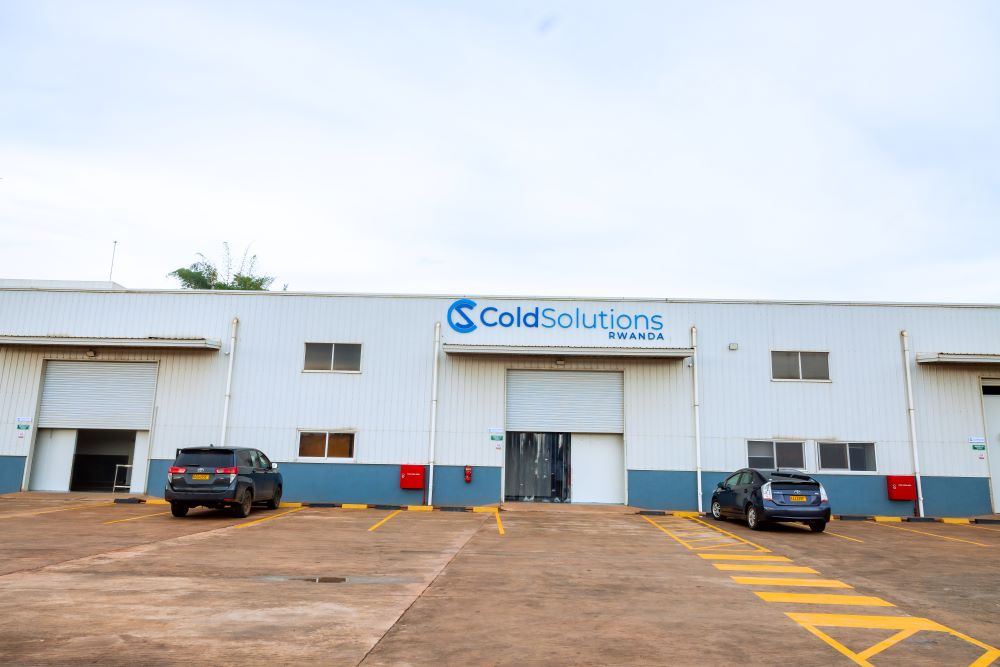
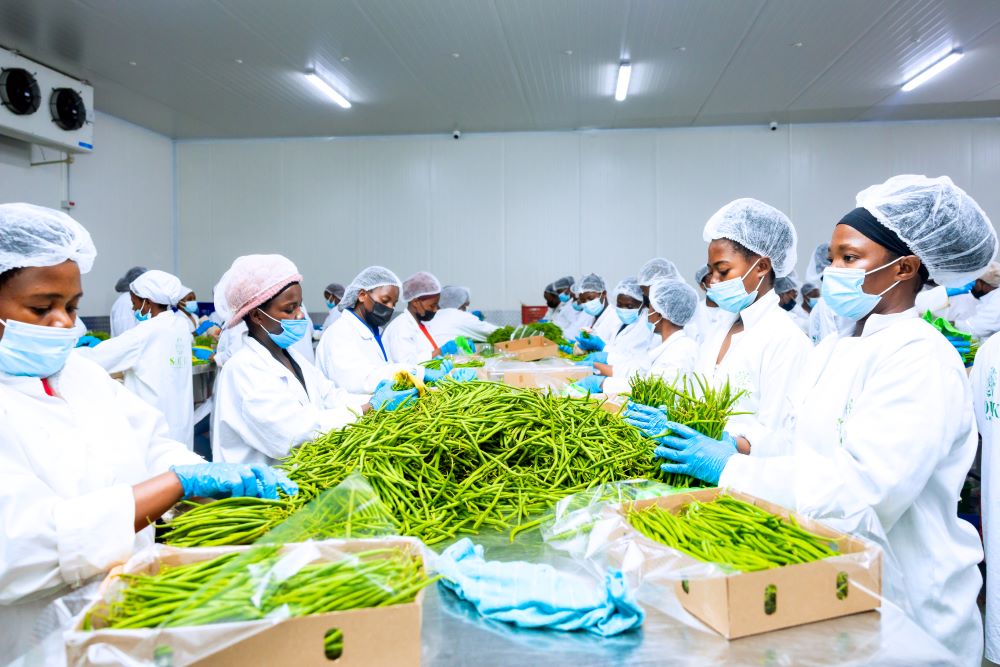
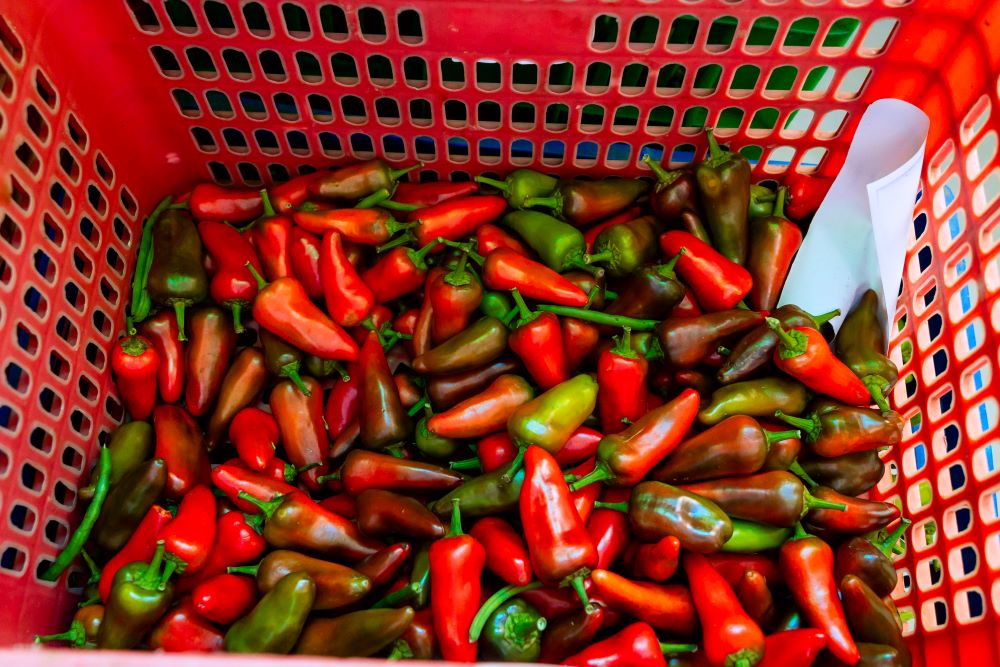
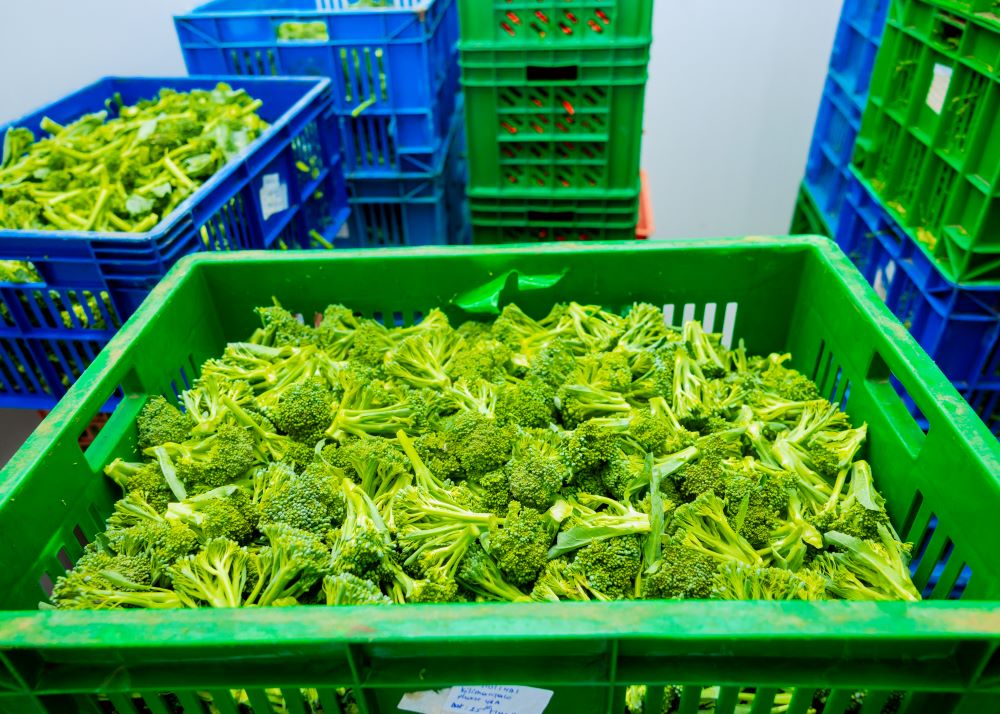
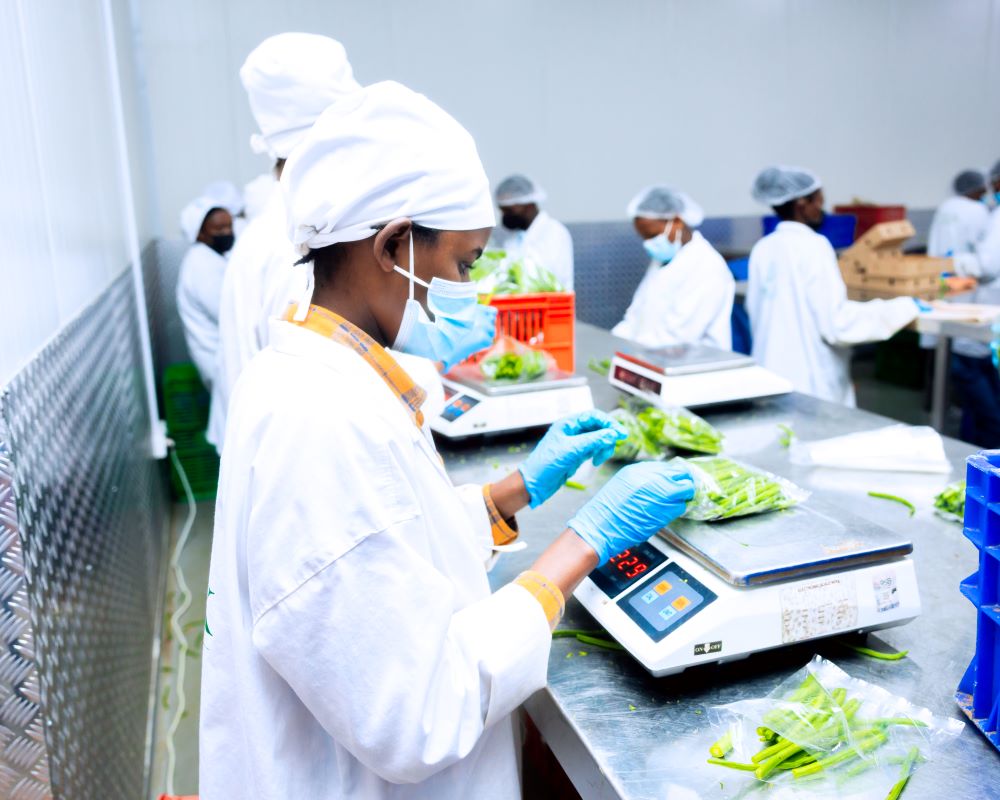
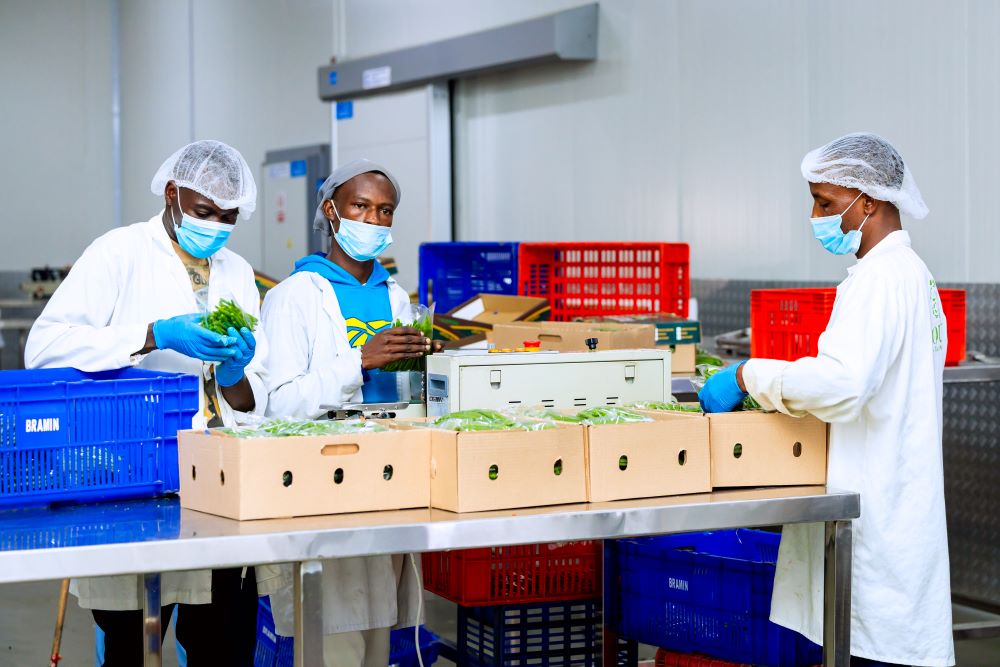
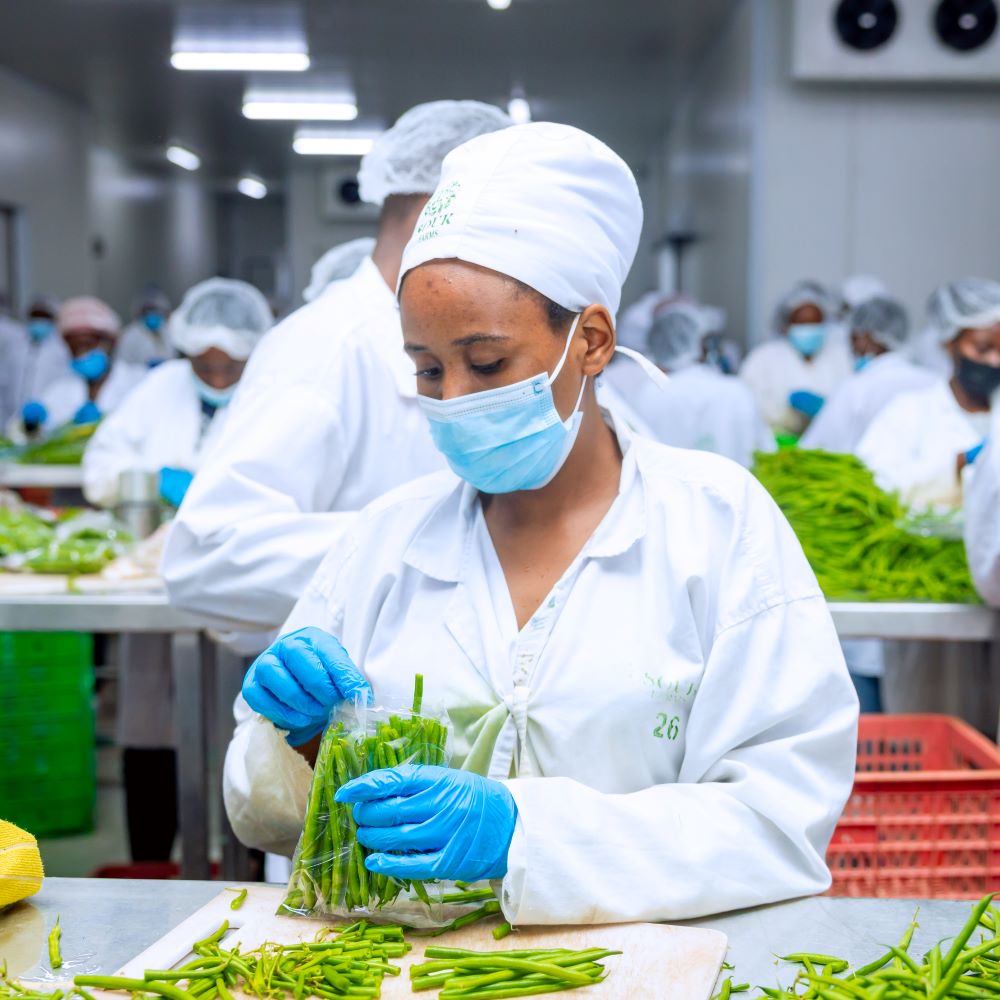
This facility, which is part of the company’s phased development plan, will provide essential support for the efficient handling, aggregation, and movement of temperature-sensitive products, specifically for the domestic and export markets.
The new packhouse is the first step in Cold Solutions’ strategy to expand its cold storage capacity and logistics services in Rwanda. It will strengthen the country’s cold chain infrastructure and offer reliable solutions for horticultural produce, food manufacturers, and pharmaceutical companies.
Cold Solutions Rwanda has been at the forefront of providing world-class temperature-controlled storage and logistics solutions across East Africa, playing a pivotal role in handling and storing perishable goods.
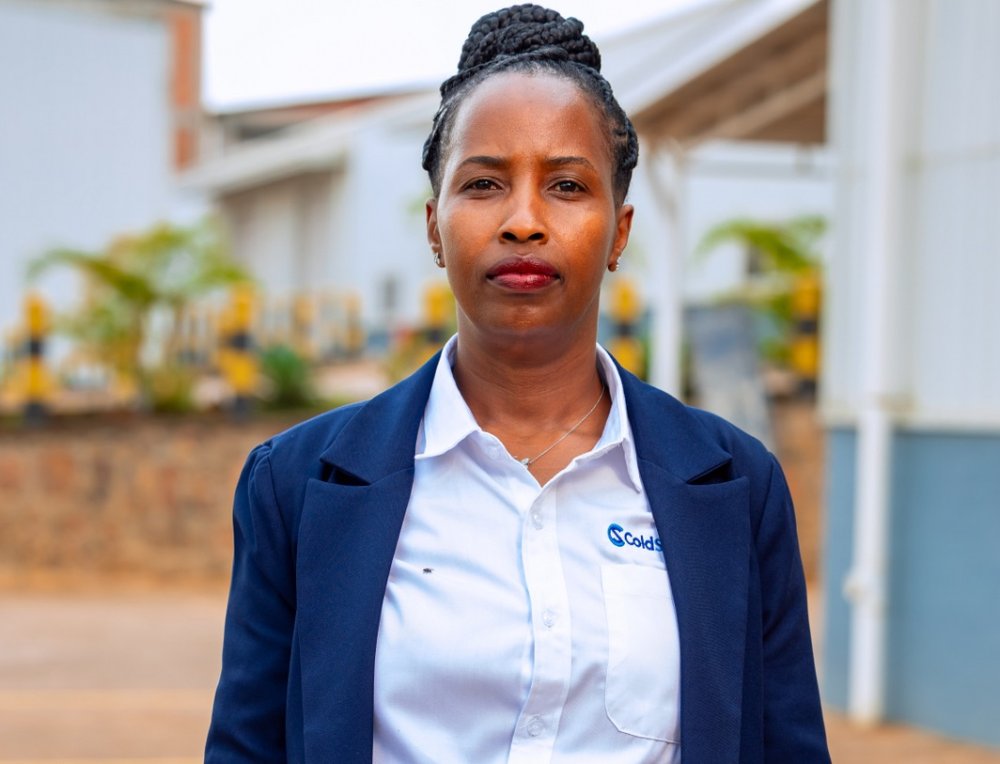
Speaking to IGIHE, Julie Igiraneza, Commercial Director at Cold Solutions Rwanda, shed light on the company’s commitment to supporting the local and regional supply chains.
“As part of our phased development, we have commissioned a modern, fully equipped packhouse facility to support the handling and export of horticultural produce. This will provide exporters with reliable, high-quality services while our flagship temperature-controlled complex in Rwanda remains under construction and will be launched in 2027,” she noted.
This packhouse not only addresses a key market gap in the cold storage sector but also introduces cold chain logistics services, such as intercity, long-haul, and cross-border transportation. These services are designed to ensure product quality and integrity throughout the entire value chain, from production to export.
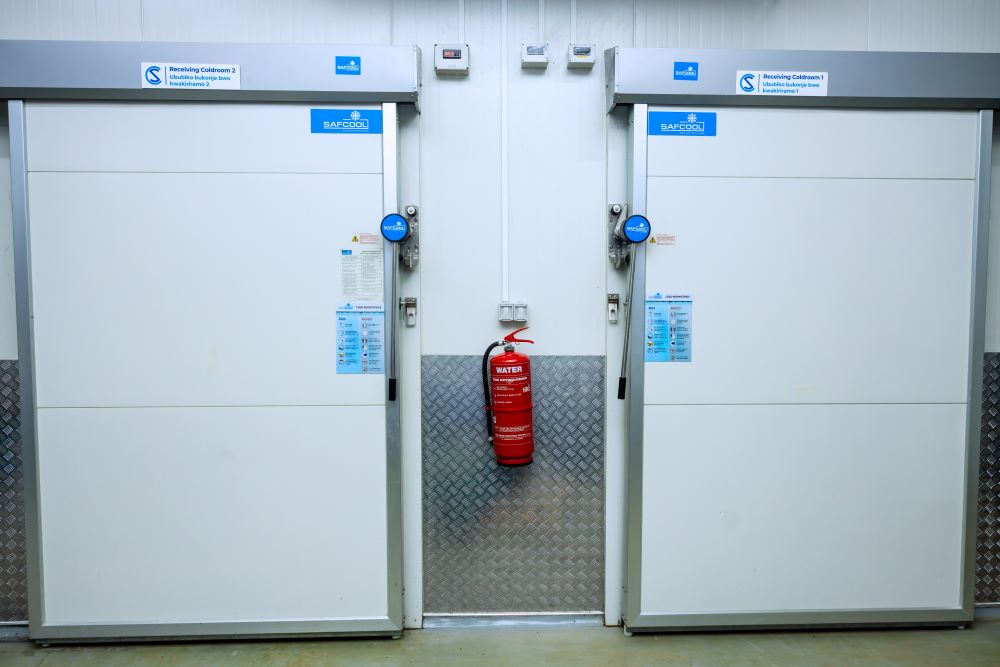
“Our operations are powered by advanced technologies, including a robust warehouse management system, blast chilling, and blast freezing capabilities, with temperature control ranging from ambient to -40°C,” added Igiraneza.
Cold Solutions’ broader vision includes expanding its operations through the development of a 4,000-pallet position temperature-controlled warehouse.
This new facility, which will be launched in Q3 2027, will significantly increase the company’s storage capacity and integrated logistics offerings, enabling it to cater to Rwanda’s growing horticulture, food, and pharmaceutical sectors.
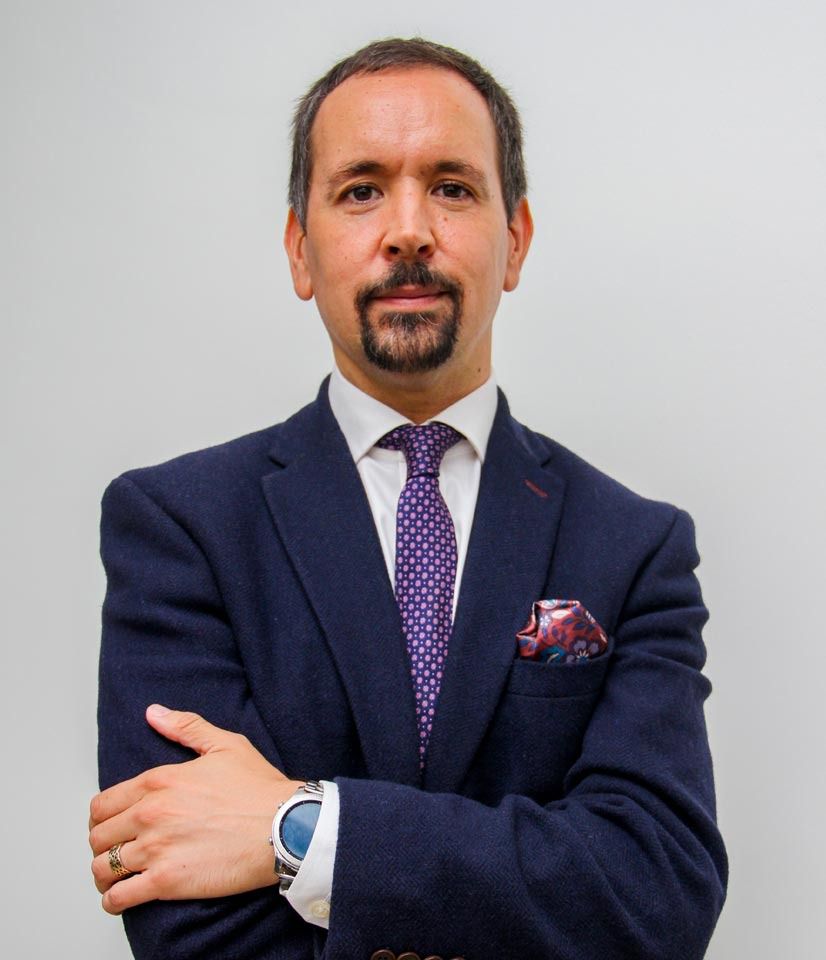
Azhar Rifai, Managing Director of Cold Solutions Rwanda, emphasized the importance of this expansion, stating, “This milestone marks a defining moment in bringing our packhouse vision to life. It reflects our ambition to set new benchmarks in quality, efficiency, and innovation within the industry. As we move toward completion of the full facility, we are building more than infrastructure; we are shaping the future of our operations and unlocking long-term value for our partners and stakeholders.”
Fredd Kambo, Managing Director of ARCH Emerging Markets Partners, also commented on the significance of the new packhouse, saying, “The opening of our 1,400 sq m packhouse in Kigali is an important milestone in our strategy to build a modern, integrated cold chain platform in Rwanda. Through Cold Solutions Rwanda Limited, we are establishing critical handling infrastructure while also launching dedicated cold chain logistics services to support the movement of temperature-sensitive goods.”
This development is part of a broader regional initiative aimed at enhancing cold storage infrastructure across East Africa.
Cold Solutions Rwanda Limited (CSRL) operates as the Rwandan platform of the ARCH Cold Solutions East Africa Fund, which is managed by ARCH Emerging Markets Partners, a private equity firm dedicated to building and growing market-leading businesses across Africa.
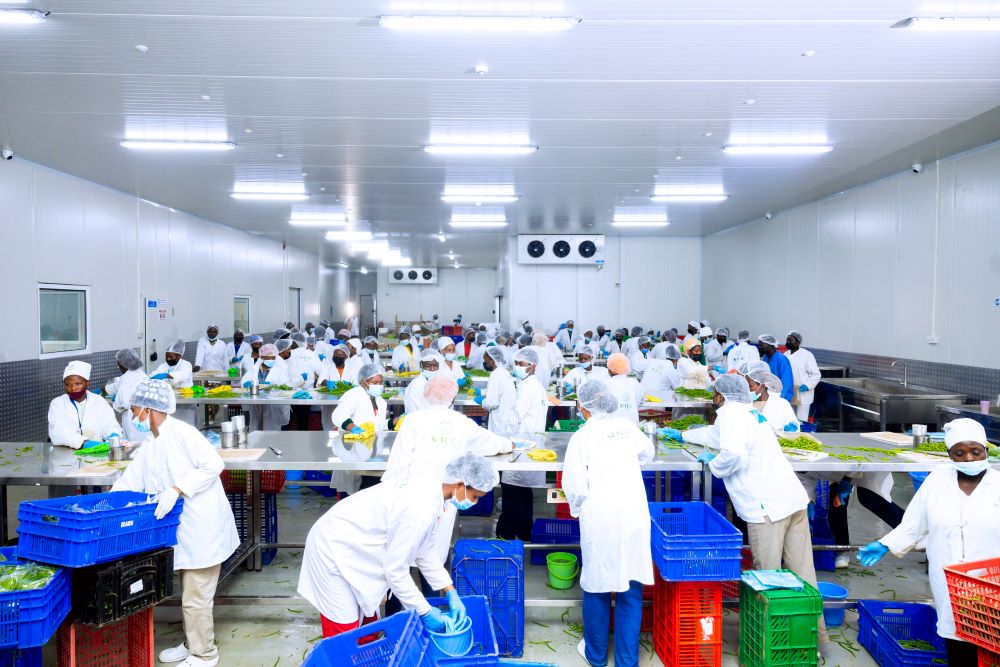
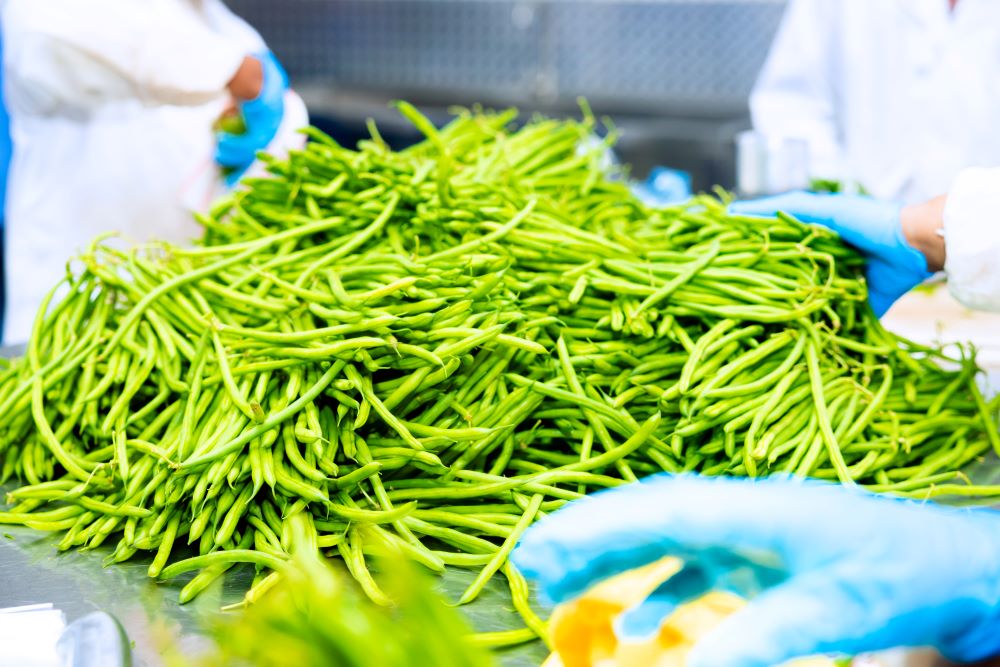
The packhouse caters to Rwanda’s growing horticulture, food manufacturing, and pharmaceutical sectors, supporting both local and export supply chains.The new facility provides advanced cold storage and logistics solutions for temperature-sensitive products such as French beans.Julie Igiraneza, Commercial Director at Cold Solutions Rwanda, highlighted that the packhouse supports the handling and export of horticultural produce for domestic and regional markets.Fredd Kambo, Managing Director of ARCH Emerging Markets Partners, noted that the Kigali packhouse is a critical step in building an integrated cold chain platform in Rwanda.Azhar Rifai, Managing Director of Cold Solutions Rwanda, described the expansion as a milestone in delivering efficient, high-quality cold chain services.
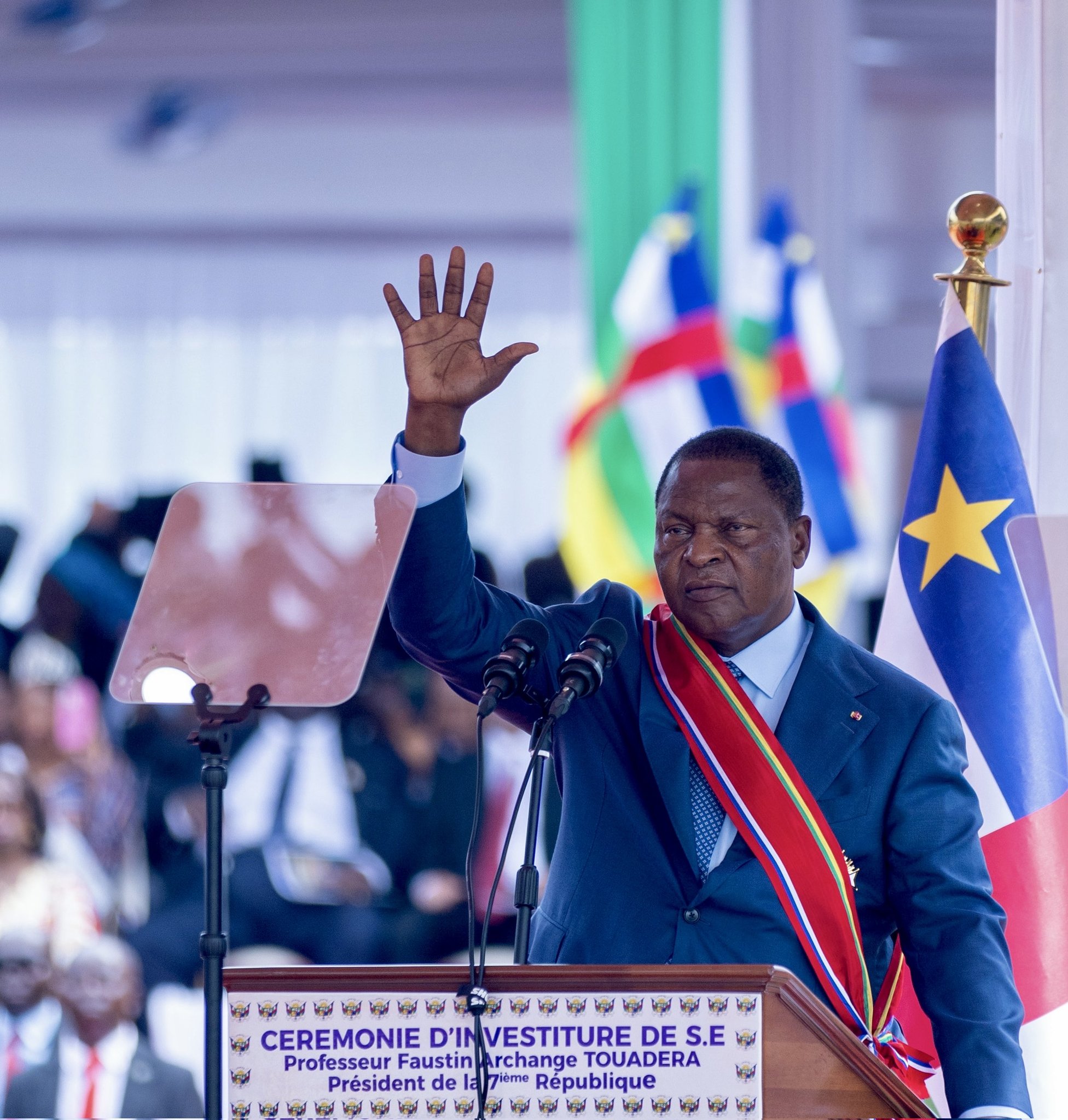
Premier Dr. Nsengiyumva, representing President Paul Kagame, is among dignitaries who attended the inauguration ceremony of Touadéra at at the Barthelemy Boganda Sports Complex on Monday.
The development was confirmed by the Office of the Prime Minister of Rwanda without disclosing further details of their discussions.
President Faustin-Archange Touadéra was re-elected in December 2025 with 76.15% of the vote.
Rwanda and the Central African Republic (CAR) maintain cooperation particularly in the areas of security, mineral resources, and other sectors.
Security cooperation is central to the partnership, with Rwandan Defence Forces (RDF) and police contributing to the UN peacekeeping mission, MINUSCA, since 2014. In 2020, Rwanda deployed 1,200 troops under a bilateral agreement to neutralize rebel groups loyal to François Bozizé that were threatening Bangui.
Beyond peacekeeping, Rwandan forces provide security for the President, government officials, and key infrastructure, including M’Poko International Airport.
They also support the development of the Central African Armed Forces (FACA), helping the country build its capacity to maintain security independently. Since 2023, RDF has trained over 2,400 soldiers and 300 officers, with several cohorts integrated into FACA between 2023 and 2025.
Currently, around 1,200 Rwandan personnel operate in CAR under bilateral arrangements separate from the UN mission. Their duties include restoring peace, safeguarding Bangui and its surroundings, ensuring the smooth functioning of daily life, and securing President Touadéra’s residence in Damara, Ombella-M’Poko Prefecture.
It was glamour at the inauguration of CAR President Faustin-Archange TouadéraTouadera took the oath of office at the Barthelemy Boganda Sports Complex, with heads of state and diplomats in attendance.President Faustin-Archange Touadéra was re-elected in December 2025 with 76.15% of the votePrime Minister Dr. Justin Nsengiyumva met with CAR President Faustin-Archange Touadéra following the President’s inauguration on March 30, 2026.
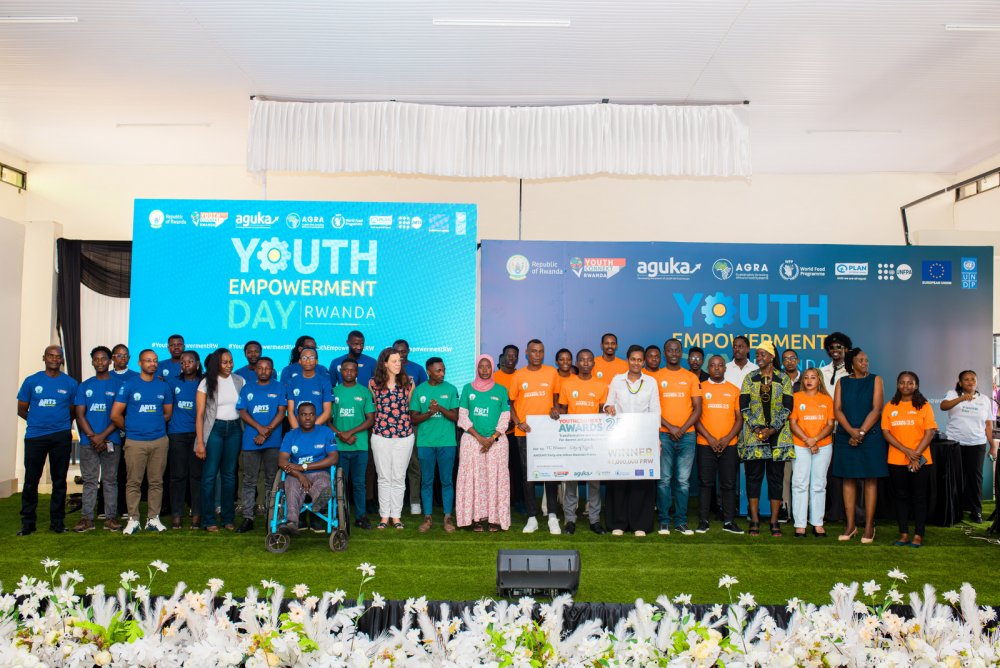
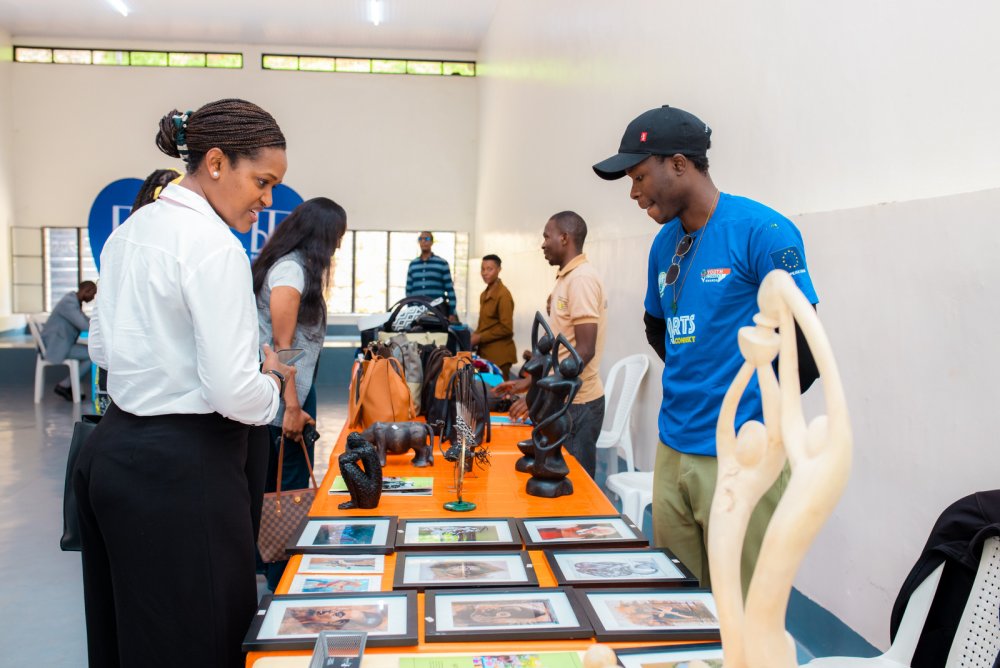
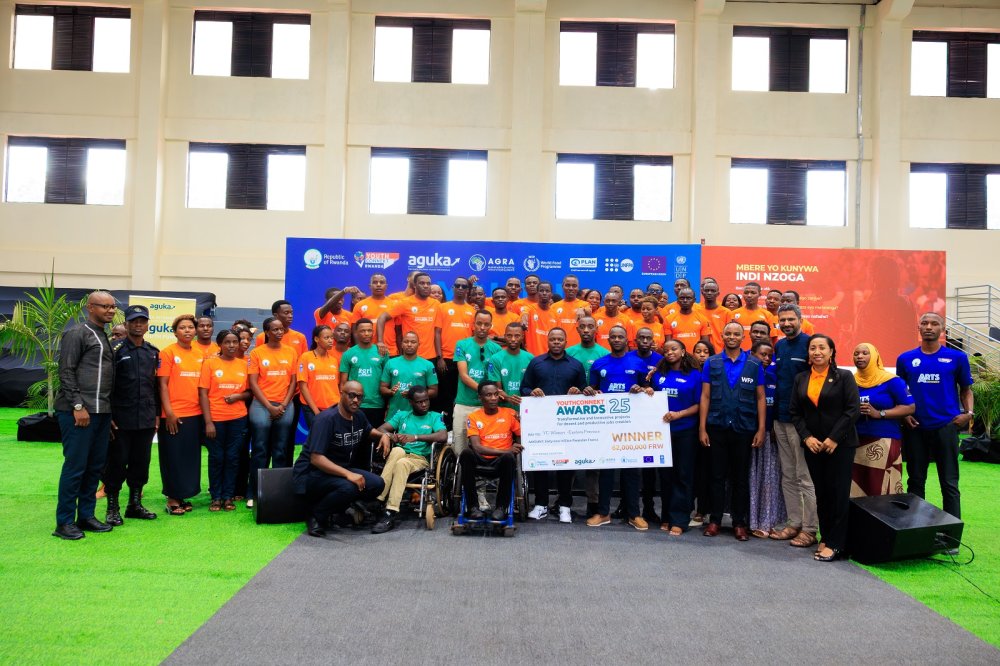
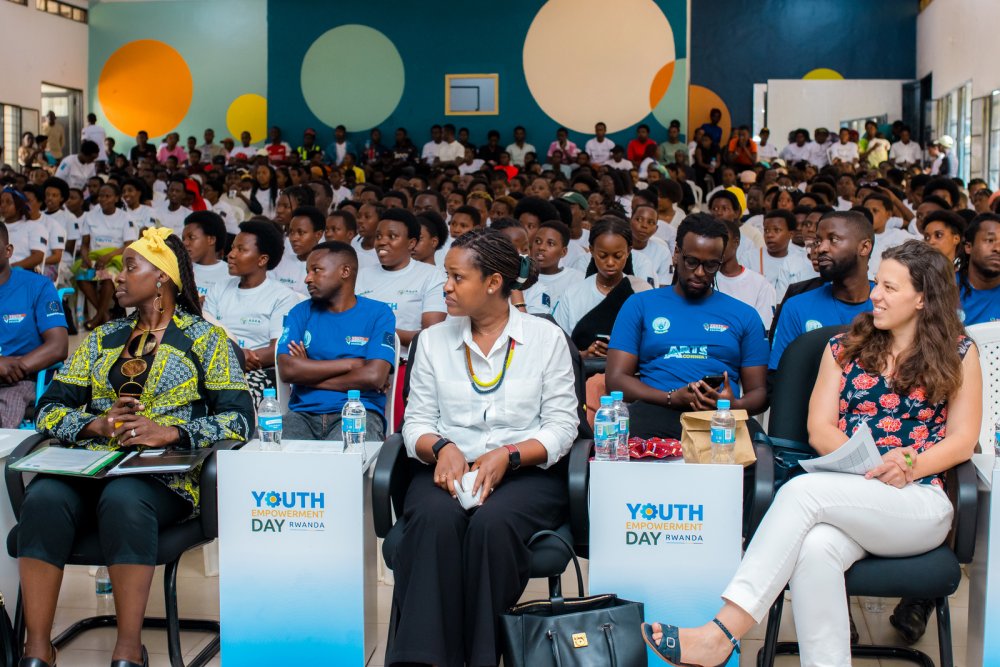
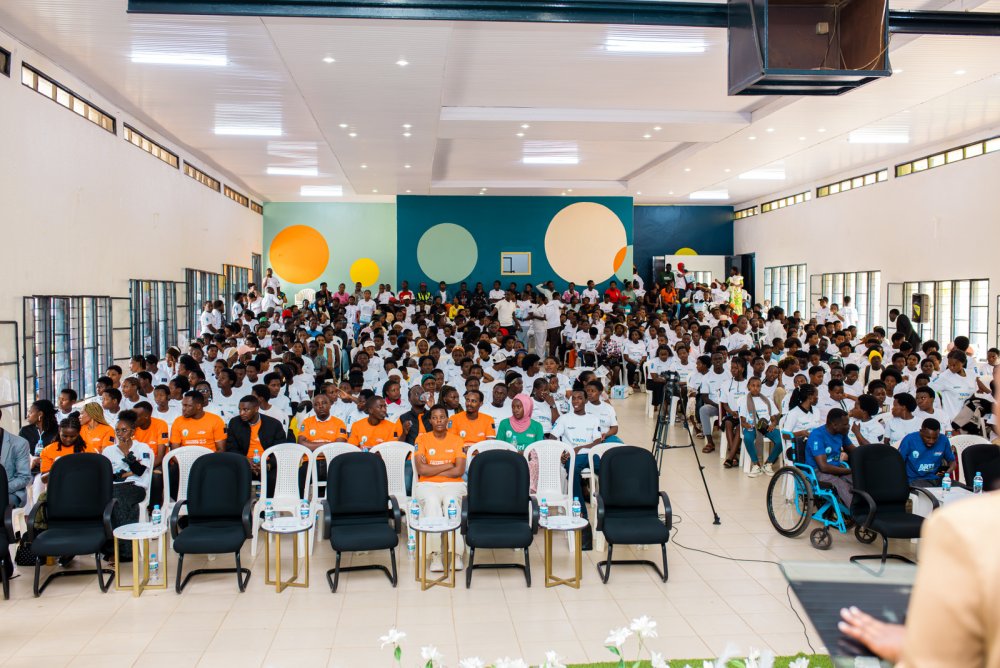
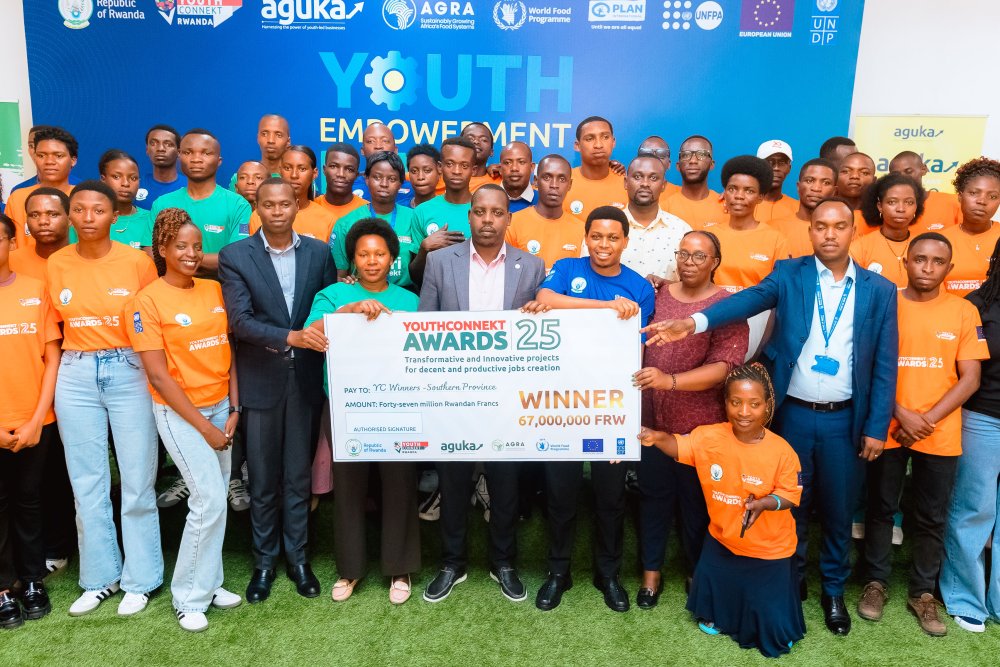
The awards were presented during celebrations marking Youth Development Day, held at Maison des Jeunes Kimisagara in Nyarugenge District on March 27, 2025.
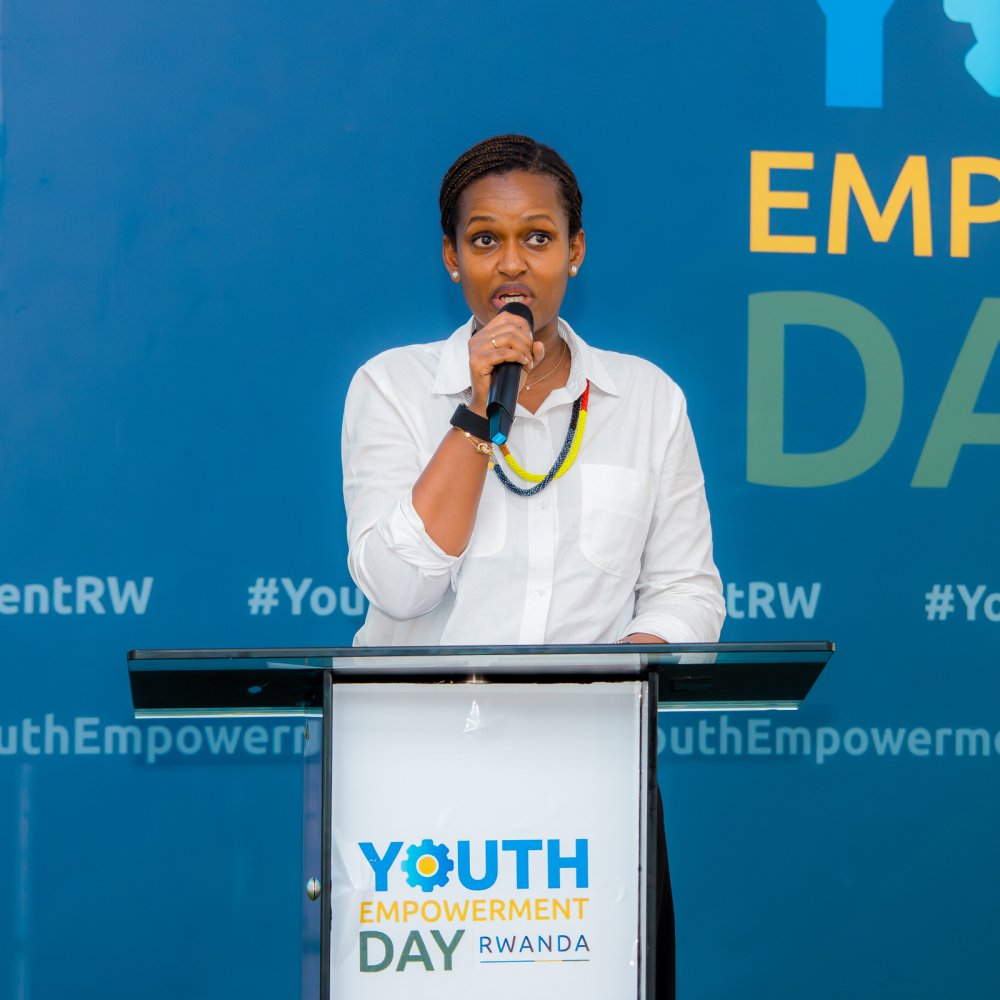
The State Minister in the Ministry of Youth and Arts, Sandrine Umutoni, urged the beneficiaries not to focus only on the financial rewards but to remain committed to their journey of personal growth and national development.
“Today is not only about reflecting on what has been achieved, but also about looking ahead and reminding each one of you that you have a significant role in building the Rwanda we aspire to. […] We thank those who received support today. You have shown that you do not wait for opportunities, you seek them. Keep moving forward and make the most of these opportunities,” she said.
Assoumpta Uwase, founder of Urugero Fashion, a clothing company, is among those who received Rwf 1 million. She noted that the funds will help her expand her business by acquiring additional sewing machines.
“This will help me purchase equipment. There are tools one may not have but knows would improve production. For us, machines are the most important because they help us work faster,” she noted.
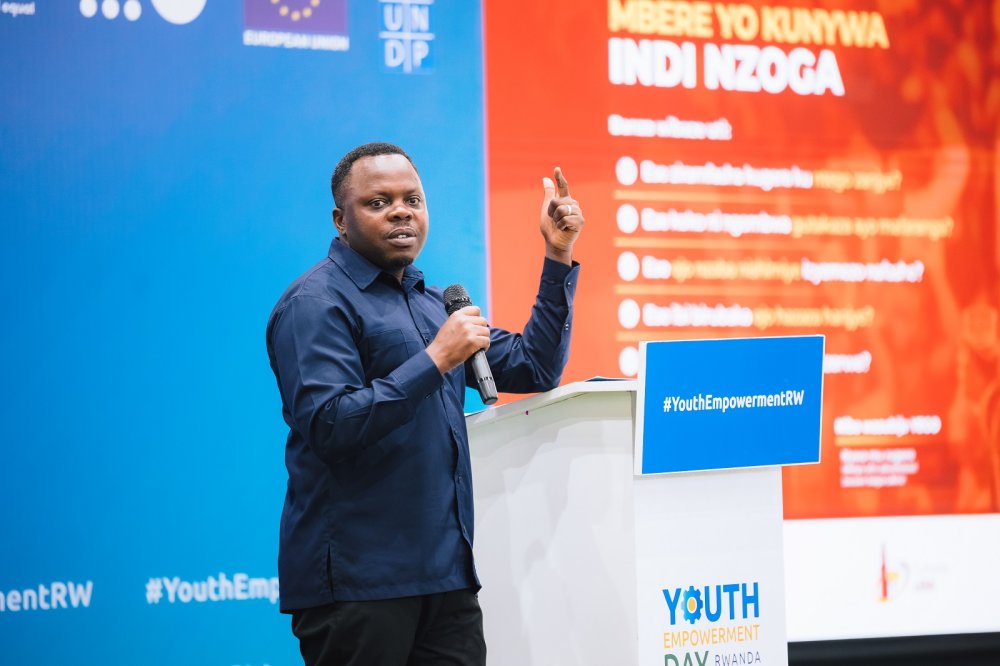
A similar event took place in the Eastern Province, where the Minister of Youth and Arts, Jean Nepo Abdallah Utumatwishima, encouraged young people to be bold and take advantage of available opportunities.
The Governor of the Eastern Province, Pudence Rubingisa, urged youth to explore opportunities in large-scale agricultural projects, particularly in irrigation and livestock, invest in them, and share knowledge with others.
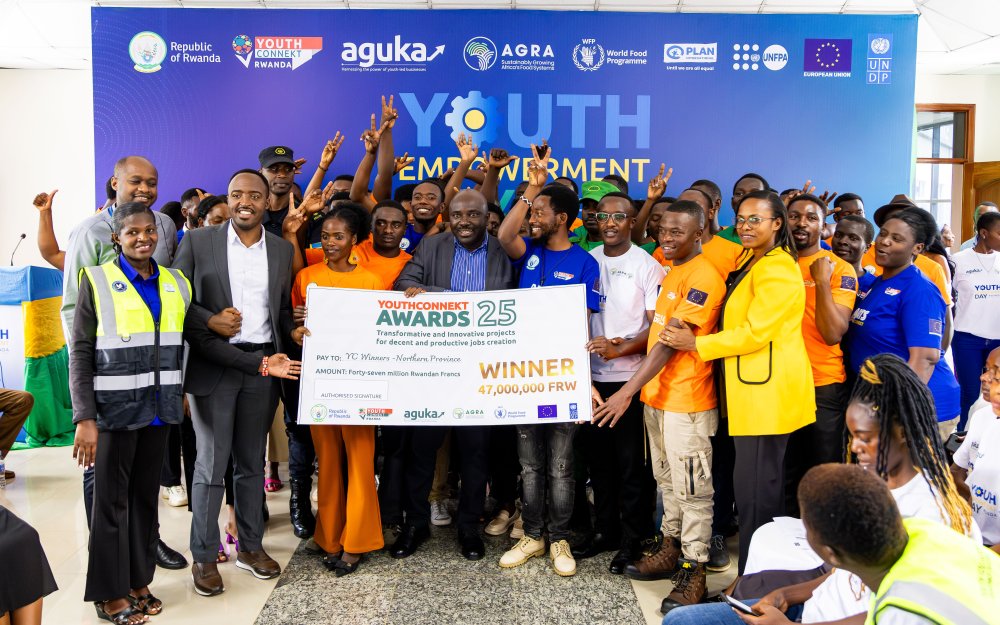
Youth in Northern Province urged to make the most of opportunities
The Governor of the Northern Province, Maurice Mugabowagahunde, called on youth awarded in the Youth Connekt and Arts Connekt Awards 2025 not to waste the opportunities they have received, but to use them to advance themselves and contribute to national development.
He encouraged young people to work hard, avoid bad habits, and build on the unity of Rwandans.
The Permanent Secretary in the Ministry of Public Service and Labour, Clément Kabiligi, said the awarded youth are a strong example that self-development is possible when one takes advantage of available opportunities.
He urged them to maintain discipline and guide others who may stray from the right path.
Southern Province youth advised to act wisely
The Vice Mayor of Nyamagabe District, Thaddée Habimana, encouraged youth to remain patient and avoid making rushed decisions.
He particularly urged them to participate in government programmes such as the monthly Umuganda community service and activities marking the 32nd commemoration of the 1994 Genocide against the Tutsi.
The Governor of the Western Province, Jean Bosco Ntibitura, commended the country’s leadership and partners for their continued support in empowering youth to drive both personal and national development.
He noted that recognizing youth achievements is intended to inspire others to take initiative and improve their livelihoods.
The Youth Connekt competitions are organized in partnership with the United Nations Development Programme (UNDP) and the European Union (EU).
The awarding of top projects in Youth Connekt 2025 also coincided with the official launch of the Aguka Fund, which provides loans to youth-led projects at an interest rate of 9%, with a required collateral of 10% of the total amount needed.
The UNDP Resident Representative in Rwanda, Dr. Fatmata Lovetta Sesay, congratulated all winners for their promising projects, noting that their success marks the beginning of a greater journey, to become competitive in the job market, strengthen the private sector in Rwanda, and contribute to Africa’s economic transformation.
In a statement citing the Global Tuberculosis Report 2025 released by the World Health Organization, the Rwanda Biomedical Center (RBC) said tuberculosis cases in the country fell from 238 to 62 per 100,000 people between 2000 and 2024, while deaths dropped from 77 to 3 per 100,000 people over the same period due to various health interventions.
The interventions cited by the RBC include increasing the role of health workers in awareness campaigns, promoting early detection and supporting treatment in villages. In addition, the agency highlighted the extension of free diagnosis and treatment of tuberculosis to health facilities across the country.
During an event held on Tuesday to mark World Tuberculosis Day, Albert Tuyishime, in charge of disease prevention and control at the RBC, reaffirmed the government’s commitment to curbing tuberculosis by 2035.
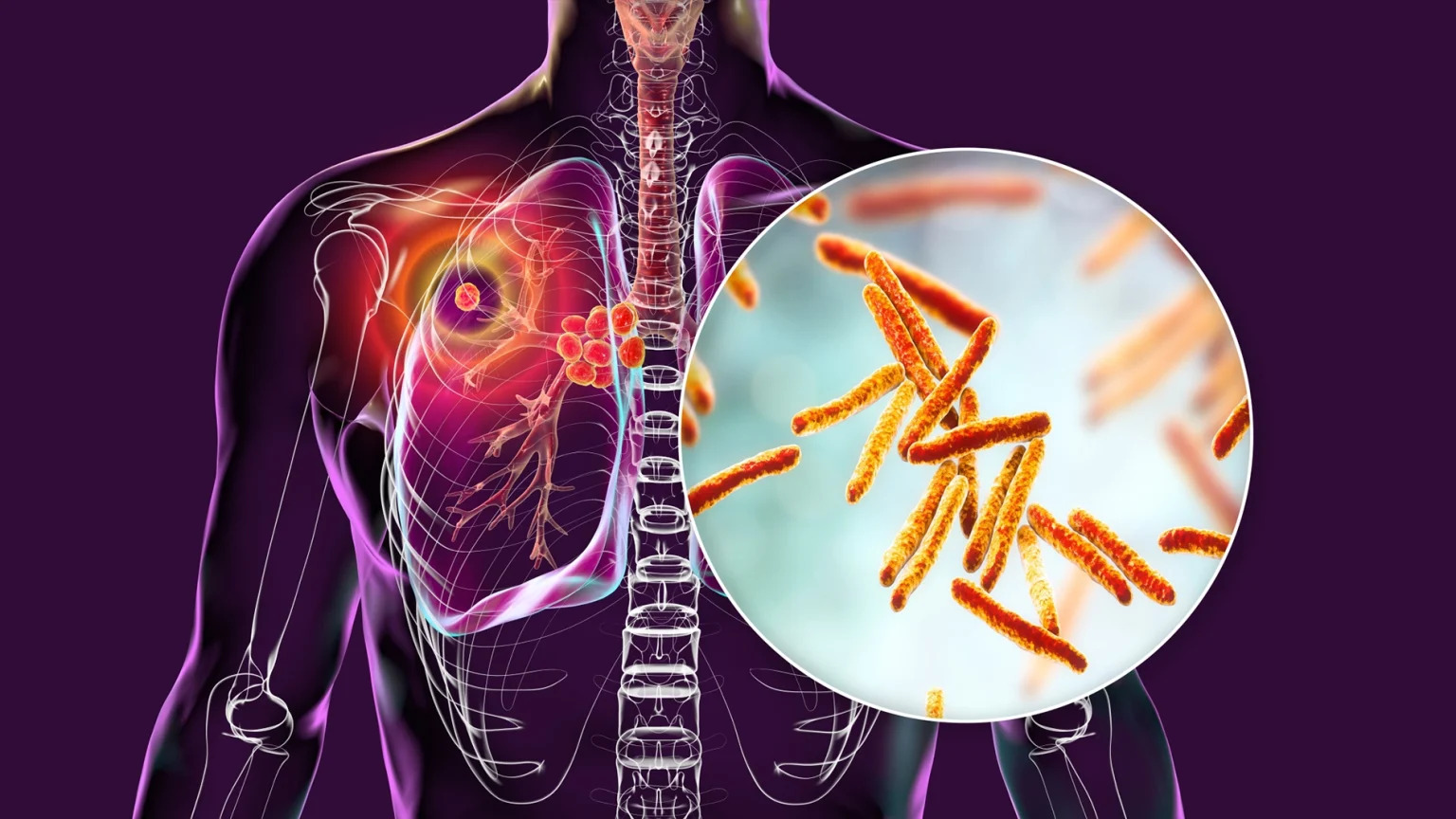
Tuberculosis is an infectious disease caused by bacteria that spread through the air when an infected person coughs or sneezes.
However, in Rwanda, a lack of awareness among many people about how tuberculosis spreads, its symptoms and prevention measures calls for more public education, health officials said.
About 600,000 people with tuberculosis in the African region are either undiagnosed or not receiving treatment every year, according to the World Health Organization.
Tuberculosis is an infectious disease caused by bacteria that spread through the air when an infected person coughs or sneezes.
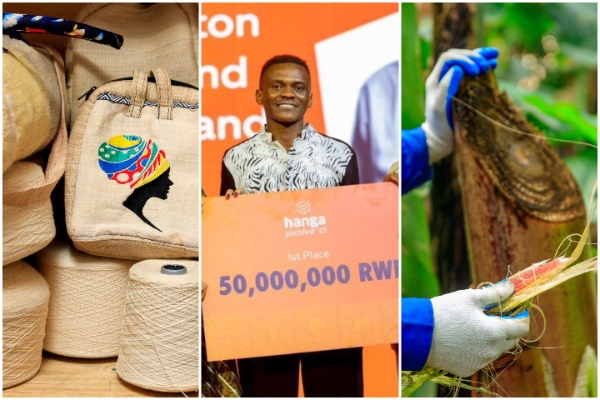
At the centre of that transformation is Jonathan Shauri Kalibata, a mechanical engineer trained at Rwanda Polytechnic and the founder of Re-Banatex, a startup turning discarded banana stems into textile fibres. His work recently gained national attention after winning Hanga Pitch Fest 2025, a platform organised by the Ministry of ICT and Innovation (MINICT) and the Rwanda Development Board, with support from partners including UNDP.
For Shauri, the idea did not begin in a lab, but in memory.
Growing up, banana stems were part of everyday life, playthings, discarded remnants, and later, invisible waste. Years later, that same material would become the raw input for an emerging textile innovation.
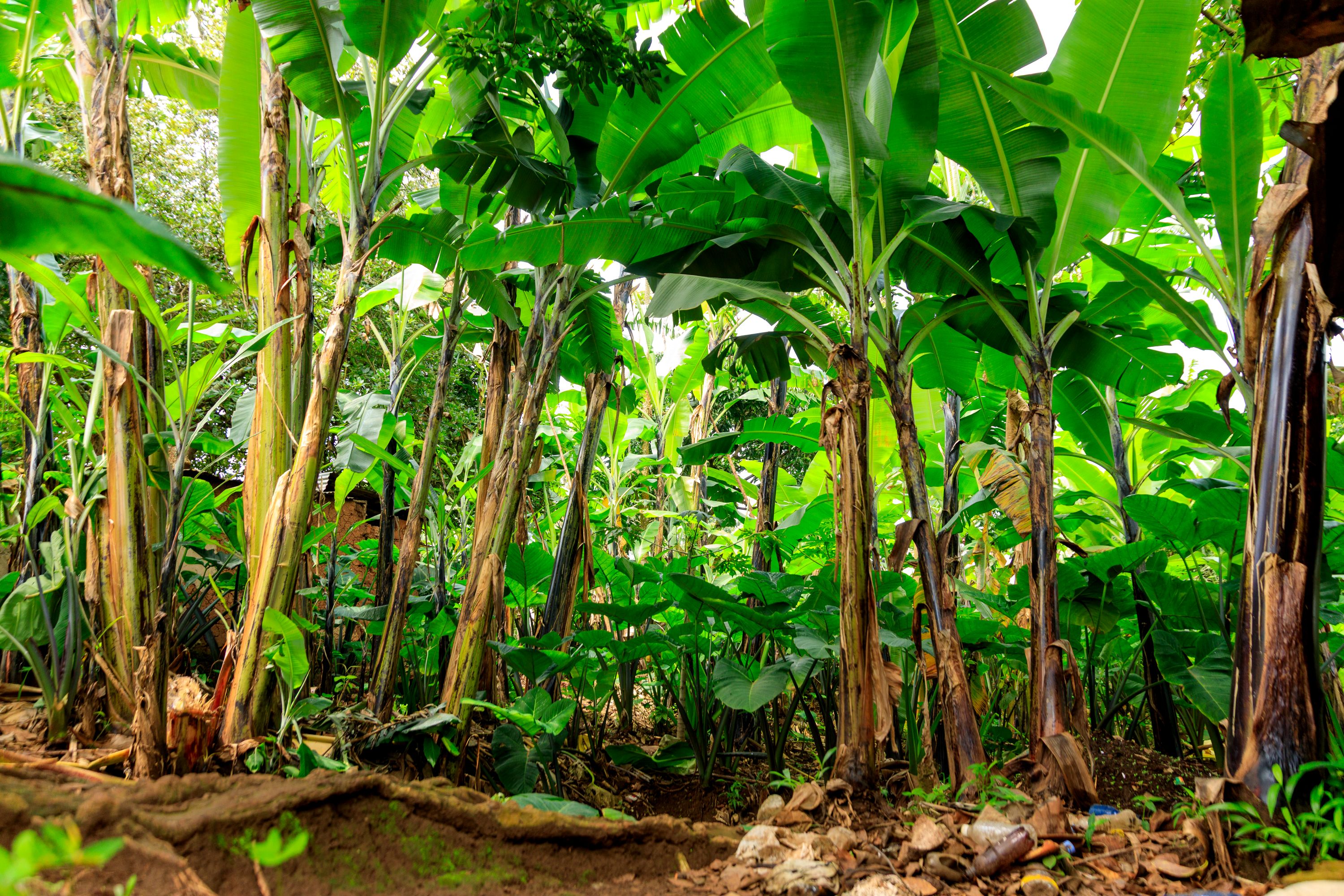
“Banana plants only produce fruit once,” he explains. “After harvesting, the stems are usually thrown away without any economic value. We are giving them that value.”
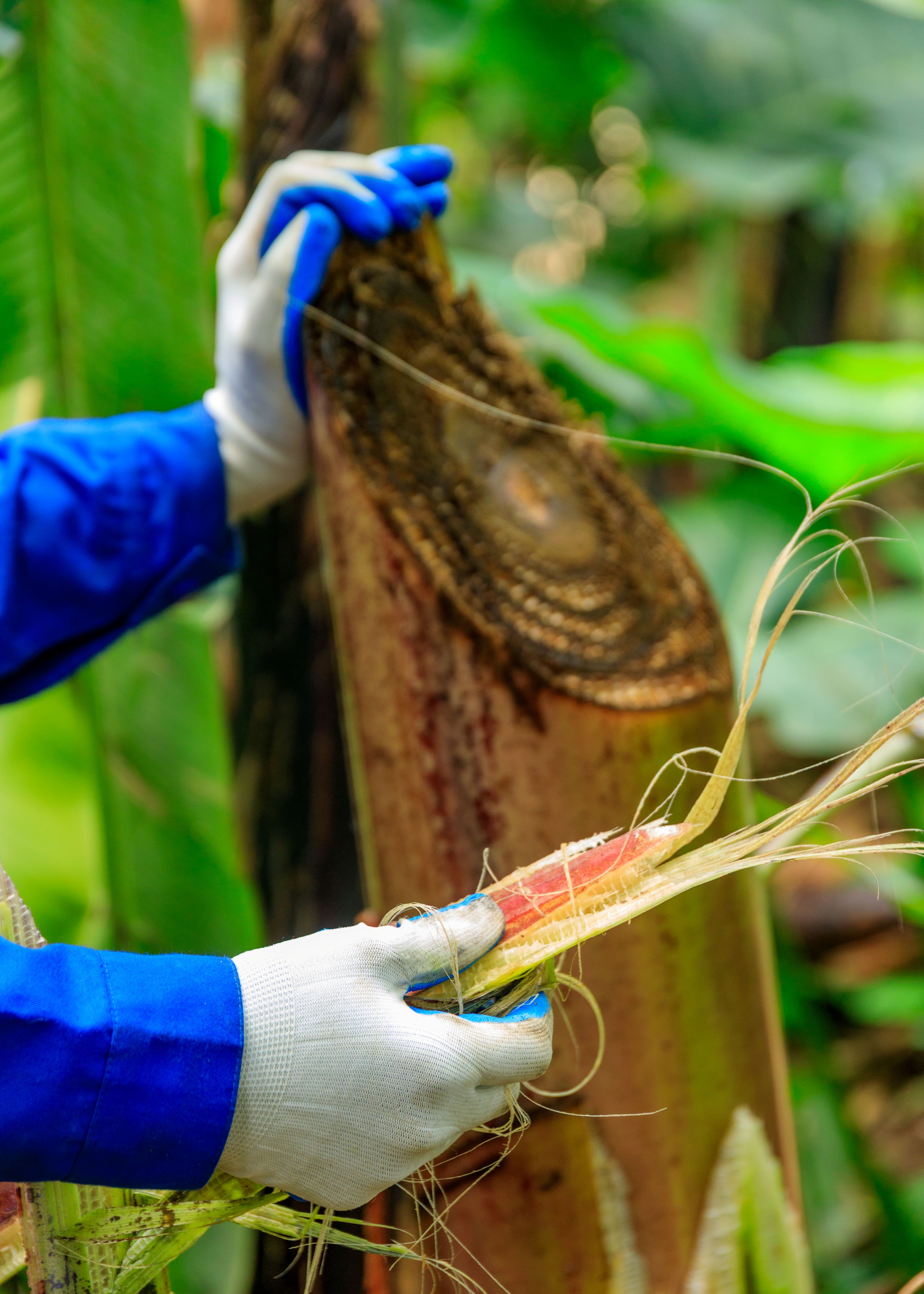
Re-Banatex turns banana stems into textile fibres.
From agricultural waste to industrial input
Rwanda’s position as one of the region’s major banana producers means large volumes of post-harvest biomass are generated daily. Traditionally left to decompose or be discarded, these stems are now being reclassified by Re-Banatex as a resource rather than waste.
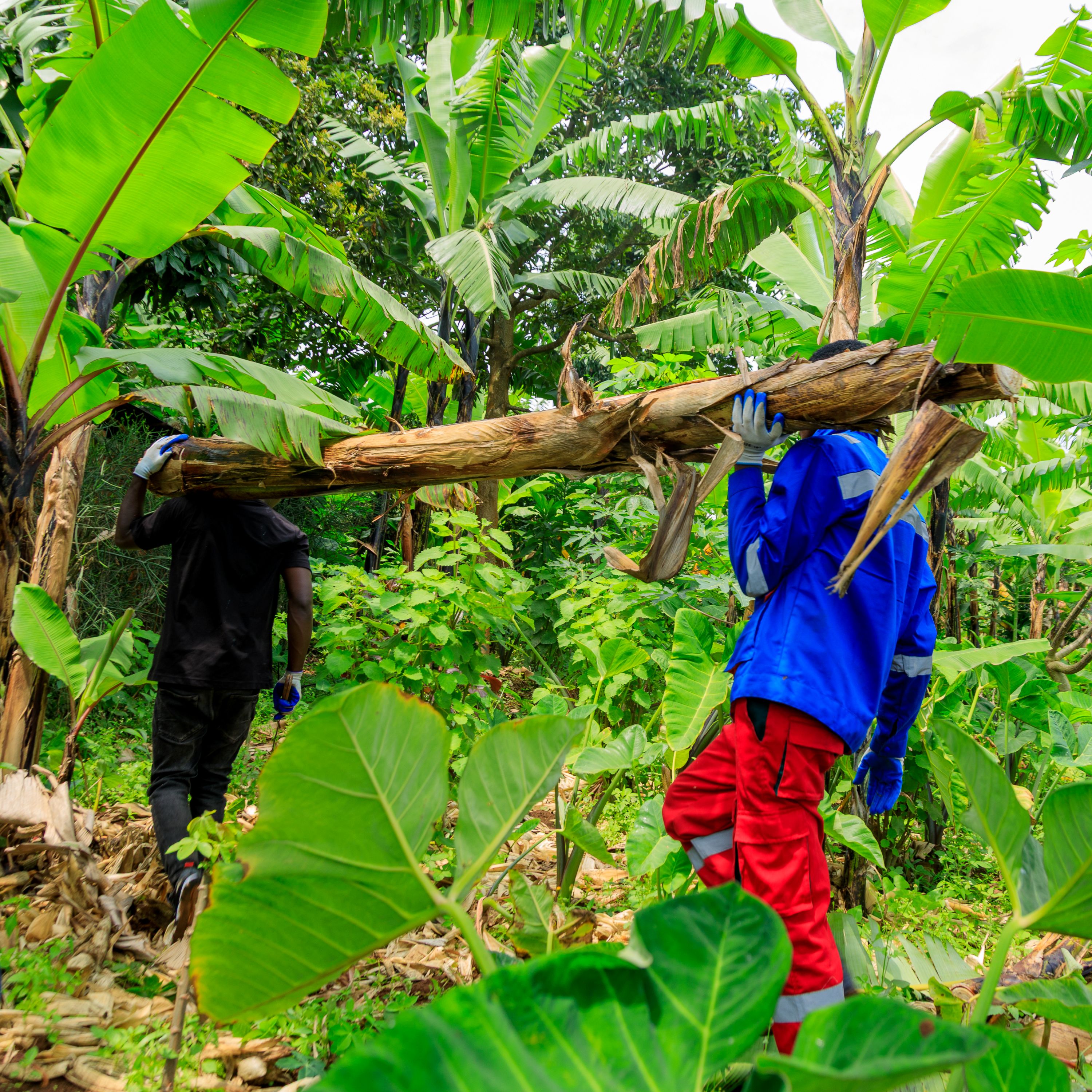
The process begins at the farm level. Re-Banatex works directly with banana farmers, purchasing stems after harvest at a rate of 100 Rwandan francs per meter. The arrangement is simple but impactful, allowing farmers to earn income from material that previously had no market value, while the company secures its primary raw input.
Rather than relying on dried material, the startup uses fresh banana stems. According to Shauri, fresh stems yield stronger fibres, which are better suited for textile production.
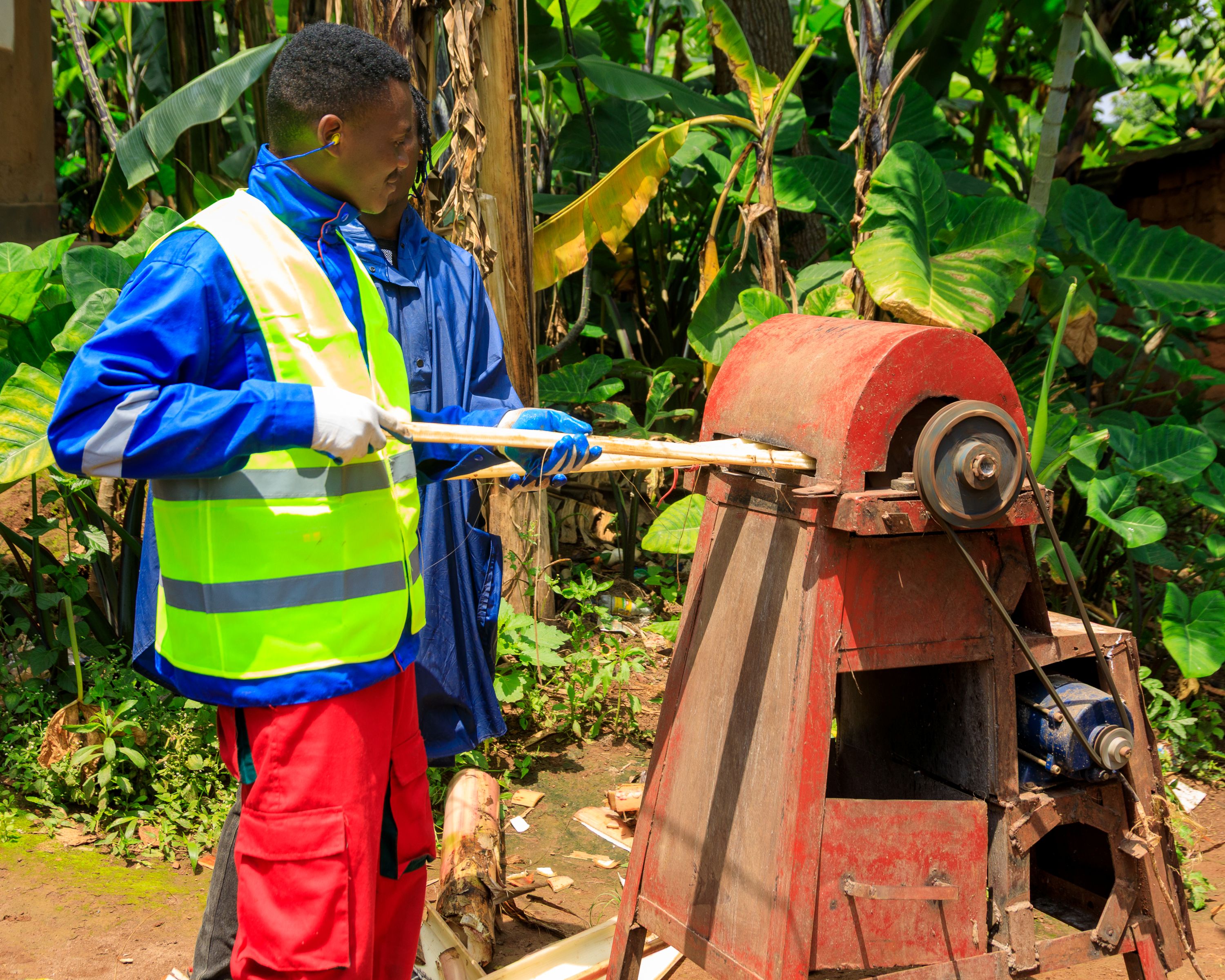
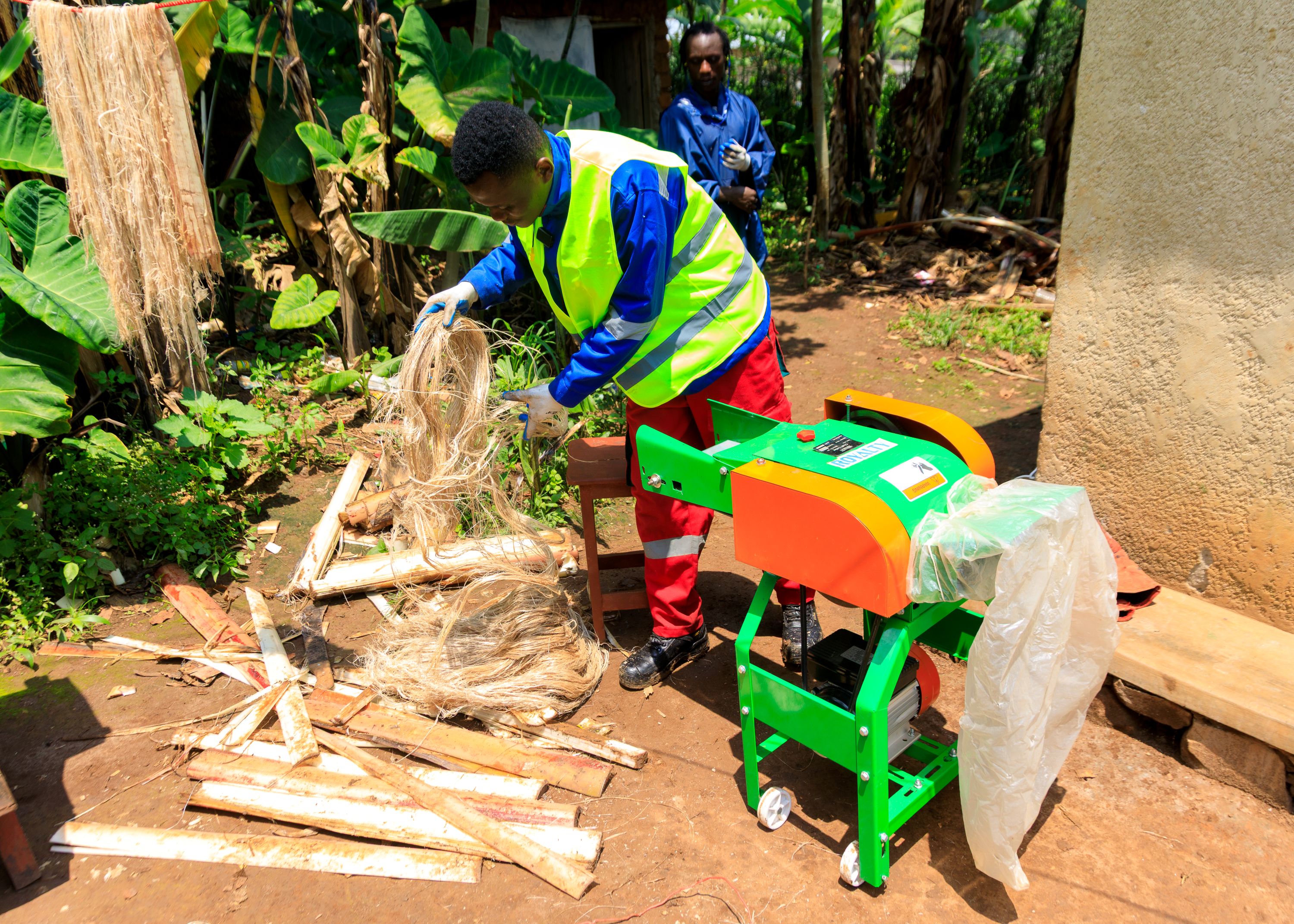
Once collected, the stems are transported to processing sites where fibres are extracted. Initially, this process was manual with workers physically beating the stems to reveal the fibres inside. Over time, the team engineered machinery to improve efficiency and consistency.
Re-Banatex buys banana stems that were often discarded by farmers.
Engineering a new material
What begins as a thick, water-rich stem is transformed through a multi-stage process into usable fibre. The stems contain multiple layers, each with potential applications, though Re-Banatex continues to explore ways to utilise even the inner portions more effectively.
After extraction, the fibres are dried and processed into a softer form suitable for blending. This intermediate material is then mixed with cotton and spun into yarn, which can be woven into fabric using loom machines.
The result is a plant-based textile that can be used in a range of products, including bags and shoes to carpets and garments.
Shauri notes that the company is still expanding its material applications, reflecting the experimental nature of the innovation.
Rather than relying on dried material, the startup uses fresh banana stems. According to Shauri, fresh stems yield stronger fibres, which are better suited for textile production.
Trial, error, and iteration
Re-Banatex’s journey has not been linear.
The team’s first fabric prototype, Shauri recalls, was far from market-ready. It was stiff, rough, and visually unappealing. But rather than discouraging the team, it became a turning point.
“It was very bad,” he admits. “But it gave us feedback that pushed us to improve.”
That early failure led to experimentation with blending banana fibres with other materials, including cotton. The goal, as Shauri recalls, was to improve texture, durability, and usability while maintaining sustainability.
The company also began exploring ways to repurpose byproducts from the extraction process. The residual material left after fibre extraction is not wasted as it can be used as fertiliser, animal feed, or even for mushroom cultivation.
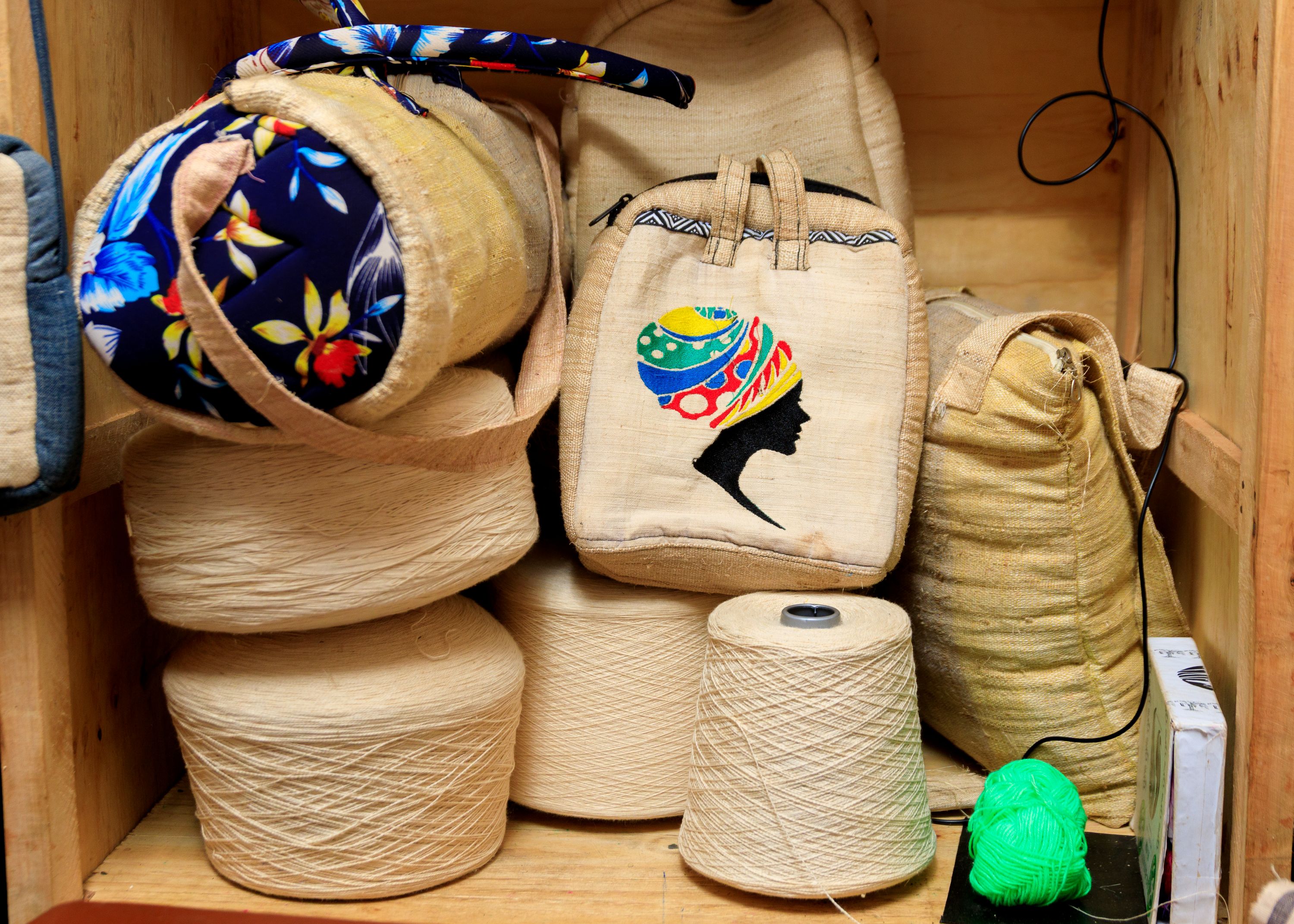
The textile material extracted from banana stems is used in the fashion value chain to make products such as bags.
Building a circular value chain
Beyond the technical process, Re-Banatex is building a value chain that connects farmers, engineers, and designers.
Farmers benefit from an additional income stream. Designers gain access to locally produced, eco-friendly materials. And the startup positions itself at the intersection of agriculture, manufacturing, and sustainability.
“We bring banana farmers, fashion designers, and other stakeholders together,” Shauri says.
The company’s products, including woven fabrics and finished goods like bags, are already being introduced to local designers. These collaborations are helping test market acceptance while refining product quality.
Like many early-stage innovations, Re-Banatex has faced resistance. Introducing a new material into a market accustomed to synthetic and imported textiles has required persistent education and outreach. Early reactions from designers were sceptical, particularly when presented with initial fabric samples.
At the same time, scaling production and transitioning from manual to industrial processes has been a technical and financial challenge.
There were moments of doubt.
“At some point, I felt like giving up,” Shauri reflects. “But innovation requires resilience.”
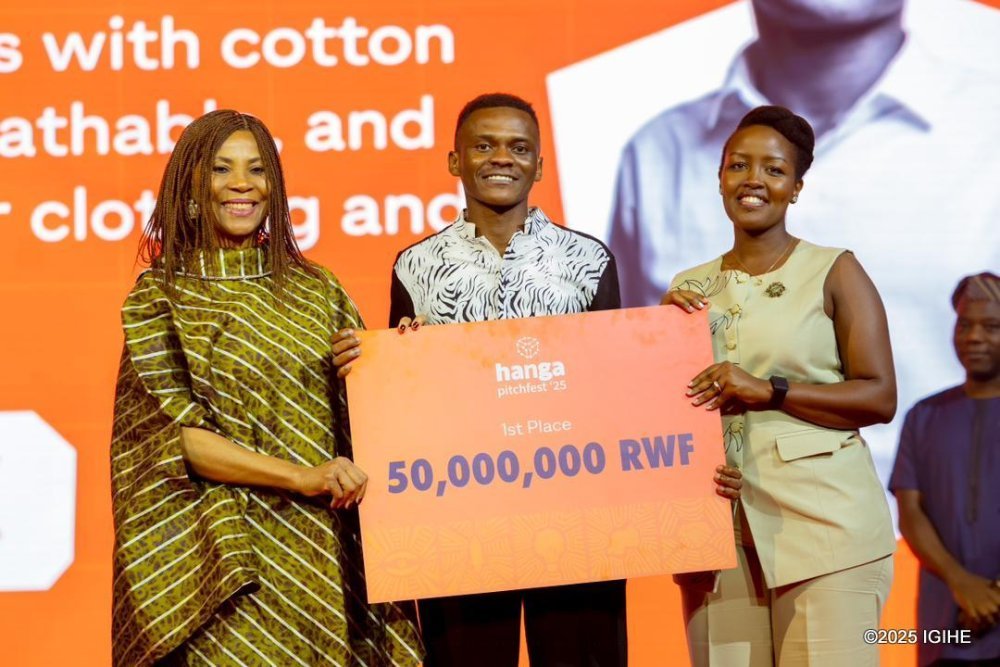
The co-founder says winning Hanga Pitchfest 2025 marked a significant milestone for Re-banatex.
Recognition and momentum
Winning Hanga Pitchfest 2025 marked a significant milestone for Re-banatex. As one of the Rwandan government’s premier innovation platforms, the competition has empowered hundreds of startups since its inception in 2021 by bridging the gap between raw ideas and market readiness. To date, it has disbursed over Rwf 600 million in direct grants, providing the critical capital and mentorship needed for entrepreneurs to scale their solutions.
For Re-Banatex, the prize of 50 million Rwandan francs extends beyond financial support. It represents validation from institutions such as MINICT and the Rwanda Development Board, signalling confidence in the startup’s potential.
Shauri says the recognition is already accelerating the company’s transition toward industrial-scale production. The start-up is in the process of importing new machinery to automate processes such as fibre carding and spinning, with plans to fully industrialise operations within months.
Re-Banatex is in the process of importing high-tech machinery to replace their mechanical processes as they look to fully industrialise their idea.
Aligning with “Made in Rwanda”
Re-Banatex’s ambitions extend beyond entrepreneurship. The company sees itself as contributing to Rwanda’s broader industrial and sustainability goals, particularly within the “Made in Rwanda” agenda.
By sourcing raw materials locally and reducing reliance on imported synthetic fibres, the startup is attempting to close gaps in the textile value chain.
“In the future, we want ‘Made in Rwanda’ to truly mean made from Rwanda’s own resources,” Shauri explains.
Over the next five to ten years, Re-Banatex aims to position itself as a leading player in eco-friendly textile manufacturing in Rwanda and across Africa. The vision includes expanding production capacity, improving material quality, and influencing a shift toward sustainable alternatives in the fashion industry.
For now, the journey continues, rooted in experimentation, driven by local resources, and sustained by a belief that waste can be transformed into value.